
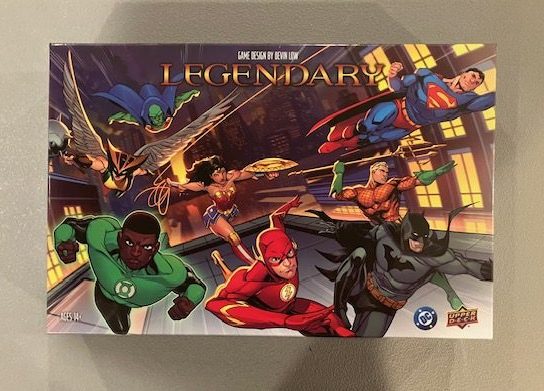
Legendary DC released July 29th, 2026. My online order arrived pretty much then; I ordered and bought a copy directly from Upper Deck.
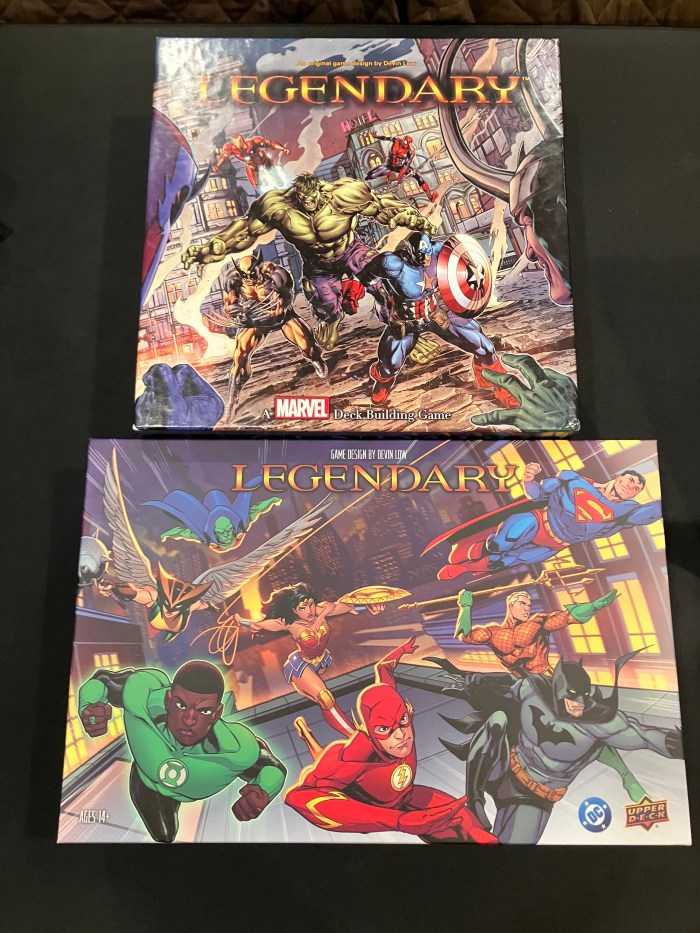
Legendary DC is the a re-theming of the Legendary Marvel game, but in the the DC universe!
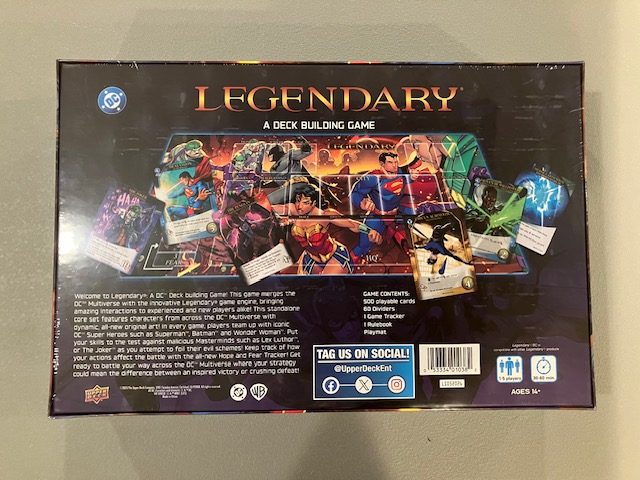
Legendary DC is a deck-building game with superheroes from the DC Universe! It’s a fully cooperative (at a certain way to play) and solo game about hiring a team of heroes to fight the bad guys! We love the theme and the original Legendary Marvel made our Top 10 Cooperative Superhero Games!
Will Legendary DC make that Top 10?
Unboxing and Gameplay
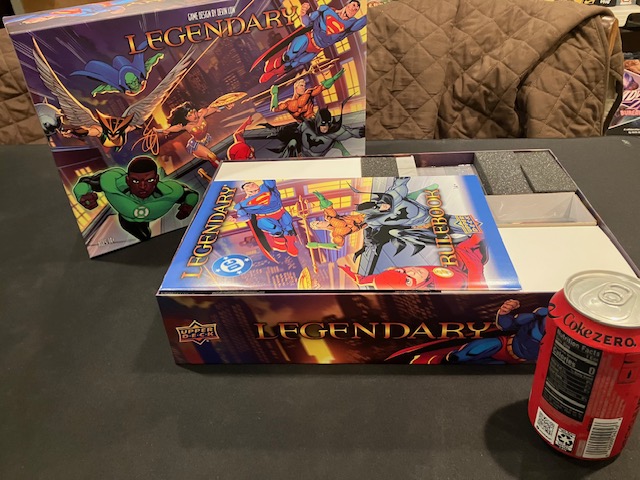
The box is a slightly odder shape than the original game: see box and Coke Can (above) for perspective.
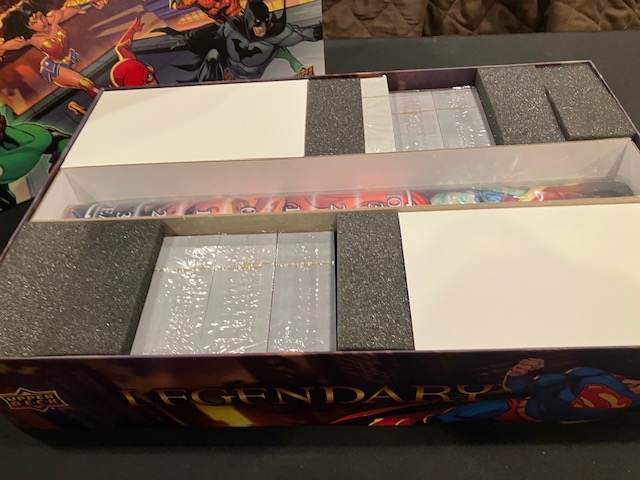
It’s a slightly different shape because it comes with a rolled-up neoprene map! See above and below!
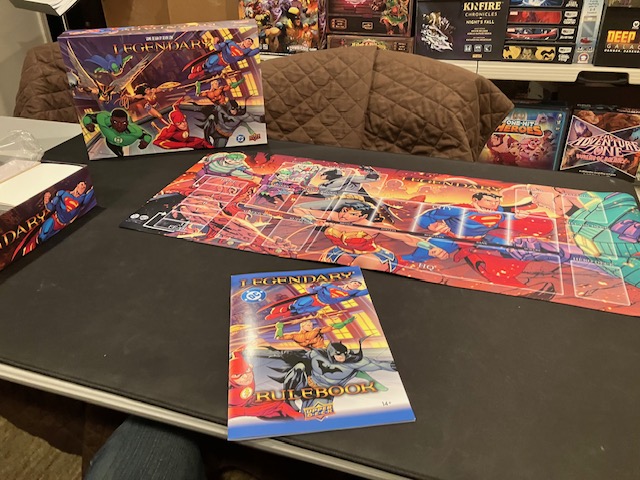
The original Legendary Marvel did NOT have the neoprene mat included! Later games in the Legendary line (especially the Legendary Adventures, like Aliens) came with mats! And everyone loved them! So, I think that’s why the newer sets now all have them.
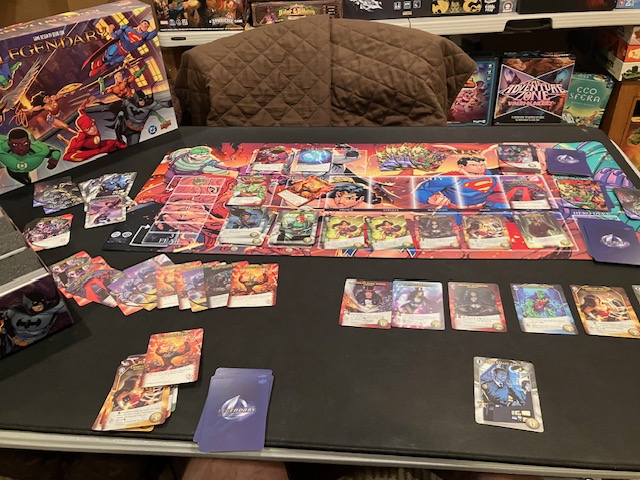
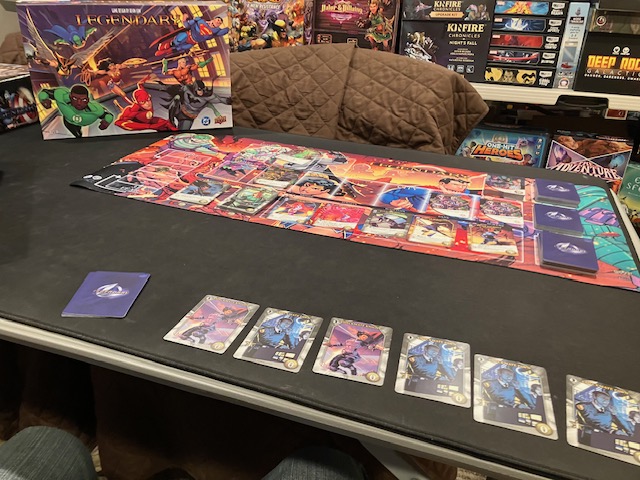
They really do help organize the game. See above.
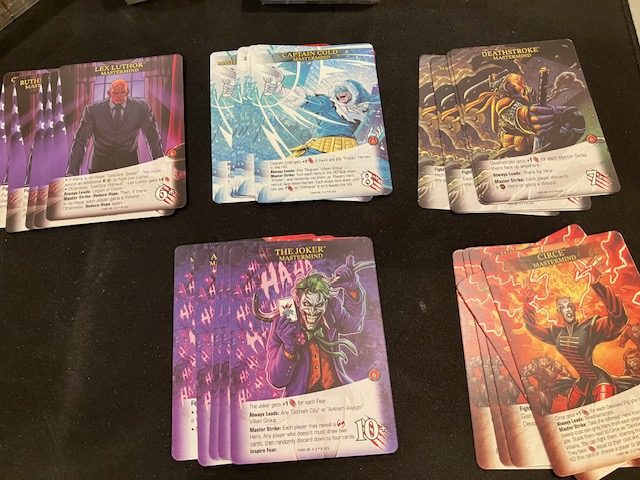
To play a game, players must first choose a Mastermind to fight: See the base five Masterminds that come with this set. To win, you almost always have to fight and defeat the Mastermind in four battles for an ultimate victory!
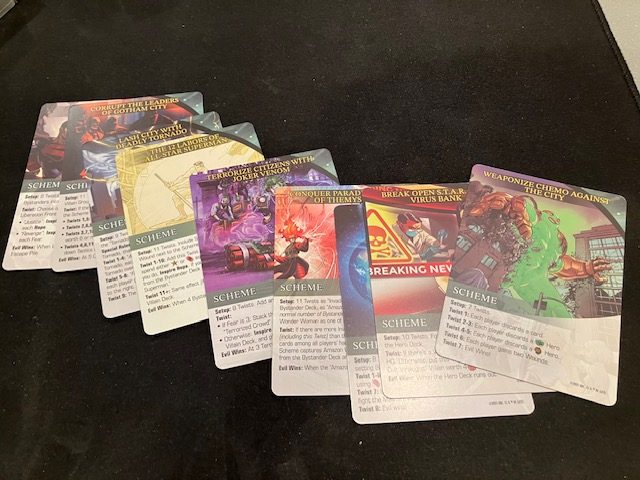
The Mastermind has a Scheme they are trying to achieve; the Scheme defines the losing conditions.
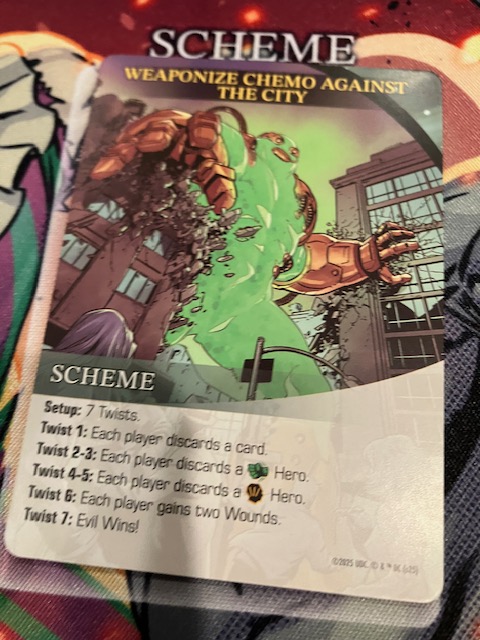
For example, Weaponizing Chemo (see above) is a scheme with 7 Twists! If all 7 Twists come out, the players lose!
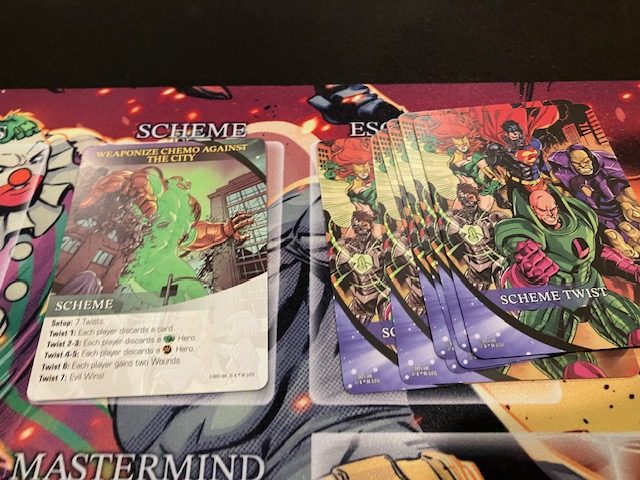
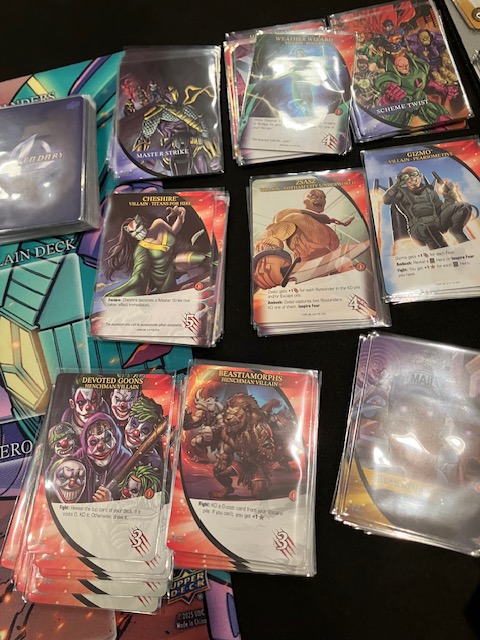
The Scheme Twists (see above, right) are shuffled into the Villain’s Deck! The Villain’s deck is a mish-mash of all sorts of bad news cards!
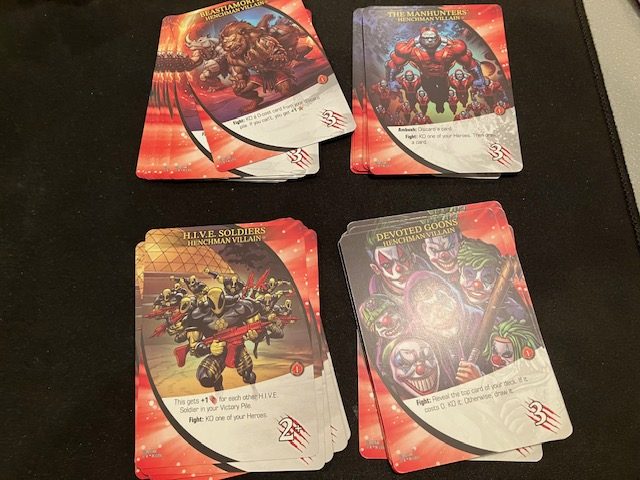
Each Villain deck typically includes some Henchmen (see 4 sets above) …
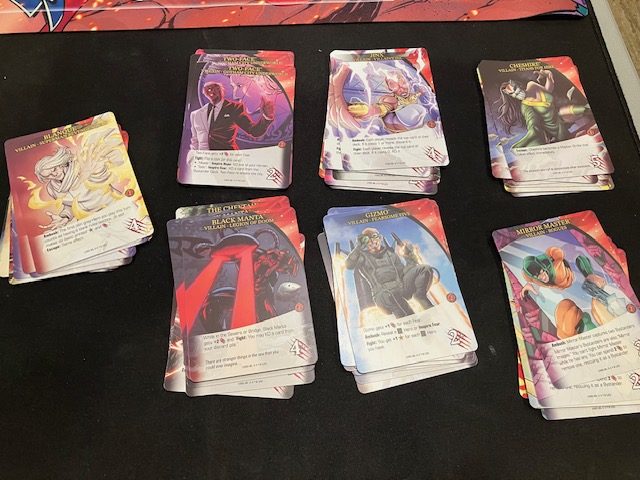
They also include some Villain Groups! See the seven base Villain Groups above!
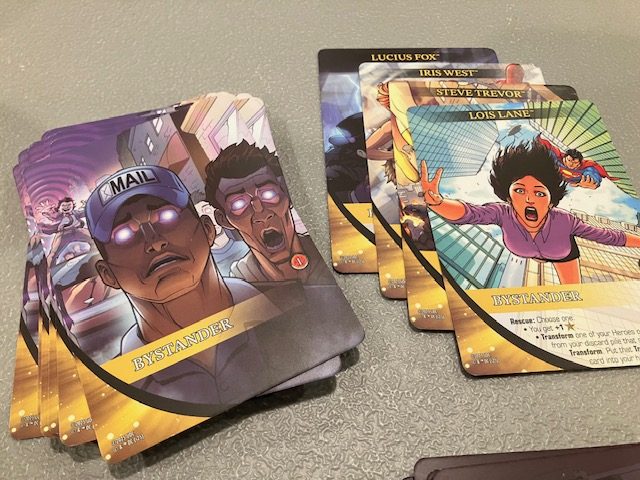
There’s also some innocent bystanders (some named you will recognize, and some nameless ones) that get shuffled into the Villain Deck …
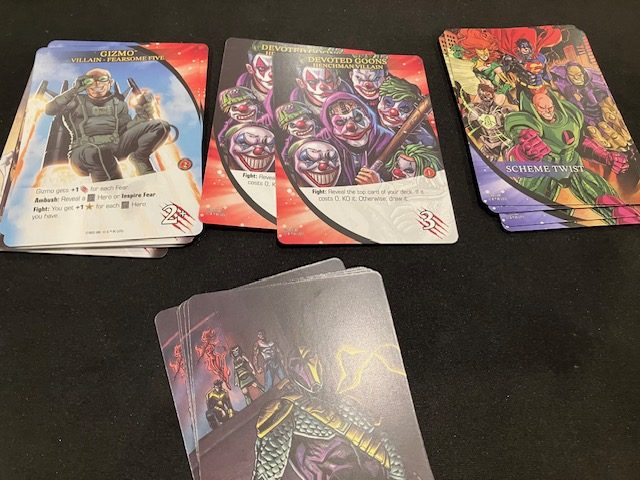
These cards, also coupled with the Masterstrike cards (which lets the Mastermind get involved) form the Villain Deck! Every turn players must draw a card from the Villain Deck and “something bad” happens!
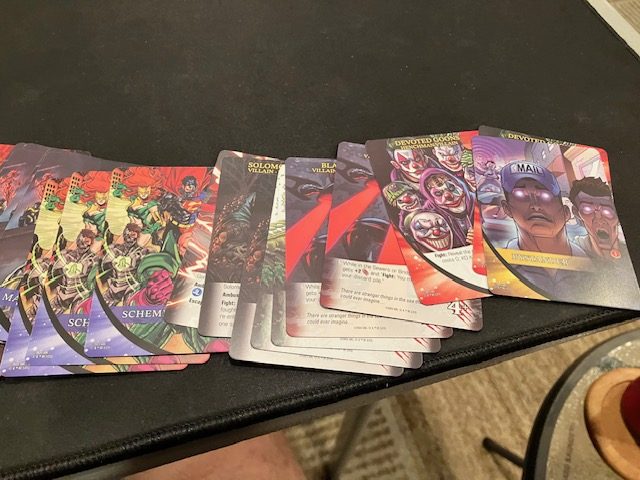
This deck (see it splayed above) is the Bad News deck. To be clear, it changes in every game, depending on the Villain Groups and Henchmen and Scheme you choose!
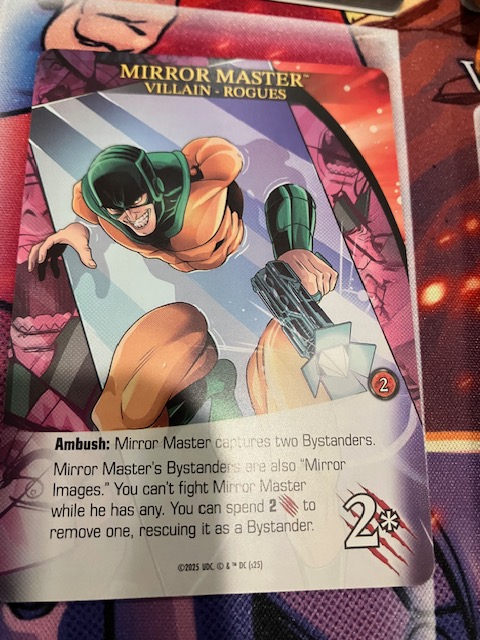
Usually, you fight a Villain from the Villain Deck; a Villain will enter the City that you have to fight!
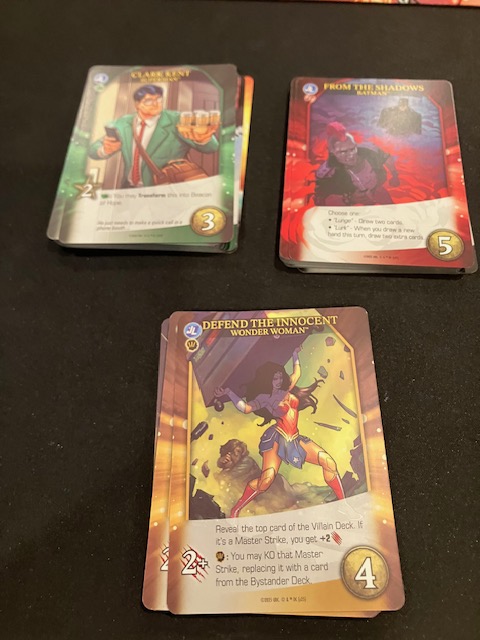
Legendary DC is a little different than most Superhero games! You do NOT play a single hero! Instead, you are collecting heroes in a “team” (your deck) to fight the bad guys!
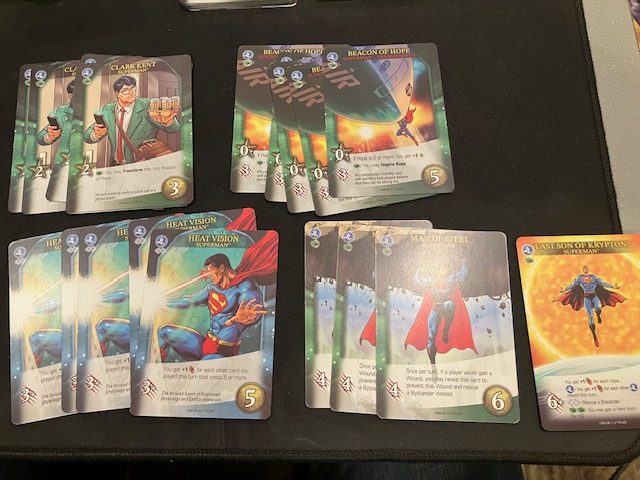
For example, you have a bunch of Superman cards available! At the start of the game, you can only afford the cheaper Superman cards (cost in lower right), but as the game goes on, you can afford to get the better and better Superman cards!
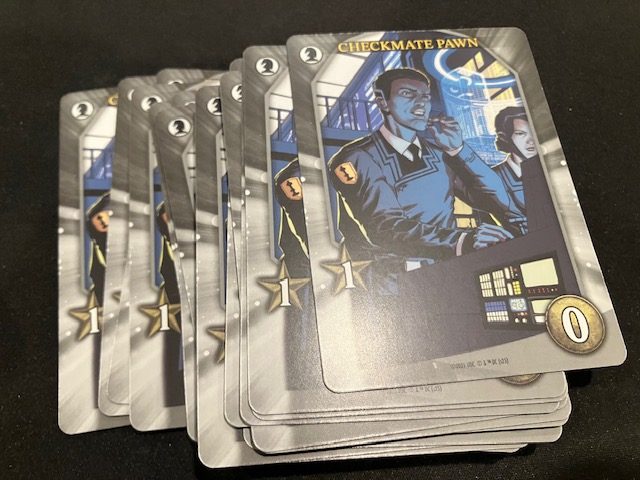
Every player starts with a simple crew from Checkmate (which is quite a bit like Shield from Marvel)! It’s a low-level group of good guys! The Pawns (you start with 8) can only help you recruit Heroes (the Star is how much “recruitment” they can afford)!
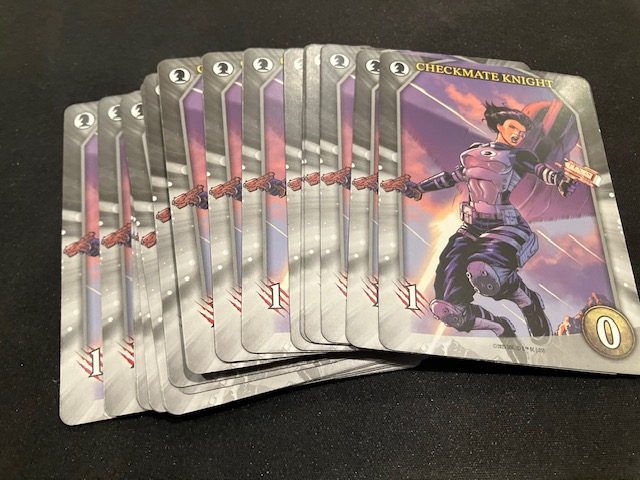
The Checkmate Knights can do a little bit of damage to bad guys! (Players start with 4 of these Knights).
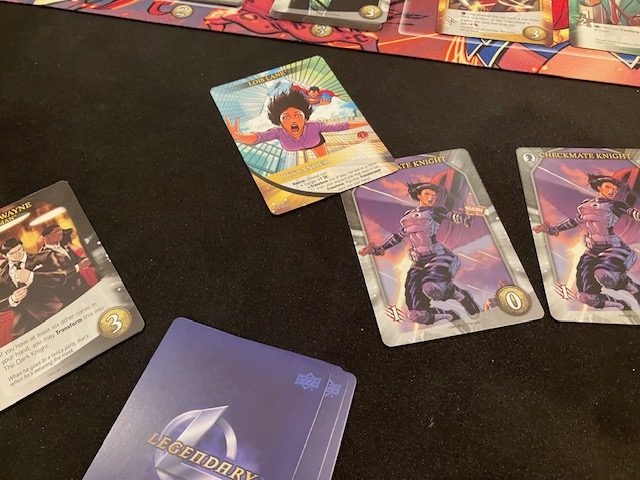
As the game goes on, you recruit better Heroes, save Bystanders, fight Villains and hopefully confront the Mastermind 4 times before his Scheme completes! If the Hero deck or Villain deck depletes, you ran out of time and lost! Usually, though, you will lose because the final Scheme comes out and you lose!
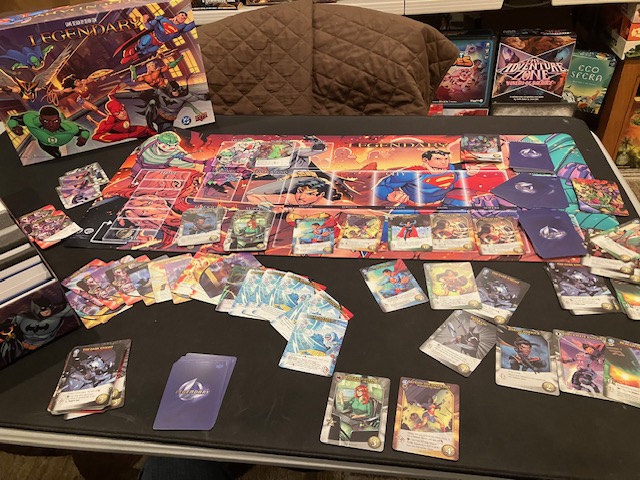
There are a few more rules (which we will discuss below), but that’s the basics of the game! The cards and art are all pretty great!
Rulebook
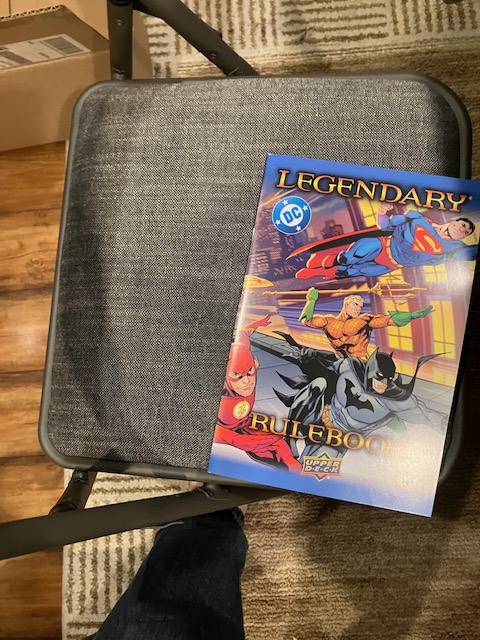
The rulebook is actually quite good!
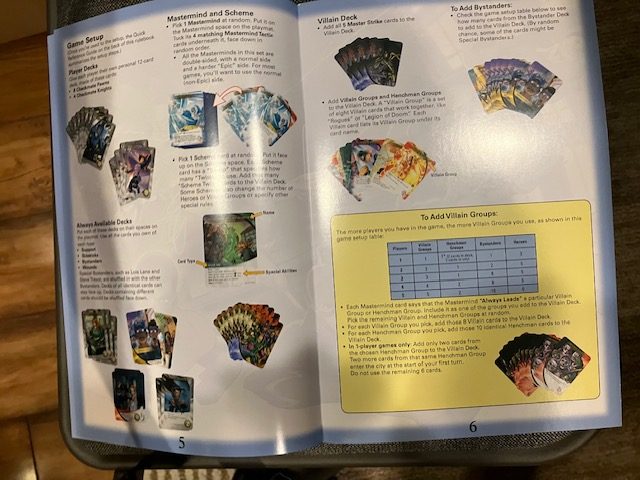
The rulebook does really well on the Chair Test! See above as it opens up to two pages just fine without any drooping! It’s probably a B+ or A- on the Chair Test. The font is a little small, and the later rulebook pages have a lot more text than pictures. Still, the rulebook is very usable on the chair next to me.
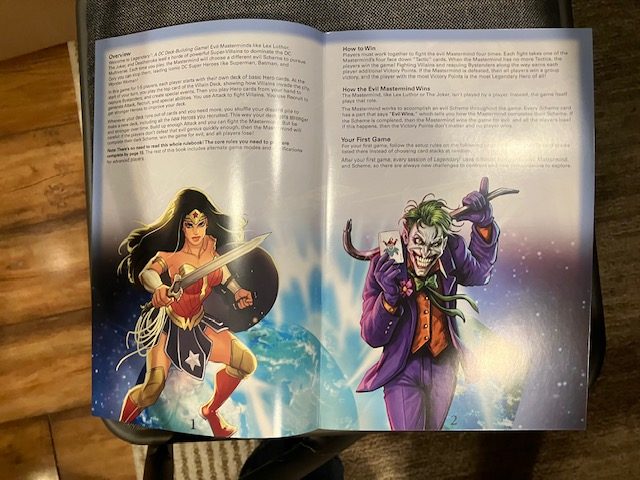
I think the rulebook actually fails the Components test. The Components are NOT defined until the very last page? They are not on the first few pages? I know how to play Legendary, but I worry a little about newer players; this doesn’t really talk about how to “Uncard” the game.
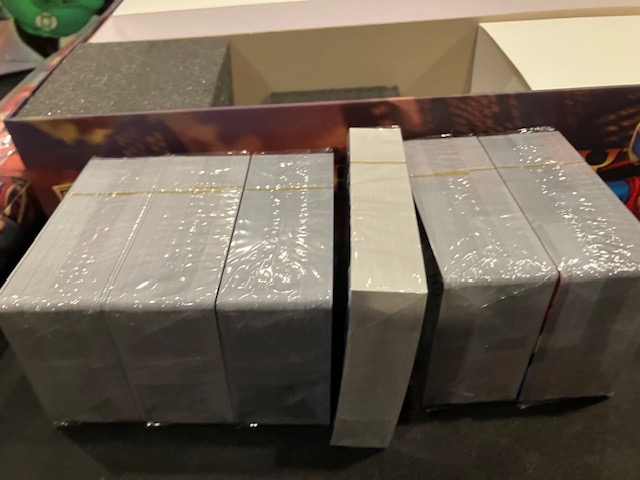
What do I do with all these cards? I still think the rulebook should have an Uncardening section at the very beginning (somehow coupled with the Components list). See more discussion of Uncardening in our discussion of Union City Alliance (another Superhero deck-building game).
I think the next few pages hold the players hands enough to get them through all the cards. Rather than list all the components up front, this rulebook takes you through them a little at a time. Maybe this works; I still think the rulebook needs to acknowledge how many cards are in the game and maybe even a sentence or two (or picture) talking about how to do an Uncardening.
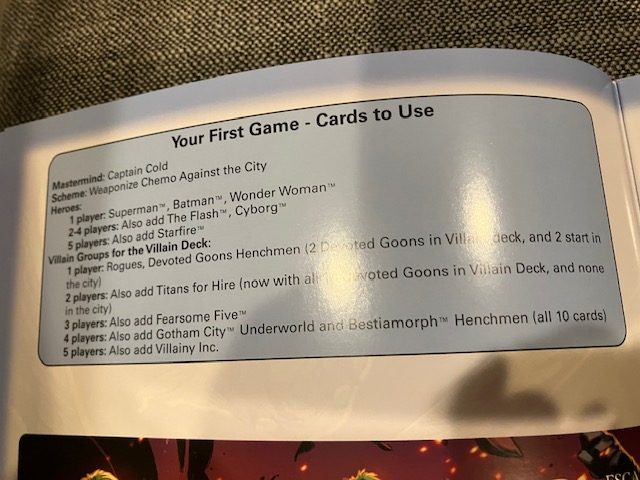
Still, this rulebook worked pretty well. It even has a list of cards to use for your first game!
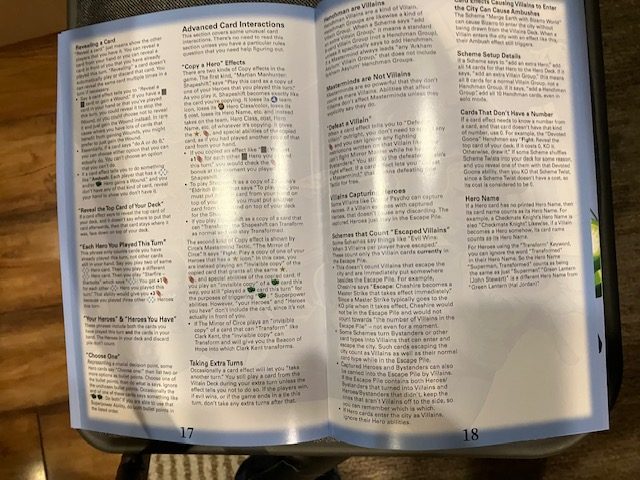
As we get later in the rulebook, there are fewer pictures and much more text. I think this rulebook could have used an Index. (I found “Always Leads” finally after looking, but it’s buried in a floating box and hard to find). Maybe you just get the online version and search the PDF and have that be the Index?
Generally this is a good rulebook; I feel like this is a much better rulebook than the original Legendary Marvel rulebook: I hated that rulebook!
Solo Play
So Legendary DC embraces the solo player! Yay! Thanks for following Saunders’ Law!
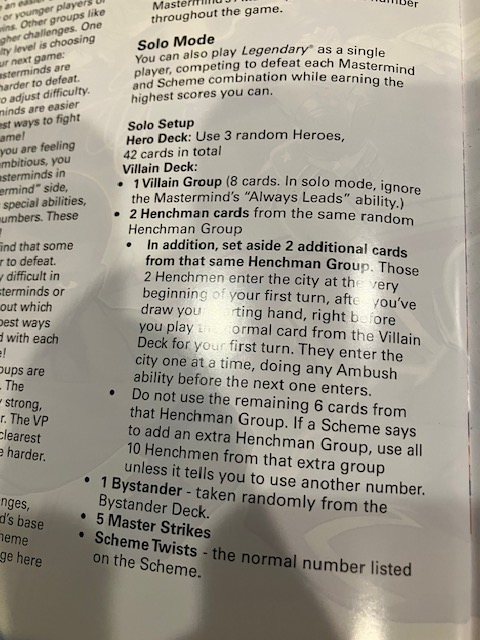
And you can either true solo or multi-handed solo! To play true solo, it’s one player and one deck (one set of heroes): see rules above.
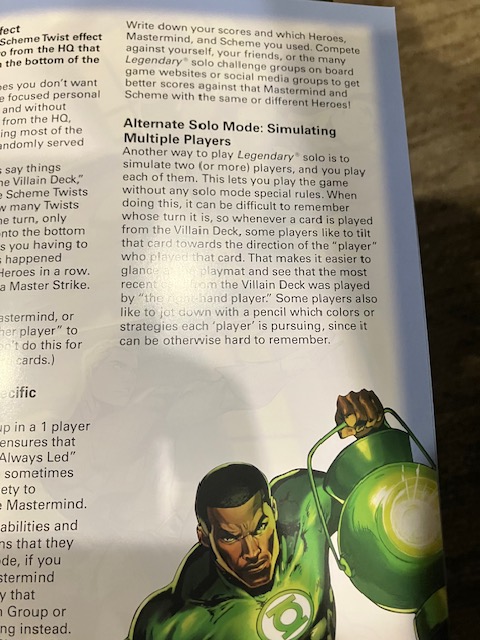
You can also play 2-handed solo (with two sets of decks) or more! I love that this game embraces both solo modes! I generally prefer the 2-handed solo mode because there are generally NO EXCEPTIONS to rules, which makes it easier to learn! Surprisingly, I think I prefer the true solo for Legendary DC, despite there being some changes. Why? Well, to be frank, there’s SO MANY cards between the heroes, the villains, the bystanders, etc etc etc, it’s easier to JUST manage one deck.
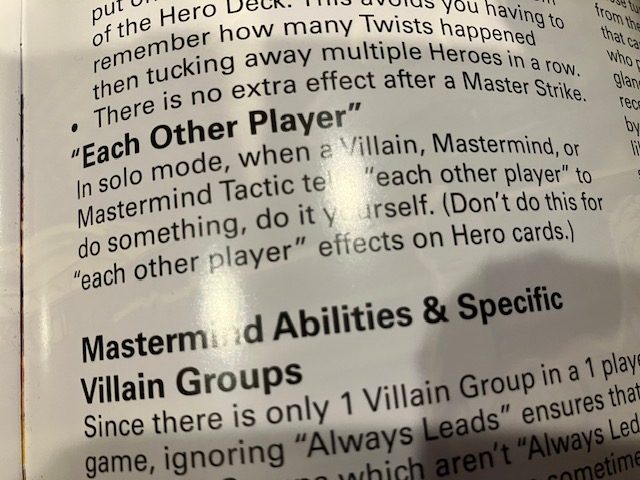
There are some extra rules for the true solo mode: they redefine “Each Other Player” to be yourself (see above; this is a pretty common thing in a true solo mode). They also add an extra Scheme Twist effect and change the set-up so there are fewer Henchmen (and two always start already in the city). The true solo rules are a little clumsier than I thought at first, but I still prefer only managing one deck of Heroes at a time! I think the fewer decks/more rules of true solo outweighs the costs of the more decks/fewer rules for 2-handed solo!
Honestly, the rulebook does a real good job helping you set-up the solo game just fine: see above.
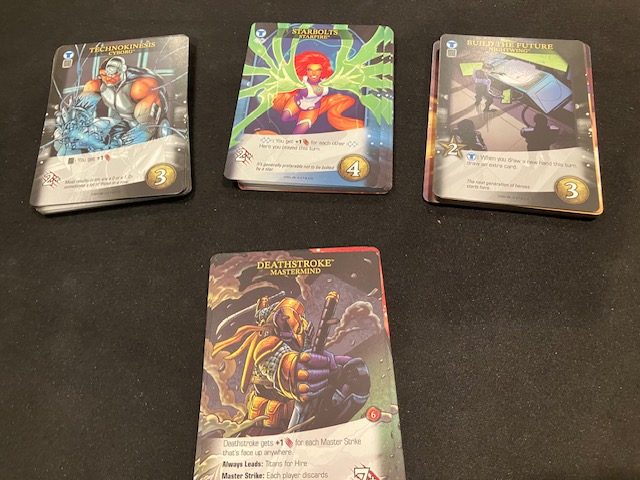
You only get 3 three Heroes, and fewer Villain Groups and Henchmen groups in true solo.
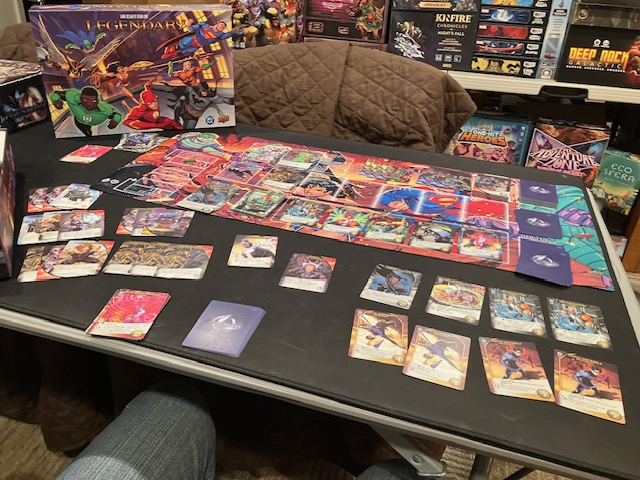
Did I like playing Legendary DC true solo? Yes!!! Over the course of a week, I played at least 7 times solo! There’s so much variety in this game, I loved seeing what would happen! There’s 14 Heroes, 7 Villain Groups, 4 Henchmen, 5 Masterminds, and 9 different Schemes! There’s a ton of variety in this box!
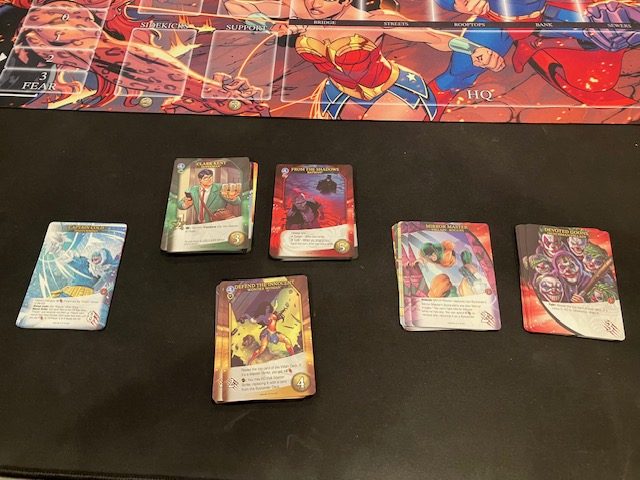
I started with the typical first game of Captain Cold/Rogues vs Superman/Batman/Wonder Woman! Fun! I won the first game!
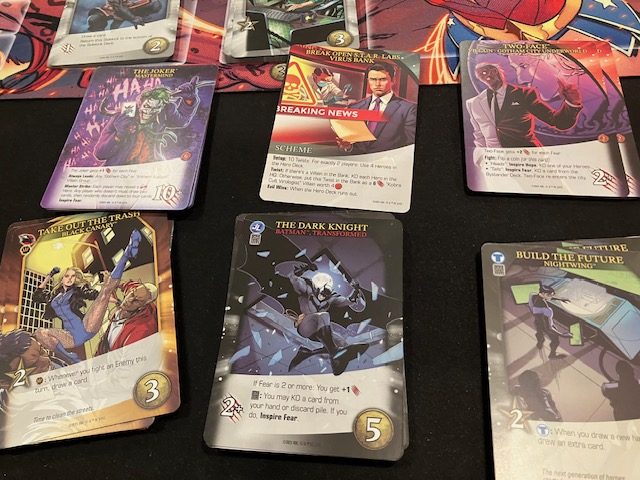
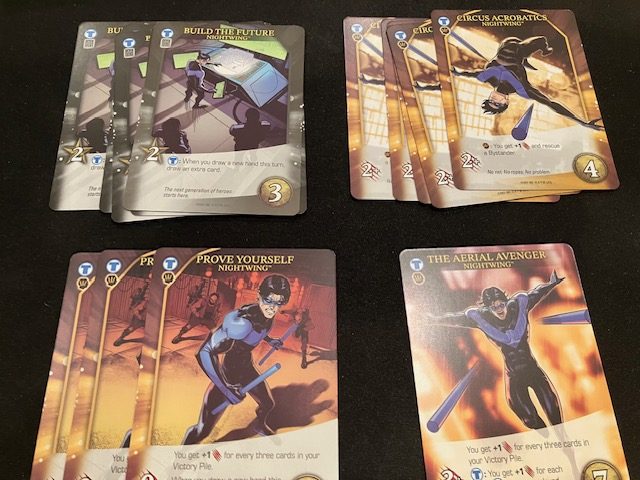
I then moved to a game themed for Gotham City! Joker/Gotham City Underworld vs. Black Canary/Batman/Nightwing! I actually lost this game, but played again and was able to do a lot better once I knew more about the villains and heroes!
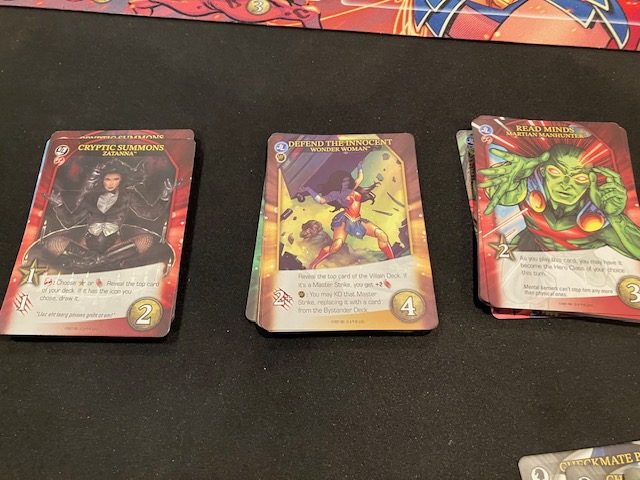
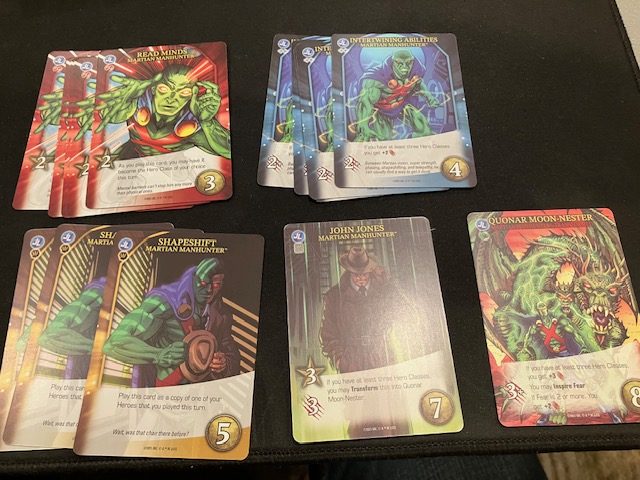
I also did a “weird” group of Heroes with Zatana/Wonder Woman/Martian Manhunter! They are all kinda funky heroes! See above!
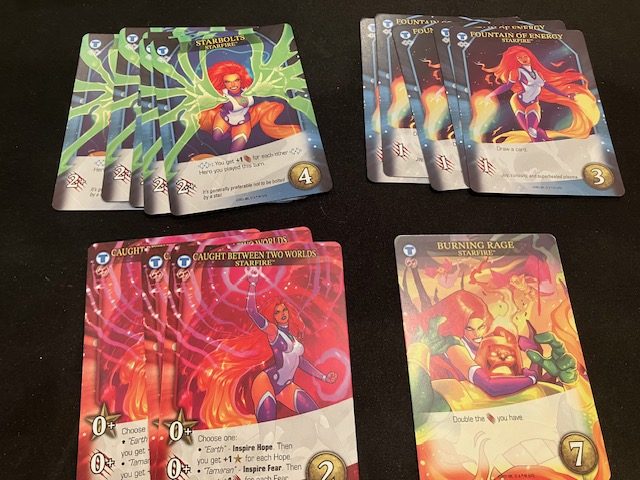
And of course, I had to do a Teen Titan’s based game with Cyborg/Starbolt/Nightwing vs. Deathstroke!
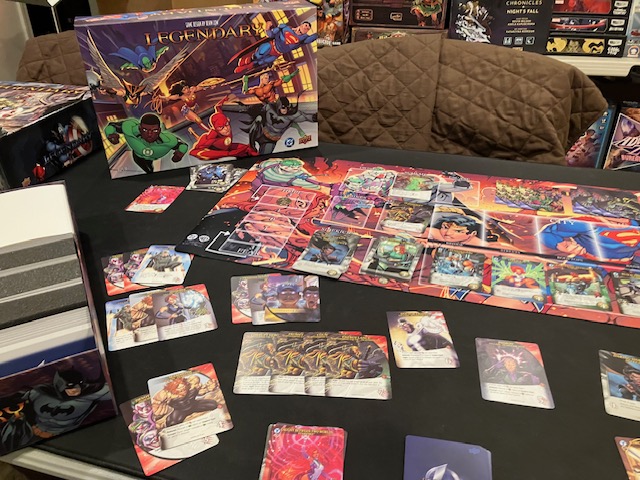
Over the course of a week, I played a lot of games and had a lot of fun. There’s a lot of set-up and shuffling for the solo player, as you have to shuffle together all the hero decks and the villain deck. But, once you are set-up, the game flows quickly!
I was generally very pleased with the true solo mode offered by Legendary DC. The worst part of the solo game is the set-up and tear-down, as the solo player has a LOT of decks to shuffle (set-up) then separate (tear-down). But, if you have played Legendary in any form, you already knew this.
Cooperative Mode
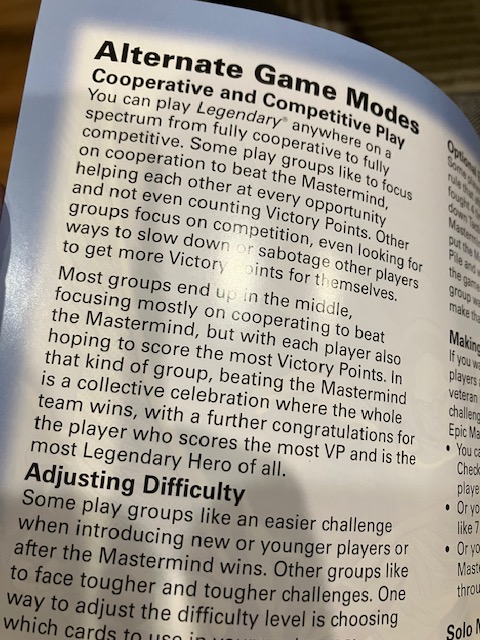
It’s a strange thing; this game can be played cooperatively or semi-co-op (getting the most victory points). See rulebook above: If you don’t defeat the Mastermind together, everyone loses! Yet, I don’t personally know anyone who plays semi-co-op for victory points? It seems out of character to play a super hero game … in any way competitively? But you can?
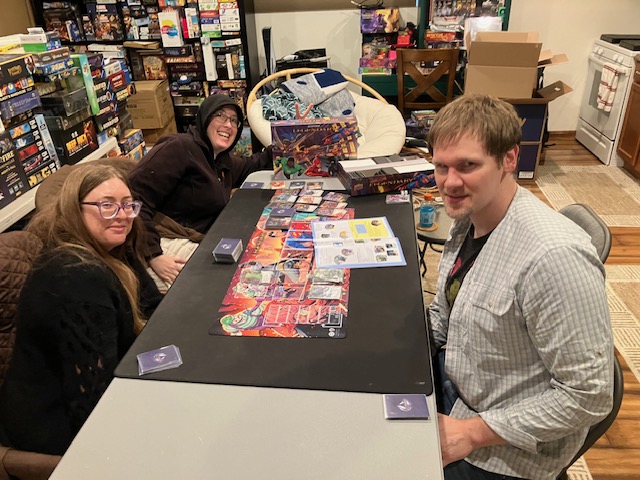
So, cooperatively is all about making sure we defeat the Mastermind in combat 4 times!
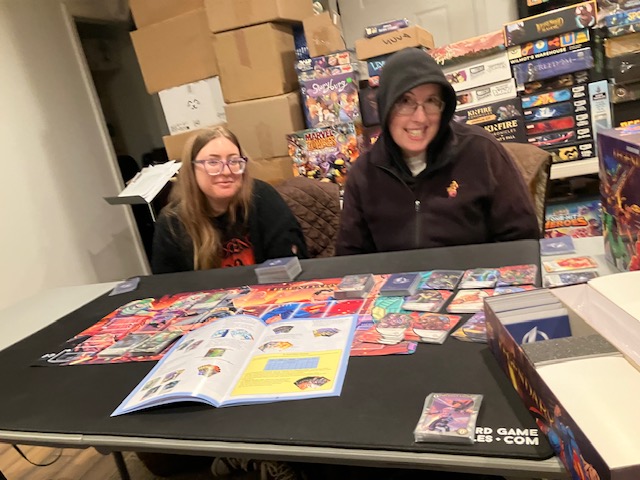
One of the best things about playing Legendary DC (or any Legendary) cooperatively is sharing the load for set-up and tear-down! There are a LOT of cards in this game; the more players that play, the more cards! That means set-up is all about shuffling together a ton of cards for the Hero decks and the Villain deck! And then the tear-down is arguably worse, as you have to separate ALL THOSE CARDS back into their original decks. Luckily, if you have a good group, you can share the load and have everyone help. That group help really makes the game feel a little less like work and more like fun.
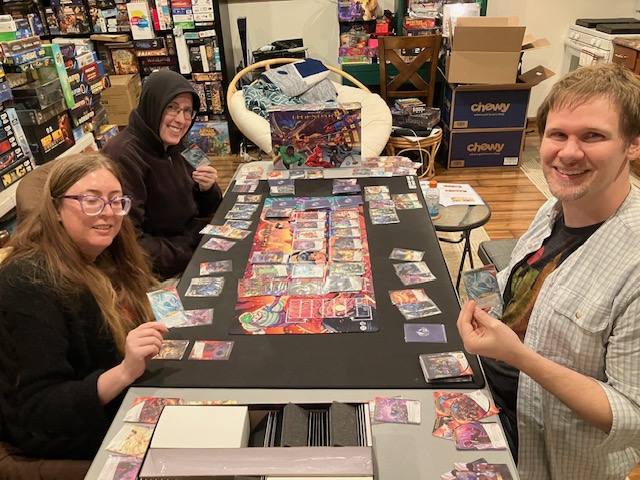
Although we almost always (always?) play Legendary cooperatively, it’s not particularly cooperative! Don’t get me wrong; we are all working together to defeat the Mastermind, and we point out issues and talk about how to resolve them, but there’s not really a lot of cooperative mechanisms in the game. Each player’s turn is mostly taken in solitaire; this is mostly multi-player solitaire! There’s no real mechanisms for sharing cards, or directly helping someone with your cards! Mostly, it’s about talking about how the solitaire turns will interact with each other and the current board!
Some people might think the “lack of cooperative mechanisms” makes this a bad cooperative game; not at all! This multi-player solitaire nature helps keep the Alpha Player Syndrome in check, so that’s one reason a lot of people might like this! And some people really like the idea of a cooperative game without too much player interaction.
Just be aware of the kind of cooperation Legendary DC provides; it is fully cooperative and players will discuss how to win together, but the turns are mostly multi-player solitaire.
Sleevening
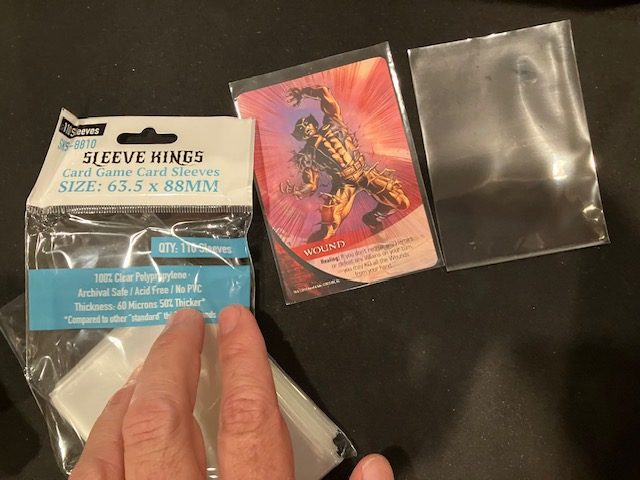
You should probably sleeve your game if you plan to play it a lot. I played my first 7 games without sleeves, and I noticed some of the starter cards (Checkmate cards) getting smudged and a little messy.
I was a late sleever, but I think it’s worth it for this game. Heck, usually most deck-builders are worth sleeving! I used the Sleeve Kings 63.5 x 88 mm sleeves! See above.
House Rule for Schemes To Reduce Randomness
A lot of Scheme cards shuffle a bunch of Scheme Twists into the deck: see above!! But if you just happen to get all of the Scheme Twists at the start of the game, you quickly lose! Sure, it’s unlikely. But after all that set-up, how annoying is it if your game ends quickly because the Scheme Twists end up in the upper part of the Villain Deck?
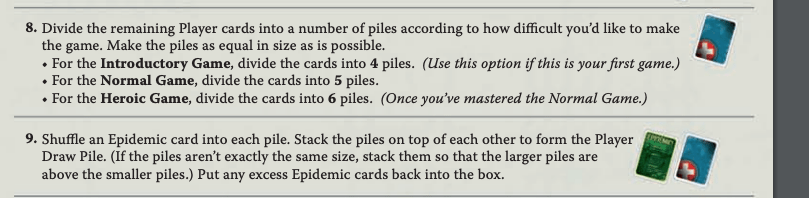
Games like Pandemic break apart the deck into piles (see rules above), then shuffle one of the Infection cards (like Scheme Twists) into each pile. Then the piles go back on top of each other! See above for rules of Pandemic! This keeps the bad news cards from being all clumped in the top (game too hard) or the bottom (game too easy)!
Why don’t we do this with the Scheme Twists? With the Pandemic method, the Scheme Twists are distributed equally throughout the Villain Deck! This seems like a simple house rule to keep some of the randomness under control.
What I Liked
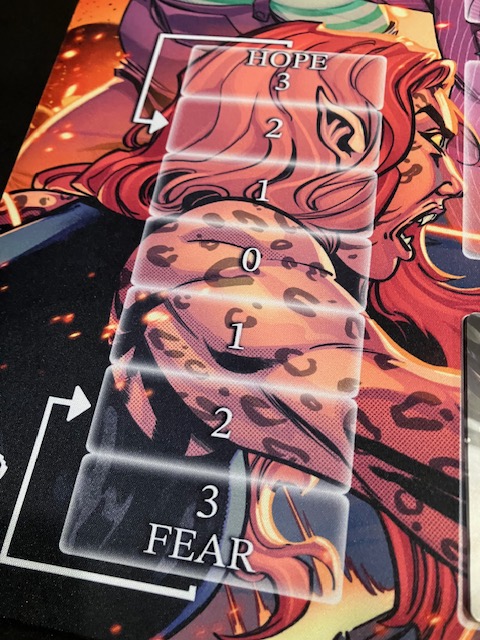
Hope and Fear: Legendary DC has a notion of Fear and Hope (two sides of the coin). See mat above! Some Villains and/or Heroes do less or more damage depending on where the Fear track is! Superman does better when Hope is higher, and Batman does better when Fear is bad! I like this mechanism a lot; it gives a nice flavor of atmosphere to the game! There’s also a more mechanical reason to like this: if you get a “bad hand” and can “only” generate 3 fight on your turn, you can still do something useful and fight crime (generate hope or fear, as you want)!!! That’s right, if you have really hard Villains out, you can still do something useful! This new feature (at least for me) really helps elevate the game by giving the players more to do on a turn, even when faced with a bad hand!
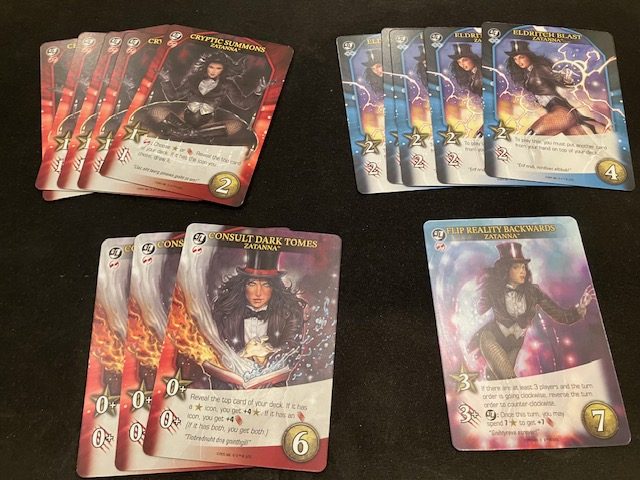
Art On Cards: The art on the cards is generally fantastic! The heroes, the villains, the masterminds are all pillars of good comic book art!
Rulebook: Despite a few grumbles with the rulebook, I generally really liked this rulebook. Even though I already knew how Legendary worked, I feel like the quality has significantly increased since the first one! It still needs an Uncardening section.
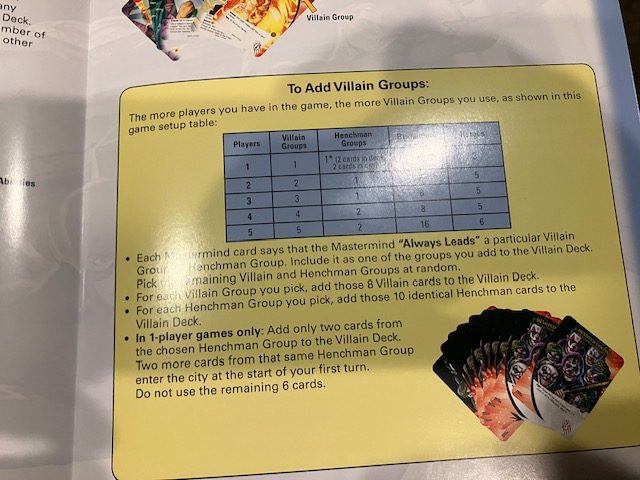
Player Counts All Work: The rulebook goes out of its way to make little mods to make sure sure the game works at all player counts! The solo rules have special set-up and rules, the 4 and 5 player games get an extra “free” turn makes me feel like this game will work at all the player count! My experience is only solo and 4-player, but these tweaks seemed to work!
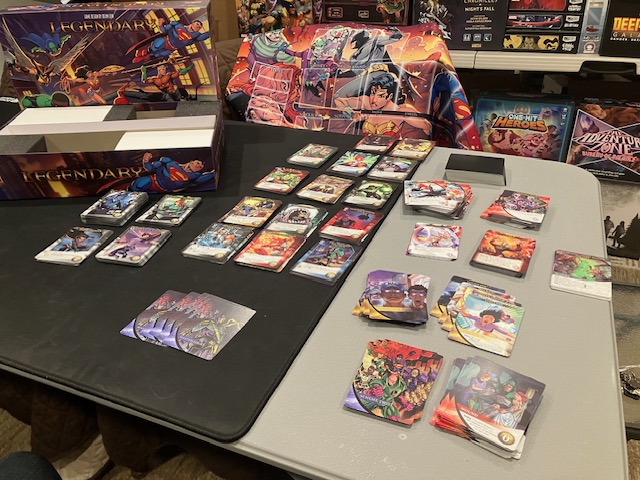
Variety: There is SO much variety in this game, you could be happy with just this base set for quite a while!
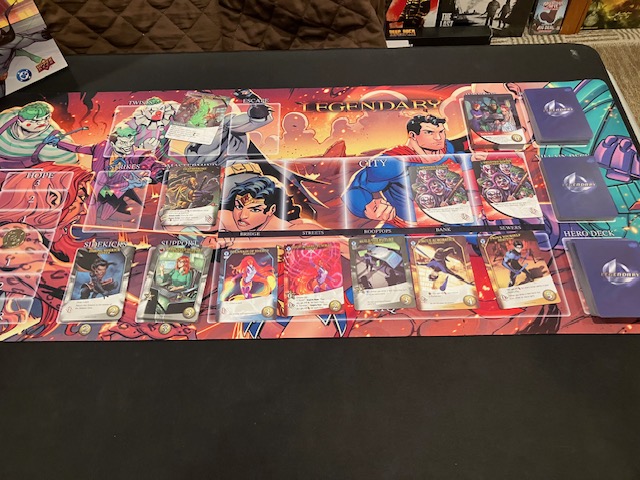
The Player Mat: The fact that this version of the game comes with a player mat is great! It really helps keep the game more organized and easy to set-up!
What I Didn’t Like
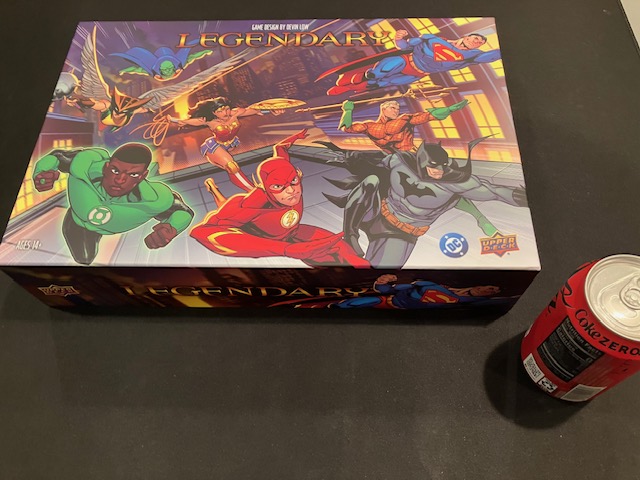
The Cover Art: The cover art seems … out-of-place with the rest of the art? The cover art looks like a “Super Friends” kind of art (lesser quality) and the innards are more like “Justice League of America” art (higher-quality)? I don’t know, if I saw this game at a game store and didn’t know anything about it, I might think it’s for young kids only? I think the cover belies what’s inside.
Play Mat: As much as I love the playmat, I think it’s busy and distracting. The Heroes and villains on the mat are “distracting”. They are also of the lesser art like the cover. I would rather have the heroes and villain be removed from the playmat and have the the background only! However, given a choice between no playmat and a busy playmat, I’d MUCH rather have the playmat!
Randomness: The Hero decks and Villain Decks are random: you can get completely screwed by bad draws. It’s not big deal, because it usually balances out (especially if you build a good hero deck). BUT in a game where it’s so much work to set-up and tear-down, it can very frustrating to have a game end because of bad draws; this is probably the worst part of Legendary DC, and every Legendary game ever.
Conclusion
I think Legendary DC is my current favorite version of Legendary! All it’s little tweaks (Fear and Hope, player count adjustments, multiple solo modes, etc) show all the advancements that have been done in this system! This is the newest evolution to this game and it works well. There is also so much variety in the game that you can play this set for quite a while without needing any expansions! Trust me though, more expansions are coming. The art is fantastic and the DC Superhero theme works well with this.
The set-up and tear-down can be daunting, especially for the solo player, but the cooperative game is a lot easier to set-up/tear-down because players can share the load to make it easier for everyone. Be aware: there is a fair amount of randomness in the game, so bad draws that ruin a game are a little more painful when the set-up and tear-down is so pronounced! Having said that, the randomness of the game isn’t “usually” too bad, especially with one minor house rule we suggest.
The solo game is a blast and I couldn’t stop playing it! There’s even rules for true solo and 2-handed solo! I prefer the true solo despite the few extra rules and really enjoyed the puzzle and gameplay. 8.5/10 maybe 9/10?
The cooperative game isn’t that cooperative; it’s more multiplayer solitaire. It’s still a lot of fun, but don’t expect lots of sharing or turns where you help someone else; most of the communication in the game is “general strategy”, but that’s still fun. It’s a great game: players work together a little … but the cooperation isn’t particularly pronounced. There just aren’t a lot mechanisms in the game that promote cooperation. 8.5/10.
I don’t think I know anyone who plays this semi-co-op; it seems out of character for a super-hero game to NOT be fully cooperative.
And yes, this would make our Top 10 Cooperative Superhero Games!! I think it’s better than Legendary Marvel!
Hero Appendix
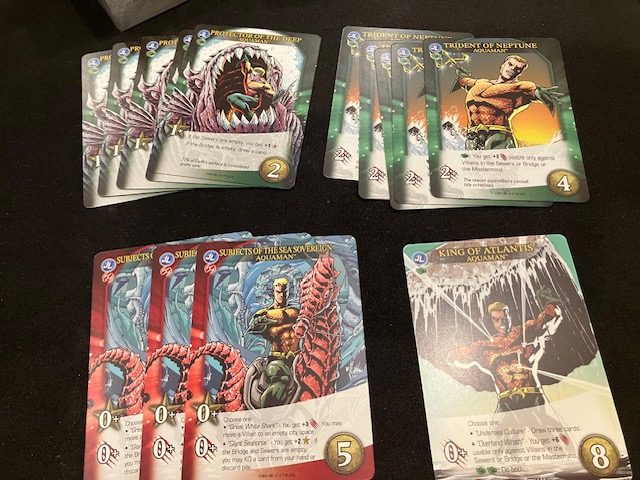
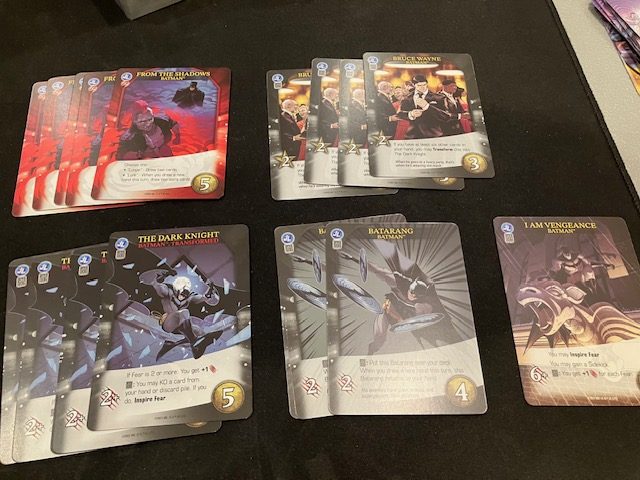
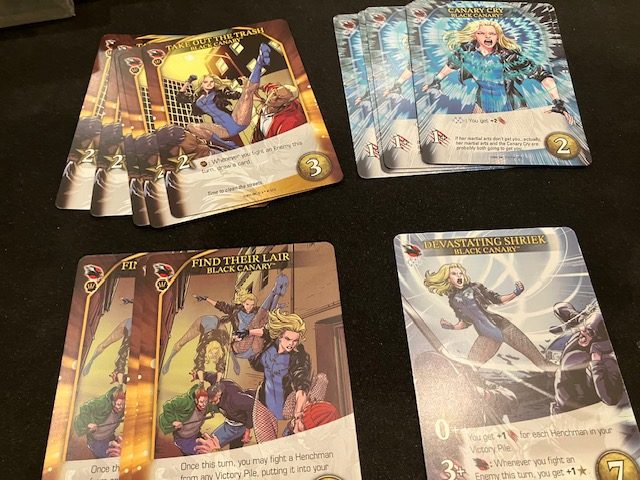
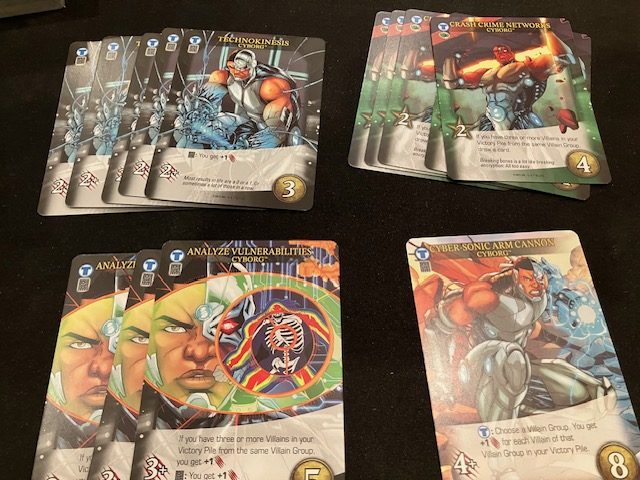
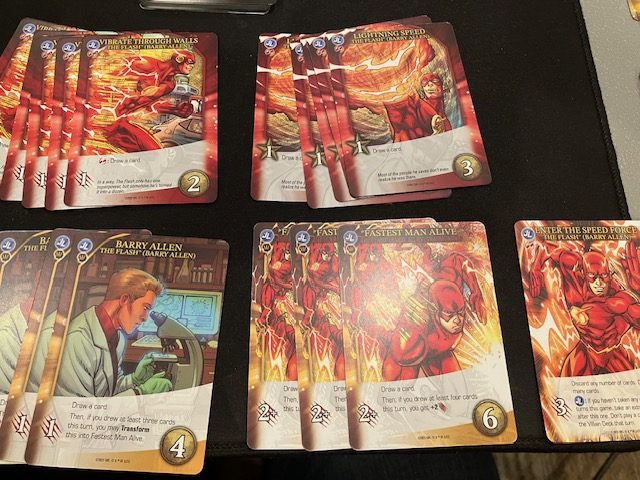
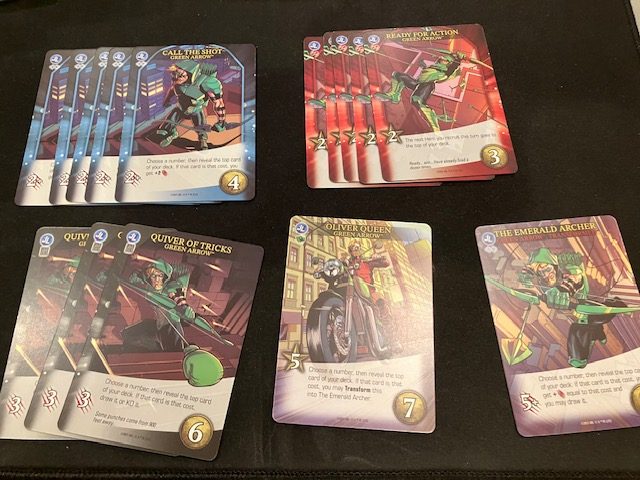
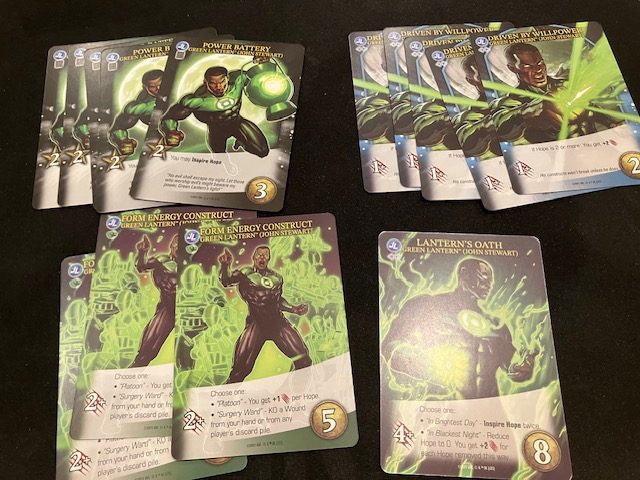
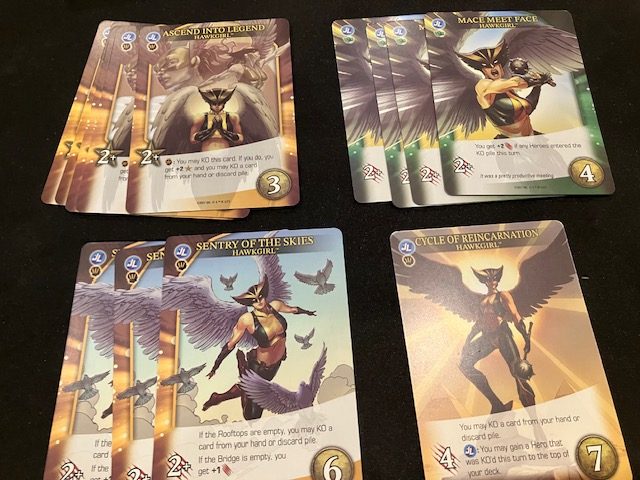
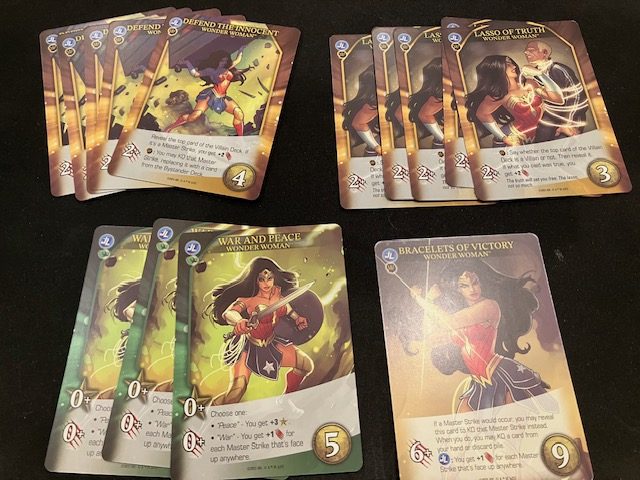
Here’s all the Superheroes and their cards.
 coopgestalt