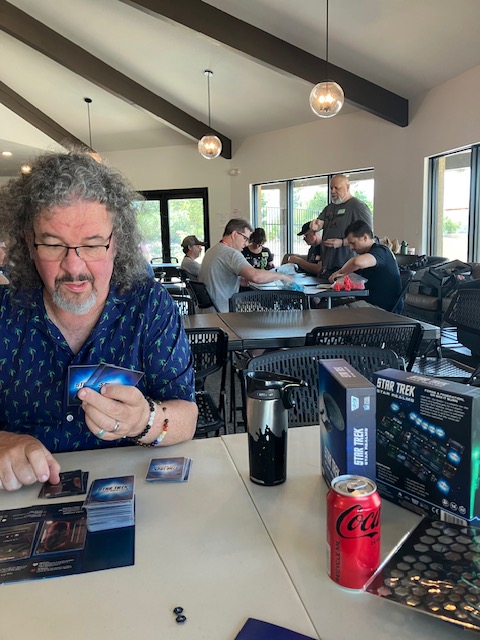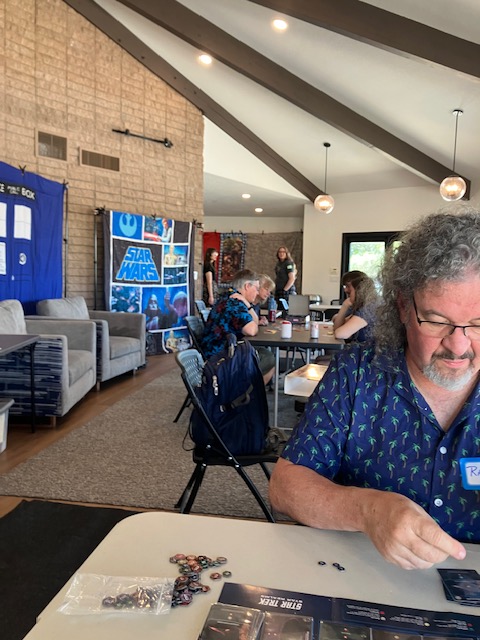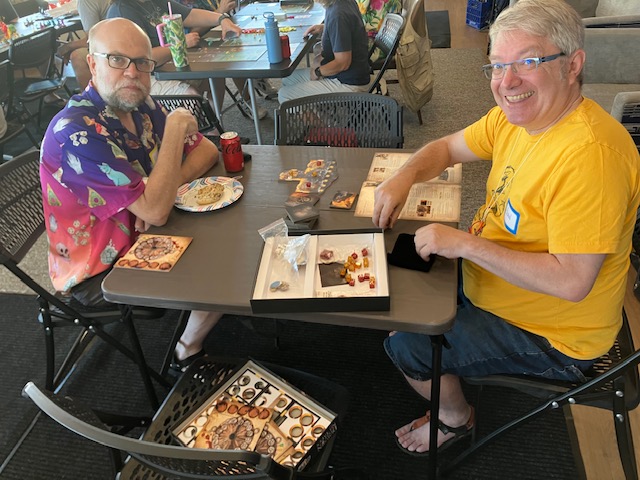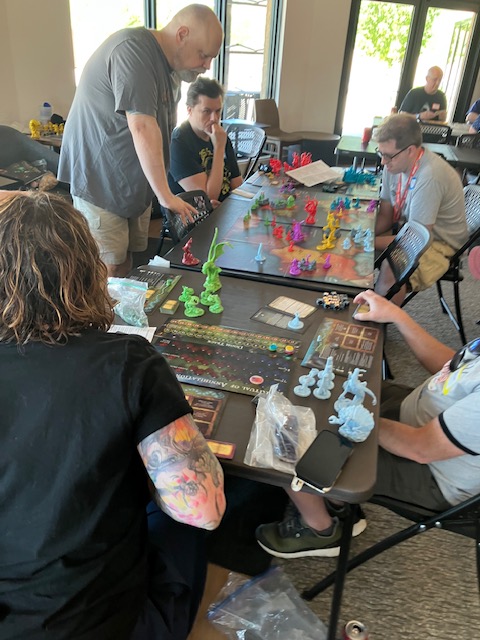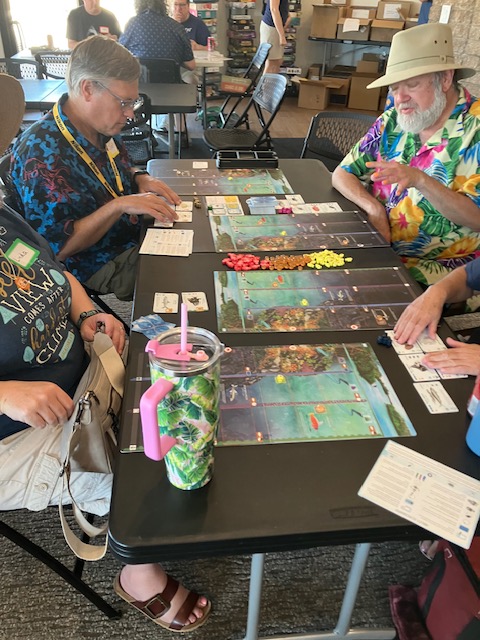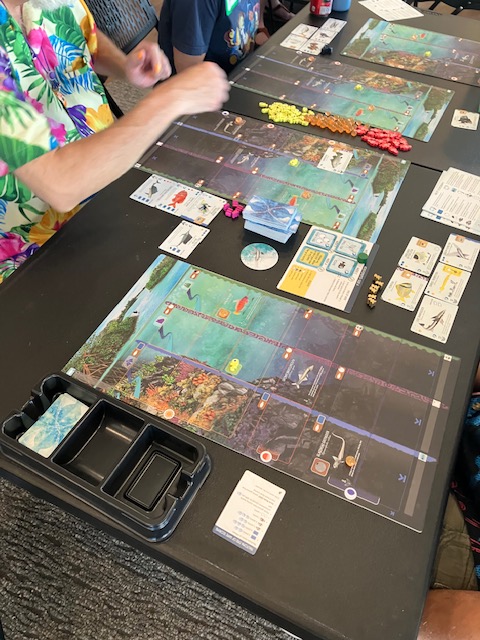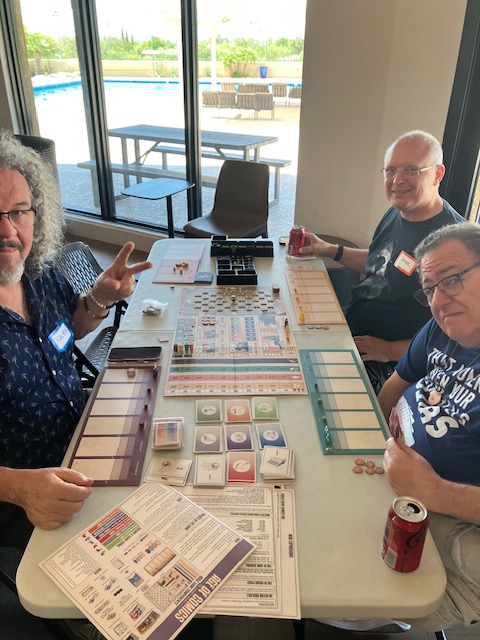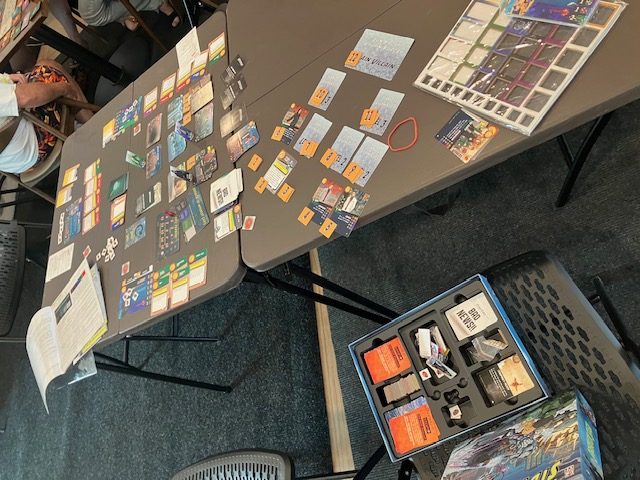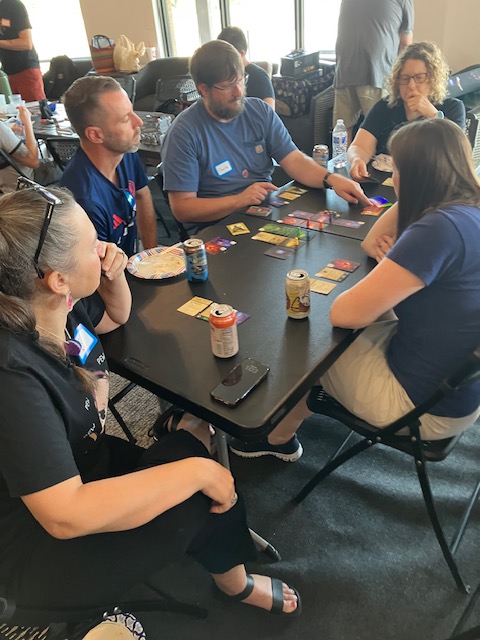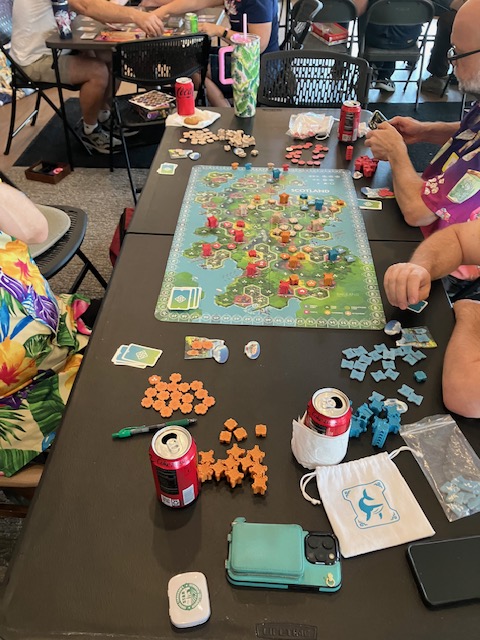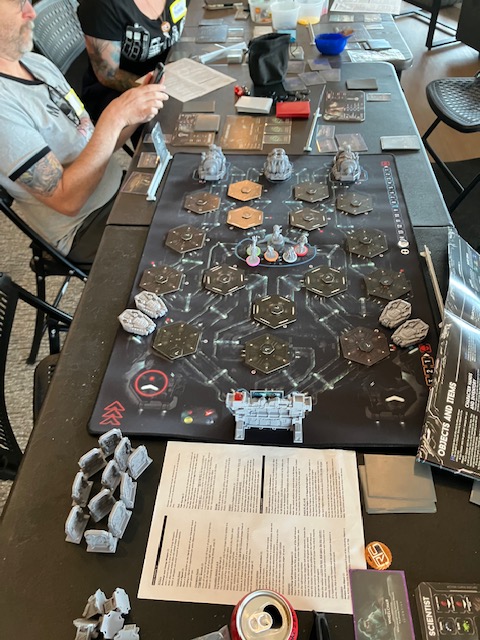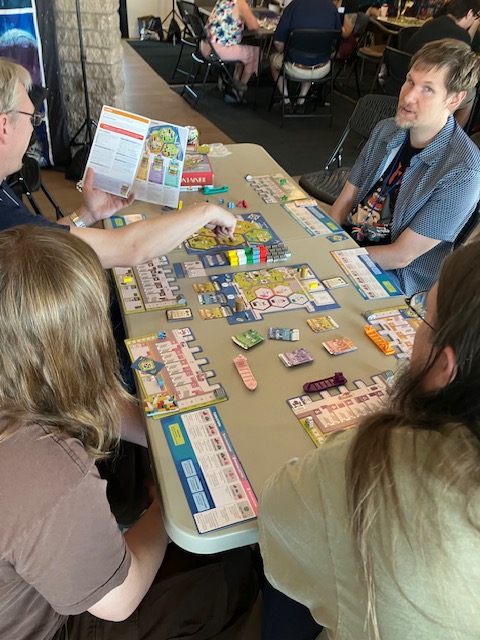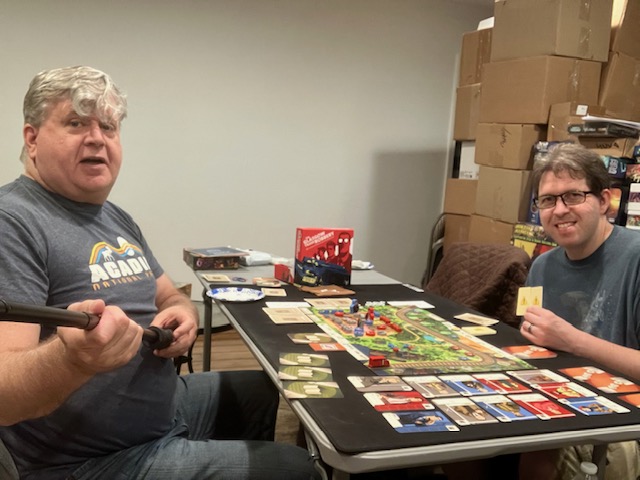
RichieCon 2026: A Cooperative Convention!

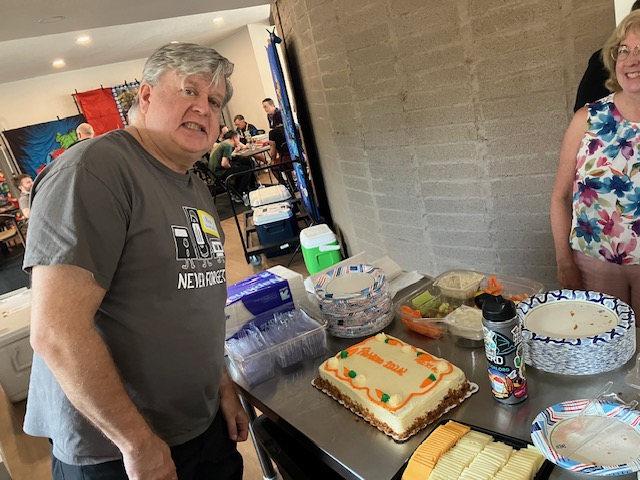
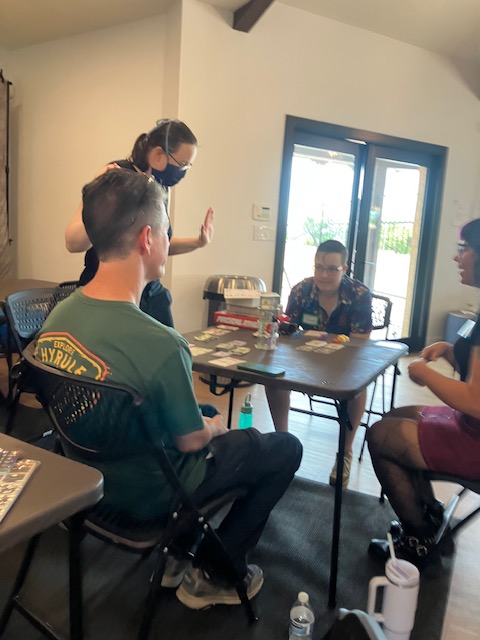
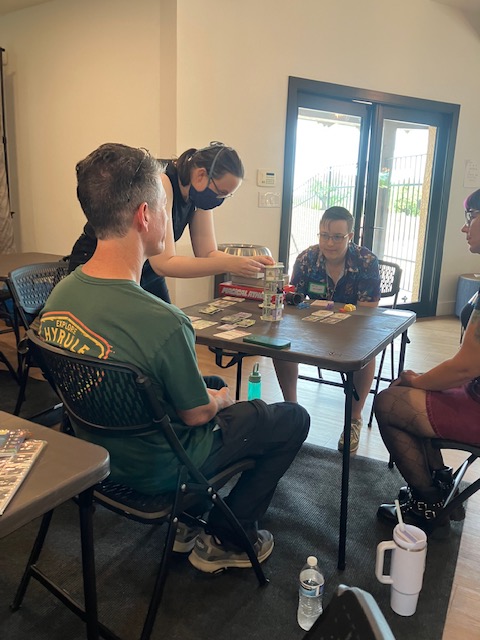
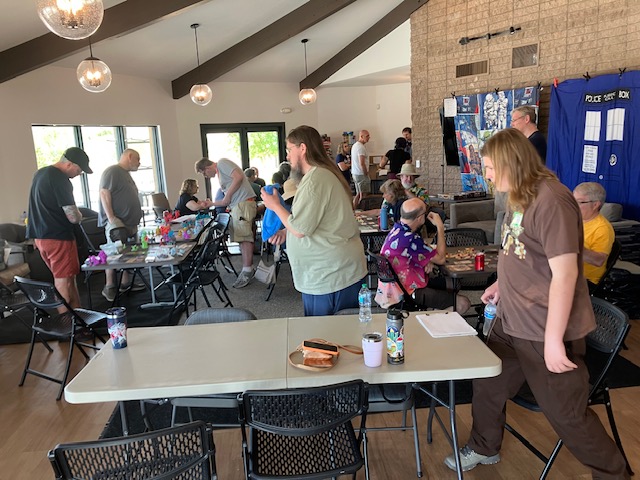
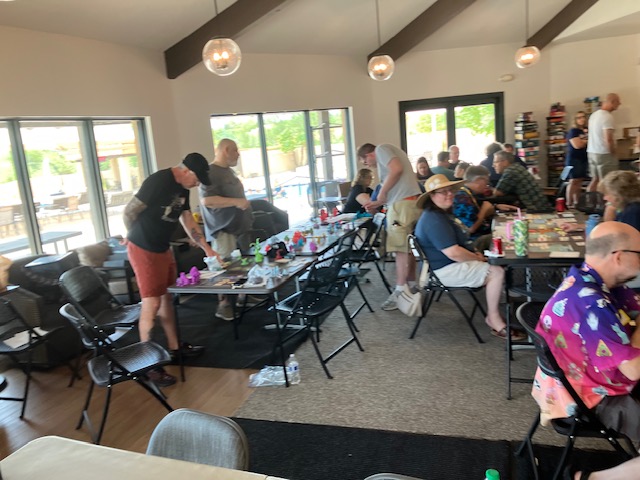
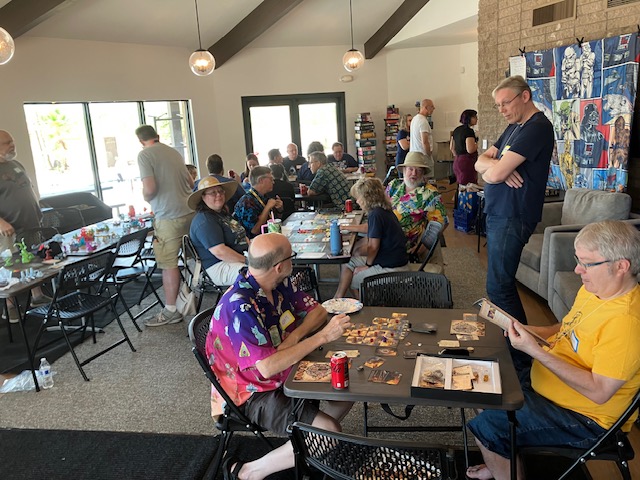
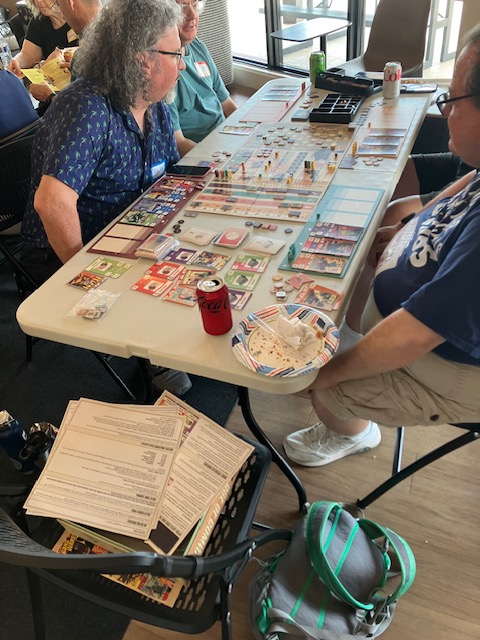
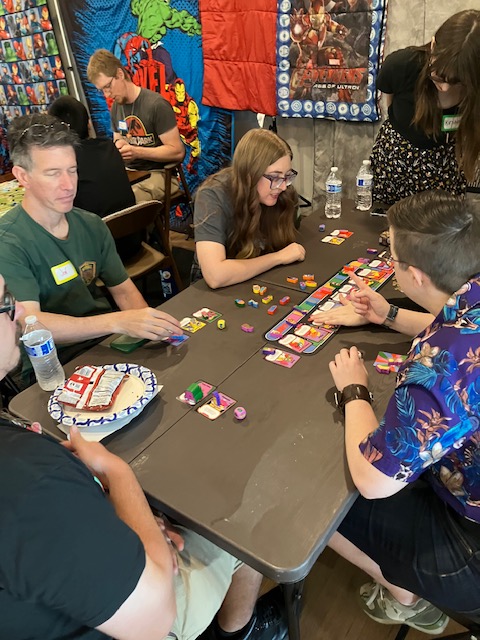
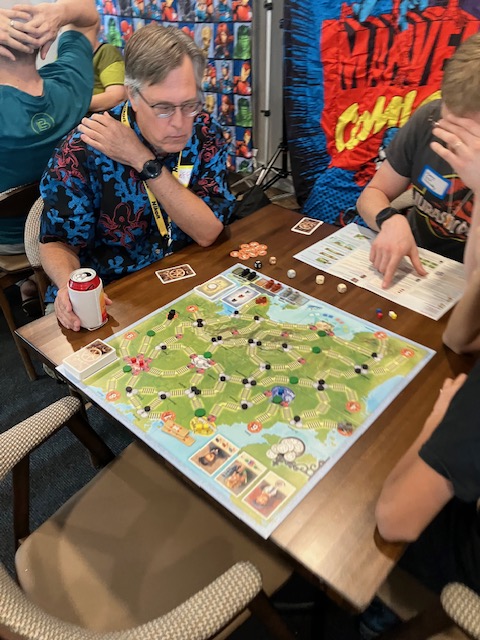
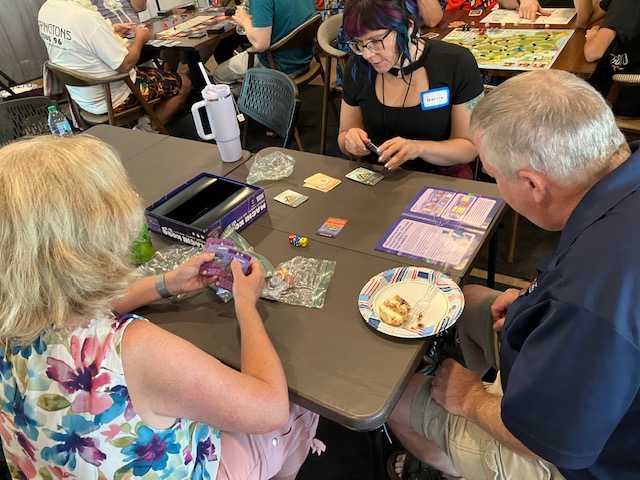
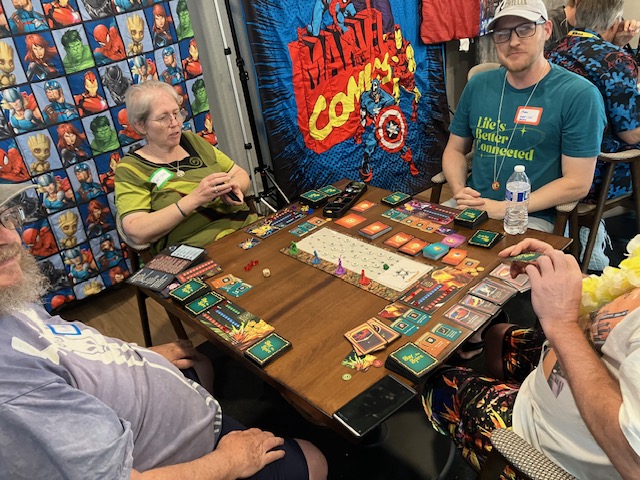
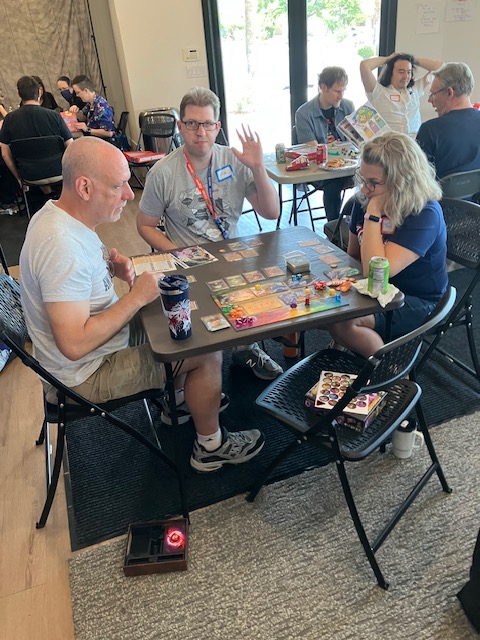
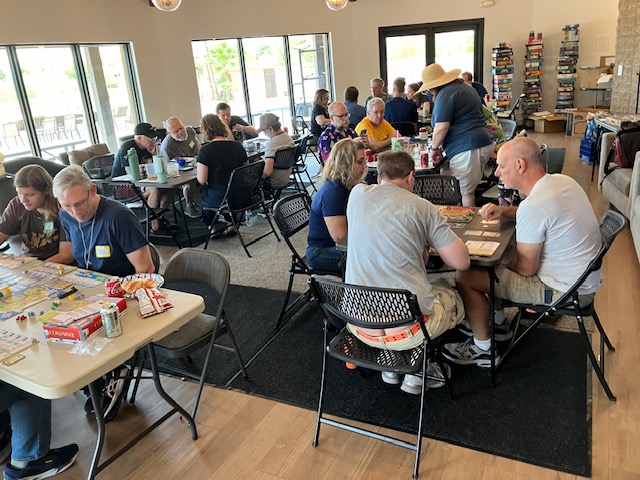
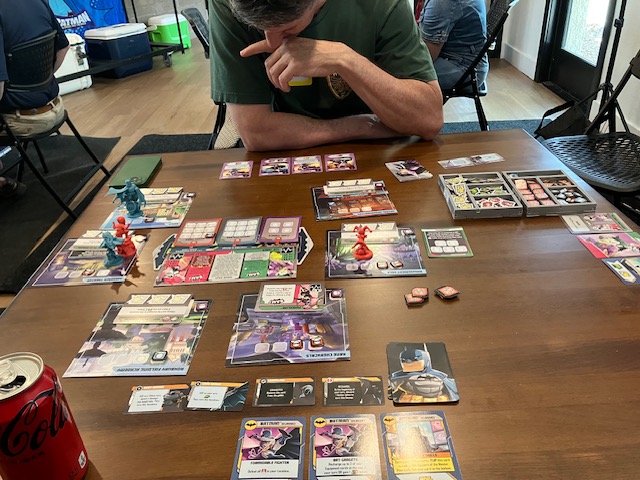
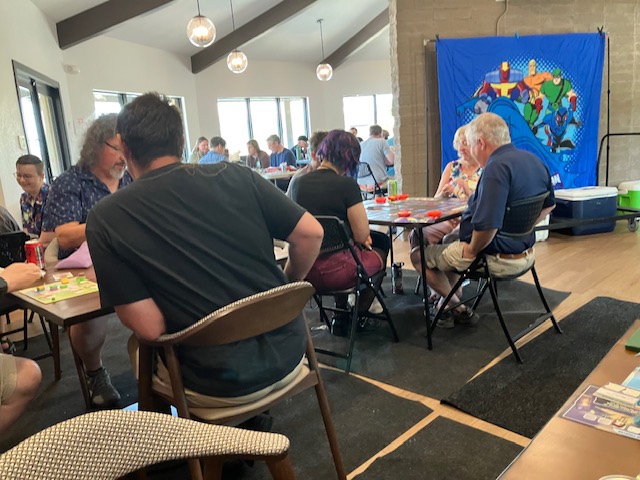
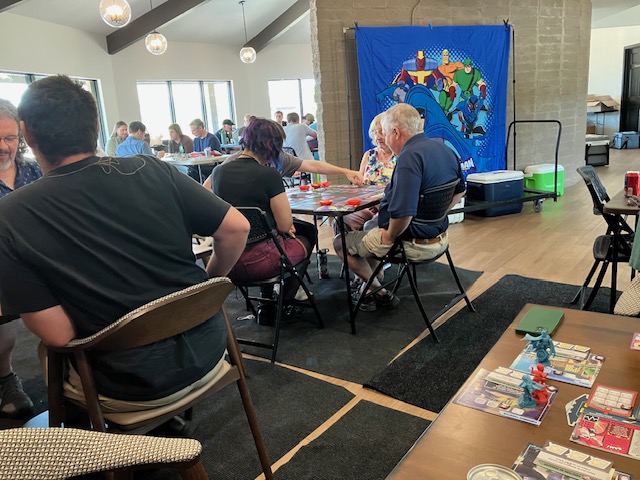
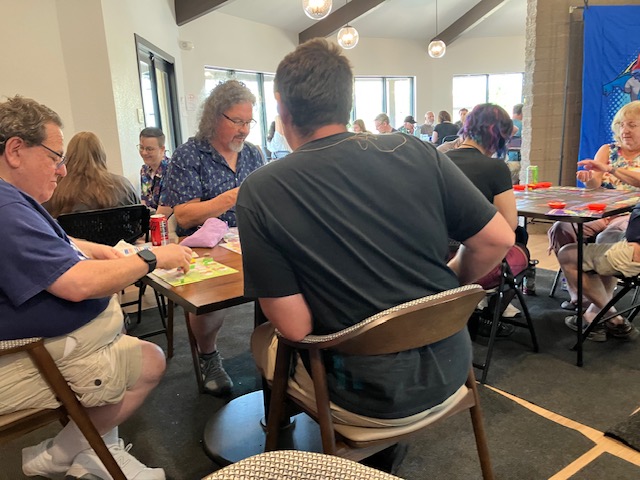
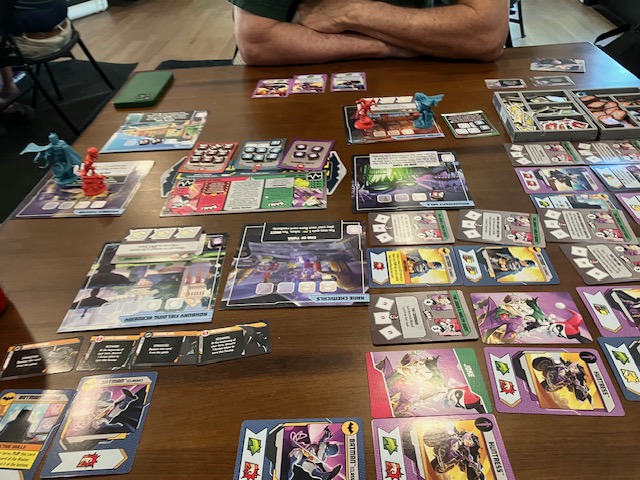
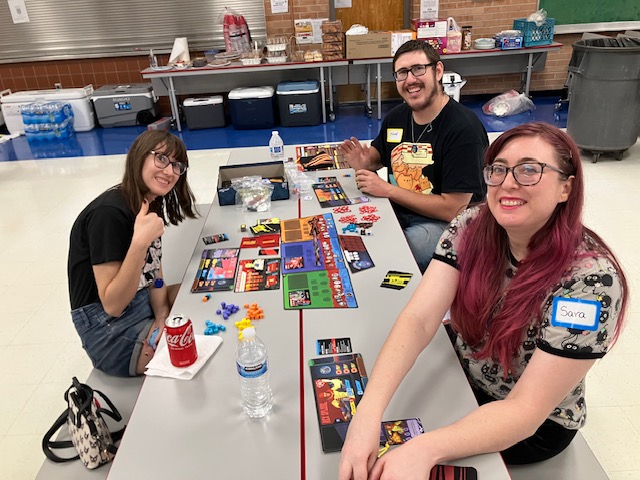
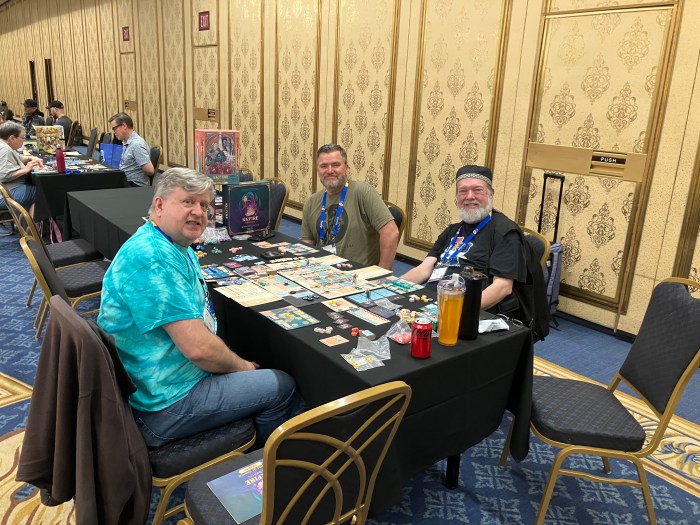
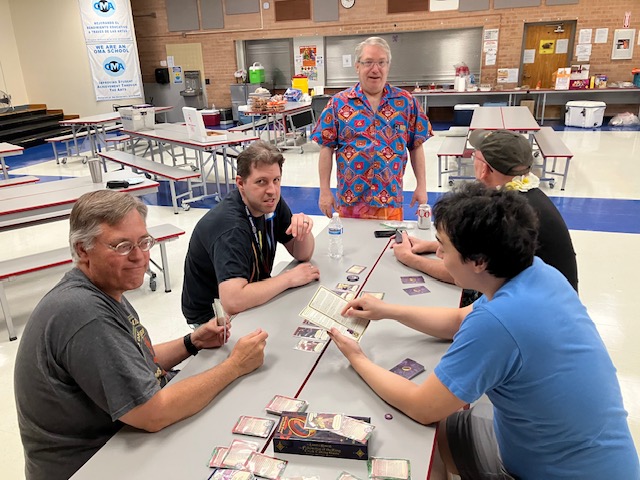
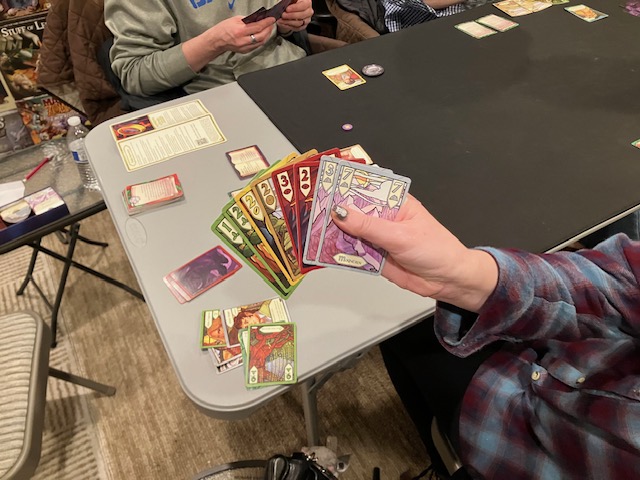
RichieCon 2026 has come and gone for 2026! RichieCon 2026 is nominally a convention of “Richie’s friends” (thus the name), but it’s really just an excuse to play some games over two to three days!
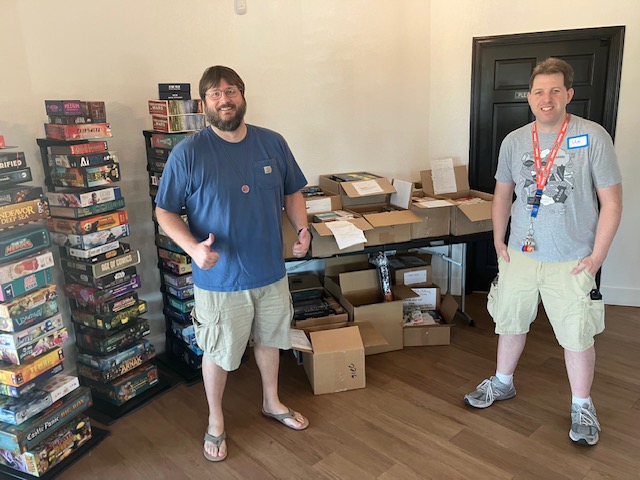
I call RichieCon 2026 a cooperative convention! Not because “we only play cooperative games”, but for different reasons! To be fair, my collection (which serves as the basis for the convention) is almost all cooperative games, so we tend to encourage cooperative games … but as with any true cooperation, people must be able to opt out and play anything (cooperatively or competitively) they want, or it’s not really cooperation! (Forced cooperation is just coercion).
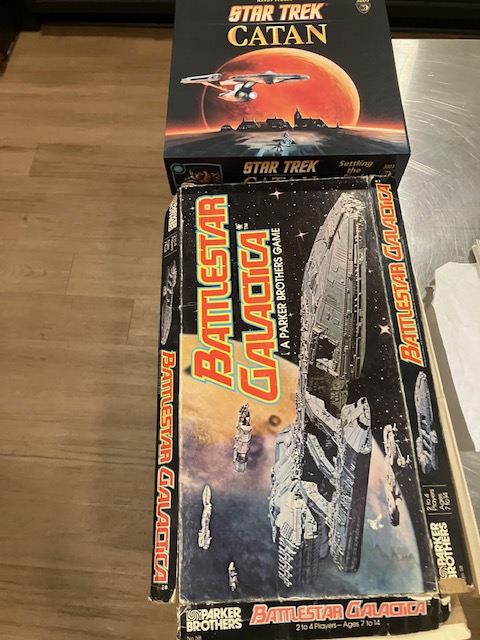
… including older competitive games like Battlestar Galactica or Star Trek: Catan! And yes, I saw Battlestar Galactica (the old Parker Brothers game, not the Fantasy Flight game) being played!
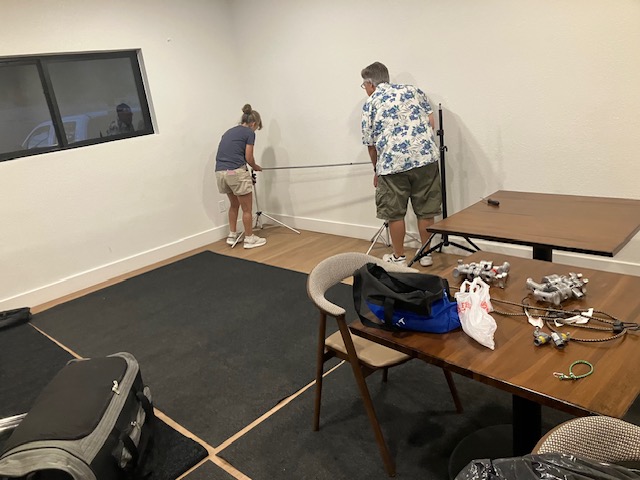
No, RichieCon 2026 is a cooperative convention because everyone helps out! No one gets paid anything; everyone just helps out! And that’s one reason we don’t charge anything for RichieCon, people just help out. It would be disingenuous of me to have an entry fee when so many people help with so much for free!

Early Planning
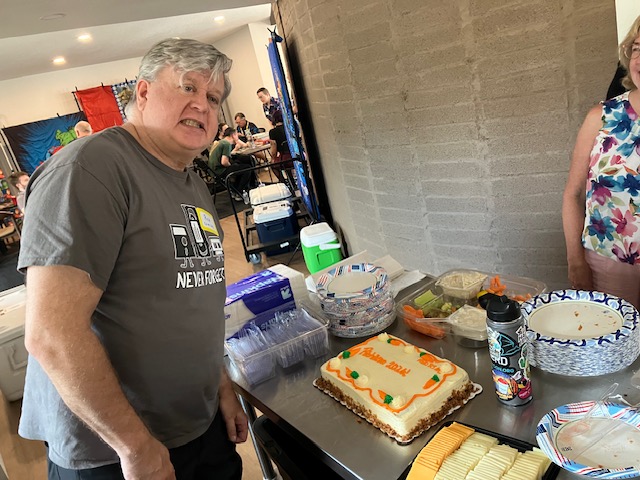
As we learned over 12 years (this is the 11th RichieCon; we missed one year because of CoVID), planning has to begin at least 6 months in advance! Charlie and Allison makes summer plans around RichieCon, so we need to make sure we get the ball rolling! In January 2026, I sent out a “Save The Day” for July 25-July 26th weekend! Why not exact? As we know from last year (see the Saga of RichieCon 2025), we can only reserve the Rec Center at most 3 months in advance! On the off chance the swim team takes it before we do, we need some flexibility! So we tell people our intentions, but don’t make any definite plans until we have pre-approved the Rec Center!

Sigh, there had to be at least a little drama here. After pre-reserving the Rec Center 3 months in advance (to the day), I hadn’t heard anything from the HOA, so I literally had to drive to PHX to pin the plans down. Everyone at the HOA was nice enough, and it all worked out, but it wouldn’t be a RichieCon without a little drama.

The Weeks Before
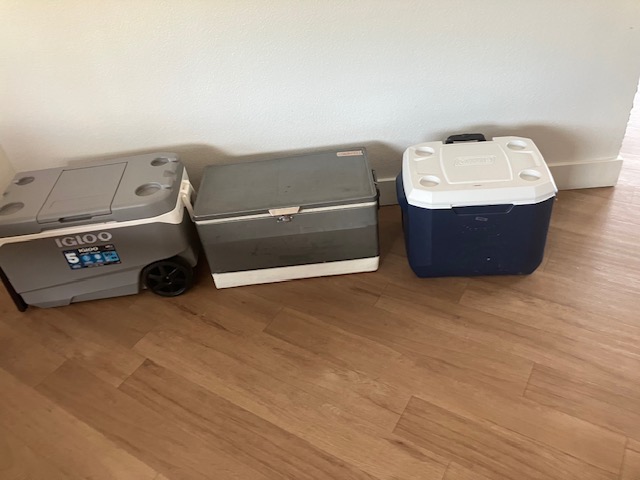
One of the things we learned from RichieCon 2025: coolers for drinks really make things easier! By putting the sodas and waters in coolers, we free up the refrigerator for other things AND we keep the drinks a lot colder! One problem we noticed was that putting drinks in the fridge the morning of RichieCon gave us warm drinks! Warm soda!! Eewwwwwww …

So, this year, I asked for Coolers from my friends. This is where the cooperation started: I got about 6 coolers for sodas! Thank you friends!

(The only worry with coolers is if they leak, they may damage the floors. If you have towels underneath, it’s not an issue).

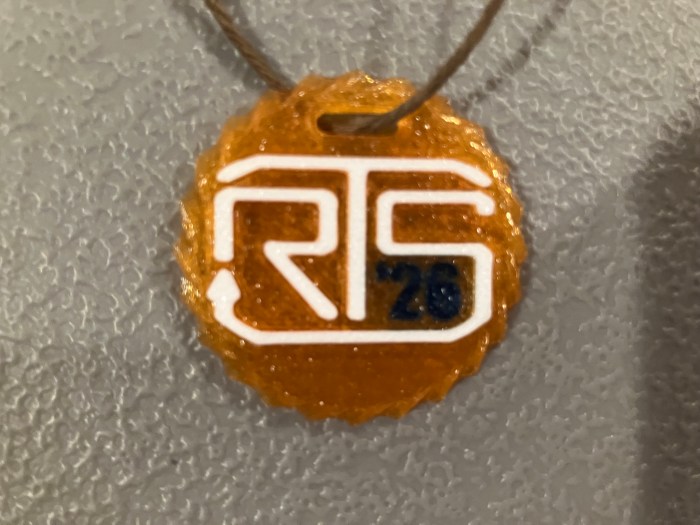
Also huge props to Max for making the token this year! Everyone who comes to RichieCon gets a token to show they are supposed to be there! Max and I meet a few times early on to get the token going!

Boxing: The Boxing Game! A Cooperative Dexterity Game!
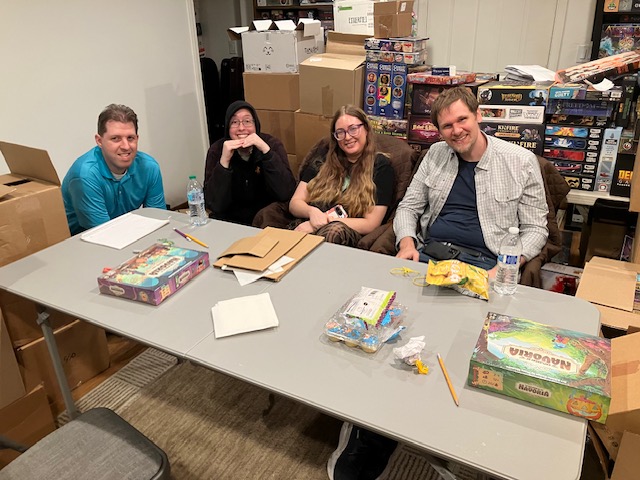
This is where the cooperation really starts! My friends come by the Wednesday before RichieCon, and we play “Boxing: the Boxing game” which is a cooperative dexterity game about putting boxes in other boxes! This is the funny name we call our activity of putting lots of board games in bigger boxes.

Over the course of the night, me and my friends play this cooperative dexterity game to get ready! It’s surprising how cooperative this endeavour is! Some people move boxes, some people (usually me) directs boxes, some people label boxes, and it’s a surprising how smoothly this goes!
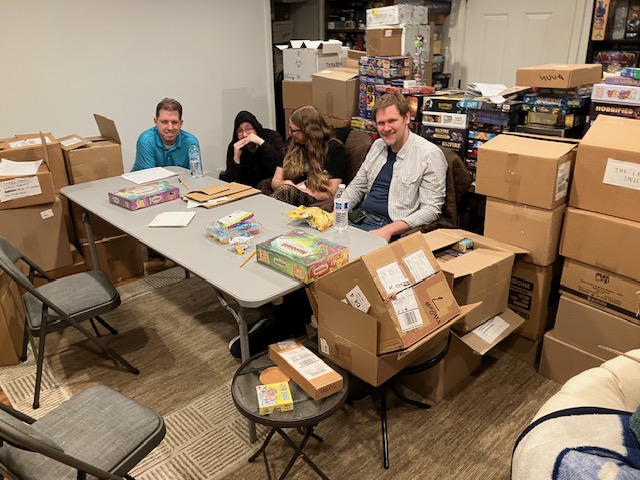
My Wednesday night friends really helped out! These games in boxes form the basis of the collection of games at RichieCon.
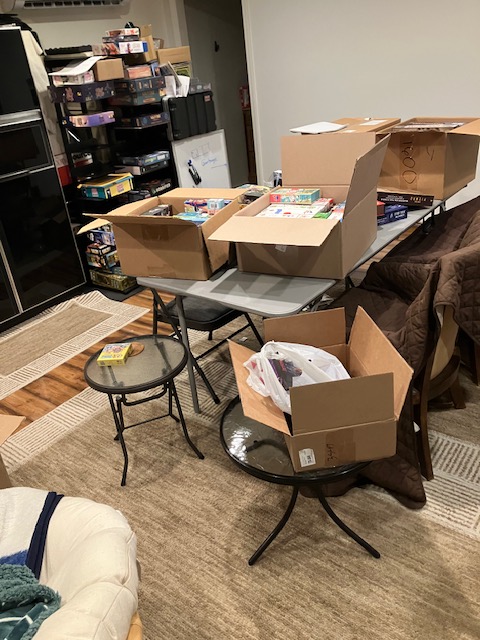
We also tried a few new things out.
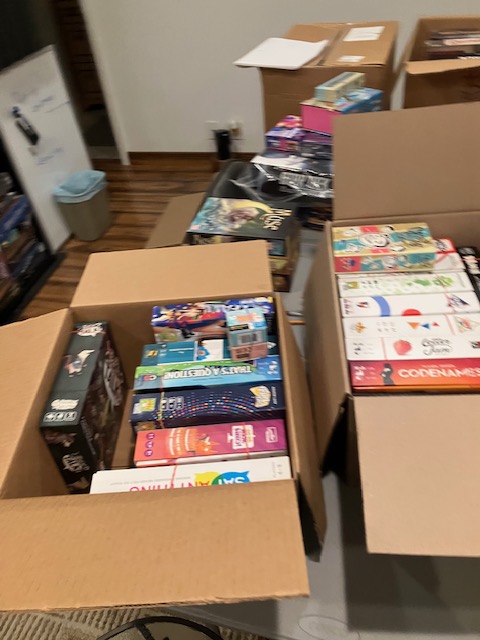
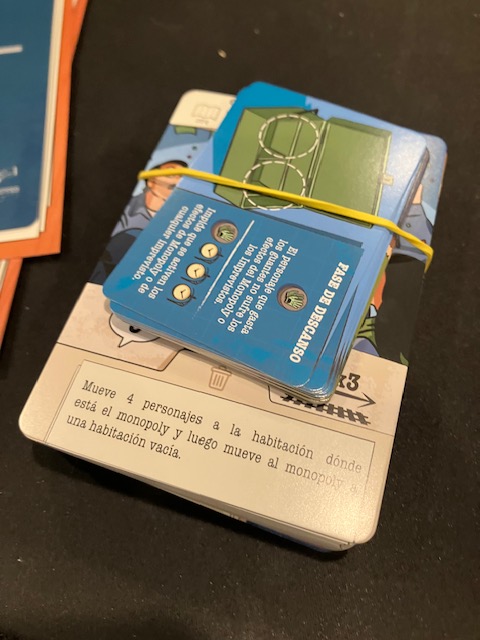
One new thing: we added rubber bands to all the boxes (see above)! This worked pretty well; a lot of the boxes sort of “fall apart” because the contents spill out as they are moved and put in boxes sideways and crossways! The rubber bands helped keep the games together. We’ll use rubber bands again.

Another new thing is the Game Towers.

Game Towers
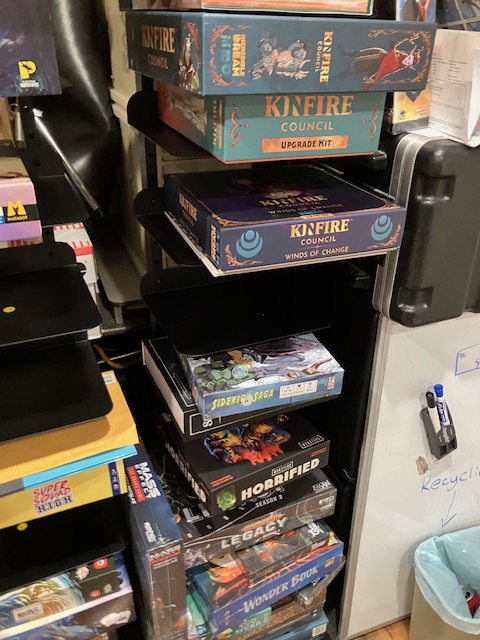
I had received 3 Game Towers as a gift this year; and I expected these to help out!
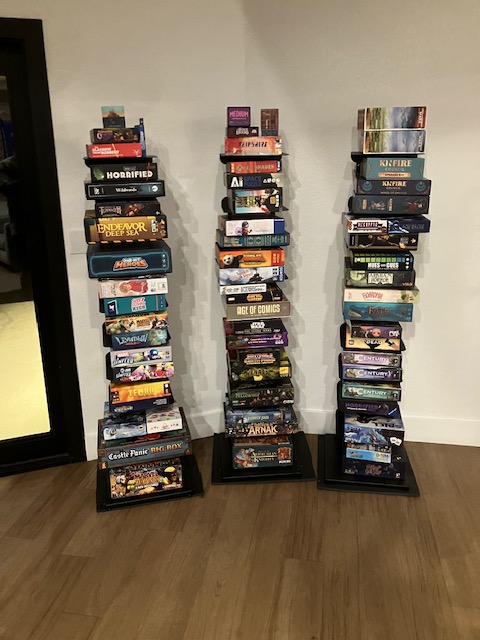
These Game Towers worked absolutely great! People told me that they really thought it was easier to get the games out from these towers! We “only” had three towers, so we still have resort to boxes for the rest of the games.

More cooperation here: my friend Mike was pivotal to helping me get these up to the Rec Center Friday night, Charlie and Sam helped me fill them, and then my friend Jon helped me bring them back to my house!

Sound Mitigation
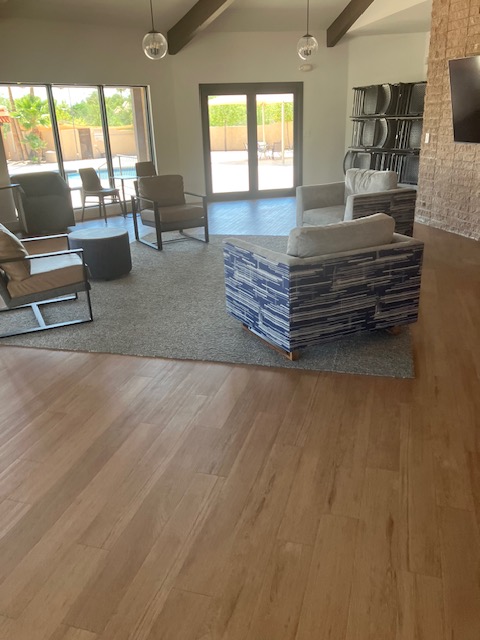
One of the biggest complaints about the Rec Center is that it can get noisy if there are a lot of people in there! The surfaces in the Rec Center are all HARD surfaces that reflect sound! The walls are brick, the floor is (faux) hard wood, and the windows are glass!
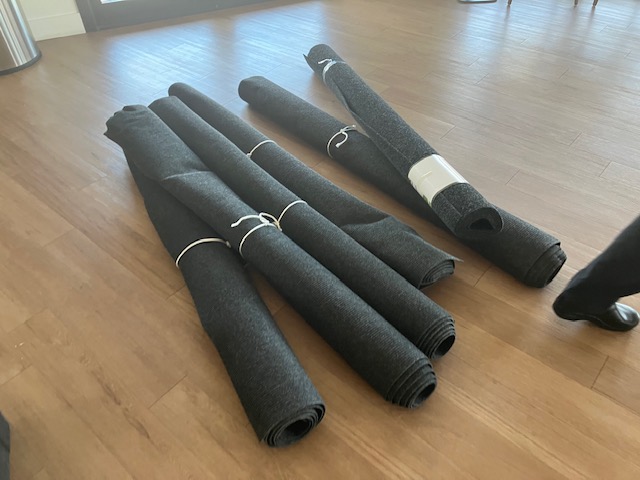
We bought a few more utility carpets (pretty cheap at CostCo) to help with the floor.
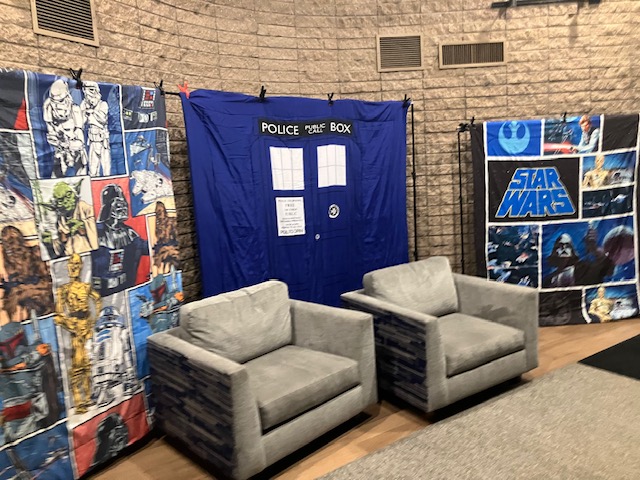
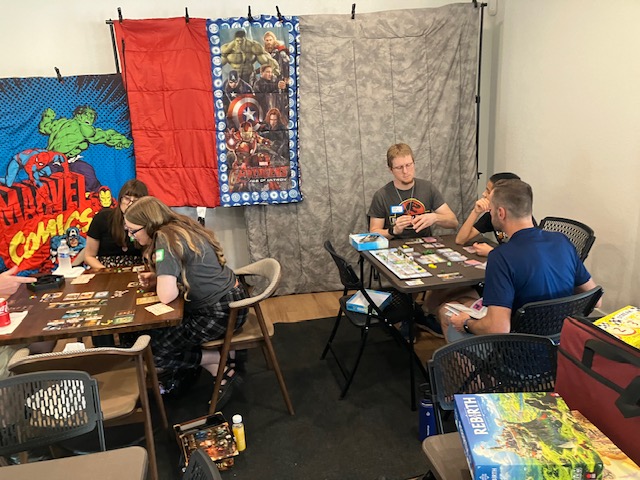
We also added twice as many comforters on the walls! These comforters, although they add some fun “theme” to the con, are all about Sound Mitigation! These hard walls, covered by cloth comforters are nowhere near as reflective!
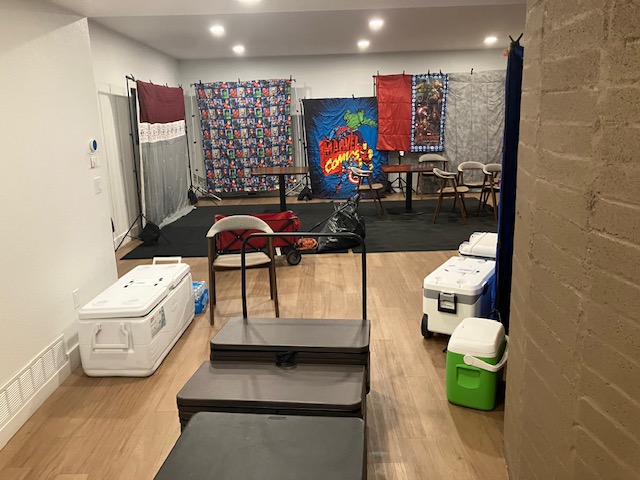
This year we had 8 comforters on the walls (twice as many as last year!) And you know what? These wall comforters made all the difference in the world! This is the first RichieCon at the Rec Center where I felt like “Hey! The noise isn’t a problem!”

I can’t thank Jeff and Becca enough for setting these up! Jeff brought all this equipment down from PHX and then set it up for almost 1.5 hours on Friday night! It was a lot of work for them, but it ABSOLUTELY made all the difference!
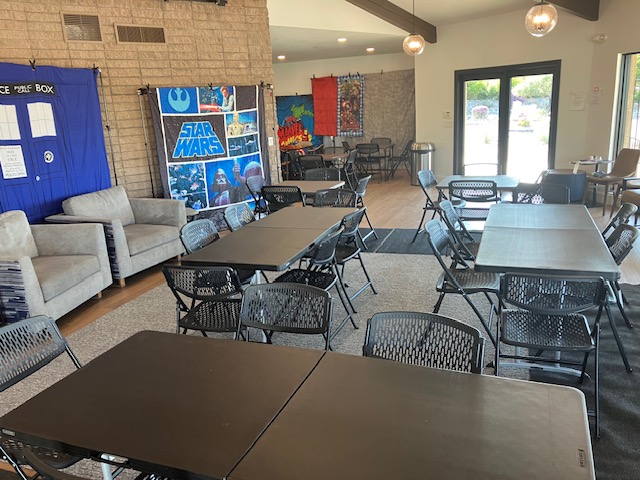
We will absolutely ask Jeff and Becca to help with this next year! Thank you! Their cooperation and volunteering made all the difference in the world to the 50+ people who showed up at RichieCon 2026 this year!

Friday: “The Secret RichieCon House!”
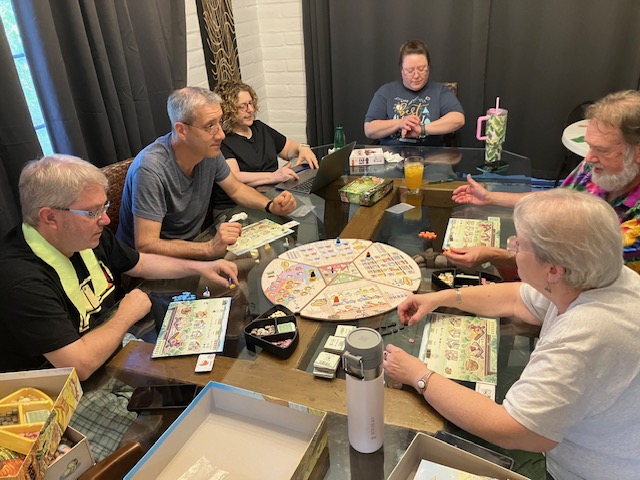
Although RichieCon 2026 didn’t “officially” start until Saturday, there were a number of out-of-towners who played games at the “Secret RichieCon House”! See above!!
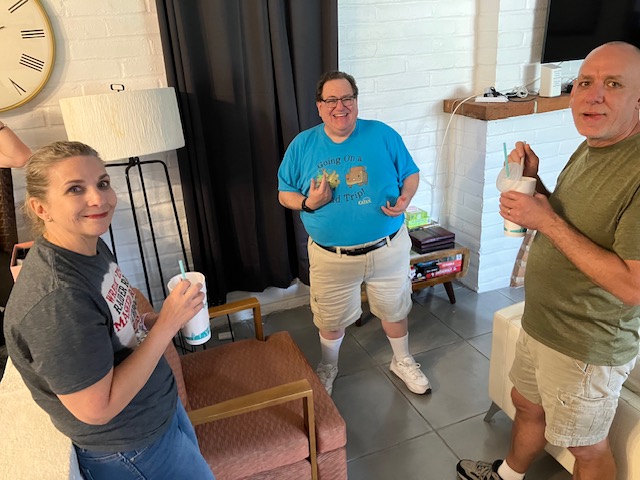
The “Secret RichieCon House” is really just a place for out-of-towners to land and play games! It’s really nice to have an “unofficial” place to go! If you come from out-of-town to RichieCon, you probably want to spend more than just 2 days playing games!
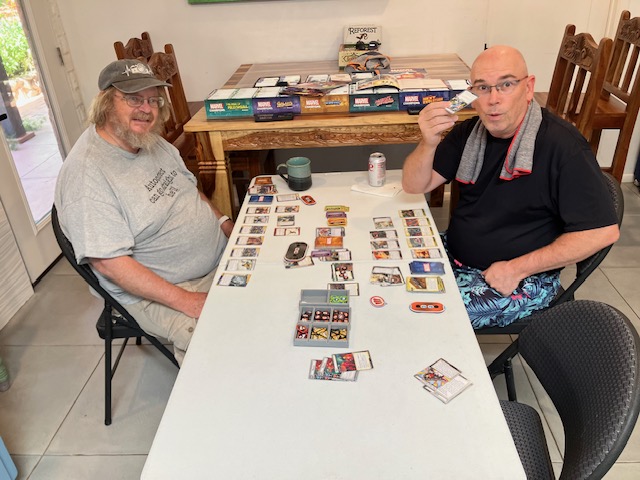
I am always nervous about inviting too many people over to the “Secret RichieCon House” because the AirBNB people can get mad if you have too many people over! We actually had the AirBNB people get mad at us one year… so I ask only out-of-towners to go over.

Luckily, Kurt managed the “Secret RichieCon House” this year so I didn’t have to (I did manage it for 2 years and realized it was waaaay too much work on top of everything I do). Thanks to the Kurt for cooperating with me and managing that!

Saturday! The Con Begins!
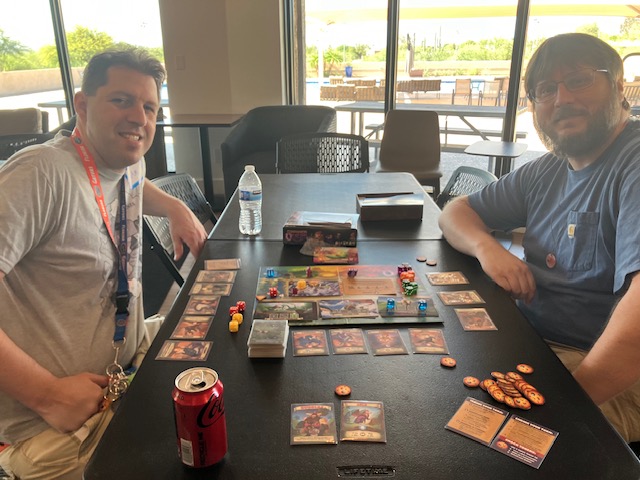
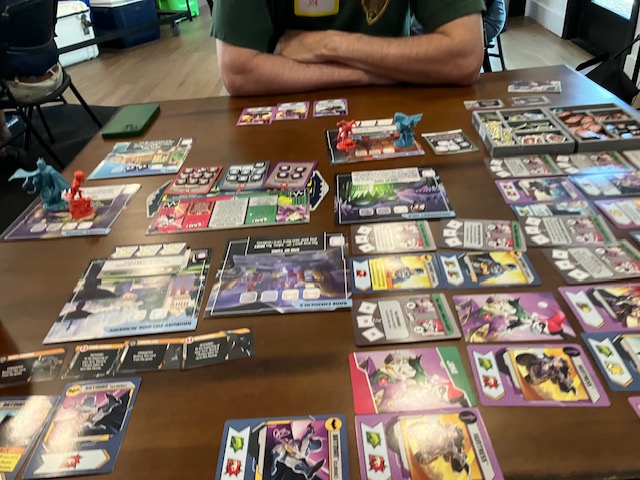
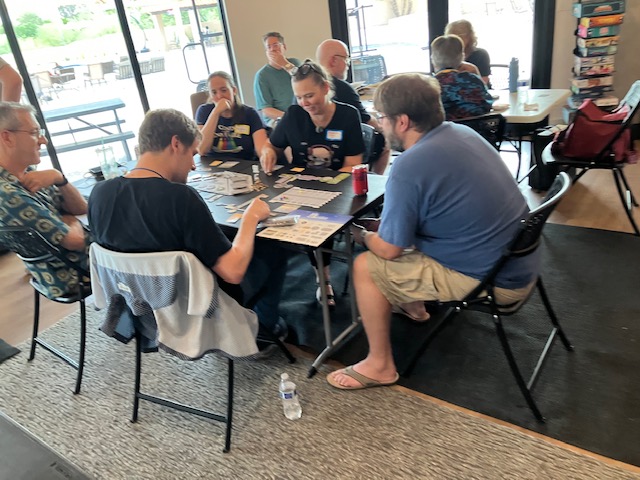
The first “official” game of RichieCon 2026 was Companion Quest! See our review here! And you know what? I think Companion Quest maaaay have been the game of the Con! I saw Companion Quest played more times than anything else!
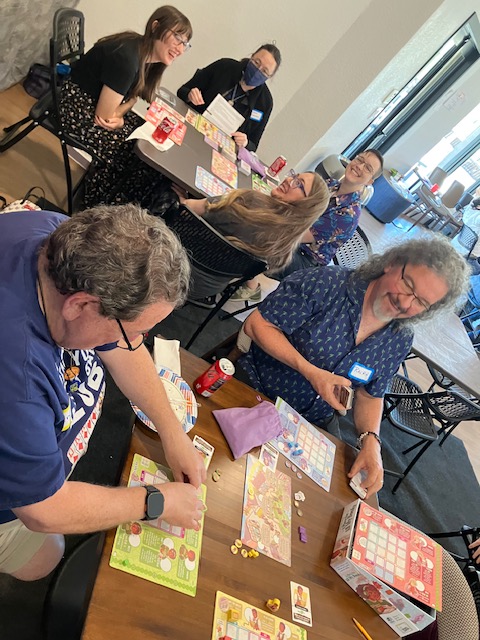
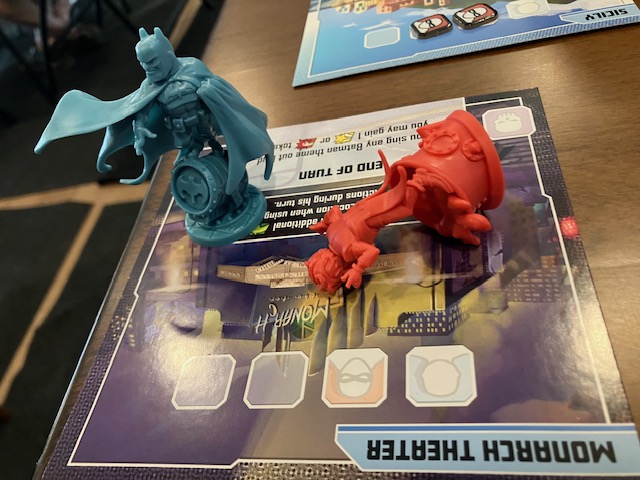
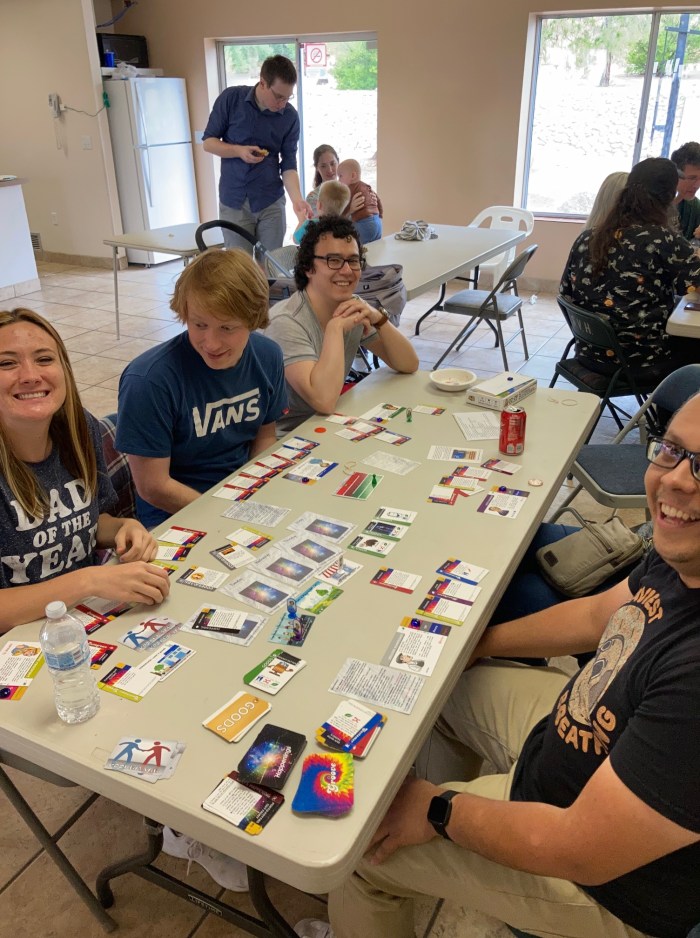
Although, I think that A Place for All My Books (see above) may have a contender for game of the Con! At one point, I saw TWO copies of the game (see above) being played right next to each other! See above!
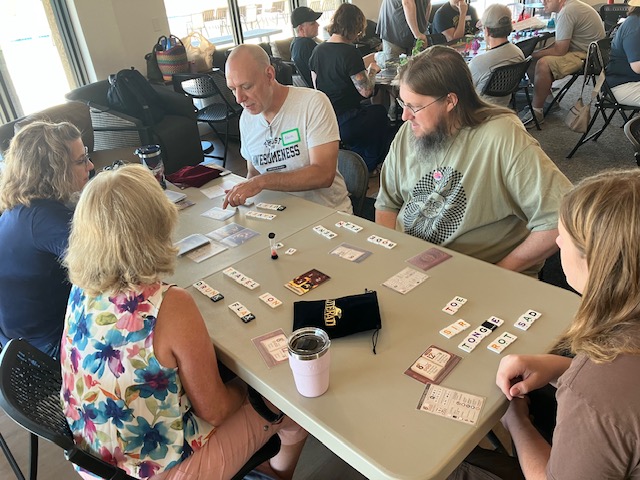
The biggest surprise of the Con was probably Illiterati! I saw a big group of 5 playing it (see above)! I loved Illiterati (see review here), and it even made my Top 10 Cooperative Games of 2023, but the game didn’t really hit most game circles! I was glad to see it played!
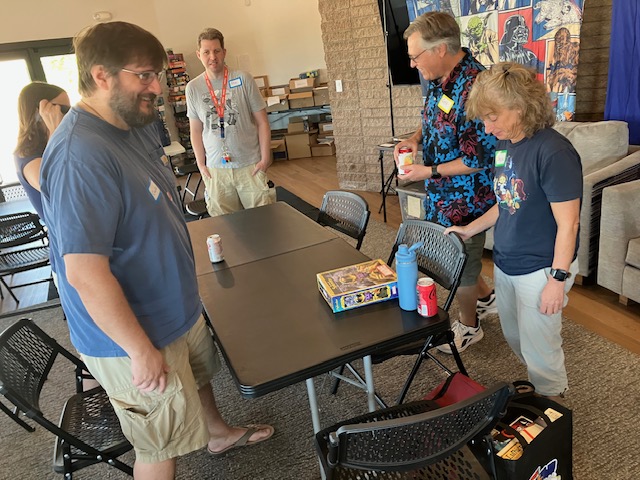
Splendor Marvel was the SECOND game of the con! See the Gallery section at the end for more pictures!

Saturday Interlude: A/C Issues
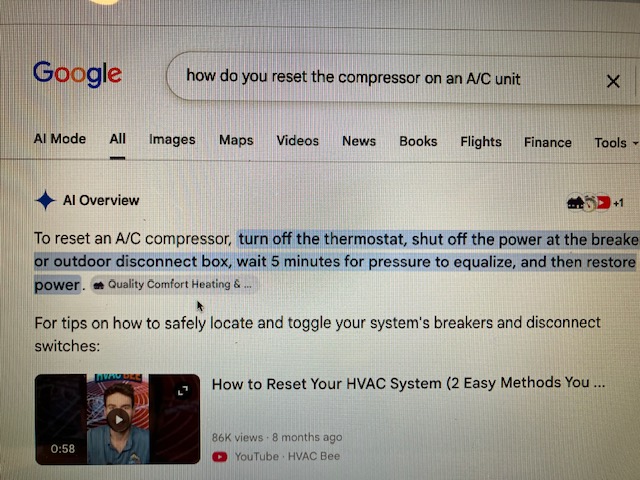
At one point, late Saturday afternoon, there was a power blip. The A/C turned off and it wasn’t coming back on! The blower was blowing, but it wasn’t cold air. You have to understand, Tucson at 4pm in July is VERY hot (110 outside?), so the A/C is pivotal.

After we realized the A/C was down, people tended to drift out.
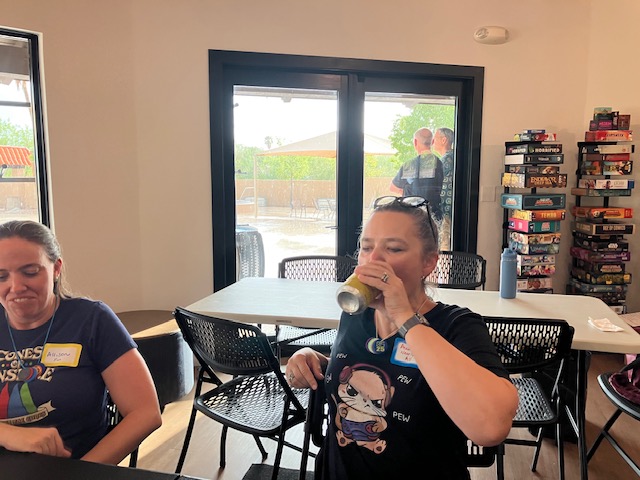
By 8pm, I think everyone was just about done; it was just too hot.

This was quite stressful! Was the A/C completely broken? Would we have to cancel RichieCon 2026 on Sunday? We had a backup plan of the “Secret RichieCon House” … but … what would happen?

Sunday: The A/C Still works!
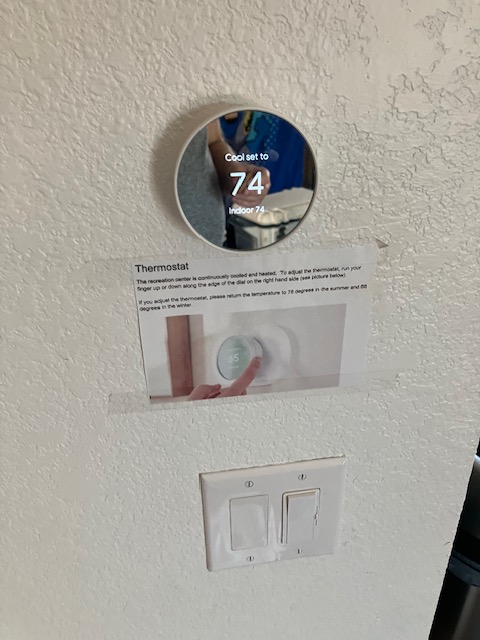
After an email to maintenance the day before, we tested the A/C Sunday morning! It worked! The A/C guy (who arrived later that morning) told us that the compressor “protects itself” during power events, and would eventually reset itself. And that’s what happened to us! In a strange coincidence, this EXACT thing happened over at the “Secret RichieCon House” the day before! All they had to do was wait 4 hours and everything was fine! Man, this was a hot RichieCon!
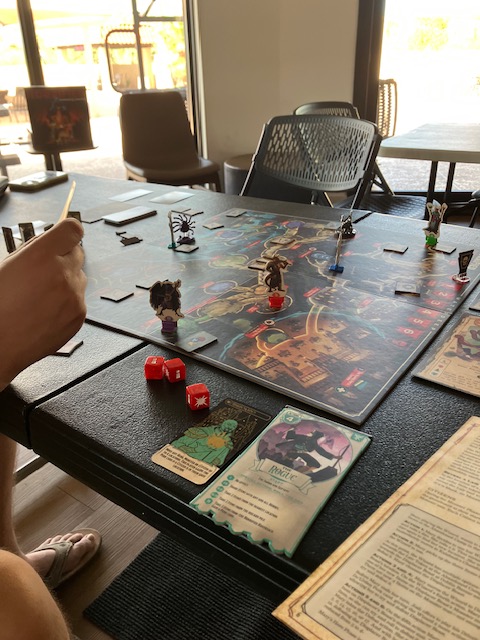
The first official game of the Second day of RichieCon 2026 was Horrified: Dungeons and Dragons! Even though I died once before my turn ever reached me, it was still a hoot!
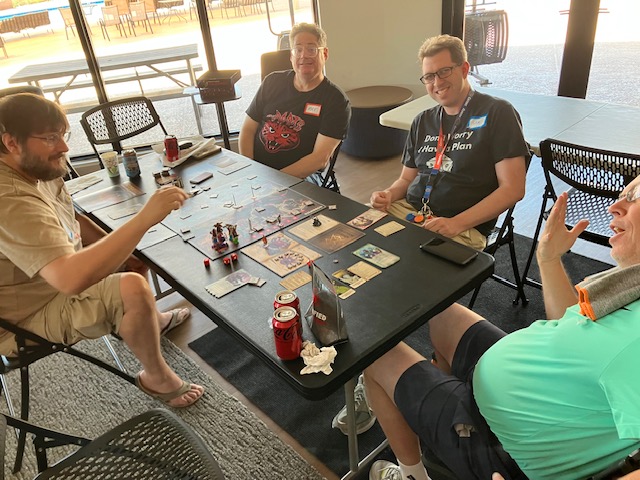
Sunday had about half as many people, but it was still fun!

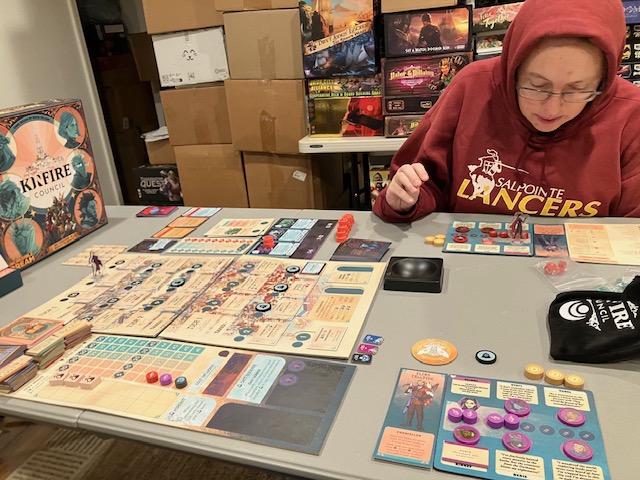
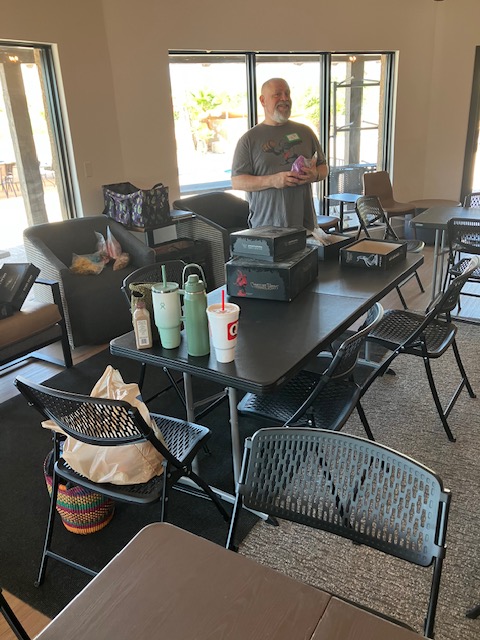
Normally we run until 2pm or so, but our game of Kinfire Council + Winds of Change (on our Top 10 Cooperative Games To Play At A Convention) ran over, so we didn’t start cleaning up until 2:30! Cleaning was a long and arduous process! SO MANY PEOPLE helped clean up! I don’t have a lot of pictures, but people helped empty coolers, move games, moves the Games Towers, clean up, mop, do garbage cans, take down comforters … so much clean-up happened in a 1.5 hour period! Many hands make light work!

There was so much cooperation, I can’t even name everyone who helped. It was basically just about everyone who was there on Sunday. Thank you to everyone who helped out!
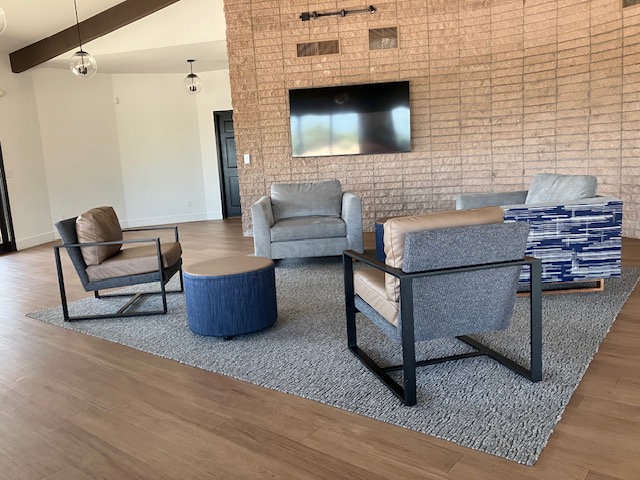
The last thing we have to do is send a picture to the HOA people to show we cleaned up after ourselves! See above!

Conclusion
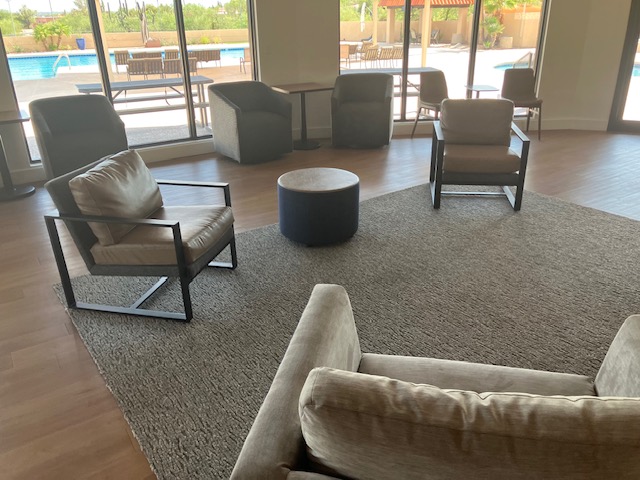
Another RichieCon has come and gone! Except for the blip late Saturday with the A/C, it went surprisingly well.

So many people helped: Max made the RichieCon 2026 token, Will made his famous Chocolate Chip cookies, Jeff brought the sound mitigation equipment! And so many more people helped! I know there were people who helped that I didn’t see! But I know we couldn’t have done this without everyone!!

This was a cooperative convention!

See Gallery below for more pictures!

Gallery
Top 10 Cooperative Replacements for Traditional Board and Card Games

We’ve all played that game of Monopoly that lasted 6 hours, or that game of Scrabble where everyone was yelling at each other, or that old traditional game where we all hated each other at the end! In the modern world of board and card games, there’s no reason for this! There are now many cooperative games that can replace the hate with joy! These are ten modern cooperative games that can replace some of old traditional board games with a more interactive and friendly game.

This list is ordered by how “obvious” a replacement game is! The games at the bottom of the list has obvious replacements, but the higher up the list you go, the harder it is to find a cooperative replacement! The top positions will really make you think about how hard it might be to replace those!

10. Monopoly -> CO-OP: The Co-op Game

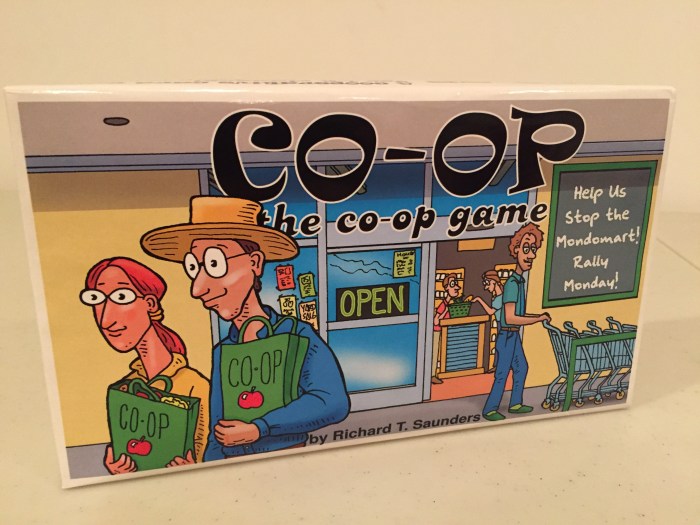
If Monopoly is all about making money and crushing your opponents in a game that’s way too long, CO-OP: The Co-op Game is all about making just enough money to keep the co-op (a cooperative store and place of business with Customers) alive, while still keeping the place fun! The game is over quickly (no 6 hour game here), as players must learn to cooperative and reinforce each other’s actions! There’s actual “cooperate” actions, where players run Car Washes together to make money, or have Drum Circles to attract customers! At the end of the day, players must still make enough money (like Monopoly) to win, but it’s the delicate balance of money vs. fun that makes this so much more enjoyable than Monopoly!

CO-OP: The Co-op Game also embraces Player Selected Turn Order (see link here) allowing players to embrace the fairly modern concept choosing turn order as you play. As opposed to everyone hating each other at the end of Monopoly, high-fives end of the game when you save the CO-OP in CO-OP: the co-op game!

Disclaimer: the main designer of CO-OP: the Co-op Game is a major contributor to this web site CO-OP Gestalt, so take this with a grain of salt. But we’d still rather play CO-OP: the Co-op Game rather than Monopoly!

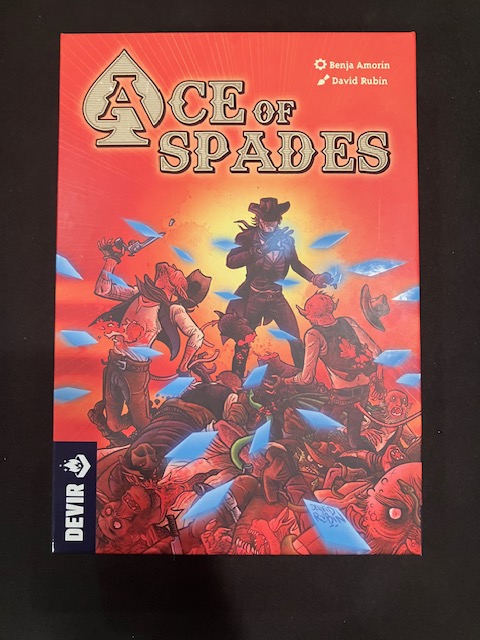
9. Poker -> Ace of Spades

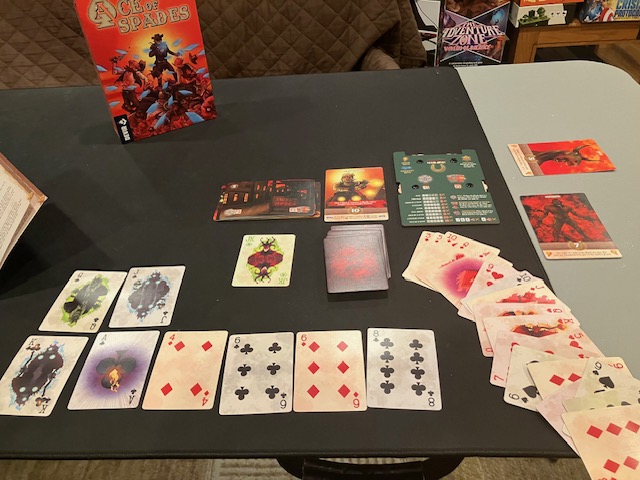
Everyone knows how to play Poker … but sometimes it’s not the vibe you want! A “friendly game of Poker” is never truly friendly … until now! Ace of Spades is a 1 or 2-Player game where players cooperatively use poker hands to fight bad guys!

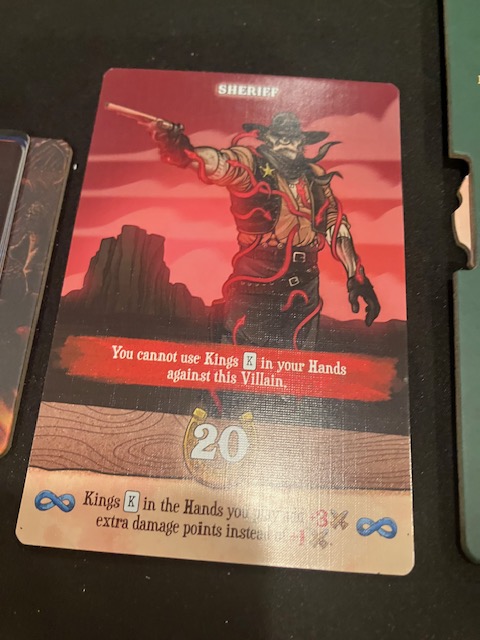
There’s a “river” of cards, shared among the players! Each player needs to form the best Poker hands they can to do damage to the current bad guy!

There’s a series of bad guys you must fight! If you can make it to the last one and defeat him, you cooperatively win! Take a look at our review of Ace Of Spades to see if this might be a good game for you!

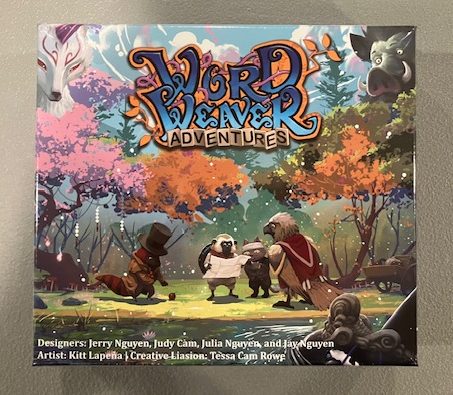
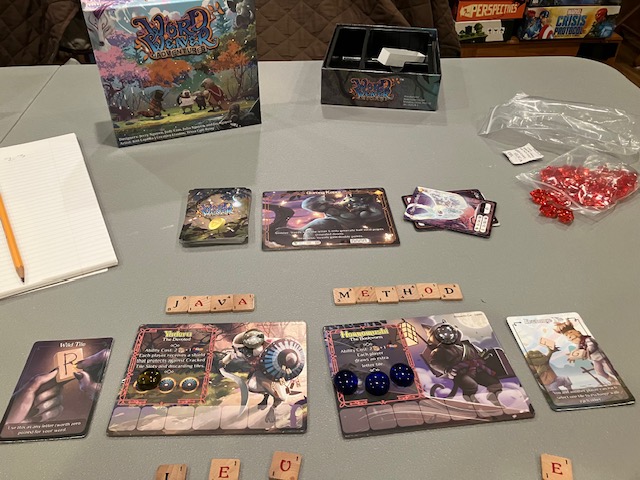
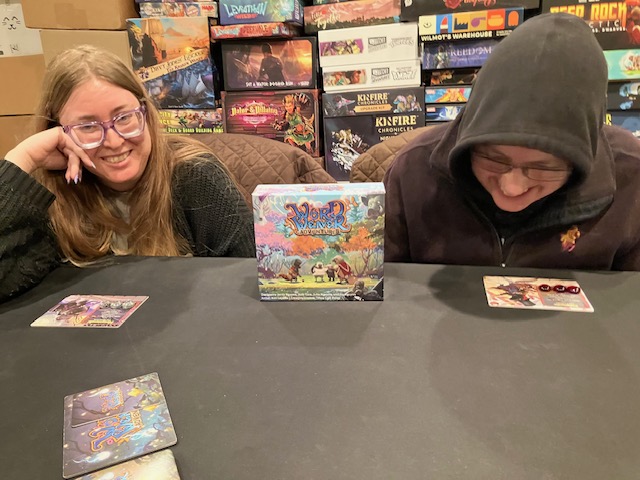
8. Scrabble -> Word Weaver Adventures

Scrabble, at least in my family, was a vicious game where players vied for bonus spaces, and sometimes played stupid words just to block others from playing words on bonus spaces! There were heated arguments about words, but also deathly quiet!! The quiet around the table was deafening as players had to think, and there was so much analysis paralysis as player turns took forever! I love word games, but I hated playing Scrabble.

Word Weaver Adventures transcends all those petty issues! The game is gorgeous and encourages talking and communication! The vibe is open and flowing! And players all work on their words together at the same time, so turns don’t take forever! Players are all doing simultaneous word selection!

Everything I like about Scrabble (spelling words by myself, feeling smart using bonus spaces) is in Word Weaver Adventures, and everything I hate about Scrabble (turns too long, tense vibe) is absent from Word Weaver Adventures! See our review here of Word Weaver Adventures to see if this is something you might like!

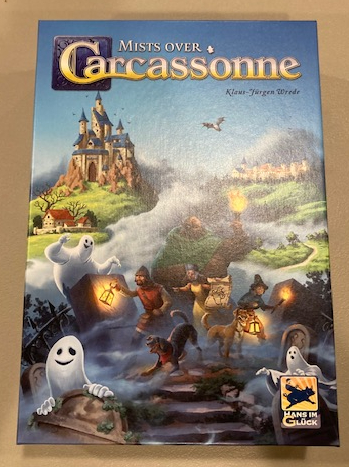
7. Carcassonne -> Mists Over Carcassonne

Carcassonne is a fun tile-laying game that’s been out for a while! Carcassonne is now considered a “classic”, uttered by many people in the same breath as Monopoly and Scrabble! It’s actually a great game, but if you are looking for a cooperative version of this, the Carcassonne people have you covered! They already have something called Mists Over Carcassonne!

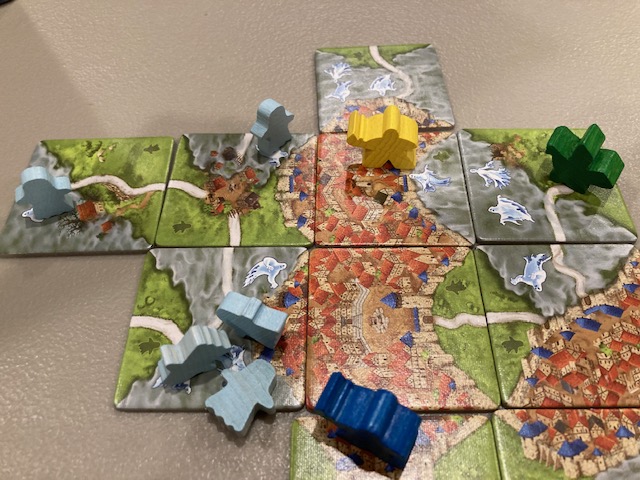
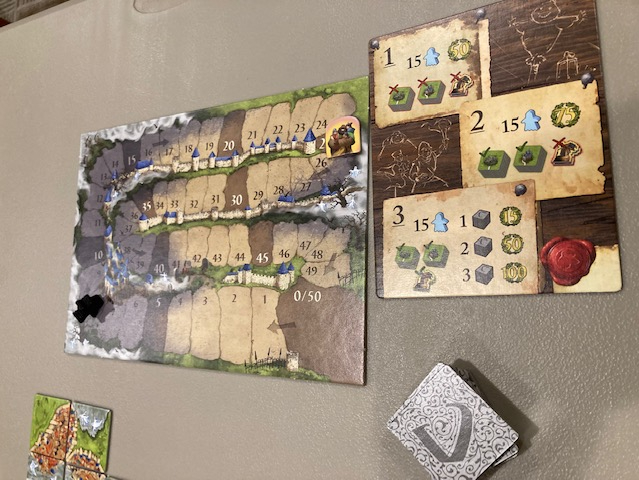
Mists Over Carcassonne makes the game cooperative by adding a new element: ghosts! When tiles come out, you have to worry about capturing ghosts by enclosing them using fairly standard Carcassonne rules! If too many ghosts comes out, players lose as a group!

This is a cooperative victory point game where players have to earn enough victory points (as a group) in order to win, while still keeping the ghosts at bay! Mists Over Carcassonne is a great cooperative tile-laying game, while still preserving all the things you love about Carcassonne! Take a look at our review here to see if Mists Over Carcassonne is something you might like!

If you are looking for more cooperative games that might replace Carcassonne and its tile-laying, take a look at our Top 10 Cooperative Tile-Placement Games!

6. Yahtzee -> The Reckoners

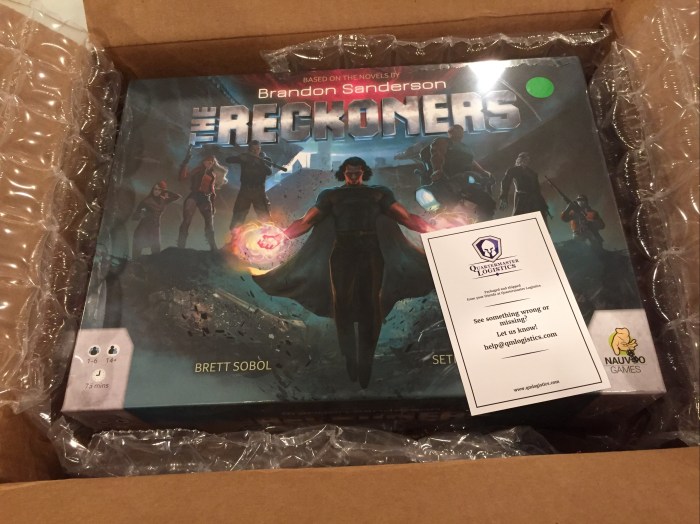
So, Yahtzee is all about rolling those dice! Keep what you want, then re-roll! Keep what you want, then re-roll one final time! Sure, it’s fine, but there’s no real interaction among people as you play; you just get the best score you can! What if you could use the Yahtzee ideas to fight bad guys? And play together at the same time??? That’s exactly what The Reckoners is! A cooperative game about fighting the bad guys together, using Yahtzee-like dice! It’s even based on a fairly well-known book by Brandon Sanderson!

The dice: this is really just a Yahtzee game, but the dice are SO nice!

The dice in this game are just gorgeous! Rolling them is a real treat! Players move around a board, looking for weaknesses and fighting bad guys together! There’s even a fine-grained Player Selected Turn Order going on that makes this so cooperative! (See link here discussing fine-grained Player Selected Turn Order).

After playing with this amazing production, you can’t go back to Yahtzee again! See above! The players are all interacting, cooperating, and rolling dice together for the common purpose of taking out bad guys! Playing talk to strategize, figure out how to use their dice as a group, and generally beat-up bad guys! Take a look at our review of The Reckoners here and it’s expansion here to see if you might like this more than Yahtzee!

Another set of games which can replace Yahtzee are roll-and-write games! See our Top 10 Cooperative Roll and Write Games for another angle on Yahtzee replacements!

5. Apples to Apples -> Just One

Apples To Apples is a fun party game that had its heyday 20 years ago! One player would be the “judge” and everyone else would try to play a card to “play to the judge!” It introduced the idea of the judge player to many people, but it was still competitive! Some of my friends would get angry if the judge didn’t choose their cards! And people would get frustrated if they got crappy cards! Apples To Apples became an instant classic, but it has faded out for my groups because of the frustrating problems.

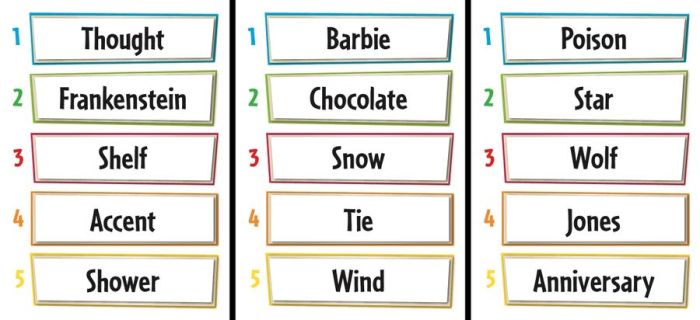
Just One took the judge idea and made it cooperative! Now players were working together to get the judge to guess the one word (word 2: Frankenstein!) Players could be creative and think of any word they want! They tried to think out-of-the-box so as not to collide with other words! Now, no one was getting mad that their word wasn’t chosen!! People would laugh when you only had one clue, and people would generally high-five when the judge guessed the word! Just One is all the great things of Apples to Apples without its baggage! Just One is a shared experience that has worked every time I have played it! This recently the #1 position on our Top 10 Cooperative Games To Play At Gaming Conventions!
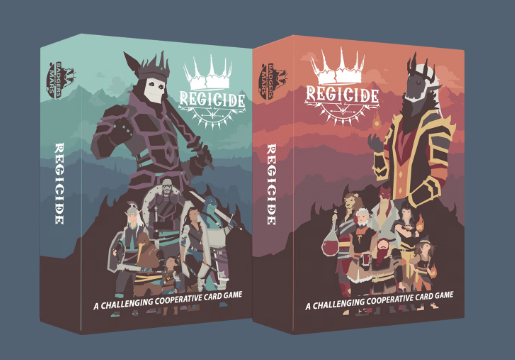
4. War -> Regicide

War is the game I remember playing at sleepovers when I was a kid. You’d take a normal deck of cards and just play all night. So easy! Cut the deck in half, each player gets a half! Flip the top card; whosoever has the highest card wins both cards! A tie? You resolve with 3 more cards, then flip again! I remember so many sleepovers and just playing this all night long.

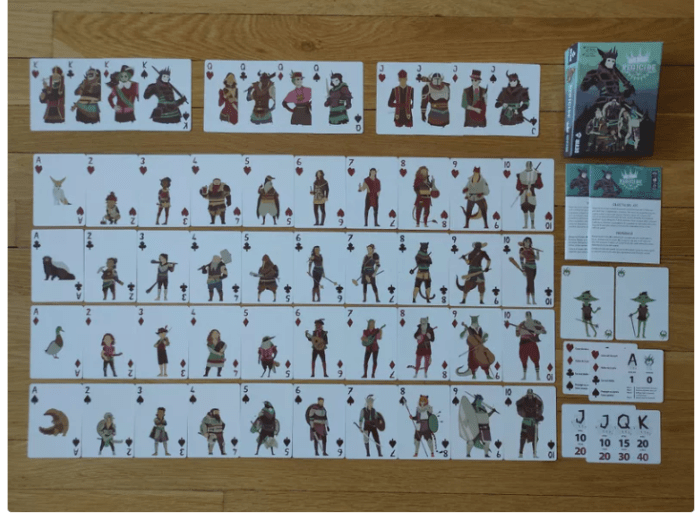
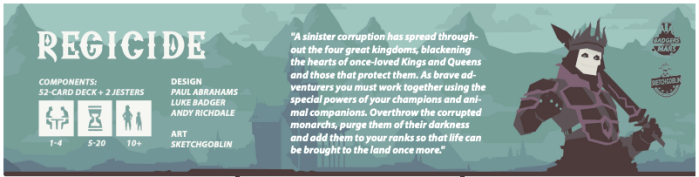
Later on, you come to realize that War is just random. If only there were a cooperative game of fighting you could play with just a deck of cards! With a little more strategy! There is! Regicide! Regicide has the vibe of War very much; you have to do enough “damage” to bad guys (not each other), take cards, and you have to worry about losing cards!
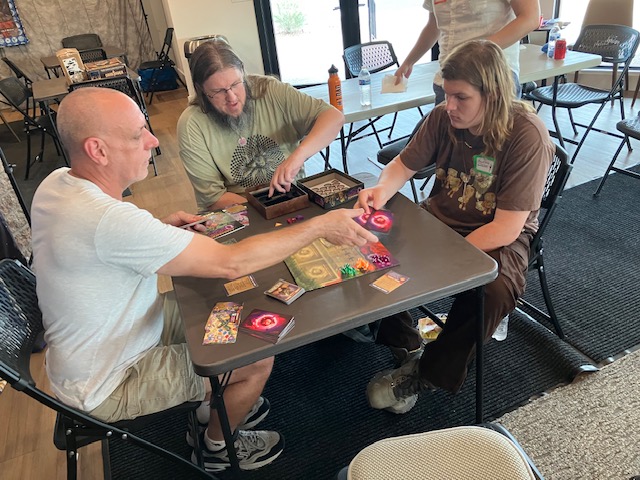
Regicide has the benefit of using any plain deck of cards, and had the vibe of War! It is, unfortunately, more complicated than plain War, but it is a good cooperative game you can play with a plain deck of cards! See here for the free rules of Regicide! Or, you can order a deck with the rules and get the cool art!

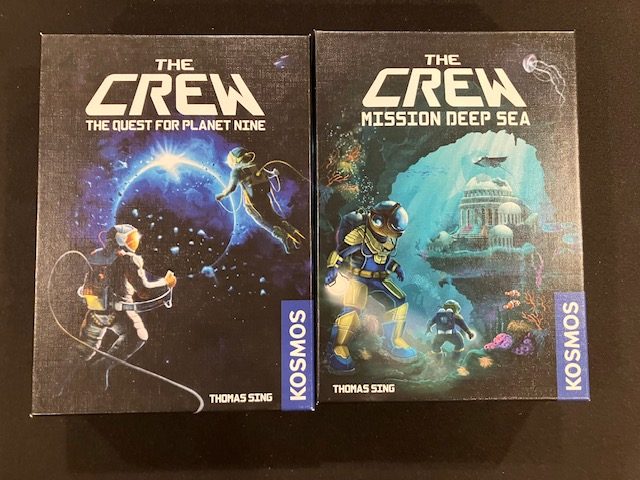
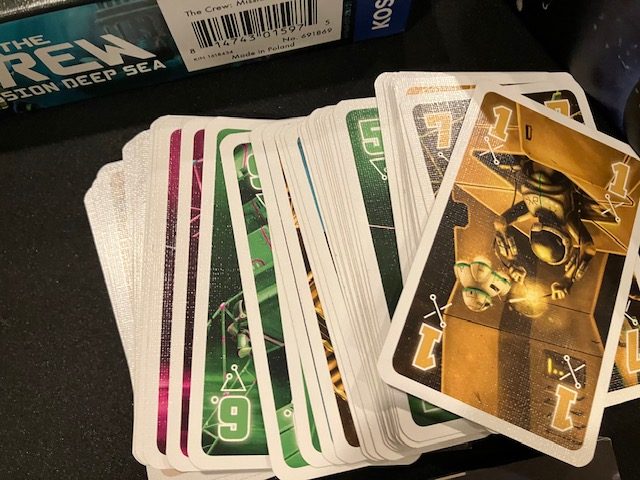
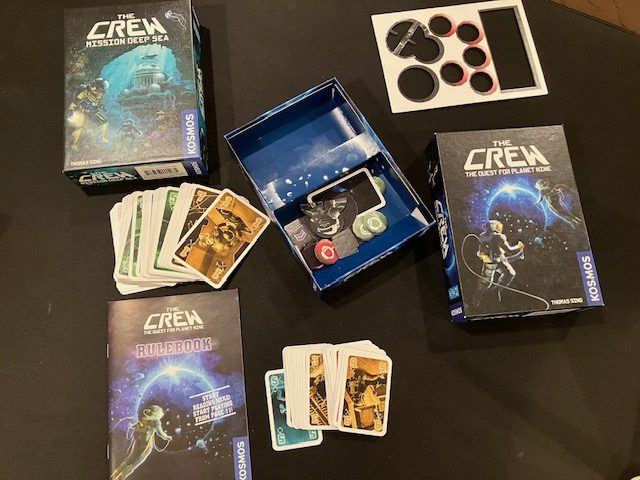
3. Spades, Hearts, or Bridge -> The Crew: Quest For Planet Nine or The Crew: Mission Deep Sea

Spades, Hearts, or Bridge are standard trick-taking games that many people grow up with! Bridge even has its own groups! My Mom had Bridge ladies over all the time for tournaments! It was serious business to play Bridge! My Mom was actually quite good, but it was hard to keep up with her! In fact, you couldn’t keep up with her! She would destroy you!! If only there was cooperative trick-taking I could play with Mom instead of Bridge!

There is! The Crew: Quest for Planet Nine, or its second version The Crew: Mission Deep Sea are cooperative trick-taking games where players of all skill levels can play together! Even though none of us are as good as my Mom at Bridge, we can all still have fun playing this together, and still get that trick-taking game vibe my Mom loved so much!

There’s actually quite a number of cooperative trick-taking games that can take the place of Spades, Hearts, or Bridge! See The Top 10 Solo and Cooperative Trick-Taking Games here! But The Crew is our favorite replacement!

2. Risk -> Spirit Island or Horizons of Spirit Island

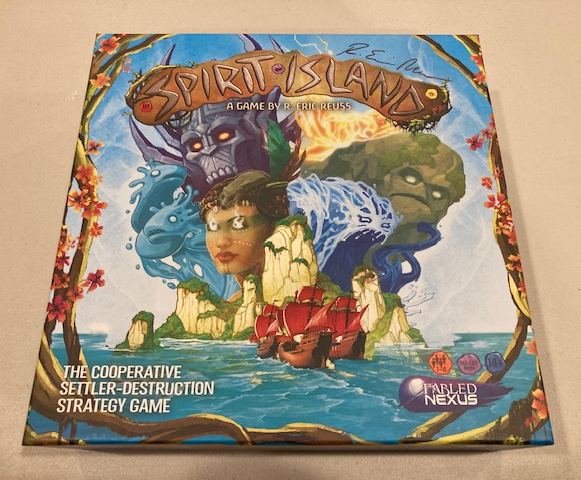
Original version of Spirit Island from the Kickstarter: signed by R.E. Reuss!

There’s a rather infamous story in my friend circle from High School about me giving Joe a bloody nose during a game of Risk! Yes, Risk is random, Risk is mean and vicious, but it’s the standard area-control game for most people! If you don’t want to risk giving bloody noses to your friends, then maybe there’s a better area-control game than Risk?

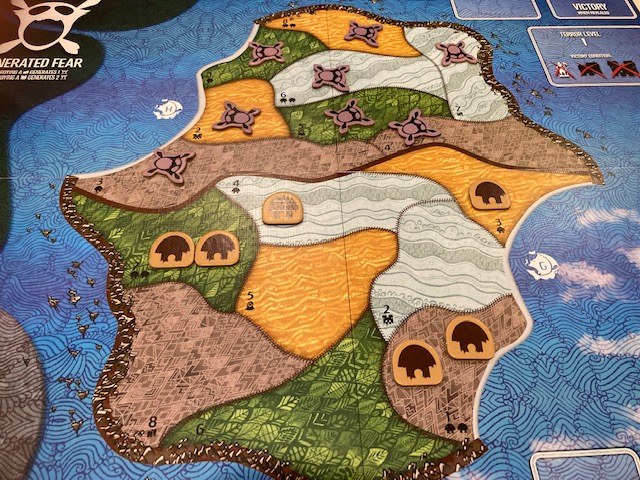
Spirit Island is game where players work together to control areas to to kick-out invaders! Players have to strategically inhabit the lands and keep control of lands (much like area control)! Spirit Island is an incredible modern hit, making our Top 10 Cooperative Games of 2017 and, as of this writing, the #11 game OF ALL TIME on the BGG list of games!

There’s even a slightly lighter version of Spirit Island called Horizons of Spirit Island! And it’s available at Target!! Spirit Island is a very complex game, and jumping straight into Spirit Island from Risk maybe a bad idea, but jumping into Horizons of Spirit Island from Risk is probably the right way to start with it! Horizons of Spirit Island is simplified enough to get you going and see if you might like it! Take a look at our review here of Horizons of Spirit Island to see if Spirit Island can replace Risk for you!

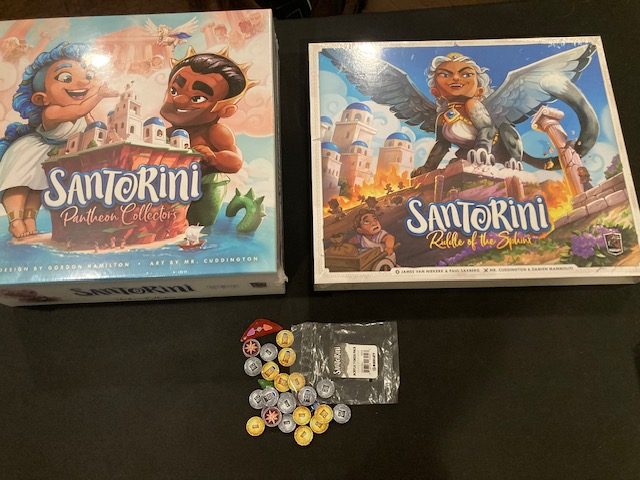
1. Chess -> Santorini: Riddle of the Sphinx

Chess is a hard game to replace. People either love or hate Chess, usually because games are so imbalanced when one player is clearly much better than the other. What if there was a way to take advantage of all that Chess knowledge to solve puzzles together?

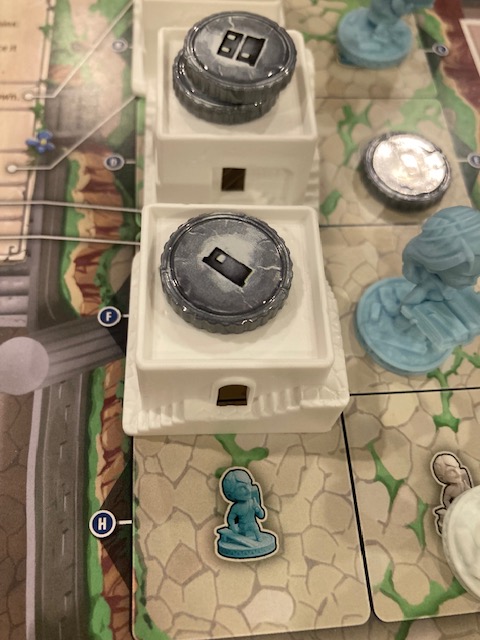
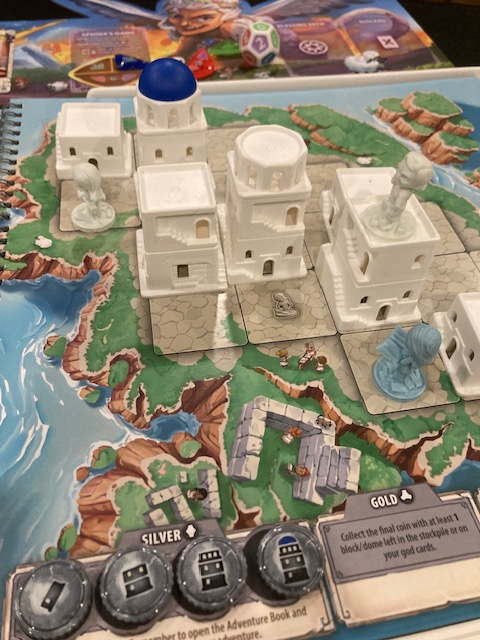
Santorini: Riddle of the Sphinx is all about moving pieces around the board, getting into position, and strategically setting up the next turn! It has a very “Chess” feel as players move pieces around the board to solve a puzzle! Let’s be clear, Santorini: Riddle of the Sphinx is absolutely a puzzle! The board sets up a puzzle and players have to solve it as a group or solo player!

This absolutely feels like Chess as move you characters around the board and solve the puzzles presented! Every Chess player I know thinks of board configurations like “puzzles to be solved”! Santorini: Riddle of the Sphinx absolutely has that board configurations as “puzzle to be solved” vibe, but working together in a cooperative game!

See our review here to see if you think Santorini: Riddle of the Sphinx might replace Chess for you! This is probably the most oblique replacement on our list, which is why it is #1! Let’s be clear; you need both Santorini and Riddle of the Sphinx expansion to play this!

Clark Kent Robs a Train? A Review of The Glasgow Train Robbery

The Glasgow Train Robbery is a 2-Player only cooperative game that was on Gamefound back in April 2026. I backed it, and it delivered to me in late June 2026. That’s right, only 3 months from crowdfunding to delivery!

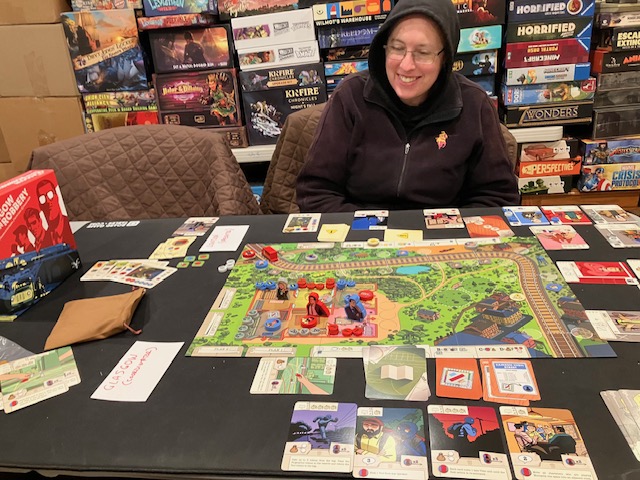
This is the story of the Great Train Robbery of 1963 (see wikipedia entry here)! Yes, this game is modeling a real event! Two players work together to try to pull off that same train heist! This is an asymmetric cooperative game with limited communication for only two people!

Let’s see how well in works!

Unboxing and Gameplay

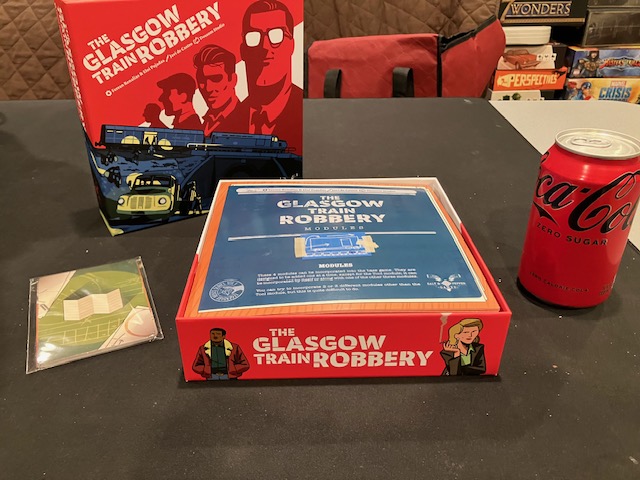
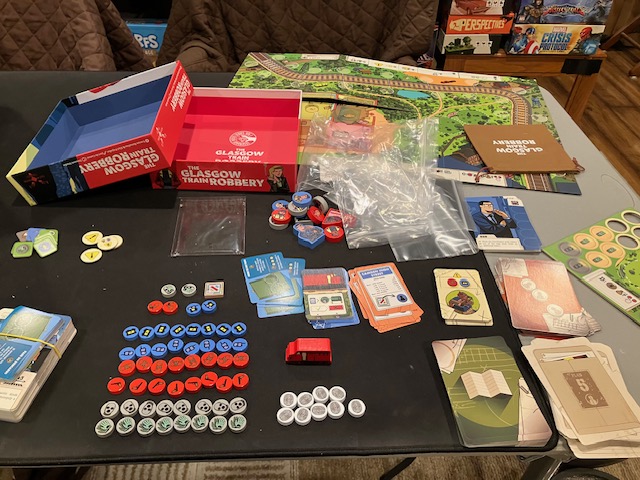
See Coke can above for scale.

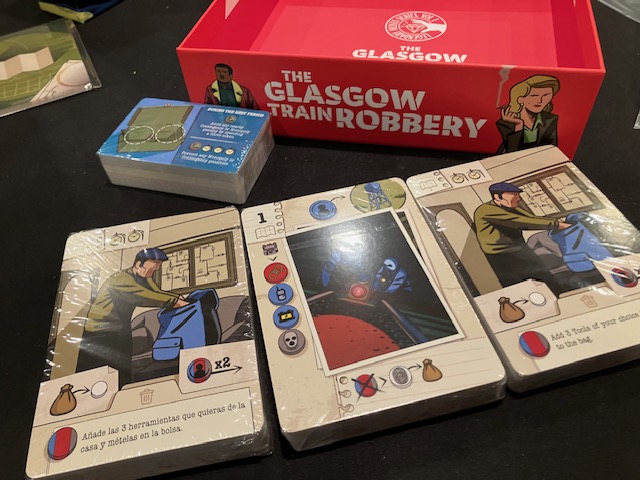
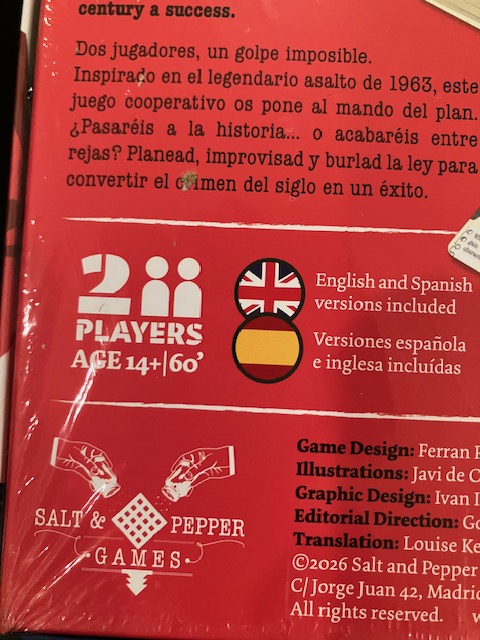
This is a dual-language product: Spanish and English. See above for the two rulebooks that come in the game!

Some cards are language independent (see middle set above) and other cards are definitely tied to a language (the same card in English on the right and Spanish on the left).

I had to spend a little bit of time separating the two out. In the end, I put all the Spanish cards together with one rubber band and just put it back in the box.

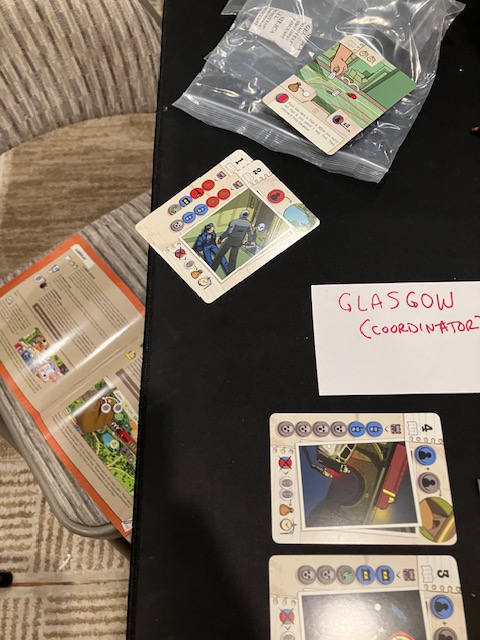
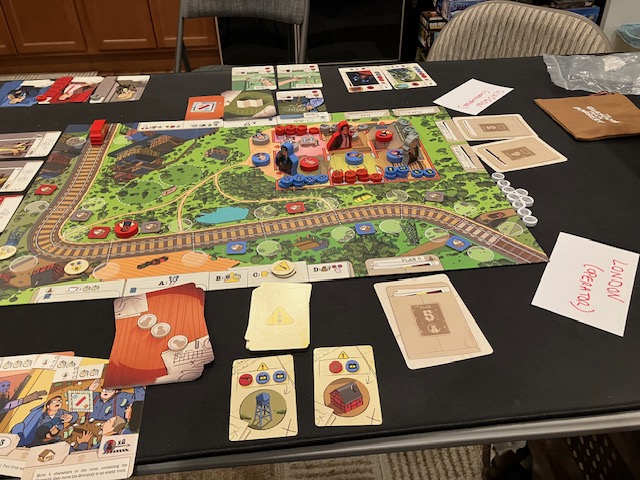
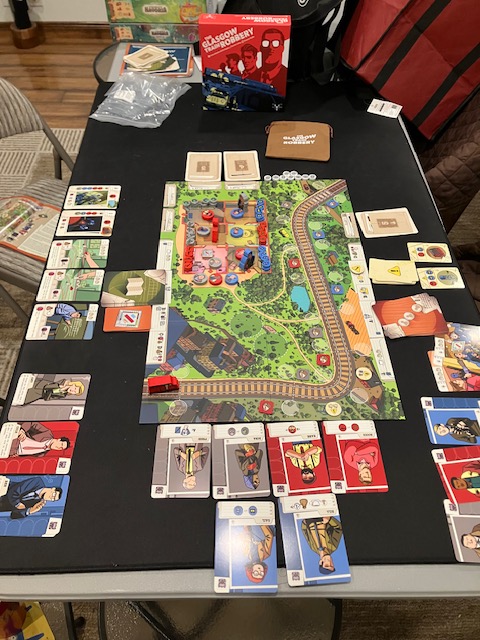
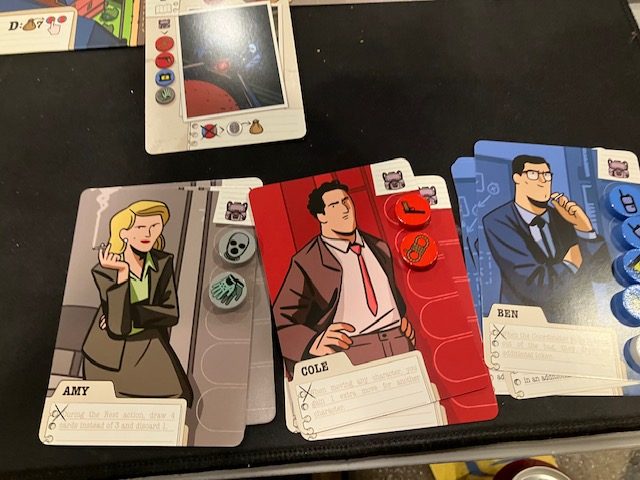
The two players are playing very asymmetric roles in this game. One player plays the Glasgow side, playing the Coordinator. See above. I wish the game had included ome way to mark which side was which, so I made my own little cards!! The Coordinator is all about supplies and handling the first four stages of the Plan for the train robbery! The first four Plans are all about the set-up and execution of the robbery!

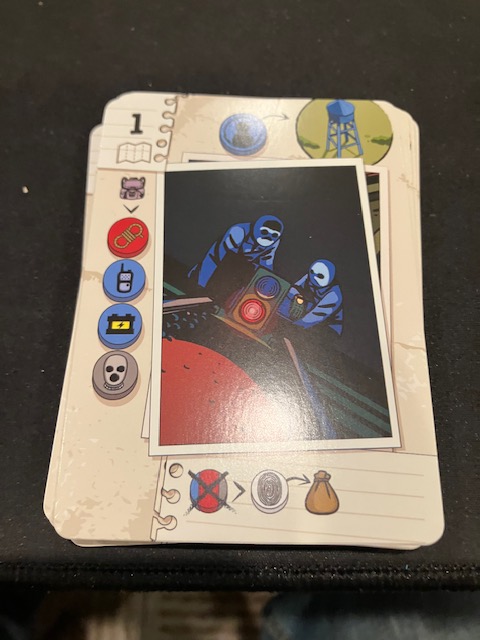
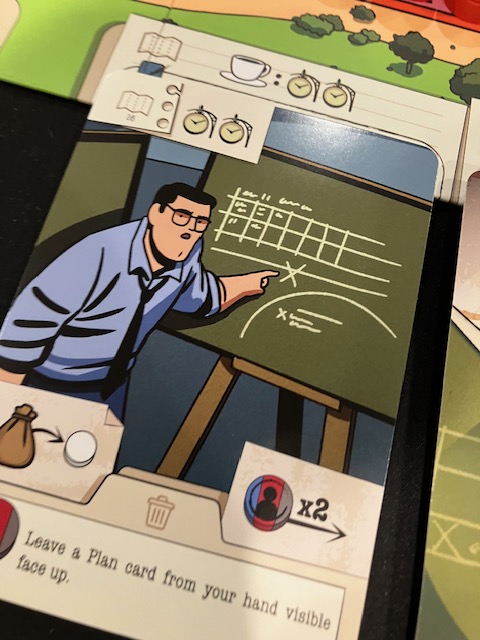
A Plan (level 1 above) is executed by spending the resources (on the left side of the card) when the train is at the location (upper right on card) with appropriate characters (upper left of card) next to it! So, you need resources, minions in the right place, and the train in the right place! Whew! Now, you can resolve a Plan card, even if you don’t have all the resources, but the penalty is listed on the bottom of the card for EACH resource you can’t pay! In this case, you add more fingerprints to the bag.

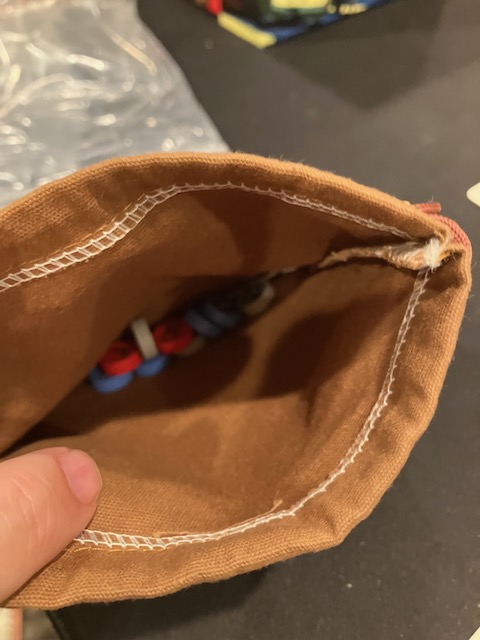
This is also a bag-building game to some extent; the bag is filled (very carefully and specifically) with resources that you may need to complete challenges. The big is filled and emptied (usually only) when players REST for an action.

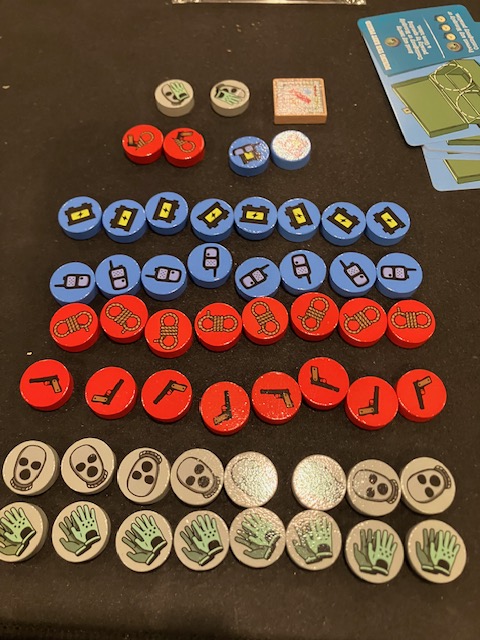
The resources (see above) are all tokens you can collect by either drawing from the bag (at certain points in the game, usually a REST), visiting a hideout, or having a special card! These resources are “criminal” resources: gloves, guns, rope, etc (see above) needed for the heist! These resources are surprisingly sparse; it’s harder to get resources than you think.

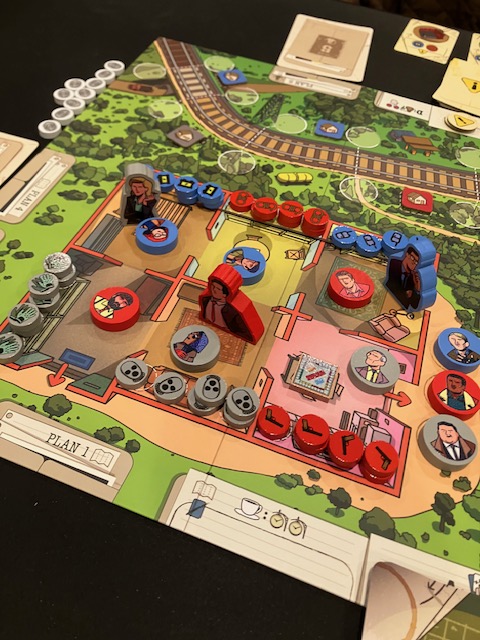
The resources are usually managed by the Coordinator: the Coordinator’s side has a house with all the resources. When it’s time to put resources in the bag (during a REST action), one resource is put in for each person in the room with that resource! The Coordinator moves people around the house (and outside the house to help), so this is a delicious tension! When should the Coordinator use his precious turns to move people in the house (so we can have more rope in the bag at a REST) or when should he move people OUTSIDE the house because the other guy needs more help?

The Operator is the other side (in London). Once the people have left the house, the Coordinator no longer controls them; only the Operator may move them! The Operator’s job is to have people in the right place at the right time! The Operator is also given the unenviable position of dealing with unexpected “issues” that crop up! The game calls these issues Contingencies.

Contigencies are kinda similar to the Plan cards; they are resolved by discarding resources, but you have to have enough characters next to the landmark to resolve the contingency! See above. If you don’t take care of contingencies, they cause time to expire sooner, fingerprints to explode, and make the game end faster.

This is a limited communication game; you can occasionally discard a card to say “3 keywords” and tell the other player what you need. RED-BLUE-TOWER probably means “get a red guy and a blue guy next to the water tower so I can complete phase 1 of the Plan!”

This is very much an asymmetric game; each player has special decks (Coordinator or Operator decks), different ways to operate, and different actions! If you can get solve stages 1-5 of the Plans without leaving too many fingerprints before the Train gets to London, you win! Whew!

This is a really interesting looking game with its own “style” of art! I think it looks pretty neat.

Clark Kent is Robbing a Train?

When my friend Teresa first saw the game box, she said “Is Clark Kent robbing a train?” I had to tell her, no, he’s not, but I can see why she said that.

I think the game art is meant to mimic some known pictures of the original heist members, and if you look at the pictures from Wikipedia on The Great Train Robbery … that one guy on the right looks suspiciously like Clark Kent.

Solo Play

Let’s be 100% clear; this is ONLY a 2-Player game! There is no solo mode at all. None. No Saunders’ Law here!

And yet, solo was the first way I played!!! And I recommend you play solo the first time as well! What do I mean by this? This is applying the Changing Perspectives idea (see link here) where you “pretend” you don’t know what the other player knows, and try to play the game without using the other character’s knowledge. In this case, you alternate between the Operator and the Coordinator characters, but “pretend” you don’t know what Plans/Contingencies they have!

It is a little wonky to play the game solo like this, and it’s also hard! You can only use the information on the board and the keywords communicated to inform your decisions! It’s also very instructive to think: “Ok, if I didn’t know what the Operator’s Plan’s were, and only the keywords they’ve told me, what would I do?” This is a really interesting thought experiment. It’s also a better way to play solo than I thought it would be. It does work, but you just have to have the mental discipline to not “cheat”!

Even if you hate this idea of the Changing Perspectives, it’s a great way to learn the game: you get to play both sides, you get to see what operations are available, you see when it makes sense to communicate, and you see how the game flows. I also recommend physically switching sides when you play one position or the other: you almost have to because of the way the game sets-up! I strongly encourage this physical switching; it really throws you into the appropriate character when you are in their physical shoes!! (I don’t recommend changing shoes every time you switch sides; that’s too much).

Play the game solo once using Changing Perspectives idea, then you can decide if you ever want to play it again solo. I think I do? But, more importantly, I can now teach my friend how to play!

Cooperative Play – Two Players

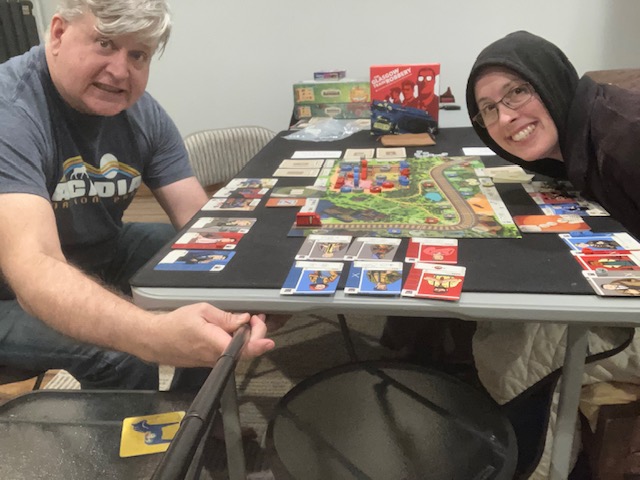
Of course, the real way this is meant to be played is 2-Players! On opposite sides of each other! We can see the guys and gals we have in play and their specials, but we can’t see each other’s Plans or Contingencies.

I’ve played a few 2-Players games now (with first Teresa then Sam), and it’s clear that first game is absolutely a teaching game. The Glasgow Train Robbery has a lot of systems and rules, and seeing how all these systems interplay is complex! My first games with both Sam and Teresa were both losses. Because they are learning the game!

After we lost, we talked about “WHY” we lost! “Oh, I need to move the people out quicker so they can have more stuff” Oh, I need to be communicating sooner”, etc. Let’s be clear; it does feel like we have enough agency to affect the endgame; we just need to know what to do with that agency!

This is an odd game with lots of systems, but it works as a 2-Player game. The Limited Communication takes a little getting used it (you can really only communicate using keywords when you take that action), but it does work. It even seems thematic to a certain degree, because it was a lot harder to communicate back in 1963! No cell phones! Fewer phones!

Those first few games take about 2.5 hours. The box says 60 minutes. This estimate seems really wrong, unless you have mastered the game.

What I Liked

Style: The art style and graphics design is “quirky”, but it works. It is very readable as well.

Quirky: Everything about this game is quirky; the art, the gameplay, the actions, the limited communication, the gameplay, the asymmetric sides, it’s all so … quirky. But it works.

Monopoly: In the original real-life heist, they literally caught some of the people by finding their fingerprints on the board! And this game models that mechanism! The more people people in a room with the Monopoly token when you REST (see above), the more fingerprints get thrown in the bag! If you ever run out off fingerprint tokens, you lose! The police caught you!

That’s right, this game penalizes you for playing Monopoly, like it should.

What I Don’t Like

Keywords: When you communicate to the other side, you can “only communicate in keywords” (see rules above). But, it literally never defines what a keyword is! The only two uses of the word “keyword” are on page 17 of the rulebook (above). They give an example of a communication, which gives you a sense of what a keyword might be! But it’s very frustrating they don’t define this! Can you use numbers? Character’s names? Can you use purple to imply red + blue? It seems like you might be able to be smart and come up with a code and get more info out! For a game where limited communication is such an important part of the game, this really needed to be more clearly defined. What you can/can’t communicate is poorly defined, and it will affect your gameplay in some way!

Action Cards and Randomness: There are some great Action cards, and there are some not-so-great Action cards. Some of these Action Cards can mean the difference between winning and losing IF THEY COME OUT EARLY in the game! So, for example, you may get lucky and can activate a character powers early on … and that makes the game viable! But it comes out too late, it sorta screws you. It can be a little frustrating to have such a swinginess to a game with so many systems. It’s frustrating when a complex game like The Glasgow Train Robbery can go south because of too much randomness.

Things I Am Not Sure About

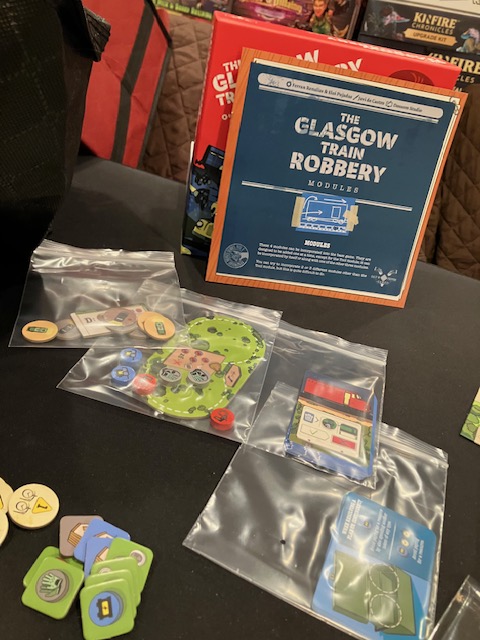
Modules: There are 5 modules you can add to the game to change it up. That’s cool. You can extend the life of the game. I just don’t know if I will ever play any of those modules? This game is hard to get to the table as it is, with its 2-Player only, limited communication, asymmetric play! I don’t know if I can about these modules?

Conclusion

It’s hard to recommend this cooperative game; it’s quirky, complicated, asymmetric, limited communication, 2-player only, and it’s hard to teach. And yet, I do recommend it! Its quirky nature makes it something different and interesting. I would suggest playing this (at least a few times) to get a sense of it before you decide if you like it or not. You have to kind of absorb it because there’s a lot going on; I think the juice is worth the squeeze.

This is 6.5/10 for solo (I know, it doesn’t really have a solo mode, but you can play it solo using the Changing Perspectives idea), and 7.0/10 for cooperative. It’s right on the cusp of a full recommendation, but I do like it and I do recommend it. It’s just so quirky.

I am guessing this game would be great for a couple who could really dive in, try multiple plays, and enjoy the modules.

The Gnomenclature of the Dice! Companion Quest: A Solo and Co-op Review

This week we take a look at a game from our Top 10 Anticipated Cooperative Games For 2026! We want to give it some attention because RichieCon 2026 is in a few weeks, and *spoiler* I think some people will really like this game!

Companion Quest is a cooperative dice game that on Kickstarter back in March 2025. It promised delivery in December 2025, but just delivered to my house here in June 2026 … so, it’s about 6 months late.

This is also a game that was on our Top 10 Anticipated Cooperative Games For 2026!

Was it worth waiting for?

Unboxing and Gameplay

Although we got the Kickstarter edition with a few expansions, there are better versions with mats and other upgrades! We’l just be taking a look at the base game.

The size of this box might surprise you a little; it’s a smaller game! See Coke can above for scale.

This is front-and-center a dice-rolling/dice-placement game. But what are the right words to use? Is this a dice-placement game? Is this a dice-rolling game? What’s the right gnomenclature? According to BGG: it’s dice-rolling (but it feels a little like dice-placement).

Although the name and cover might imply a little more questy game (and there is some questing), the dice-rolling/dice-placement portion of this game is the majority of gameplay. If you were looking for a game with lots of story and fighting, you probably need to look elsewhere!

Each player takes the role of a Gnome!

Each Gnome has his own power and a companion that accompanies him!

See all the companions above!

Each Gnome has his own special power, and an attached “companion”! The companions are bonded to the specific Gnomes, so you can’t choose willy-nilly. See above as Bubbles the Gnome has Arlo the companion!

The special powers of the Gnome or companion are activated by “tapping” (turning the card sideways) to show the ability has been used. How do you recharge the power(s)?

You recharge with Cookies of course! Cookies are phenomenally useful in this game! They can recharge any Gnome or companion …

… or the Cookies can be used to recruit new companions to your menagerie! There is always four companions available for recruiting on your turn!

How do you win? There’s “gnominally” (nominally? With Gnomes? Get it? Ok, it’s not that funny) a bad guy named Gu’Gu who is popping around dimensions and causing chaos! To win, you must catch him!

If you can move your Gnome marker (collective Gnome marker) to the Gu’Gu, players win! How do you move?

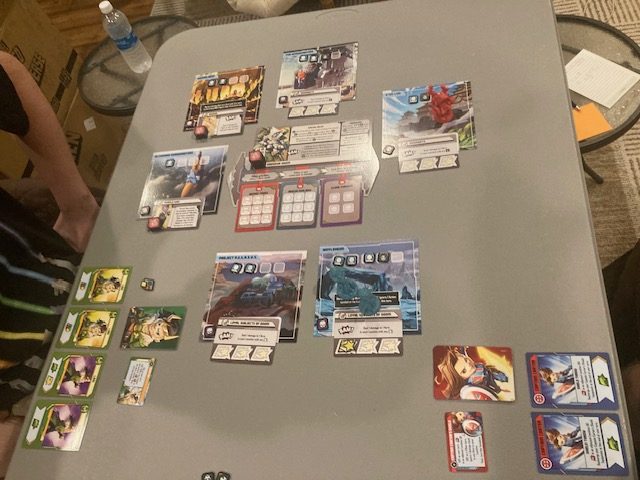
Every time players complete a “Quest” (see Quest above), the players advance forward one space! The quests are solved by placing dice on the quest spaces!

See above as the Gnome’s Nook is completed by placing dice correctly on the last few spots! Usually, you have to match the color and/or odd/evenness of a space on the quest!

Once you complete a quest, flip the Quest card over to see your rewards; move closer to Gu’Gu AND get some cookies AND increase your carrying capacity! See above!

The carrying capacity defines how many dice you can get on your turn! At the start of your turn, you grab some dice and use the dice to solve either Portal Problems or the Quest! Early in the game you can only grab 3 worth of dice: red, green, and blue cost 1! And orange, purple, and orange cost 2!

Portal Problems are “issues” the players must solve (at the bottom of the board)! Players place dice on them to solve them! There’s two types: Challenge and Danger cards. The Danger cards (with the yellow warning) must be solved before you can Quest again!

To “solve” a Portal Problem, you place dice! For example, to “Unlock The Chest”, you have to play three dice total (possibly over multiple player turns) so that their difference is on an orange die!

For example, 5-3 = 2 works fine, as long as the final dice is orange! See above!

If, on your turn, you DO NOT solve a Portal Problem, Gu’Gu moves forward one space towards the portal! See above as Gu’Gu is almost at the portal!

The game is all about trying to decide how to place the dice you roll on your turn, and when to use the special powers on the Gnomes and companions! Do you solve a Quest to move forward? Or do you solve a Portal Problem to keep Gu’Gu from moving forward? Do you use a precious cookie to augment your companion menagerie? Or do you use your cookie to refresh someone?

This is a game all about balance; you need to Quest to win, but you have to solve smaller Portal Problems along the way to keep the chaos at bay!

This game is absolutely gorgeous! The cover was one of the reasons this game originally piqued our interest! The components are really nice, especially the rulebook.

Rulebook

For such a small box (and arguably smallish game), this rulebook is really good!

The game gets an A on the Chair Test! This rulebook sits very well on the Chair next to me … and it is so very readable! There is no droopiness, the fonts are big and readable, there’s tons of pictures and annotated text, and the colors just pop!

The Components page is great! See above!

Everything about this rulebook is quality. I don’t think it needs an Index because the game is pretty straight-forward! There aren’t a lot of keywords, so I won’t ding it for not having an Index.

There are two things that needed a little more discussion, but we’ll go over those below.

Otherwise, just a great rulebook!

Solo Play

So, congratulations to Companion Quest for following Saunders’ Law! We have a solo mode! The solo mode is a true solo mode, where the solo player takes the role of a single Gnome! The rules are well-defined on page 16 of the rulebook.

Normally I don’t “love” solo rules that change up the game, but the solo rules are pretty simple. There are two changes:

  1. The solo Gnome can activate his own Gnome’s power to help himself (in the cooperative game, your Gnome power can ONLY help others). This is pretty typical of true solo modes: any ability that normally helps other players can be used to help yourself instead!
  2. When you “refresh” your Gnome, you actually need to get a new Gnome instead! This forces you to cycle through the Gnomes and their special powers.

You can also keep a die from a previous round, but this is pretty much the same as the cooperative game; it’s just “the next player” isn’t someone else, it’s you!

The solo game is an easy way to learn this game. All the rules are there, and it’s pretty easy to jump straight in. I had a fine time learning the game this way. I played about three solo games; I had a good time while getting the gist of the game. It’s pretty fun to roll the dice, think about which dice to use for which thing (Quest? Portal Problem? Companion?), and try to catch Gu-gu. There is some brain power needed to do well; it’s not as simple and cute as the rulebook and look belies.

The balancing for the solo game seems to be achieved by cookie distribution. If you have just one Gnome, you start with two cookies, and get another two cookies at the end of a quest stage (see above). Since cookies are pretty powerful (usually in getting companions), it’s clear these need to be rationed. A 2-Player games starts with two cookies distributed amongst the two players (one each) . Interestingly, a 3 and 4-player game start with no cookies. We’ll revisit that decision some more below.

The solo game is cute and adorable, and it’s a great way to learn the systems of the game. I might come back to it again as a solo player, but I think cooperatively is the funner way to play. You might say, cooperatively is “gnominally” the best way to play! Sorry, that joke should get gnominated as worst joke in this review!

Cooperative Mode

I’ve been able to get Companion Quest played at 2 and 3 players. I’ve played a couple of times with my friend Teresa (below) and one with my niece Megan (see above).

So, the rule about “you can only use someone else’s Gnome powers” makes the game a little more cooperative. Players then need to talk a little more about what you can do “Hey Rich, I need a +1, can you help me get that with your Gnome?” So, that simple mechanism does help bring players interact more.

There is a little bit of downtime between turns, as you really do need to think a bit about the best way to use your dice. Depending on the group, this will either bring out conversation (making the game more interactive) or it MIGHT invite the dreaded Alpha Player in (making it less fun)! You get so excited when you see someone else roll the amount they need that sometimes you start accidentally Alpha Playering! I KNOW I did to Teresa a few times and I feel terrible! For Megan, she was asking for help more, so it worked out there more (my Alpha Player was more of a teacher). But I think you need to be a little careful about making sure you don’t Alpha Player!!!

With that little warning, I do think cooperatively is more fun that solo! Most people love the little Gnomes and their little companions. The game is pretty quick (besides some of the thinkiness that might occur on your turn), and the 30 minutes playtime as indicated on the box is about right. Most turns are pretty multiplayer solitaire (if you don’t have an Alpha Player … Rich …) so it’s still fun to make your own choices!

The game is bright and gorgeous and draws people in with its art. The cooperation is pretty good; even if you can’t use a die on your turn (sometimes, you just can’t get a die out), it’s pretty cool you can pass a die to the next player for their turn. It makes you feel like you are helping them! That rule (and the “you have to use someone else’s gnome powers”) make the game pretty cooperative and interactive despite the multiplayer solitaire nature of each turn.

Things I Liked

Using Dice for Wake-up! We didn’t mention this in the overview, but there is an another way to wake-up companions! We mentioned that you can use a Cookie to “wake up” a resting (tapped) companion … but there is another way to “wake up” a companion! Using a colored die wakes-up a companion! You might notice that every Companion has a color associated with it! Kusa (above) is red and Peppy and Snaps are both yellow. If you ever place a die, you can wake up one companion of that color! So, placing the yellow die above, we can wake up Peppy!

This really expands the choices you can make in the game! When you get some dice at the start of your turn, do you get dice to help with the Quest? Do you get dice to help with the Portal Problems? Or do you get dice to wake up your companions? This just really makes the choices so interesting! I really think this one mechanism elevates the game!

Art: I adore the art in this game! That cover may be one of my favorite covers of the year! I also really like how this game uses color! I love the colors in this game!

Things I Didn’t Like

Dice: At the end of the day, it’s still a dice game and you may get stuck with bad rolls. This is balanced out by it being a pretty short game; I don’t might a dose of randomness for a 30 minute game. Also, you generally can mitigate bad dice rolls with all the special powers you have.

Cookie Balancing at 3 and 4-Player: One of the funnest parts of the game is deciding when to use the cookies for their myriad of effects! (Recruit? Awaken? Reinvigorate?) Yet, the 3 and 4-player games start with NO COOKIES. It’s clear that when you finish a quest that everyone generally gets a cookie, but our first few 3-Player games seemed “less fun” and “less balanced” as we struggled more with no cookies to start the game. It “feels like” that there should be at least 2 cookies always at the start of the game? The balance felt a little off in the 3-Player game without cookies. In the end, after failing multiple times at 3-Players, we sorta started with a couple of cookies and that seemed to make the game a little more palatable. This probably sets the balance off a little at later levels, but it made us want to play more because cookies make it more fun!

Some Clarity: It seems like, when you play, that “completing a quest” should stop Gu-gu from moving forward. After searching the rules several times, it seems clear that Gu-gu will ALWAYS move if you don’t finish a “portal problem!” The interaction between those two (finishing Quest and finishing Portal Problems) should have been more specified! If you “cheat” and don’t move Gu-gu after a quest, then the game may seem too easy? But it also is MUCH harder if you do move Gu-gu! I wish this had been clearer in the rules. (Arguably it’s the flow of the game, so it doesn’t need to be specified, but the intuition seems to be counter-intuitive on this point … requiring more specification). Look, maybe you won’t have this problem, maybe I saved you from looking something up, but just be aware that completing a quest isn’t considered solving a portal problem (for Gu-gu movement purposes).

Modular Arithmetic: So, this game embraces that “adding 1” to a 6 flips it to a 1. And subtracting 1 from a 1 turns it into a 6. That’s modular math!!! Additions roll over, and subtractions underflow. That’s great! Because of this one feature, we are now using modular math (Modulo 6, Offset 1). This usually makes sense in the game, but they need some discussion. And what about negative numbers? What is 3-4 in this system? There is NO discussion of this! By opening the door to modular math, they need to define what that means! So, 1+6 = 7 = 1. Easy. 2+6 = 8 = 2. Easy. 3-1 = 2. 3-2 = 1. 3-3 = 0 = ??? By the rules we have, this should be 6!!! So, 3-4 = -1 = 5. An easy way to think of this; just do the normal math and add 6 or subtract 6 from the number until you get a number that’s between 1 and 6!

Some of cards, like “Unlock The Chest” (above) can be a lot easier if you can do modular math. And the game has opened the door for this! But they need to embrace the modular math and show examples! 6 is the additive identity here! I don’t think you can open the door and not specify this.

Conclusion

Companion Quest is a fun little cooperative dice-rolling/dice-placement game, but be aware! Compansion Quest is a lot more thinky than it looks! I don’t think this a gateway game; I think this is a game that needs a little sophistication and brain-power. Don’t get caught in the trap of thinking “Aw, it’s so cute, it must be simple!” This isn’t something super deep and heavy (remember, games really only last about 30 minutes), but it does have a lot of thinky decisions.

With an appropriate shepherd, I think most people can play this, but it might be a little too much out of the box for newbies.

But, overall, all my friends and nieces liked Companion Quest; it was a fun, cute, fast, simple game with deceptively more thinkiness than you might imagine. I might play it again solo? It’s a good game solo, but for me, the better game is the cooperative game with the dice-sharing and gnome-power sharing! I’d give this a [6.5-7/10] for solo and [7.0-7.5/10] for cooperative. It’s good! But, at the end of the day, it’s still a dice game and that randomness can be too much! That’s why we have a ranged rating; when the dice are poorly behaved, the game is less fun (for the lower ratings), and the game is more fun when the dice don’t conspire against you (for the upper rating).

Top 10 Cooperative Games To Play At A Gaming Convention!

As RichieCon 2026 approaches, we are reminded that not all cooperative games are created equal! A convention hall (or equivalent thereof) usually has a very different atmosphere than a home or a store. A convention tends to be a noisier, you may play with people you don’t know, and maybe you’ve been up too long so you are tired! In this convention environment, some cooperative games work better than others! For each game we list below, we indicate WHY we think this is a good cooperative convention game!

Unfortunately, a convention is a place where the Alpha Player Syndrome can manifest more easily (as you tend to play with strangers who you don’t know or trust), so we choose games where the Alpha Player is kept at bay by something! Each game we choose will also somehow address mitigating the Alpha Player!

The order for this list matters less than other top 10 lists; these games are mostly just good cooperative games to play at conventions! Here’s my current Top 10 Cooperative Convention Games! Every single one of these I would be happy to play with you and/or teach you at RichieCon 2026!

All of these games will be at RichieCon 2026!

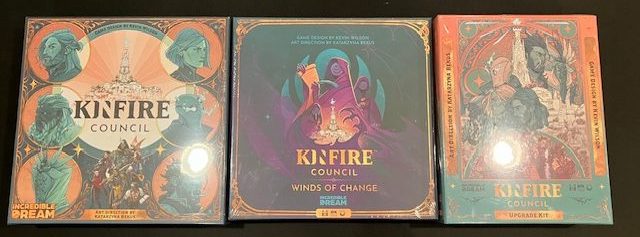
#10 Kinfire Council + Winds Of Change Cooperative Expansion

Ok, this is a weird one, but follow me here! So, this is a long game! It’s kind of complex! The base game is nominally a really good worker placement game, but it’s just too chaotic and fragile as a competitive game. There are a lot of rules, so if you are playing competitively, it makes it a lot harder to ask questions and address issues! The cooperative expansion (Winds of Change) makes the game more interactive and a lot more fun! The complexity is not nearly as overwhelming because players are all working together to play! The game is a lot for a convention, but if you can get someone to teach it to you, the game is more tractable (which is why it’s only #10 on this list and not higher).

The Alpha Player is kept away because the game is very multiplayer solitaire! Each players has their own set of workers and upgrades that, frankly, are too much for others to follow! This game has a lot of choices, and players tend to negotiate to help each other and not get in each others’ way too much. We also strongly suggest that you play with the house rule that you may also share a resource as an errand. See our review of Kinfire Council + Winds of Changes for more discussion of this and some house rules!

I have taught this at Dice Tower West, and to at least 4 different game groups, and it was always a joy! It also made the top position of our Top 10 Cooperations Expansions of 2025!

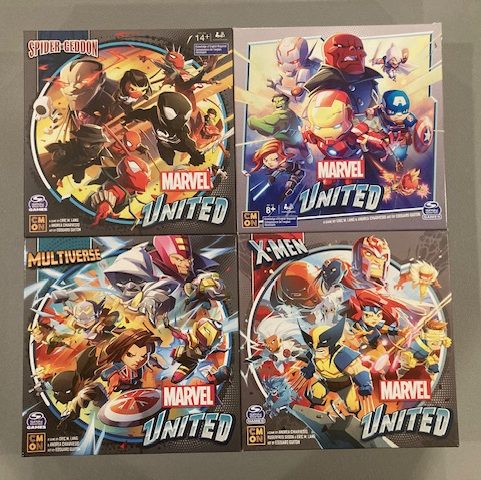
#9. Marvel United or Marvel United: X-Men or Marvel United:Multiverse or …

Marvel United is a great convention game for many reasons; it’s easy to teach, easy to play, but still quite cooperative! The game is usually under an hour!

The idea that each player uses the symbols of the previous player’s card is genius! Most people love this simple idea that they haven’t seen elsewhere!

Another reason this is a great convention game is because anyone can play the hero that they want! Who’s your favorite Marvel Hero? You can probably play them! The three Seasons of Marvel United have almost every hero from Marvel that you might want to play! Play the quirky Ant-Man! Or the powerful Venom!! Or play the baroque and mysterious Dr. Strange! Or play Wolverine!

The only reason this is just #9 on the list is that Marvel United is slightly susceptible to the Alpha Player since everyone can see each other’s hands; this makes it slightly easier for the Alpha Player to slide in and tell everyone what to do. I personally haven’t had any issues like that, despite having probably played 50 or more games! Each player is generally playing multiplayer solitaire, so that tends to keep the Alpha Player away!

Marvel United had made so many top 10 lists here at CO-OP Gestalt: here’s just a few! Top 10 Cooperative Games of 2024! Top 10 Solo Games of 2025!

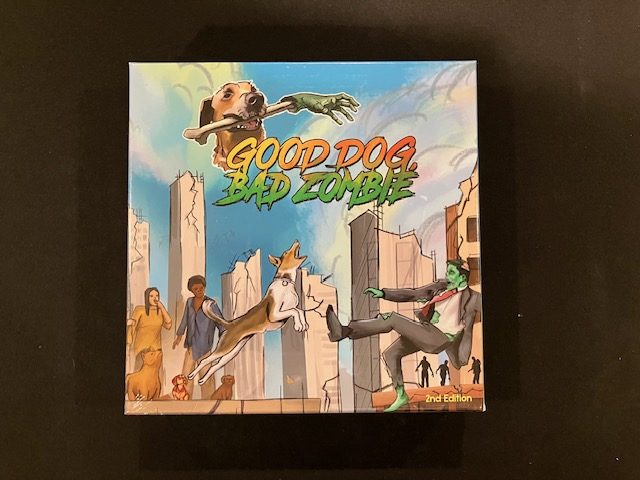
#8. Good Dog, Bad Zombie (2nd Edition)

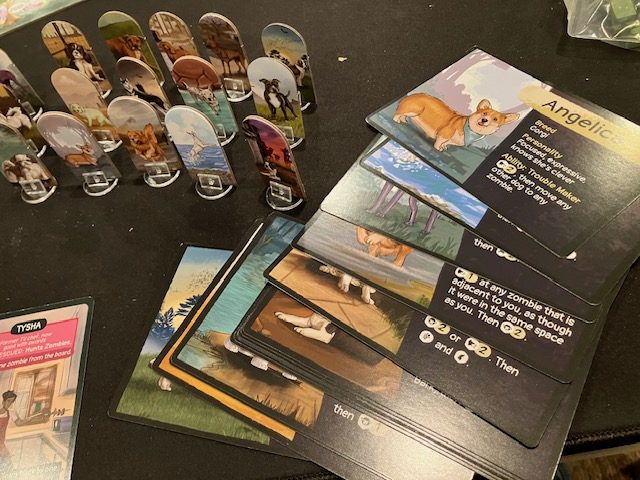
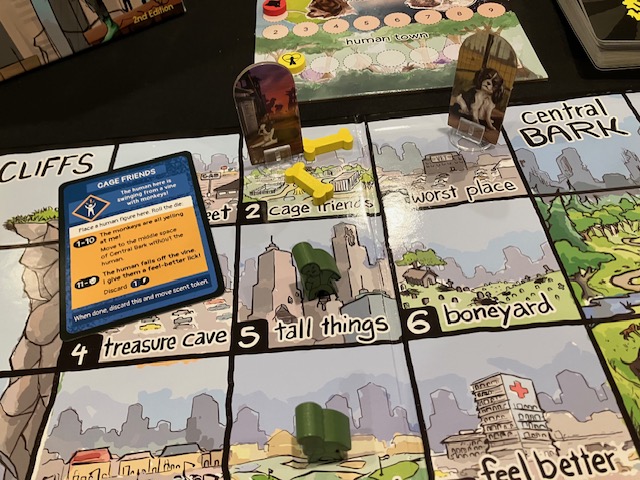
Good Dog, Bad Zombie is a light game that’s easy to jump into at a convention! It’s easy to play, easy to explain, and people can jump in and out very easily as the game is playing!!

Players play as dogs keeping the dumb humans away from the zombies! The dogs are adorable and will probably immediately bring you into the game!

This is a pretty light game with a touch of randomness, but when you are tired and just want a light game (where you can easily add people or take them out), this is a great choice! It’s quite cute too! See our review of Good Dog, Bad Zombie here to see if this is something you want to play at a convention!

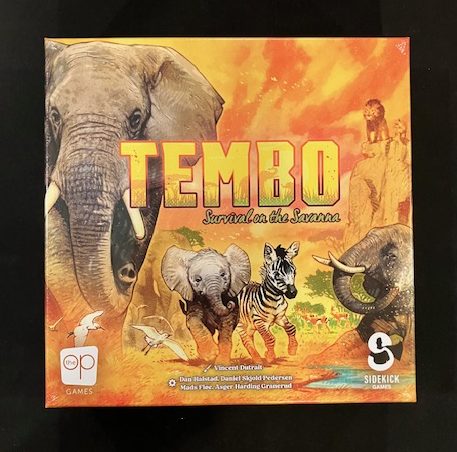
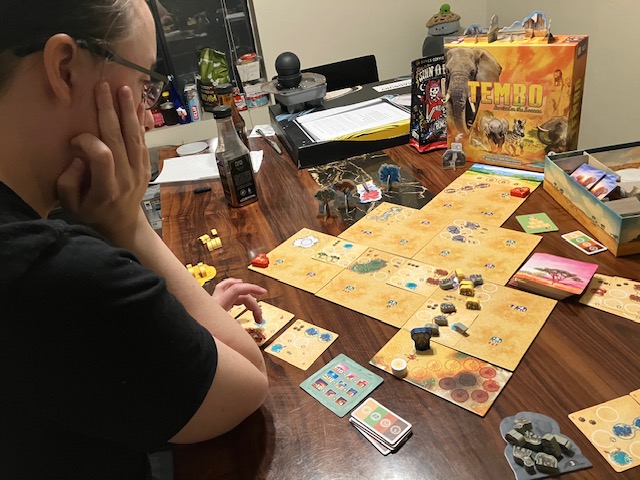
#7. Tembo: Survival of the Savanna

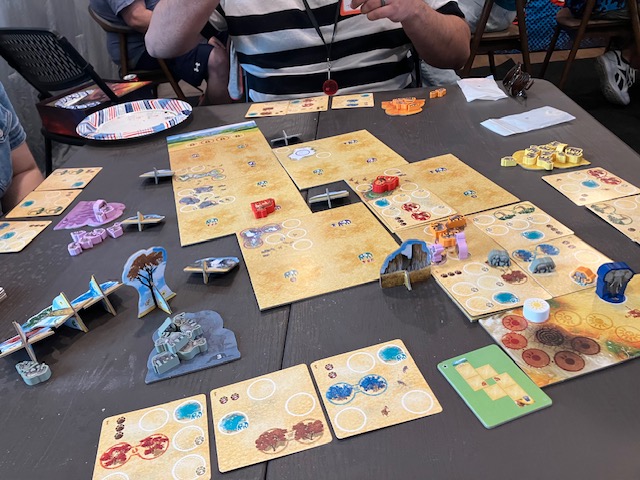
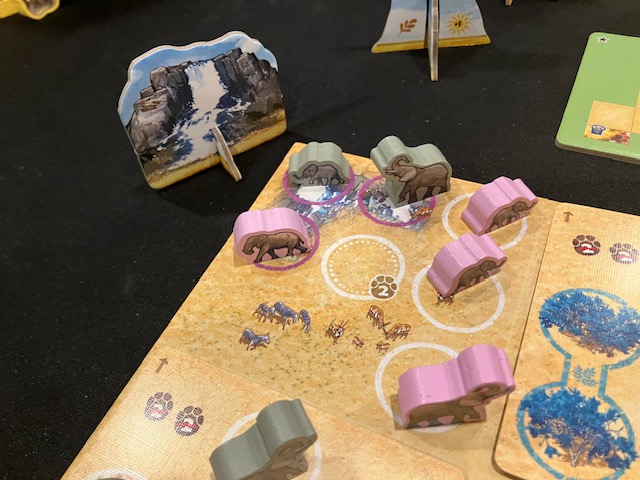
Tembo is a very cute game about moving elephants along in the Savanna! The players work together to move the elephants to different watering holes, eating trees along the way, and keeping the herd away from the Lion and Lioness!

This game has amazing art from Vincent Dutraite, and the elephant meeples (elepheeples?) just pop on the table! My friends all adored the cute vibe this game exuded!

But this is still a fun little game for 1-4 players. I am actually expecting to teach Max and Cassidy this game at RichieCon 2026! They will really enjoy this I think! As will you; it’s a quick, cute game that’s easy to teach and you can be done in under an hour.

The Alpha Player is kept in check because there’s a notion that each player’s perspective informs how the tiles must be played on the board, and the Alpha Player can’t necessarily see all that! Each player must play tiles along their perspective! This is a unique way to keep the Alpha Player away!

See our review here to see if Tembo is the right convention game for you!

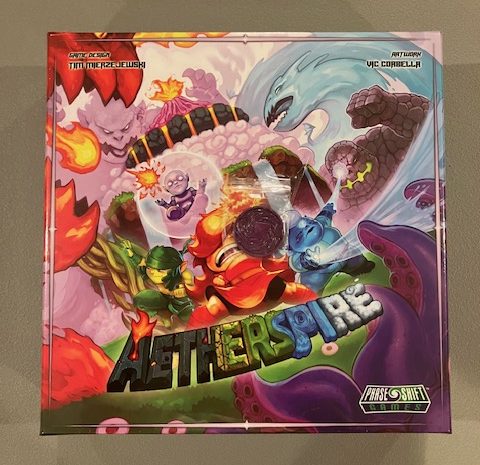
#6. Aetherspire

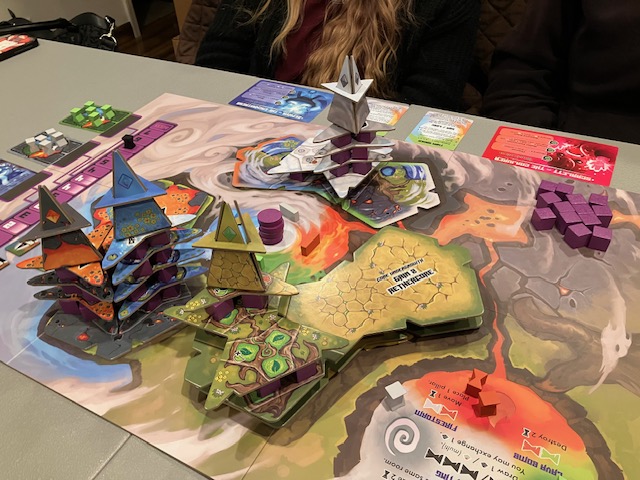
Aetherspire is really great at a convention because it is looks so interesting on the board!

The structures you build look so cool! Each player’s turn is fairly multiplayer solitaire, so the Alpha Player can’t sneak in. The game is easy to describe, but it moves well and has some interesting and unique ideas. In the end, it’s the 3-D structures you build that make this game pop in a convention!

Take a look at our review here to see if Aetherspire might be a game you like to play at a convention!

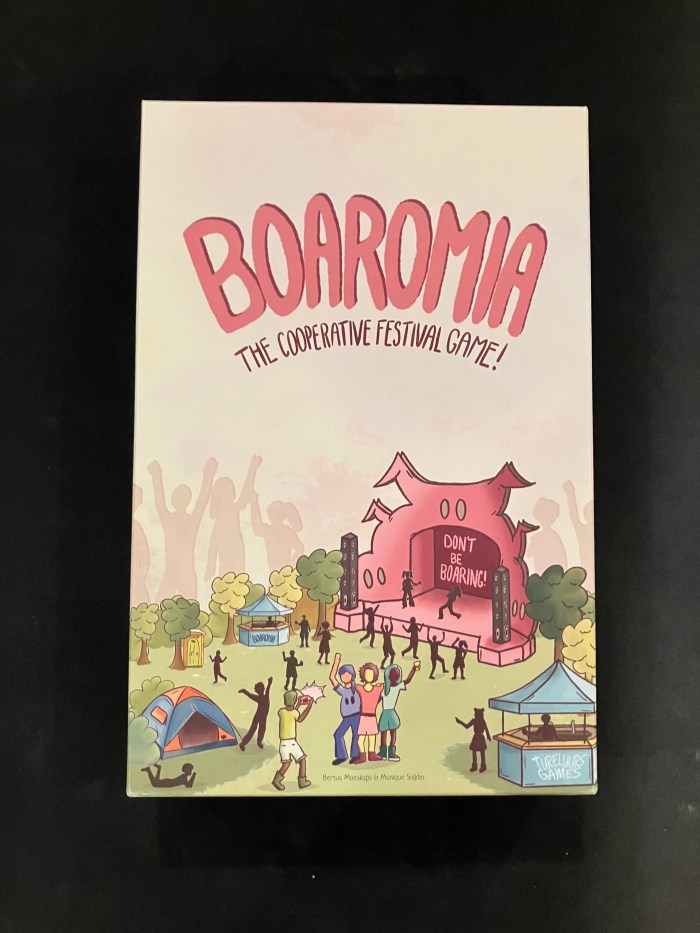
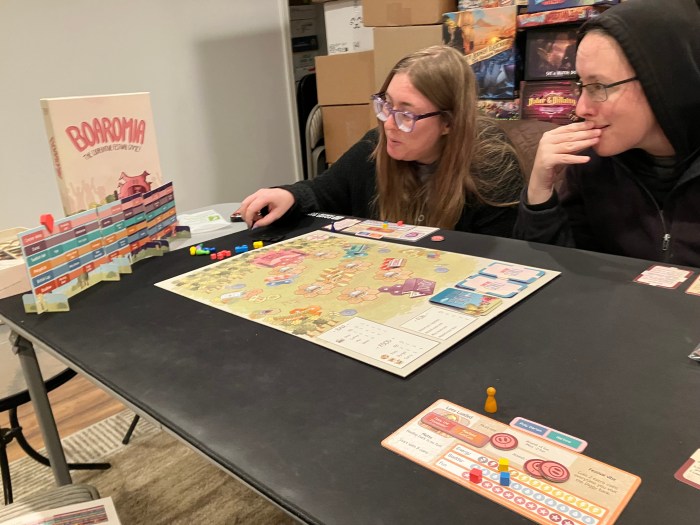
#5. Boaromia: The Cooperative Festival Game!

I can almost guarantee you’ve never heard of this game! It had a very small Kickstarter, and it’s a little rare! But the boisterous energy of this game matches the boisterous energy of a convention!

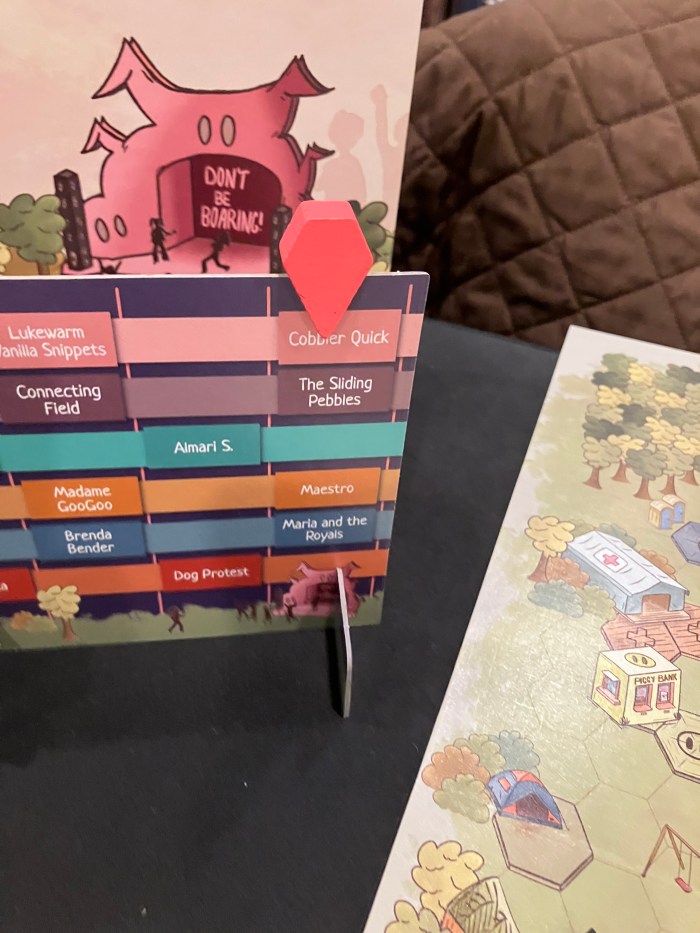
Players move around a music festival, trying to make sure they see their favorite bands, but making sure to eat enough, pee enough, and drink enough! Along the way, players will stop and see other bands with their friend and just have a good time!

This is a game about having fun together as you traverse a music festival. It’s goofy, the names of the bands are goofy, the characters are goofy, and the game is just goofy. But this is a great game that works for 3 to 8 players! It’s rare to get a game that works for so many players!

I know the Alpha Player can’t really invade this game; I tried playing it solo and there’s just too much going on for the Alpha Player to tell you what to do! Everyone has to see their own favorite bands, and that scheduling can really only handled per player! See our review here to see if this might be a game you are interested!

#4. The Crew: The Quest for Planet Nine or Mission Deep Sea

I have played The Crew (either one) in so many environments, and it has always worked! Missions are short, and it’s really easy for people to hop in or out of this game! You may start with 3 people, add 2 more, then drop to 4! This is just the nature of conventions; people come and go, and The Crew can easily accommodate that! And the game is fun the entire game, even with people coming and going! And you can play as long as you want!! The Crew is also a cooperative game that works well at 5 people, and sometimes it’s just harder to find good cooperative games that work at 5! What a great game; it’s never failed me! The Crew has also made our Top 10 Cooperative Space Games, and the Top 10 Cooperative Trick-Taking games!

The Alpha Player is kept at bay because this is a game of hidden information; the Alpha Player can’t tell you what to do because he can’t see everything! While I personally like The Crew better than most trick-taking games, I can’t deny there was a more popular trick-taking game that works so well at a convention … see #2 below!

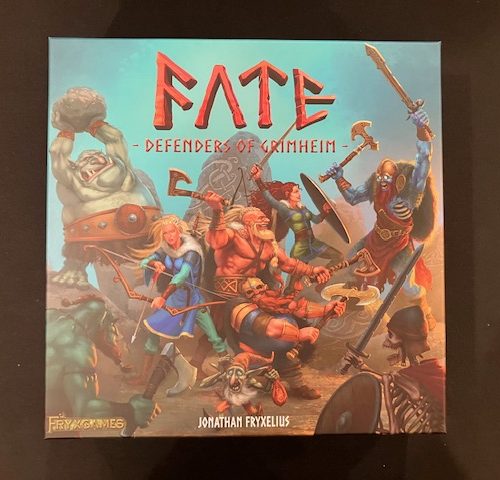
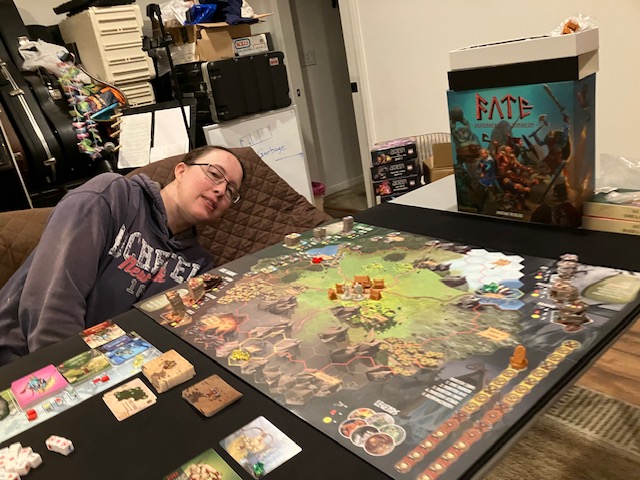
#3. Fate: Defenders of Grimheim

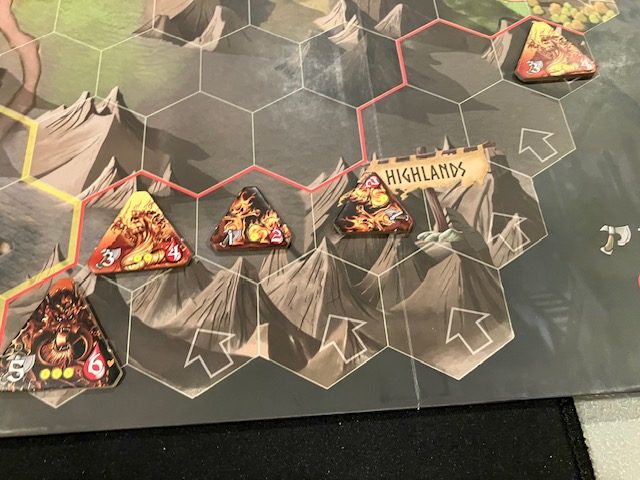
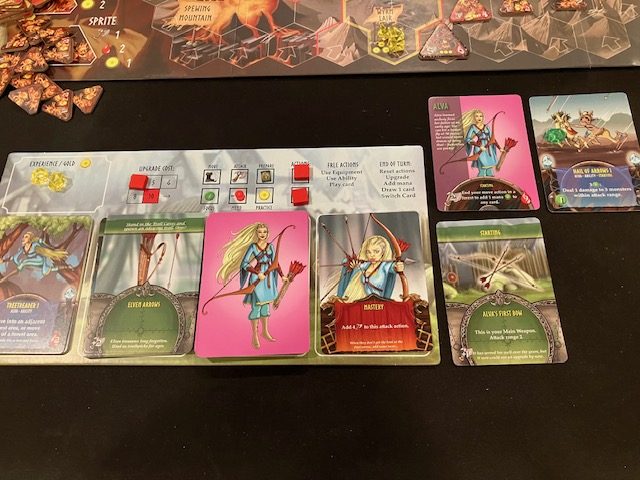
There are multiple reasons Fate: Defenders of Grimheim works so well in a convention! For one, the rules are simple to teach and easy to internalize: it’s a tower defense game! Defend the homeland in the middle!

For another, the board is so well-labelled! Everything you need is well-labelled on the board with big enough fonts to read!

For another, the game feels very multiplayer solitaire, but in a good way. Every player is upgrading their own character with their own rules and their own cards, so everyone feels like they are getting powerful! The Alpha Player is kept at bay because each player is too busy concentrating on their own deck; the Alpha Player can’t see what everyone is doing with their own very different deck!

A game of Fate: Defenders of Grimheim starts off very multiplayer solitaire, as each player defends a different direction, but as the game progresses and more shared area is threatened, the game becomes much more cooperative! This is a great dynamic for a bunch of strangers because they can slowly get to know each and slowly become more cooperative as the tension increases!

See our review here to see if Fate: Defenders of Grimheim might be right for you! Oh yes! I have also taught this at Dice Tower West and it went swimmingly!

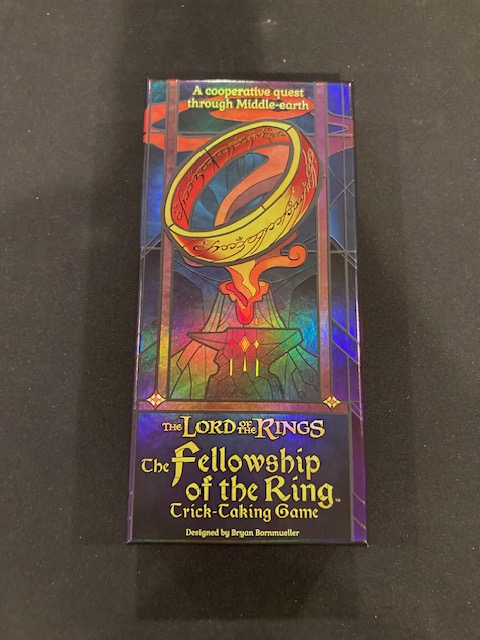
#2. Lord of the Rings: Fellowship of the Ring, Trick-Taking Game. Also, The Two Towers!

This is a cooperative trick-taking game set in the first book of the Lord of The Rings. There are 18 very thematic chapters that people play through!

I know this is a good convention game because I saw it being played non-stop at RichieCon 2025 and Dice Tower West 2025! People just seem to love this game!

Everyone seems to love the simplicity of this game! Like other games on this list, the game does scale so you can jump in and out (a little, the game is best at 3 or 4), but it’s been my experience that people just want to keep playing! See our review of Lord of the Rings: Fellowship of the Ring, Trick-Taking Game here!

The Alpha Player is kept at bay because this is a limited communication and limited information game; the Alpha Player can’t tell you what to do because he can’t see everything!

And don’t worry RichieCon 2026 people; the next game in the (The Two Towers) will also be available to play at RichieCon 2026!

#1. Just One

I have never had a session of Just One fail me! I have played with gamers, non-gamers, and casual gamers … and it has always worked! This simple party cooperative game is easily to explain, easy to play, and addicting to keep playing! People can drop in and out without any consequences, and it can play small numbers (like 3 players) all the way up to 9 players (with a little cheating) and still work flawlessly! This word game has a simple premise: everyone choose one word to make the guesser guess the secret word. That’s it! If any words are the same, they are eliminated, so players must think outside the box sometimes to get thing working! Each round is quick, and people can easily join or drop!

The Alpha Player is kept at bay because players simply aren’t allowed to communicate during the word choice phase! There’s no way the Alpha Player can sneak in because he simply can’t talk! (And if he is talking, he is cheating!)

Just One has made our Top 10 Cooperative Games You Can Play Online and also our Top 10 Cooperative Party Games!