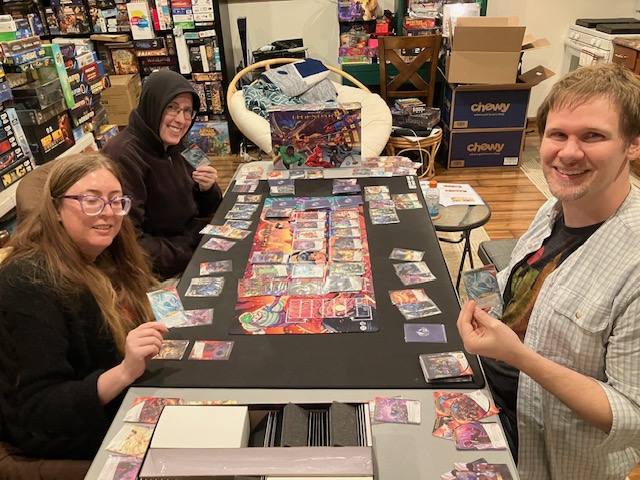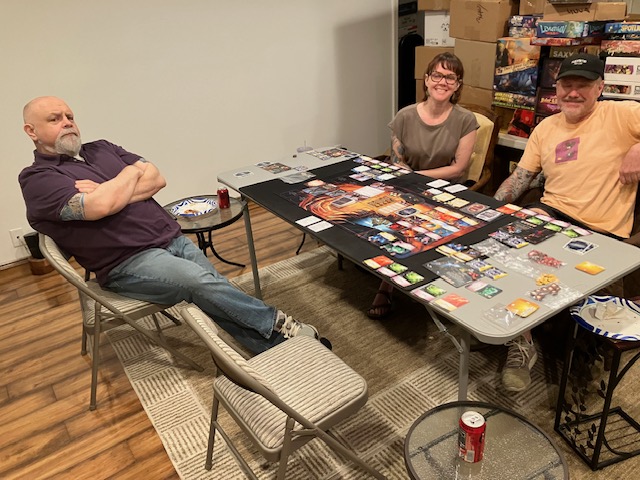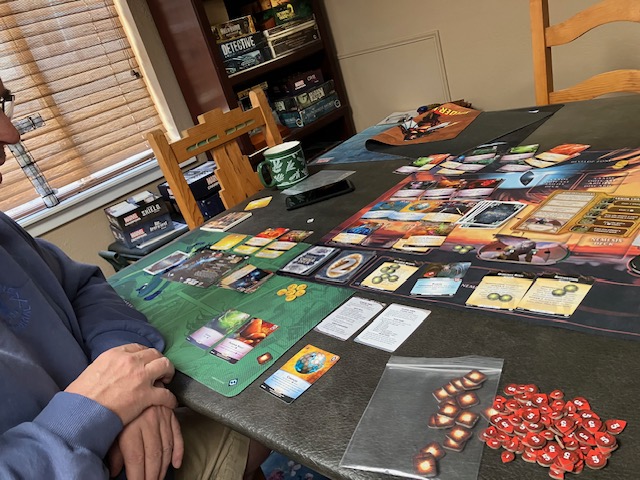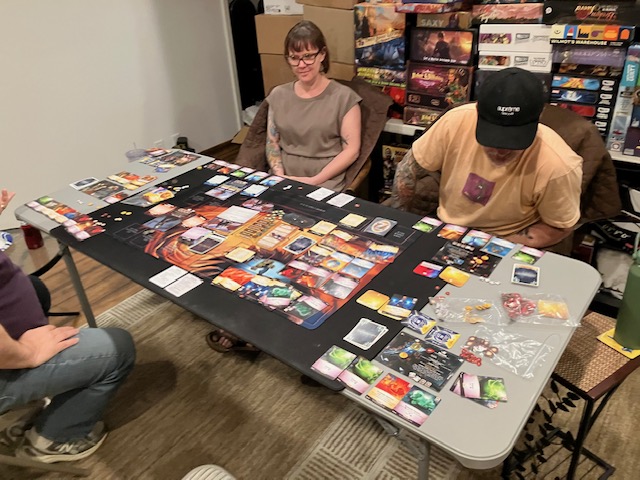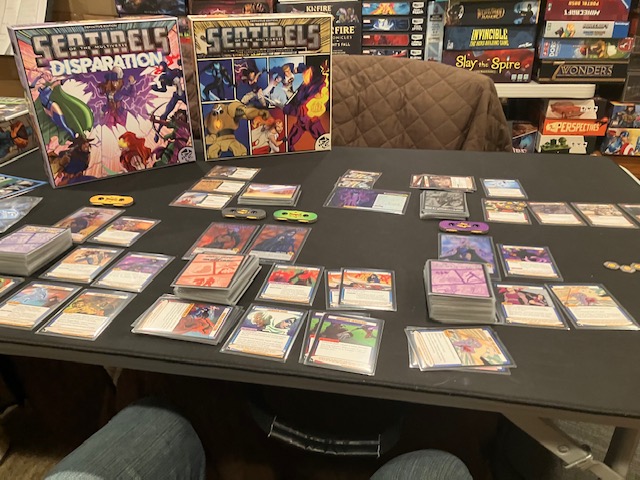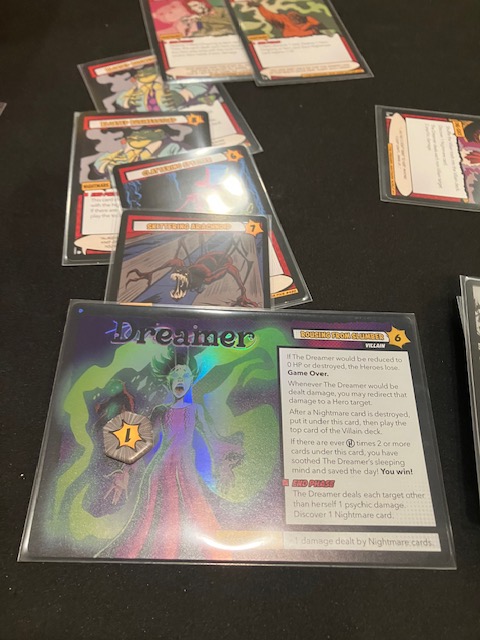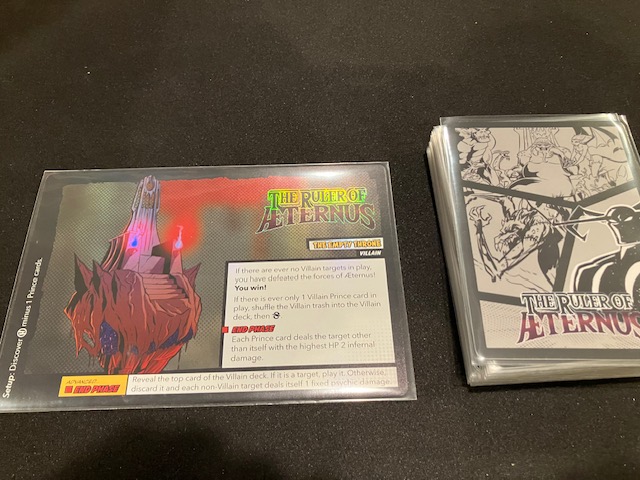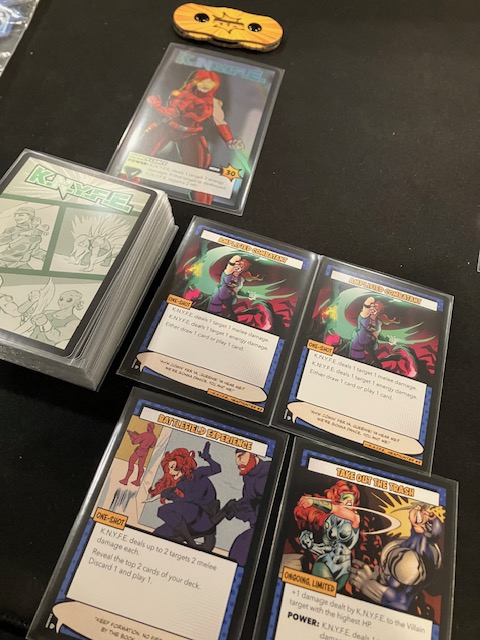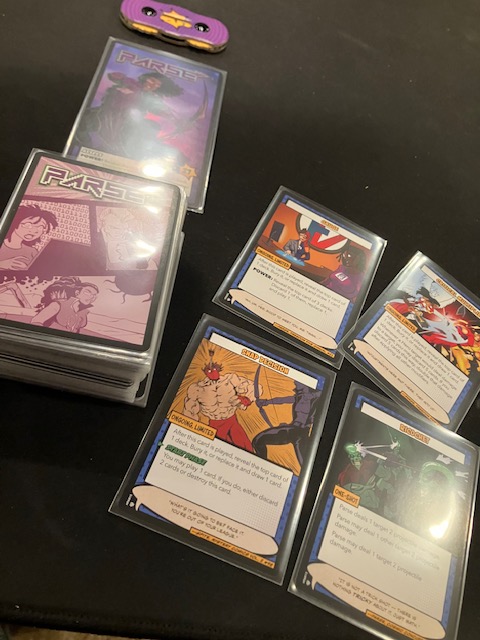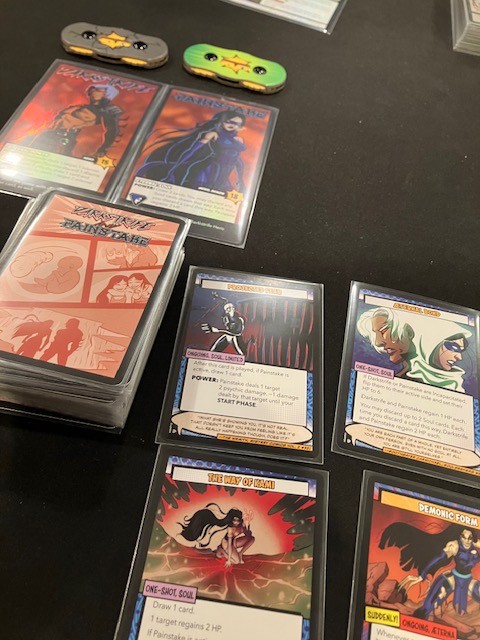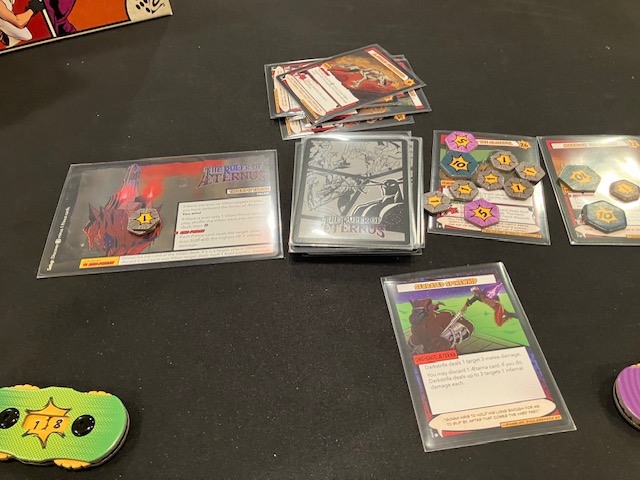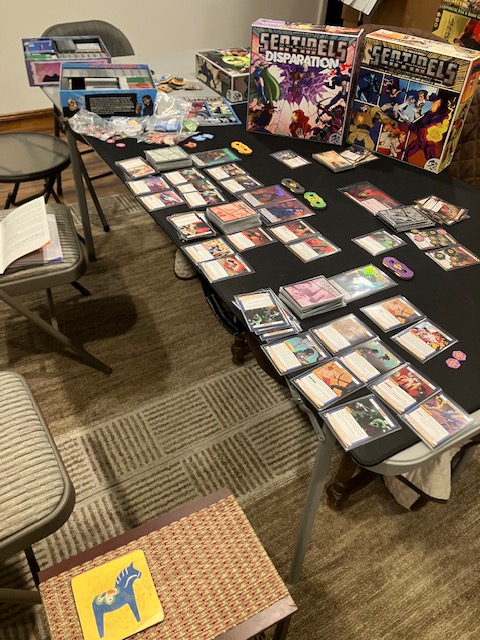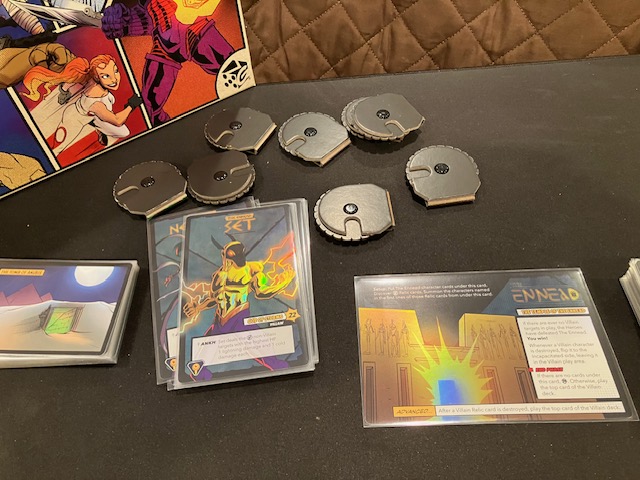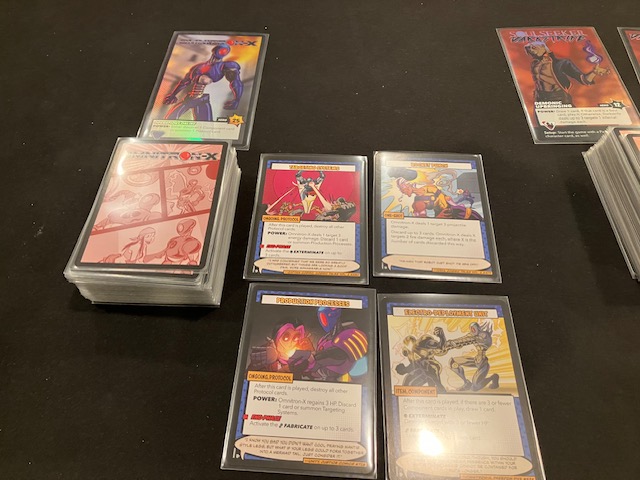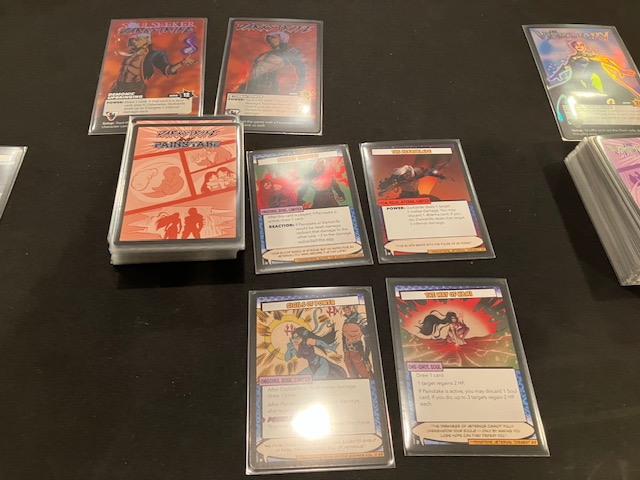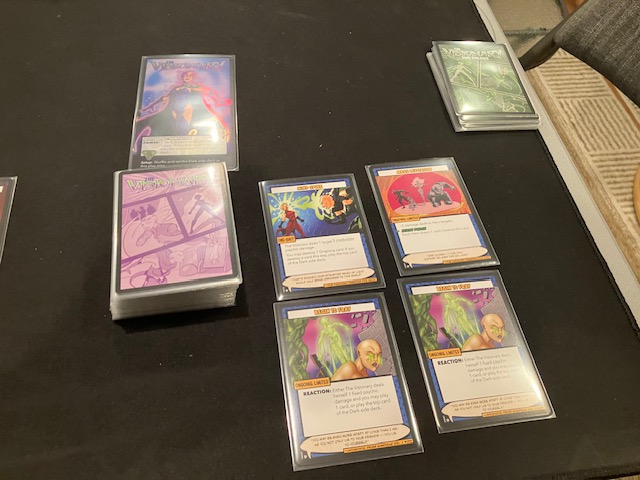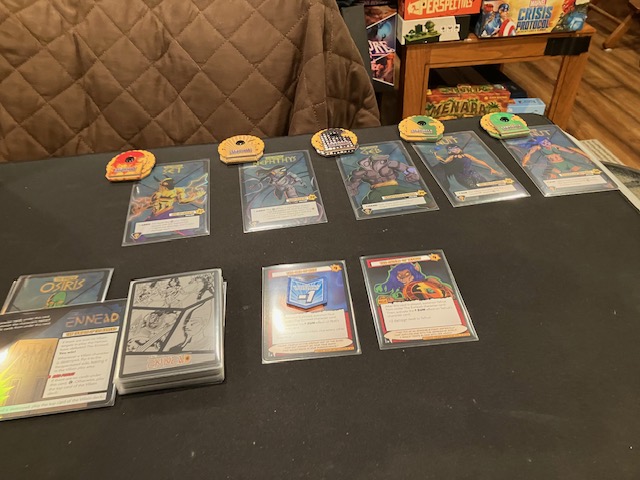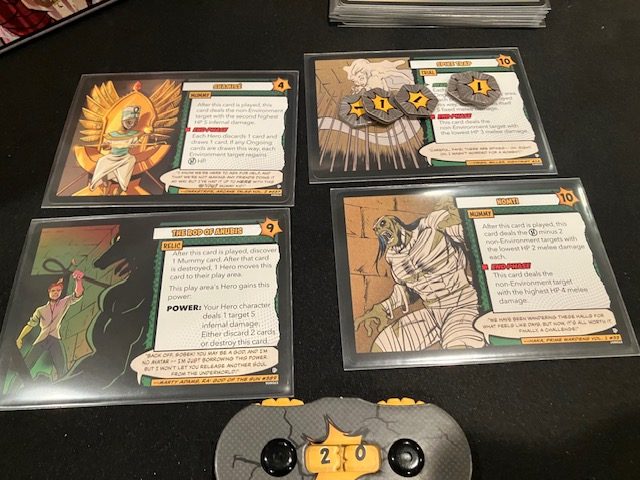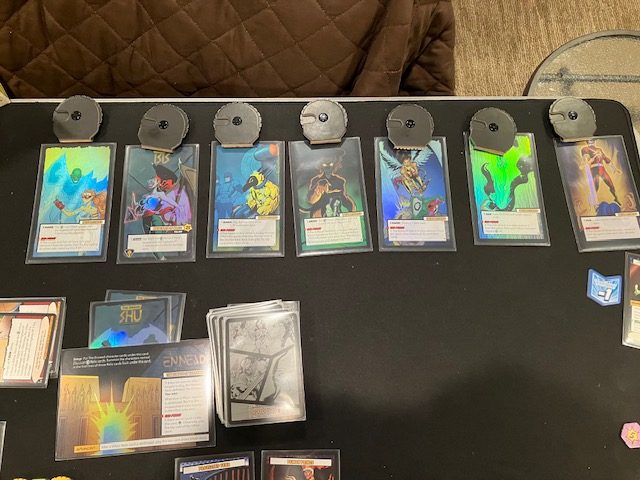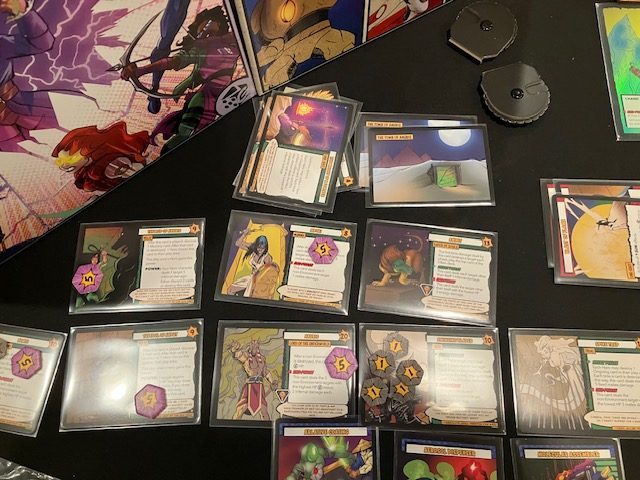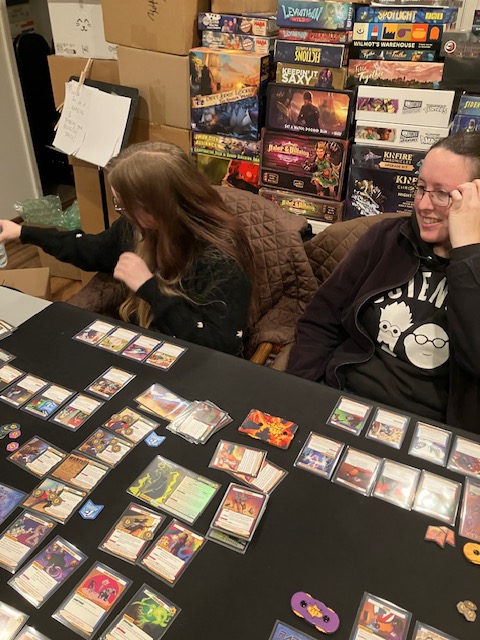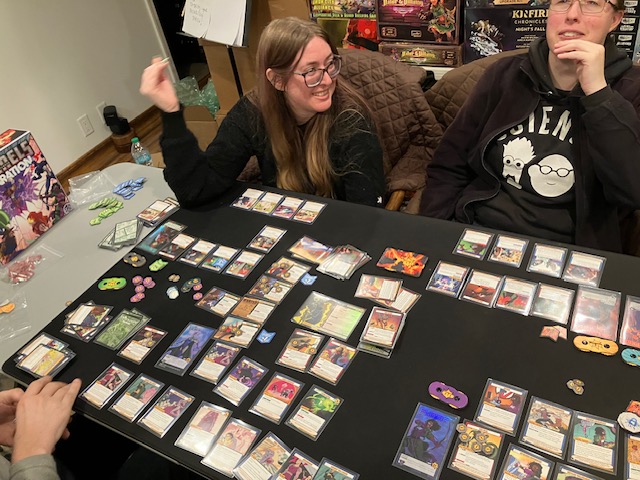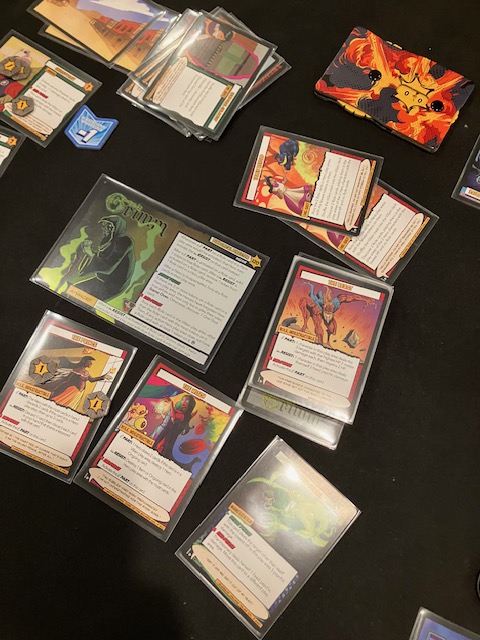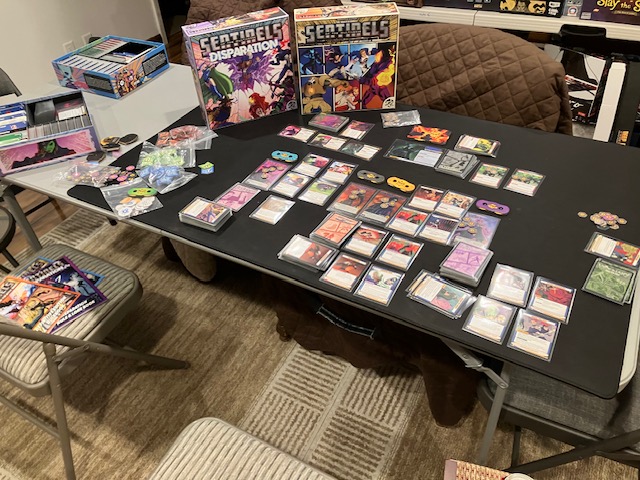
Aeon’s End Ennui? A Solo and Cooperative Review of Aeons End: Beyond the Breach after Full Playthrough

Aeon’s End Ennui is the condition of being sick of so much Aeon’s End! It’s the ennui of yet another Aeon’s End game!

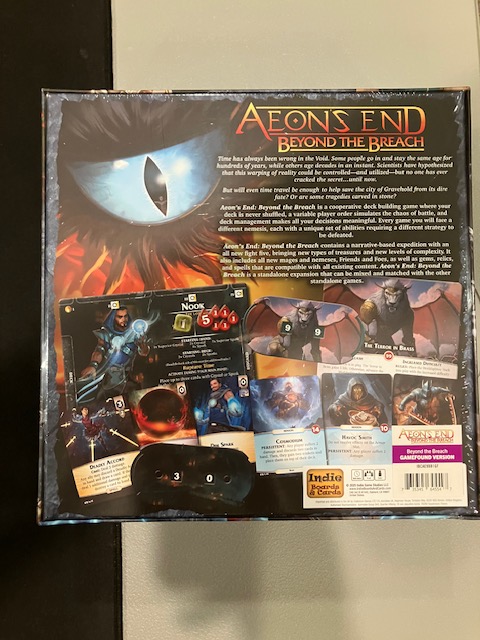
Aeon’s End: Beyond the Breach is the 1000th standalone expansion (okay, I am exaggerating a little; it’s maybe the 16th expansion) for Aeon’s End. This is a standalone game, so it can be be played by itself. You can also use the mages and friends and foes and nemeses from this to add gameplay to other Aeon’s End you may have (and vice-verse). Today, we are concentrating solely on the standalone experience of Beyond The Breach!

Cure For Aeon’s End Ennui

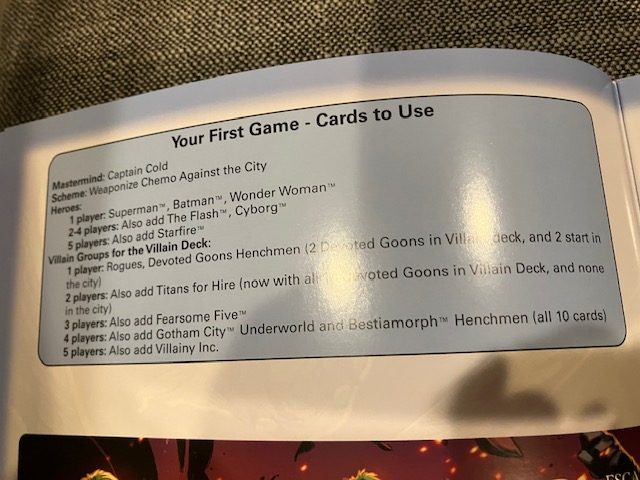
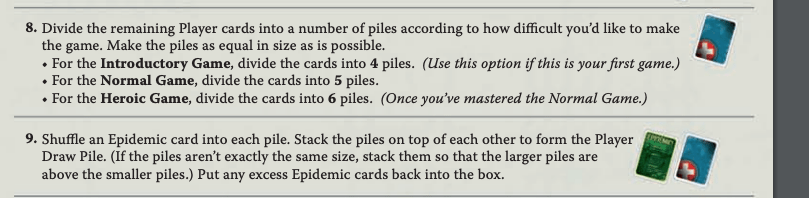
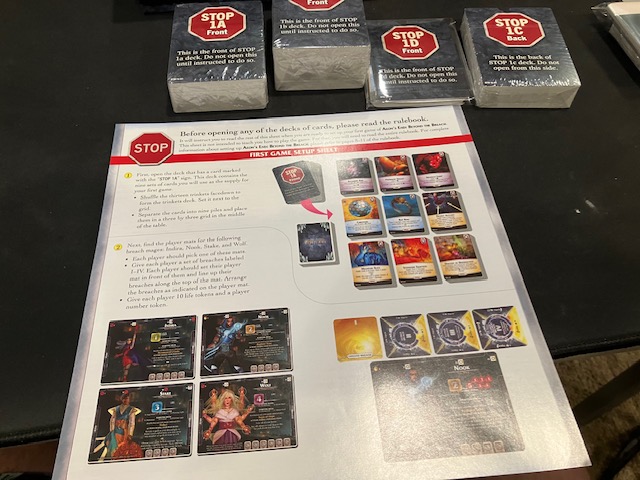
The cure for Aeon’s End Ennui is simply reminding yourself HOW EASY it is to jump into an Aeon’ End game! Each standalone Aeon’s End game comes with the first game sheet above!

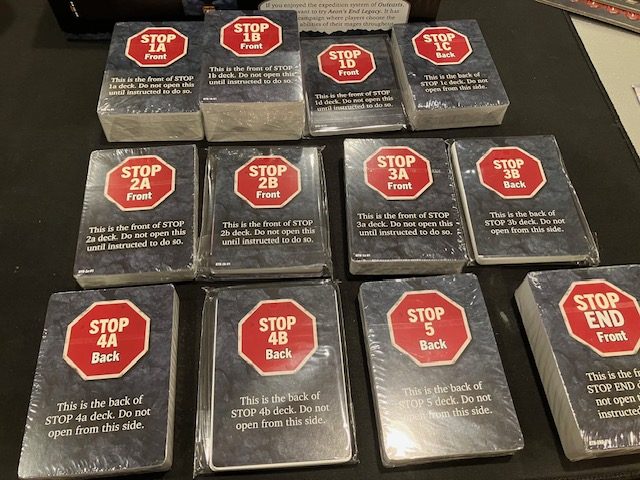
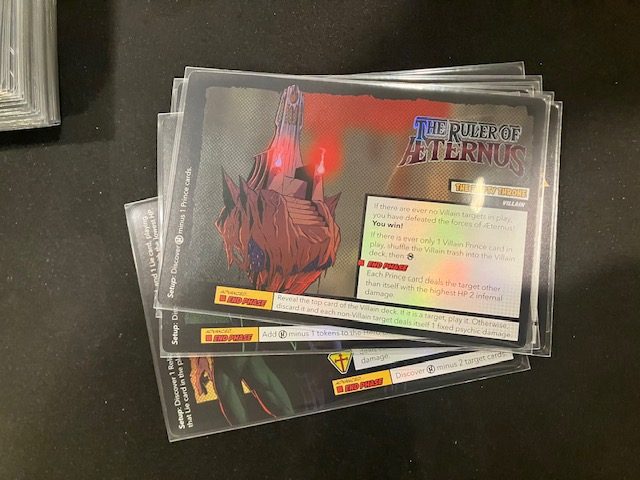
That first game sheet clearly defines (at least for the first game) what you need to do to get the game moving! And in fact, the Nemesis deck is fully constructed for you! One of the most annoying things in Aeon’s End is constructing the Nemesis deck, but that first play is all set-up for you! Just grab the the first few decks and set-up!

I am not being glib here; the ease at which you can set-up your first game and get going might be a major reason I still keep buying the Aeon’s End games. It’s so easy to jump in for your first play. Other manufacturers take note: if you can easily jump into a game, it’ll make it easier to play and easier to like.

Unboxing and Gameplay

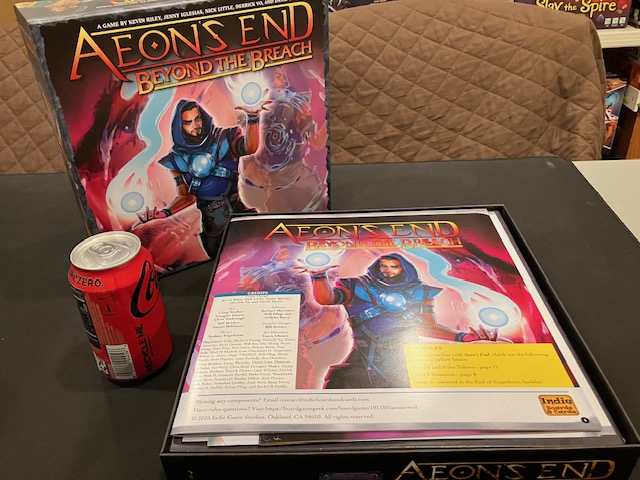
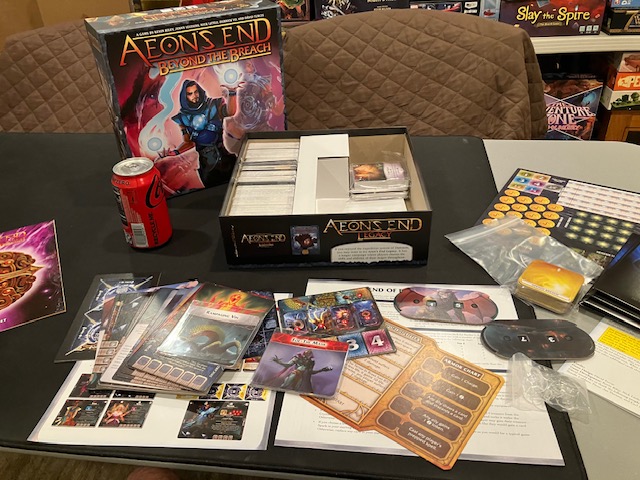
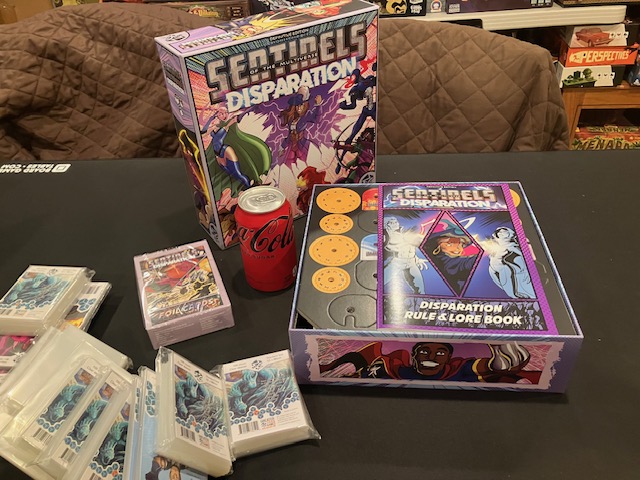
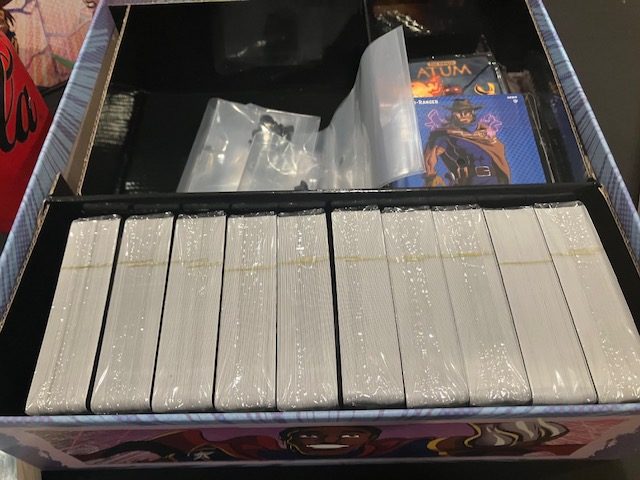
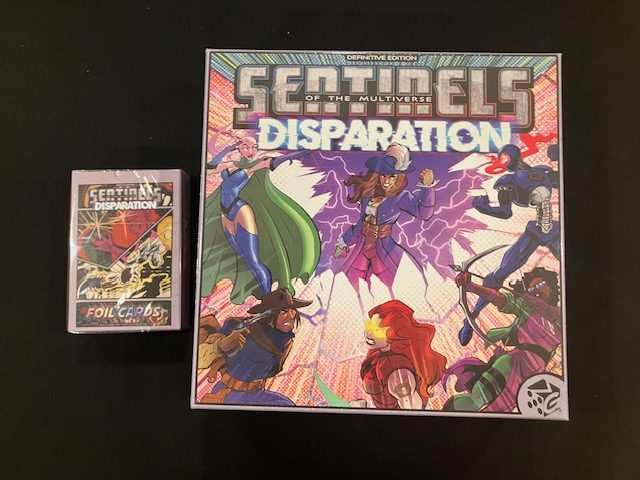
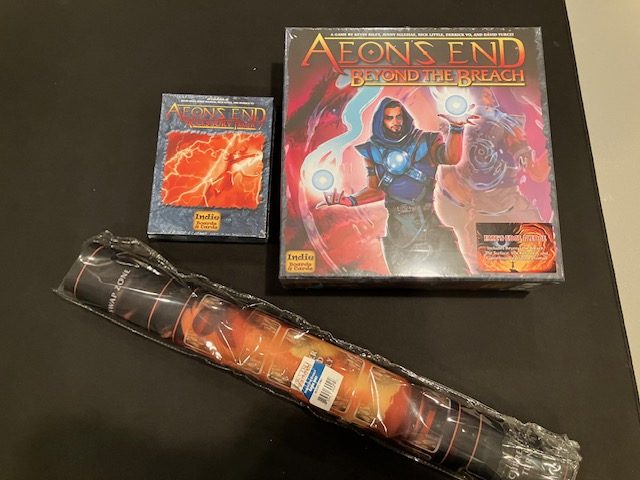
See box above with Coke Can for scale.

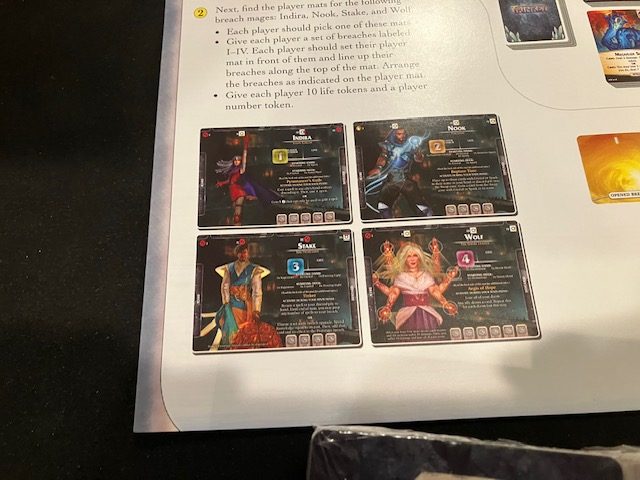
Each player chooses a mage to play. Aeon’s End are all cooperative games where mages work together to take out a big bad.

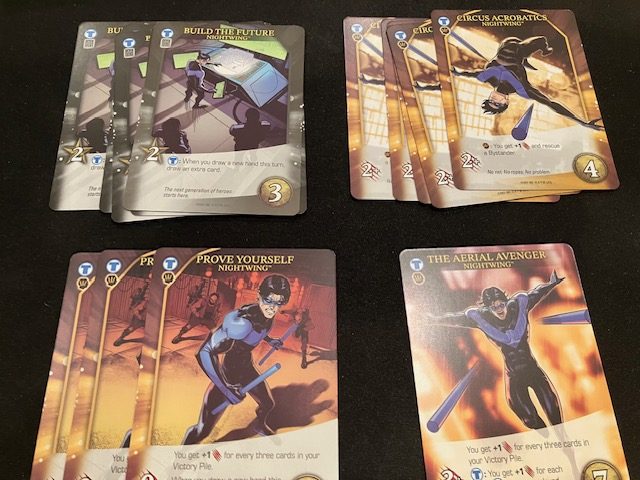
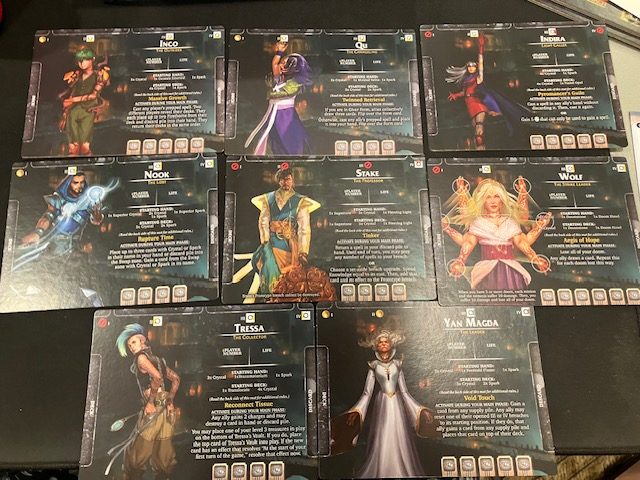
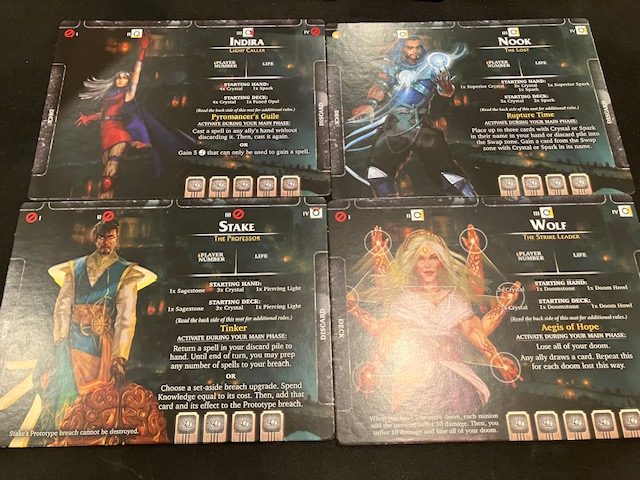
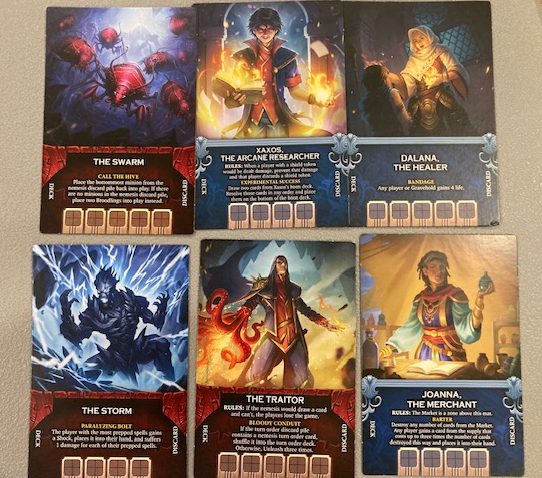
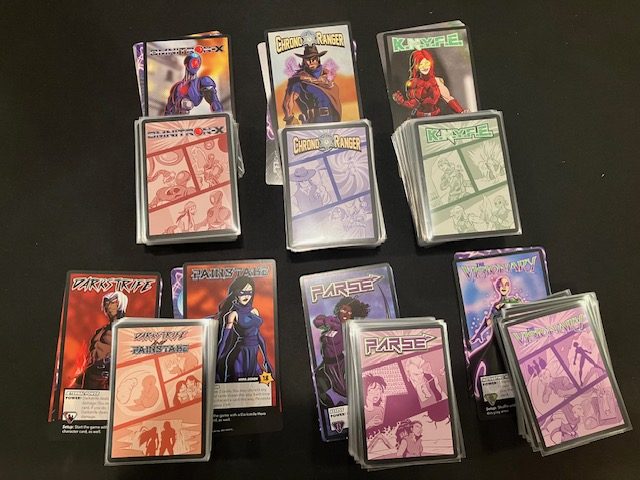
The base game only starts with the 4 mages above (the extras are from Kickstarter backer extras and expansions that came in the box itself).

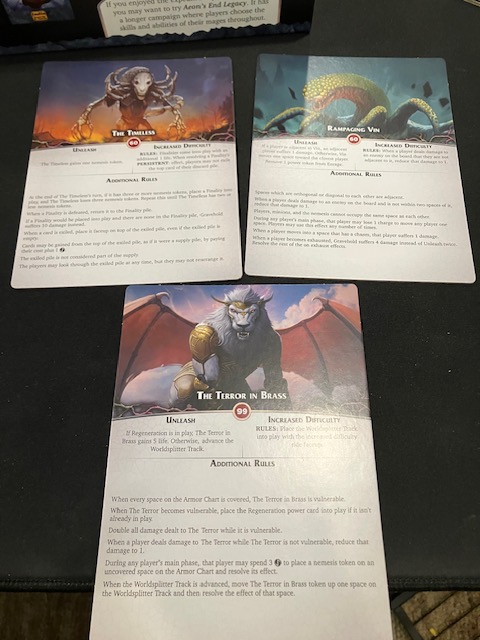
The mages battle one of the nemeses (the bad guys) above! To win, they cast spells to try to reduce the nemesis to zero hit points!

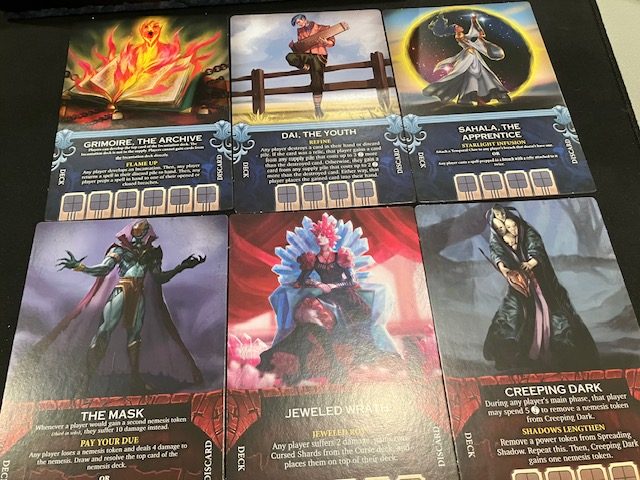
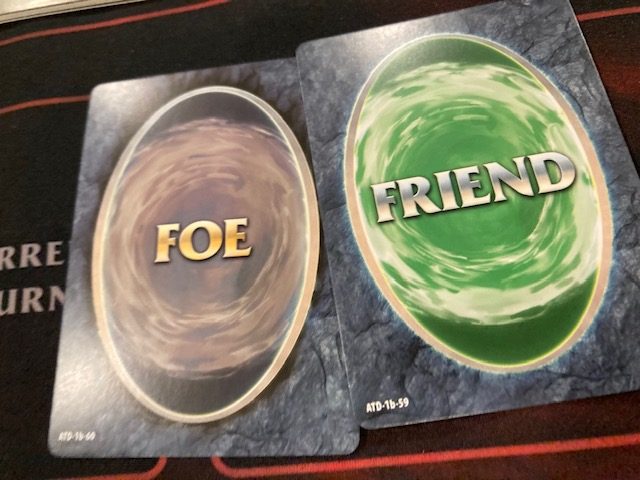
There are Friends and Foes that help/hinder you along the way. No player actually plays them, they are just operated by the game and have a mildly good or mildly bad effect when they activate.

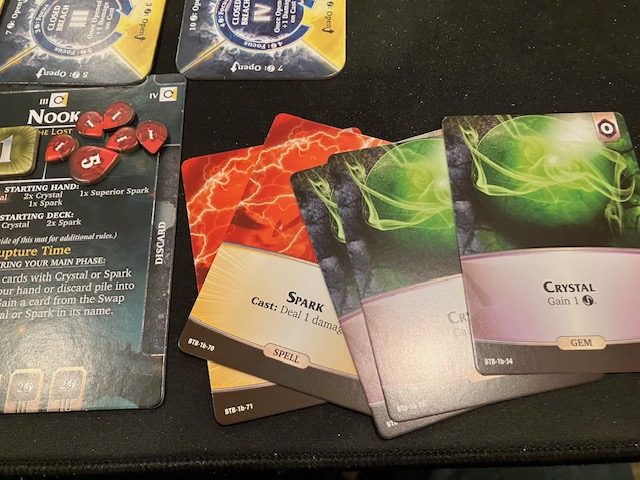
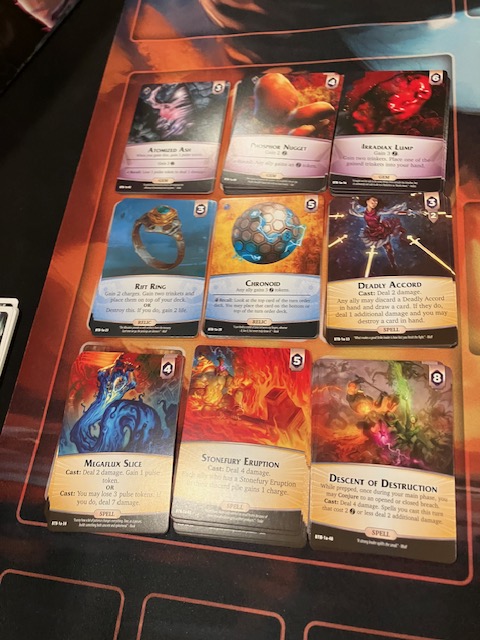
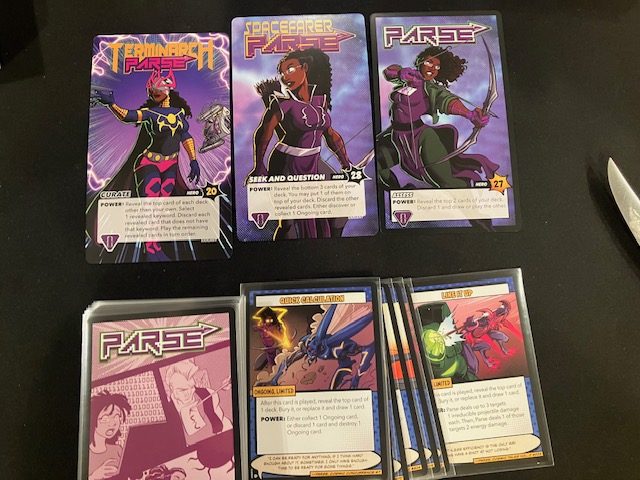
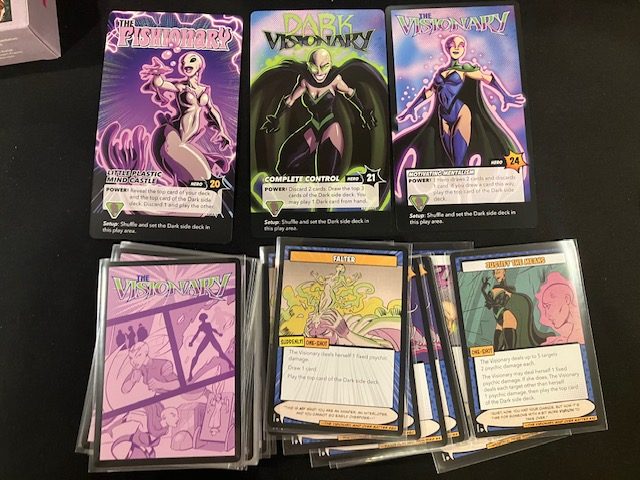
This is a cooperative deck-building game: see some base cards above. Gems (like the crystal) generate Aether (the little notes) and that is used to buy bigger and better things; better gems, better spells, better everything. Aether is the currency of the game and is used to buy upgrades for your deck. Aeon’s End: Beyond the Breach is a cooperative deck-building game! For more examples and discussion of cooperative deck-building games, see our Top 10 Cooperative Deck-Building Games!

There’s a whole wide selection of Gems, Relics, and spells to buy! See above. More come out as the game unfolds.

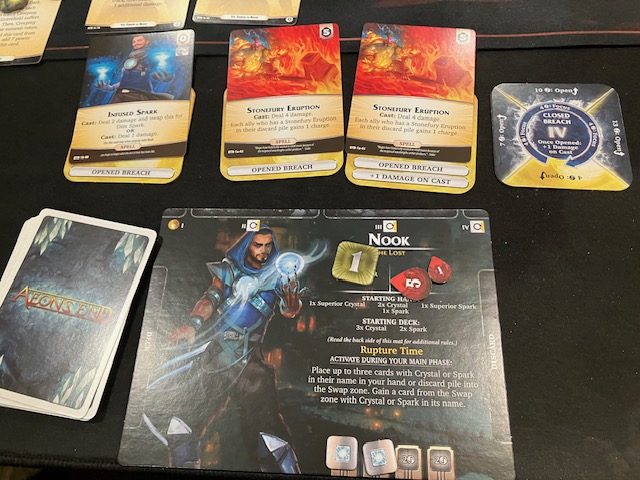
Casting spells are how you do damage to the Nemesis and other bad guys that come along. In order to cast a spell, you have to prepare it into an opened breach: see above as Nook has 4 breaches: 3 of them are opened and have spelled prepped into them! The fourth breach is closed and can’t be used for casting a spell*, but it can be opened (at the cost of some Aether) later on. Interestingly, cast spells on your turn actually go off at the start of your NEXT turn!

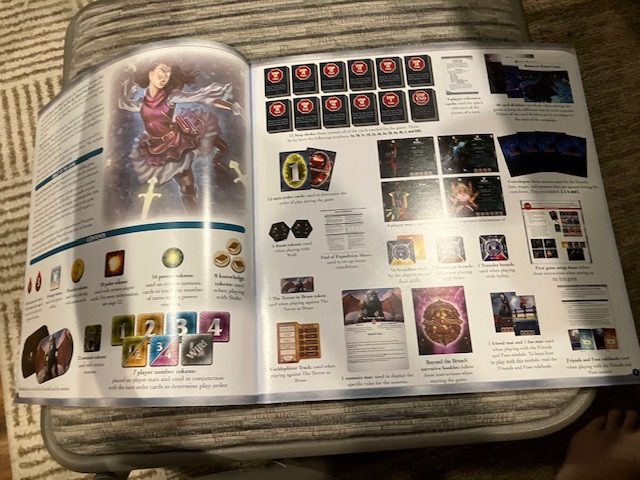
The quality of Aeon’s End: Beyond the Breach is great! See components above. The art is a little inconsistent with other Aeon’s End games, but only if you look too closely. Internally, this game is very consistent.

Oh yes, I forgot to mention one of the more interesting things about the Aeon’s End systems, no shuffling! You just plop your discard over and turn it into your deck! Those of you “annoyed” by Dominion‘s constant reshuffling, you (mostly) don’t do that in Aeon’s End! I say “mostly” as foreshadowing … Beyond the Breach actually adds shuffling in at some point … spoiler …

Friends and Foes

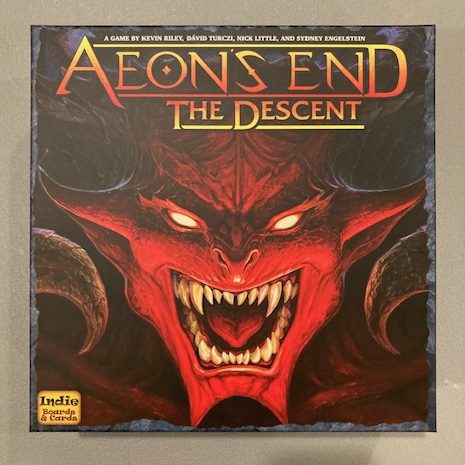
In Aeon’s End: The Descent, they introduced one of my favorite new mechanisms into the Game: Friends and Foes! See our review of the original Aeon’s End: The Descent here!

In Descent, the Aeon’s End team introduced us to the Friends and Foes family!

Two new characters are inserted (optionally; it is a module you can choose to play with or not) into the game that help of hinder you … slightly. No one actually plays a friend of foe: the game just operates them for you (with a little help from you).

Aeon’s End: Beyond the Breach continues with this trend and adds more Friends and Foes! See more above!

I still love the Friends and Foes! Even though it makes the game more complicated (because it’s yet another mechanism to operate as you play), it gives the players more choices! When a friend or foe activates, you usually have a choice of two options; so you can choose how you be slightly helped or slightly hindered! It makes the game feel like you have more agency!

The other thing the Friends and Foes does is tamp down the problems with Variable Turn Order. See discussion below.

I am very very glad to see more Friends and Foes being available! This is a modular expansion you can add to any Aeon’s End game!

Sleeve Your Cards!

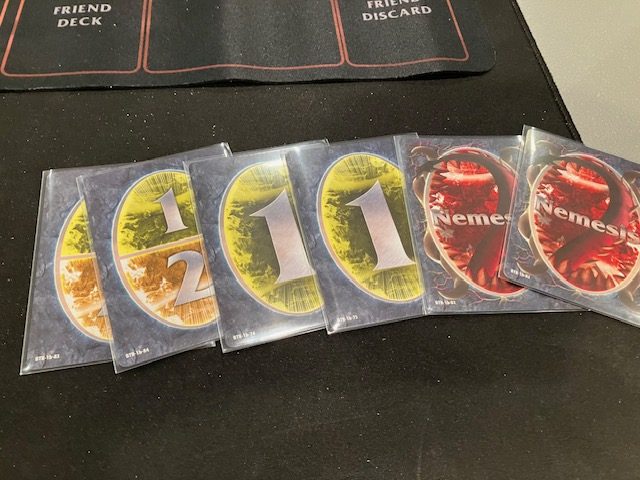
Aeon’s End games are all Variable Turn Order games: a deck of cards control when entities have a turn. The numbers indicate a player number, and the Nemesis cards indicate when the bad guy has a turn.

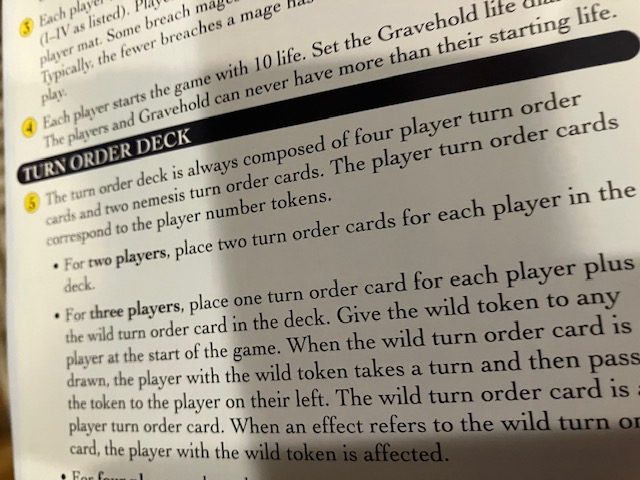
Basically, for balance, the players (as a group) always have 4 turns (no matter the number of players), and the Nemesis gets two turns always. See rulebook above as it confirms that!

A deck of cards (the Turn Order deck) controls this.

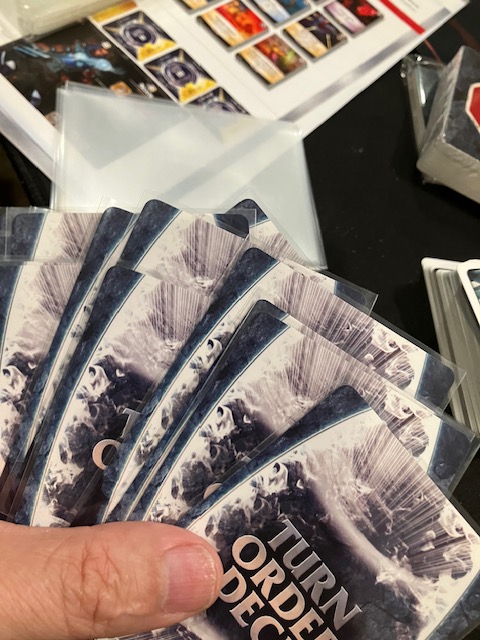
If you sleeve NOTHING else, you should sleeve the Turn Order deck (see above: like I did above). You handle the Turn Order deck all the time in this game. Learn from my mistake: my original Aeon’s End turn order deck is kinda grody because I didn’t sleeve it!

This is deck-building game too … you usually should sleeve a deck-building game because players handle the cards so much. I plan to sleeve Aeon’s End: Beyond The Breach before RichieCon 2026, but I haven’t had a chance to yet. I did play about 10 games without sleeving it, and it’s still fine, but I will still sleeve it before I let it loose on the convention floor.

Variable Turn Order

We have written many articles about the dangers of Variable Turn Order: see the most recent one here: Variable Turn Order and How to Mitigate It’s Randomness. Basically, Variable Turn Order can be too random sometimes and ruin a game. There are some simple mitigation techniques (usually: don’t allow the Nemesis to ever have more than 2 turns in a row), but it can be an issue.

Luckily, Aeon’s End: Beyond The Breach has a few things that help mitigate the problems of Variable Turn Order. The problem is still there, but it’s much less pronounced.

First, Friends and Foes! By adding two new cards into the Turn Order Deck (see Friend and Foe cards above), this evens out how often the Nemesis comes out! Adding these two cards makes it much less likely to get multiple turns of the Nemesis in a row!

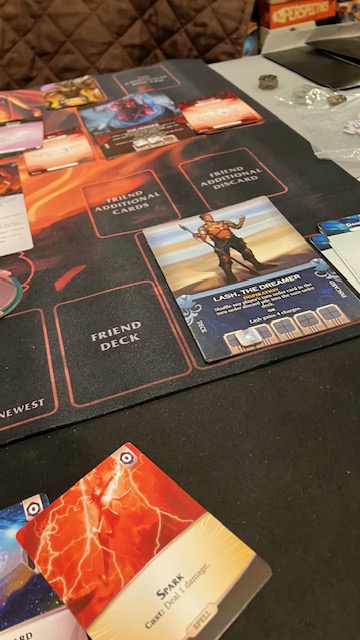
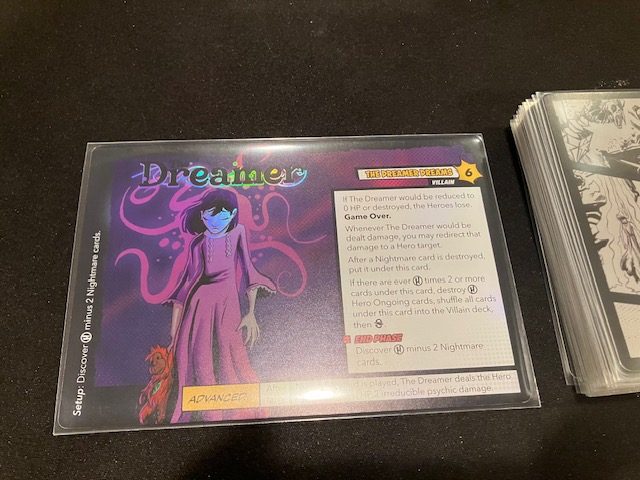
Second, there are new mechanisms in the game that address the problem by allowing the players to alter the Turn Order deck! For example, the friend Lash: The Dreamer has the ability to re-insert a player turn order card into the deck (effectively giving the players one extra turn)! See above!

The Relic card Chronoid allow users to move the next Turn Order card to the bottom of the Turn Order deck. There are a few other places in the game where the players can alter the Turn Order deck.

I like that they have added some new in-game mechanisms to fix turn order problems. I don’t think I ever needed my “The Nemesis never gets more than two turns in a row house rule in all the games I have played of Beyond The Breach. Between Friends and Foes and these few extra mechanisms, we may be at the point where it’s not as big a deal? Shrug?

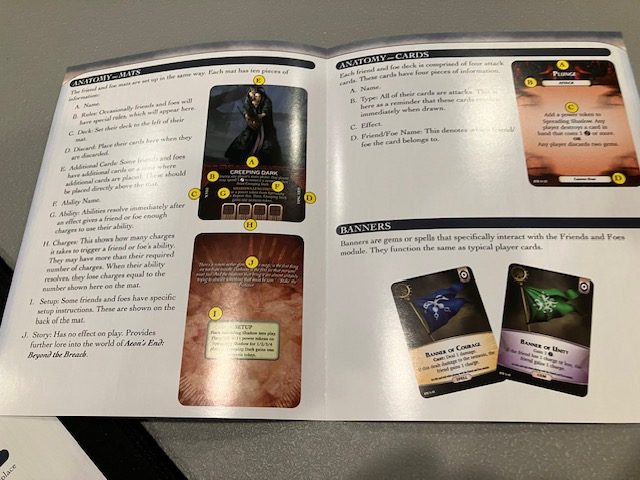
Rulebook

For a rulebook that’s had SO MANY iterations, I still have some complaints. Bigger than I expected.

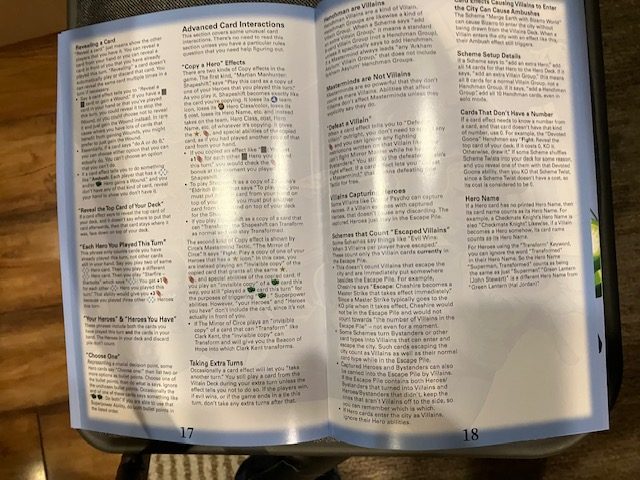
Seriously, this rulebook gets a grade of C on the Chair Test! Sure it’s got good pictures and good set-up, but it droops over the edges making it much harder to read this on the Chair next to me! This form factor is really not great.

This is a standalone game, right? Sure, it expands the Aeon’s End universe, but you can play this all by itself! So why are some concepts in the game NOT DOCUMENTED AT ALL IN THIS RULEBOOK? The “Recall” keyword (see Chronoid and Atomized Ash above) are not documented in the rulebook! I had to go online and found this BGG link which answered the question: https://boardgamegeek.com/thread/3708173/recall-new-keyword-not-a-question-just-a-lack-in-t

There’s at least a few more; I encountered the Conjure keyword and had no idea what it meant: I had to go Googling. This is unacceptable that the keywords in the game are NOT documented in this standalone rulebook.

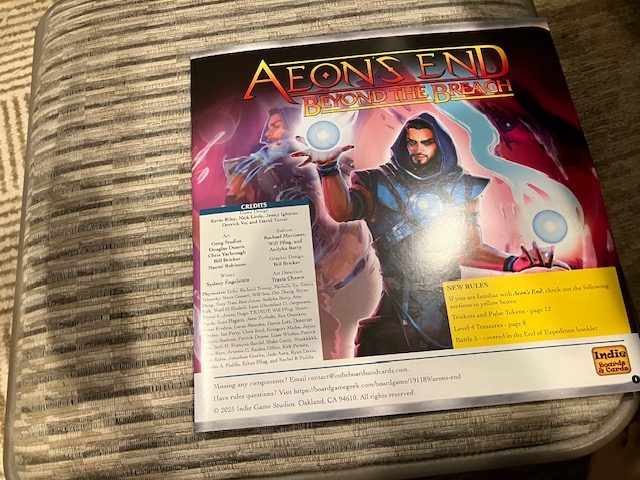
I like the IDEA of highlighting new rules in a different color (see rules above), and it mostly works. But this rulebook also makes the error of putting new rules in sidebar boxes outside the flow of the main rules. It’s too easy to miss a rule; usually sidebar floating boxes of text are “examples” or “clarifications”! By putting sidebars outside the flow of the normal rules, I think there are too easy too miss. This is definitely a personal thing for me, so maybe it’s not a problem for you. I encountered this problem in the game Unicornus Knights (see review here and here) and they FIXED the rulebook to eliminate rules from sidebars and put that text into the main flow! It made the rulebook that much better!

Don’t get me wrong: this is a pretty good rulebook. It’s just frustrating that this rulebook (given the number of iterations of it) still has problems.

You will be able to learn the game pretty well from the rulebook.

New Concepts

There are a surprising number of new additions to the game system.

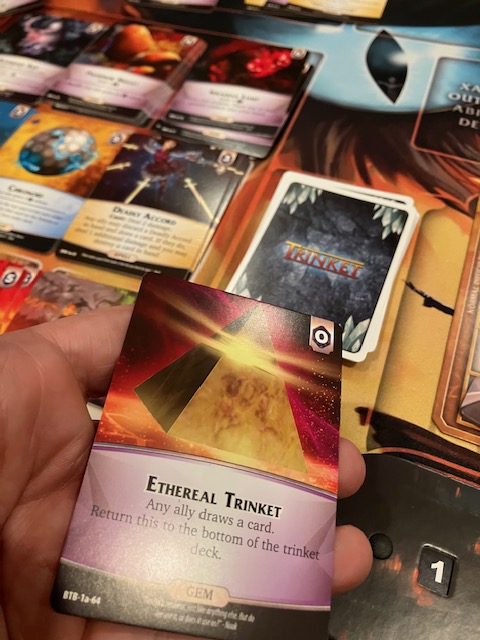
Trinkets: A lot of spells and bad effects cause you to draw Trinket cards (see above). Trinkets are basically one-shot items that clog your deck for one pass but then go away (back to the bottom of the Trinket deck)! The Trinkets are always good currently, but I can see them adding “evil Trinkets” in the future. I liked their use of the word Trinket; it implies it’s a crappy little piece of junk you can only use once. And that’s exactly what it is! I found the addition fun and useful. They were all over the game!

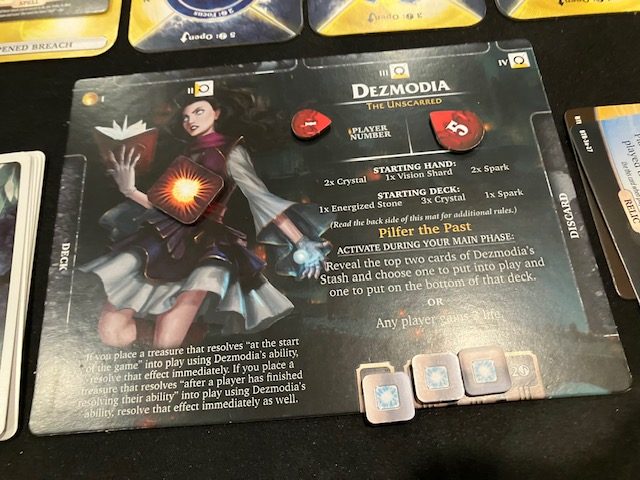
Pulse Tokens: Yet another token. Certain cards give you Pulse Tokens (see the little explosion token on Dezmodia above) which other cards or abilities or powers allow you to spend. I think there might be a mage or few new items that embrace the Pulse Tokens more, but in my 10 games of Aeon’s End: Beyond The Breach, there were a VERY minor addition. Eh. I barely used them.

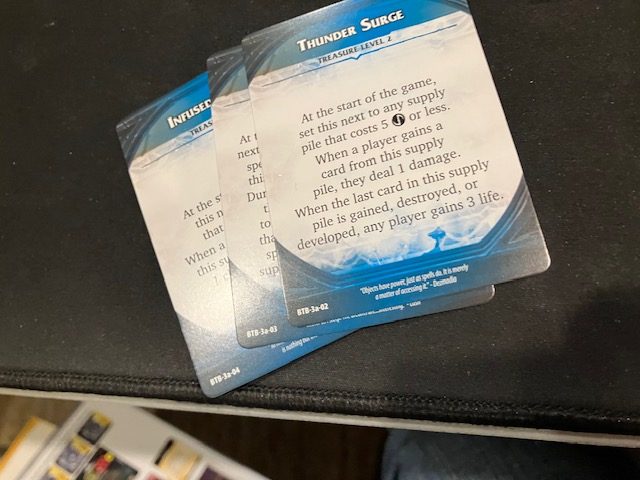
Treasures: Although Treasures aren’t new, Level 4 treasures are! In battle 5 of the campaign, you get a card that only you can buy! Sounds familiar? You might remember something similar from Astro Knights: Eternity! (see review here). Astro Knight: Eternity called them Inventions, Aeon’s End: Beyond the Breach calls them Level 4 Treasure. I guess it’s not a big surprise since the same company makes both games! It’s hard to tell how useful Level 4 Treasures are since you only use them for one battle (at the very end). The Level 1-3 treasures were much more useful.

Aether Tokens: You can earn Aether tokens (which is basically just Aether). Unfortunately, you must spend all Aether tokens by the end of your turn, or you lose it all! One of the games I played, I accidentally kept them around as long as I wanted! Nope! Learn from my mistake!

Solo Play

So, Aeon’s End: Beyond The Breach supports solo play. Huzzah! (Thank you for following Saunders’ Law).

I still want to complain about the rulebook, but some props: they give solo rules, and they are good! It’s unfortunately an “afterthought” on the very last page of the rulebook, but even after complaining about this in Aeon’s End: The Descent, they STILL haven’t fixed a glaring problem! When setting up the Turn Order Deck WHY do they not address the true solo? They address 2-Player, 3-Player, and 4-Player. You have to “figure out” from context that the solo player has 4 player turn order cards (and those of you who have played the Aeon’s End App might think you only get 3 Turn Order cards!!). Ugh. This is another thing that should have been fixed in this rulebook.

BUT, this is true solo play, where the solo player plays a single mage! Since the single mage has fewer hit points, it’s easier to be “taken out”, so if and when your solo mage is reduced to 0 hit points (called exhausted), you still keep playing! The problem is that Gravehold takes the damage you would be dealt instead! At twice the rate! So, you want to keep your mage healthy, or Gravehold dies quicker! Remember, you lose if Gravehold is ever reduced to 0 hit points!

You can also play multi-handed solo (playing multiple positions). I usually prefer two-handed solo (see my review of Pandemic: Fate of the Fellowship), but the true solo rules are so simple, it’s easy to play one mage and the game flow doesn’t change much! The only “other” rule for true solo (besides Gravehold taking your damage if you are exhausted) is that you are your own ally.

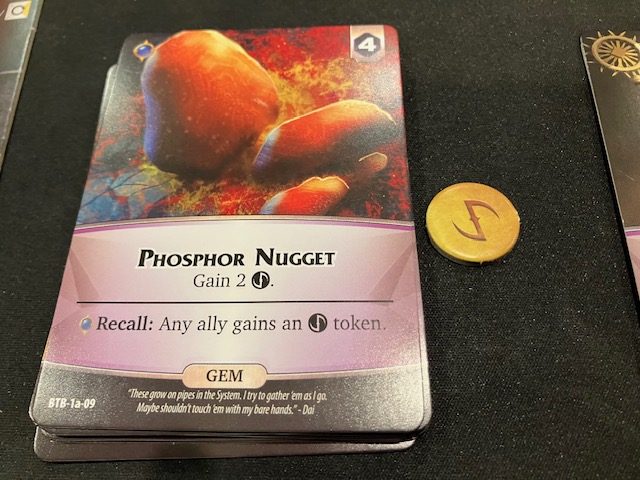
Actually, the rule that you are your own ally is kind of neat; you can strategize different things to do things for yourself! A lot of cards in here help your ally, and if you choose the right spells/relics/gems, you can buff yourself pretty quickly. I chose a lot of upgrades and cards based solely on how well the ally rule helps myself! That Phosphor Nugget (see above) becomes a LOT better when you get your OWN token!

Because you only play one mage in true solo, the maintenance and upkeep as you play is NOT overwhelming. This particular box of Aeon’s End is more complicated than most, so I worry that playing multiple mages would be too much mental and physical overhead (plus the context switching). But since you can true solo, no problem! I never felt overwhelmed by the maintenance playing solo… well… I did when switching between chapters of the campaign, but that problem will be there in the cooperative game too!

I played the entire campaign solo, pure solo the entire way. Spoiler alert: I had a great time! I must have if I kept playing!

Campaign

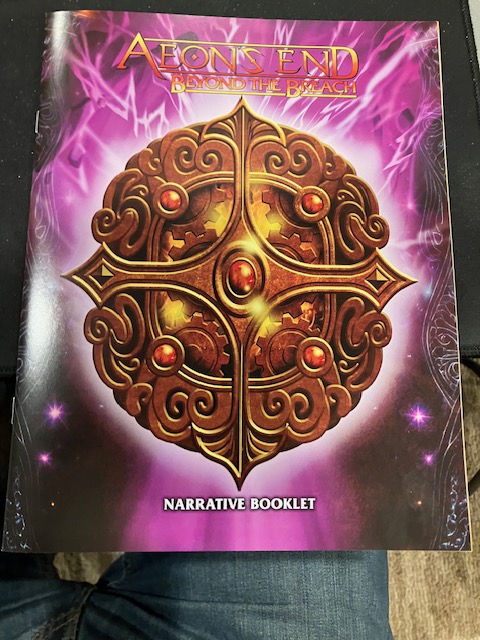
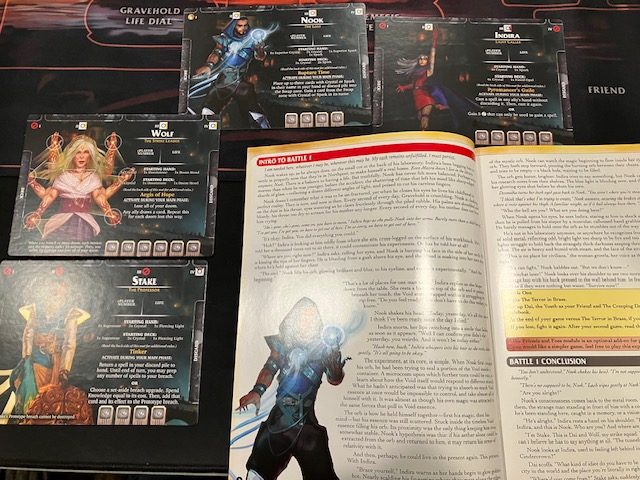
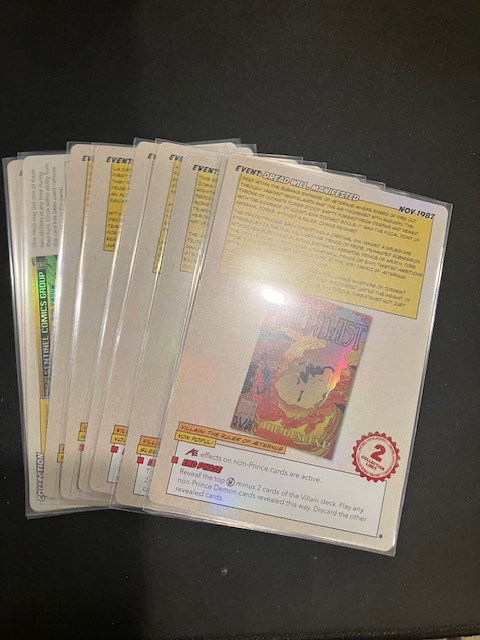
There is a campaign game here! A Narrative Booklet (see above) describes a story and helps you set-up and get rewards from each chapter. There are 5 chapters to the campaign, each of which is played once or twice.

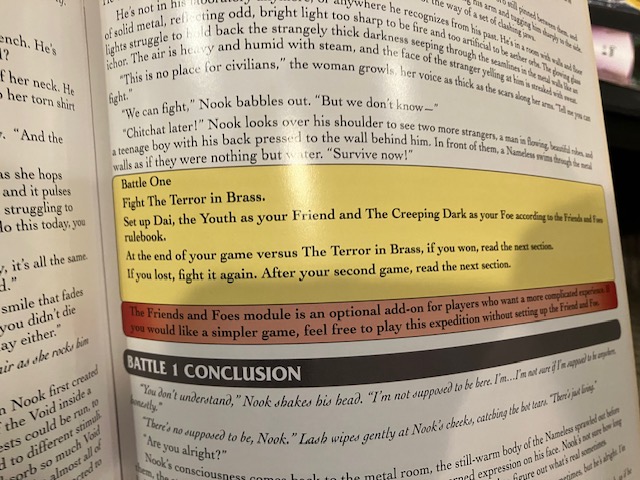
For Battle One (see example above), there’s flavor text telling the story of the battle (in black and white). The “game text” is in yellow and orange as it describes how you set-up the first battle. At the end of the battle, you will have some more flavor text describing the resolution, and then some “treasure” (both literally and figuratively). At the end of every combat, you will unlock new things that will go into your next battle!

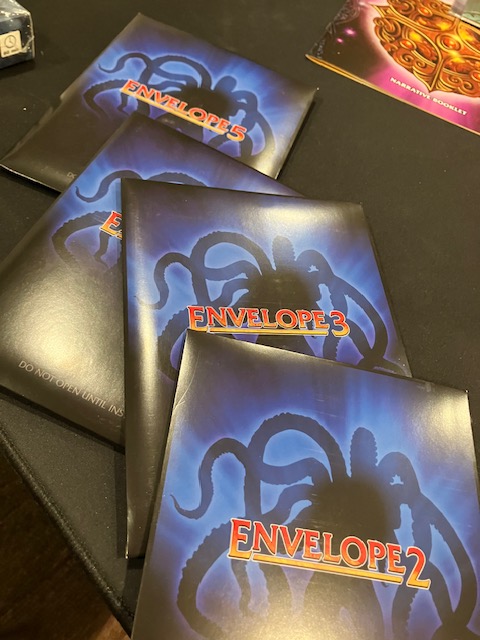
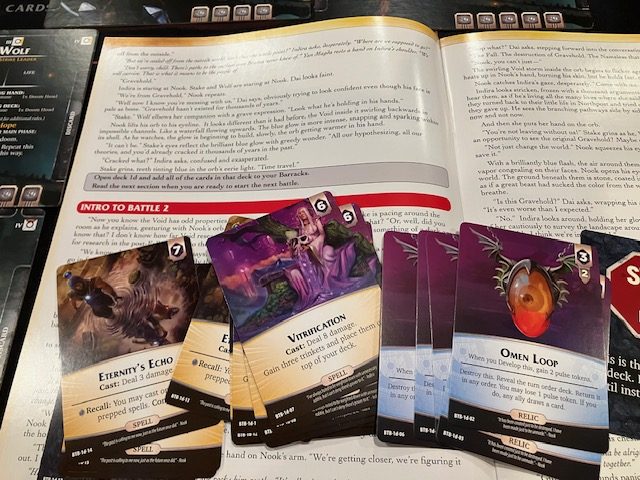
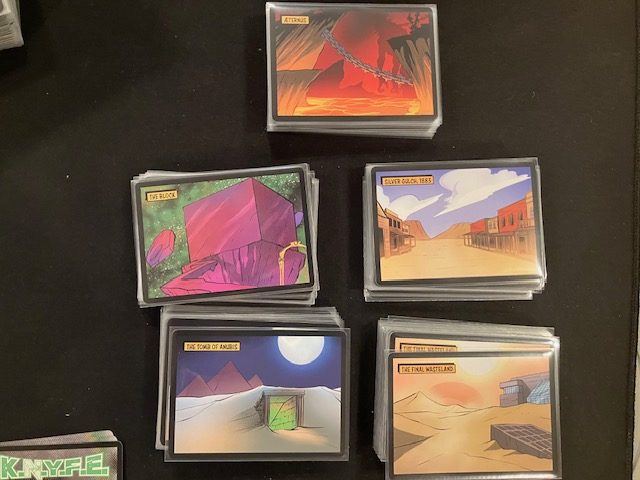
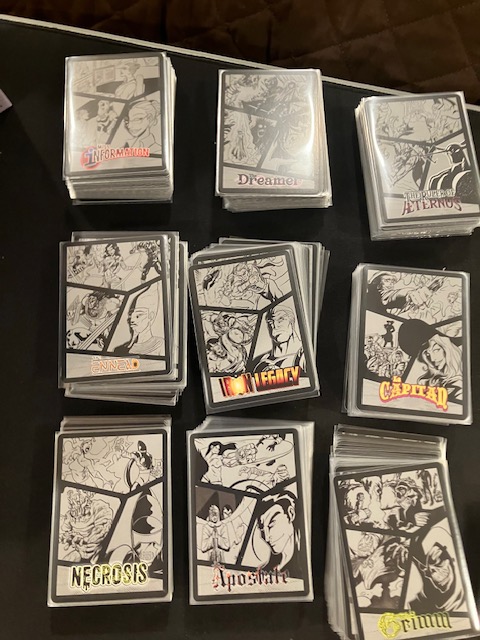
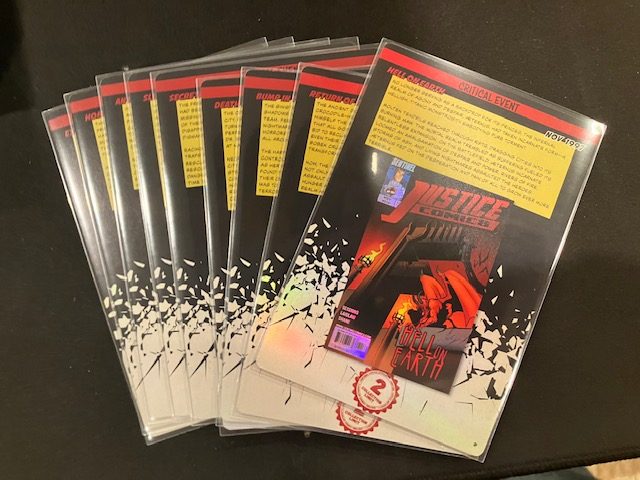
Each chapter of the campaign has its own deck(s) of cards (see above).

.. as well as an envelope with “new stuff” (new mages, new bad guys, etc).

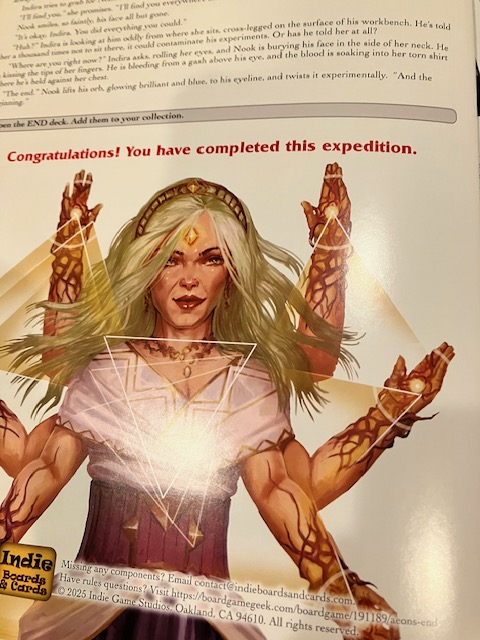
The campaign is completely resettable. After I finished my campaign, I put everything back so that the game was in pristine shape! There’s something “fun” about opening the decks and discovering the new cards as you go! If I come back to this in the future (and I suspect I will), I will want to “rediscover” the joy of the entire campaign. The cards were all labelled from what deck they came from (and they are numbered), so it’s easy to reset the cards. The envelopes are little trickier; I had to take a picture of the contents so I could remember what was in each.

So, is this a good campaign? Yes and No. From the perspective of a “the campaign is a way to play all the contents of this box”, it was a phenomenal success! I played the entire campaign solo and really enjoyed the campaign! I got some great battles with great bad guys! I had some really interesting mages to operate! I tried about 5 different mages over the battle! There were all interesting (but see discussion below.

From another perspective, the campaign was a failure. The story DID no draw me in. I struggled to read the first wall of text (see above).

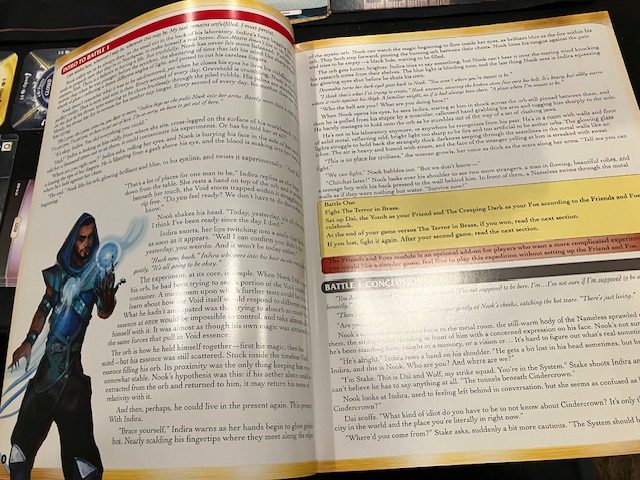
I even tried the trick I did in Aeon’s End: Descent, where I put the Mage’s pictures next to the text! See above! That trick worked really well in Descent, as it helped ease me into the story when I could see all the mages.

Unfortunately, this trick did NOT work for Aeon’s End: Beyond The Breach. I found the story impenetrable; there was some time travel and meta things going on that just put me off the story. I just stopped reading the story after Battle 2. Remember, I really liked the flavor text from both Astro Knights: Eternity and Aeon’s End: The Descent (see those reviews here and here), so I am not against story … but I just couldn’t get into it here. I feel the campaign story here did not work.

Despite not liking the flavor text, I loved the way the game evolved during the campaign.

I got new treasures all the time!

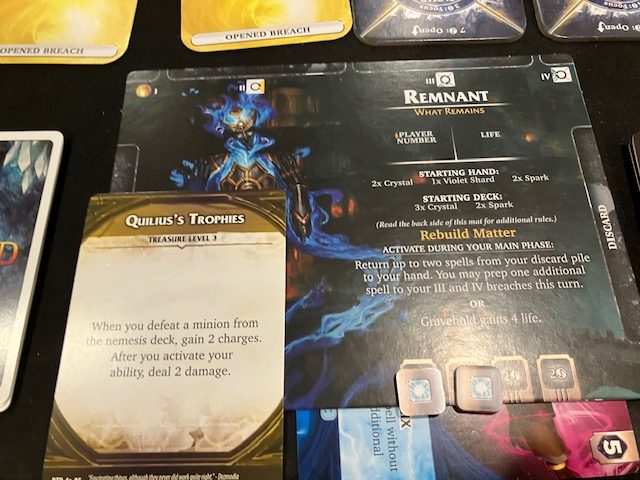
I saw new Mages! In fact, me and Dezmoda(she came out in the campaign) bonded! I used her for two of my battles I liked her so much!

As a vehicle for pushing new content forward, the campaign worked great. As a story to follow, I feel the campaign didn’t work; I just didn’t like the story and stopped reading the flavor text. For the record, you can play the campaign perfectly well even if you don’t read the flavor text.

Despite the story failing for me, the game was a blast! I had so much fun playing all 5 chapters of the campaign! I played all of them solo and a few of them with other people!

Cooperative Play

I was able to get this played with 4-Players, 3-Players, and 2-Players.

I think that this set of Aeon’s End (Beyond The Breach) worked best at 2-Player when playing cooperatively. I have alluded to this point earlier, but this is one of the most complicated Aeon’s End campaigns! There are a lot of new rules, the cards have many “complex” interactions, and some of the Mages are hard to operate! With all that newness and complexity, it seems easier to cooperate in a 2-Player game.*

Joe and I had a marvelous time playing 2-Player! We were able to combo and use ally-helping abilities very well and just slaughtered the first Nemesis!

On the other hand, the 3-Player game, we got slaughtered! Part of that was because we played Battle 3 (they were helping me wth my campaign), which is harder.

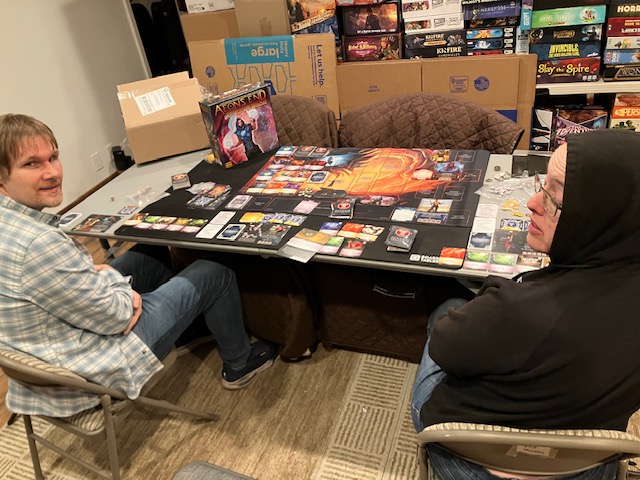
And the 4-Player game was also a loss (see above). After playing 4-Players, I noted that we had to “travel” around the board a lot to see all the cards in the display, and what the villains are doing.

So, when we played 3-Player, we all stayed on one side of the board so we could all see the cards! This mostly worked, although were were bit a cramped. I think I would recommend playing 3-Player all on one side.

A couple of notes: we have played many games of the “simpler” Aeon’s End games at 3 and 4 players and not had any problems. In fact, I have seen the original Aeon’s End game work tremendously well with 4-Players! So, I am a bit concerned that it doesn’t work “quite” as well at 3 and 4 players.

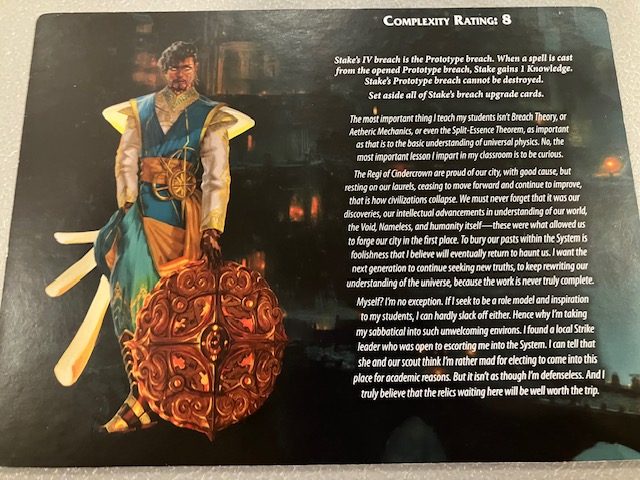
There is one common element to the 3 and 4-Player failings: the mage Stake. See above. All the games we lost had Stake as one of the mages. Andrew, who has played some Aeon’s End in his time, said he didn’t like playing Stake. And notice the complexity rating on Stake: 8!!

It’s weird to me that Stake is one of the original 4 mages you are SUPPOSED to play with! My friends didn’t really like playing him. In a 3 and 4-Player game, it felt like it was it was just too hard to get him going.

Because there are so many Aeon’s End games. this set has to try some new things to try to do something differently. The other mages played were interesting and different, and I had fun playing them. Stake seems like too much,

2-Player cooperatively is probably best, and 3 and 4 player will work, but I don’t think I’d recommend playing with Stake. At RichieCon 2026, I will recommend a 3-Player game WITHOUT Stake.

Conclusion

You might think I didn’t like Aeon’s End: Beyond the Breach from this review. That’s not true! As someone who has played a ton of Aeon’s End and Astro Knights and Invincible, I might see the holes a little too much. Maybe I have concentrated too much on those.

The rulebook is good enough to learn from, but I am sorely disappointed that neither conjure or recall is in there: you will have to go on the Internet to find those. There are some other minor points (Chair Test, sidebars with rules, some missing solo rules) that are triggers for me, but don’t let my personal peeves influence you too much. You should have no trouble with the rulebook.

Beyond The Breach is probably the most complex set of Aeon’s End games; the designers really had to stray from the simple starting premises in order to add variety to this system, but they have succeeded! The price of this variety is extra complexity that can be overwhelming. It’s not too bad, but it is there.

As a solo player, I adored this. I loved playing the campaign! This game will easily make my Top 10 Solo Games of 2026. It might have been even a bit too easy? Luckily, the difficulty can be adjusted: It’s good to know every bad guy can be made worse (wait, that’s a good thing?) With Friends and Foes and all the interesting Mages and battles, this is a 8.999/10 solo for me. (Why not 9? see below)

As a cooperative player, I would say, be careful. We had a good time playing, but there is a lot more complexity in this version. Be aware of what this is; you probably don’t want to bring newer inexperienced players into Aeon’s End: Beyond the Breach! I would argue towards the simpler original Aeon’s End for newer players (or even Astro Knights?), and only bring this out to players who are ready for this more complex experience. Also, be very careful with the mage Stake; unless someone really wants to play him, I would stay away from Stake in the cooperative game. 8.49/10

Why 8.49? Because I didn’t like the story. I stopped reading it. The campaign is a great vehicle to play through all the content, but in the end, the story didn’t work for me.

I think I would give Aeon’s End: The Descent the ever-so-slight nod over Beyond The Breach. In Descent, I liked the story, I liked the mages, and of course The Descent introduced Friends and Foes! But the two are very very very close …Beyond The Breach is great, and if you want more Aeon’s End, Beyond The Breach works well, but just be aware how complicated this set is.

The cure for Aeon’s End Ennui? More cowbell!

Appendix: Playmat

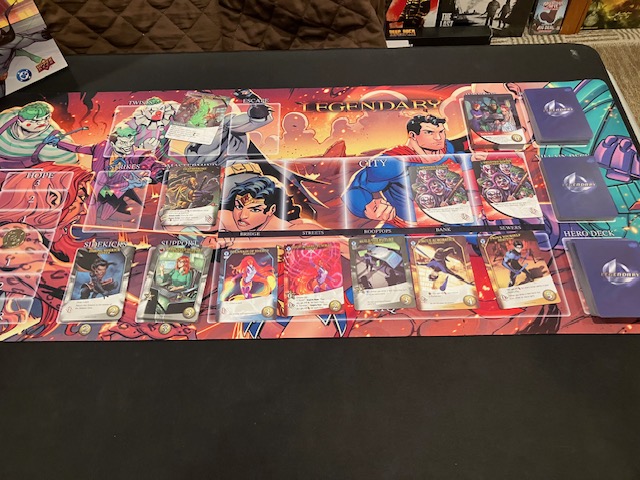
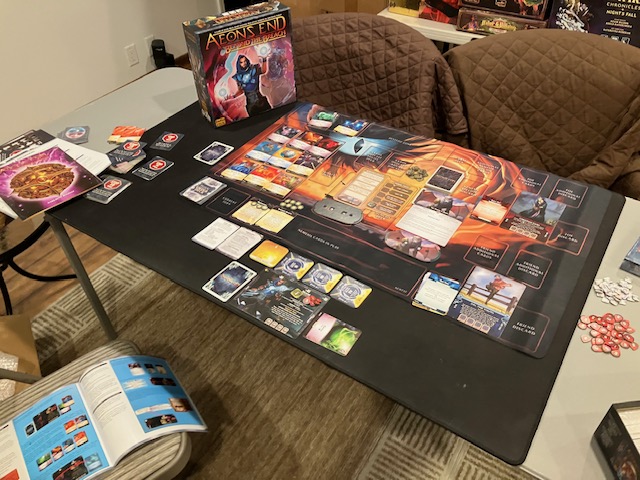
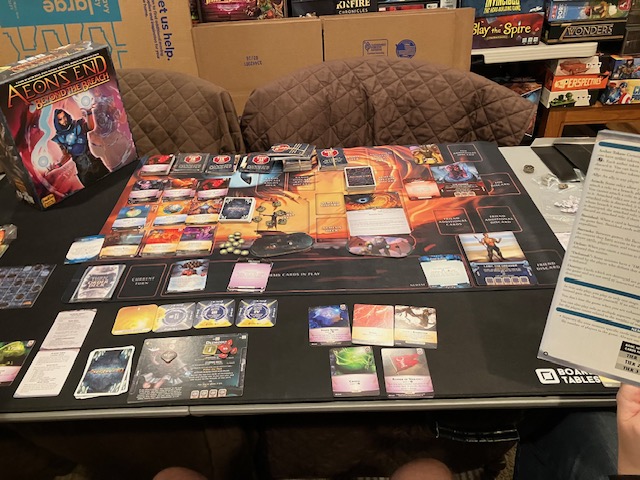
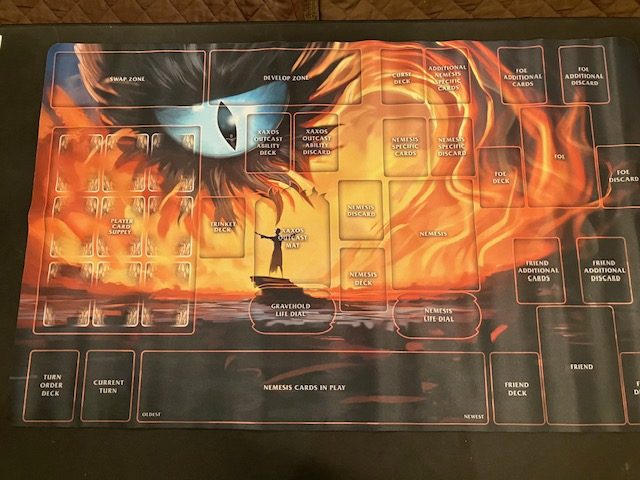
The playmat was an option in this Kickstarter. I really liked it; it helped organize the cards and keep everything on track. If you like the Friends and Foes modules, this especially helps keeping all that straight.

I’d recommend getting this playmat if you do get Aeon’s End: Beyond The Breach: it’s very thematic and useful.

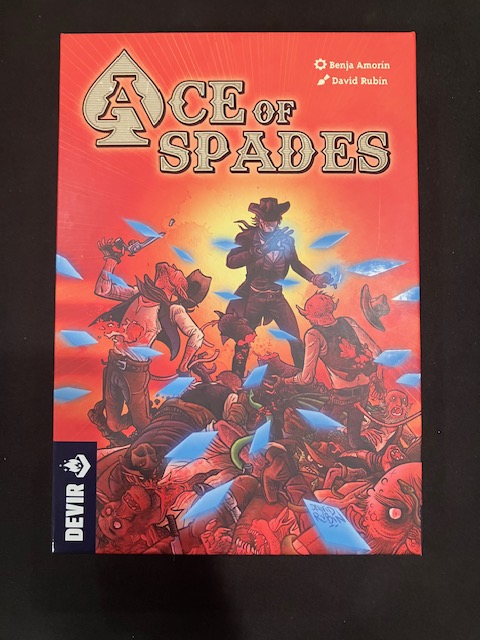
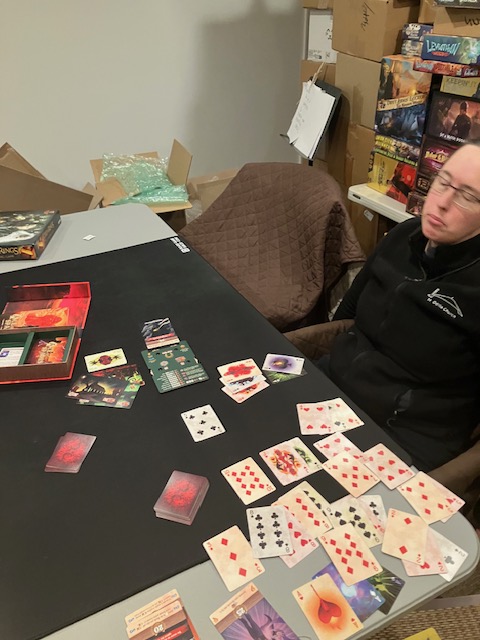
Ace of Spades Solo and Cooperative Review. Would You Call This A Cozy Game?

What kind of crazy person would call this a cozy game? This is set in a hard and unforgiving old west town, with gunfighters battling bad guys! The art is great but kind of harsh, the theme is hard, and the game … just doesn’t look cozy. But I argue that it kinda is! Check out why below …

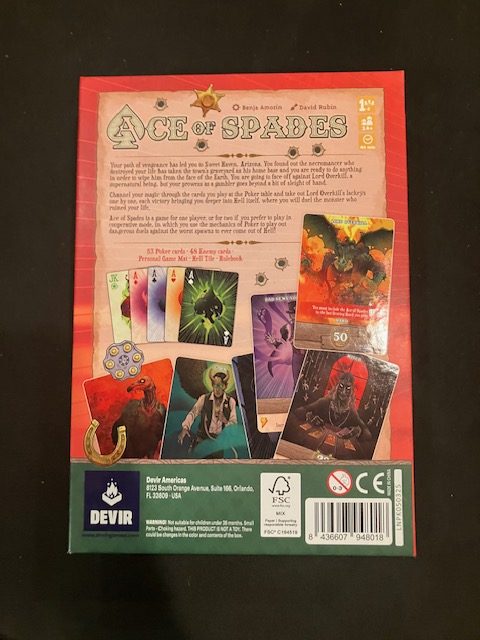
Ace of Spaces is a solo or 2-Player cooperative game: players battle bad guys using Poker Hands to do damage; bigger and more powerful bad guys emerge as play continues!

Although Ace of Spades was originally released in 2025, the original publication was recalled because of some offensive cards. So, the publisher Devir re-released this game fairly recently in 2026, so we are calling this a 2026 release? I guess?

Let’s take a look!

Unboxing and Gameplay

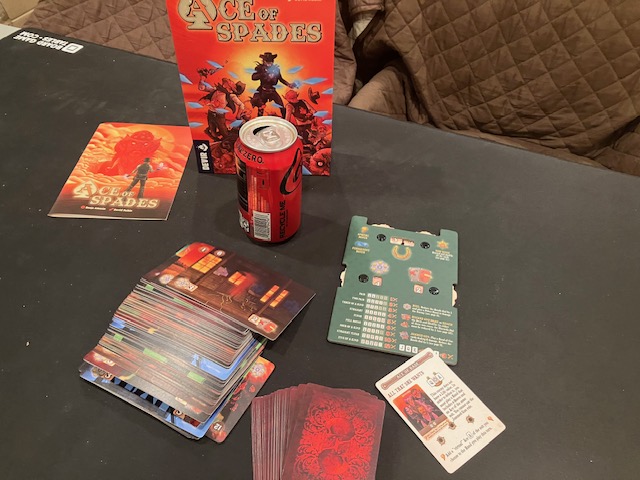
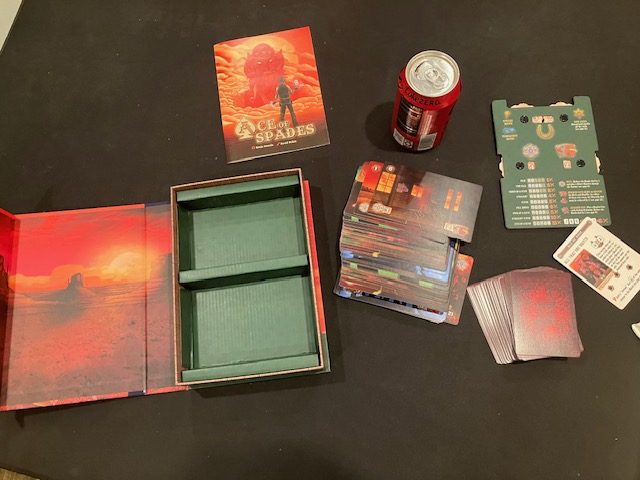
Ace of Spades is a smaller box (see Coke can above for scale) mostly because it’s just cards (and one giant notater for hit points).

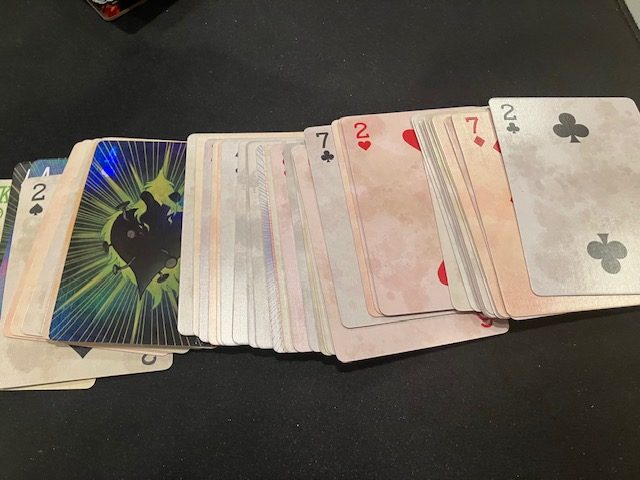
Players use poker hands to do damage to bad guys, so the game includes a “standard” deck of cards (see the fake “worn” veneer above) with a special “Foil” ace of spades card.

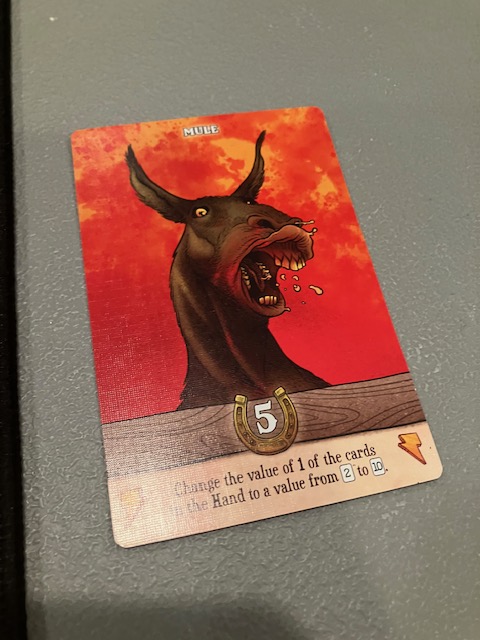
There are enemies you fight along the way to the big boss. The starting enemies are simple (like the 5 hit point Mule above) …

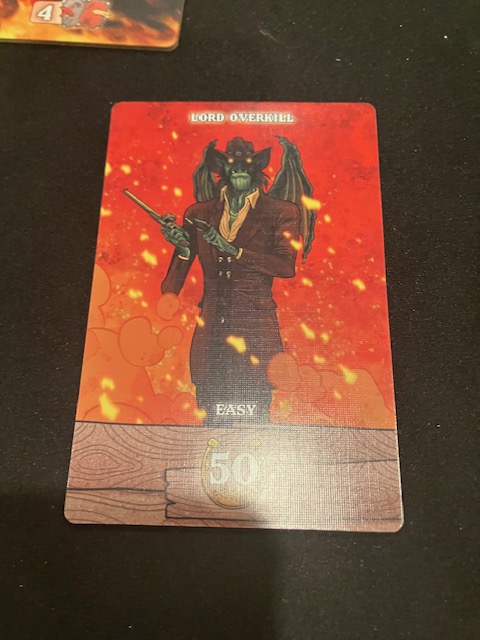
… and the final enemy is Lord Overkill (above with 50 hit points!) And that’s the easy boss!!

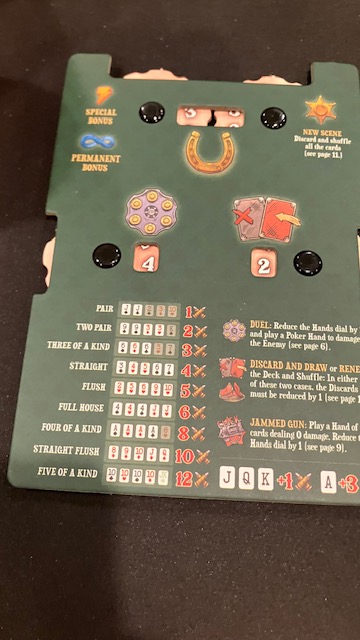
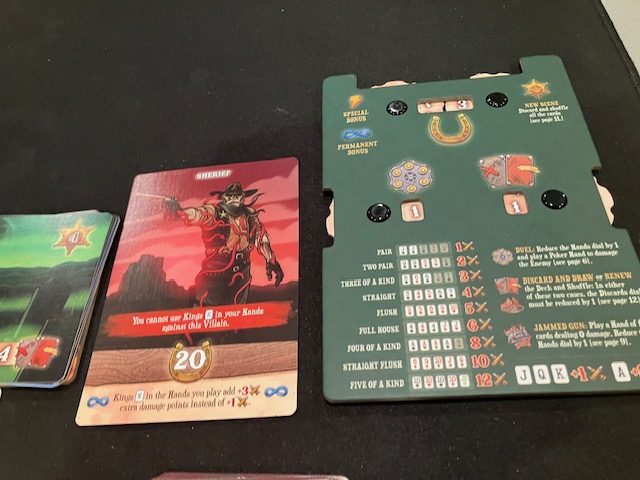
How do you do damage to enemies? You play poker hands, and each poker hand has a “damage” it does! See above as the Flush does 5 points of damage, the Full House does 6 and so on. You’ll also notice that face cards (JQK) do extra +1 damage, and Aces do +3!!

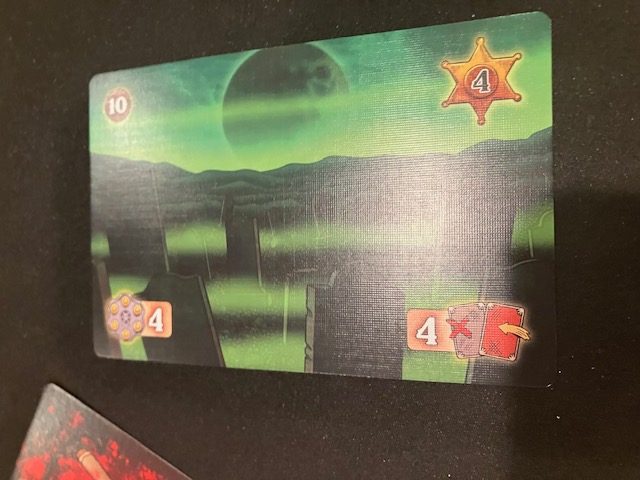
Each enemy you face has an “environment” (like the one above) which describes how many poker hands you can play, and how many redraws you get. The bullets (4) are the number of poker hands you can play, and the deck arrow (4) is the number of redraws you get.

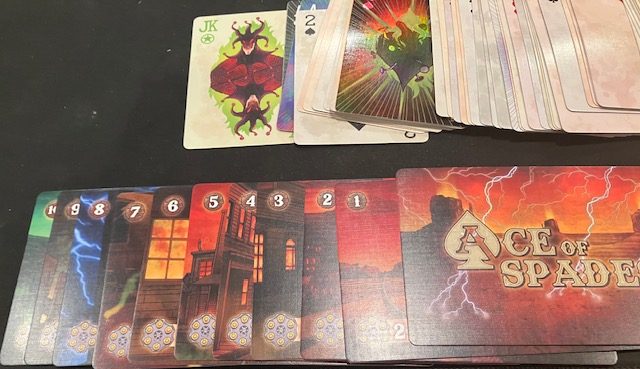
There are 11 bad guys overall on the way to Lord Overkill!! See above! If you can take all 12, you win! You lose if you can’t take out an enemy with the given number of poker hands.

If you look at the bottom of the cards of the enemies, you’ll see that killing them gets you a “one-time” or “ongoing” power you can use in later combats. For example, if you take out the Sheriff above, you get the ongoing power that Kings to do extra extra damage!

If you can make it all the way to the end and kill Lord Overkill, you win!

It’s really just playing poker hands to do damage to bad guys.

Controversy

So, I didn’t know too much about the Ace of Spades controversy until I got my copy! I got a 1st edition used from a Board Game auction from my LFGS … and it turns out the 1st edition has the controversial cards! One of them is above (the slaver) and the others … I don’t to want to show. One of them is a slave card.

If you want to know more about the controversy, see this board game geek thread. You probably want to get the 2nd edition WITHOUT the slaver, slave, and other cards. It’s the 2nd edition that came out in 2026 and that’s probably the one you want.
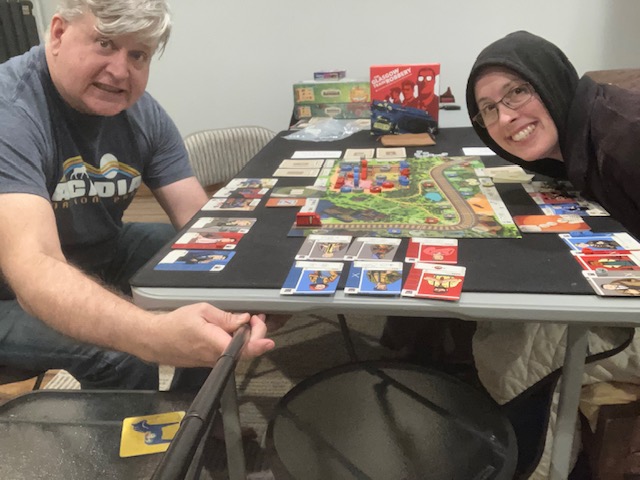
When I played with my friend Teresa, we just kinda put the controversial cards off to the side and didn’t play with them.

Solo Play

So, this is either a solo game or a 2-Player cooperative game. See above. Thanks for following Saunders’ Law and having a solo mode!

The solo game unfolds as you expect: you get poker hands and try to damage to your current bad guy! In the solo game, you get a full hand of 8 cards and play 5 at a time (fewer if you are playing easy mode) to play a poker hand to do damage. There are also ways to scale to make it easier and harder.

As a solo game, it was fine. The problem is that you are very dependent on the cards you get! Sure, that’s how poker is, but I found this really hard to win: it was very random. Sure, you can play smart and use the one-shot and ongoing abilities, and sure you can play the odds and get better hands. But I have yet to win a game.

And here’s the weird thing: since I know it’s kind of random and I’ll just have to do the best I can, it’s not stressful. I know that my game is completely defined by the cards I draw, and if I do great, HUZZAH! If I do poorly, oh well. I can try to play smart and I can try to think my way out, but since I know it can be very random … I don’t care? Not in a bad way but in a “Eh, that’s the way it goes”. I am going to make a controversial statement: this is a cozy game. You do the best you can, but meh, whatever.

I have played quite a number of games and haven’t won. I don’t care that I haven’t won … in a good way? It’s kinda fun.

Cooperative Play

As a 2-Player game, the game basically plays the same, but you alternate between the two players. There are still 8 cards out, but 3 are shared between the players, while each player has his own hand of 5. Here’s the thing: you have limited communication between the 2 Players. You cannot communicate what you have, except vague stuff.

I generally don’t like limited communication games; the rules are generally pretty vague except for “you can’t shared exactly what you have”. So, we probably stepped over the line a little. I think I would have preferred some limited communication rules more like The Crew (where you get a single communication per round) or something like that.

There were also no rules for sharing. To be fair, the 3 cards in the middle are shared between the two players, but it would have been nice to have other limited sharing rules.

I actually think (but I am not sure) the game would have been more fun with either some sharing or more explicit communication rules. Having said that, my favorite way to play this is 2-Player. Why? As I said before: it’s a cozy game! I am pretty sure I stuck getting what cards I get, so if I lose, whatever.

Again, calling this cozy is not necessarily a bad thing. I can sit with my friend for hours just playing and hoping we can get a good run to win! But we know the odds are against us. If we win, great! In not, oh well. That’s my definition of a cozy game: I can keep playing and not be stressed. My friend and I can hang out. Since I know the luck of the cards governs the winning, I don’t be stressed because I know I can’t do too muich about it (mostly) and I just play and have fun.

Conclusion

Play poker solo (or cooperatively with your friend ) and beat-up bad guys! It’s a simple premise, and it’s probably easy to get anyone to play it because most people know how to play poker! (Just make sure you get the 2nd Edition so you don’t offend anyone). I really like the idea that I can pull this game out for non-gamers and show them how a cooperative game works using poker hands! That’s a really neat way to introduce people to cooperative games! Most people know how poker hands work!

I also love the art in this game; it’s very comic-booky (Jonah Hex?) and very striking.

I am calling this a cozy game because I know the game is too random to take it too seriously: I will be always be at the whim of my draws, so I can lean back, play the best I can, and say “oh well” when I lose … because I will lose quite a bit. I know! With art and theme like this, how can you call this a cozy game? A cozy game for me is just sitting back and playing and saying “ok” as we play.

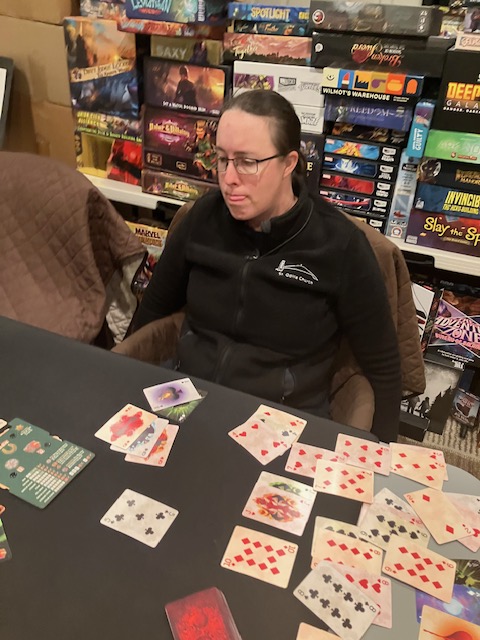
In the end, I prefer Ace of Spades 2-Player. It’s a cozy game where I can hang our with my friend and play a friendly (a truly friendly) game of poker. We can play all night and probably lose, but we’re still playing together and hanging out and having fun.

6.5/10 for solo play (too random to want to play all the time), but 7.5/10 or 8/10 for the 2-player game.

Appendix: Coziness vs Agency

I wonder … if we added house rules for sharing and/or communicating if I would like the game more or less? I KNOW the game is too random so I don’t care too much, that’s why it’s cozy for me … I can’t do much about how the cards come out for me and my friend, so I just say “whatever”; that makes it cozy for me. But if I added some sharing rules (“we can give one card per turn”) or communication rules (“we share show one card per turn”), maybe I would start caring more? Then maybe I would be more stressed and it wouldn’t be a cozy game anymore? Or maybe I’d like it more because I had more agency? I don’t know!

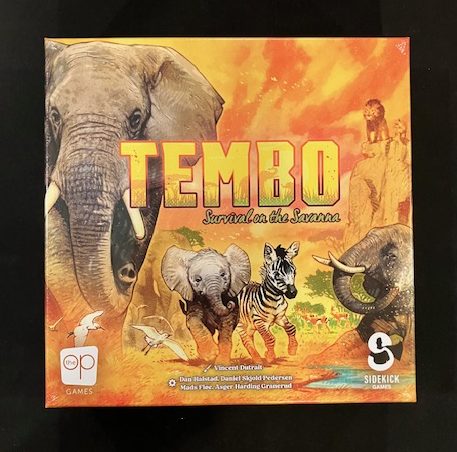
Tembo: Survival on the Savanna. A Solo and Cooperative Review.

Those of you paying attention might say “Wait, didn’t you already publish this?” And you are right! We did! It turns out we got a critical rule wrong, so our review was a little unfair! So, we took down our original review and adjusted it after replaying. Here we go with an updated review!

Tembo: Survival on the Savanna is a solo and cooperative tile-laying/tile-placement game from The Op Games.

This is a game all about exploring the Savanna but keeping the elephants alive and away from the Lion and Lioness!

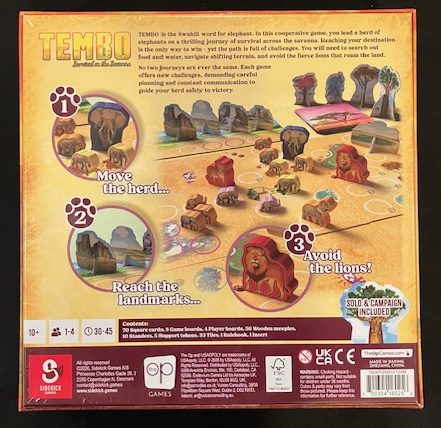
This is a lighter game for players ages 10 and up.  The time range seems about right at 30 to 45 minutes.  It can play solo.

Is this game good enough to make our Top 10 Cooperative Tile-Laying/Tile-Placement games?  Let’s take a look!

Rulebook

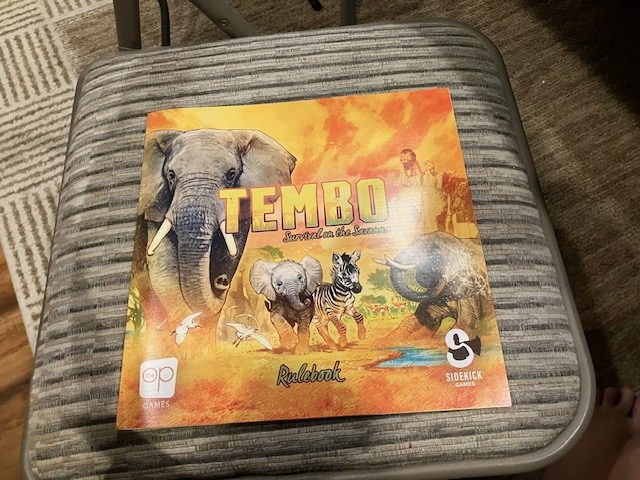
The rulebook is decent.

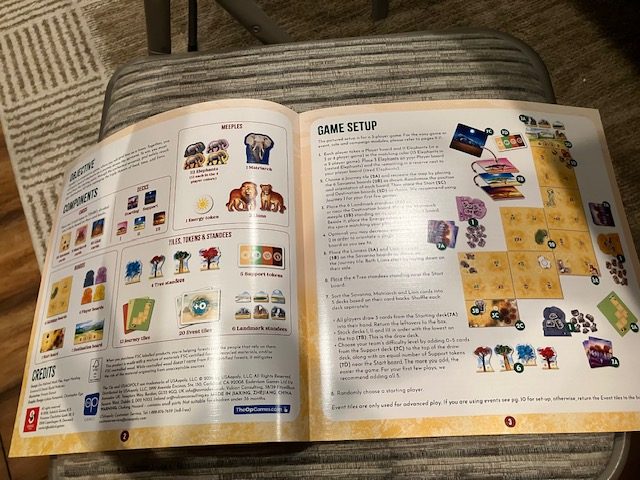
The game set-up and components are on opposite pages and this works great.  The components are annotated and the set-up is well-labelled.  This part of the rulebook is excellent.

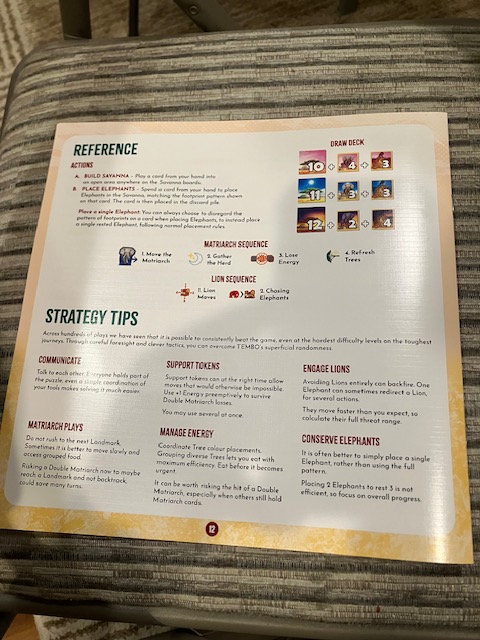
The rulebook is generally okay.  It’s not great on some edge cases: For example: when you rotate a card, can you can also rotate it 45 degree to get diagonals?  There’s no discussion of that!  From a consistency point of view, it seems like you can (because diagonal is considered adjacent), but it’s not clear.  Why are some spaces purple and white on the final board?  Do you have to place final elephants in the white zone?  When the Matriarch is by herself on the board, what does playing the Matriarch card means? When an elephant line gets disconnected, are there any special rules?  If the Lioness eats an elephant, and goes to sleep, then the Lion moves to her space with the Matriarch … it seems like you SHOULD NOT lose (because the Lioness is sleepy), but the rules make it clear whenever the Lioness and Lion are together .with the Matriarch … you lose!  This seems inconsistent with the theme of the game (sleepy Lions).

Oh yes, after a few passes over the rulebook, it’s clear that each player MUST DRAW TO THREE CARDS no matter what, on their turn.  So, they keep drawing. They should have made that clearer, instead it’s kind of buried in the text.

The rulebook was decent, you can learn the game, but don’t expect there to be a ton on edge case clarifications.  You’ll have to make your determinations in a few places.

Unboxing and Gameplay

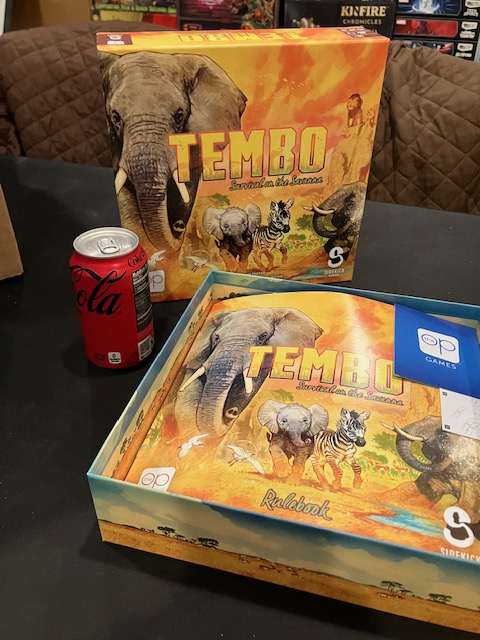
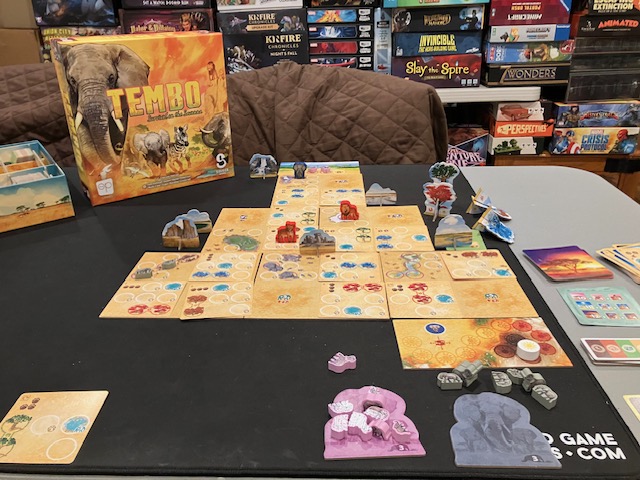
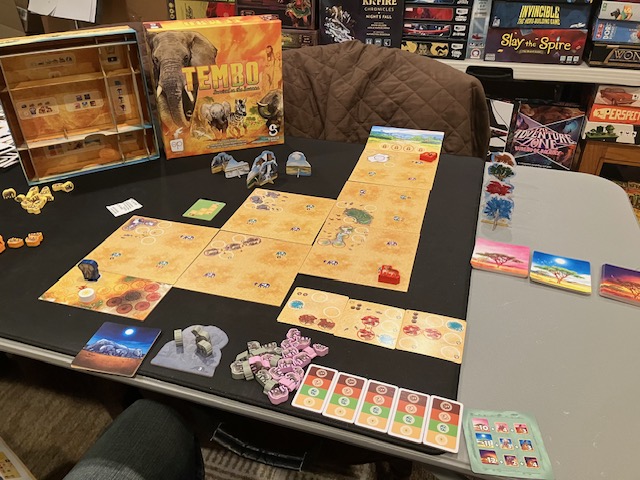
Tembo is a fairly standard sized box. See Coke can above for scale.

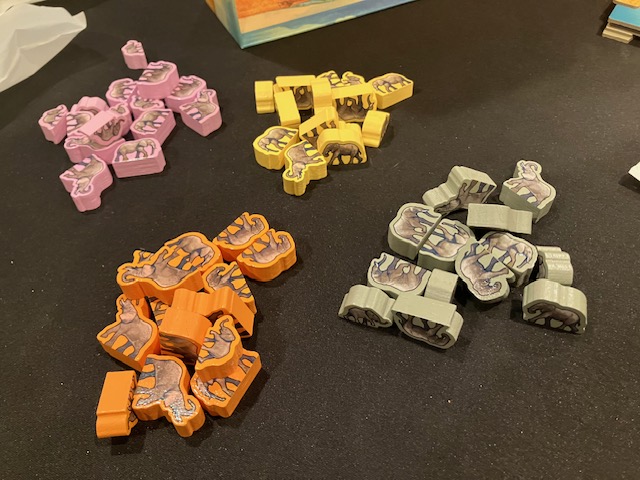
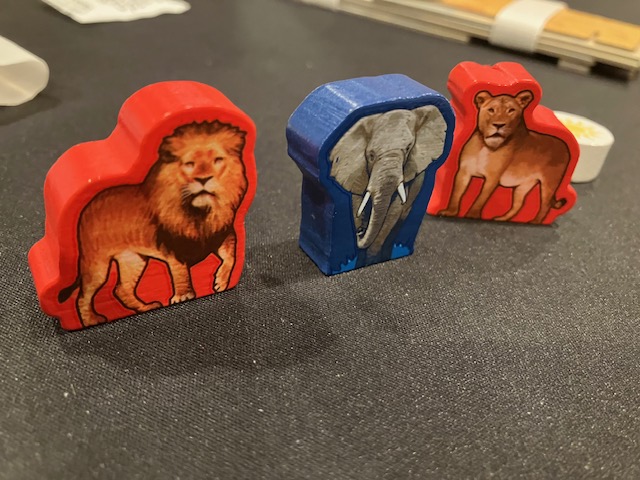
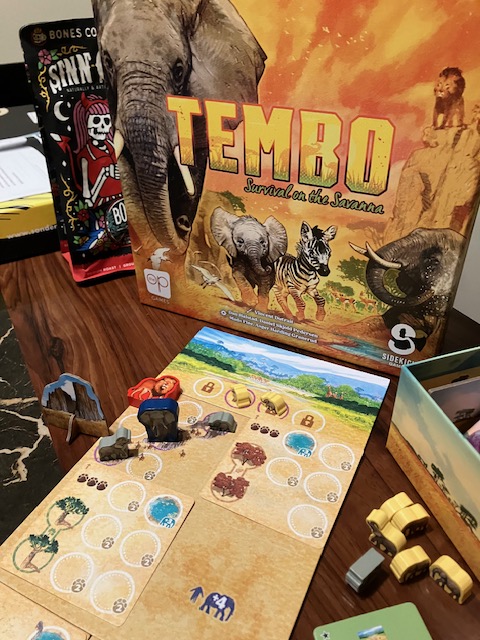
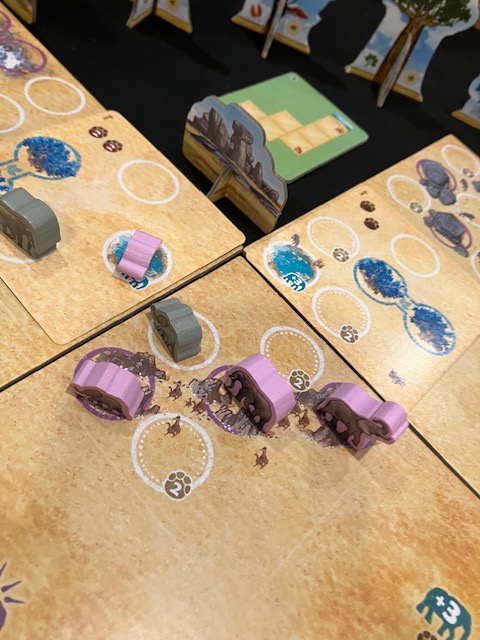
Each player will take the role of one of four herds of elephants.  See the gorgeous wood elephant meeples (elepheeples?) above.

The thing is, there is only ONE matriarch who guides ALL the elephants!  See is the bigger blue elepheeple above.  Her job is to try to keep her elephant herds away from the Lioness and Lion!  See above for the gorgeous wooden pieces! Elepheeple and Lioneeples!

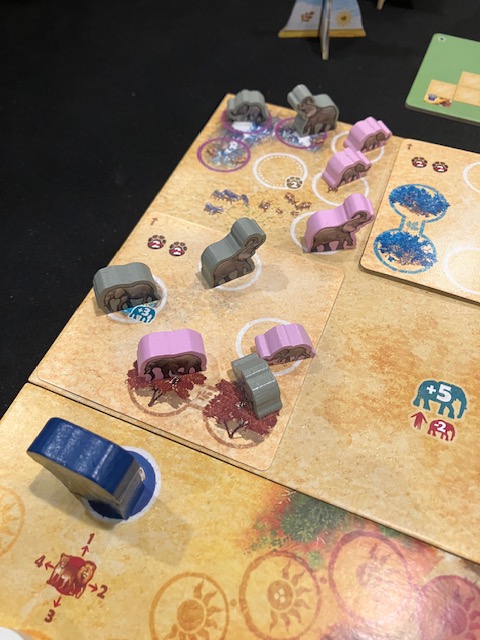
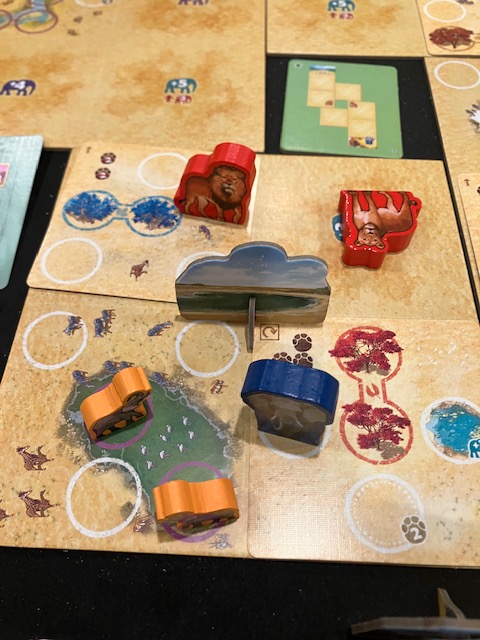
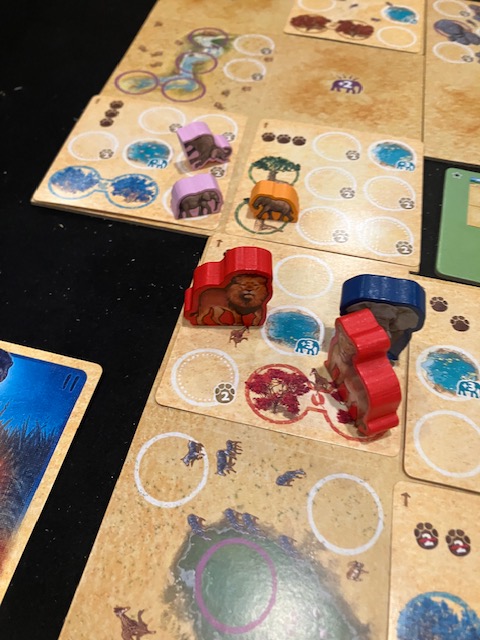
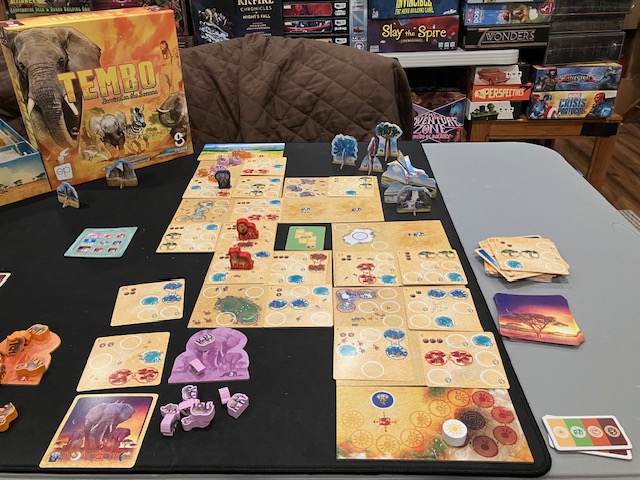
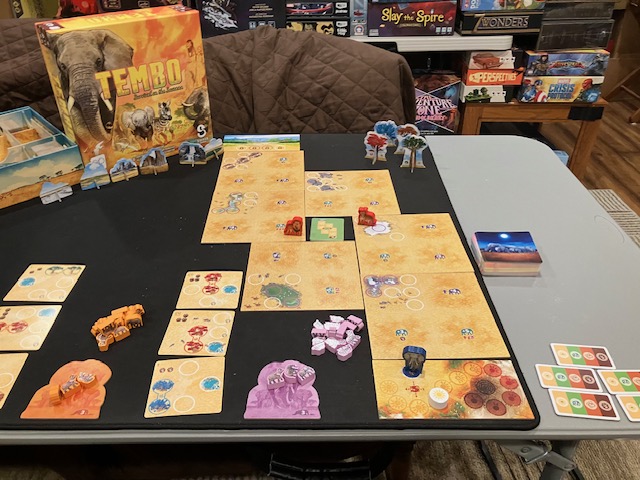
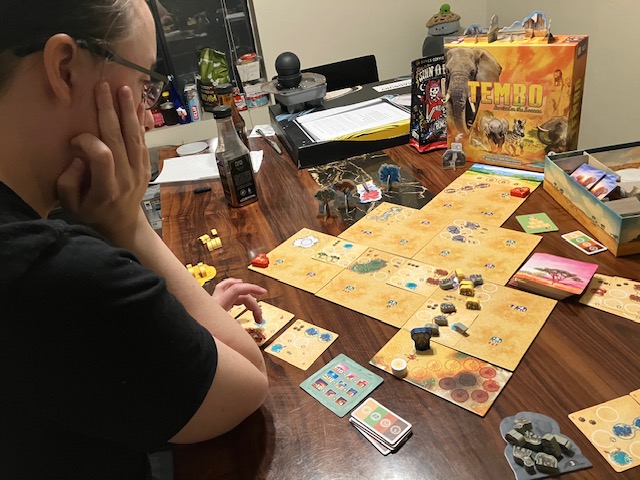
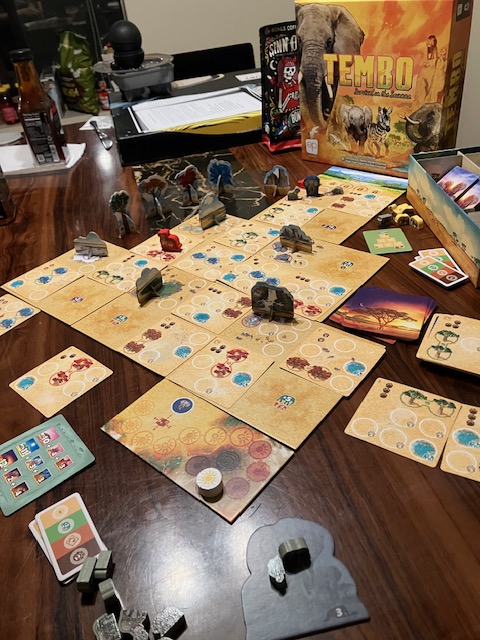
See above as the matriarch is shepherding the pink and grey elephants above (in a 2-player game).  Every new elephant placed on the Savanna MUST be adjacent to another elephant!  It doesn’t matter what color because this is a cooperative game: you can place your new elephants next to any adjacent elephant.  It’s worth noting that elephants are considered adjacent in both orthogonal and diagonal directions!  This is important  to note for later.

Each player has three cards that do double-duty; they form the grid for the Savanna (this is a tile-laying game after all) AND they allow placing the elephants to the Savanna.   Each player always has three cards at the start of their turn: each turn starts with the active player playing a card to the grid THEN playing another card to determine how to place elephants onto the grid.  (Actually; this was the rule we messed up.  You play EITHER to place a grid space OR to place elephats.  This rule was clear in the rulebook, so I have no excuses other than I misread it.  I do think having a player summary would have helped me; anyway, don’t be me and make this mistake).

How you are sitting at the table actually determines HOW you can place your card and your elephants!  Note the arrow in the upper left corner of the card above: if you are facing the grid, you can only play this card to the grid IN THE DIRECTION OF THE ARROW.

If I am facing the grid, you’ll notice all my cards (above) in the grid pointing away.

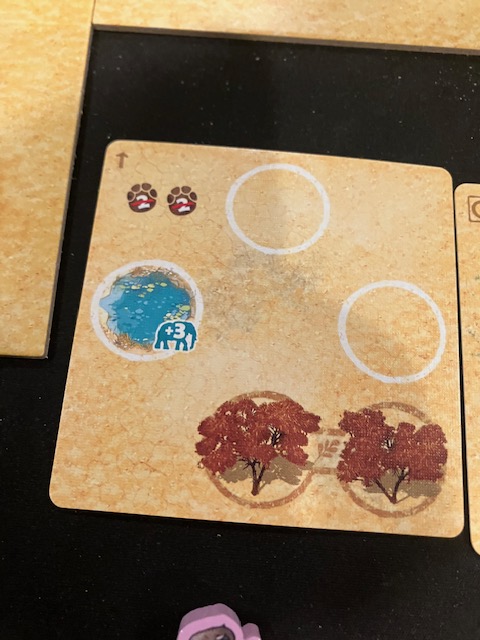
Interestingly, when you place a card/tile onto the board, the spot you choose has a special power (usually how many elephants to energize).    See above: one spot energizes 2 elephants for ALL players, one spot gives just you 4 energized elephants! You start with only 3 energized elephants, but you can only place energized elephants on your turn!

The secondway you can play a card: the  card you play is discarded, but it allows you to place elephants on the grid ONLY IN THE PATTERN (or just a single elephant) specified on the upper left corner of the card.  If we discarded the card above to place elephants, we could ONLY place 2 energized elephants east-west (next to a previously played elephant somewhere on the board).

To win the game, players must have the elephants visit 6 Landmarks on the board AND make it to the final location.  To “visit” a Landmark, some elephants need to occupy the purple spots of the Landmark.  See above as 2 grey elephants and 1 pink elephant visit the waterfall Landmark and earn the waterfall standee!

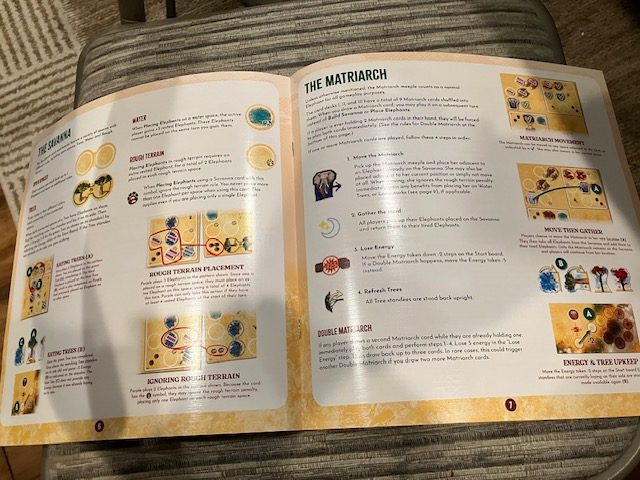
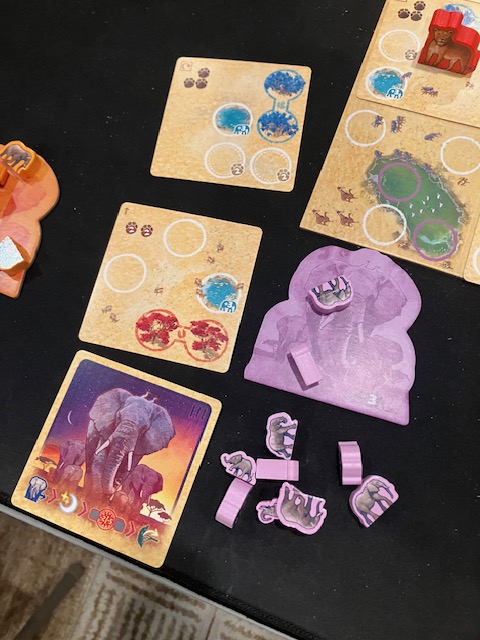
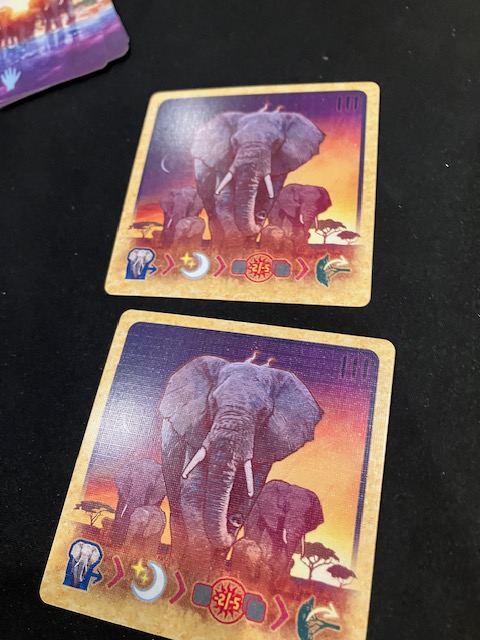
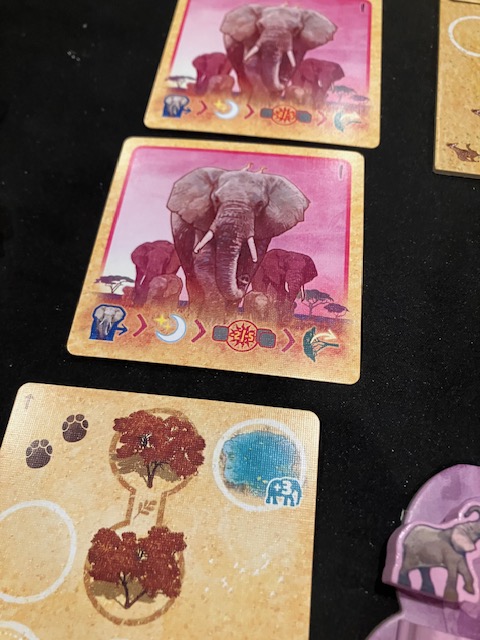
If you want to “scoop up” all the elephants on the board, you can play the Matriarch card (elephant card above) which returns all elephants to the players!  You might do this at certain points to limit how many elephants get chased away by Lions (but see below).

The only problem is that it costs 2 (or 5) energy to engage the Matriarch to gather all the elephants!  See the energy track above.  If you ever go to zero energy, you lose!

You can place elephants on the trees to get more energy!  See the red trees above!  If I can place two elephants there, I can get more energy! Yum!

As you play, the Lion and Lioness move.  If they are ever in a Location with elephants, all the elephants are chased off!  (They are not eaten, no.  Even though they are taken out of the game forever).  If you ever get BOTH the Lion and Lioness on the same space as the Matriarch, you also lose!  If you ever run out of elephants, you lose! If you ever run out of energy, you lose! If you ever run out of cards, you lose!

You can only win if your elephants visit all 6 Landmarks AND you make to to the final spots at the top of the board!  See above for  a winning game!

This production is gorgeous and will enchant you.  The Vicente Dutraite art and the wooden meeples are just so beautiful.

Mixing Bad News and Good News

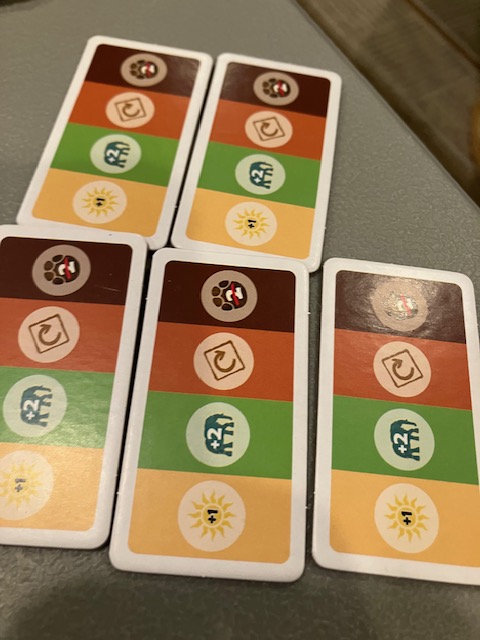
Many cooperative games have a separate deck of “Bad News” cards, that is, cards that keep the game flowing against the players.   Interestingly, the “Bad News” cards are all interspersed into the same draw deck as the player cards!   In this case, there are two “bad” cards.
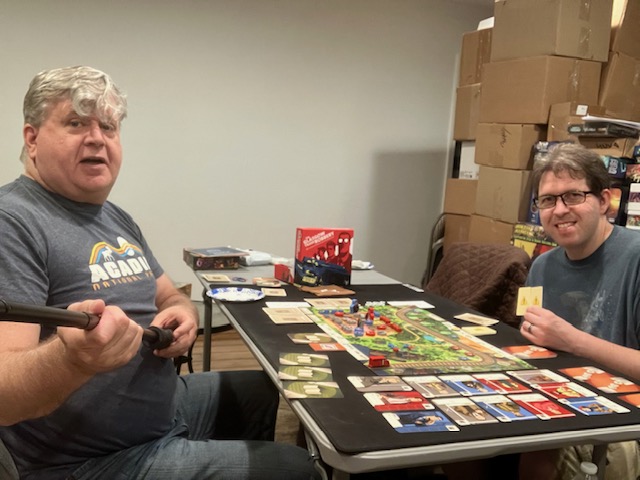
The first is the Liones/Lion cards.  When the players draw these cards, they activate the Lioness and Lion (in that order): the Lioness/Lion moves, and then will eat (pardon me, “chase”) all elephants in its region.
If a Lioness/Lion eats (chases) some elephants, it has to rest (until it stands again).

Although the Matriarch cards are “Good” cards (you can play them to move the Matriarch and collect all elephants on the board), you are FORCED to play them if you ever get two of them!  This is a unique kind of bad news because (a) you don’t have a choice and (b) the energy cost is much more significant at 5 (rather than 2).   Getting a Double Matriarch (like above) is actually bad!!

Intermixing the Good cards and Bad cards into one deck reminds us a little of The Siege of Runegar (see review here) where the Troll cards were interspersed into the playter decks of this deck-building game.

The Game Can Kinda Play You

You have to be a little careful when you play; the game kinda plays you just a little.

First, there’s not much strategy with the Matriarch cards because you are pretty much forced to play them as soon as you get them.   If you don’t, you will almost certainly get a Double Matriarch where you are FORCED to play them and lose 5 energy.  Energy is a  very limited resource; you can maybe handle losing 5 energy once … maybe.  You are almost guaranteed to lose if you take 2 Double Matriarchs.  That’s 10 Energy, … and you start with 10 or less (depending on the number of players).

After playing a bunch of games, I found that you pretty much want to play the Matriarch card AS SOON AS YOU GET IT (which costs 2 energy) so that you aren’t forced into a double Matriarch (which costs 5 energy).   That’s not really a strategy; you can’t save it up until you need it.   Every time I tried to “be clever” or “push my luck” by saving Matriarch cards, I got screwed by the double Matriarch and immediately lost.   It seems like the best “strategy” is to immediately play a Matriarch card, even if it doesn’t make any sense. 

Now this isn’t quite as bad as I first thought (on my first wrong playthroughs), because the game moves forward more slowly (I originally though you were drawing two cards per turn; BUT you are only playing one and draing one).  But it still seems imperative to play a Matriarch as soon as you can.

The game is kinda playing you.

The other problem is that the “Bad News” cards cluster and cause major havoc.  You ALWAYS have to draw up to 3 cards, even if you don’t want to!  “I’ve got a Matriarch card, I’ll just defer drawing for now!”  NOPE! You can’t do that!  There’s no choice.

The game is kinda playing you.

Games like Pandemic try to mitigate this clustering a little by distributing the bad news cards more equally over the deck (by separating the deck into 4 pieces and distributing the bad cards in those 4 sections).  I wish Tembo did something like this to help mitigate this clustering.  Or give me a choice to NOT draw.  Nope.

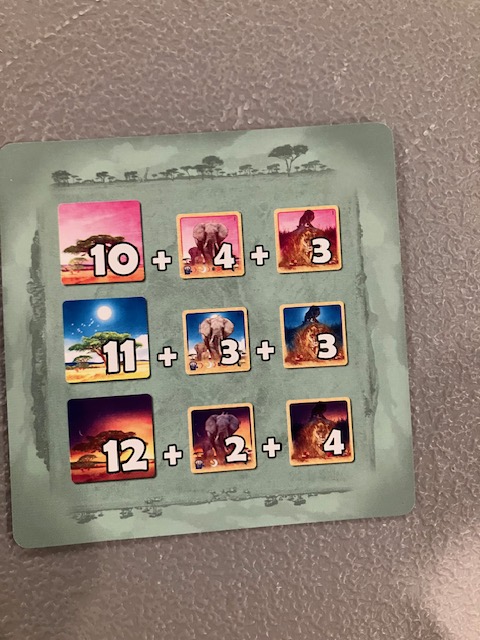
The above has a list of the distribution of cards. 
At the end of the day, your game will probably be won or lost by how the bad news cards cluster, despite how well you play during your turn.  But it’s not as bad as I originally thought.

Solo Game

There is a solo mode built-in (thanks for following Saunders’ Law).  

The solo player gets about 24 elephants (collected from two colors: see above as a I mix pink and grey).   The game plays “about” the same, but the solo player doesn’t get the special powers when they play a card on the board: you always just get 4 elephants when the play a card to the board.   And you can, at one time during the game, discard a Matriarch to avoid a double Matriarch,  The solo player just plays turn after turn by themselves until they win or lose.

This true solo way is “okay” to learn the game, but I don’t think it’s the best way to play the game solo.  The problems are two-fold: First, you don’t get the special abilities on the board, which is one of the only ways you can be “smart” in the game …so the solo mode takes away one of the ways you can be clever and sort of dulls the games.  Second, the double Matriarch “fix” isn’t that great.   Sure, you can choose to get rid of a Matriarch ONCE, but as I pointed out earlier, the double Matriarch problem is pretty steeped into the game.  It’s just not fun to play when are you are MORE likely the get a double Matriarch (see below).

A better way to play solo is to play two-handed solo: the solo player plays two elephant tribes, alternating between them as-if it were a 2-Player game.  I think this is a better solo mode for many reasons: 1) You are playing the game the way it was meant to be played: no special rules for solo player.  2) The odds of getting a double Matriarch are actually reduced because you are distributing the Matriarch cards between two hands!   In the true solo mode, you are much more likely to draw double Matriarchs because you have exactly one hand!  At least with two hands, the double Matriarch is less likely.  Finally: 3) Being able to use the special powers on the board allows you to be more clever.

I’ve seen this in so many games recently: a two-handed solo game is always the better way to play solo.


Cooperative

I”ll be honest, the cooperative play turned me around a little. I “leaked” the strategy that you must play your Matriarch as soon you get it (to avoid the double Matriarch) and we had a pretty good time playing cooperatively.

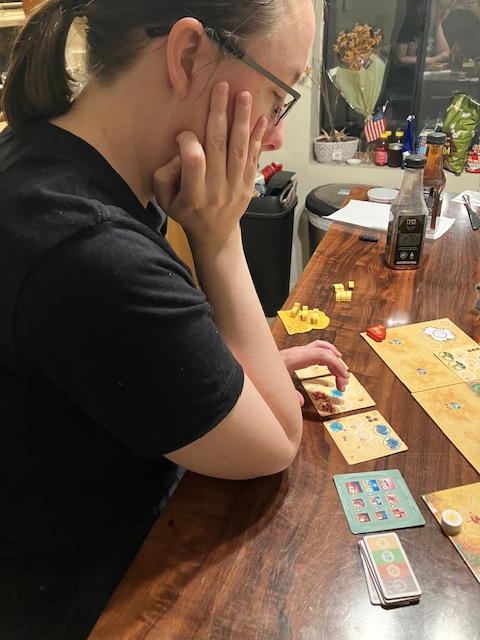
As a cooperative game, it’s pretty quick, and the game flows quickly if someone can explain everything. Having played at least ten times, I was able to shepherd Teresa and I through a game … and I had fun.

We didn’t get too unlucky on our deck, and generally we were able to me smart (when to play certain cards, when to eat trees). We were still forced to play our Matriarchs ASAP, but Teresa said she liked knowing that because it made it “easier” to think about.

The cooperative game was fun, we had to strategize together, and the game looks gorgeous. I had much more fun playing cooperatively than solo.

What I Liked

The Production: The production on this game, with the wooden meeples, the linen-finished cards, the gorgeous Vincent Dutraite art, and the quality of the everything really shines.

Specials: There are special one-time tokens that allow you to be “do something” special on your turn. The basic game allows you to start with 5 of them. I think without these tokens, you won’t feel like you can ever be smart, as you can be “stuck” with what you get. I will never play without these tokens.

Special Activations: I really like the decision space around the cards you play on the board. This allows you to feel clever! Do I need more elephants? Then I’ll take the +4 elephants! Does everyone need elephants? Then I’ll activate the +2 for everyone space! But I still need to connect the landmark sites, so maybe I’ll place a tile on a location JUST so I can connect locations! This was one of the most important parts of the game to make you feel smart. Taking this away from the 1-player game seems to neuter the game a little bit.

Diagonal: I really appreciate that diagonals are adjacent! You get so tired of games where everything has to be orthogonally adjacent! I feel like this opened up the decision space a little more!

What I Didn’t Like

Games Plays You. I hated that there is almost no mitigation of the double Matriarch. Can I choose not to draw? Can we distribute the matriarchs and/or Lions over parts? Nope. I sometimes feels like the game just is playing me because you pretty much forced to play the Matriarch when you get it.

It has an edge of randomness. It’s can be frustrating to lose because of the way the deck is laid-out. Or sometimes you get the Lions and all clustered and the Lion and Lioness sneak up on the Matriarch and you lose! Your game can be determined by how well you shuffle! The bad news cards can cluster and completely screw you …

The Rulebook:  The rulebook was great on the form factor, and the rules that were presented were presented clearly.  But the lack of some edge cases might really throw some gamers for a loop.  I have no problem moving forward if a rule is unclear, but some of my friends get stuck and can’t move forward.  I worry that this lack of specificity might turn off some gamers.

Conclusion

I am struggling with the score to give Tembo. I did have a good time playing once I figured out you always play a Matriarch as soon as you get it. But I still struggled with how the order of the deck can completely determine whether you can win or lose: the game can play you. BUT after replaying the game correctly, it’s not quite as bad as I thought. I still had fun.

In the end, I am giving this a ranged score: [6.5/10 to 7.5/10]. I needed to capture that I like the game when the deck is fairly well behaved, but I wanted to give a warning that the game can a little too random and frustrating. If I brought this certain groups, they might get a little frustrated by the game playing you (“you always play a Matriarch as soon as you get it …is that really strategy?”). Other groups would just enjoy the setting and production and art … and the fact that it’s a little random is mitigated by the fact the the game is quick.

I think my friends Max and Cassidy would really like this game (with a little strategy hint); they would like the cute and quick game herein.

Oh, and the given solo game is fine for learning the game, but I think it neuters the gameplay a little. If you want to play solo, play two-handed solo instead to enjoy the cleverness and choice that is still in the game (modulo the deck shuffle issues).

Tembo might make my Top 10 Cooperative Tile-Laying/Tile-Placement Games now that I have played it correctly! If I had to redo that list, it would need to be redone anyways to make sure Mists Over Carcassone (see review here) were on it! Tembo too.

Star Trek: Star Realms + Borg Invasion = Great Solo and Cooperative Experience!

So, I downloaded Star Realms to my iPad years ago … and I play it all the time. Even after all these years! It’s so easy to play on the iPad! You can play it solo against the computer, and that’s the only way I play. So, Star Realms to me is a solo game.

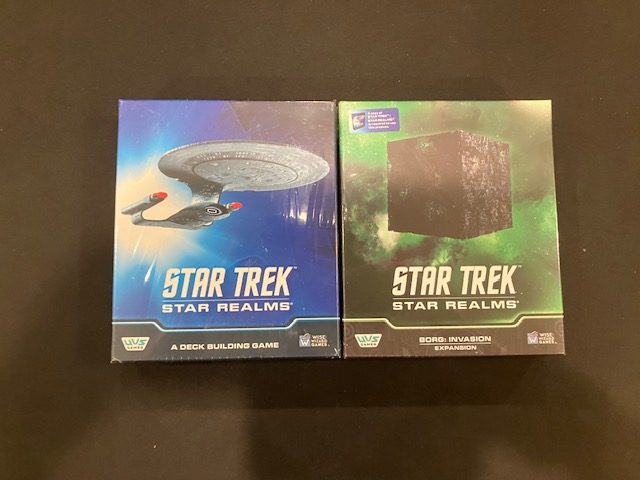
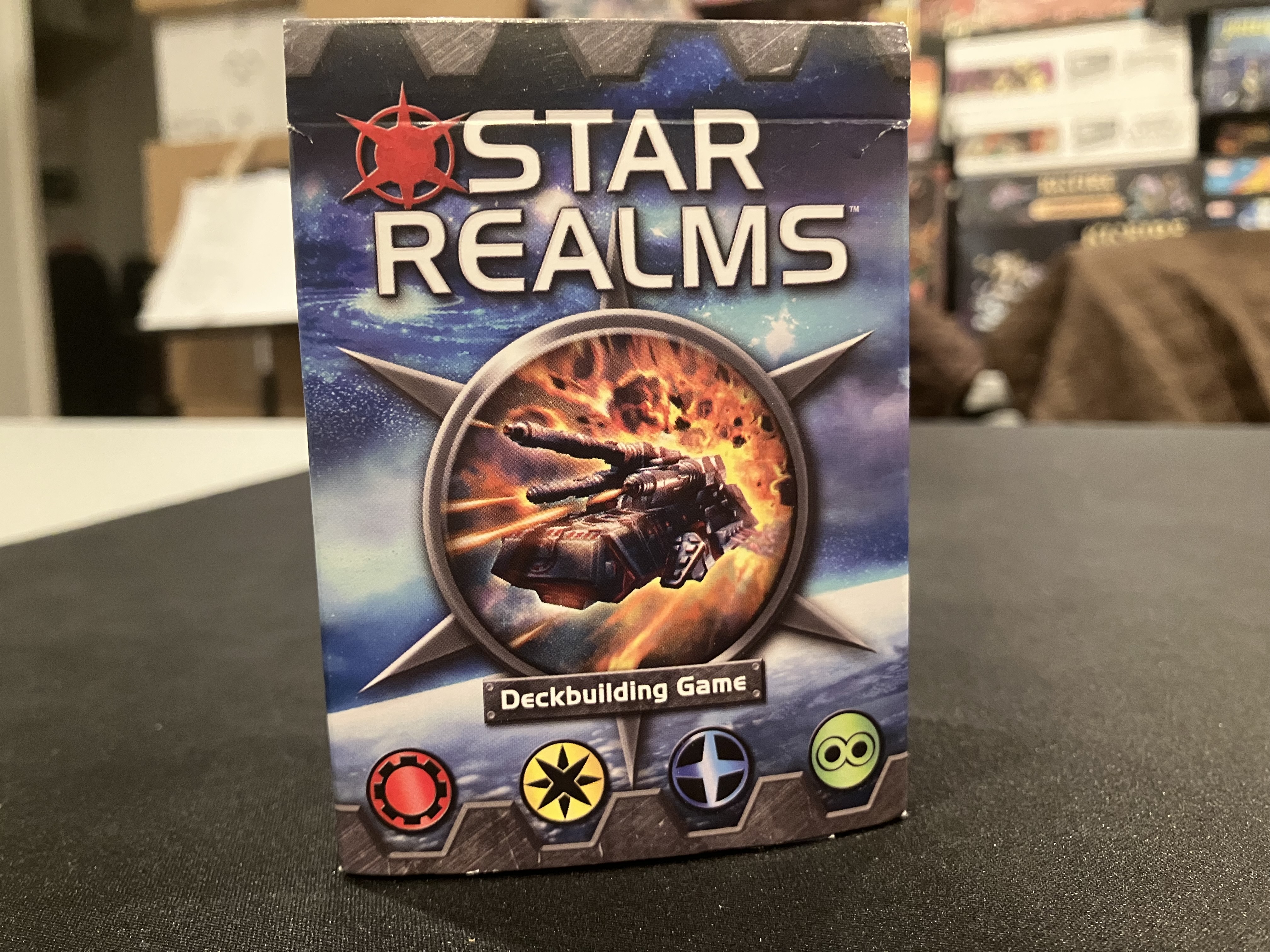
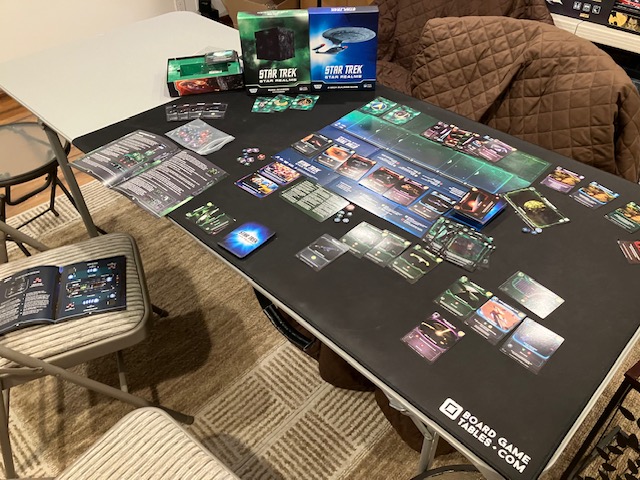
I even have the original Star Realms little box game (see above).  I think I have played that physical copy … once?  

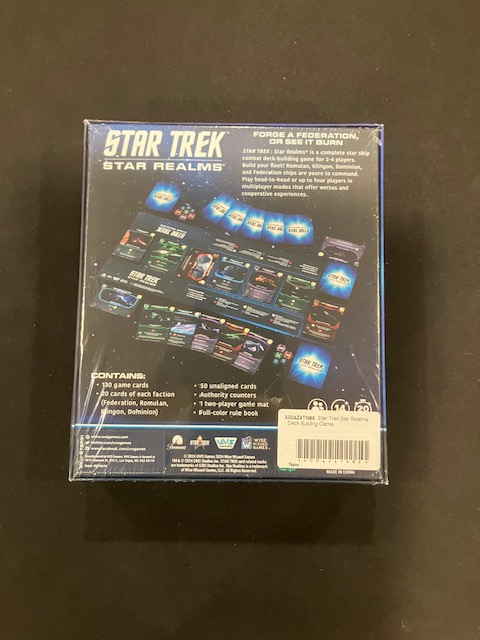
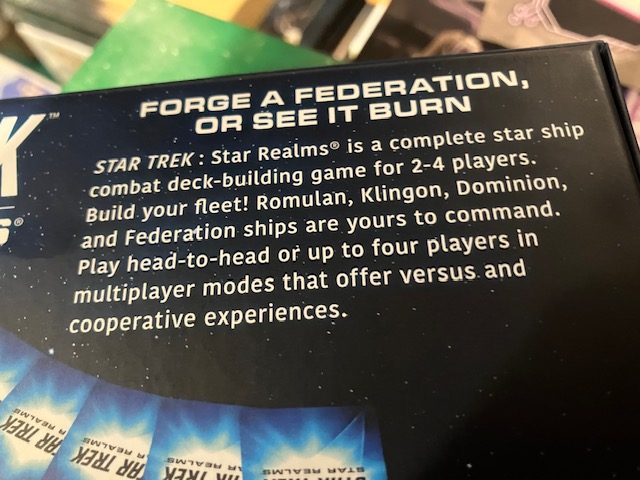
I was kind of interested in Star Trek: Star Realms because I love the Star Trek theme. The back of the box even claims there is a cooperative mode in here!

Let’s be 100% clear; what the box (see above) is referring to is a team-based mode, where teams of more than one person play against each other … the teams are cooperative within themselves, but this is NOT what we mean when we say a game is cooperative!! This base game is a team-based game; there is no cooperative mode.

And that’s why we are here! The expansion Borg: Invasion DOES indeed add solo and cooperative play to Star Trek: Star Realms!

Let’s take a look!!

Unboxing Star Trek: Star Realms

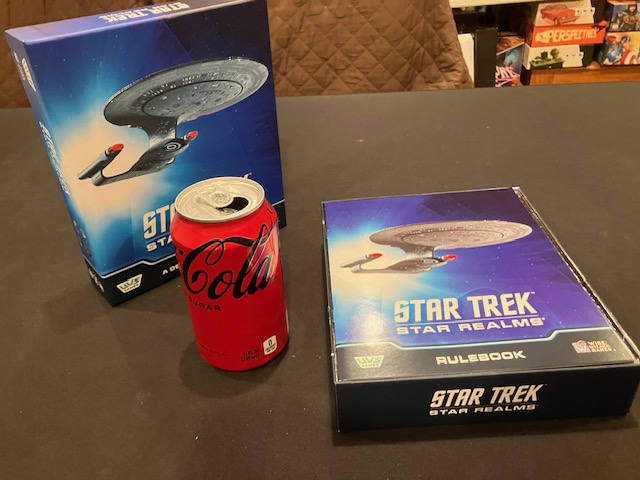
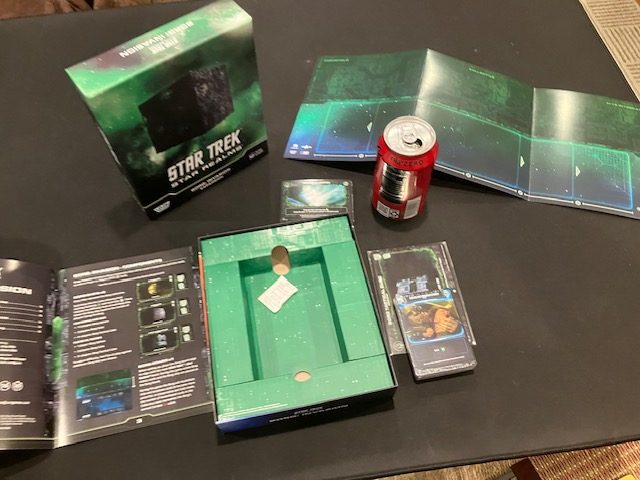
See game box above with Coke can for scale.

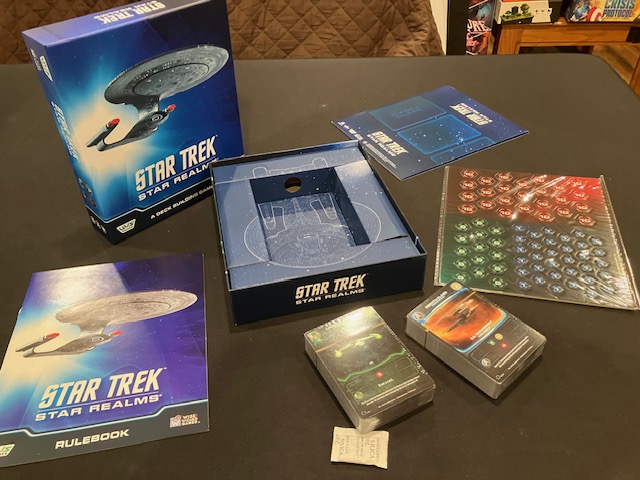
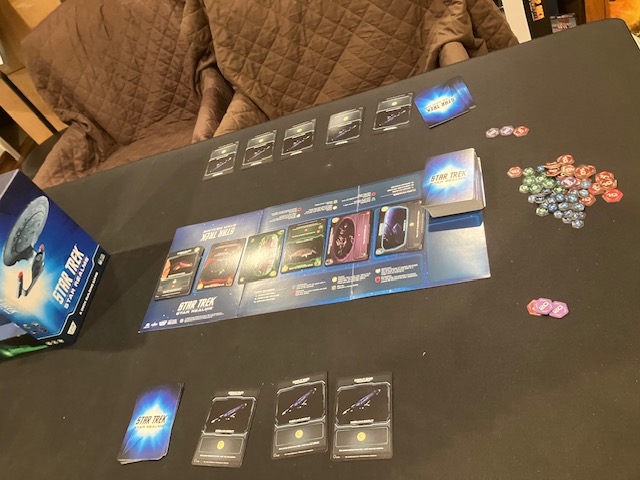
This is obviously a little nicer than my little Star Realms box! It has a full rulebooks! (The original Star Realms little box has a fold-out for a rulebook!! UGH!!!) It has a mat to keep things straight, and hit point tokens. Oh yes, and the cards.

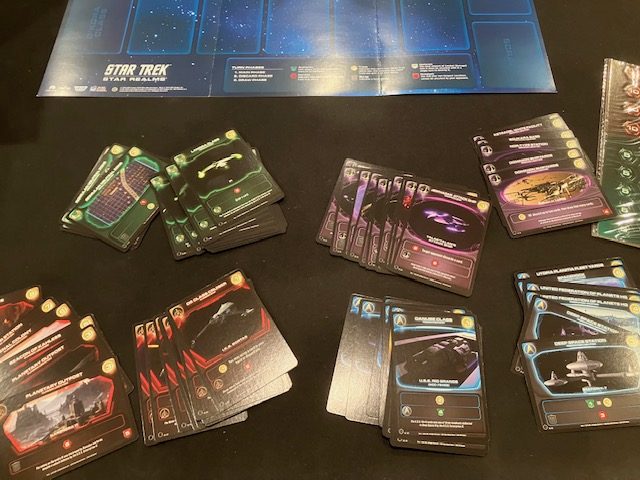
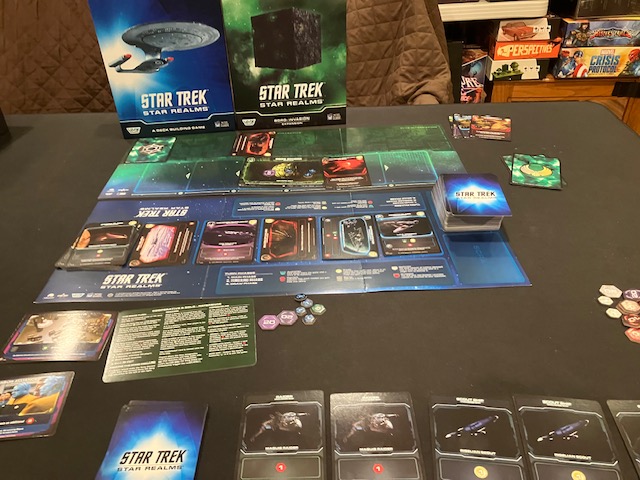
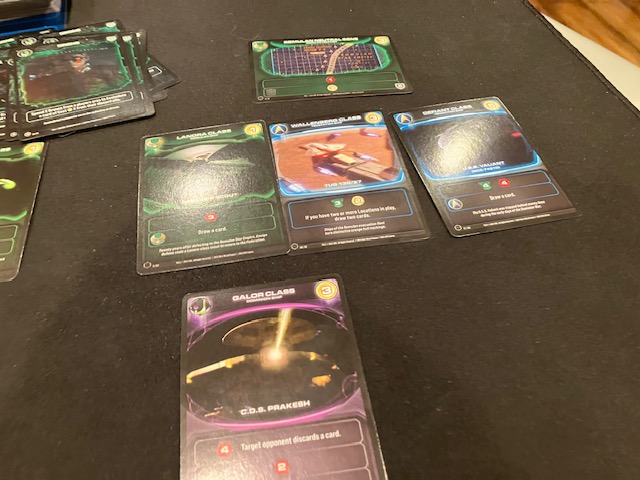
This is a simple deck-building game: see decks above. The decks above are the four different factions in the game: Federation, Klingon, Romulon, and Dominion. Honestly, these are pretty much exactly the same four factions from the original Star Realms, but using Star Trek empires!

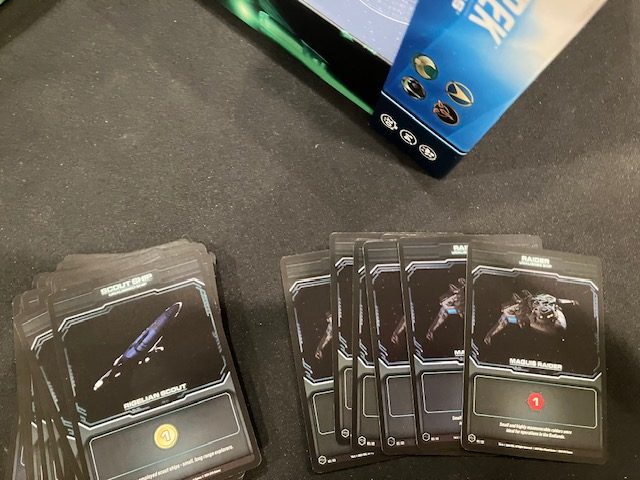
There’s also starting hands (Scouts and Raiders, see above). You use coin (gold coins on cards like Scouts generate coin) to buy new cards every turn, hoping to upgrade your deck. Each card does damage (see red 1 on Raider) to do damage to your opponent.

Each player starts with 50 authority. It’s weird! I would have called it Hit Points (because when you get to 0, you lose/die), but the game uses the more … thematic? less-damagey? more PC? term of authority. Weird. I will probably slip and call it Hit Points.

Me vs. Me

Everything I have seen leads me to believe that Star Trek: Star Realms is exactly like Star Realms (modulo the theme). After playing a Me vs Me game (a solo game where I play against myself by jumping from side to side), I can tell you with 100% certainty: this is Star Realms … with a different coat of paint, but the exact same game and cards underneath.

I didn’t do a card-by-card comparison, but everything I saw was an exact copy of a card from the original game. That’s a good thing in some ways, because it means the balance and original luster and gameplay of the original game has been preserved: it’s just now Star Trek.

Just so you know what you are getting.

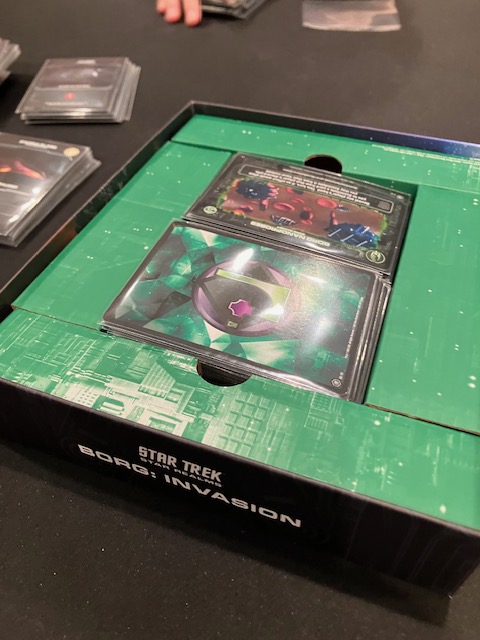
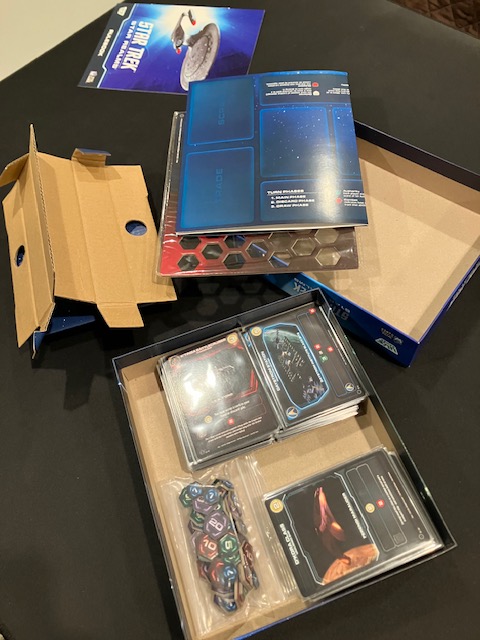
Borg: Invasion Unboxing and Gameplay

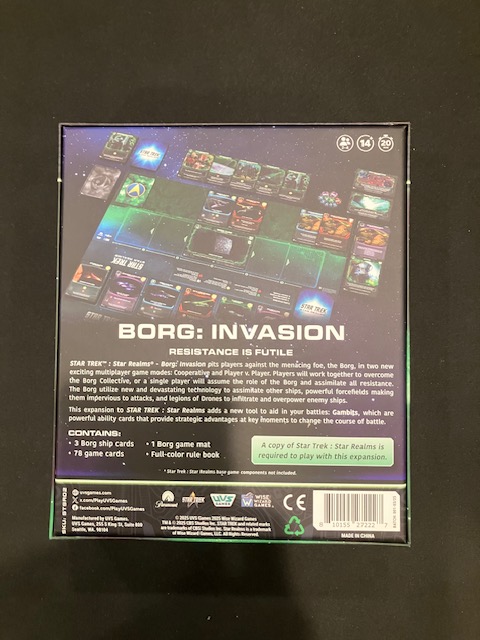
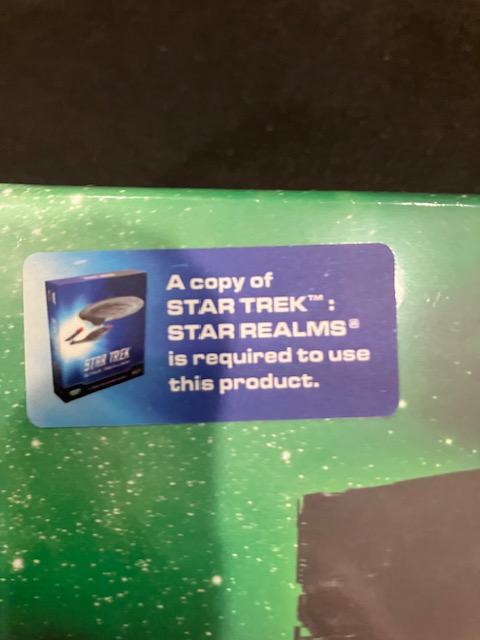
Let’s be 100% clear!  A copy of Star Trek: Star Realms is required to play with Borg: Invasion

See box above with Coke can for scale.  Note that this is exactly the same size as the Star Trek: Star Realms game!

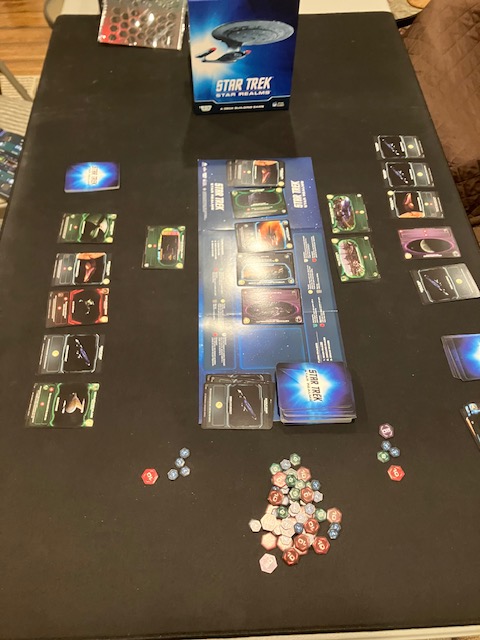
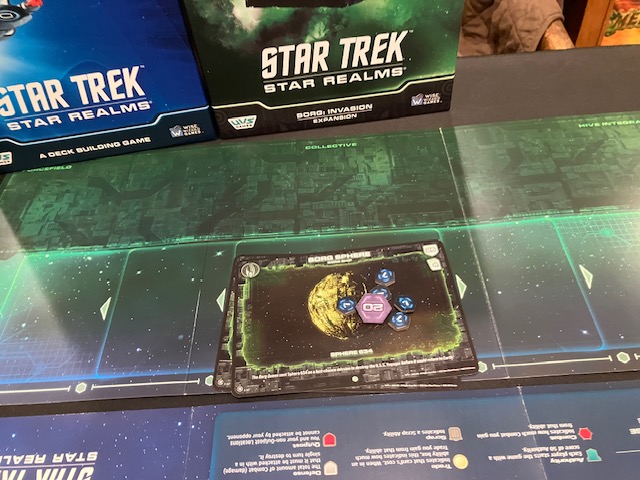
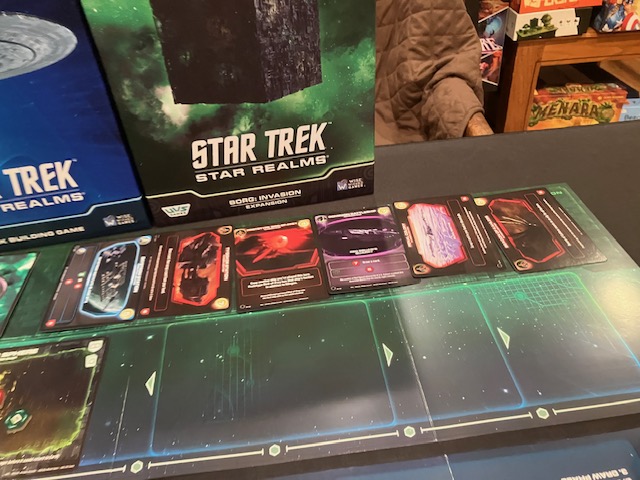
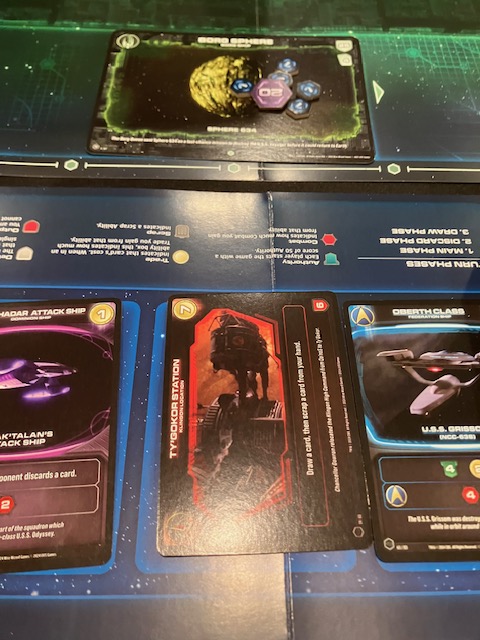
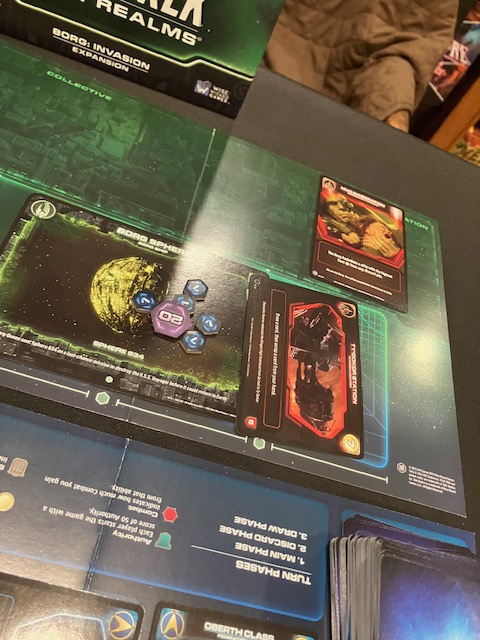
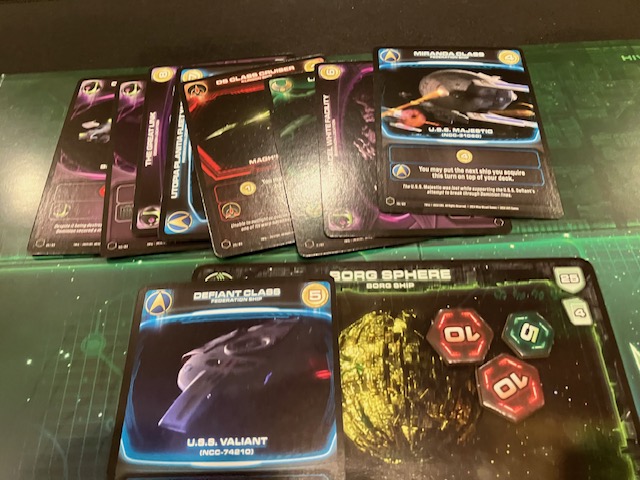
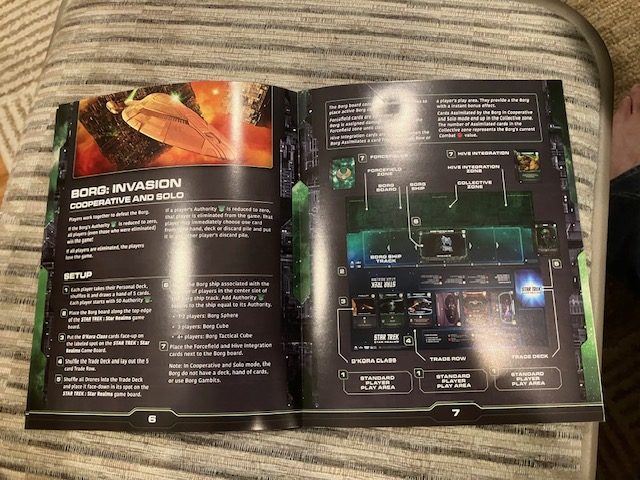
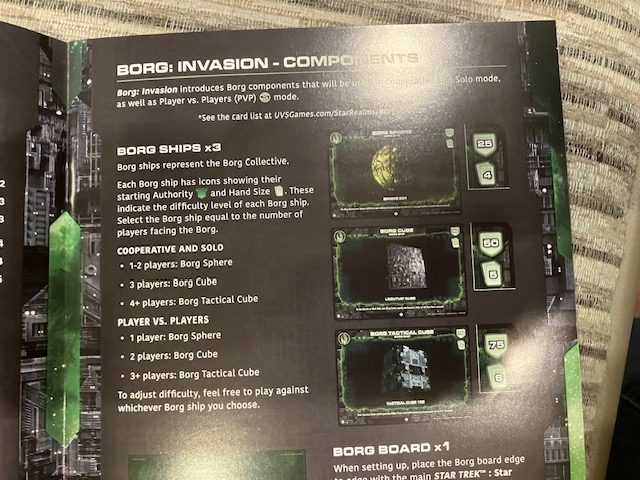
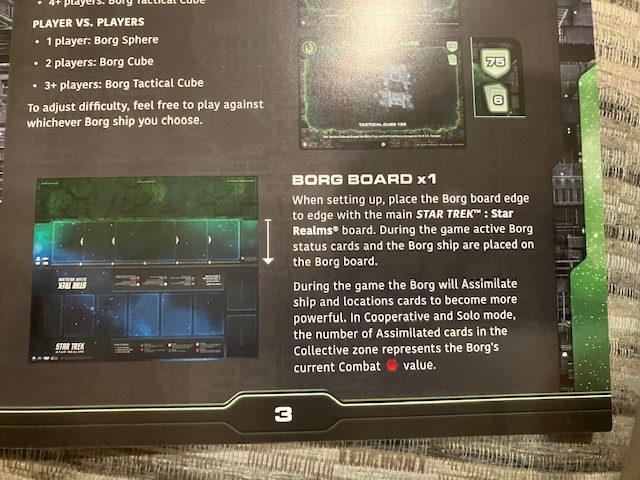
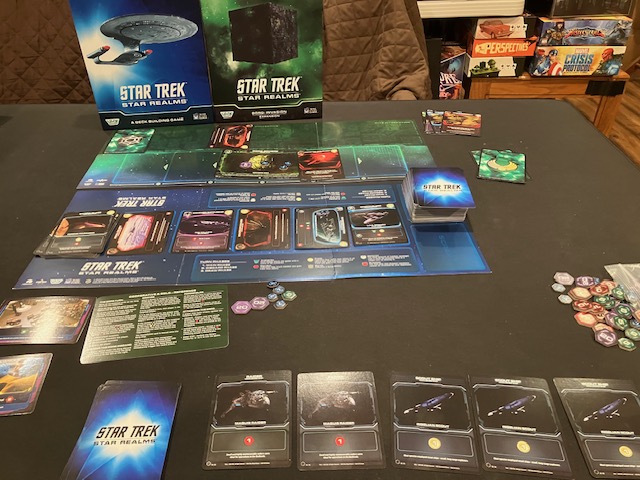
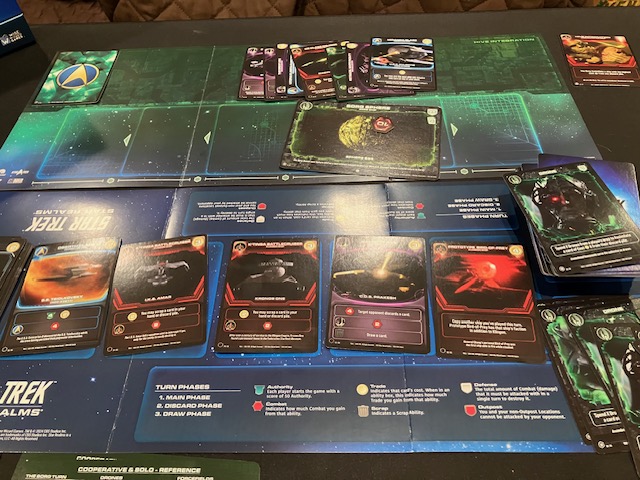
The Borg (which will be played by some AI rules) has its own mat: see above.  The Borg ship you start with depends on the number of players!  See above as the Borg Sphere (not as powerful as the Borg Cube) is the starting Borg ship for the solo or 2-player game; it has 25 Hit Points to start with.  There is a notion of starting hand, but that’s only is a player is playing the Borg! One player can play the Borg against the other players, but we are concentrating on the solo and cooperative rules where the Borg are played by an AI.

To the far-left of the Borg mat are the force-field cards!  When you hit the Borg with some damage, the Borg “modulates” their shields so that race can’t do damage next turn! Gulp!  This is super thematic as it reminds us of the Federation modulating the frequency of the their phasers to keep doing damage to the Borg!

The marauders are deemed “neutral” damage, and even they can be defended against! by the Borg!!  Luckily, if three force-fields come out, they will be dispersed at the end of a player’s turn.  So the force fields don’t stay out forever … but they are really annoying. 

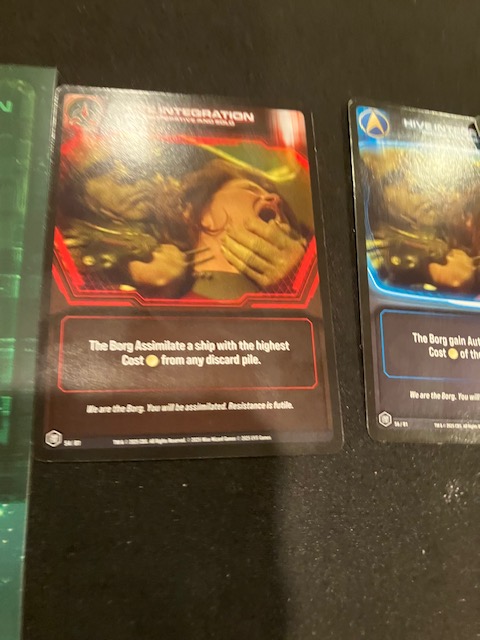
The right side of the Borg mat has places for Hive Assimilation cards! Whenever the Borg assimilates a card, it activates a Hive Assimilation card of the appropriate color!  These are placed on the right side of the Borg mat and activated.

In the middle of the mat are all the cards the Borg have assimilated!  The number of cards is the value of the attack by the Borg that turn!  GULP! The more cards the Borg assimilate, the more damage it does every turn!

The Borg ship itself moves left-and-right on its mat; it’s trying to assimilate the “best” technology (where the card of the highest cost is considered the best).  Like many places in this game, if there are ties for a decision for the Borg (two ships cost the same) , the players get to choose. The Borg always assimilates the ship it’s over (it just tries to move one space towards the expensive), and that’s when the Hive Activation cards activate!  See above as the Borg assimilates the 7 cost card!

The card is then placed on the Borg ship!  It hasn’t FULLY assimilated yet!  If the players can do enough damage to the Ship being assimilated, they can detach it from the Borg ship and put it in their discard!  

The players have to be able to do enough damage (same as the cost of the card).  If the players can’t extricate the card from the Borg, it becomes fully assimilated!  From then on, it counts as another damage towards the players!

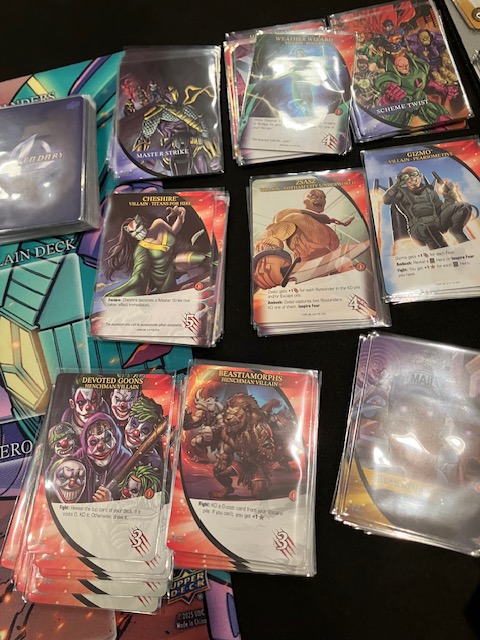
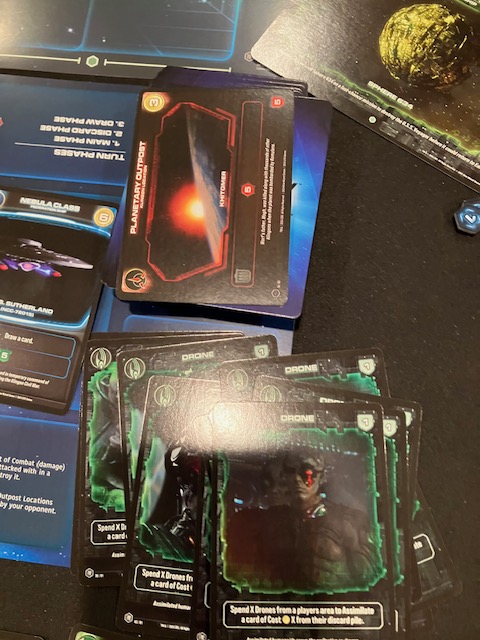
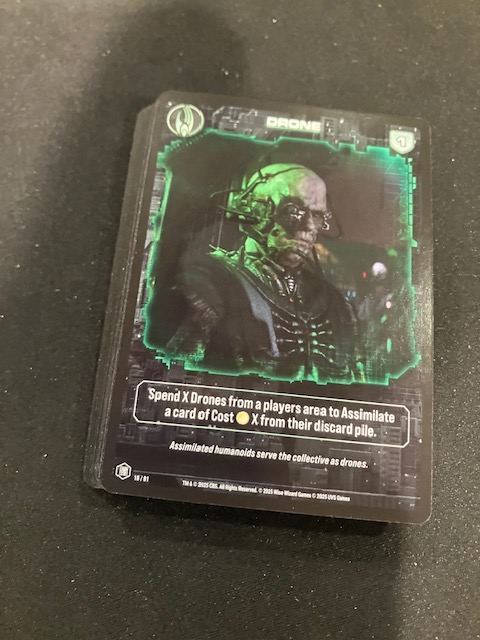
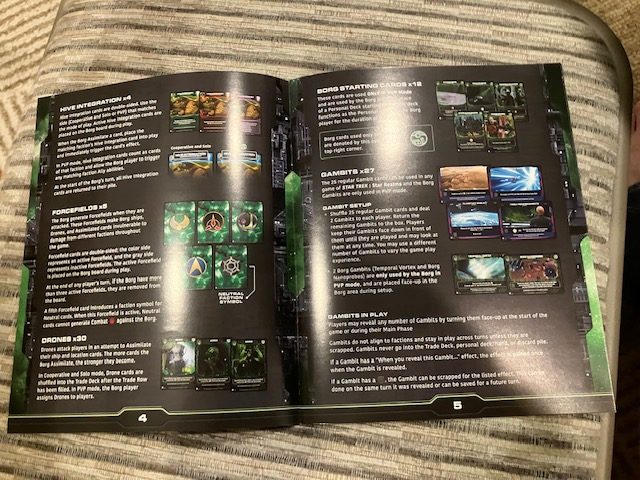
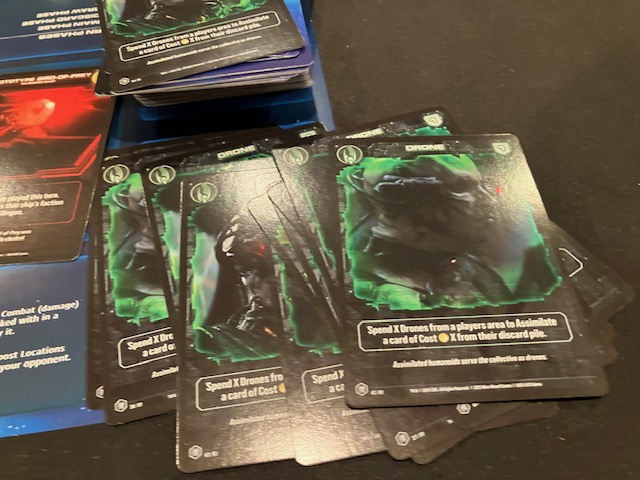
The Borg have another avenue to attack … they beam Drones (see above) to you!  About 30 of these cards are shuffled into the Market deck.  If you ever draw one, they immediately go the active players area!  As long as you keep drawing drones, they go to your area!  And they will immediately assimilate cards from your discard onto the Borg Ship!  If you have 5 drones land in your area, they will assimilate cards that cost 5 (starting with the biggest cost cards).   They steal from your discard!

You can fight the drones on your turn (one damage per drone) and they go to the scrap yard.

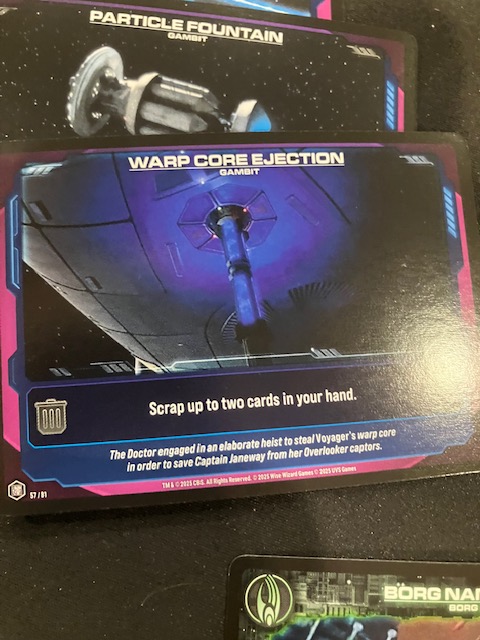
Now, it sounds like the Borg have WAAAAY too many advantages … and they do!  But, each player  also get two gambit cards. 
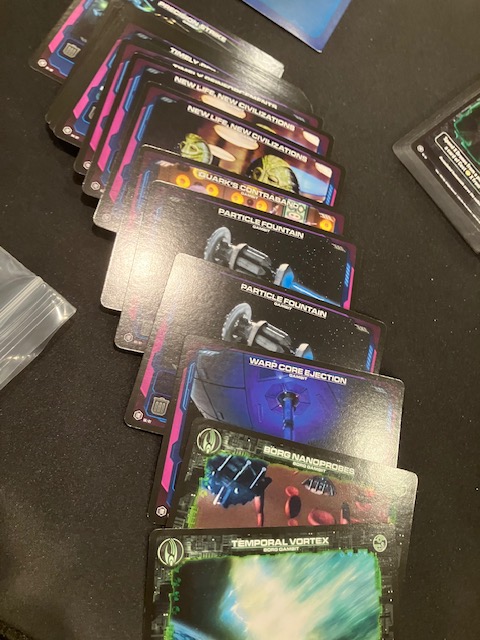
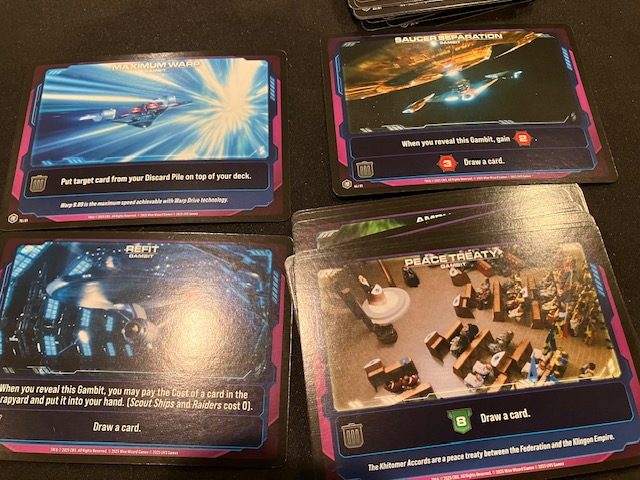
These gambit cards can come out at any time of the player choosing, so that they can use a special power.

Basically, the Borg attacks, then the players attack. The AI for the Borg is relatively straight-foward, if a little wordy (just to describe what’s pretty clear).

And yet, when the player takes a turn, it’s mostly like a normal turn of Star Realms! Attack the enemy (the Borg)! Buy ships! The difference is that they player can also attack the Drones (if any have beamed onto his space) OR try to de-assimilate a card that’s about to be assimilated!

Players go back and forth with the Borg until (a) either the Borg is defeated (and the player instantly win) or (b) all players are defeated (and the Borg win)! As long as one player survives to destroy the Borg, all players win!

Rulebook

The rulebook is decent to pretty good.

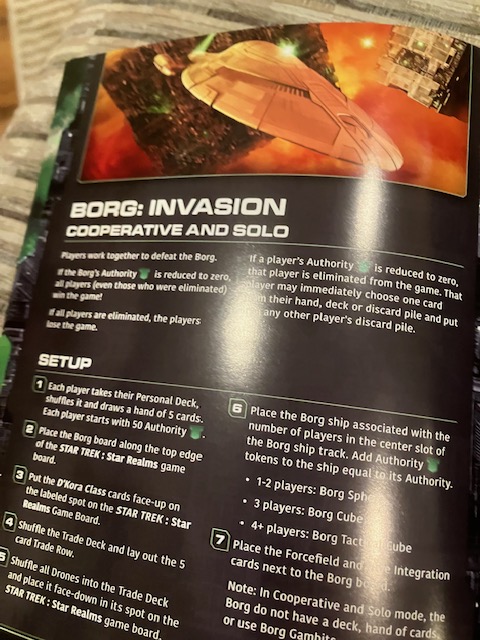
This gets an B on the Chair Test. It fits well on the chair next to me, the font is a decent size,  but it is a little too “thematic” a font; I think it detracts from the rules just a little. Also, the pages are black with white text, which I usually hate for rulebooks.  This probably should be an A on the Chair Test, but the color choice  (white on black) and font choice drop it to a B.
The components pages are nice, but they tends to drift over a few pages, explaining as they go.

It works.

The set-up also works.


The rulebook works decently.  I would have made a few changes (for example: you discard all the Hive Integration cards at the start of the Borg turn … I would put that as an explicit step for this instead of it being buried in the description of the Hive Integration cards).  I think all the rules were here, but sometimes you had a took a little to find them.

Does this rulebook need an Index? I don’t think so, and it doesn’t have one so that’s fine.


Solo Play

So, we finally have a true solo mode for Star Realms! (I could argue that my iPad had Star Realms solo for years, but that’s an iPad thing, not a board game thing). Thank you for following Saunders’ Law!

The solo mode is a true solo mode as you operate one position against the Borg! It’s you vs. the Borg!

Set-up is some work: you have to shuffle 30 drone cards into the market deck. I mean, the market card deck is pretty big (151 cards?) so shuffling in about 30 cards is kind of a lot of work! You need to make sure the drone cards get shuffled in well, and that requires some real good shuffling; I pile shuffle because I don’t know many people who can riffle shuffle 180 cards!

It takes a little bit of time to get into the groove of the game. The player turns are pretty quick (play some cards, buy some ships, do some damage), but the Borg turns are a little more work. Once you have played a number of Borg turns, it starts to go much quicker. At some point, both sides take their turns pretty quickly. The game gets into a good groove.

I have played a number of solo games, and it always feels like the Borg are just crushing you! See as the Borg assimilate a cost 6 card early in the game!  I can’t get that back early in the game!  “No!  The Borg is totally kicking my butt! I’m screwed!!!” 

After those initial few turns, you start to feel a little more power, but man, the Hive Integration cards really do a number on you in the first few turns.

After a few turns, you finally get your deck going and you feel like the tide is turning!  Well, usually.  Sometimes you just lose because the Borg does so much better … they got all the good cards!

To be fair, this arc really reminds me a lot of Star Realms solo mode on the iPad.  I have played SO MANY games of Star Realms that you think I’d always win, right?  Nope!  Sometimes you are just at the whim of luck and will get bad cards while the opponent gets good cards!  And it will be frustrating! But I keep playing because it’s fun.

After a few solo games, I can pronounce … I like this! I can see myself playing again!  The game feels very thematic as you watch the Borg assimilate cards, then try to wrest those cards from them before they get fully assimilated!  The drone cards in the market deck are an interesting twist, and feel thematic as Borg just “teleport” to your ship!  This game really embraced the Borg theme well.

One thing we like to talk about in a solo game is maintenance: how much maintenance does the solo player have to do in a game?  That usually divides into three sections:

  1. Set-up Maintenance
  2. Game Maintenance
  3. Tear-down Maintenance

The absolute WORST part of this solo game is tear-down!  Set-up is annoying, but not terrible.  The Borg turn maintenance, once the game gets going, is doable.  Once you get to tear-down, you may cry a little!  You have to separate all the drone cards from the market deck, separate the Borg Invasion cards from the Star Trek: Star Realms cards and generally sort a lot of cards.  
Sleeve Your Cards!

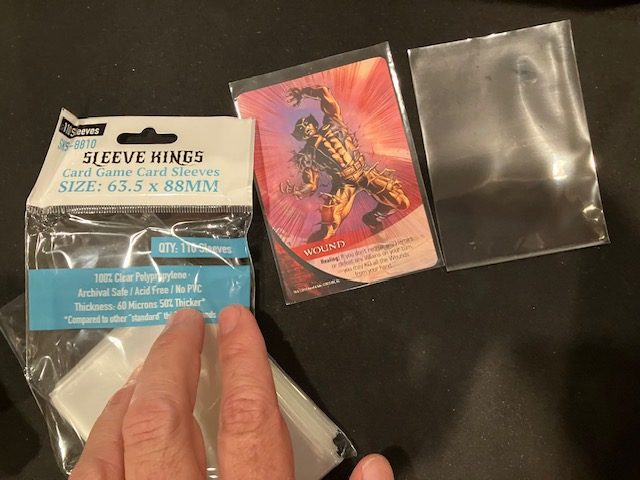
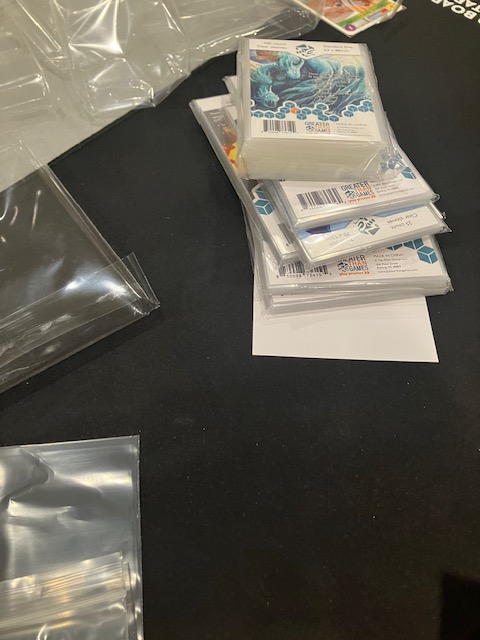
This is deck-building game; you should sleeve your cards,  I played my solo games without sleeving, but after touching the cards a lot, I realized I should probably sleeve them,  See above as Teresa sleeves them.

The Borg: Invasion cards fit in sleeved … barely. See above.

The Star Trek: Star Realms cards ONLY fit if you remove the insert.  If you sleeve, you will have to probably nuke the insert.

Cooperative Play: Pregame

Before we played a cooperative game, we did a quick head-to-head game (with two people per side managing one deck); this is the way the original Star Realms is meant to be played, and the easiest way to learn the flavor of the game.   None of the my friends had ever played ANY kind of Star Realms!  Granted, they are all experienced players, but they don’t know this variety of deck-building that Star Realms  offers.

It was a pretty quick game (as are most Star Realms games) and my friends got the feel of this deck-building game before jumping into the cooperative game.

I think I recommend playing a quick head-to-head game of Star Realms to learn the system before you jump into the solo or cooperative game.  It just makes it easy to absorb all the new rules that the Borg: Invasion introduces if you already know the flavor of gameplay.  And it’s quick enough, you don’t have an excuse not to!

Cooperative Play

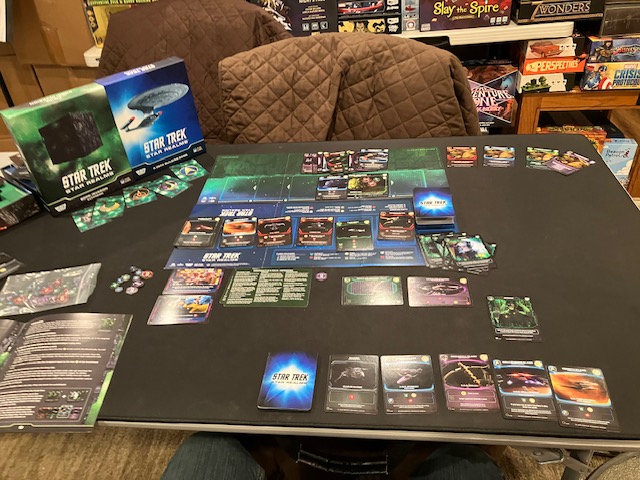
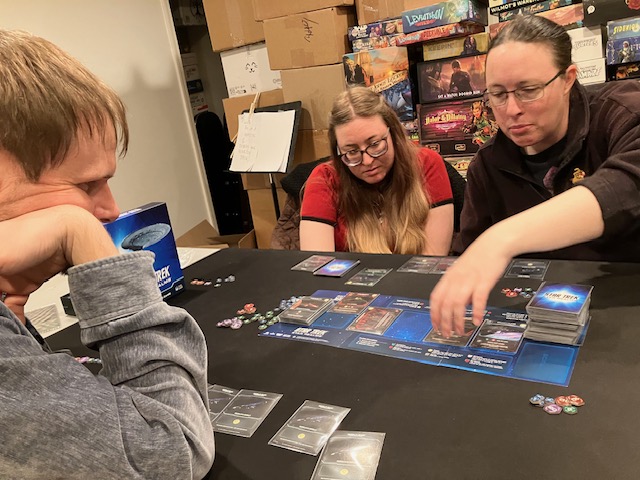
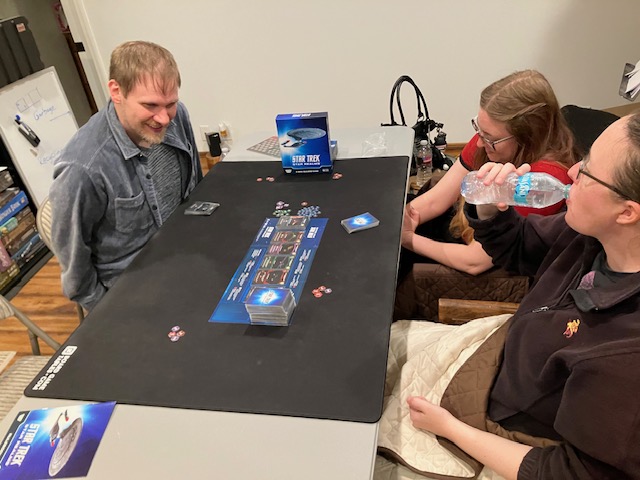
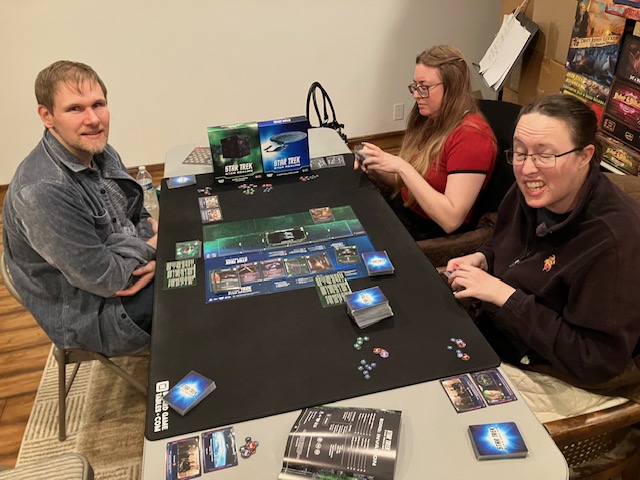
We played a 4-Player cooperative game of Borg: Invasion.  The games scales simply: when the Borg does damage, it does the same amount of damage to everyone!  Thats’ really the only scaling the game has; no other mechanisms really need to change.

There were a bunch of things we noticed.  

  1.  4 players works, but we feel like it is not the best player count. The game stretches out a little longer and it does take a while to play.  We kind of think that 2 or 3 might be better.
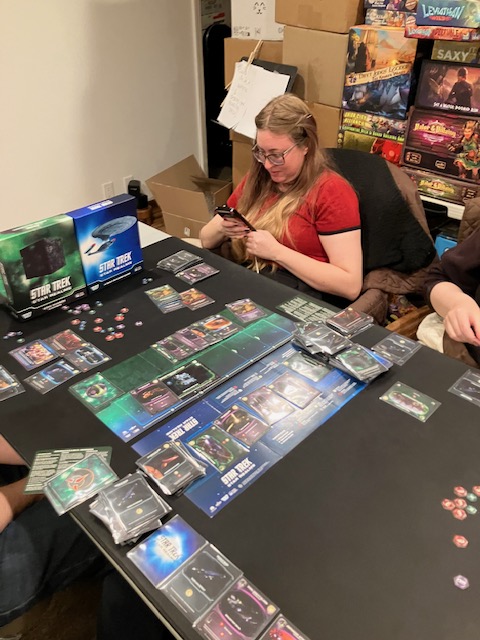
  2. Having more players definitely helped with the load and keeping the game running!  Andrew managed the force fields, Sara managed the Hive Reactions, Teresa handled hit points and counters, and I ran the Borg.  This shared load made it a lot easier to keep the game running.  It also helped out a lot when we had to tear-down!  The worst part, the tear-down, was made a lot better by simply having everyone sort and shuffle together.  It may sounds silly to dwell on this, but as someone who tends to always set-up and tear-down games, it’s really nice when the players all help.
  3. There was frustration.  Sara in particular kind of got shut-out of her deck (the Drones kept stealing her tech) and didn’t have a great game.  The force-fields can be really frustrating in the beginning of the game!  You can’t do anything to stop the drones or assimilation or anything because you have such a weak deck!  Everyone was surprised by the game arc; The Borg tromps you, and if you can survive and build a deck … you have a chance!  This is a very different arc than many cooperative games!
  4. There aren’t a lot of cooperative mechanisms. .  There aren’t that many mechanisms in the game to help each other!  You can’t kill drones in someone else’s area, you can’t share cards during normal gameplay, you can’t share healing.  In fact, the only real mechanism in the game for helping others is when you die: You are allowed to throw one card at someone! This game is very multiplayer solitaire.
  5. There is some high-level strategy.   We did notice some high-level discussions emerge as we played. “Don’t do damage this turn!  I have to kill the drones!”  Honestly, almost all the discussion centered on the force-fields!  We would discuss when/why someone would do damage so that we wouldn’t get locked out on damaging things!  It was a little surprising that so much of our conversation was on those (very annoying) force-fields.

Although the game is pretty multi-player solitaire, there was lots of discussion (esp. on the force-fields) and the load was shared well among all the players.   The arc of the game was strange and different for a cooperative game, but it was interesting.

In general, I think the game was a hit, if a little long and a few moments of frustration.

House Rule

The Gambit cards are really cool, and generally have an effect on how you play the game, but you really don’t have any choice on what you get!  You just get 2 gambits and that’s it!  I think a much more fun house rule is that you get 4 Gambit cards (see above) and get to choose 2!   It just makes it feel like you have more choice, and maybe you can even get Gambit cards that suit your play style a little more.

Conclusion

Star Trek: Star Realms is a great game, as it’s just the great Star Realms with a Star Trek theme pasted on. Up until now, you have no way of playing solo unless you got the iPad! Now, with Borg: Invasion, you can fend off the Borg either solo or cooperatively! EDIT: I think there are some ways to play the original Star Realms is solo/cooperative, but this is the first solo/co-op for Star Trek: Star Realms.

I think the Borg: Invasion is a fantastic expansion! Sometimes I worry that “expansions that make a game solo/cooperative” either do too much (so there’s too many rules: Dice Throne Adventures, I am looking at you…) or do too little (so the game is just some shared victory points: Amber Mines, I am looking at you…). This expansion adds just enough rules to make the game thematic, challenging, and interesting but not so many rules that the game becomes unwieldy! There seem to be just enough new rules, and the game just seems soooo thematic!

The cooperative game is very much multiplayer solitaire, as there aren’t really any cooperative mechanisms for helping each other out (just one: when you die!). Having said that, the high-level discussions about the force-fields and the Market and the drones really do seem to keep everyone engaged and caring about other players turns, so there is some cooperation that definitely emerges.

Solo: I’d probably give this a 7.5 or 8/10. Cooperatively about 7.5 or 8/10. The only reason this isn’t a little higher is that there is a little frustration that emerges in the early game that can be debilitating; that game arc is weird, but still interesting! I suppose if embrace that early-game frustrating arc, this could be an 8.5 or even a 9. It’s so thematic! Just like an episode of Star Trek with the Borg!

Neat game. Fantastic Expansion.

LA-1: The Heat Is On! A Solo and Cooperative Review

Welcome to the Detective Month here at CO-OP Gestalt!  This month, we take a look at several new games in the cooperative detective genre!  We begin the month with a Richard Launius design!

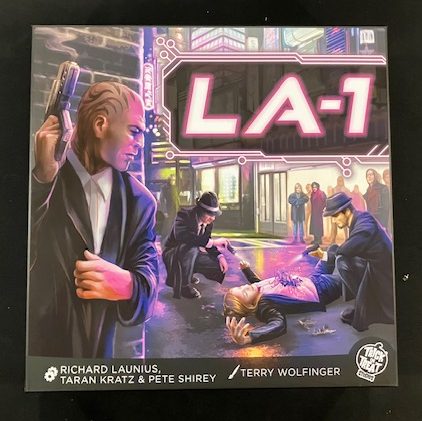
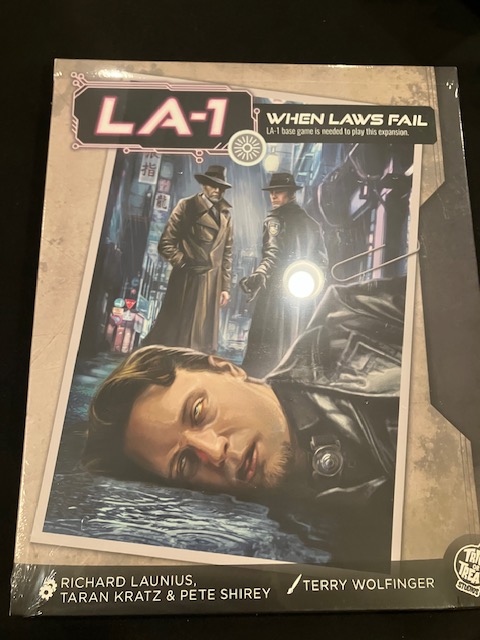
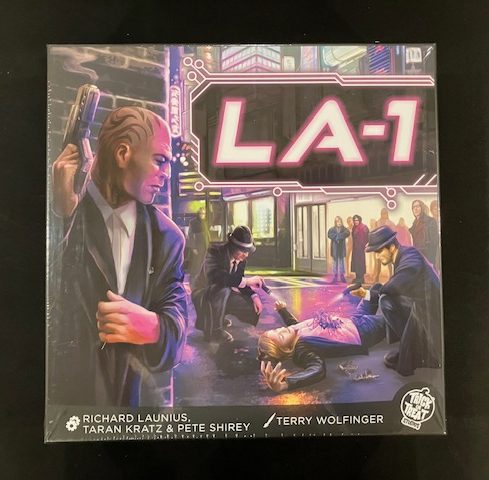
LA-1 is  cooperative cyber adventure and exploration game in a post-apocalyptic future with hints of the detective noir genre.  This was #2 on our Top 10 Anticipated Cooperative Games of 2025!  We were really looking forward to it! 

This was originally on Kickstarter back in Oct/Sep 2024, promising delivery in August 2025.  My Kickstarter copy arrived in January 2026, so about 6 months late.

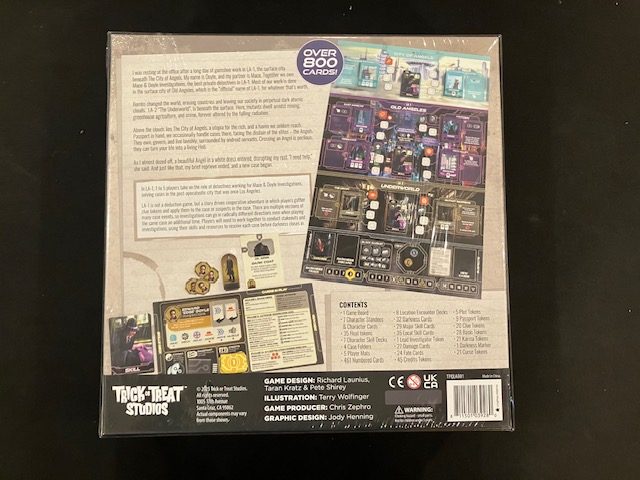
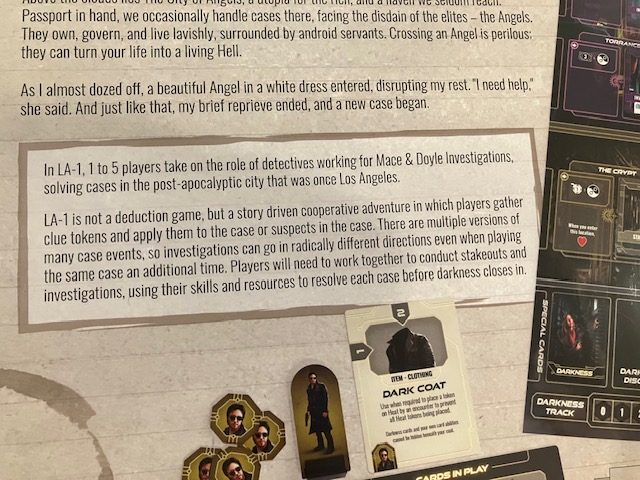
So, this is not a detective game per se; see the back of the box as the game fully admits “LA-1 is not a deduction game, but a story-driven cooperative adventure …” There’s a lot of thematic detective things like clues, stakeouts, and police, but this is not a deduction game but rather a story game! That means this would NOT end up on our Top 10 Cooperative Detective Games or Top 10 Cooperative Light Deduction Games, but it might end up on our Top 10 Cooperative Storybook Games!

Let’s take a look!

Unboxing/Gameplay

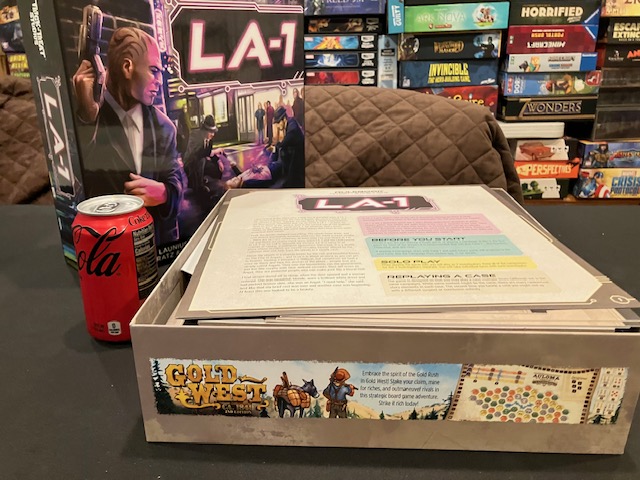
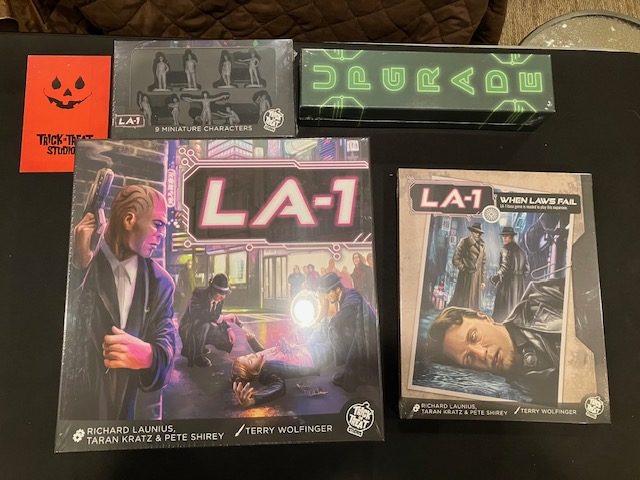
This is a pretty normal sized box: see Coke can above for scale.

I ordered the Kickstarter version of this, which includes upgraded pieces, some minis, and a new case.

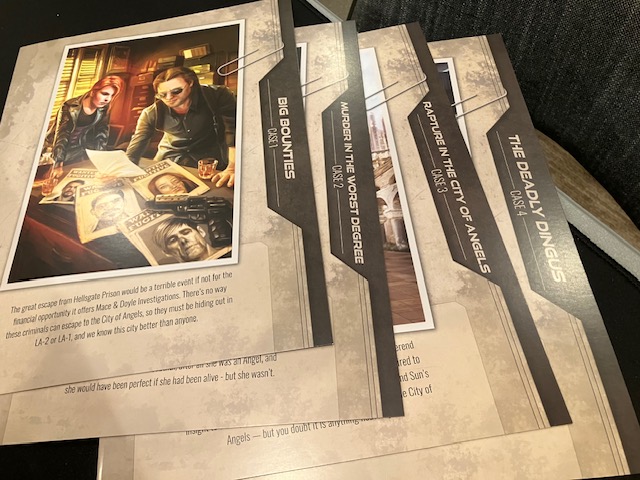
The base game itself comes with 4 case files for 4 cases: see above.   These case files give the flavor text, set-up, winning and losing conditions for each case.

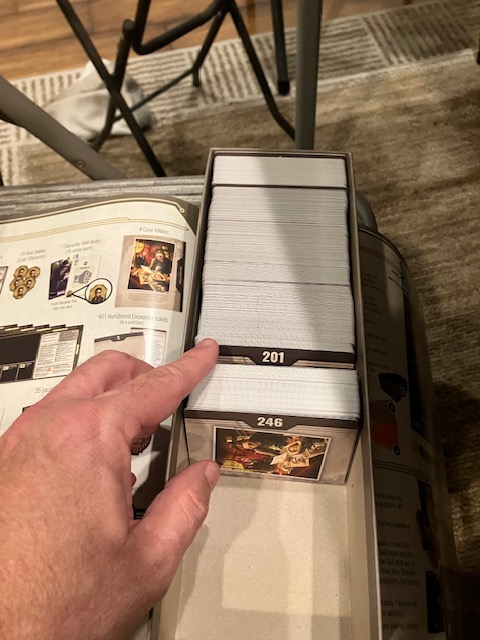
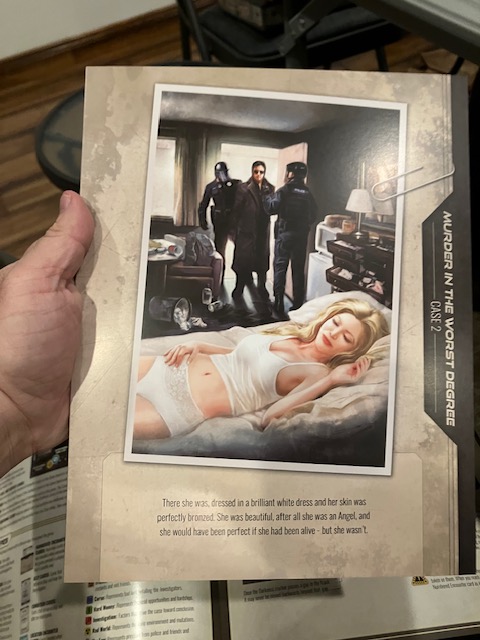
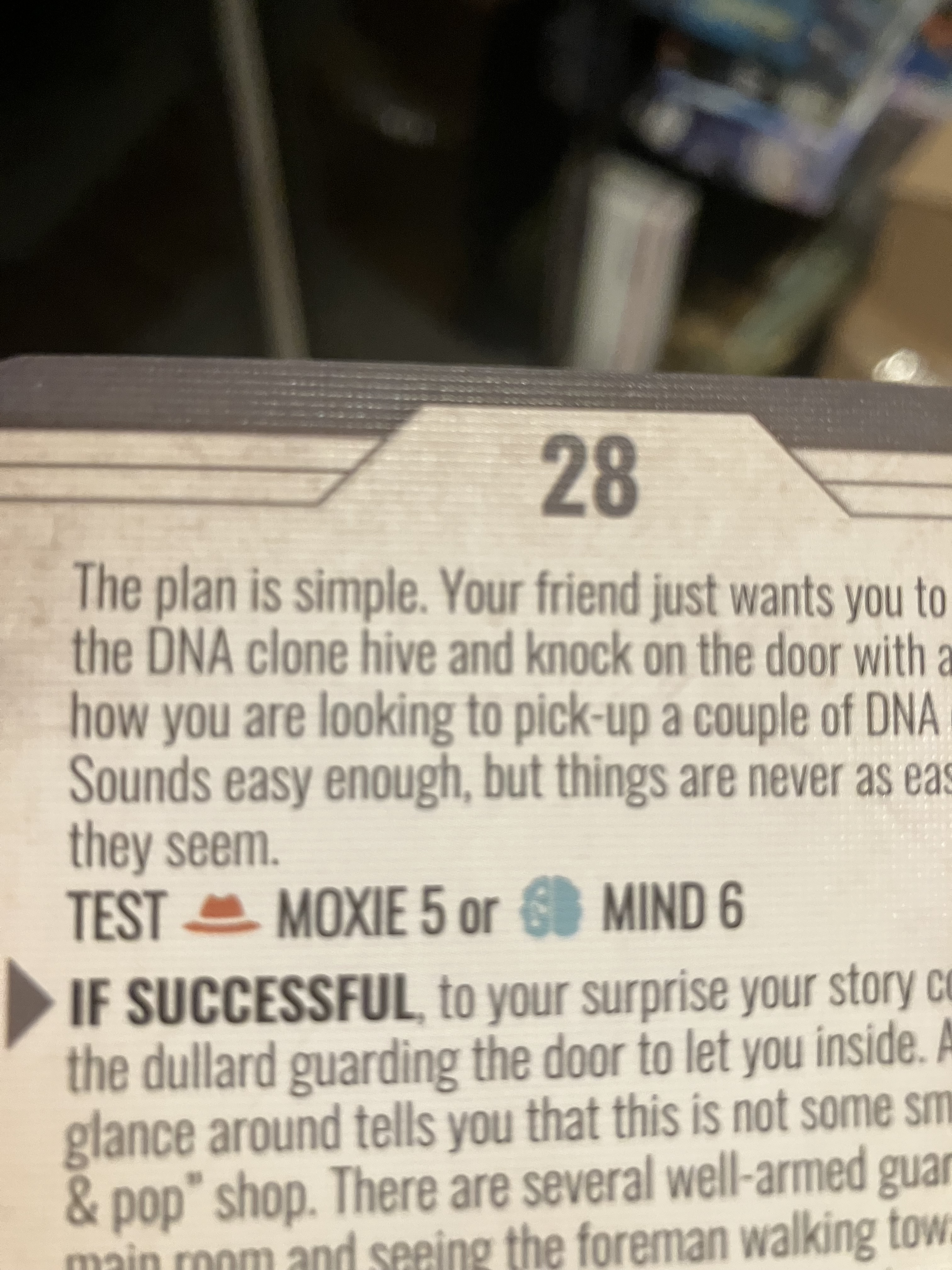
The cases are on cards!  See above!  The game comes with over 800 cards in this box!  I want to emphasize this is where the story is in the game, on these cards.
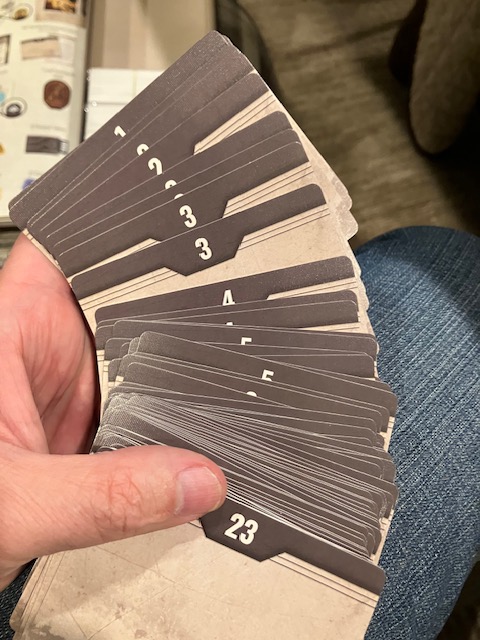
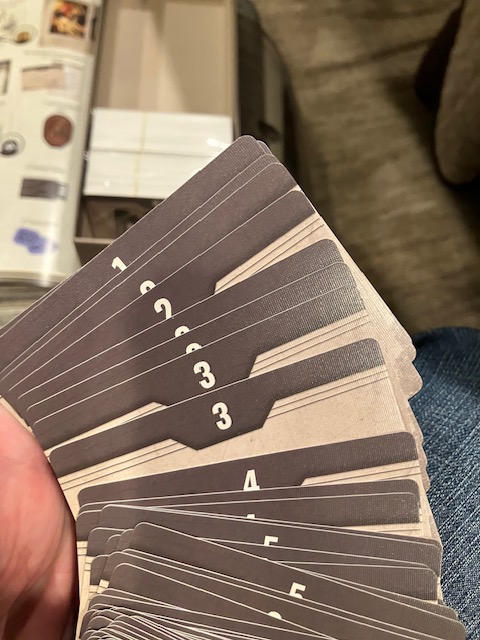
For some reason, the cards were packed in reverse order that you might expect (1 is the very last card instead of the first?).  It’s not  big deal, but a little confusing on first unpacking.

Some cards are specific to cases (and marked by the case graphic: see above) and some are more generic.

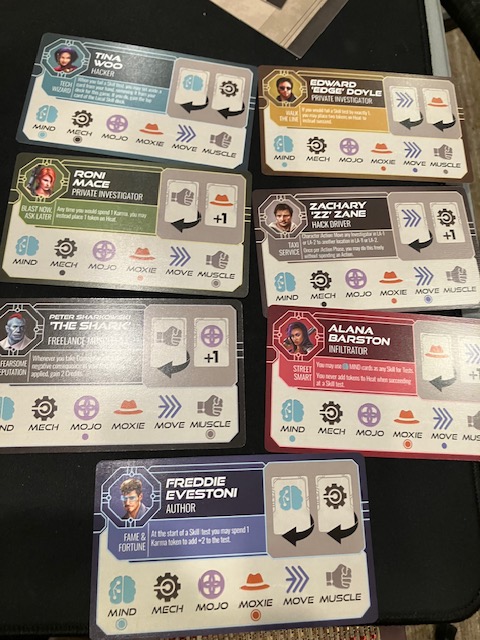
Each player takes the role of one of the several cyber/noir roles in the game.  

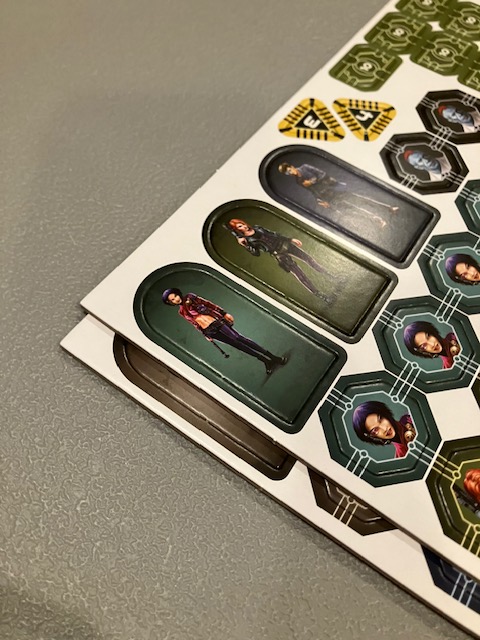
The base game comes with standees and cardboard pieces for each character.

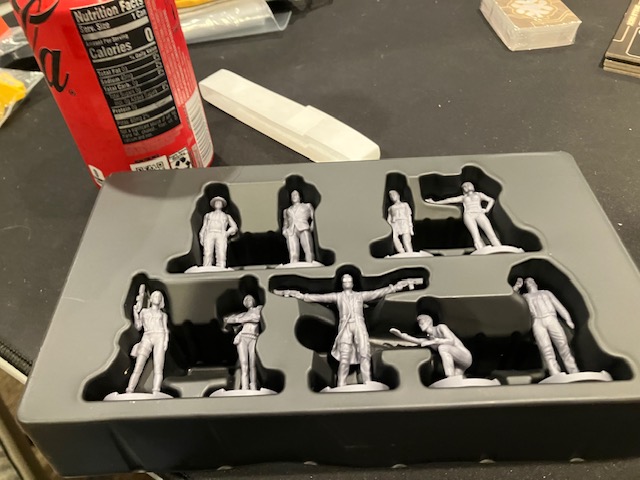
The deluxe version came with some plastic minis.  Eh, they are ok.  What they really needed was colored bases; I think the standees might be better for distinguishing the characters on the board because their colors are so distinct!  I am not sure you need the deluxe minis.

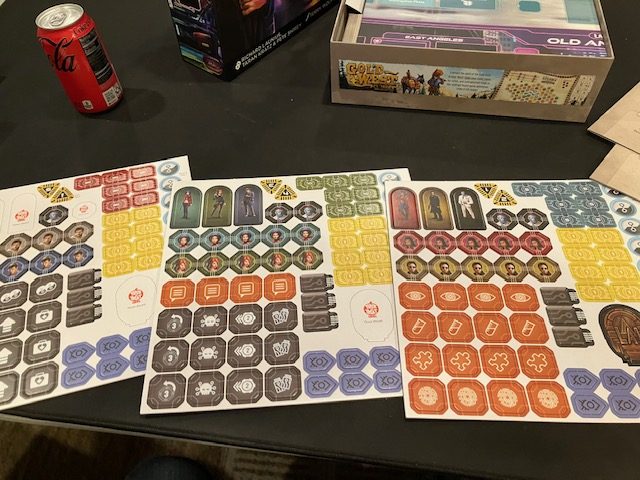
It is probably worth getting the Upgrade of the other components though!  Most of the base components (clue tokens, basic tokens, heat, etc) are all cardboard punchouts: see above.

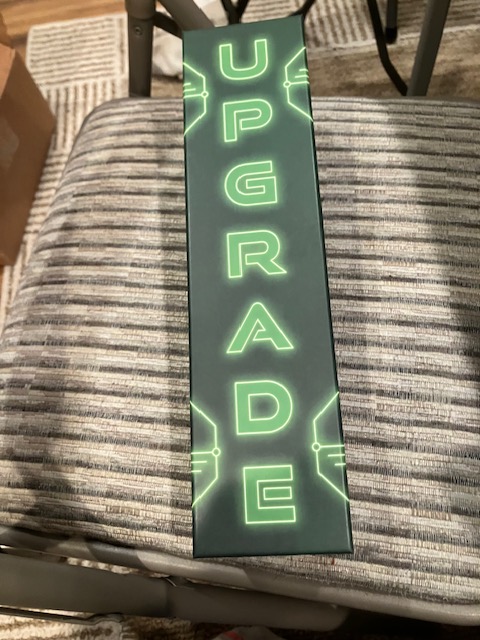
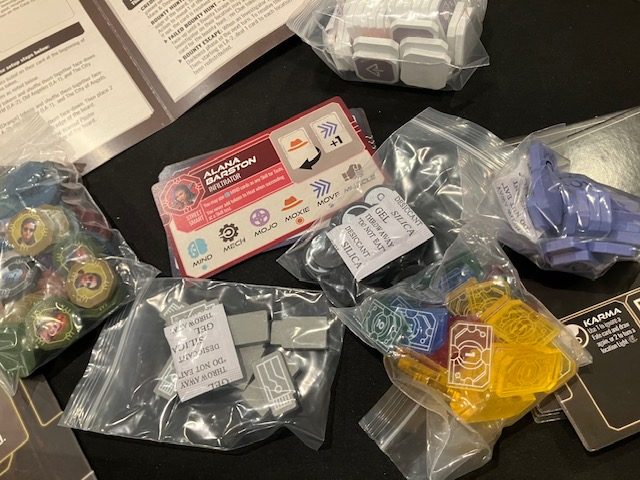
The upgrade pack (which came with the kickstarter, and I think you can get separately) is probably worth getting!  These are some really nice wooden components!  

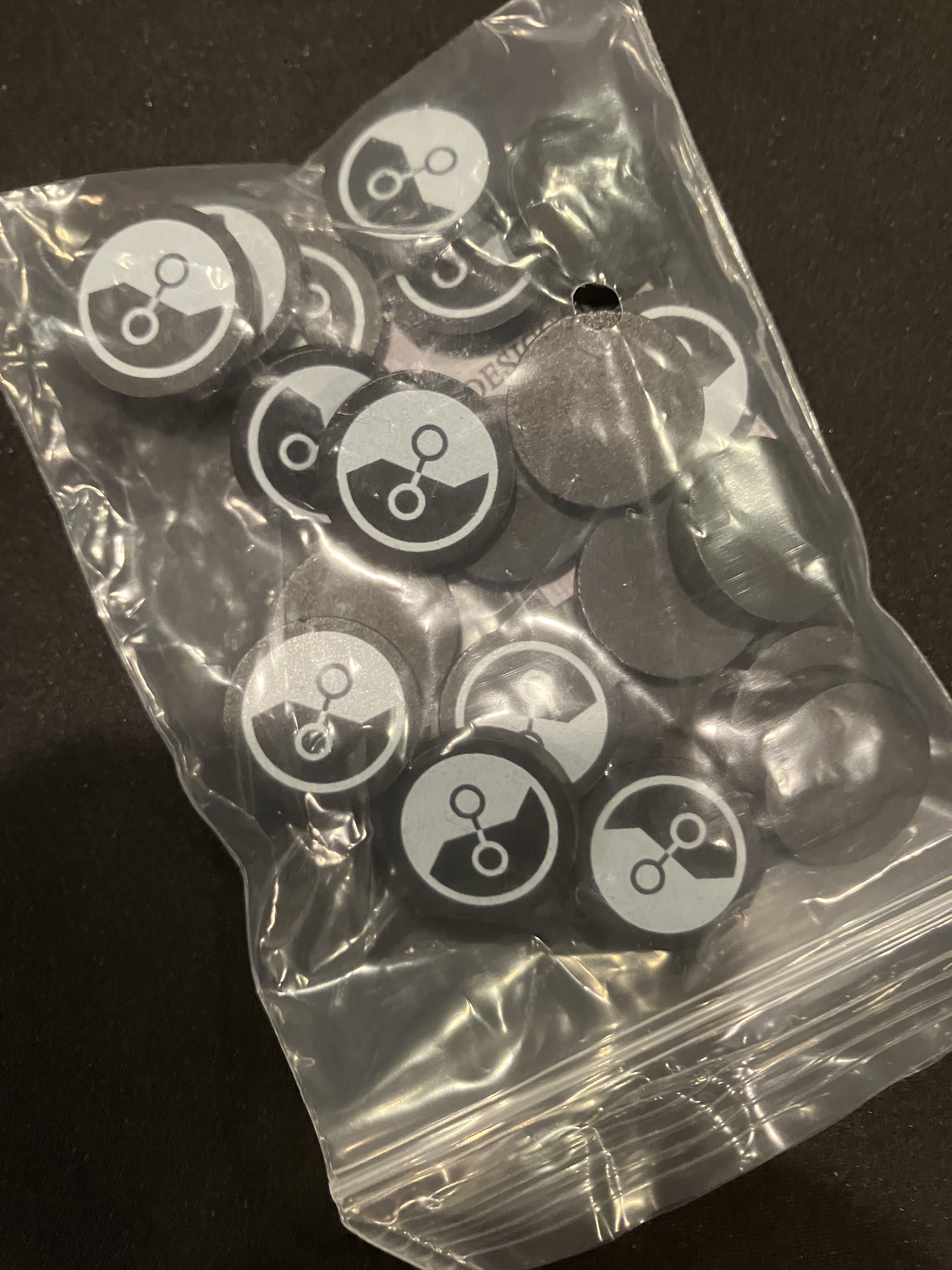
There are wooden heat tokens, plastic money, wooden Karma, … just really nice.  And you don’t have to punch them out!

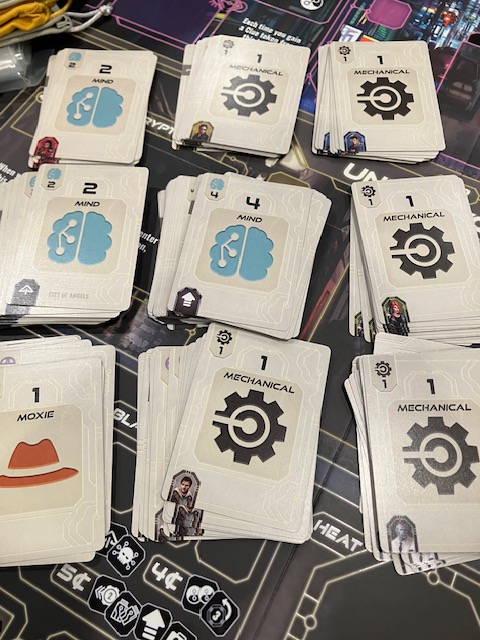
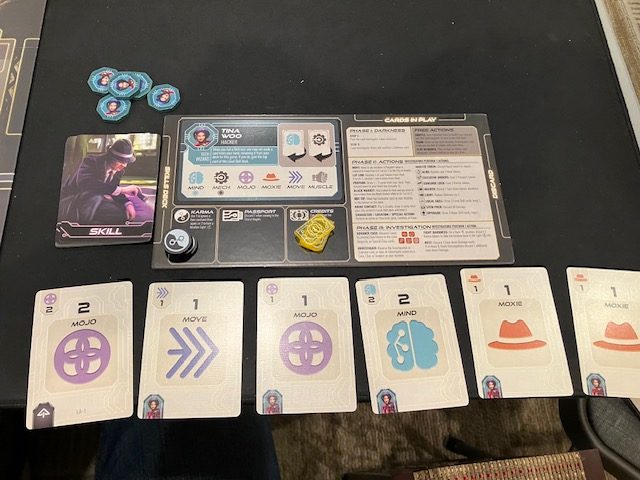
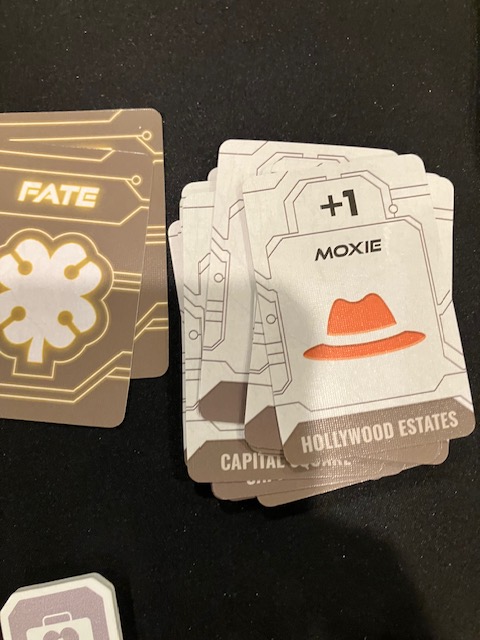
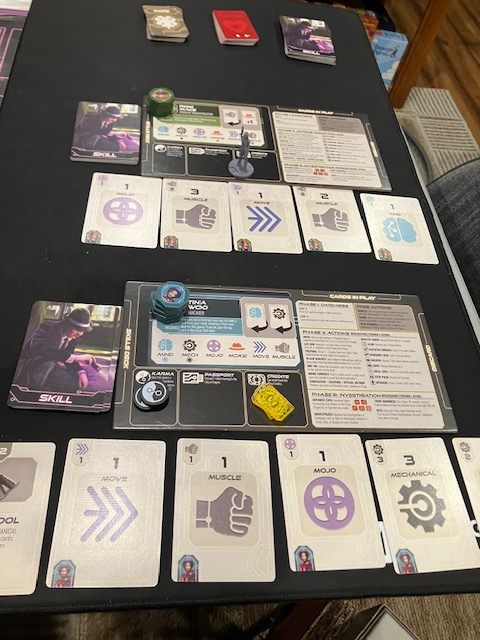
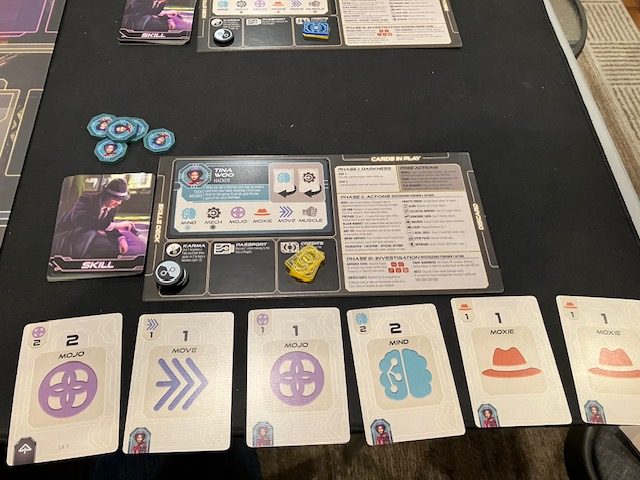
Each character has their own deck: you can tell by the little icon in the lower left whose deck is whose.  As you can see above, there are different types of Skills in the game; and this game is all about the skill check!   Some characters are better at Mechanical checks, others better at Mind Checks, other better at Moxie … !   Each deck gives the character a different flavor.

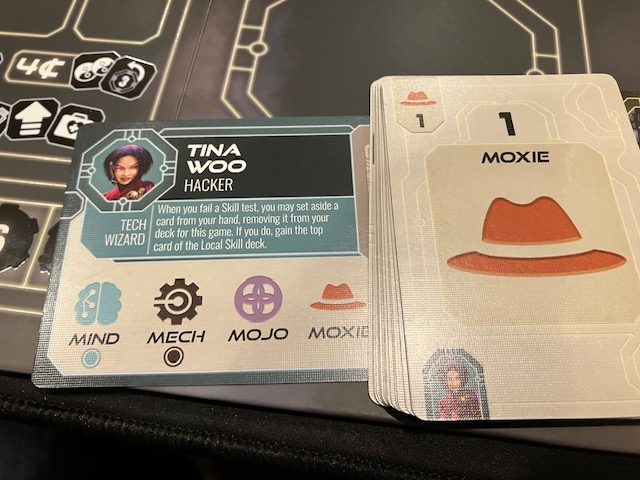
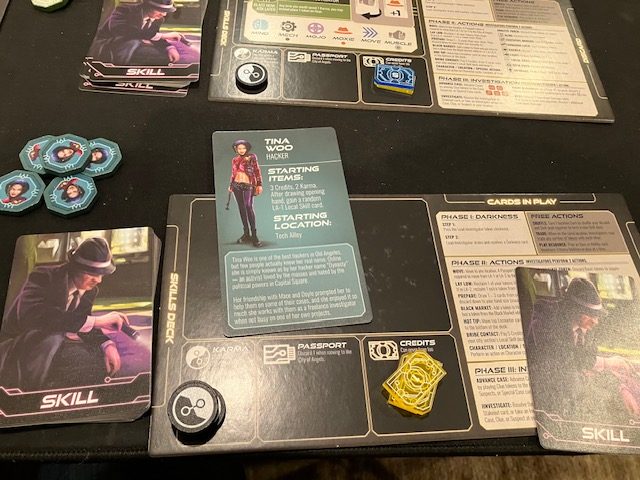
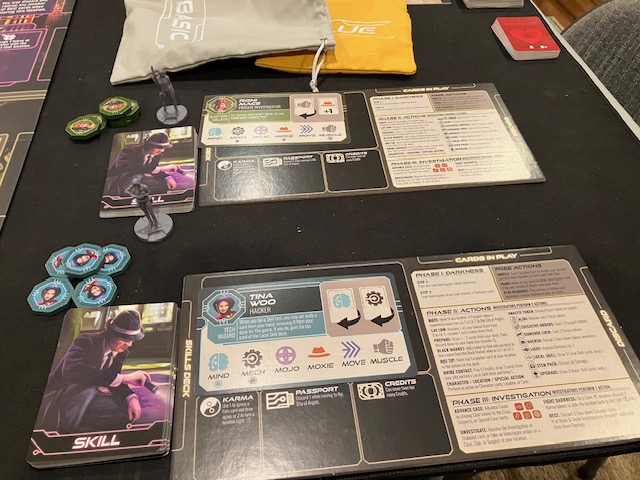
See above as Tina Woo (Hacker) has her own deck!

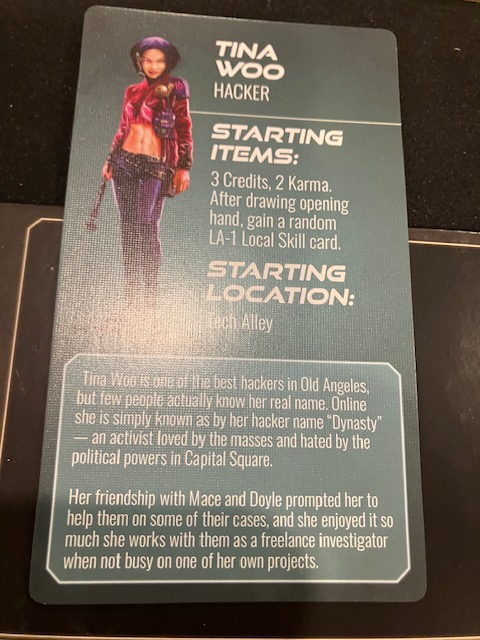
Each character gets their own little board to keep track of resources; karma (karma is a resource!), money, passports (to get to the nice parts of LA), and heat tokens.  The back of each characters deck tells them what they start with.

There’s also a little flavor with each character (see bottom).

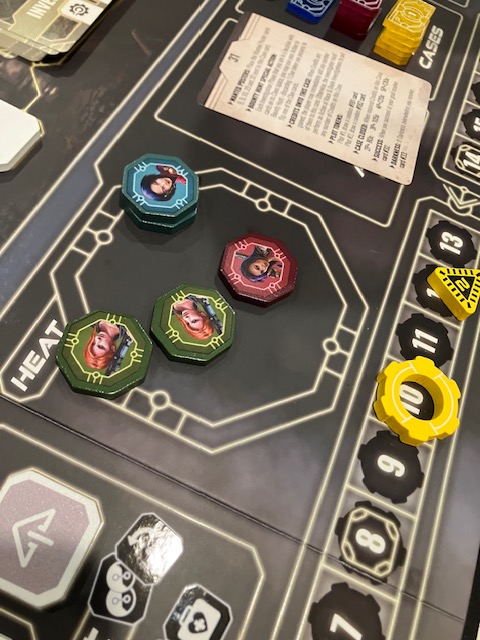
Each character also gets something called “Heat”: see the 5 tokens above.  Basically, it’s something you can trade in the game to get stuff done, but at a cost of bringing more interest upon yourself!  Play it safe, and you take no heat, but then it’s harder to get stuff done.  Take too much heat, and the cops rough you up!  You decide what’s the “right amount” of heat!

When a player is all set-up, you can see all the resources.  See above!  This is Tina Woo, and she’s a hacker!

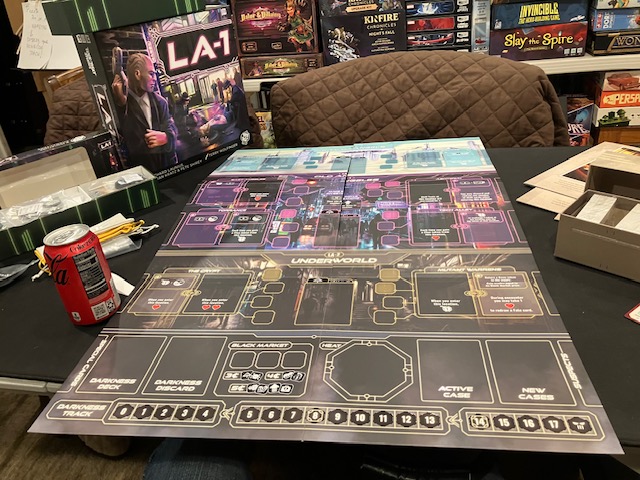
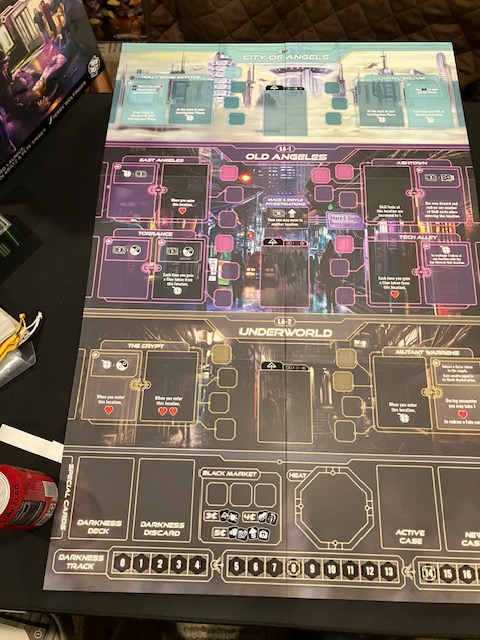
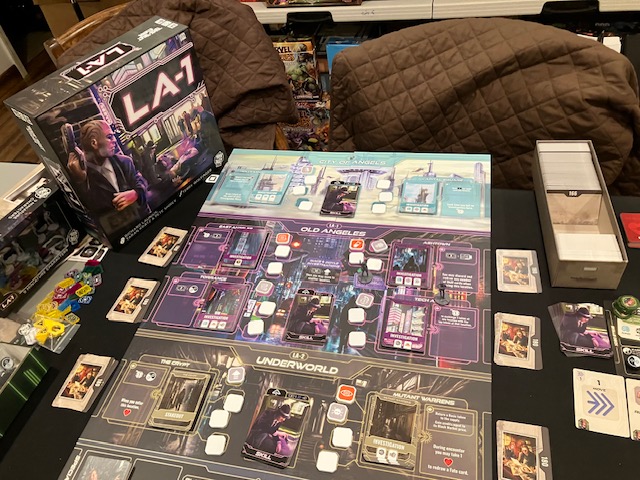
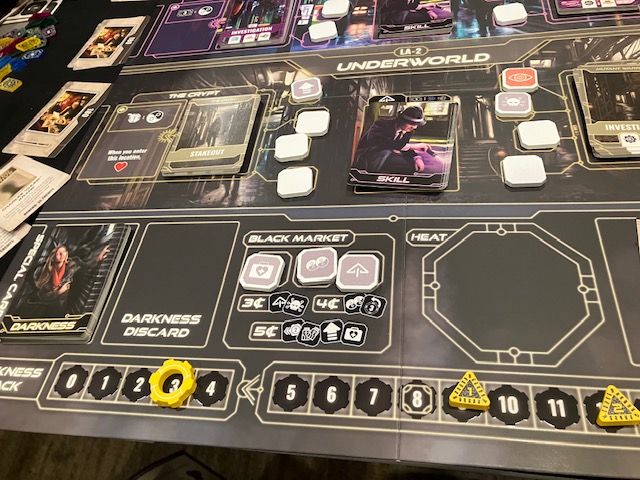
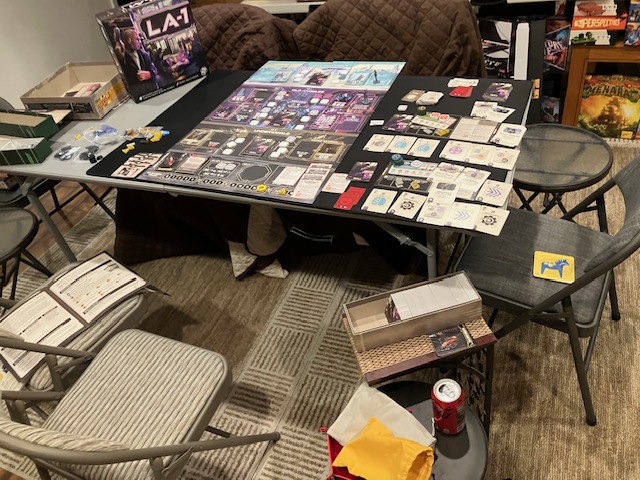
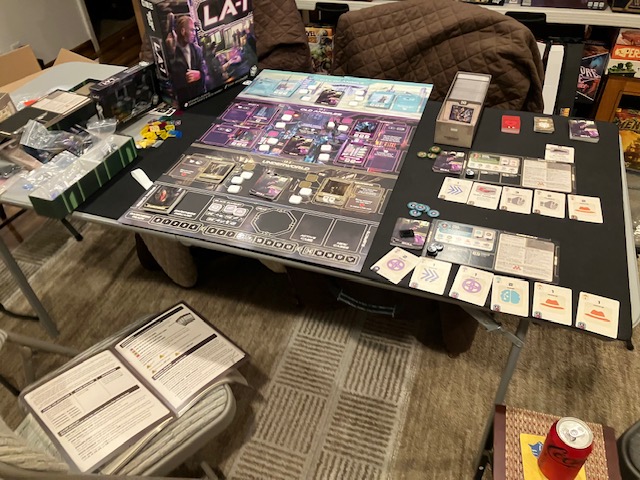
Players explore the cyber-noir city of LA-1!  This is a huge 8-fold board that does NOT fit on my table very well!  See above with Coke Can for perspective!

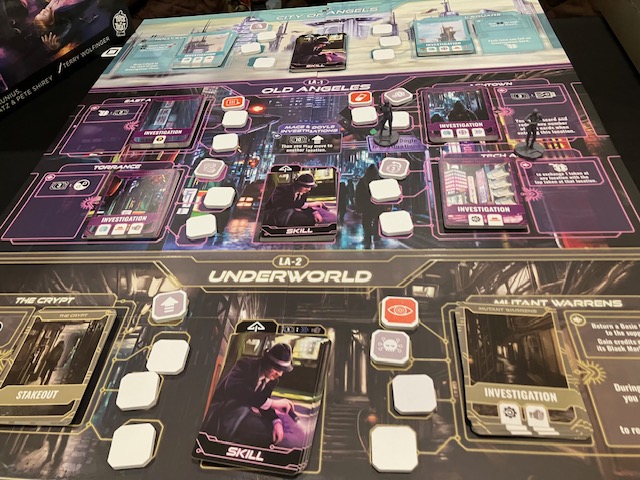
There’s three parts of LA:  LA-1 (Old Angeles), LA-2 (Underworld), and City of Angels!  City of Angels is so exclusive, you have to get a passport to travel around there!

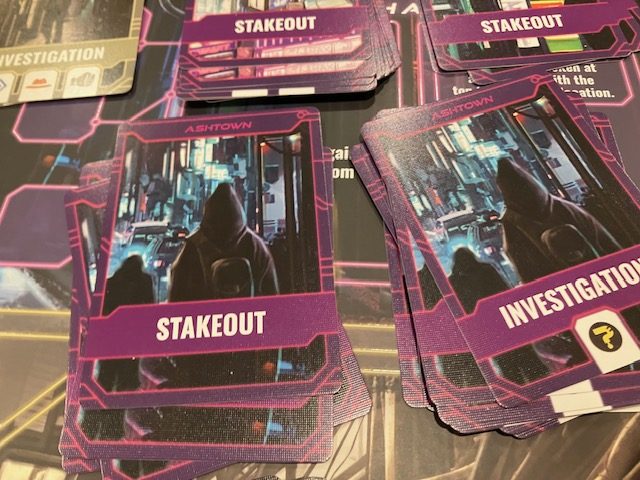
As players traverse the city trying to find out whodunnit, they will explore different locations in each part of the city. See Ashtown (jn Old Angeles) above.

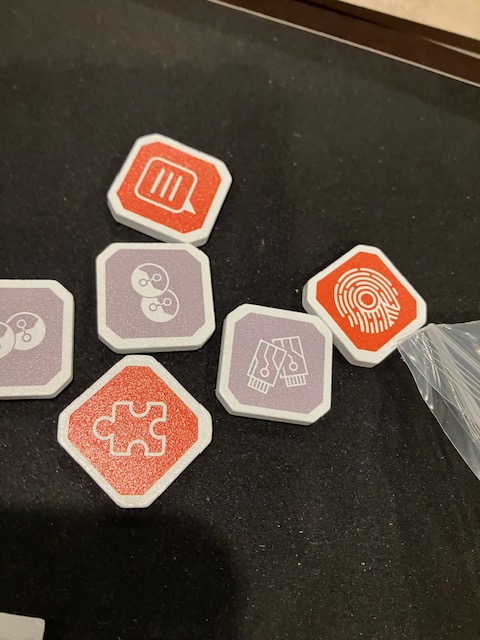
This wouldn’t be a detective game of any flavor without clues!  There are CLUES (orange) which help you solve the mysteries, and basic tokens (which give you useful resources).  You need CLUES to solve the mysteries, but you need the BASIC tokens to keep your resources up! 

The clues are distributed all over the city!  See above as each Location in the city has “about” 4 tokens next to it!  Some are CLUES, some are basic tokens, and some are hidden so you don’t know what they are!

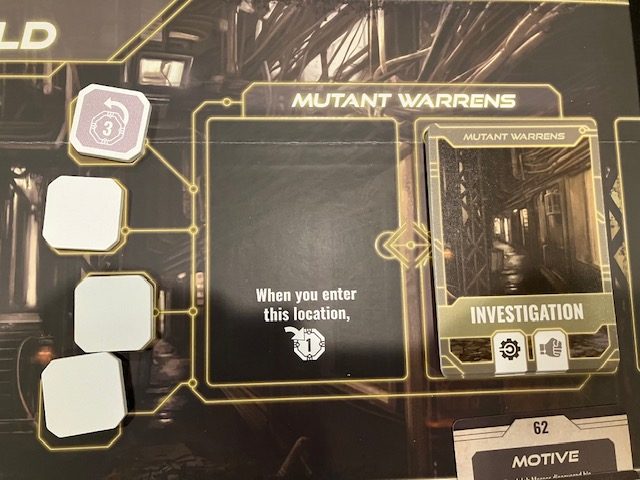
It’s not clear until you’ve played a little, but successful encounters at Locations allow you to (usually) take the top token at a Location!  If we have a successful encounter at the Mutant Warrens in Underworld (above), there’s a good chance we can take the CLUE (orange eye) at the top!  

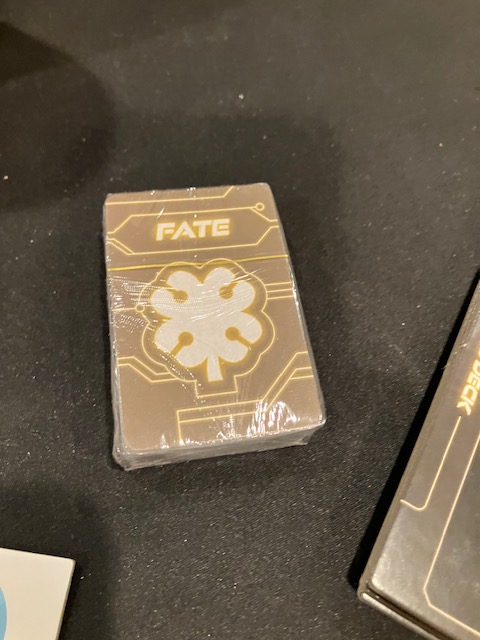
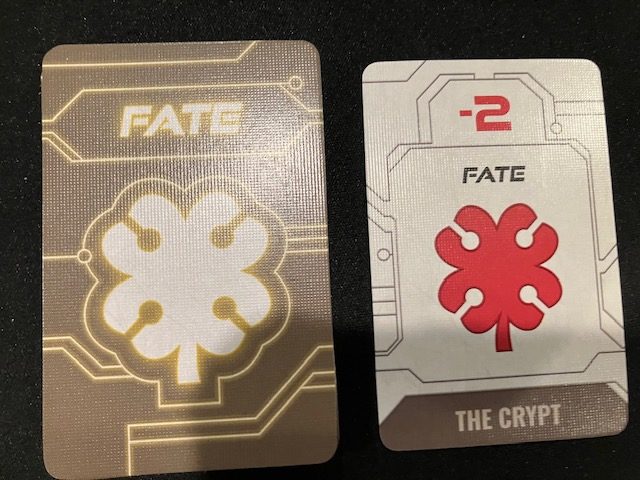
Skill checks are resolved using the Fate deck and the player’s decks; we’ll talk more about those later.

The game  is somewhat on a timer; see the Darkness track above.  If the darkness marker ever gets all the way to the right; game over and you lose!

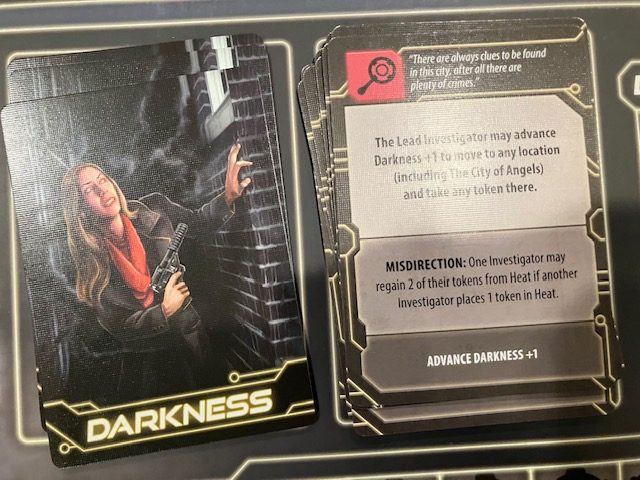
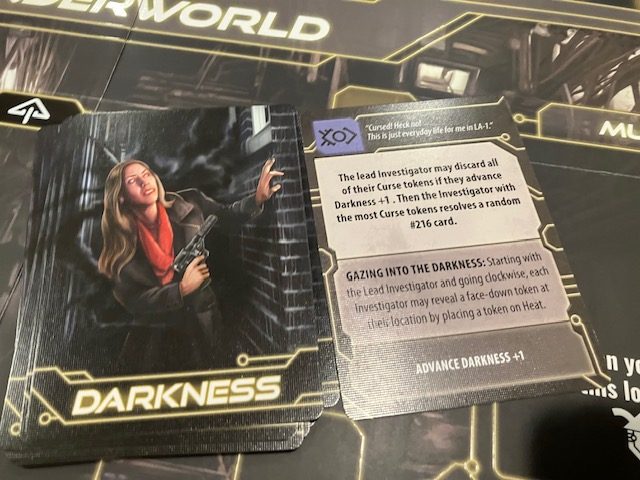
The Darkness track typically advances every other turn or so; it really depends on what comes up in the Darkness deck!  Many time, the Darkness just advances.  See above. But you also get to make choices, maybe you want darkness to advance in exchange for a clue you really need!  Most Darkness cards come with choices!!! See above  as you can choose to move to any Location and grab the top token (which could give you a CLUE you desparately need), but it costs extra darkness!

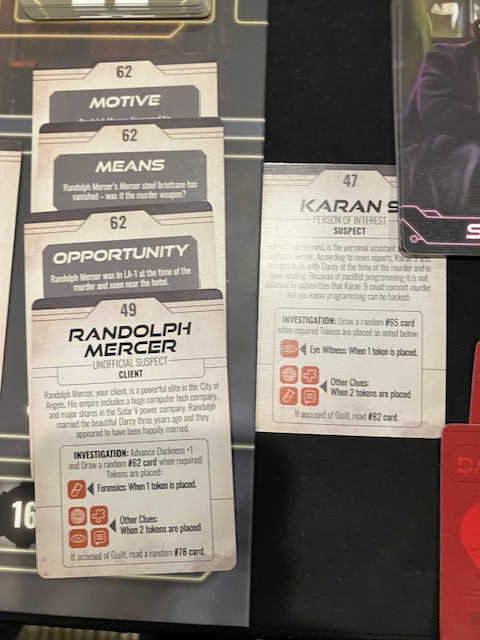
Every case is very different, but typically you do Detective-like thing like show Motive, Means, and Opportunity!

If you can solve the case before time runs out, you win!  There are usually several other ways to lose as well …

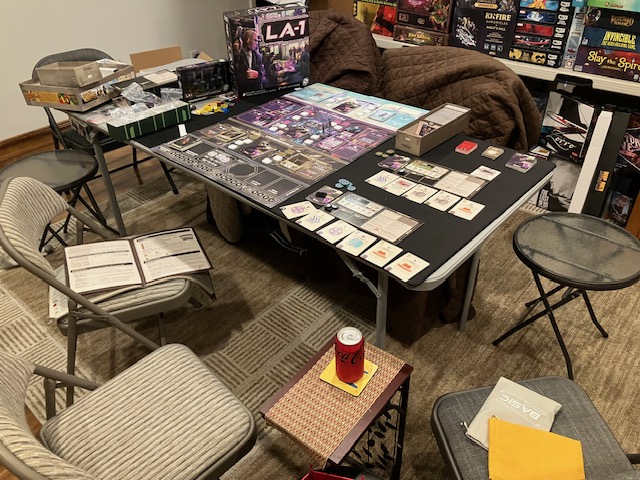
The game has a great production, especially if you get the token upgrades. See above.  To be clear; you will need a LOT of table space for this!!

Rulebook

The rulebook is generally ok.

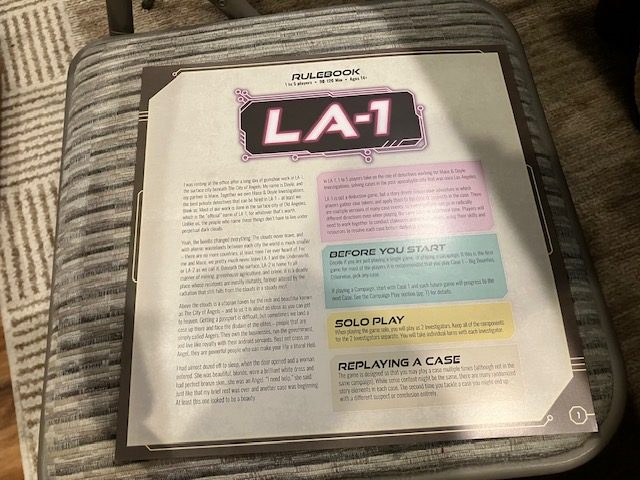
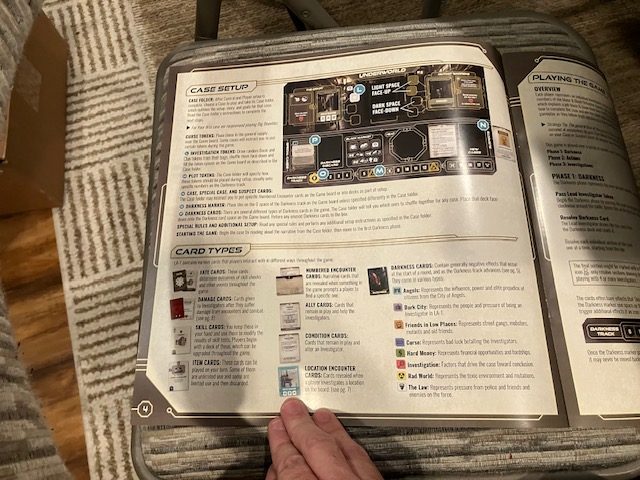
My main complaint with the rulebook is the form factor; it gets  D- on the Chair Test!  It droops over the edges, being almost unusable on the chair next to me.  It barely works, which is why it doesn’t fail completely, but the “rulebook as large as the game box” needs to go the way of the Dodo Bird.  Please publishers, make rules reasonable sized so we can open them without needing a giant table!

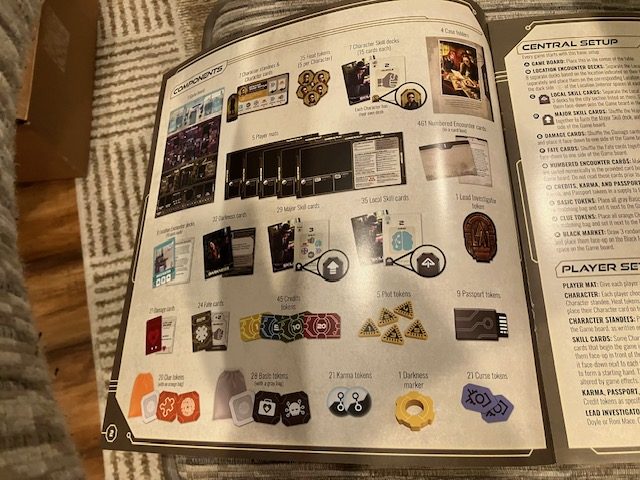
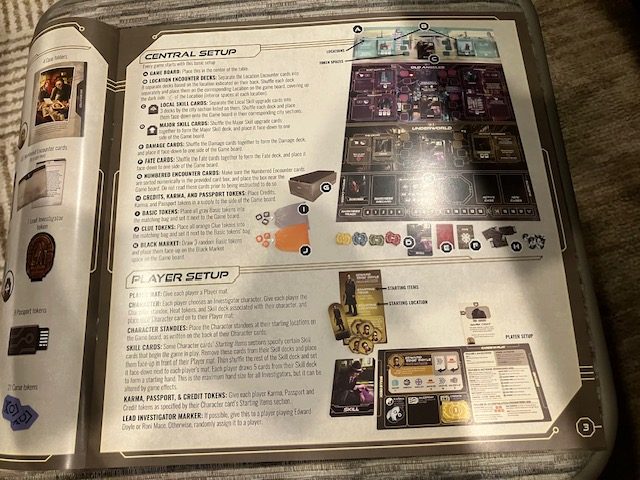
The Components page was good enough: see above as it shows components and some correlating text so you know what’s what.

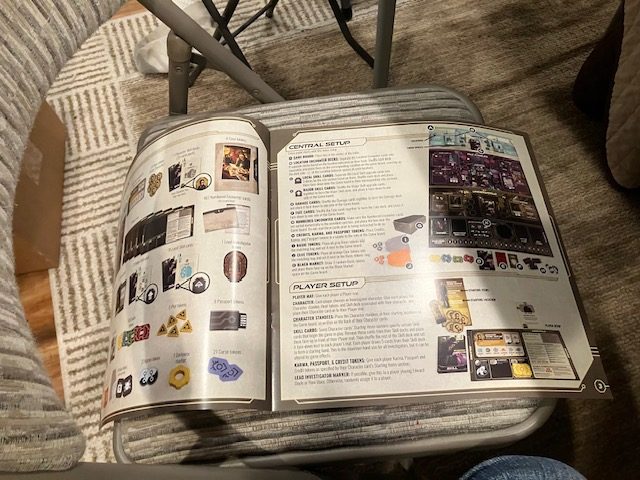
The set-up seemed a little squished onto one-page; see above.  It works, and steps are notated, so it’s good enough.

The set-up drifts into the next page, and that doesn’t work as well. Each case defines its own Set-Up and this was a little more unclear.  I would have the first “recommended” case have more info … maybe a first play guide like we’ve seen in many games.

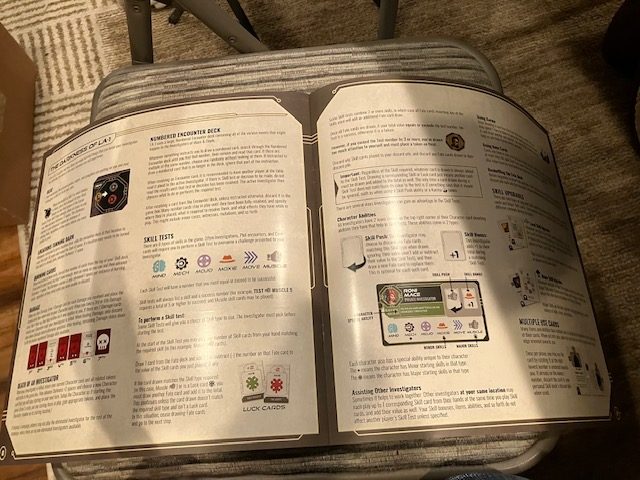
The rulebook packs a lot of stuff in just a few pages. There are pictures but I wish there were a few more.

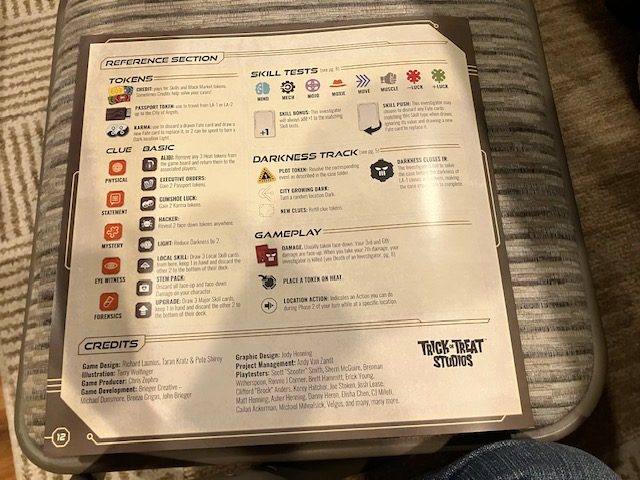
There is a nice summary on the back … which I used maybe once in the solo game and never in the cooperative games.

The rulebook is ok.  It teaches the game. I feel like this rulebook probably should have had an index: there are a lot of subsystems within the game, and an Index would have made it a little easier to navigate. 

One-Shot Game?

What I mean by asking this?  Most Detective games are “one-shot” games! Once you have played the game, you know the solution so you can’t really play it again!  The solution is indelible imprinted on your brain (that’s the legacy part), so you can’t play it again!  Is LA-1 one of these games?  

So, should I be worried that I am giving spoilers by showing some of the case cards from the game?  Yes and no!

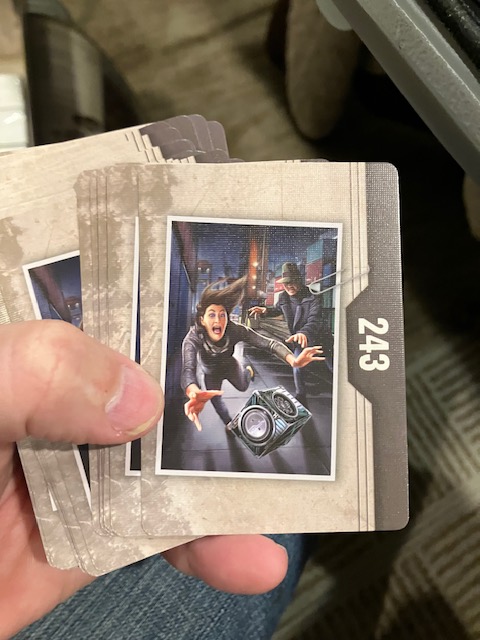
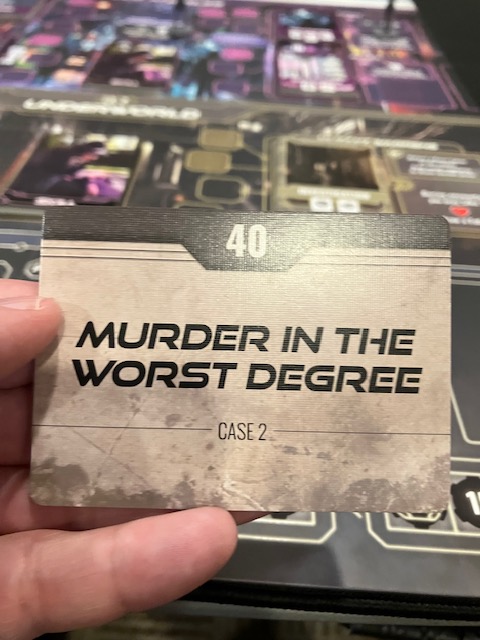
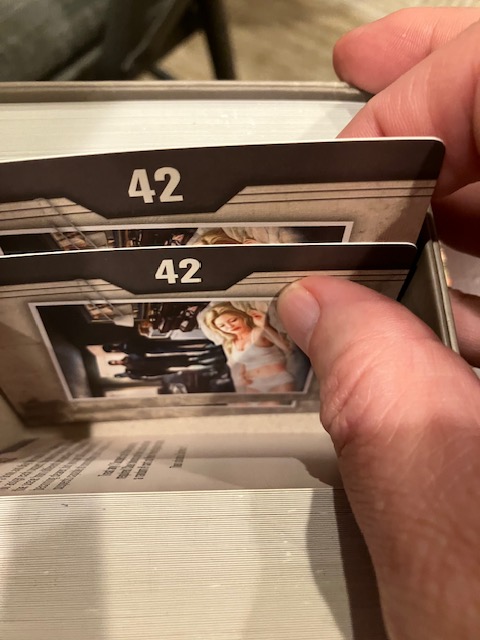
Each case will have a basic outline which is nominally the same, but it will change when you play it.  How?  The cases are in the cards, and there are multiple versions of some cards!  See above as there are two 42 cards!  Sometime during the game, you will be given the instructions “take a Random 42 card”, and the card you take will cause a different path!   So the game will NOT be the same every time!  Sure, you can choose the exact same cards next time, but it’s unlikely.  It felt like there were about 12-15 points where the game could take a different path (by taking a different card).

So, there is a case, it has an outline, and it even has multiple outcomes.  But it’s not a detective game.  You aren’t trying to use your deductive reasoning like Sherlock Holmes: Consulting Detective (“Hmm.  There’s ice on the floor.  Clearly the murder weapon!”).  You aren’t being smart like Poirot or Sherlock or Father Brown or any of your favorite detectives to solve cases.  You are more “exploring” this world and this case, and trying to do well on Skill Checks!  Successful Skill Checks reward you with “progress” on the case.   

The text that comes out during the game is very thematic, as there is an outline to this case!  It does have a bit of a solution.  But, it’s exploration and skill checks that keep this game moving forward, not “Sherlock smarts”.

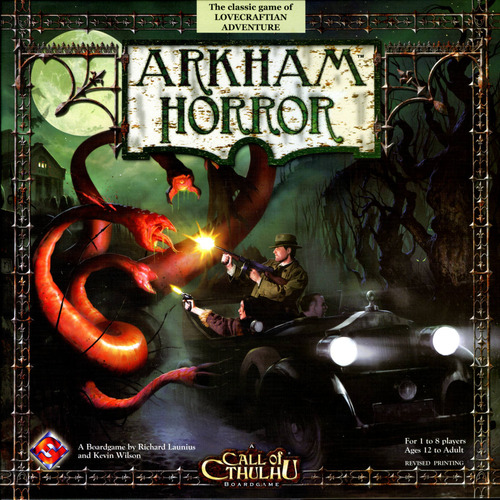
An analogy that will come up again and again: this game reminds me SO MUCH of Arkham Horror: 2nd Edition.   In Arkham Horror, you explore the city so you can kill monsters and close gates.  In LA-1, you explore the city so you can find things to solve cases. 

LA-1 is an exploration game with a detective theme, but it’s not a detective/deduction game.

Solo Play

So, LA-1 does support solo play! Congratulations on following Saunders’ Law!

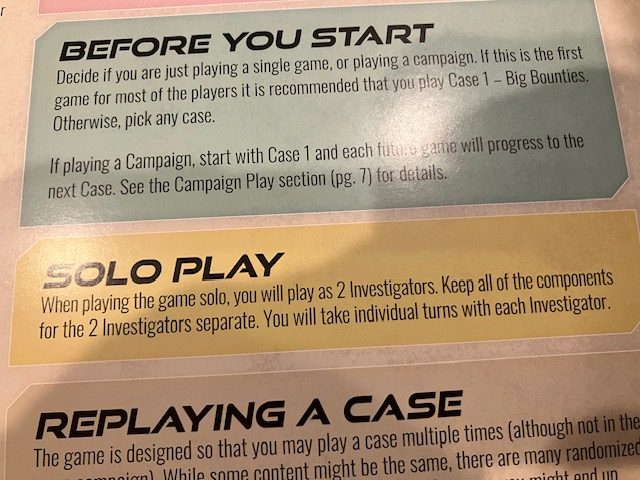
It’s not true solo play, as you must play two characters and alterate between them: see rules above.  It’s very clear what the solo rules are and I applaud LA-1 for being so clear on this!

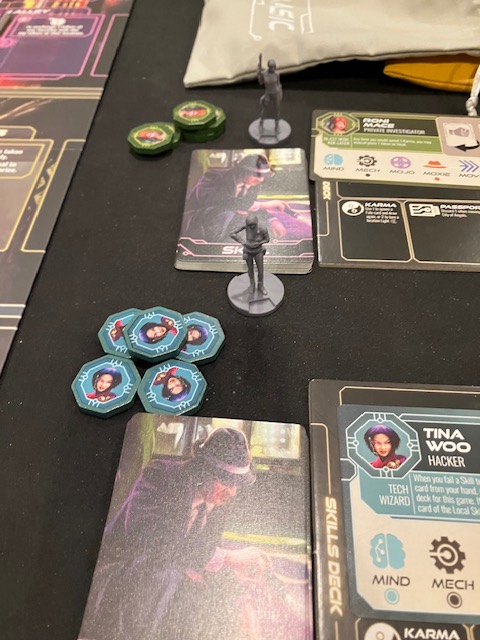
My first solo game was playing Tina Woo (hacker) and Roni Mace (investigator).  Usually, I put my characters side to side, but I ran out of room!  That 8-fold board of the city is SO HUGE it took up too much room!  

This was a bit of an ordeal, trying to operative two characters in my space!  See above!

I got a lot of rules wrong as I figured it out.  The rulebook is ok.

I was able to get a couple of solo games together before teaching my friends. There is quite a bit of maintenance as you play; it’s a little much to play 2 characters, but that load feels less and less heavy the more you play. To be clear, there is a lot of flavor text on the cards, and a lot of directions on the cards, and a lot of systems in this game (CLUE bag, BASIC bag, damage system, fate resolution, Location actions, darkening Locations, advancing darkness, dealing with heat, karma, money, passports, etc etc). It’s probably gonna take about 2 to 3 plays to really get the game down. My first two solo games were about 2 to 3 hours each. Granted, they were learning games, but LA-1 feels more like a 2 to 3 hour for the solo game than a 90-120 minute game. Especially if you are trying to read all the flavor text and immerse yourself into the game.

Did I have fun as a solo player? Yes. Will I come back to it and play it solo again. Maybe?

Cooperative Play

I think LA-1 is a better cooperative game than solo game!  For me at least, the game feels a little more immersive as I play just one character and interact with my friends.   The solo game makes you play two characters, but it’s usually a lot more fun when you can inhabit ONE character and become that character for a game!

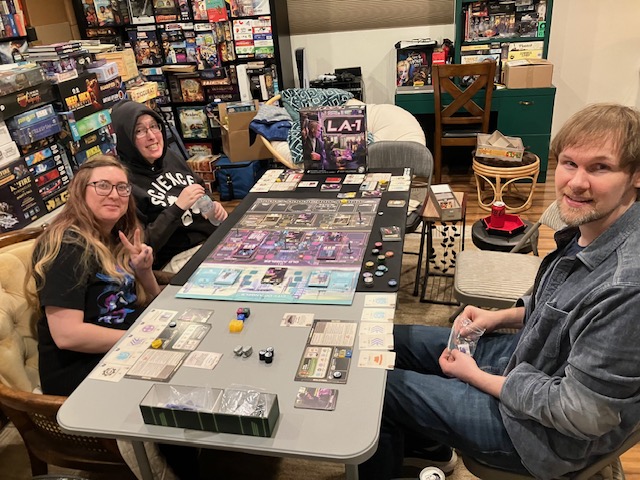
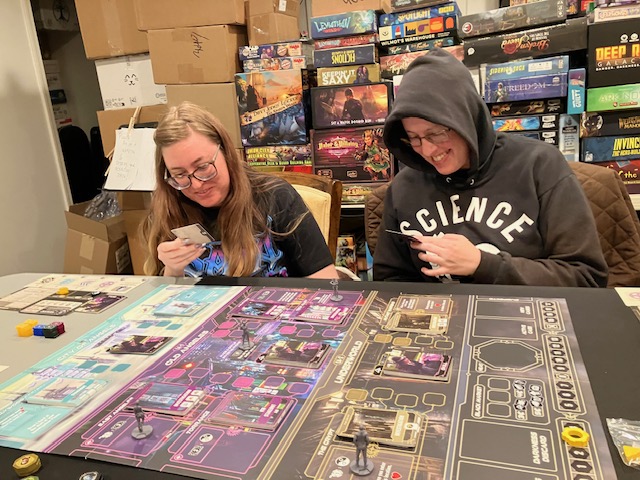
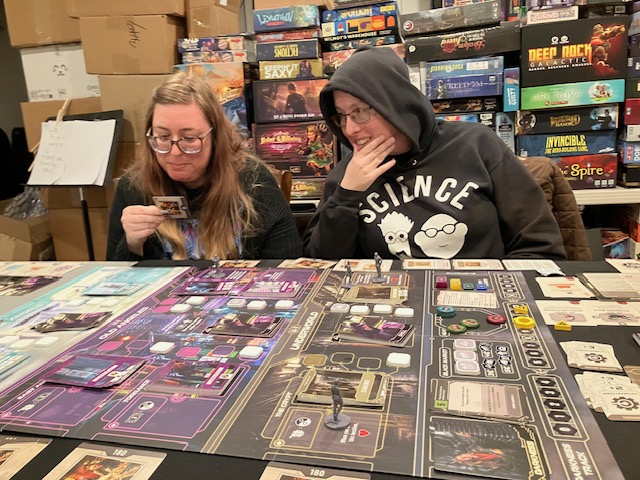
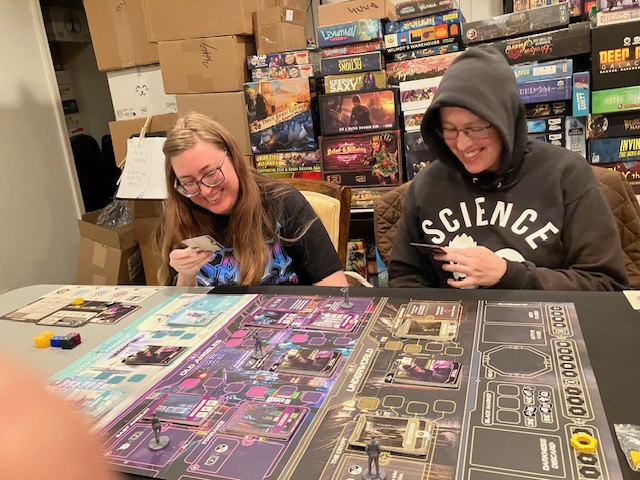
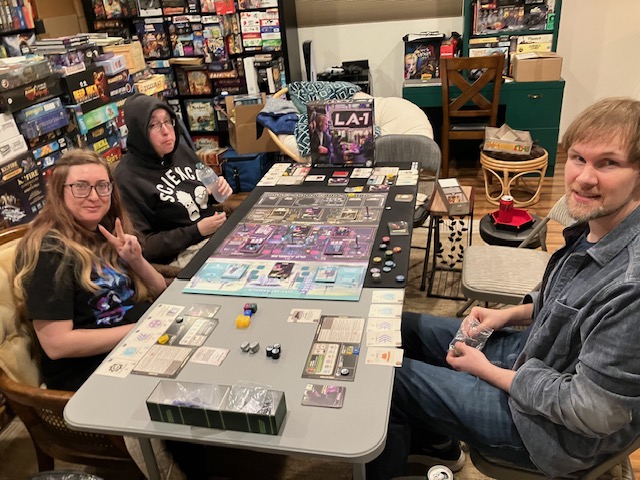
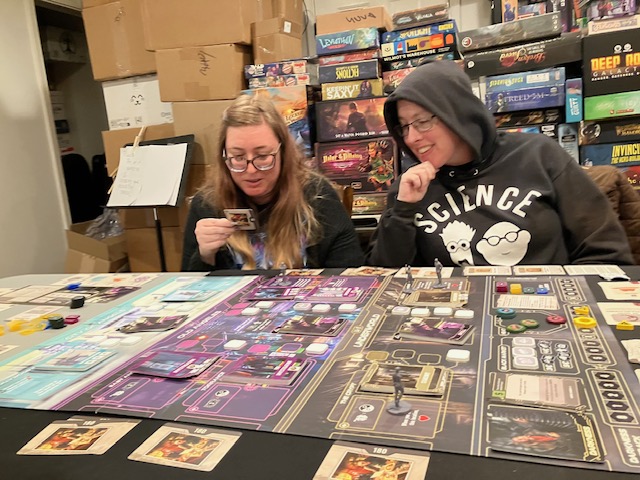
See my friends smiling and laughing as we play!  We typically (as a group) really like storybook games, and this game really tickled our fancy.

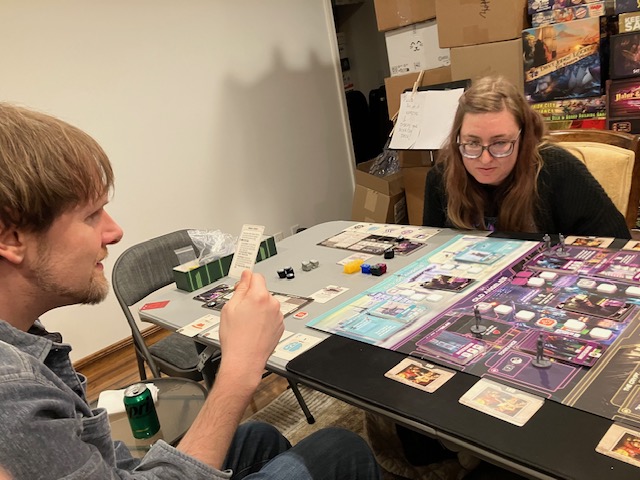
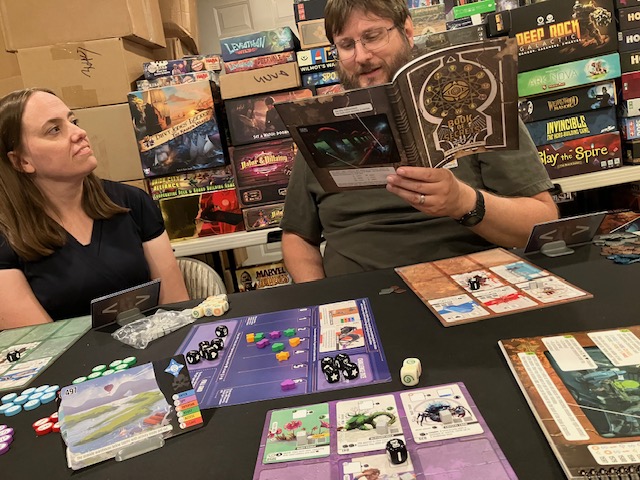
If the solo game were harder to play because there’s more maintenance per turn, then the cooperative game shares the maintenance load and makes it easier to play!  See above as Andrew reads Sara’s storycard!

As a group, we enjoyed this.  I mentioned that there’s a campaign (you can play the 4 cases of the box in a full campaign), and my group seemed very interested in continuing our adventure!

The game was very interactive as we all shared the story, the reading duties, and the load for set-up and tear-down.   

This was a fun cooperative game.  The only real downside is that this game has a lot of systems and subsystems to maintain (Fate deck, karma, money, Locations, Skill deck, etc), so it might be harder to teach this game to less experienced gamers.   Still, if you know what you are doing (play the solo game first), you can teach this fairly easily.

The Arkham Horror Comparison

This game feels so much like Arkham Horror: Second Edition!  And it should, as Richard Launius (one of my favorite designers) is also the main designer of the original Arkham Horror!  I don’t love everything he does (see our review of Freedom Five), but I generally like his designs (see our list of Top 10 Cooperative Superhero games with Batman: The Animated Series game and Top 5 Cooperative Games Of All Time!)

Let’s be clear; the theme is very different!  LA-1 has you hanging out in a cyber-world in a post-apocalyptic future world as a noir detective!  And Arkham Horror: Second Edition has you hanging out in a 1920s world, fighting horrors from the Cthulu mythos!   And yet, the core gameplay feels the same.

  1. Move around a world and search for stuff to help you: In AH, you visit places in Arkham, In LA-1, you visit places in LA.  
  2. Perform Skill Checks: dice based in AH, Fate deck based in LA-1
  3. Take Damage: hit points in AH, Damage cards in LA-1
  4. Read Thematic Text off Cards: In AH and LA-1, when you visit a Location, you read a card with thematic text (scary Cthulu stuff in AH, creepy cyber stuff in LA-1)
  5. Perform a macro-level Task to win: In AH, everything you do is in support of closing gates.  In LA-1, everything you do is in support of solving the case
  6. It’s a big game!  Both in board space, time, components, rules, both AH and LA-1 are big games!

This isn’t meant to be a ding against LA-1, not at all!  Arkham Horror: Second Edition is one of my favorite games of all time!  See discussion here of my Top 5 games of all time, and a discussion of what I want in Cooperative games!

Some people don’t like Arkham Horror: Second Edition because it is a little dated.  Does LA-1 fix these problems?  I think LA-1 does fix a lot of problems modern gamers might have with Arkham Horror: Second Edition.  Let’s take a look!

A Sense of What’s Coming

One of my favorite things that Arkham Horror: Second Edition does is that it gives you a “hint” of what kind of reward you might get at a Location!  See above at Walder, as you might get money ($) or an Item (gun).  If you are looking for money because you need to buy an Elder sign, or need a plain weapon to fight Horrors in the street, maybe you’ll choose to go to Walder? 

In LA-1, when you go to a Location, the card gives you a “hint” of what Skill check you might have to do there!  See above as the Mutant Warrens indicate you’ll “probably” need some mechanical skill or some punchees!  Tina Woo isn’t very punchee, so maybe she’ll suggest Mace goes there!  You can make decisions on what Locations to visit to go based on what Skill you might need!  What you might get at the Location is “generally” the top token (but not always).

So, when you visit the board, you have a better sense of whether or not you’ll succeed because you know what Skill cards you have ready!  

You can make a much more informed choice of places to visit based on what skills you have in hand, and what the Locations offer!  And this feels very thematic; “I knew, going to the Mutant Warrens, I might have to get into a fight to get any information … but I was ready for it.”  

In some ways, this is an improvement over AH because you have a better sense of whether or not you might succeed, based on your cards and hints on the Location!  You will “probably” get the top token, so you also have a sense of what you’ll get!   There are also lots of places in LA-1 where you can “flip” or “swap” tokens to have a better sense of what you get!

“Sometimes you spend your time just trying to find out what information you need to even find a clue.  It’s just the life of an investigator.  It’s just the way of life for us.”

It doesn’t feel like just random exploration: you have hints of what you will get, and that makes it feel like your choices matter.

Fate Deck vs Dice

One of my least favorite things about Arkham Horror was how all skill checks depended on a roll of the dice. There were clues to help mitigate that, but in the end, you just rolled dice.  I remember one game of Arkham Horror extending to 6 hours because of 1 bad roll … and everyone just sort of died inside.  What should have been a 3-hour game (which is still quite long) became a 6 hour game. Oi!

But Skill checks in LA-1 feel much less debilitating and random via using the Fate deck now.  It’s just a little deck of cards, and it’s basically some randomness (plus or minus) to a skill check.

A Skill Check usually comes form an encounter.  See above as I can choose to do a Mind (6) or Moxie (5) test.

Looking at my hand of cards, I think I have a better chance with Moxie rather than Mind, so I discard two Moxie (1) cards to give me a base of 2.

I draw from the fate deck; I always keep the first card (see above as I add another +1), but since the card matches the test (Moxie), I can keep drawing!  

I draw until I don’t match anymore … oooooh, bad luck … -2 Fate.  So, my test fails. 1 + 1 (two cards) + 1 (Moxie fate card) + -2 (Fate -2 card_= +1.  I fail

If you have Karma tokens … you can discard one to keep drawing and ignore that last -2 Fate cards!   Karma tokens from LA-1 remind me of Clue tokens from Arkham Horror: you can discard them after the checks have been made to keep going!

What I like about this system is that you have choices along the way: if it’s clear you CAN’T make the Skill check, you can try to mitigate the resource cost and not invest any Skill Cards or Karma tokens: you just take it.  But, if you really really need that test to succeed, you can use Karma and special abilities, and others can help you (of in the same Location or maybe even same CIty Block).   But of course, if you went to a Location that needed Brain and you had NONE, that’s your choice!  

This Fate Card system is a little more complex than rolling dice (and it takes a few tries to explain it and get it right: “Wait, I keep drawing because I matched the test?”), but this system gives you choices and decisions (rather than just rolling dice and spending clue tokens from Arkham Horror).  I feel like this is a major improvement for resolving Skills checks in the world of gaming.


Storybook Game

The card below is a little bit of a spoiler, but out of context, it’s not too bad.  I show it below to show you how much story is on the cards in this game.

This is absolutely a Storybook game like Vantage from last year (see our review here) or any of the games in our Top 10 Cooperative Storybook games

Players read cards to each other as they choose what kinds of skill checks to make and advance to story!

One of our favorite things about Storybook games (and what we loved about Vantage) was reading story to each other!  See above!  This keeps everyone involved as one person reads one person has to make choices, and everyone else hears the story unfold!

I think if you saw that cover, you would NOT think that this is a storybook game!  “Oh, it’s s detective game!”  Nope, nope, nope, nope, nope.  This is definitely a storybook game with lots of text to be read!  You can choose to read your own encounters, but’s it a lot more fun and interactive if everyone reads aloud!   The story becomes shared as we team of investigators try to figure out what’s going on and share this adventure together!

Replayability

This is a little more replayable than most story games because the story cards can come out randomly. See above as there are multiple #3 and #5 cards!  The story you experience depends on which #3 and #5 card you draw!


Heat

One last thing I want to mention is the Heat system.  This worked so well!  Players can CHOOSE to take Heat to move the game forward faster (“Hey, if I take some Heat we can get a CLUE sooner”), but taking Heat will likely have some repercussions later in the game!  Taking Heat is just adding tokens to the Heat space (see above).

Many Bad News (Darkness)  cards will target players with too much heat, making the Bad News even worse!  But, you can “lay low” for a turn to reduce your Heat.

Each player starts the game with 5 Heat (see Heat tokens above), but taking Heat is almost always a choice.  And you can always “lay low” for a turn (so thematic in a Detective Noir game!) to lose Heat.

Heat is a really neat mechanism that is thematic, adds tension to the game, but it is still a choice; you have to deal with the consequences of taking too much Heat …  but maybe you have to take Heat to get the case solved!  

Campaign Game

So, there is nominally a campaign here: you can play the games in order and keep a few of the cards between games.

And you gt a few extras too.

But honestly, it’s not really much of a campaign with lots of “continuing story”.  It’s more of an excuse to continue play all the cases in the box.  I have to tell you, I am surprised how much my friends wanted to continue playing this (kinda lame) campaign.  When you are enjoying the experience, I guess any excuse to keep playing will keep you going!  So, the campaign, while not “too campaigny” (in terms of story or holdovers), it was an excuse to keep playing.

Conclusion

I think LA-1 might be a Hidden Gem!  Unfortunately, it’s Kickstarter only had 597 backers, and it only made $68,000 … which is not a lot of money in board game Kickstarters.  But if you like the theme and like Storybook games, this is a fantastic game!  There’s plenty of choice and hints in the game that the exploration of this Cyber-Noir world feels directed and fateful, and not just random.  And the mechanisms of the game (Heat, Fate deck) make the Skill checks seem like that have much more agency than a random die roll!  You still have choice, even if sometimes things go against you!

Be aware that this is NOT a Detective game (like Sherlock Holmes: Consulting Detective), but more of an exploration and Storybook game!  I admit I was a little disappointed that this wasn’t a detective game … it’s more of a detective-themed story book game.  Just be aware of what this is before you jump in.

As a cooperative game, me and my friends really enjoyed LA-1; enough to engage in the Campaign game over 4 Cases!  The choice, the story, the gameplay, makes this a 8.5/10.  I like the solo game, but this is much more fun to play with my friends reading and sharing, so I’d give the solo game 7/10; it still works, but the shared story among friends is what makes this great. UPDATE: this might even drift to a 9/10 for the cooperative game!

If you know what Arkham Horror: Second Edition is and loved it, I think you will really enjoy LA-1 as well!  LA-1 has the same feel as AH in many ways, even if the theme is completely different.  If you didn’t like Arkham Horror: Second Edition because it was too random or too long, you might still like LA-1; it takes a lot of the mechanisms that lengthened/randomized games of Arkham Horror … and fixes them.


Appendix: Remembering Arkham Horror: Second Edition

For many people, Catan was the modern game that brought them into the hobby.  For me and my friends, it was Arkham Horror: Second Edition.   It was complex, overwrought, way too thematic, but we adored it!  It was a cooperative game before cooperative games were popular.  Many people say it was Pandemic who introduced them to cooperative games; for us, it was Arkham Horror: Second Edition.  And Arkham Horror: Second Edition came out BEFORE Pandemic

There are some things that Arkham Horror: Second Edition still does a little better than LA-1.   For one, the city feels like a city!  When you need to get it healed, it’s clear you need to go the Hospital!  When you need sanity, it’s clear you go to the Sanitorium!  When you shop you go to the General Store!  It was intuitively clear, based on the board, where to go.  LA-1 doesn’t quite have that intuition; it almost feels like a Worker Placement game (partly because you can do actions on spaces) than a city.

The thematic immersion in Arkham Horror was also a little more complete; the monsters wandering the streets, the other world encounters, the spells, the closing of gates, it just felt … a little more immersive.  And these characters felt a little more real; I can still tell you the name of my favorite character: Mandy Thompson.   Something about this game was magic for us.

I think LA-1 is a better modern game than Arkham Horror: Second Edition; it’s less random, more streamlined, cleaner systems, and modern sensibilities.  Yet, there’s something magic in Arkham Horror: Second Edition that anything has yet to capture.  

Disparation: The Final Chapter? A Solo and Cooperative Review of the Sentinels of the Multiverse Expansion

I have a lot of reviews queued up to go out, but I really wanted to talk about this expansion a lot.  It means a lot to me, so it jumped the queue.

Never before has an expansion been so appropriately named: Disparation.  Why is that?  Because it is likely the final hurrah from the Sentinels of the Multiverse line of games!

To be clear; Disparation is an expansion for  the Sentinels of the Multiverse: Definitive Edition; this is the most recent and modern version of Sentinels of the Multiverse.  For a full discussion of different versions (1st, 2nd, definitive), see a link to our review of Sentinels of the Multiverse: Definitive Edition here.

In April 17th, 2025, Flat River Group (who owns the Sentinels of the Multiverse line of games and Greater Than Games) announced that they were essentially shuttering the business.  Essentially, there were shutting down the company in response to the tariff crisis: see link here.  The wording suggests that maybe they can come out of it, but it’s unclear. In a recent visit (in 2026) to my FLGS, I asked them about Greater Than Games, and they said “No, they’ve shut down”.

Now, as someone who had kickstarted (well, it was on BacketKit) the Disparation expansion  back in something like March 2023, I was concerned!  Would this mean they would just abandon this?  It had already been 2 years since the BackerKit project, and the project seemed to be taking forever.

In fact, one of the Updates about the time of the announcement indicated that they had just starting printing the expansion, but then shut it down?!!?!  Over the past year or so since the announcement, me and other backers of Disparation have been on pins and needles.  Would Disparation be abandoned in light of the current situation?

As you might guess, we finally got some good news back in September in this update!!  It was printing and would be delivered in Q2026!  So, on January 18th, 2026, my copy of Disparation finally arrived: see above!   I was overjoyed! I never thought I’d see this!

I do not know what the status of Greater Than Games/Flat River Group currently is.  I was a BackerKit backer and got my copy, but I don’t know if this will ever see retail.  If you see it somewhere, pick it up!  It may very likely never come back in print (at least, that’s the current feel).

Let’s take a look!

Unboxing

Strictly speaking, this unboxing started ALMOST TWO YEARS ago!  Waaaaay before they had the tariff crisis, I was sent all the sleeves for the game!  That’s right, two years before the game itself arrived, I had the sleeves … waiting on a box (see above).  I put the sleeves with the original Sentinels of the Multiverse token box to remind myself WHAT these sleeves were for!  See above!

But, once I brought the game to my game room, it was 2:06pm.

In fact, I had gotten the foil cards and the Disparation box and sleeves for it.

See Coke can above for scale.

There’s a number of punchouts for this: most of these are little hit point wheels for the Ennead Villain set!

One of the bigger Villains in this set is the Ennead!  See above! There are (potentially) 9 Bad guys that may emerge as you fight the Ennead!!  So, this set includes 9 more spinners to note hit points.

These hit point spinners were a little clumsy to build, and they are a little clumsy to use.  You have to hold one of the wheels down with your fingernail while you spin the other wheel.  Not ideal.

But most of this expansion is cards: cards, cards, cards!

There’s 6 new Heroes, with 6 new hero decks and new Giant Hero cards!  (One of the heroes is a set of two twins called Darkstrife and Painstake, but they are officially one hero deck and one hero).  If you know the original 1st/2nd edition of Sentinels of The Multiverse, all of these heroes are familiar … except Darkstrife and Painstake are new.

Each new Hero actually has three base Hero cards for slightly different starting Powers!  They use the same Deck, but the starting power varies slightly! See Parse above with her three different multiverse characters!

And See Visionary above!

There are 5 new environments (anyone who has played the 2nd edition will recognize all of these).

There are Principles cards: these allow a slightly different way where you must adhere to some basic Principles as you play.  It sort of gives your character a direction/sense of how it should be played.    You don’t have to play with these; they are optional.  (They don’t change the game THAT much).

There are nine new Villains(!) !  That’s right!  Nine!  Those of you familiar with 2nd Edition will recognize most of them, but Grimm, Necrosis, and Ruler of Aeterna are all brand new villains.  See above.

Of course, there are giant cards to note the Villains. See above.

There are also Event cards which explore the Sentinels comics lore; they mostly set-up some special fights with special powers and rewards.
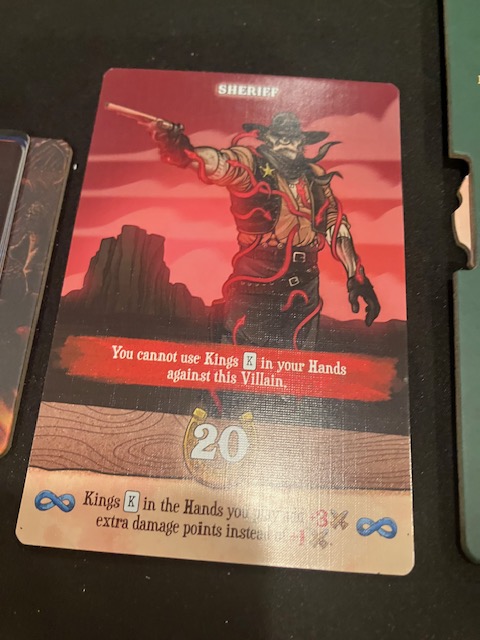
There are also Critical Event (cards) which are like Events, but replace the Villain with alternate version of said Villain; these are usually much harder fights.

As well as Hero variants for this set, there are plenty of variant Heroes from other sets!  See above!  (To be clear, I am showing the FOIL versions of these cards, not the ones that came with the game … these are the exact same cards, except for the foiling.  See more discussion of FOIL cards below).

There are also 1st appeareance variants, which allow you to play a hero with yet a different variant!

There are a TON of cards in here, and they all look cool.   I have to admit, this set feels a little … dark?  The vibe, the art, the basic heroes all seem a little .. darker than the base game.

The Sleevening

This is definitely a game that has a sleevening event.  (We coined this term way back in when we unboxed ObliveaonSee link here!)

The worst part of this was putting sleeves on SO MANY cards!  Remember how I said I starting the unboxing at 2:06?

By the time I finished sleevening the game and finishing the unboxing, it was 3:48!  An hour and 42 minutes! Oi!

I’m of two minds about sleevening this game.  For one, I like it, because it protects the cards and I can enjoy years of play without worrying about wear and tear!

On the other hard, the sleeves make the cards much more slippery and harder to manage! See above as one slip-up caused all the cards for Parse to go everywhere!  The sleeves are just slippery!

The good news is that the game fits well (if a little snug) into to the box.  See the Villains above!

The Heroes and Environments fit pretty well!

And the rest of larger cards sit pretty well in the bigger compartment.

It all fits when sleeved, if a little tight. See above.

Foil Cards

As part of the BackerKit, you could get an optional set of Foil Card versions of all the large cards.  Basically, all the big cards have foil versions of them: see above.
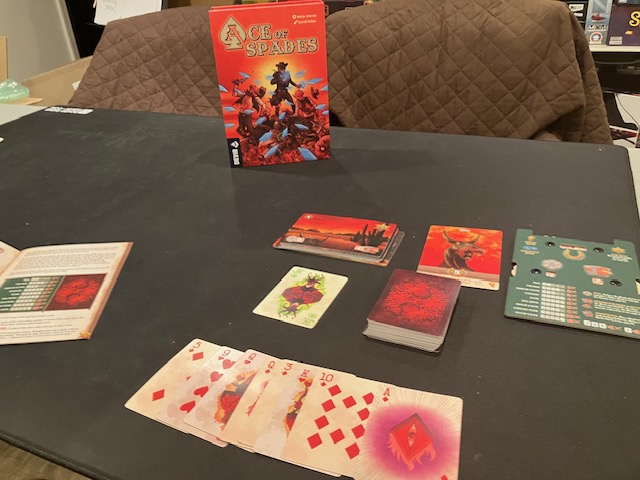
It’s harder to see the foiled cards (see above) and how cool they look in my pictures!  See above as I try (and fail) to capture how cool the foiled versions look!

Do you need the Foil versions?  Not at all, and in fact, some people don’t like the foil versions of the cards because they think they are harder to read.  I STRONGLY disagree with that sentiment!!! I LOVE LOVE LOVE the foil versions!  They look so comic-booky, and capture the “foil versions” of comics from the 90s.   They also just have a cool table presence.

You do  NOT need the Foil cards; the game works fine without it.  I personally think the foiled cards are one of the coolest upgrades ever for any game, but especially for a superhero game like Sentinels of the Multiverse.  Decide for yourself; see above with a bunch of the foil cards laid out.

I also think that Marvel Champions is missing an opportunity; it would be so cool if Marvel Champions had foil cards AND oversized Hero/Villain cards like Sentinels of the Multiverse. Can you imagine how cool a foiled, giant Iron Man card would look???

Solo Play

We always get a little nostalgic when we discuss solo play for Sentinels of the Multiverse!  It was actually the original 1st edition of the game that made us coin Saunders’ Law!  The 1st edition did not have a solo mode, so we had to make one up!  It was our frustration with that which made us grumpy and said “there should be a law that all cooperative games should have a good solo mode!”  We were being a little silly, but it stuck.

The definitive edition has a solo mode; you must play three heroes.  Admittedly, this solo mode is a little clumsy because Sentinels of the Multiverse has a learning curve (it’s always had this learning curve;  you have to play a super hero deck a number of times to learn that hero), and throwing three new heroes at the solo player can be daunting!

So, it’s harder to recommend this as a solo game for newer gamers, but frankly, I think I have played Sentinels of the Multiverse solo more than any other game.  I have played it THAT many times (to be fair, that includes the app).  The solo game works great, just be prepared to read lots of cards to get a sense of everything.


Inspires A Story

What I like about Sentinels is how it inspires a different story every game. There’s a story in the set-up, what characters you choose, what environment you choose, what Villain you choose. And then there’s the story that unfolds as you play!

The Dreamer of Silver Gulch

The Chrono Ranger is a cosmic ranger who wanders the multiverse seeking to help others.  He found an old Western town in trouble named Silver Gulch … it was a little girl who was having nightmares.

The townfolk were scared of this little girl .. they called her The Dreamer, but the ChronoRanger knew it wasn’t the kid’s fault; he had to help her.  He knew who to call to help her.

Darkstrife and Painstrike are brother and sister who knew the torment of bad dreams and what it does to little kids, having experienced their own in life.  He knew they’d want to help.

And then there’s Visionary.  She’s a little unstable, but her mental abilities would be perfect for helping this little girl.

ChronoRanger, Darkstrife and Painstrike, and the Visionary were an eclectic team, but they all wanted to help this little girl!  It was surprising how well they worked together, given how diverse they were!  Darkstrife and Painstrike were constantly pushing themselves too hard and discarding so much of their essense, but Visionary helped them find new energy and new avenues by constantly feeding them new ideas (and cards!).  ChronoRanger was the glue that held them together, just constantly keeping the pressure on the monsters in the little girl’s dreams! 

In the end, these heroes saved a little girl by keeping her nightmares in check .. and Silver Gulch, the town where she lived!

The Dreamer was just one of many stories that emerged as a I played 5 or 6 solo games over the first week of getting this!.


New Rulers

As Darkstrife and Painstrike finished helping the Dreamer, they were called BACK to their own realm of nightmares!  It’s time for a new battles for the realm of Aeternus, and Darkstrife ad Painstrike, having been from Aeturnus are called back!

The twins know they need no nonsense to keep the Ruler of Aeternus under control, so they call on KNYFE!  She’s no nonsense!

And even though Parse is a little goodie-goodie for their taste, her ability to see into the heart of any situation is needed! 

Can there heroes keep the new Ruler of Aeternus from branching out into our world?

The battle rages to be the new ruler!  Parse and KNYFE help keep the rulers under control, but it’s Painstrife who knows the way to end this; kill all combatants AT THE SAME TIME, so there is no one left to become a ruler!

After the battle rages, it ends anti-climatically with all hopefuls to the throne being banished at the same time.    But that’s the best way this could have ended!

God fight!

An archeologist went to the Tomb of Anubis and accidentally summoned The Ennead!  But this created quite the clash of Gods as Anubis  also fought to break free as well!  The gods were fighting!  

Always monitoring the world for problems,Omnitron-X was first on the scene!  Knowing that magic and gods were outside his purview, he summoned help!

Darkstrife and Painstake were the obvious choices, since they had a background in the arcana!

And the Visionary followed!  

This was a battle for the ages and members of the Ennead kept getting summoned!  

And inside the Tomb of Anubis, this conflict kept spilling out!

Finally, after some heavy fighting, the heroes were able to keep only 7 of the 9 Ennead summoned, before taking them out!

Anubis and his tomb of minions were surprisingly helpful in keeping the gods under control, as they were lashing out all the time!  Normally, this lashing hits the Heroes, but with so many powerful Ennead in play,  Anubis was focused on the Ennead!

Somewhat surprisingly, it was The Visionary’s Dark Side that made the difference! 

Basically, Visionary would lash out at everyone when she was under stress, and the heroes were lucky it helped them more than hurt them!

Cooperative Play

Despite never playing any of these characters … my friends and I had a fun time fighting: Grimm!

“Let us tell the story of a group of Heroes who almost got lost in their own tale!”  For some reason, Grimm sounded like the Cryptkeeper from Tales from the Crypt … not sure why … And this is the kind of detail that emerges as you play and have fun with it!  

The Sheriff of Silver Gulch hung out the entire game!  He sounded like Sam Elliot.  And he helped keep the outlaws of Silver Gulch under control.

We made a lot of mistakes as we played, but we really had fun.

It took a while: 2.5 hours, because my friends had to read all their cards!  But we still had fun.  

The story that emerges, the voices that emerge, the silly vignettes that emerge … that is fun.  We cooperated well as different ways to change ROLES (a Grimm villain thing) came out, Visionary kept pumping up the cards, Parse would double some damage …. so many different ways to talk, cooperate, engage, and have fun.

And we stopped Grimm from being … well, grim.  We won!

Back on Top

Every game tells a story (see above as the heroes battle Necrosis! Ewww!).  I had forgotten how much I love this system.  It’s so easy to explain the basic gameplay, but there is so much variety in the environments and villains and heroes, that each game plays out so deeply and differently.

Recently, Marvel United had jumped to the top of my list!  It’s such a neat game!  

But, Disparation reminded me of all the subtle interactions and cooperations that can emerge from the game!  As I played new games, the joy of playing Sentinels emerged!

I had never really embraced Parse in the 2nd edition, but she was really fun to play!  She has some neat ideas!  And she seems like a bright character! 

And holy cow, Darkstrife and Painstake are so interesting to play! They are a little messy and complicated, but once you get the feel of this set of twins, they are fun to play!

And Visionary, who was more of a support character became SO INTERESTING with her Dark Side deck!  I was able to keep Visionary’s Dark Side under control when we helped the little girl, but her dark side was SO CRITICALLY IMPORTANT when we took on the Ennead!  She also worked so well with Darkstrife and Paintake; this was a cooperation I hadn’t seem before!  She kept the twins in cards so they could fully utilize their abilities!

I saw new ways of cooperating and interacting emerge as we played.  

I think Disparation reminded me how great Sentinels of the Multiverse is: it’s my #1 game again!


Things To Look Out For

Expansion: TO be clear, this is an expansion for Sentinels of the Multiverse: Definitive Edition.  First of all, make sure you have the Definitive edition (not 2nd edition) if you want to pick this up.   Strictly speaking, you need the tokens and rulebook from the base game to make this work.  BUT, if you really wanted to, you could get away with this being a standalone game … all you really need are heroes, villains, and environments!!  And those are all in there!  The base game has hit point spinners and the rulebook … but if you really wanted to, you could use paper and pencil to keep track of hit points (I did that back in the 1st edition of the game) .. and of course, the rulebook is on-line.  So, you COULD play this as a standalone game if you really wanted to … but it’s probably better to just make sure you have the base game.

Foil cards: You don’t need the foil cards.  But, they are pretty cool. If you do pick this up, try to get the Foil cards at the same time! 
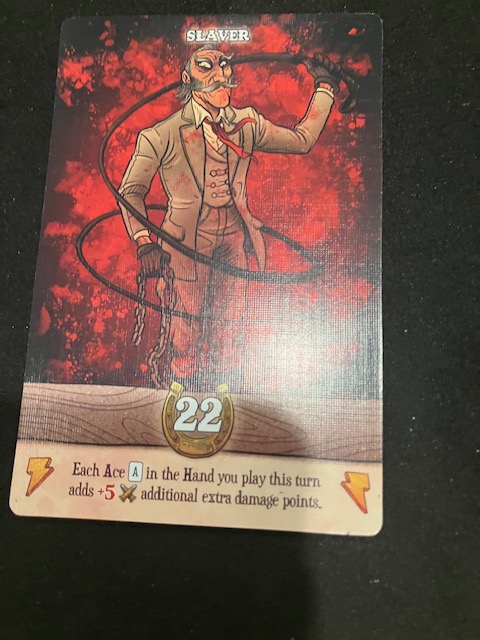
So much text!  I love this game, but I always warn people about this!! It takes a while to get to know a Hero deck before you can use it well; you have to enjoy the process of playing with a deck you don’t know and reading lots of text to get to the point where you feel useful!  If you don’t love that process, then this probably isn’t the game for you.

Conclusion

So, this expansion reminds me why Sentinels of the Multiverse is my favorite game of all time.  I love the art, I love the stories it inspires, I love the gameplay, I love the new ways that cooperation emerges.  There was a time when I didn’t love the art, but the art style has grown on me.
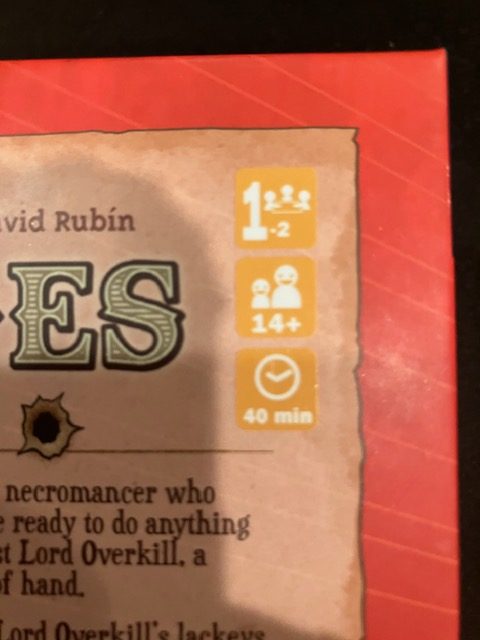
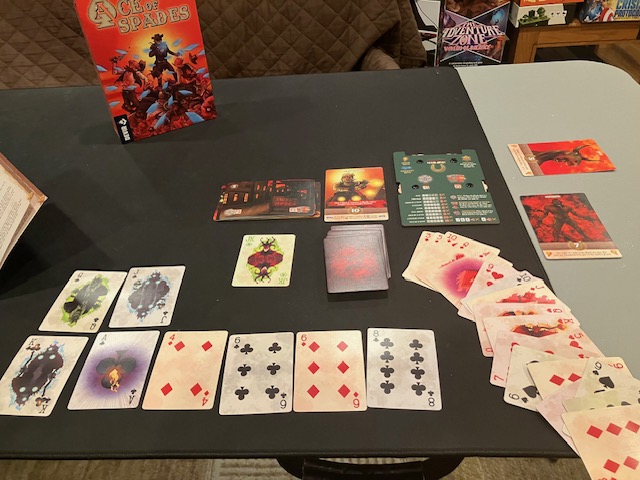
There is also so much content in this box: 9 villains (with many variants), 6 heroes (with many variants), 5 environments.    I love Marvel Champions too, but from a bang-for-the-buck perspective, Sentinels gives you so much more content.

I have to apologize for gushing about this expansion because I am not sure if this will be available outside the BackerKit kickstarter.  If you see it, pick it up immediately: it’s my favorite expansion in some time (and I have seen some good expansions).  And it may not be around much longer … which is too bad.  It’s probably my favorite expansion of the year: 10/10.


Top 10 Anticipated Cooperative And Solo Games of 2026!

It’s always fun to look ahead and see what might be coming! We’ve backed a bunch of Kickstarters this year, but which ones are we most excited to see?

As we look forward, we also look back to see which games we anticipated, which delivered, which we liked, and which we didn’t! We’ll start with some games from 2021, 2022, 2023, 2024, and 2025 … which believe it or not, some games from 2021 still haven’t delivered!

2021 

  • The only game left from 2021 that hasn’t delivered is Onimaru.  We have received no updates in the last year and few months; it’s pretty clear they took our money and ran away.  This is a sobering reality check! We love Kickstarters and all the great games we can get, but there are charlatans out there who want our money. 
  • This is the only thing from 2021 that hasn’t delivered.  And I don’t think it ever will.

2022

  • Rat Queens to the Slaughter has had some major ups and downs, as the original creator “took back” the project after it was flailing.  We are seeing updates pretty frequently with lots of new art and cards, so I think we will one day see this deliver. One day, maybe even 2026. 
  • This is the only thing from 2022 that hasn’t delivered.

2023

2024

2025

  • Floe + Monsters Unleased: It’s taking a while for this.  I have to admit, I have been a little frustrated that they did more development than I expected for a game that was “supposed to be basically done”.  It still hasn’t delivered, even after promising a June 2025 delivery.
  • Fable Fury:  This delivered sometime in November.  It was a beautiful production, but me and my friends didn’t like the game.  I didn’t do a review because I couldn’t even finish a game with my friends. Beautiful game, great art, wonderful production, but too random.
  • Horror On The Orient Express:  We see lots of activity and updates, but it clearly missed its August 2025 delivery!  I am confident we will see it deliver, maybe 2026.
  • Aetherspire:  This one kind of makes me mad;  I haven’t gotten my copy at the time of this writing (early December 2025), but in late November I saw two copies at my FLGS!  I may see it in December 2025, I may not!  If I had just WAITED, I could have picked this up from FLGS.  The developer apologized online, and I get it, but it is still frustrating since I paid real money to back his Kickstarter, and others see the game first. UPDATE: it arrived Dec 18th.  I don’t know if i can get a review out before the end of the year.  UPDATE UPDATE:  See our review of Aetherspire here!
  • One-Hit Heroes:  One-Hit Heroes delivered to me in early 2025, and it was a hit with everyone I played it with!  See our review here!  It also made our Top 10 Cooperative Games of 2025!
  • Invincible: The Card Game:   This re-theming of Astro Knights into the Invincible universe delivered to use in September 2025!  We liked it; it made our Top 10 Cooperative Games of 2025!  In some ways, it’s the best version of the Astro Knights system (esp. with the Assist keyword)!  Check out our review to see if this might be for you!   Get the main mat, but probably stay away from the player mats.
  • Unstoppable:  This cooperative deck-builder game for 1 to 2 players delivered in early 2025!  Nominally, it’s for 2 people, but it’s really a solo game. This made our Top 10 Solo Games of 2025 and was a real unique treat!  See our review of Unstoppable here!
  • DCeased: A Zombie Game!  This kinda delivered, but not really.  The main delivery, which is full of games, it still in production.  But an early version of DCeased: Gotham City Outbreak went on sale on Amazon!  
  • LA-1: It’s close to being done.   The updates have closed for shipping addresses, and the updates seem to indicate shipping is happening.  I suspect we’ll see this in early 2026.
  • DC Super Heroes United:  This is in the same boat as DCeased.  The main, huge order of games hasn’t delivered, but they did put up one of the games on Amazon: DC Super Heroes Batman Hush.   DC Batman Hush was our favorite game of the year!  See our Top 10 Cooperative Games of 2025

On to our anticipated cooperative games of 2026!


10.  Journeys Afar: The Ketsueki

Platform: Kickstarter Journeys Afar: The Ketsueki
Promised Delivery:  December 2026
Summary:  Welcome to Journeys Afar, where infinite worlds filled with boundless possibilities are connected by a single road: the Ketsueki. Along this path, brave heroes venture forth, each journeying to distant, mysterious lands. On their travels, they explore sites of great importance, acquire powerful items, make offerings to benevolent spirits, sharpen their skills, battle fearsome ronin, and form lasting bonds. But in the end, only one will be remembered as a legend.

Journeys Afar: The Ketsueki is a sandbox game of epic adventure, where the journey matters more than the destination. Each player is a unique hero from a distinct world. Your world defines everything in the game: encounters, quests, threats, upgrades, and special rules that reshape every session into a new experience. As heroes travel across The Ketsueki, they impact the worlds they visit and discover who they truly are.

This is a competitive game, not co-op, but I’ll probably be playing it all solo (there is a solo mode).  Everything I have read about this game makes me feel like it SHOULD be a cooperative game, so maaaaaaaybe I’ll try to get some cooperative house rules going.  This game, as an open world, just looks AMAZING!  I am super excited to get it solo, and you MAY just see some cooperative rules on our site for this game after we give it a solo go!

9. StarDriven: Gateway + Invasion

Platform: Kickstarter StarDriven: Gateway
Promised Delivery:  Jan 2026
Summary:  In StarDriven: Gateway, 1-4 players each control their own starship and crew while determining the fate of distant colonies near an ancient alien gateway. The game can be played competitively, co-operatively, or in solo mode depending on which episode you select at game set-up.

Your objective is to be the most renowned and respected Crew by gaining the most points. You gain points by increasing your reputation with the Council Worlds, promoting your Crew, researching Anomalies, recruiting Freelancers, and completing Missions. All of these brave endeavors will score you points and lead to your victory. Running your starship entails assigning crew to different stations on your ship board, which allows you to assign dice to those stations to activate ship actions. Move and explore space, encounter raiders, face anomalies, and use your crew abilities and skills to fulfill mission requirements and activate their bonuses. Manage your ship’s power, weapons, and shields, and recruit and promote crew members to enhance your ship and achieve objectives to ensure your side prevails

This is #9 on the list because it is only cooperative with the Invasion expansion that comes with the Kickstarter!  Usually a game that has an expansion to make it cooperative isn’t great cooperatively, but we had fantastic luck with Kinfire Council with the Winds of Change expansion making it cooperative!  Honestly, we backed this because we had such a good time with games my Mike Gnade: his Set A Watch series just knocked it out of the park for us (see here, here, here, here, and here)  … so if he is doing this game, I’m in!  The Set A Watch games made so many of our Top 10 lists!  The ultimate was when Doomed Run made our #1 spot on Top 10 Solo Games of 2024!   A co-op game in space by Mike Gnade? I’m in!

8. Honor’s End

Platform: Kickstarter Honor’s End
Promised Delivery:  Sep 2026
Summary:  Honor’s End is a 1–4 player cooperative deckbuilding adventure set in a medieval world overshadowed by a mysterious truth. You can play it as a standalone session or as part of an episodic campaign that gradually unlocks new content and challenges.

Players must band together to overcome escalating threats. By wielding hero, action, and equipment cards, they’ll strike at their foes while fending off dishonor—brought on by danger dice rolled each round by their enemies.

Each knight chooses a path of Valor, Fortitude, or Wisdom, building a deck that shapes their abilities and tactics. Enemies, forged from the traits of Wrath, Deceit, and Despair, create unpredictable and unique battles every time you play.

Victory demands more than raw power. Success lies in balancing honor, clever deckbuilding, and shrewd use of the Temple and Monarch reward tracks. Defeat all three enemy champions to claim victory—or watch your honor slip away.

This is a game where the gameplay sounded interesting despite the art.  I don’t love the art I have seen, but it’s all thematic.  This cooperative campaign deck-builder looks like it will be a lot of fun with some possibly unique gameplay.

7. Exoterra: The Giant Mech

Platform: Kickstarter Exoterra
Promised Delivery:  Aug 2026
Summary: Welcome to the universe of ExoTerra, a sandbox strategy game with tactical planning, deep customization, and enemies who are complex and highly challenging.

ExoTerra is played cooperatively over the course of many sorties in a campaign. Each Player takes on the role of a Pilot in charge of requisitioning equipment, personnel, supplies, and, most importantly, Jackets – massive humanoid weapon systems, to be customized and fielded in battle.

Leveraging a new system of enemy generation, battles should always feel different, even if facing the same enemies. This is accomplished through several factors of enemy customization that force players to assess each situation individually. You can rely on your experience from past battles, but must be able to change your strategy on the fly based on the variables of the mission.

This looks like an amazing Mechs game!    I was on the fence on this one, but it just looks really neat.  And I think the idea of customizing your Mech is what finally sold me.  That and cooperative play!

6. Viking Route

Platform: Kickstarter Viking Route
Promised Delivery:  Oct 2025 (ya, they didn’t make this.  It will be 2026)
Summary: In the co-operative game Viking Route, your heroes sail a magical Drakkar to the World’s Edge and beyond. Influenced by magical ravens sent by Odin to steer your course, and by the winds of Fate, you will face powerful and monstrous creatures out of the Norse mythos to fulfill your quests and prepare you for the final challenge to defeat the greatest enemy of the Gods and prevent Ragnarok!

Viking Route uses a compass-and-magnets movement mechanism first introduced the game The Faceless. The main game piece — the Drakkar — is represented by a compass, and multiple magnets (representing ravens and wind) are manipulated by players to steer the course of their ship.

Magnets and compasses?  In a cooperative game?  Yes please! This game looks really interesting and definitely has a high toy factor!  Let’s hope the game underneath is good as well!

5. Ghostland: The Game

Platform: Kickstarter Ghostland
Promised Delivery:  March 2026
Summary:  Jurassic Park meets Ghosts in this Co-operative boardgame about a theme park gone mad! It’s opening day at Ghostland, a theme park that contains actual ghosts! However, havok has immediately broken loose, and the ghosts are attacking guests left and right. It’s up to you and your friends to stop the ghosts, build Field Generators to contain them, and finally face off against the most sinister ghost in the park, the infamous Rex Garrote!

Each players picks a character that is unique and contains their own stats and abilities to help you not only survive the theme park, but hopefully save the day as well! The game is played in rounds where players move arounds the park, fight ghosts, buy items, or try to build a Recurrence Field Generator.

Once players have successfully built three Recurrence Field Generators they will summon the big bad himself, Rex Garrote, for them to defeat! But if the park’s human population reaches zero, it’s Game Over!

Ghosts in an amusement park?  And a co-op to boot?  Who needs a Scooby-Doo game, because this sounds like it might scratch that it!  This may or may not be a Birthday present for my friend CC!  He loved amusement parks and horror-themed games!  I just hope I don’t like it better than him or I may keep it!

4. Sail: Legacy

Platform: Kickstarter Sail Legacy
Promised Delivery:  August 2026
Summary: Assemble your crew, captain your ship, and take on the high seas in this legacy co-op trick-taker!

In Sail Legacy, you and your best matey will go on an adventure across thirty unique missions. Upgrade your ship, outfit your characters, and tune the deck itself to avoid a watery grave!

Sail Legacy evolves from the core Sail game mechanisms as you cooperatively use “must-follow” trick-taking to take on the unforgiving ocean — and the mythical beasts that call it home. Based on the combination of symbols in the trick, you’ll steer the ship, charge ahead, or fire the cannons. Throughout the game, you’ll tweak your pirate’s asymmetric player powers. Will you have a well-balanced team or specialize in one area?

We really liked the original 2-Player Trick-Taking game Sail; it made it pretty high on our Top 10 Solo and Cooperative Trick-Taking Games!  This one takes that formula and transforms into an Legacy games where maps changes and components may change forever!  It’ such an interesting idea; I am really looking forward to this!

3. Companion Quest

Platform: Kickstarter Companion Quest
Promised Delivery:  Dec 2025 (ya, it’s not making that; we’ll see it in 2026!)
Summary: Companion Quest is a cooperative game for 1-4 players, who take on the role of gnomes, tasked with preventing Gu’Gu from causing chaos. Players will collect magical Energy Cubes (dice), tasty Snacks (resources), and fantastical Companions (abilities) along the way. Each Companion has unique abilities that allow players to manipulate their dice to overcome the challenges they will face.

Complete quests before the Mischief Meter reaches the end of the track and things spiral out of control!

This looks like an epically cute dungeon crawler in a small but beautifully cute package.  The BGG pages lists this as 30 minutes and 10+ ages, so I suspect it will easy to jump into! Sometime you just want a fun and fast and cute dungeon crawler!

2. Abyss Echo: The Forbidden Rite

Platform: Kickstarter Abyss Echo: The Forbidden Rite
Promised Delivery:  April 2026
Summary: Step into the shadowed halls of Miskatonic University, where fate and madness echo behind every closed door.

Abyss Echo: The Forbidden Rite is a deeply immersive narrative game that weaves branching storylines, dice-driven uncertainty, and evocative physical artifacts — blurring the boundary between reader and protagonist. Here, you are both yourself and the 1920s student investigator, their fate and sanity intimately entwined with your own. Guided by cryptic letters, you’ll piece together elusive clues, test the limits of science and reason, and confront choices that might reshape reality itself.

This looks to be Cthulu meets escape room a little bit!  I am usually not huge into Cthulu, but the components look stunning … and I love mystery stories!  Cthulu, mystery, escape: count me in!

1. Doom Guard

Platform: Kickstarter Doom Guard
Promised Delivery:  May 2026
Summary: Doom Guard is a cooperative board game for one to five players, who don the mantle of Earth’s mightiest heroes and villains as they are forced to work together in order to protect Earth from total annihilation!

Defeat the minions of Cthulhu, fight the spread of corruption, and beat back the forces of evil through 45-60 minute scenarios that can be played individually or as part of a complete campaign.

This looks like a really neat super heroes vs Cthulu game!  I like the art and the vibe and I am really excited for this!  I have always wanted super heroes in my Cthulu mythos, and now I have them!  This is a smaller endeavour (“only” $103, 000), so let’s hope it delivers! UPDATE: They delivered the PDFs to backers (Dec 16th?) already! A good sign!

Top 10 Cooperative Board and Card Game Expansions of 2025!

Welcome to the end of 2025!  There were some great games that came out, but also some great expansions that really contributed to the world of cooperative games!  As usual, we qualify our expansions are one of three types:

  1. Stand-Alone Expansion: Some games you thought might be on the Top 10 Cooperative Board and Card Games of 2025 might have just ended up on this list because they are stand-alone games that can be played without a base game, but at the end of the day they also expand a base game!
  2. Makes The Game Cooperative: Some expansions take a competitive base game and make the game fully cooperative with the expansion! We saw a number of these type of expansions on the Top 10 Games That Can Be Played Fully Cooperatively!
  3. More Content: Some expansions just add more content (more cards, etc.) to the base cooperative game!

We also continue with the newer characterization: Does It Require Another Expansion

Honorable Mention: Origin Story

Expansion TypeMakes The Game Cooperative
Solo Mode: Well, you could play the 3-character co-op mode as a solo player, but there’s already a 3-character solo mode in there.
Requires Another Expansion?  No

This is an odd duck … because it’s not a real “official” expansion.  This is a homebrew set of rules to make the really wonderful game Origin Story into a cooperative game!  See link here for rules.

We played Origin Story, admired how well it works, especially with the powers, strategizing a limit of 5 rounds … and the artwork is amazing. While playing, we couldn’t help to think “Being a Super Hero game, is there a way to play cooperatively?” We fervently decided a new mode of gameplay should be added: a cooperative mode! Over a month or so, we developed some simple rules to make an optional cooperative mode for Origin Story. These rules probably need a little more play-testing, but frankly, we all enjoyed the game in a whole new way with this cooperative mode. Now, as well as playing the current mode to be the best Super Hero and win, all the Super Heroes can now work together to save the planet in a cooperative mode!

A Super Hero game should be cooperative: see this free set of rules here.

10. Marvel Champions: Agents of SHIELD

Expansion TypeMore Content
Solo Mode: No new solo mode, just the original
Requires Another Expansion?  No

More than any other game on this list, I play this with my buddy Junkerman (see above).   He loves Marvel Champions, even more than me!  (So much so, that he has his own blog about it: see Aspect Expressions Blog here!)   Marvel Champions is a game where you get the expansions because they offer you characters or some kind of adventure!

In this case, we get Maria Hill and Nick Fury as characters, running them through an adventure of 5 Scenarios as Agents of SHIELD!

I think what sold me more than anything else was the fact that Nick Fury gets a Flying Car!  Once I saw Nick Fury had that, you couldn’t stop me from playing him!  A Flying Car!! Agents of SHIELD is just more content in the Marvel Champions universe; good stuff.

9. Thunderstone Quest: Twilight Souls/The All-Consuming Horde

Expansion TypeMore Content
Solo Mode: Needs The Barricades Mode Expansion for solo
Requires Another Expansion?  Yes: To play solo or cooperatively, you need The Barricades Mode Expansion 

If Junkerman is my Marvel Champions buddy, then Nathan and Caroline are my Thunderstone Quest buddies!   I have played most of the recent Thunderstone Quest expansions with them!  See above as we finish The All-Consuming Hive, having rescued peoples from a living dungeon!

It’s kind of gotten ridiculous how many Quests there are (see above).  But, these expansions still offered something new and expanded the game and made it more fun!

It’s gotten a little ridiculous (I know I have already said that), but I still like to play Thunderstone Quest solo or cooperatively (see above as a I play Twilight Souls solo).  You can still use these two new expansions in the base competitive game, but if you want to play solo or cooperatively, don’t forget that you need the Barricades Mode expansion!

8. Flock Together: Birds of a Feather Eggspansion

Expansion TypeMore Content
Solo Mode: No new solo mode, just the original
Requires Another Expansion?  No

This is the easiest type of expansion to recommend; it just adds more of everything you already like to the game!  This eggspansion (be prepared for lots of Chicken puns) adds some new cards, some new players boards (so you can play up to 6) … but, most importantly, it adds 6 new predators with 6 new chicken puns (see above) … Chew Bawka?  Oi!

… and 6 new player chickens (with even more chicken puns)!  If you liked the base cooperative game Flock Together (see our original review here), this is just more stuff of the stuff you already like!  You like Chicken Puns, right?  See our review of the expansion here!

7. Skytear Horde: Campaigns

Expansion TypeMore Content, Standalone Expansion
Solo Mode: No new solo mode, just the original
Requires Another Expansion?  No

I never know whether this series should go on my Top 10 Solo Games of 2025 or my Top 10 Cooperative Expansions of 2025!  This year, because I was able to get it played cooperatively in a some good sessions, I am counting is a cooperative (standalone) expansion!

This expansion is mostly just new cards!  If you like Skytear Horde (see our original review here), this just gives you more cards … more content … for this cooperative tower defense game.  

There is a campaign book in here that is both good and bad.  It’s not particularly well-written, but once you get how the campaign modes work, I think they add a lot to the base Skytear Horde game!   See our review here where we discuss the good and bad of Skytear Horde: Campaigns!

In fact, I conjecture that this campaign mode could be a phenomenal way to teach the game!  I taught my friends the game using the campaign mode, and they really responded well to this!  Basically, the game comes out piecemeal in campaign mode, making it easier to digest.  For this to work, however, you really need someone who knows the game  to teach this mode.  Check out or review of Skytear Horde: Campaigns if you want more information!

6. Leviathan Wilds: Deepvale Expansion

Expansion TypeMore Content
Solo Mode: No new solo mode, just the original
Requires Another Expansion?  No

This really is just a more stuff you already like expansion!  If you liked the original game of Leviathan Wilds (see out review here of a game that made our #3 on Top 10 Cooperarive Games of 2024), this just gives you more of the stuff you like!

There’s 7 new Leviathans, and oof, they seem creepier than the original Leviathans! And of course, rage decks for each Leviathan.

We also get a new climber!  The Edge!  

This is really just more stuff for Leviathan Wilds! Nothing groundbreaking!  (Ha, pun intended).  See our review of Leviathan Wilds: Deepvale Expansion to see if you might want to pick up this expansion!

5. Santorini: Riddle of the Sphinx

Expansion TypeMakes The Game Cooperative
Solo Mode: Yes
Requires Another Expansion?  No 

More than any expansion that came out this year, this expansion is a puzzle.  It doesn’t even require THAT much from the base game Santorini; mostly just the building pieces and some minis!  It’s also a very different kind of game than the original Santorini!

I played it both solo and cooperatively.  It’s much easier to play this solo; each scenario is just a puzzle you are trying to solve!  The puzzles are about placing city pieces out, using god powers, and trying to get more city pieces (as city pieces are scarce)!

I was able to get some cooperative games played, and as long as everyone promises to NOT be an Alpha Player, they can work well!   This expansion isn’t for everyone, as not everyone is going to like the very puzzly scenarios The Riddle of the Sphinx presents!  But if a puzzle building game using the pieces of Santorini sounds fun to you, check out our review of Santorini: Riddle of the Sphinx to see if this might be an expansion you enjoy!

4. Unmatched Adventures: Teenage Mutant Ninja Turtles

Expansion Type: Stand-Alone Expansion, Makes The Game Cooperative
Solo Mode: Yes
Requires Another Expansion?  No, but you can play with any Unmatched set.

Of course, we had to eat pizza before we played Teenage Mutant Ninja Turtles: Unmatched Adventures.

Our favorite part of this expansion is that it adds two more scenarios to the Unmatched Adventures system!  Recall that we loved Unmatched Adventures (see review here), but our main complaint was that the box only came with two scenarios … now we have two more! 

I am not personally a TMNT fan, but I really enjoyed the new heroes and villains.  My friend Jon (above), who is a huge TMNT fan, really liked the game.  I think knowing the IP might move this game to a 10/10 for some people: it really does capture a lot of TMNT feel (with the sewers being a fun way to travel around the city)!  See our review here to see if this is something you might like!

3. Dice Throne Adventures: Unchained

Expansion TypeMakes The Game Cooperative, More Content
Solo Mode: Yes (true solo)
Requires Another Expansion?  Yes: this is an expansion for Dice Throne Adventures (and I am also assuming  you have one of the base Dice Throne character boxes)

Firstly, this is an expansion that just adds more stuff: more Minions, more Loot, and another boss to fight in Dice Throne Adventures!  And yes, this is an expansion to an expansion!  The original Dice Throne Adventures (which Unchained expands) took the base Dice Throne game and made it solo and cooperative!

But this expansion fixes three major problems!  Firstly, there we no solo one-shots in the original Dice Throne AdventuresUnchained allows the solo player to play a one-off little solo Adventure!  Unchained adds the Minion Rush solo mode (see above), which allows the solo player to take a new character and try it out in a limited little adventure!

Secondly, Dice Throne Adventures had the problem that the adventure is way too long and too involved.  Unchained fixes Dice Throne Adventures by adding a one-shot cooperative adventure, which is a condensed little Minion dash/Boss battle!  There’s 6 new maps (see one above) that allow the cooperative players to go through a little adventure in one game session!

Finally, Unchained fixes the “slow upgrade” problem of Dice Throne Adventures! It seems to take forever to upgrade your cards in Dice Throne Adventures, but in the new Minion Rush and One-Shot Adventures, you get a new One-Shot Loot chart!  See above! And this time, Loot goes directly into your hand, so you feel the effects of upgrading quickly!

Overall, I think Unchained is an essential upgrade for Dice Throne AdventuresSee our review here to see if you agree!

2. Marvel Dice Throne Missions

Expansion TypeMakes The Game Cooperative
Solo Mode: Yes (true solo)
Requires Another Expansion?  No (but I am assuming  you have one of the base Dice Throne character boxes)

This expansion takes the base Dice Throne and adds two-sided Missions to the game.   These missions are usually more exploration on first side (with mini fights against minions) and then fight the big bad boss on the other side (see Doctor Octopus).   You can also choose to do longer campaigns with a notion of experience points to help you upgrade.

This game supports true solo so you can take your favorite Dice Throne character through as many missions as you want!  You might have noticed that the Missions are VERY Marvel character specific (it is called Marvel Missions), but there’s no reason you couldn’t take any Dice Throne characters on these missions!

I enjoyed the heck out of this as a solo game (especially with Wolverine), but my friends bounced off the cooperative game! I think the mistake there was in NOT letting them  try out their hero in a quick head-to-head mode; I think that would have made all the difference!  See our review of Marvel Dice Throne Missions here! In the end, I personally loved it, so it had to made near the top of the list!!

1. Kinfire Council: Winds of Change

Expansion TypeMakes The Game Cooperative, More Content
Solo Mode: Yes (two-handed, with special rules*)
Requires Another Expansion?  No (but you might want the Kinfire Council upgrade kit with wooden bits, see far right)

Kinfire Council is a pretty cool worker placement game … that I would never want to play in its original form.  Wait, Why? It’s rife with back-stabbing, traitoring, and some indirect take-that!  The Councilors may side with the city or may side with the Cult trying to take over the city! The base game is all about intrigue within the city!   But, as part of the original Kickstarter, Kinfire Council also had the Winds of Change expansion which took out the base back-stabby/traitory traits, replacing them with both a solo and a cooperative mode!

With the Winds of Change expansion, players are city Councillors trying to stop the Cult from ruining their city!  Along the way, they vote, upgrade spaces, upgrade workers, arrest cultists, stop threats, build a tower for inspiration, and so many other things!  To be fair, the expansion doesn’t change the gameplay THAT much (there is a really neat base worker placement scheme here), but the cooperative mode made me and my friends feel that much more engaged!  “This is our city, darn it!  We’re not going to let the Cultists take over!! “

I was very surprised just how much I liked this game with the expansion!  Me and all my friends all liked it too!   We played over multiple game sessions over multiple game nights with multiple groups; it was so fun! We even added a little House Rule to make the game more fun, more cooperative, and more interactive!  See our review of Kinfire Council + Winds of Change to see what our House Rule is, and if this is something you might like!

I am kind of surprised this made my #1 expansion! It’s gone up in my estimation every time I have played it! It’s just that … I want to play it more! I am so excited by this, I am going to go out of my way to teach it at Dice Tower West this March! We’ll be playing the cooperative version with my House Rules if you want to play! I just loved how interactive the cooperative version was!!

Top 10 Solo Board and Card Games of 2025!

What makes a good solo game? I find them many times when I start playing solo games to learn games cooperatively for my friends. If a game starts to enchant me and I can’t stop playing it solo … there’s something to it! Most of the games on this list were games I played solo to teach my friends … but then I kept playing! Some of these games will end up on either my Top 10 Cooperative Games of 2025, but some of them may end up on my Top Cooperative Expansions of 2025, but one things for sure … they are all great solo!

My tastes are a little funny; see if you agree or disagree.

For more great solo games, see last year’s list: Top 10 Solo Games of 2024!

Honorable Mention. Broken Sword: Shadows of the Templar (Reforged)

This is a solo game I played quit a bit in 2025, but it can’t “officially” make this list for a number of reasons.  For one, it’s a video game!  Broken Sword: Shadows of the Templar is a point-and-click solo adventure video game … (See our discussion of point-and-click adventure games here in Top 10 Point-And-Click Adventure Board Games here)! This game is sometimes what I want when I want to play solo: it’s an all-consuming adventure game with story and exploration! 

My physical copy arrived about November 2025, so I can still count it as 2025 (even though my digital copy arrived in 2024, so that’s another reason).   I know, it doesn’t really belong on this list, but these point-and-click adventure video games totally scratch my solo game itch sometimes!  And I spent a fair amount of time playing it solo in 2025!

10. Wroth

What a strange journey Wroth was!  This is a solo, competitive, and cooperative area control/area majority game, which is a real interesting mix of game modes!   Unfortunately, the solo play is hard to get to because you have to learn the base competitive game BEFORE you can play the solo/cooperative mode!

Along the way, I discovered I actually liked the competitive game but disliked the cooperative game!   And somewhat paradoxically (because the solo game is the cooperative game), the solo game ended up being a really fun puzzle!  After almost selling the game (because I disliked the cooperative mode so much), it was the solo mode that prompted me to keep this game.

Wroth also has one of my favorite covers of the year!   Check out our journey with Wroth to see if this is a solo game you might like! 

9. Earthborne Rangers: Legacy of the Ancestors

This is an odd entry for a few reasons!  Firstly, this was the expansion for the original Earthborne Rangers that was part of the first, original Kickstarter!  Even though I ordered this expansion many moons ago (from the first Kickstarter: see our review here), this expansion didn’t arrive until 2025 (and even BGG says it’s a 2025 release date)!

This probably should go in my Top 10 Cooperative Expansions of 2025, instead of here in my solo list … but the thing is, I only ever played it solo!  Even though you can play 1-4 players with Earthborne Rangers, I think one or two players is the best count for Earthborne Rangers! In this case, one player was best! 

In some ways, the abundance of storybook games (see our Top 10 Cooperative Games of 2025) just reminded me what a great exploration and storybook game this is!  I got to relive the fun of exploring in this system  in this exploration and story-filled game! I got the explore … The Arcology!

8. Storyfold: Wildwoods

Storyfold: Wildwoods is both a perfect entry and an odd entry to this list.  Why is that?

In name, this is a solo game only!  It’s about a little girl and her animal companion roaming and exploring a dark and depressing forest.  There is a little bit of worker placement, a little bit of dice, and little bit of story, and a lot of dark experience!  It’s a solo game!

I ended up playing this solo game as a two-player game, as team solo!  In other words, me an my friend Teresa operated the solo game as a team, with both of us working the solo position!  We would operate the single position, but discuss tactics and strategy together.  I argue that this is still a solo game, but you can just choose to be on team solo together!  See our review of Storyfold: Wildwoods to see if you agree!

7. Santorini + Riddle of the Sphinx

Riddle of the Sphinx is an expansion that makes the  Santorini base game solo and cooperative.  

Of all the games on our list this year, this is the most thinky puzzle-like game; you have to figure out how to build and acquire resources in an environment of scarcity.  The gods offer special bonuses and resources as you burn through them.  

This game stayed on my solo table until I had to go to Dice Tower West! Although I enjoyed the cooperative game as well, I think this really engaged my solo gamer brain, and I loved moving the characters around to try to solve the building puzzle in an optimal way!  Take a look at our review of Riddle of the Sphinx to see if this is something you might enjoy!

6. Unstoppable

Unstoppable is nominally a solo game or 2-player cooperative game … but almost all my plays were solo!  Honestly, it feels more like a solo game than a 2-Player game anyways?  Honestly, that co-operative mode does feel a little pasted on; I mean, you can’t even share money…

 This is a deck-building game with some card-crafting going on!  Cards slip into sleeves and upgrade your cards, all while you are still trying to build a deck!  

There’s some really interesting mechanisms going on in here, as the things you battle flip and give you good stuff!  Overall, I got to play through all the scenarios in the base box and really enjoyed this deck-builder.   One question you may want to ask yourself: would you prefer Unstoppable or Astro Knights (both deck-building games)?  See our review for more discussion!

5. War Story

This was such a unique adventure to play through solo.  This is all about being part of the French Resistance in World War II, and it’s pretty brutal.  You shoot Nazis, see most of your team die, and try to survive a wartime environment.

Even crazier, all of this happens in a Choose Your Own Adventure book situation!  This is a game where your choices really do matter; everything you do affects the final outcome and how well your team does!  Do you show mercy on the Nazi your captured?  How do you silence the little boy so he doesn’t alert the authorities?  Everything you do matters!

The game comes with 3 adventure books, as a full adventure unwinds over three big sessions (and each session affects the others)!  After playing all the way through solo, I was emotionally exhausted but strangely fulfilled!  Take a look at our review of War Story: Occupied France to see if this unique experience is up your alley!

(This is a game that has a 2024 release date on BGG, but try as hard as we could, we couldn’t get it until 2025, so we count it as 2025)

4. Lord of the Rings, The Fellowship of the Ring: Trick-Taking Game

I ended up enjoying the solo mode for this much more than I expected!  For a cooperative trick-taking game that has a lot of similarities to The Crew, its one big difference is that it has a solo mode!  And it’s very very good!   If you love Lord of the Rings, this is an easy recommendation.  Even if you only “like” Lord of the Rings, it’s still a great solo game!

Over the course of several weeks, I ended up playing solo through all 18 chapters!  Each chapter has a nominal play-time of 20 minutes … but if you fail a chapter, you have to keep playing it until you win!

The production on this game is amazing, the solo game is amazing, it’s quite thematic, and the 18-Chapter campaign was so much fun!  It’s easy to get this to the table … as even though I was a little sick, it was engaging enough to forget I was sick for a week.   I made it through all 18 chapters solo, and it was a blast.

See here for our review of Lord Of The Rings, The Fellowship of the Rings: The Trick-Taking Game to see if this something that might appeal to your inner solo gamer!

(This is a game that has a 2024 release date on BGG, but try as hard as we could, we couldn’t get it until 2025, so we count it as 2025)

3.  DC Super Heroes United: Batman Hush

DC Super Heroes United: Batman Hush is a great game for both cooperative and solo.  In the end, though, I probably played it a lot more solo than I did cooperatively!  In fact, I couldn’t stop playing it solo!

I ended playing just about every combination of heroes and villains from this base box, as a solo game!  Now, you have to understand that I strongly prefer playing Marvel and DC United solo as 2-Player multi-handed, where I operate two characters and alternate between them as if it were a 2-Player cooperative game.   I find the “official” solo mode of the United games just too contorted.

It was such a blast to play DC heroes like Batman and Robin together solo!  See above.

I couldn’t stop playing this solo!  I kept trying more and more!  I even started pulling out some Marvel United and combining DC United and Marvel United together!  See above at Batman hangs out in Stark Labs! I got such a giggle imagining Bruce Wayne critiquing Tony Stark’s tech!

See our review of DC Super Heroes: Batman Hush to see if this is something you might like as a solo player.    This probably would have been out #1 solo game of 2025, but the next two games offered such unique solo experiences, they had to be just above it!

2. Arydia

It was very hard to choose between #1 and #2 on this list; either of them could have been #1!  I also feel bad not putting Arydia  in our Top 10 Cooperative Games of 2025!  In the end though, I only played this solo, but I had a heck of a great time!

Arydia is a huge adventuring/dungeon crawler game with tons of content: maps and cards!  See above!  And the components are just fantastic!

This game, with its unique map(s) system(s) and combat stayed on my table for a straight week as I couldn’t stop playing playing!  I wanted to see what would come next in this world!

This is an adventure-laden dungeon crawl that reminded me a lot of the old computer game  Ultima IV: it had combat, little maps, big maps, and a big adventure!   I had such a wonderful time playing this solo!  Check out our solo review of Arydia to see if this is something you might like!

1. Star Trek: Captain’s Chair

At the end of the day, I slightly prefer space over fantasy, so I think that’s why Star Trek: The Captain’s Chair ended being the #1 solo game of 2025 for me!

This is such a neat deck-building game, but calling it JUST a deck-building game seems to be an insult!  There’s so much to this game that it actually almost took me the whole year to absorb it, get it to the table, and play it!  Make no mistake, this is a big and complicated game with lots of rules!  The rulebook is very very good, but I joke that it feels like a legal document!

One major feature of the game is that there are two solo modes: the Cadet Training Mode (see rules above) aka easy mode, and the normal solo game aka hard mode!    The easy mode gives you a chance to learn the systems of the game in a simplified scenario! 

The Cadet Training Mode also a great way to learn a new Captain’s Deck!  Another great feature of this game is that every Captain in the game (see above) has a unique play style that is encapsulated in a different Captain’s deck!  Sisko is different than Picard who is different from Koloth!  See the six different Captains above!

In the end, it’s the normal solo mode (which has its own rulebook!) that makes this game a wonderful challenge.  An AI runs another captain playing against you; see above as I play Picard facing off against AI Koloth!  This solo mode is challenging and interesting and has a ton of variety as each Captain is so different!

This is a large, sprawling, solo game with ships warping to planets, planets being taken over, landing parties landing, crew members beaming to ships, crew members on duty, drafting new people, cargo, allies, and ships on your way to being the better Captain!

It’s hard to recommend this game for many reasons: the base game is actually competitive (the solo modes are add-ons), the game is pretty complicated with a legalese rulebook, and apparently it’s sold out everywhere as I write this!  Despite all that, I had a heck of a time playing Star Trek: Captain’s Chair as a solo player! It was such a unique experience that it had to be my #1 solo game of 2025.  See our review here to see if this might be something you enjoy!