As we saw in last week’s blog, I recently got a ton of new Marvel United content! There was way too much to go through, so I thought I’d tackle it in pieces. This week, we’ll look at Marvel United: Fantastic Four: this is an expansion: you must have either the X-Men: Marvel United set (which we reviewed here) or the base Marvel United set (which we reviewed here and here).
(Don’t worry, this blog won’t be taken over by Marvel United, we’ll have some Top 10 lists and other reviews coming soon!)
Unboxing
This box is about the same size as the the original Marvel United box (but a little thinner). There’s no new instructions, but a little pamphlet that talks about what the expansion adds.
This shows the components on one side … (see above)
And some rules/explanations on the other side. Note that this set adds two new very interesting things. First, it adds The Takeover Challenge, which basically allows you to make the game harder if you think it’s too easy … we haven’t played it because we usually barely win! More importantly, it adds the Fantastic Four Card which is a new way to encourage cooperation. We’ll discuss that more below.
There’s 4 new Locations (see above), 2 of which have bad effects even if you defeat the challenge on them …
The Doombot tokens are “Doom’s thugs” and have special rules. The KO! tokens allow for representation when a hero is KOed.
The inside of the box holds the rest.
There’s two new villains: Super-Skrull and Doctor Doom! (although Dr. Doom can also be a hero … what you say? Can’t you imagine Dr. Doom teaming up with the Fantastic Four to fight Galactus?)
The minis and cards look really great: they are kept in place pretty well by the insert.
The minis themselves really pop, especially with all the different colors.
All in all, the game keeps with the Marvel United traditions and looks pretty good.
Solo Play
I played a solo player game using just the characters and locations in the Fantastic Four box. I think the only thing I used from the main box were two other Locations and the tokens. I suspect, for this box, everything is balanced and play-tested pretty well for things in this box. So, for my review, I am really only looking at this box’s gameplay: Trying to combine this with all the other Marvel United content would be an explosion of combinations.
For my first solo game, I played The Human Torch and the Silver Surfer.
Victor Von Doom will crush you!
And I chose to play against the evil Dr. Doom!
I mean, these minis look pretty awesome on the board.
In the end, my Heroes were victorious, taking advantage of the Silver Surfer’sCosmic Awareness and Johnny’s Nova Blast. The threats made Doombots just appear everywhere: I almost lost a number of times as the Doombots threatened to overwhelm me.
The game still works great solo: Doctor Doom adds a nice wrinkle to the equation. I still have no desire to play using the “official” solo rules: the solo character running two Heroes seems to work best for me.
Cooperative Play
Cooperative Play: We are the Fantastic Four!
So, one of the coolest new features of the Fantastic FourExpansion is the cooperative Fantastic Four card: see below.
When members of the Fantastic Four play certain Teamwork cards, they add tokens to the card: later Teamwork cards can then execute all tokens that used to be on the card! Early Teamwork turns are lame, but later Teamwork turns are awesome!
You can see above, after a lot of previous Teamwork cards, the Fantastic Four card allows a member of the Fantastic Four to do so much! This card only works for the Fantastic Four heroes, but it really does promote teamwork for the FF: “I’ll play this okay card on my turn to add a token, but it will make the later turn for my comrade awesome!”
In the final turn, Sue Storm (aka the Invisible Girl) played a Teamwork card! It allowed to her so many actions! She moved, moved, and punched, punched, punched, taking Dr. Doom down!
The cooperative play seemed a little more pronounced in this session of Marvel United, as the Teamwork cards really seemed to promote “do a lesser action on my turn to promote an awesome turn for my comrade”. The only problem is that if you play one member of the Fantastic Four, I think you want everyone else to be a member because this Teamwork power is so awesome and ONLY works with the Fantastic Four.
Conclusion
If you like Marvel United and you like the Fantastic Four, this is a great expansion. The Teamwork cards really inspire cooperation, the minis are Fantastic (no pun intended), and the new Villains and Locations add more to a great game.
So, just yesterday (April 15th, 2022), all of my X-Men: Marvel United Kickstarter Expansions arrived. Holy Cow! What have I done?
The reason I backed this was because I really loved Marvel United! The original Marvel United made the #2 spot on my Top 10 Cooperative Games of 2020! I originally DID NOT back the original Kickstarter because I wanted to see if I liked the game before spending way too much money. Well, I got my copy of Marvel United off of e-bay (see Part I and Part II of my review of Marvel United here) and proceeded to love it! Marvel United is a light (20 minutes) but fun cooperative superhero game for 1-4 Players!
Thus, when CMON did a second Kickstarter for X-Men: Marvel United, I went all in! The base game arrived a while ago, and it was just as good (if not better because it had more modes: some villains could be heroes and vice-versa): see our review of X-Men: Marvel United here! I mean, we liked it so much it made the #1 spot on our Top 10 Cooperative Expansions of 2021! It was pretty great!
I’ll be honest, I’m not sure how interesting it is to take a look at all of these expansions these in my blog? My plan over the next year is to take a look at a lot of the expansions in more detail, but there’s just no way I can talk about everything here. So, we’ll take a look at one of the main boxes so you can get a sense of what’s here, discuss Expansion Absorption, the end with showing some other boxes.
Some Unboxing
The first box contains only X-Men: Marvel United expansions.
The second box contains mostly expansions from the first Marvel United Kickstarter, plus the X-Men: Marvel UnitedBlue Team and Gold Team Expansions.
X-Men Expansion
One of the reasons I was so excited for this expansion is the number of characters from the X-Men and overlapping universes! The box above has characters from Excalibur, New Mutants, the Mojoverse, and Alpha Flight! These were some of my favorite comic books growing up.
The outside wraparound of the box shows you just how many characters are in the box!
The box of miniatures is pretty huge.
The cards and boards fit in just like the Marvel United:
New Hero Cards
Main Villain Cards
New Villain Cards
There is just so much in this one box. I am going to start by playing a two character game, reminiscent of old New Mutants: Warlock and Magik versus Emma Frost. Emma is one of those new characters that can be either a hero or a villain (we are playing her as a villain like early New Mutants books).
Set-Up For A First Game
See the minis for Magik and Emma Frost and Warlock above! Pretty cool.
The cards for Warlock
The cards for the characters look great: I never thought I’d like the Chibi art, but it has really grown on me. I really like Warlock’s art.
My first set-up was a solo 2-Character game. See above. (Recall from our X-Men: Marvel United reviews, we tend to prefer the 2-Player solo mode).
First Game: An Inauspicious Start
My first game was a dismal failure. I never got to play. This is arguably the worst game of anything I have ever played. Because my heroes started on the location above, Emma got to put 2 crisis tokens down at every BAM, which means she put down the next storycard to the storyline. So the next play is Emma, who activates the BAM who puts down a storycard to the storyline. Continue Forever until you lose. EDIT: I got a rule wrong!!! (See update after conclusion)
All Emma Frost story cards (see below) have a BAM so I would never get to play!
All Emma Frost’s cards have BAM! Which activat ALL BAMS on the table!
Really? Did anyone playtest this? Seriously: I never got to play a card
Second Game: Not Much Better
So, I moved Warlock and Magik to a different starting Location (I think there you can’t start the game on the Illusional Sebasatian Shaw card or any adjacent Location or you just lose): that made it so only 3 Locations were valid starting Locations.
So first turns sucked: I could almost nothing as the Location reduced my activity by one.
I made it one whole round before I lost.
Emma actually killed both characters.
Really? I got to play 3 cards and the game was over.
A Little Worried
I did not expect to win my first game. But I also didn’t expect to get to do almost nothing. These were the worst two games of Marvel United I have EVERY PLAYED. My Heroes literally didn’t get to do anything on my first game … I am not even sure if that counts as a game!
An impossible Starting Location
Now, I know from playing Sentinels of The Multiverse (see our Review of the Definitive Edition here) that sometimes you have to choose the right hero team to take on a particular villain: some hero teams are just ineffective. So, I just chose a very bad team. I hope.
I am a little worried right now … I have all this content and it may suck because it’s poorly playtested. Or it’s too hard?
I am going to take the attitude “I am just going to have to find the right team to defeat Emma Frost” and start looking at the Heroes to see what I can do: what team can I build? What abilities do I need?
I have to have a positive attitude, otherwise I would be worried I may have just invested a whole bunch of money into a game that wasn’t properly playtested …
Update: I Played a Rule Wrong!
I played a rule wrong! When Emma Frost goes upside down, you DO NOT turn her over and resolve her. I think.
So, I have been thinking a lot about my two plays over the last day: I think I played a rule wrong. Basically, when the number of crisis tokens gets large, you have to put a new card in the storyline FACE DOWN. I simply thought that meant “you don’t see it until you turn it up and resolve it”, but I think this is wrong. I think the intention of the FACE DOWN (see picture above) is to simply clog up the storyline so they heroes get one less play. The new FACE DOWN card does not resolve. And I think that makes all the difference. So, I set-up and played again.
This time, the game was more more what I expected.
I was able to keep Emma’s special ability under control until the very end, and it only delayed the inevitable. See above.
See a winning game above, where Magik used her movement tokens and Warlock’s movement to get to Emma Frost and do the final blow!
I played a rule wrong! When Emma Frost goes upside down, you DO NOT turn her over and resolve her. I think.
So, I felt relieved. Whew. One instance of a the game is not broken.
Starting Hand cards
One rule I used was that the Mystical Armor and Techno-Organic Lifeform abilities stopped crisis tokens from going to the dashboard. I wasn’t sure if this was right: it feels like the armor and lifeform only stop crisis tokens going to the characters themselves, but then otherwise these abilities felt completely useless! Thematically, Magik’s armor protects her and Warlock’s weird nature protects him, so thematically it made sense that they protect from crisis tokens. Yup, I just argued rules via theme.
Expansion Absorption
I have picked up every expansion for Sentinels of The Multiverse (2nd Edition) that has come out over the past 10 years: see above. Each expansion contained a few new heroes, a few new villains, and a few new environments. Here’s the thing: because all these expansions came out over a long period (one expansion every 2 years over 10 years), they felt like they were playtested pretty extensively with previously released content! They felt thought out, and I felt like I could absorb them … slowly.
I am very nervous for my X-Men: Marvel United content right now. Especially after those first games.
I’ve actually gotten to the point were I look at expansions skeptically, even for games I enjoy! Aeon’s End (see above) is a great cooperative deckbuilder (see our Top 10 Cooperative Deckbuilders) that has so many expansions!! But I have Aeon’s End ennui: the expansions came out too fast and I couldn’t absorb them. I was just getting into the base game when War Eternal came out, then the Legacy game, then New Age, then the Outcasts … so many expansions! I have officially given up buying Aeon’s End because they are just spraying new content out there and I can’t follow it! I can no longer absorb Aeon’s End expansions.
At what rate can you absorb expansions? Sentinels of the Multiverse did it well, I think: one expansion every two years seemed to work. It gave the manufacturer sufficient chance to playtest new content with old content, and it gave me a chance to absorb the new material into play. I fear Aeon’s End did it too quickly: I can no longer absorb Aeons’ End content and I have ignored the last few Kickstarters.
Conclusion
What about all the stuff I got for Marvel United? I really like the base game: I have had many good plays of the original base Marvel United and the base X-Men: Marvel United. Can I absorb all the new expansions? Was this new content playtested well? We’ll see over the next few months. Watch here for more info: I really hope I can get it to work without getting too frustrated!
EDIT: Now that I have played Emma Frost right, I feel a little better about things. The problem was that I had no FAQ to go to for Emma Frost because she is so new. I wonder if I am one of the first few people to play her? The lack of FAQ is another indicator of Expansion Absorption problems. Regardless, I do feel better about all this content and I look forward to more.
Appendix: A Quick Look At The Boxes
There’s really a lot of stuff: take a look at the front and back of a lot of the X-Men: Marvel United boxes! We’ll be delving into more of these in the future!
Tokyo Sidekick was on Kickstarter back in September 2020, promised delivery in March 2021 and delivered to me just about a week ago (mid March, 2022). It’s a year late. Let’s hope it was worth the wait. We were definitely looking forward to this: Tokyo Sidekick made the #2 position on our Top 10 Anticipated Cooperative Games of 2022!
I went full-in on the Kickstarter, getting the deluxe edition of the game with slipcover, Kickstarter extras, decorative little pin, and the acrylic standee kit (40 characters from the game). It’s actually a lot of stuff.
What is Tokyo Sidekick? Take a look at the back of the box (above): Tokyo Sidekick is a cooperative game for 1-4 players, where each player plays a team consisting of a Superhero and Sidekick. It’s a boss-battling game with deck-building, character upgrades, and some elements of Pandemic. To my knowledge, this is a not an established Intellectual Property: I believe this is just a home-grown bunch of heroes created just for this game. As you can see from the box, it embraces an anime vibe.
Acrylic Standees
I mean, come on, the first thing I did was assemble the standees. You know you would too. So, that’s where I’ll start.
I was really on the fence on whether or not I should get the Acrylic Standees for for Tokyo Sidekick: the game was already a little more expensive than I expected (Japanime Games had to re-launch their Kickstarter a second time because I believe the original game prices chased a lot of people away). In the end, I decided to bite the bullet and buy the Acrylic Standees. SPOILER ALERT: I absolutely loved them!
This kit essentially replaces all the cardboard standees from the original game with clear Acrylic Standees.
The packaging is a little weird: there are three trays on top of each other, haphazardly floating around. When I first got this, a few of the bases actually fell out of the box before I even opened it! If I hadn’t been paying attention, I would have lost some of the bases! Be careful!
The SuperVillains have black bases
The blue bases are for Sidekicks and the White bases are for Villains (plain, not super Villains)
The Menaces (the final boss) have black bases here and the SuperHeroes have yellow “gold” bases
I’m not going to mince words: getting these Acrylic Standees out of the plastic packaging was a HUGE pain. Some of them popped right out, some of them had to be coaxed, and a bunch of them I felt like I would break as I tried bend the plastic.
These figures were very hard to get out as they were embedded deeply into the plastic tray!
I might encourage you to take pictures of the trays after you take them out, because you will NEVER fit them back in.
… but luckily, you won’t need to put them in the plastic trays. The game box (mine, which was I believe the deluxe version) has a storage solution for all those. There’s some pre-cut foam with space for the standees. See below.
Space for the acrylic standees in the box.
You can put two standees per slot:
In general, putting the standees together went okay, but one of the bases actually broke! See below! I broke a blue base!
I was a little surprised by this! I have sent an email to Japanime games (go to their website: www.japanimegames.com and go to the contact area if you have this problem). What I ended up doing, in the meantime, was taping it.
It seems good enough for now, but I am curious if anyone else will have this problem. I mean it only happened once out of forty standees, so that’s not too bad? (Note: It only took a bout a week to get a new blue stand (after I sent them a picture): Thanks Japanime Games!)
Overall, these standees are pretty fantastic.
The Superheroes and their yellow (“gold”) bases … corresponds to the outer rim of the cards.
The Sidekicks and their blue (“silver”) bases. Note the bases correspond to the silver outline of the cards
In general, the bases of the standees correspond to the outer rims of the cards: White for Villains, Black for SuperVillains and Gold for Menaces (but the Menace bases for those are black, I am guessing so you don’t confuse them with heroes?). See below.
Some of the characters will end up being Villains AND Heroes (Cool Guy ends up being a SuperHero OR SuperVillain, and Jinx Cat is either a Sidekick or a Villain), so they end up with the Villain bases (black and white, respectively). I wasted at least 15 minutes of my life trying to figure out why I didn’t have enough SuperHero and Sidekick bases … it’s because two of the characters can also be Bad Guys! Caveat Emptor! See below.
In the end, this is probably my favorite expansion I have ever gotten for a game! I loved the silliness and looks of the Foil Cards for Sentinels of The Multiverse: Definitive Edition, but the Acrylic Standees looks really make the game stand out on the table: see below.
In the end, I am so glad I got the Acrylic Standees! They are totally worth it! They pop on the table and work even better than miniatures (at least in this context, where the “color and shine” of Superheroes needs to stand out).
Recommendation: Absolutely get the Acrylic Standees! Just be aware that they can difficult to pull out of the packaging, and they may break (during assembly) if you aren’t really careful!
Unboxing
The components are pretty first rate for this. As you open the box, you get a comic book AND a rulebook. We’ll discuss those further below.
The board itself s pretty huge: there are two sides! One for a 1-Player/2-Player game and the opposite side for a 3-Player/4-Player game.
Underneath the main boards are some player boards:
Player boards: each player gets one.
The upgrade board: upgraded energy cards will go here. It also lists the upgrade costs for other upgrades
Below the boards and rulebooks are everything else: a lot of cards and punchouts.
Note: the punchouts that have already been punched out for you!
The cardboard standees: already punched out for you!
Generic tokens: Again, already punched out for you
The rest of the content of the game is cards.
Power cards
The art is quite good and the cards looks quite good.
In general, I was very happy with the quality and look of the game.
Comic Book
The game comes with an actual comic book that gives a sense of the universe you are playing in:
The art is great and it’s just so neat that this is in here! It really gives the game more thematic gravitas since the superhero universe is home-grown.
Rulebook
This is a really, really good rulebook. It does just about everything right.
The first page starts with a quick intro:
The next page has great pictures with annotated count and list of components (Deep Space D6:Armada could have really used a page like this to help correlate components). I really appreciate these pictures because of the kinesthetic experience of seeing and touching the components while associating them with their names.
Immediately after this annotated pictures of components is the set-up across two pages: it’s so important that (1) it has a picture of set-up and (2) the instructions for the set-up and still visible while the picture is visible! This is great.
Following the set-up is an immediate description of the Sidekicks and Superheroes and which ones fit together (see below). I think this is important because it avoids “bad combos” (each player chooses one Sidekick and Superhero to play) right up front, while still having a quick thematic discussion.
The next pages talk immediately how to win and how to lose and a discussion of the rules.
These (above) are VERY GOOD discussion of rules! Any fact that is “tangential but still important” appears in red, to let you know this is an “exceptional” piece of information, but doesn’t require quite as much processing from the read just yet (it”ll be more important when you are looking up exceptions).
The next few pages then discuss combat with some VERY GOOD examples:
Then finally, after playing actions, it discusses the end phase:
The rest of the rulebook has a FAQ for all characters … since this is a variable player power game, where each player has very different powers, it is really nice to have someplace to look up the special rules for each character!
And that’s it for the rules! The rest of the rulebook is thematic dicussion: each of the characters has a lot of “flavor text” and flavor stuff:
You’ll notice we spent a lot of time on this rulebook! We did because it was so good! This is one of the better rulebooks I have read in a while. And like all good rulebooks, it ends on the back cover with a quick reference guide.
Set-Up
The game, with that great rulebook, was really easy to set-up! See above.
The one thing that’s important for set-up is that you might actually need all your standees (whether they are cardboard or Acrylic) because you will be randomly drawing a Bad Guy and you could need any of the standees. So, you’ll notice Tokyo Sidekick takes up my entire table: The left side has the box and standees “ready to go” and the right side has the game board and components.
Solo Game
Congratulations to Tokyo Sidekick for following Saunders’ Law! Tokyo Sidekick has a viable solo mode. It’s essentially “play like there are two players playing, where the solo player operates two teams of Sidekick/Superheroes”! There’s not a lot of changes: in fact, the only real change is that you have to use the 2-Player side of the main board (as notated in the lower left corner, see below).
When we reviewed Disney Sidekicks, we lamented the lack of a solo mode, but we were able to make a go at it with a “play as if 2 players” solo mode: that means operating two teams in the game. That seemed harder in that game for some reason than here! Even though Tokyo Sidekicks is arguably more difficult than the mass-market Disney Sidekicks, it seemed easier to play two teams! I would argue that part of this was simply the rulebook: The Disney Sidekicks rulebook was not good, but the Tokyo Sidekicks was great. Knowing what the rules are and how to find them makes all the difference.
In my first solo game, I played the teams on ONI/Jinx Cat and Sumauriman/Kevin Park. See overall picture above and separate pictures below.
Team of ONI and Jinx Cat!
The game does take up a lot of space on the board, but it was managable.
My very first solo game of Tokyo Sidekick was absolutely fantastic! I initially raced around the board cleaning up little Incidents.. this part reminds me of Pandemic: most turns, some bad news (Incidents) comes out that pollutes a Location and players need to (eventually) deal with them. Dealing with these like the Medic in Pandemic was necessary for three reasons! One, if you don’t keep the Incidents under control, you can lose. Two, I wasn’t strong enough to take on the villain yet so I had to do something, and Three, I needed the EXP (experience points) from the Incidents to advance!
Above, you can see one of the Incidents you have to clean up! If you go to Meguro and discard two S (speed) energy, you make that go away AND get 2 EXP!!
The upgrade board (above) allows you to continually upgrade your character through the game. You can get better cards, better multipliers, better team bonuses, activate specials, and all sorts of things!
As the game progresses, you deal with 2 Villains, then 2+ SuperVillains, then finally the big boss at the end, the Menace! In my game, the final menace was Godzilla!
I just barely won on the very last action of my last turn! I was able to take advantage of ONI’s teleport power to get enough heroes and sidekick there. Then, we did a final massive assault to take down Godzilla on the last turn!
What made this so great was that the game rewards heroes teaming up in combat with Sidekick bonuses, and the Family Bonus! The only way to stop the final menace was to throw everything at it as a team! And there were enough rewards to working AS A TEAM to pull off the final defeat (barely)!
Cooperative Play
Cooperative play worked really well: we had to talk about when to take care of incidents, when to fight, when to team-up, when to cull, how to upgrade. There was a lot of talk at the table: in a good way! “How are we going to get this? You have to take this incident or we lose!”
Advancement
I think one of the best parts of the game is the advancement or upgrade as you play. Most things you do gives you EXP (experience points):
taking care of an Incident (2 EXP)
shattering defense of an enemy (3 EXP)
killing enemy (3 EXP)
This EXP can be spent in some many ways to make your character better! As you play the game, YOU get to decide how to make your character better!
The upgrade board shows the cost of all the different upgrades on th right hand side: Better energy cards! Upgraded special abiltities! Upgraded multipliers on energy cards! Upgraded Sidekick bonus! Upgraded Sidekick!
In general, as you are playing, you are always spending your EXP to make upgrade choices! This is fun (and necessary) making your character(s) strongly for the final confrontation! I just had a blast choosing how to upgrade as I played.
Deck-Building
We alluded to this earlier in this review, but the game also has some deck-building to it. Your player starts with mostly “single” energy cards, but can upgrade to the double or even triple energy cards during upgrades!
There’s also Damage cards (see above) that will go into your deck (like Wounds in Legendary or other deck-builders): all they do is clog your deck up so that you may have fewer energy cards on your turn.
One of the fundamental actions you can do is Brush-Up (or cull) your energy deck: see above. Basically, there is a somewhat of a notion of deck-building in this game. What kind of deck-builder are you? A culler? Get best cards as fast as you can? Do you want a light/fast energy deck? It’s just another way you can make choices in the game: How do you build your energy deck.
Little Touches
There are just so many little touches that make this game good. Take a look at the incident card above. One of the problems I had initially in the game was that I couldn’t find cities easily on the map (there are a lot of cities on the map and I don’t know Japan very well). But if you look closely at the Incident card, it shows a little map on the card with a red dot showing where the city is on the map! That’s a little touch that makes the game that much easier to play! A nice touch.
This is something I alluded to in the Rulebook section, but the rulebook with it’s “red notes” was very well done. The Brush-Up rule is described fairly well. (See Above) The red section describes edge conditions and clarifications: you probably won’t need it on your first read, but when you come back through the rulebook looking for exceptions/clarifications, the red text will make a lot more sense! As a reader of the rulebook, I realized quickly the red sections aren’t super important on the first read, but later reads/lookups were critical! It was a way to tell the reader “hey, this is a clarification/you can skip it until you need it”. A nice touch.
A lot of things were labelled on the board: the “Bad News” section (in red and yellow) notates how the Bad News works with just a few icons. A nice touch.
Generic tokens: Again, already punched out for you
The cardboard standees: already punched out for you!
The tokens and cardboard standees were already punched out for us. A nice touch.
Min-Max Rule vs. Fun Breezy Rule
I was ready to declare Tokyo Sidekicks my game of the year after my first solo play: I had so much fun! The game is is so well put together! The components! The choices! The advancement. Then, I brought it to my friends and I realized I had been playing one rule wrong AT THAT MADE ALL THE DIFFERENCE!
When I played my first game, I thought that the 2x multiplier for an energy type applied to ALL ENERGY TRANSACTIONS WITH THAT. For example, ONI (above) starts with a 2X in Concentration (and can upgrade his Power to 2x, Speed to 2x, or even Concentration to 3x). Well, it’s easier to see on the card zoomed in, but THE MULTIPLIER ONLY APPLIES TO COMBAT! To be fair, the rules do say that too.
If you look at a player board above, they have a list of all the operations you can perform: most of them require energy. I thought the 2x or 3x multipliers applied to any of those. Nope, just the Combat.
So, me and my friends ended up playing with the proper rule and got our butts handed to us: the Super Villain that came out brought 3 Red Incidents, and we already had 2 and we just lost about halfway through the game. See above: the red Incidents were out of control!!! With this one little rule change, our decks got clogged, we had trouble moving around the board, we had turns where we didn’t do much, and we had very little agency to keep the incidents under control: IT WASN’T FUN. The ability to use the 2x/3x multipliers on movement and incidents made the game FUN, because you always felt like you were a powerful superhero who could do something.
SO, we resolved to play cooperatively again with the simple house rule: the multipliers can be applied to any (of the appropriate) energy cards. See us setting up above:
.. and see us BARELY winning (above) on the very last turn. Seriously, if we didn’t defeat Godzilla on the last turn, we were going to lose about 3 different ways: Godzilla advances too far, Damage Deck runs out, Incidents Track reached end. This was so thematic: we saved the world at the last possible moment!!! That was fun! Heroic! So cool! High Fives All Around!
We discussed this House Rule for quite a while after playing both ways: why does this make such a big deal? If we Min-Maxed, and watched every turn, counted every movement, preplanned for the upcoming incidents, preplanned for every combat, we might have been able to win. My friends said straight up: “I don’t want to play this game if it’s a Min-Max game, but I liked it with our House Rule: That was much more fun!”
I propose the following:
Min-Max Puzzle Game: If you want the hard-core, difficult game of TokyoSidekick where every single action matters: play with the rules as written. I haven’t won yet, but could be an interesting and very thinky puzzle.
Fun and More Breezy Game: If you want a game where you feel like you are breezing around the board like a Superhero with a lot of agency and fun, HOUSE RULE so that the multipliers DO NOT just apply to Combat, but to all actions (of the appropriate energy type).
This one rule seemed to make all the difference to me and my group: the game seemed too much without this one rule.
Conclusion
Tokyo Sidekick was my almost my favorite game so far this year … until I realized I had been playing it wrong. I think the House Rule we proposed made the game more light and breezy and frankly more fun and is frankly necessary for me to recommend it.
In general, everything worked so well. The rulebook was well-written and allowed the game to flow! The components (especially the Acrylic Standees) just made the game pop on the table! The gameplay was simple, but had lots of subtleties to learn over time! The upgrade system made the game fun to play as you always felt like you were advancing your character as you played! The teamwork bonuses were encouraging! The battles at the end-game were Epic! The final battle was always a “stand-up and cheer” when you win!
The thing is, I don’t even really like anime (I don’t dislike it, I am just not into it). If you think I am recommending this game only because of the anime part, you are mistaken! The game is just well-crafted (the rules, the little touches) and works so well. If you like anime, I suspect you may even like even more.
I love this game and would give Tokyo Sidekick an 8.5 out of 10 … but only with our House Rule. With that one rule straight up as written, this would probably be a 6.5: it was too hard and not fun. I look forward to getting it to the table again with our House Rules. I feel like this will be an evergreen solo game for me: I just want to play it all the time. There’s just so much good gameplay and variety.
Appendix 1: Putting Everything Away
The box I had was great, because the little foam insert on the left (see above) allows the Acrylic Standees to go back into the box. As you can, the game BARELY fits into the box: there’s only 32 spaces for the 40 Acrylic Standees, so they big ones had to be placed elsewhere in the box.
Luckily, the Kickstarter bonus stuff ALSO fits in the box.
What you have leftover is a tiny box and Arcylic Standee holder you don’t need anymore.
Appendix 2: You Can’t Unsee This
Don’t read past this point unless you really want to …
The slip cover of the game seems to suggest an older cartoon. The orange girl … looks like Velma. Then the purple girl looks like Daphne. The dog becomes Scooby Doo. The cute bear becomes Scrappy Doo, the serious guy with the gun becomes Fred, the mop-top guy is Shaggy, the apparition becomes the”ghost” (monster of the week), and the white-haired guy becomes the park keeper who “would have gotten away with it if it hadn’t been for the meddling kids”. (The fist fellow must be the guest star of the week).
Seriously: The slip cover strongly suggests Scooby-Doo. I told you not to read further, now you can’t unsee that!
What’s a party game? A party game is usually a casual game you can pull out with a fairly large group of friends and jump right into! We’ve only recently (say in the past few years) been able to play cooperative party games! That’s right! Players work together in a big group! There’s now enough cooperative party games out there that we can put together a top 10 list!
Each party game below will show the Player Count, Ages, and Time, but Time is relative, as many party games you are “play until you get sick of them”! Most cooperative party games on here are of type Cooperative Guessing, but there are a few oddballs out (which we will note)!
10. Unlock: Escape Adventures
Player Count: 1-6 (1-4 for some) Ages: 10+ Time: About 1 hour for most Type: Escape Room
Unlock: Escape Adventures are little mini-escape rooms that take about an hour to play. They are pretty straight-forward and easy to jump into, as an App on your phone or tablet runs the adventure for the group. They can be be great fun as players work together to solve all kinds of mysteries! There are (at the time of this writing) 27 adventures over many sets (see above). Unlock made the #1 spot on our Top 10 Cooperative Games With Apps here!
The only reason this is #10 on our list is that sometimes these escape rooms don’t work as well in larger groups: the clue cards are hard to share among many people, or some players may tend to take over and solve everything. If your group dynamics allow, these Unlock games can be great party games!
9. Mystery Detective
Player Count: 2-20 Ages: 14+ Time: ??? until you get tired of it Type: Cooperative Guessing
Mystery Detective is the formalized version of a game I have played on many car trips: someone describes a situation, and you have to figure what it is. For example: “Santa Claus is dead: what happened?” Players ask open-ended questions trying to figure out why Santa died. In this case, there a little pictures on cards, and players asked questions about the pictures (see below).
This is a silly, open-ended game that is really fun on long car-trips (because you just describe the scene) and everyone can ask questions. It’s a little lower on the list because not everyone loves this open-ended questions game.
8. Fiesta De Los Muertos
Player Count: 4-8 Ages: 12+ Time: 15 minutes (or until you get tired of it) Type: Cooperative Guessing
Fiesta De Los Muertos is like a lot of cooperative games on this list: you write words on cards, trying to get everyone to guess the original word (which is always a person: the theme has to do with dead people in the Day of the Dead). As you play, you erase the previous word and write a new word that makes you “think” of the word you just erased. At the very end, the original words are presented, and players have to guess the original word that started everything!
In some ways, this is like cooperative Telestrations or “The Telephone game” you played as a kid. It would be a little higher on the list, but it’s harder to get a hold of.
7. 5-Minute Marvel
Player Count: 2-5 Ages: 8+ Time: 5 minutes per game (30 minutes for all 6 bosses) Type: Real-time Pattern Match/Asymmetric Powers
5-Minute Marvel is an oddball on our party list because most cooperative party games have some word-guessing. In this card game, players have special powers and try to play cards to take down the current villain: By matching the symbols on your cards to symbols on the bad guy (see below for example), players work together to try to take down said bad guy!
It’s silly fun and easy to play up to 5 people! And, you can keep playing, fighting bad guy after bad guy until you get to Thanos!
Muse is a little different than most games on this list: it’s only cooperative at 2-3 players, but it’s still a great party game at 4-12 players! We originally reviewed it here! In this game, players try to guess the appropriate piece of art chosen by a chooser, but obscured by other pieces of art in the mix.
There’s also some silly rules which govern what you can guess: “Strike a pose”, “Name a non-fictional sport or sport-team”, and other silly things. The art on this game is fantastic and really helps bring you in. This is a fun cooperative party game for the end of the night when you have a smaller group, still want a cooperative game, but want the casualness of as party game.
We originally reviewed Master Word here and it also made our Top 10 Cooperative Games of 2020! This is essentially MasterMind meets a word game! One player has to try to get the other players (working together) to guess the word he chose!
The components are really nice, with the cards allowing them to written on with dry-erase markers. We have also had some success playing this online over discord! Only one player needs to have a copy!
Like so many other games on this list, this is a cooperative guessing game with words! In this game, a player chooses a word, only now letters of the word are missing!
The poker chips that come with the game are surprisingly hefty and kind of make the game just a little better!
3. So Clover
Player Count: 3-6 Ages: 10+ Time: 30 minutes (or until you get tired of it) Type: Cooperative Guessing
So Clover is another word guessing game. Each player puts cards on a clover, and has to write one-word clues to try to connect two words together.
The cards are then shuffled, leaving only the “one-word clues” and players have to guess how the cards fit together on the clover! Everyone gets a chance to be the clue giver, and everyone else has to try to guess! This is silly fun that has become very popular in my game groups!
Cross Clues is another cooperative word guessing game where one player gives a clue trying to tie together two words in a grid (on the edges), and the rest try to figure out where in the grid it is!
This is a timed guessing game, but we almost never never play with the timer. This has been a lot of fun and an interesting twist on cooperative word guessing games, as the words are in the edges of the grid!
1. Just One
Player Count: 3-7 (officially), 2 – 10 (unofficially) Ages: 8+ Time: 20 minutes (or until you get tired of it) Type: Cooperative Guessing
Just One is a party game that has worked for me in just about every party situation! It’s worked with gamers, non-gamers, family, and even over Discord and Zoom! It’s by far my most favorite party game: It also made our Top 10 Cooperative Games You Can Play Online!
This is another word-guessing game: Players work together to try to get the “guesser” to guess the word! One player (the guesser) chooses a word (without seeing it) and all other players come up with words to try to get the guesser to guess the word! The twist is that any clues that are the same cancel out, so you end up having to think “different” to come up with clues.
We just played Just One last night with a group of 10 people: a couple of people paired up and all seven guessing boards were used every round (the guesser simply passes his guessing board to someone who doesn’t have one). Doing this, you can expand the player count out just a little bit more!
So, let’s be clear here: this is a review of the Batman: The Dark Knight Returns The Board Game (from Cryptozoic Games); this is not a review of the seminal work by Frank Miller. The Dark Knight Returns is arguably some of Frank Miller’s best work (along with Ronin and his runs on Daredevil). The Dark Knight Returns (originally a 4 issue mini-series, but usually found in full graphic novel) follows an aging Batman as he strives to protect an older Gotham from his main villains. It’s a very dark and very graphic re-imagining of the Batman universe, and it’s strongly recommended for very mature audiences.
Batman: The Dark Knight Returns The Board Game takes the story from Frank Miller’s work and turns it into a game. The game is broken up into 4 issues (see above), paralleling the original release of The Dark Knight Returns. In each issue, you play through the corresponding story from the original issues of the mini-series.
This is a solo adventure game with a 2-Player versus mode included (tacked-on?).
Unboxing
This solo game is enormous! Now, granted, I am showing the deluxe Kickstarter version (see above for scale with a coke can), but wow. Wait until you see the whole thing on the table later.
It almost looks like a bookcase game or a World Atlas! It’s in a giant hard slip case and contains two boxes.
It’s hard to tell from the pictures above, but the main box has some neat detail on it (see below):
This is truly a deluxe package.
Now, what’s in the two different cases? The first box has the miniatures (if you get the non-deluxe version, you get cardboard standees instead, see later).
Box 1: The miniatures
These are pretty nice miniatures. They reflect Frank Miller’s style, which is a little messy, so maybe they don’t make the greatest miniatures. But they are very thematic.
As usual, I encourage people to use their phone to take pictures of the layout because once you take out all the minis, it’s a pain to get them back in.
Helpful tip: the game has a lot of components and doesn’t fit back in the box well, so I took advantage of the extra space UNDERNEATH the miniatures and put the plastic bases (for the cardboard) underneath so I can always find them if I need them. I also put a reminder in my box so I know there is stuff underneath the minis.
The second box comes with the rest of the game.
I’m trying desperately to indicate HOW BIG these rulebooks and boxes are with another Coke can for scale! The main rulebook (on top) is enormous! The main rulebook doubles as Issue #1, then Issues #2 , #3, and #4 come out as well as a one-shot scenario/PVP mode book. Overall, there are 5 very large books! See below.
Underneath the books are the game board and the punchouts.
Some of these punchouts will be unnecessary since we have the miniatures (basically the minis are the characters and a few cool items).
3 Pages of punchouts (see above)
One enormous board … it barely fits on my table! Again, Coke can included for scale. See above.
Underneath the board and punchouts are the cards, dice, plastic bases, dice bag and … a dry-erase marker? Yes, the game board itself is for dry-erase! This is a “soft” legacy game where you will be drawing on the board and changing Gotham city (with your marker) as you progress through the 4 issues. It’s “soft” legacy because you can always reset everything by erasing the marker (and resetting the decks).
Underneath the dice bag are (shockingly) a bunch of dice. See above.
Perhaps the coolest component in the game are the solo player’s little “bat-dice”! They are 6-sided dice with little bat-wings (so bat-dice). They function essentially as 4-sided dice, but they look a whole lot cooler with the little wings! The blue dice are the base dice and the other colors are upgrades you can earn/buy as you play through the four issues of the game.
What’s a little weird is the symbols on the dice feel more “Adam West” kitschy Batman with POW! BLOCK! and RAM! symbols. I mean, The Dark Knight Returns is arguably the darkest Batman and these kitschy symbols feel a little out of place in the Dark Knight game? Or am I being too picky?
There are a lot of other dice in the game, but each issue chooses which ones are apropos (see upper left: notice that I am storing most of the dice in the place where the plastic bases were …)
Most of the rest of the components are card decks. The first four are for issues 1, 2, 3, 4 (see the little number in the lower right). The other two decks are shared decks for all games (VS decks for the 2-player versus mode and S cards for shared cards for most games).
Each issue has cards with Frank Miller art apropos to that issues. See above for some cards from Issue 1.
Finally are some large cards and plastic stands. The large cards are summary cards and story cards for each issue.
Overall, the components for this game look really nice and thematic (as long as you like Frank Miller art: his art can be polarizing).
Rulebook
The rulebook is prettty good. But it’s not great.
The first page, the table of contents, belies the complexity of this game: this is a complex game. See all the rules and sections?
The next page shows the Components, but it suffers from the same problem as Deep Space – D6: Armada from last week! It DOES NOT label the components!! In a game full of components, you have to guess what components are what. It’s a little better than Armada in that at least the named components are on the same page as a picture, but they don’t correlate them!!! Which is which? It’s not the end of the world, but it was slightly annoying.
The next page is actually incredibly helpful, as you see what components and what dice correspond to what issue! They aren’t all labelled (grumble) but at least it does help you figure out what issue will need what.
Above describes the steps to take to get going …
AH! Finally! A full two-page spread on what everything looks like! Okay, this helps put everything together.
From here on out, the rulebook is pretty good: lots of examples. There are still questions I have even after playing through (What do you do if you get press on your Location? Does something bad happen? Do you have to move away immediately?), but in general most of my questions were answered.
Rulebook was fine but I want to reiterate HOW LARGE IT IS! See above. It’s harder to keep this at the table while you play. See below.
Keeping 2 pages of the rulebook open while trying to play took up almost my entire table: see above.
Rulebook overall was pretty good.
Set-Up
Set-up was a bit of a bear as I tried to have the rulebook open and set-up everything. Note that the above is a FAILED attempt to set things up .. why? Because I have to put cards to the right and left of the board! I need space on both the left and right edges!
The set-up above is a successful attempt! I have the rulebook, and minis on the left side of the table, tokens in the middle, and the game board with cards along all edges off the the right. Make no mistake about it: this game will take up all the space you give it!
Solo Play
This is a solo adventure game. (Well, there’s a tacked on VS mode, but I doubt I’ll ever play it). Batman needs to survive all 4 issues to win. Ya, the rulebook is a bit of a downer: the game is not about winning but surviving until the end. There are many ways to lose:
One: If any of your health/grit/sanity reach 0, you lose (see above, I’m not doing so well at the end of the issue 1).
Two: If the doomsday clock ever hits 12, you lose.
Three: If you haven’t found and defeated the main villain (see above) by the end of round 16, you lose. See the round tracker (called GCPD Track) below.
At the end of your game, you KEEP everything the way it was: your health/grit/sanity, the set-up of the board, the paths you have created, and some things on the GCPD track.
As you play, you can achieve some goals which help you: the goals above allow you to upgrade your “bat-dice” to get better ones. These upgrades follow you as well.
As you explore the city, you move to locations and activate “one” of the three symbols on the location you land on. For example, above, Monolith Square has 3 actions: heal 1 health (red heart), heal 1 sanity (green cowl), or 1 grit (blue figure). Selina’s Apartment has 3 actions, but 1 is blocked by a COP (blue police badge), so you can’t do anything on that space until you fight the COP (using your bat dice). If you do get rid of the COP, you can either use Selina’s Apt. to get rid of 1 press token (green TV, a bad guy) or get rid of 1 mutant (red figure, a bad guy).
You might also notice there are lots of “connecting lines” on the board: when you first start the game, the track around Gotham is VERY linear! As Batman “explores” the city (after every 4th round or special actiobs), he can draw find a new path (represented by the solo player connecting any two city Locations). There are some limiting rules for those connections, but in general, it allows you to make Gotham easier to get around. This is the “soft” legacy part we talked about in the Component Section.
Batman: The Dark Knight ReturnsThe Board Game is an exploration game as you explore the city and looks for things: (new goals, routes, scenario-specific items). It’s also a combat game (with dice for combat). It also feels a little like Pandemic (in some ways) as every turn, some bad guys will appear somewhere on the board and cause mischief.
Where do the “bad guys” come out? This is where Batman: The Dark Knight Returns The Board Game is different: you know HOW MANY and WHERE the bad guys will come out! The round marker (above) shows where the bad guy come out: In round 13 (above), 2 mutants come out in the Upper East (UE) part of the map. You can use this forward data to inform how you play!
There are a lot of complex rules for combat (how gangs come out, how they affect combat, how adjacent bad guys affect you, etc), but at the end of the day, it’s about rolling dice based on the number of enemies on your (and adjacent) locations. BAMs do damage, but BLOCKS will block a BAM and there are some other rules. In the above combat, Two-Face has 5 hit points as Batman has to POW him 5 times to win the issue! But of course, Two-Face gets his own dice which does dastardly things too …
Again, you don’t “win” this game, you survive to the end. You explore the city, find paths, keep the city under control (by limiting Press, Cops, Mutants, and Gangs), and fight bad guys. And sometimes you have the help of some allies. In Issue #1, Commisioner Gordon is VERY useful at keeping the Press under control (see below).
Choices
There are a lot of weird and interesting choices in this game. And I mean that sincerely. Some of them I really liked and some just seem weird/random to me.
A choice that’s weird happens during set-up and bad news: Whenever you put a bad guy (Cop, Mutant or Press) on the board, you get a lot of “choices” where to put it. In Pandemic, you know EXACTLY where a disease goes!! But in Batman: Dark Knight Returns The Board Game, you are just told “a region”. Something like Upper East. Midtown, Lower West. Not the “Selina’s Apt” Location, not the “Gotham Police Station” Location, but a region? You choose where in a region. So you get a lot of choice. And it freaked me out a little at first.
Even weirder is that if there are multiple slots open on a Location (remember, there are three slots per Location), you choose which of the three slots! So the Cop above went in “one” of the Spots on Coventry, but I got to choose?
I am not sure if this is brilliant or lazy.
It could be brilliant because it lets players have “so much more choice” when they place bad guys. Players control where Bad Guys go, so it’s their fault if they lose! They had the choice!! That’s cool, right?
But it also seems lazy as it seems very athematic: “I am the solo player choosing where Bad Guys go? Wait, I am fighting these guys!! Shouldn’t the engine of the game do this?” The designers don’t have to come up with some complex mechanism or AI to place the Bad Guys: they just point to region.
I honestly don’t know what I think of this. It just seems weird to me.
One choice I really like, however, is choosing Bad News/Good New Cards! See above!! The game gives you 12 cards per turn: the top portion of every card is GOOD NEWS (helps the Hero) and the bottom of the card is BAD NEWS (hurts the Hero). Four of these cards must be chosen for the Bad News parts and the other eight are chosen for the the Hero’s Good News part (Detective or Fight). You get 3 cards at a time, keeping 2 as good news, 1 for the bad news. See above.
This mechanism is really cool because it forces the solo to choose which Bad News and Good News you get during the game!! Of course, each issue has its own notion of good news and bad news cards (as well as some standard), so every game will be very different.
This mechanism seems thematic for The Dark Knight: a dark Batman knows that every action has consequences (both good and bad), and choosing the best path forward will require dealing with both sides of the issue. Sometimes Batman will have to embrace a very harsh reality to save the world.
And I think that’s why I love the “choose Bad News/Good News” cards and not the the “choose Region for Bad Guys” mechanism. The former seems thematic, the latter does not.
Still, both mechanisms are very interesting and force the solo player to take responsibility for their actions. Like I said, weird choices.
Reaction
It took a while to get into this. There are a lot of rules. There are a lot of choices. There is a lot of set-up. There is a fair amount of maintenance per turn (but not too much). And the combat is pretty complicated once more and more bad guys come out.
In the end, however, there are were some interesting decisions. I remember in my first game: I choose to wait until the VERY LAST turn to fight Two-Face because I had to make sure I had one last Goal/Upgrade for my “bat dice”. And you know what? I think that made all the difference! I beat Two-Face on the very last turn!
As I played the game, I felt I could generally do something interesting/helpful every turn; so I always felt like I was making progress. And everything I did (both the weird decisions and other decisions) seemed to be important.
It was fun to agonize over decisions, knowing they all would have some effect, but knowing that we needed to move on!
The nice thing is, as a solo game, you can have as much Analysis Paralysis as you want! If you wish to try to play the perfect game and make the perfect decision, that’s your choice. But the lesson of the game—the lesson of The Dark Knight Returns—is that sometimes you have to make decisions that you don’t like or even hate … just to move forward. And that was really the coolest part of the game. That theme really came out.
Legacy and Color Palette
As we’ve alluded to several times, this is a “soft” legacy game. There are 4 issues to play through, and you save most of your state between issues. The game recommends keeping everything set-up.
As I’ve tried very hard to tell you, this game is huge and it completely takes over your table! See above! I think you can only leave it set-up for further plays if you have a very dedicated space.
The other alternative is to take a picture of the board (that’s what the rules say) and set it up later. See below.
Heres’ the issue with that: it’s kinda hard to see where the bad guys are! Sure, it’s not too bad, but the little triangle bad guys don’t “jump out” on the board. They seem to blend into the board.
This is actually a minor criticism I had of the game. The color scheme seems … off. I don’t like the colors they have chosen and how they all fit together. The Dark Knight Returns comic has a very clear color palette and I don’t think this game embraces that palette very well. It kind of looks like a mess on the board. It’s functional, and I can get stuff done, but I feel like this could have been better. What do you think? See below.
Having said that, I do like the fact that this is a continuing story, every choice matters, and I really like the “Batman finds paths though the city” (by drawing on the board) as you play. I think that drawing on the board, with a dry-erase marker, worked well as a legacy mechanic.
Conclusion
Batman: The Dark Knight Returns The Board Game is a massive game: it will take over your table and take over your life! It’s a solo game that will bring you into the agonizing world of Batman: the difficult (and sometime morally grey) choices of Batman in the The Dark Knight Returns comics are reflected here in this solo game.
I don’t love everything about this game (there’s a lot of weird decisions and a lot of rules), but I do love the theme. I don’t always want to visit the dark, depressing world of Batman from The Dark Knight Returns, but when I want that challenge and that world, this game really delivers.
Deep Space – D6: Armada is a cooperative dice placement game that was on Kickstarter back in January 2020 and fullfilled to its backers fairly recently (today’s date in March 19, 2022) … I think. Strictly speaking, I didn’t back this on Kickstarter: I ended up getting it from one of the Kickstarter backers who got it pretty recently. I have really been enjoying cooperative dice placement games lately (see our Top 10 Cooperative Games of 2021), and it has a Star Trek theme, so I thought I needed to give it another look.
This is a cooperative game for 1-4 players based somewhat on the mechanics of Deep Space:D6, the solo game. Deep Space – D6: Armada is the fully cooperative game for 1-4 players: it’s a cooperative dice placement game where each player takes control of a ship and crew and explores/fights around the very small galaxy.
Unboxing
Deep Space – D6: Armada is a beautiful game! The stark white graphic design is very eye-popping.
There are a lot of tokens to punch out: see above.
Each player takes control of a ship with 6 stations you can upgrade: notice how nice the dual-layered boards are (above and below):
There are quite a number of cards for events, ships, and away missions:
Above, you can see the crew cards (crew upgrades for your ship at the far left), enemies (middle) and away missions (far right). The crew give you extra dice for fighting and away missions: note the away missions are very much a dice placement thing!
Each ship has a nice little wood token. The red tokens are pairwise tokens for notating what planets have what fleets.
But the cornerstone of this dice placement game: the dice. The white dice are “basic crew dice” that each ship starts with, and the colored dice are crew upgrades which give more dice!
Overall, the components are pretty amazing: lots of cardboard, cards, and dice!
There are a lot of components for this game, some of them don’t come out until later!
Rulebook
The rulebook for this game … needs work.
The first page has a table of contents and a list of components.
But take a look at the list of components! There is NO picture! There are SO MANY components in this game and I have no idea what’s what! At some point, the only way I figured out what the components were was by COUNTING THE NUMBER OF TOKENS! This is a major misstep in a game with so many components.
The next page was okay, talking about the components a little further. But is doesn’t say WHAT to set initially shields and hull to! Do you start at 0 or full? We guessed they were full up?
The next two pages are the set-up! This is probably the most important two pages! You get to correlate what some of the components are, you can see how everything fits together. If I didn’t have these two pages, I might have thrown this game away.
So, the next few pages give you an overall sense of the game. They are okay.
It’s just … so many times, we had questions about issues in the game, and we couldn’t find elaborations or clarifications. I mean, most of the rules seemed to be in the book.
Look, I got through the rulebook. I was grumpy when I couldn’t find a clarification, but I was able to get through some solo and cooperative games. I think this rulebook needs another pass.
Solo Rules
Congratulations on following Saunders’ Law and having a solo mode!
Warning! The Solo Rules card do not correspond to the rulebook!
You are supposed to have 2 Threat Detected Cards Per Turn, not 1! The rulebook says 2 (and it’s correct according to the FAQ) even though the “solo rules” card says Just 1 Threat Detected.
When all set-up, it looks pretty cool on the table. I spent about 3 to 3.5 hours playing the AG-01 ship. It seemed a bit long and bit random (foreshadowing), but I had fun. The first few turns weren’t as fun, because I couldn’t do as much as much (because I was weak, fewer thing were out). Once the game got going, it was fun!
Once I got the 4 microchips collected (above: these are prizes from success on Away Missions), I triggered the endgame … In order to win, you collect 4 of them and depending on what you collect, you trigger a different endgame!
In this endgame, I had to fight the Ouroboros Mark III. Above: before combat, Below: after combat!
In the end, I was able to take it out!
Part of the fun in this game is getting crew (which gives new dice) and upgrades (better abilities for your ship that can be triggered by your dice). That was fun. There was an unfortunate amount of maintenance for the solo mode as I had to handle both the “Thread Detected” and “Events” after every turn. That’s probably why it took 3-3.5 hours.
I dunno, I still liked it, but I was very worried about the randomness and the game length …
Cooperative Play
As we headed into a cooperative game, we discussed my concerns for the randomness of the crew and upgrade draws. After some discussion, we came upon a solution we really liked (see House Rule: Randomness Mitigation below). This house rule made all the difference in gameplay.
But it still took 4 hours to play a 4-Player game! We were exhausted and tired of the game. We really felt like it should take 2 hours ….
House Rule: Randomness Mitigation
One of the biggest complaints from both me (as a solo game) and my group (as a cooperative game) is the amount of randomness. When drawing crew or ship upgrades, you are supposed to simply draw 3 at random and buy as many (0-3) things as you like. Every buy is completely random! You have NO IDEA what you might get or if you can even afford it! I get very lucky in my solo game and was able to get the AI Core update (which allows you to reroll upto 3 times), and this upgrade is perhaps the best possible thing you can get in a dice placement game: the ability to reroll makes the game that much more interesting. BUT I only got it because I “randomly” drew it at the time when I had enough money!
I knew the randomness would be an issue: you don’t know what you can get, you don’t know how to build combos, you don’t know if you’ll have enough money, you can’t plan!
We came up with a house rule that absolutely made all the difference! Essentially, every Way Station has 3 crew next to it FACE UP and every Ship Yard has 3 upgrades next to it FACE UP: See the the above picture at Zenith One (which has both a Ship Yard and a Way Station). When you visit a Location to hire crew and/or buy upgrades, you can make informed decisions! You can choose to go to Zenith One because you REALLY want Jaszz-Rit (the purple guy above) or decide to go to another place that has a crew member you want. You can also choose to clear-out all before you buy: you’ll get 3 random picks, but only after you’ve looked at the three already there.
Basically, the house rule is:
Put 3 crew at every Way Station
Put 3 upgrades at every Ship Yard
When you go to buy, you can choose to clear the currently slate and get another 3 completely at random or keep the current slate
Finally, you can buy what you want
The idea of this house rule is that you can do some planning on what Crew and Upgrades you go after! Rather then being at the mercy of the random deck draws, you can do some planning and have fun figuring out what you want. See above as we start putting CRew out at the different planets.
I need to be clear: this house rule seemed critical to making the game playable. Without it, I suspect my gaming group would have rage quit much sooner. We made it through a full game because we felt like we had strategy and choices along the way.
AND this house rule makes the game more thematic!
“Remember that weird creature on Titan VI? Let’s go recruit him!”
“Ugh, we need an engine upgrade: I guess we have to go to Terra: I think I saw an engine upgrade there!”
One other minor house rule: When you roll for Hull, you can only upgrade if you roll the “gears”. It’s very frustrating and NOT FUN to waste a turn rolling if you roll no gears: A Hull Upgrade should always give at least 1 upgrade!
House Rule: Length Mitigation
At the end of the night, it tooks us 4 Hours to play a 4-Player game. The ONLY reason it didn’t take longer is because we went ahead and triggered the endgame. We could have easily spent another hour trying to get more upgrades to make us more powerful. As it was, we were just tired of playing after 4 hours so we tried to get the game over. See Andrew on his phone.
My solo game probably took about 3 – 3.5 hours to play. See above. Again, it was all about getting tired of upgrading and just wanting to trigger the end-game.
At the end of the day, Deep Space – D6: Armada is just too long. Although I like the idea of playing as long as you want in order to upgrade your ship as much as you want before endgame, this game is really in need of some length mitigation.
Although we know for a fact that our HouseRule: Randomness Mitigation works really well (as we played with that rule), we’re not sure how to mitigate the Length. We think that if we limited the game to a certain number of rounds, you can keep the game under 2 hours: 2 hours seems about the right amount of time for this game. Maybe 15 rounds? If you don’t get all 4 microchips to trigger endgame, you just lose. That’ll force players to keep one eye on the clock and one eye on upgrades as they head for the endgame.
Unfortunately, it feels like the number of rounds will really vary on the number of players. And we currently don’t have enough data to make a recommendation for those number. However, a simple house rule might be “At the 2-Hour mark: you must have triggered the end game or you lose!”
Another way to mitigate game length is to have players start with a few upgrades and some more money: As we found, in the first few rounds of the game, the players can’t do much anyways (which isn’t fun)! So maybe avoid the first few boring rounds by giving the players something.
As a suggestion: Have each player take 1 upgrade (2 for a 1-2 player game) and 2 more credits. This will thin the front of the game (which is less fun anyways) and bring the game length down.
In psychology, the Stroop effect is the delay in reaction time between congruent and incongruent stimuli. See wiki article here. Why is this relevant here?
A basic task that demonstrates this effect occurs when there is a mismatch between the name of a color (e.g., “blue”, “green”, or “red”) and the color it is printed on (i.e., the word “red” printed in blue ink instead of red ink). When asked to name the color of the word it takes longer and is more prone to errors when the color of the ink does not match the name of the color.
This is relevant because the colors of the dice can be distracting. In most of the game, the “reroll” symbol is a purple symbol, the “fight” symbol is a red symbol, and so on. See the basic crew dice below.
This convention permeates the game: the upgrades and away missions use these symbols and colors everywhere:
We encountered the Stroop Effect because the UPGRADED CREW DICE are all different colors, but the symbols are ONLY WHITE on these dice: see below.
As you can see, the symbols are WHITE above. You might think, “Oh you are being silly, that’s not an issue”. But it was! As we played (especially in the 4 hour game), we would occasionally misread the dice because EVERYWHERE ELSE in the game, the color and symbol mattered, but on the crew dice, the symbols are always white. We miscounted symbols a few times.
In general, I think these dice in Deep Space – D6: Armada are really great. I like them. And I understand why they made all the upgrade crew dice have white symbols: they have to be legible on the colored dice. But, the Stroop Effect seemed to happen with us and it affected our gameplay. Maybe it would have been worth having ALL the symbols be the right color, even on the colored dice, at the cost of some color clashing?
Conclusion
Deep Space – D6: Armada is a beautiful game with really great components. The stark white graphic design is very eye-catching, and everything is easy to read. The dice and cards and dual-layered boards were all just fantastic.
Unfortunately, this game needs some more work. The rulebook needs another a major pass as a lot of stuff was unclear and/or underspecified. The gameplay is too long and the randomness can be too much.
Having said that, a few house rules can make this game playable:
Add crew/upgrades at appropriate Locations so players can choose what to buy at Locations. This allows strategy and mitigates the random buys issue. And it’s more thematic!
Make it so Hull Upgrades always fix at least one Hull (if you roll NO gears, you should still get something)
Set a timer to force the game under 2 or 2.5 hours: this really should be a shorter game! You get tired of the mechanisms after 3 to 4 hours, but it’s still fun for the first few hours!
To further reduce the game length, give each player more upgrades/crew (as the first few turns aren’t much fun anyways as you can do so little)
With these changes, this game can become a lot of fun. It does nail the Star Trek theme and it is fun to roll dice and upgrade your ship/crew as you play!
Here’s our ratings:
I probably give this a 5/10 out of the box, a 6.5 with the House Rules for buys, and probably a 6.9 if we can keep the gameplay length down. I can’t quite give it a 7 because the rulebook needs some more work.
Sara hated this game and never wants to play again. She couldn’t roll well and that ruined it for her. She probably gives it a 4.5, but would give it a 3 if we didn’t have our house rules for buys.
Teresa. Thought it was okay. Would play again, but only with house rules. Maybe 6.5 total
Andrew. Eh. Without house rules, 4 or 5. With house rules, maybe a 6. Would only play with our house rules.
If you like the Star Trek theme and cooperative worker placement, there is a good game here. It might just take a little coaxing to see it. But I do think Updated/House Rules are critical (either the ones we present here, or the the new ones on BGG here) to making this more playable and more fun!
Sentinels of Earth-Prime was on Kickstarter waaay back in May 2017. It just delivered to me a few days ago: about March 1st, 2022. Look closely at those numbers: it took almost 5 years (from the close of the original Kickstarter to now) to deliver. This may have been the longest I have ever waited for a Kickstarter! (Although, Legends of Sleepy Hollow, from a few weeks ago, was pretty close).
Sentinels of Earth Prime is a stand-alone expansion to Sentinels of the Multiverse. The box says it plays 2-5 players. Honestly, this is just another version of Sentinels of the Multiverse with heroes from the Mutants and Masterminds universe: A Super Hero Role Playing Game (see below).
This was originally a joint project from Greater Than Games (the original publisher of Sentinels of the Multiverse) and Green Ronin (publisher of Mutants and Masterminds) to collaborate and build some content for Sentinels from the Mutants and Masterminds mythos.
Unboxing
Sentinels of Earth-Prime comes in a box similarly sized to the original 2nd Edition. There were 4 expansions offered in the Kickstarter (2 new heroes, 1 new Villain, and 1 new environment, which you should probably just pick up all at once when you get this) and I will be talking about those as part of this review.
The game is mostly cards!!! See above for all the cards when you open the box!
The base game comes with 4 Villains in 4 decks (the purple cards above, 5 with expansion): To win the game, the heroes must defeat the Villain before they defeat all Villains!
There are 10 Heroes for the players to choose from: see above. Each Hero has his/her own deck! The Heroes are “blue” cards. (2 more heroes come in the expansions).
There are 4 Environment Decks: these are the “places” the Heroes fight the Villains: the enviroments are greenish-grey. See above.
There are also 4 expansions: 2 Heroes, 1 Environment, and 1 Villain. Note the color-coding allows you to tell the difference : blue (hero), purple (villain), green-grey (environment).
Each of the villains also has an “oversized” card which describes set-up and Game Play (which can be very different for each character). See above.
The game also comes with a number of tokens to notate Hit Points and conditions in the game. See above.
The dividers are surprisingly colorful and nice! See above.
The game essentially fits into the box (but see later discussion below).
Overall, the game just looks so comic-booky on the table! I think it looks great! The cards aren’t linen-finished, but I expect most people will sleeve their cards.
Rulebook
I didn’t spend too much time in the rulebook because I know the game. But it was very nice. I almost think it is a better rulebook than the base Sentinels of the Multiverse: Definitive Edition! The font choices, the graphics, the layout, the way everything is presented just flows so well.
The last page of the rulebook even summarizes the rules!
Overall, seems like a good rulebook.
Solo Play
Interestingly, even after all this time, Sentinels of Earth-Prime does NOT an official solo mode. (No Saunders’ Law!) We’ve discussed the solo modes quite a bit in previous posts (in our review of Sentinels of The Multiverse: Definitive Edition and our discussion of Saunders’ Law), so we’ll just jump in and play solo by controlling 3 Heroes.
In our first solo game, we played Rocket in the first position (kind of a Quick Silver or Flash-like character: a speedster):
We played Captain Thunder in the second position (kind of like a Superman character with lightning)
And we played Bowman in the third position: (kind of like Green Arrow or Hawkeye):
They all played very differently! Rocket puts out Momentum cards, which can power later effects. Captain Thunder has some healing and damage cards. Bowman is all about the trick arrows (bunches of one-shots). There’s some obvious analogues for these characters from the base Sentinels: Rocket is similar to Tachyon, but where Tachyon gets to play draw and play cards, Rocket uses momentum to power his effects … they do feel like different speedsters. Captain Thunder did feel a lot like Legacy with healing/helping/little damage. My favorite was Bowman: he felt a little different with all of his trick arrows … total Hawkeye vibe.
In the end, this group of 3 Heroes defeated Argo pretty handily. See above for a winning game.
This solo mode of 3 Heroes works fine, but I didn’t know any of the decks, so the game did take a while (as I had to read a lot of the cards to see what everything was doing).
The environment (Farside City: See above) was different from any I have played before, as it brought out Gorillas with Lady Lunar? (See below) I kind of liked this environment …
Operating 3 Heroes may be too much for the introductory player, but the only alternative is to play 2 characters twice (as a 4-Hero Game). Unfortunately, the app doesn’t (at least at this time) have Sentinels of Earth Prime content, so you can’t learn the decks that way via the app.
Overall, solo works, but be aware that the 3-Hero solo game can be daunting.
The game works better cooperatively once all players know their Hero decks.
The only way to get to know a deck is to play it a bunch! So, you have to enjoy reading and playing a deck from scratch
You have to enjoy the process of getting to know your Hero deck to really enjoy this game, then you can enjoy the higher-level cooperation.
Gameplay and Thoughts
This isSentinels of the Multiverse, just with different characters. This is an expansion to the game and it adds more Heroes, Villains, and Environments … just like you’d expect an expansion to do. But, it’s also stand-alone. If you like Sentinels, you will like this. Like everything in Sentinels, all the new rules are on the cards, so you have to look at the cards to see what they do. There’s nothing crazy in here (like say Oblivaeon or Villains of the Multiverse), just a “good old expansion”.
Here’s the thing: Because this game looks SO DIFFERENT from the other Sentinels products, I am not sure how often I will combine this with other Sentinels products! I am 99% sure I will just pull this out and play it with only itself. I mean, I really do like the art and the new characters, but the graphic design and art is so different! It’s very cool to look at, but it just doesn’t mix well with older products. Compare the Legacy decks below from 1st, 2nd, and Definitive Edition …
to the Captain Thunderbolt deck:
They really look different.
The Elephant In The Room
So, Sentinels of Earth-Prime was designed to work with the 2nd Edition of Sentinels of The Multiverse … 5 years ago. By the time Sentinels of Earth-Prime finally delivered, Greater Than Games had put out the new Definitive Edition. It was an ongoing joke: which will deliver first? In the end, Sentinels of Earth-Prime showed up about a month after the new Definitive Edition! Will it work with both?
Update 22 from the Kickstarter (see link here) discusses this in great detail, but the most relevant lines are here:
In the end, we opted to go forward with the game we have and keep it compatible with the original version of Sentinels of the Multiverse. Both because many of you backed our game specifically to enhance and add on to your existing massive collections, and because we want our game to stand on its own.
So, what about this new “Definitive Edition” though?
A lot of folks are likely going to invest in the new game and might like to use our Mutants & Masterminds Heroes alongside the updated decks. We are considering creating something along the lines of an “update document” for how to play certain keywords and status effects, to make our decks work better with the new version of the Multiverse Core set. That option is still on the table, but for the time being, we are moving forward with making sure we get the game printed and shipped to backers as our only priority. We would like to have a “best of both worlds” option if possible, and make sure that the widest number of people can enjoy our game. Once Sentinels of Earth-Prime is fulfilled and on it’s way to you, we’ll turn our attention to the possibility of releasing a conversion guide that will let you keep playing our Heroes if you decide you want to invest in the new edition of Sentinels of the Multiverse.
Summary: Sentinels of Earth-Prime works with Sentinels of the Multiverse 2nd Edition, and Green Ronin will (hopefully) be coming out with a document later to help the conversion to the Definitive Edition.
Game Doesn’t Fit?
One of my biggest complaints is in packing it up. There seems to be a pedestal you can place the tokens under, but it doesn’t really open! See that black space above? That doesn’t open! I ended up trying to fit all the punchouts in the little bit of card space left over…
… but in order to make that work, I had to UNPUNCH all of the markers. The only markers you REALLY need are the hit points, the other markers are “nice to haves” to remind you of certain effects in the game.
It’s crazy to me that these tokens don’t fit back in the box. I played with that black area hoping it would “pop open” so I could put the tokens inside. Maybe it does? But when I tried, It felt like I was breaking it, so I just backed off. My friends suggested using a cutting knife to open up the black box? I think that really jarred me too much …
Conclusion
Sentinels of Earth Prime was a pleasant surprise! I expected to like the game (because it’s more content for one of my favorite games), but I liked it more than I expected! Once I got over how late the Kickstarter was (it took almost 5 years), I could judge the game as it was! In some ways, I like Sentinels of Earth-Prime better than the newest Sentinels of the Multiverse: Definitive Edition from a few weeks ago (and I gave that game a 10/10)!
I love the game play of Sentinels (any version), but the art of Sentinels of Earth-Prime blew me away! I love the art on this new expansion! As someone who has collected comic books for 40 years, THIS was the art I had always wanted on the original Sentinels of the Multiverse game! The art is dynamic! The colors are vibrant! The scenes are action-packed! The graphic design screams vibrant modern super hero and super villain! See above!
Of course, the elephant in the room: can you play Sentinels of Earth-Prime with either Sentinels of the Multiverse 2nd Edition or Definitive Edition? Nope! It was original developed for 2nd Edition, but Green Ronin will hopefully come out with a conversion document for the Definitive Edition.
How does this fit into all the things that are Sentinels of the Multiverse? If you are trying to get someone who really loves comics into Sentinels, Sentinels of Earth-Prime is a fantastic place to start. A true comic book connoisseur will see the art and fall in love with the game based solely on art! I personally think this has the best art and that this is the best looking of all the Sentinels of the Multiverse content. If I were trying to get “me from the past” into Sentinels, I would introduce “me from the past” to this version first! It has the best chance of sucking me in.
Once someone decides they love the game and wants more content, then it’s time to embrace the base game of Sentinels Of The Multiverse! (Which one? See our review from a few weeks ago for more discussion on that).
I think that Sentinels of Earth-Prime is the best jumping-on point for new players for Sentinels of the Multiverse. As a seasoned player, I also appreciate the new takes and ideas and love the new content. The only real problem with Sentinels of Earth-Prime is that the graphic design and art is SO DIFFERENT from all the other Sentinels product, it can be visually distracting to mix this expansion in with other Sentinels content. I expect that when I play with Sentinels of Earth-Prime content, I probably won’t mix it with other products.
What’s better than playing a game you like? Adding an expansion to make it better! This is a list of our Top 10 Cooperative Expansions for 2021. So, is a list of expansions you buy for a game you already have. Interestingly, this year these expansions seem to come in three varieties:
Stand-Alone Expansion: Some games you thought might be on the Top 10 Cooperative Board and Card Games of 2021 might have just ended up on this list because they are stand-alone games that can be played without a base game, but at the end of the day they also expand a base game!
Makes The Game Cooperative: Some expansions take a competitive base game and make the game cooperative with the expansion! We saw a number of these type of expansions on the Top 10 Games That Can Be Played Fully Cooperatively!
More Content: Some expansions just add more content (more cards, etc.) to the base cooperative game!
As we go through our list of games, we’ll notate each entry with the expansion type!
Honorable Mention. The Shadow Creatures: Lost Ruins of Arnak Cooperative Expansion
Expansion Type?Makes The Game Cooperative
We discussed Lost Ruins of Arnakhere, discussing how the Disparity of Experience problem ruined this game (no pun intended) for some of my friends. We posited that cooperative mode could alleviate that problem. Putting our money where our mouth was, we presented a free print-and-play cooperative mode for Lost Ruins of Arnakhere (as well as uploading it to Board Game Geek here).
10. Detective: City of Angels. Cloak and Dagger
Expansion Type?More Content
Detective: City of Angels was our favorite cooperative detective game (see our Top 10 Cooperative Detective Games) and our favorite cooperative game of 2019 (see our Top 10 Cooperative Boards and Cards Games of 2019). The only real problem with Detective: City of Angels is that cases are one-and-done, so you constantly need new content to keep the game alive! The Cloak and Daggered expansion simply adds another case for the detectives!
9. Agropolis/Combopolis
Expansion Type?Stand-Alone Expansion
We reviewed Agropolishere, realizing it adds just a touch more to the original Sprawlopolis game. It’s essentially Sprawlopolis with cows and chickens. Agropolis is essentially the same game, and it could be swapped out easily for Sprawlopolis from our Top 10 Small Cooperative Games. But, Agropolis also came with Combopolis expansion, which allows the player to combine both Sprawlopolis and Agropolis into one game!! I think I had more fun playing Combopolis than the original two!
8. Gascony’s Legacy: Man in the Iron Mask, Count of Monte Cristo, Terrain Pack
Expansion Type?More Content (and stuff!)
We absolutely adored Gascony’s Legacy! See our review here! This swashbuckling game made the top spot in our Top 10 Cooperative Swashbuckling Games and our Top 10 Cooperative Games of 2021! This is a bit of a cheat in many ways! First of all, the 3D Terrain expansion is not game content per se, it is more just cosmetic stuff for the game, but it does look really cool! Also, we are grouping both The Man In The Iron Mask expansion and The Count of Monte Cristo expansion in here as well! This game has really flown under the radar, but I think it’s a fun cooperative romp in the swashbuckling universe! These expansions just give you more content!
7. Chronicles of Crime: 2400
Expansion Type?Stand-Alone Expansion
The Chronicles of Crime system is an app-based framework for delivering all sorts of different type of detective games: players use their phone to scan cards in the game: the cards have people, locations, objects, and “specials”. This scanning is how you move a story forward. We loved the original Chronicles of Crime when it first came out, and it made our Top 10 Cooperative Games of 2018,and it has since made our Top 10 Cooperative Detective Games and our Top 10 Cooperative Board Games With Apps! 2400 presents a new take, where you are an investigator in the year 2400 in a dystopian future with a Raven as a sidekick. One of the more interesting new features of this incarnation is that you can explore cyberspace! Locations in the game represent you logging in and “hunting the web” for info. This stand-alone expansion was a fascinating new take on the Chronicles of Crime series!
6. Endangered: New Species
Expansion Type?More Content
We reviewed Endangeredhere and liked it, but had a little trouble with the randomness. Having said that, the game still seems to come out on our table a lot! It’s a beautiful game with lots of really interesting ideas as a cooperative dice placement game. This is the truest kind of expansion: giving more content and taking a game you like and extending it. The games is gorgeous, and adds some very new animals for the players to save: 7 new animals and 6 new scenarios, including saving the Sea Turtle, Polar Bear, and California Condors to name a few!
5. Wildlands: The Ancients
Expansion Type?Makes The Game Cooperative
This expansion take a very competitive game and adds quite a lot: two solo modes, a fifth-player mode, a team vs. team mode, a new map, and most importantly, a cooperative expansion! The cooperative mode (called The Awoken) pits one or two players cooperatively against the Ancients. The minis for the Ancients are really nice, and the cooperative mode is very different. It basically adds an AI of sorts to the Ancient (and his minions): they attack the players as you are looking for 5 crystal shards. It’s weirdly only a 1 or 2-player cooperative mode, and it can have some randomness, but we had fun taking this competitive “beat each other up” game and turning it into “beating up the bad guy” game!
4. Marvel Champions: The Mad Titan’s Shadow
Expansion Type?More Content
The Mad Titan’s Shadow is very similar to the The Rise of Red Skull expansion for Marvel Champions in many ways (which we reviewed here and that expansion did make our Top 10 Cooperative Expansions for 2020). This expansion adds 5 new Villains to fight, 2 new Heroes, and “nominally” a little set of adventures. If you were missing an epic campaign from Marvel Champions, this won’t change your mind. But, like The Rise of Red Skull, it does give you a framework to try out out all the content (with some minor upgrades/changes after each episode). My favorite part was playing the new Hero Warlock (who was MUCH more important in the Infinity Gauntlet comic book)!
3. Valeria Card Kingdoms: Darksworn
Expansion Type?Makes The Game Cooperative
We spent a lot of time getting through all the solo and competitive modes of Valeria: Card Kingdoms to get to the cooperative expansion Darksworn: see our full review of Valeria: Card Kingdoms and Darksworn here. In the end, even though it was a bit fiddly for solo play, we had a nice time in cooperative mode with this little adventure! The fact that the cooperative mode was just an extension of the solo play from Valeria: Card Kingdoms made it easy to jump into.
This stand-alone expansion can be played without the base game, but it also adds ways to play the two games together. Honestly, one of the best things this expansion adds is the sheer number of different characters you can play! The expansion allows you so many choices for new characters ! And new monsters!
Overall, the new characters, the new monsters, and the new coin/”buy stuff” makes this a definite must-buy if you liked the original. Honestly, if you can only buy one, I might recommend the original Set A Watch for newer gamers and the expansion Set A Watch: Swords of The Coin for more gamery gamers.
1. Marvel United: X-Men
Expansion Type?Stand-Alone Expansion
X-Men: Marvel United is an expansion to the Marvel United base game that came out this year. We reviewed Marvel United in Part I and Part II and X-Men: Marvel Unitedhere and adored these games! This expansion adds 10 X-Men Heroes and Villains (some both!) to the Marvel United universe and allows the two games to intermix.
One of the cooler new features is that some Villains can also be played as Heroes! Blue figures are heroes, and red figures are villains … so characters that are both are purple! See above! Do you love Magneto when he’s a hero running the X-Men? Play Magneto as a hero! Do you love Magneto when challenges Charles Xavier? Play Magneto as a Villain! The game also expands the game to a one-vs-many option where one player can play the Villain!
X-Men: Marvel United would have easily made the Top 10 Cooperative Board and Card Games of 2021 list, but since it’s strictly an expansion (albeit completely standalone), it tops this expansion list! We really loved being able to play the X-Men and Avengers characters in one game!
Legends of Sleepy Hollow finally arrived! I have been waiting for ages for this cooperative campaign! This game is set in the world of the headless horseman and Sleepy Hollow! Just two weeks ago I made my Top 10 Anticipated Cooperative Games of 2022 and this was #2 on this list! This arrived almost immediately after putting up my list, so it’s been in the game rotation ever since!
This is a 1 to 4 Player game with a sordid past. It was originally up on Kickstarter in 2017. It promised delivery in Dec 2018, and … as you know, it’s currently late February 2022. It took almost 4 years for this to arrive! You read that right. It’s almost 4 years late for delivery from the original Kickstarter from 2017 … that Kickstarter was almost 5 years ago!
One of the things that happened: they went back to the drawing board and apparently completely redid the game! I guess initial playtesting was lackluster, so they decided to take their time and redevelop the game. I love Greater Than Games, (the manufacturer who also make Spirit Islandand Sentinels of The Multiverse: Definitive Edition) but their products are ALWAYS late on Kickstarter! But they also have always delivered, so I wasn’t too worried.
I also reminded myself of the history of the game: this wasn’t a “big” kickstarter: it made “only” $94,000 dollars with about 1300 backers, so there wasn’t a huge demand for the game. That may have contributed to the lateness: it was a smaller product in a company with bigger and more successful products.
Was it worth the wait? Let’s check it out!
Unboxing
This is a thick, gorgeous box.
See Coke can above for scale.
This game comes with a TON of map pieces and punch outs. (I want to say I spent two hours just punching out and correlating everything when I first got it!)
There are quite a bit of materials to punch out. Luckily, the rulebook does show what all the pieces are. But look at all those map pieces! These are really big and thematic!
The game also has a lot of linen-finished cards and tuck boxes … hiding some surprises!
These tuckboxes also have “secrets” that get revealed later in the game! From what we’ve seen so far, this is a campaign game that can be reset (ie.., this is not a legacy game)! The tuckboxes house things that can be re-used!
Public Service Announcement 1:These cards are not meant to be shuffled or looked at, BUT you will have to open all of them and figure out what the decks are! The decks span multiple shrink decks. You should divide them into three classes of decks, based on the backs of the cards:
4 Character decks. Each character has a “deck” of cards that gets revealed as the game progress through the chapters, and the backs are marked with J, EL, EM, and M (for the main 4 characters). These cards will come out little by little as you play.
12 Chapter Decks. The backs of these decks are marked with 1:XXX, 2:XXX,… 12:XXX for each of the 12 chapters in the game. Each deck is specific to the chapter you are playing. For example, chapter 2’s deck is only 5 cards marked 2:1, 2:2, 2:3, 2:4 and 2:5.
Monster Level Cards. These 3 (black) double-sided cards are absolutely needed every game so you can get the stats for the three types of monsters (for that level) in the game! YOU MUST LOOK AT THESE CARDS FOR EVERY GAME!
The rulebook really needed to have a better description of these decks. Thus, the public service announcement above.
The player boards are very nice dual-layered boards! See above and below.
The combat damage is decided by dice: see the pumpkin dice above. The orange dice is for “other” stuff (that gets revealed as you play). See dice above.
The components are really first rate: we’ll take a look at the Miniatures in more detail below!
Rulebook
The game comes with two books: a big thick story book (we’ll discuss in the section below) and a rulebook (see picture above).
The rulebook isn’t too long: it’s about 16 pages.
It starts with a nice introduction and discussion of components: the pictures are useful!
The next page describes what a lot of the punch outs are. A few sentences describing the rule(s) of the components might have worked here: there’s a LOT of components in this game, and some of them really aren’t described very well: putting something on this page might have helped (and as you can see, there is room). (For example, our Public Service Announcement 1 about the decks)
There’s a little bit of discussion of some main points above, but there’s a lot of text and not as many pictures as I think we need.
There’s some discussion of how to set-up, but it’s a bit abstracted, since the actual set-up comes from the storybook pages. So, the rulebook talks about what you’ll see in the storybook. See below for what a set-up looks like (from the storybook).
It’s a little unfortunate that the set-up is deferred. The rest of the rulebook has a lot of text describing the rules.
After the few intro pages, you can see for yourself: there’s not a lot of pictures (see pages above).
So, I didn’t really like this rulebook. Especially after waiting 5 years for this game, you think the rulebook would be a lot better and more mature. Over the course of a number of nights (once by myself and many times with my friends), we stared at the rulebook trying to figure out how to play.
Why didn’t we like it?
This game is desperate need of a “first play” tutorial like Sleeping Gods or Tainted Grail: there’s just a little too much to do to get though that first game: too many token, too much text to read, too many rules to learn, too many characters to operate, too many in-game effects.
Not enough pictures: there needs to be some more anatomy of cards with better marks
Consistent Nomenclature: Some of the terms are inconsistent (see errata link below)
Too many mistakes: There’s mention of tuckboxes that don’t exist!
The top of the box has a little sticker that gives a link to errata for the rulebook:
You absolutely need to look at the errata to get going in this game!! There are just a few too many errors to rely solely on the rulebook.
This rulebook needs some reworking: better pictures and better organization. Also, it felt a little “stream of consciousness” in its writing. Look, we did finally learn the game from the rulebook and the errata but it was a frustrating process. With the errata, this was okay. Public Service Announcement 2: Make sure you get the errata for the rulebook! It does help!
Storybook
So, this is a storybook game: it has a giant storybook with 64 pages!
The storybook describes a campaign (linear so far) that unfolds over several chapters. Each chapter has some intro text that sets the stage for the next chapter, a page of “set-up”, and the outro text which describes the results of winning.
So far, the text has been very thematic and on point with this theme. There is quite a bit of text here: this really is a story game. This game puts the “story” in “storybook” game. (To emphasize that point, I’ll use the same phrase at least twice more below, on purpose).
Miniatures
The miniatures for this game are very thematic and nice: see the picture above for scale and below for a picture of all minis!
Looking up close, they look pretty good:
Unfortunately, one of my pumplings came broken, and I was assembling them, I broke another!
The pumplings are barely attached to their base and fall off rather easily. If you get nothing else out of the review, never ever ever manipulate the pumplings by their heads!!! Just touch the bases if you can. They are prone to fall off: luckily, my friends are a whiz with Super Glue and we were able to fix it pretty easily. Public Service Announcement 3: Be careful when handling the pumplings!
Hero clix
Each mini in the game has a dial attached to their base for notating hit points: these are very much a poor man’s Hero Clix!
This is really nice, because it keeps the game from being fiddly with extra tokens: each monster and character will keep track of its hit points on its base. This was a very nice touch.
The little rings were easy to put together: you had to punch out all the rings then attach them to the bottom, but they seemed to work.
My only complaint with this was that the dials were just a little “too loose”: sometimes, when you picked up a mini, the dial might move slightly because the dial is not “tightly” on.
I wish the dials fit tighter: we had to be extra careful when moving the pieces in the game, otherwise the dials would slip. It didn’t interfere too much in the game, but it was enough to be noticeable. I really wanted the dials to be slightly tighter.
Solo Play
Seemingly lucky, Legends of Sleepy Hollow follows Saunders’ Law and has a solo mode! Hurray! The box lists the player count as 1 to 4.
No matter what the player count, you must play with all 4 characters in the game! There are exactly 4 characters and you must always play with all 4 of them. That makes Legends of Sleepy Hollow ideally a 4-Player game, as each player can operate just one character. A 2-Player game is not unreasonable, as each player operates two characters each. Even 3-Player is ok: every player can operate their own character and “share” operation of the third. So, a solo player will have to operate all 4 characters!
The problem is: this solo mode of “always” 4 characters is too unwieldy in Legends of Sleepy Hollow, especially for the beginning player! I have played a lot of cooperative board games (see my blog: coopgestalt for the last 6 years for a list of some of the cooperative games I have played), and this solo mode was just too much. I started setting it up, and I had trouble getting it ON the table! Each character needs quite a bit of space, and the solo player needs to be able to operate all 4 characters with all of them facing the solo player! Not to mention, the amount of work to learn this game is pretty high: this is a complex game, with complex characters, and lots of rules. And each character has a number of rules to keep track of as well.
So, am I being unreasonable to say this solo mode is unwieldy? Let’s compare the solo mode to other games where you have to operate more than 2 characters for the solo mode: Set A Watch, Set A Watch: Swords of the Coin, Unicornus Knights, and Sentinels of the Multiverse: Definitive Edition.
Recall, we did something like this in Set A Watch (see review here) and Set A Watch: Swords of the Coin (see review here): a solo player would have to operate all 4 characters in the game. First, Set A Watch is a “simpler” game, and second, one character ALWAYS stays back to watch the fire, so the solo player really only operates 3 characters in combat. It was reasonable to operate all 4 characters in Set A Watch.
Unicornus Knights Rulebook
Recall, we also did something similar in Unicornus Knights: (See Part I and Part II of our review here): unless you are playing 4 players or more, each player must operate multiple characters. We suggested that a solo player operate 3 characters, and that seemed doable, but just barely: Unicornus Knights is a much more complicated game, probably in the same complexity as Legends of Sleepy Hollow. I don’t think I would have enjoyed my plays of Unicornus Knights if I had to play 4 characters: it would have been too much.
Even Sentinels of The Multiverse: The Definitive Edition (see review here) has only 3 characters for the solo game, and that might still be stretching it! I enjoy the solo mode, but I have enough familiarity with the game to make this viable/fun. The solo game of 3 Sentinels is too much it for novice player (which is why I offer up the alternative novice solo mode of 2 Sentinels in the review).
In the end, I read the rulebook to get a sense of the rules, I set-up the game on the table, and I just left it out so I could play with my game group … the next night.
Maybe, just maybe, after I know the game better, I can play it solo.
Cooperative Play
Once this came out to the table, we started having fun. As you can see above, it takes up the entire table! The maps! The rulebook! (because the rulebook isn’t great and we have to keep looking stuff up) The characters! The cards for the characters! The dice! The leftover miniatures! Whew! The game takes up a lot of space!
… which is why I think this game absolutely needs to be played cooperatively: there’s just too much shared maintenance for a solo player, but it seemed okay with multiple people sharing the responsibilities.
As we roamed the map, a lot of story came out in the cards! So, each person in turn, would read a smattering of story. Our first adventure (above) caused us to look around looking for stuff, and every card we read had a little thematic piece of the puzzle. That worked well for a cooperative game.
Handling all the monsters that roam the board was also a shared responsibility of the players: again, this seems to work because this workload is shared (and doesn’t seem too heavy for multiple players).
The game also encouraged cooperative play because, frankly, it had been written to always have 4 characters out! These 4 characters, each with separate asymmetric powers, need to coordinate! It was clear this game is all about the 4 characters working together and leveraging each others special abilities.
Interestingly, the game also worked well as a 5-Player game! For one session, I stayed out of the game and operated the monsters and kept up the rules! It turns out, in a later scenario a “5th player” NPC joined, and I was able to play that character for an adventure too! Even though, as the fifth player, I was the odd man out, I still had fun cooperating with my friends! See The Fifth Wheel Becomes The Sixth Man!
Theme and Story
This game NAILS the theme. One of our group almost has the Sleepy Hollow original book memorized (and can recite parts of it from memory!) And this game really seems to nail the theme! The art is evocative of the theme! The miniatures really help with that too. The board (although a little dark) really seems to capture that American Gothic Horror Theme! (And that’s just one board, there’s many others in the game!)
Like I said, this is a game that puts “story” in a “storybook” game. The intros and outros to each game were fantastic.
The story unfolding, the art, the components, the text of the cards, the choice of text all were fantastic. This game nails the theme.
Gameplay
Once you get over the rulebook problems, the game plays well. Each player gets one action per turn, putting a red token (see above) on an action space. If you get “fear” in the game (everytime you get hit or other effects), fear can clog your action points! It’s harder to reset as your fear goes up and up! If one player ever gets 10 fear points, the game is over! Or if one player dies.
How do you win?
Every chapter is a little different: we have seen a little pick-up and deliver, a little exploration, and a lot of combat! Every chapter we have played so far has had “Oh my gosh: will we survive this?” situations. By being smart and cooperating, we were able to survive, but just barely! The game seems to reward cooperation! So, winning requires adaptation to the current situation! That was cool.
However, as we played, we still ran into ambiguities. For example: See the card above? Is that a RELIC or not? The chapter says it is, but nowhere is it so marked! Some of items Jeremiah gets are CLEARLY marked RELIC. Why do we care? Because only RELICS travel with the characters to the next chapter! So, we want to keep RELICS! We think this is a RELIC, but we aren’t sure!
As much fun as we had playing, we kept running into little situations like this where it wasn’t clear what the rules were. We would frequently just house rule something to move forward. My group is experienced and can make “reasonable” calls, but time and time again, we had to make a ruling that should have been either clearer in the cards or the rulebook. As another example, take a look at the maps!
Problems With The Maps
So, we had problems with the maps. As cool as they looked, as thematic as they were, they were too dark. It was really hard to see the “room lines”. See picture above. Andrew recalled that we NEVER had this problem with Mansions of Madness: even though the maps were dark, there were WHITE and YELLOW lines that clearly demarcated things. Andrew and I have played a number of games of Mansions of Madness and never had a problem with those maps. The maps here are just too dark.
Another problem is that the room shapes were a bit “non-intuitive”. The first map had weird shaped rooms (see above), but we were able to figure out “what a room was” by the grain of the floor. See above. A new room would be marked by the floor grain going a different way. The rooms seemed “weirdly” shaped, but we could work with it.
It’s just that the second map was so dark, we couldn’t quite tell where the rooms began and ended: they were weird shapes. The non-intuitive shapes kind of took us out of the game because we had to “hunt” for lines.
Conclusion
Legends of Sleepy Hollow has a lot of promise … and it kept a lot of that promise, if not all of it. The rulebook needs a major overhaul, but at least the errata keeps the game from being too frustrating. The miniatures are pretty awesome and thematic, but the dials needed to be just a little tighter. (And be careful with the pumplings!) The idea of fear throttling your actions is interesting. The gameplay is a little wonky and complex, and it probably needs some shoring up. The combat is good, but it appears that there are only really 4 different types of enemies. And I can’t really recommend solo play.
What makes this game is the story and the theme: the story and theme are everywhere! The story is in the secret cards each player gets, the story is in the cards you discover and read aloud as you play, the story is in the character summaries, the story is the chapter intros, the story is in the game set-up, the story is in the chapter outros, the story is in the cool maps that come out every chapter! Story is everywhere!
If you are looking for a “prosy” adventure set in this world of Sleepy Hollow, I think you will enjoy this game quite a bit. The theme and story for this game have been exemplary! I just wish I could recommend this to everyone, but I suspect some people will bounce off some of the unpolished corners. If you like story and theme, if you like good cooperative play, if you like gothic horror, and you can handle some uncertainty in the rules, I think this would be a great game for you.
In the end, we liked The Legends of Sleepy Hollow and we will continue to play it! We want to see what happens to that hussy Katrina!
Eila and Something Shiny (yes, that’s an E not an O on the cover) was a cooperative game that was on Kickstarter back in July 2020. It promised delivery in April 2021, but my copy just arrived at my house in the USA recently (about Jan. 31, 2021). This is a surprisingly different game: it’s a cooperative “Choose Your Own Adventure” campaign game for kids.
The age range is 8+ and the art style (above and below) tells you immediately if you might be interested in this game. It’s clear that this is a “cute” game. If you don’t like cute games, stop reading now! This game isn’t for you if you don’t like “cute”, as this embraces the cute factor whole-heartedly. See some more art below.
My friend Andrew was out of town, so we decided this would be a good game to play until Andrew returns. (Andrew doesn’t necessarily like the cute game). In the meantime, Teresa and Sara and myself threw ourselves into the game!
Unboxing and Components
The Components for Eila are pretty first rate: the box was surprisingly big! See above.
The rulebook looks like a kid’s storybook, and there’s even a little diary (see below) for keeping track of progress. Elia and Something Shiny is a campaign game after all.
The main board is folded up at the top of the box. My only real complaint about the components in this game is that this board is already tearing! (Other Kickstarters had this complaint as well)
But the board looks nice once folded out (see above).
Overall, the components for this game are fantastic: they are easy to read, they have cute little boxes for each of the chapters of the campaign, and everything is high quality.
It even has little trays to make putting the game away easier!
Rulebook
The rulebook almost looks like a kid’s book.
It starts with a nice list of components with corresponding tokens (see above).
Then it has some preliminary rules. As you can see, the rulebook is very well made, the font is nice, and it looks very professional.
The set-up is next, and the game does a really nice job of getting you into the game.
After the beginning few pages, a lot of the rulebook is dedicated to each of the remaining chapters, so we have to be careful not to show too much. The pictures there are on their side on purpose: I really wanted to show off how good this rulebook looked!
One of the more important pages is the list of symbols: see above. I wish this had also been on the back cover.
But, in general, this was a good rulebook. The font was readable, the text was understandable, the organization was simple. Overall, good rulebook. We got in right away.
You can even see the sticker on it with the rebranding! I didn’t want to peel off the sticker, but I’ll bet it said “1-3 Players” underneath. Kickstarter backers were notified of the change in this update:
So, we set the recommended number of players to 1-3. But then, some of the backers were confused by that. They questioned if there is a variant for 2-3 players. Therefore, we finally decided to define it as a solo game. Please be noted that the gameplay does not change. It remains the same as before. You can still play the game with friends and family.
In other words, this is still a game that is “virtually” one player, but people can come together and play as a single player, making decisions as a group as they play. This is essentially what we did when we played: since this is a campaign (where story can get wrecked by revealing too much), I decided to just play “solo with my friends” once they came over. But, obviously I could have easily played “solo by myself”. Random thought: “solo with my friends” and “solo by myself” seem like different designations for ways to play many solo games?
Gameplay
Since we are playing this “solo with my friends”, we had to try to figure out a way to have the board face everyone (so we could all see the cards), but keep the rulebook and components nearby. We had to be careful because we wanted to make sure no one could see the cards coming out from the card holder:
We eventually set-up the game as above: the board facing out to everyone, but the card holder facing away from the board. The rest of us looked upon the board from the left or right.
So, this game is all about the different chapters of the campaign. You start with Chapter 0: The Tree. Opening that box gives you the cards to play (plus some cards from the box that you always play with).
The board is set-up with 4 piles of cards, with the “goal” of the chapter in the middle of the board, just in front of the cad caddy. See above for the board and below for a close-up of the goal card.
The goal of the game is on the card above: in this case, you have to try to get 2 books before time runs out.
The gameplay is pretty simple: basically, you take the top card from the card caddy and place it face up in the very middle of the board (below the goal card):
This is essentially a “Choose Your Own Adventure” game: Each card gives us decisions: depending on your decision, two things happen:
You either bury the card in the future or past
You usually pay, get, or lose “some kind of resource” (carrot, coin, magic star, energy, book, or fear)
Cards going to the past (to the left) aren’t ever seen again. Cards going to the future (both decisions on the card above) go to the right and will come out again. When you run out of cards and reshuffle, all the future cards come out again. The game ends when you either achieve your goal (a win!) or you go through the deck too many times (a loss!) or you run out of life (a loss!).
This is also a resource collection game: as the game proceeds, you will need resources to get stuff done. For the first few chapters at least, your winning goal is to get a certain number of resources. You saw above that getting 2 books was the goal. As you play, you will have to decide how to use your resources to stay alive as well as progress towards your goal!
If you win a chapter, a little comic book comes out which advances the story and take you to the next chapter. See above.
You record your progress in Elia’s diary (see above). Each chapter takes about 30-45 minutes. If you make it though all 8 chapters, you win!
Impressions
This is a light game. The Choose Your Own Adventure mechanism is simple, but keeping track of the Past cards, Future cards, and resources might be a little daunting for 8-year olds. I suspect the right way to play this with kids is for someone older to “shepherd” the younger kids through the game. Have an adult keep track of the Past, Future, resources, and rules, but allow the kids to make choices with everyone. At some point, the kids can grok and start performing the mechanisms, but it’s probably just a bit out of reach at the very start.
Even though this is a campaign game, it doesn’t seem like a lot of work keeping track of things between sessions. Set-up and tear-down were pretty quick in this game.
Story and Comics
So, we have played a LOT of Storybook games: See out Top 10 Cooperative Storytelling/Storybook Games! And even though this is a kid’s game, the comics were absolutely fantastic. The art was amazing, but the story they told was just … so good! Without giving away too much, we were emotionally invested in this world after the first chapters! The story was so impactful that we wanted to continue. The key phrase of my friends: “When are we playing this again?”
Conclusion
If you made it this far, I am assuming you like the cuteness of the game. If you don’t, then this game won’t be for you. The game is pretty simple and fun, but it is so ensconced in the cute world of Elia, you won’t be able to separate the cute world from the gameplay.
This game was described by my friends as “painfully cute” and “when do we play again”? The components (except for the board, which was already starting to tear) were first-rate. The boxes and cards and art were all just exceptional. The art was “painfully cute” like a kid’s storybook. The gameplay was a little bit more than a single 8-year old might handle, but it would be easy for a family with younger kids to play through this: The Mom or Dad can read the cards, direct gameplay, while the family all works together to make decisions about Eila’s fate. If you are looking for a cooperative family game to play with younger kids, I think is an amazing choice. I could see this replacing story-time! Since it’s a campaign, it would also be new every night! (for 8 nights at least).
Surprisingly, my older friends enjoyed this immensely as well. Like I said, they asked me repeatedly: “When Do We Play Again?” They even offered to bribe me with donuts so that we play again.
One more thing: the little comic books that come out between stories are some of the best little comic book transitions I have ever seen. The art was fantastic and the story was surprisingly gripping and emotional. After the first two scenarios, we were hooked.

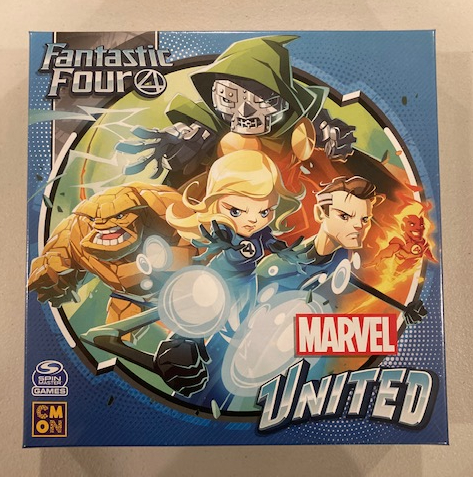


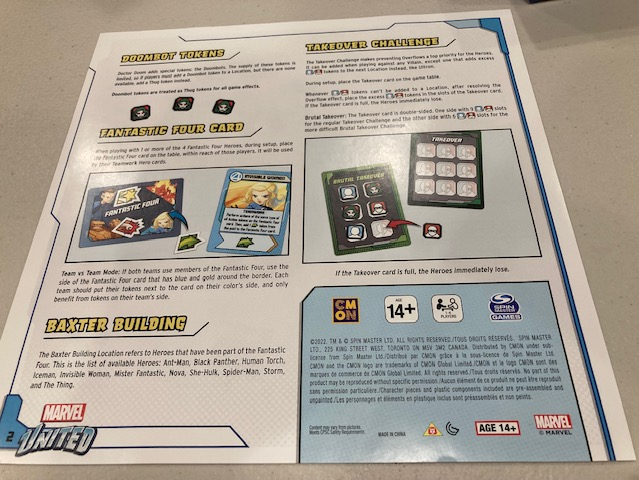
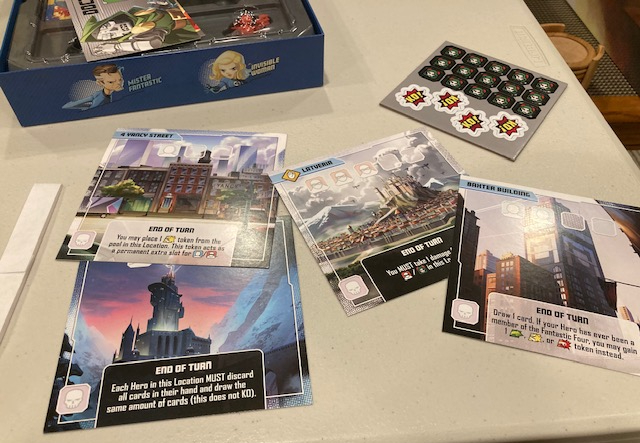
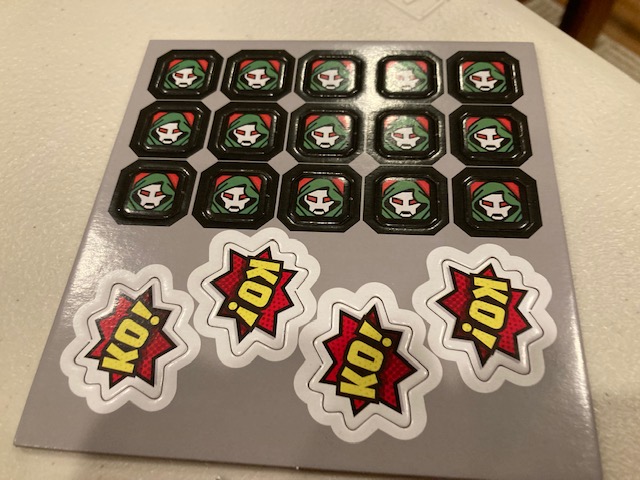

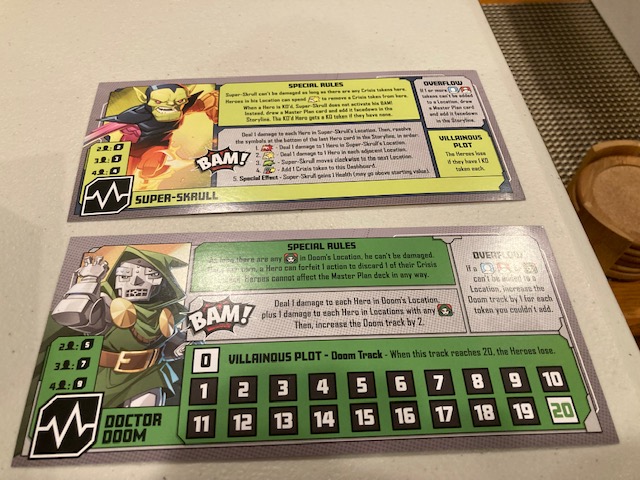

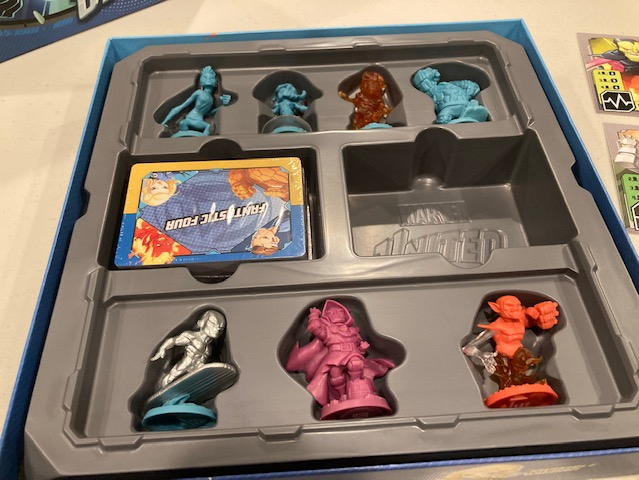

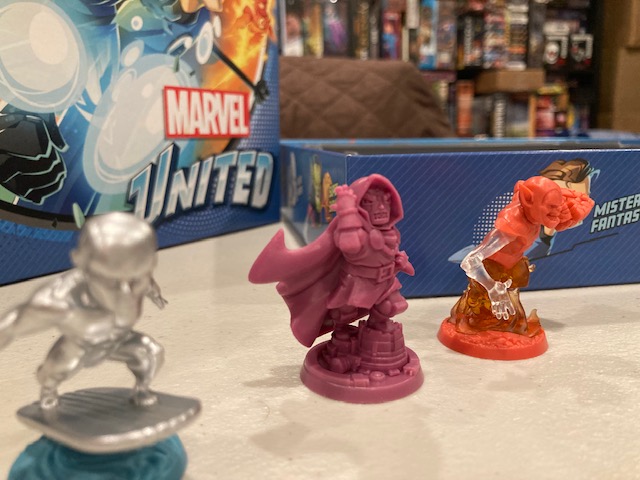
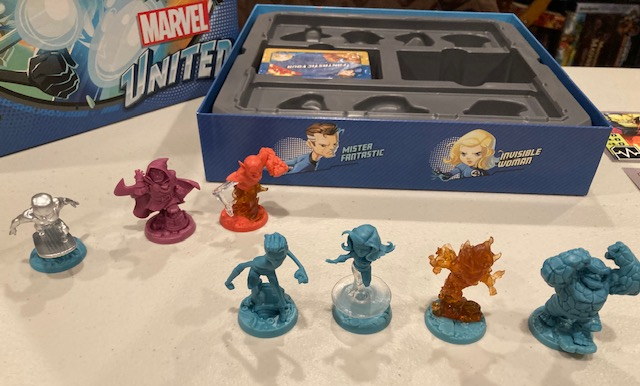
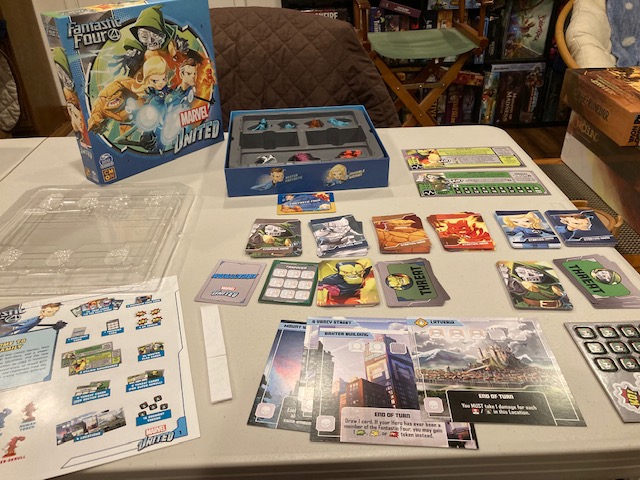

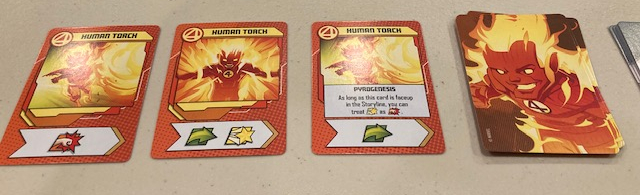
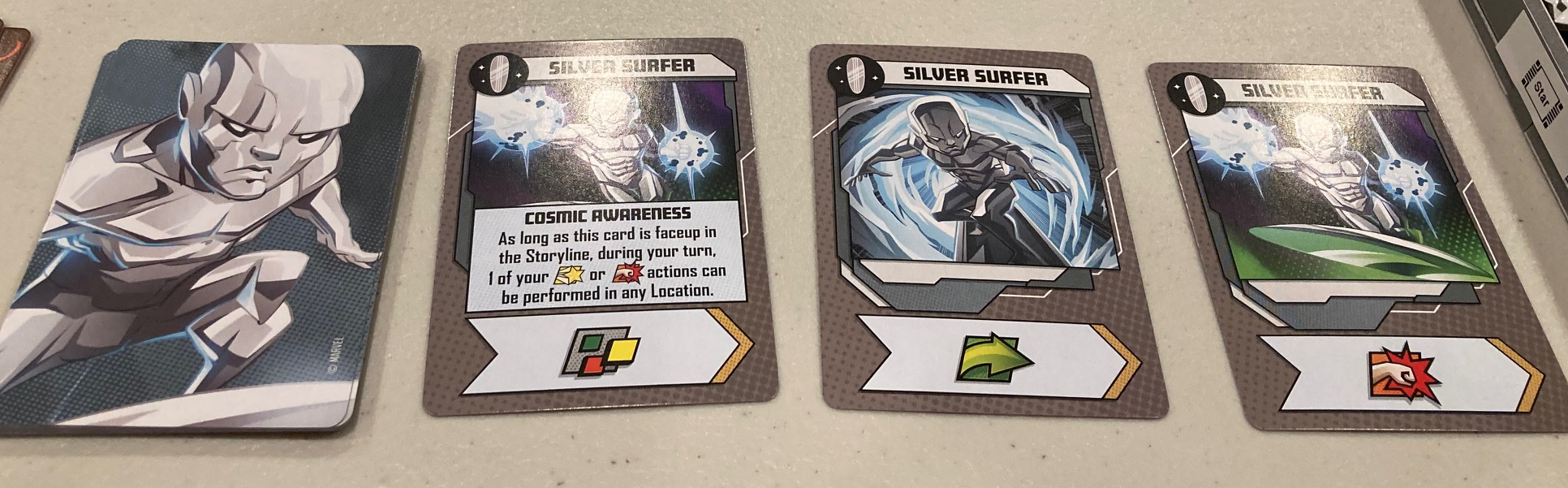

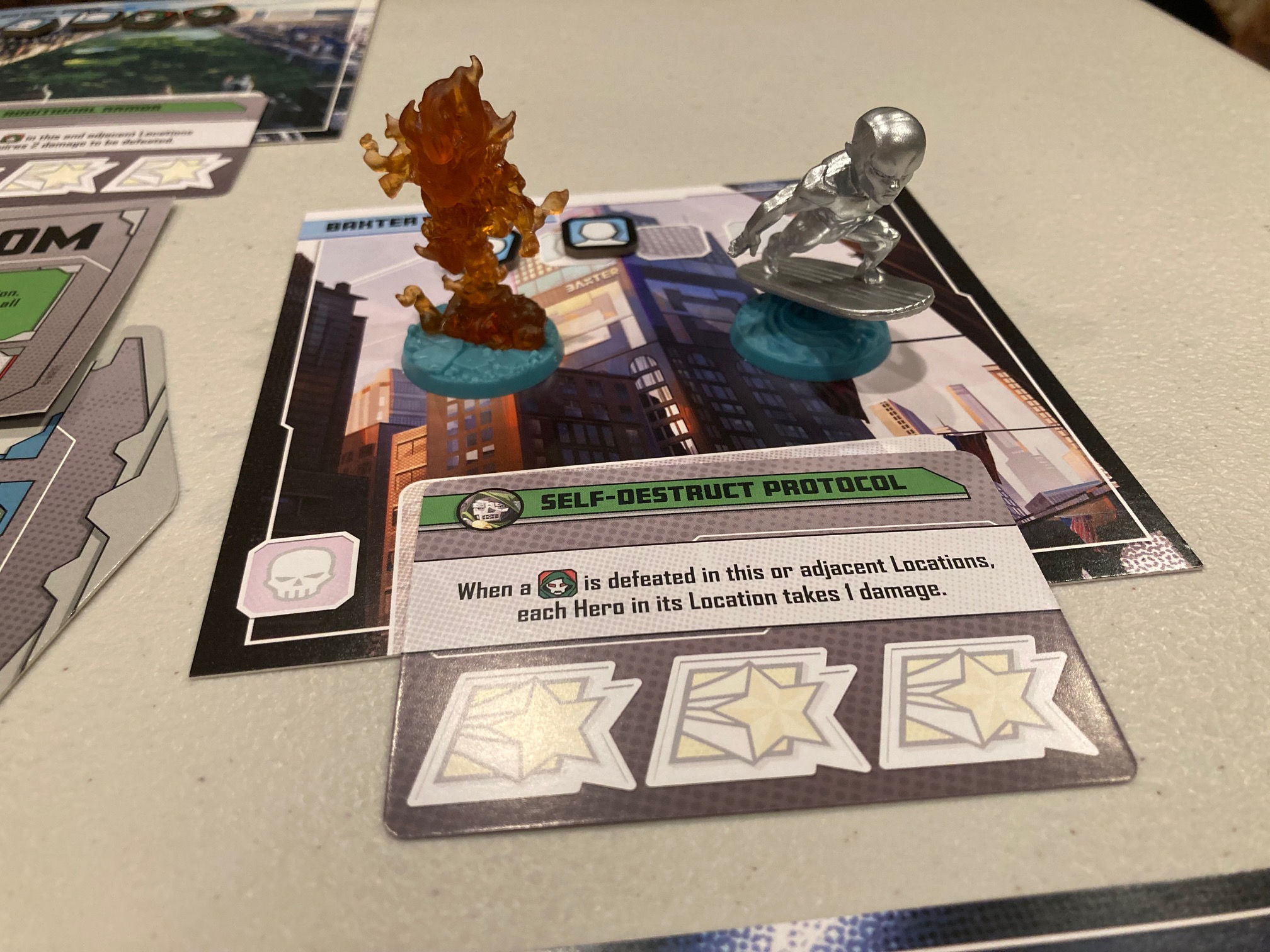
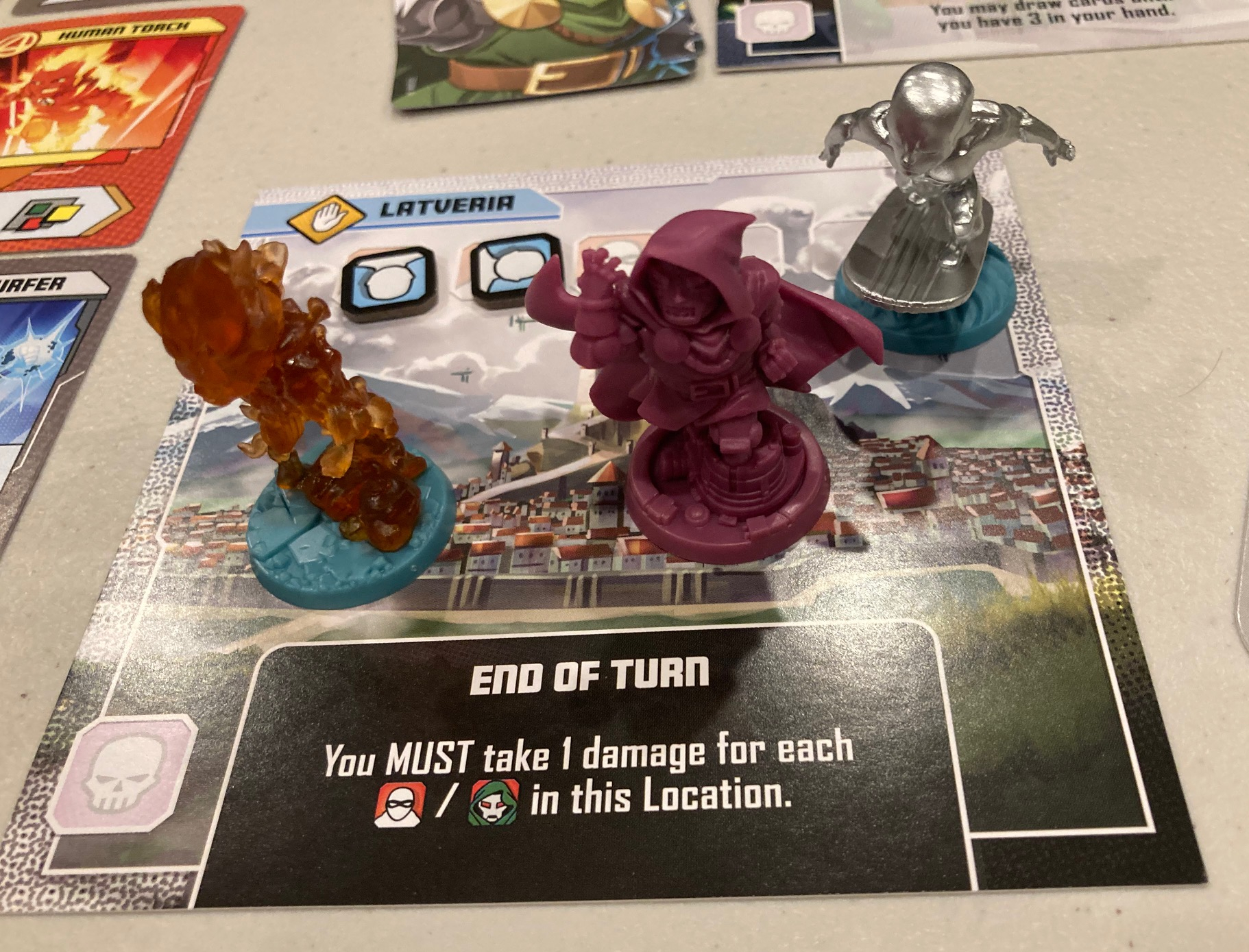


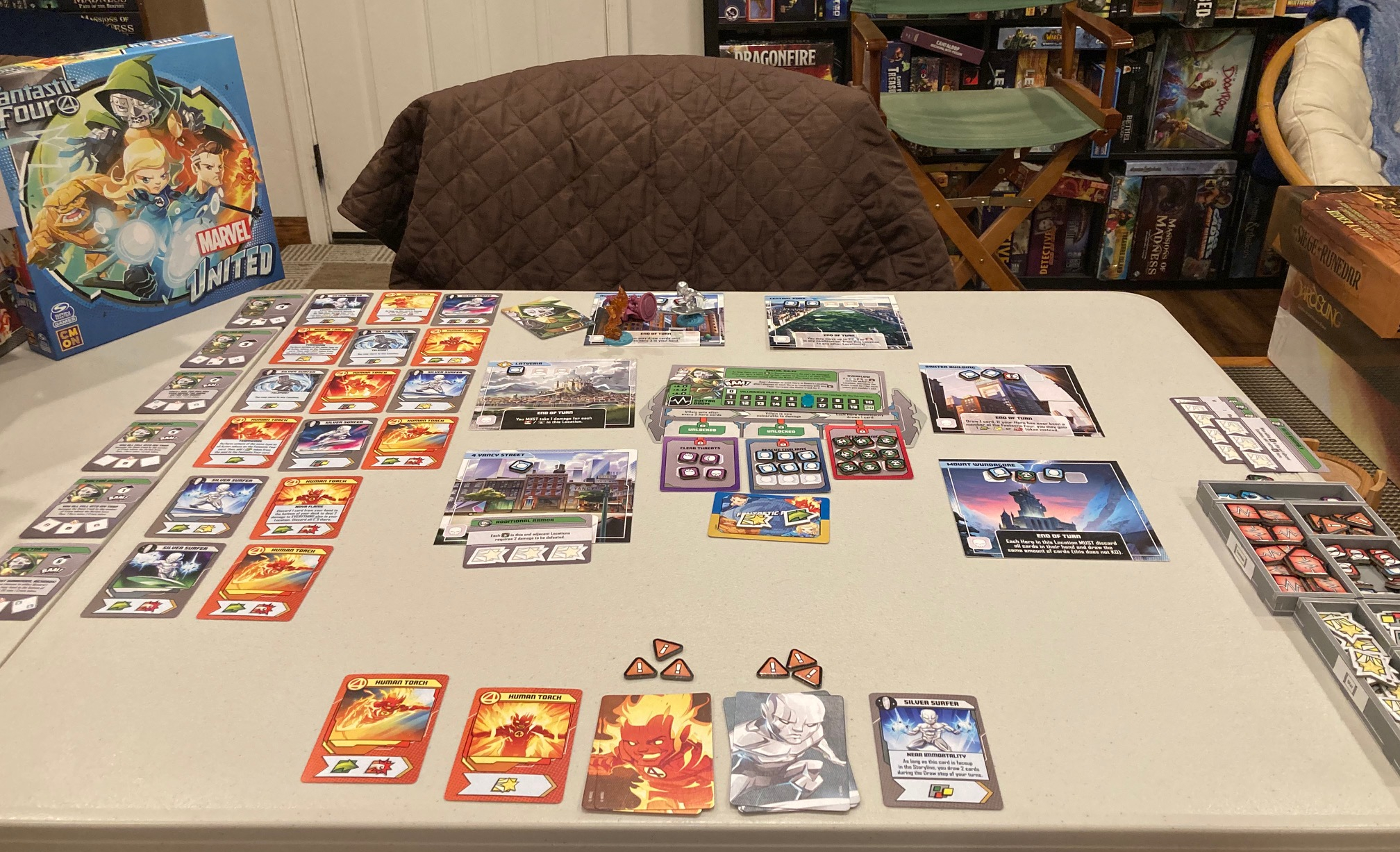


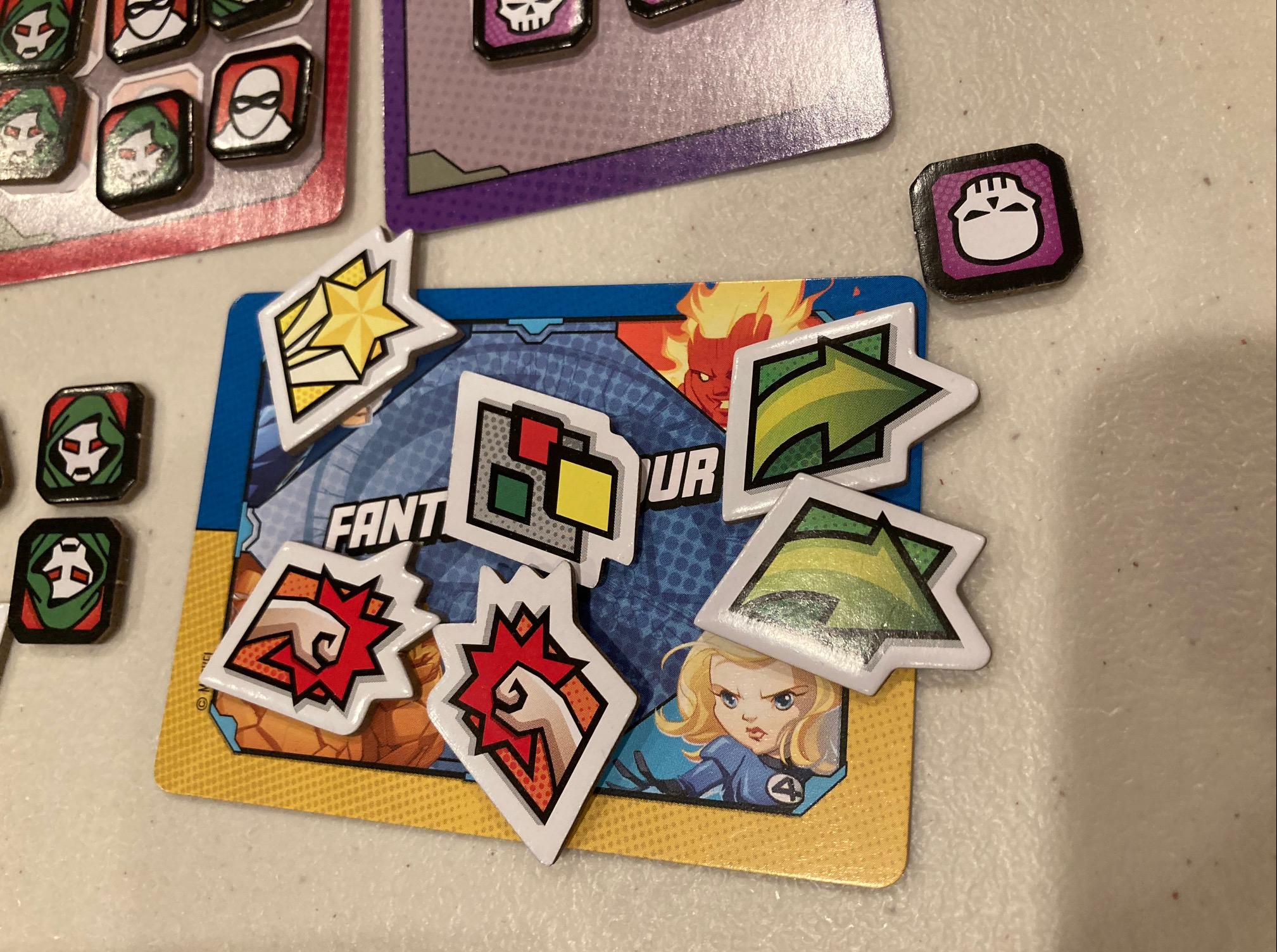
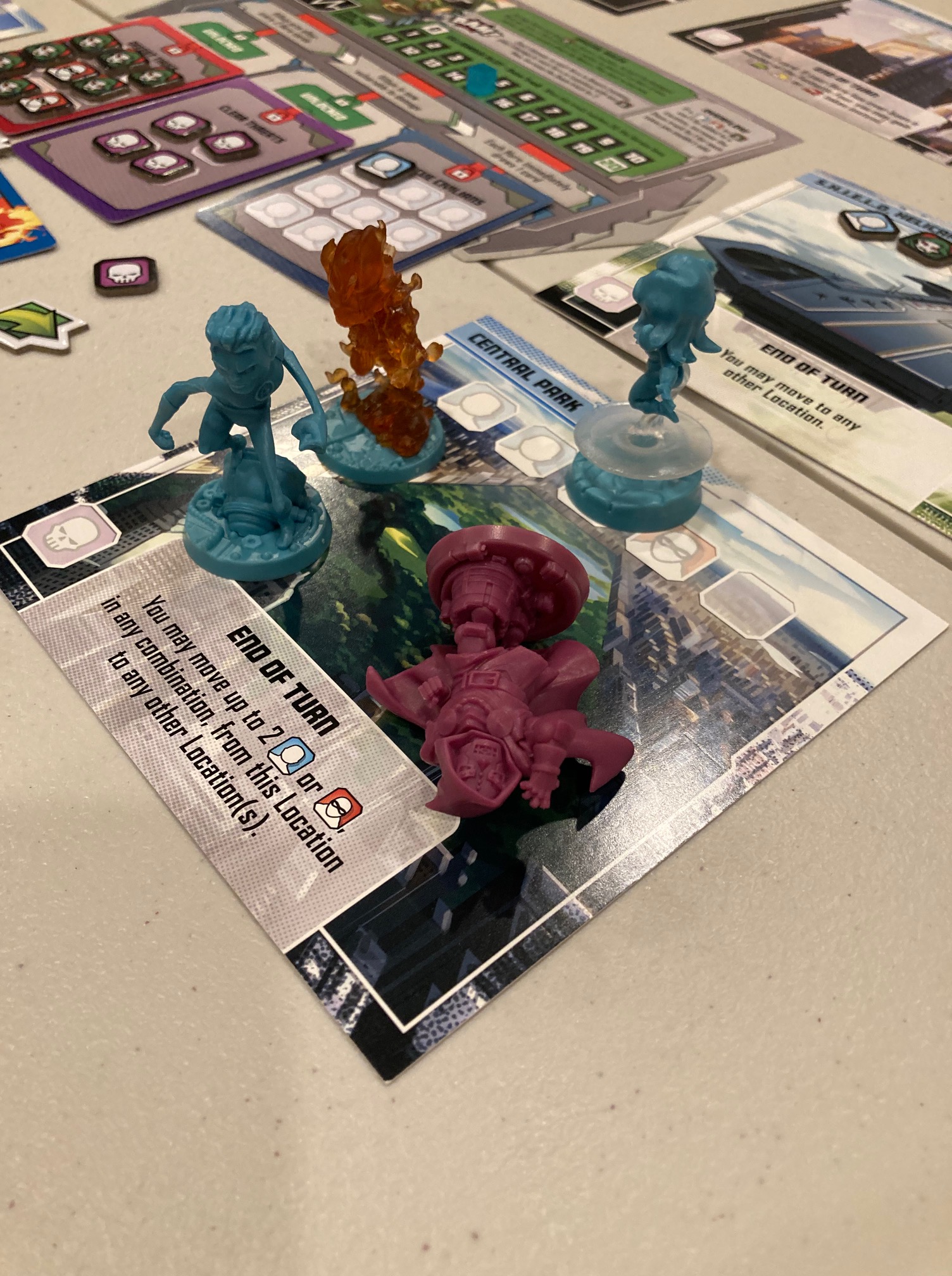
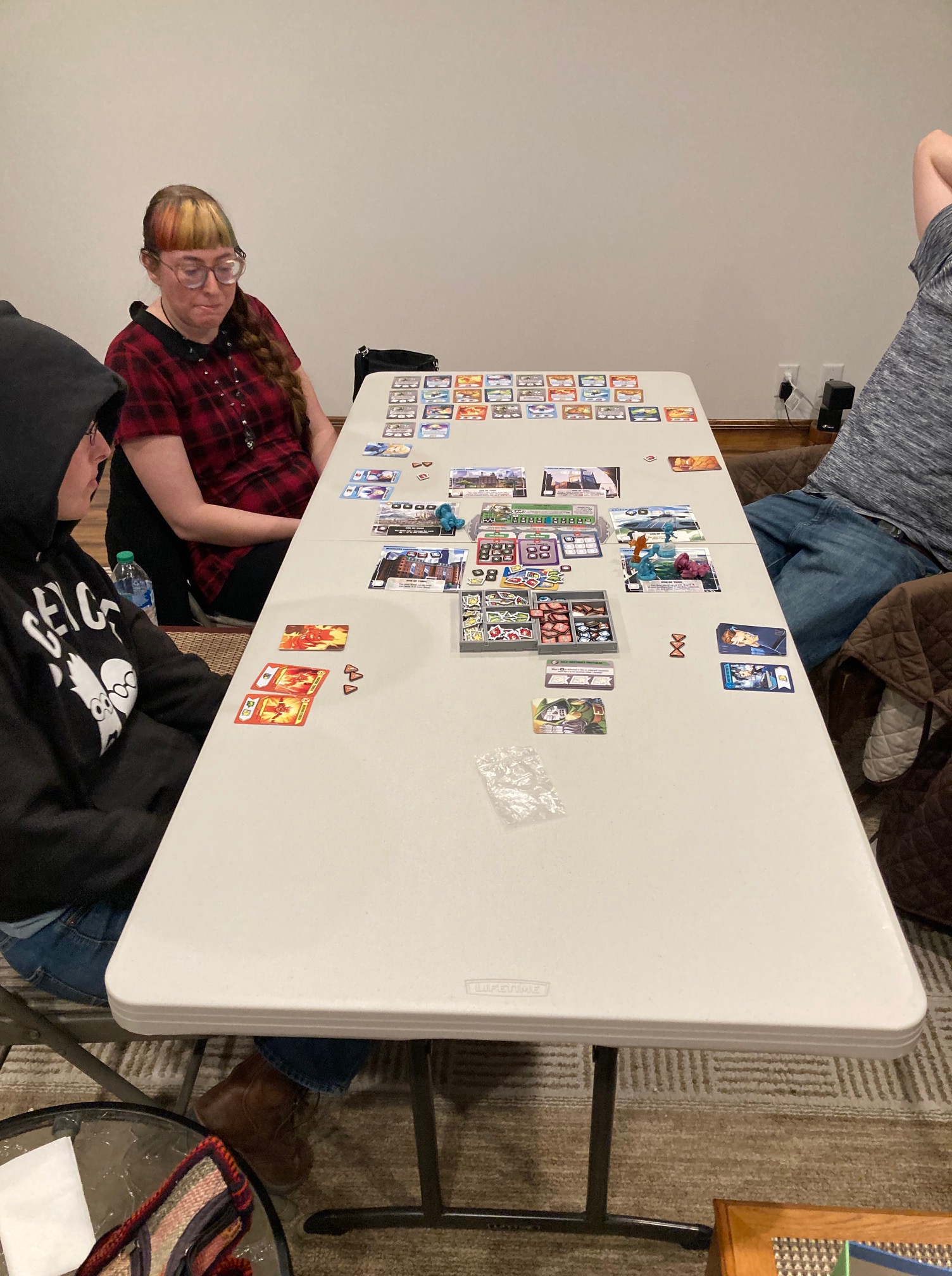
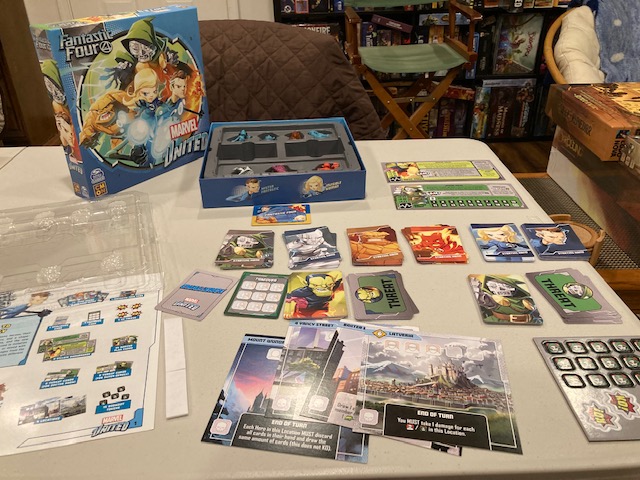
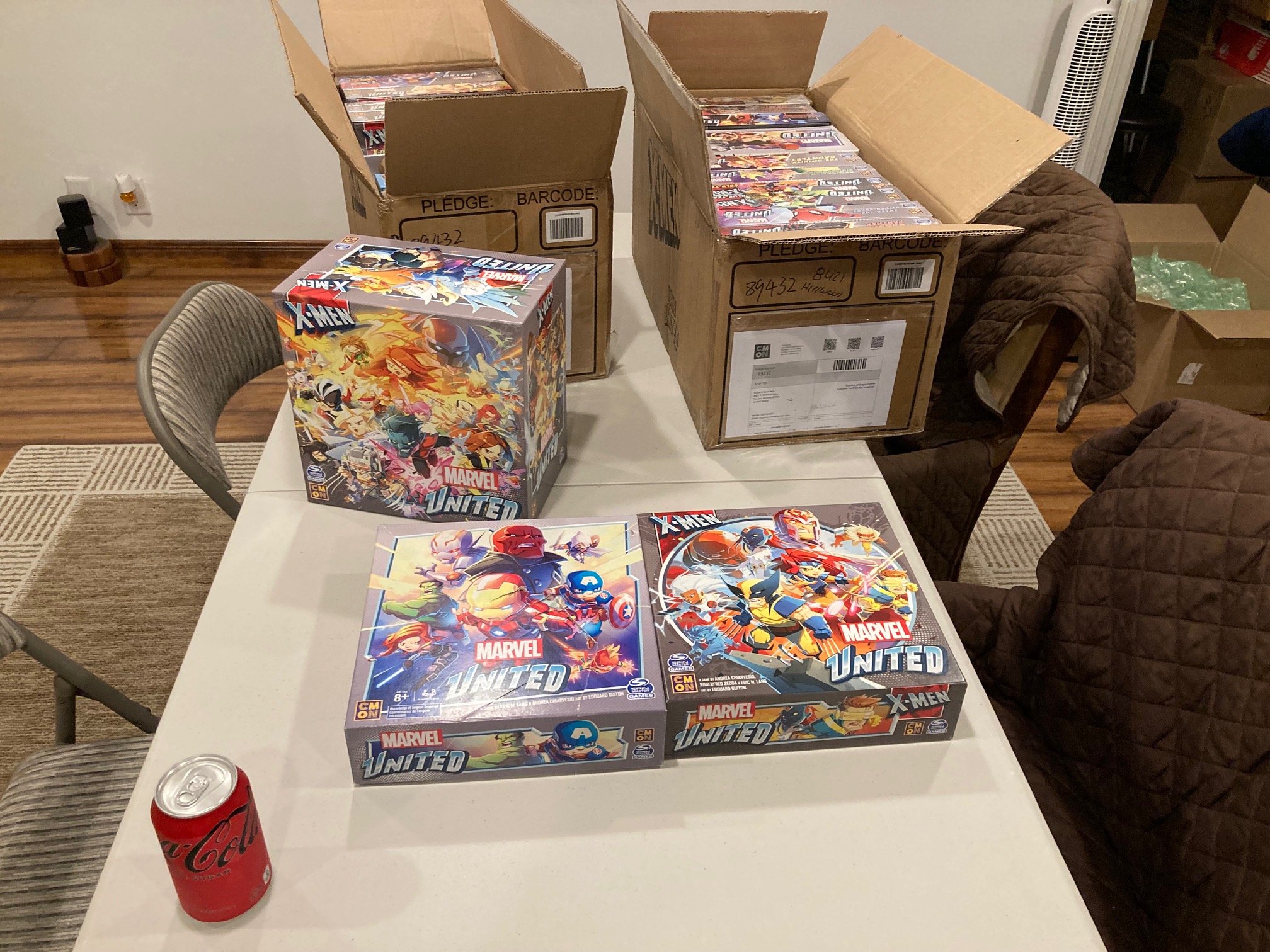
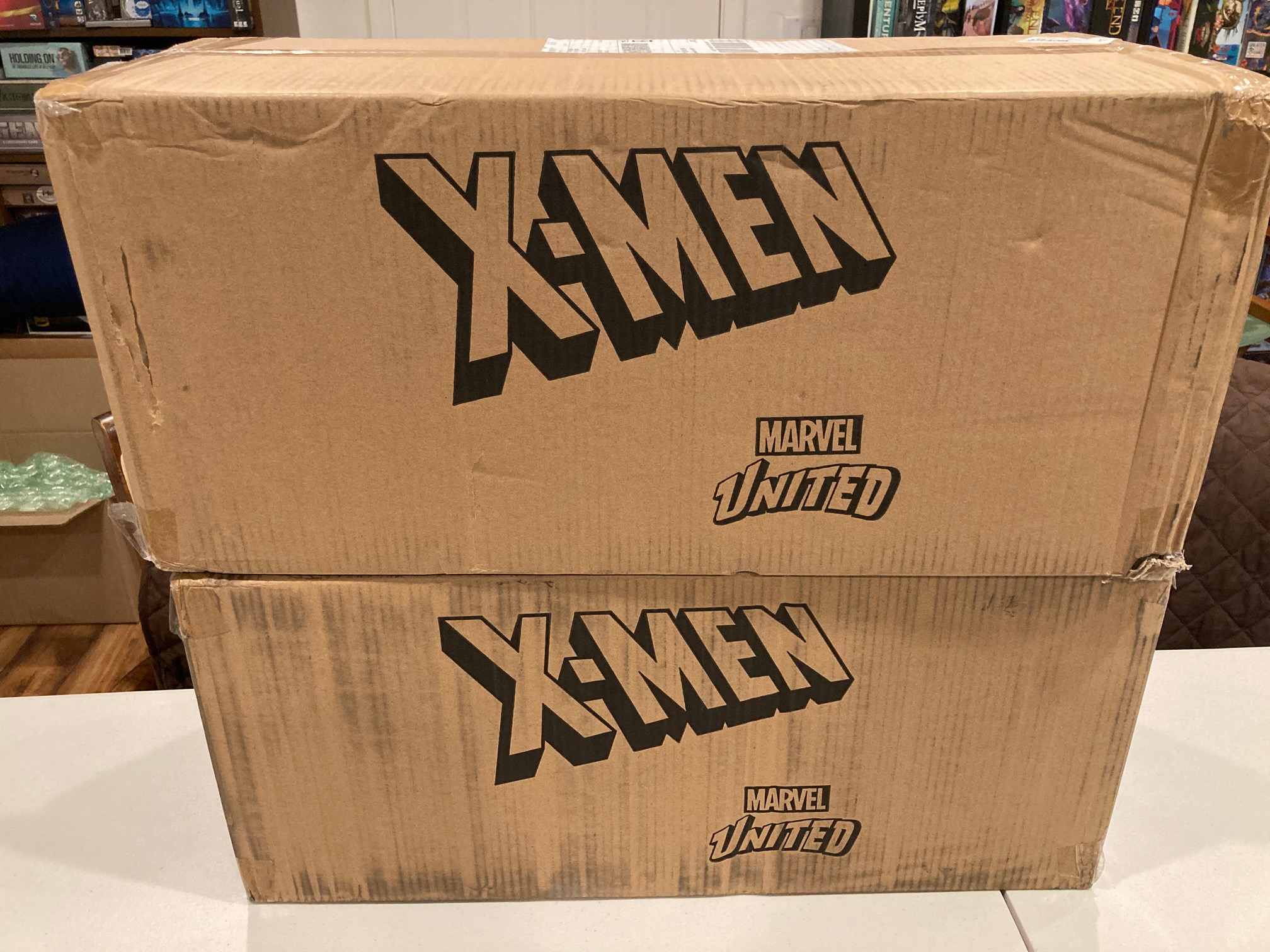
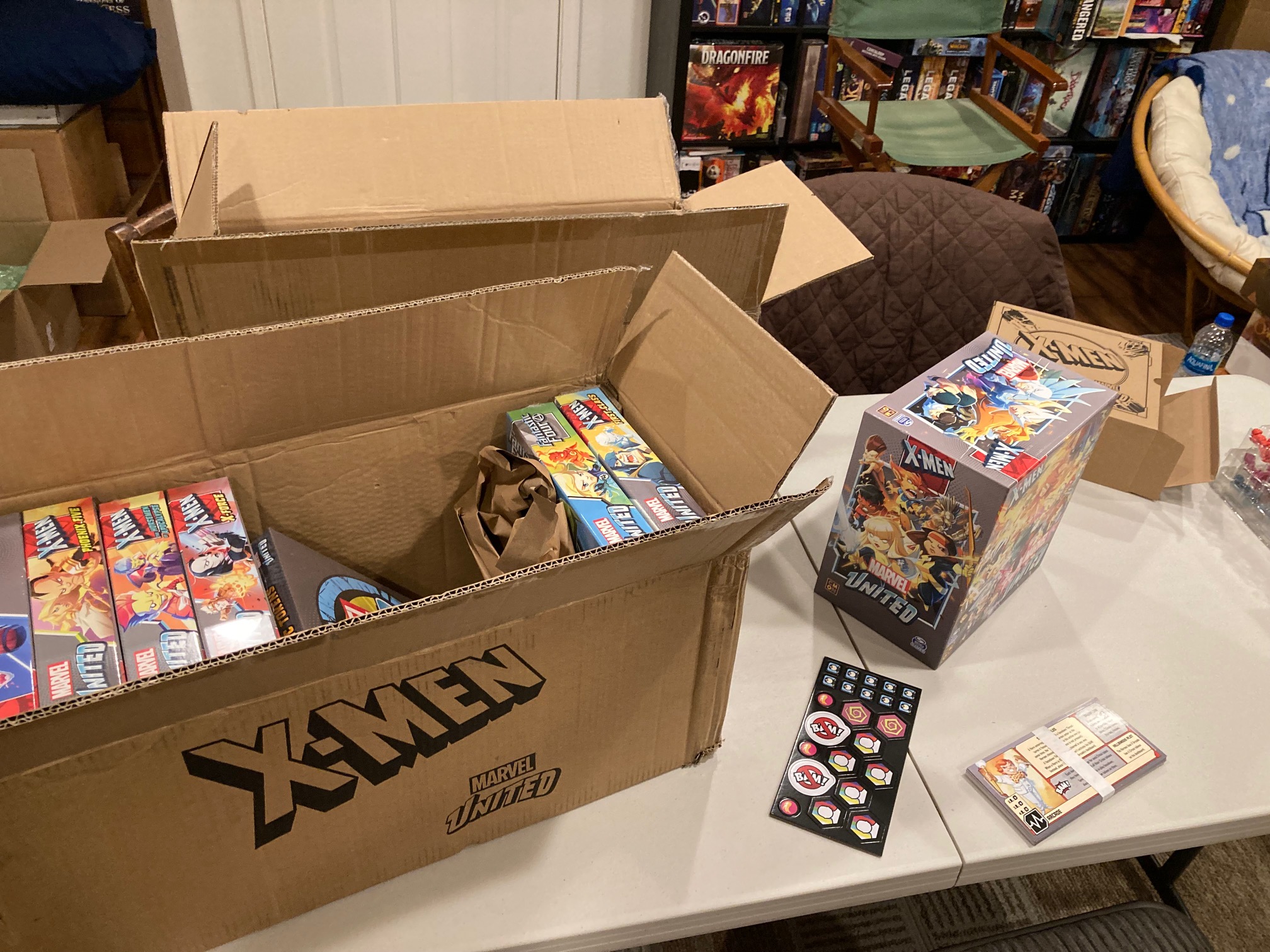
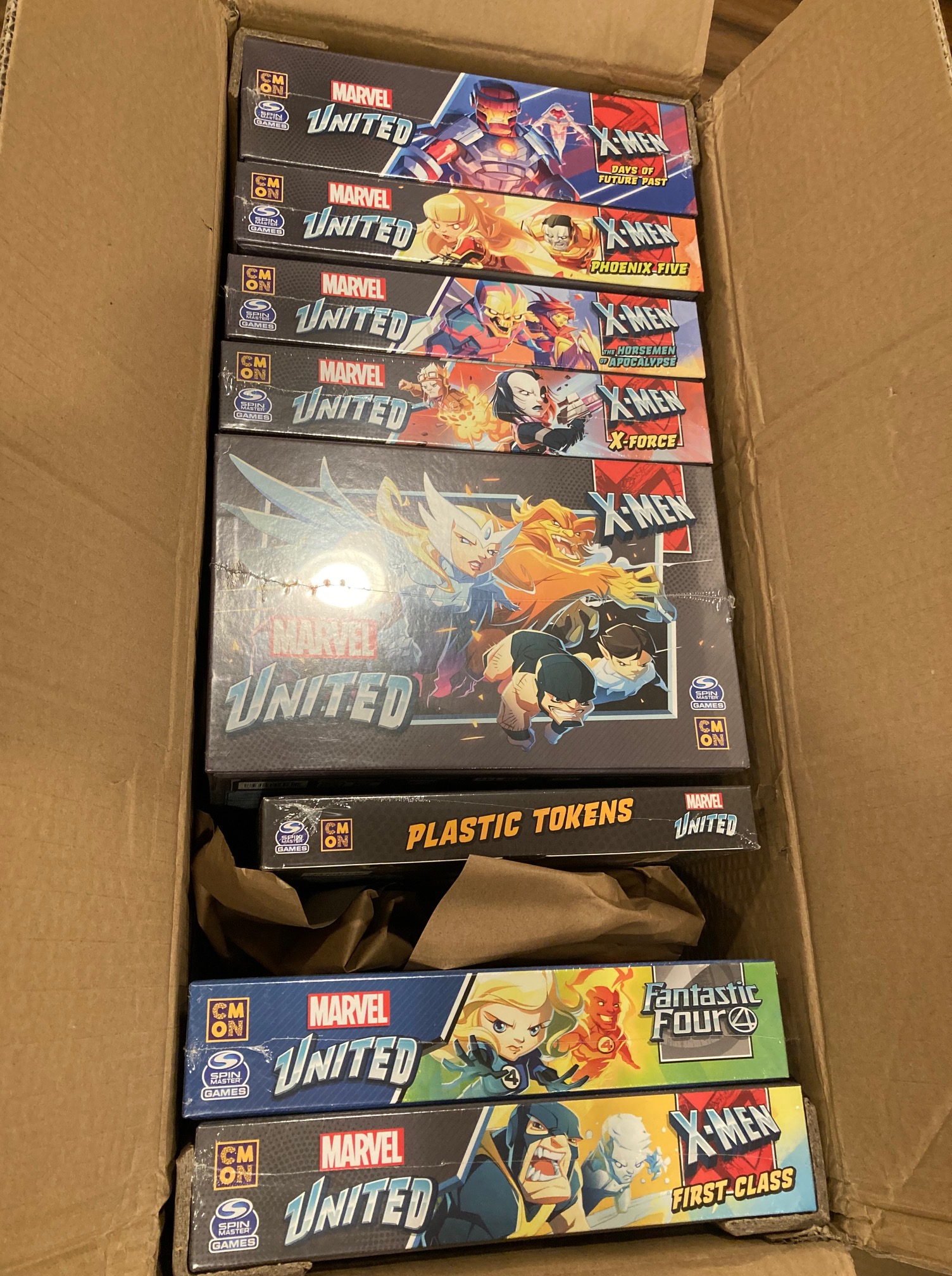
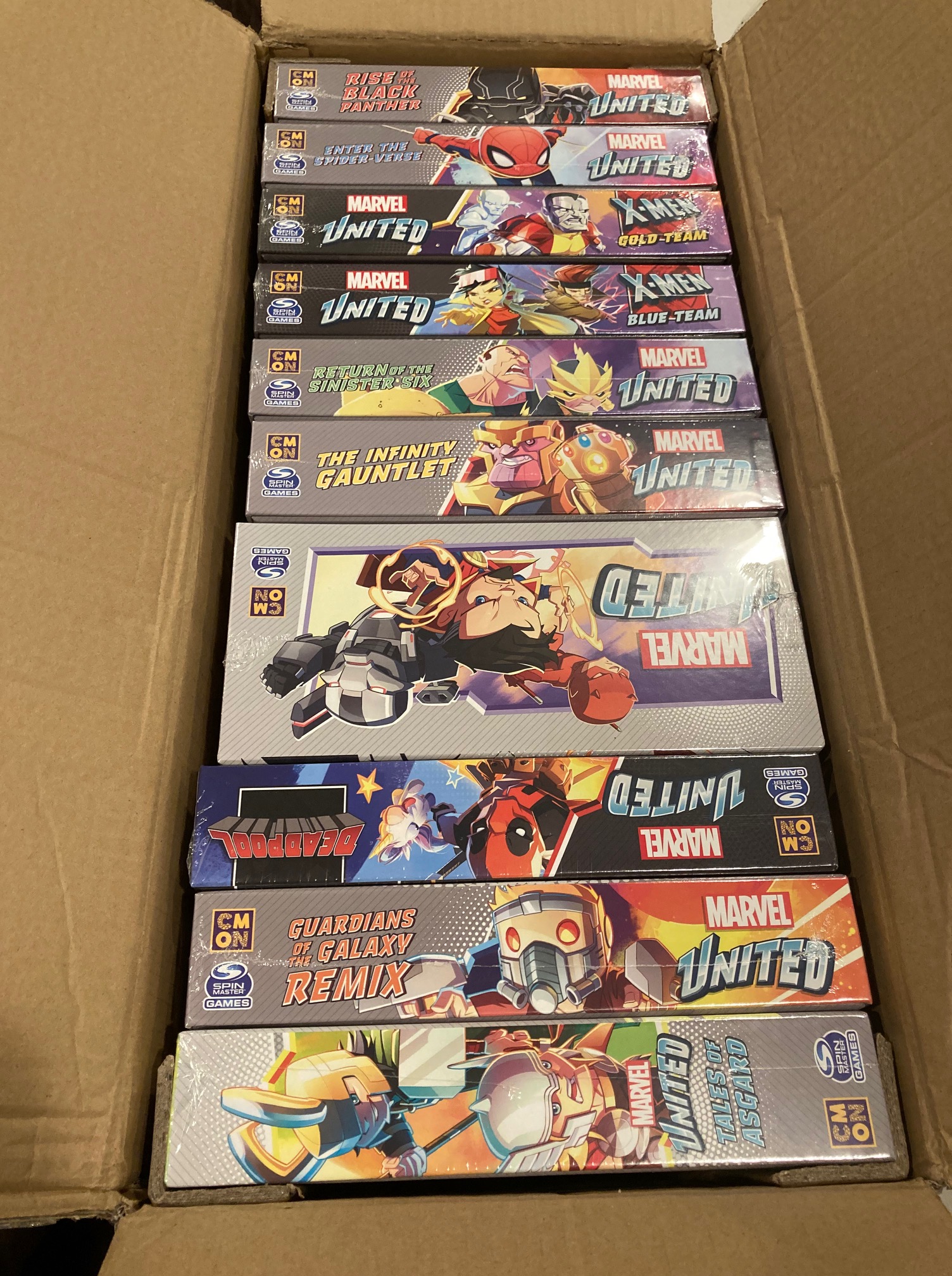
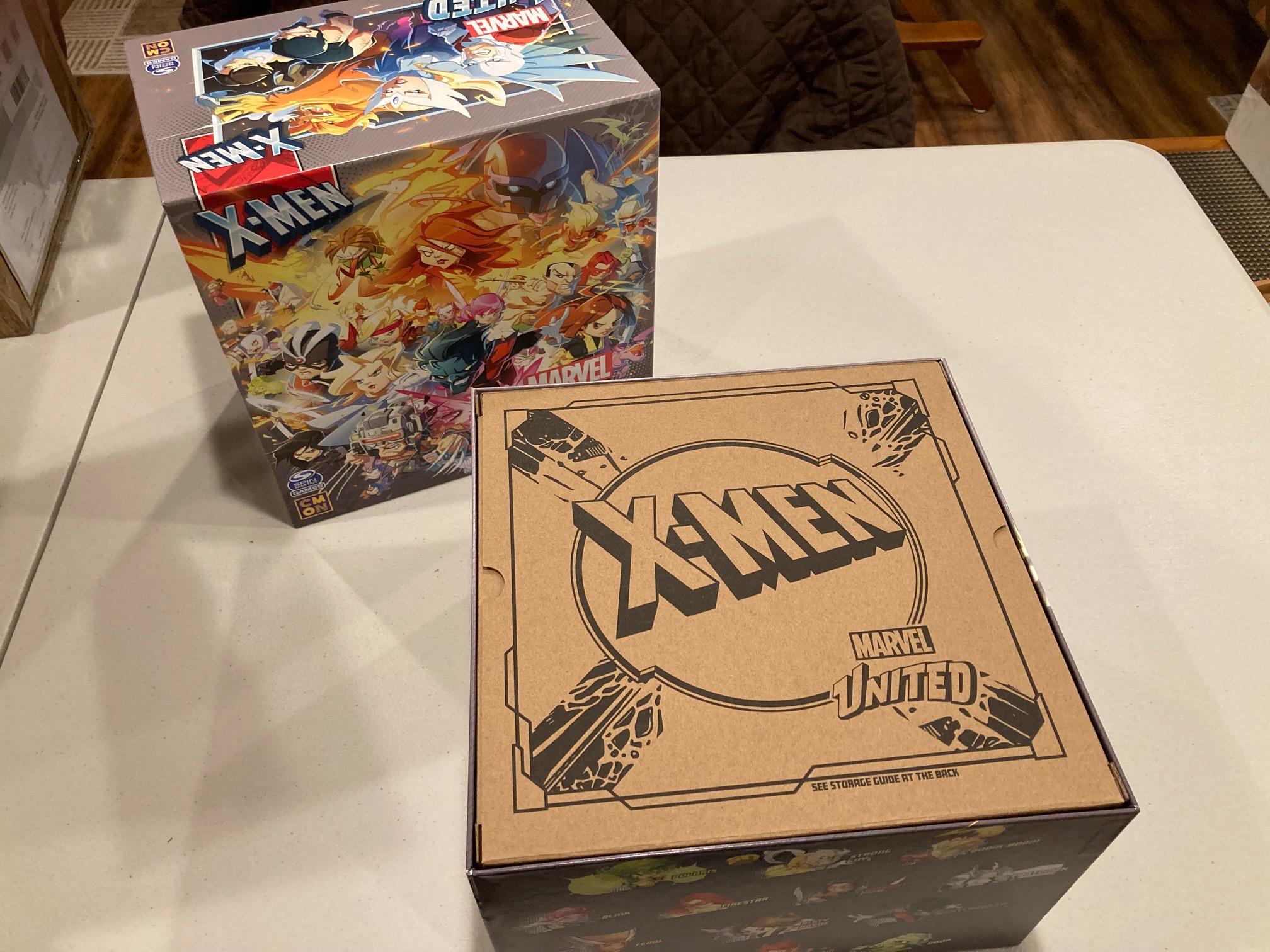




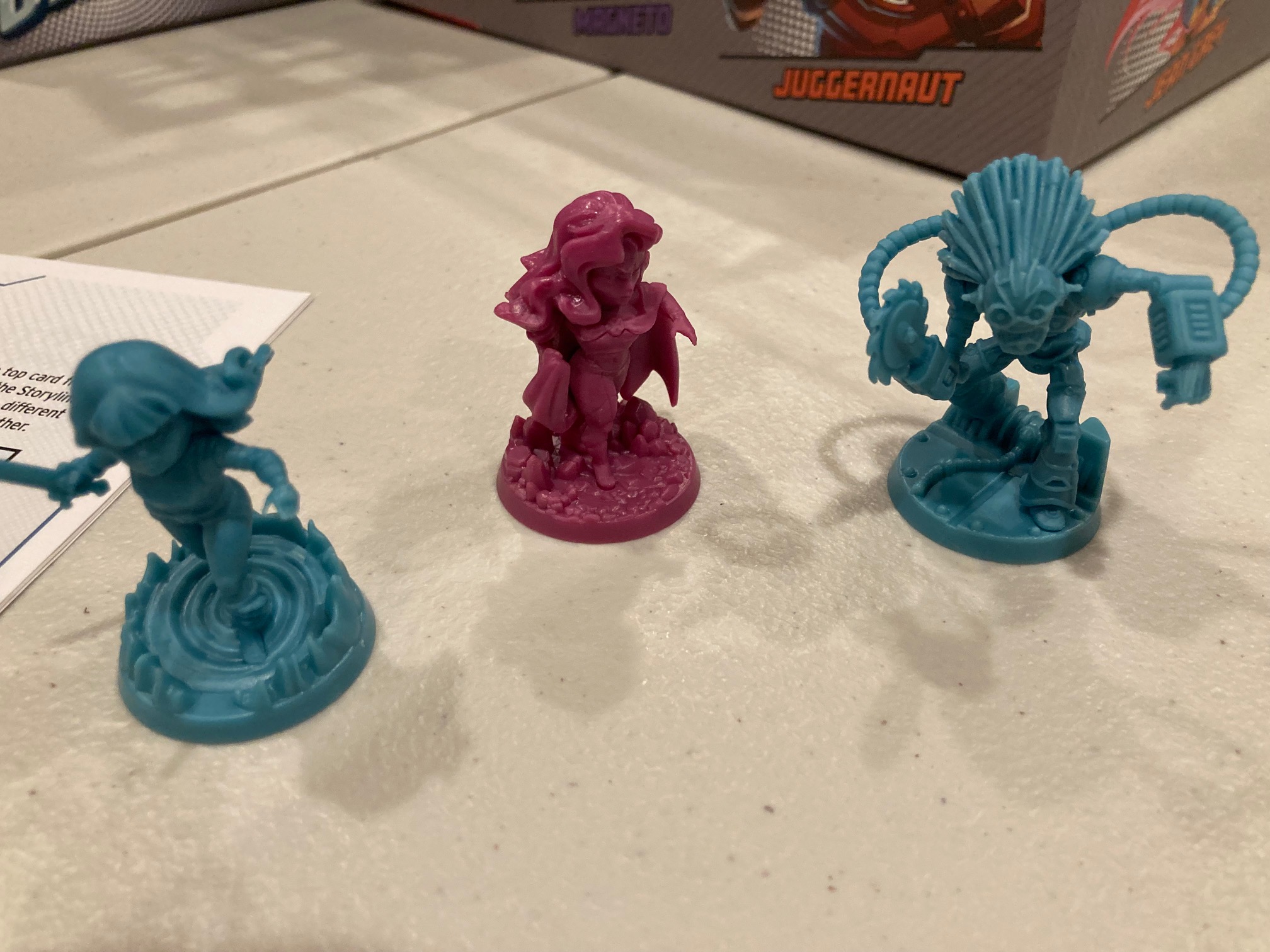
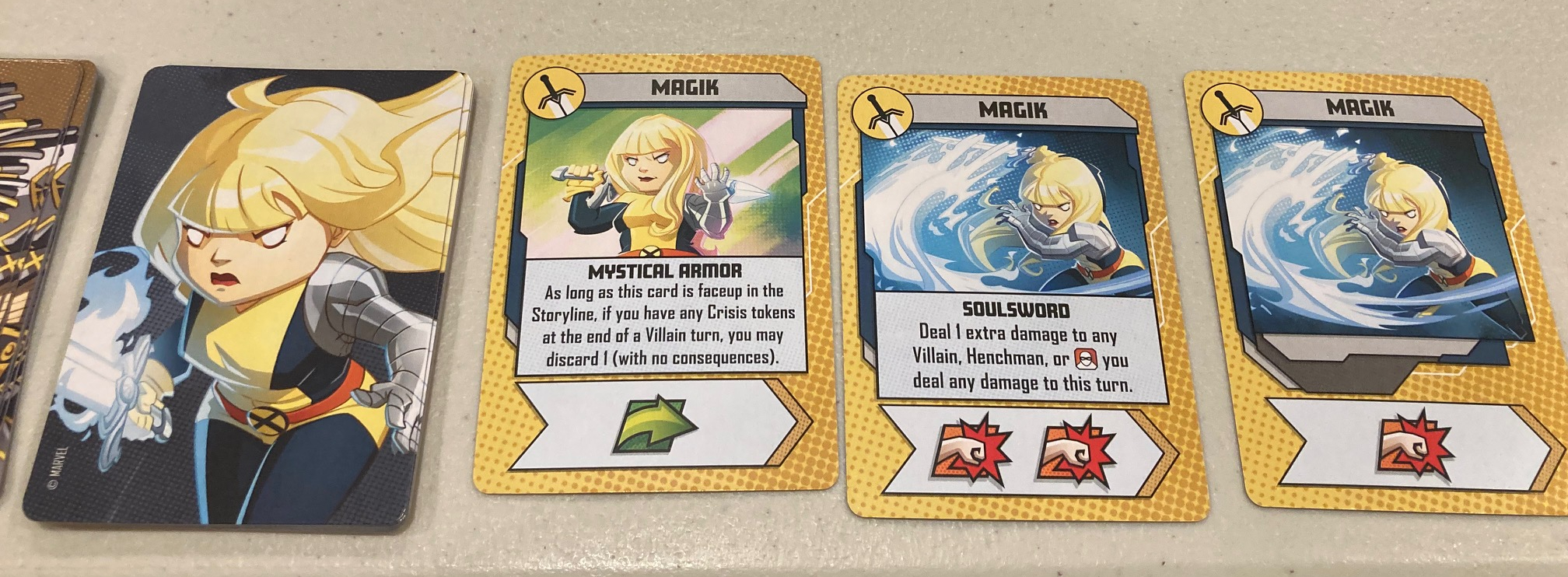
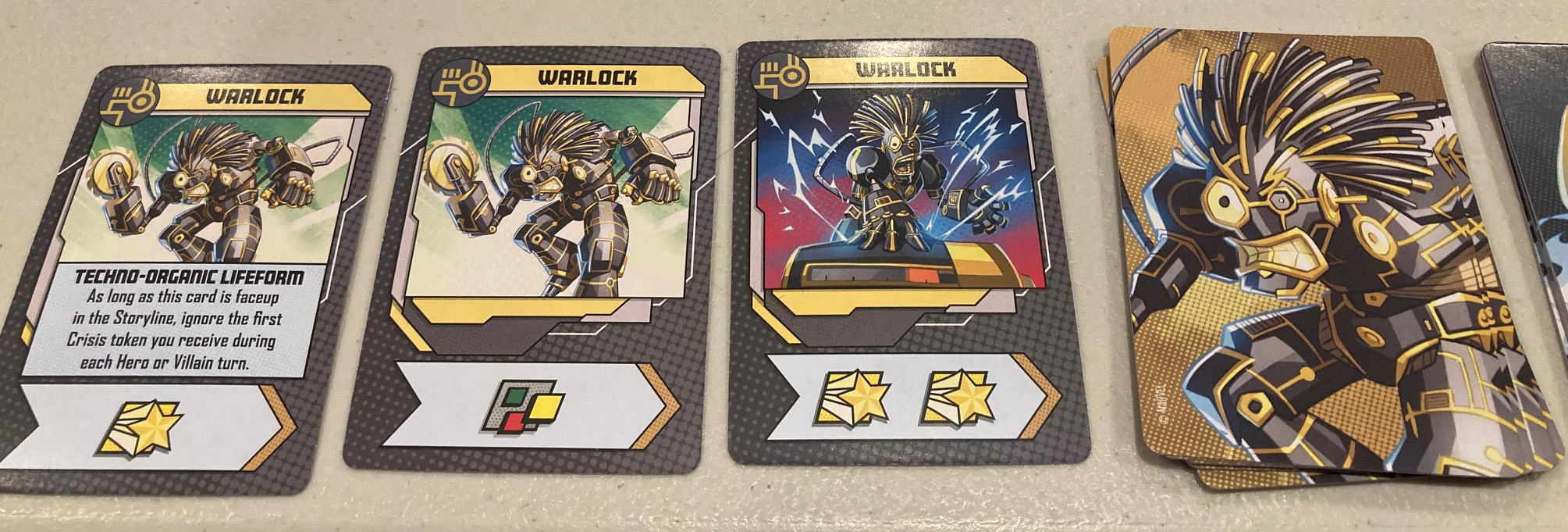

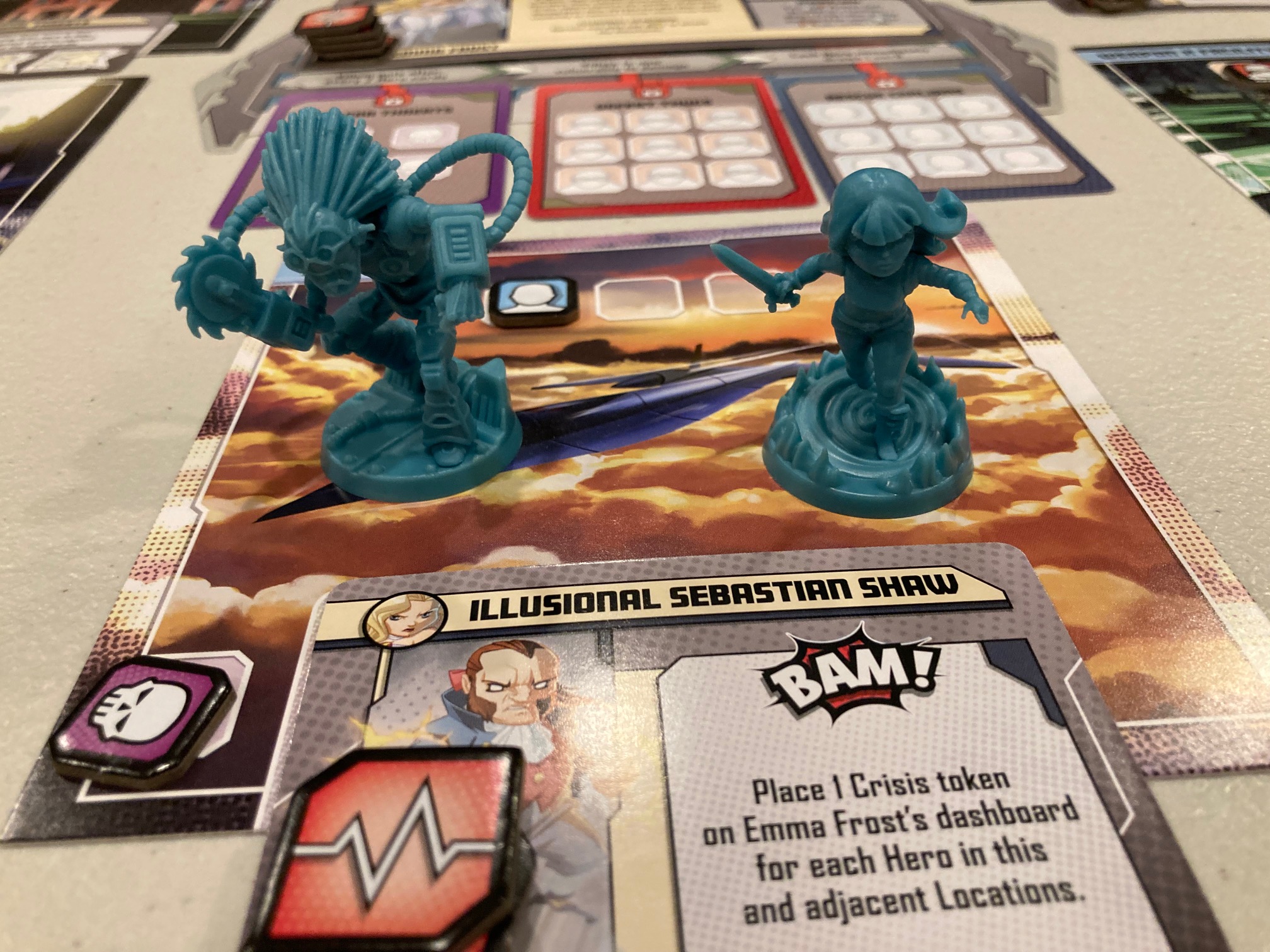
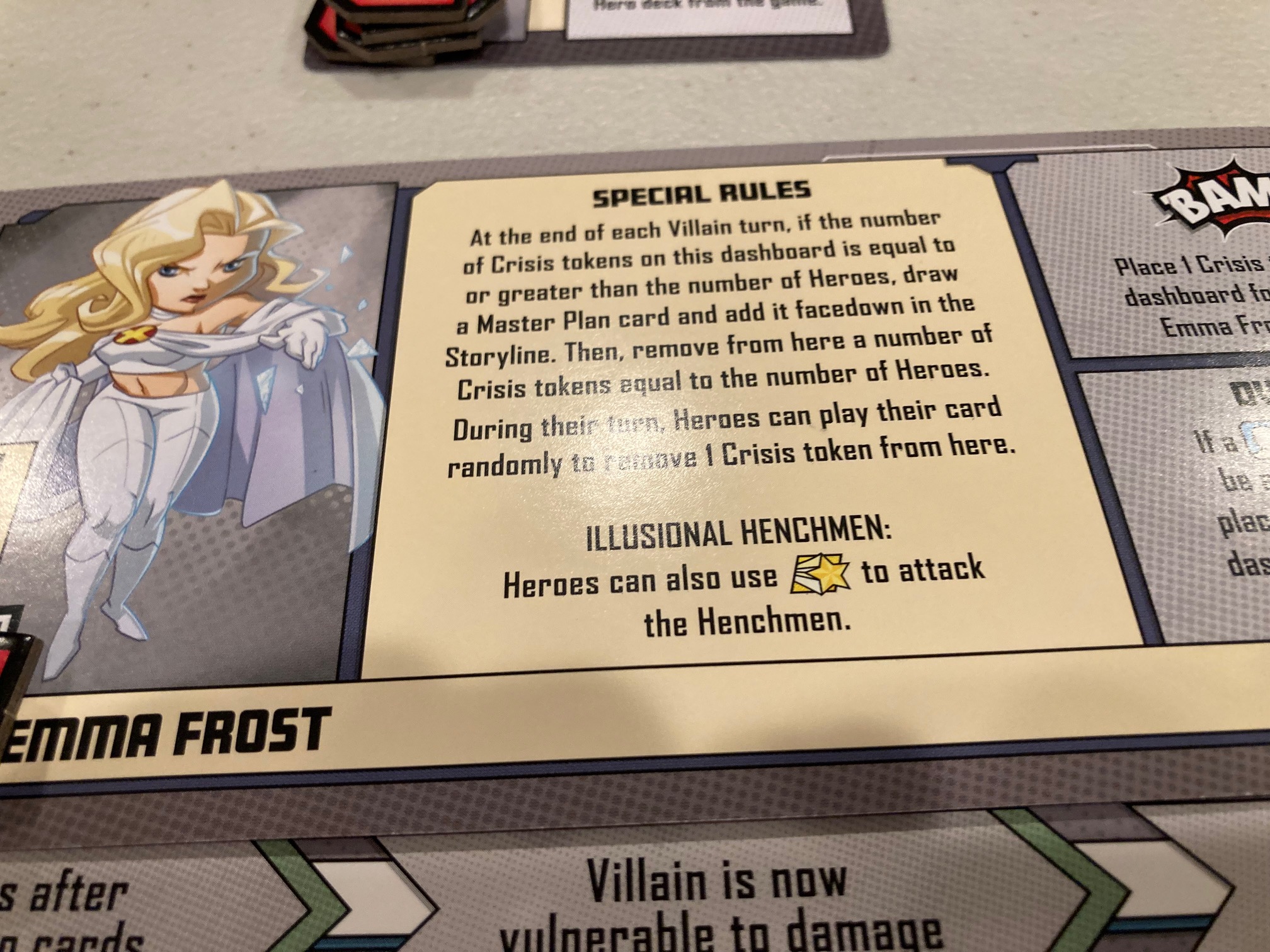

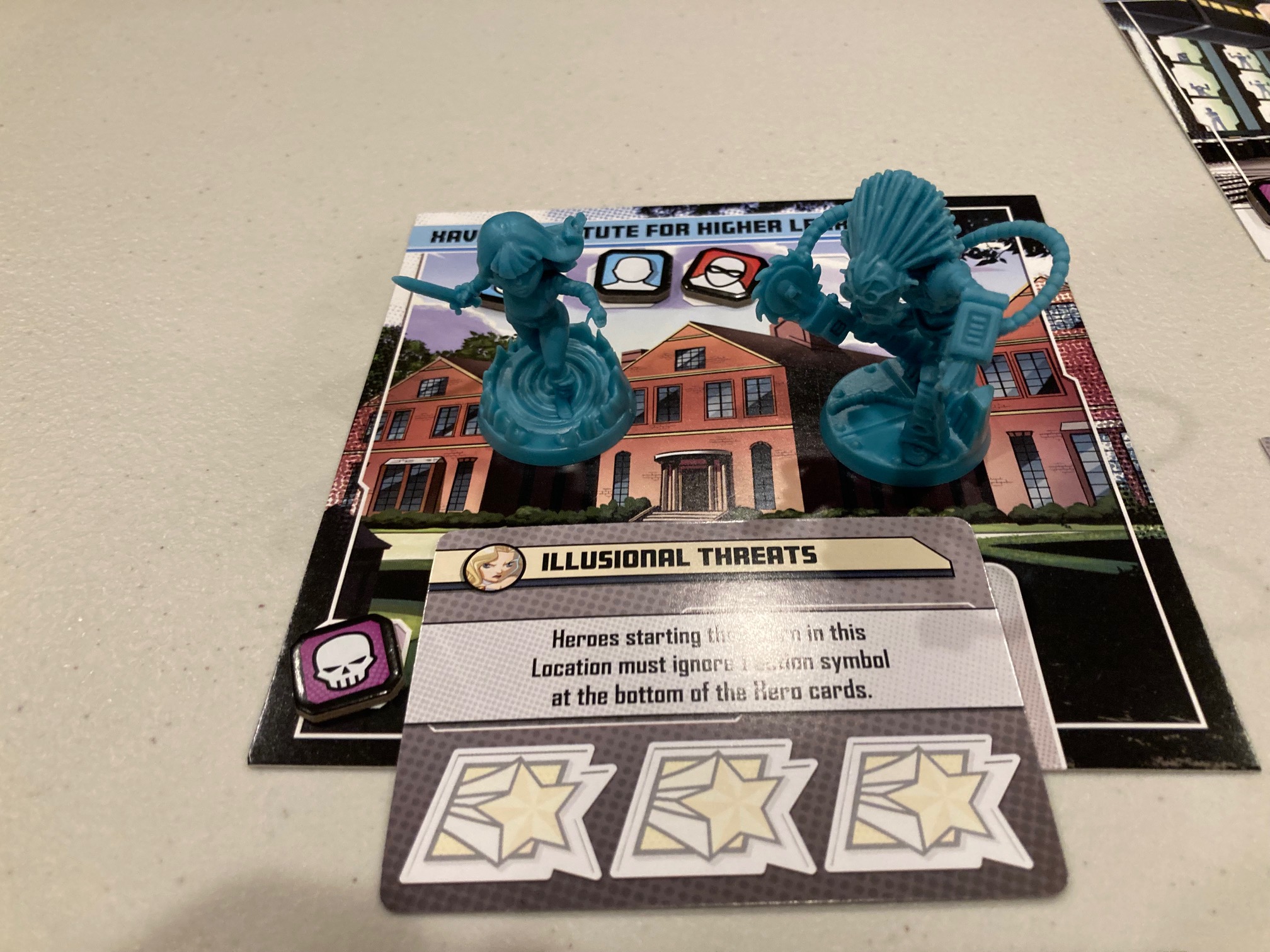


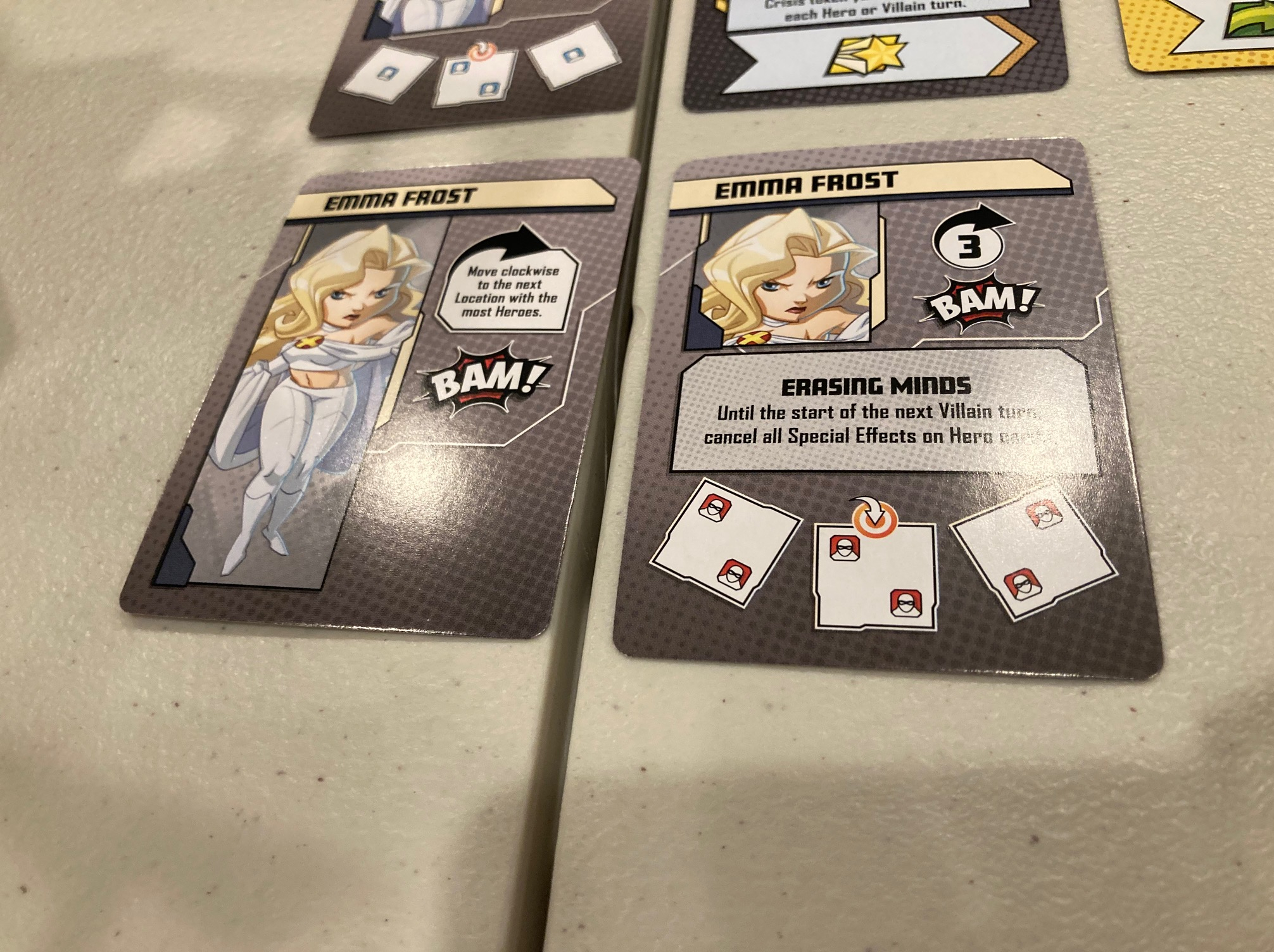
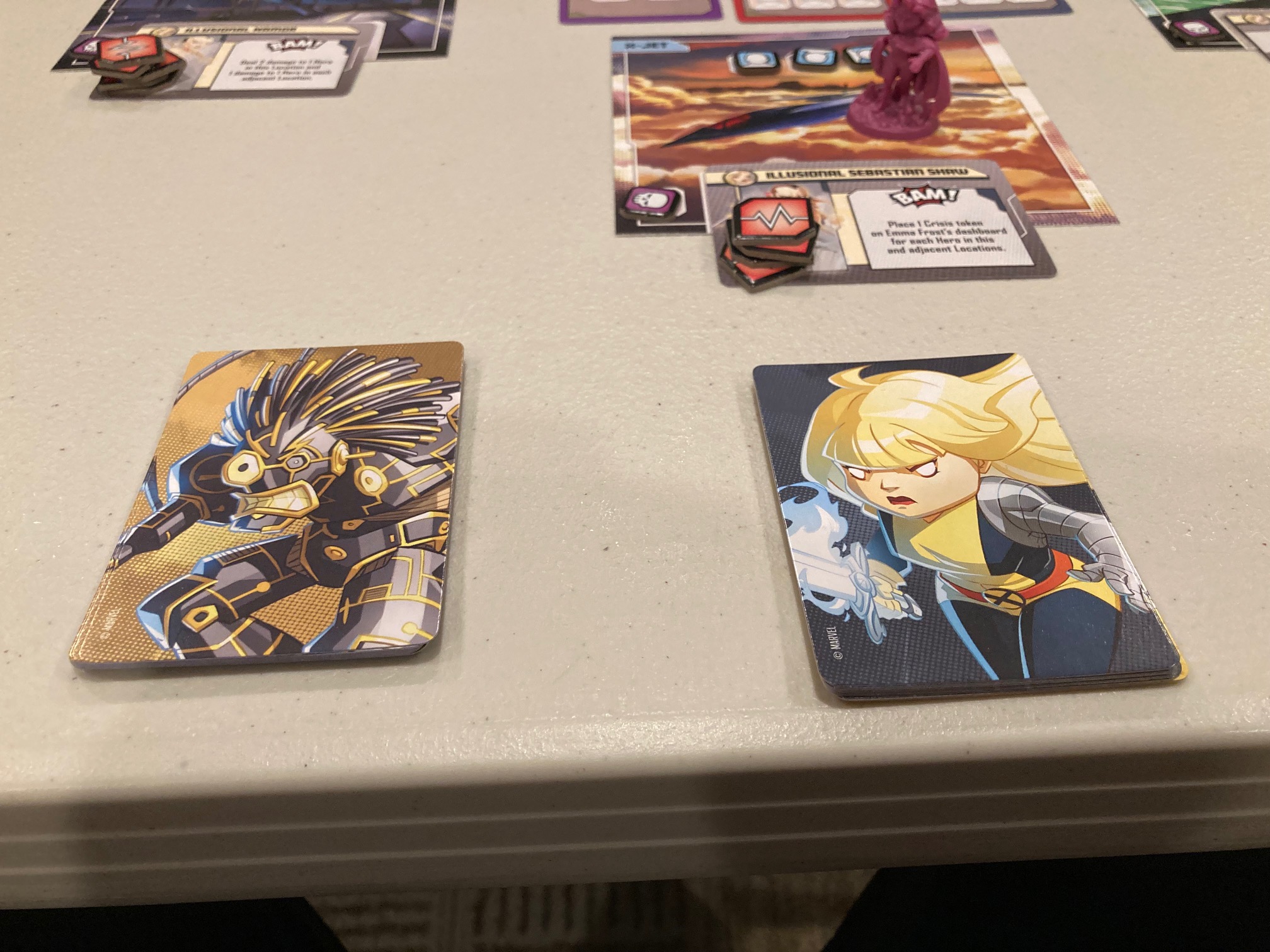
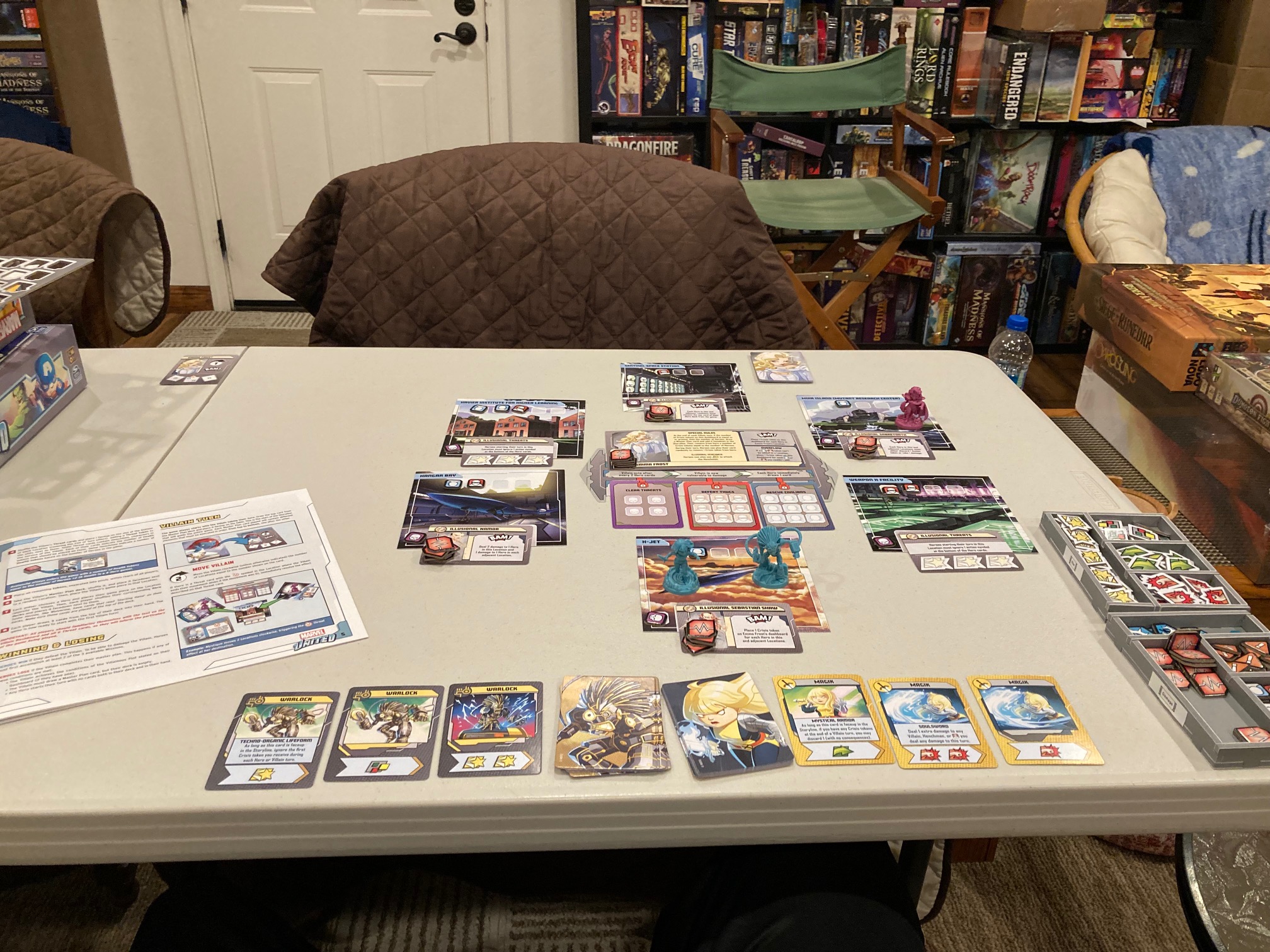

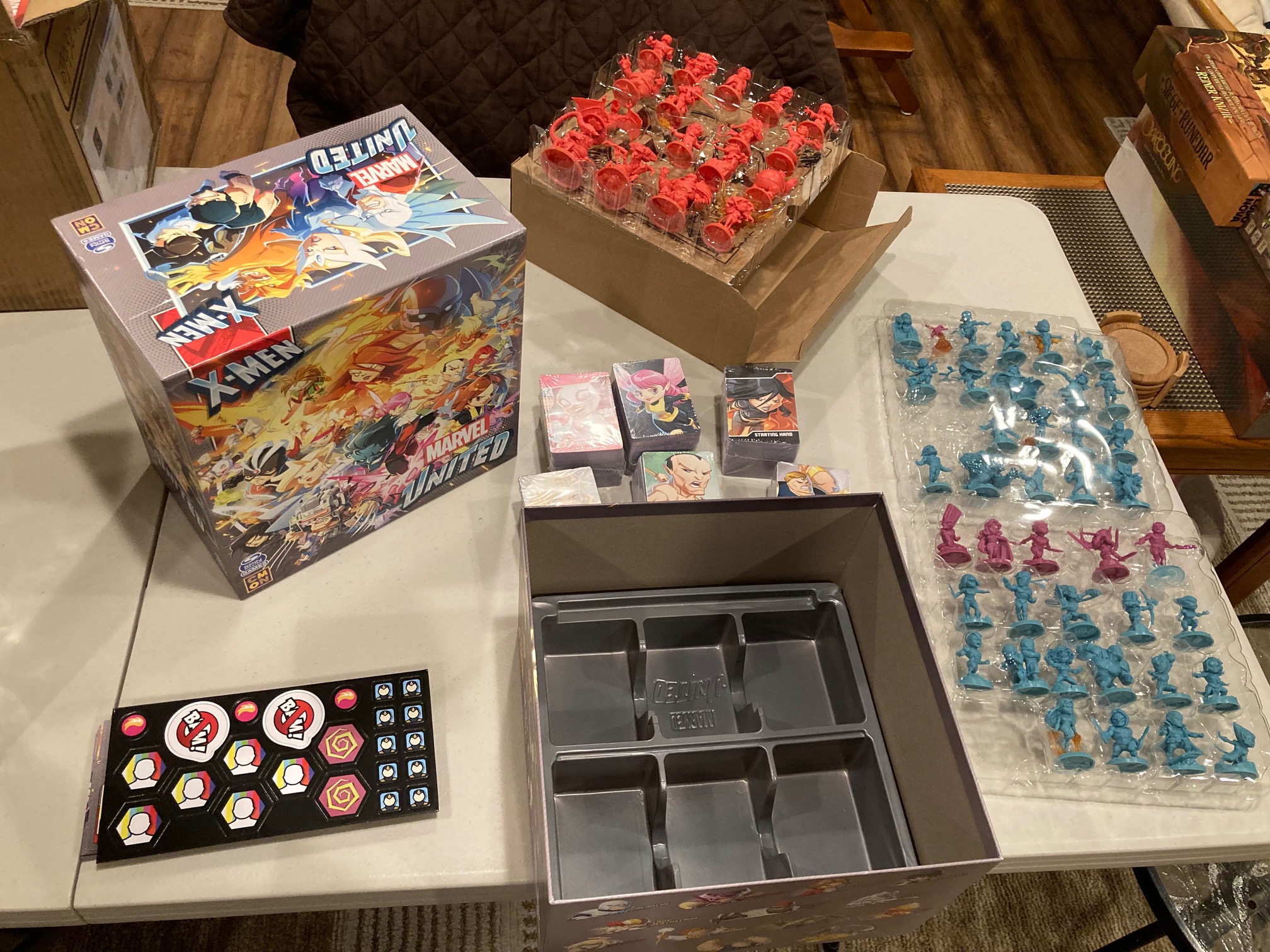
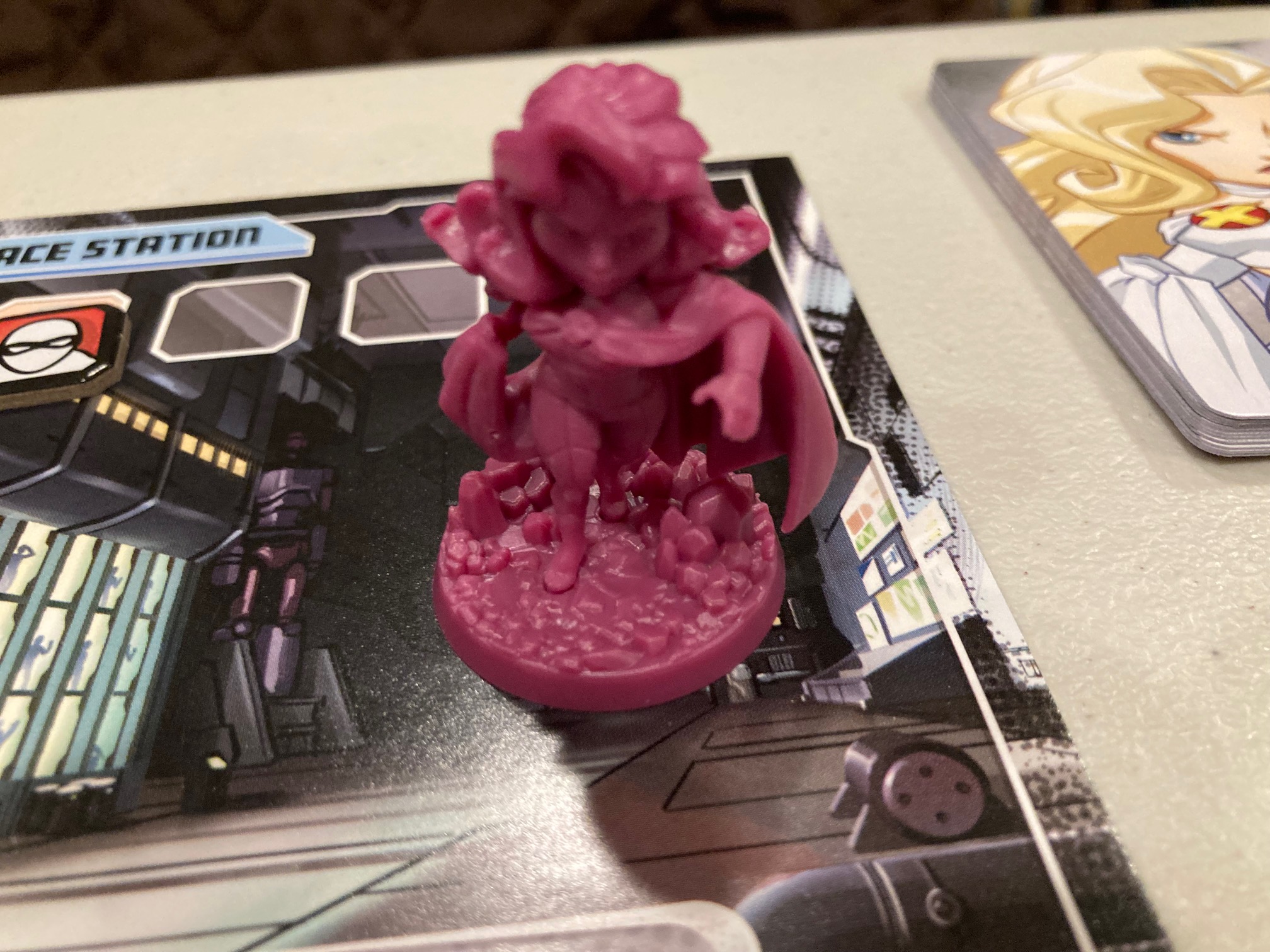
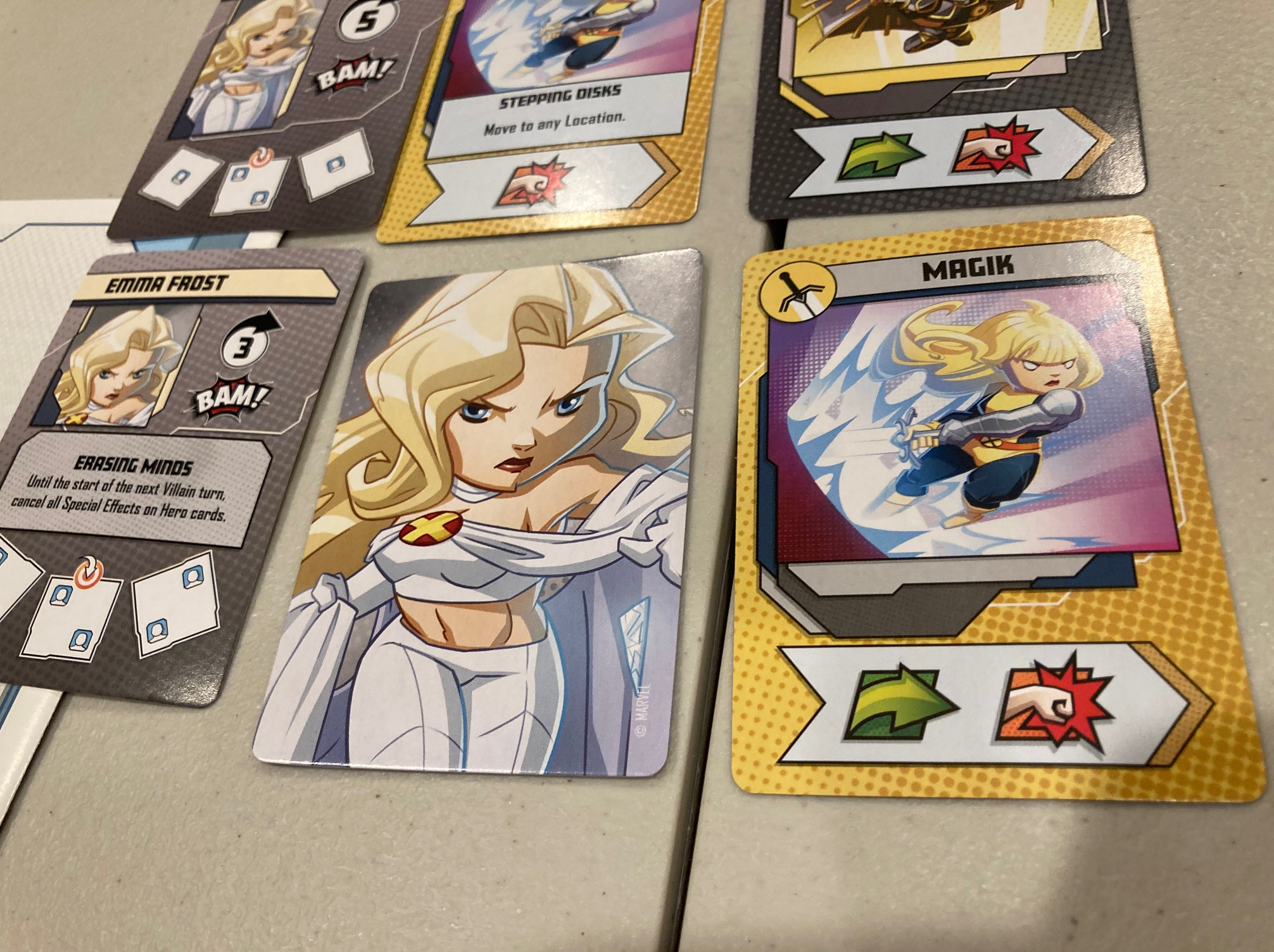
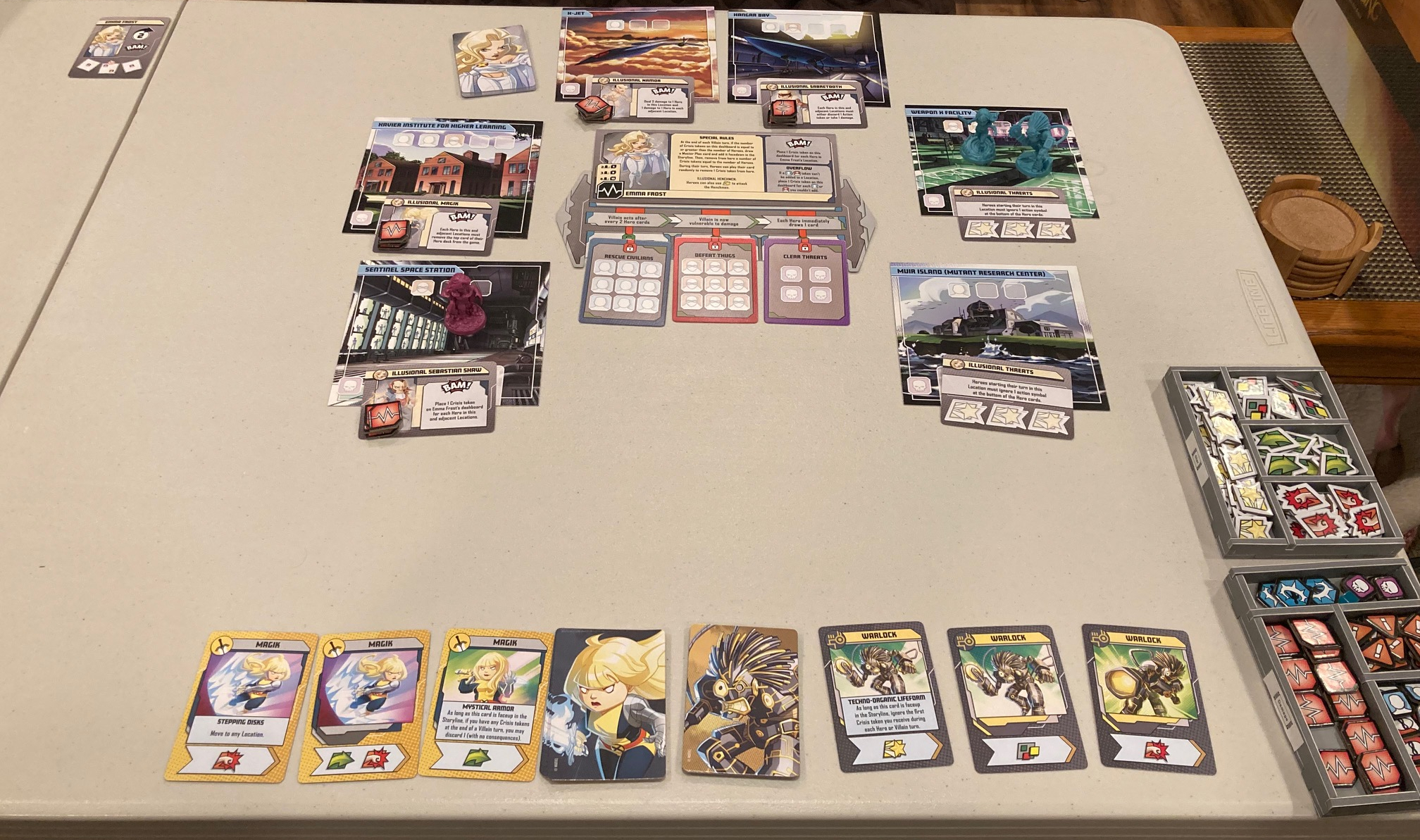
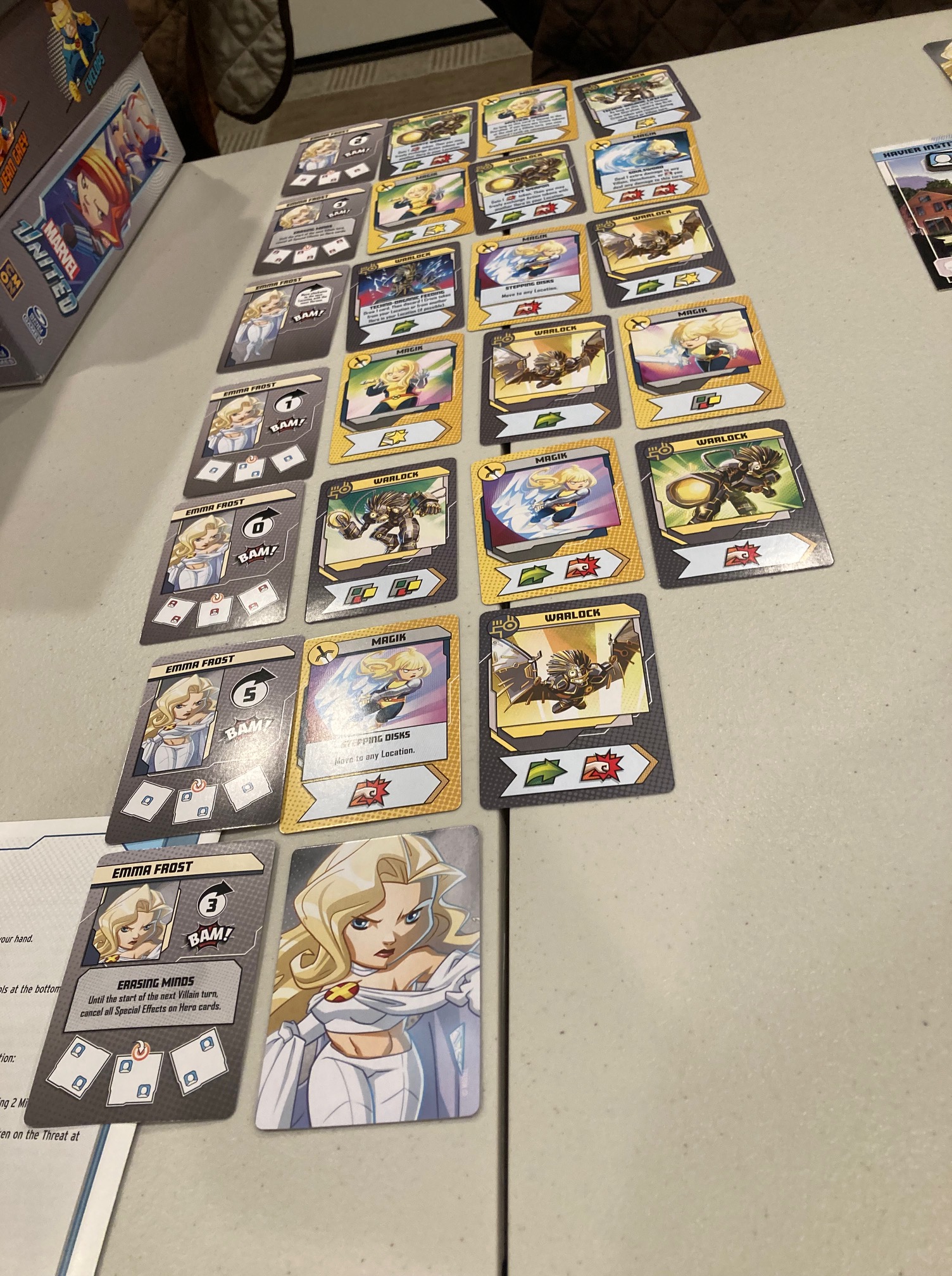
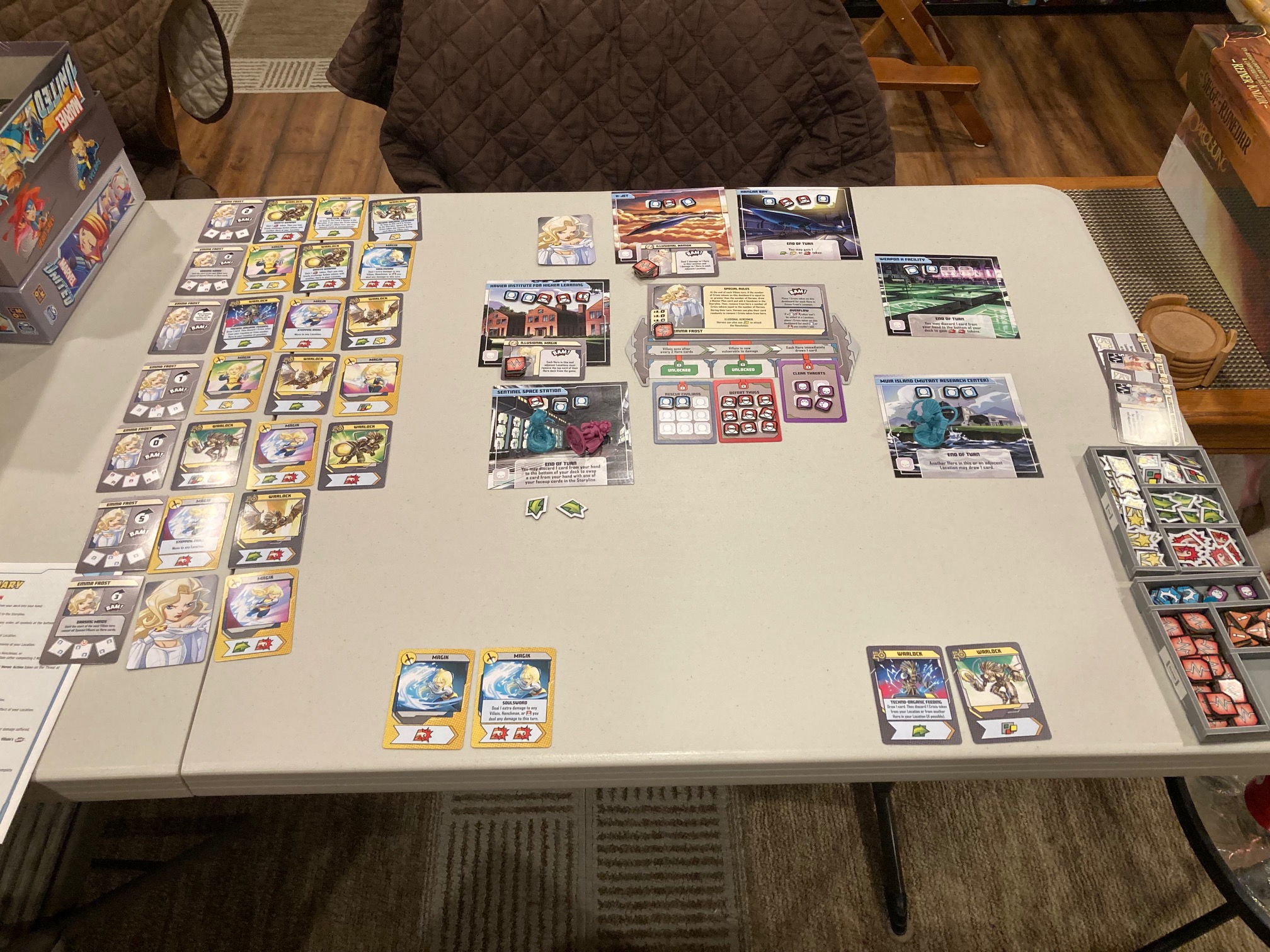


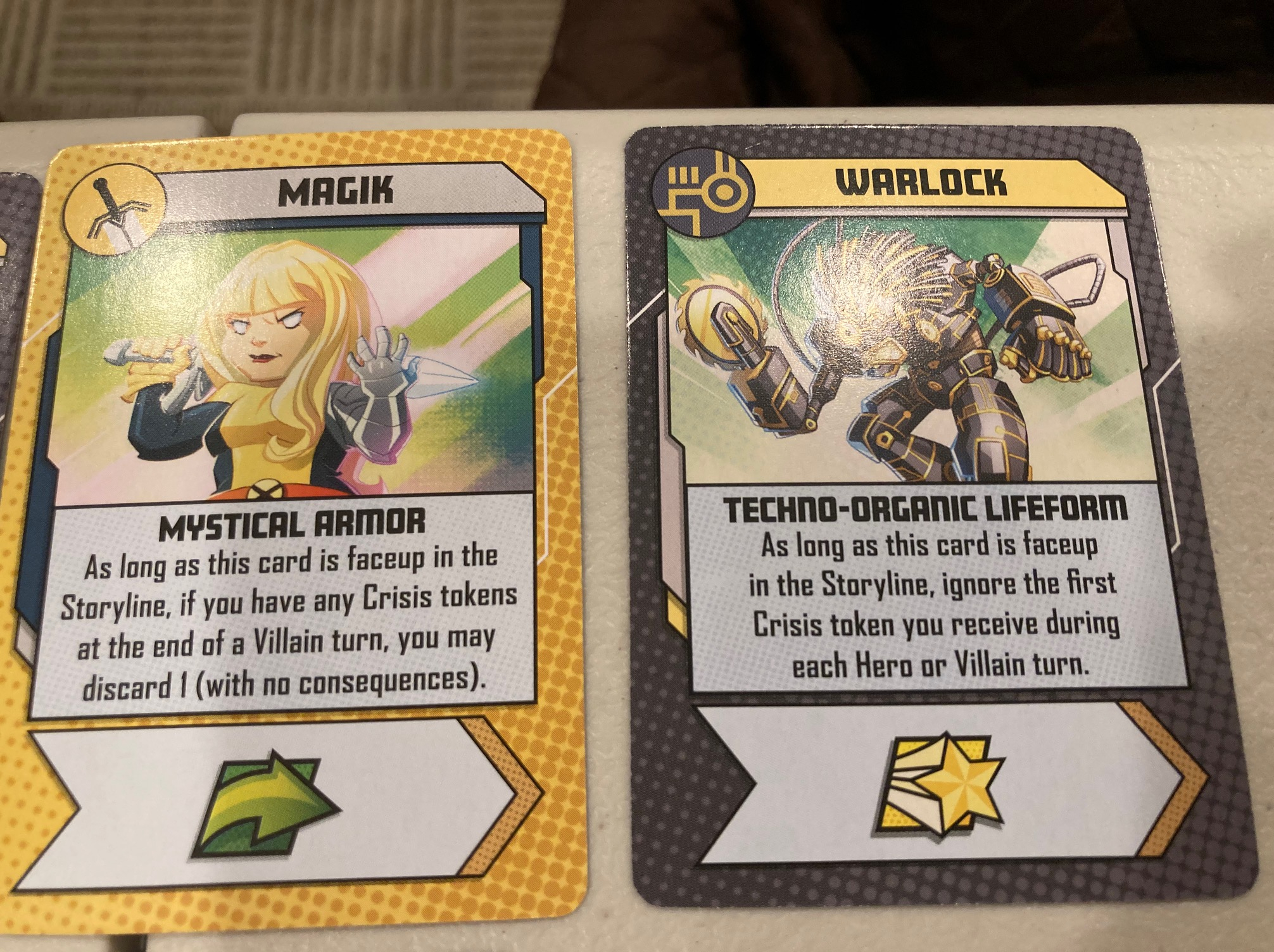
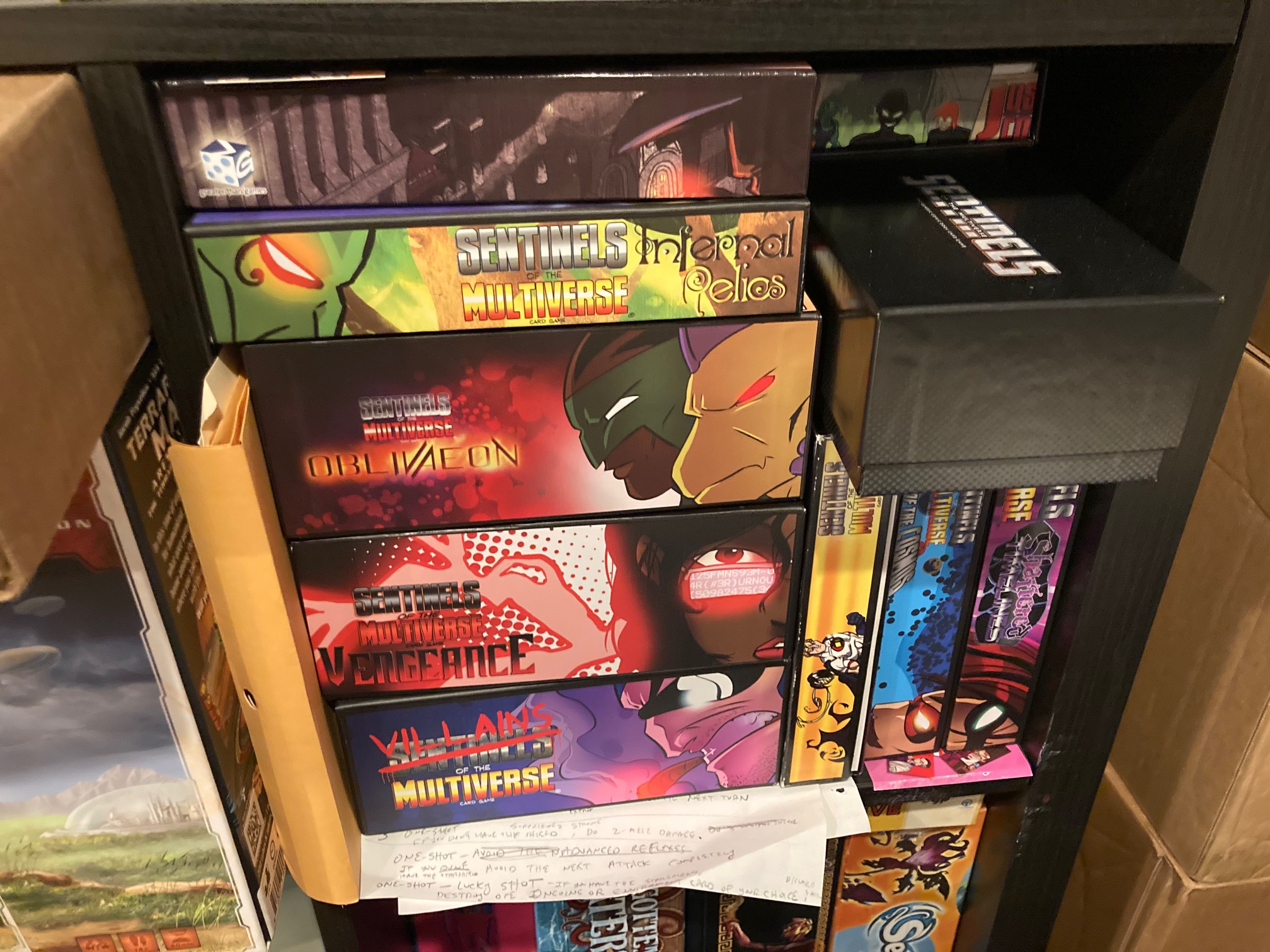
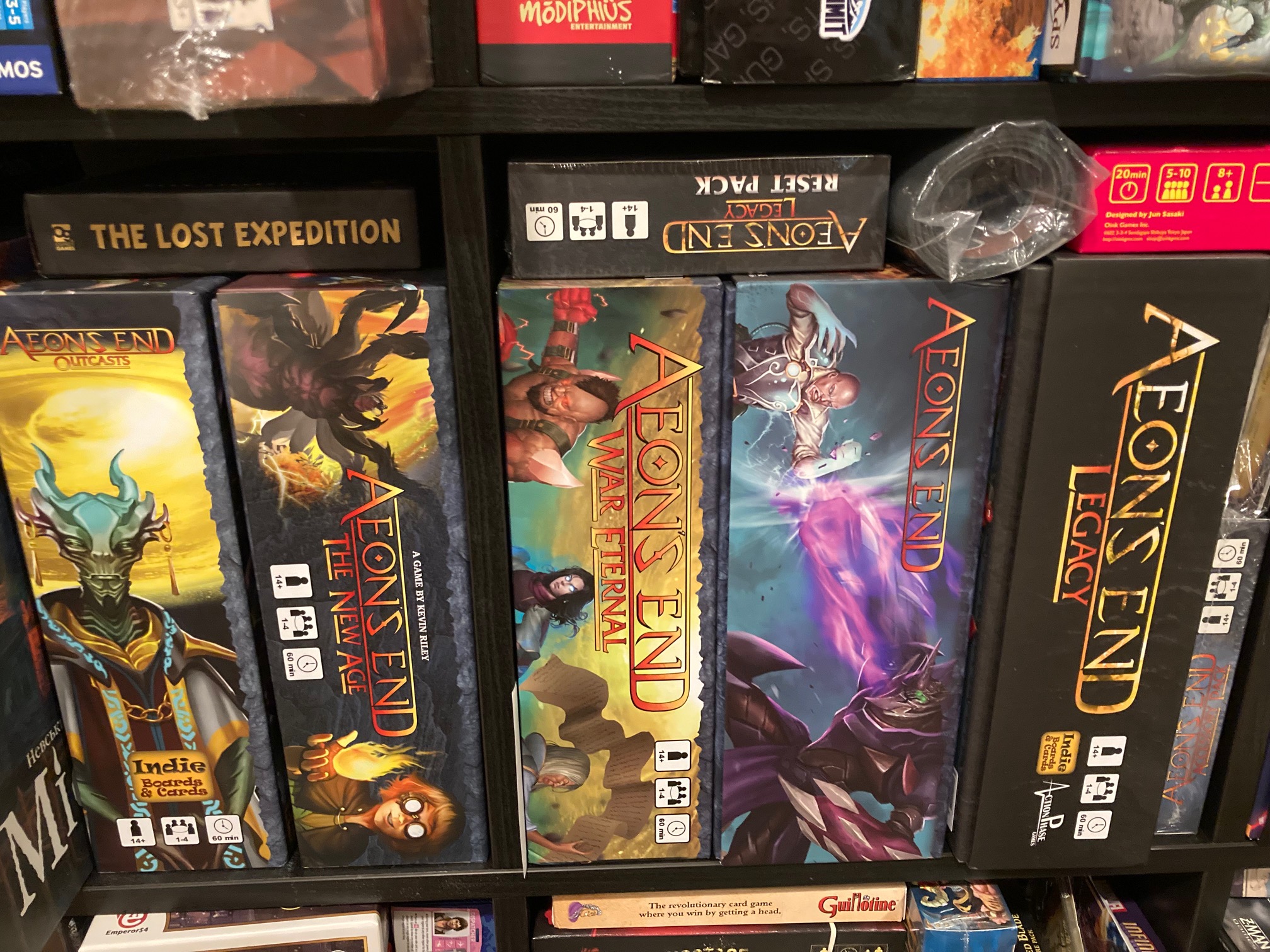


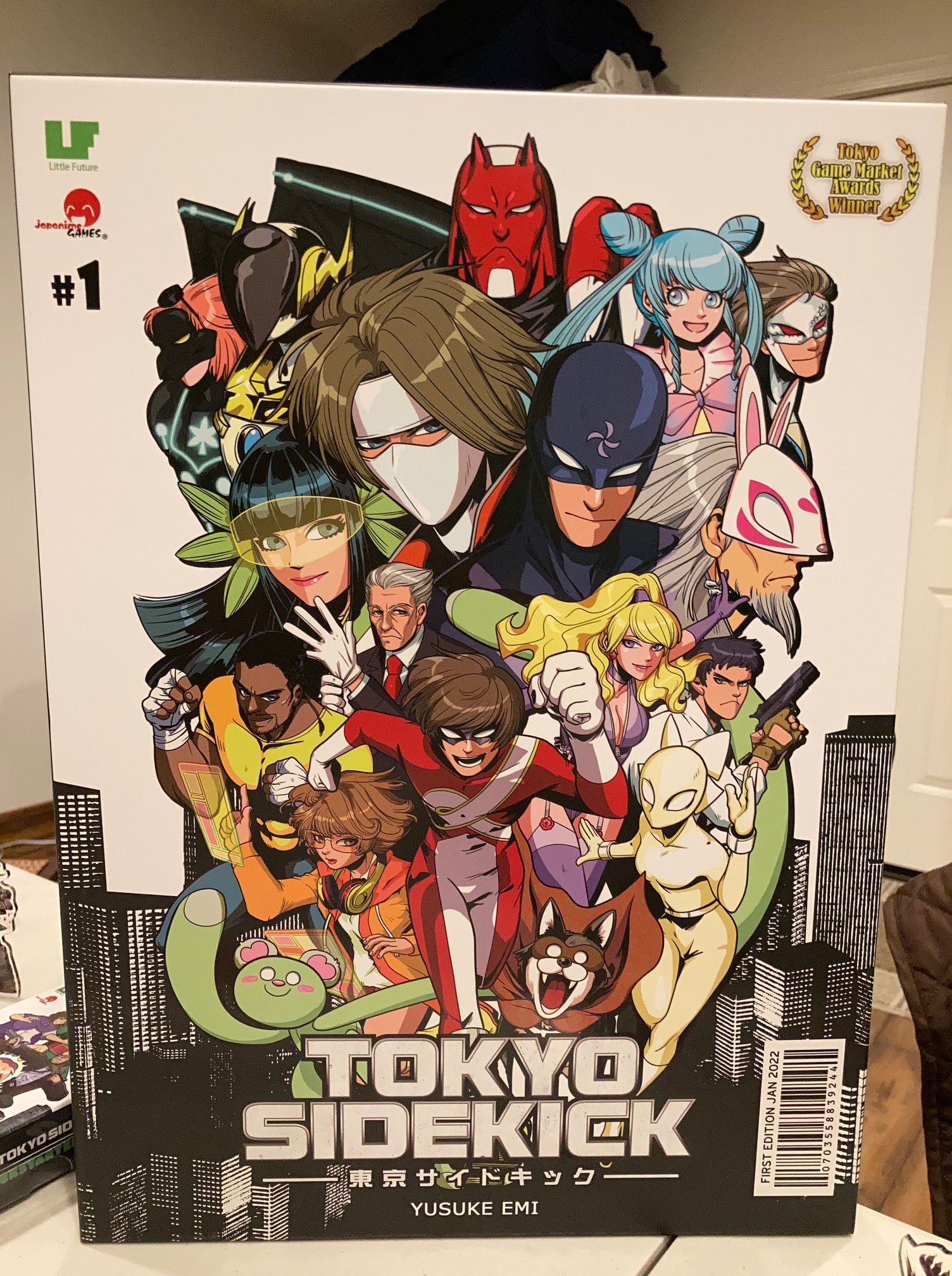
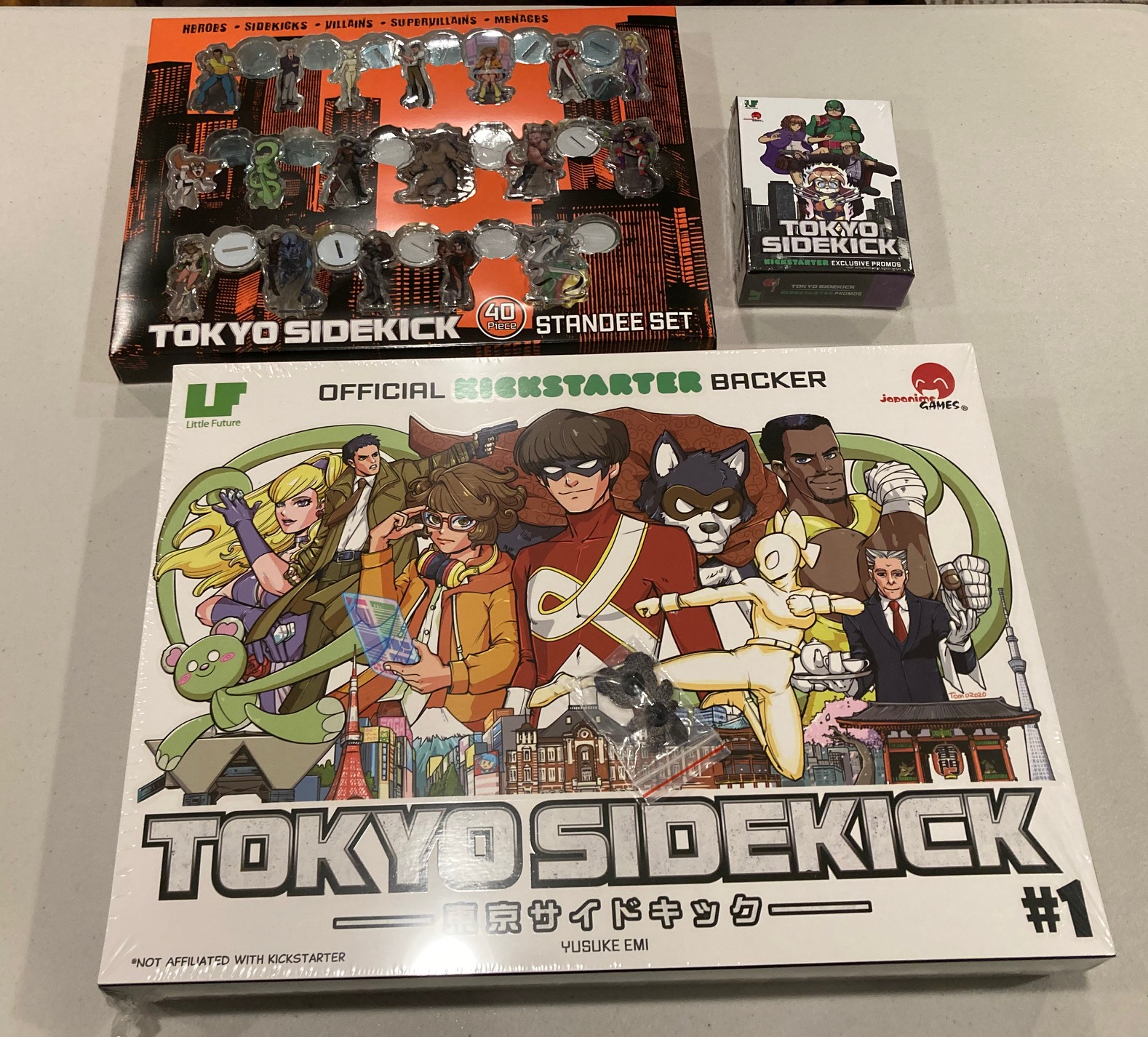
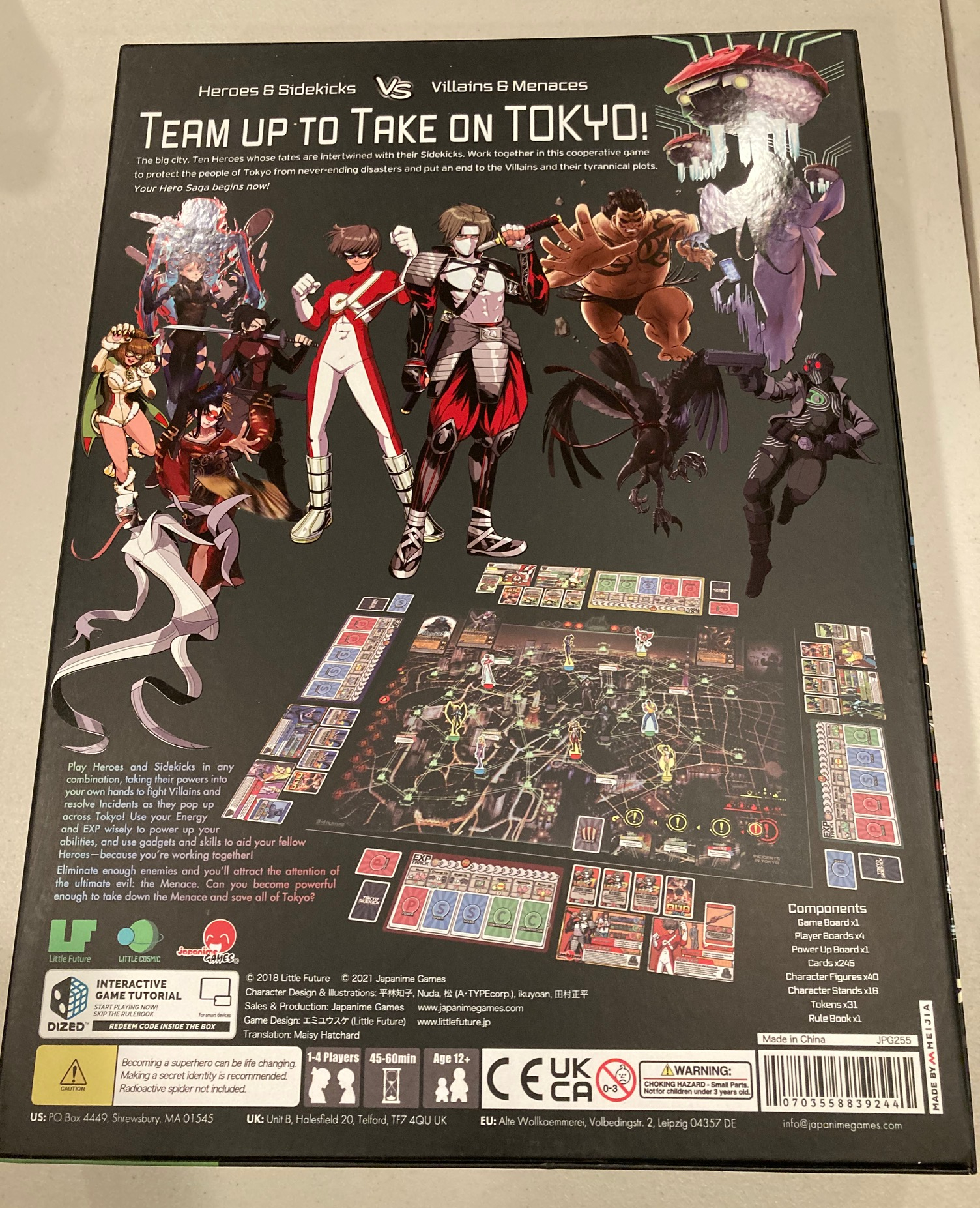
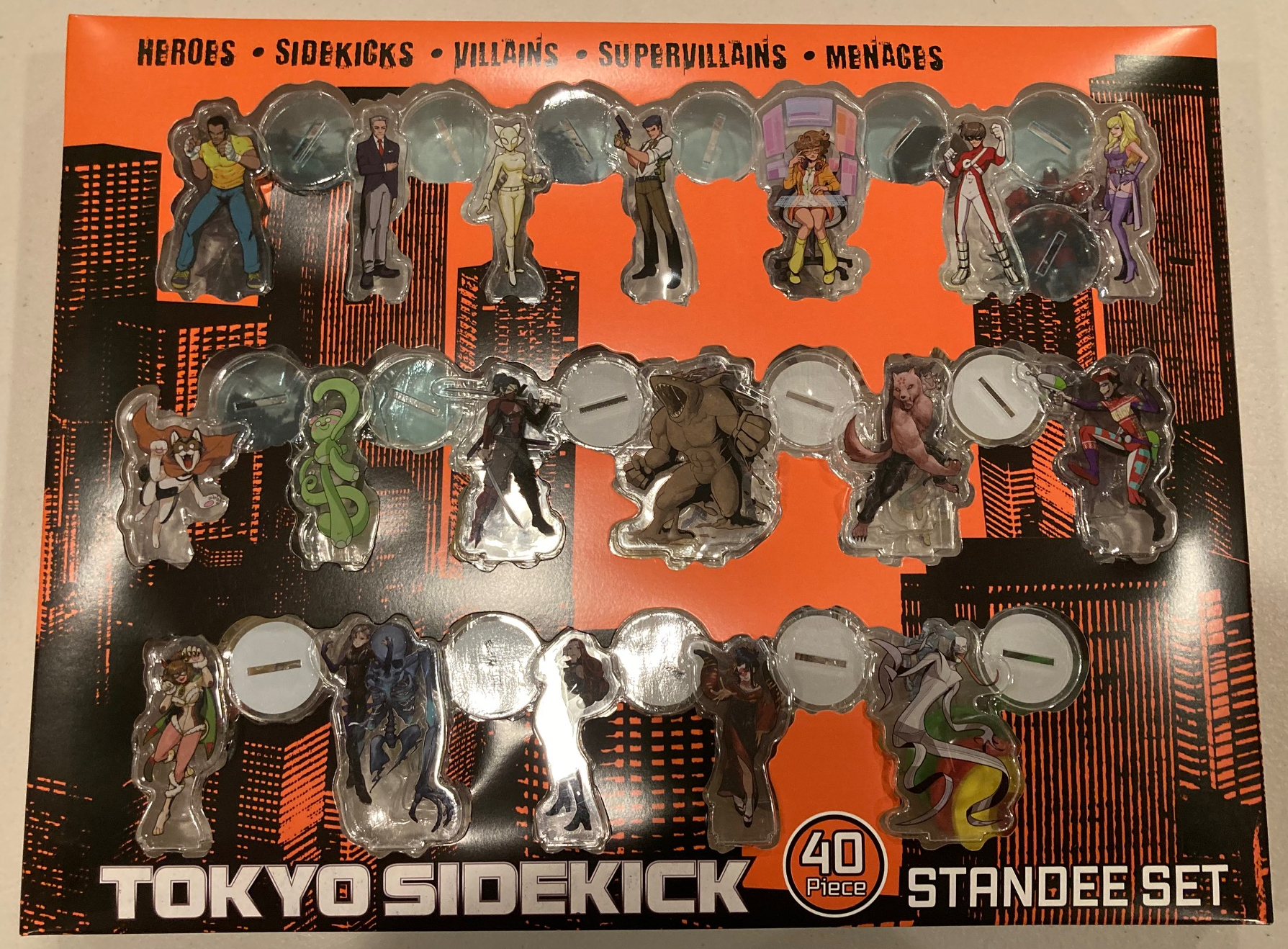
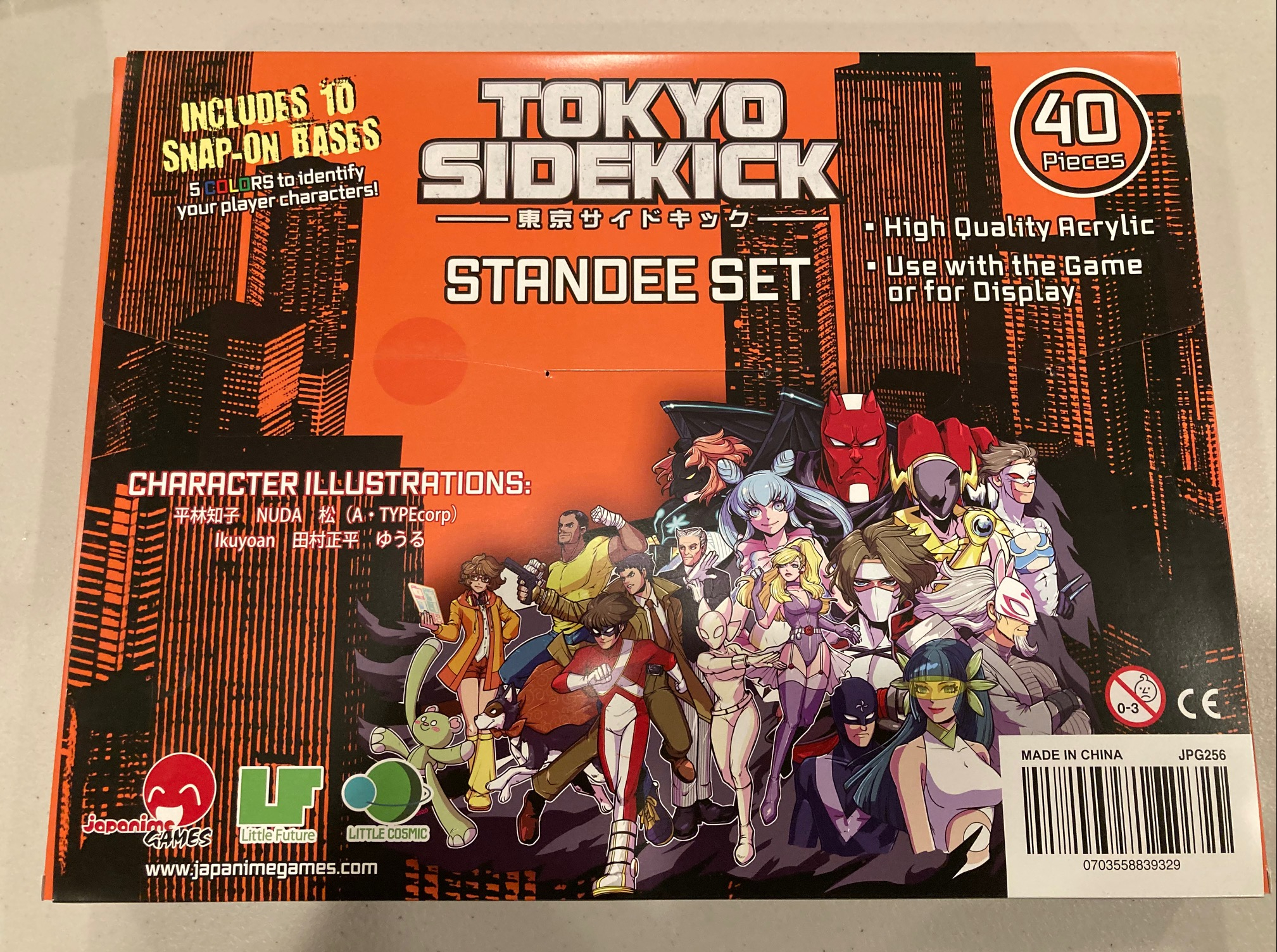
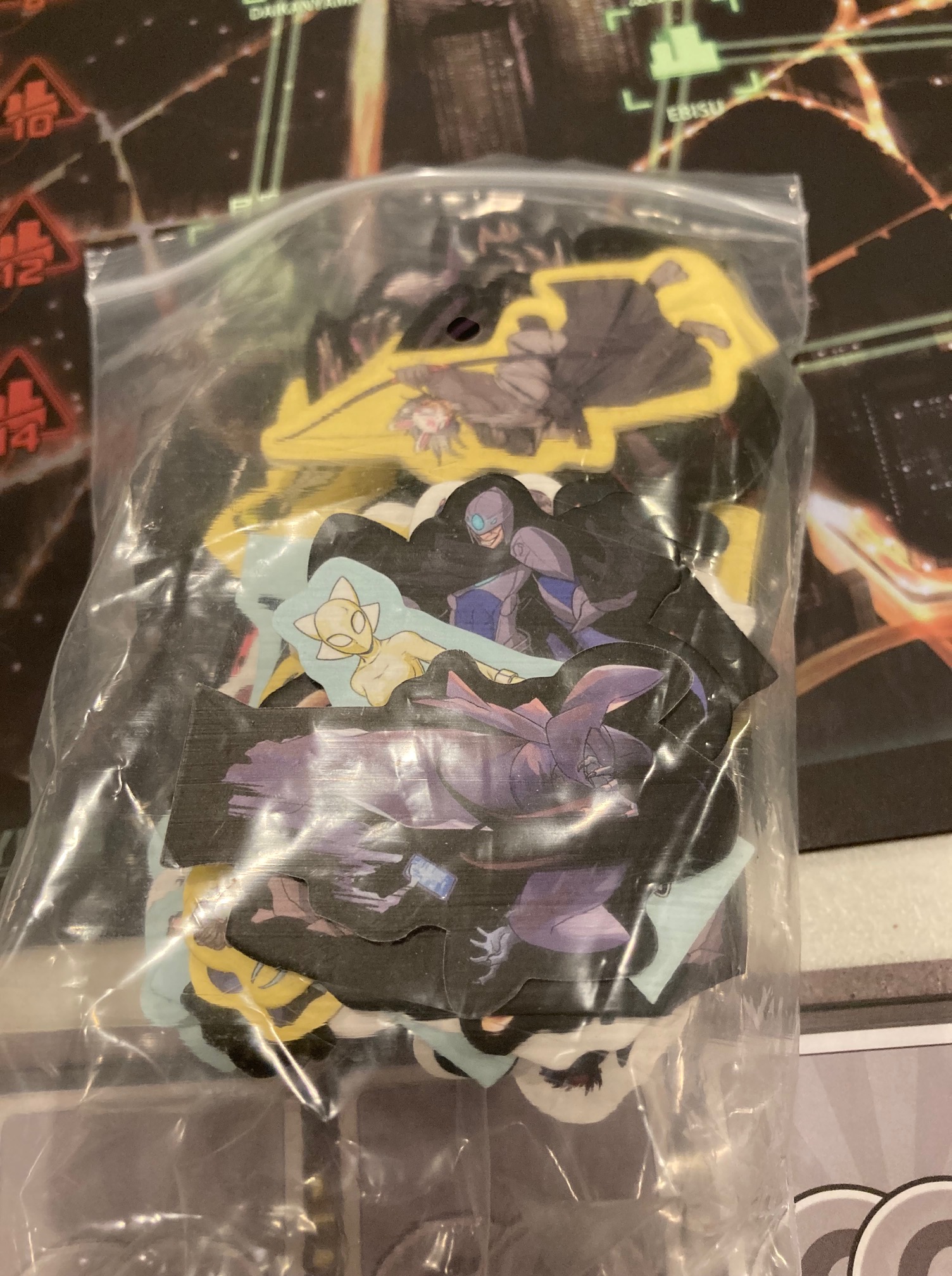
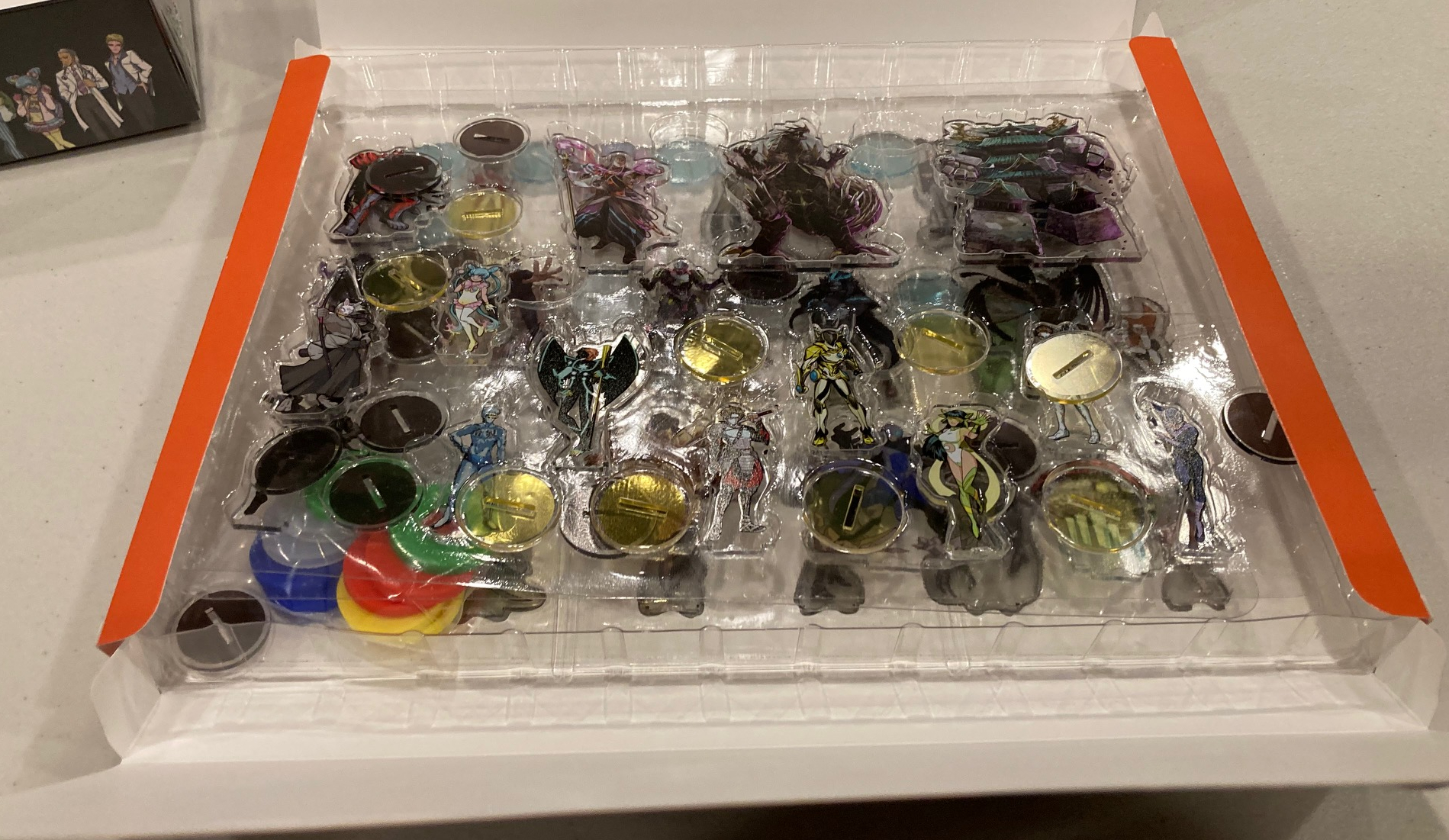


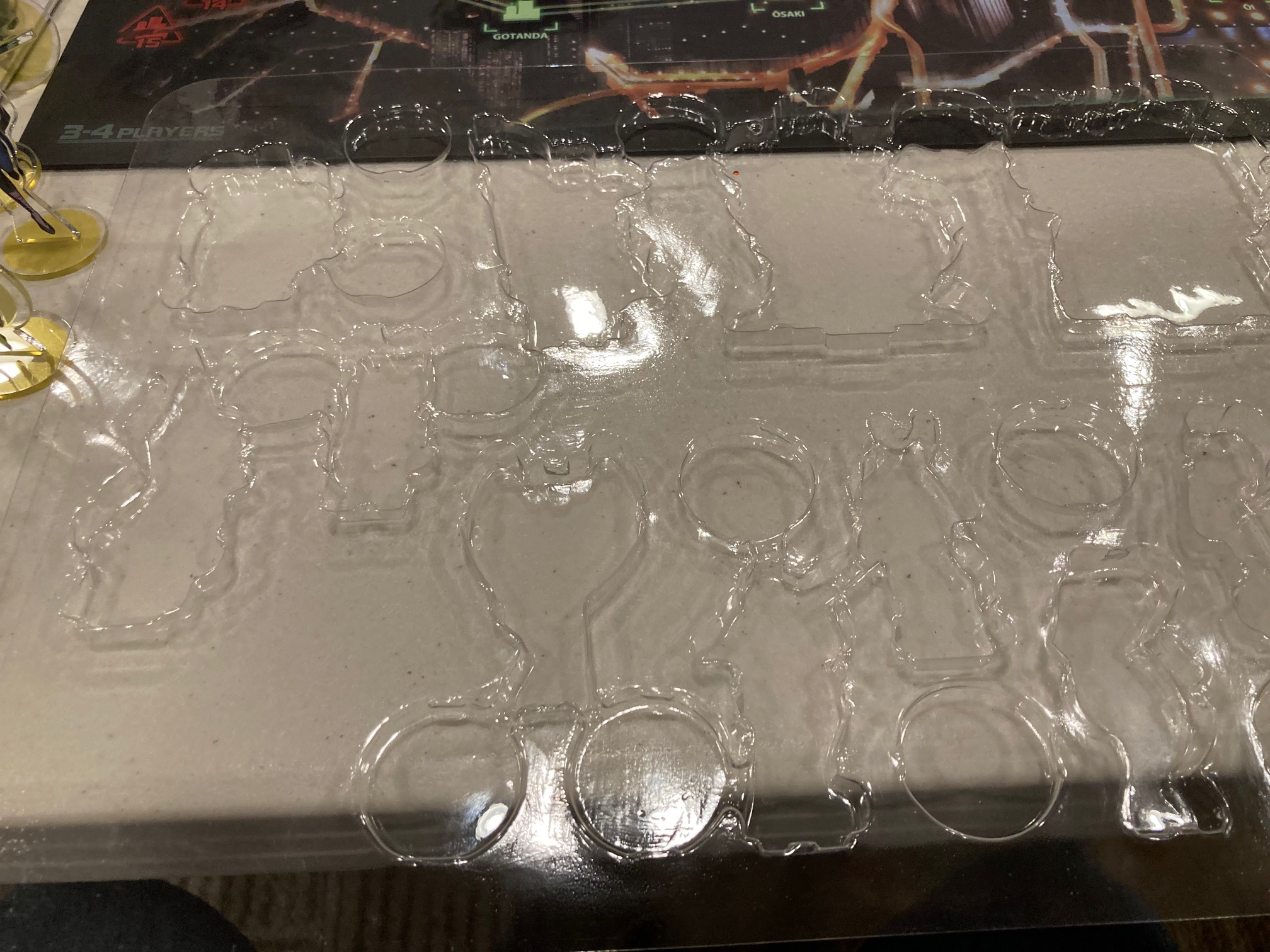
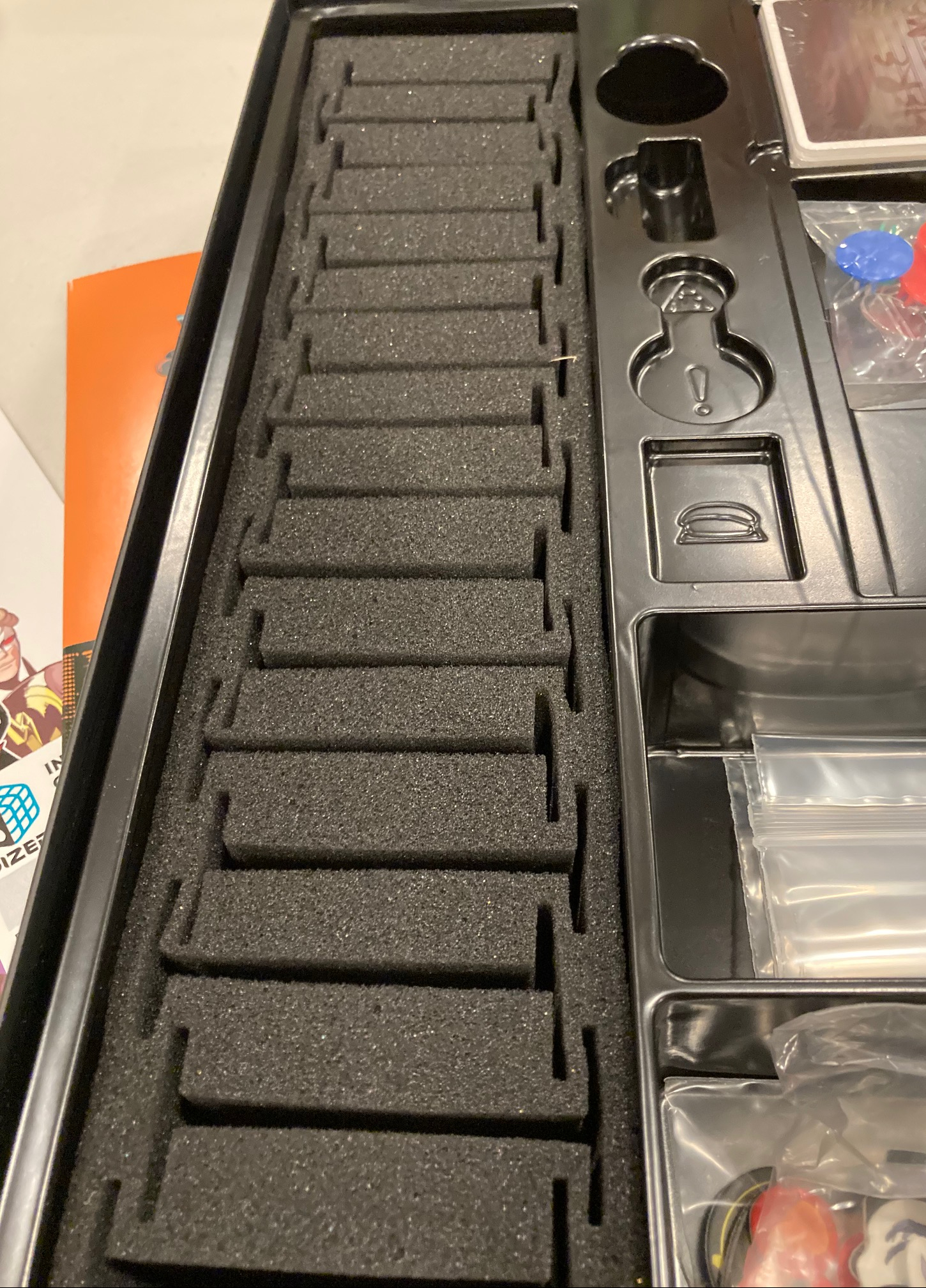
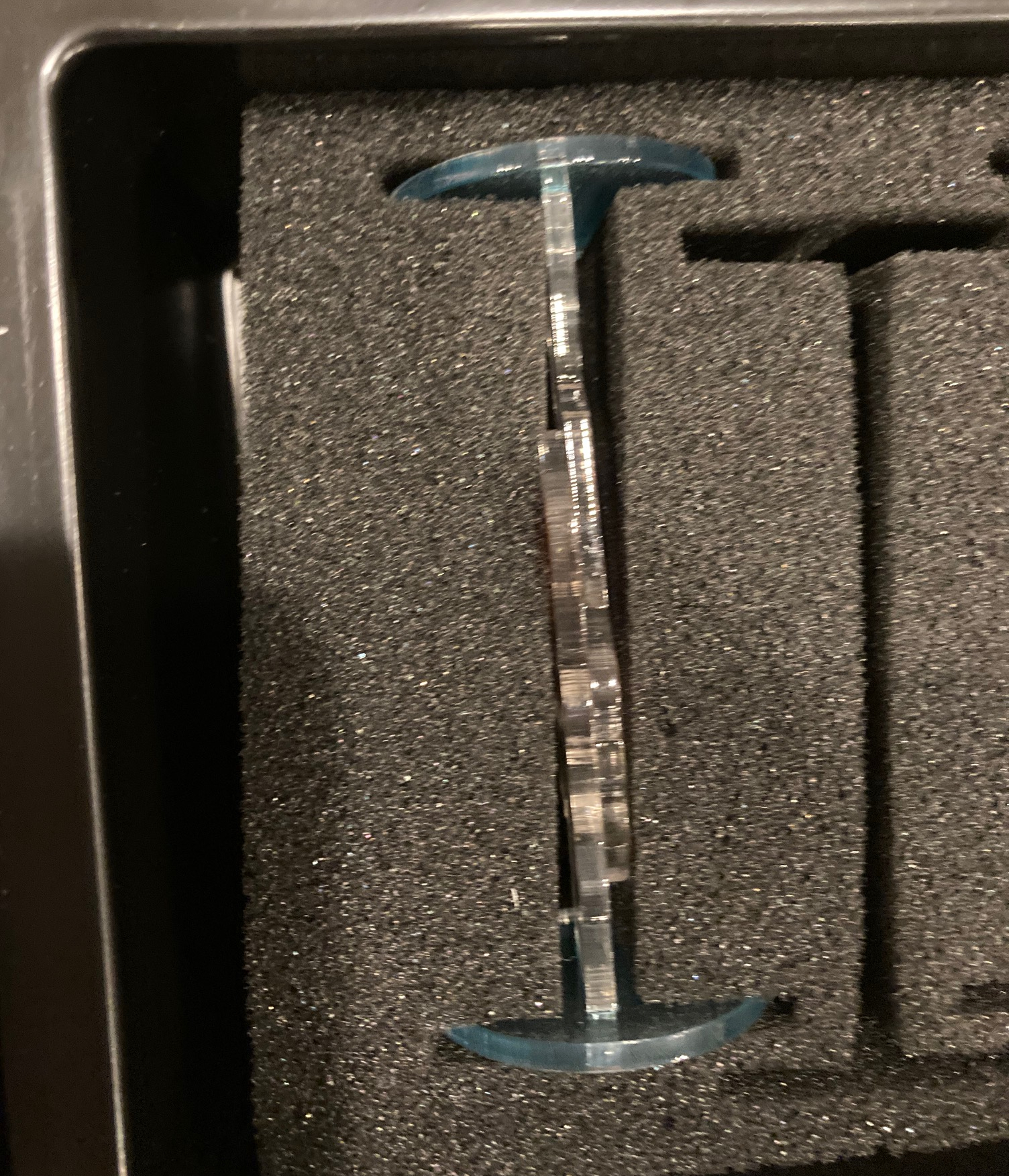
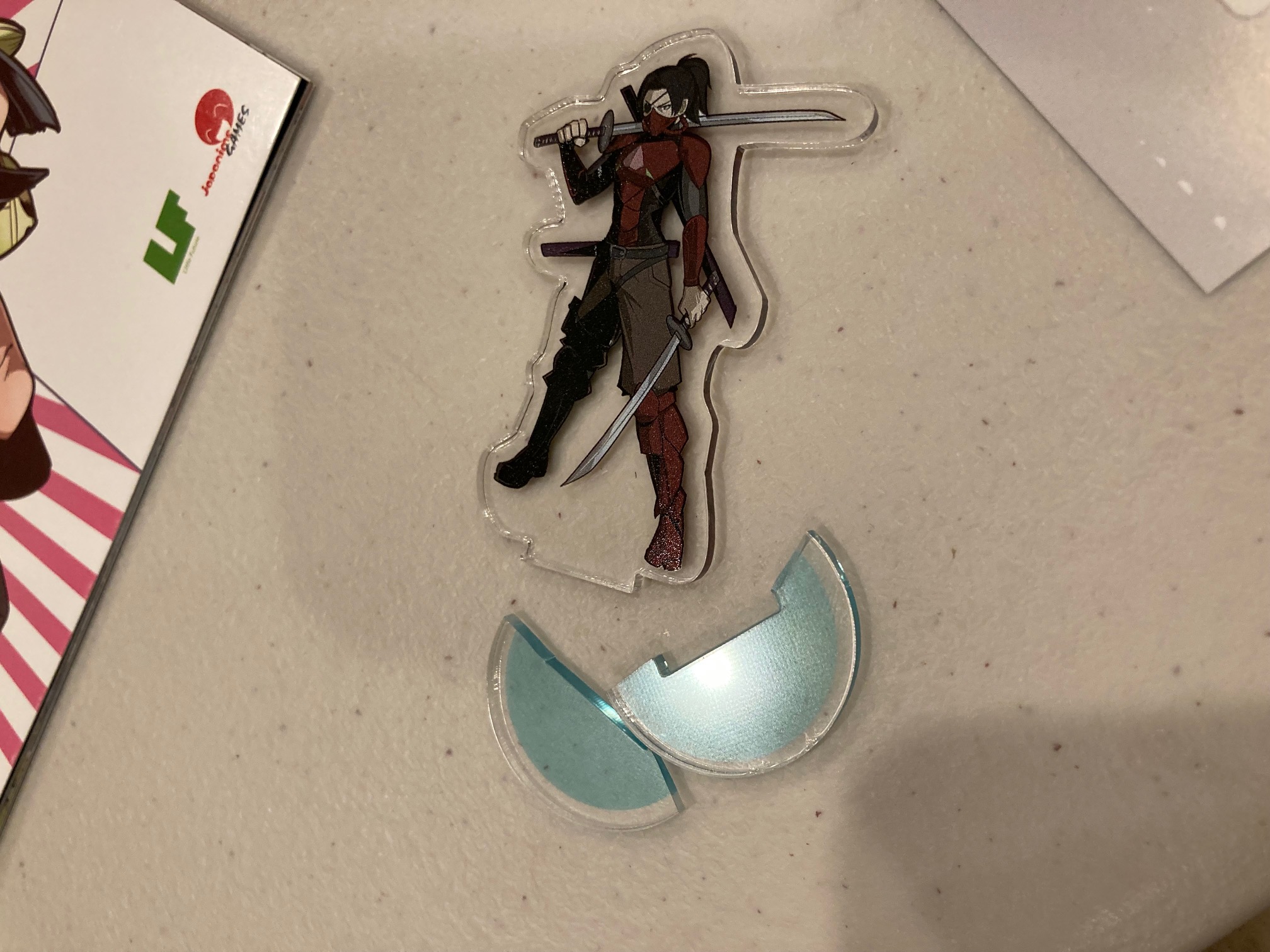


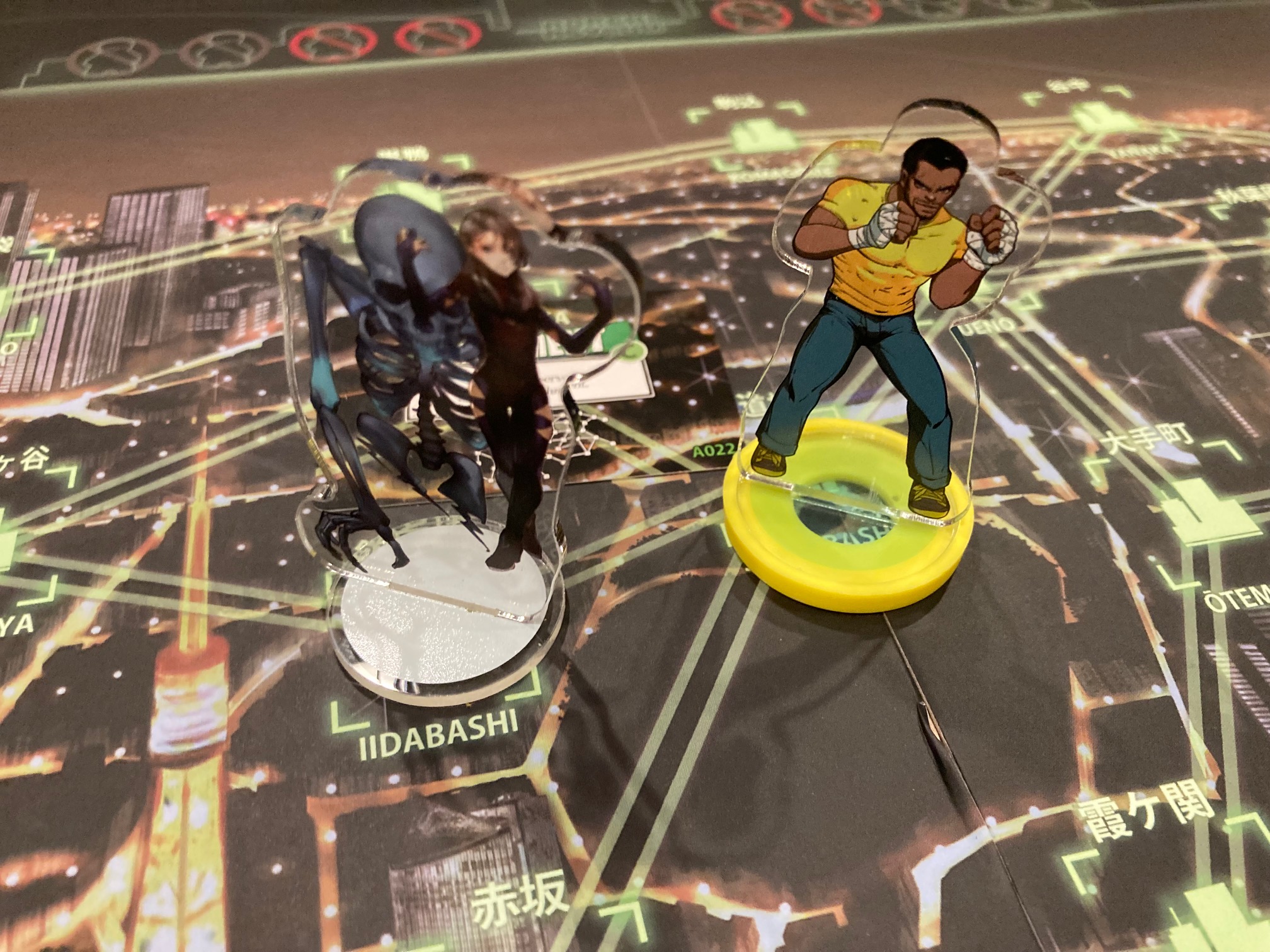
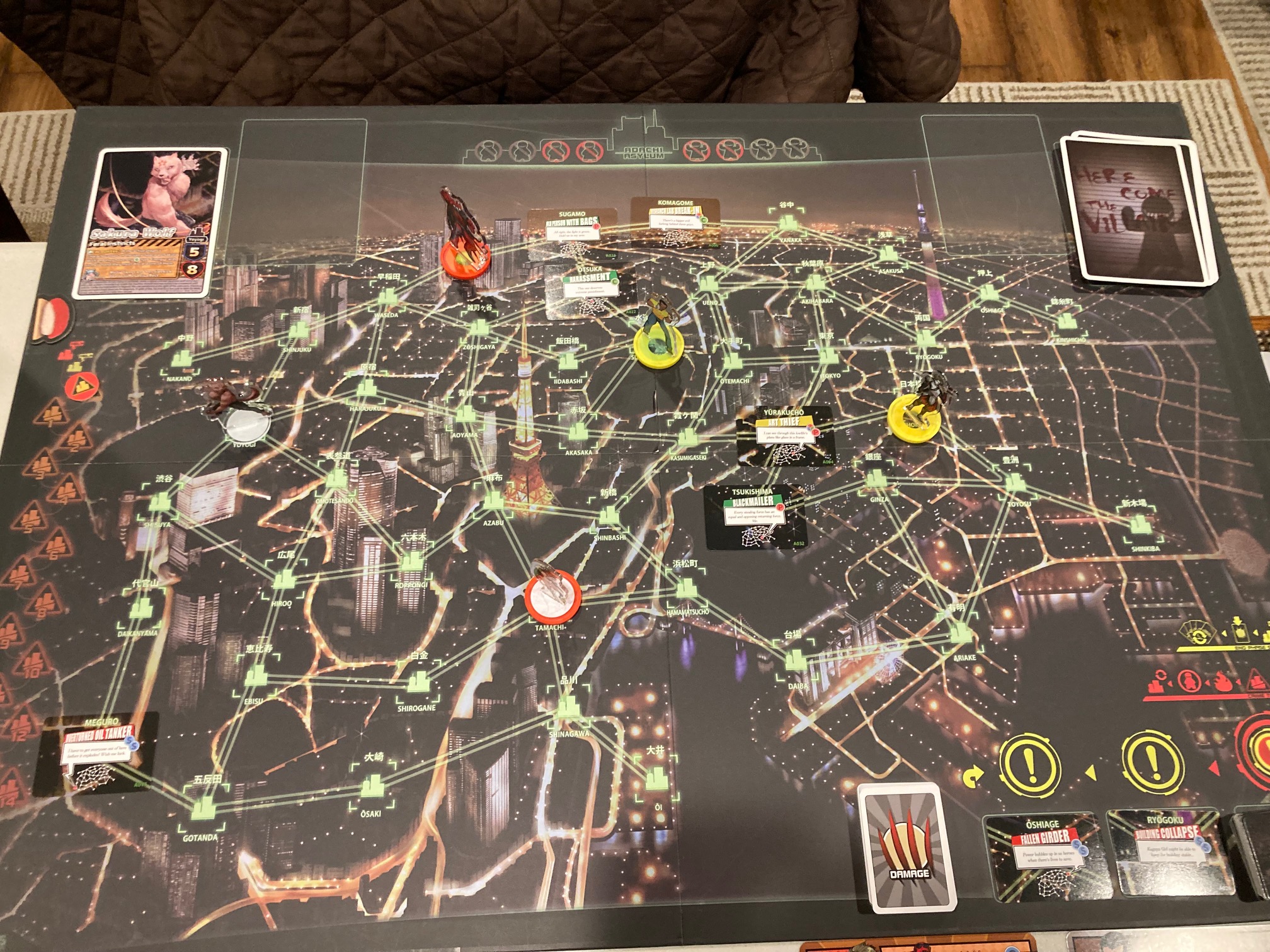
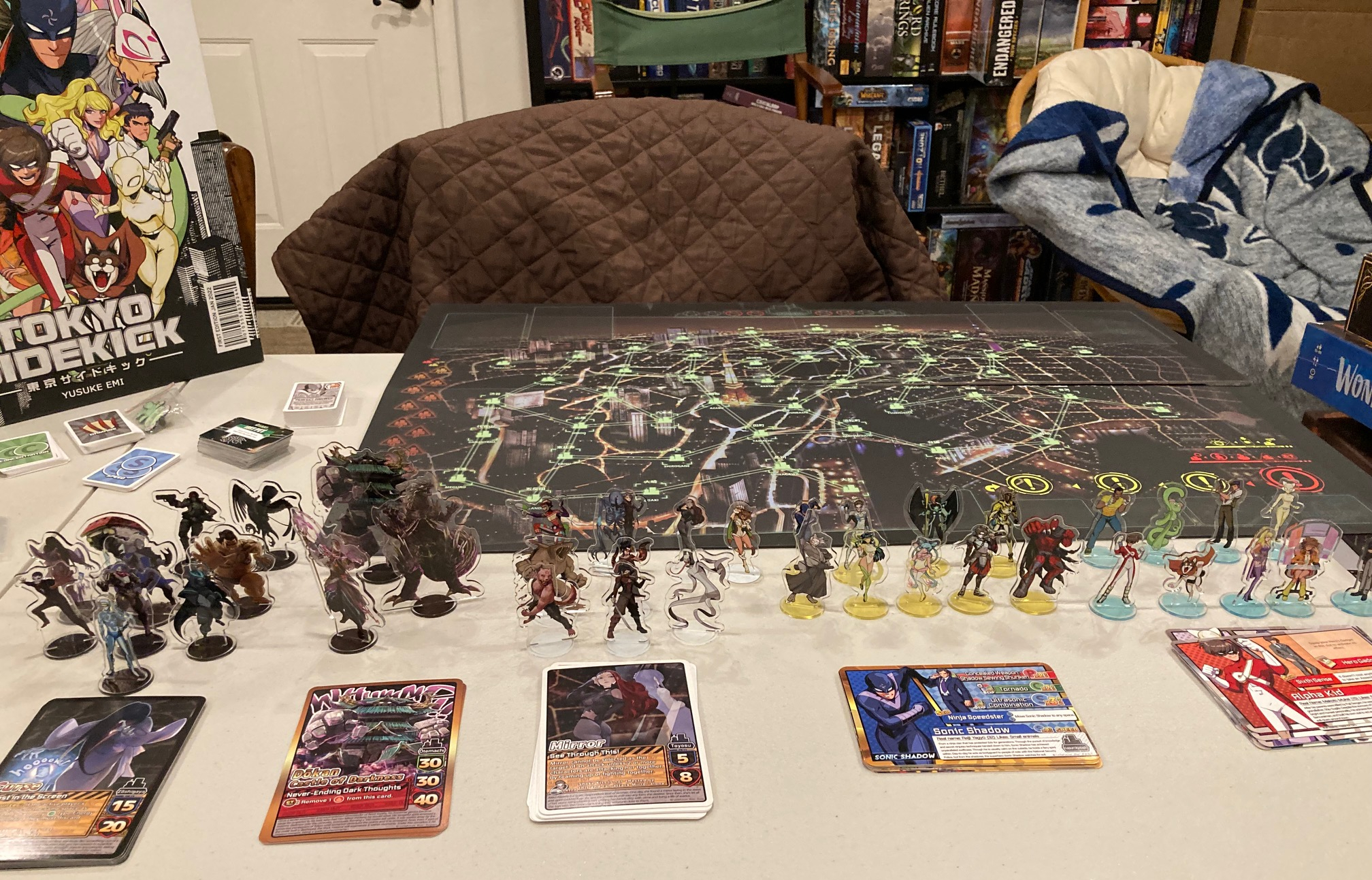


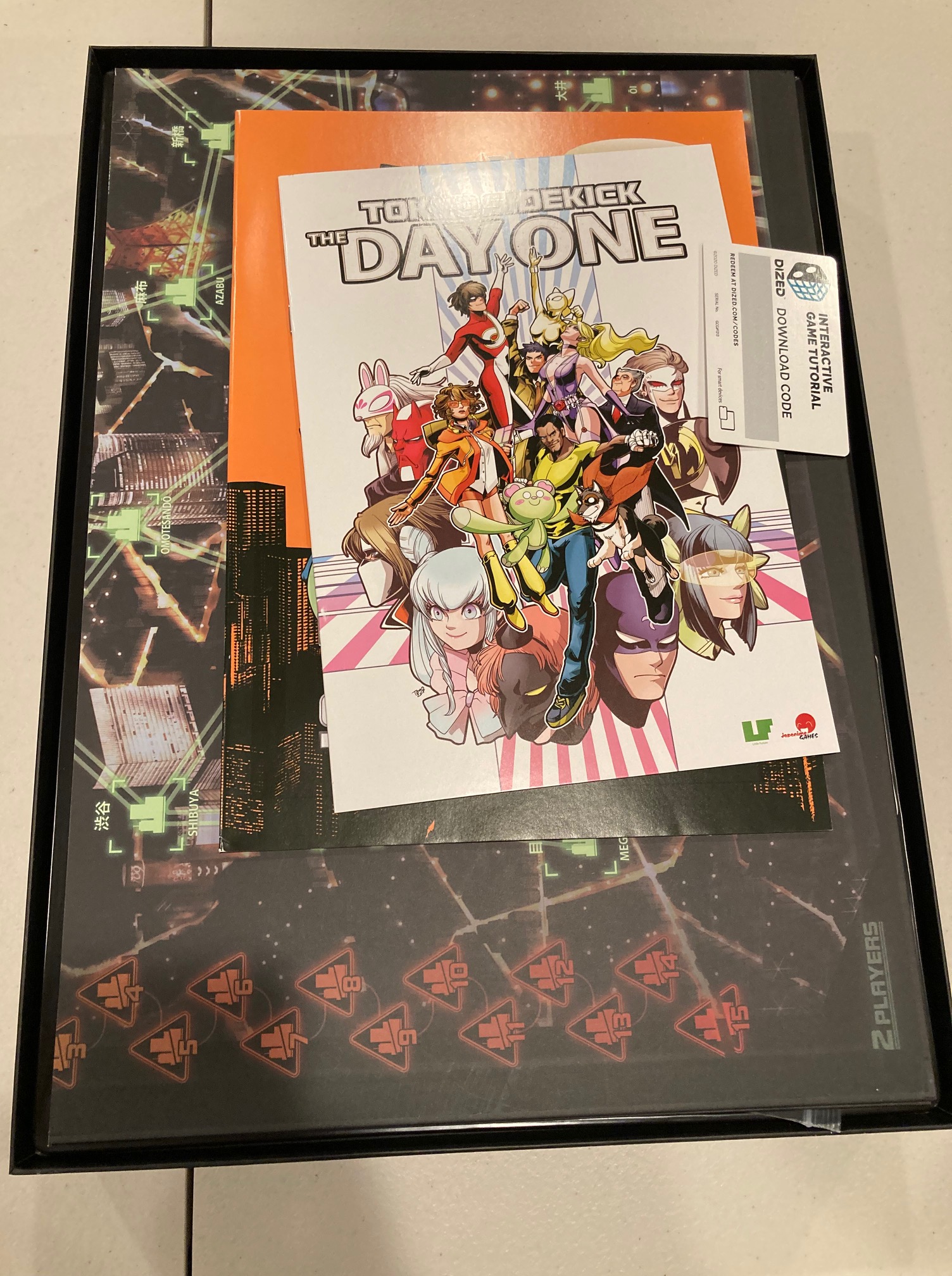
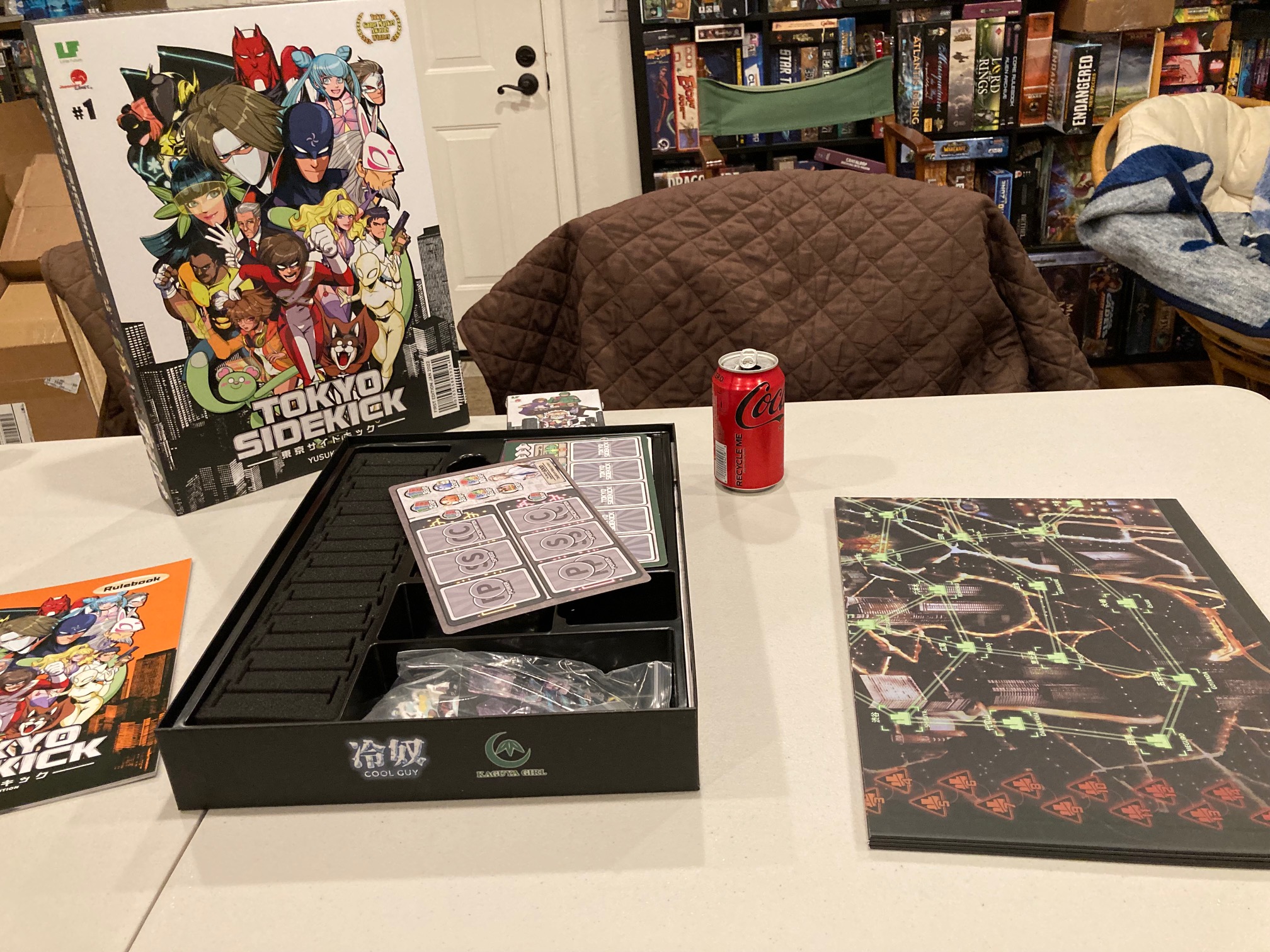


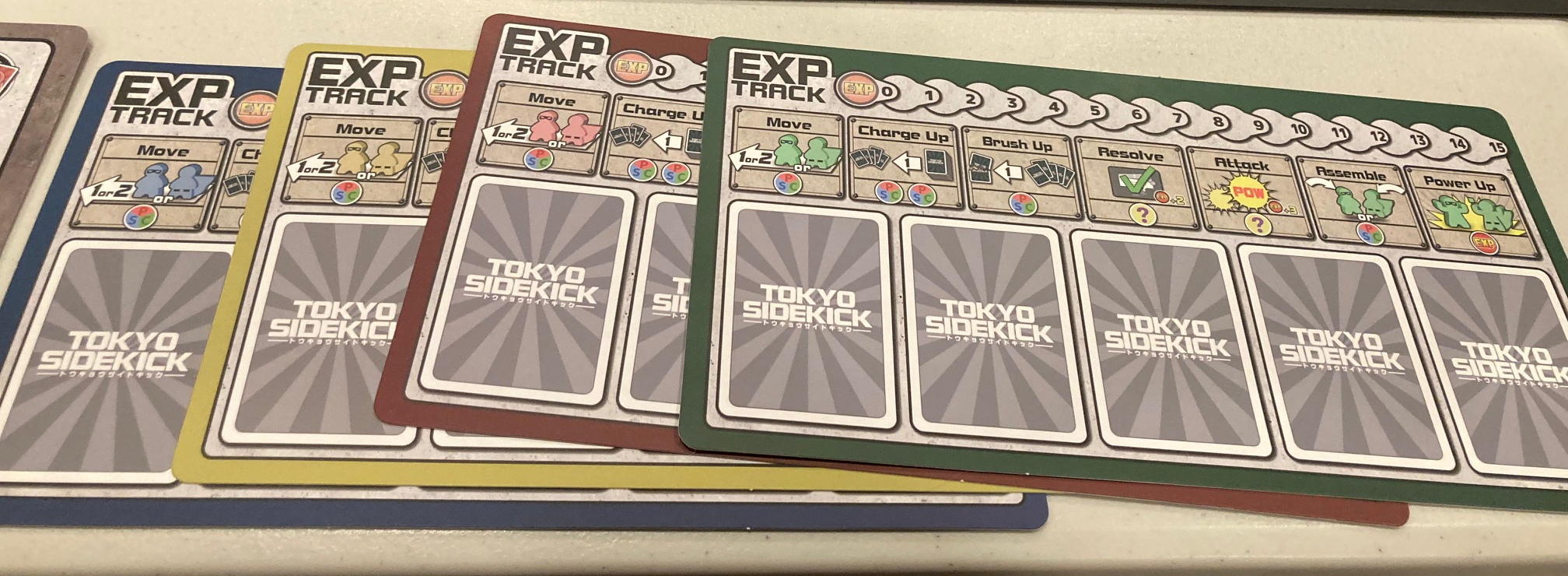

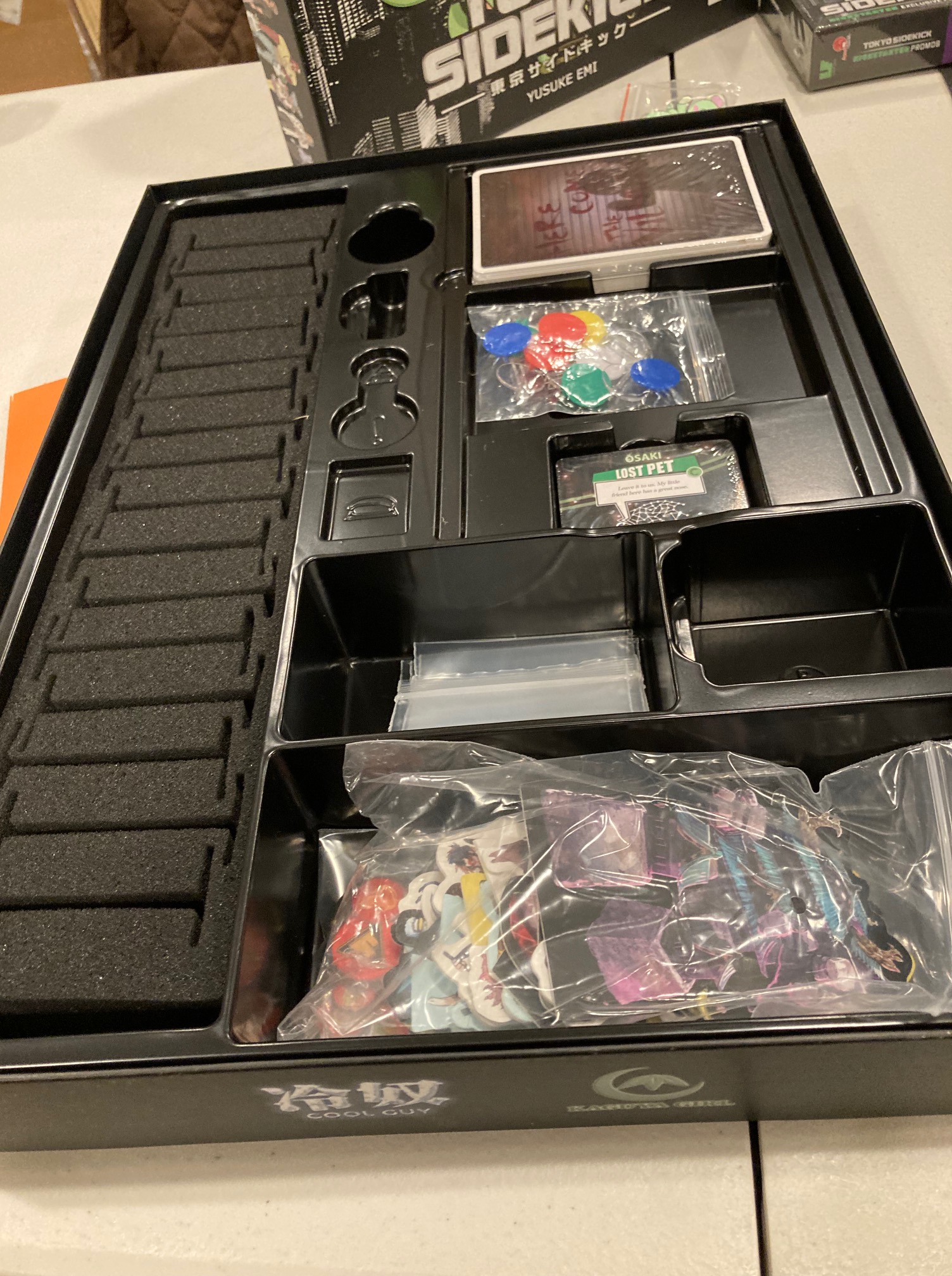
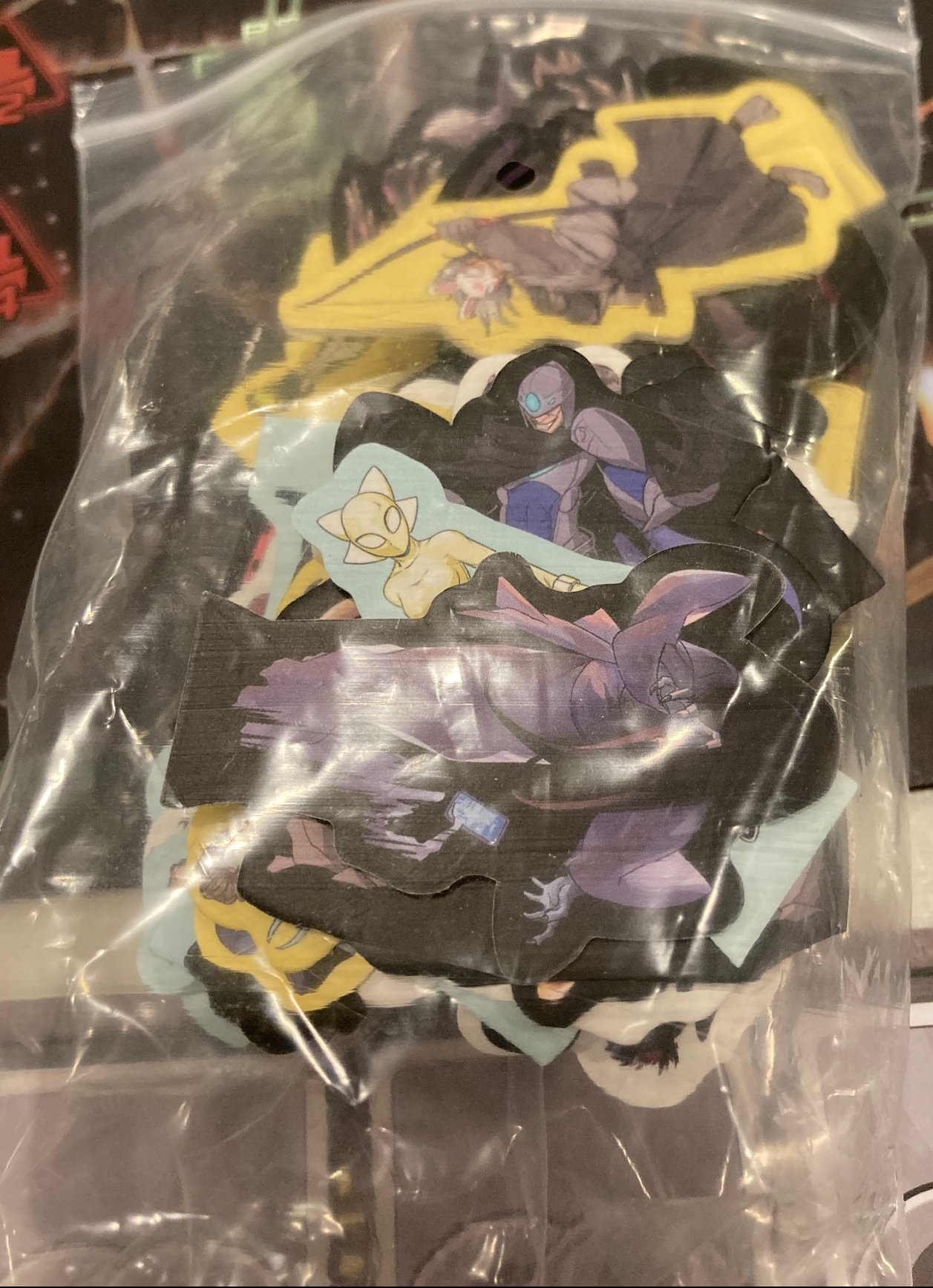


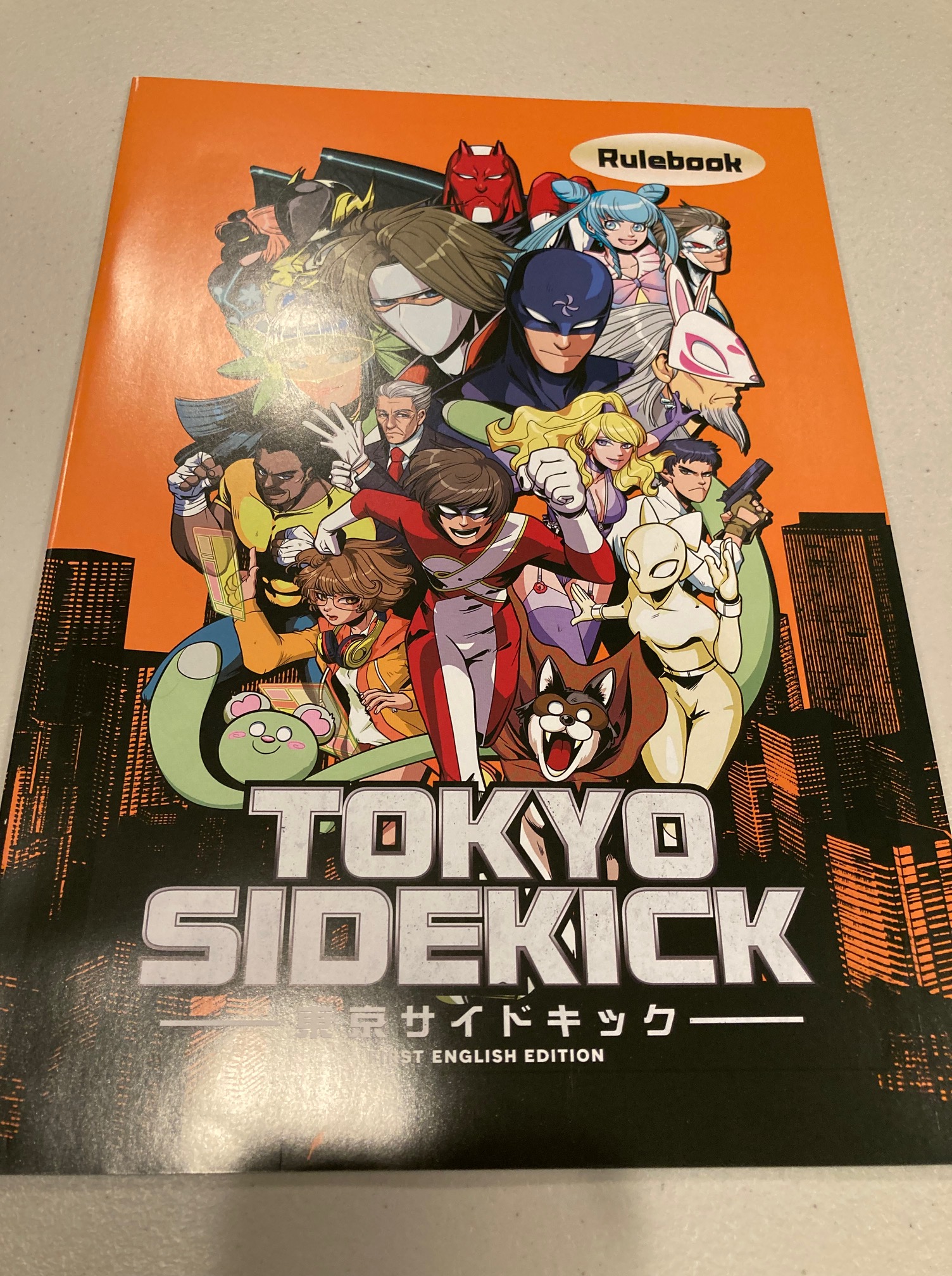
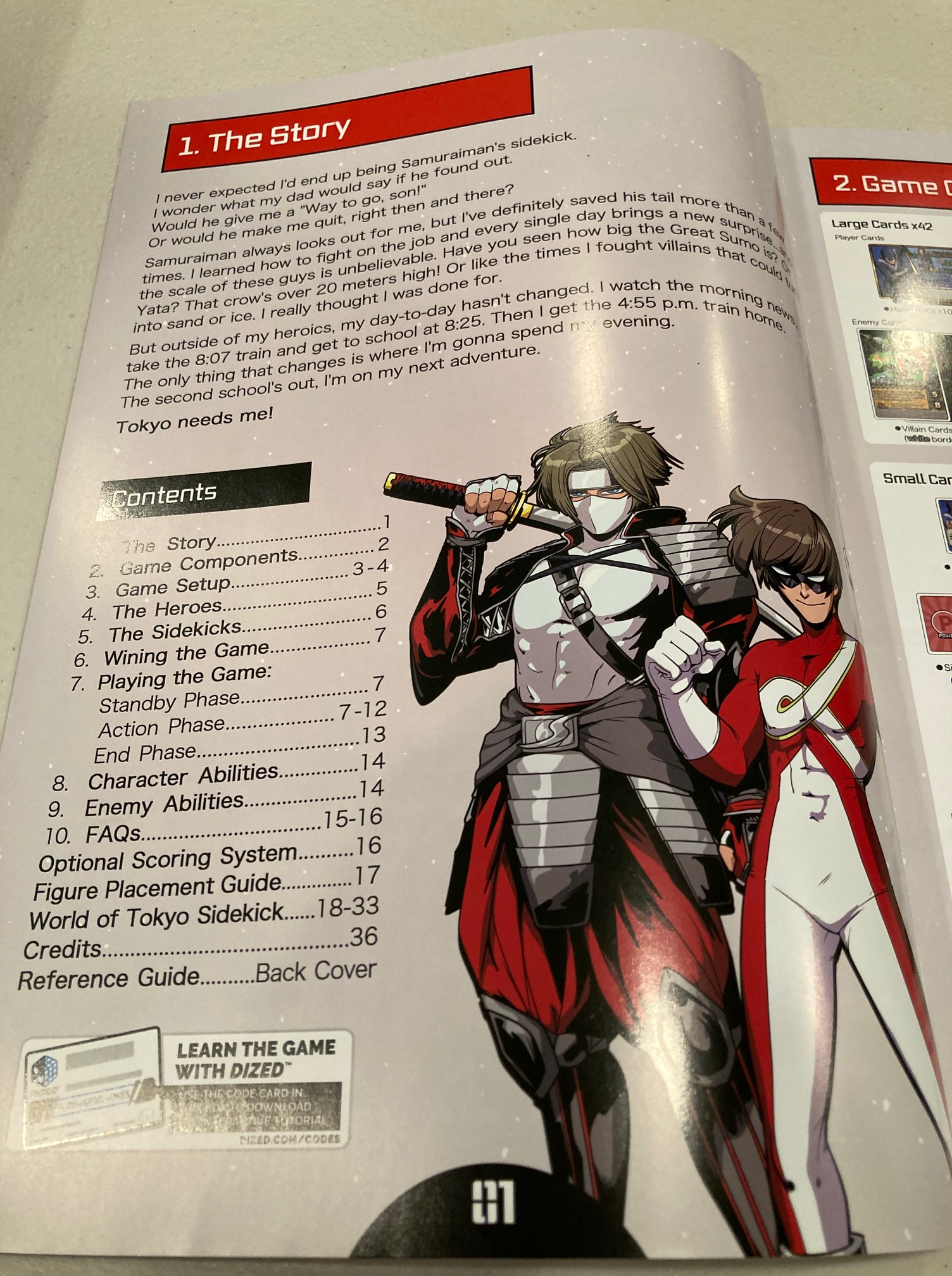
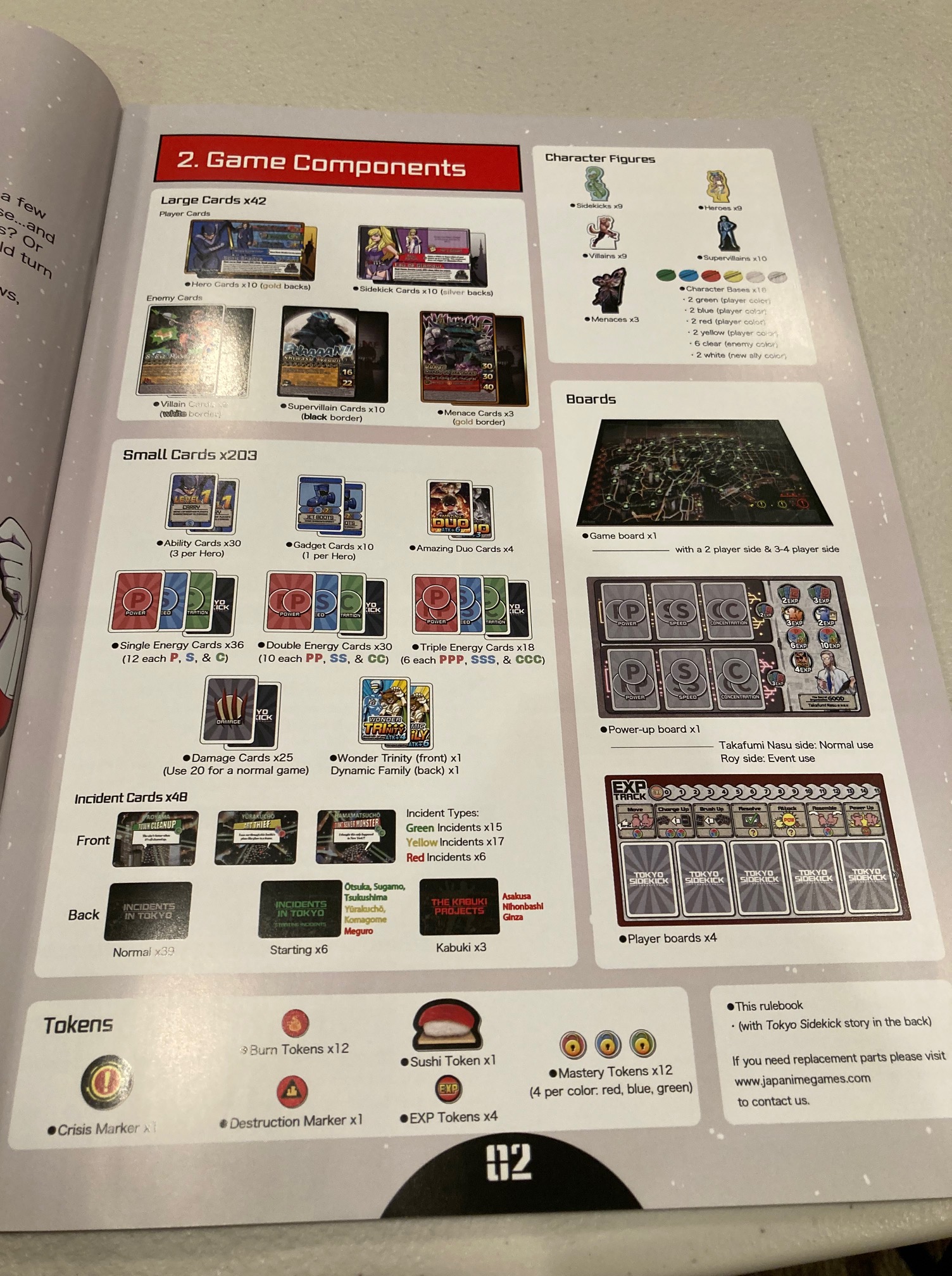
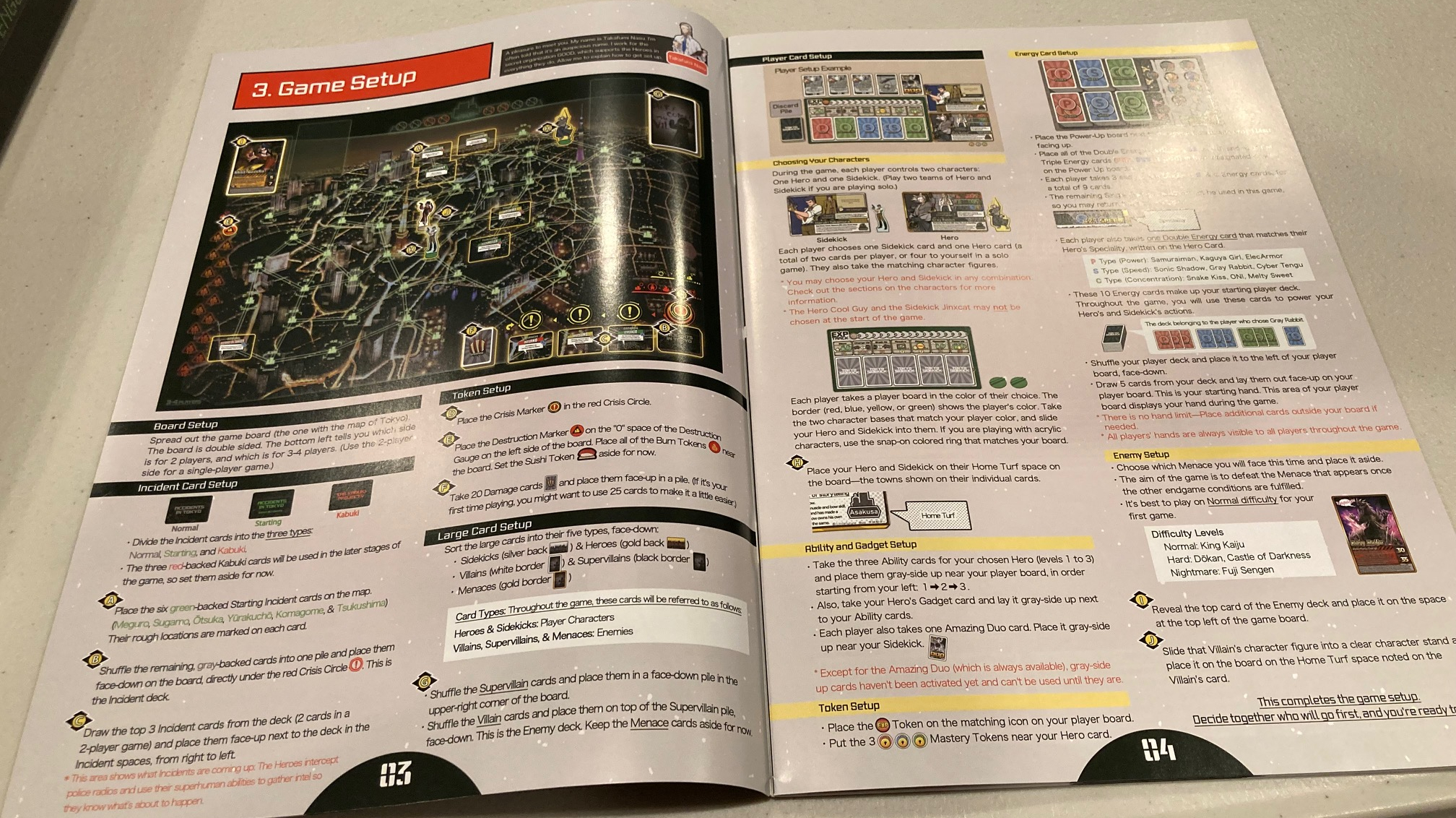


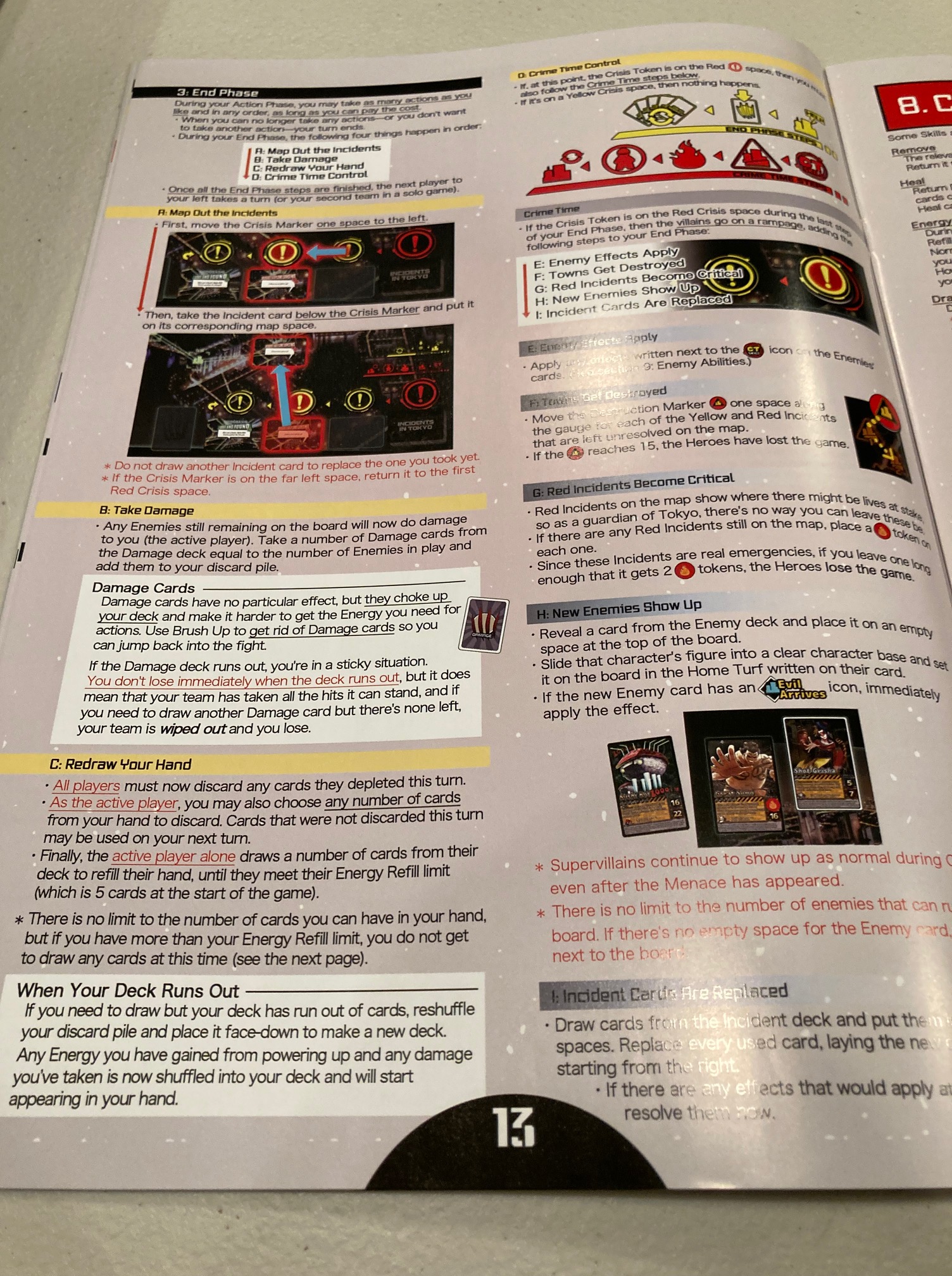


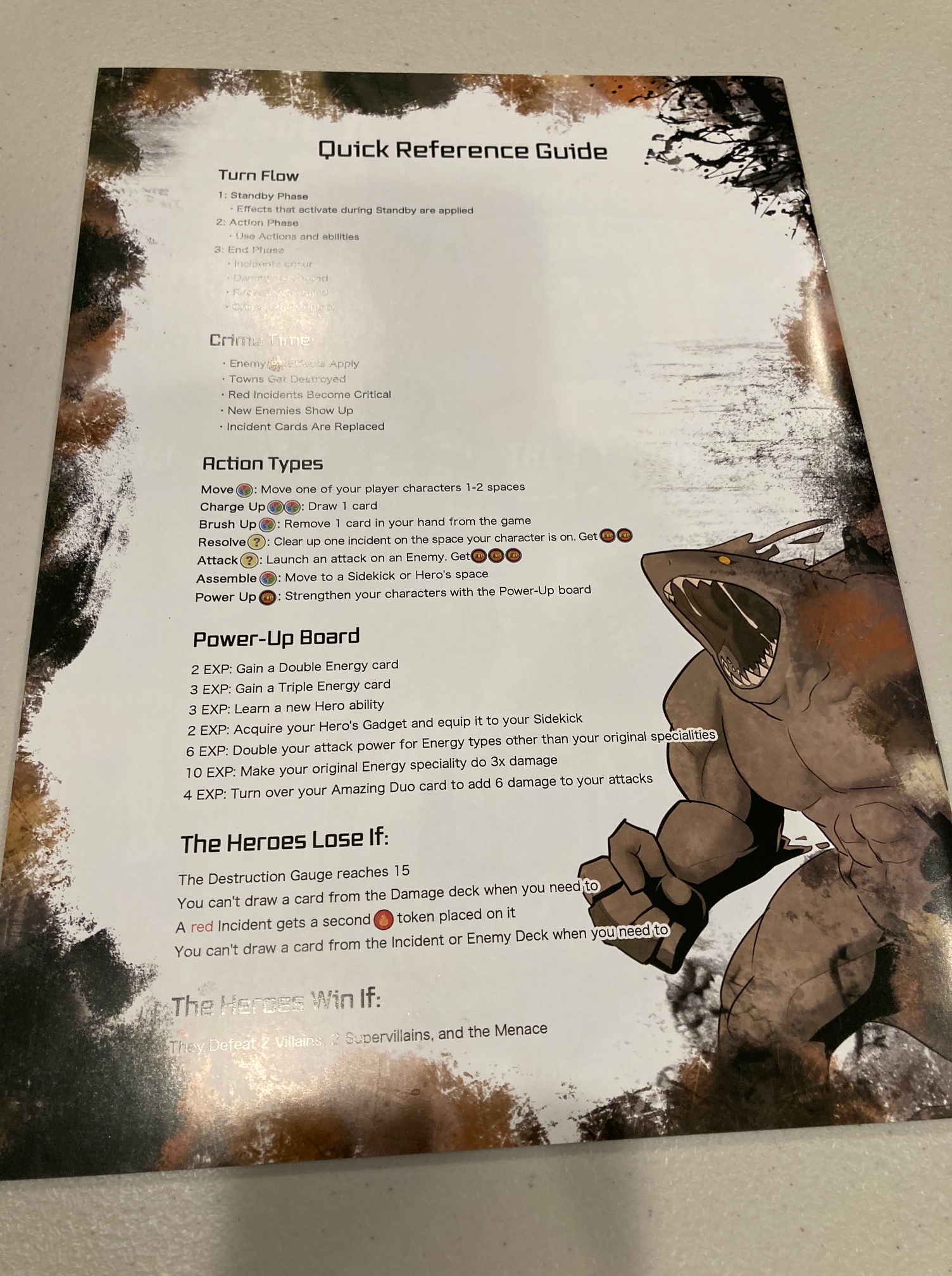
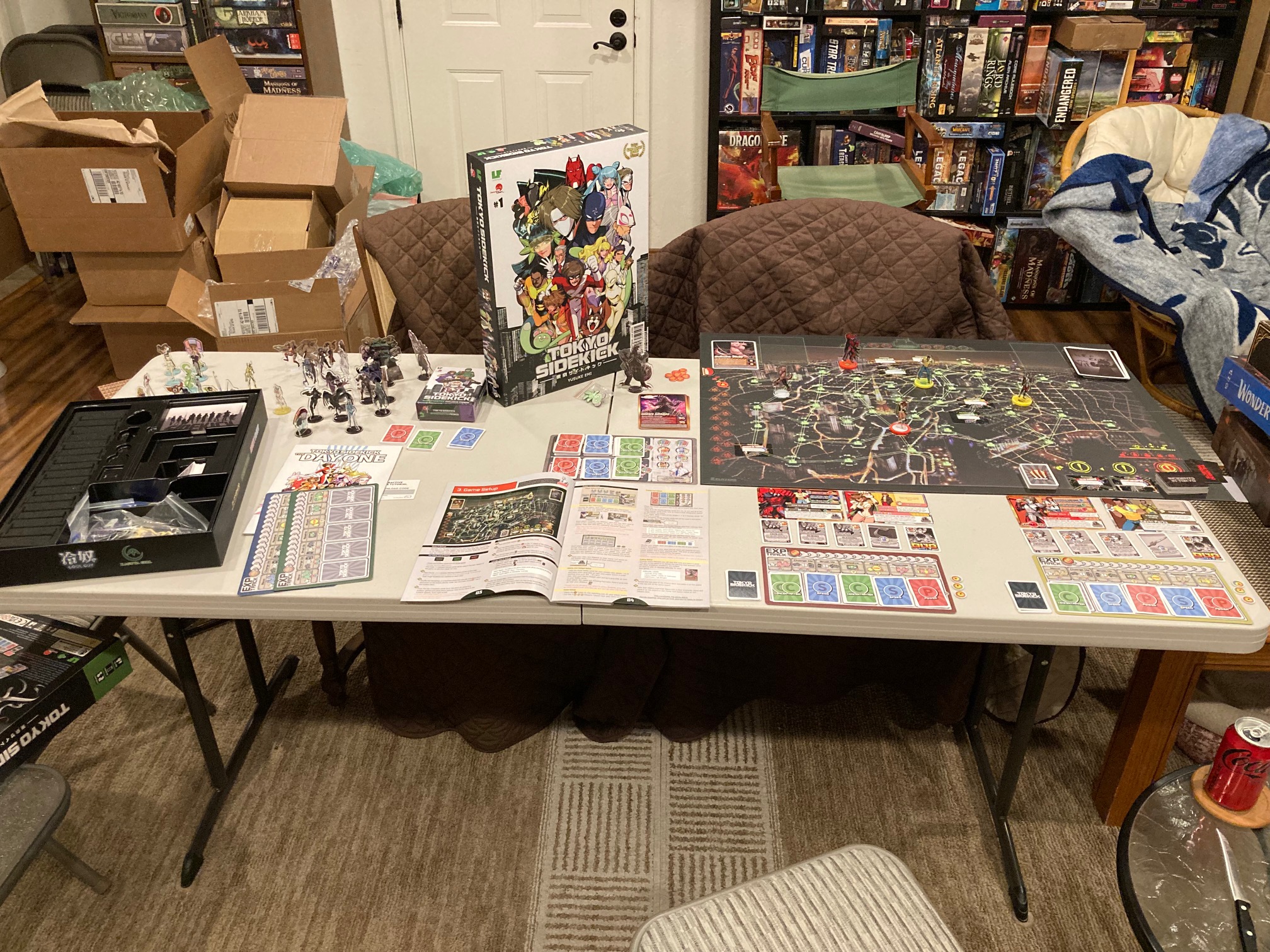
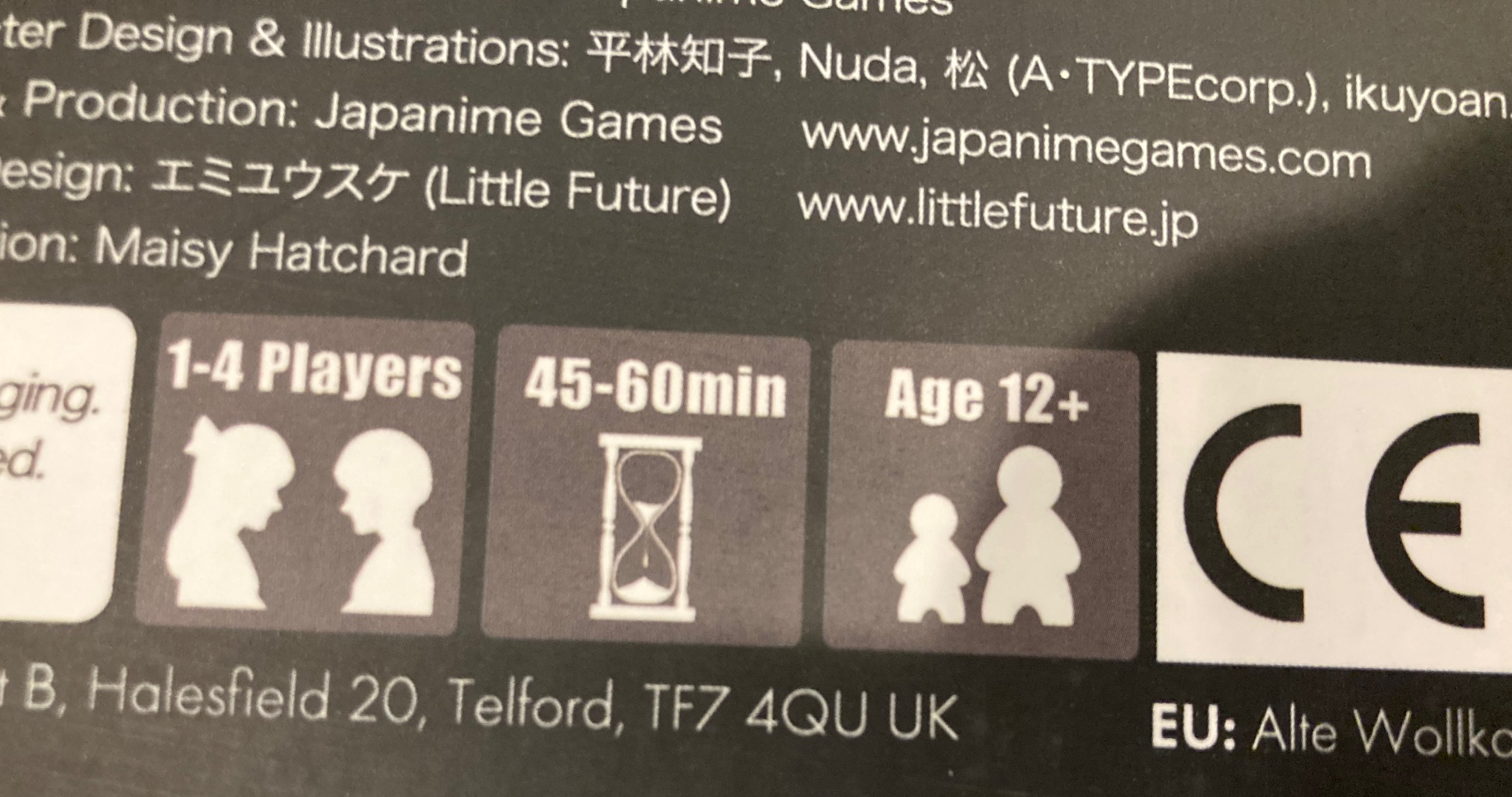


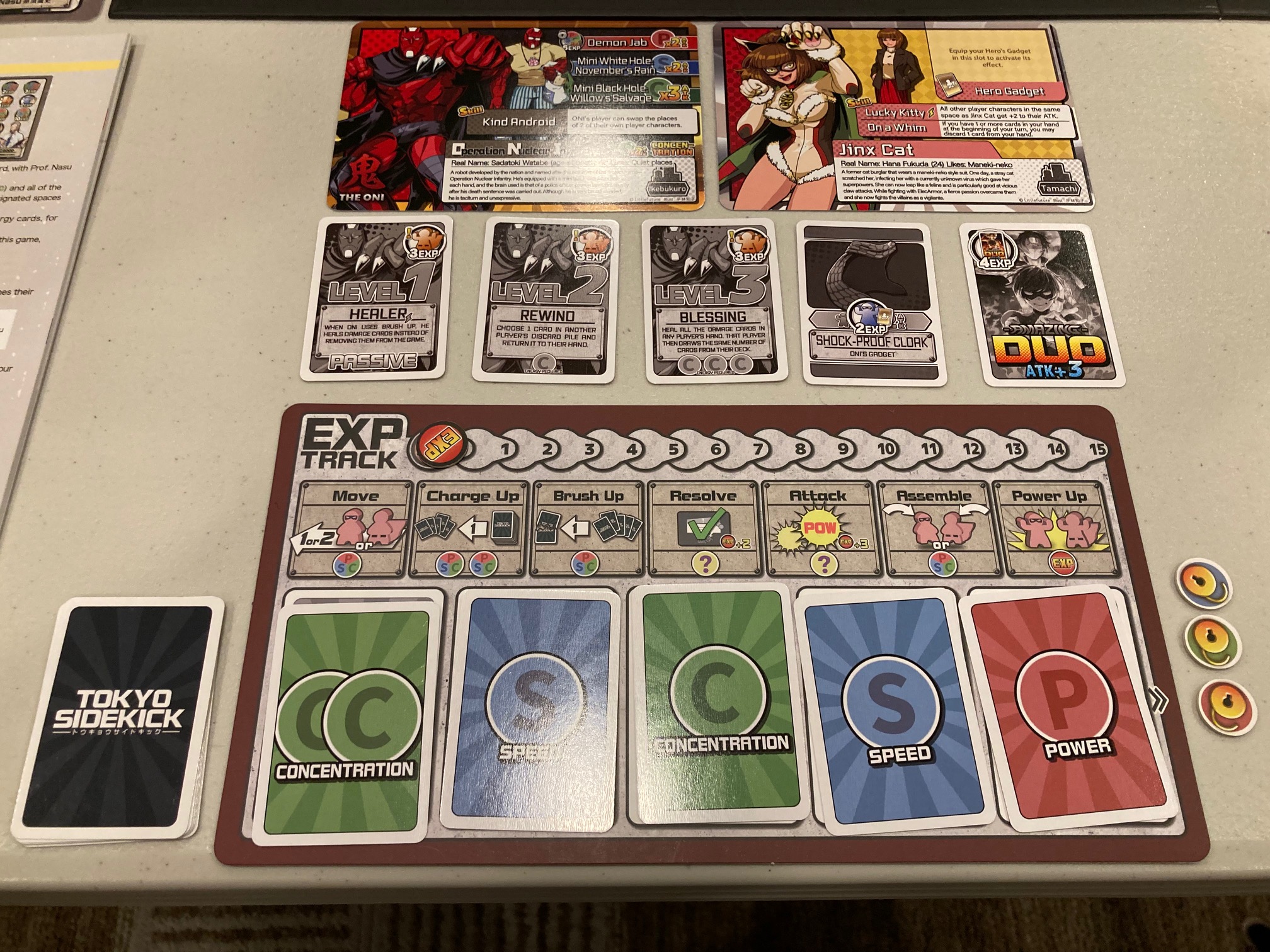
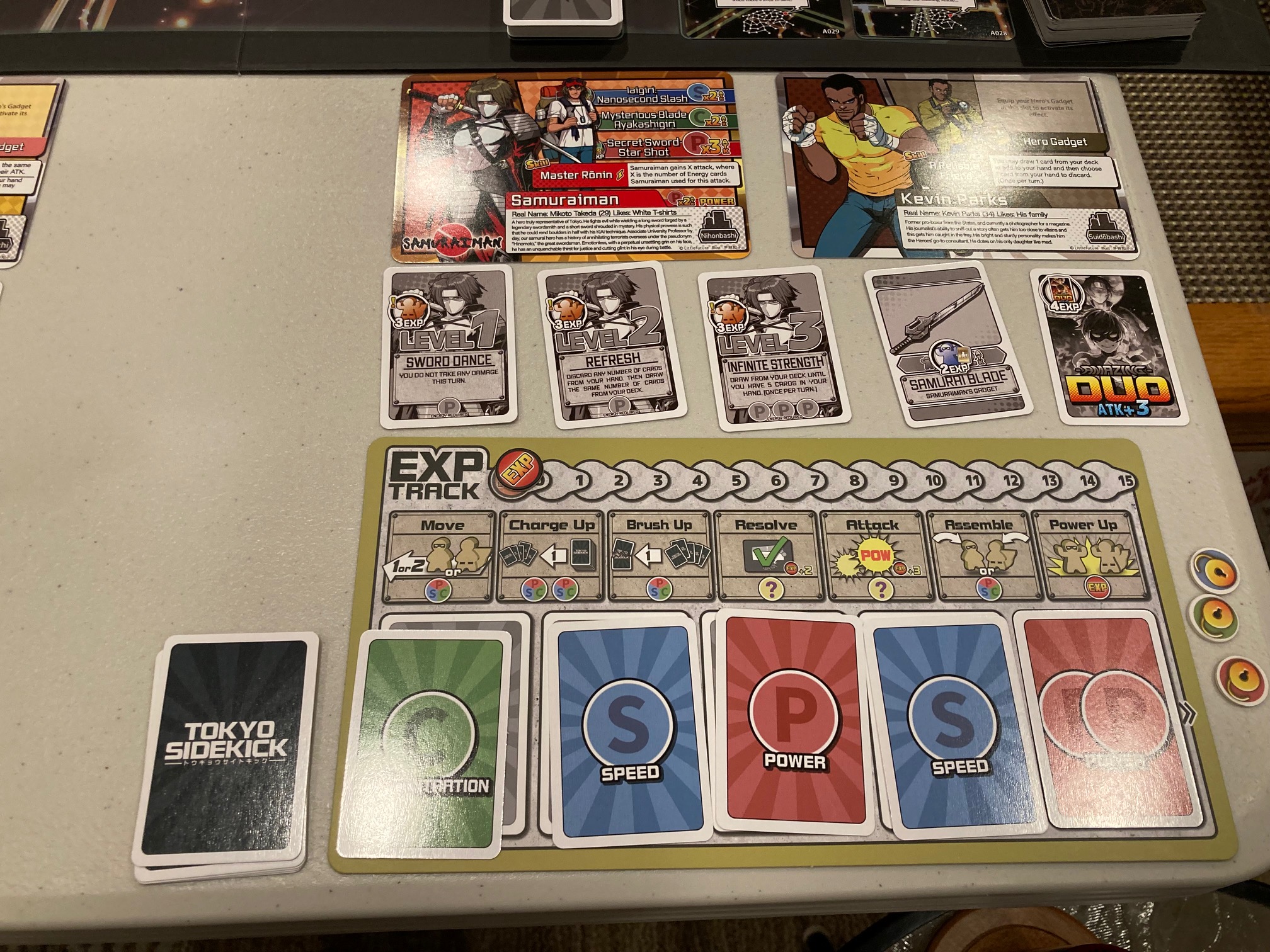
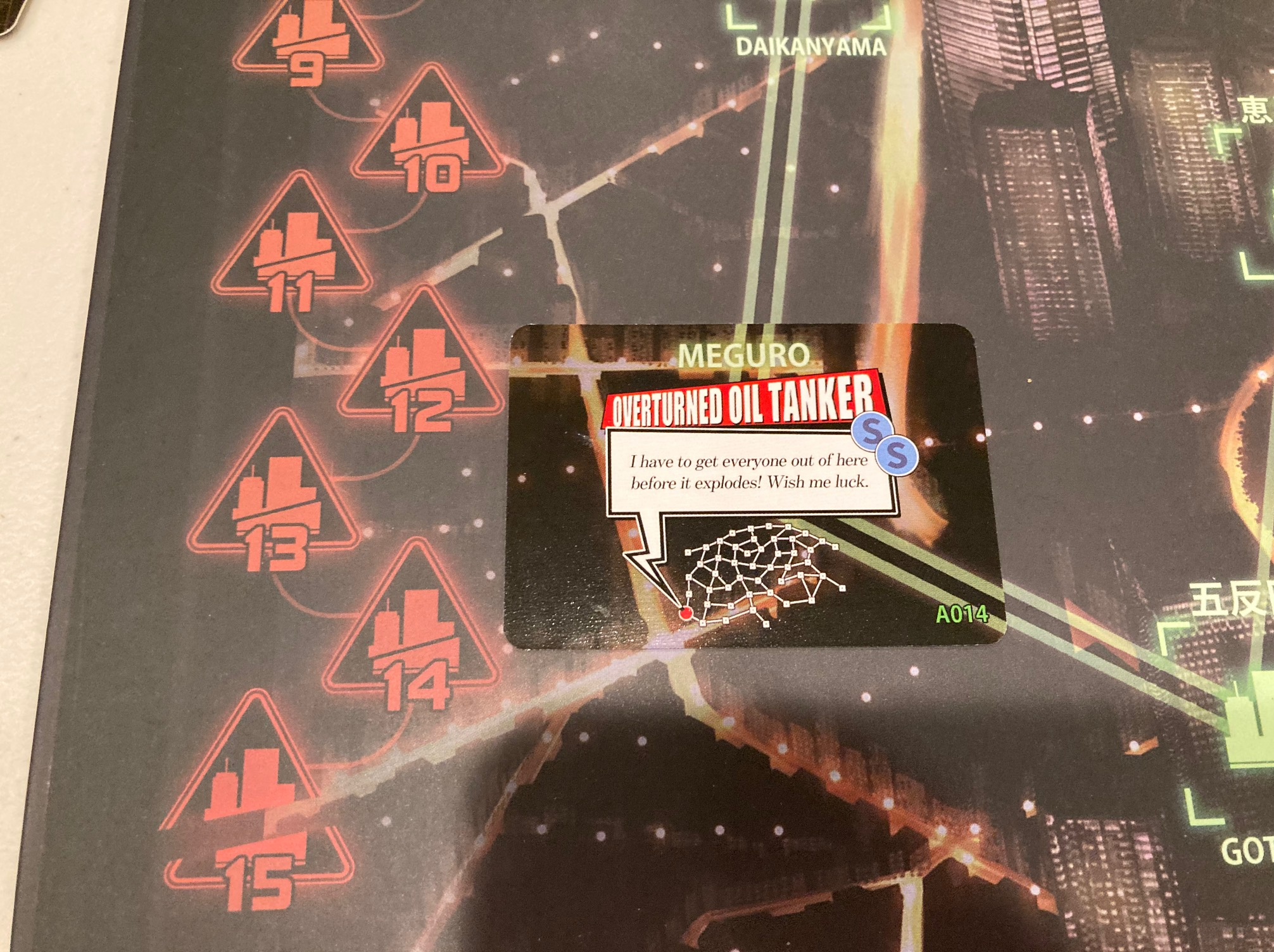
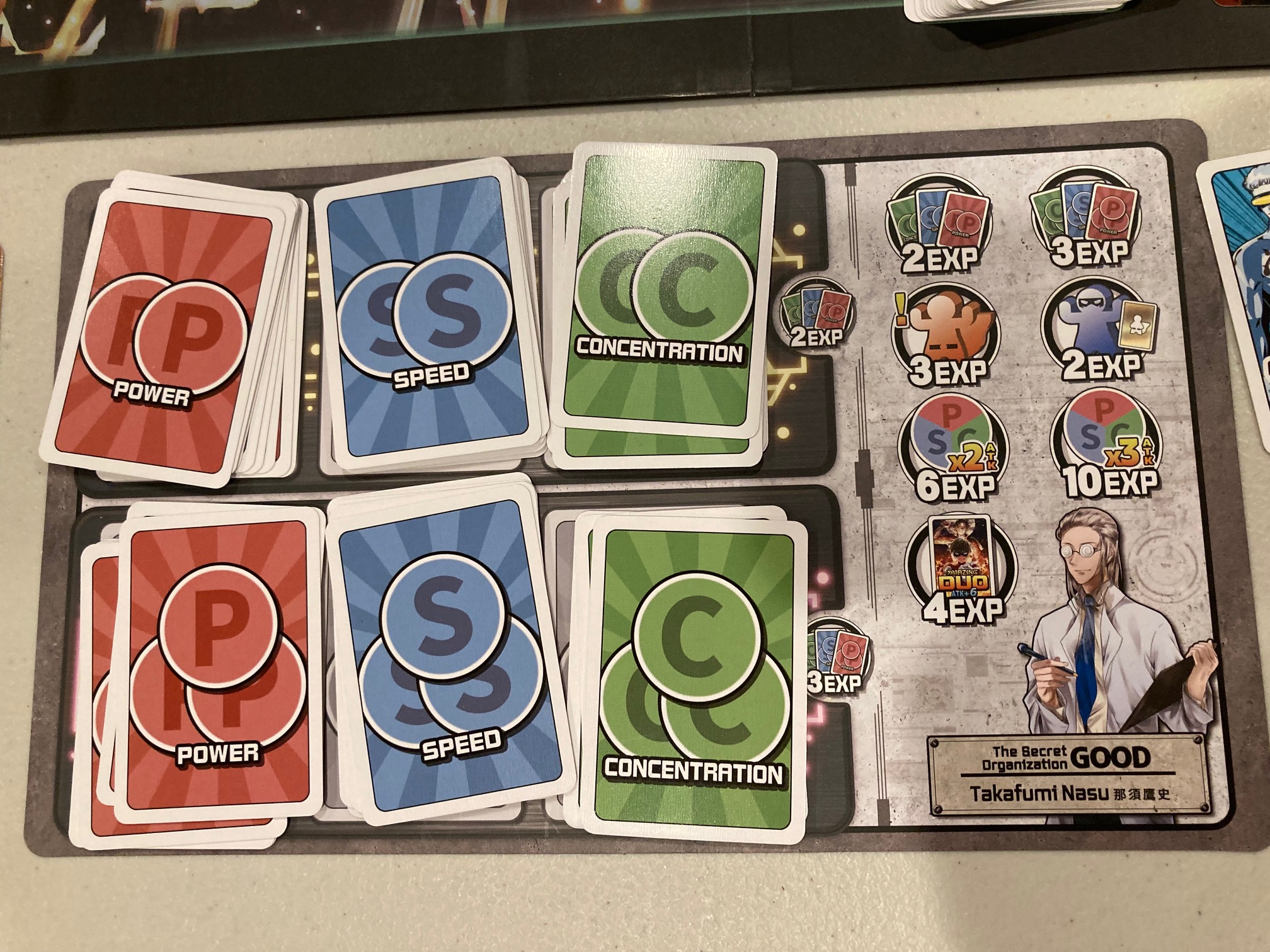


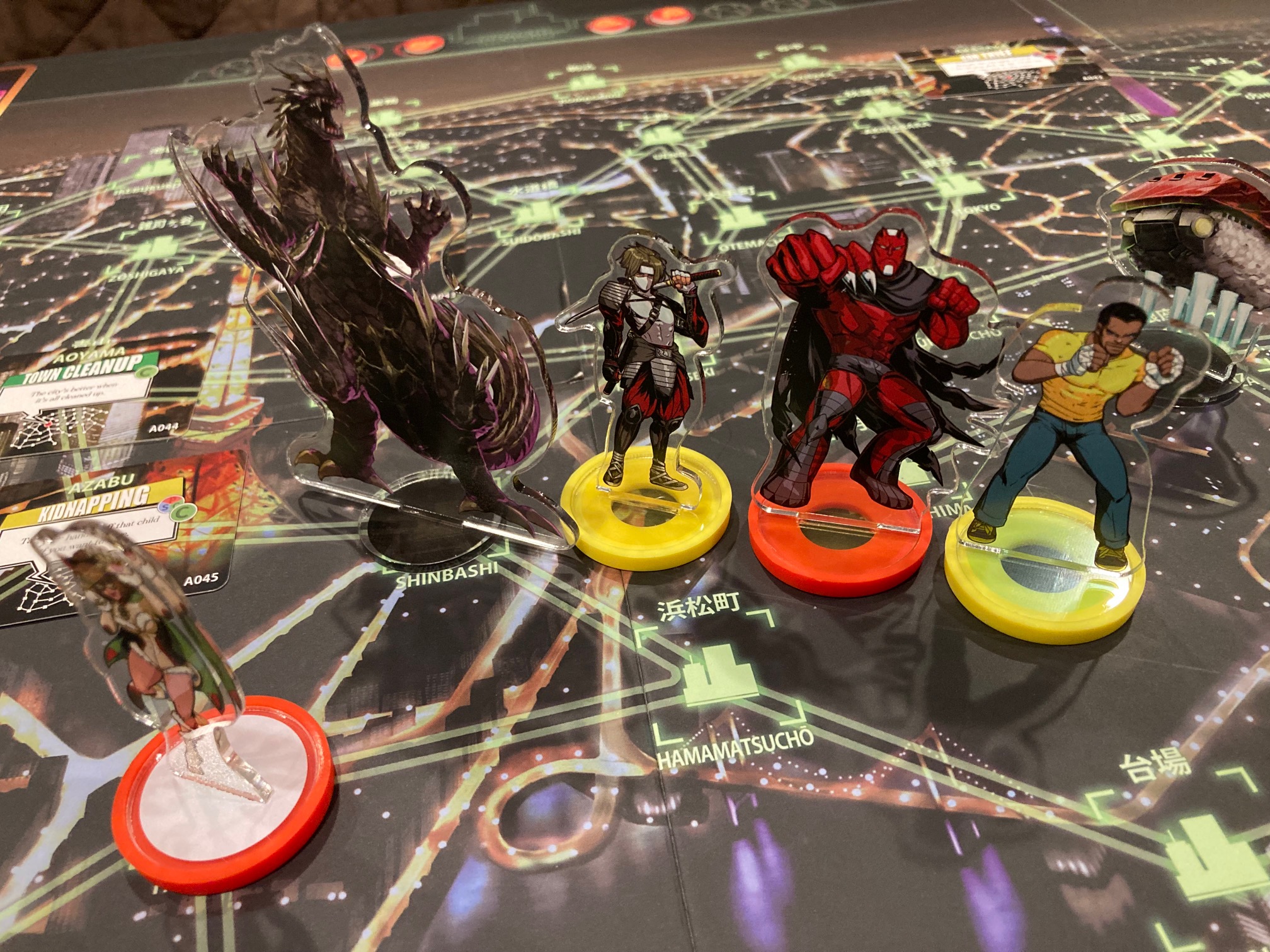


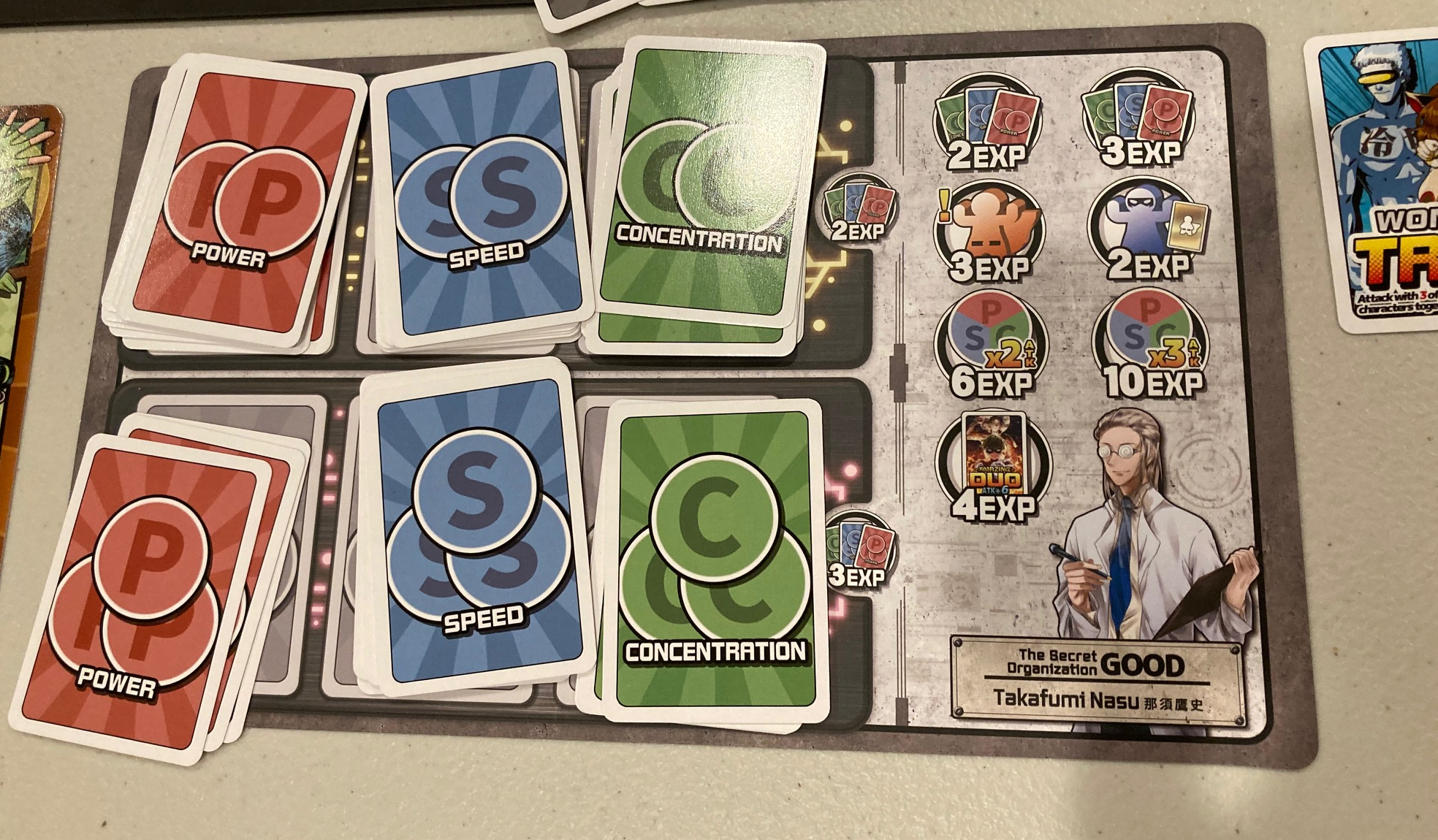
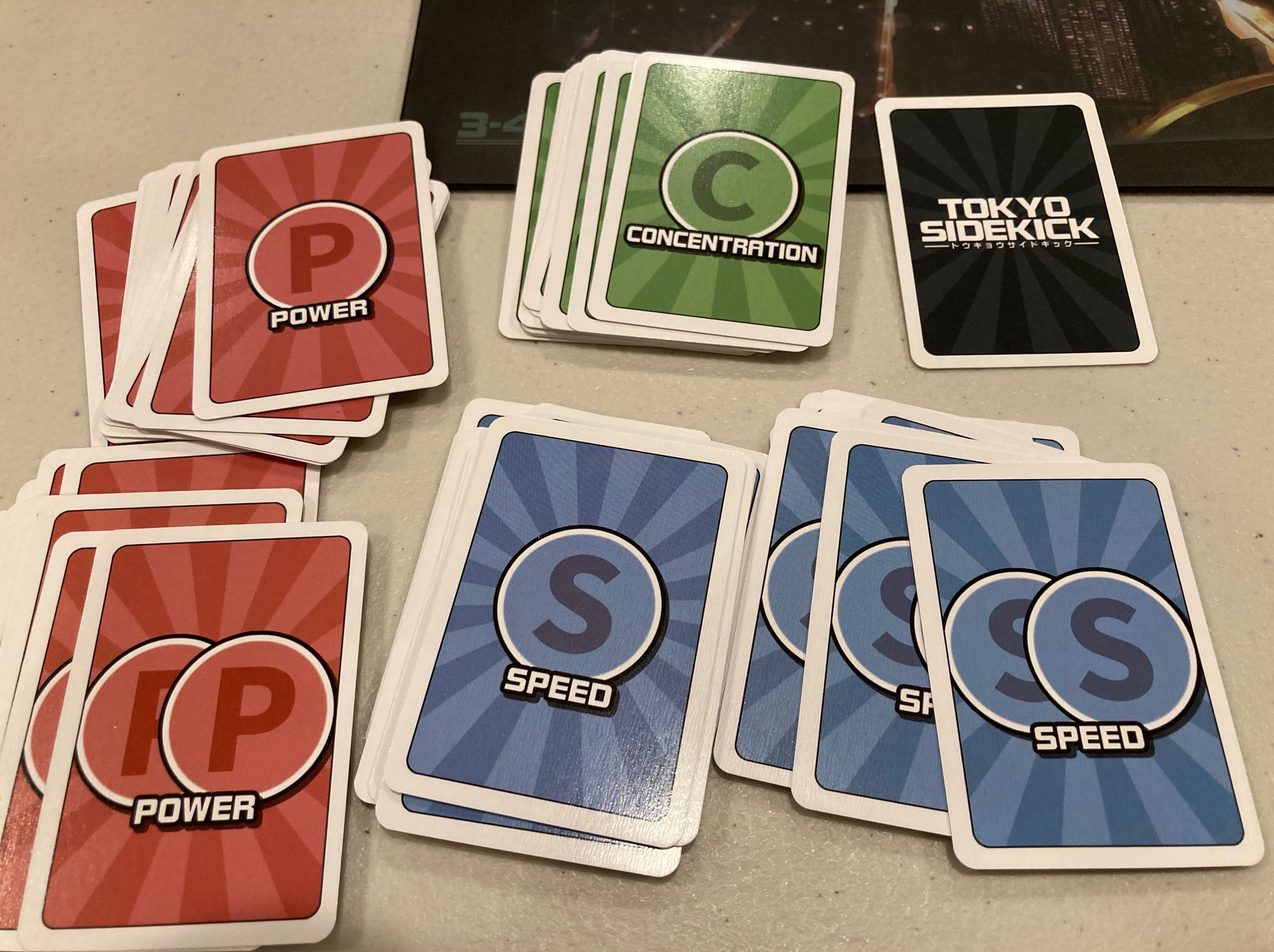
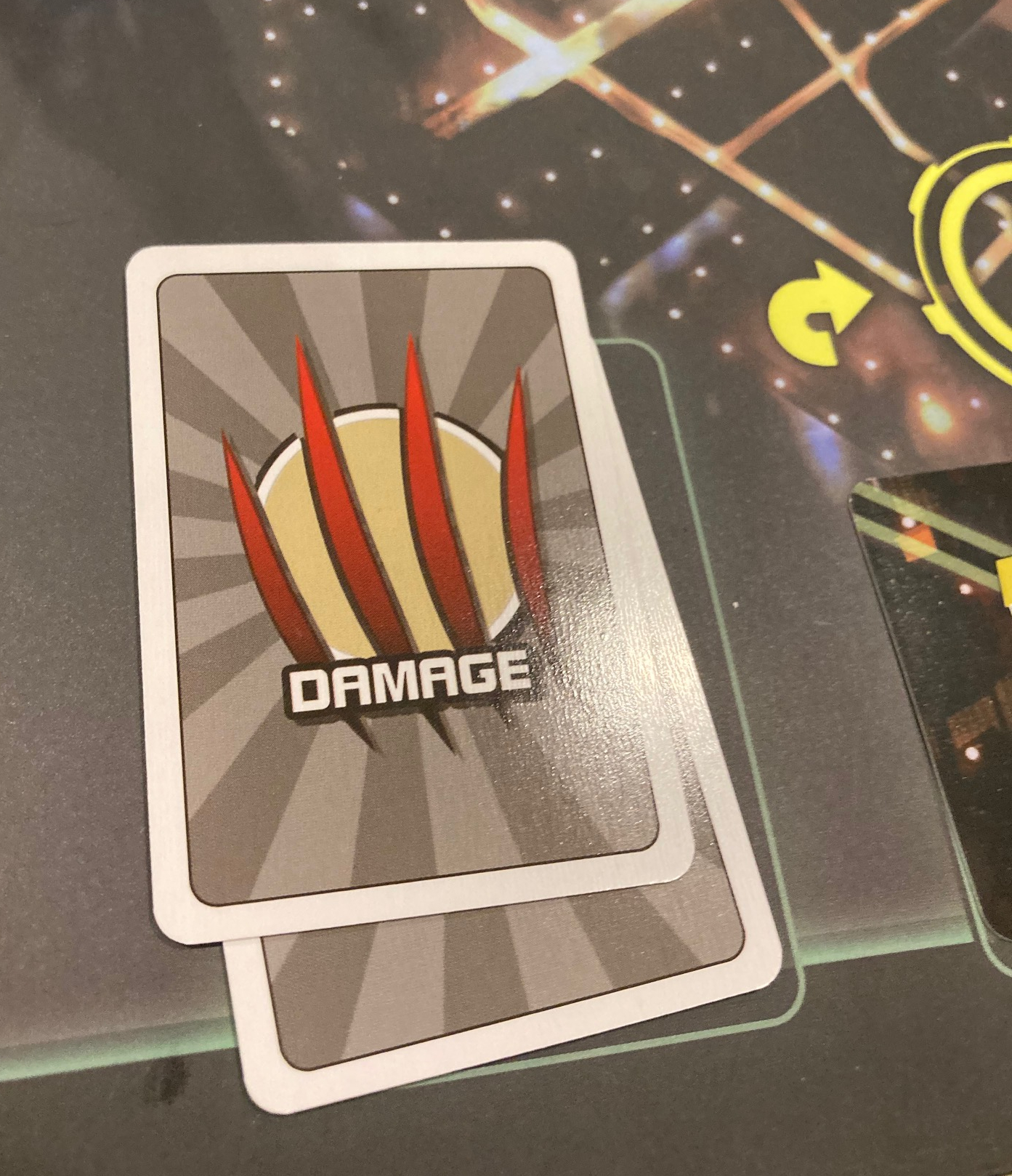
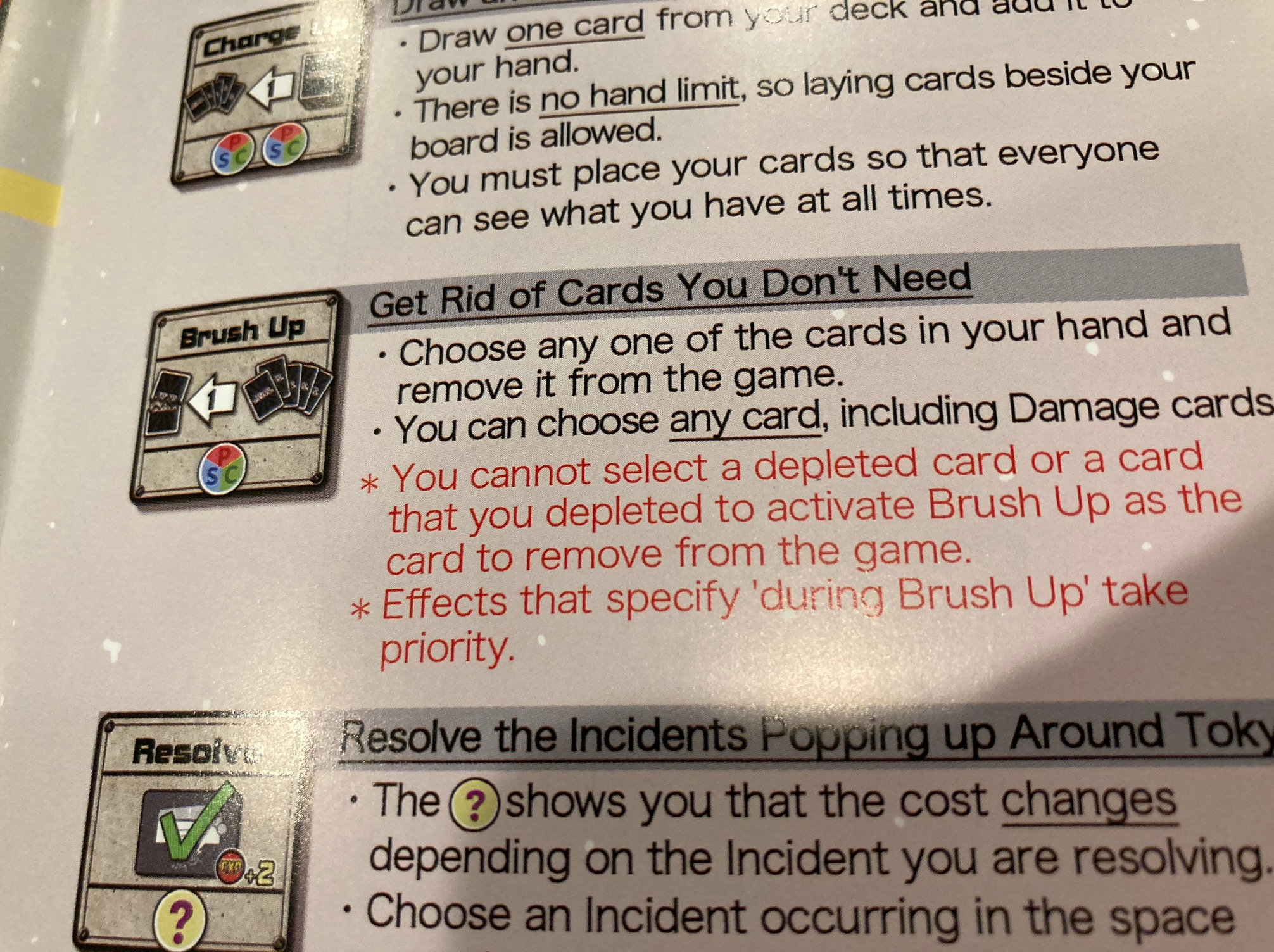
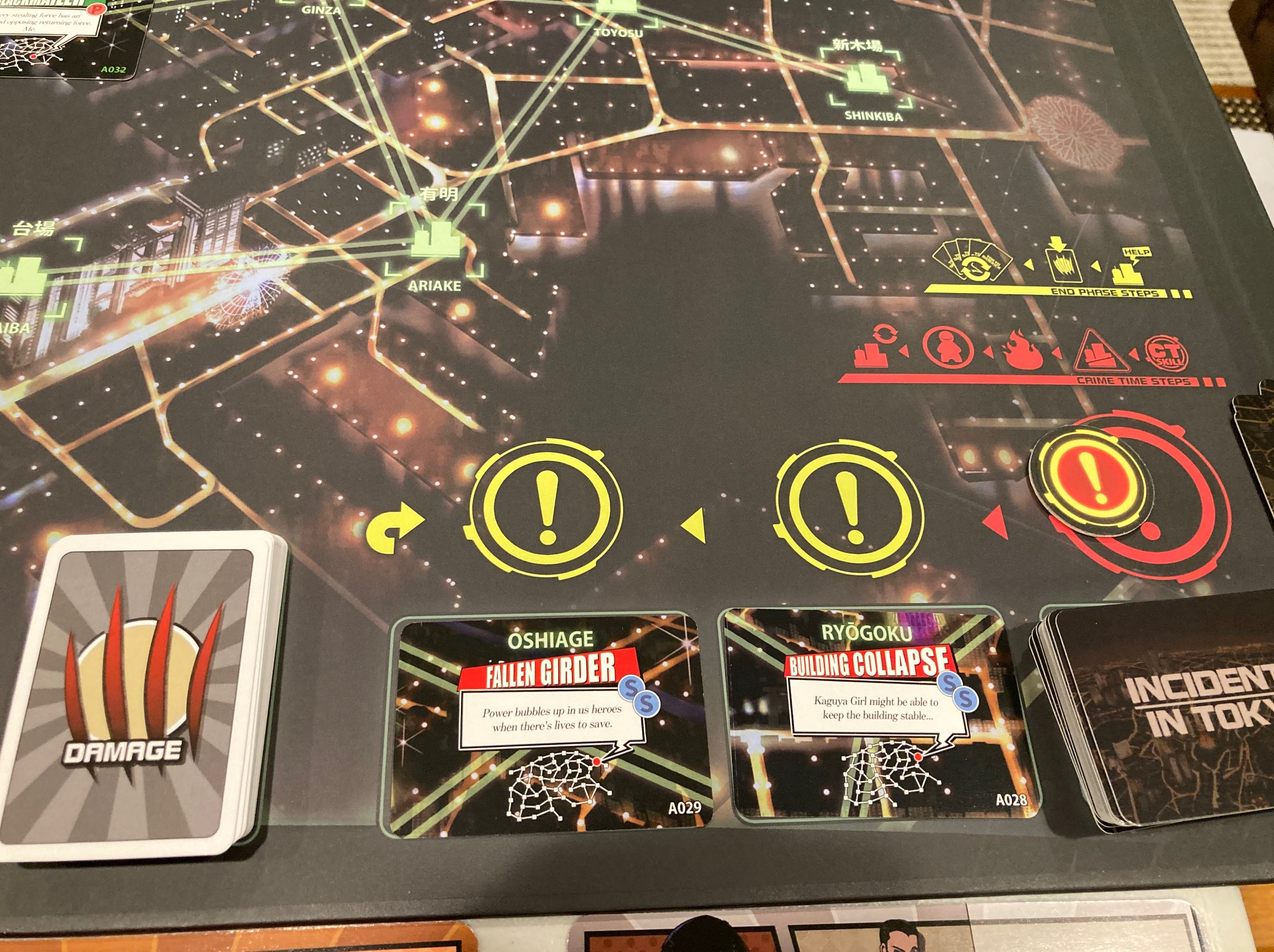


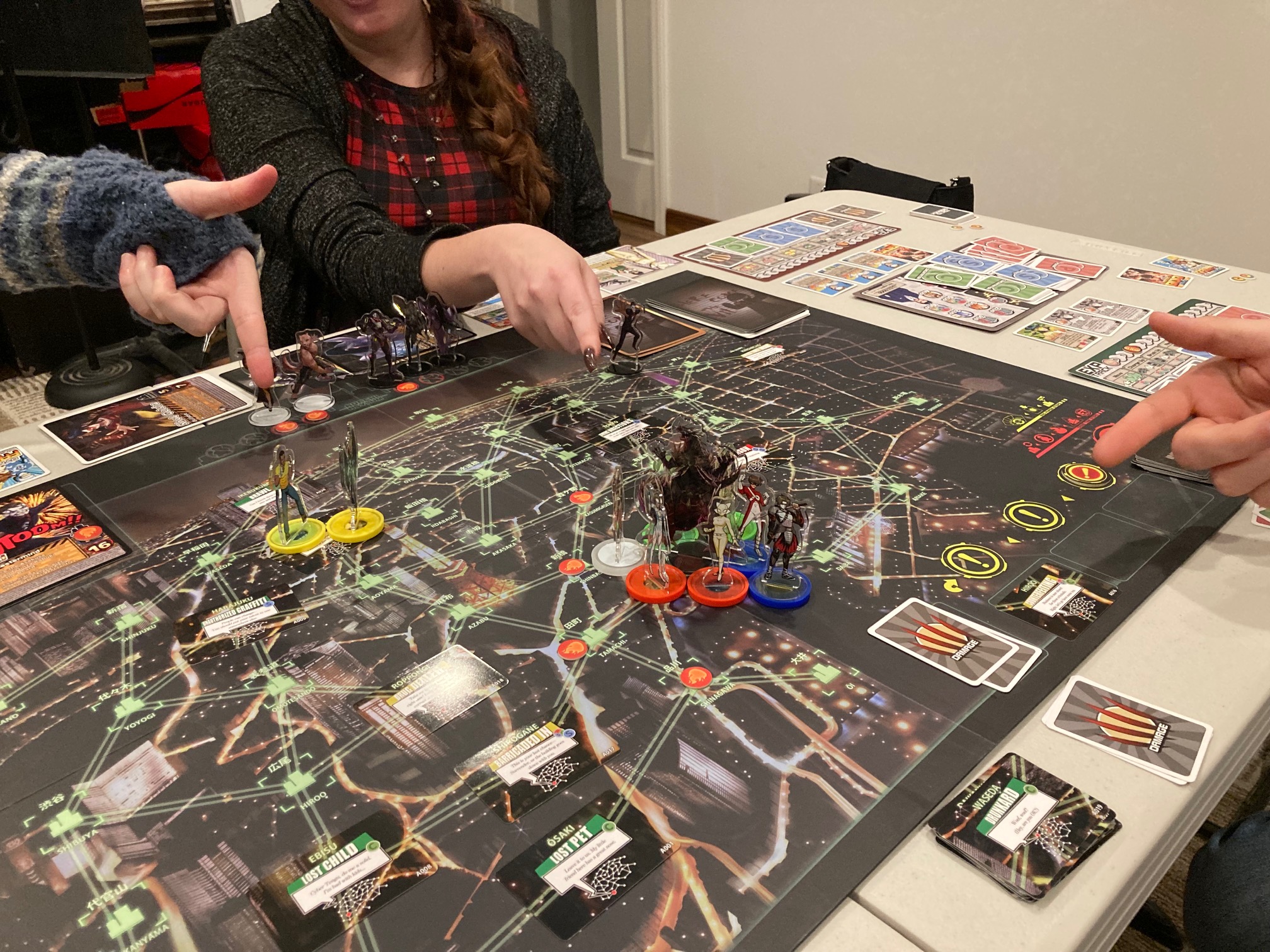
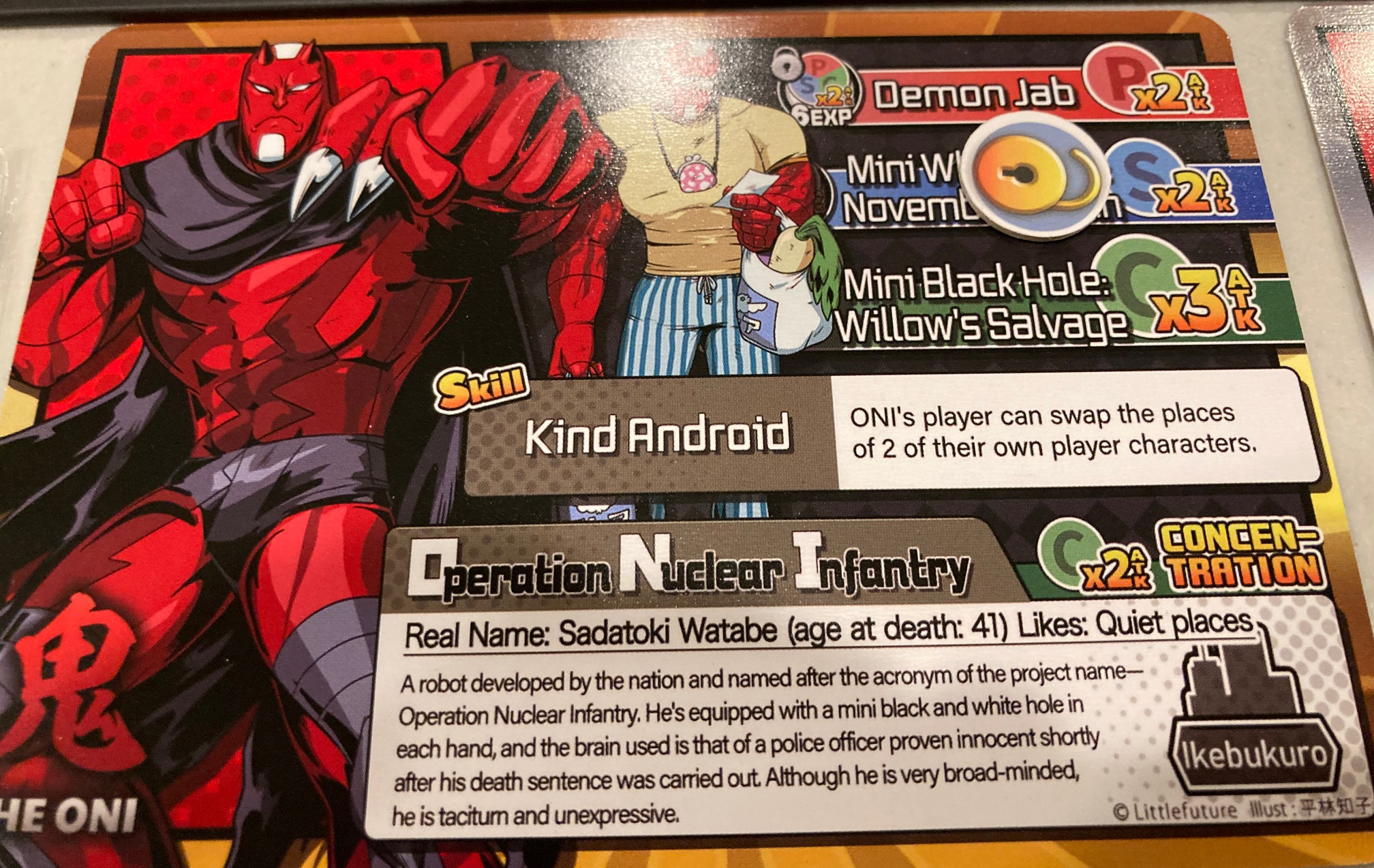

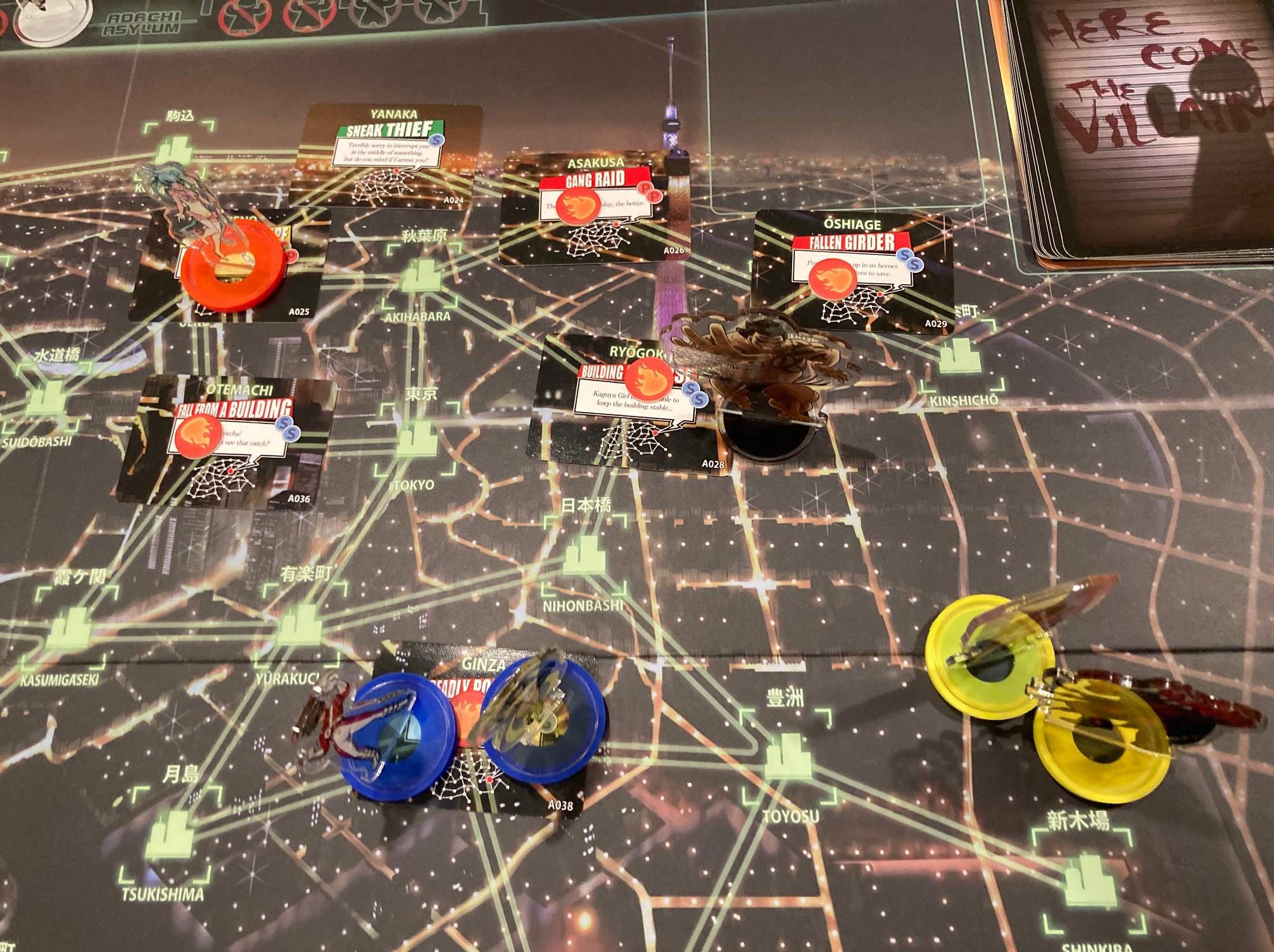
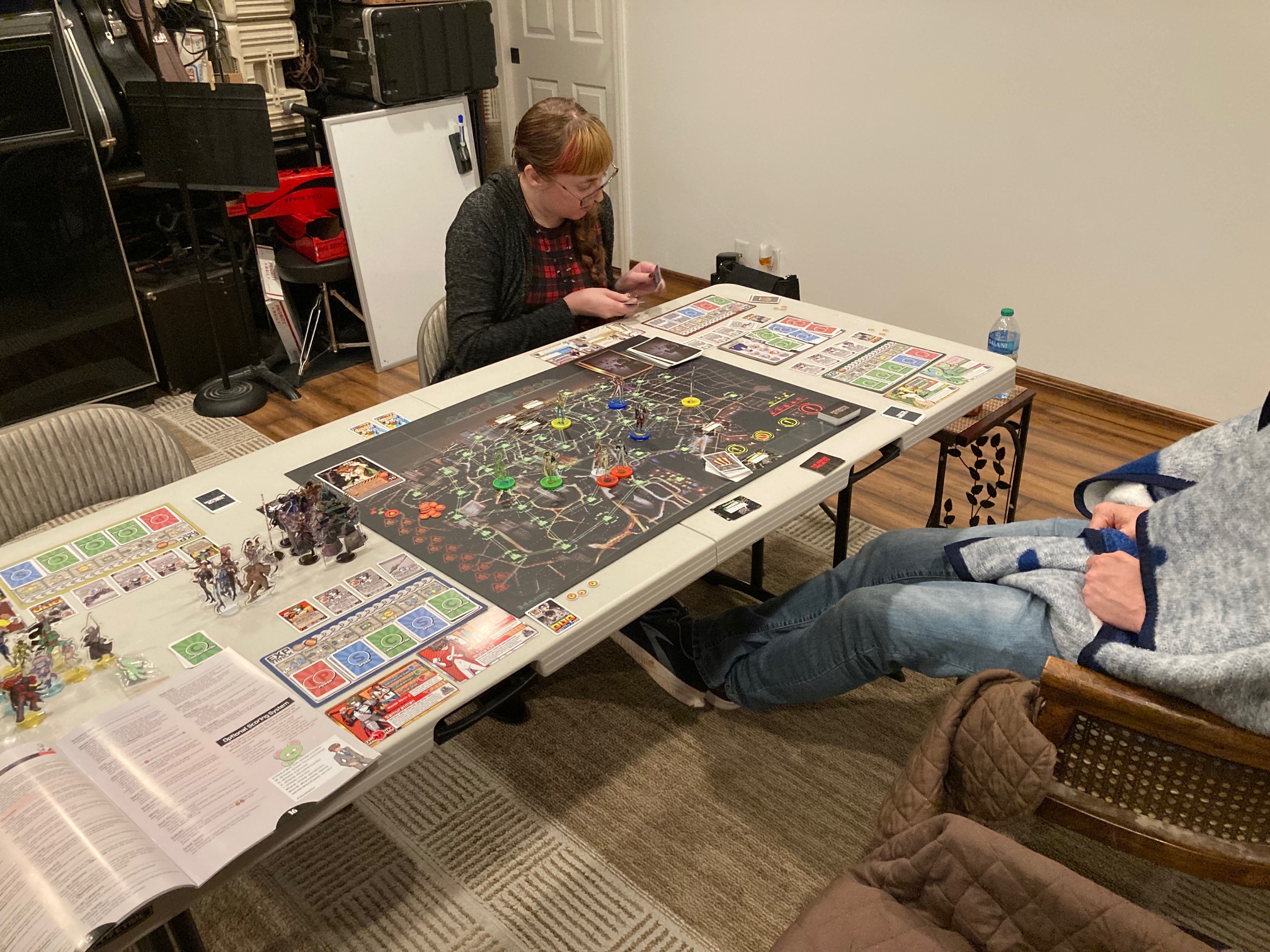
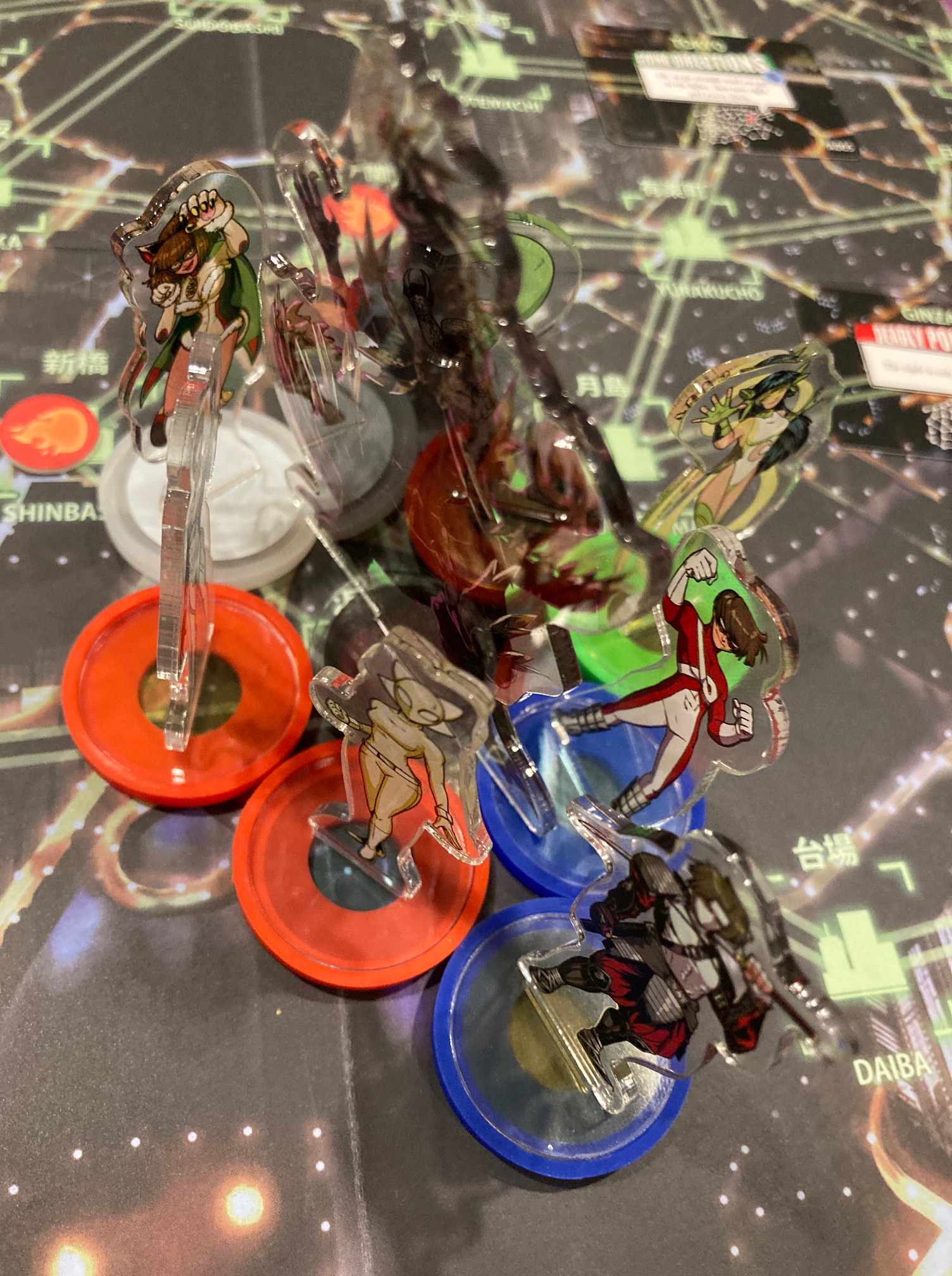


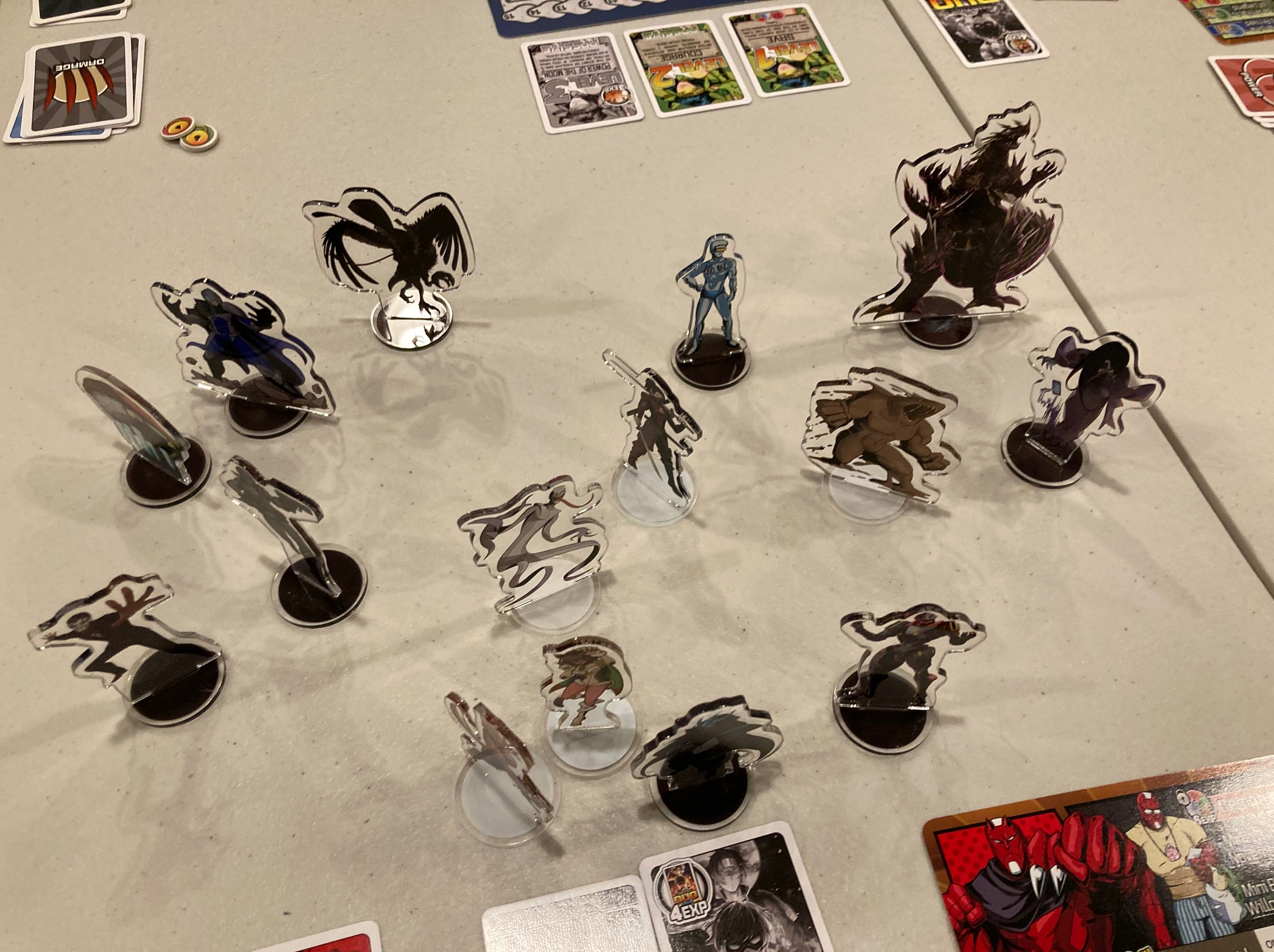

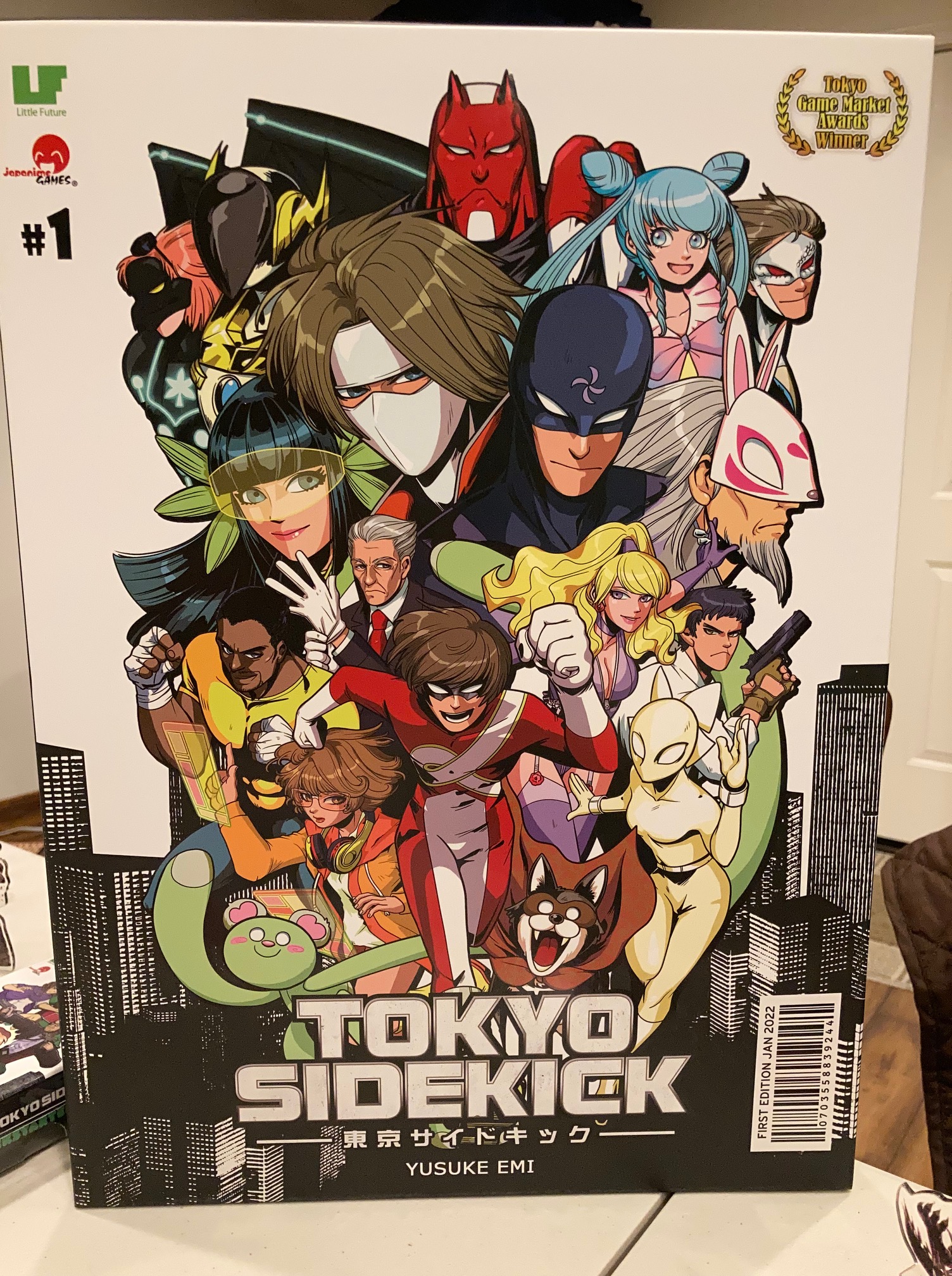
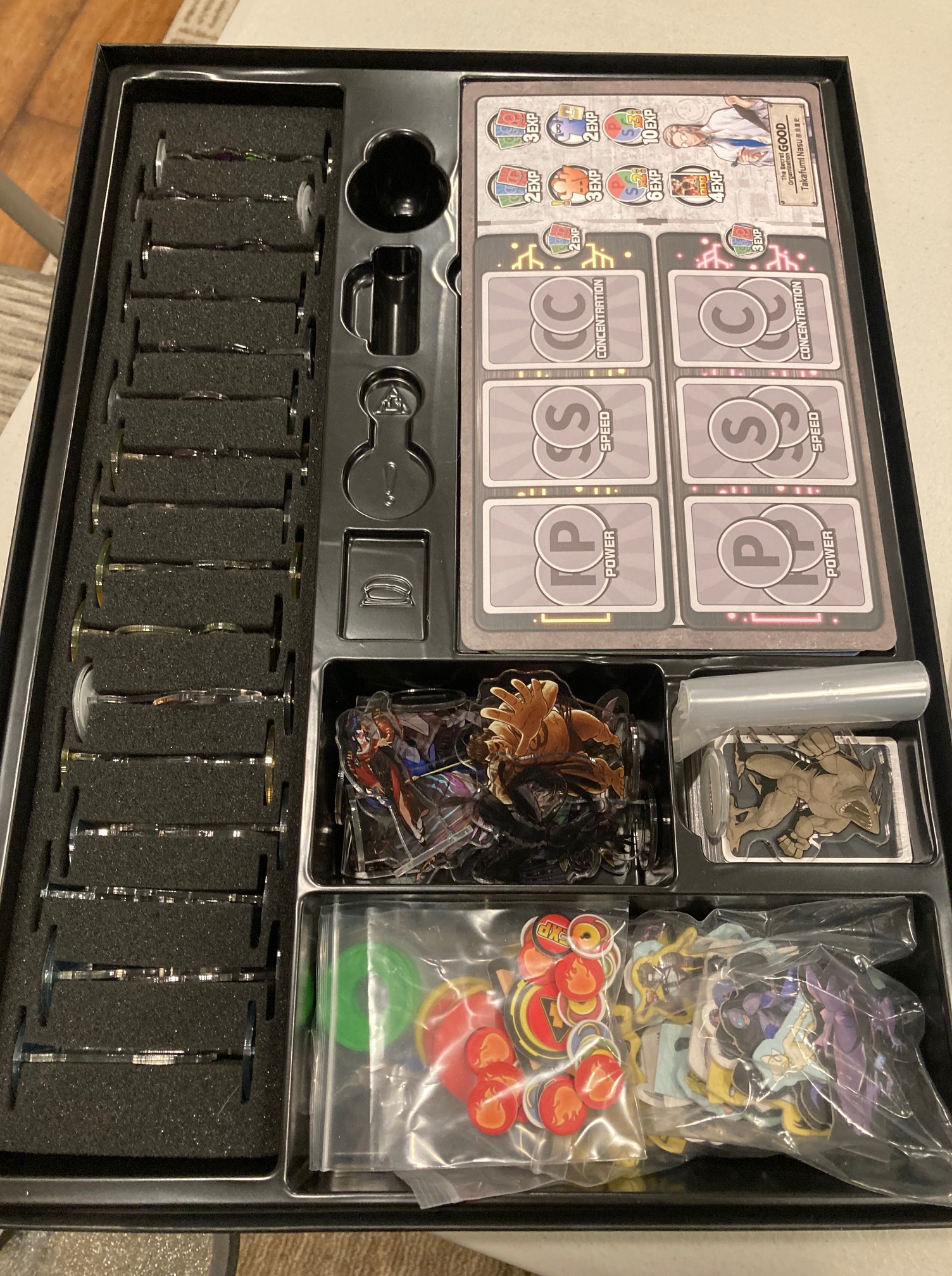


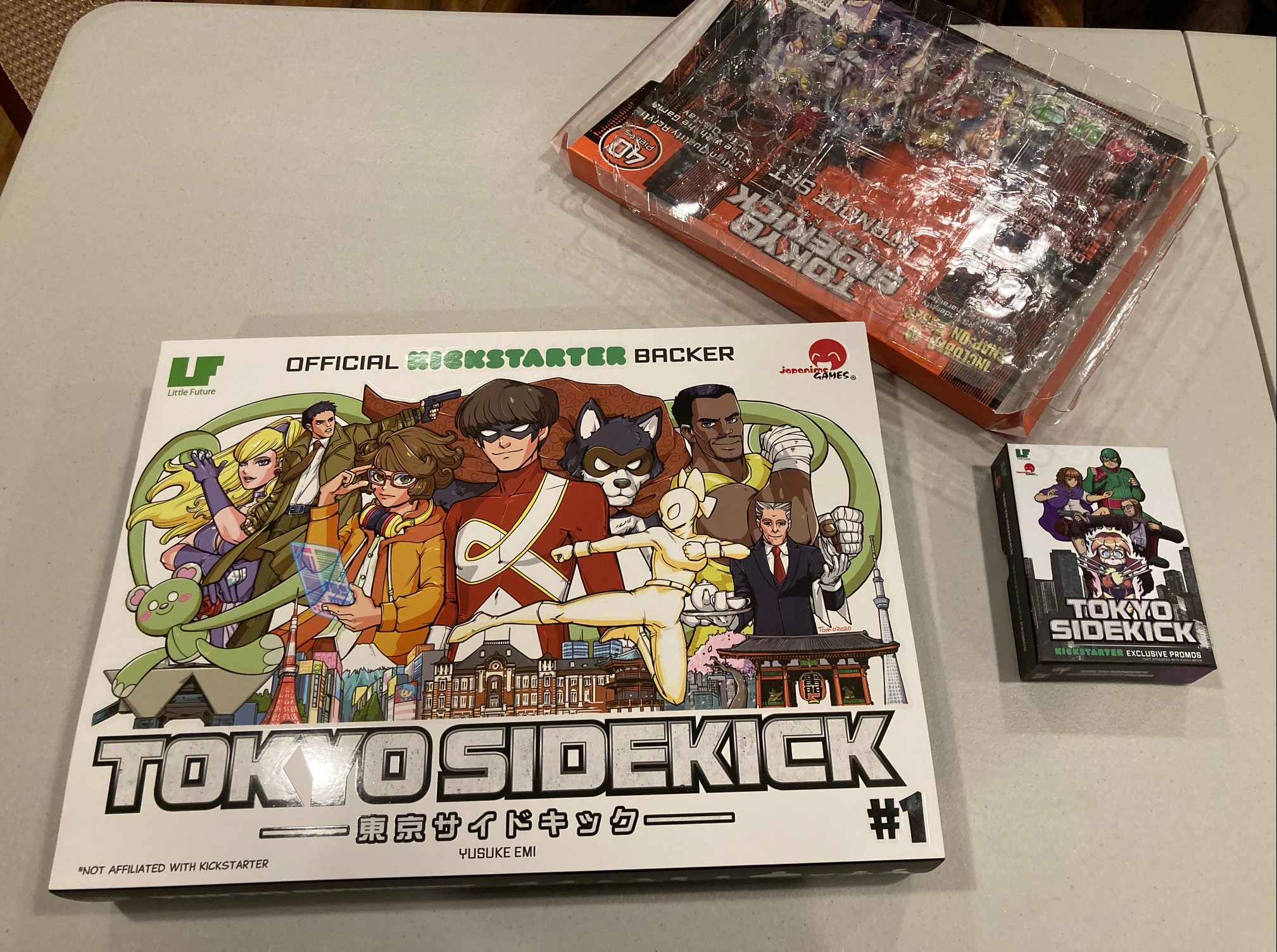
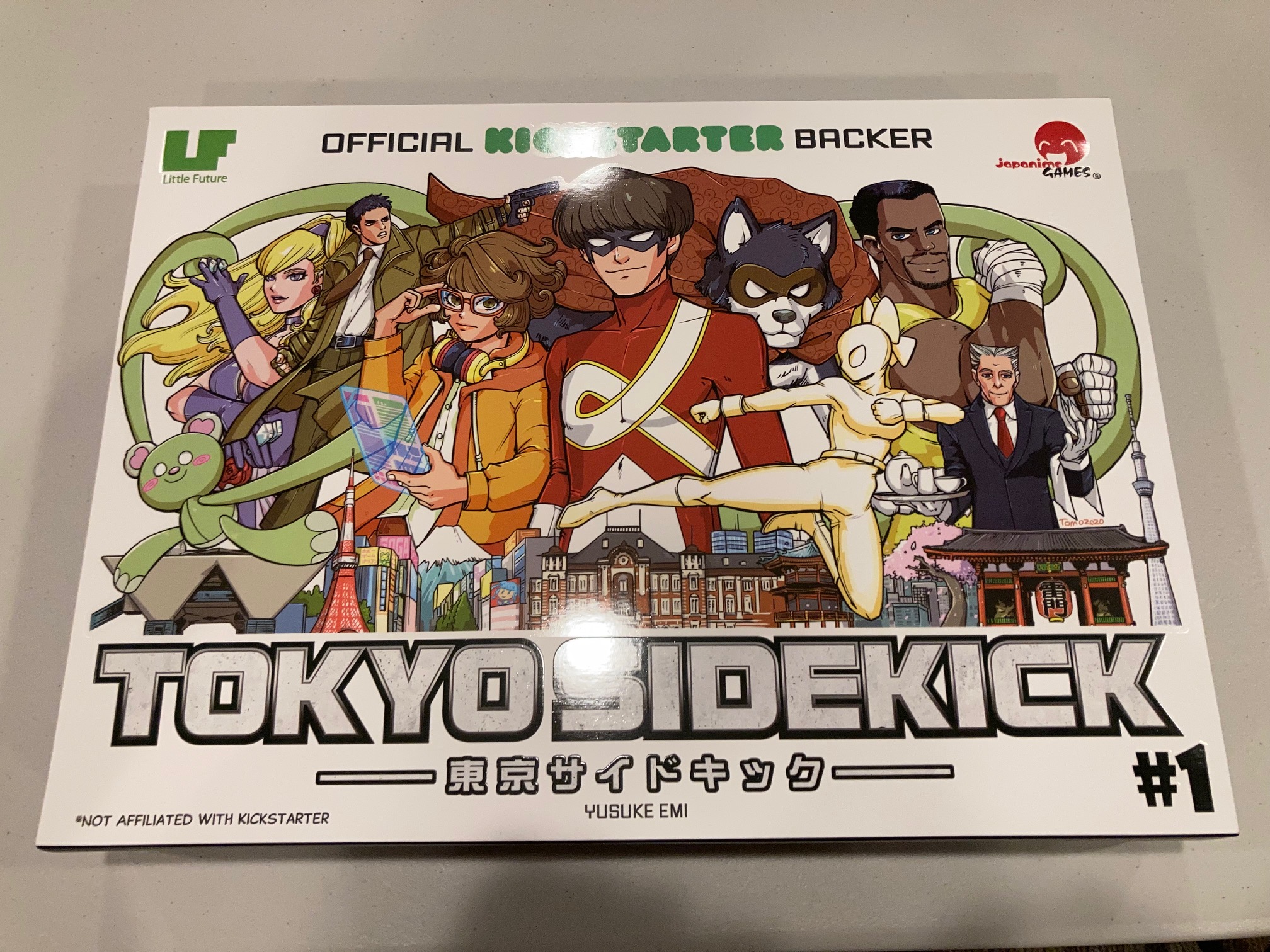

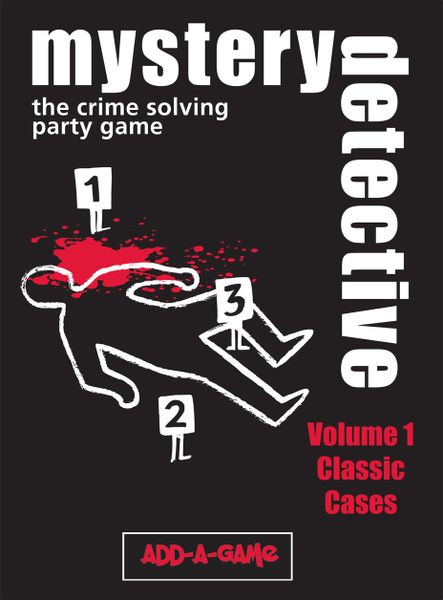
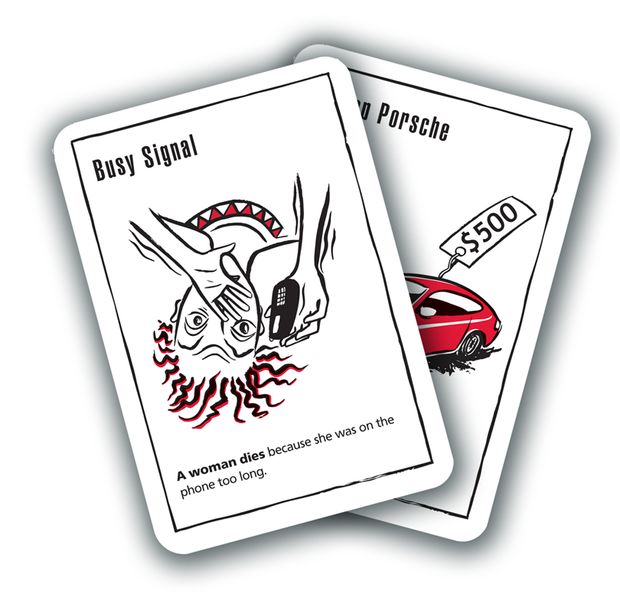


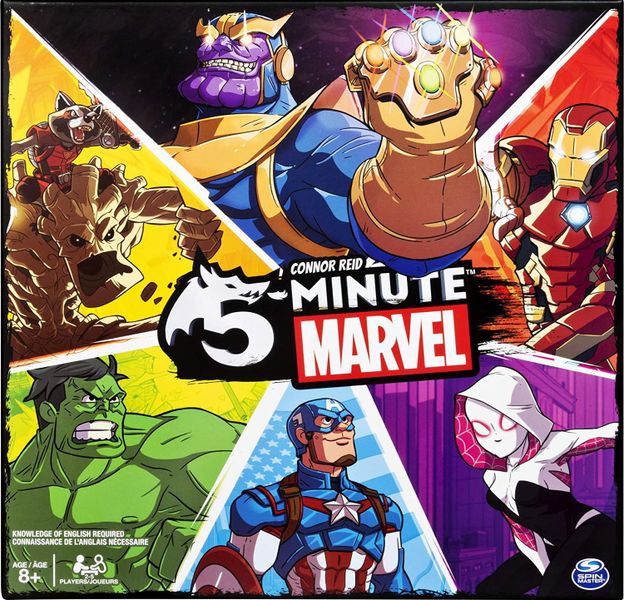

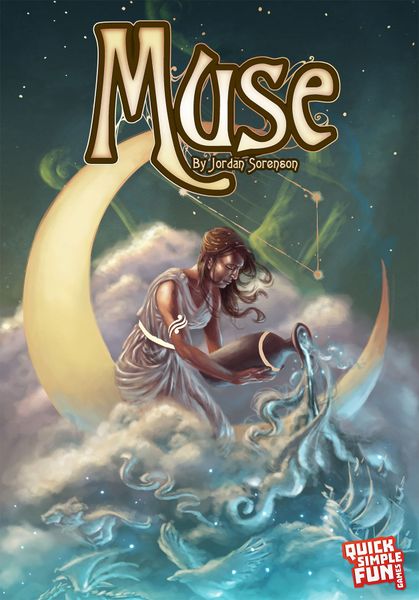
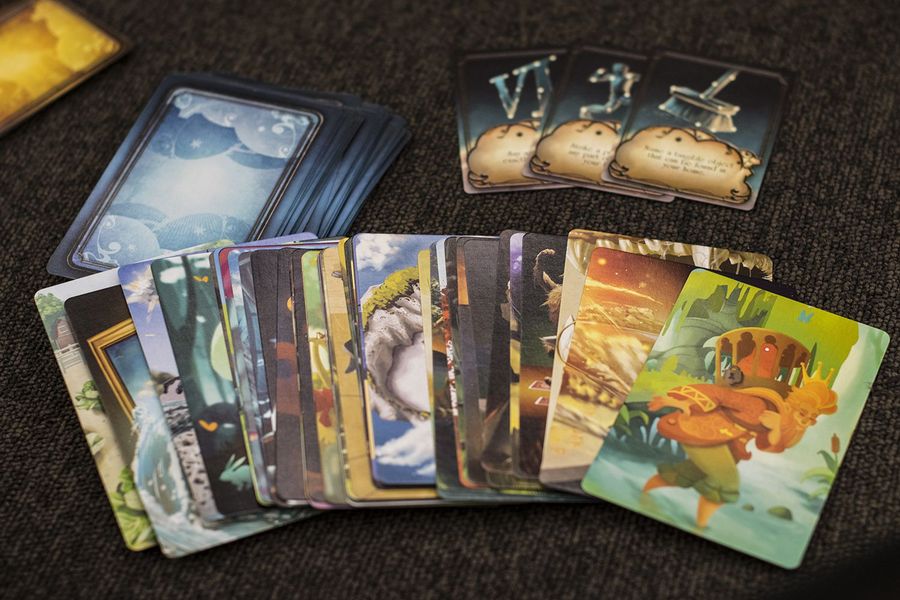
:strip_icc()/pic5254404.png)


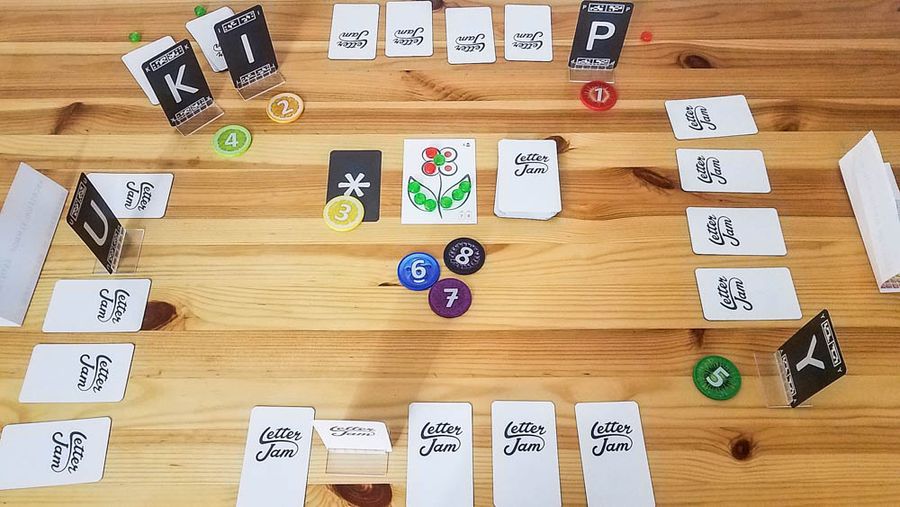


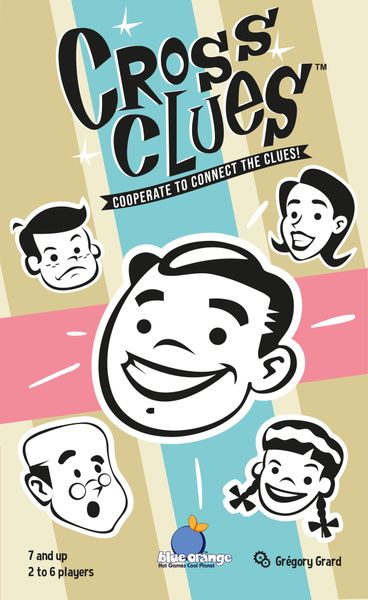


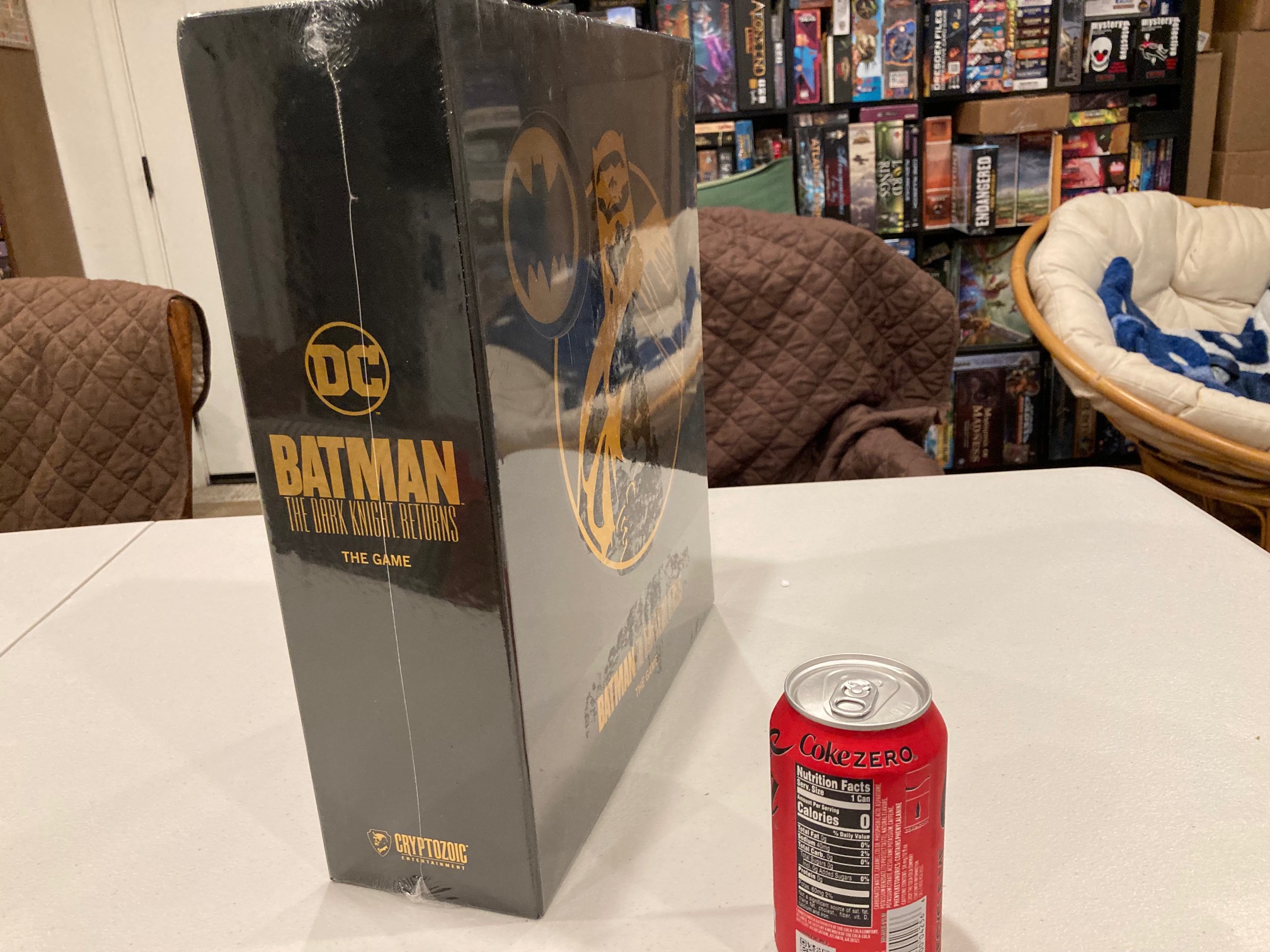


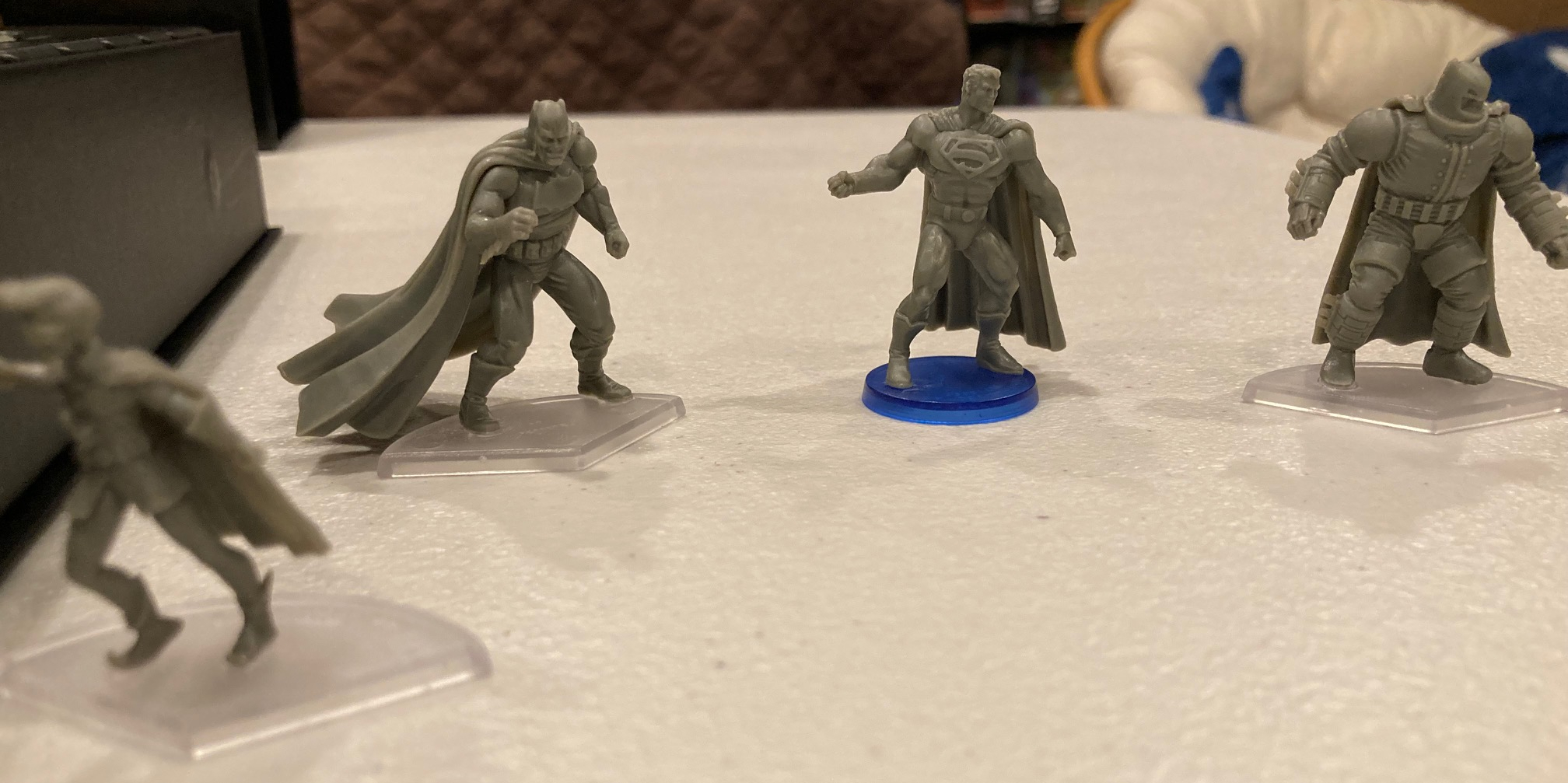


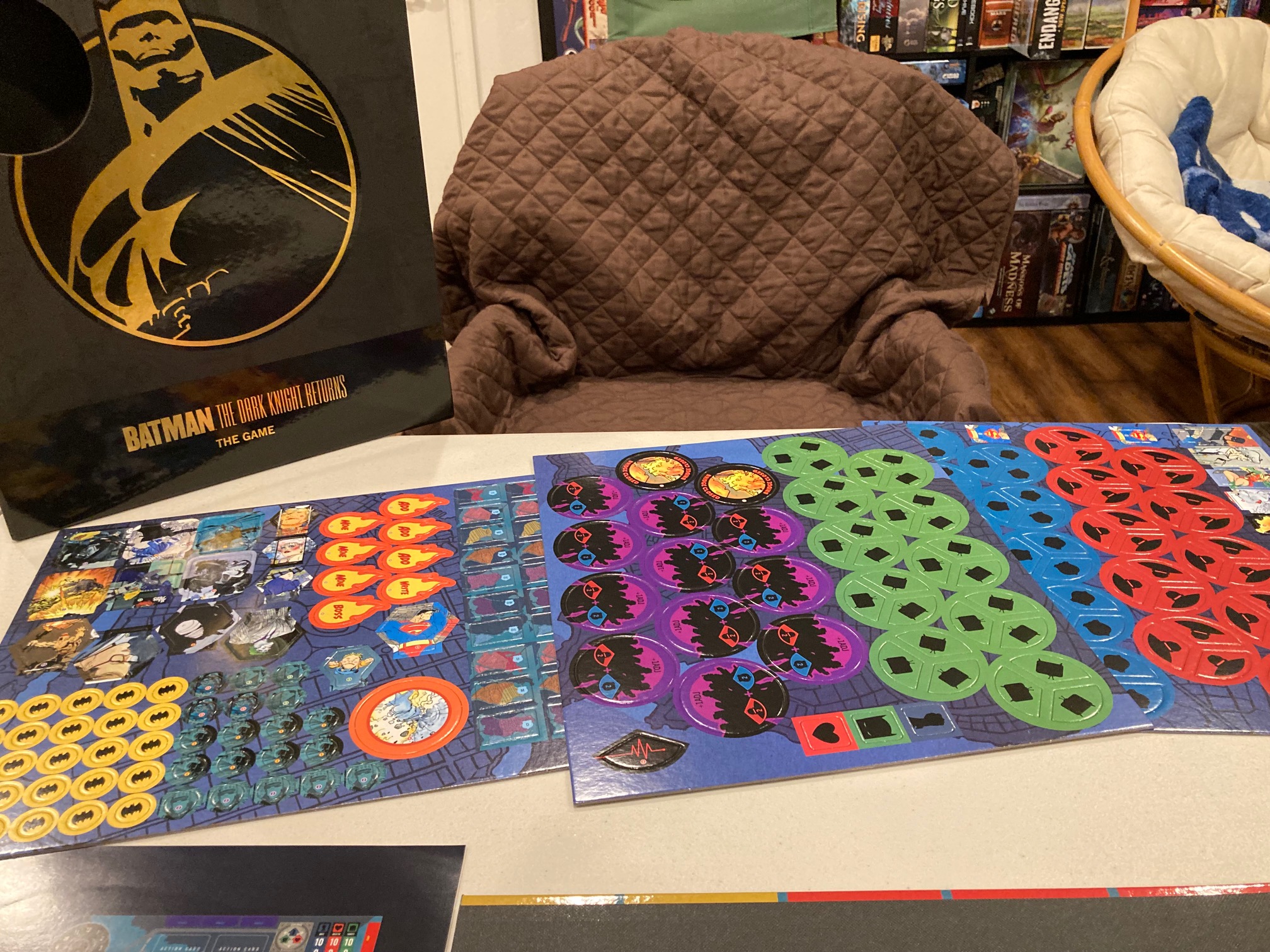

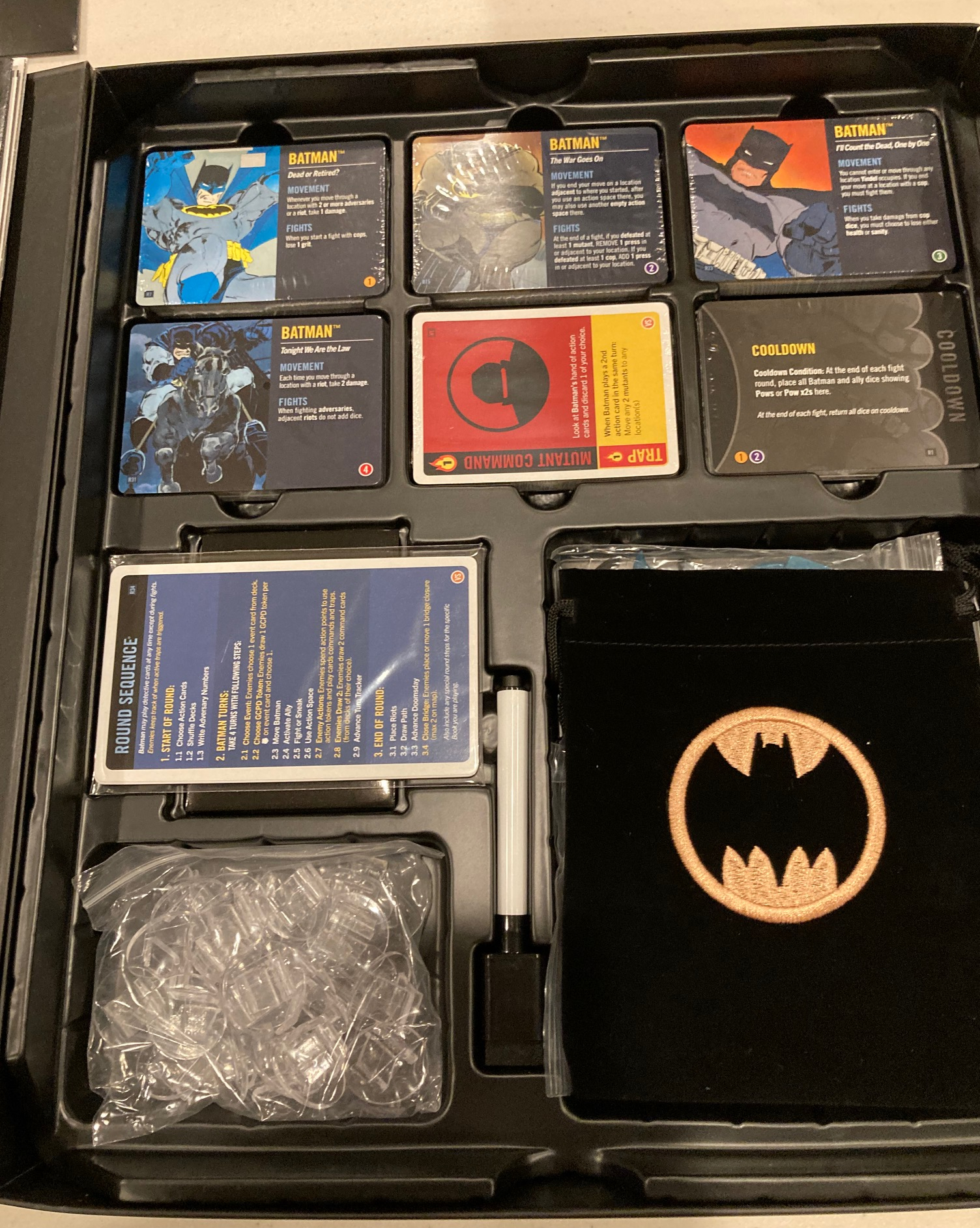


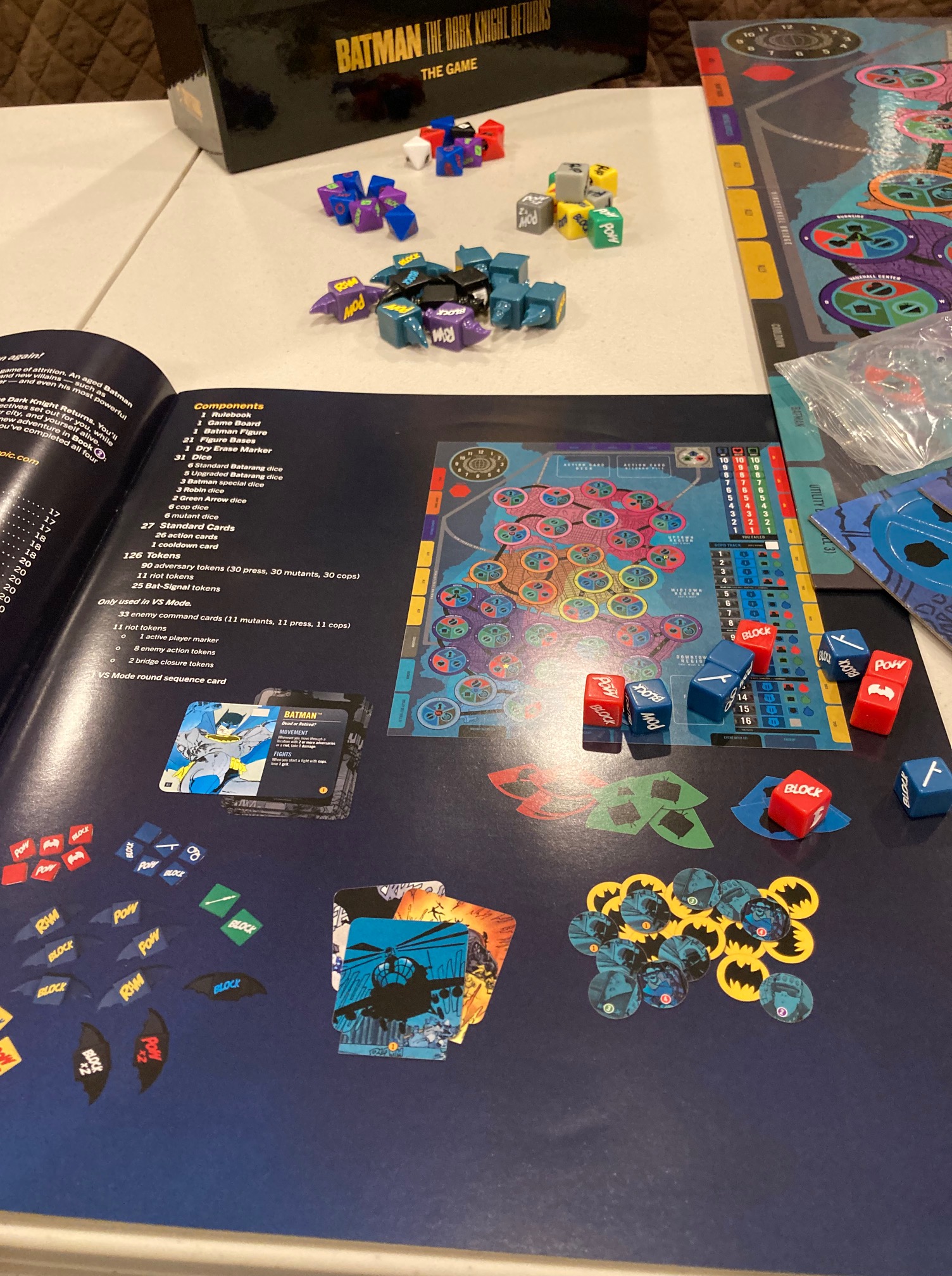

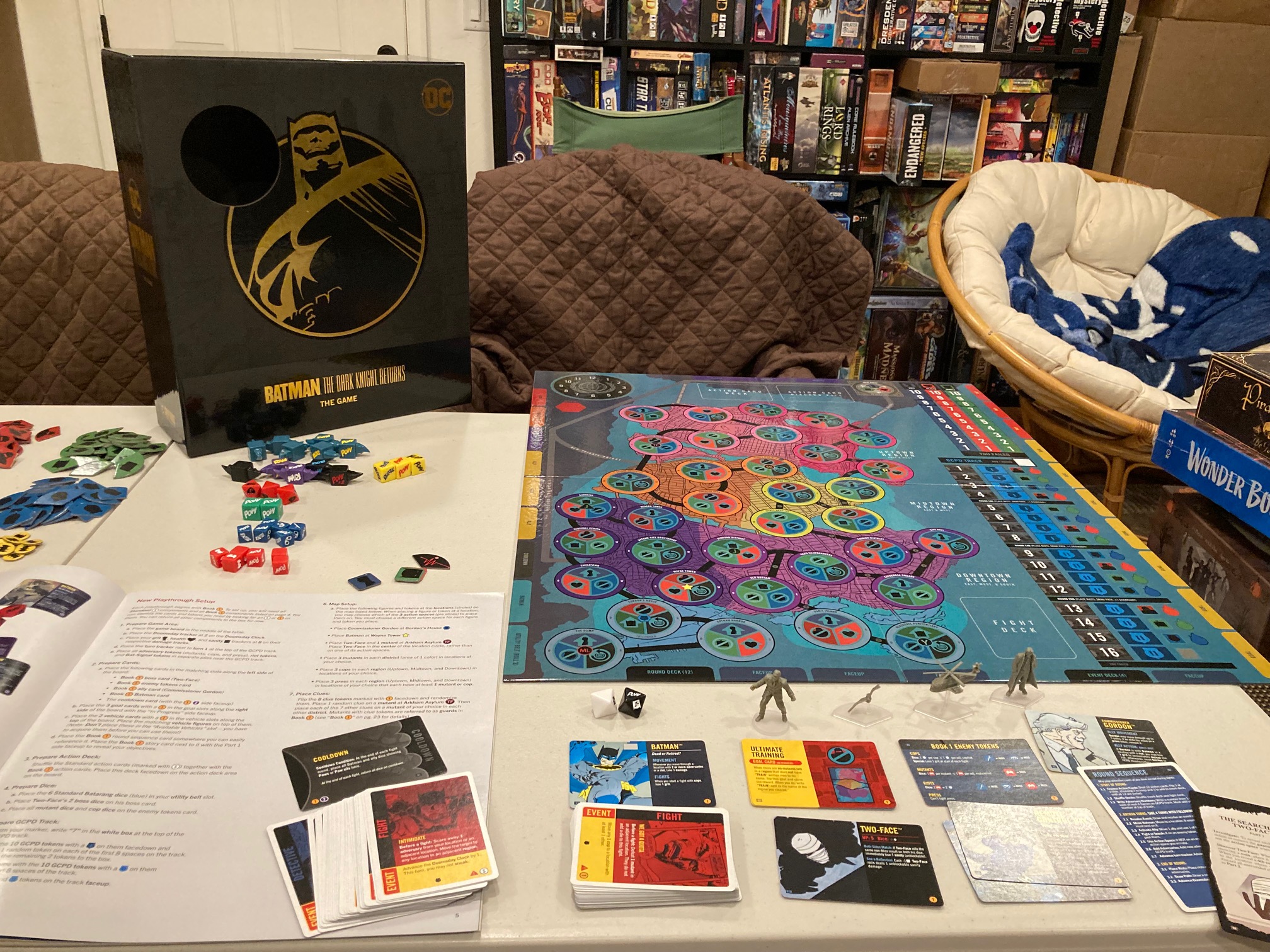
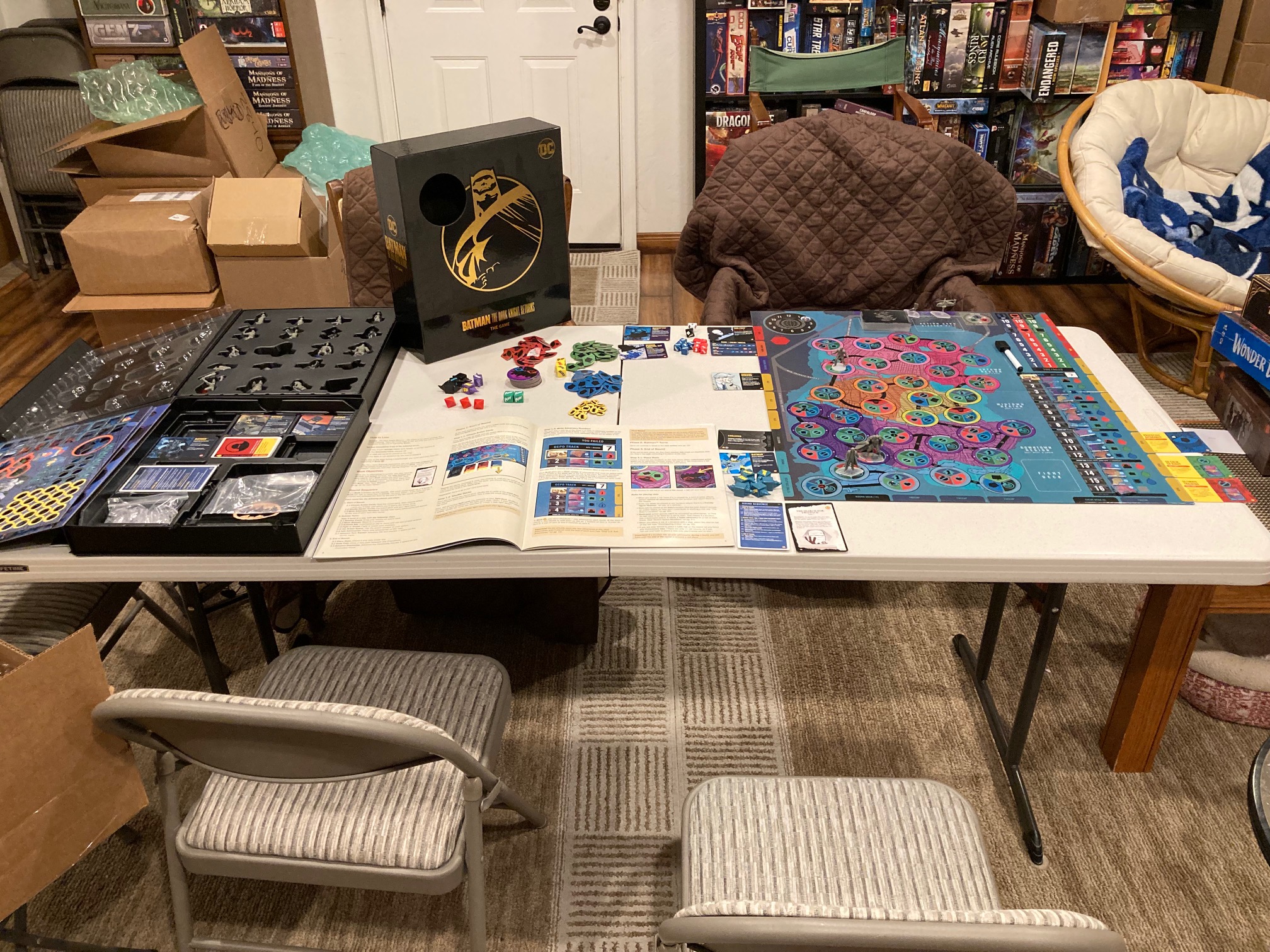

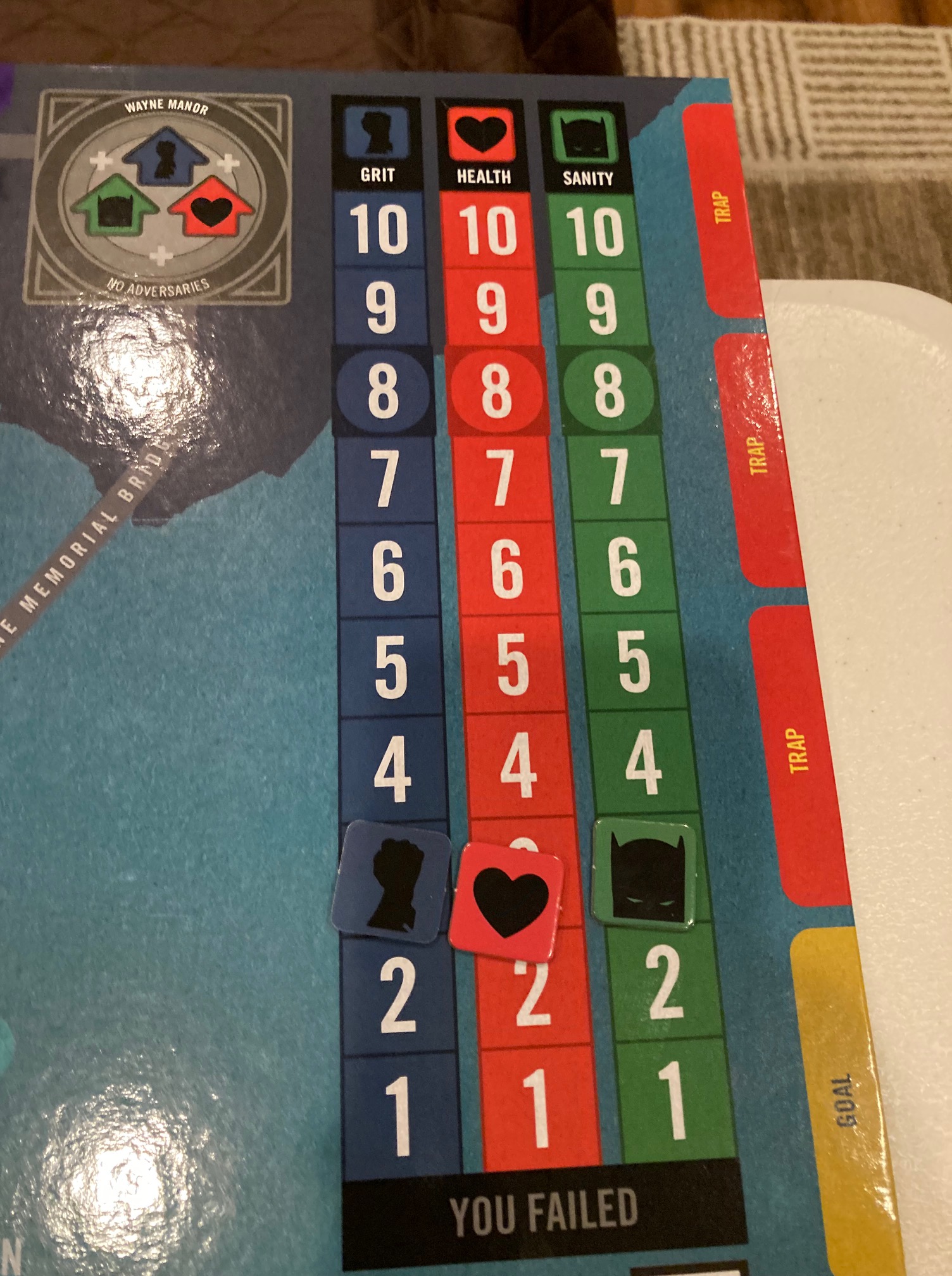

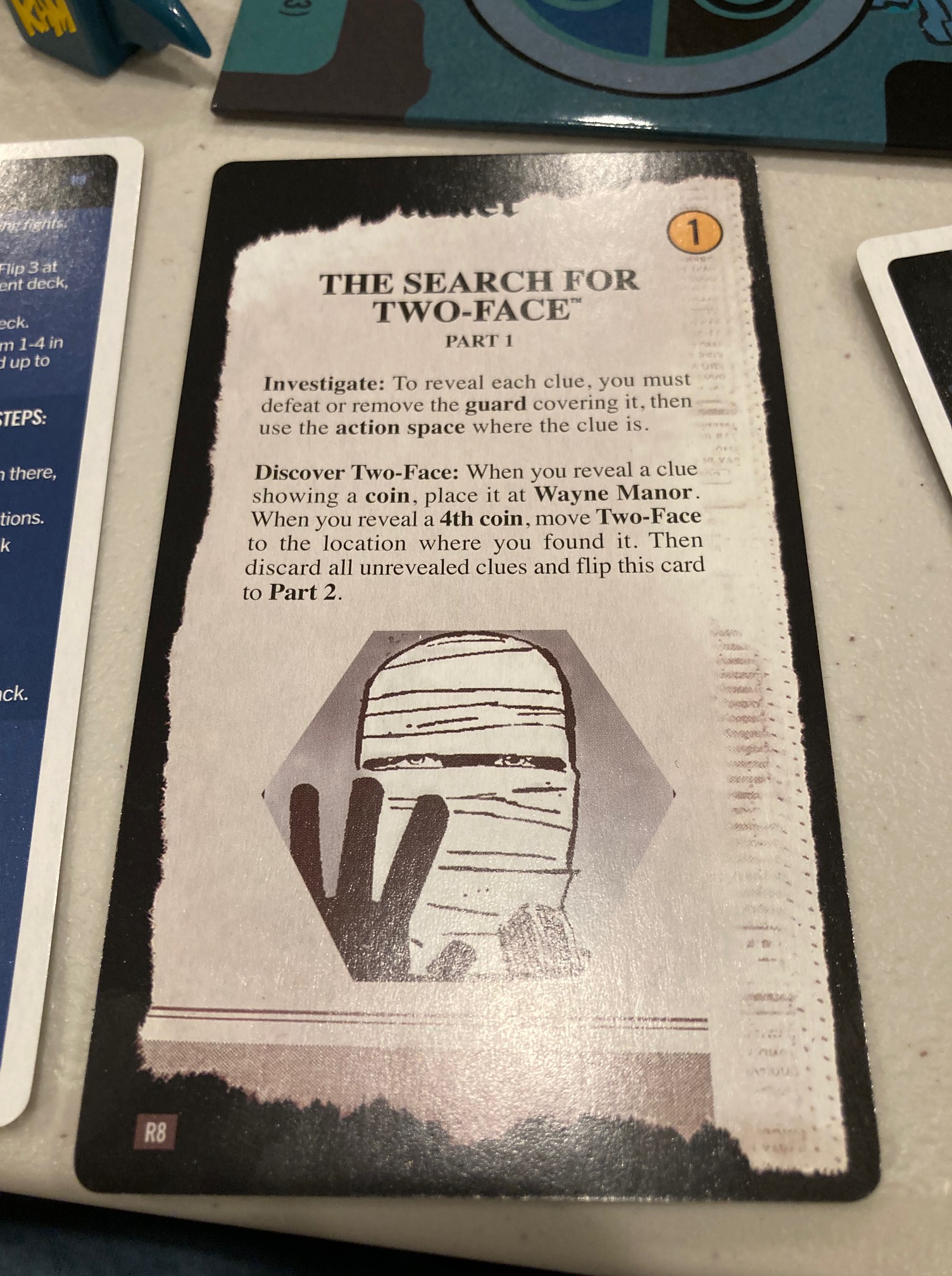
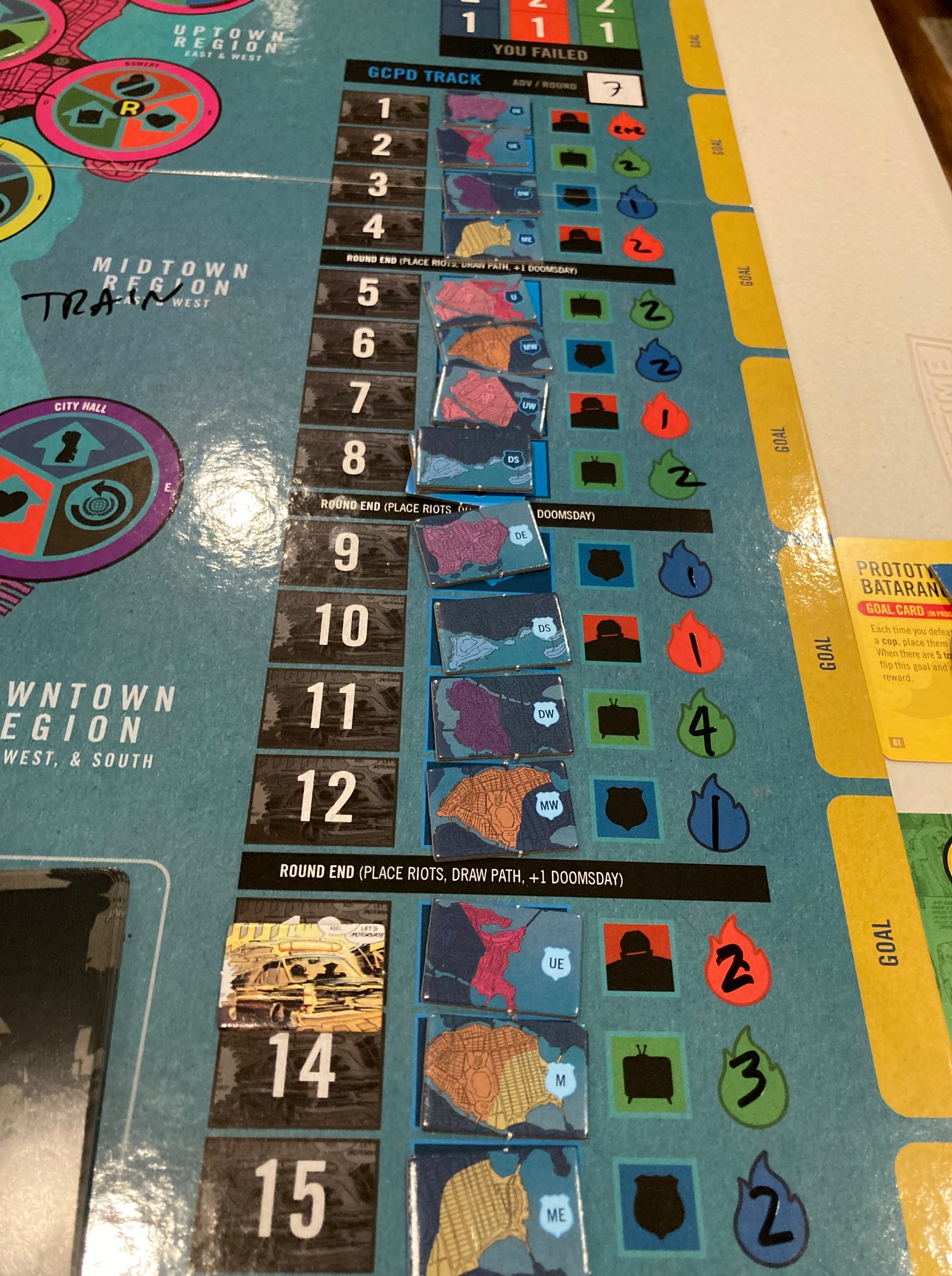

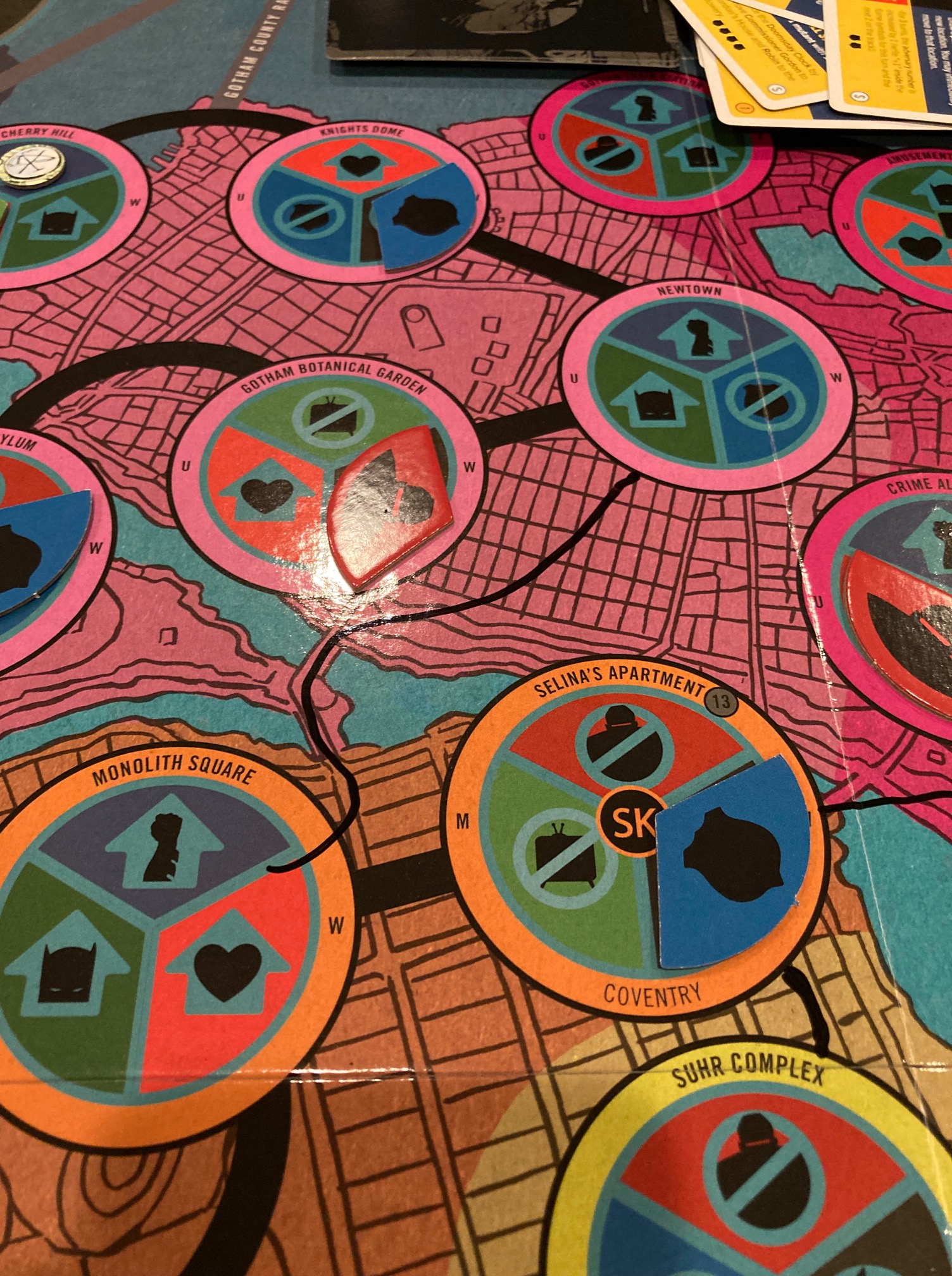

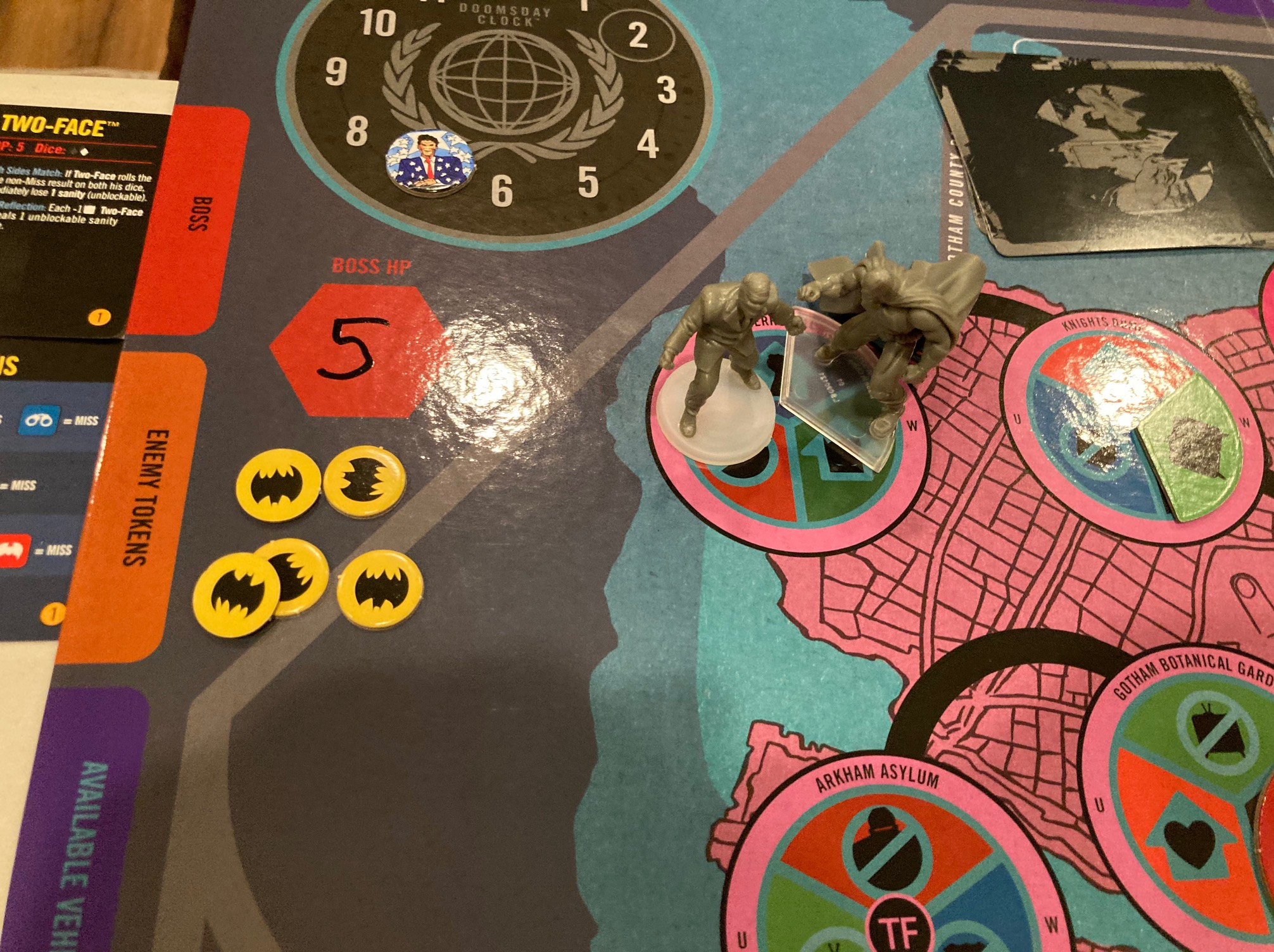


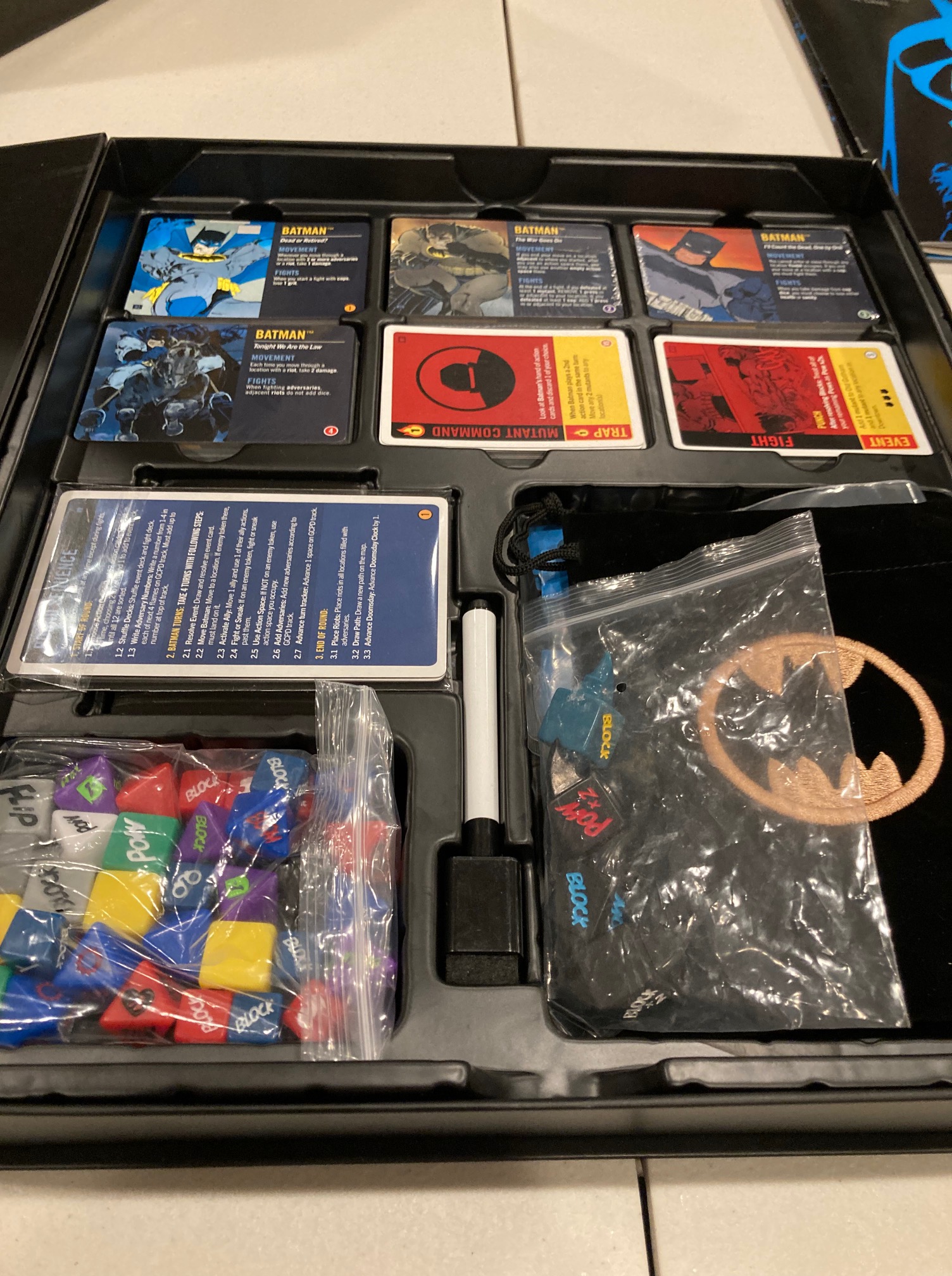
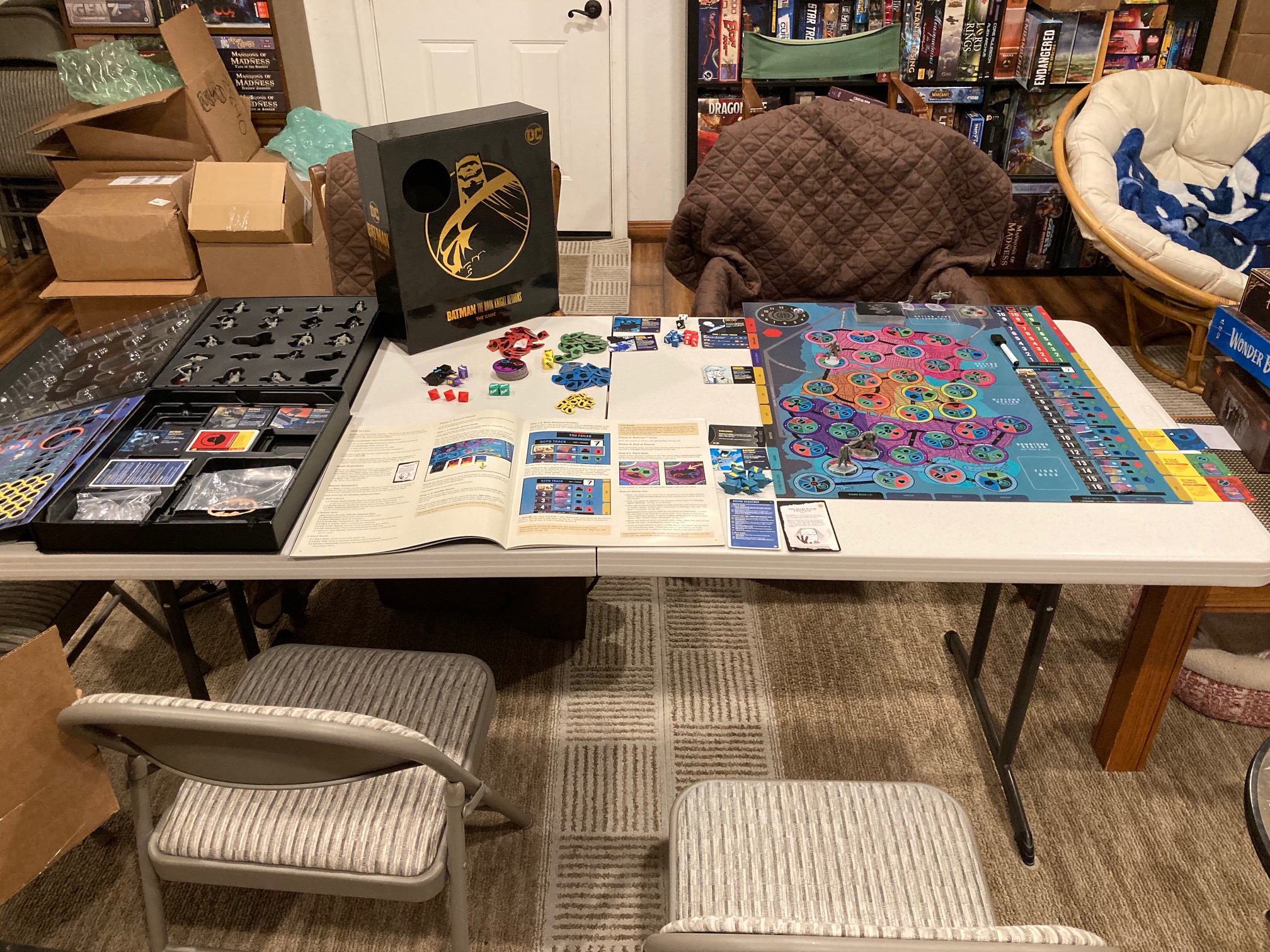


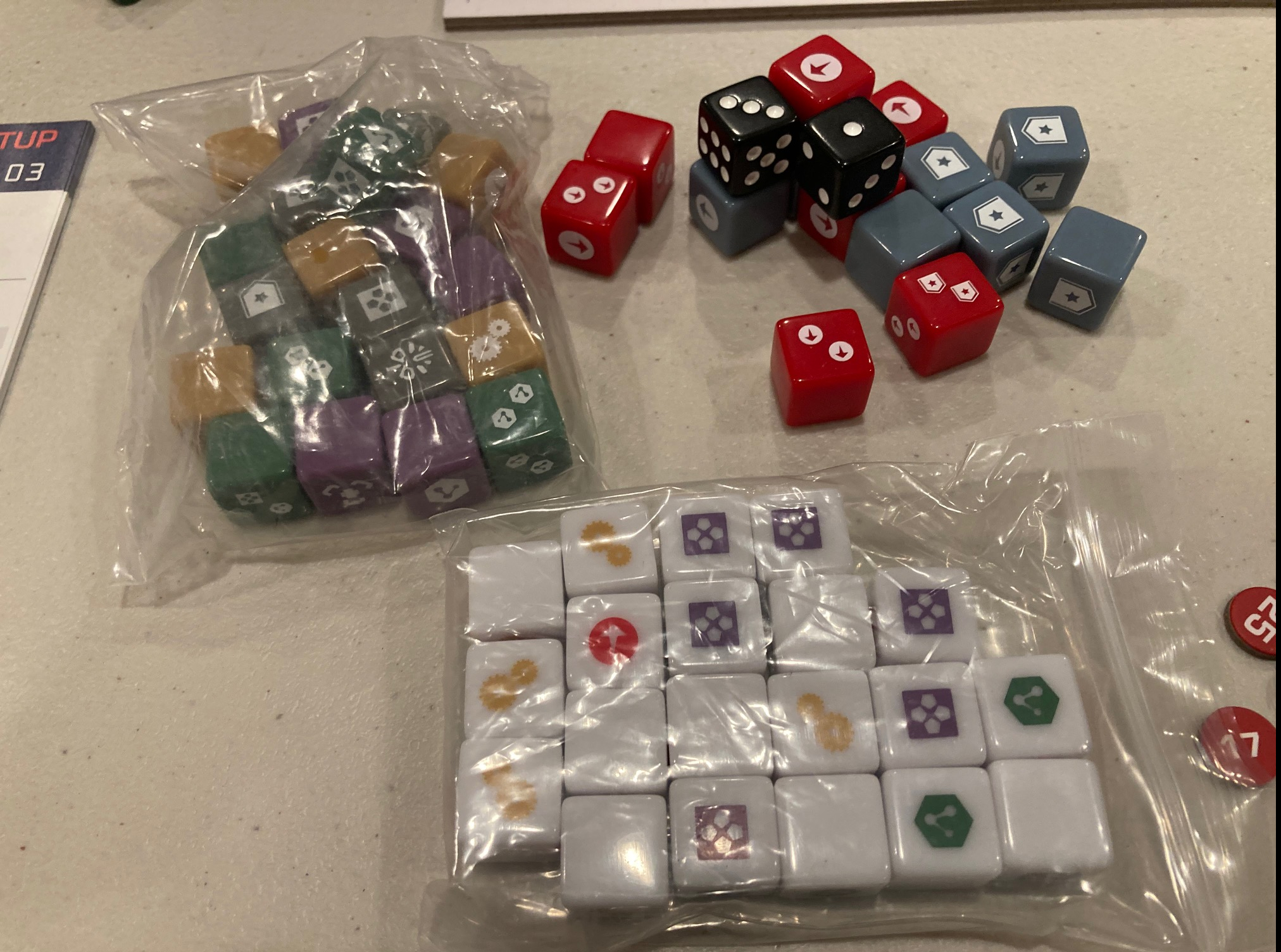


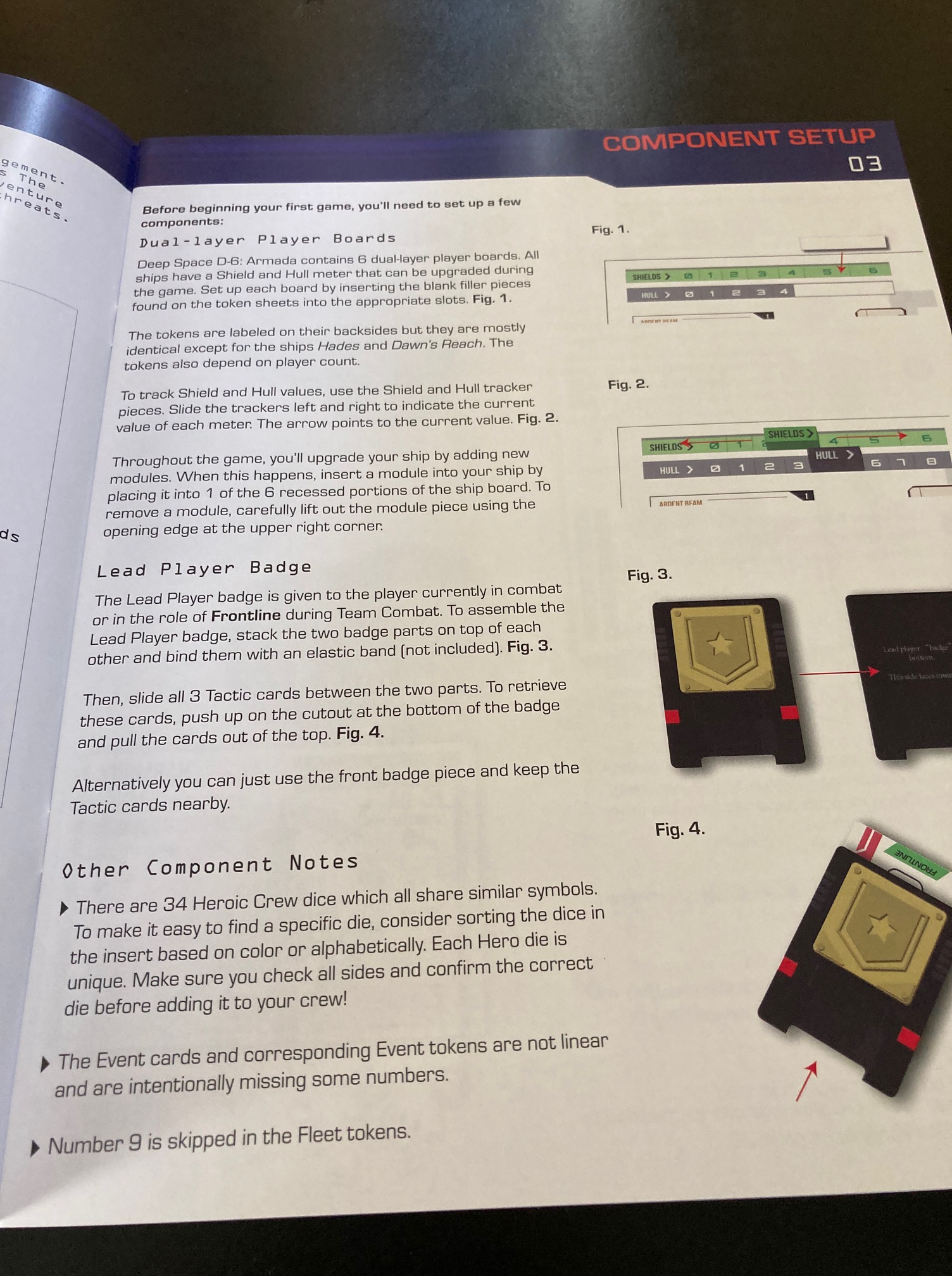

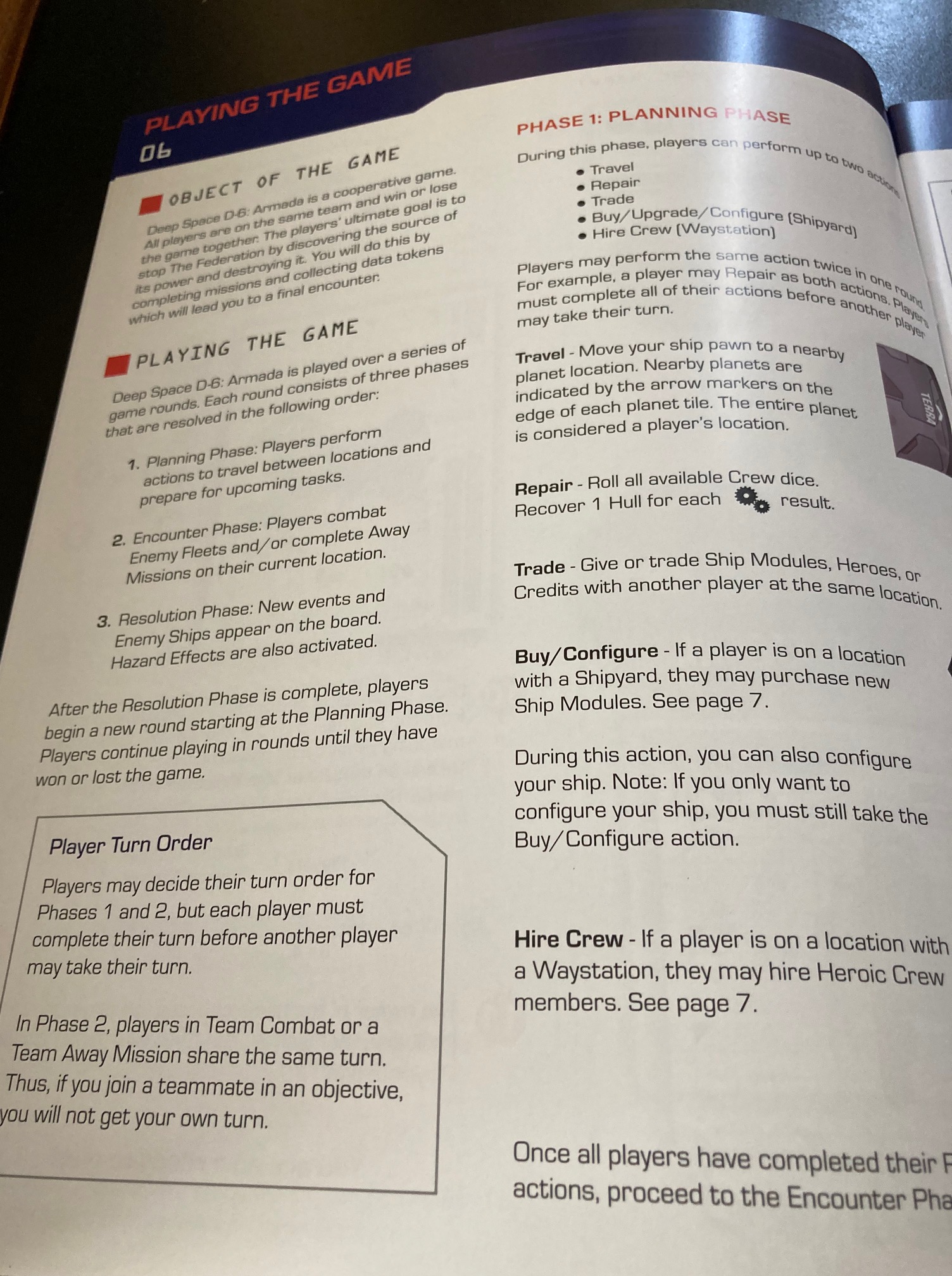


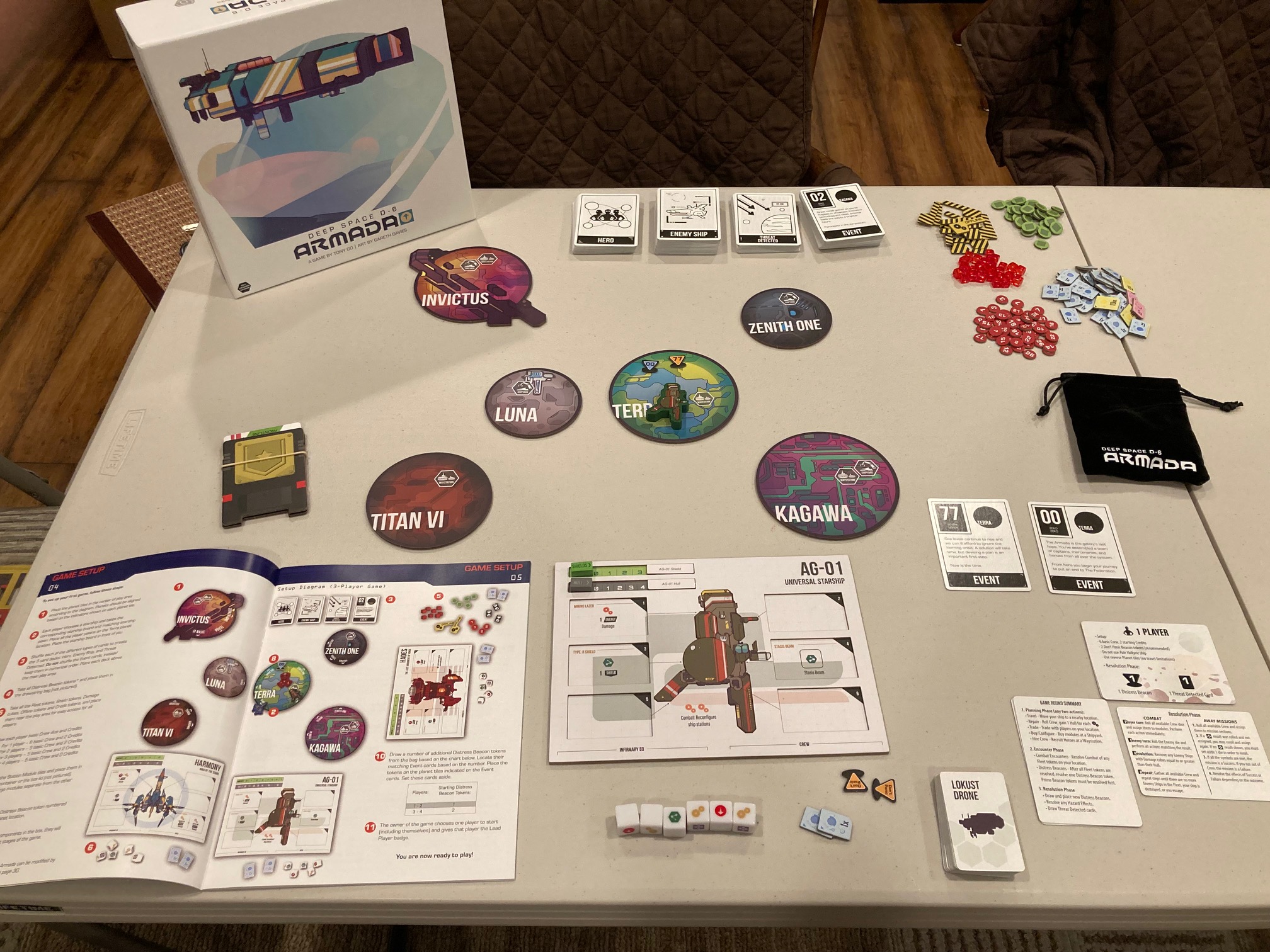
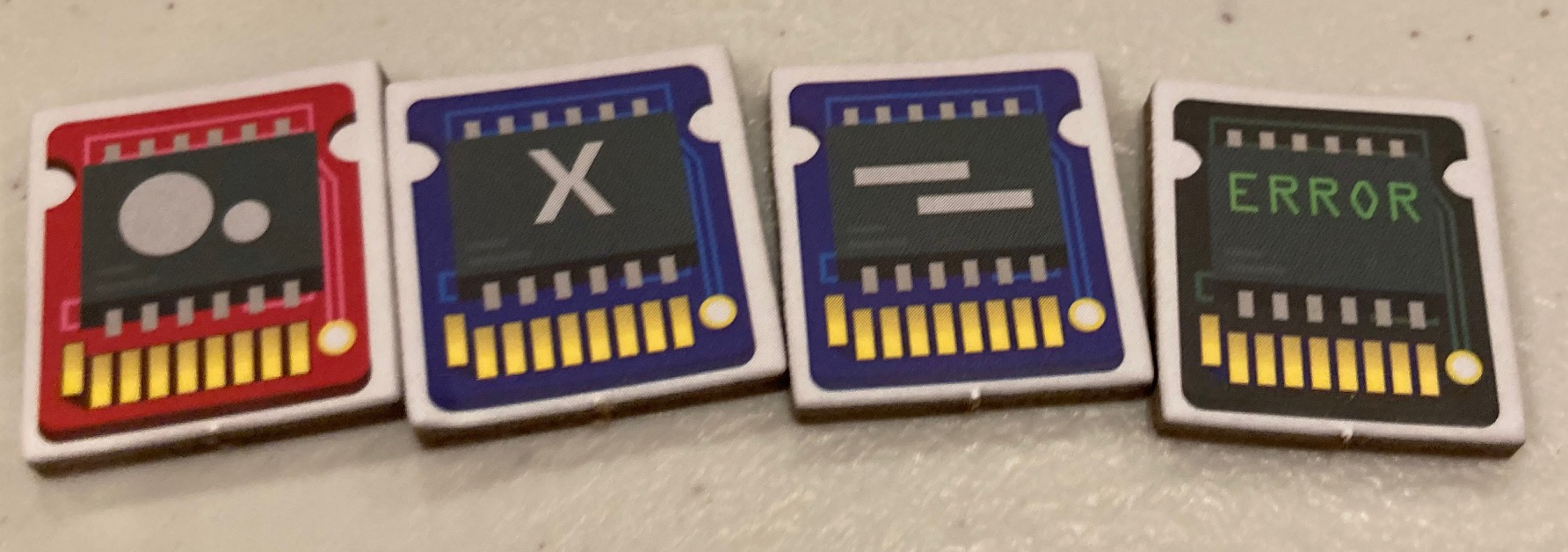

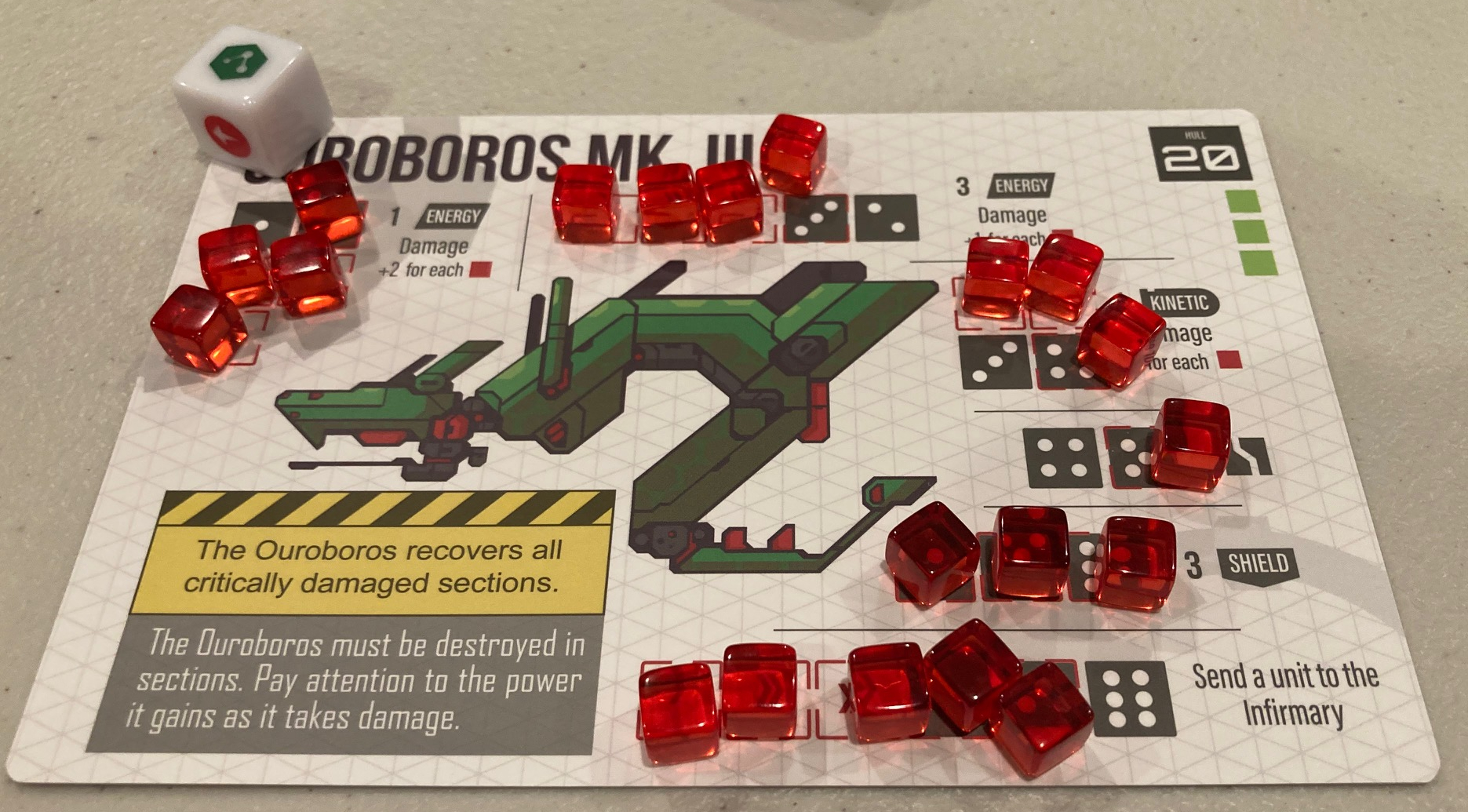


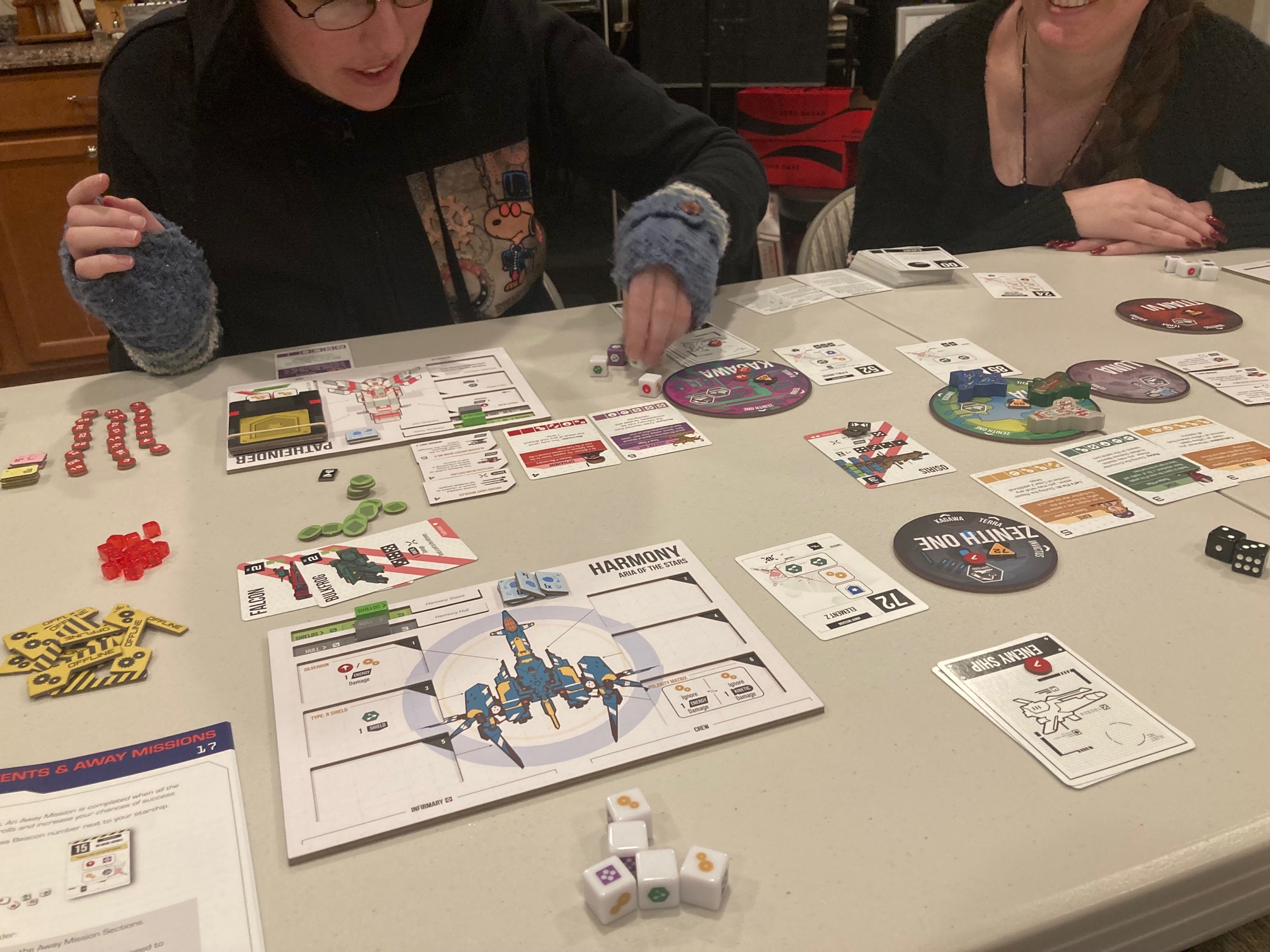
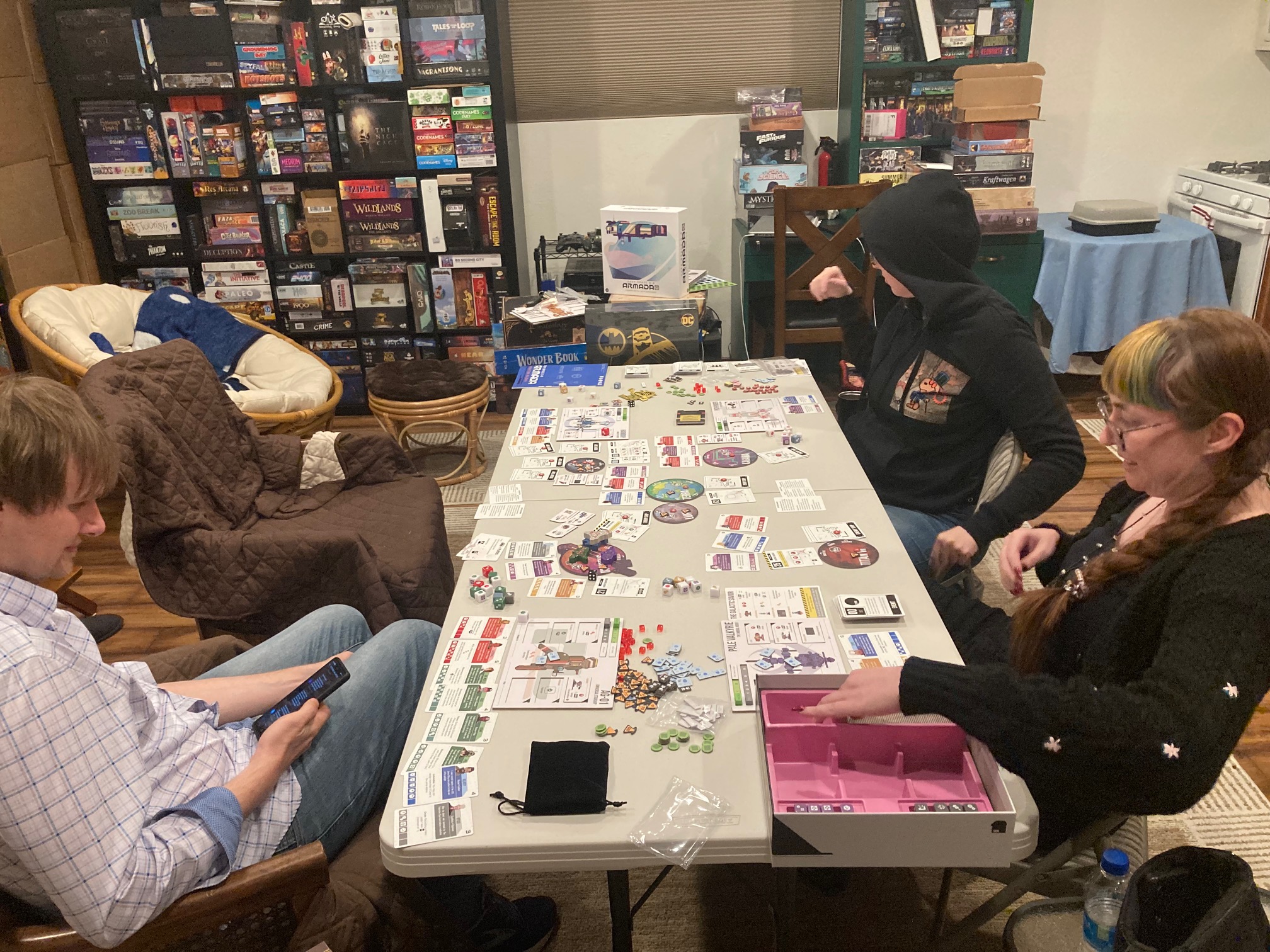

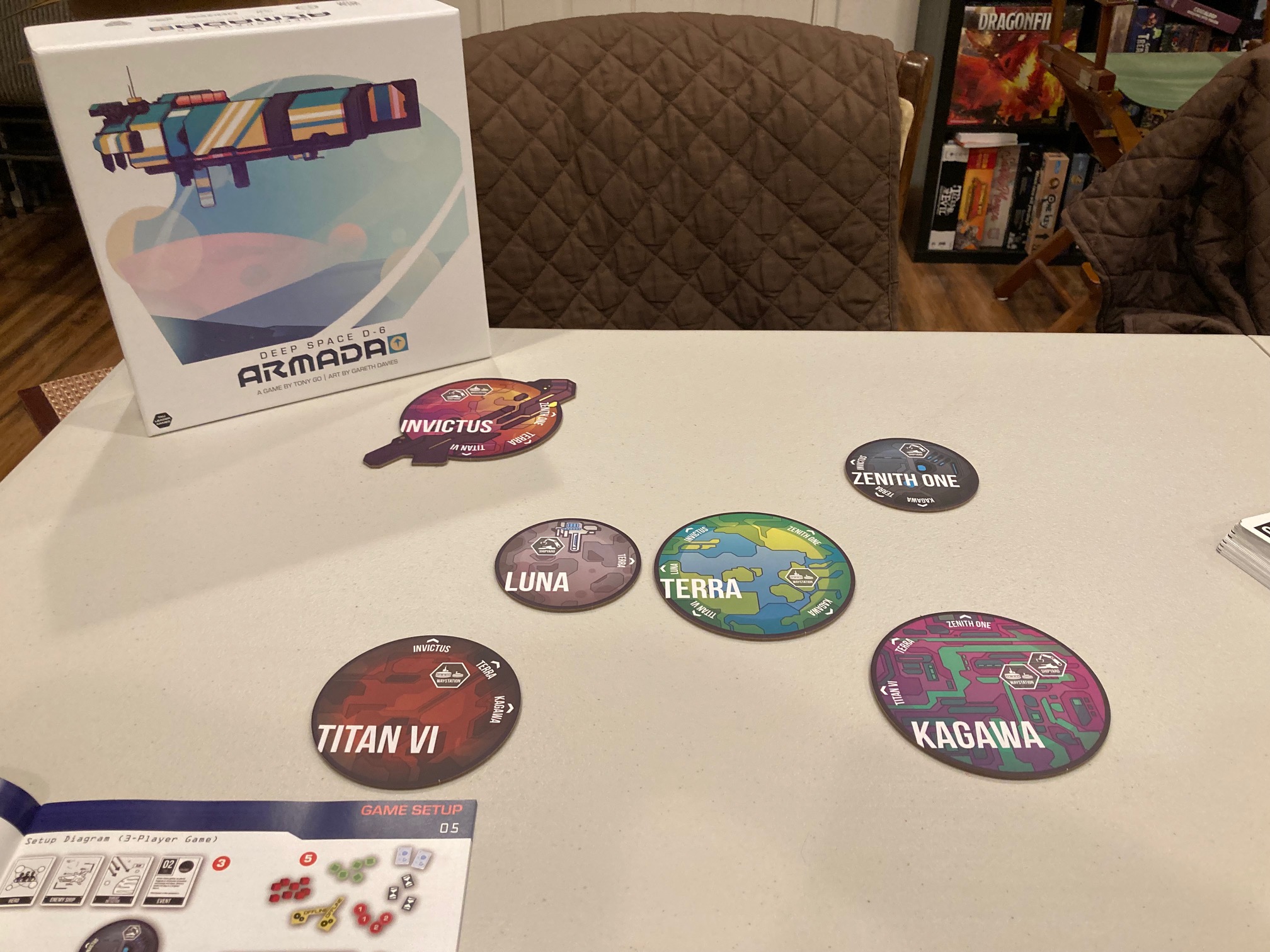


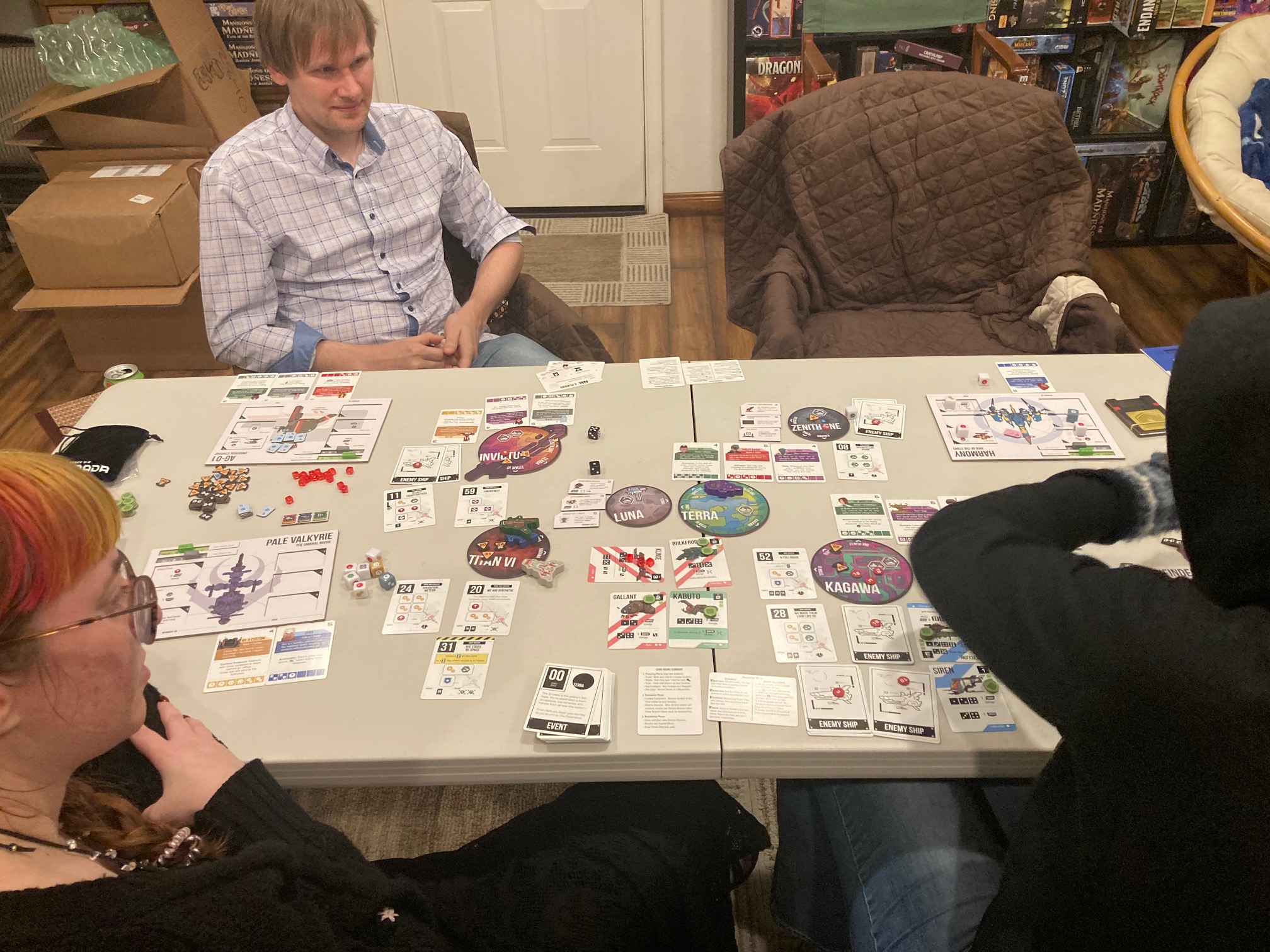


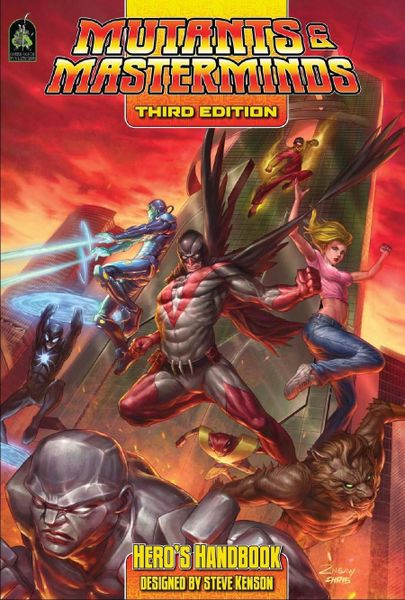
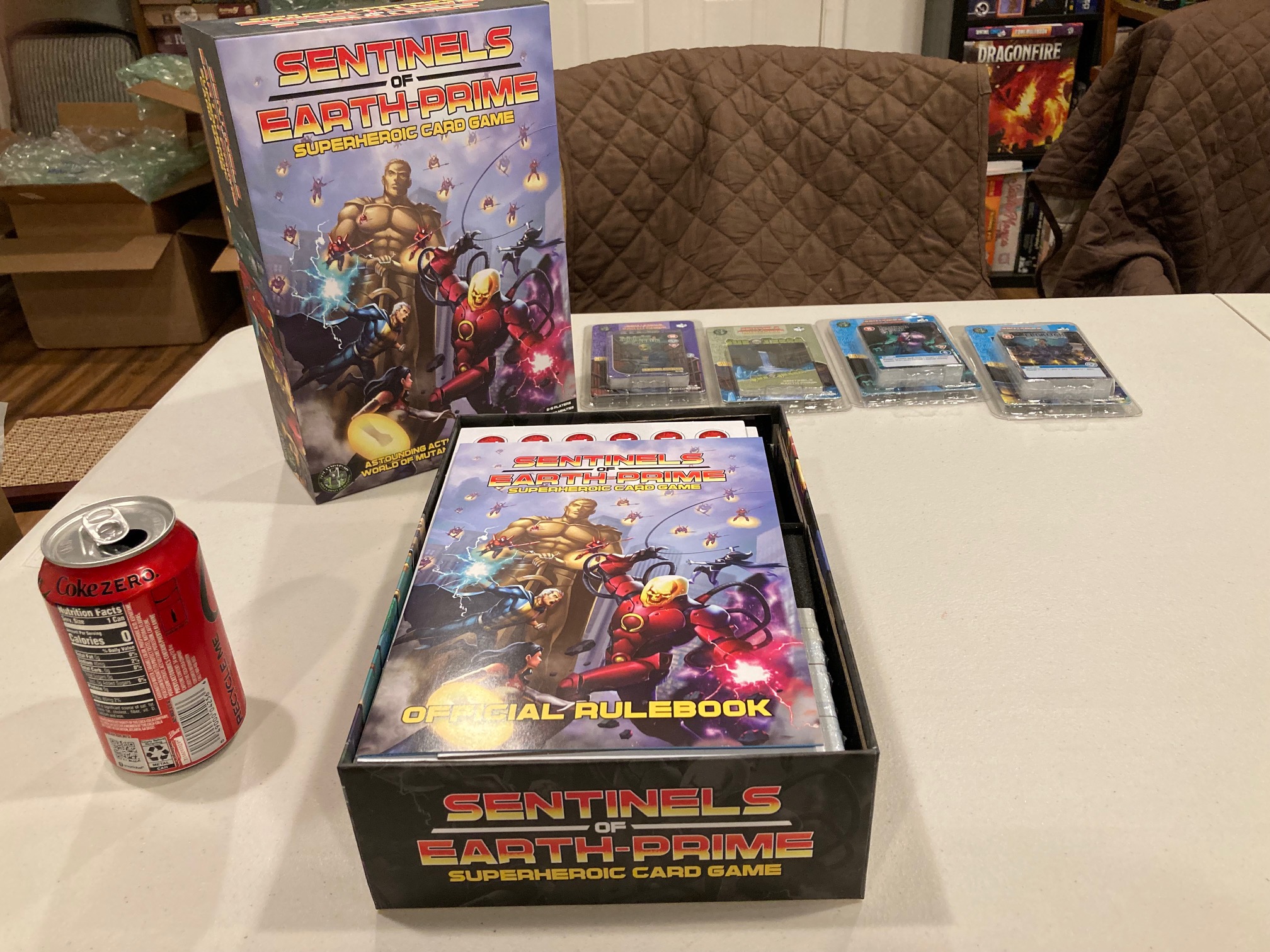
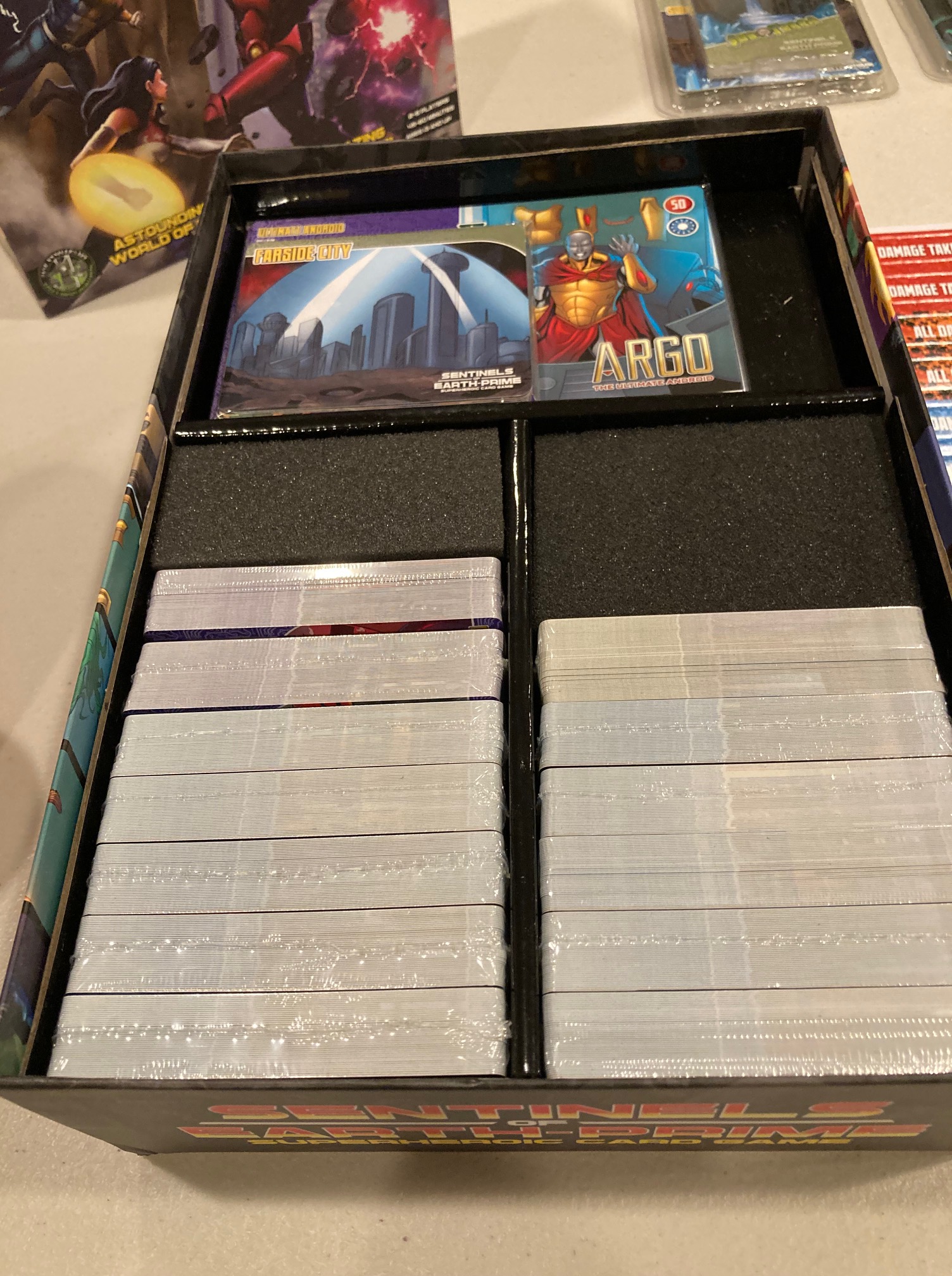
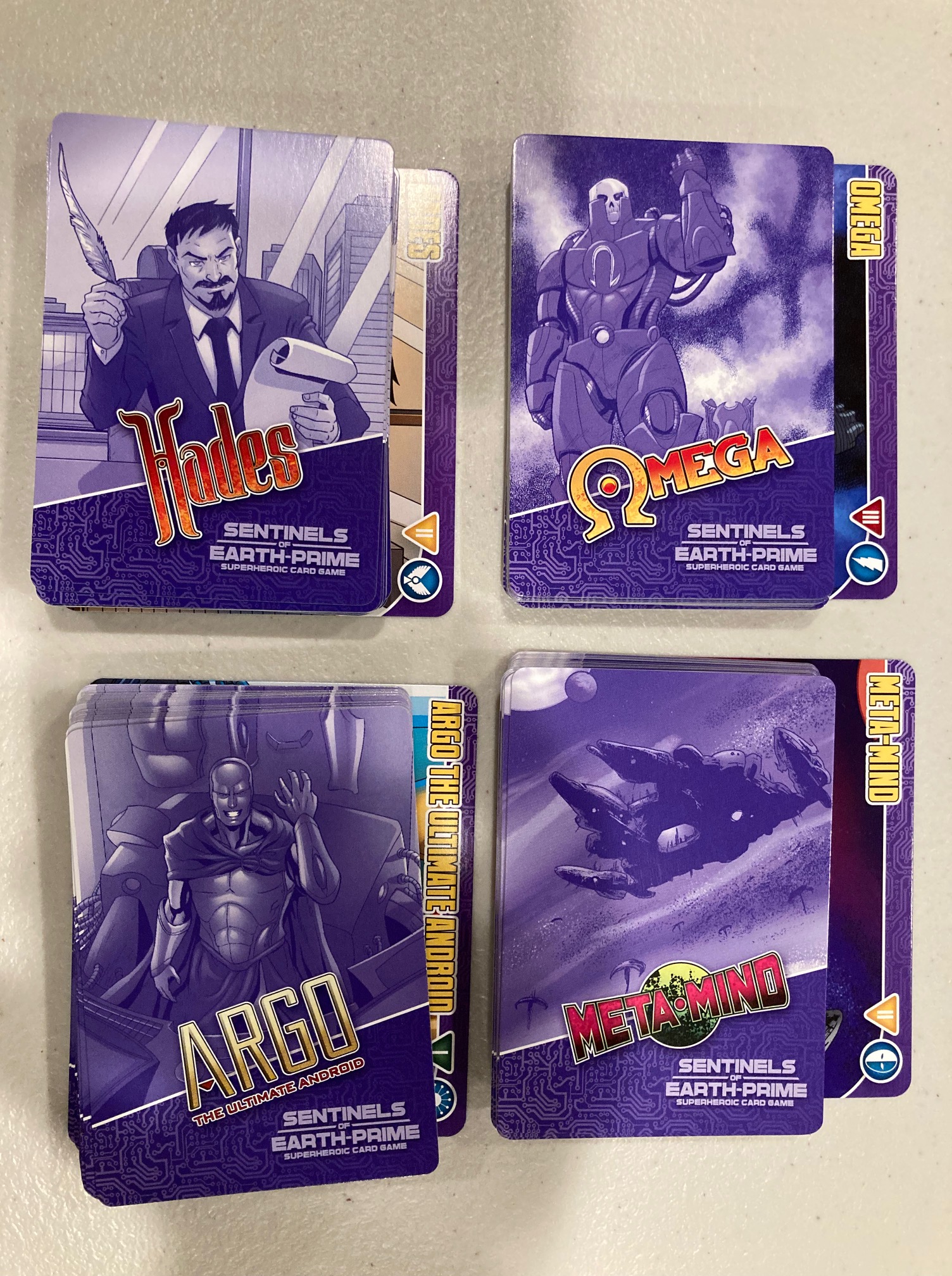
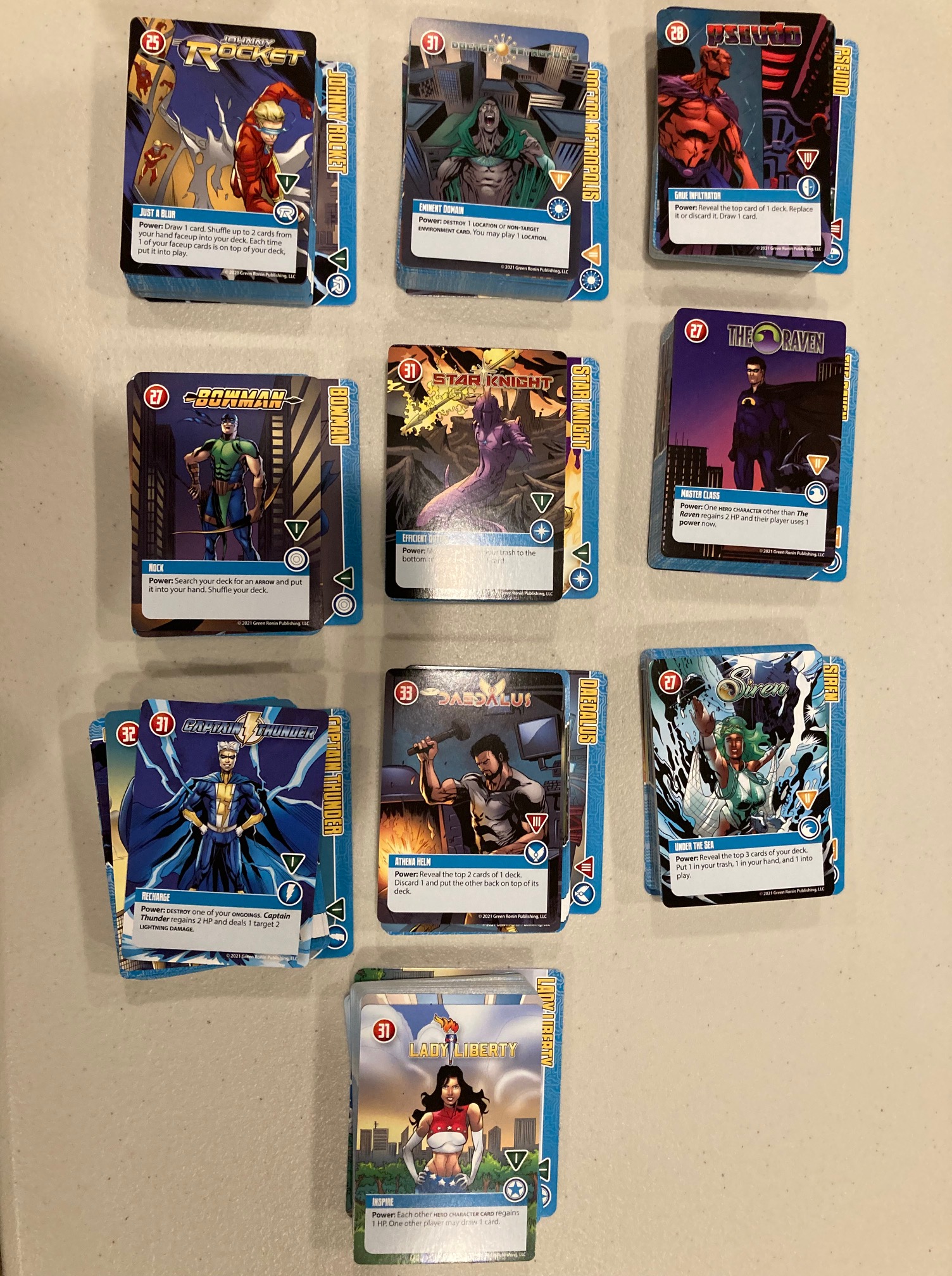

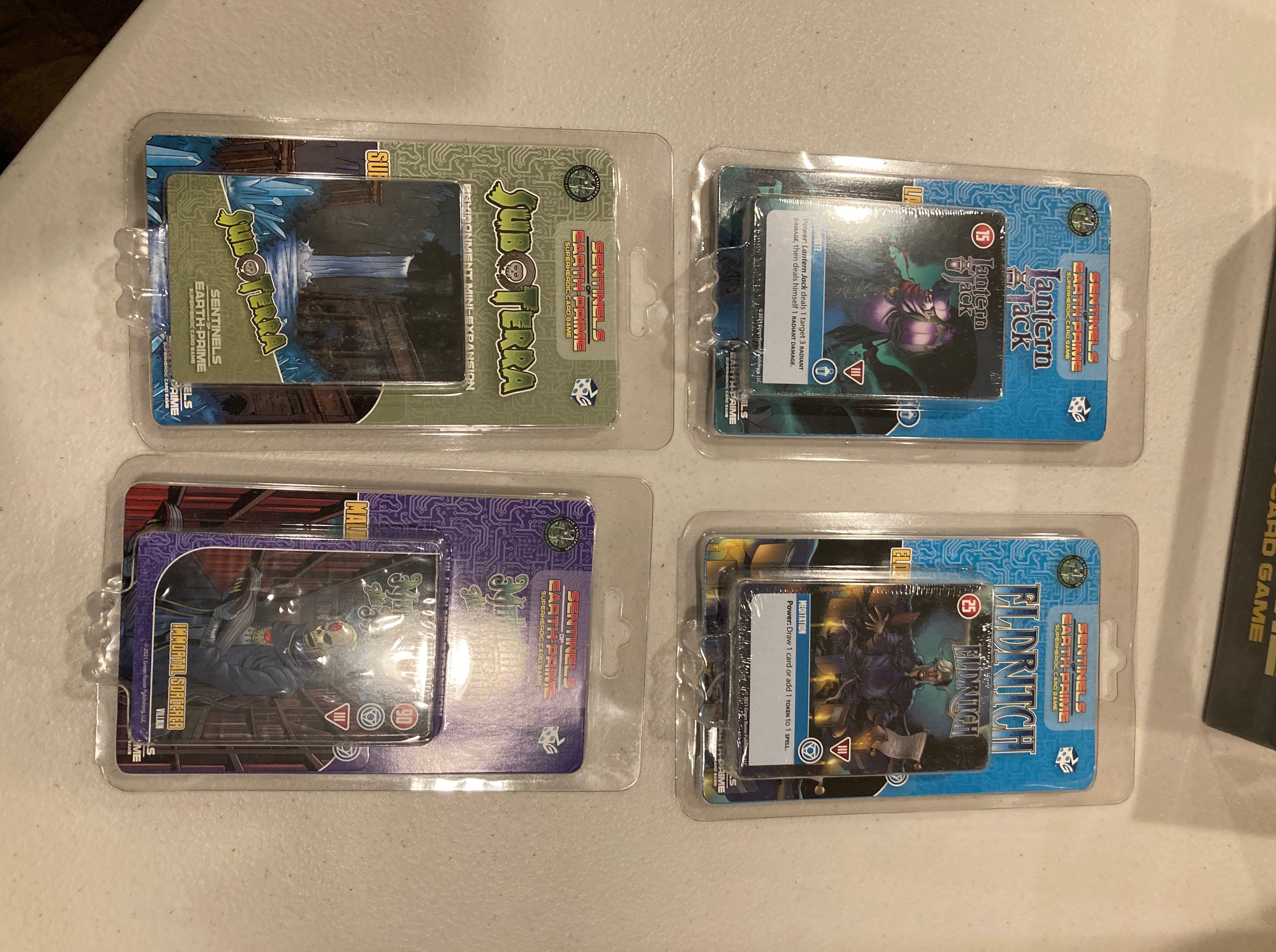
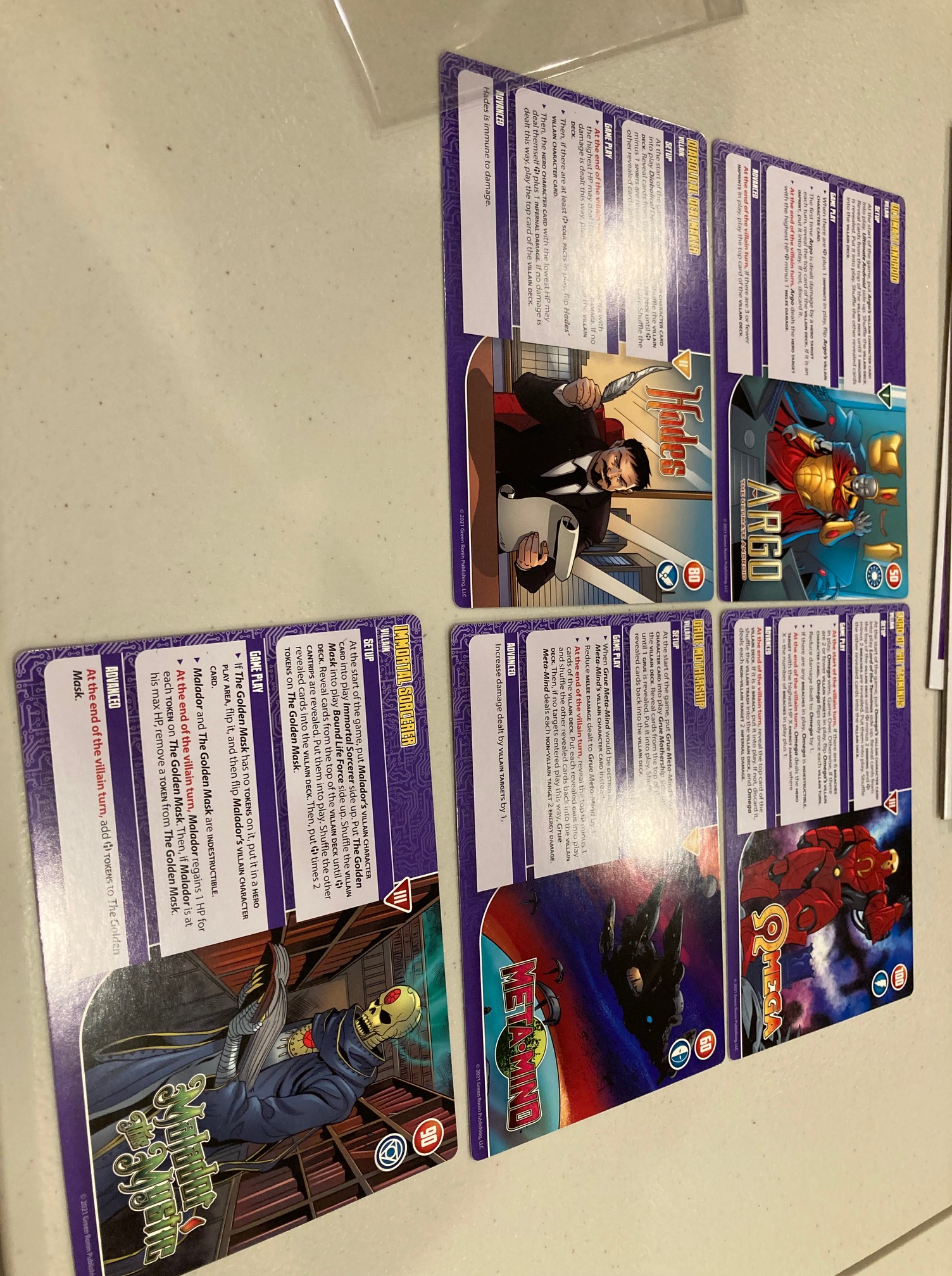


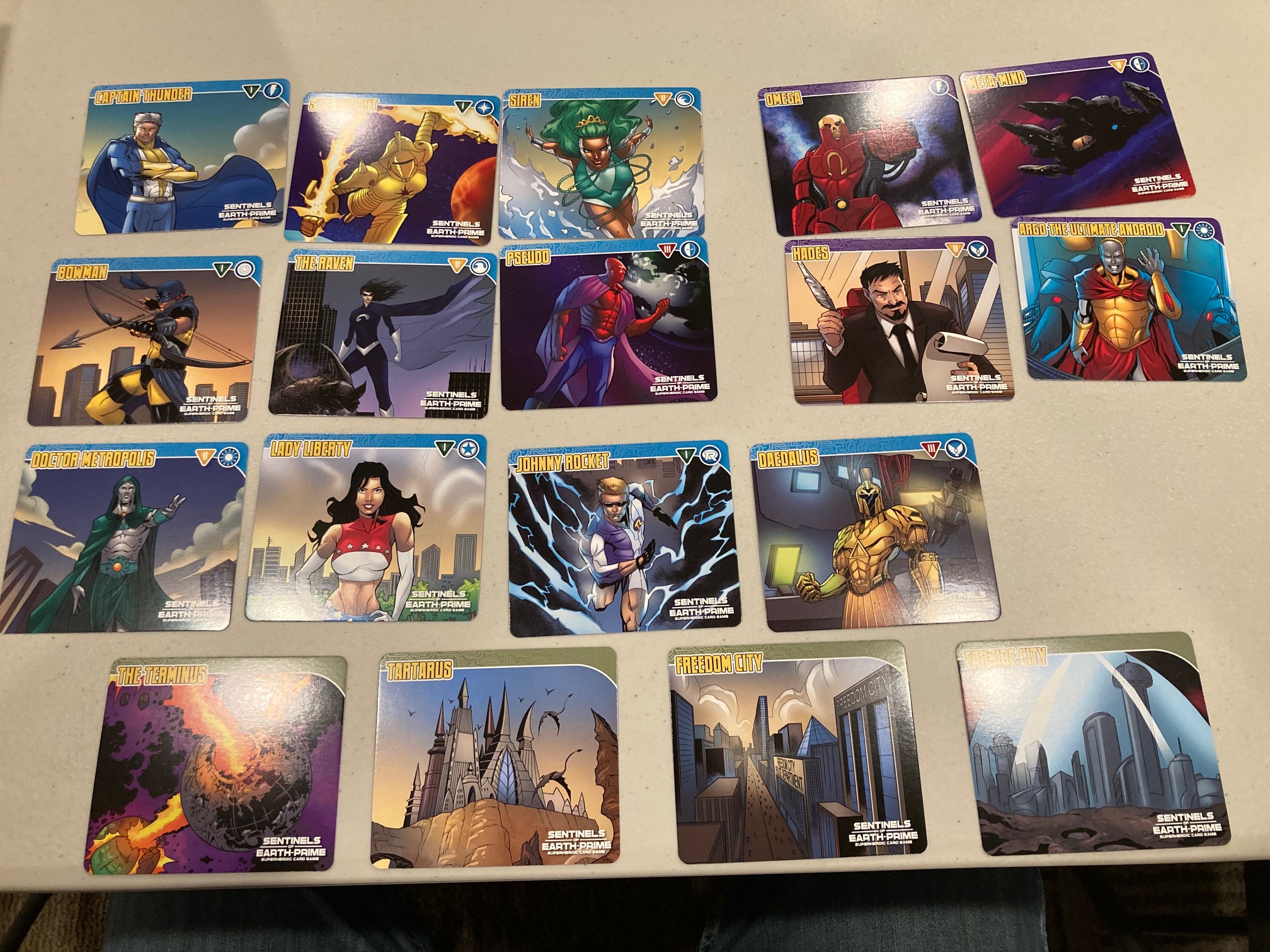

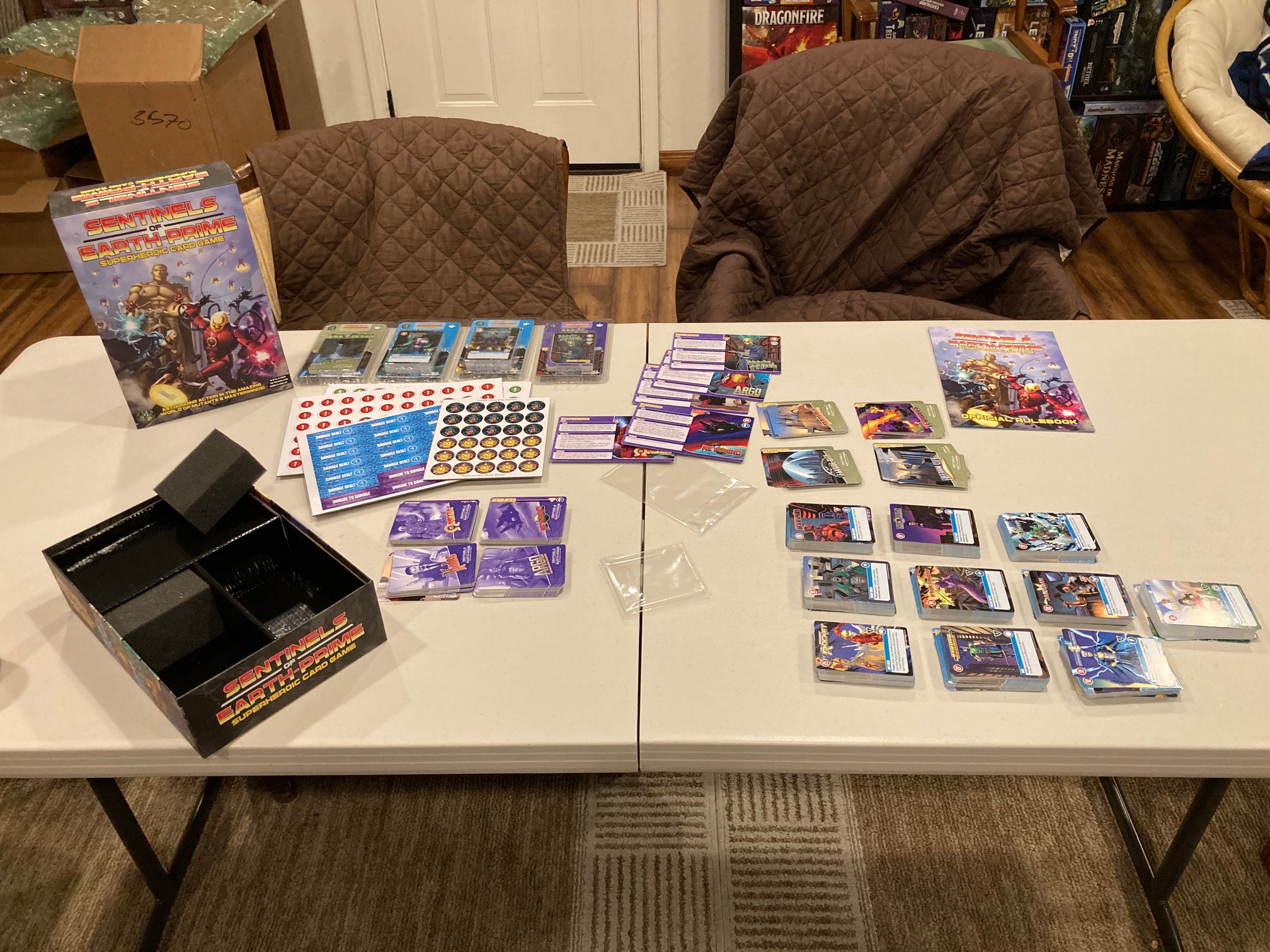


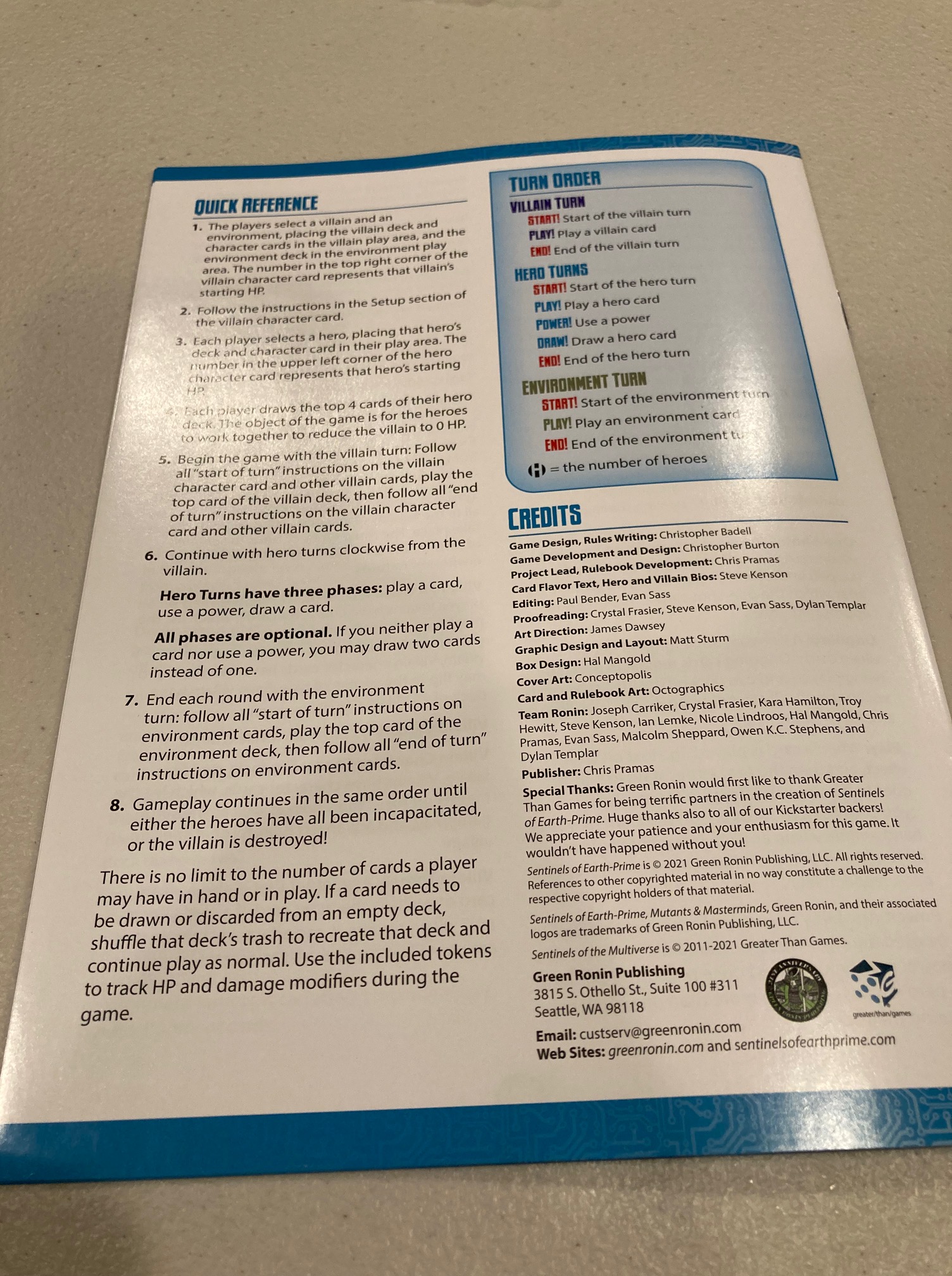

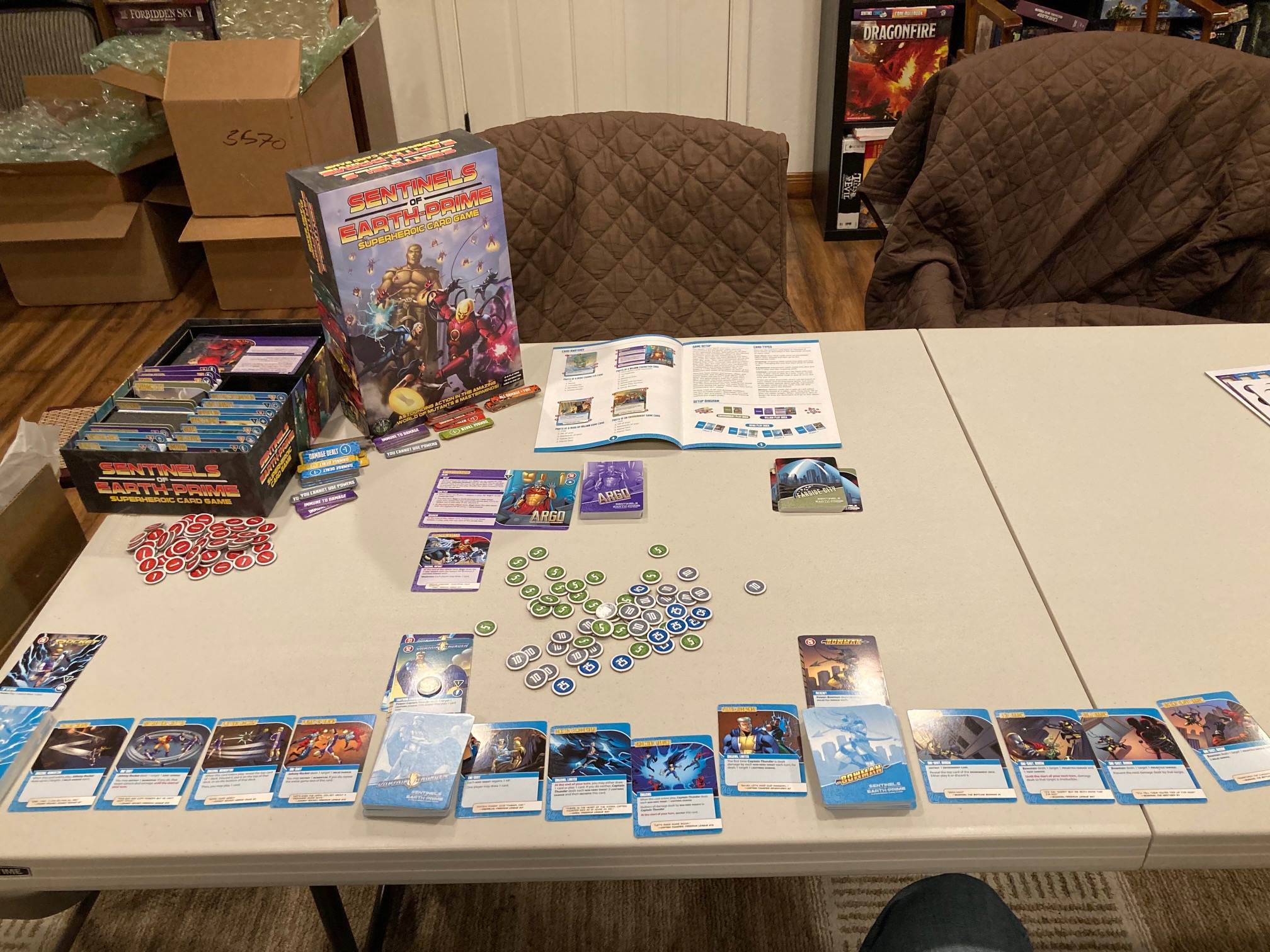
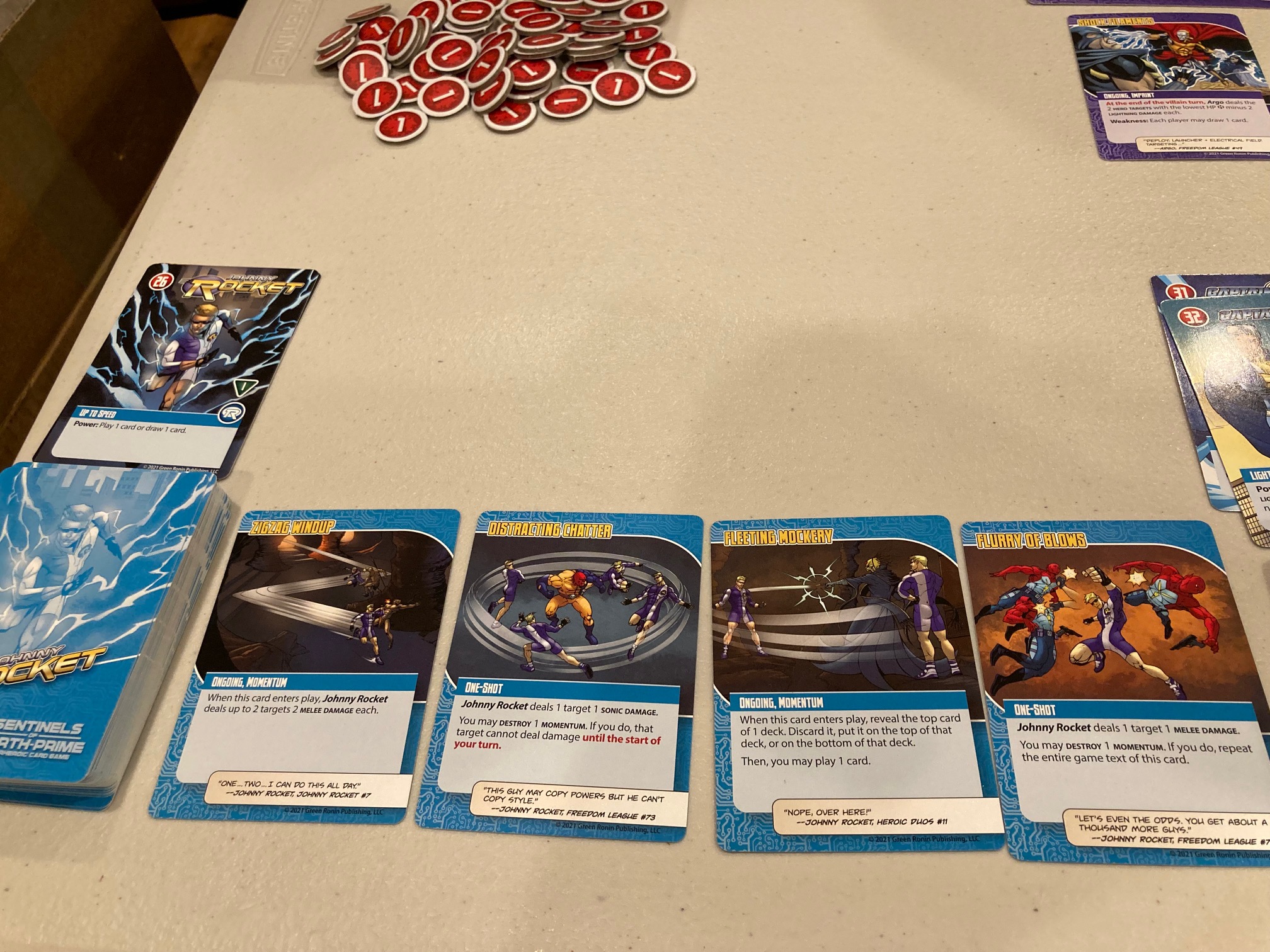

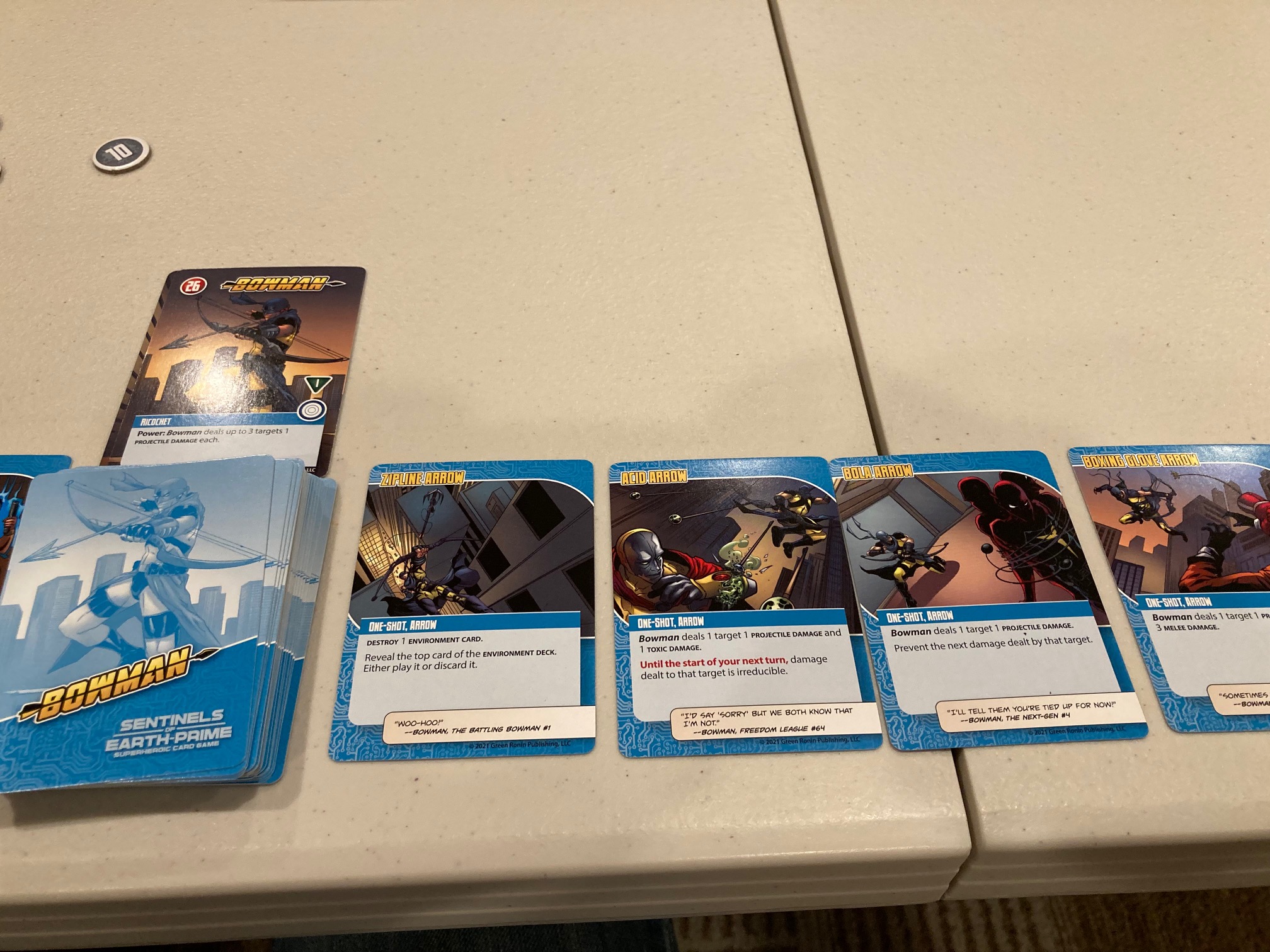
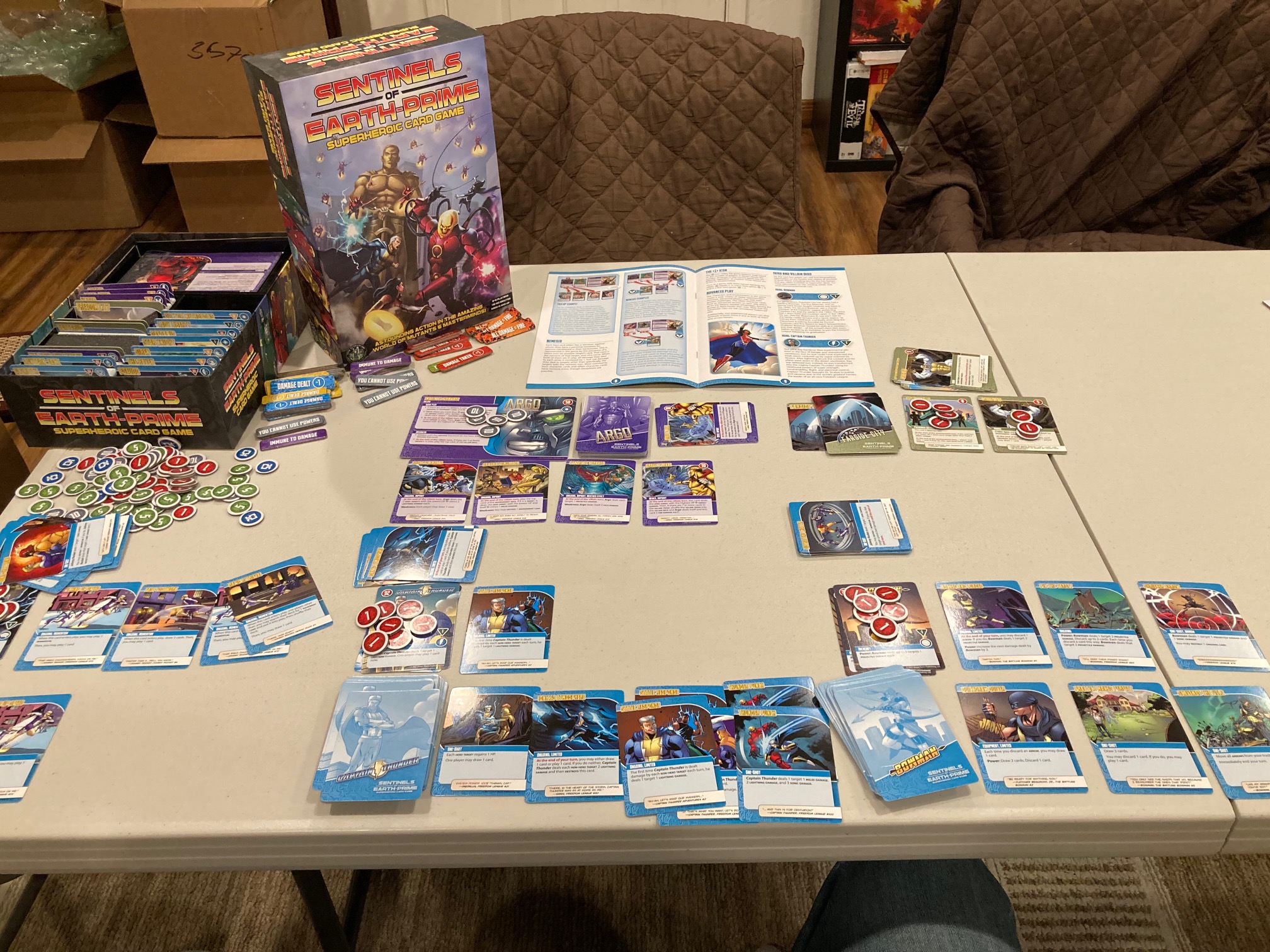
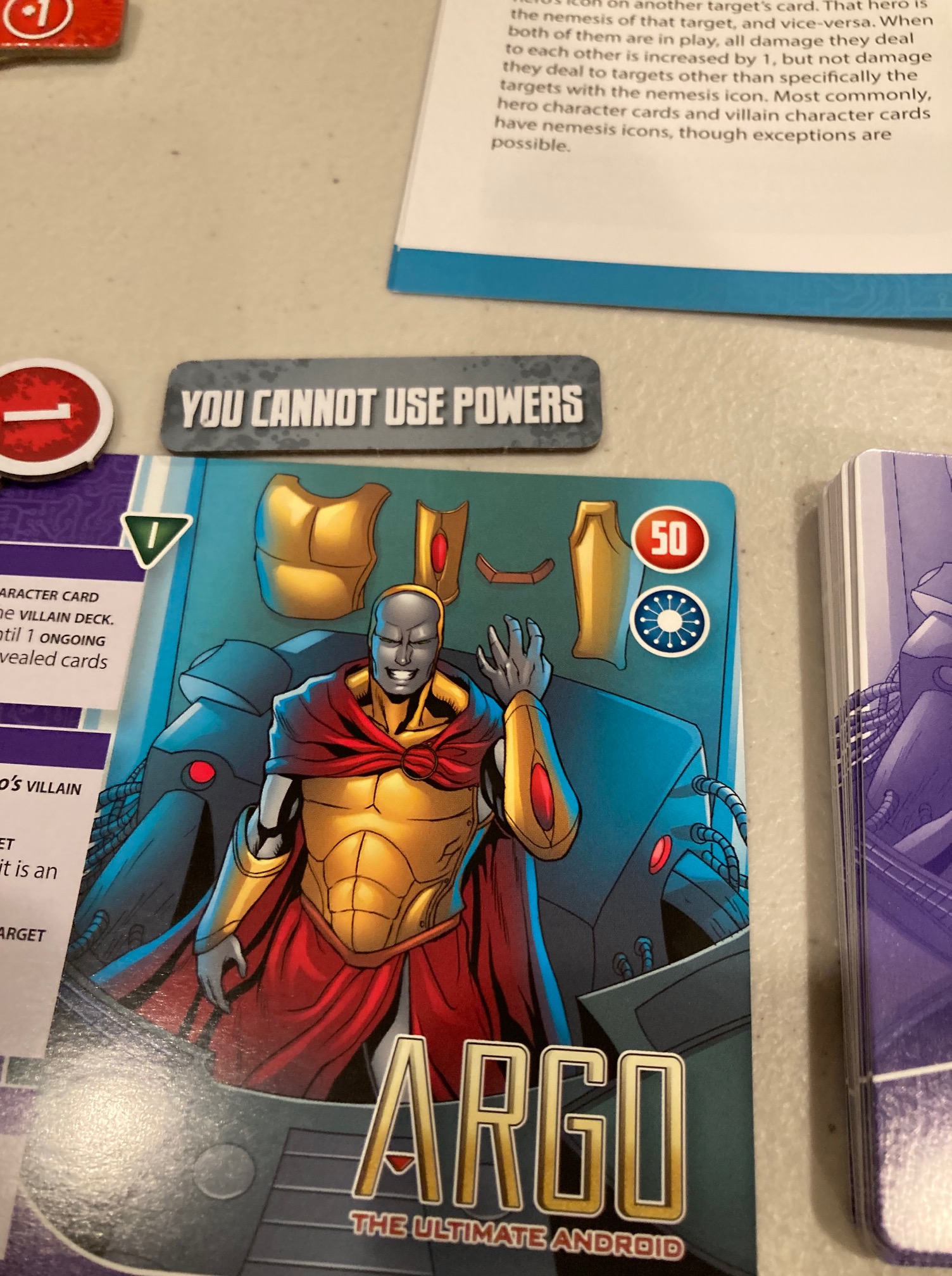
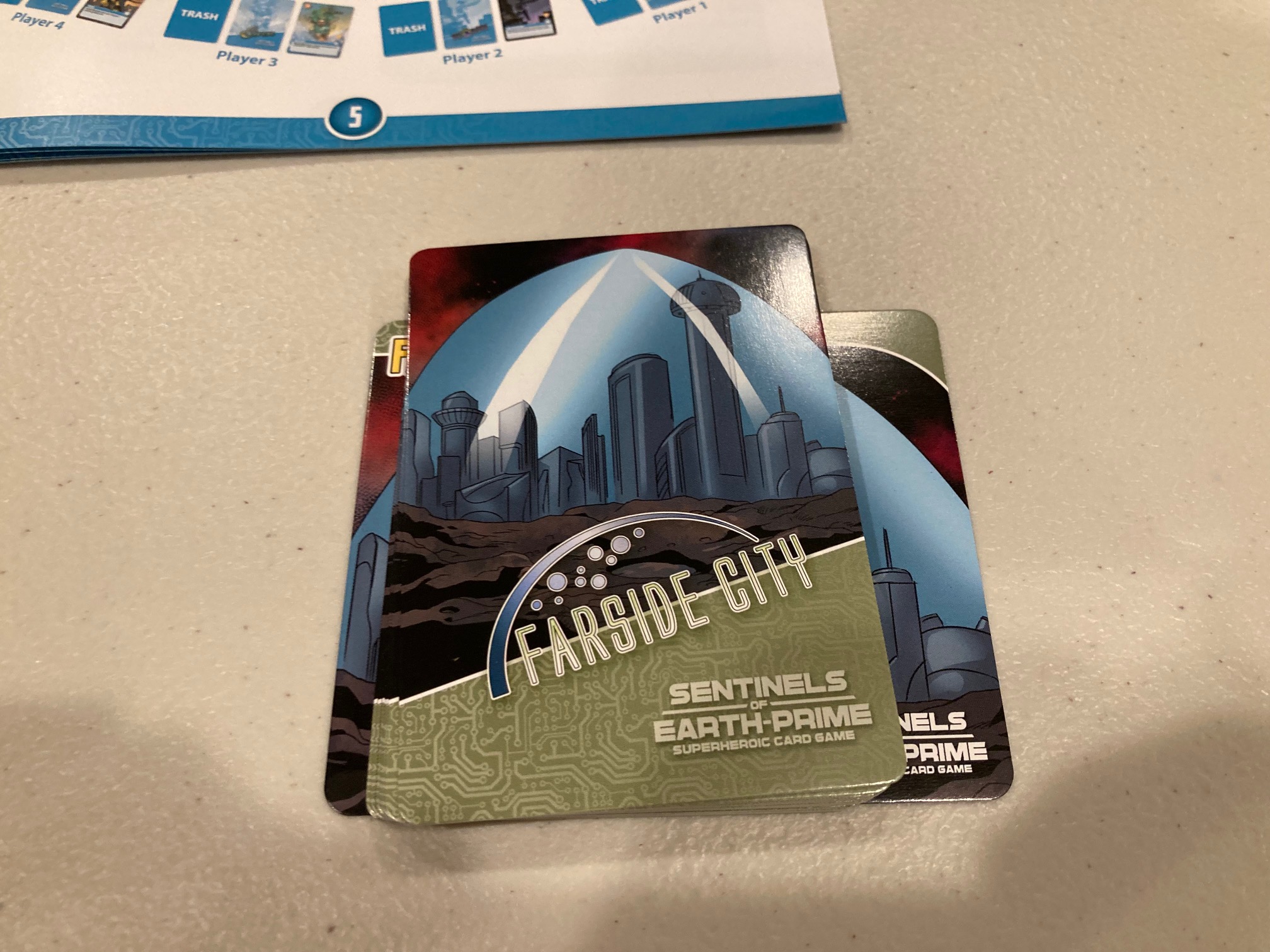
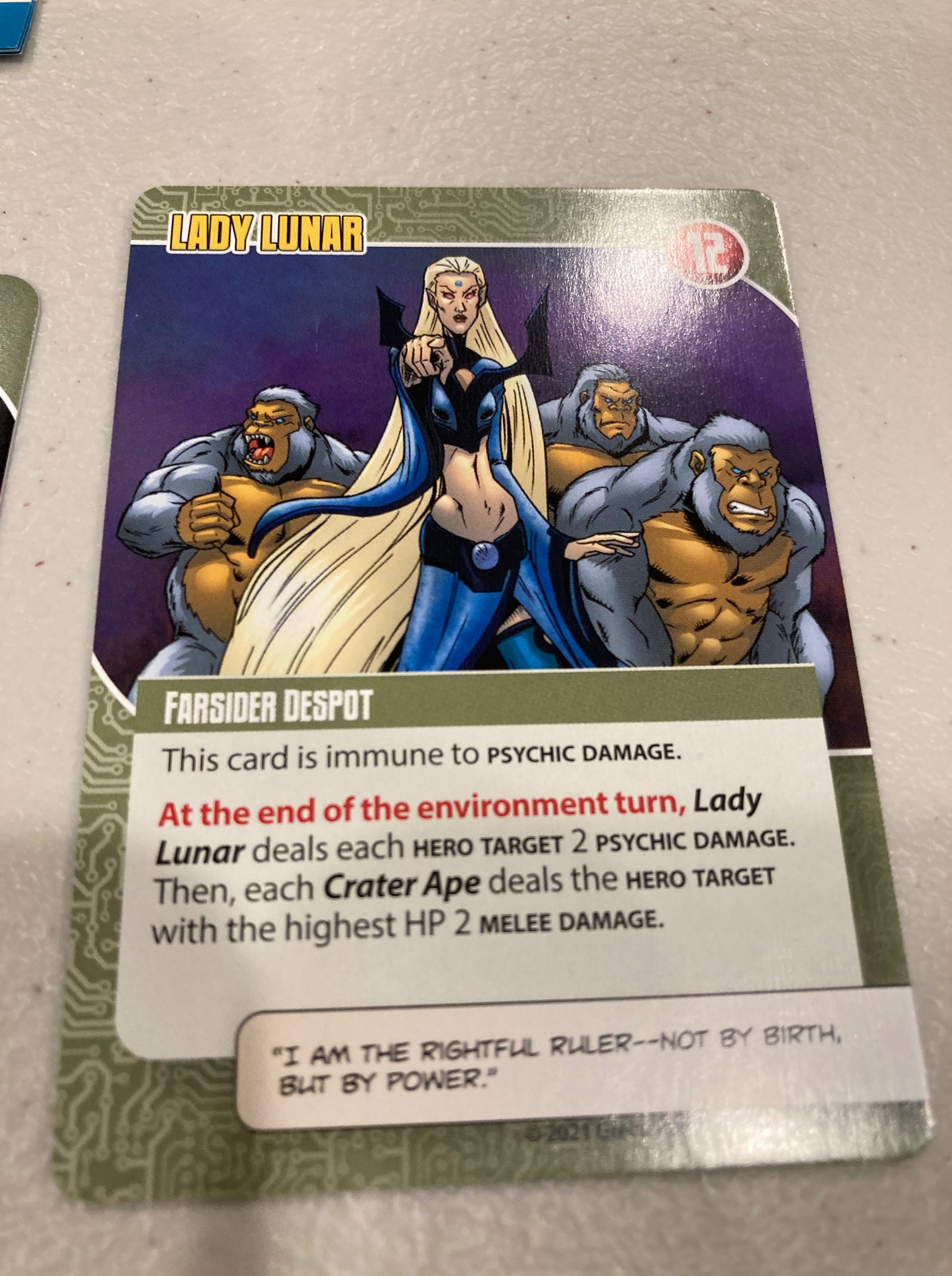
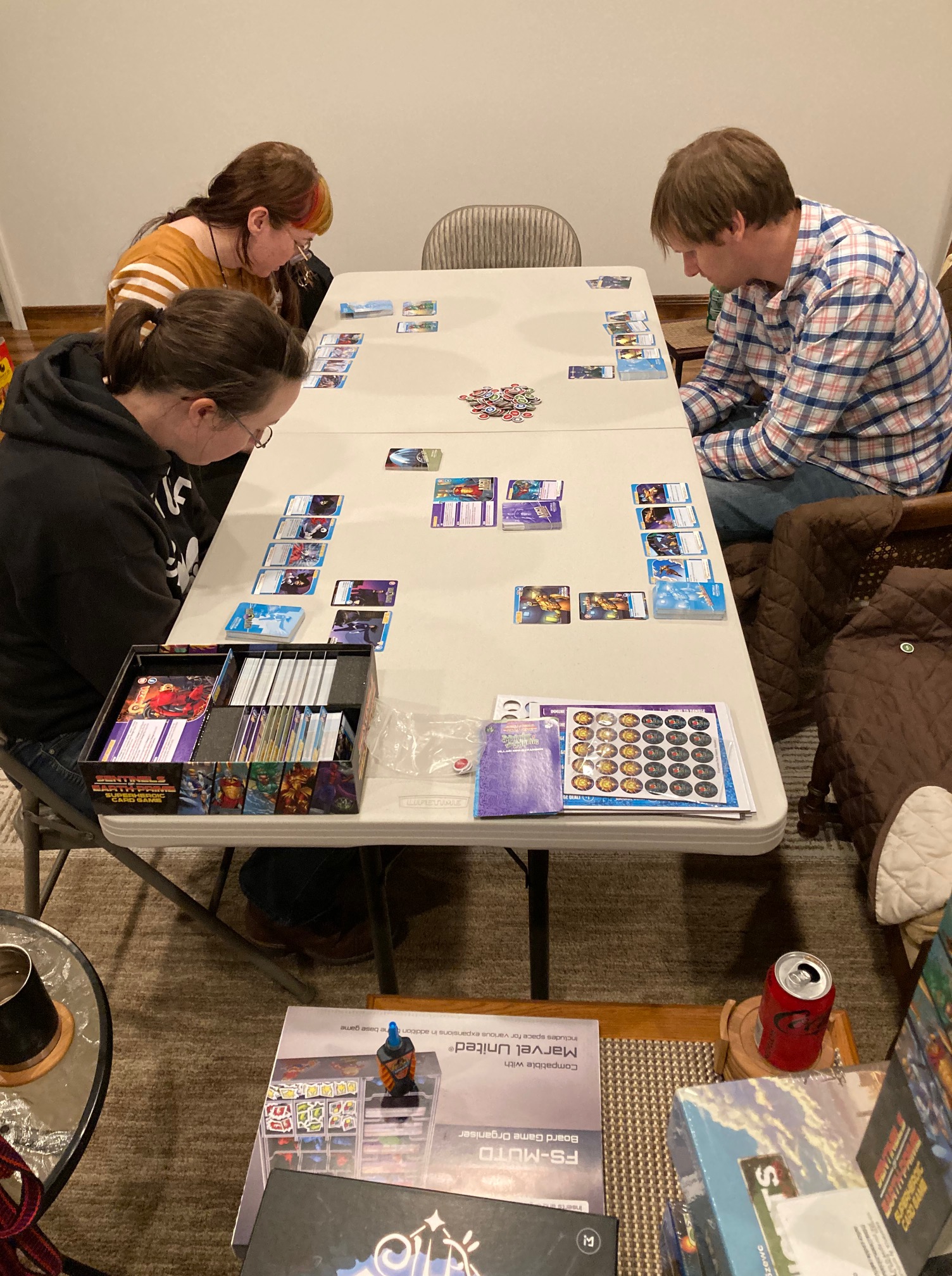
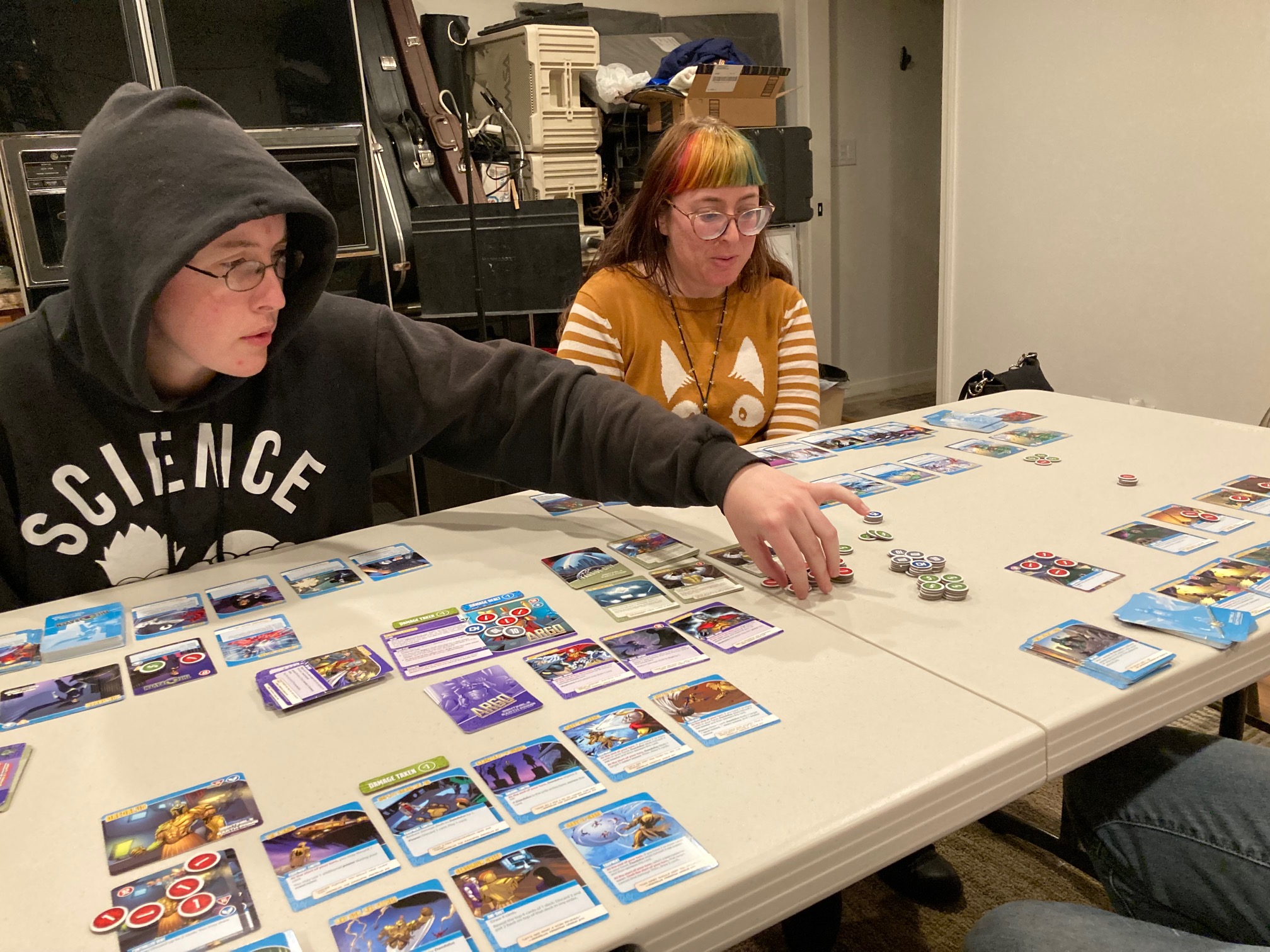
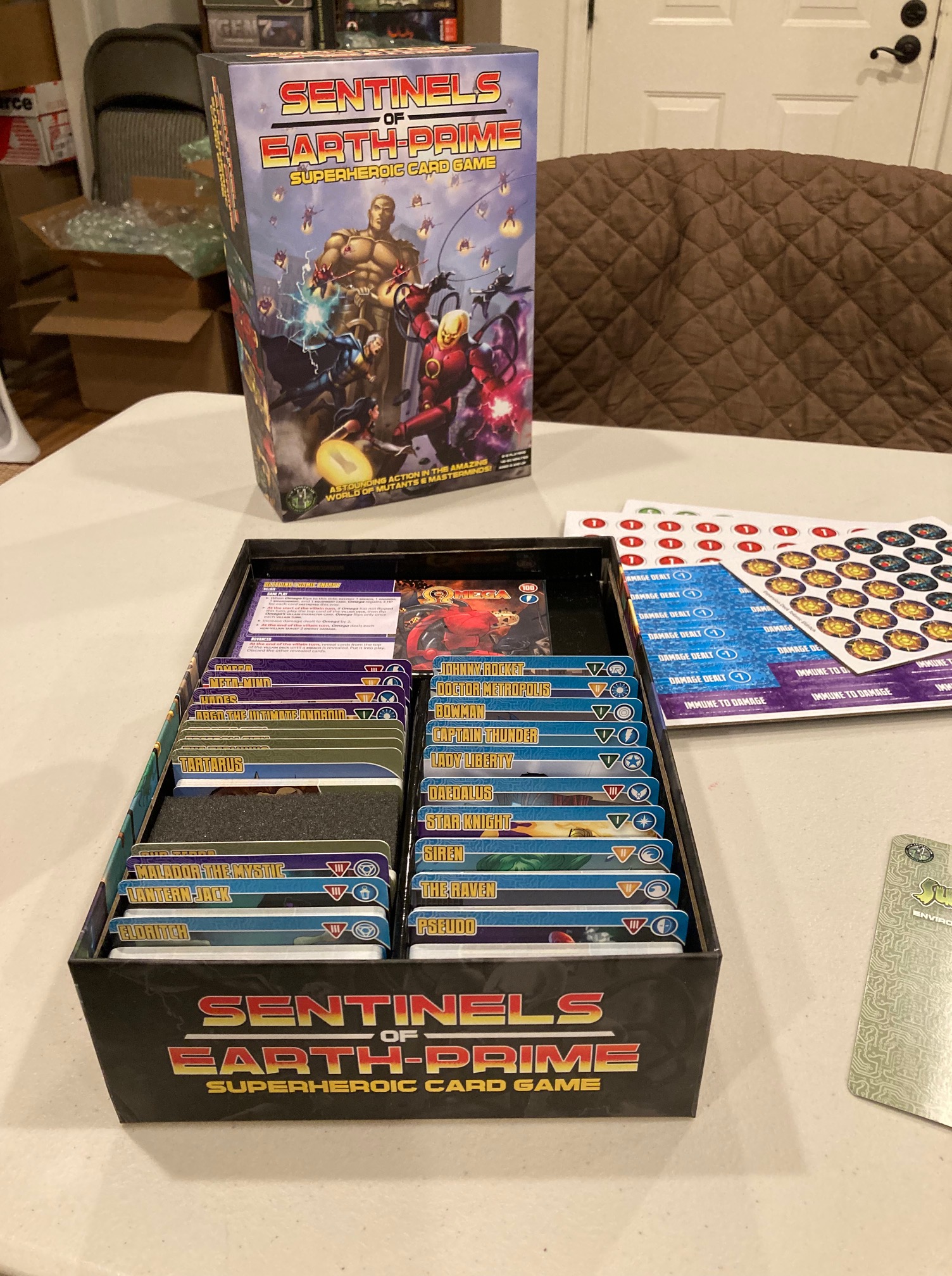
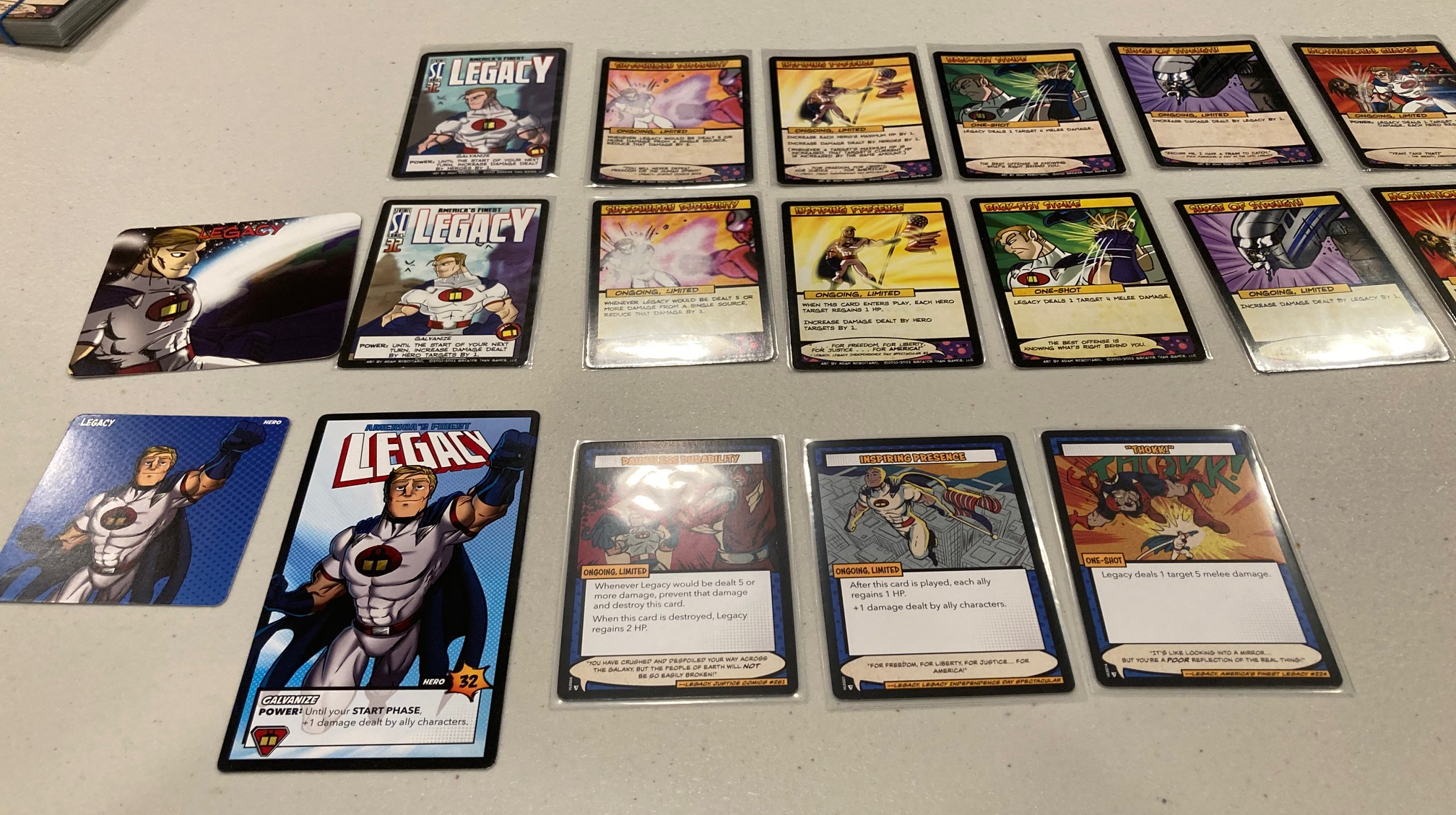
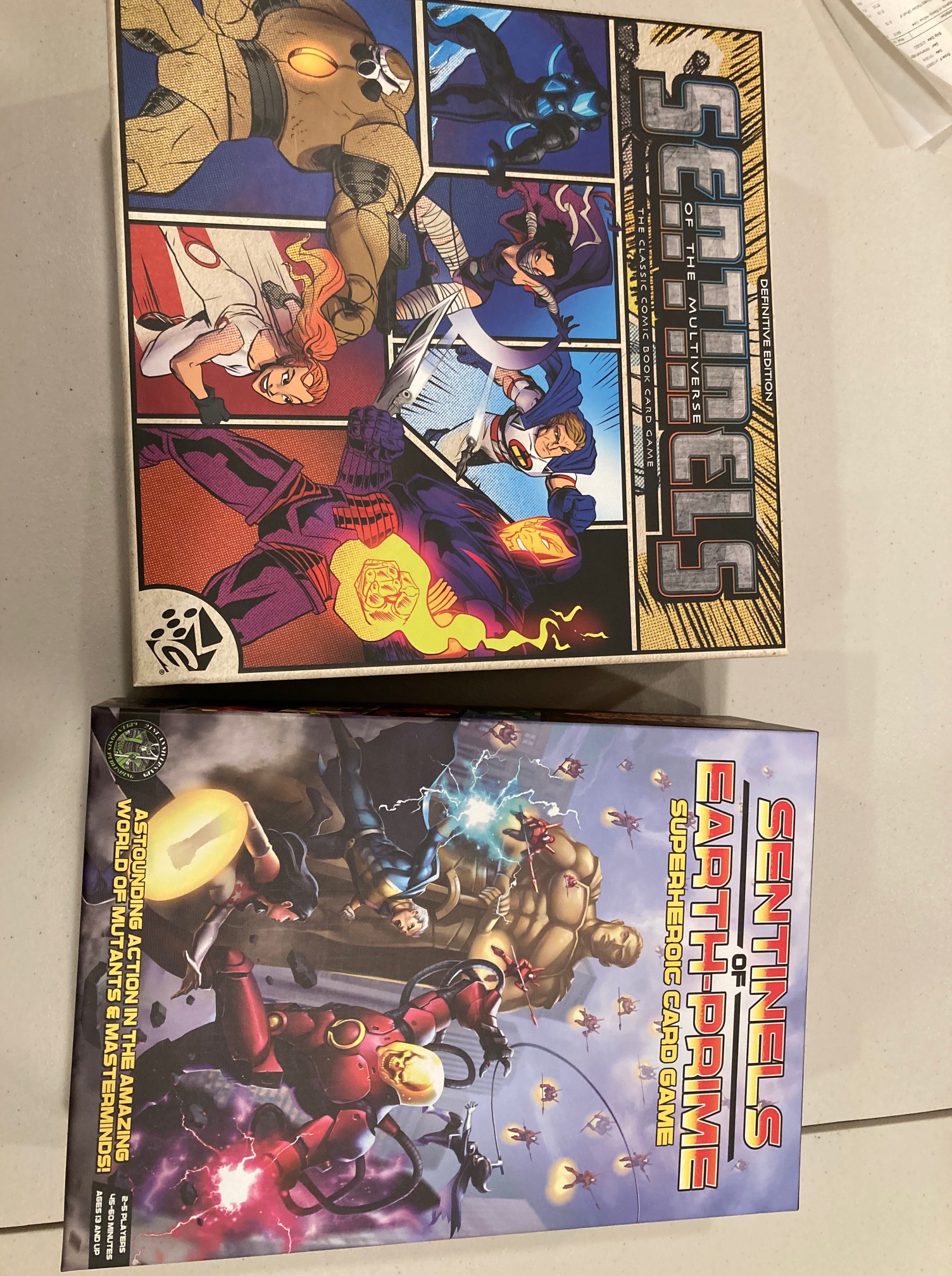
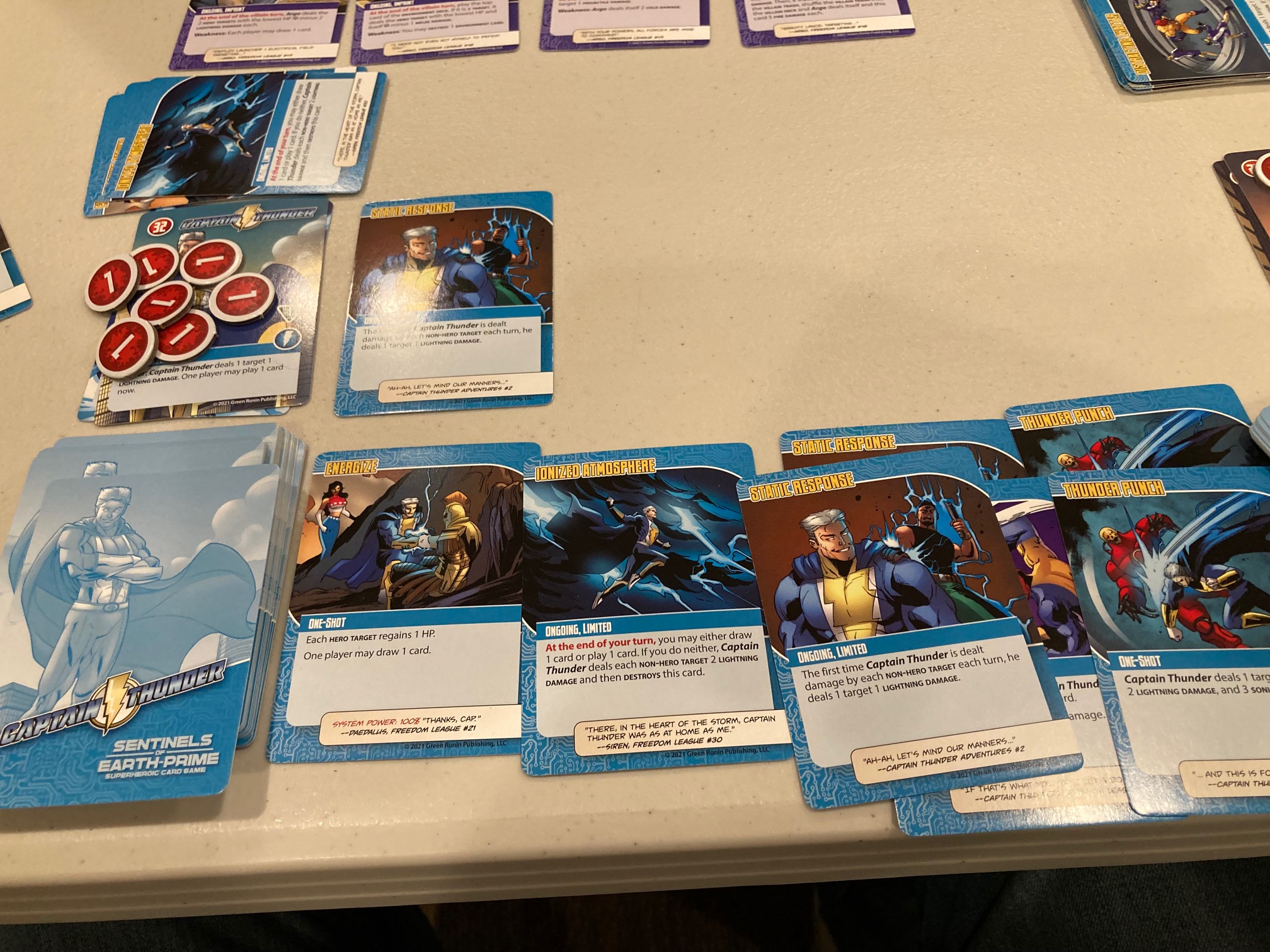
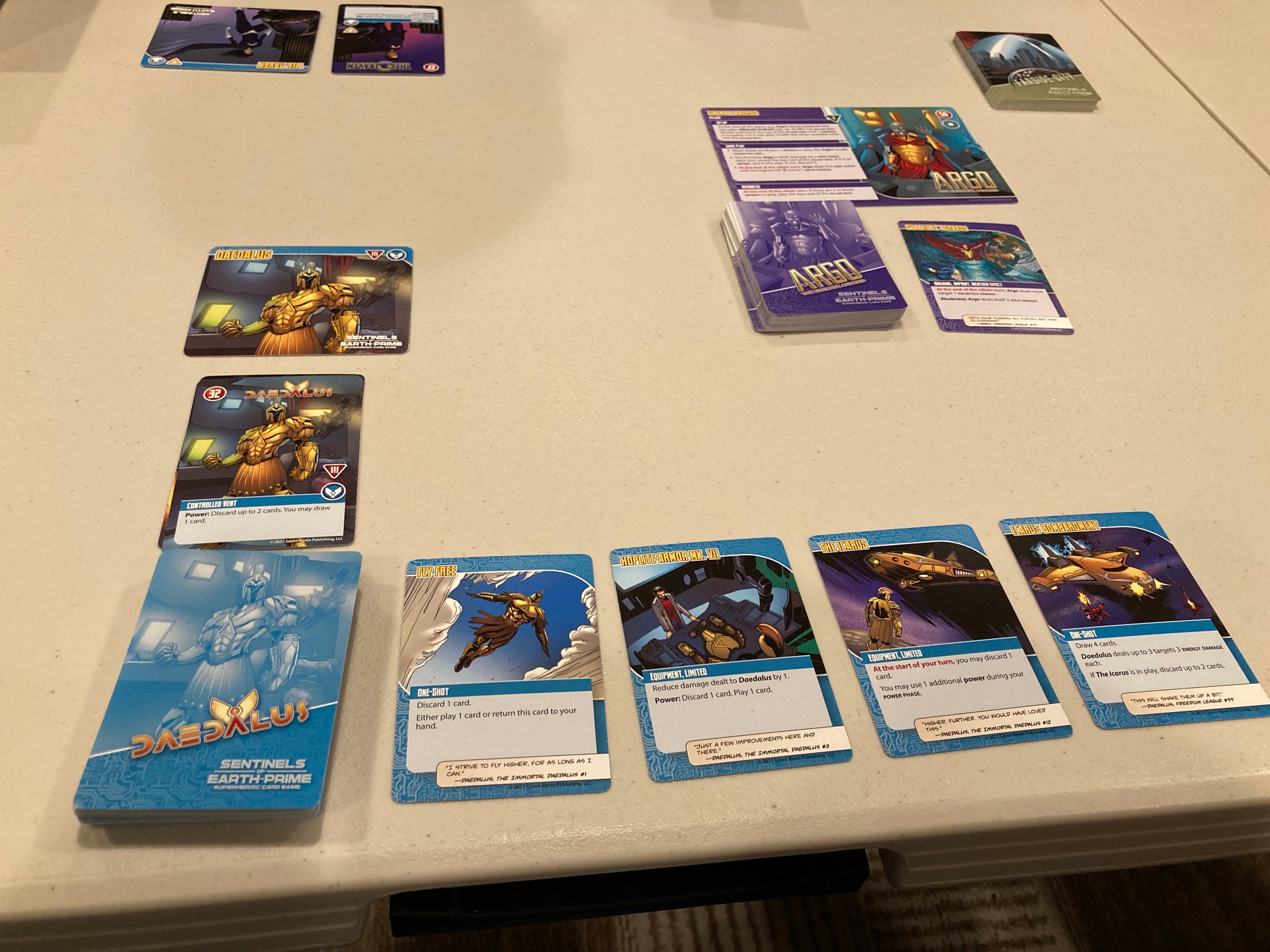
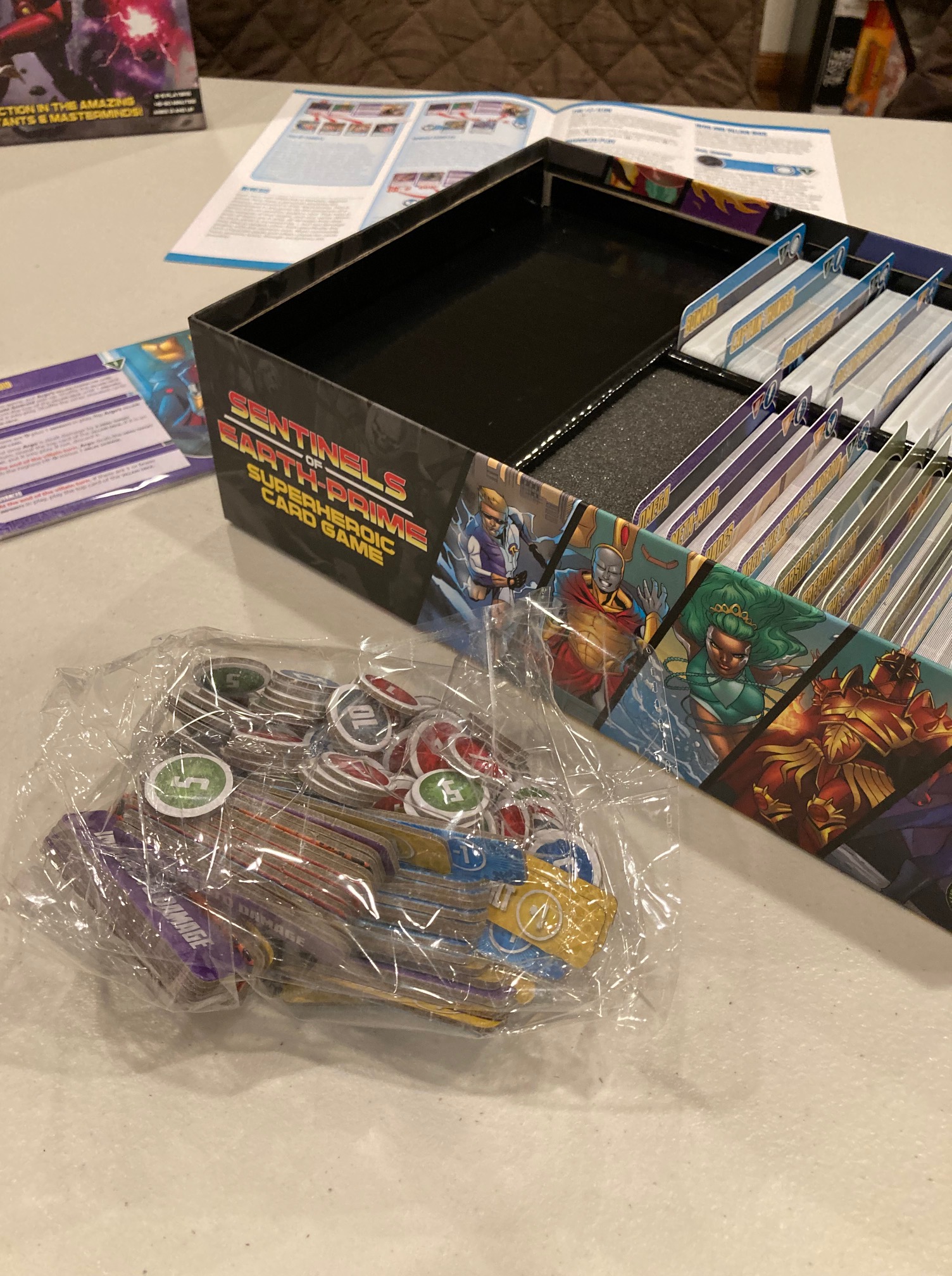
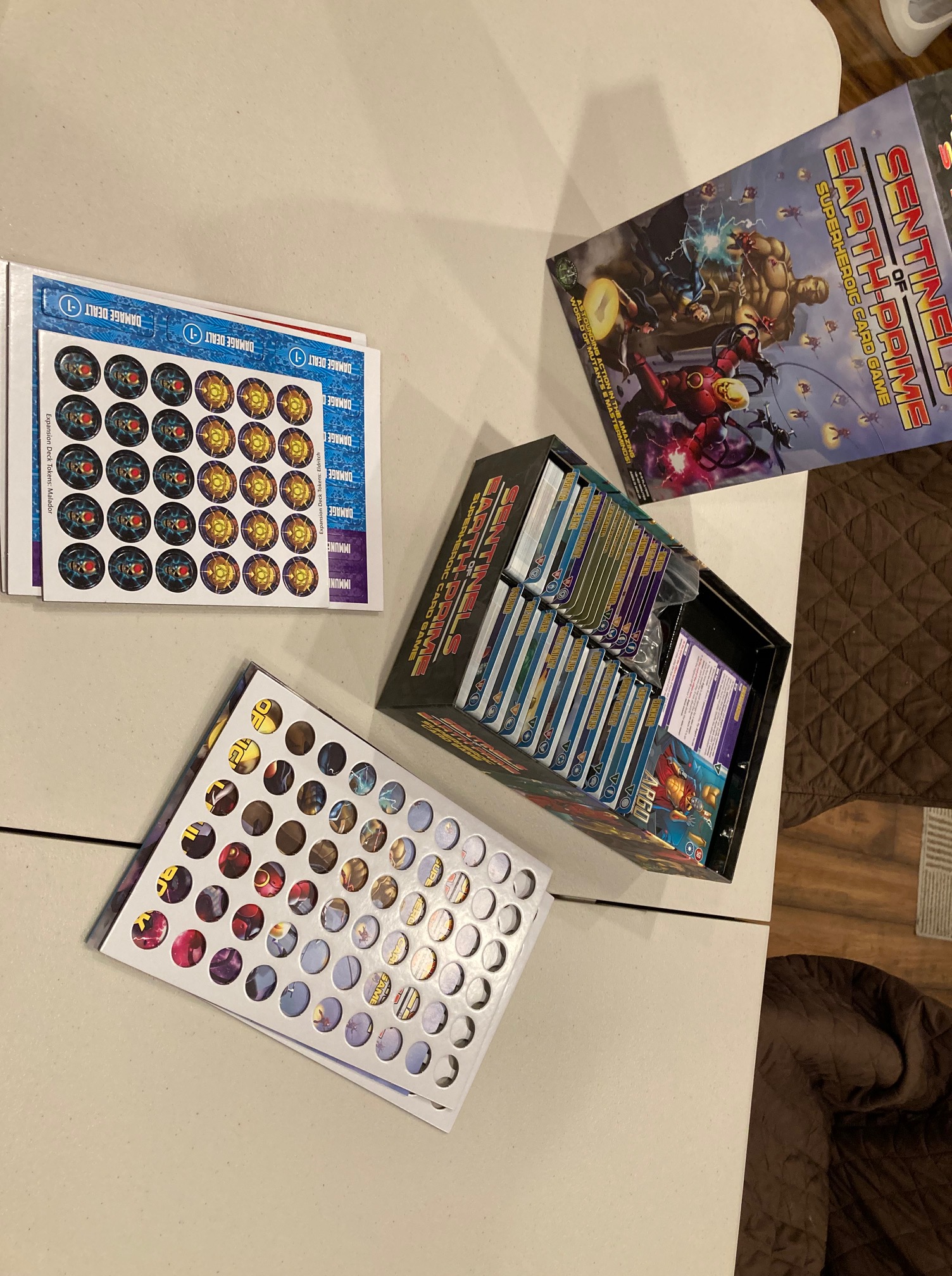
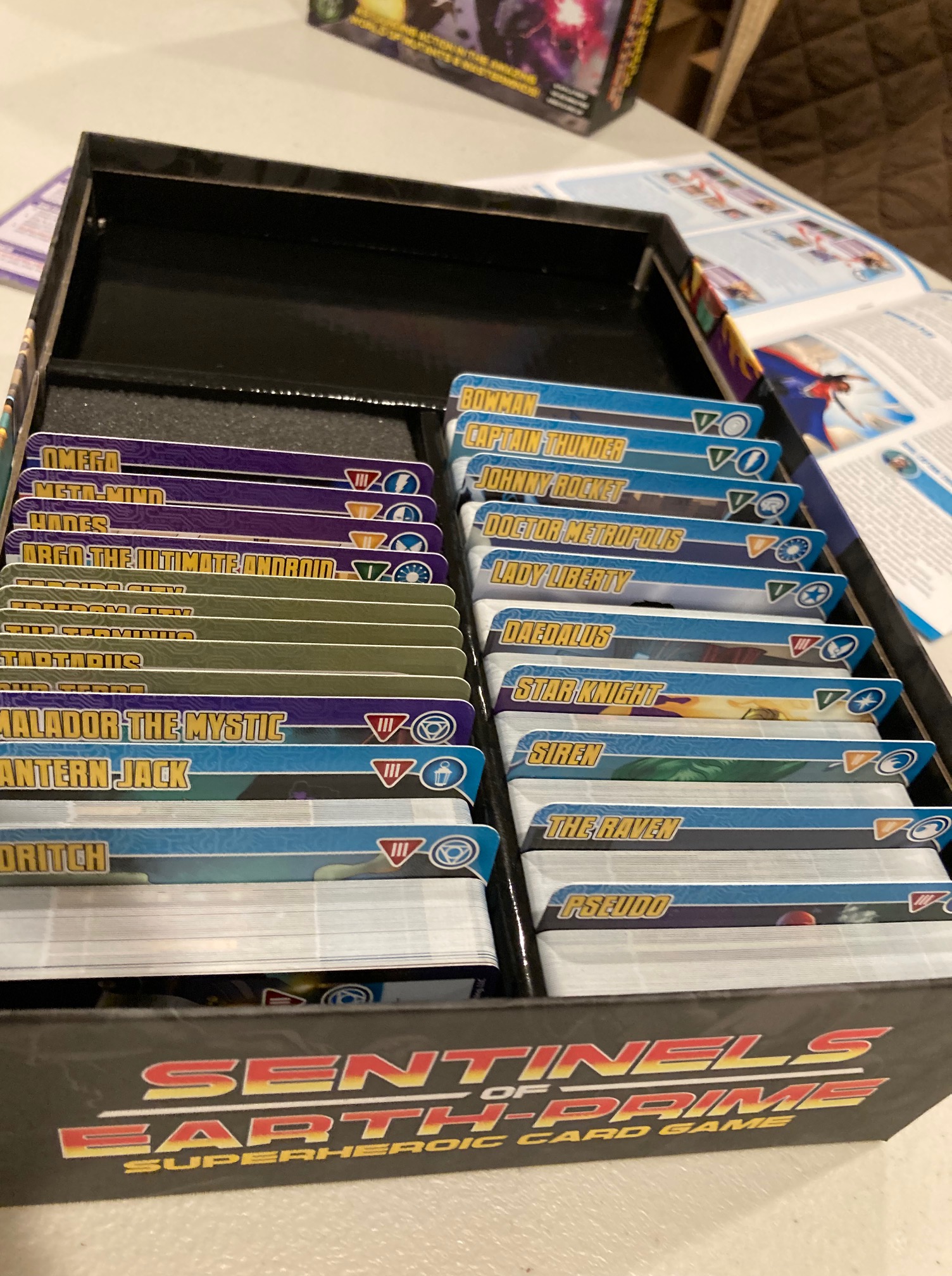
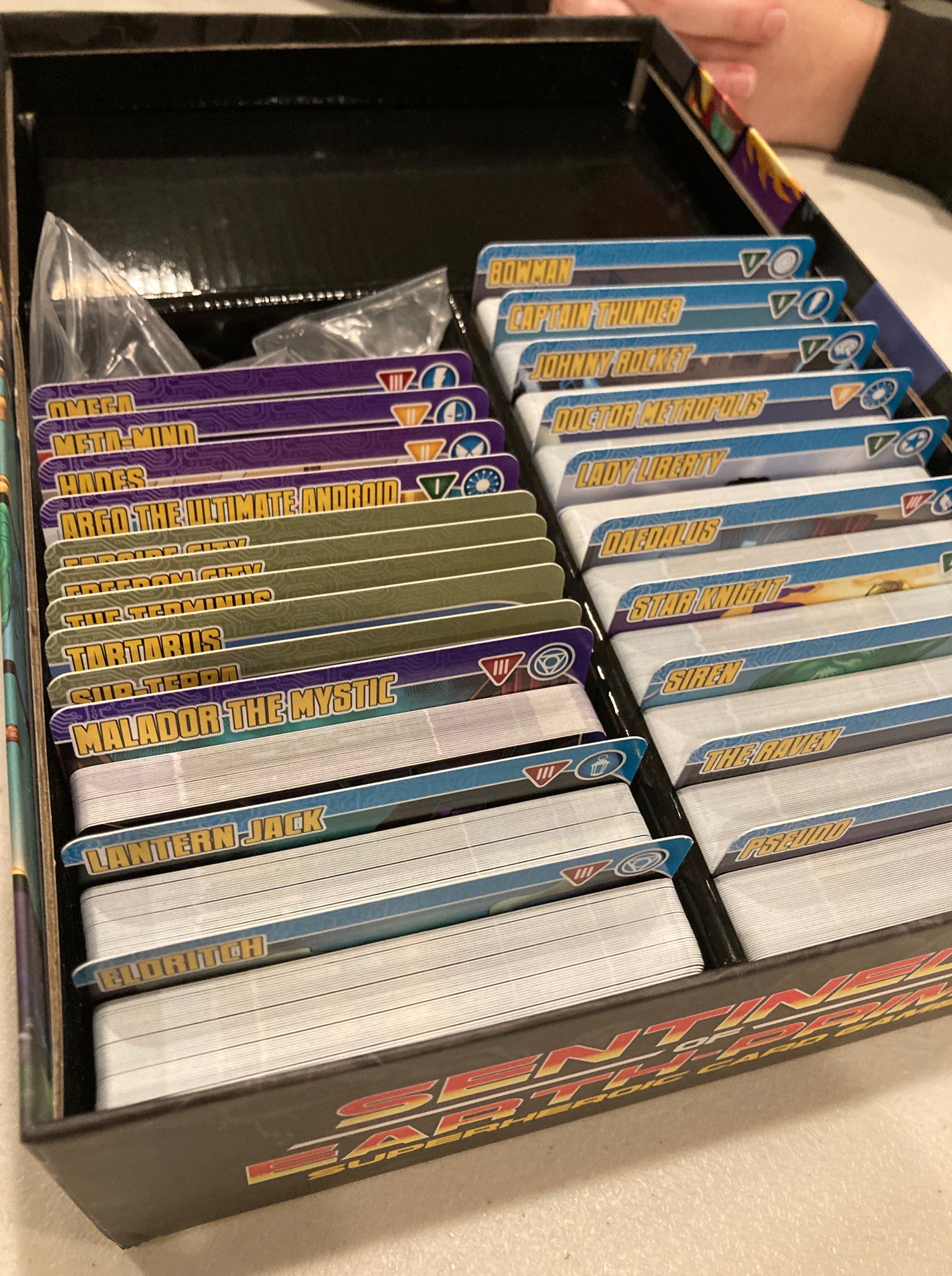

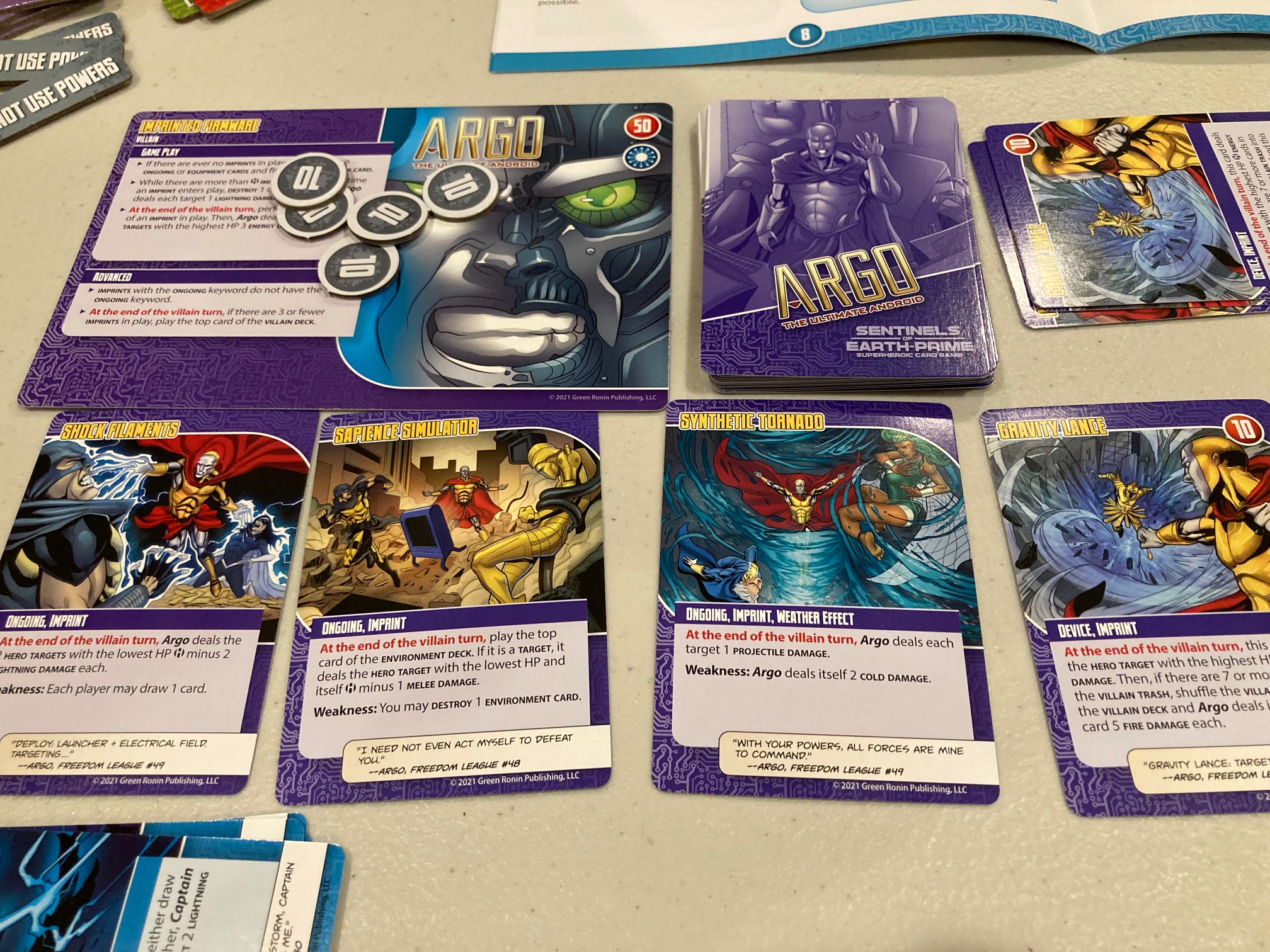
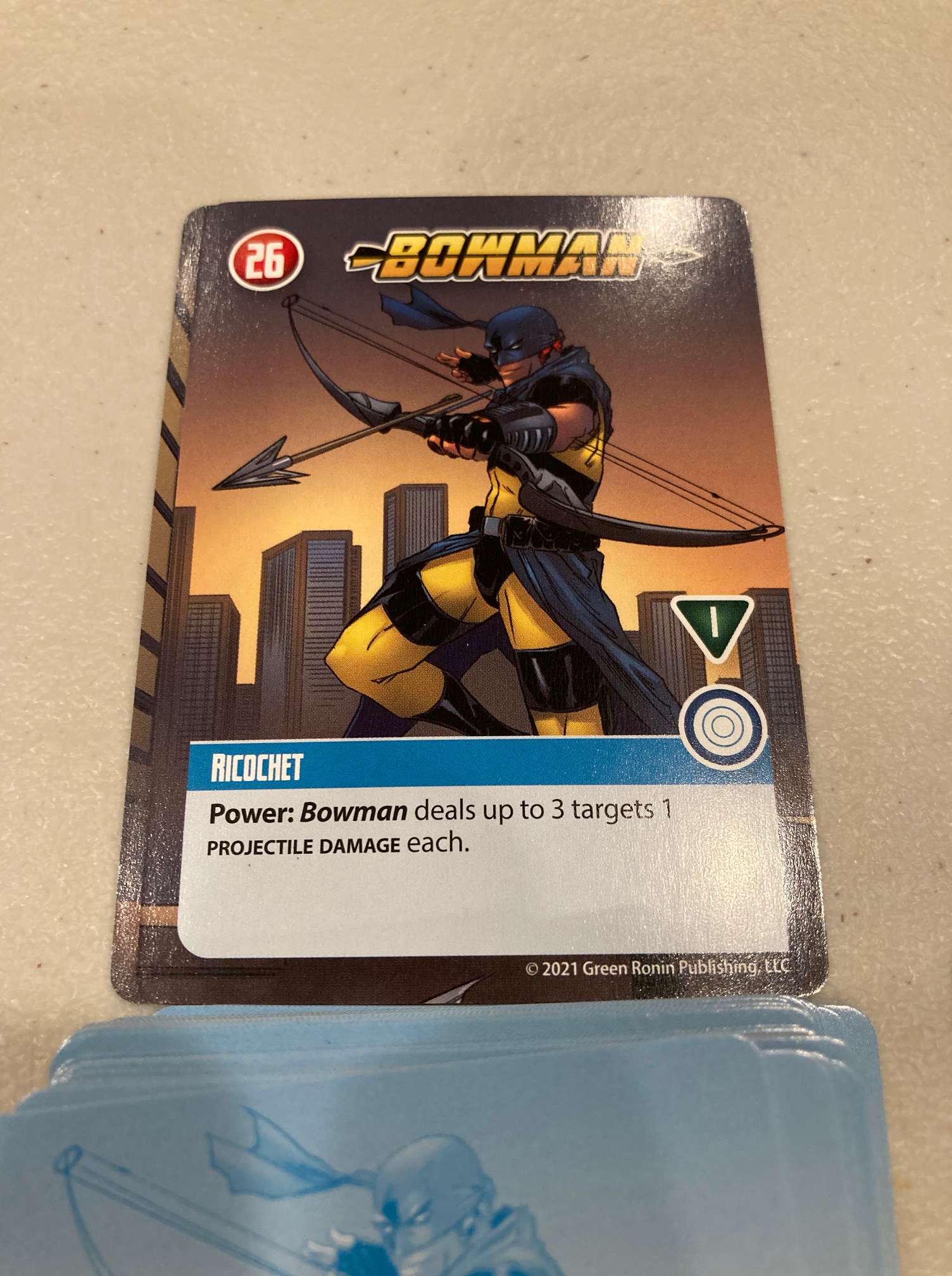
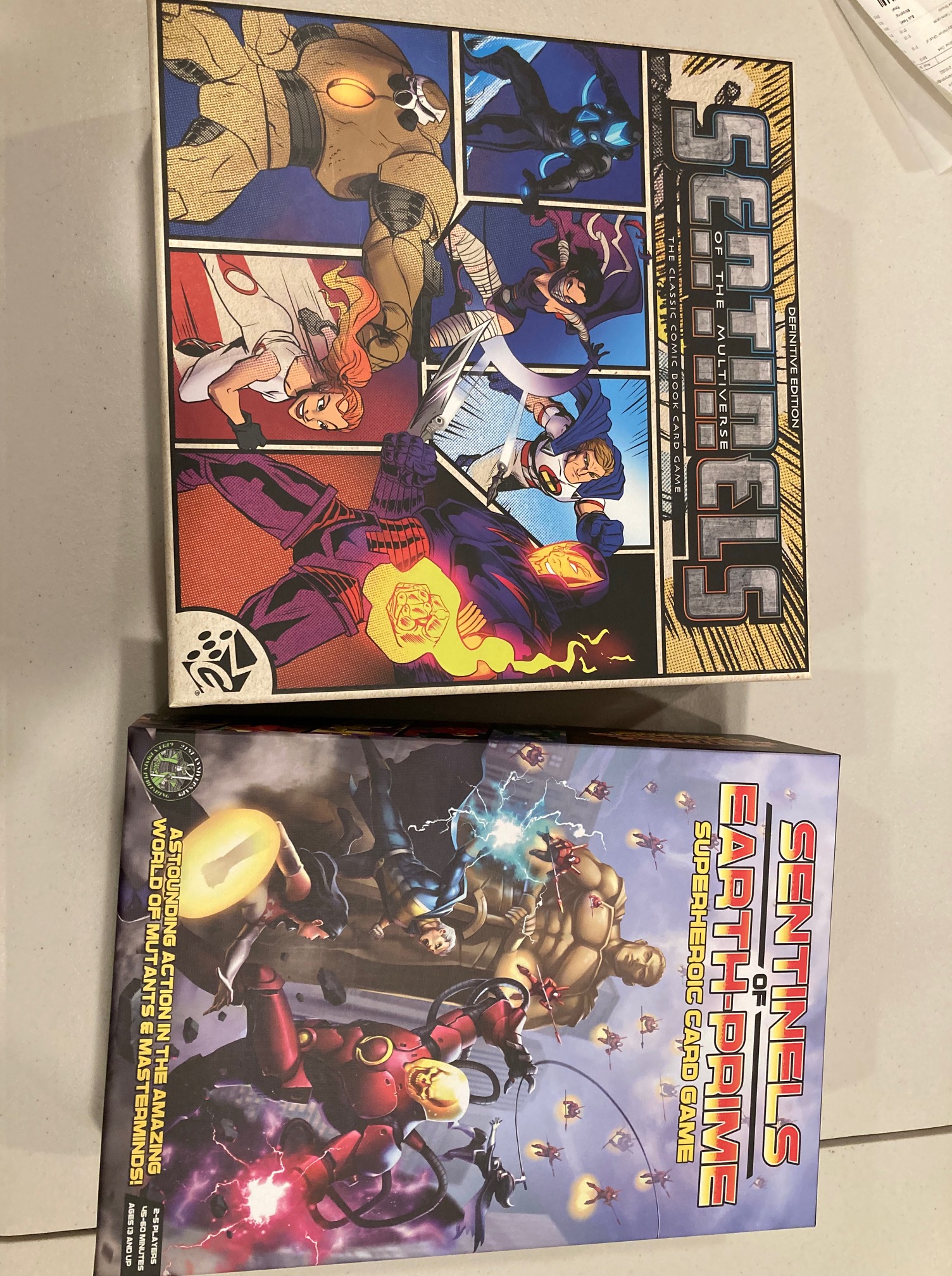



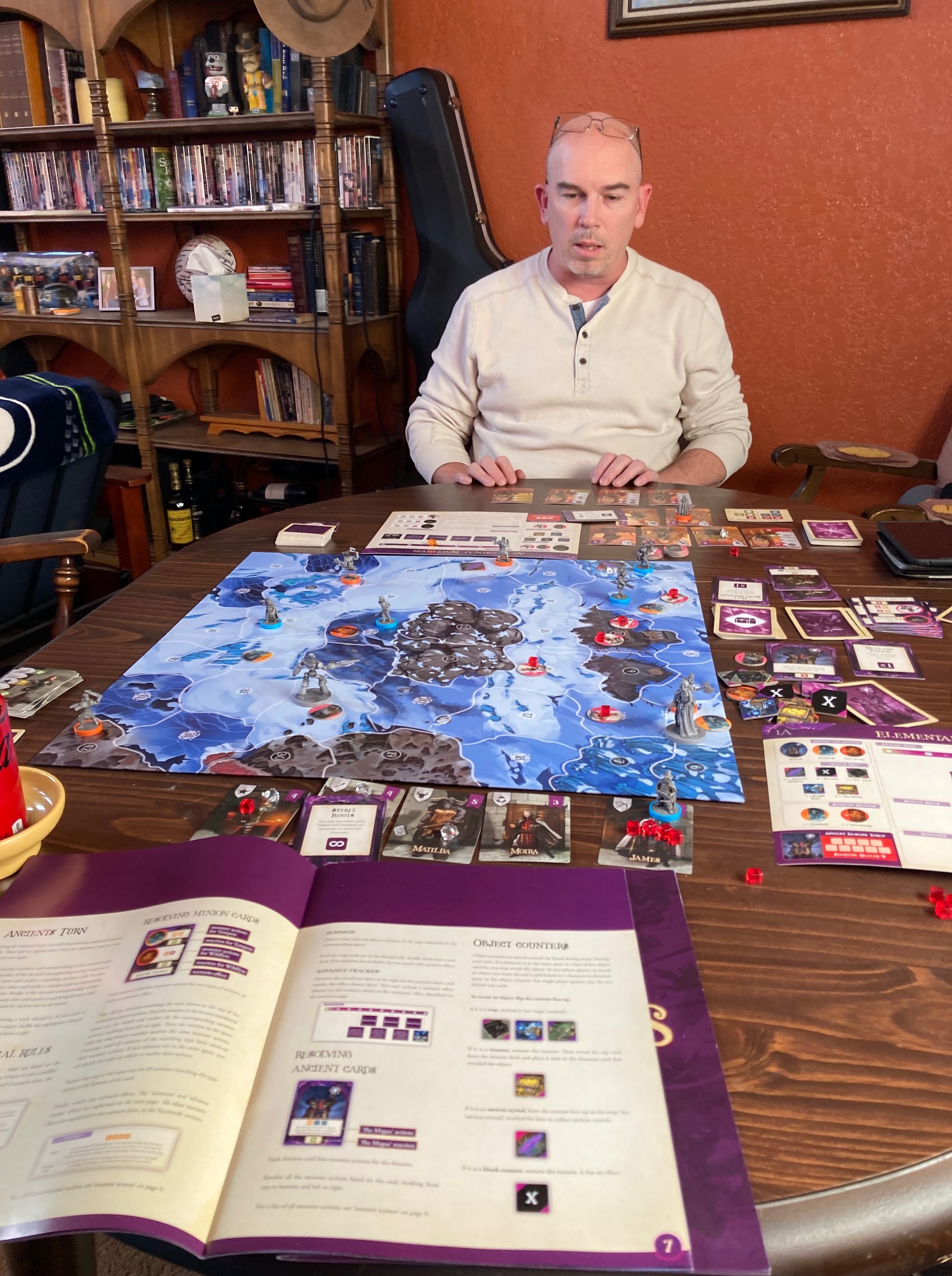



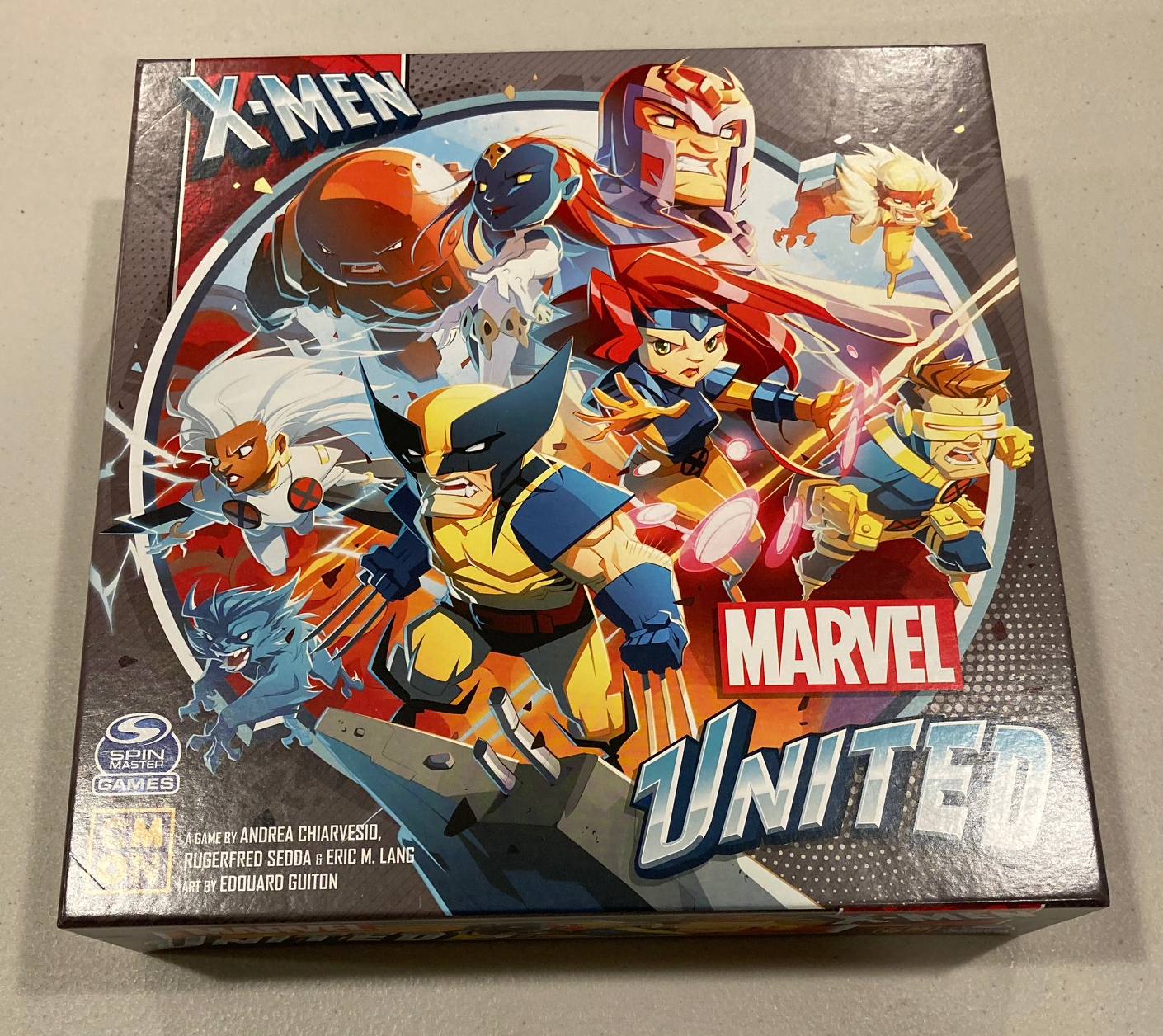

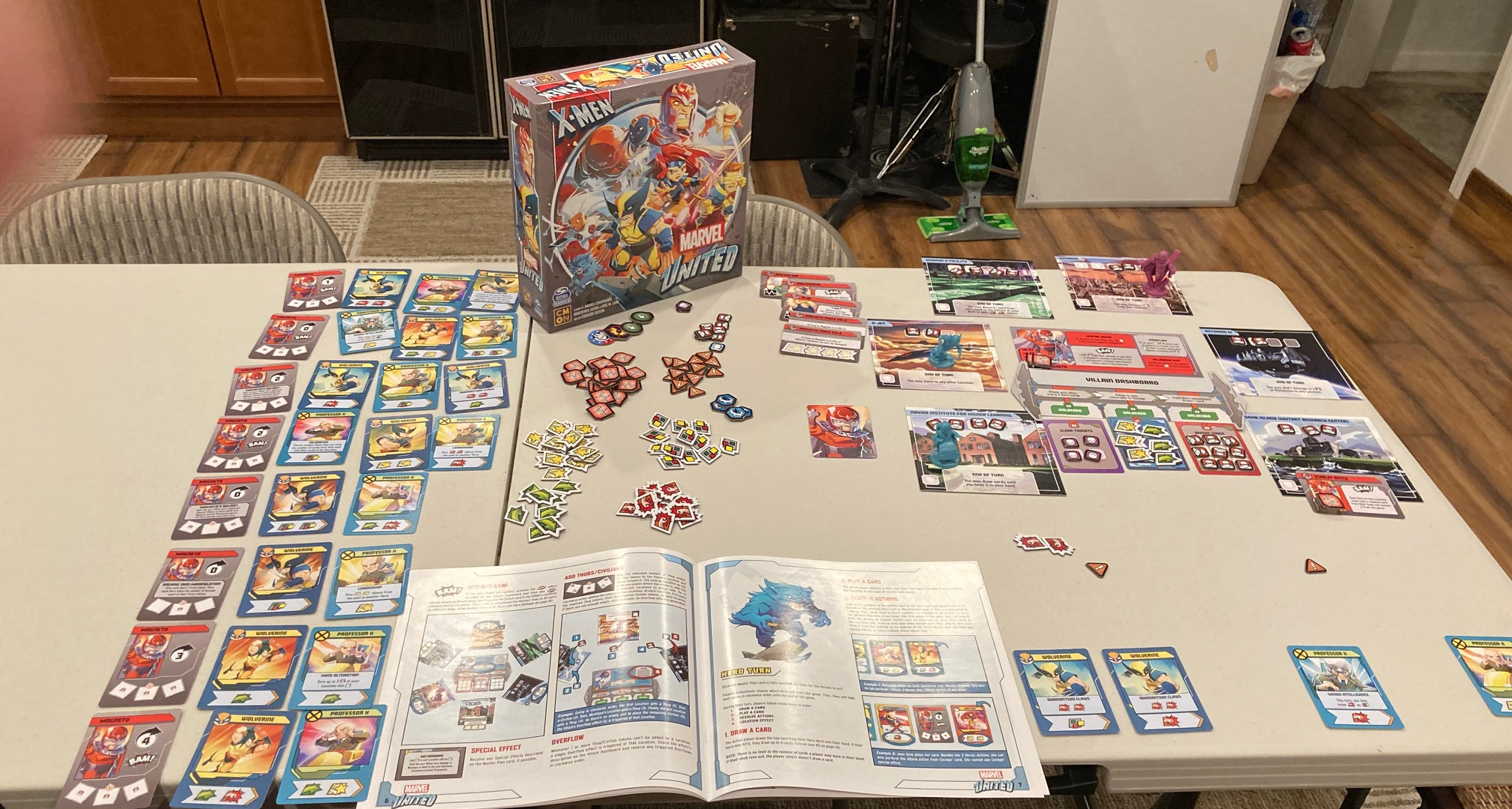
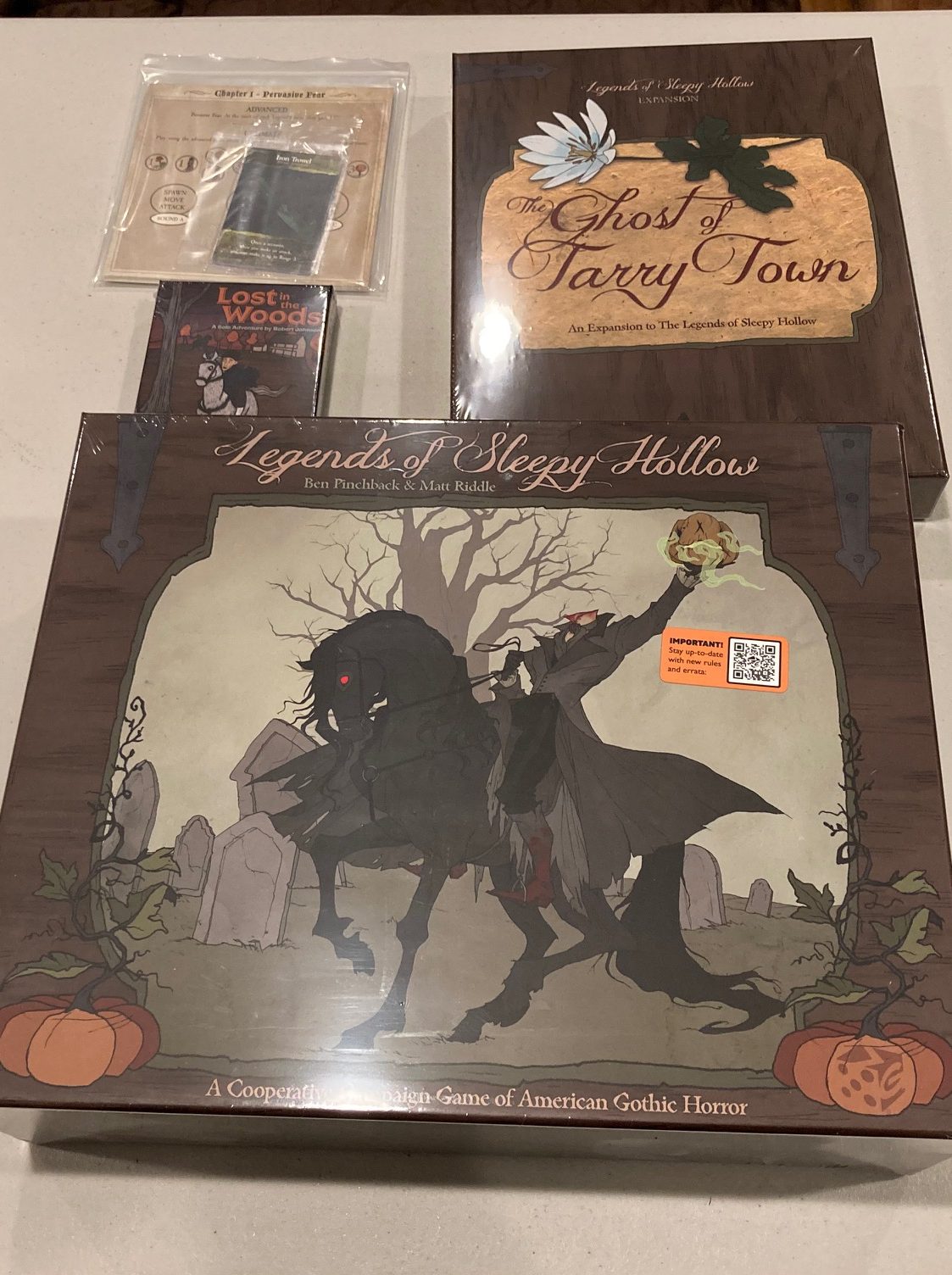
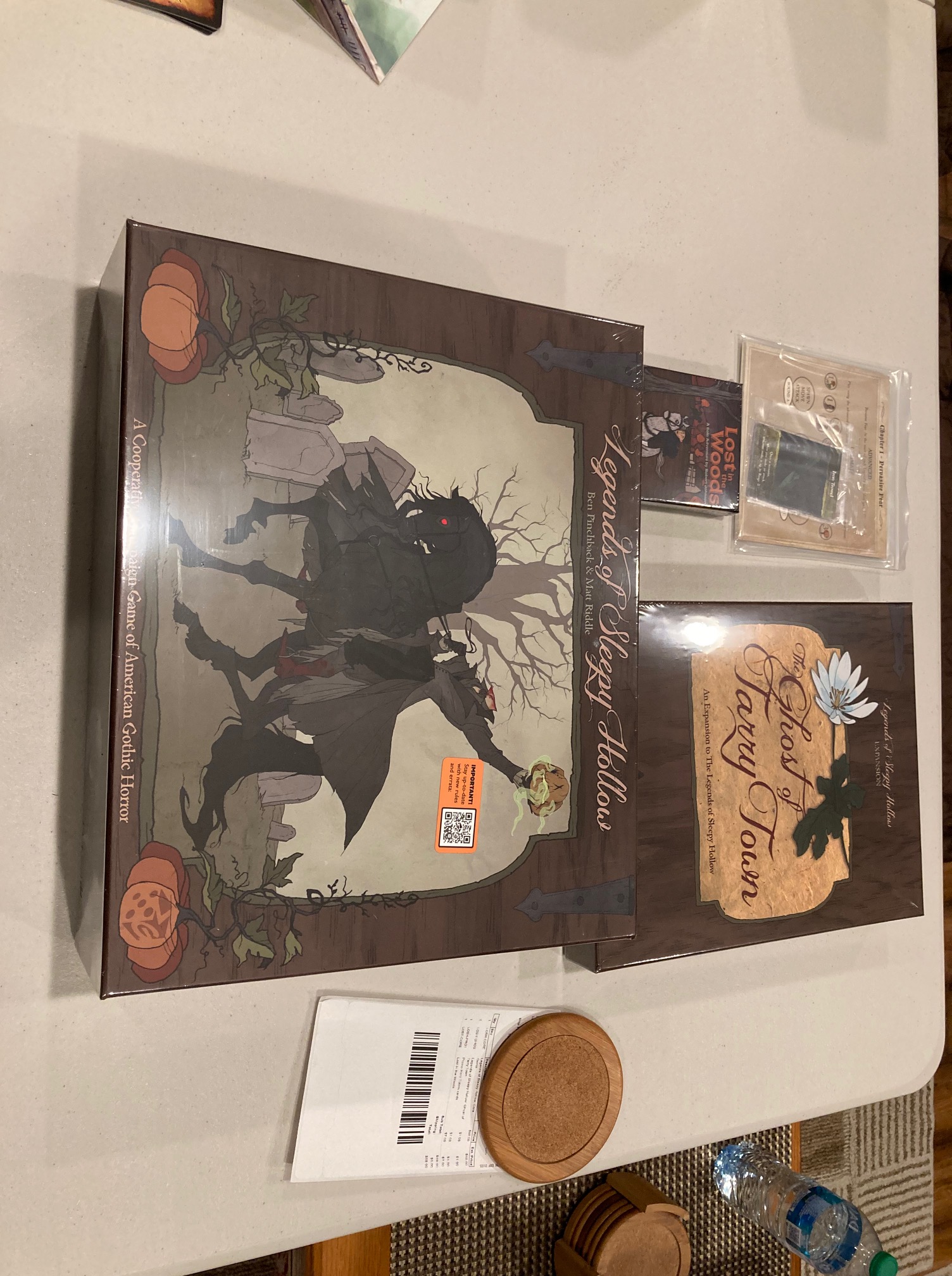
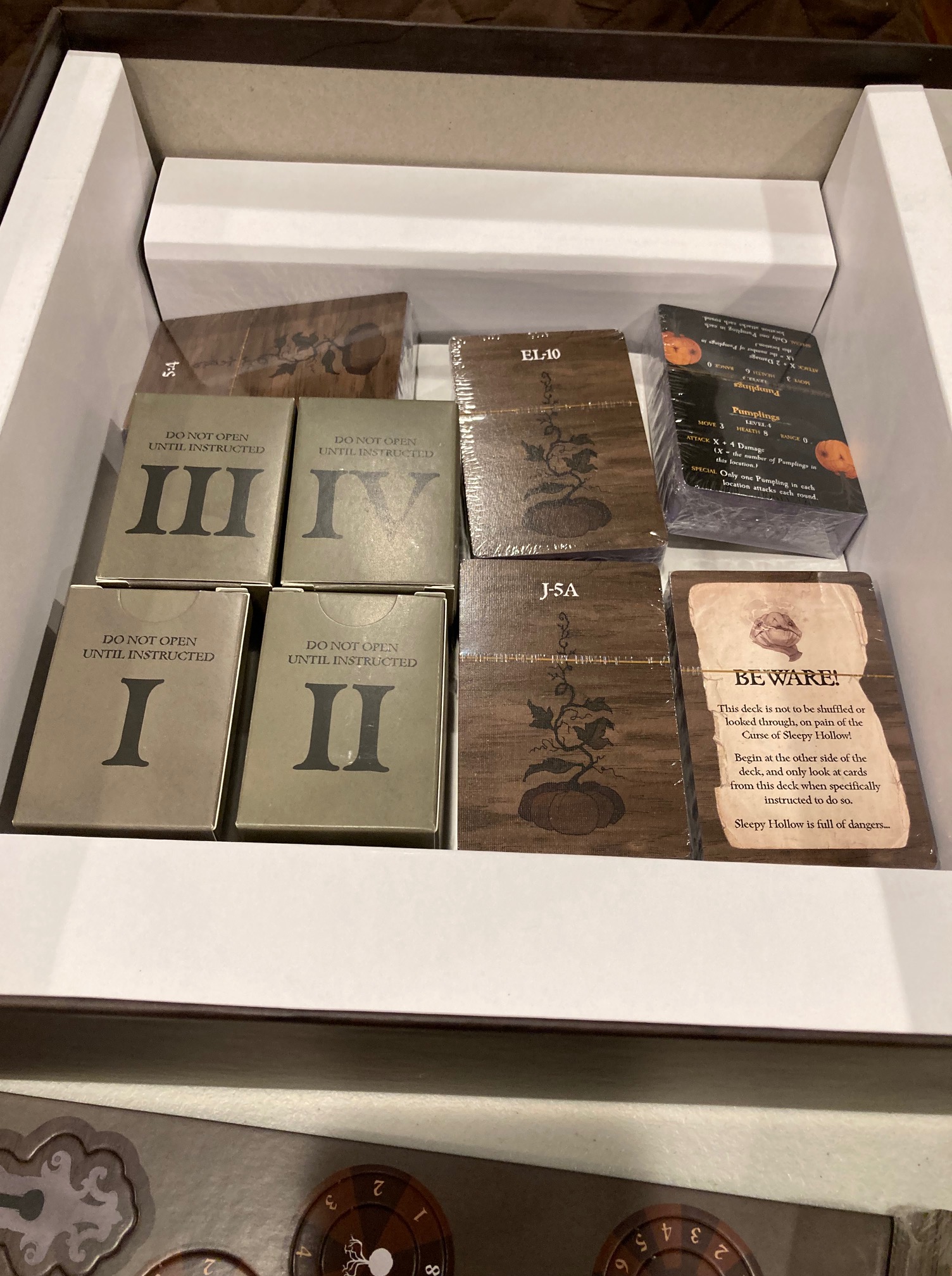


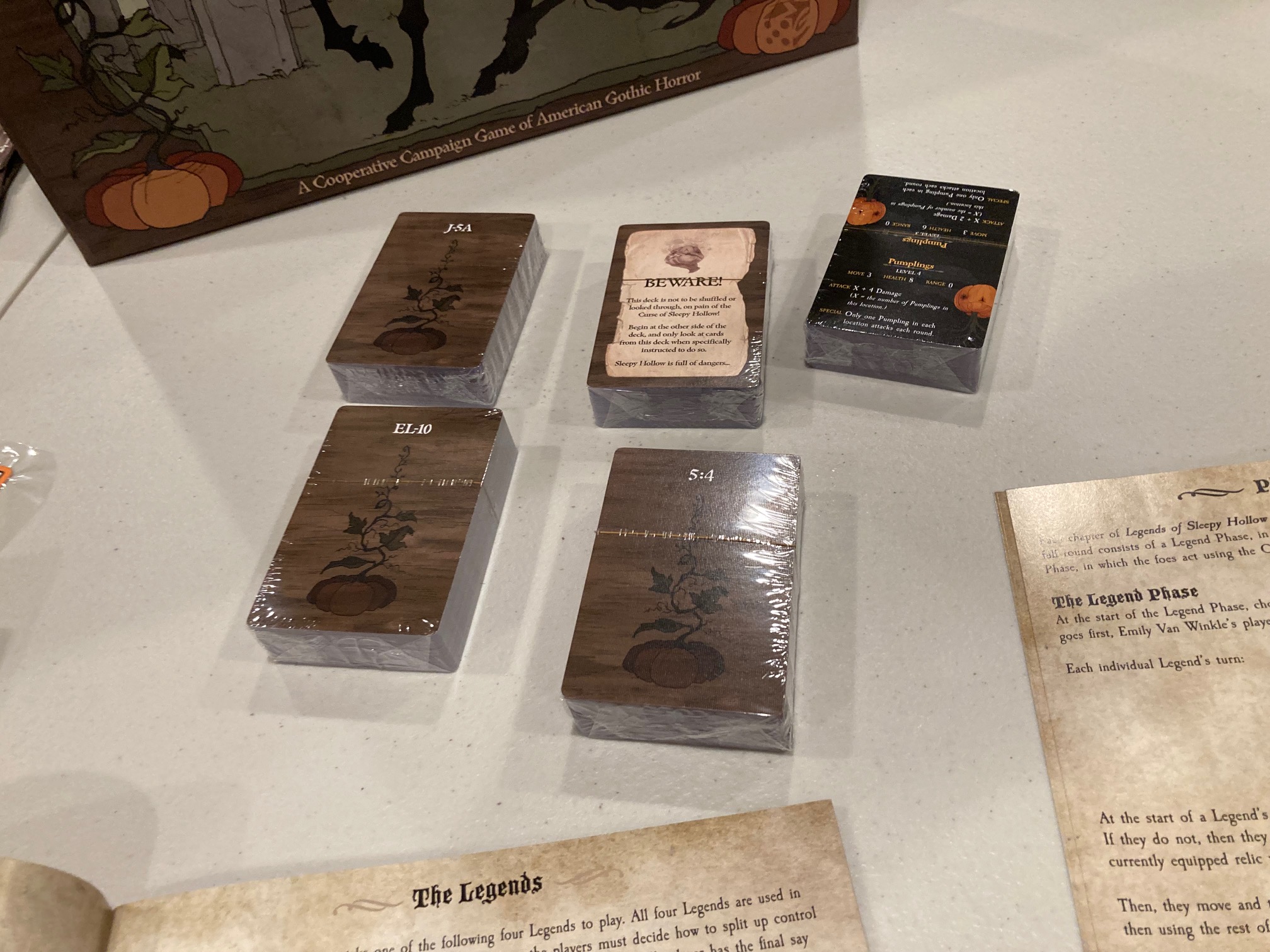
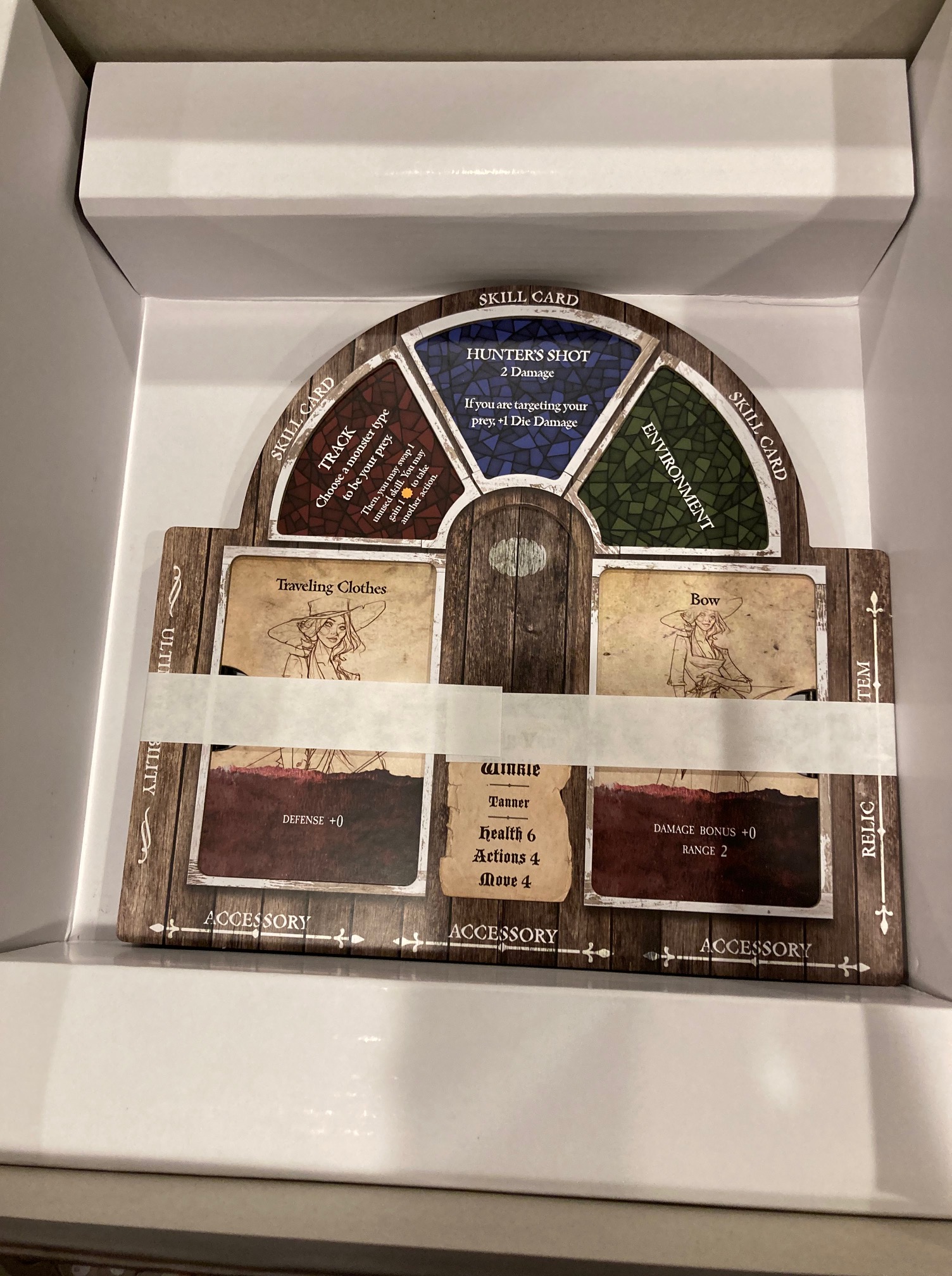
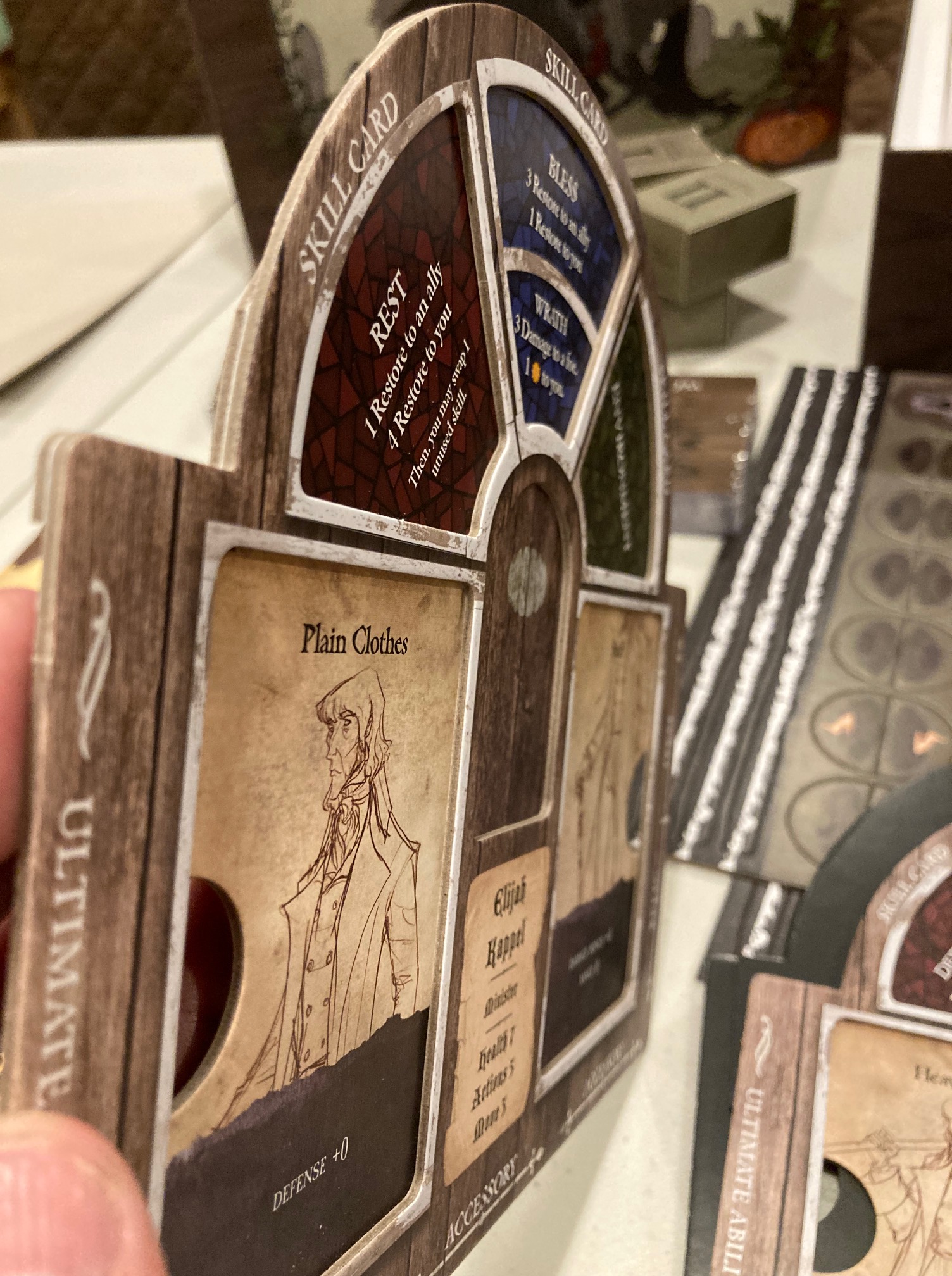

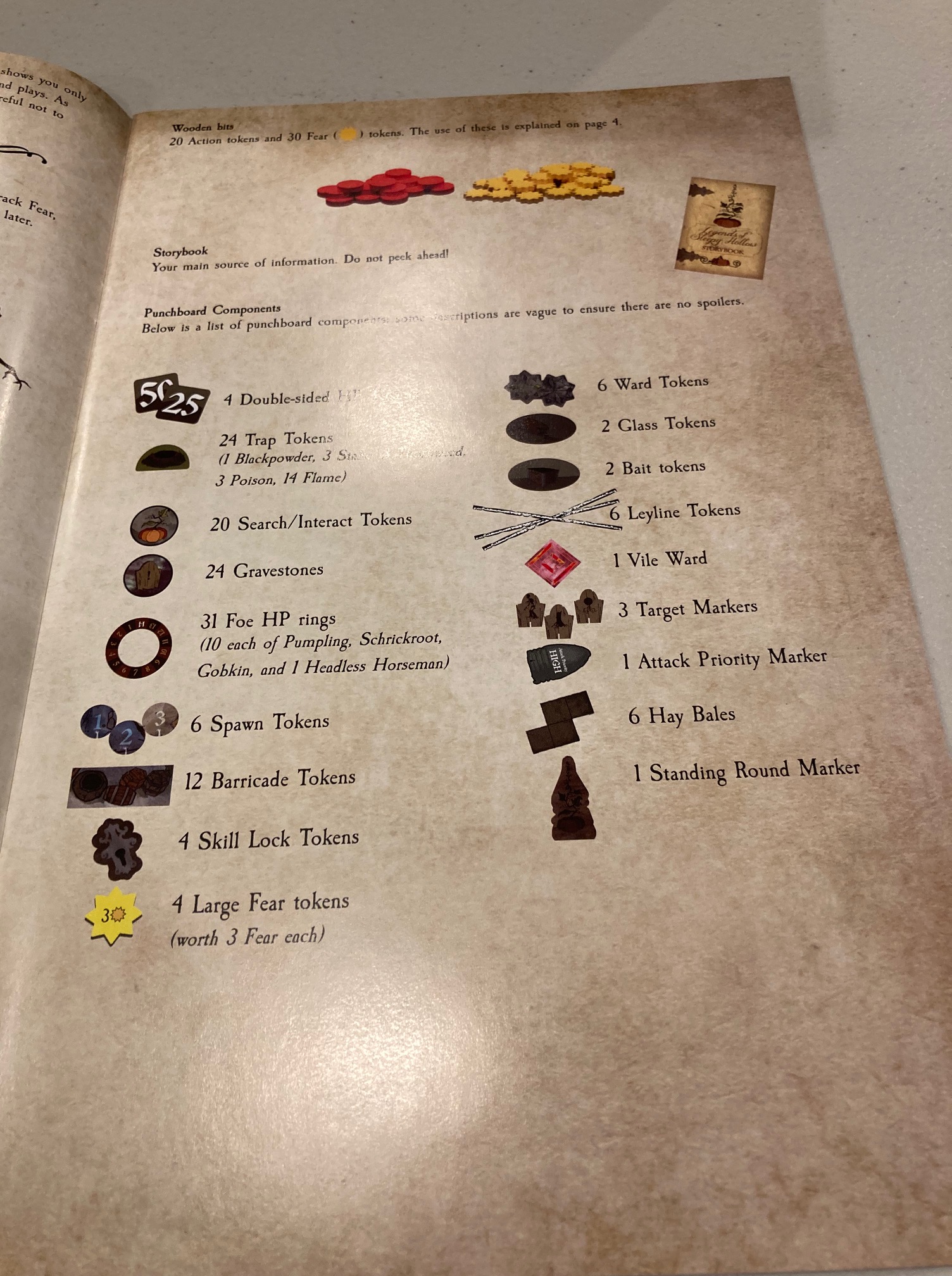
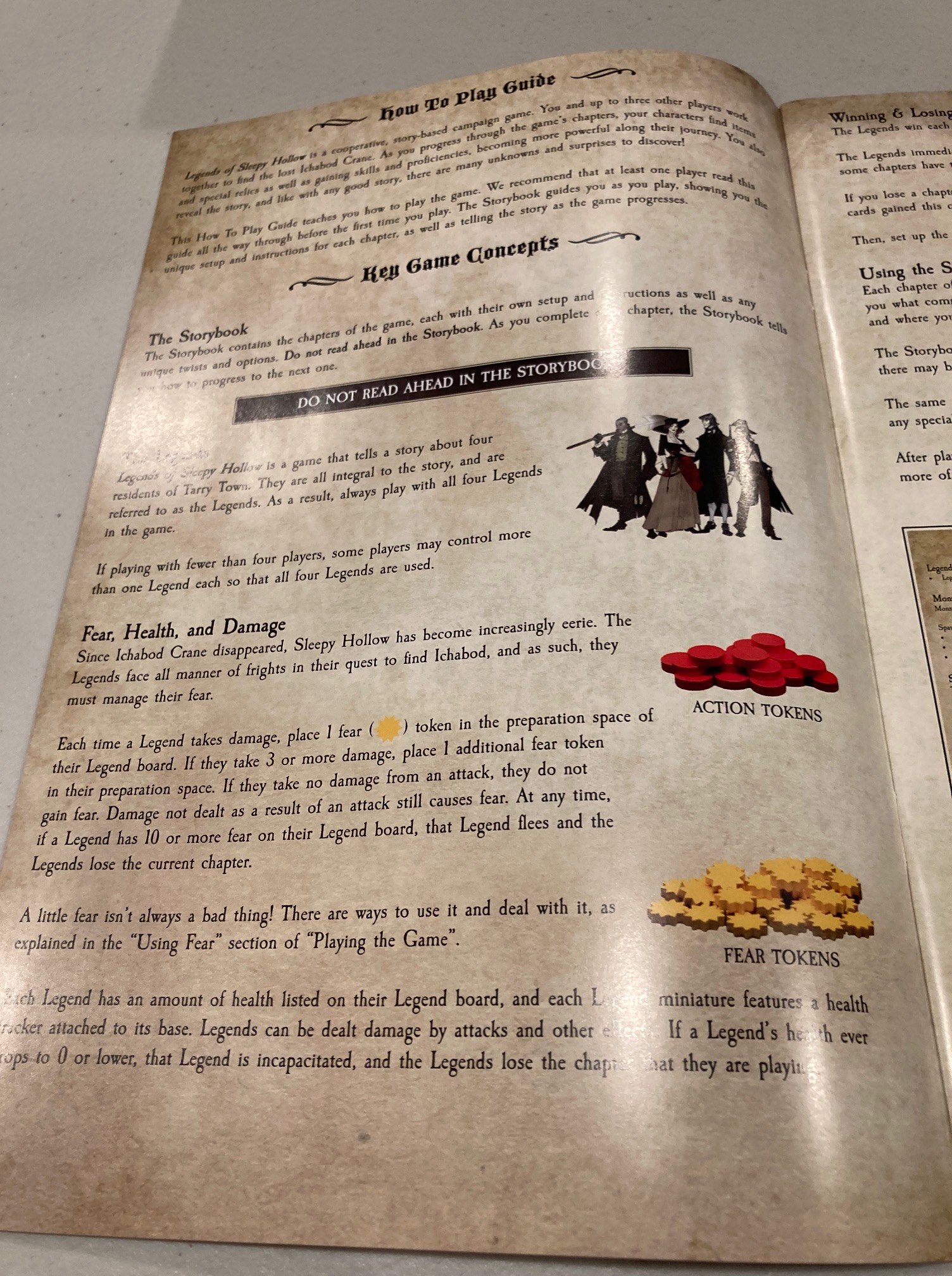
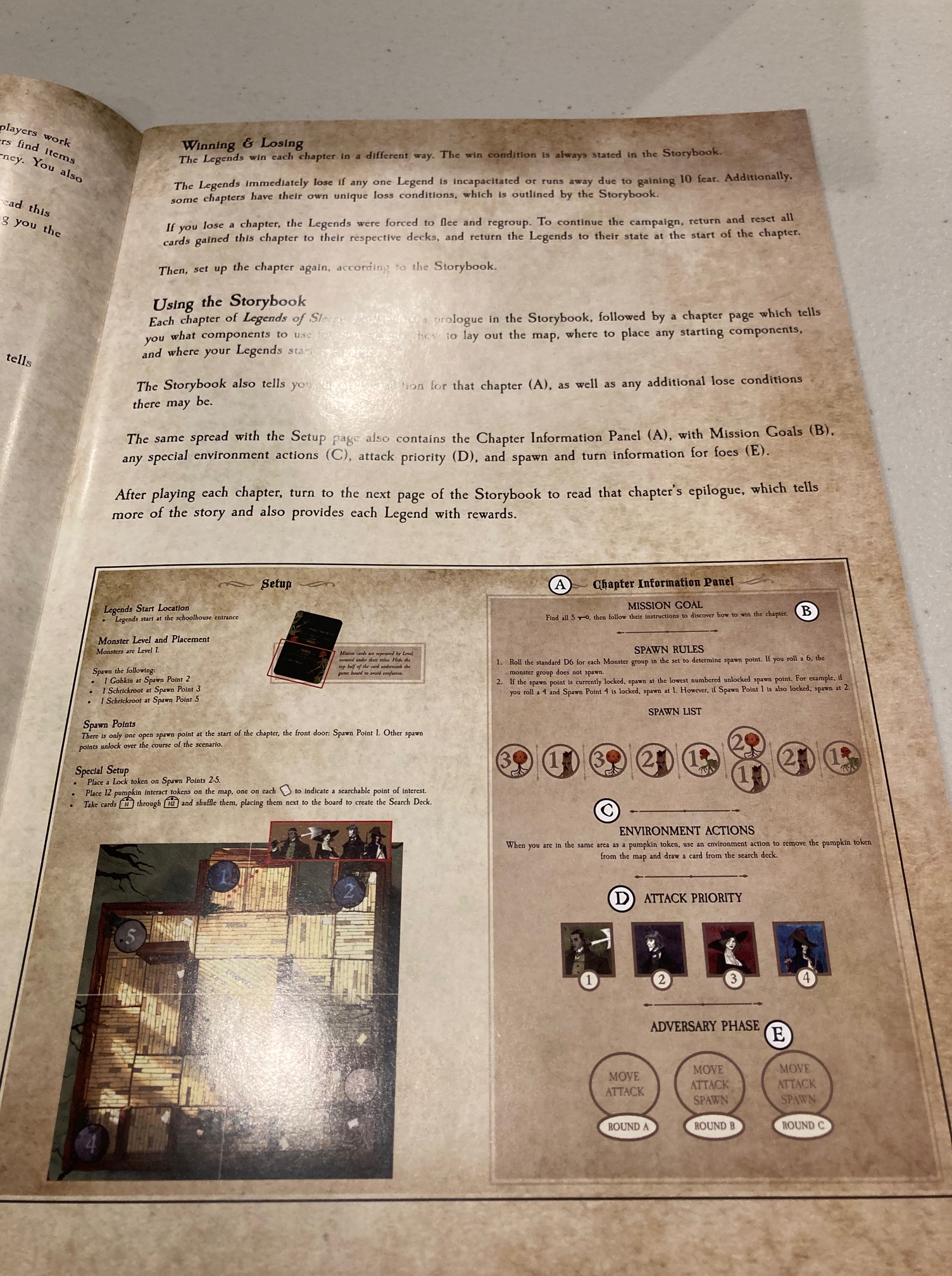
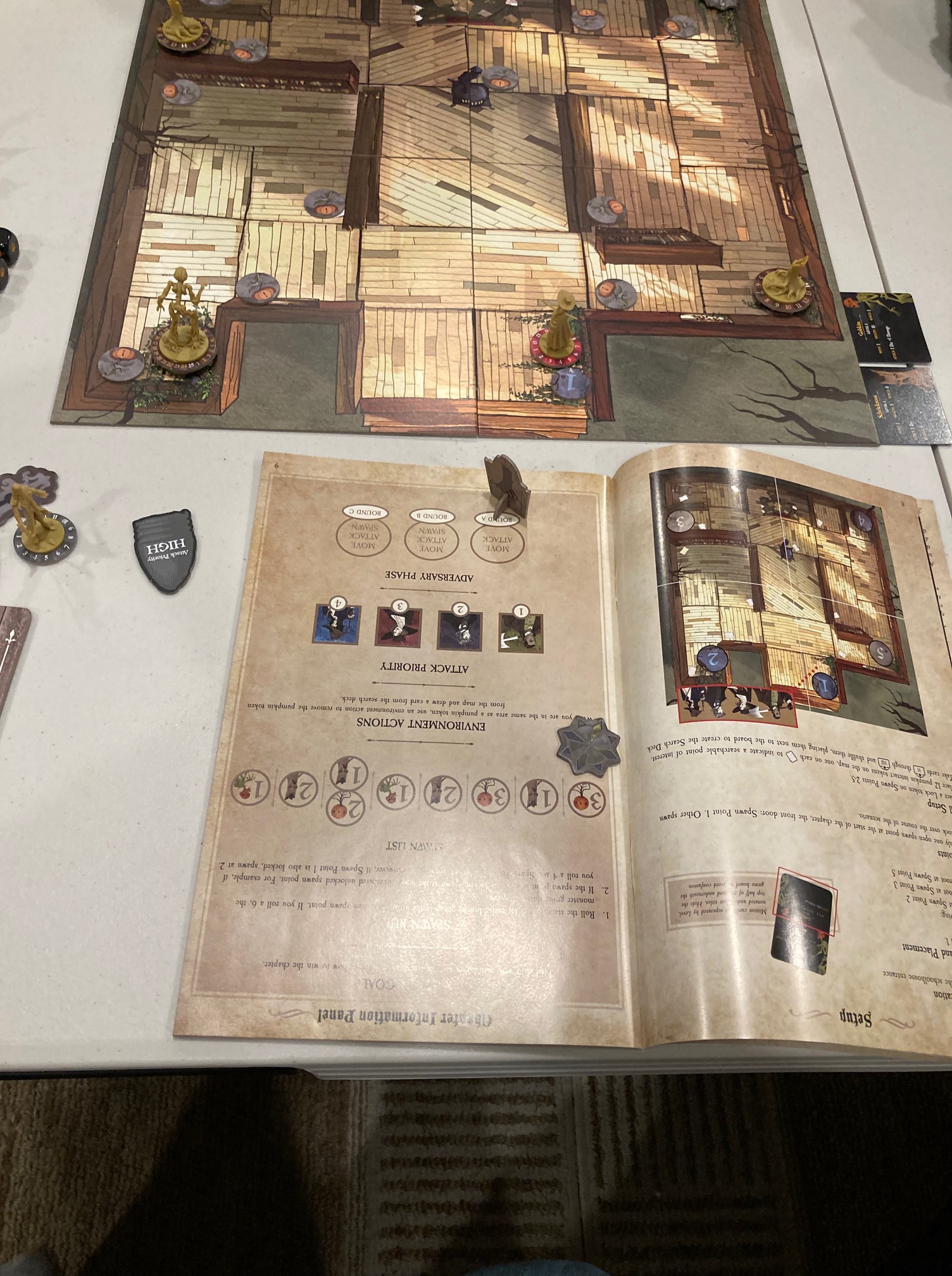


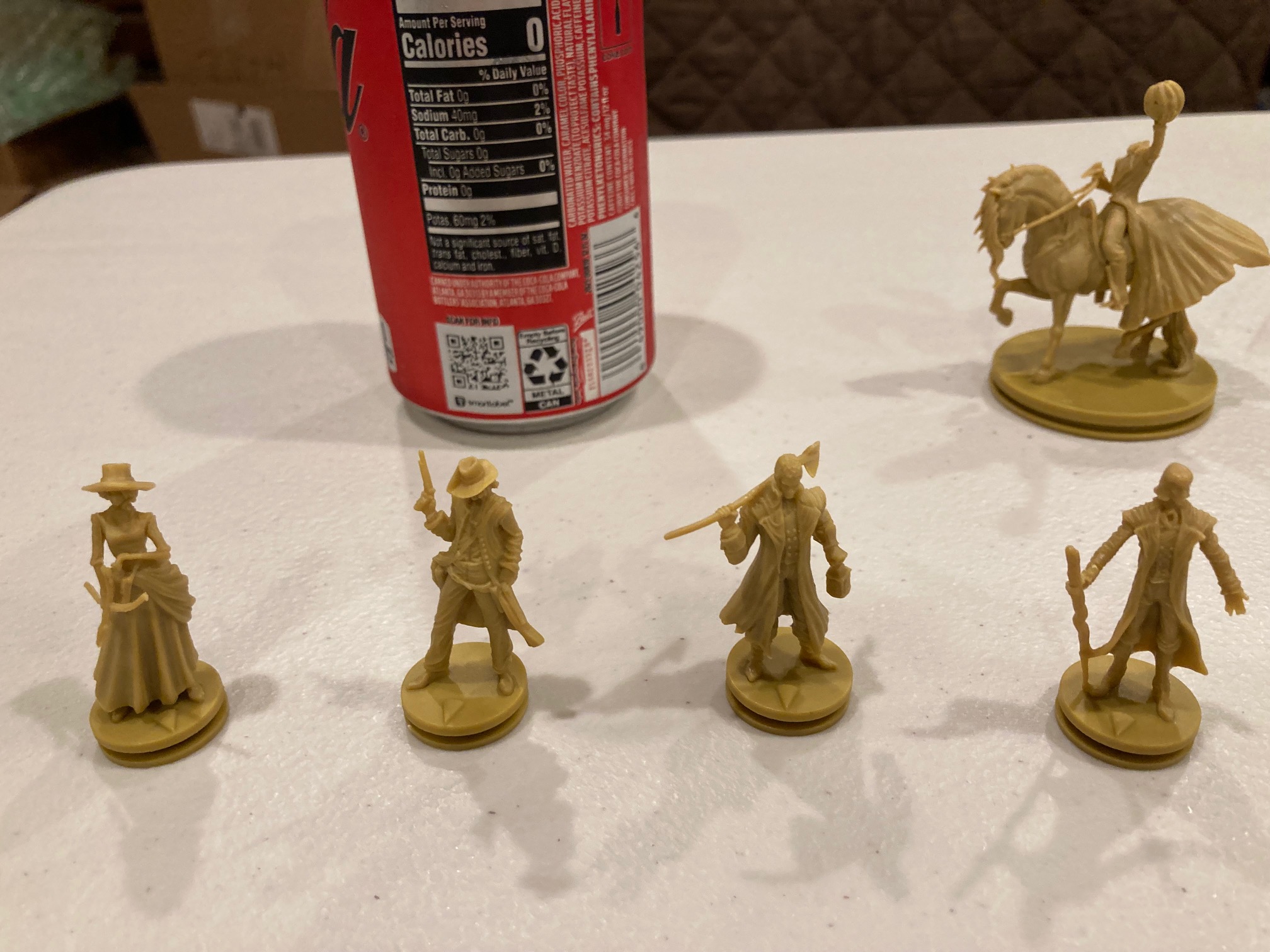
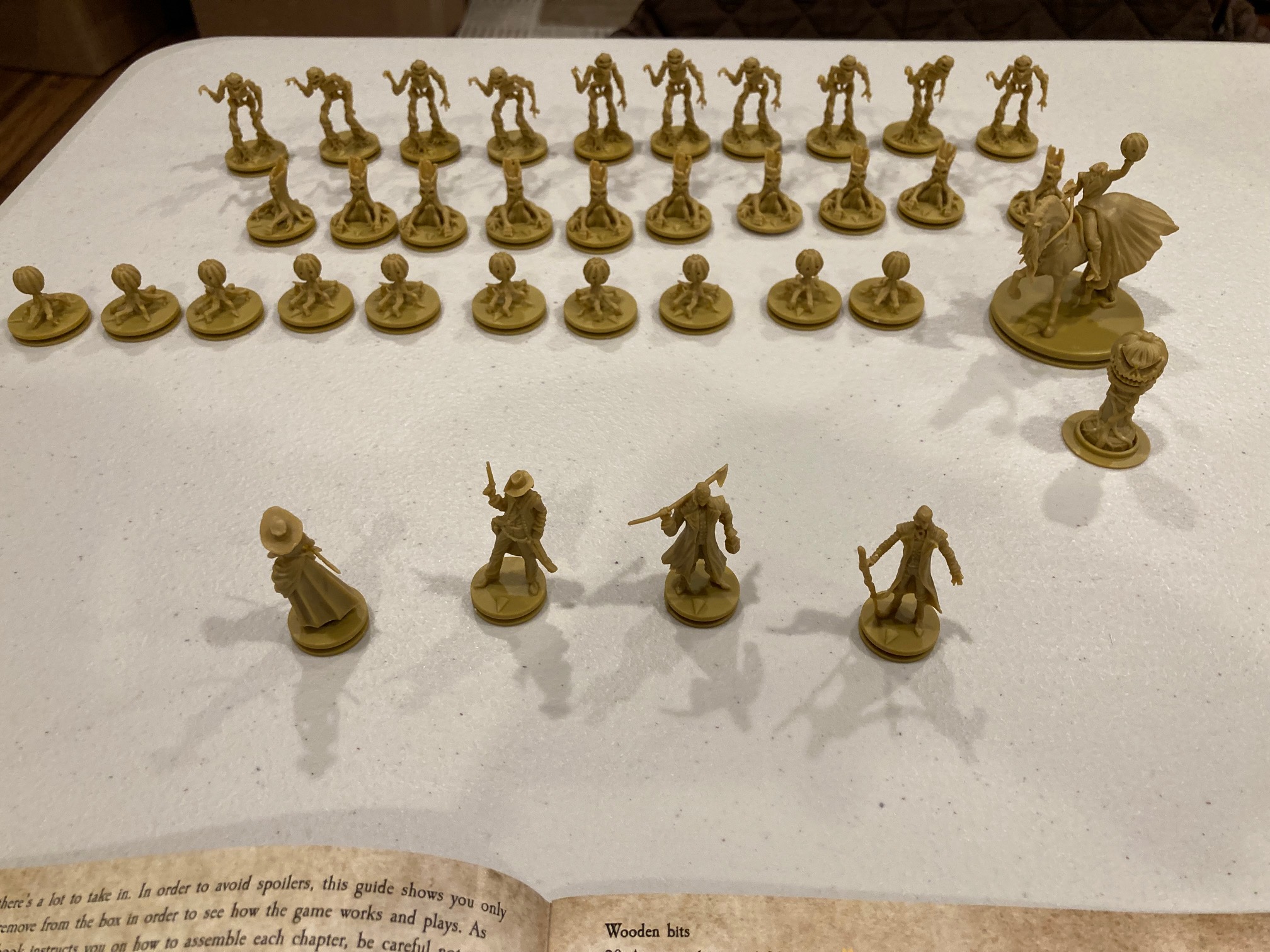


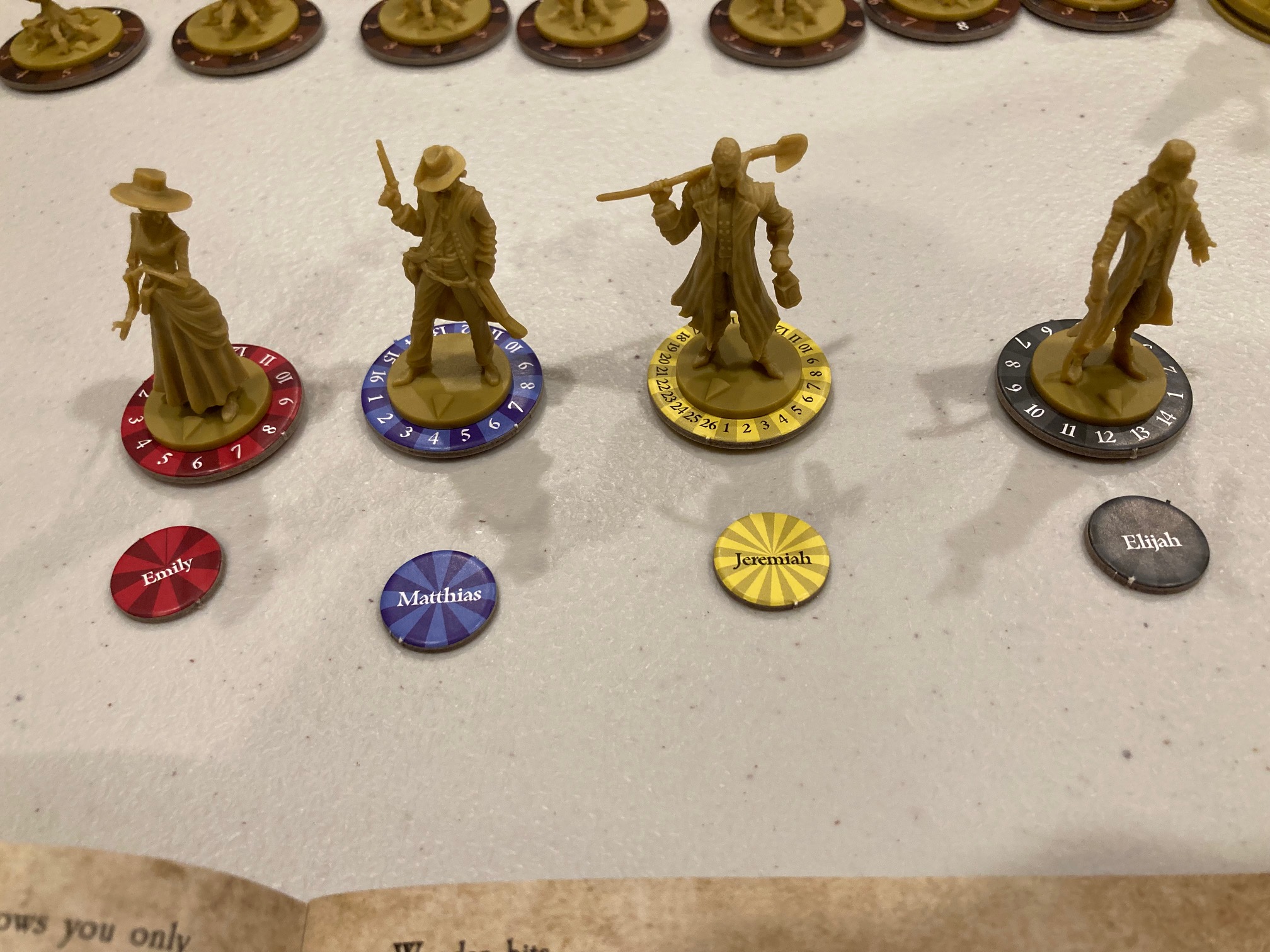
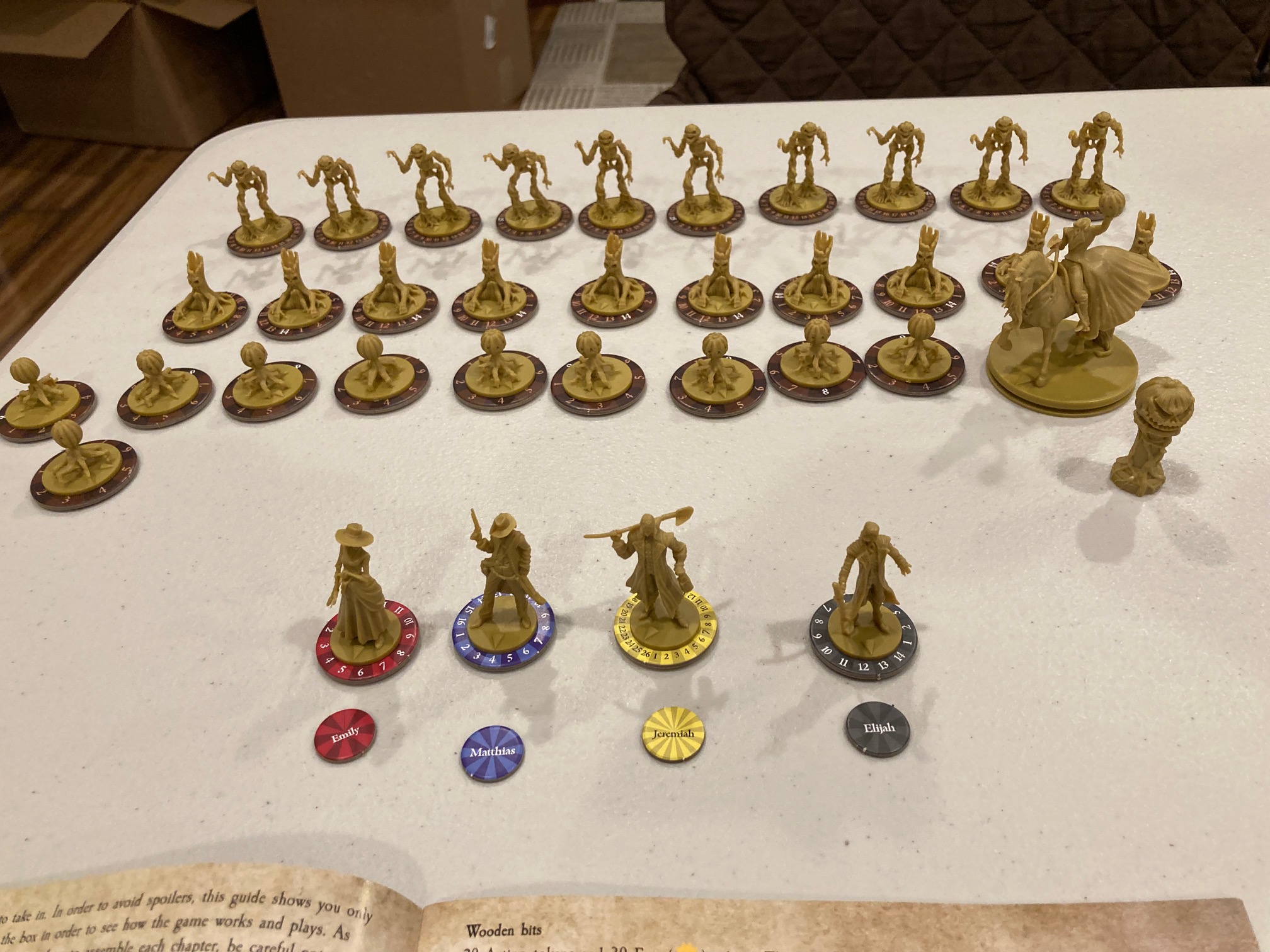
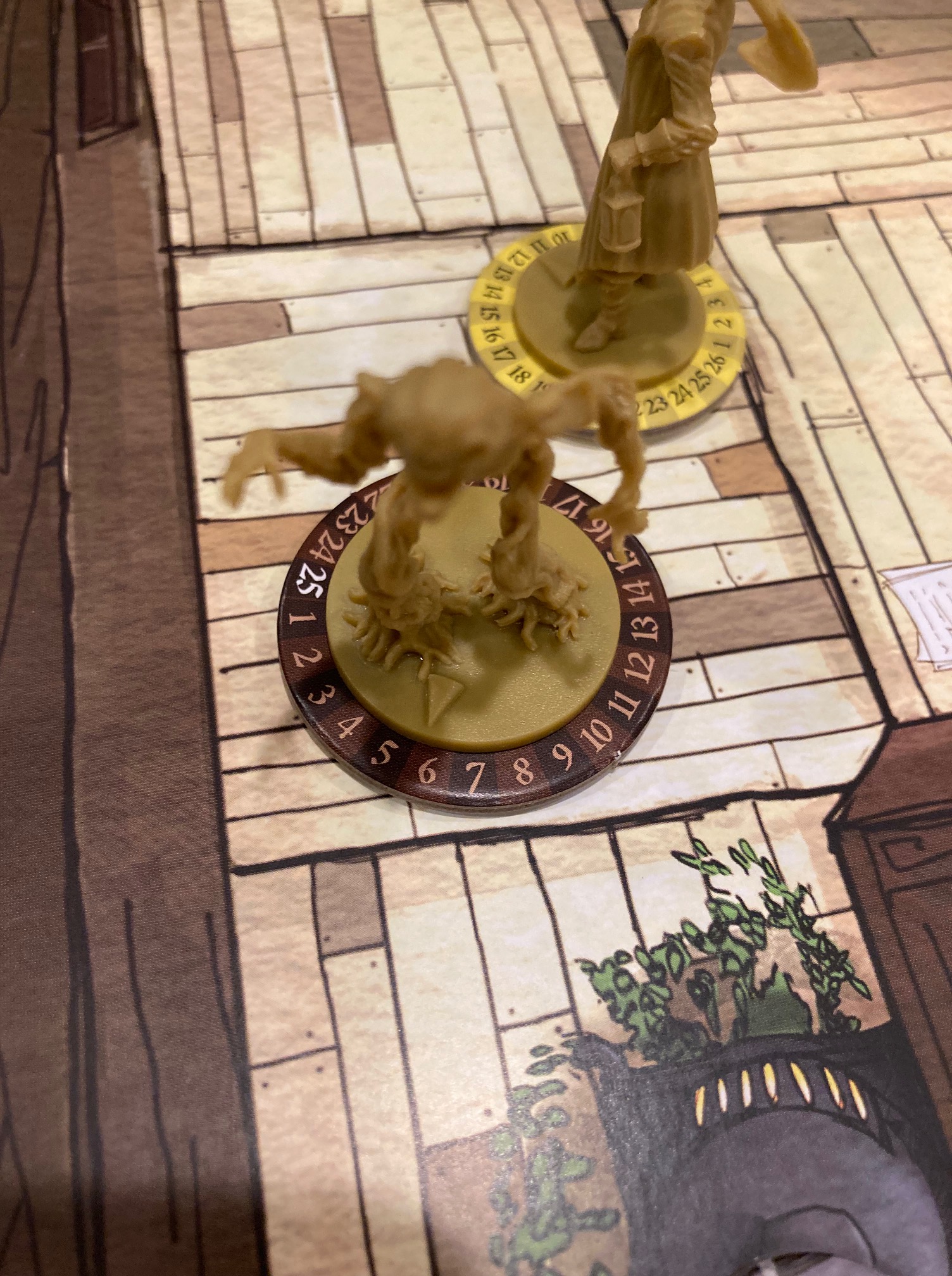
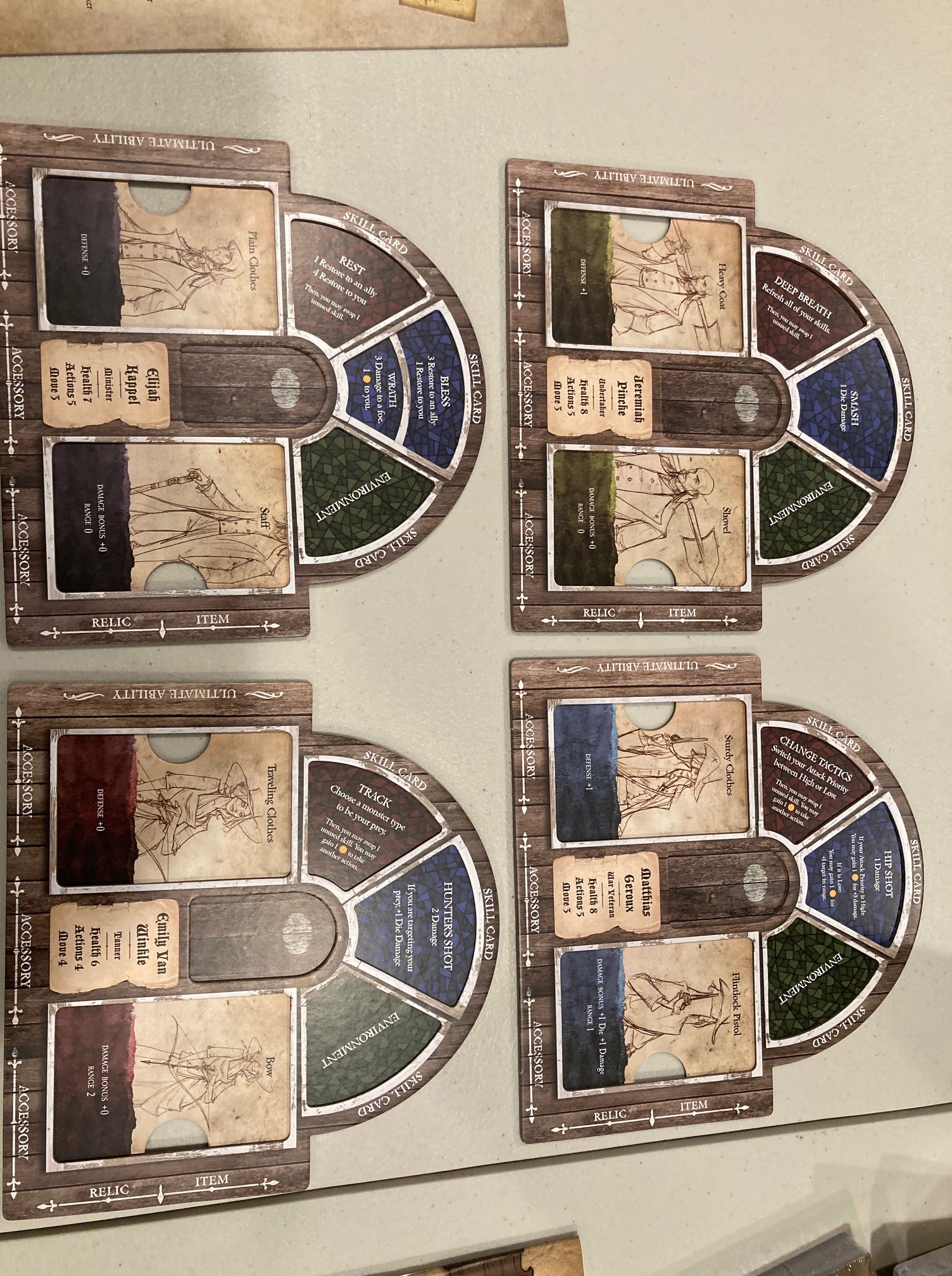
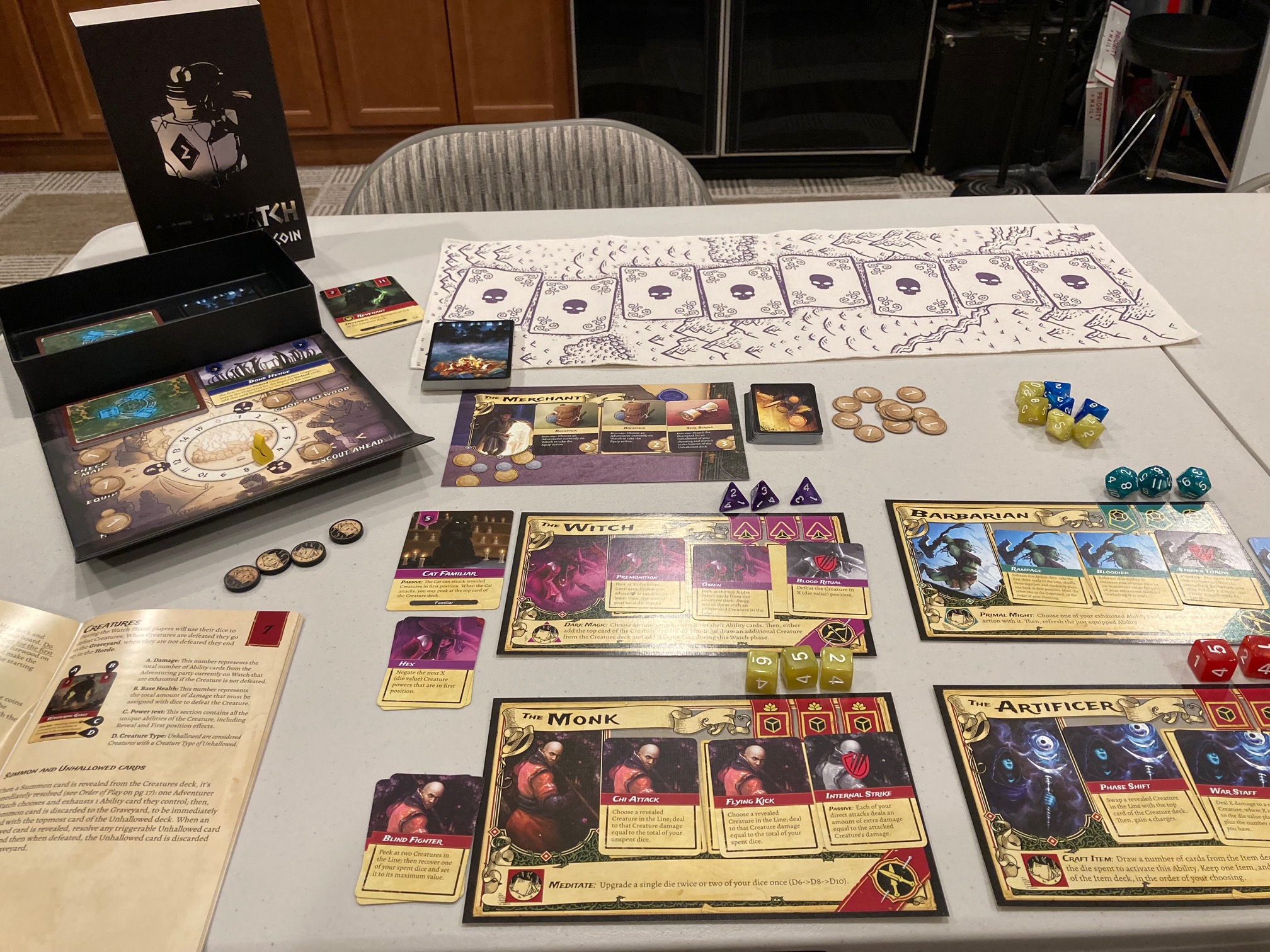



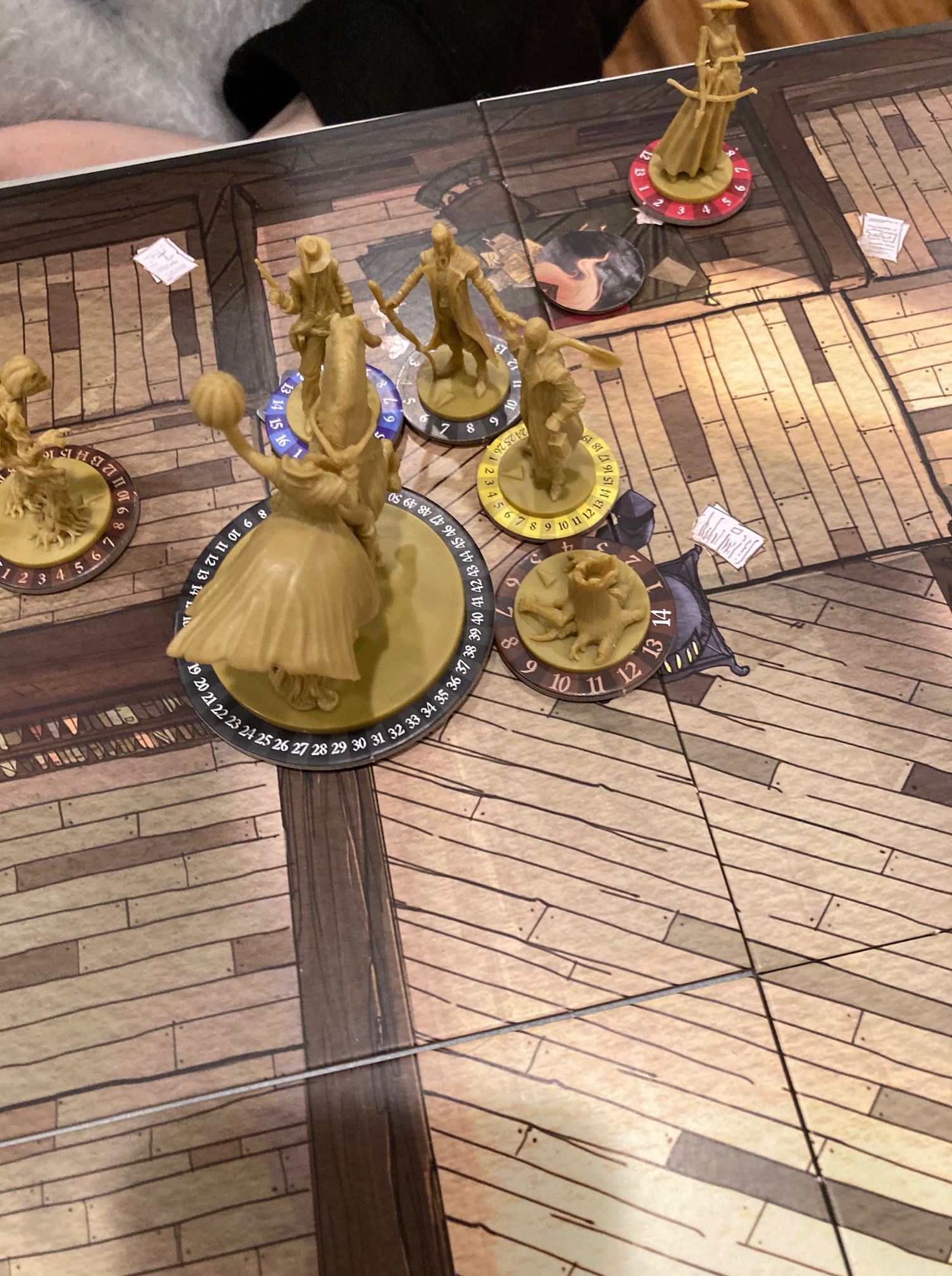
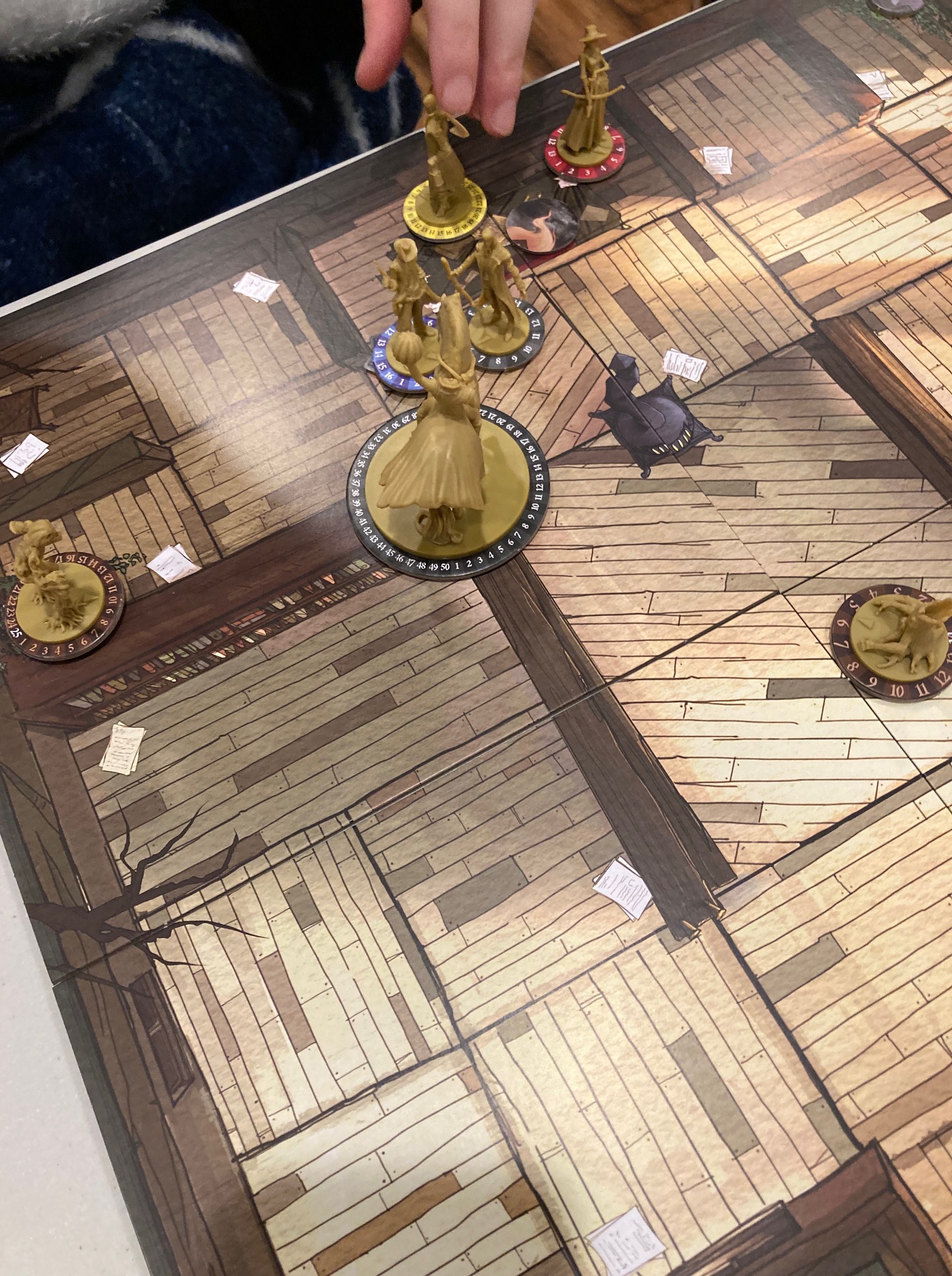

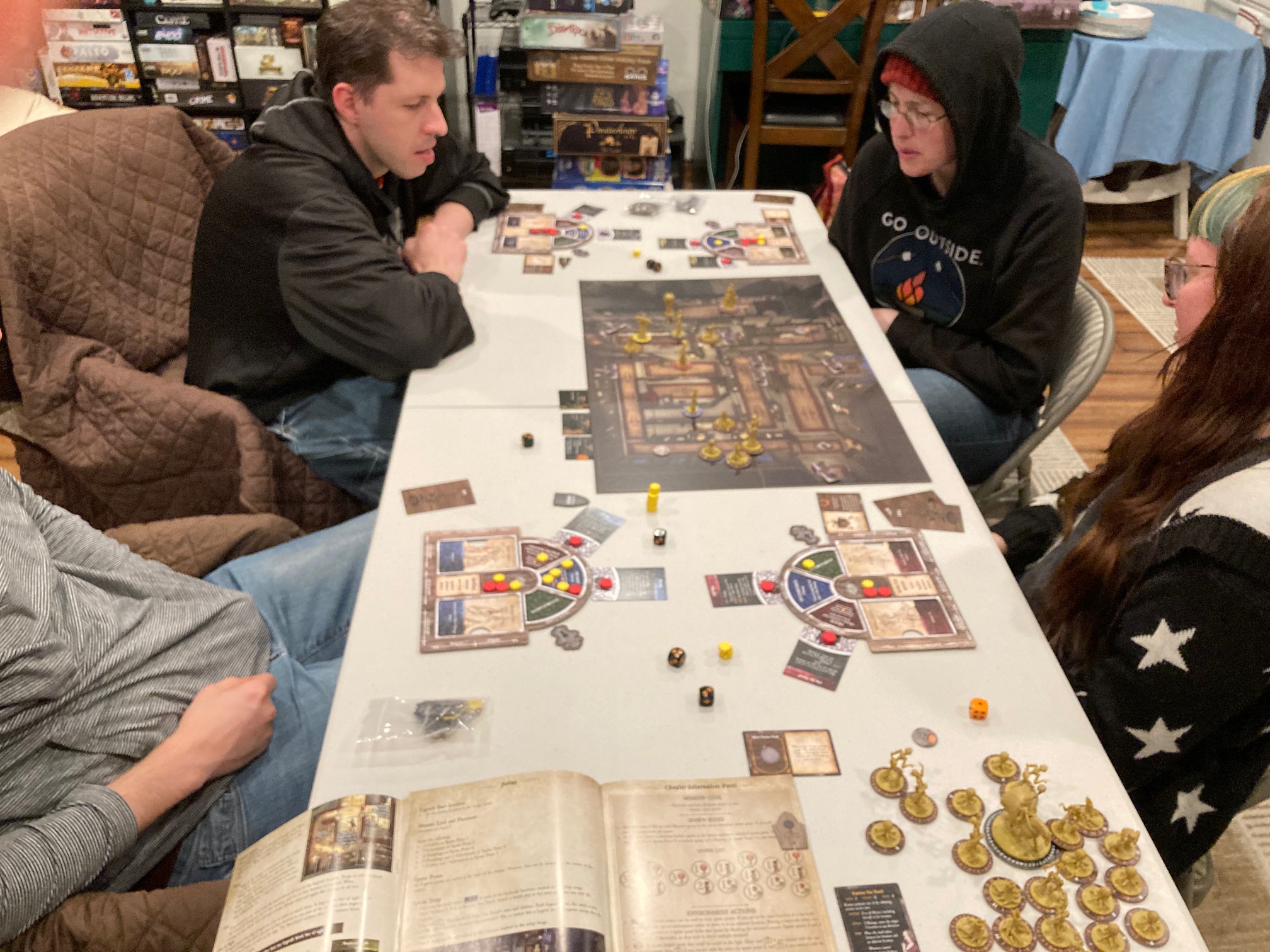
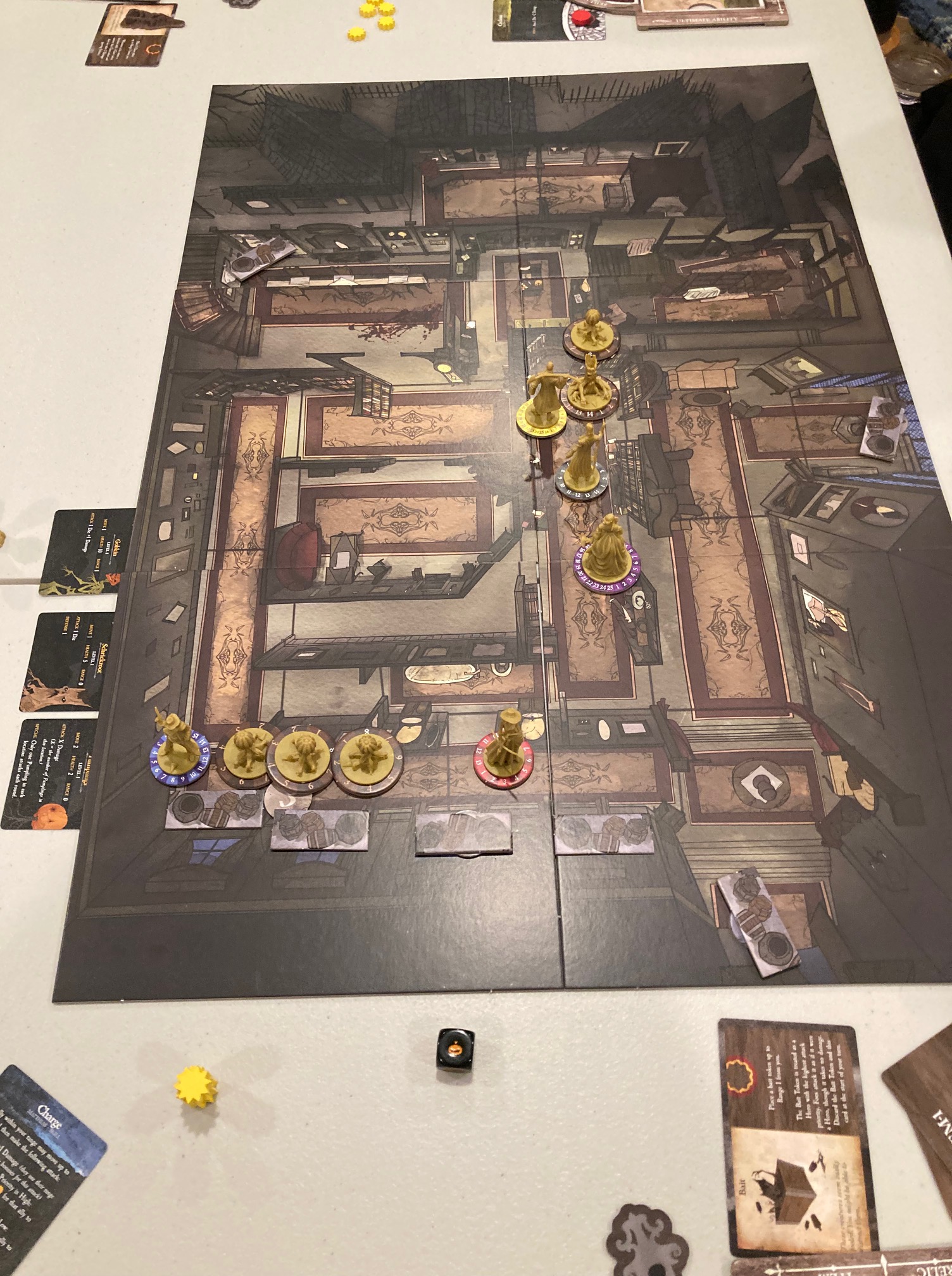
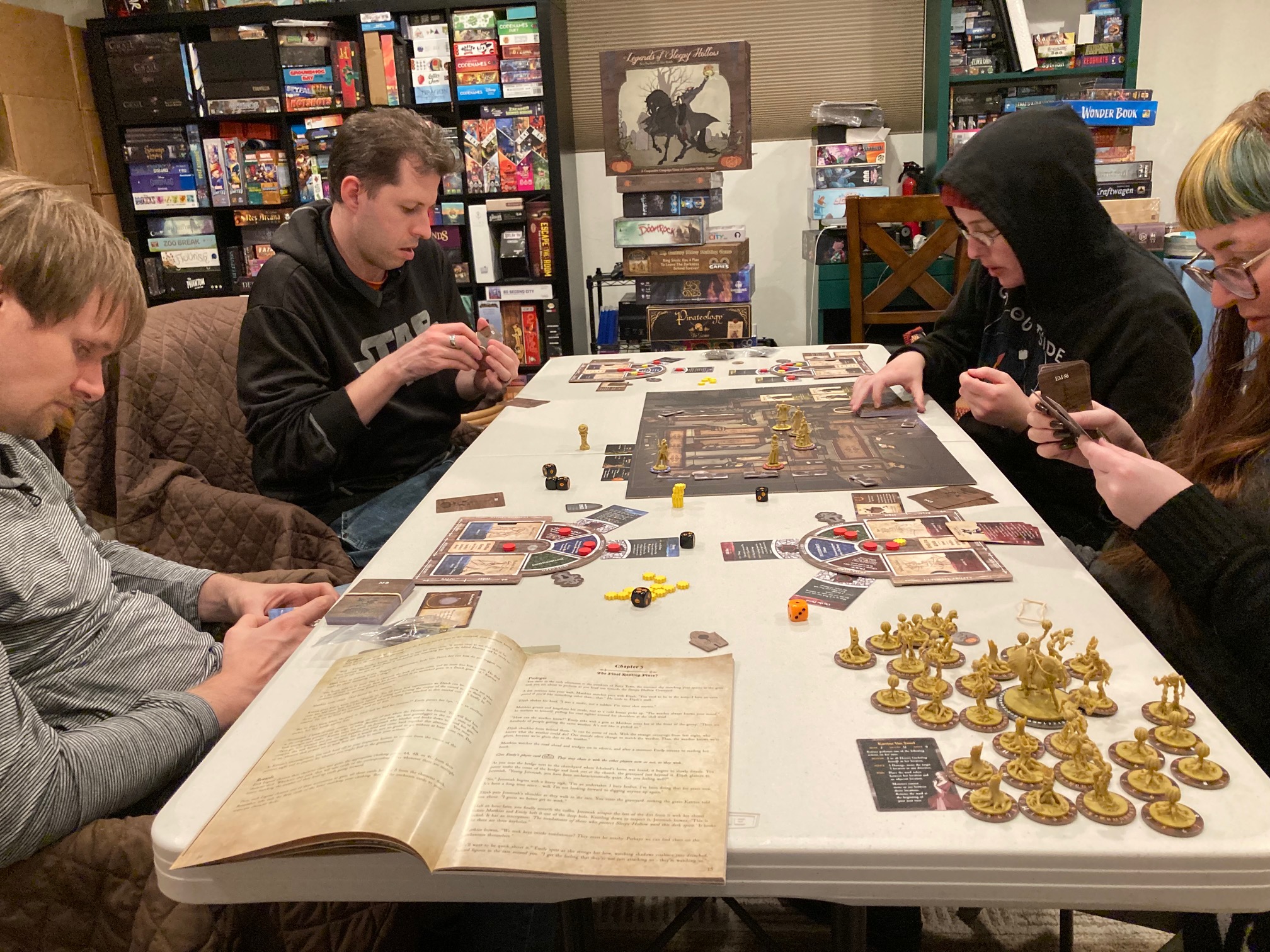
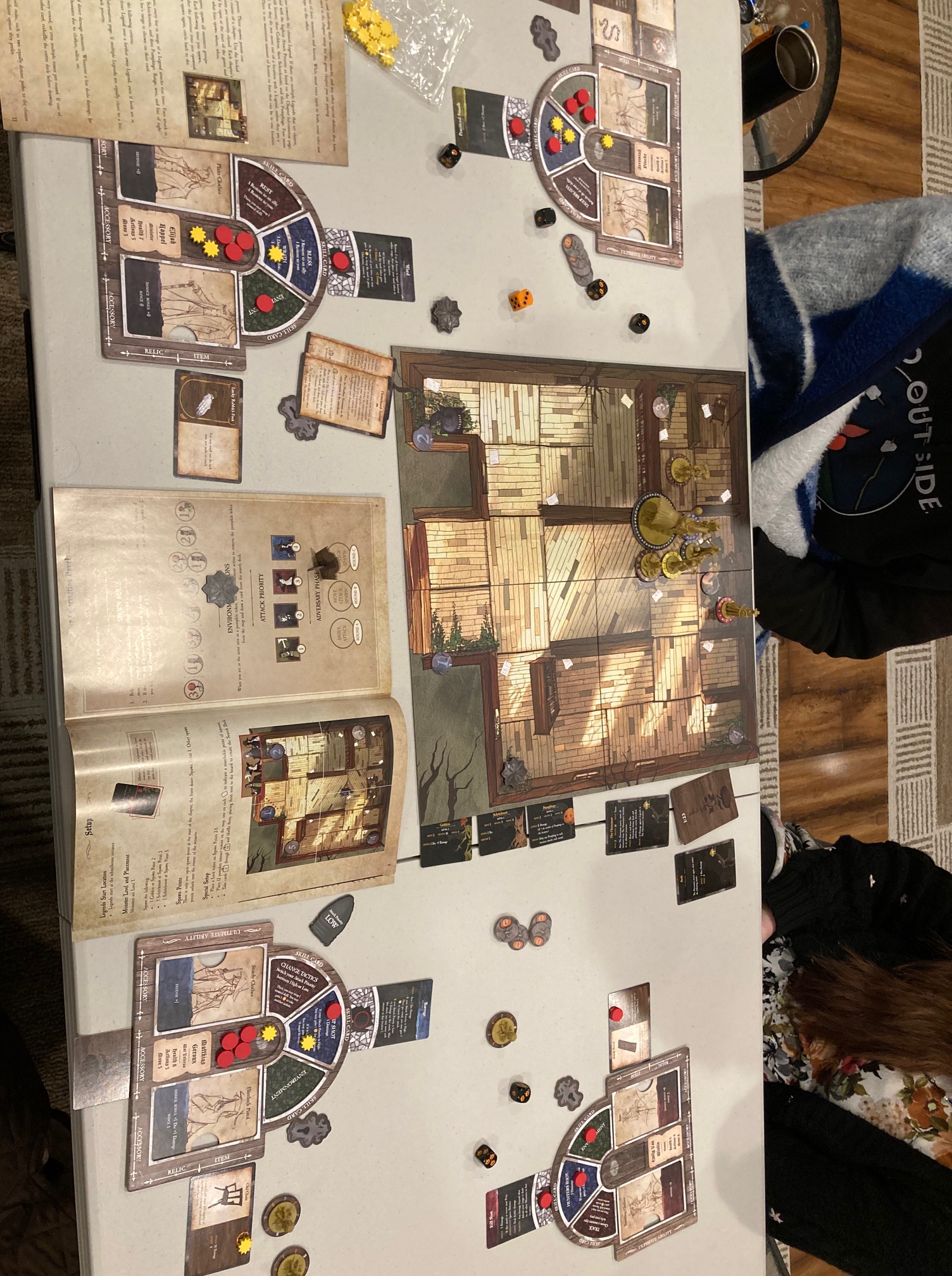
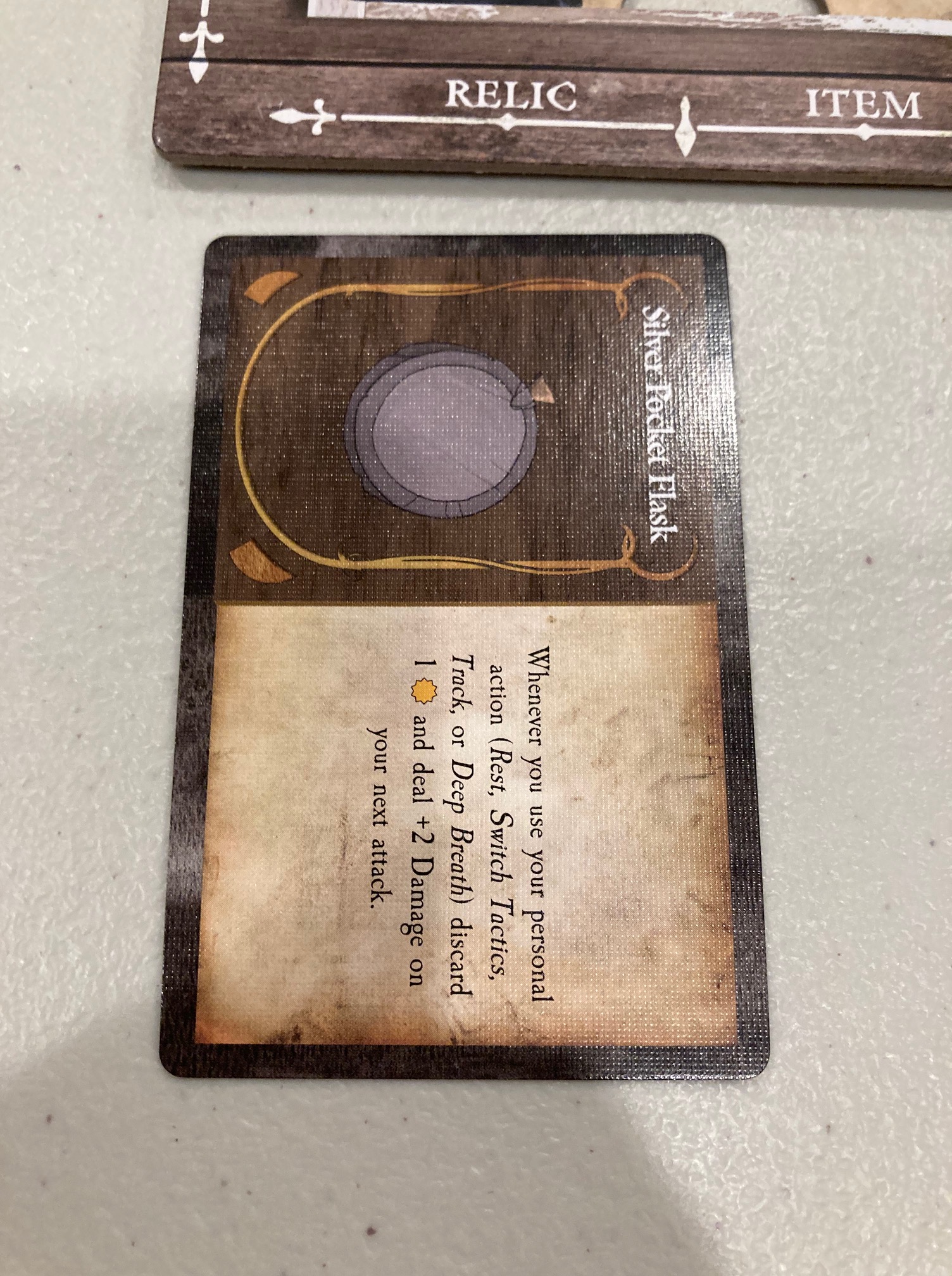










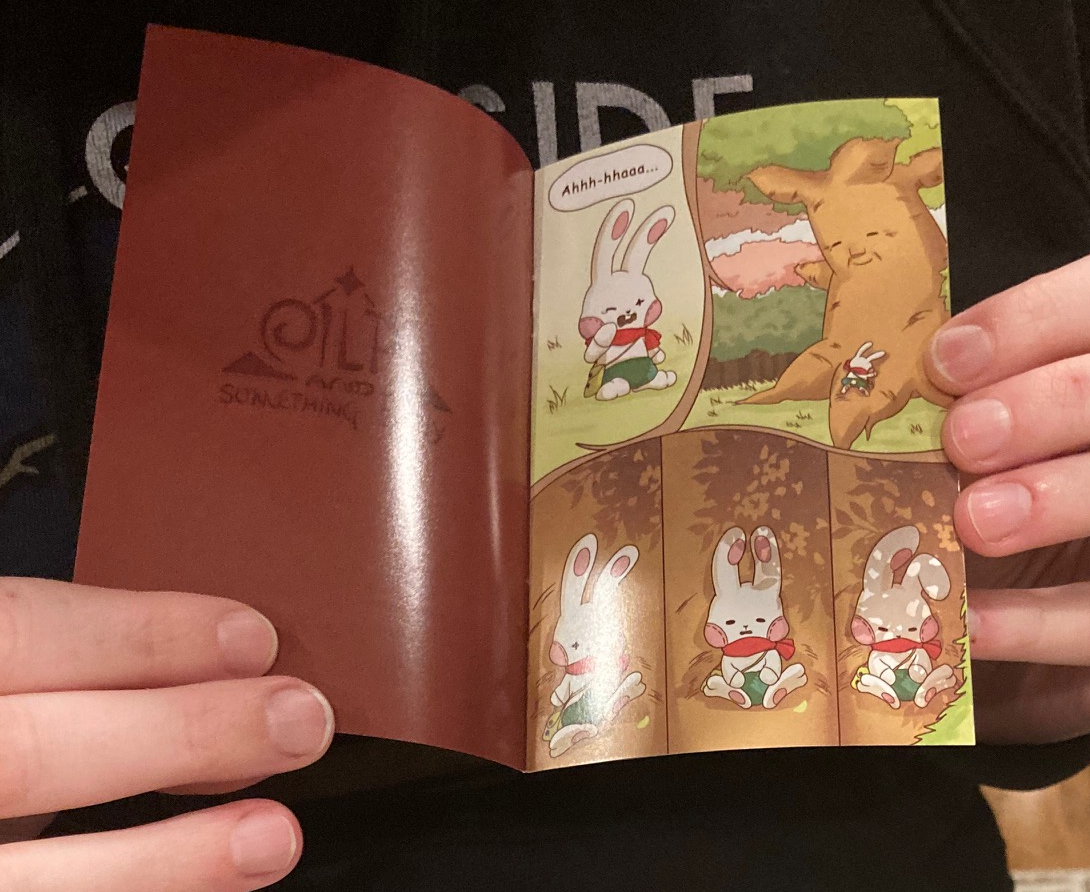


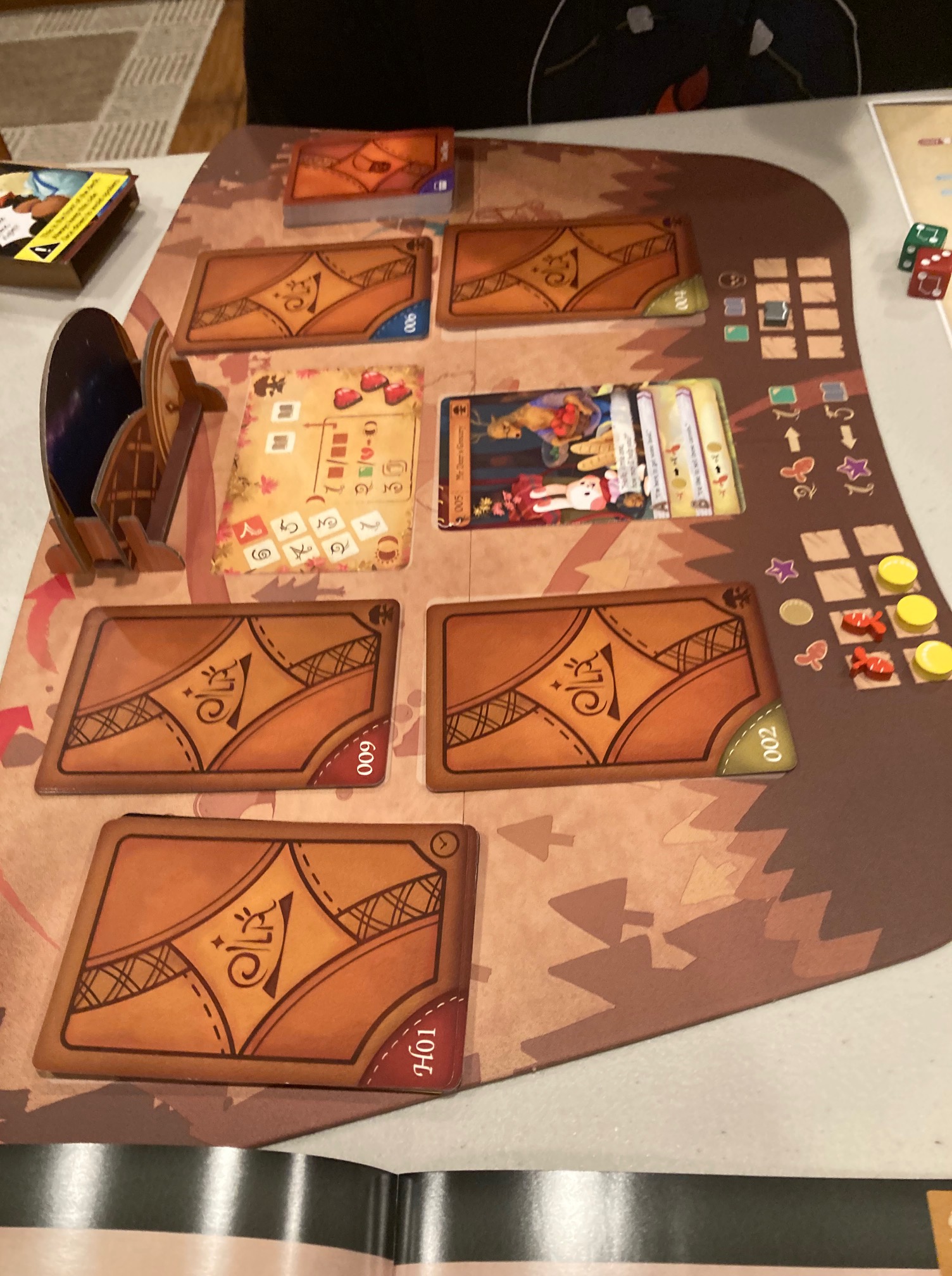
 coopgestalt