In general, if there’s something interesting about cooperative games, we hope to explore it here. Why? Because we still feel like cooperative games need more exposure! Recently, I visited my friend Paul and he confessed to me he didn’t like cooperative games very much! I think it’s because his only real exposure is Pandemic: I don’t know if he knows about the giant world of cooperative games! (Luckily, his son and wife seem to really like cooperative games: we were able to get a fun play of Sidekick Saga in while I was visiting).
Our plan is to keep doing this for a while! We love our cooperative games! We do this all for free! We have never accepted any donations or money or even free copies of games! We pay for all the games we buy ourselves, so our reviews are pretty honest (We didn’t really like Disney Sidekicks or the G.I. Joe Deck-building Games). Honestly, we enjoy playing cooperative games and just talking about them even if we didn’t like them! One of my favorite quotes from my friends this year was “We enjoyed complaining about Tainted Grail more than we did playing it!”
Happy New Year! Keep cooperating and having fun with your friends!
2021 has been a great year for cooperative board and card games! We have so many games we want to share with you, we suspect there will be another list of Another Top 10 Great Cooperative Games of 2021! (Be on the lookout: we will update this link!) This current list gives our favorite games that came out in 2021 (at least from the USA perspective). You might also be surprised that some games don’t make this list … they might just be on our Top 10 Cooperative Expansions of 2021 (link to list will be updated when that list goes live: be on the lookout! EDIT: here it is!!)
Let’s take a look at some great games released in 2021! We will also note how well the game supports Saunders’ Law and gives a solo mode! Interestingly, three cooperative dice-placement games made our list this year! Is this the new trend in cooperative games? Let’s take a look at the list!
Honorable Mention: MicroMacro Crime City
Supports Solo Play? Yes. Works well.
MicroMacro Crime City is an Honorable Mention ONLY because of the official release date. Strictly speaking, it was released in 2020, but it won the German game of the year (Spiel Des Jahres for 2021). I never saw it released in the USA until mid-July 2021! So, we’ll give it a mention because the game was so good! We reviewed it here and loved it!
Basically, this is Where’s Waldo meets a Detective game! Players look over the huge map above and look for clues in an ocean of pictures!
Players work together to solve little mysteries that take no more than 15-20 minutes usually. It’s fun, light, and still exciting when you find stuff. This game really took my game group by storm! If it weren’t for the “official” release date, this would be very high on our top 10!
10. The Loop
Supports Solo Play? Yes
The LOOP has been available for some time for many reviewers, but poor schlubs like us have to wait for it to be released generally so we could buy it: this just came in the mail a month or so ago. This is a hard but fun game for 1-4 players about stopping Dr Faux (pronounced “foe”: Dr. Foe, get it? He’s your foe!) from dealing damage to past eras. Players take the role of variable powered players and traverse through time trying to undo the damage Dr. Faux has done! Clones of Dr. Faux clog up the timeline and accelerate his dastardly plan, but you can take out the clones by creating “paradoxes” that destroy them!
The art is quite “comic-booky” but very thematic. If you stop to pay attention, you’ll notice a lot of funny items come in the game: this game has a sense of humor! This game might make our next Top 10 Cooperative Games With A Sense of Humor!
9. The Phantom: The Card Game
Supports Solo Play? Yes
The Phantom: The Card Game is an interesting card game for only 1 to 2 players. It probably could have been higher on my list if I could bring it out more with my friends, but the 1 to 2 player count kept it from coming out as much as I wanted. The Phantom: The Card Game feels like Marvel Champions could have been! It’s a card game where you buy resources with cards and notate with tokens: it “feels” a lot like Marvel Champions. That’s a good thing!
One of my favorite things about The Phantom was the way it brought out a story: you flipped through a story all the while trying to build up your character, spending resources as needed. The story part was the thing I thought The Phantom did better than Marvel Champions: Wrath of the Red Skull (which we reviewed here).
Overall, the game has an older comic-book feel (from an older generation of comics), but I found it very thematic. Check out our review here to see if you’d like The Phantom: The Card Game!
8. Kim Joy’s Magic Bakery!
Supports Solo Play? No, but you can fake it by playing two hands and having one less action
So, this probably shouldn’t have made the list, but this game just keeps coming out at my gaming tables! It’s a fun “end-of-the-night” game or light and quick “waiting for Andrew” game. Kim Joy’s Magic Bakery is listed as a Cooperative Baking Card Game: it’s a light game about building confections for customers that come into your shop. It’s very light and fluffy! In many ways!
It looks really cute on the table and the art and components for baking (on the cards) are very cute. This game is very charming and a surprisingly fun light-weight cooperative game in 15-30 minutes.
This is yet another in a long line of “games in the Pandemic system“. This particular version had a lot of great things going for it. For one, the components are first rate: cards are linen-finished, minis are pretty nice for a fairly mass market game, every card has a unique piece of art, the board is gorgeous, etc etc… When set-up on the table, it’s quite attractive! See below!
In further refinement of the Pandemic games, it adds some dice, but dice that are not too lucky. The “good” cards it gives you also allow you to choose to augment your actions when YOU want to: you always feel like you can do a little more when you really need to!
This game works great cooperatively: this might have been rated a touch higher if the quests in the game were just a little less “abstract”, but otherwise this was a fun refinement on the Pandemic system. I don’t know anything about World of Warcraft and I liked it: I assume World of Warcraft fans would love this! See our review here!
6. Intrepid
Supports Solo Play? Yes, but the rules need a lot of clarifications: Intrepid is much better with multiple players!
This is the first of many cooperative dice-placement games in this years top 10! Intrepid is a cooperative dice-placement game for 1-4 Players about building and balancing resources on a space station! See our review here!
Intrepid is a huge game that takes up most of a game table, but once you figure out most of the mechanics, the game flows pretty easily. This Kickstarter game came with a ton of content, and the components was all fantastic (except for some warped boards).
5. Roll Camera!
Supports Solo Play? Yes, pretty well!
Roll Camera! is a cooperative dice-placement game about making movies! (It’s our second cooperative dice placement game on this year’s list!) It’s a silly game with lots of touches of humor, but it still a serious game with some serious mechanics. We reviewed it here and played it with lots of groups of friends, and it just went over great!
If your group of friends has a sense of humor (and won’t roll their eyes at the silly humor in the game) and enjoys a cooperative game with dice-placement mechanics, Roll Camera! is a hoot. It probably should have made our Top 10 Cooperative Games with a Sense of Humor!
One of the best mechanics of the game that encourages cooperation is the IDEA cards (see above)! One player can call for a meeting and ask for everyone else to pitch an idea! Even though it’s not your turn, all players are still involved in pitching ideas outside of their turn! This was one of my favorite cooperative mechanics I’ve played in a game this year!
4. Gascony’s Legacy
Supports Solo Play? Yes, very well (with several modes)
Gascony’s Legacy is a cooperative adventure/fighting game taken from the pages of the Three Musketeers! It’s a game all about sword-fighting and working with your compatriots to rescue/save things! There is nominally an adventure that unfolds in the game, but the game is really about sword-fighting and getting through a scenario.
Gascony’s Legacy was a bit of a surprise for me this year! This game was so great it made our Top 10 Cooperative Swashbuckling Games! The gameplay was fun, but what made Gascony’s Legacy really stand-out were all the little touches to make it feel like a real swashbuckling game: how to could fight two-handed and off-handed! The were special rules for barrels, chandeliers, braziers and other special “swashbuckling” elements that really made this shine as a game.
3.Roll Player Adventures
Support Solo Play? Yes, but it plays so much better with multiple players
Roll Player Adventures is a dice-placement game in the middle of a giant sprawling adventure! (And it’s our third cooperative dice-placement game in this year’s list!) The game is all about doing skill checks and combat, using your skills, weapons, armor, and cards to help you mitigate the dice rolls. Even though the dice placement mechanic is central to solving puzzles and advancing the game, the game is really about the adventure the players go on! The storybooks unfold a fascinating adventure, but with lots of choices and branching!
This game got a bad rap in our first impression review: See Review here. The game just doesn’t work great in solo mode, as there aren’t enough powers to mitigate the dice. But, this game sings in multiplayer mode! With multiple players, there are more powers/cards to help mitigate dice rolls. My group has been playing through the 12+ stories and there’s no question what we play when we get together. We are still enjoying this immensely! And the components are amazing.
2. The Initiative
Supports Solo Play? Yes, but I can’t imagine playing this with one
We loved this cooperative game of codebreaking! My group and I couldn’t stop playing this story-driven game until we got to the finale! See our review here. This game was an absolute joy, reminding me of being a kid adventuring outside and breaking codes like in Alvin’s Secret Code.
Some gamers think the base game is too simple, but I think they are missing the point! The point of the game is to solve codes: the simple base game is just a way to explore the state space of the code (while you physically explore a facility). This game is all about noticing things, exploring what’s important for solving codes, playing the odds, and making intelligent choices. We loved this game so much it almost made my top spot!
1. Cantaloop
Supports Solo Play? Yes and maybe the best way to play! But co-op play works well too
Cantaloop was our favorite game of the year! See our review here! It might be cheating to put this so high because it probably plays better as a solo game than a cooperative game, but it still works as a cooperative game too! As longtime blog readers know, we love the Monkey Island adventure games (it made our Top 10 Cooperative Swashbuckling Games even though Monkey Island is a computer game), and this game feels more like a point-and-click computer adventure game more than any other game we have played. Players read hidden text (using the read acetate) and explore a world on cards and in the main book:
A great adventure unfolds as the players break into prison: this sounds like it might be a dark and depressing game, but it’s not! It’s one of the funniest games I have ever played, and it took the top spot on our Top 10 Cooperative Games With a Sense of Humor! This game just soared for me! I am very much looking forward to Part II of the adventure which picks up where this leaves off!
The World of Warcraft: Wrath of the Lich King is a cooperative game in the Pandemic system.
What that means is that “it feels like Pandemic, but they’ve put it in a World of Warcraft setting“! I had preordered it and it just arrived a few days ago (Friday, Dec 3rd, 2021). By ordering online at FunAgain, I was able to get the extra promo hero in the game: see below.
However, I saw that it was at Target a few days before I got my my copy! I almost picked it up because I was so excited to see it!
In fact, it was even on sale the other day too! But, I waited a day or so and was able to get mine in the mail.
World of Warcraft: Wrath of the Lich King is a cooperative game for 1-5 players in the setting of World of Warcraft. Players work together to take down the Lich King (who we nick-named “Mitch”) by staying alive, making it through 4 “quests”, and keeping the lands free of Ghouls and Abominations. I know, with that description, it doesn’t really sound like Pandemic, does it? Let’s take a closer look!
Unboxing
Let’s take a look inside the box! The rulebook comes on top with some punchouts:
Underneath the punchouts is the board (in plastic) and some cards and minis!
The board is really gorgeous! See above.
The cards are nice and linen-finished! YOu can see the game summary cards, the Hero Cards, and the infection cards all above!
The minis are pretty fantastic! See the Players up front, the ghouls behind them, the Abominations, and finally the Lich King! The Coke can is for scale (next to the board).
The player minis are really nice… I wish they would have included a “colored” bottom to distinguish them.
… and one had a broken axe. Sad face.
The ghouls are basically the “disease cubes” from the original Pandemic.
The Abominations come out when an overrun happens and begin tracking the players!
The Lich King is the final Bad Bass to fight!
He comes in a little cardboard square (to keep him from breaking?).
The dice: no bad outcomes! All good stuff!
The dice are used in combats to fight the Abominations, Ghouls, and the Lich King.
This is a variable player powers game, so each player can take a specific character: See above.
Quests from World of Warcraft: Wrath of the Lich King: more “abstract”
Nominally, players go on “quests”: See the quest cards above.
The cards and components all look pretty amazing! Below are some more pictures:
Rulebook
Oh, thank goodness this is a good rulebook! After last week’s fiasco of a rulebook, I was glad to read one that was very well organized and easy to read. (I don’t love the black background, but whatever). It starts with nice introduction and list of components (see above).
The set-up spans two pages, but notice they have a picture of the board set-up on the bottom of the righmost page. There’s lots of pictures during set-up, and even a “FOR YOUR FIRST GAME” section, which I really appreciated. I think they might have done better to label a picture for set-up, because the picture they have is small, but you know what? This set-up worked okay.
I think one of the reasons I think highly of this rulebook was that I was able to read through it in real-time with my friends for our first play! (That’s right, the first play was with a big group). We were able to get through the rulebook and concepts pretty quickly.
In general, when we had questions during our first play, it was pretty easy to go looking through the rulebook to find answers to questions. They even have a finer points section which was very useful:
Overall, we had no real problems with this rulebook and were able to jump quickly into the game. The text was straight-forward, without being too wordy, and the rules seem to answer most questions we had (especially the Fine Points section).
This was a good rulebook.
Gameplay
Each player takes the role of character from World of Warcraft (see two characters above). Players work together to complete 4 quests, where the last quest is to take down the Lich King (“Mitch”) in his Icecrown citadel (see below).
Although this game has lots of nice minis, it is NOT a minis game per se! Questing is the main mechanic (you have to get all 4 quests done to win) (you still have to fight to keep ghouls and Abominations under control):
Quests from World of Warcraft: Wrath of the Lich King: more “abstract”
Each quest involves revealing Hero Cards from your hand. Heroes collect 2 new hero cards at the end of their turn.
On a players turn, they have 4 actions they can do (Move, Fight, Quest, Rest, Flight Path). The fighting and moving is necessary to keep the Ghouls and Abominations under control :
If too many come out, the Despair Marker moves to the end of the track and the players lose. So, part of the game is keeping those baddies under control!
Ghouls come out at the end of every turn (see above left) and start “polluting” the board! How many come out per turn? See the Scourge Track at the top of the Board!
Occasionally, when you draw a Hero Card, you will get Scourge car (there are a number of the scattered fairly evenly through the Hero deck) which causes a “surge” of Ghouls and summons an Abomination:
Basically, move around, beat-up the baddies, and complete all 4 quests before time runs out (when the Despair Marker makes it to the end)!
This is a cooperative game, where each player has 4 actions on their turn, and play rotates.
Differences from Pandemic
We’ve said this is a “Pandemic System” game, but what are the differences between Pandemic and World of Warcraft: Wrath of the Lich King?
The rulebooks has a nice section documenting one of the main differences:
In the original Pandemic, the game would be over is you ever ran out of any of the components (disease cubes usually). Interestingly, in WOWWOTLK, you simply move the Despair marker up. Of course, the players lose if the Despair Marker gets all the way to the end, so running out of components will usually end the game quickly anyways!
Another major difference is the Hero Cards:
Instead of “the good cards” being plain Locations, the Hero Cards have very direct actions! Fight, Travel, Heal, or Defend. This allows the heroes to do “extra” stuff on their turns and CHOOSE when they need a little extra oomph in the game. I really enjoyed this mechanism, because I thought it gave each player some extra stuff they could do on their turn IF THEY WANTED TO: it gave them more choice! (In the original game, they just matched locations on the map and were used for collecting sets of colors).
These Hero Cards serve double duty: they are also used for questing! This leads nicely to discussing questing: So, instead of eradicating/curing 4 diseases like Pandemic, the players have to complete 4 quests. Instead of simply collecting a hard of 5 or 6 colored cards, the World of Warcraft: Wrath of the Lich King quests involves revealing certain colors of cards to advance the quest marker! See picture above! This is similar to curing because (a) you have to do it (quest) four times to win (just like Pandemic) and (b) you have to have “the right cards” in hand to make the questing worthwhile (they have to be the same color in Pandemic, here in WOW, you need a variety: again see picture above). The questing mechanic “abstracts” the quest idea using a variant of the “cure diseases” idea.
Instead of different colored diseases coming out, now the ghouls are coming out. Ghouls are easy to kill: you only need to do one damage.
Another major difference: Instead of an overrun (adding a 4th ghoul to a location) causing all adjacent cities to infect (like Pandemic), an abomination comes out on that location instead!
Abominations are much harder to defeat! It takes 3 fight to defeat (in one combat)! They also “hunt” the players, always moving towards the closest player (doing 1 damage to a player character upon reaching).
The fact that each player has damage is another big change: questing and ghouls and abominations can all harm you! If you ever drop to zero, the game isn’t over, but it’s still pretty bad.
Since there’s no Locations on your cards, the notions of Direct Flights and Research Stations have no analogue in WOWWOTLK. Instead, there are 3 Strongholds that just “come out” occasionally from the Hero Deck. They serve a similar goal as the Research Stations.
In summary:
Running out of components moves despair marker up (instead of losing immediately)
Hero Cards have actions you can perform on your turn if you wish (instead of boring Location cards)
Quests need cards revealed when questing (instead of discarding 5 cards of the same color)
Ghouls are generic baddies (instead of colored diseases)
Overruns cause an Abomination to appear (instead of infecting adjacent cites)
There are Strongholds that just come out from the Hero Deck (instead of Research Stations and Direct Flights and stuff like that)
Damage is a notion (players can’t “die” in original pandemic)
There are other differences, but those are some of the bigger differences. And yet, even with those differences, this still “feels” like Pandemic!
Cooperative Play
Although I usually prefer to play solo to learn the rules, then teach my friends, that’s not what happened this time! We had to learn the rules out of the rulebook in real-time as a group: luckily the rules were good enough to do this! Whew!
I think because we had all played Pandemic before, we didn’t struggle getting going. This may be a false sense of how hard the game is: I don’t know how hard it would be to get into the game if you have never played Pandemic before!
This as a fun cooperative experience, as everyone had different powers. My fellow was good at Questing, Sara could teleport, other Andrew and Teresa could fight! Everyone’s special ability gave them a leg-up in some part of the game, and we had to “talk it through” to figure out how to best deploy everyone!
Solo Play
Luckily, this game has solo mode (see rulebook page below and thank you for following Saunders’ Law). This time, I played a solo game AFTER playing in a group game. I liked it, but I didn’t play the way they suggested:
This game has the same problem as the Marvel United,Solar Storm, and bunch of other cooperative games: the solo rules take add too much additional intellectual overhead to play! There’s an entire half of page of rules describing exceptions and changes to the rules to play solo: See above. We discussed this very issue in depth here: How To Play A Cooperative Game Solo. Like Marvel United and Marvel United: X-Men, it’s significantly easier to play a solo game by simply controlling two characters and alternating between them: that’s what we did. See Below:
I had a very good time playing solo. I was a little nervous in the endgame, as two Abominations were approaching me, but I was able to solve the final quest and win before they arrived!
This mode of alternating characters for a solo game worked great: I don’t know why you would want to learn half a page of exceptions (and new rules) to play a game that’s fine with two players! There’s no real hidden information (all hands are open information), so there’s no balance adjustments needed for because the players have perfect information.
Alternate between two characters for solo play and avoid the built-in solo mode.
Impressions
This is a really nice reimplementation of Pandemic in a new setting. If you “squint”, you can see the Pandemic underneath, but in general the game has made a lot of advancements in making the game more thematic and “feel different”. The questing idea is interesting, but it does feel “abstract”: it’s not quite as thematic as I would hoped. Moving around the map to fight ghouls and Abominations is much more thematic than “battling” disease cubes: it works really well!
The best new addition is the Hero Cards: in the old Pandemic, the “good” cards you collected were a bit more generic and you were “mostly” looking for colors on cards. Here, the Hero Cards do something and you get to CHOOSE when to use them! All of the sudden, the decision space opens up for the player! Not only do they get 4 actions on their turn, they can play the Hero cards to augment or even add actions!
The components are fantastic, the rulebook is good, the changes to the base game seem appropriate (for a World of Warcraft universe) and well done. My only real “complaint” is that the questing mechanic felt a bit abstract.
A Comparison to Defenders of the Realm
A game that’s very similar in a lot of ways to Wrath of the Lich King is Defenders of the Realm. Defenders of the Realm is an older game which basically takes Pandemic and throws it into a Fantasy setting with dice and questing (sound familiar?)
The components aren’t quite as nice as Wrath of the Lich King, but they are still quite nice with lots of minis, linen-coated cards, and dice. The boards are both pretty darn big:
But I actually prefer the Defenders of the Realm board. Why?
One of the things Defenders of the Realm did right was put a unique piece of art at every location in the kingdom: See above. When “infection” cards come out, they have that piece of art that makes it feel unique and special and very fantastical.
The Wrath of the Lich King cards show “where” a Location is, but even after playing a number of times, the locations don’t feel “thematic”. I think the Defenders of the Realm unique art is more evocative and immersive.
Quests from Defenders of the Realm: More “questy” as you have to zoom around the board and do stuff!
The quests are also a little more interesting in Defenders of the Realm: you roam the board looking for stuff … you actually quest! (See sample quest above). The quests on Wrath of the Lich King are little more “abstract” as you show cards or roll successes on quest locations:
Quests from World of Warcraft: Wrath of the Lich King: more “abstract”
I think that World of Warcraft: Wrath of the Lich King is significantly better than Defenders of the Realm in one place: the dice! Both in how they look and how they are used. In DOTR, you can only get successes if you roll the appropriate thresholds on dice (usually 4-6), so it’s possible to get failures. In WOWWOTLK, there’s only two dice BUT each side shows some kind of success in attack or defense, it’s just a matter of which you do better at!
The dice: no bad outcomes! All good stuff!
You can see all 6 outcomes: 3 single hits, 1 double hit, 1 defend, and 1 defend/hit. Every time you roll, SOMETHING good comes out in Wrath of the Lich King!! Unfortunately, in Defenders of the Realm, it’s possible to completely and miserably fail on your dice rolls (which is honestly one of the problems we had with G.I. Joe: Deckbuilding game from last week). Wrath of the Lich King wins here!
Wrath of the Lich King also is significantly more streamlined: it plays in 45-0 minutes, whereas Defenders of the Realm plays in 60-90 minutes: See above.
World of Warcraft: Wrath of the Lich King is a more streamlined, but less epic version of Defenders of the Realm
I really like Defenders of the Realm, as it seems to feel like an epic adventure where you truly feel like you are questing to build enough resources to take on the baddies: it’s very thematic and gorgeous. But, it can be a little more random which can sometimes be more frustrating. I think World of Warcraft: Wrath of the Lich King is a more streamlined version of Defenders of the Realm: WOWWOTLK loses a little bit of the questing feel and some theme, but it’s little less random and about half the length. Both are good games: it just depends on what you want!
Conclusion
World of Warcraft: Wrath of the Lich King (WOWWOTLK) is a worthy successor to the original Pandemic! The original Pandemic is one of my Top 5 Cooperative Games of All Time, and World of Warcraft: Wrath of the Lich King (or “Mitch” as his friends call him) is great as well! WOWWOTLK is different enough from the original Pandemic (with dice rolling, action cards, quest mechanics) to warrant inclusion in your collection even if you have the original game! It’s similar enough, however, that’s it’s easy to jump right in and start playing!
A lot of people probably won’t like the idea of a Pandemic theme (especially in a post and continuing COVID-19 world), so WOWWOTLK solves that problem by completely retheming the game to a World of Warcraft setting! And you don’t have to “know” much about World of Warcraft: I don’t know that much about WOW, and I still have a great time playing. The components, rulebook, minis, and art are all fantastic, especially for a more mass market game (I mean, it’s at Target)! WOWWOTLK also solves one of the problems I have with Defenders of the Realm with too much randomness from the dice.
Overall, World of Warcraft: Wrath of the Lich King is a great cooperative experience and will probably be in my Top 10 Cooperative Games of 2021.
Roll Player Adventures is a cooperative adventure game that was on Kickstarter back in July 2020 and promised delivery in June 2021. I have just received my Kickstarter copy about two weeks ago (mid November). These days, 6 months late is no big deal (especially given how awful shipping has become), so I was just happy to get it. This didn’t make my Top 10 Anticipated Cooperative Games of 2021, but it probably should have! I was really excited to get this to the table and play!
This is a big box full of stuff! Notice the Coke can for scale (and the expansion, which we won’t discuss here further)!
The back of the box shows all the components you have! This is FULL of stuff!
Let’s take a look!
Unboxing
Oh boy, this a big box full of lot of cool stuff! Or at least below the white thing?
Upon opening the box, I was just taken aback by how cool this stuff was: look at the dual-layer boards! Looks at the adventure books! Look at the cool color pads!
There are so many adventure books in this game!
These adventure books (which are the storybooks, the campaign) look like old TSR Dungeons and Dragons modules!
The pads are nice and colorful: we’ll be using those for our adventurer boards! (They insert INTO the adventurer boards!!!)
These adventurer boards are dual-layered and fantastic looking!
Next is a dice bag (this is a dice-placement game, and there will be a LOT of dice!). It’s really nice quality. You can also see the Tome of Encounters next! A spiral bound book ..
Inside, you get a sense that this is storybook game, like Tainted Grail.
Next is the Skill Checks book (when you need to make a particular skill check in the game, you will open this book up):
The Tokens are nice and readable and pretty thick cardboard.
This is a campaign game: see above for the campaign log.
… and we’re still going! Below ALL THAT, are Game Trayz!
This game is stored very well in the Game Trayz.
There are SO many cards and dice! All the cards are linen-finished! All the cards and components are easy to read! The maps are linen-finished!
Overall, the components of this game are fantastic!
Roll Player
So, Roll Player Adventures is a cooperative game in the Roll Player universe, where Roll Player is a competitive game about building a character up (and its attributes) for an adventure. You do not need to know how Roll Player works to play this game, and indeed, I have never even played the original Roll Player before. That doesn’t stop you from playing the game in any way whatsoever.
If have played Roll Player and want to import a player from that game, page 6 (see above) the rulebook shows you how to do that. You don’t need it and it didn’t hold me back from playing Roll Player Adventures.
Rulebook
The rulebook is pretty long. It’s 24 pages:
The rulebook is decent. It does a lot of things right: it starts off with some flavor text and an immediate discussion of what the game is:
It then immediately heads into a list of components with pictures of said components:
it even has a breakdown of all the major components next (I really liked this):
It then proceeds to “campaign set-up”, which is a little confusing at first.
Page 6 we’ve already seen (it shows how to import Roll Player characters into the adventure).
Finally, page 7 we see a picture of set-up.
So far, this rulebook is pretty good. The pictures are nice and well-labelled and the font is a decent size so it was easy to read. There’s two decisions I question in the rulebook a little.
The first is that Skill Checks and Combat are almost identical: assign dice to locations until you have dice everywhere needed. The rulebook spends two pages on skill checks, which is very thorough and appreciated: pages 12 and 13.
Then, the rulebook spends another two pages on combat (pages 14 and 15). That’s very daunting, especially after you realize combat and skill checks are virtually identical!! My first thought was that I had to learn something very new and different for combat. I don’t know, I guess it’s good to have the combat well well-spelled out, but I would have appreciated something like “Combat is very similar to Skill Checks except for the following things…” I would have jumped sooner into the game and had a better understanding sooner? (Most people learn by relating to things they understand: don’t present combat as something entirely new!!! Present in terms of something you already taught us!)
The other thing that made me grumpy was the lack of discussion on “what the cards do”. There are a TON of symbols and icons on the cards and in this game, and the ONLY place they are discussed on pages 20 and 21 of the rulebook!
These two pages are by far THE MOST IMPORTANT PARTS OF THE GAME! You can’t mitigate dice without your cards and you can’t understand the icons without these two pages! I wanted more discussion of these The write-ups are just BARELY enough to understand what all the icons are. Granted, the pictures are good enough and they make sense after a while, but wow: these are the most important part of the rules!!! Could we please have a little more elaboration??
Having said all that, the rulebook did its job and taught the game. I just think it wasted too much space on combat and not enough on the Icons Glossary. An Icon Summary card would have gone a long way towards making this easier to understand.
The rulebook was decent. I learned the game from it.
How To Play
Roll Player Adventures, at its core, is a dice-rolling and dice-placement game. Each player has special abilities to mitigate dice rolls. Dice are used to defeat monsters and perform skill checks using the same mechanism: dice are rolled and placed (dice-placement) on monsters boxes and skill boxes. Players can help each other in many ways (unless you are playing solo).
Consider the skill check above: in order to “interpret” (Level I check) something in the game, I need to roll certain numbers on the dice and place certain colors. For the above skill check, I have already rolled the proper number and color for two of the places, but I still to roll a blue 4 to finish the skill check. I have a white 4 and blue 6: if I have some ability where I can change a white to blue, I can finish. Or maybe adjust the 6 down by 2. Or maybe just re-roll and hope I roll correctly.
Most characters start the game with 5 cards that allow them to manipulate the dice. For example, the skill Diplomacy above allow you to flip a blue or red die to the pip on the other side.
Roll Player Adventures is all about taking each player assuming the mantle of a character and taking that character through an adventure (with other players unless you play solo). In my game, I played Rune Makutu, a grumpy minotaur (see above). This character is “prebuilt” and has all the skills and characteristics predefined (all listed on the reverse of the picture).
If you flip Rune Makutu’s card (above), you’ll see he has a preset attributes which I have filled in the in the middle of the card. Each character will have to fill in a set of attributes and place them in their (really nice) dual-layered board:
Each backside also tells you what Armor, Weapons, Skills, Traits, etc you start with. See below.
Each player will get about 5 or 6 cards (Armor, Skills, etc) which allow him to manipulate dice. For example (see above), Rune Makutu can Haggle (change any 2 to a 4 or 6) or be Cruel (change any black die to any other color). Using that ability will force the card to the discard or spent column. (Discarded cards are regained after the check, spent cards are only gained after resting).
If the dice are rolled for skill checks, how do you acquire the dice? By spending some of your attributes! For example, for every blue die you need (for example), you can spend 1 INT attribute: you place the little clear cubes from your attributes (in the middle above) to the FATIQUE box (right). You’ll notice my character is already fatigued, having 5 cubes in there (and no strength). If you don’t have any attributes in the needed die, you can always spend 3 cubes to get any color die.
By resting, you can heal fatigue and get some of our attributes back (as well as spent cards).
These characters are run through an adventure, spending attributes to buy dice, rolling dice for combat and skill checks, and using special cards to mitigate those dice rolls.
This is a campaign game play over 12 storybooks and maps!
As player advance through the story, they are making choices from their storybook (or the “Tome of Enounters”) to advance the story, kind of like “Choose Your Own Adventure” games.
This is a fairly sprawling game, taking up tons of space for the map, storybook, cards, characters, dice, dice bag, and all sorts of tokens.
At the end of a session, there’s even some deck-building as the characters can buy some new cards with the gold they have acquired, as well as new attributes to power up their character.
Storybook Campaign Game
So, we need to make this clear it hasn’t been: this is also a storybook game! Players will be reading out of storybooks (one for each campaign) as well as overall “Tome of Encounters”. Like Tainted Grail (see our Part I and Part II here) or any of our Top 10 Cooperative Storybook/Storytelling Games, Roll Player Adventures has a very cool ongoing story with storybooks and maps! This is a storybook campaign game like Tainted Grail.
Solo Play
First of all, congratulations to Roll Player Adventures for following Saunders’ Law and having a solo mode! Not only does it have a solo mode, but it requires no exceptional rules! You simply grab a character and play it!
Balance among 1 to 4 players is achieved via a simple mechanism: every time you need to buy a die for a skill check or combat, you must spend 1 attribute (clear cubes, see above) for each player! In other words, a solo player must spend 1 BLUE attribute cube to pay for a single BLUE die, 2 players would have to (collectively) spend 2 BLUE attribute cubes to pay for a single BLUE die, etc. In a multi-player game, the players can decide who spends what: one player can pay for the die completely, or players can share the cost piecemeal.
Other than that, the solo game plays normally.
First Impressions
Here’s the thing: the solo mode works great for teaching the game. I was able to go through the first adventure one night and then teach my friends the game very quickly the next night.
The storybook for adventure 1 was well-written and easy. The story was interesting and had some engaging ideas. However, the game itself was NOT fun.
During my solo play of the first adventure storybook, I got to do maybe 4 or 5 rolls of my dice (combats or skill checks). I was a slave to the dice almost everytime! I tried to use my special abilities to mitigate the dice, to no avail. I lost 4 out of 5 of my dice combats/skill checks! I would buy the dice I needed, roll the dice, realize I couldn’t mitigate the roll, and then fail. I’d read the “fail” text out of the storybook almost every time. It wasn’t fun to fail almost every time.
I felt like the game was playing me! This is supposed to be a dice-placement game with dice mitigation powers, right? When you fail almost all of your dice checks in the intro game, something is wrong! Granted, the storybook did a good job keeping the story going even if you failed, but it just wasn’t fun to fail all the time. Seriously, it was debilitating. I realize the nature of dice games is that you can roll bad. Sure, I get it, but I felt like the game needed just “one more” dice mitigation mechanic. Maybe I chose the wrong character, maybe I rolled poorly, maybe I misused my powers, maybe luck was against me. But it wasn’t fun.
I still think the game could work for multiplayer: why? Because a solo player has “only” 5-6 dice mitigation cards (armor, skills, etc): there’s not enough to choose from for mitigation unless you get very lucky in what you need to do in the adventure. BUT, with 4 players and 4 characters, that’s 6*4=24 cards to choose from for dice mitigation! Much more chance for the right cards to mitigate your dice! So, I will be playing this game with my game group over the next few weeks to see how I feel about it then. I am hopeful it will work much better multiplayer.
Conclusion
Roll Player Adventures is a fantastic production with amazing components. The game looks great on the table, and there is quite a bit of storybook campaign content here. Unfortunately, the solo play doesn’t work for me. The solo mode is fine for learning the game, but I really have no desire to go back and play this as a solo game ever again. It looks like the more people that play, the more options you have. But, in solo play, I felt I was at the whim of the dice!! I rolled poorly in my solo adventures and simply didn’t have enough ways to mitigate my dice. It was quite debilitating actually: I felt as if I had no agency! It felt as if the game were playing me. The adventures also have some decisions, but they (at least in the beginning) feel a bit arbitrary. This is fine for a simple “Choose Your Own Adventure” style-game, but this game is a lot more than that! The lack of agency for the solo player coupled with the arbitrary decisions of the adventure made this absolutely no fun for solo play.
Having said that, I am hopeful that the group play with go a lot better! (Spoiler Alert: it’s going MUCH better in multiplayer mode!!) There are lot more options for dice mitigation with multiple players, so that will hopefully turn this around. I am really looking forward to getting this played with my group. I will be giving a further report, but if you are looking at this as a solo game, I’d pass. Look for Part II when we talk about cooperative group play!
EDIT: After further play, we enjoyed this game immensely as a group! It made the Top 10 Cooperative Games of 2021! So, ya, it got better in group play!
I was very excited when I found out Renegade was doing a cooperative deck-building game in the G.I. Joe universe! As soon as I found out, I pre-ordered from the Renegade website and waited. It just arrived yesterday November 27th, and I have been ecstatic to get this to the table!
(NOTE: I think you only get the BONUS box if you order directly from the Renegade Website). G.I. Joe: The Deck-building game is a cooperative deck-building game in the universe of G.I. Joe and plays 1-4 players for a game of 30-70 minutes. After playing a few time, it’s pretty clear that the 30-minute gameplay is if you die horribly quickly!
Unboxing
Opening the box, we see an ad for … G.I. Joe the RPG: (In case you need more GI Joe!)
The rulebook is under that:
And then some nice cardboard tokens:
But, since this is a deck-building game, most of the rest of the components are cards. Note they are NOT linen-finished. (But, since this is a deck-building game, maybe that’s okay because we expect to sleeve most deck-building games?).
There are many flavors of cards. Leaders are above: Note the keyword “leader”.
Mission Cards: these are the current “obstacle” to overcome.
Starter cards: the 10 cards that form your starting hand.
Cobra cards: Bad Things that come out during play (Cobra troops, Cobra Commanders, Cobra Battalions)
Complications: These are Bad News cards that attach to mission cards and make this mission harder.
… and because this is a deck-builder, everything else is cards you can buy! (Note the the cost in the upper left). Blue cards are Joes (soldiers), Green cards are Transport, Grey Cards are Gear, and Yellow Cards are Utility.
This game also has dice, because you only get success when you roll the stars! The strength of card(s) is how many dice it buys: there’s no guaranteed success!
This game looks pretty good. Some of the art on the cards was a little inconsistent, but in general, it looked pretty good.
Rulebook
This is a terrible rulebook. It looks like it might be okay, but it’s really not. I can’t tell you how many times I “GRRRed” as I read this rulebook: so many things are under-specified or poorly specified (see Problem section down below).
The game starts ok: there are (only) two missions that come with the game. I think a specialized training mission would have been useful. There is “sorta” is a training scenario: you just play one of the missions with fewer Mission cards.
The components page is fine.
The set-up is a wall of text that’s poorly written. This set-up don’t specify really what “any” of the cards are: you kind of have to guess what’s what. They also don’t specify what to do with the Service Rifle cards (see Problems). The next page is more text:
The Story Mission set-up is hard to get through. And can I have an intro scenario? Well, you can, but only after going to the next page:
The sample set-up should have been up front, opposite the actual set-up steps so you can correlate what’s in the picture with what’s on the opposite page. A clear misstep! And the practice game! THAT SHOULD BE THE FIRST THING THE SET-UP REFERS TO. My first time playing is when I really want the clear set-up and practice game.
And the rulebook continues … a lot more text …
I can’t tell you how unhappy this rulebook made me. I was able to learn the game … maybe. I think I got the rules down, but I can’t be sure. This was not a good rulebook.
Solo Play
So, Congratulations to G.I. Joe: The Deck-Building Game for following Saunders’ Law! There is a very viable solo mode built in! It’s not described up front, but near the end of the rulebook.
It’s a little messy, but not too bad. I really like the idea that you can save a card in the solo game between rounds. The solo mode is essentially the normal game, but the solo player gets to cycle through his deck twice as fast, taking two turns before the “bad news” hits.
This solo mode is a decent way to learn the game. The extra rules don’t seem to get in the way of the main game flow. However, I lost my solo game(s) pretty badly. I am not sure if it’s well-balanced.
Gameplay
This is a standard deck-building game, where each player has a deck they wish to improve by buying better cards and culling lesser cards (there’s even a nice mechanism built-in to get rid of the Joes (see above)).
Like most deck-builders, it has an offering of 6 cards you can buy (see above). But what makes this game unique?
Your skills only buy DICE: you can only succeed on a mission if you roll enough “hits” (successes) on your dice There’s no guaranteed success: you must roll (about 50% chance of success per die, with one side being 2 successes, so it’s better than 50-50).
There’s a story unfolding: There’s some missions cards which you must defeat to move on
There’s a lot of over stuff going on: complications will worsen a mission, Cobra Battalions may block cards in the offer, Cobra Commanders may come out and make things difficult, Cobra Troopers may clog your deck. And many, many, other things!
To win, you must make it through to the final Mission and succeed! See a sample Mission card above.
There are three ways to lose the game:
Threat Marker reaches last space (this is a timer of sorts: every round, the Threat Marker gets closer)
Main Deck runs out
Cobra Battalions cover all 5 cards in the offering
Usually, if you will lose, it will be because you ran out of time and the Threat Marker (see above) went all the way to the top.
There’s a lot of rules and a lot of complicated interactions, but in general, G.I. Joe Deck-Building Game has the same flow as many games on our Top 10 Cooperative Deck-Building Games.
Some Interesting Ideas
You can play out-of-turn with certain cards to help your compatriots. These are only cards that have a certain symbol though (a little target: see above). Unfortunately, it not always: You can only play those cards if you committed a Joe to the Mission (yours or your compatriots).
RAM is cool .. until you realize you can only have 1 Joe on it …
You have to have a Transport to play cards: it’s an interesting idea that Joes must “travel” and get to a Mission using a Transport: But, Transports can only transport a limited number of Joes.
Cooperative Play
Cooperative play was much more interesting than solo play. Some of the cards don’t make sense in solo play (the Comms cards is much less useful in the solo game unless you consider yourself a teammate), but the best thing about cooperative play is that anyone can help with your missions!
If your compatriots have a Joe (and you have room in your Transport), they can send their Joes on your mission (when it’s not your turn). That seemed to be make the game more fun, as players talked and cooperated to try to defeat missions.
Impressions
I didn’t like this game. At all. I said that this is deck-building game, but there seem to be too many rules and interactions on top of that: Transports have special (but special rules for the jeep, different rules for other vehicles), Complications (but two different types, but how do Precision Strikes work?), So many Cobra Leaders, when do things happen, etc, etc, etc.
Maybe because the rulebook is so bad that I don’t feel like I can understand how to play! Maybe the game was too hard: but I played all my games on Practice mode which should have been simpler! I lost every time on Practice mode because it was so hard!
A major part of my problem with this game was that it was too random. It was too hard to get enough resources to overcome some threats. The randomness of the dice coupled with the randomness of the cards that come out was too much.
RAM is cool .. until you realize you can only have 1 Joe on it …
I initially thought the Transport idea was cool (you need a Jeep or some Transport mechanism to get to a mission), but all it did was limit what I could do on my turn (“Oh, I can maybe defeat a mission if I play all 5 of my Joes … oh, no I can’t, the Jeep only has room for 4 … so there’s no way I can win…”). And then the Transport (unless it was the Jeep) would clog your deck until next turn. Usually the extra oomph you might get from the Transport was mitigated by the fact that you usually could only send fewer Joes AND they clog up your deck (because when you draw them, they go to the hangar and you lose a card that turn): We decided Transports are almost never worth it.
Other issues: I rolled very poorly in my first few games, and I just never had a chance once I started rolling badly. (See a failed mission above … just barely failed). The bad rolls just caught up with me too fast. If you roll well, great! This might be a great game! But, the lack of dice mitigation really detracted from the gameplay.
I could do NOTHING on my turn because I drew no Joes!
I also had many turns where I could “do nothing”: See above. The cards just came out and all I could do was watch the Threat Marker go up. You HAVE to have Joes to play a Mission: we kind of came to realize that you should almost always buy Joes and ALMOST NOTHING ELSE because you can ONLY play other cards if you have Joes.
Another problem! There was very little choice in the game, as the Missions were linear: You could ONLY do the Main Missions in order (see Main Missions above) There was no branching, no choice, just take the next mission in the stack until you get to the end. You could argue that Side Missions gave you some choice, but not really: it seemed like you ALWAYS would have to handle a side mission if you had one, and only the Main Mission if you had the resources. The game was a little on rails.
When you can’t do anything, when you don’t have a lot of choices, when you roll badly, when you can’t mitigate your dice, when you can’t figure out the rules, that’s not fun. Honestly, I hated this game and I would be happy to never play it again.
Problems
This game has a significant number of problems, mostly in poor and under-documentation.
Where do the basic Service Rifles go? NOWHERE does the set-up mention what to do with these white cards (white cards seem to denote starter cards, but that’s not clear)! If you look closely on the very left edge of the set-up picture, you can see you put them next to the offering. If you have played any deck-building game, you know that “typically” there’s a resource you can always buy to make your deck better even if the offering doesn’t have anything. This wasn’t documented, but it just seems to “assume” you know what those are (from playing other deck-building games)
“Hits”: In many of the dice skill checks (“Tech”, “Stealth”, etc), the word “hit” doesn’t make any sense. Do things that refer to “hits” only apply to fighting-type skills (“Marksman”, “Martial Arts”)? Almost certainly not! It seems like “success” would have been a better word. I got a “hit” … in RECON? No! Terrible nomenclature!
Complications are an interesting way to make some of the Missions more interesting, but too many things are underspecified or don’t work: a. Complications are revealed AFTER committing resources (Joes, Leaders, etc). Can I use the already assigned resources to defeat some of the Precision Strikes? I think the answer is no, but it’s not clear and it was not specified b. Are there ways to reveal Complications? By having “random” Complications come up when fighting a missing, it’s hard to plan. I haven’t seen any ways to reveal Complications ahead of time for better planning. (On some turns, during the game, I couldn’t do anything: maybe you can discard some cards to reveal a complication with useless cards on a turn) c. The rules say “Resolve all Complications” which implies I need to handle Precision Strikes before continuing. I don’t know.
When you destroy a starter Joe, when do you do it? Immediately, or can you still use its value to Recruit before it goes away?
On the Low Light Joe card, there’s a red +1 symbol. It is not documented ANYWHERE in the rulebook. I think it means you may play a red card? No idea. (UPDATE: After playing through a few games, we think it means when your Threat Meter is in the red zone. Maybe).
After defeating a STORY MISSION card, what happens to the card? It turns out you need to count which ones have failed and succeeded, which I only found out later.
Does a Precision Strike need a vehicle? Probably, but it’s a slightly different flavor of attack, so it’s not clear.
COMMS (a starter card) are MUCH less useful in a solo game. A “Target Teammate” should be allowed to be the solo player. It’s not clear if it is.
Finally, the game just feels too random! A deck-builder has a certain randomness in how cards come out, but then coupling with dice made it feel even more random! (Andrew was especially upset when we played: he never was able to roll well the entire game: it was debilitating)
Those are just some of the things that were unclear from the games I/We played.
G.I. Joe vs Venom Assault
Venom Assault is a cooperative deck-building game that definitely feels like it’s in the G.I. Joe Universe. The rumor is that Spyglass Games (the makers of Venom Assault) approached the owners of the G.I. Joe Intellectual Property to make a real G.I. Joe game … but were denied, so they made something that kind of looks like G.I Joe, but it distinct for legal purposes: that something is Venom Assault!
Venom Assault is a favorite here at CO-OP Gestalt: it made our Top 10 Cooperative Deck-Building Games as well as our Top 10 Cooperative Games of 2017. Going into the G.I. Joe Deck-building Game, (GIJDBG), I knew I’d be comparing it to Venom Assault. I figured I’d like GI Joe, and maybe would recommend it over Venom Assault for die-hard G.I. Joe fans. Nope. Venom Assault is better on almost every axis except they don’t have the G.I. Joe license!
Consistent Art. The art in Venom Assault is much more consistent that GIJDBG. There’s just a few artists on Venom Assault, and the art is very consistent. GIJDBG has way more artists and some of the art does not look like the other art.
Dynamic Art. I prefer the art in Venom Assault! I love the art of Phil Cho and the very dynamic poses/active cards
Rulebook. Well, GIJDBG is one of the worst rulebooks I’ve read this year, so I definitely prefer Venom Assault rulebook.
Table Presence. Venom Assault looks clean and consistent on the table with everything well-focused on the game board (or mat if you get it): GIJDBG looks ok. Having board/mat makes the game look that much better!
Gameplay. I’d rather play Venom Assault anyday over GIJDBG
Choice. On your turn, you can choose one of many villains to go after in Venom Assault! In GIJDBG, your choices were limited: deal with Side Mission if you had one, and only deal with Main Mission otherwise.
I grew up with the old-style G.I. Joe with the kung-fu grip, so I like G.I. Joe in general, but I have no allegiance to the cartoon at all: I think Venom Assault is better on every front unless you absolutely have to have Snake Eyes or your favorite G.I. Joe character. Even then, I didn’t like GIJDBG.
Conclusion
I hated the G.I. Joe Deck-Building Game. I thought I’d at least be able to say I enjoyed my plays of it, but after a miserable time getting through the rulebook, terrible set-up description, horrific gameplay description, gameplay that was far too random, and too many questions on gameplay, I am not sure I ever want to play this again. The solo game is really too hard, but the cooperative game is a little better: if you find yourself drawn to the game, definitely play it in a cooperative group. If you make me play this again, I will only play in a group with at least 3 people.
My group and I were pretty united on our rating of G.I. Joe Deck-Building Game: this is a 4/10. Frankly, the poor rulebook was a major contributor to this rating: we can’t be sure we even played the right game. This game needs some more refinement. There is a really good game lurking in here, but the current incarnation isn’t it.
Right now, I’d strongly recommend getting Venom Assault if you want a G.I. Joe game, and skipping the G.I. Joe Deck-building game altogether. The Venom Assault rules are better, the art is better, the gameplay is better, the choices are better, the table-presence is better: Venom Assault is the all-around better game (especially if you add in the Villains and Valor expansion).
Kim Joy’s Magic Bakery is listed as a “cooperative baking card game” from Skybound. This wasn’t a Kickstarter (to my knowledge). It’s listed as 2-5 Players, 15-30 Minutes, 8+ Ages: for the most part, that’s pretty accurate.
This is a simple card game about building some neat bakery creations for a group of customers. I picked it up a few months ago, and it’s been sitting around getting played much more than I expected by all my friends! Let’s take a look at this game!
Unboxing
I ordered this game directly from the Skybound website, but it appears to be everywhere right now (it is even on sale at Kohl’s for half price at the time of this writing: just Google it). It comes in a smallish game box (about the size of Now Boarding! from last week): see the Coke can below for perspective.
The game is mostly all cards: the components are even listed on the back of the box:
The rulebook is very pink and very cute, but still very readable.
But almost everything else is cards!
As you can see above, all the cards are VERY readable, very cute, and the art is very distinguishable! This game is just adorable.
The games components are easily legible across the table: all the components have cute, distinguishing art, and all the components are labelled! It seems simple, but the fact that each type of card is well-labelled, color-coded, legible, and distinguishable by art goes a long way towards creating a good vibe on the table! There was never any grumpiness on what-was-what.
And this game is cute as the dickens.
Rulebook
This is a good rulebook. The font is perhaps a touch smaller than I liked, but it is still very very readable. Look, right away they show the components AND label them with a picture! (See above) Thank you! (Pay attention: Now Boarding! … you should have done that).
One thing that might be daunting when you look at the rulebook is the number of pages: 24! (Not 24 factorial, just 24 with an exclamation mark for emphasis). Don’t worry weary baker, the game is explained and set-up very well in the first seven pages! The rest of the book describes the scenarios (this game has a campaign mode??!?!?), so don’t worry about the length.
The game jumps right in with the set-up (see above): you can immediately set this up and get going. It’s got pictures, annotated notations, and a well-described set-up.
The next four pages describe the gameplay very well: see the two pictures above. There are examples and well-written text.
Most of the rest of the rulebook describes scenarios!!
The rulebook ends with a bang, having a quick reference on the back.
This is a good rulebook. Well-written, easy-to-read, and lots of examples. The size can be daunting (24 page rulebook!), but most of it just gives details on different scenarios: the basic game is described well in the first 7 pages. At it’s core, this is a simple cooperative game.
Gameplay
This is a simple cooperative game that can easily be described by the front and back of the Summary cards (above). The object of the game is to bake enough “baking masterpieces” for the customers coming through your shop. Players work together as bakers to build these culinary masterpieces.
For example, the Turtle above wants a Chocolate Bombe, and the Dragon wants Crumpets. Note that each customer tells you what ingredients are needed to build these culinary masterpieces! Some of the ingredients are simple and be used directly (the butter, eggs, flour for instance): these are obtained from the ingredients row:
5 random ingredients will be placed out, and replaced and cycled as the players try to bake items. If players can’t find an ingredient, they can use one action on their turn to “reset” all 5 ingredients and hopefully get what they need.
Some things needed for the culinary creations have to be made: for instance, the biscuit from the Chocolate Bombe requires Biscuits: Biscuits must be made … you can see (above left) that the Biscuits require eggs, flour, and sugar.
There’s really not much more to the game: players need to bake culinary creations for customers before they leave the store. A customer will hang out until pushed out the of store or gets his “creation” baked!
Interestingly, this game has 3 levels of winning: For the scenario above (pet the Kitty), getting 3 customers satisfied gives you 1 star (copper), 4 customers gives you 2 stars (silver) and 5 customers gives you a 3 stars! I’ve always liked when cooperative games have a “minor wins” and “major wins” (likeAres Expedition should): that way, you can still feel like you accomplished something, even if you don’t get the best win.
Gameplay is real simple: a customer is introduced, and players each get a number of actions to try to bake creations. Players work together, gathering ingredients from the ingredient line, baking layers (if needed) and sharing ingredients in order to satisfy the customers! You can’t always finish the creations for the customer right away, so another customer may enter the shop. You may decide to concentrate on both, neither or one, depending on the available ingredients!
The game is really simple. Grab the proper ingredients and layers to satisfy customers. That’s it.
Campaign Mode? Scenarios!
So, this light and fluffy game has a Campaign mode!! “What?” I hear you say! “Are we playing Tainted Grail with its giant storyline??” (See our review of Tainted GrailPart I and Part II). Calm down! Although you are supposed to do the scenarios in order, the Scenarios are really just there to make game more interesting.
At its core, this is a VERY simple game and the scenarios just give each game a little nudge to make it more interesting.
Too Cute?
Is this game too cute? The art is definitely cute, and my friends Sara and Teresa adored it and wanted to play it right away when I got it. In fact, we’ve played it a number of times! I’ve also played with Sam and Andrew who weren’t quite as taken with the cuteness factor.
A hardcore gamer might roll his eyes at the art and simple gameplay. And this is a simple game: No doubt about it. It would be very easy to bring this out with any 8-year old and teach him/her the game.
Here’s the thing: ya, it’s simple. But it keeps coming out to our game table. Why? It’s an “end of the night” game when we want a simple game when we are fried. It’s a “we’re waiting got Andrew” game, when we know Andrew will be 30 minutes late. It’s easy to set-up, plays quick, and easy to tear-down. We can play this with anyone. Ya, it’s dirt simple. I didn’t think I’d like it to be honest “this is TOO simple” … but it’s charming and it has relaxing gameplay. You can play this with anyone. I’ll admit it’s no Tainted Grail, but sometimes you want a light game.
Solo vs Cooperative
This game breaks Saunders’ Law: it has no solo mode. It’s easy enough to play as if it were a 2-Player game, with the solo player playing two hands. Strictly speaking, Kim Joy’s Magic Bakery is a hidden information game! Each player starts with some ingredients and builds as they go (see hand on lower right below)… but other players aren’t allowed to see the cards! So, a solo mode might use the Changing Perspectives idea like we did in Wonder Woman: you’d have to turn your cards over and kind of “forget” what the other hand did. Nah, that’s a lot of work for such a simple game!! That’s really not a good use of that idea.
A better solo game might be to just have one starting hand and give the solo player 5 actions per turn … (instead of 2 hands with 3 actions per hand). The solo player has 5 actions per turn, losing an action since he has perfect information of all cards in hand. I.e., play just one player with just 5 actions (before the next customer comes).
The loss of an action is the price of perfect information for the solo player.
The solo game idea is okay for learning the game, but It’s not great for long-term playability. The game is much better as a cooperative game. It’s a relaxing and charming baking session with your friends when you play cooperatively.
Conclusion
I am surprised how much gameplay Kim Joy’s Magic Bakery! has gotten at my tables. My initial reaction was that “meh, this is okay: it’s a little simple” … and yet, it keeps coming out! Why? The art is charming and unassuming, the game is quick and easy to set-up, play, and tear-down, and it creates a fun little cooperative experience with your friends. I can play this with anyone: kids, adults, gamers (assuming they don’t roll their eyes), non-gamers and have a fun little time.
Not every game has to be Tainted Grail. Kim Joy’s Magic Bakery has surprised me and my friends as a enjoyable light cooperative game.
Now Boarding is a cooperative pick-up and deliver game for 2-5 players by Fowers Games. This game originally came out in 2018, and it has been sitting on my shelf unopened for 3 years now. I had originally bought the game to play with my friend Robert: he’s a big airline nerd who loves any game that has a map, especially with an airline theme! See below.
I love any cooperative game, so I thought this would be a hit with both of us! Unfortunately, it sat on my shelves for years, waiting for the appropriate time to be played! Luckily, this weekend (Nov. 21, 2021) turned out to be that time!
I honestly didn’t expect to be writing this review this weekend, especially for an older game like this. Giving a review of an older game, especially with the retro art of Boarding Now (and most Tim Fowers games likeBurgle Bros 2, see our review here) has inspired us to call reviews like this “Retro Reviews!”
Components
This is a smallish game (see Coke can and pencil above for scale). It fits into a smaller box, but there’s quite a bit packed in there! Honestly, upon packing up the game, it almost didn’t fit in the box!
You can see above, the art is very retro and cute, again, very reminiscent of many of the Tim Fowers games. All the cards and punchouts are easy to read, and the board is easy to see. All in all, the components look nice and consistent. You’ll also notice there are little sandtimers: one for 2-3 player game (15 seconds) and 4-5 Players game (30 seconds). This is a real-time game after all.
The theme is pretty well-expressed in the components: each player takes control of a pilot and has a little plane with spaces for passengers (the blue windows), engines (the grey tiles), and special routes (the red tile). This is a game about picking up passengers and delivering them around the USA, with each player building up their plane as they go.
Overall, the game looks consistent and easy to read. I wish the board and airplanes were a little bit bigger (see below): during the real-time step of the game, the little airplanes can be hard to move around, but in general, all the components were nice and very usable.
Rulebook
The rulebook reminds me of all Fowers game rule books (again see our review of Burgle Bros 2): that’s good and bad. It teaches the game, but I always feel I want just a few more pictures and few more “elaborations” of rules would have helped teached the game. For example, on the first page was a list of components: the components were’t labelled, so it was hard to correlate what was what.
We had to use the “number” of components (most of the components have a different number of pieces) to figure out which were which: this is obviously not ideal. I mean we figured it all out, but again, a little more elaboration on the pieces OR another picture would have helped.
But, we got through the rulebook pretty quickly and into the game. There were enough pictures depicting the resources (see above) and the font was readable.
The rulebook even had a little bit of a sense of humor: it used the little graphics like you would find in the safety pamplet (see above). This made us all laugh.
The rule book was good enough, if not great. It was fine. There is supposedly a video showing play (the first thing you see when you open the box, see below), but we didn’t use that.
Solo Play
So, this game breaks Saunders’ Law: it has no solo mode. The game changes a bunch of numbers (number of customers, number of weather cards, etc) depending on whether there are 2, 3, 4, or 5 players. The numbers feel like they scale fairly linearly, but at 2 players, most of the numbers scaled down to 1, which, when extrapolating, would go to 0, which doesn’t make sense. Would a solo player taking the role of two pilots make sense? Maybe? The problem is that this is a real-time game, so time is critical: we found it hard enough to get one pilot’s turn done in real-time, let alone handling two! If it were to work, the game would have to allow “extra” time for context-switching between characters.
A solo mode for Now Boarding might work. I didn’t feel particularly motivated to try this solo mode: this game feels best as a cooperative game where all pilots talk and move simultaneously on their turn.
Game Play
This is a game about picking up passengers and delivering them their final destination: you can see the customer’s final destination in big red letters! However, you can’t move fast enough to get everyone delivered, so passengers get “angry” as they wait longer and longer: note the red cubes on some of the passengers! Every turn a passenger has to “wait” at a city without service, he gets an “anger” cube! At four “anger” cubes, he leaves the game and files a complaint. If you ever get three complaints, you lose the game! If you can survive to the end of the game (delivering in the morning, afternoon, and evening) without receiving three complaints, you win! (Whenever you pick up a passenger, all their anger cubes go away because they perceive that as progress … sometimes you pick up a passenger just for anger management purposes!)
As you deliver passengers to their city, you get to keep them! (Well, you get to keep the money from their plane ticket). The guy from LAX (above) is worth $4! The great thing is that as the game goes on, you can turn in your money for upgrades! More seats! Faster plane! More routes! As you play and deliver more and more, you can make your plane better and better … which you need to, because the evening shift gets rough!
The game is essentially broken into two alternating phases: planning and execution. During the planning phase, players take their time to discuss what to do. The execution phase is real-time—you turn the timer over and all pilots simultaneously (that’s right, simultaneously) execute their individual plans! The execution phase is frantic as you fly, pick-up and deliver passengers!! There are a few unexpected things that can happen during the execution phase (new passenger information emerges: the MIA passenger (see above) reveals where she goes), so you have to keep a level head and execute your possibly updated plan!
The game alternates between the planning and execution modes as the game progresses from the morning to the afternoon to the evening. If the pilots can deliver enough of the passengers without too many complaints, the players win!
Real-Time
So, this game is real-time mostly to avoid analysis paralysis! As we played, we talked a lot about how to execute our plans: we spent way too much time do analysis, but it was still fun. If we had been allowed to “adjust” our plans when the new passengers revealed their new destinations, then I am certain the game would have completely bogged down. The real-time aspect forces the gameplay to move along.
I normally don’t like real-time games that much. In competitive games, any rules that you miss or misread in realtime can cause resentment, or fights, or accusations of cheating. At least in cooperative games, everyone is in the game together! If there’s a problem in the real-time phase, it’s easy to say “Hey can we stop the clock real quick and figure out this rule?” That’s easy to do in a cooperative game, but a lot harder in a competitive game, especially in a competitive crowd.
Having said that, this game is a “soft” real-time game: there’s only one small part of the game that’s real-time (the execution). Other games, like Space Alert (which we talk about here in our Top 10 Cooperative Space-Themed Games) spend much more time in the actual real-time part of the game: we’ll call those “hard” real-time games. In Boarding Now, the real-time piece is only there to keep the game moving.
The real-time “mostly” works: it does it’s job. But, we found that 15 seconds was a little too short in a 3-player game: many times, the smallness of the board or airplanes or cards actually got in the way of playing a few times. Luckily, the fix is pretty simple: just give yourself a little more time. We tended to give ourselves just a few more seconds after the timer ran out.
Are we cheating by adding just a little more time? Strictly speaking, yes! My friends and I chatted for some time about this: we’d rather stay in the spirit of the game and enjoy ourselves rather than be slaves to a harsh rule that makes us not want to play the game! The object of the game is to have fun with my friends! If a minor rules modification (add a little more time) makes us keep the game rather than toss it, I’d say that’s ok. If you recognize the purpose of the real-time is to keep the game moving, then we are staying in the spirit of the game. Besides, we’d argue that the extra time was needed to overcome the slightly too small board and pieces.
Conclusion
At the end of the day, it was worth the wait of 3 years to play with Robert! Robert (left) and Jeff (right) are both big airline nerds and had fun playing this. They both want to play again! The game also has a nice upgrade path during play: it’s fun to upgrade the plane (making it faster or bigger) as you play! And you pretty much have to upgrade, or you won’t be able to handle the rush of passengers in the evening!
The airline nerds (Robert and Jeff) liked this game. As a cooperative games person, I enjoyed this game. Overall, this was a fun experience.
Even if you don’t like real-time games too much, if the theme or cooperative play entices you, give Now Boarding a try! The real-time is just a small part of the game designed to keep it moving: it’s not a central game mechanism.
This is a fun cooperative game which really encourages collaboration and discussion.
Set A Watch: Swords of the Coin is a cooperative stand-alone expansion for the original cooperative game Set A Watch. We liked the original game quite a bit: it made our Top 10 Cooperative Dice Games! It’s a dice game where, even if you roll poorly, the special powers on the character cards allow mitigation.
The expansion, at least for me, just delivered from Kickstarter a few days ago (today is Nov 6th, 2021).
The Kickstarter delivered with an expansion (just more cards, we won’t really discuss here) and a nice little playmat for the monsters.
At the end of the day, we really liked the original Set A Watch: see our previous review here. These days, I am more reluctant to get expansions for games because I have to remember how the original plays before adding the expansion! Luckily, this expansion is (a) standalone (so you don’t need the original) as well (b) simple new rules. The new rules this expansion adds are pretty simple, so it was easy to get back into.
Unboxing and Components
The box is smaller with a nice a nice magnetic clasp.
The main board is on the inside of the lid! It’s magnetic clasp doesn’t quite stay flat (see above), but it’s pretty neat looking and still works (despite not being completely flat).
The dice are one of the centerpieces of this game: this is, at its core, a cooperative dice-rolling game! The dice are nice and easy to read! (The original Set A Watch had dice that could be harder to read with black ink: it’s good to see they fixed this in the new game).
Probably the second most important thing in the game are the player boards: the game comes with 6 different characters (see above), each with very different powers AND dice! Each character will take 3 dice as their main dice: See below!
The final main components are the cards: Notice how nice and linen-finished they are!
First are the character power cards: each character gets 5 character power cards (only 3 of which are active at any time): See above.
To win the game, the players need to make it through the woods and travel through 9 locations: each location (see above) has different effects.
Rescuing Robin Hood is a cooperative deck-builder game that came from Kickstarter. It was originally on Kickstarter back in December 2020. It delivered about 3 days ago (Oct 27th, 2021) even though it promised delivery in August 2021, but given the state of shipping today (with COVID inspired delays), 6 months late is not that bad.
Rescuing Robin Hood is a cooperative deck-builder game for 1-5 players, Ages 10+, and the playing time is 20 minutes per player. I like that the gameplay is measured per person: that feels more realistic than most games: This playtime rating was fairly accurate, if a bit undermeasured.
Although this is strictly speaking “a deck-building game” (see our Top 10 Cooperative Deckbuilders), this has a different enough feel that it’s not just a straight up copy of Dominion or games like that. Rescuing Robin Hood has its own “spin” on the deck-building genre which we’ll see below.
Unboxing and Components
The components for this game are very nice: see above! The art and art-style is all consistent with a “slightly cutesy” vibe (yet not so cute it is distracting).
The game comes with a letter from the publisher (see upper right of picture) that basically says “Thanks” and suggests that the best way to learn this game is using a you tube video. (SPOILERS! That’s how we learned the game! )
The first thing inside the box is the Character Guide (see above).
The art is that cutesy art: all the characters (villagers that you recruit) to your deck are described above.
As cool as this is to see a little “flair”, THIS IS 32 PAGE LONG and only describes the characters!!
We all kind of looked at it for a second, said “neat, but that’s too much flavor text” and tossed it back in the box. SPOILERS: I haven’t really looked at it since I opened the box. I mean, it’s cool, but it feels a little like a waste: no one is ever going to read 32 pages of backstory for the the 80 villagers!
The rulebook is next (see above). We’ll discuss it more below.
At the top were 2 sheets of cardboard tokens: the tokens are very readable, if not gorgeous. These tokens are nice and big and easy to handle (unlike the tokens in Disney Sidekicks which were so tiny). The big cardboard scene (The Big Oak) is just a place to put Villagers you will recruit (“Go wait for us by the Big Oak Tree”). (Note that I kept the Cardboard Skeletons after punch out to help keep the rulebook flat and the cards “locked” in the box: I do this ALL the time!! See here: A Defense of Keeping Punchout Skeletons)
The insert is actually quite nice and everything fits in there very well (both pre-game and post-game).
Each player will have a band of Merry Men, and the “sum” of their stats is kept track of using the tracker boards above.
Just about everything else in this game is cards: at the end of the day, this is a deck-builder.
The Villager cards (left side) are what the players decks are made of. The Sheriff’s Gards (on the right, in lue and red for medium and hard) and the enemies the Villagers are fighting in the game.
Each player takes on a “leader” role (like Maude Lindsey, left) and the final villain to fight is the Sheriff (right).
Depending on the number of players, there are some cards that describe the set-ups: the game balance is definitely achieved in how many guards you fight depending on the number of players on these cards!
The Villagers are white cards: some them can draw tokens (Thomas Cooper above gets a Scouting token when he is played).
The game gets harder as you play: note the red guards can have much higher stats (upper left of card) than the easier blue guards! If you look closely, you can also see the linen-finish as well.
This game also has really nice summary cards (see above). Once we got into the game, we found most of our questions were answered on the summary cards.
Overall, this games has great components: the art is charming and evocative and consistent. The cards are easy to read and handle. The game looks really nice out of the box!
Rulebook
This rulebook is good: easy to read and well-organized.
The first page describes the main objective of the game, and the next page jumps straight to components! Easy to read and get into.
The next few pages (see above) describe the components and the layout of the cards.
Then comes the set-up: it has (like many good rulebooks) a description and picture. See above.
Overall, the rulebook was easy to read, the fonts were large and legible, and the organization was well thought out.
We liked the ruleboook, but the truth is … we didn’t learn the game from the rulebook! We learned it from a video! I did come back and use the rulebook to learn the solo game, but when I needed to look something up in the rulebook, it seemed like it was pretty easy to find.
Good rulebook.
Solo Games
Rescuing Robin Hood comes with not one but two solo modes! Gasp! That’s right! They follow Saunders’ Law! Twice!
Multi-Band Solo Mode: Pretty typical way to play solo, simply have the solo player play multiple characters (and play normally alternating between characters).
Single-Band Solo Mode: Only play with one character! You don’t reset at the end of days 1 and 3, you preserve Jolly and Brawn between turns, and you “double” your stats in the final challenge (Day 5) to make-up for only having one character.
How well did they work?
Single-Band Solo Mode
Single-Band Solo Mode: I am only playing one character
The Single-Band Solo Mode is a nice way to learn a lot of the mechanics of the game. Basically, use all the set-up of a two-player game, but only take one character! Usually, every day has a lot of set-up and tear-down, but the Single Band Solo Mode simply has the single character/band keep the same set-up on days 1 and 2 (and then days 3 and 4). You learn quicker how the deck-building mechanism works in this game, and well as how the combat mechanism (fighting the guards) works, without too much set-up and tear-down. I was excited to have a single character mode …
.. until I got the end-game. Even though I only have all my stats “doubled” in the end-game, some how they seem to have forgotten that you only have two actions on your turn! In the 2-Player game, you would have 4 actions, which would “barely” be enough to win. I really believe the Single-Band Solo Mode is broken!! It seems almost impossible to win.
Maybe there is a simple house-rule (the solo player can take 4 actions on the last turn) or something like that, but it almost feels like they didn’t really playtest this mode!
This solo mode put me a in a foul mode: this felt unwinnable. I do believe this mode is broken.
However, I liked this game enough to give it another try. So, I play in the other solo mode ..
Multi-Band Solo Mode
Multi-Band Solo Mode: playing two characters as if a two-player game (but solo)
The Multi-Band Solo Mode is a much smoother game, but it has a lot of maintenance as you play! Normally, when you play a multiplayer game, each player operates their own character, and helps with the Day to Day Maintenance. Not so here! There are a lot of cards that come out!
This makes the game “more work” as you play, but the game seems much smoother. The game does seem winnable and more fun.
Solo Mode Discussion
The Single-Band Solo Mode is broken without some house rules (the last round has 4 actions instead of 2), so I’d stay away from it. I am not quite sure what the best house rule is for balancing the Single-Band Solo Mode. I really wanted to like the Single-Band Solo Mode, because it’s a lot less work to play.
The Multi-Band Solo Mode is the way to play solo: I just wouldn’t play more than 2 characters or the Day-to-Day maintenance may become overwhelming. Even so, the solo player will be doing some work to keep the solo mode going, but it was fun.
Here’s the thing: I think the Single-Band Solo Mode might be the best way to learn the game! Maybe just chop off the fifth day? Or maybe the game could embrace the broken ness! Something like …
FOR YOUR FIRST PLAY: Have Maid Marion play as a single character using the Single-BandSolo Mode. “Maid Marion thought she could Rescue Robin Hood by herself, she even made it to the end, but when she tried … she realized she needs more compatriots!” Now that you know how to play the game, use the Multi-Band Solo Mode from now on to play!
Gameplay
This is a very simple deck-builder: you start with 8 Villager cards, and use 4 Villagers on Day 1 and then the other 4 Villagers on Day 2. Similar for Days 3 and 4. And finally, you only use 4 “choice” Villagers on Day 5!!! Depending on how many Villagers you save from the guards (see below), you and your compatriots will choose which villagers to keep and which to cull. In other words, there’s an automatic culling procedure built-in to the game.
To save a Villager, you have to defeat all the guards in front of them: See Above! There are 7 Villagers to save, each with a different number of guards in front. Every Villager you “save” goes to the Big Oak, where they will join your Merry Band on the next day (this is the deck-building part: you are making your deck of Villagers better by recruiting the ones you save).
Every time you want to defeat some guards, you can use one of three abilities: Wit (blue), Stealth (green) and Brawn(red). Wit (the blue book icon) is a push-your-luck mechanism, where you try to defeat as many guards as you can as long as your Wit is greater than the guards! Above, Amabel and Alice could together defeat the first swordsman (Wit of 4 vs 4), but if they continued to the next guard, they would lose, as the next Swordsman would add 5 more Wit to the guards.
Stealth (green), is similar to Wit, except you get to choose which guards you want sneak by. (Wit is right-to-left only).
Brawn (red) is an all-or-nothing mechanism: you turn over ALL guards guarding a Villager and you HAVE to battle them all! (Both Wit and Stealth have some measure of choosing) So, you had better hope your Villagers can take them all!
There’s also “Jolly” which is allows you to “up” your abilities by a a few. Amabel (above) gives 4 Jolly, so even if she spent all 4 to up her Wit she STILL couldn’t have defeated the final Swordman (but almost!). Jolly must be spent before the checks are made.
There are also some tokens to help out the characters: Scout allows players to look at Guards before they fight (to see if they have enough before they fight), The food tokens can be discarded to give +2 to ANY ability (or saved until next round for a +1), and finally prayer can be used to reveal and move Guards around … or two prayer can get rid of ANY guard!
The game proceeds until Day 5 when you try to Rescue Robin Hood! If you can make it into Nottingham Castle (see above), through the first and second like of guards, then you win! You save Robin Hood! If you are very lucky, you might still have enough energy to take out the Sheriff of Notingham …
Robin Hood joins you and MAYBE you can take the Sheriff (he increased all your stats by 8). Probably not … I’ve played a number of times and I have only gotten enough to even try the Sheriff of Nottingham once, and I still couldn’t do it.
First Play
My first play was a 4-Player game with on one of my game groups (then I went back and played solo). The intro letter gives a link to a you-tube video that was pretty good for teaching the game!
We watched the video, paused as we set-up, watched some more, and didn’t really need to look at the rulebook at all! I think the Summary Cards and Video were enough to teach the game! I strongly recommend using the video to learn the game! It really worked well, even though we tried a 4-Player game as our first game!
Cooperative Play
This game does a very nice job of encouraging cooperative play (mostly)! The fact that the Brawn and Jolly stats will carry on to the next player strongly encourages players to talk and try to figure out how to take out the most guards! The first few players may use Wit and Stealth to take out some guards, saving up the Brawn for a final run against the last rung of guards! It actually seemed fairly thematic as well, because Robin Hood’s Merry Men would probably opt for the attack as the final measure! It was fun to talk about how we could use our stats AS A GROUP to take out the most guards.
The only problem was that we got some analysis paralysis near the end game, and even got grumpy with each other! Although this sharing of all information was very useful, it did lead to some grumpy “analysis paralysis” moments. It was only once or twice, and mostly we had a good time playing. Just be careful of the “analysis paralysis” elephant in the room!
Too Many Cards
There were Too Many Cards and Too Much Maintenance! That 4-Player game was overwhelming! There were so many cards on the table (see above), the maintenance was daunting! (We even saw a preview of the “too many cards” problem in the Multi-Band Solo Play) My friend Andrew pointed out that he thinks this game needs to be “cut-in-half”: half the cards, half on the statistics! There were just … too many cards.
We still had fun playing, but we all felt that the number of cards, especially in a 4-Player game, seemed daunting.
We wonder if they could have tightened up the game (by “cutting it in half”) a little.
Minor Win/Major Win
Remember, you win if you Rescue Robin Hood! But, as an “optional quest”, you can go after the Sheriff of Nottingham! This would have been better phrased as “Rescuing Robin Hood is a minor win, but defeating the Sheriff is a Major Win!” Labelling it as an optional quest seemed… disenchanting. “Oh, we’ve already won, why do we have to go after him”? I would have preferred the idea of a minor win (“Ah, we saved Robin but didn’t get the Sheriff”) because it’s still a win, but it emphasizes the “we didn’t get the bad guy”.
Although this is a “serious” deck-building game with real mechisms, Rescuing Robin Hood does a have a bit of sense of humor. See the cards above? How long before you can figure out the silly phrase for each? I can’t tell you how many times we just started giggling as we played. “Why are you laughing? “Get it? Dot Yoreis? Dot Your i’s”
This game has been in heavy rotation for the past week. Me and my group have a lot of thoughts
It’s perhaps a little too lucky. It would nice if there were just one more mechanism to mitigate luck. Any easy House Rule would be “You can spend Jolly on a 2 to 1 conversion to add to an ability AFTER you have flipped a card!” That way, you can still mitigate a real bad card using Jolly. That would have gone a long ways towards mitigating some of the luck in the game.
“Too Many Cards”: The game seemed balanced and it does work, but Andrew especially just wondered if you could “cut the game in half” (half the stats, half the cards) to make the game have fewer cards and less maintenance.
The card art is very charming and Teresa especially gave it an extra point because of the art
There’s quite a bit of math as you add up stats as you play. I didn’t have a problem with it (nor did my friends), but be aware it could be an issue. You could also look at this as a way to help people sum easily in their head …
Ratings:
Andrew. 5.5/10 I liked it, I would play it again, but I think there were too many cards
Sara. 6/10 I liked it and would play it again. The card art really is charming
Teresa. 6.5/10. I liked it and would play it again. I would even suggest depending on the “mood” I was in, especially if I wanted the cute art
Me: 7*/10. If you jettison the Single-Band Solo Mode (or make it only the first play), and add a house rule for Jolly to be spent 2-to-1 for post-card flips, it is a 7/10 for me. Otherwise, it’s probably a 6 to 6.5
Conclusion
Rescuing Robin Hood is a charming little deck-builder for 1-5 players. The art and components for the game is very evocative and fun, and the silly Villager names accentuate that fun. If you jettison the Single-Band Solo Mode (or make it the First Play) and add a House Rule to be able to use Jolly in a post-card flip, this game gets a recommendation from me. Without it, the game is a little too random and a little too frustrating, especially with all the cards and maintenance in the game.
The How to Play video (discussed in the insert and rules) for learning the game was a nice touch, and it really did teach the game well.
My friends and I had fun playing: hopefully, you know enough about this game to decide if it’s right for you or not.
The Initiative is a cooperative board game for 1-4 players that came out this year (2021). It’s a campaign game about code-breaking and adventure: each player takes the role of a kid from a group of friends. The group of friends have “discovered” a board game (that makes this a meta-board game, as it is a board game about board games) that leads them on a crazy adventure of discovery!
This is a campaign game with legacy elements: some things will change permanently as you play through the game, but it’s generally a campaign. The main campaign lasts about 14 game plays (or at least, that’s how long it did for us). After you are done with the main story, there are still scenarios to extend the life of the game.
Most games we played lasted about 20 minutes, even though the box says 30-40 minutes.
Unboxing and Components
The main book is called a “guidebook” more than a rulebook. Like a lot of legacy/campaign games, you are instructed to only look at the first few pages: the book above notes to read only pages 2-5!
Like I sad, this game is very meta is a lot of ways: you are playing a game called The Key inside this game of The Initiative. So, the guide book will be the guide for The Initiative, but the rule sheet (above) describes many of the key concepts for The Key.
The cardboard punch outs aren’t anything to write home about: they are pretty ordinary (see above). They are readable, which is the most important feature, but they don’t really “stand out” as phenomenal pieces.
The main board is a double-sided affair (see one side above). This board defines the rooms IN THE INTERNAL GAME The Key, but, it is the main game board overall.
There are a bunch of cards inside the box (see above), with the larger cards (on the right) being the scenarios, some SECRET cards (top) that you unlock as you play, and the main cards (brownish, left) being the main player cards.
The centerpiece of the game is the little plastic stand with little plastic flip-up windows: it almost works like an Advent Calendar! You put the scenario cards in there and it presents the puzzle to solve!
Each player plays a “kid” character with special abilities in the game. The “kid” is highlighted on the right of the card, and the special character that “kid” plays in the The Key is on the left of the card. It’s more confusing to talk about than to play: it really is simple once you are in the game.
This game isn’t going to win any awards for prettiest components, or best color palette, or best pictures. The components are very readable and functional. The game DOES do a good job of differentiating between the kids (rendered in a comic booky art style) and The Key (rendered in a corporate art style). Overall, I liked the game components, and they worked just fine in the game, but they just weren’t particularly pretty.
The Guidebook
One of the more interesting parts of the game is the Guidebook (see above) that sets-up and guides the kids’ story. As you play, you are told to read certain pages of the Guidebook … which are rendered in a comic-booky style! This is the kids’ story (the main characters) and the Guidebook reveals their story! At certain points, the Guidebook tells you to play The Key and solve the next code.
The kids narrative is the main story of this campaign game, but The Key is the (meta) game the kids are playing in The Initiative! Honestly, that sounds a lot more confusing than it is. You track what the kids are doing “in real life” and then play the game (The Key) to advance the story. It really does flow pretty easily.
Alvin’s Secret Code
I recently reconnected with a friend of mine, and we both discovered our love of the old book Alvin’s Secret Code by Clifford B. Hicks. Alvin’s Secret Code is a book about a bunch of kids who discover the world of code-breaking and cryptography (sound familiar?) Without too much hyperbole, it’s one of the most influential books in my life: it awakened a love of cryptography (solving codes). It also demonstrated IN A KID’S BOOK how to do cryptanalysis!
Near the end of the book are many more techniques to encode/encipher things!
You can even see my little scribbles in my old book.
This book was a “textbook” for me (as a second grader) on how to break codes! It was and still is one of my favorite books of all time.
The Initiative
If Alvin’s Secret Code is a book about kids solving codes, then The Initiative is the equivalent board game about kids solving codes! I felt like I was reliving the adventures of Alvin and his friends as I played The Initiative. Without burying the lede, I loved this game! All the lessons I learned from Alvin’s Secret Code entered into this game and I couldn’t wait to play every week! For a few months, me and my friends would play two games a session, about 30 minutes each. Some sessions would be a little longer if the codes were harder or we were unlucky that week.
Gameplay
The gameplay itself is about moving around an environment and gathering pieces of information. Pieces of information are usually a letter from the puzzle (strictly speaking, a “map” of one letter to another, so one piece might reveal multiple parts of the cipher).
On each player’s turn, they can only do one of 4 things (see above):
Intel (flip a token to see what a letter is)
Gather (use the token to decode one letter of the puzzle)
Run (move to a room to Gather)
Regroup (clear an action).
Each player has 4 cards from a bunch of different “suits” (see above). The idea is that a player can activate an action ONLY IF they can play a card that’s higher than one already played! So, to do an action, you have to carefully plan your use of cards as an individual and a group. This is a hidden information cooperative game: players can’t share what cards have, but players can say “I have some high cards and midling cards” and phrases like that. I am normally not a fan of hidden information in co-ops, but it didn’t seem like a problem for us.
The gameplay itself isn’t particularly engaging: but it’s the act of choosing what clues to go after that’s important! Cryptanalysis is all about playing the odds! Usually, players can’t reveal all the tiles, so it’s the tiles that they reveal and don’t reveal that are the interesting decisions of the game! The card play just gives you a way to explore that state space.
For some people, this card play is the weakest part of the game. The 4 Squares Review of The Initiative gave this game 6-6.5, but I think they are missing the point. Discovering which letters/clues are important are the critical and fun decisions in the game: the mechanism is just a means to an ends. Honestly, it’s a easy mechanism to understand, it’s easy to get into, and doesn’t detract from the main idea … which is to codebreak!!!
As me and friends played the campaign, I looked forward to every gameplay. I had an amazing time playing this game.
Secrets and Surprise
I have to be very careful here: this game has lots of secrets and surprises scattered EVERYWHERE throughout the game!! Some of what made this game so much fun (and something I looked forward to every week) were all the little “surprises” we found as we we were playing. This game wasn’t just a linear “play this game to conclusion”: as we played, we had to think about outside the box (sometimes literally) and pay attention to EVERYTHING we saw! As much as the game was about code-breaking, it was also about PAYING ATTENTION. Sometimes, the important things we glean in cryptography are little tiny patterns or clues we notice because we PAID ATTENTION TO EVERY LITTLE THING. Again, this game really captures that spirit of cryptography. In many ways, there was an element of Escape Room games here as well.
There are some really fun and fantastic things that happen as this game progresses.
Some Criticisms
Although we played this game non-stop for months, I have been sitting on this review for some time. Why? Because we lost in the endgame, and I wasn’t sure if it was just us or the game. After some deep thought, I think the final end game felt a little unbalanced. Me and my group did really well as we played though the campaign, winning 13 out of 14 games! The final endgame, unfortunately, was horrible!! We got trounced, and it wasn’t even close! It was heartbreaking after investing in these characters for months! I mean, that’s the sign of a good game: we invested so much that we felt depressed after losing. But, I still think the final game was perhaps a little too hard or too lucky. Maybe luck went against us: the final game(s) did introduce “more luck-based” mechanisms, and that luck really backfired on us. Honestly, we’ve talked about replaying the final game, but we were so depressed, we haven’t been able to muster the spirit! If this game had a second edition, I would want slight rebalancing of the final game.
Another criticism is that the game is pretty bland looking. I think it’s thematic: there are two art styles (one for the kids and one for the Key meta-game) and they have to co-exist well, so I think scaling back the art style and graphic design is GOOD: we don’t want them to mismatch too much. Besides, the game and all its components are very readable. But ya, maybe they could have looked nicer.
Finally, I think the card play mechanism may be viewed as too simple for some hard-core gamers, but I think that they would missing the point. This game is about cryptanalysis: this is about playing the odds, making informed decisions, paying attention, noticing little things: that simple card play mechanism does not detract from those activities. Better said, the card play doesn’t get in the way of the funnest parts of the game!
Conclusion
If you love code-breaking, I think you will really love The Initiative. The story that unfolds over the campaign is interesting, the code-breaking was fun, and the little surprises that showed up along the way really made this a fantastic experience! As me and my group played this over few months, I looked forward to every play of the game. Despite the endgame, this is probably one of my favorite games of 2021: I’d give it a 9 out of 10.
I think maybe some of the reason I loved this game so much was because it reminded me of Alvin’s Secret Code: a book about kids solving codes! If you want to introduce your kid to the world of cryptography: get them Alvin’s Secret Code to learn about it, and then get The Initiative to experience it!


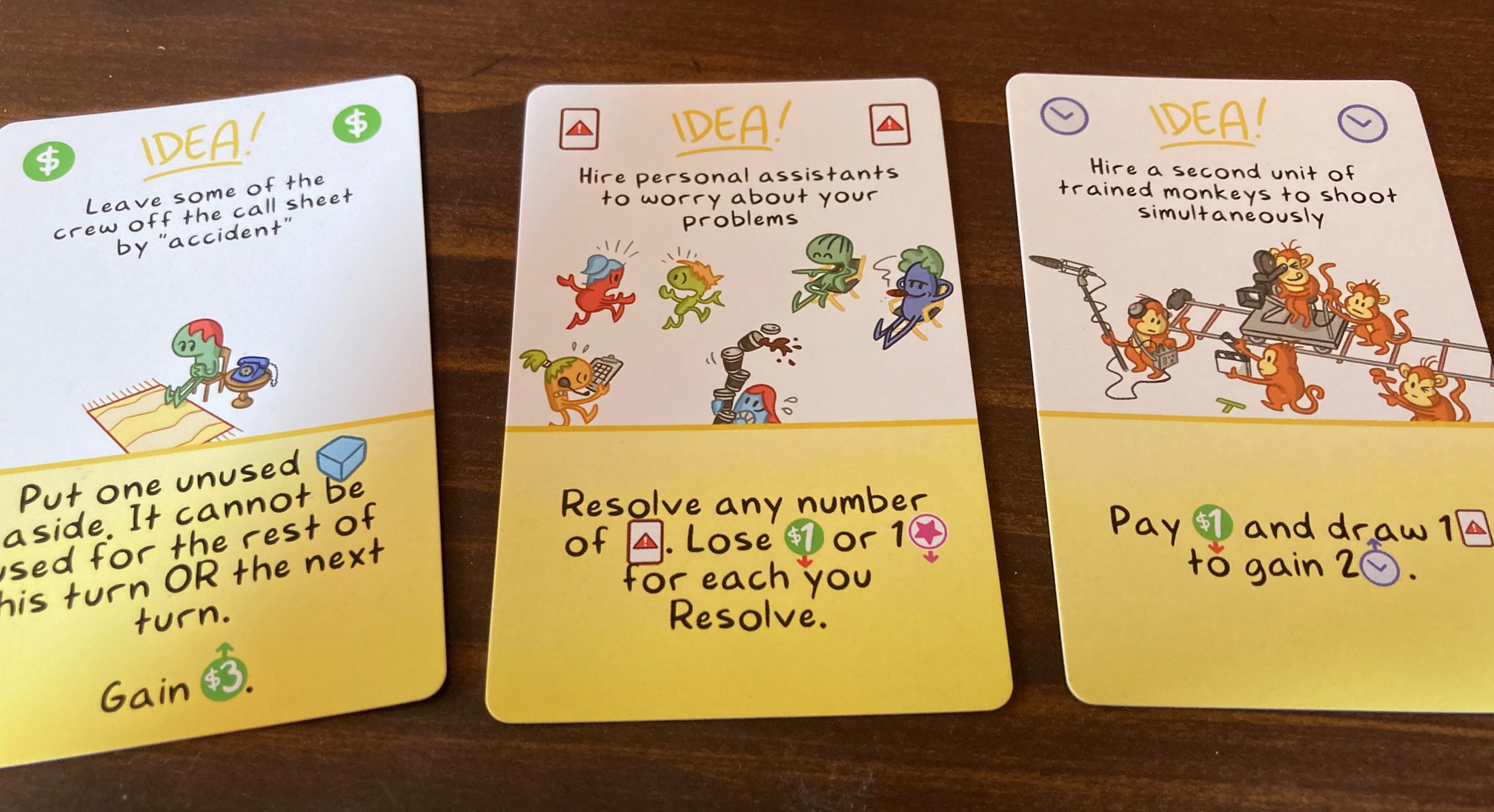


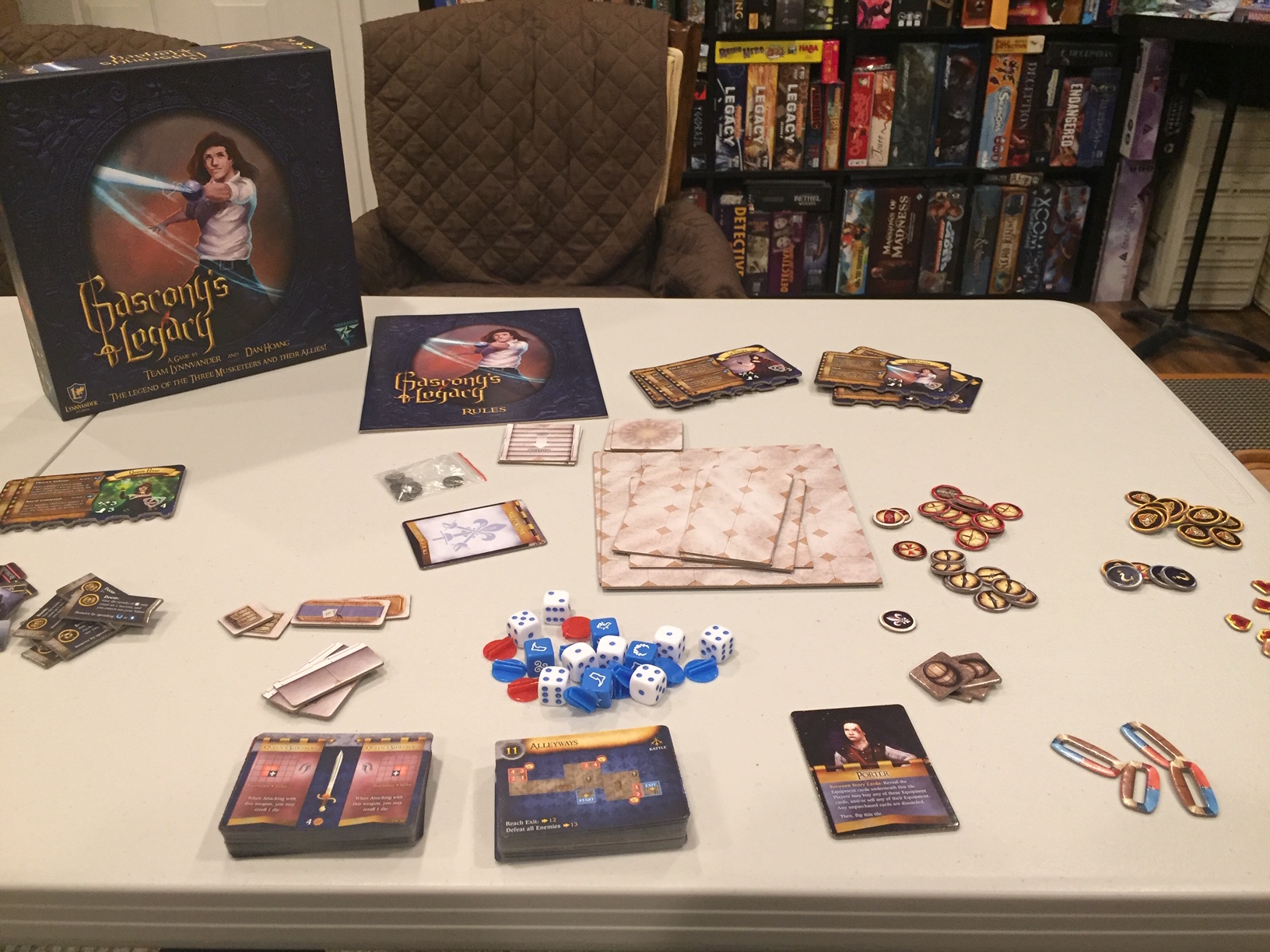
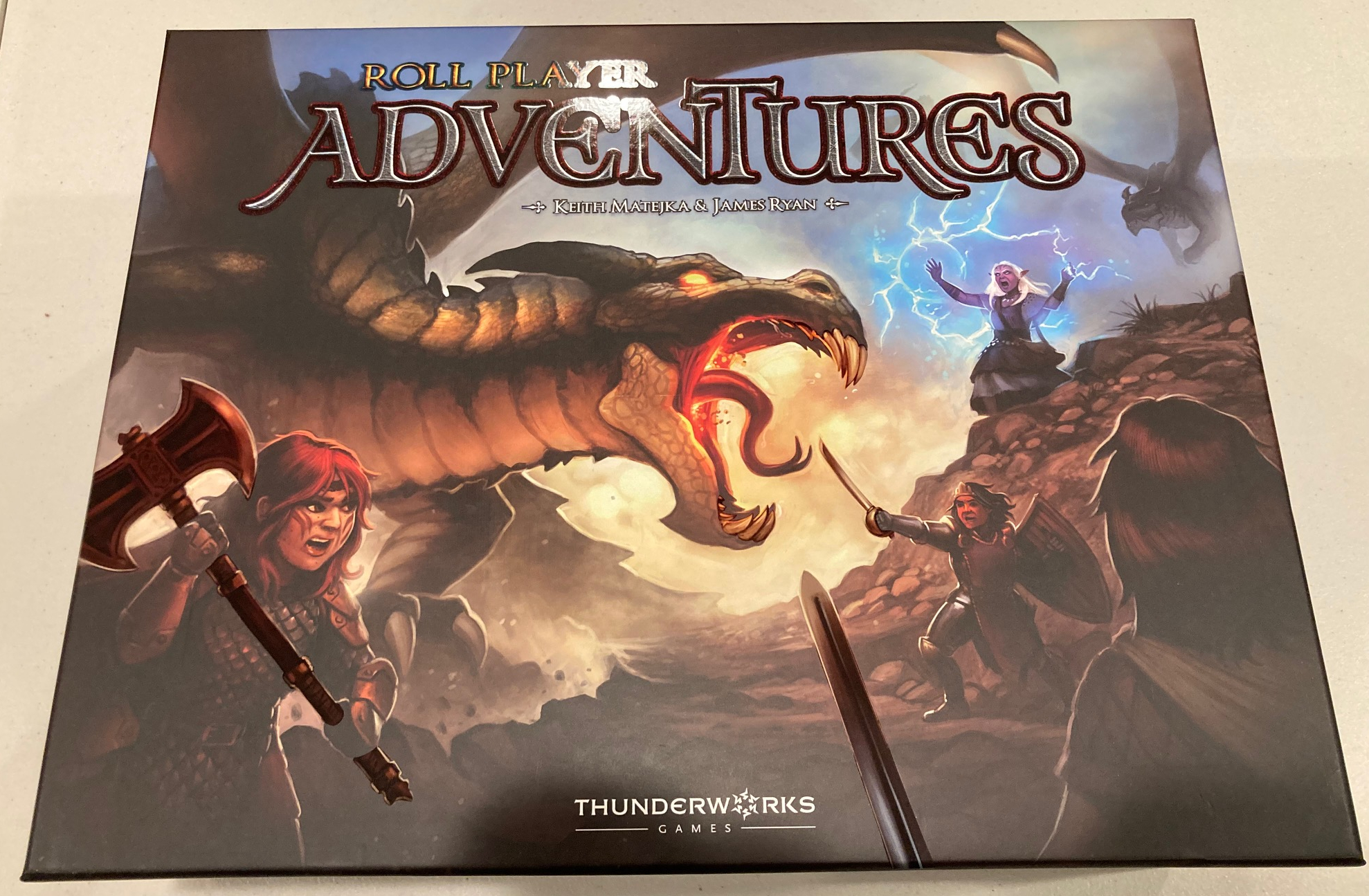


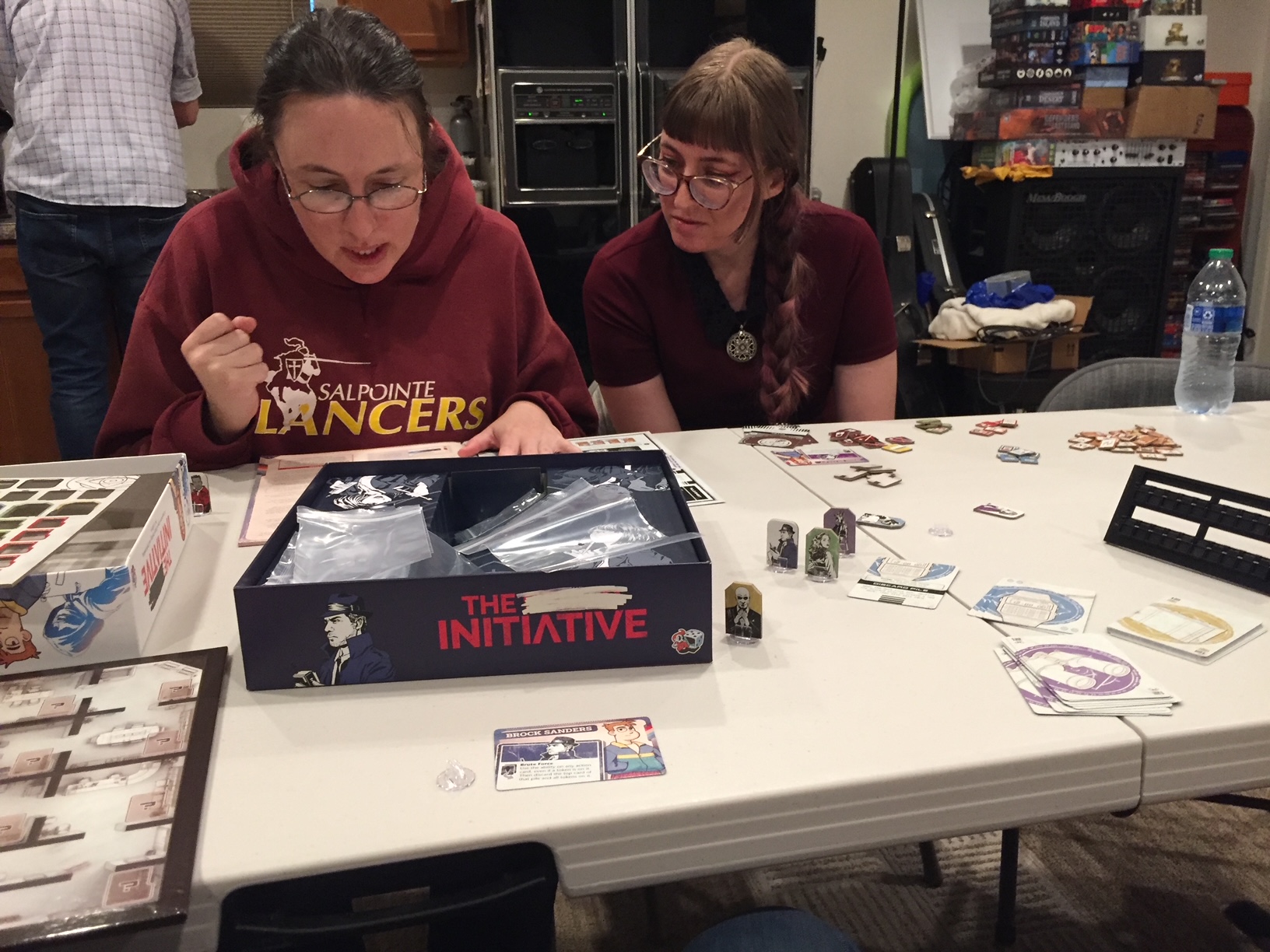

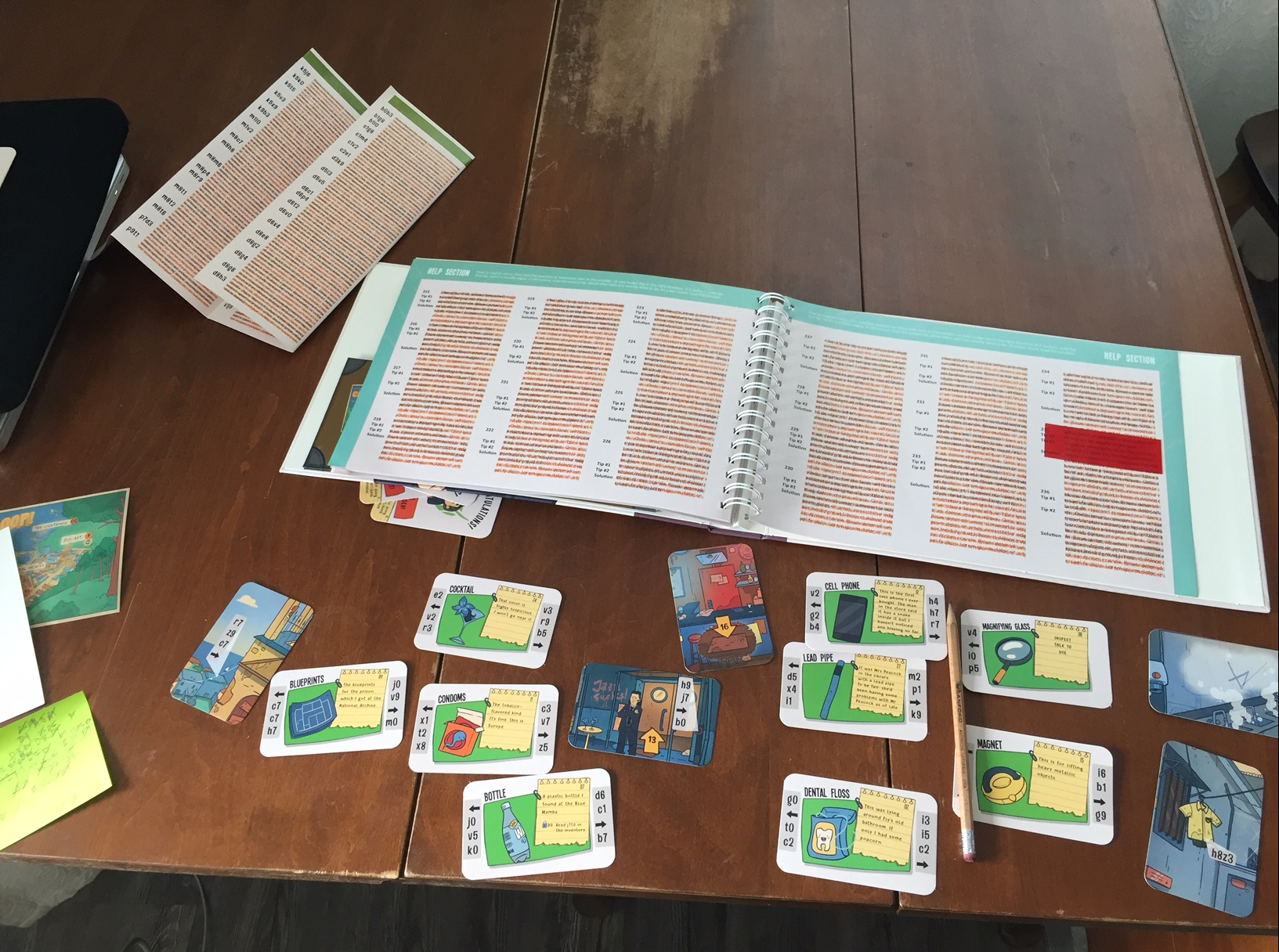
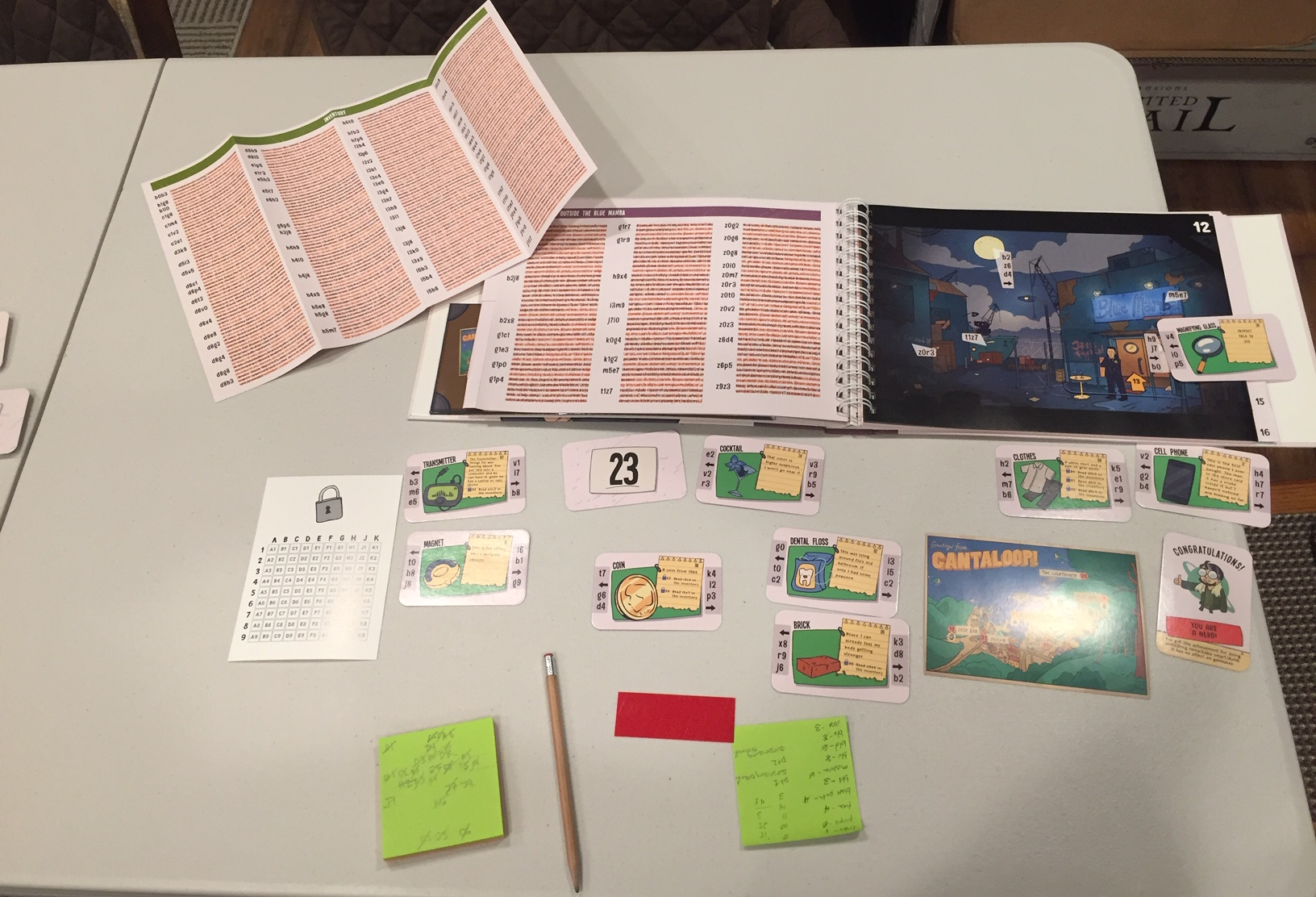

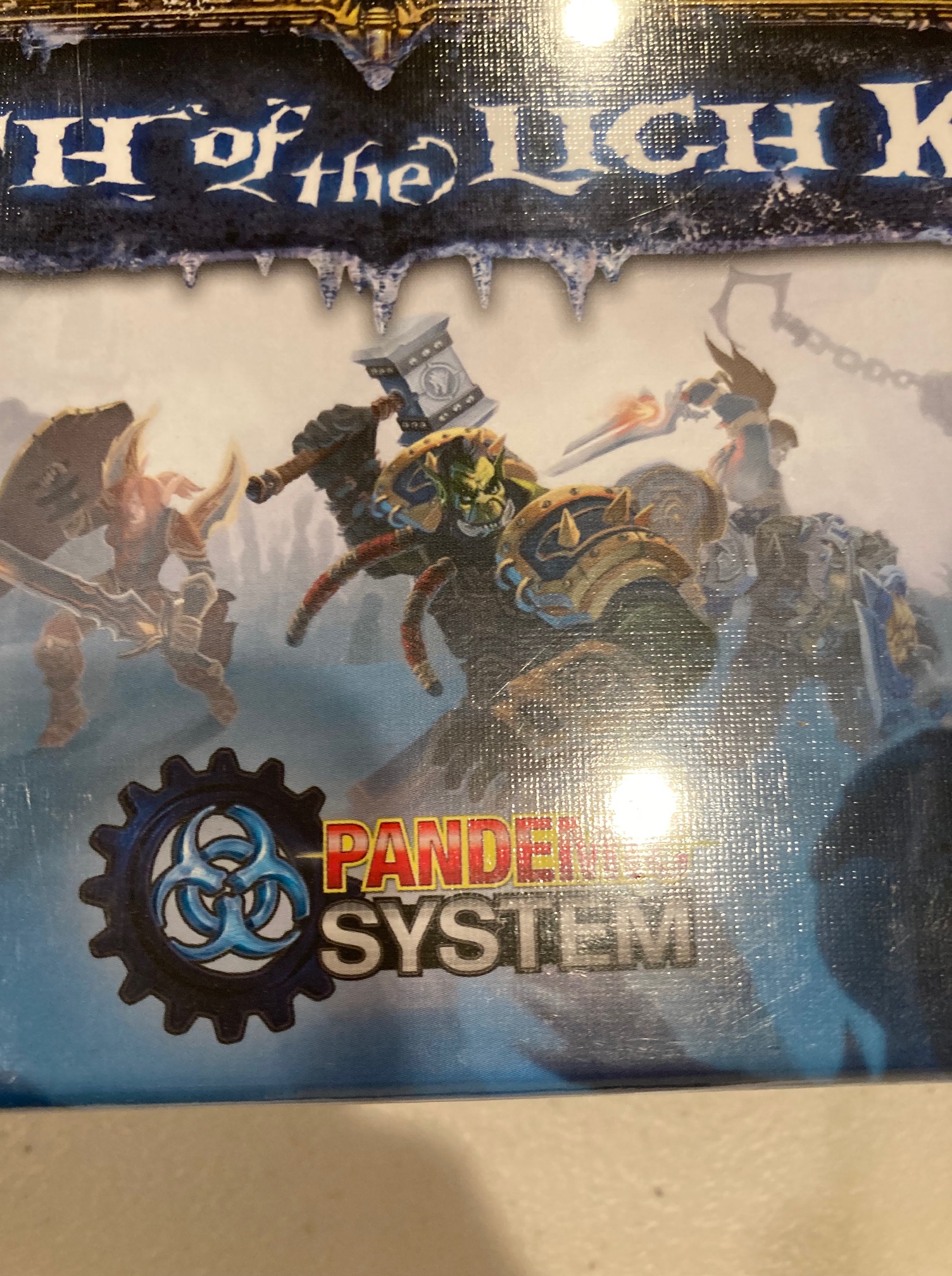

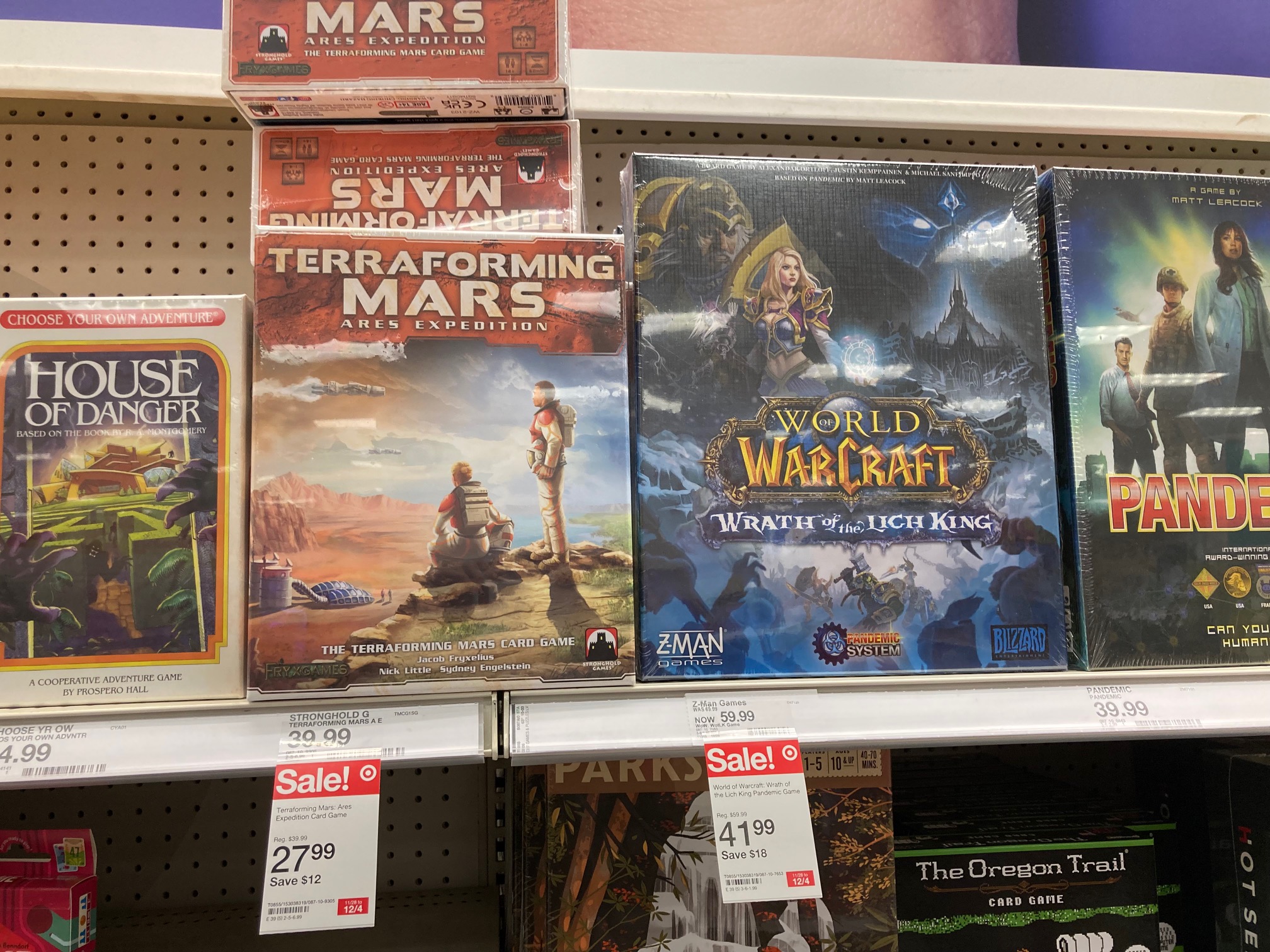

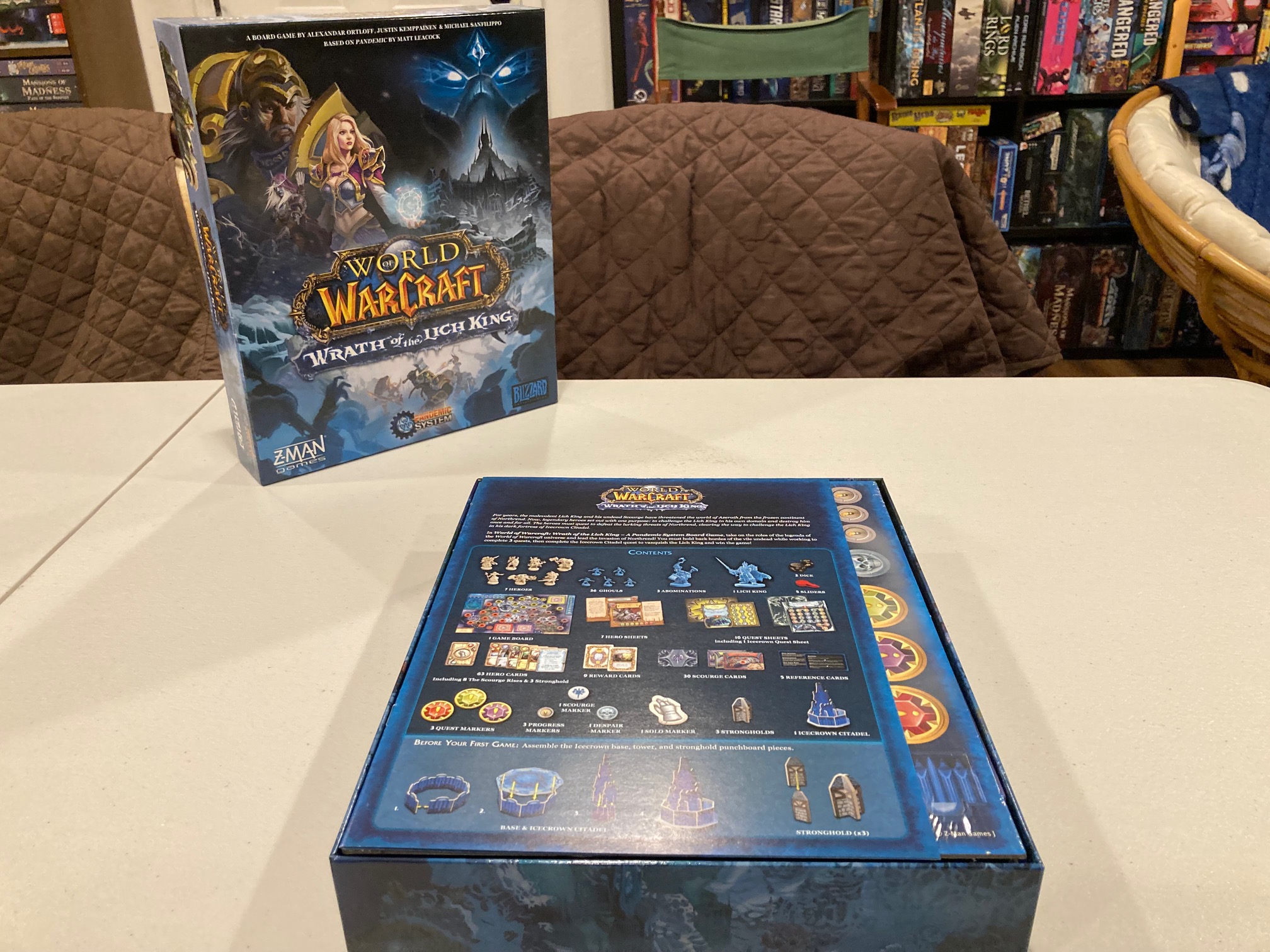

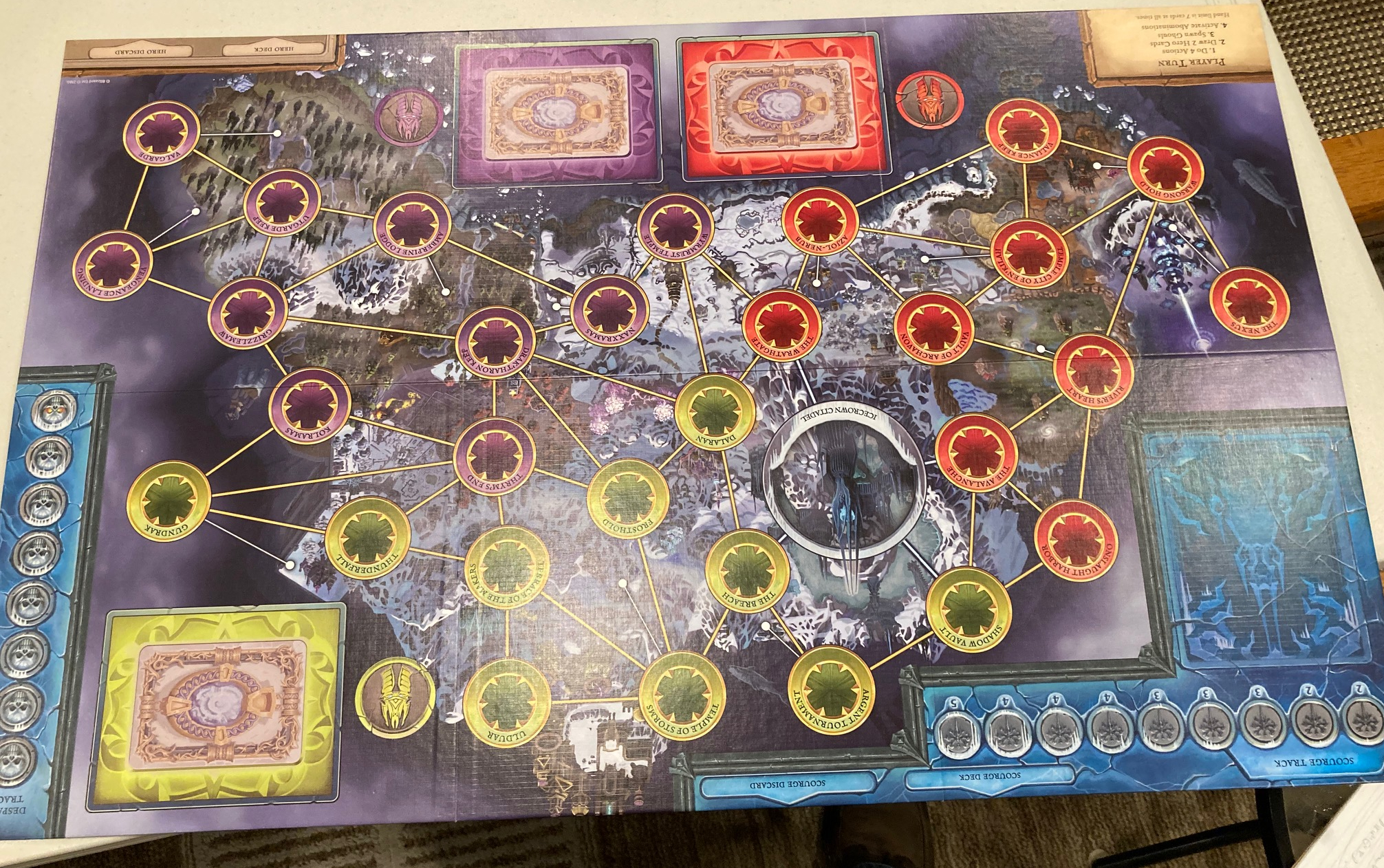


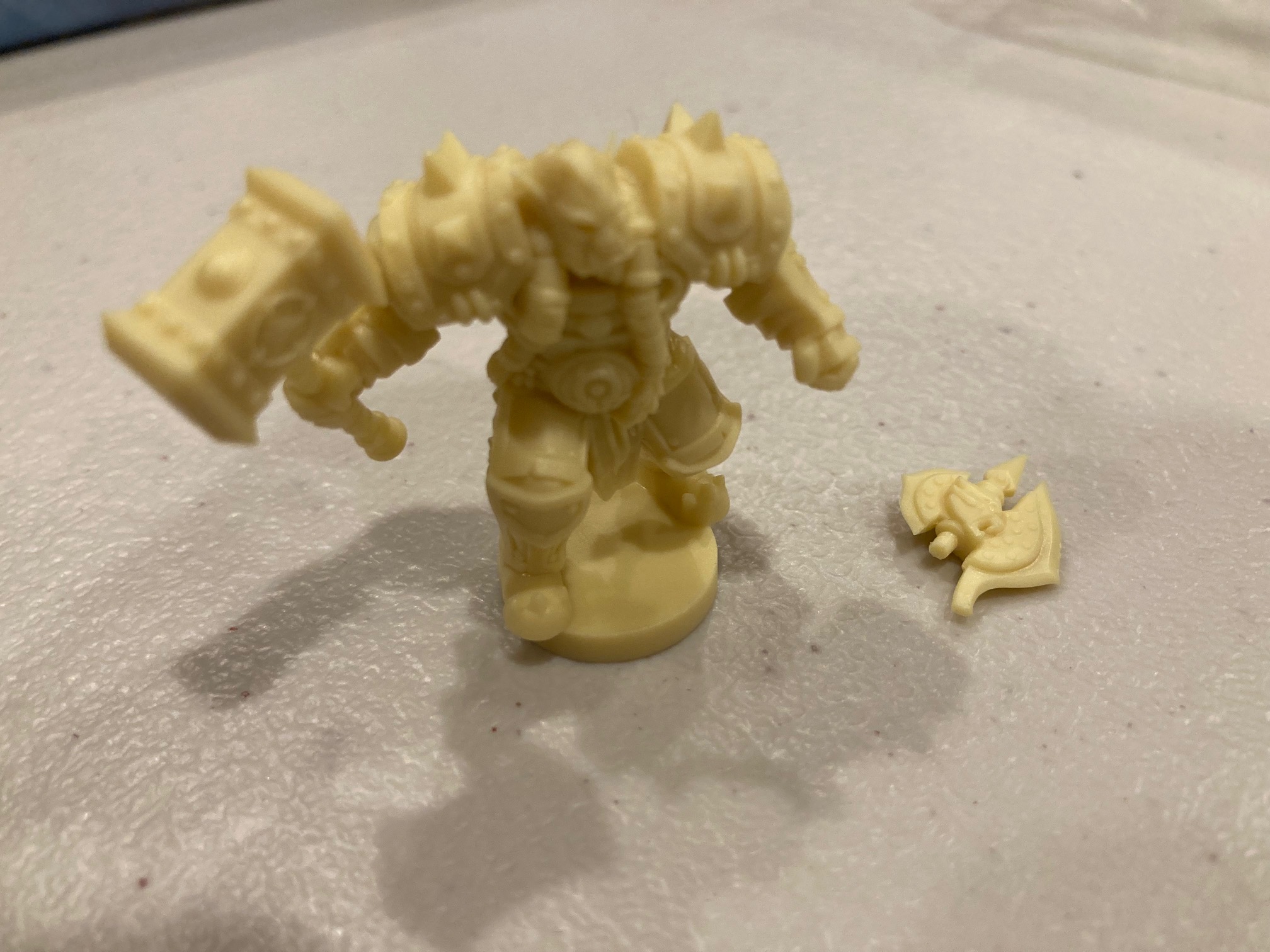

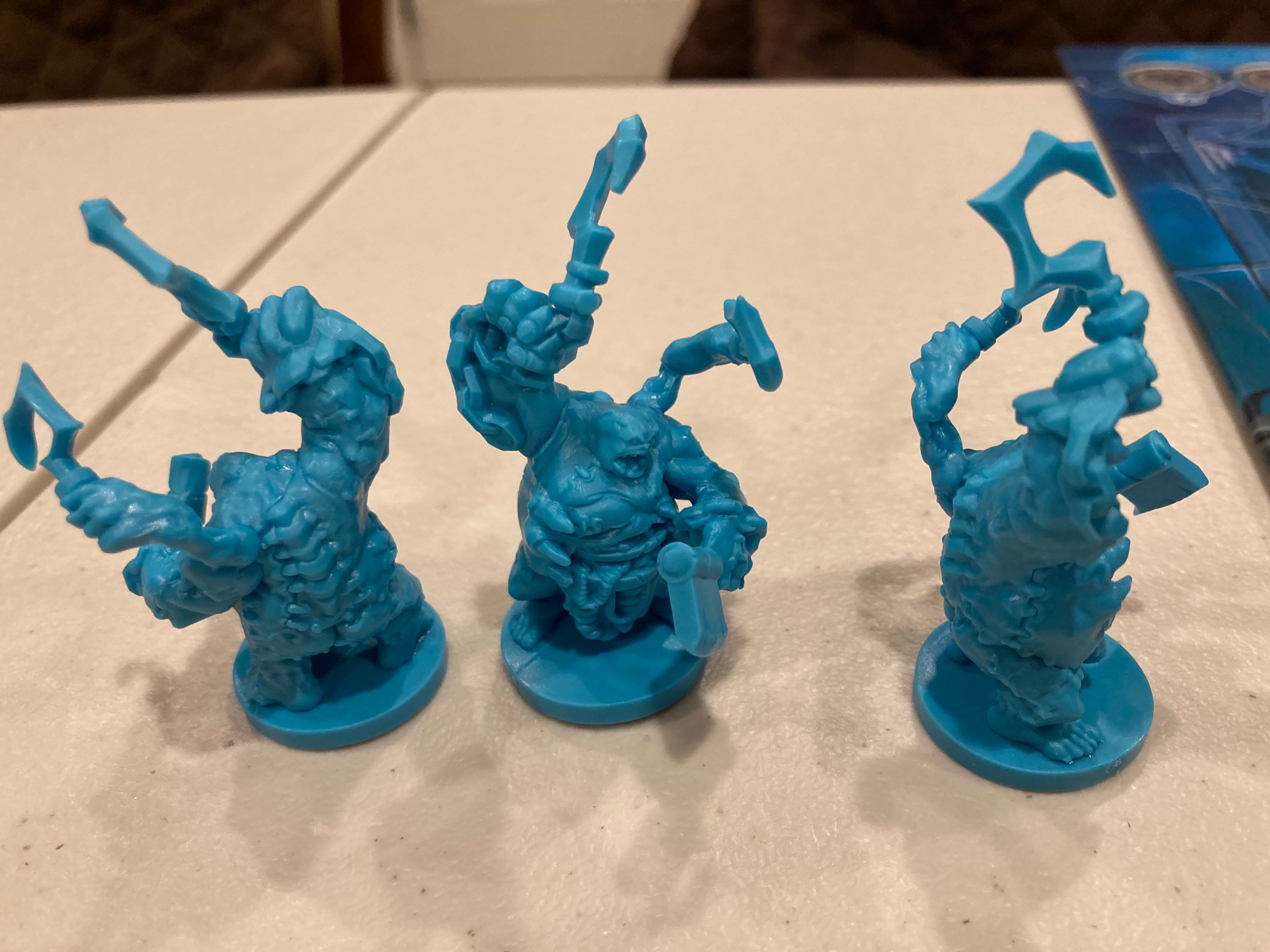
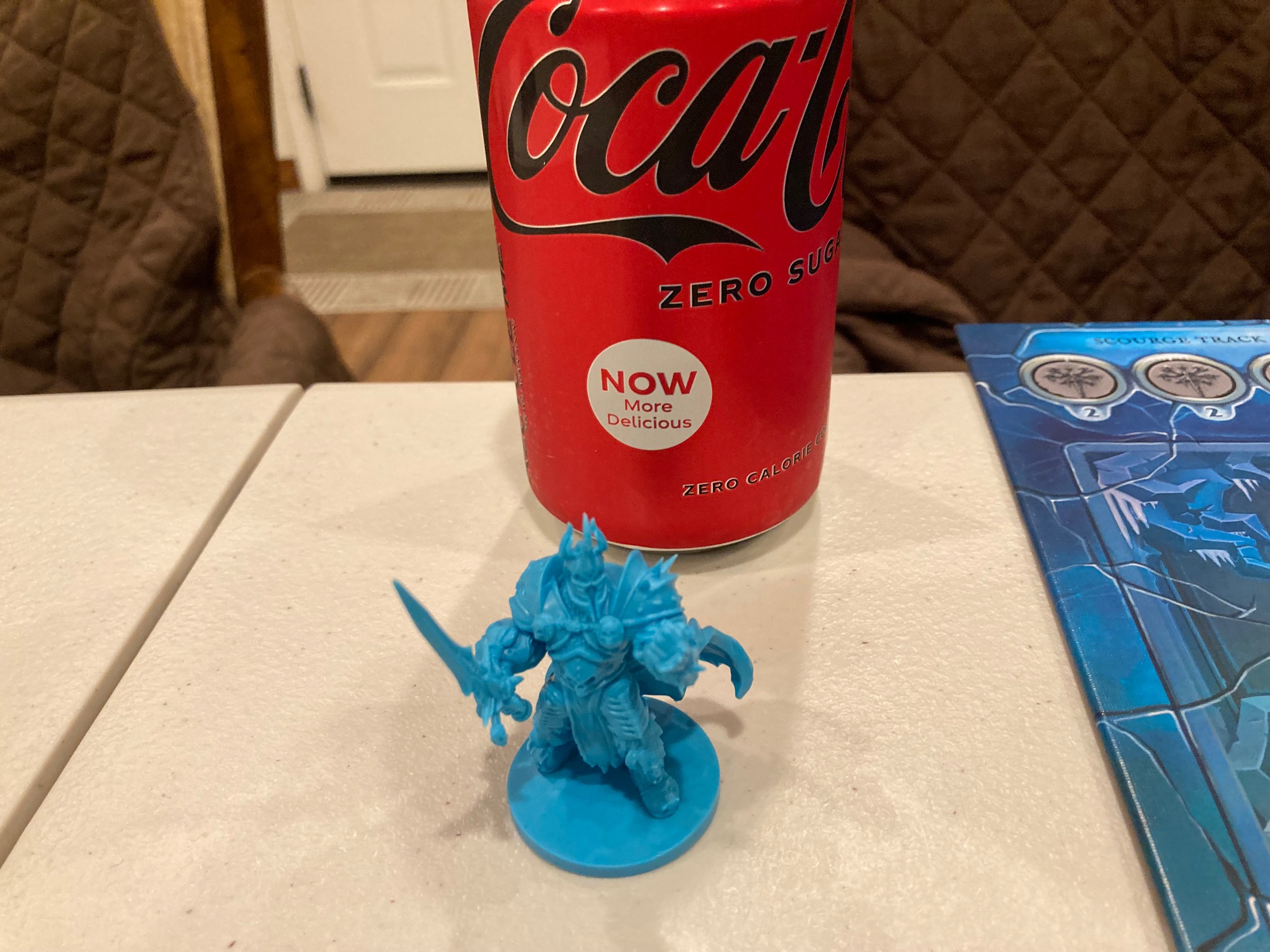

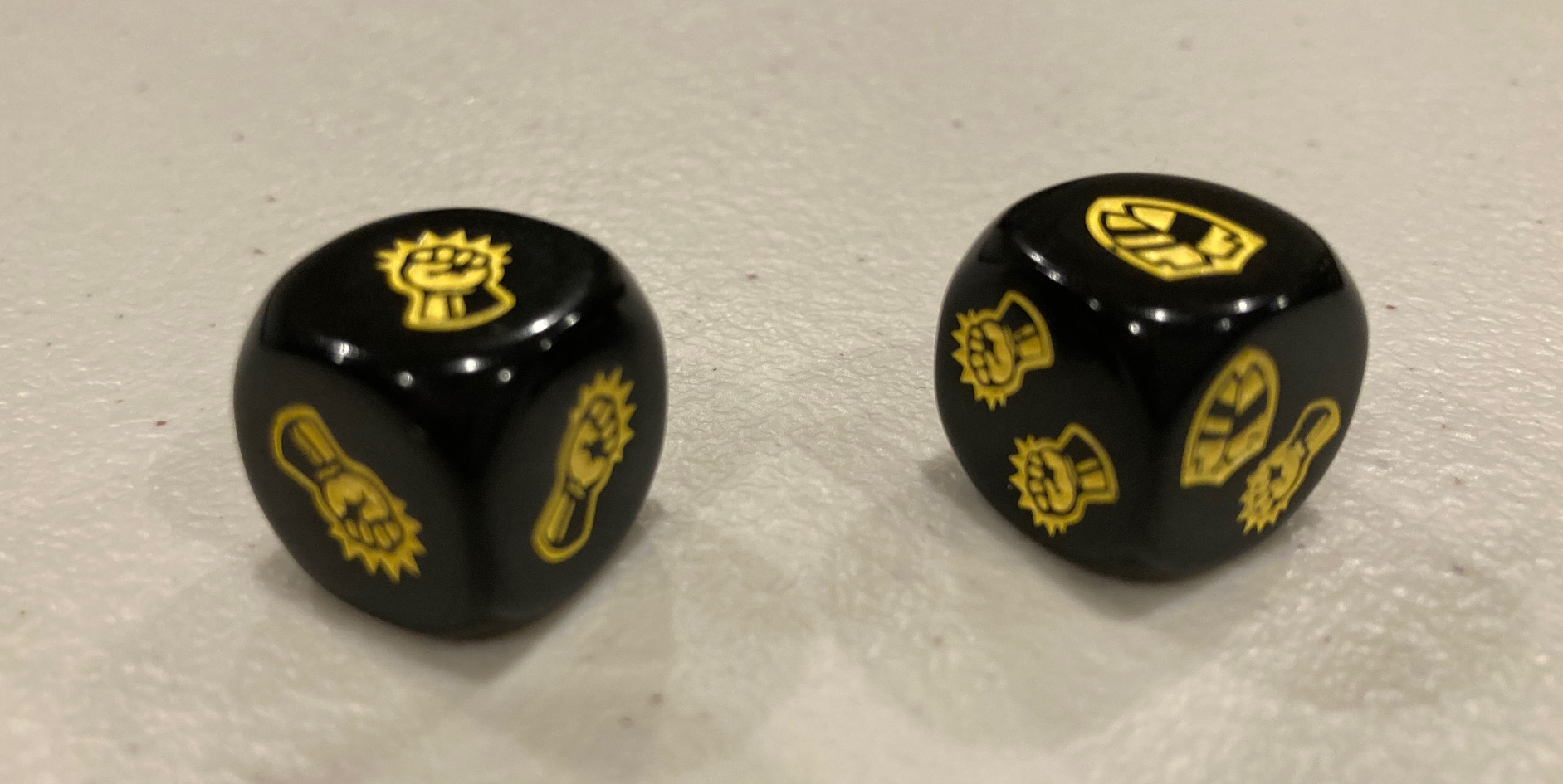
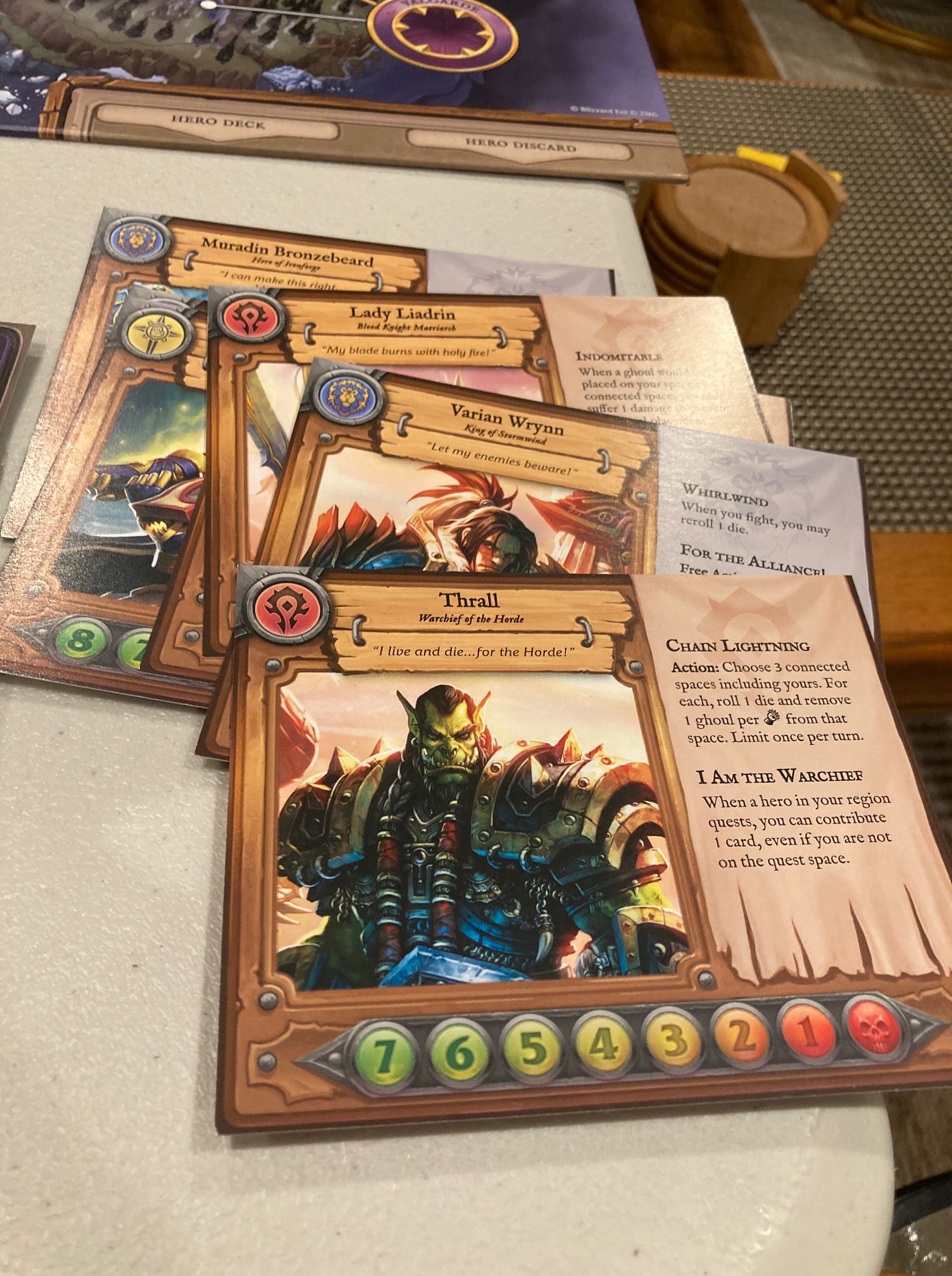


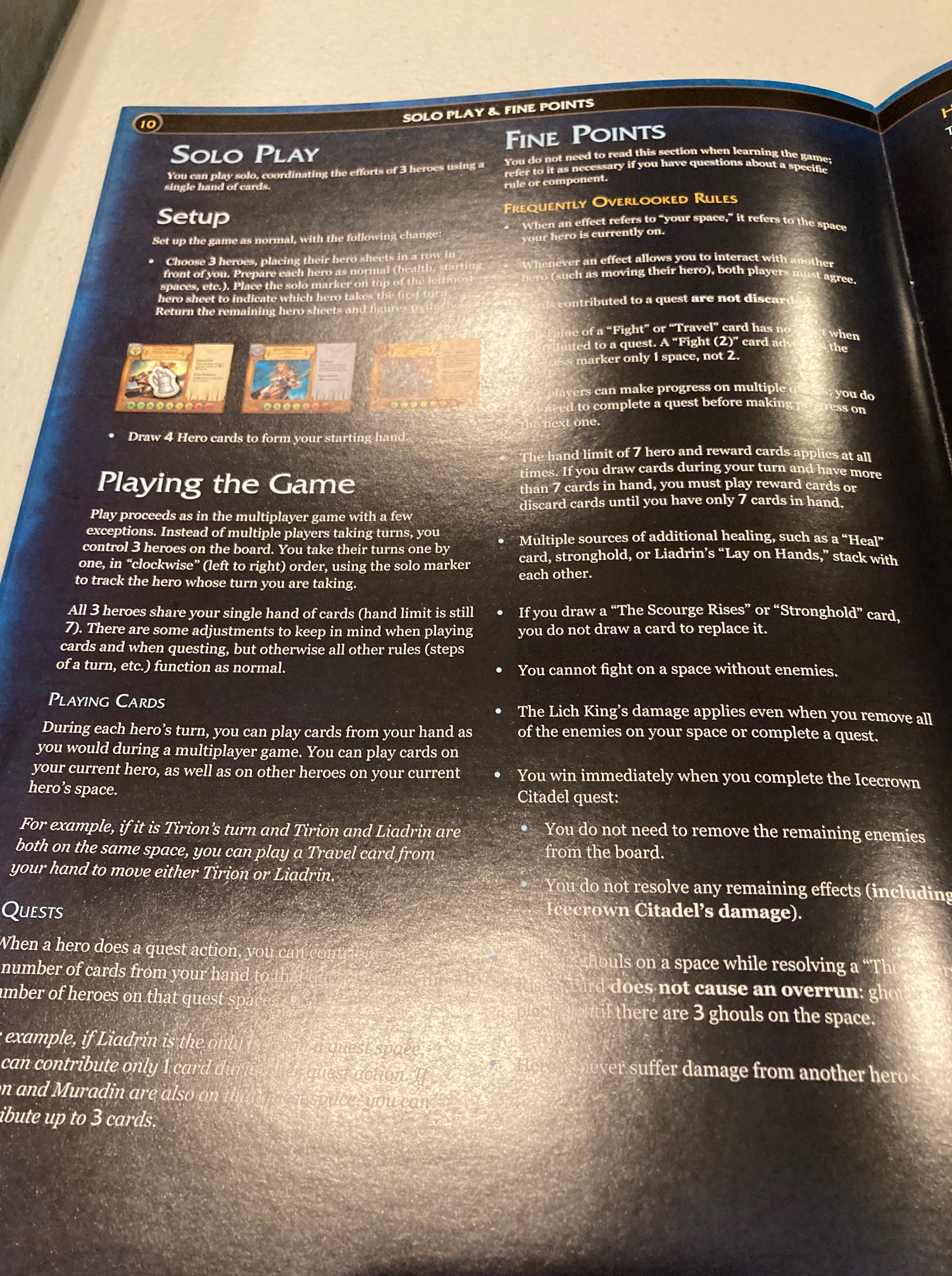


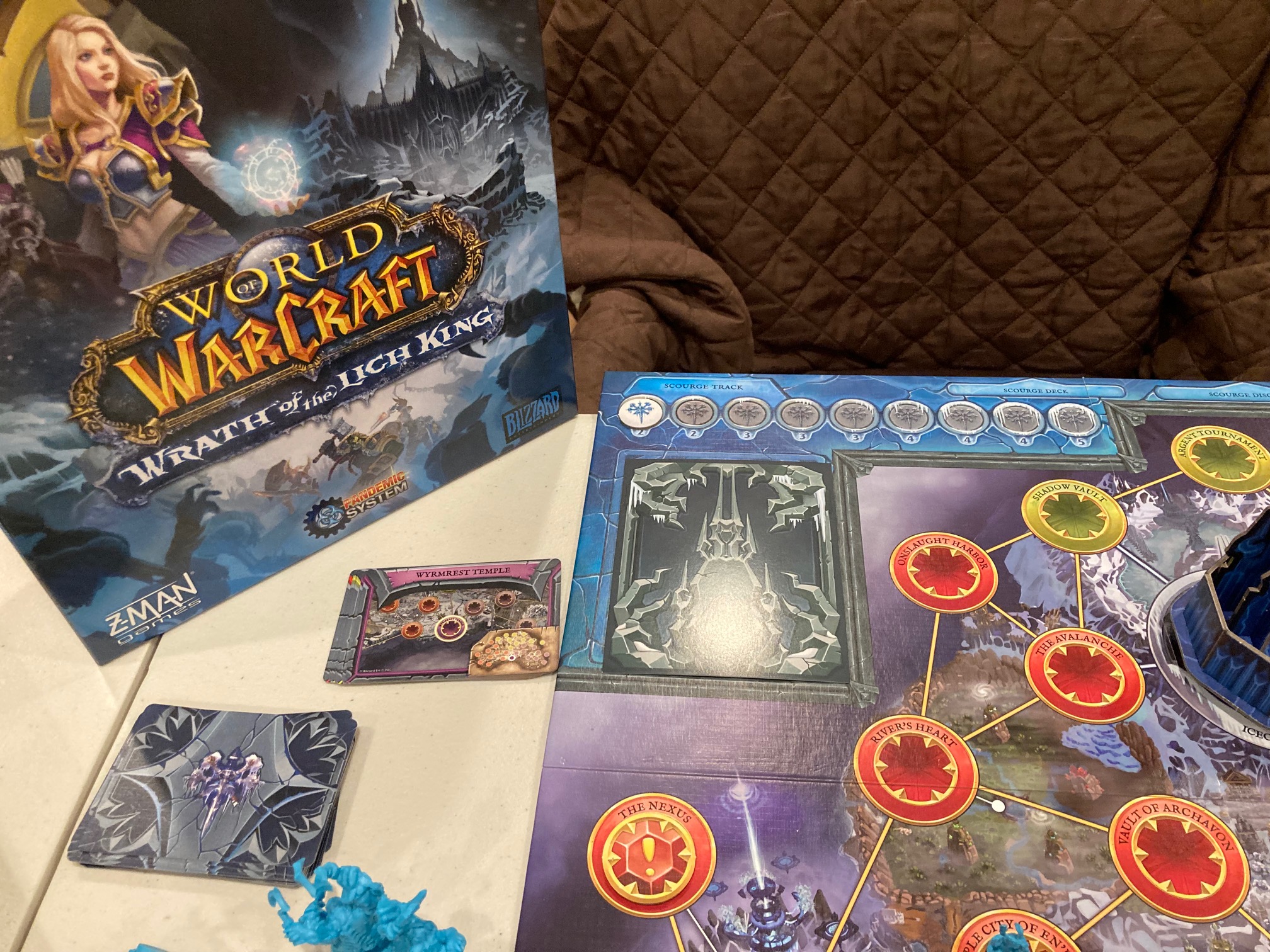
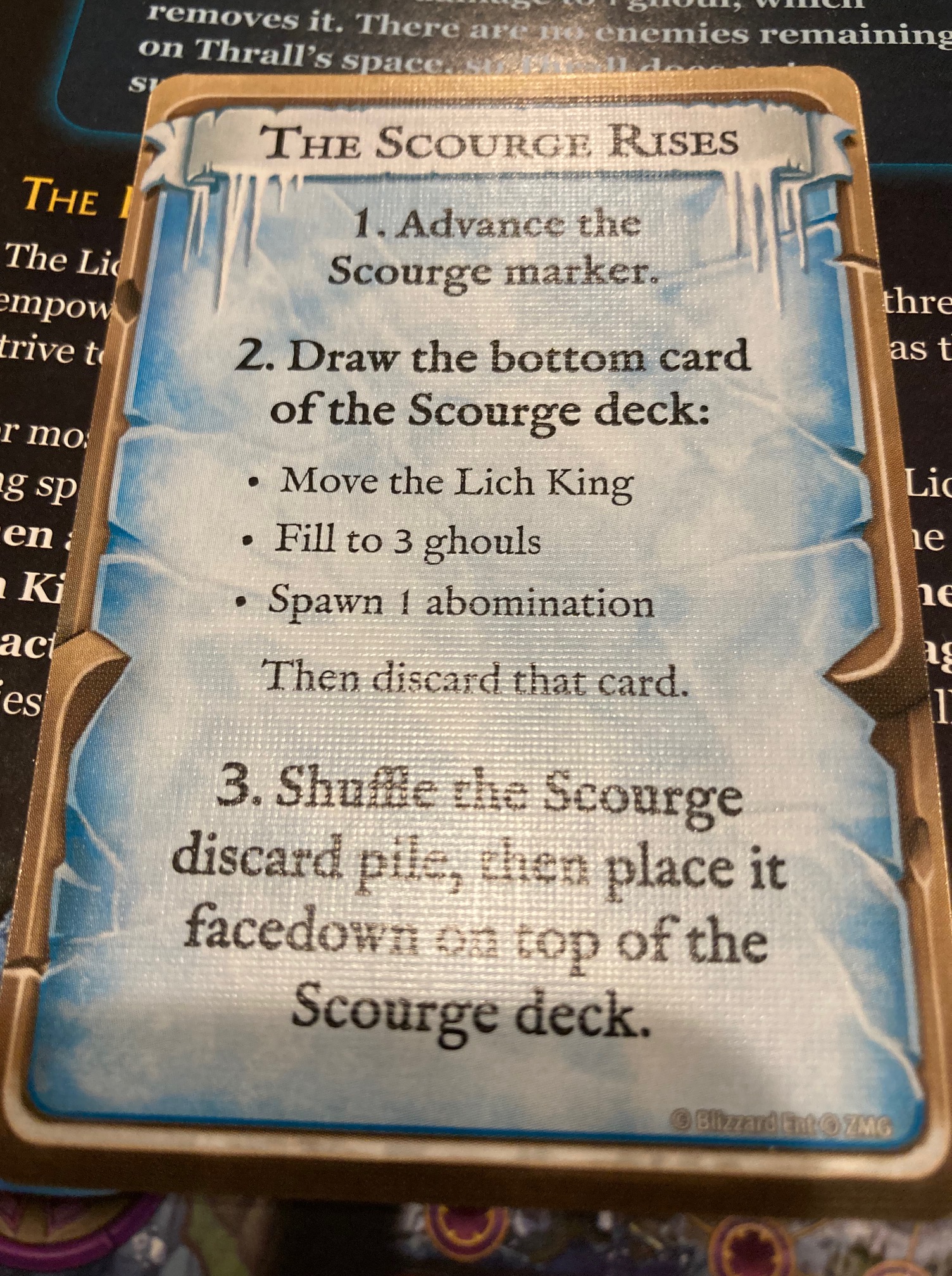


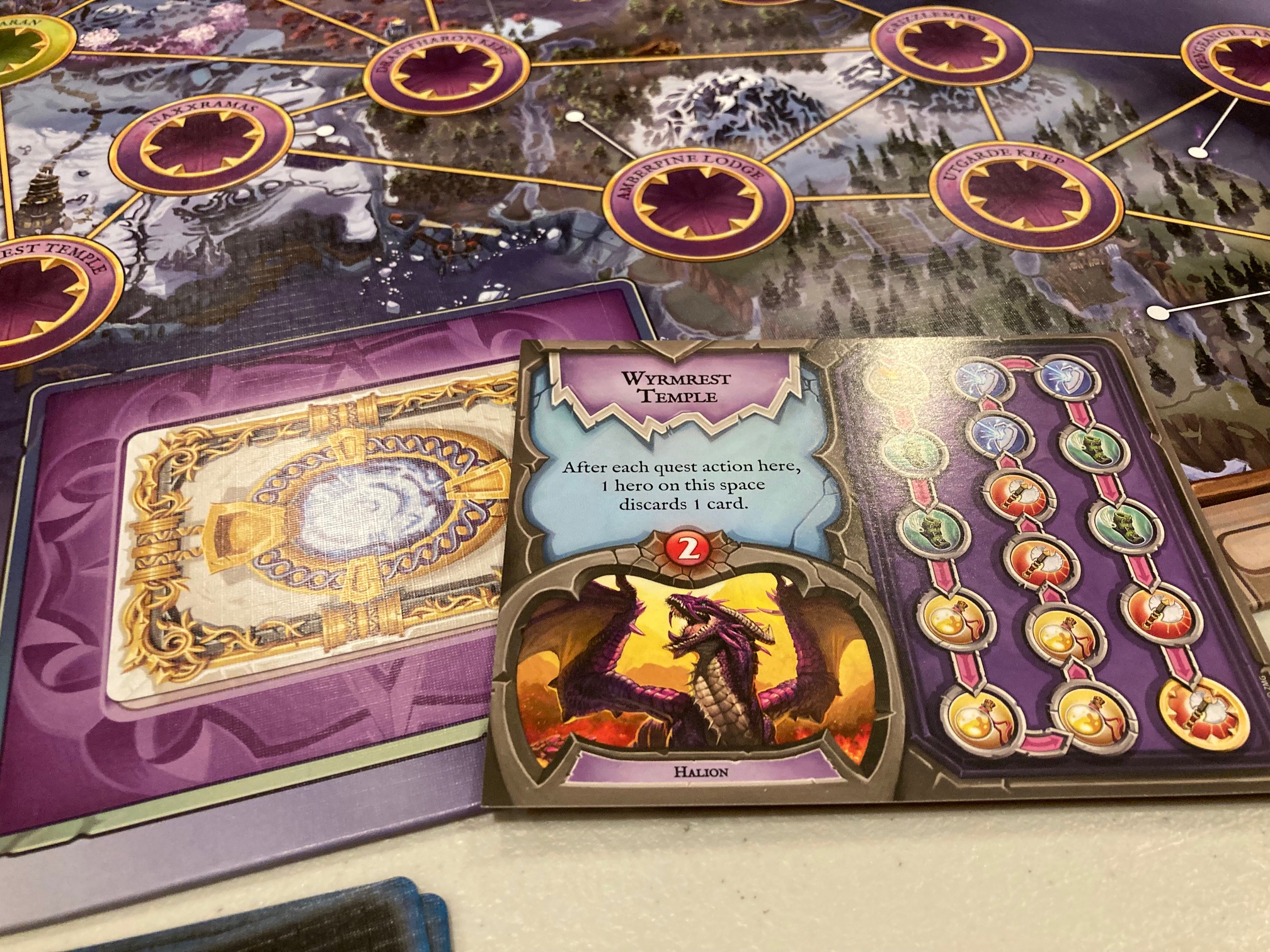
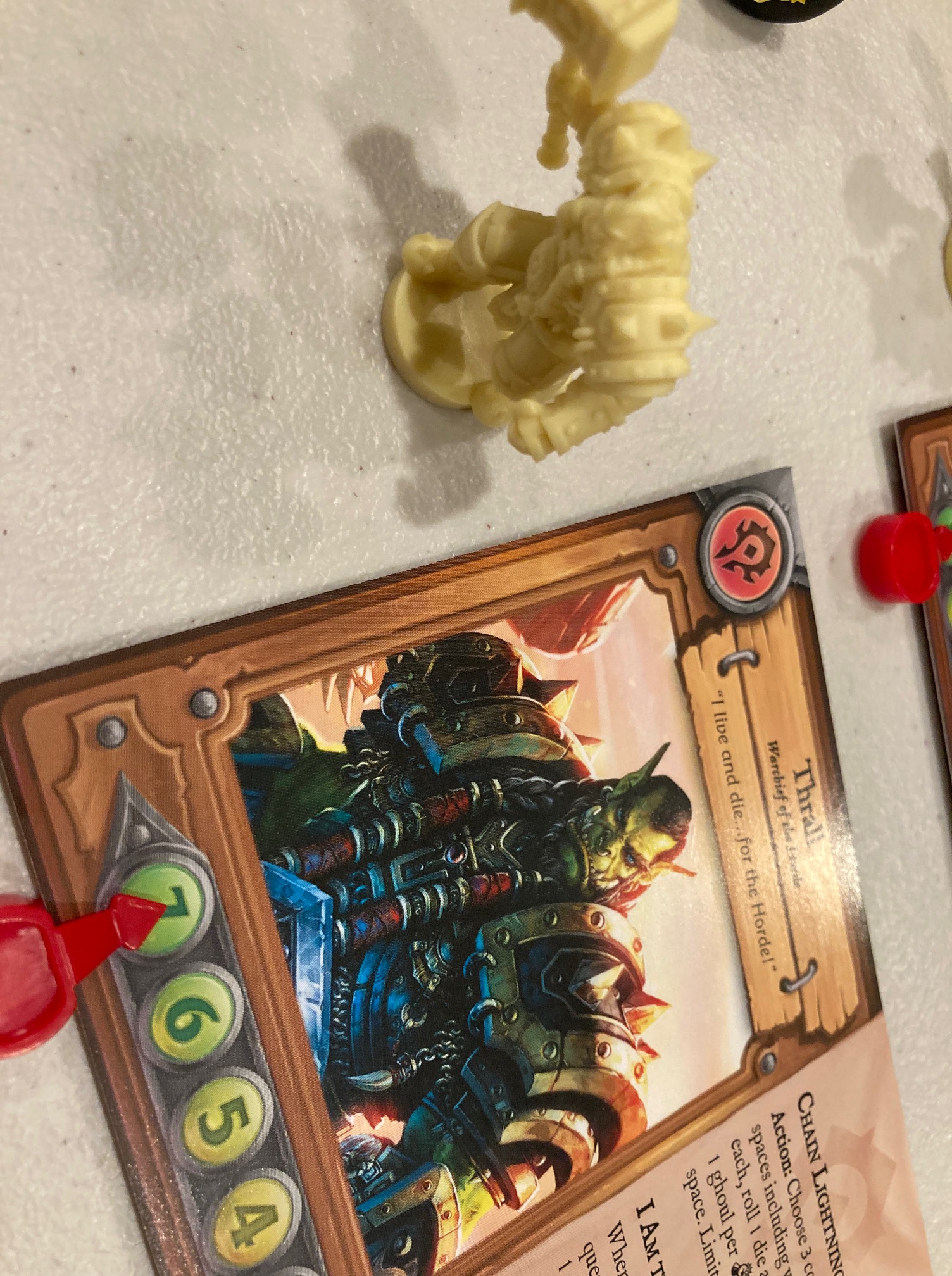
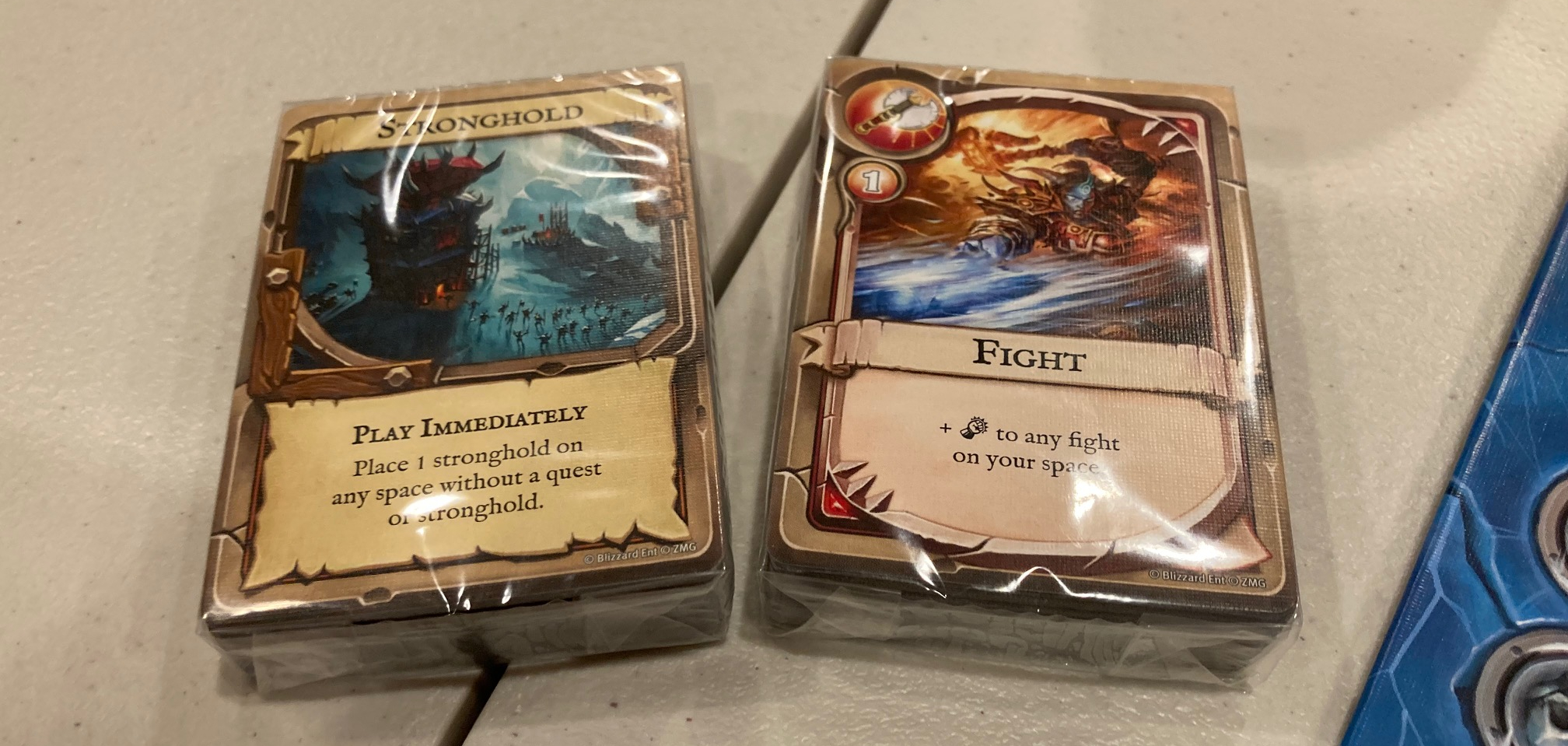


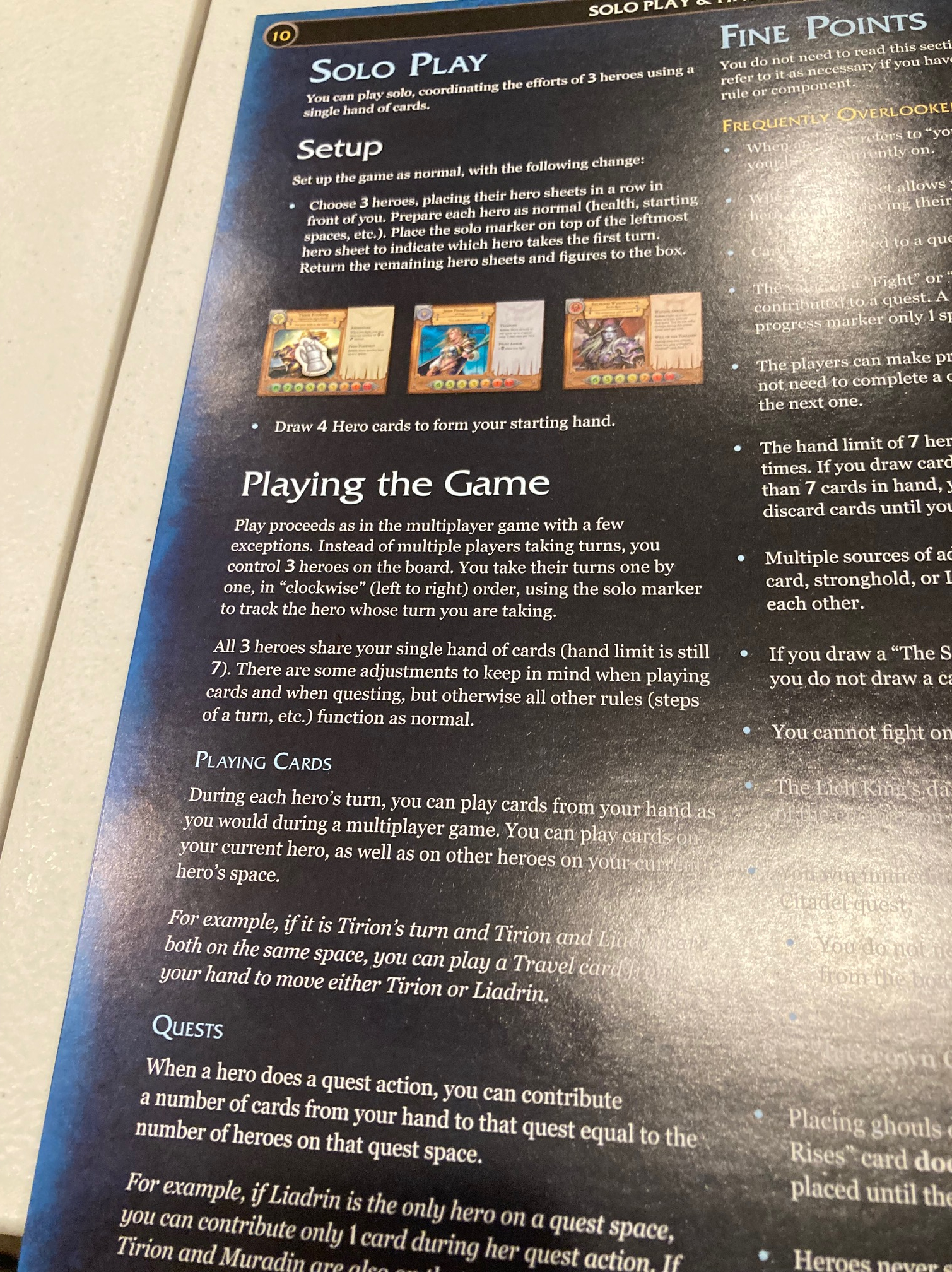
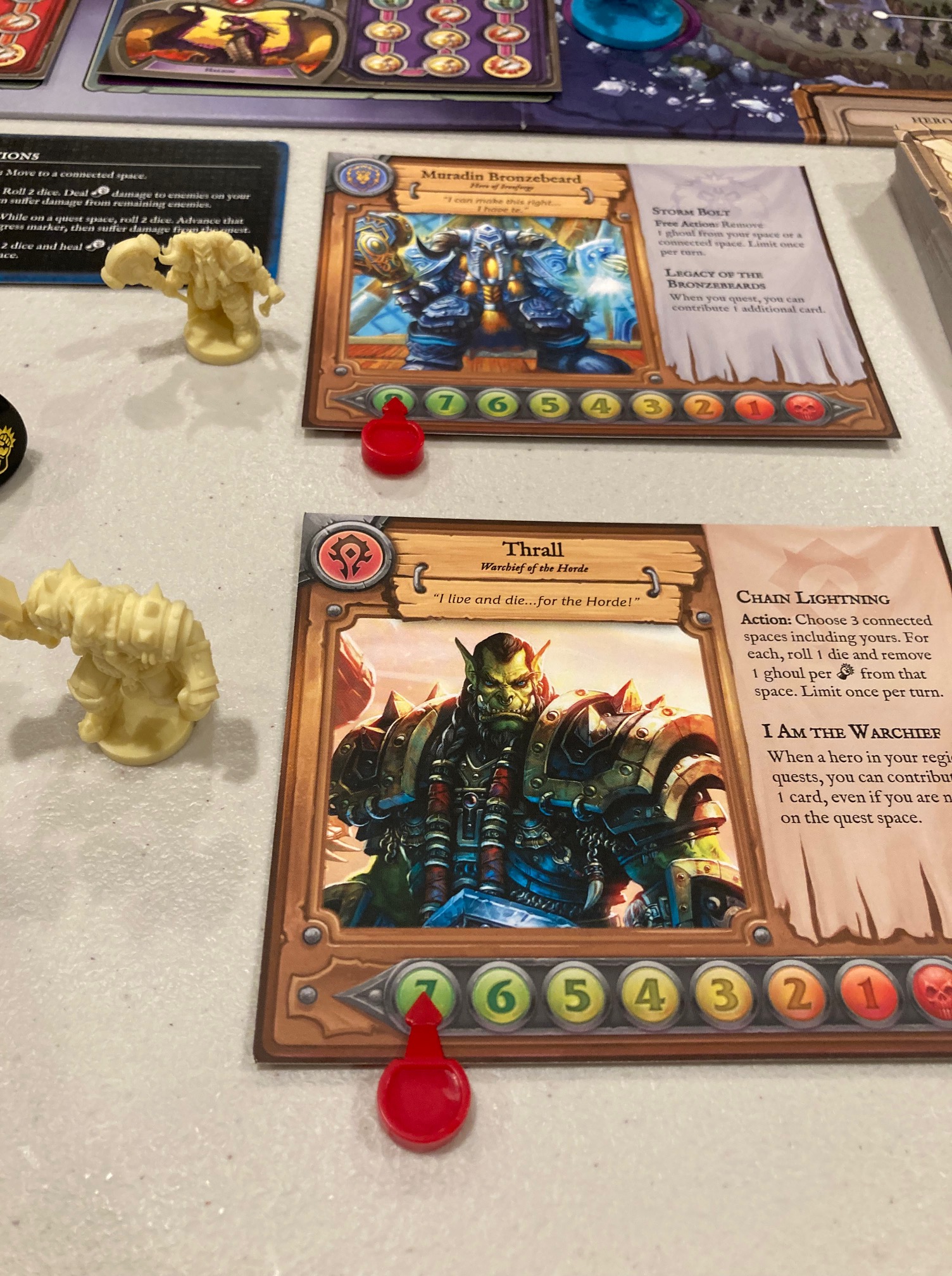
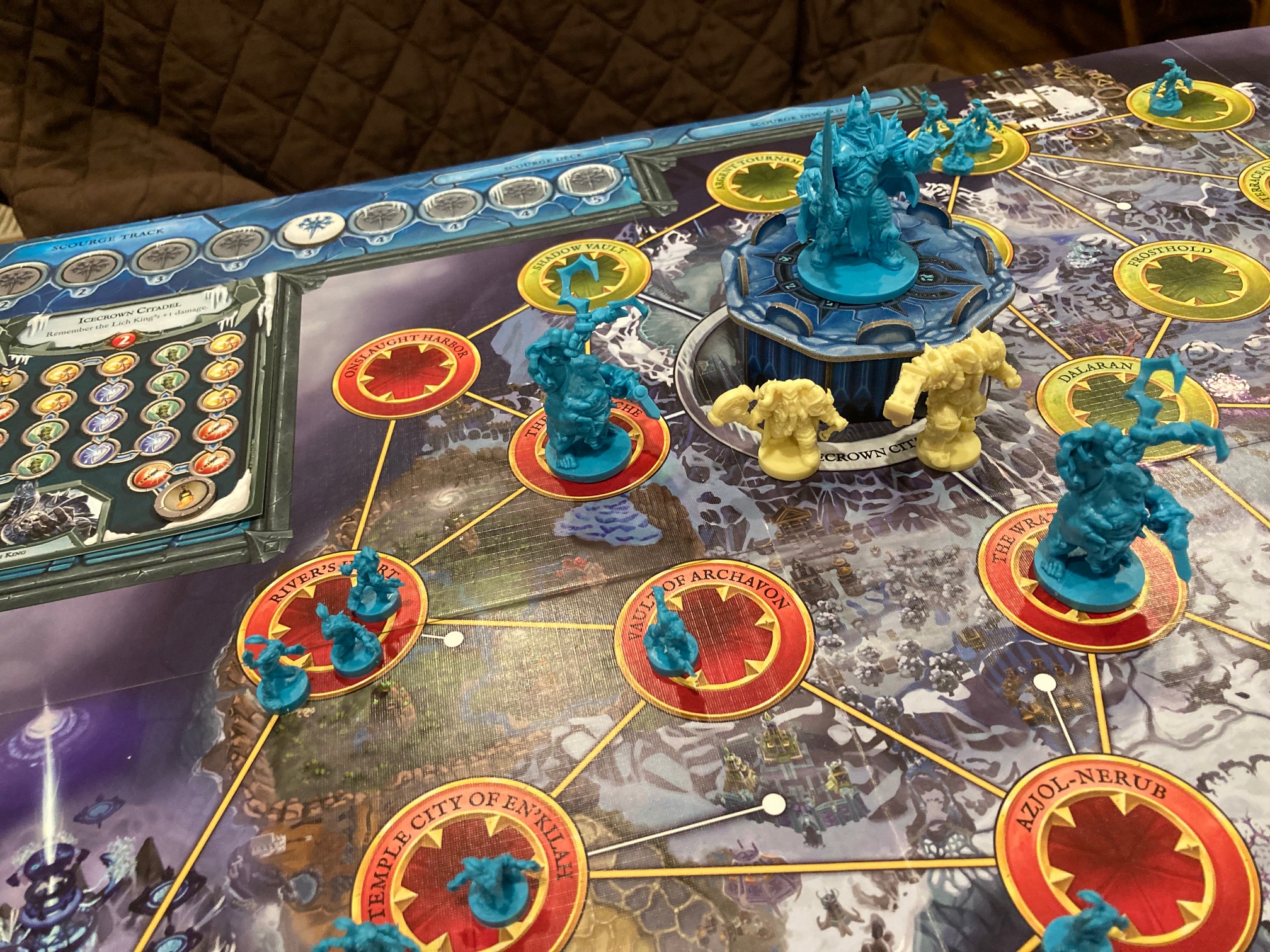


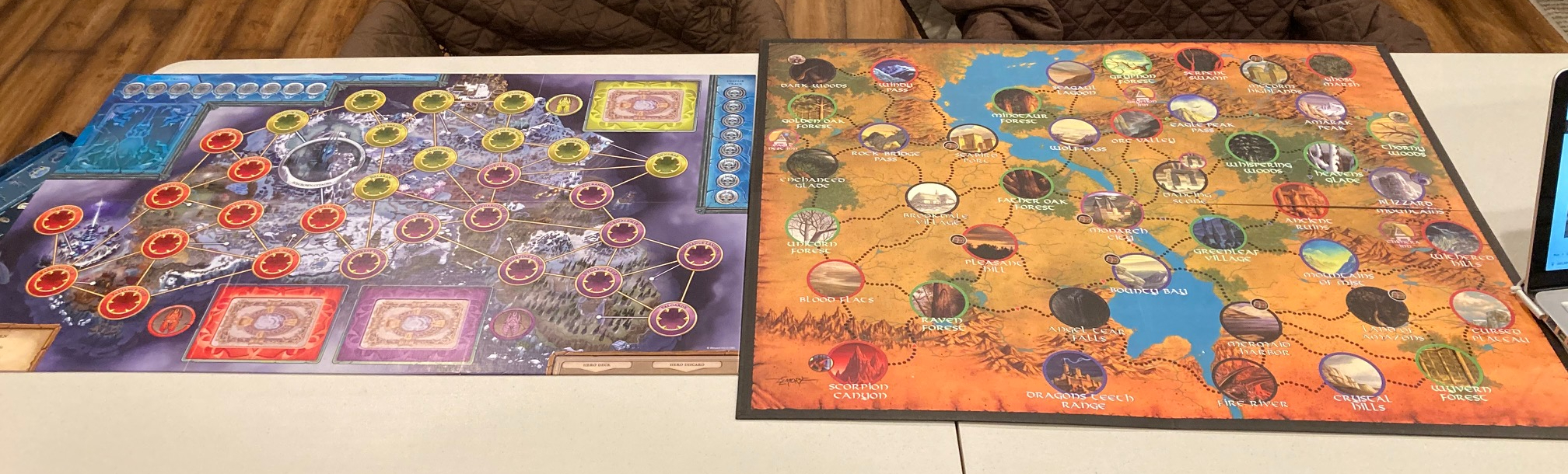


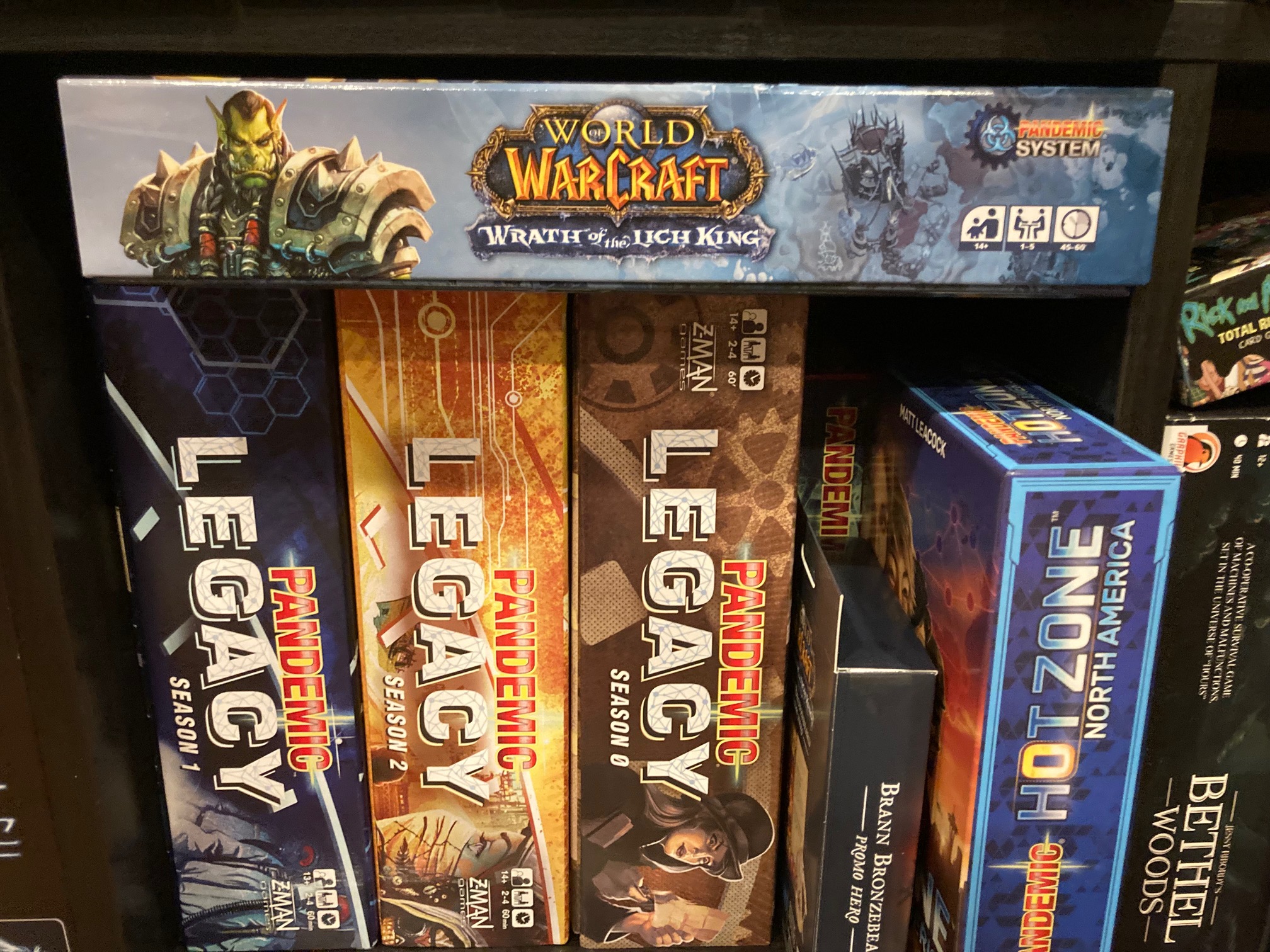


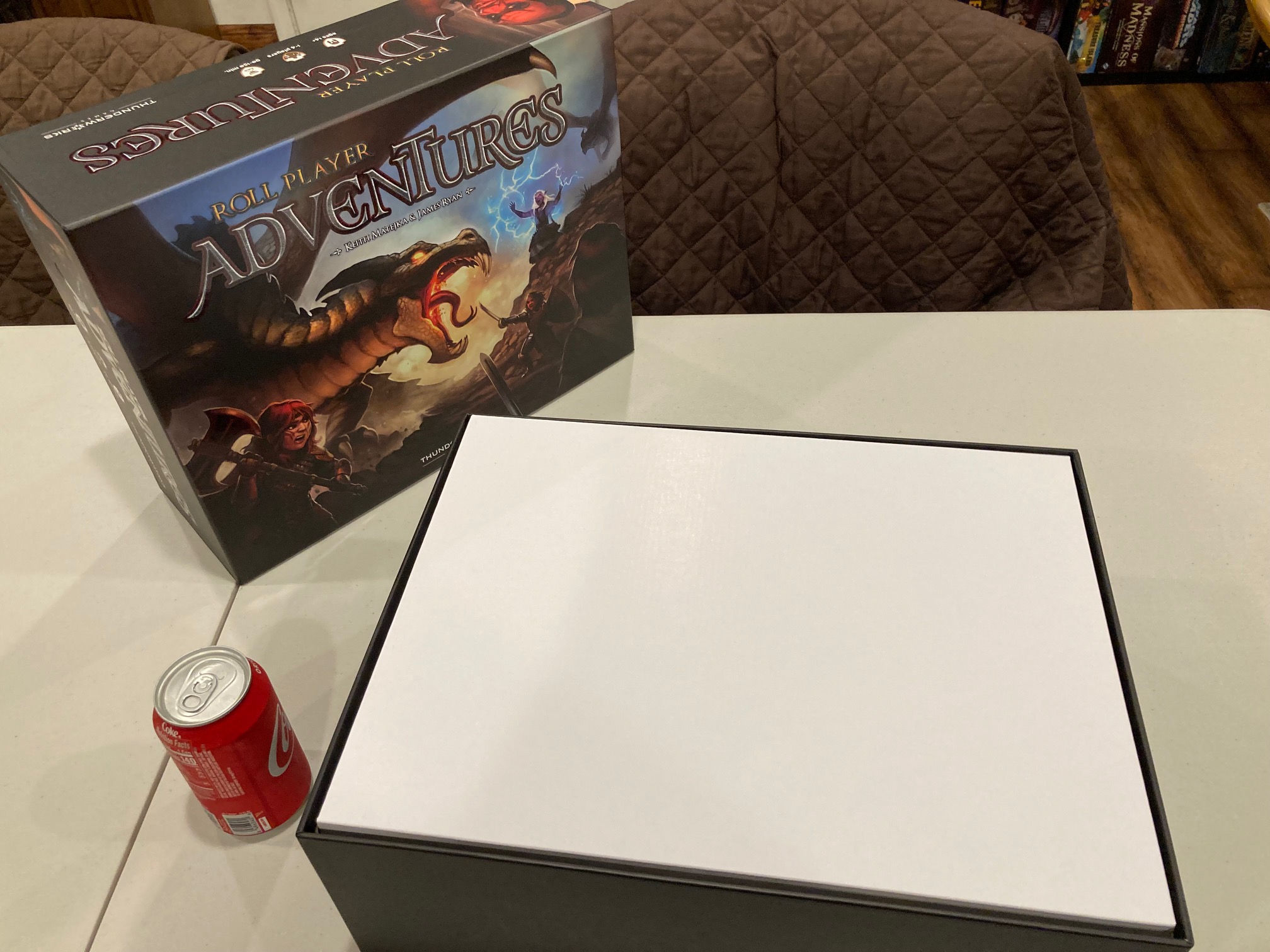

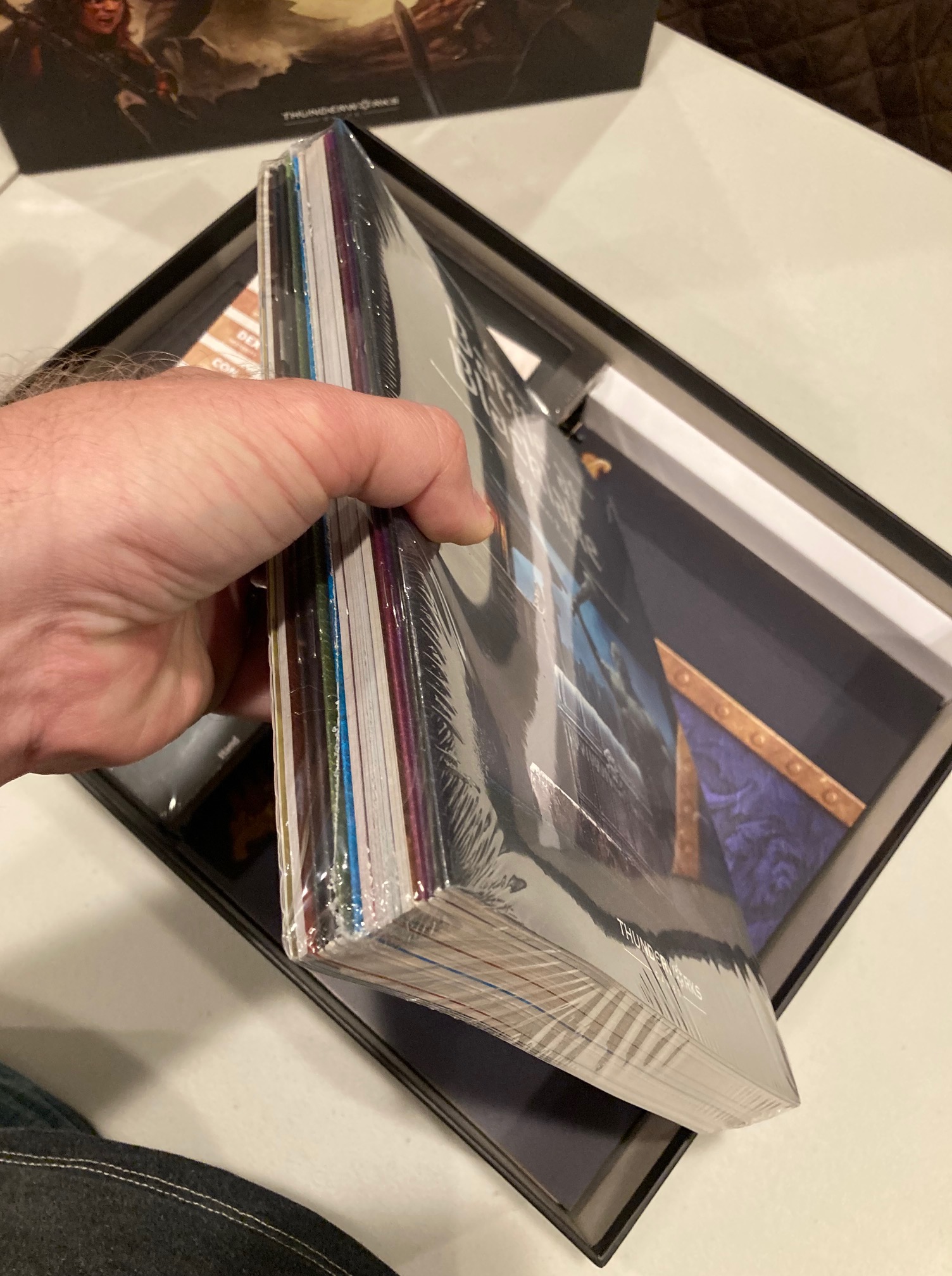
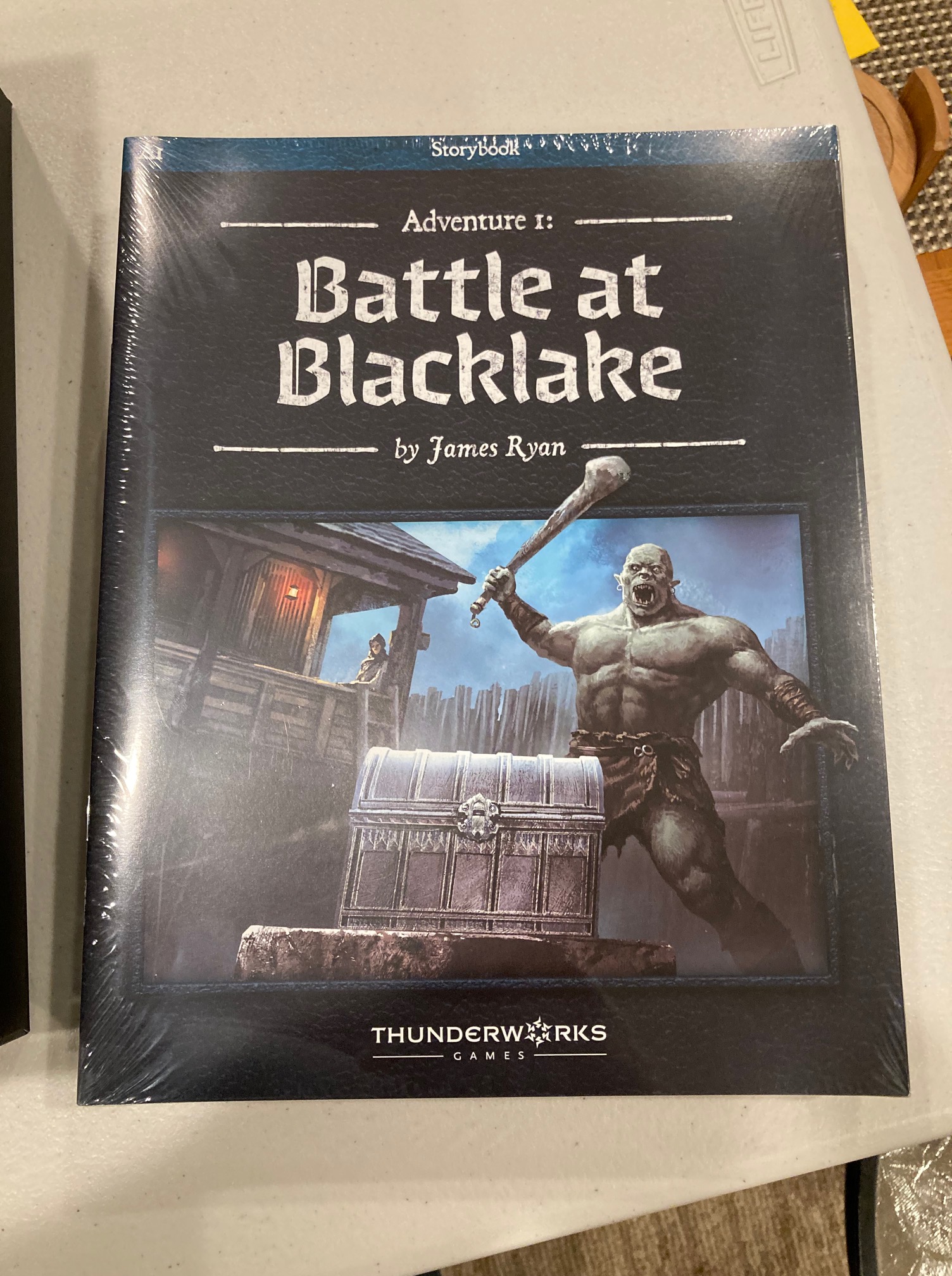
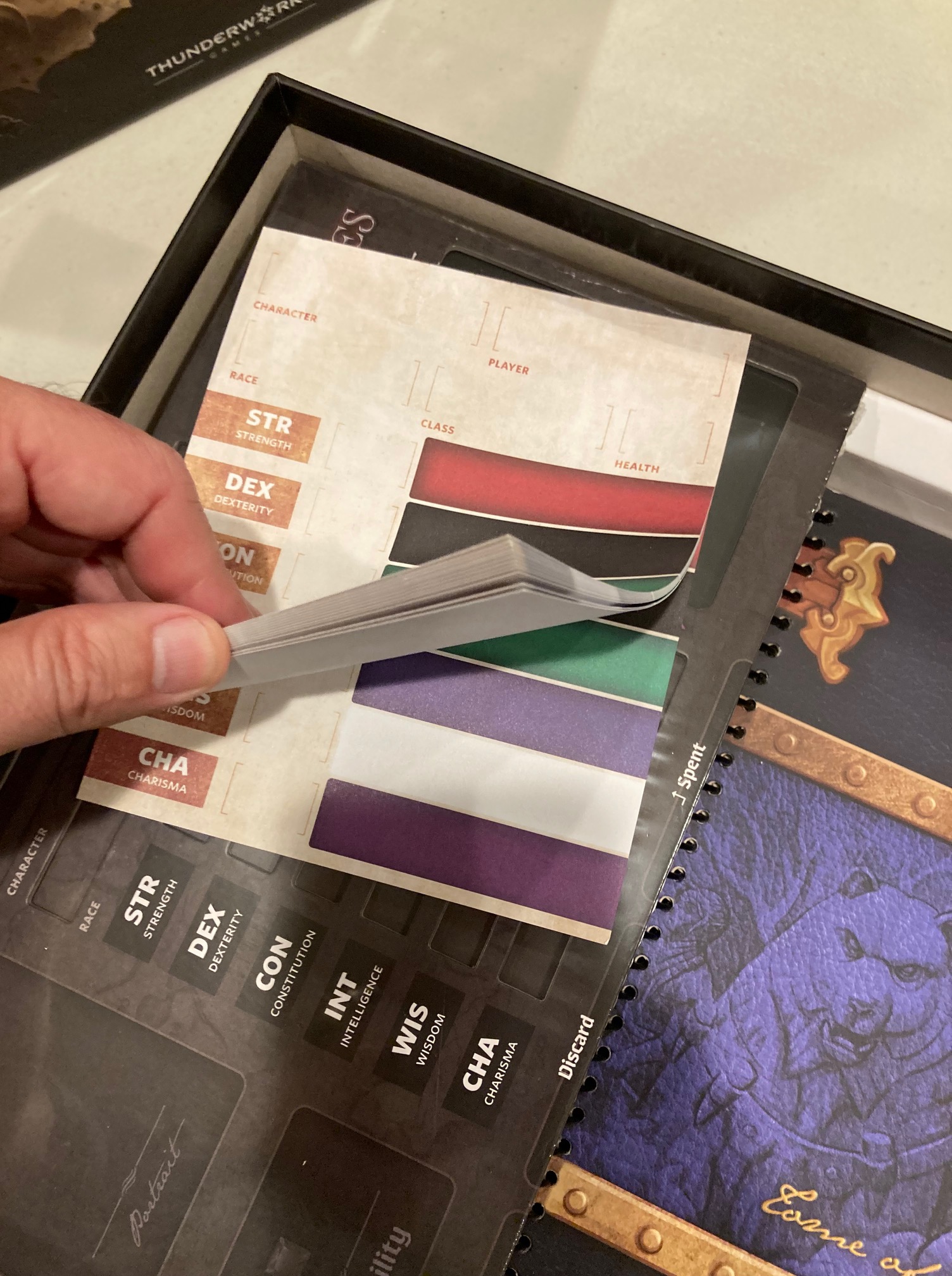


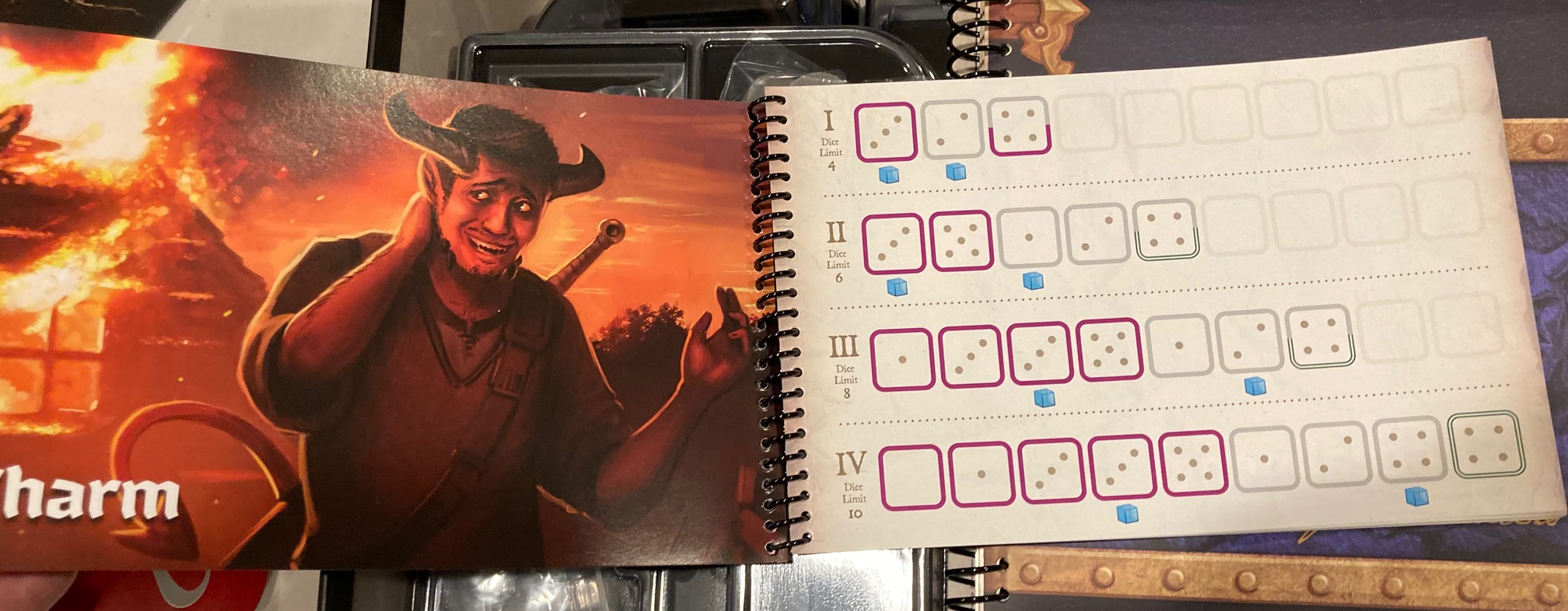
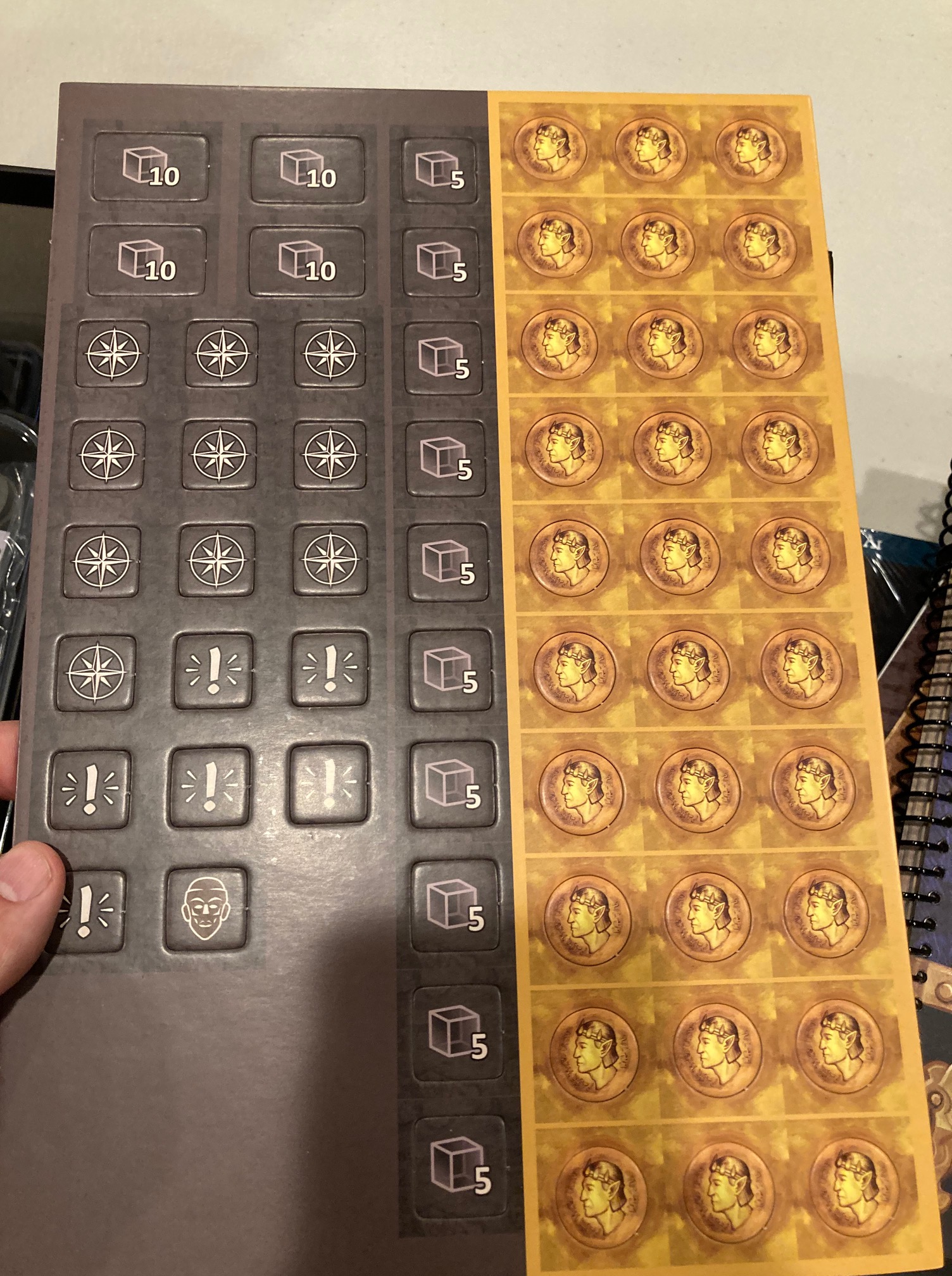

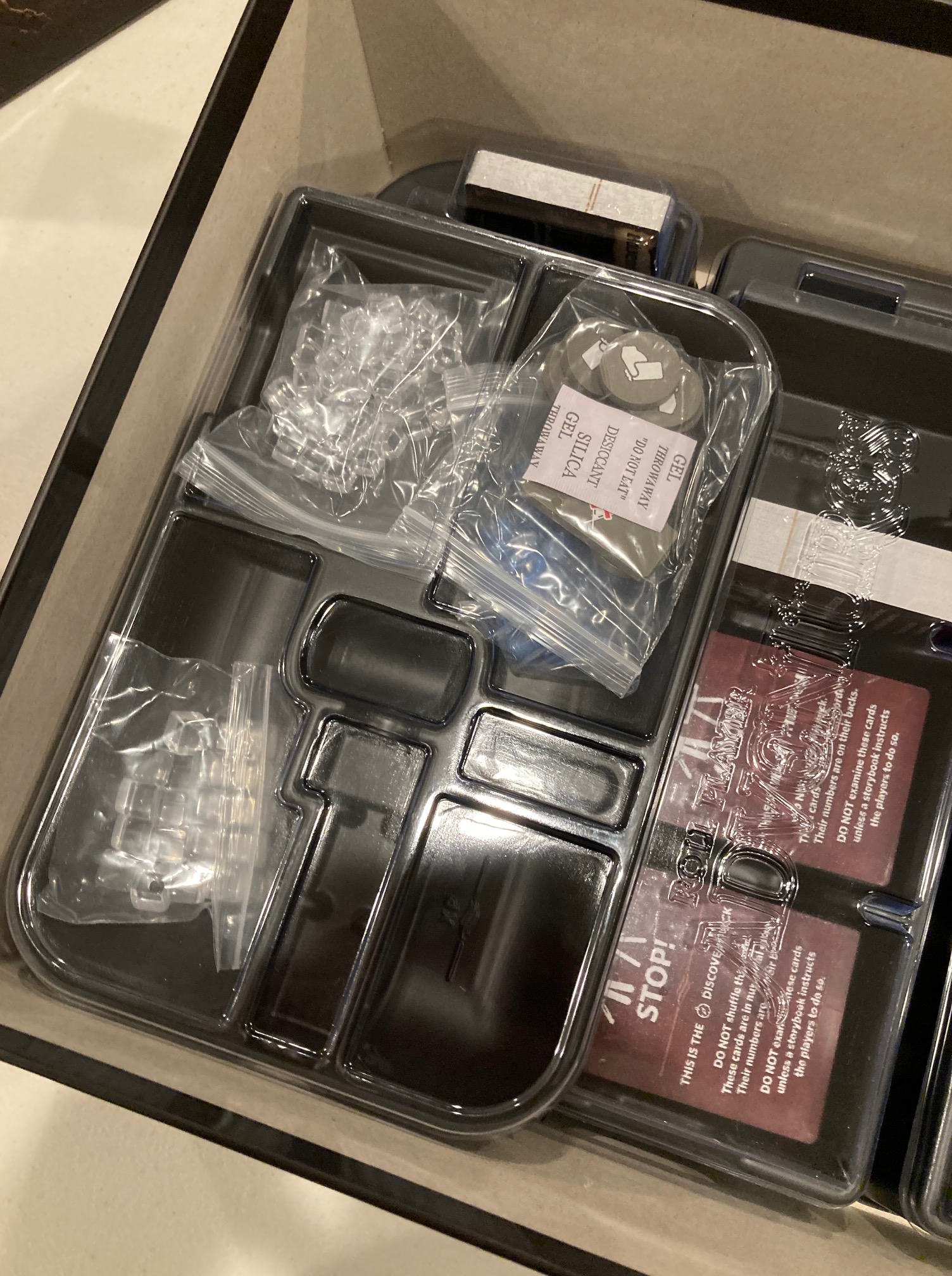


:strip_icc()/pic2556921.jpg)


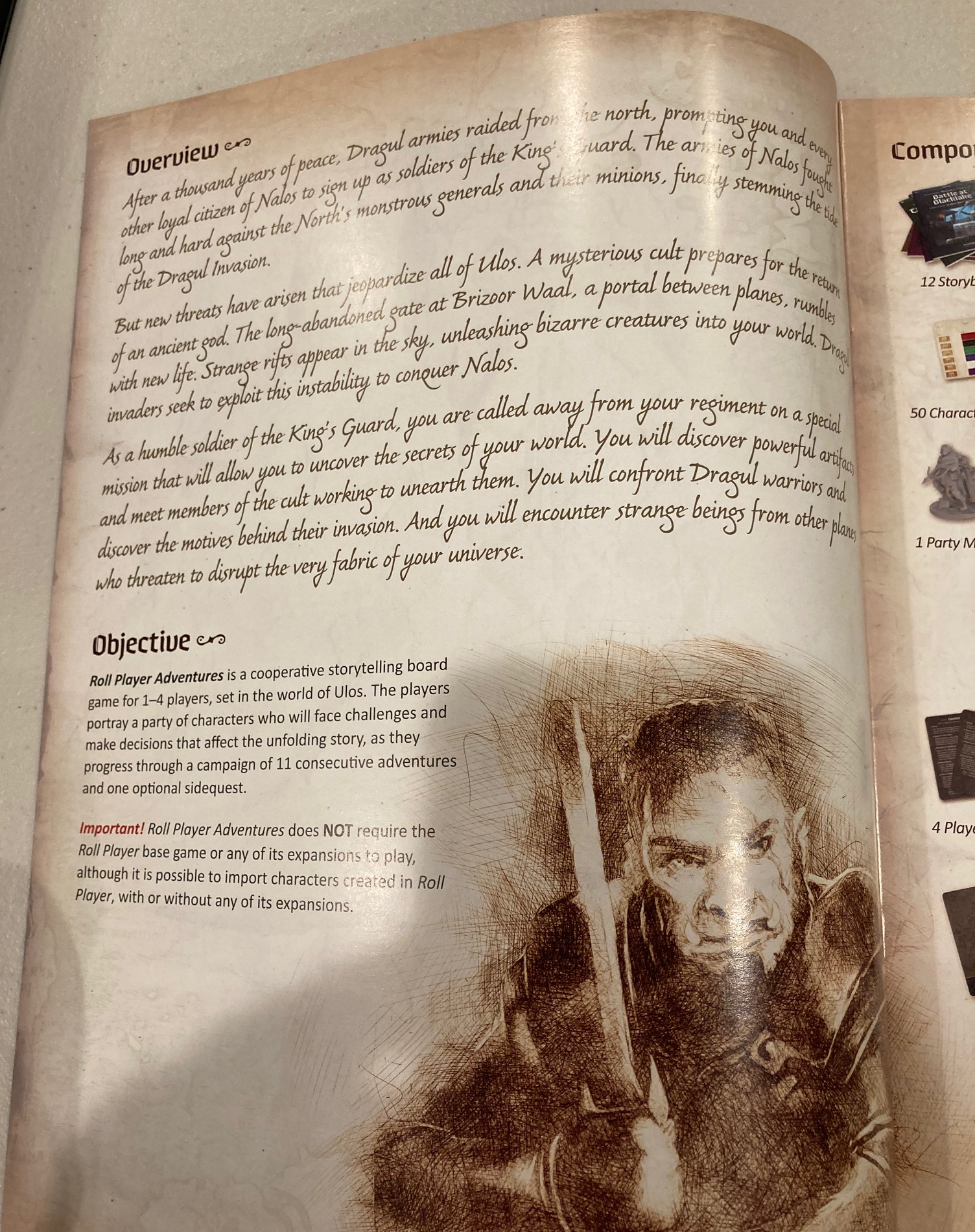
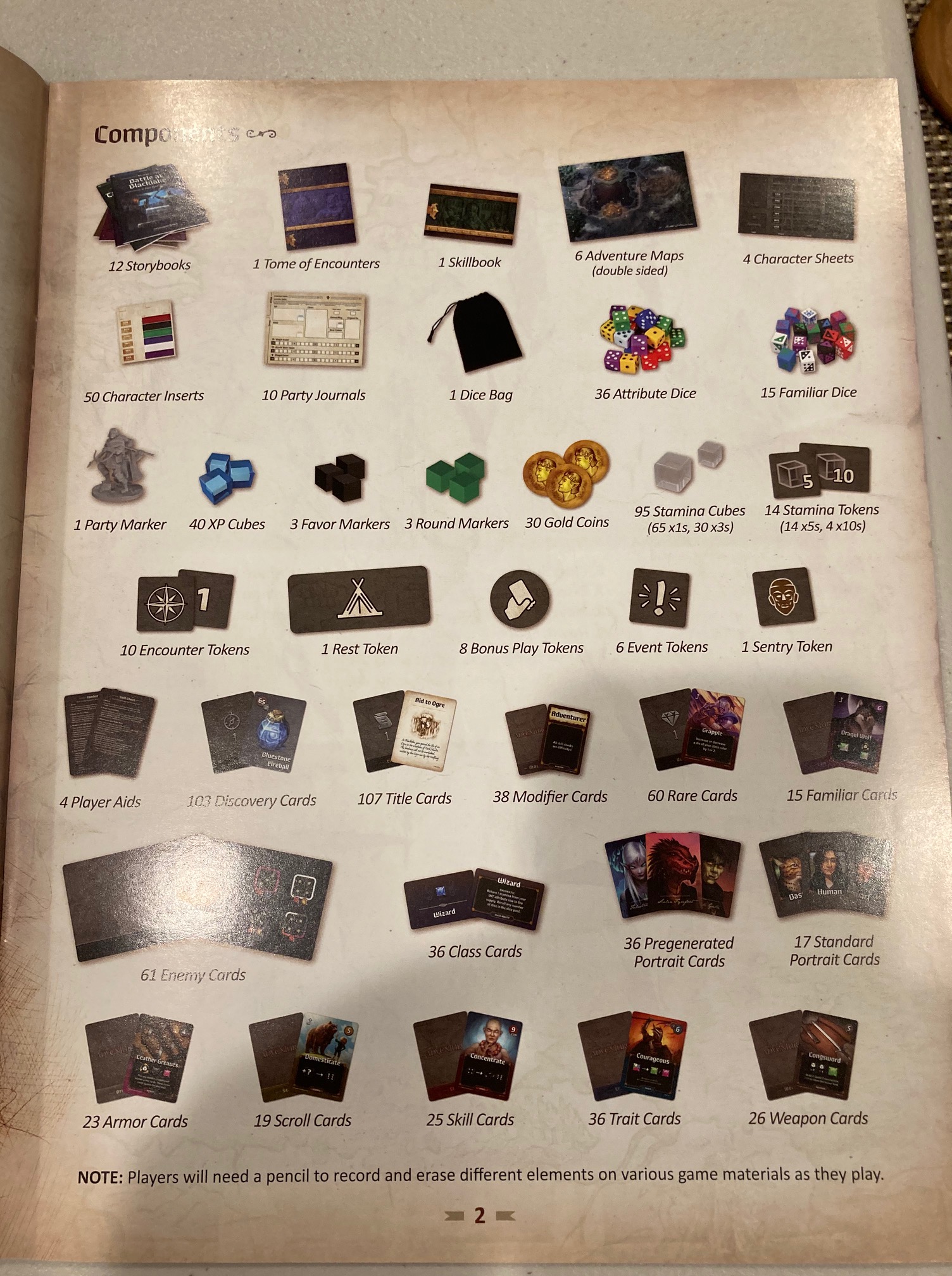


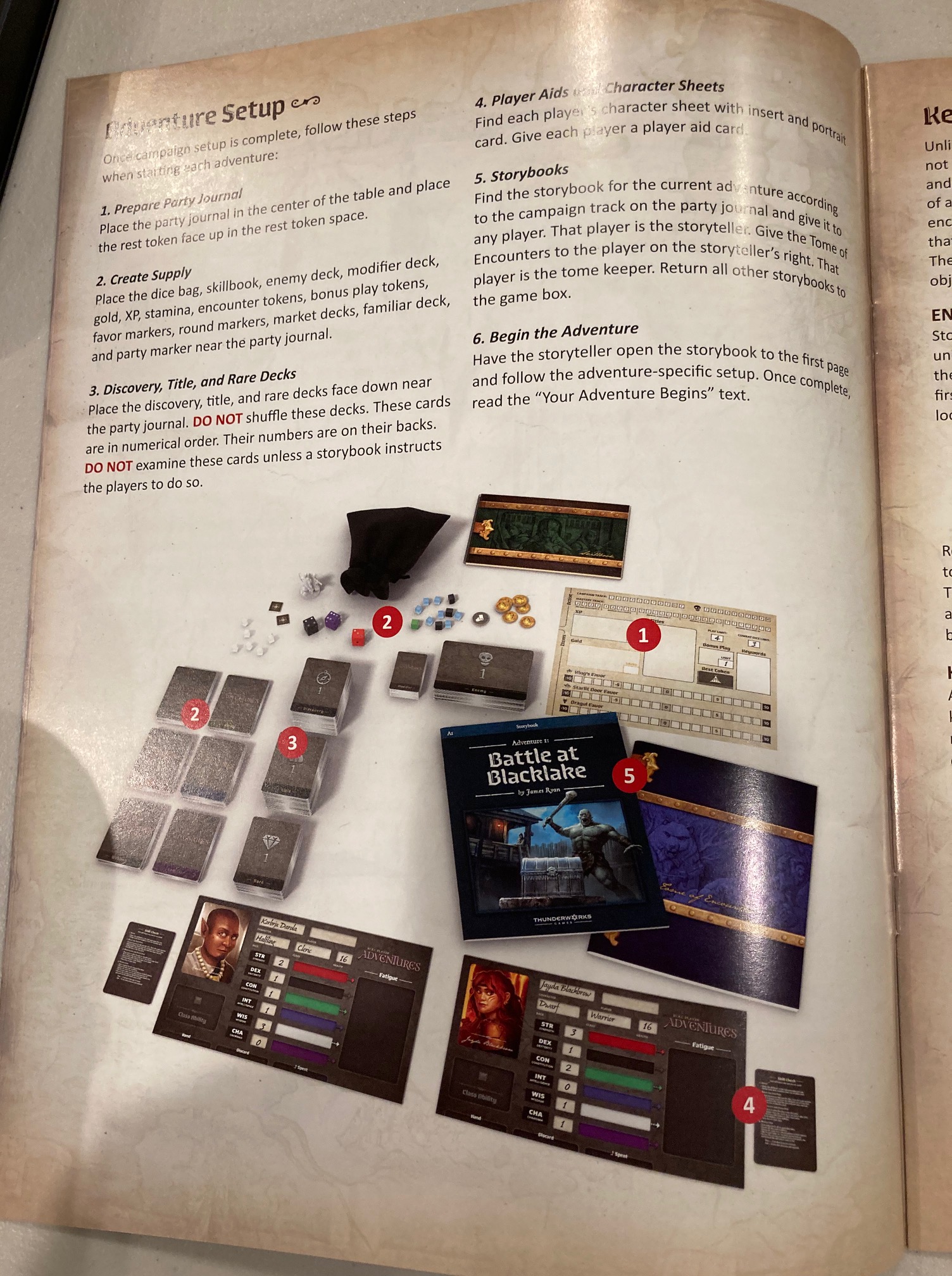

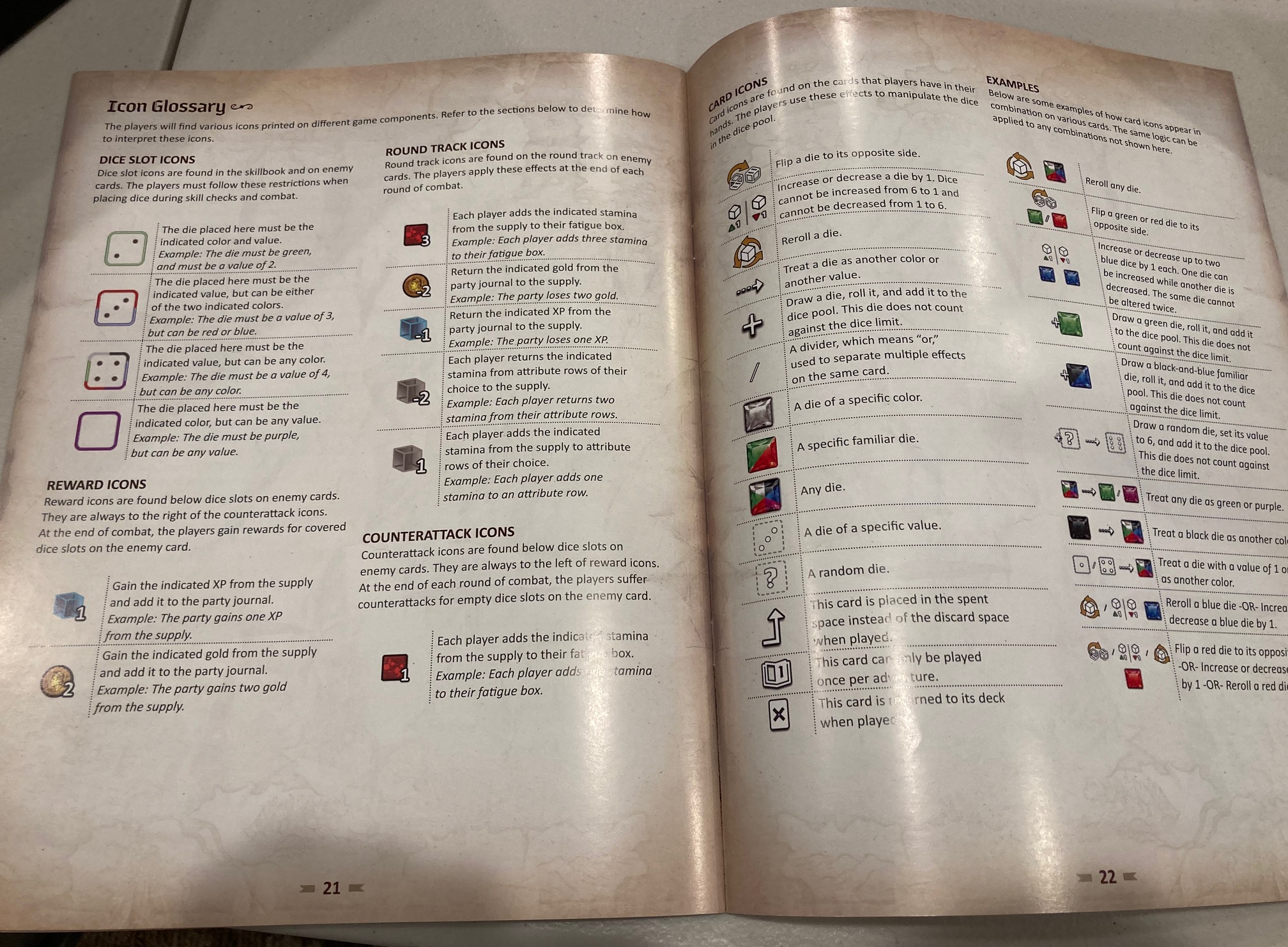

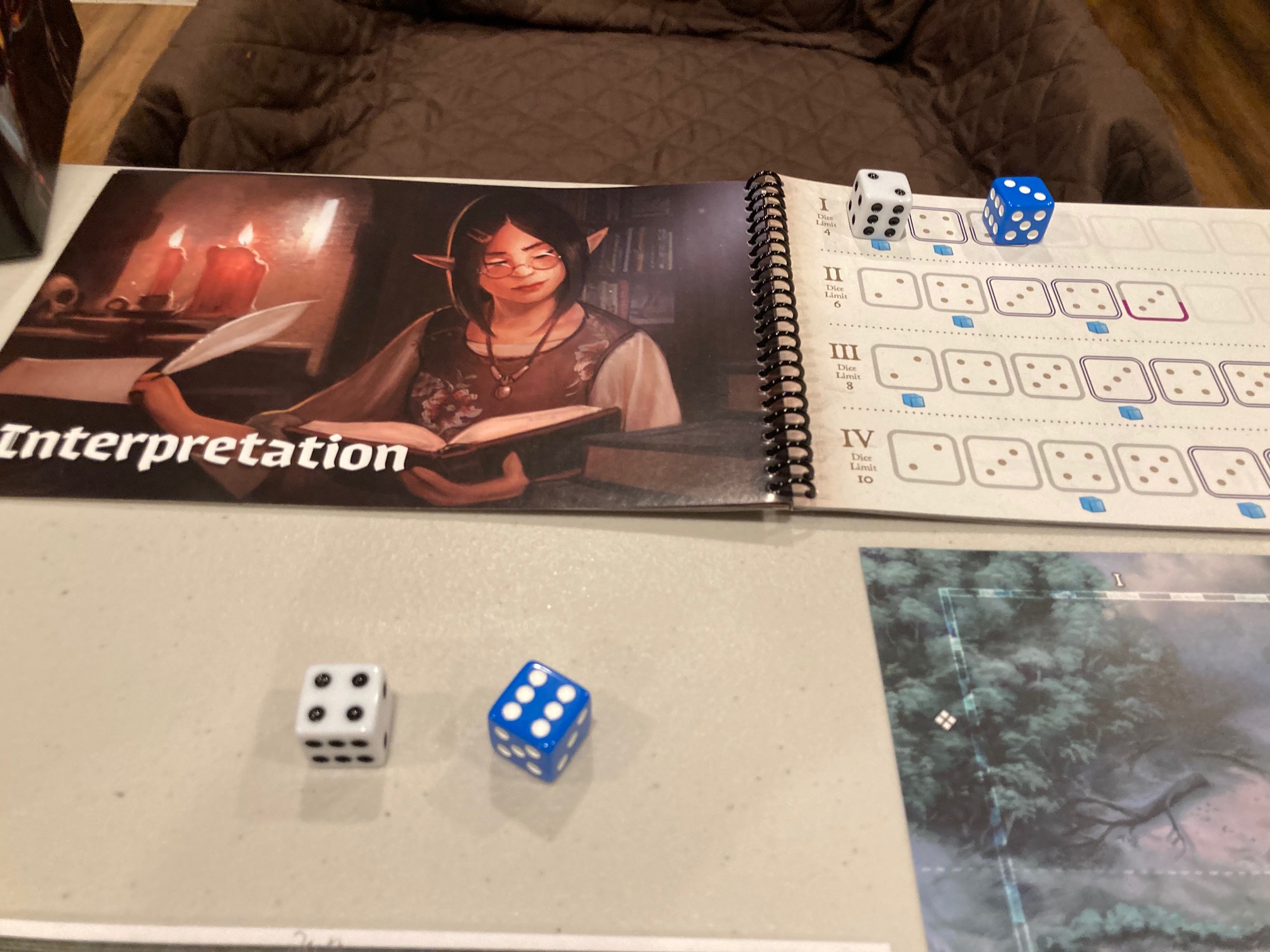


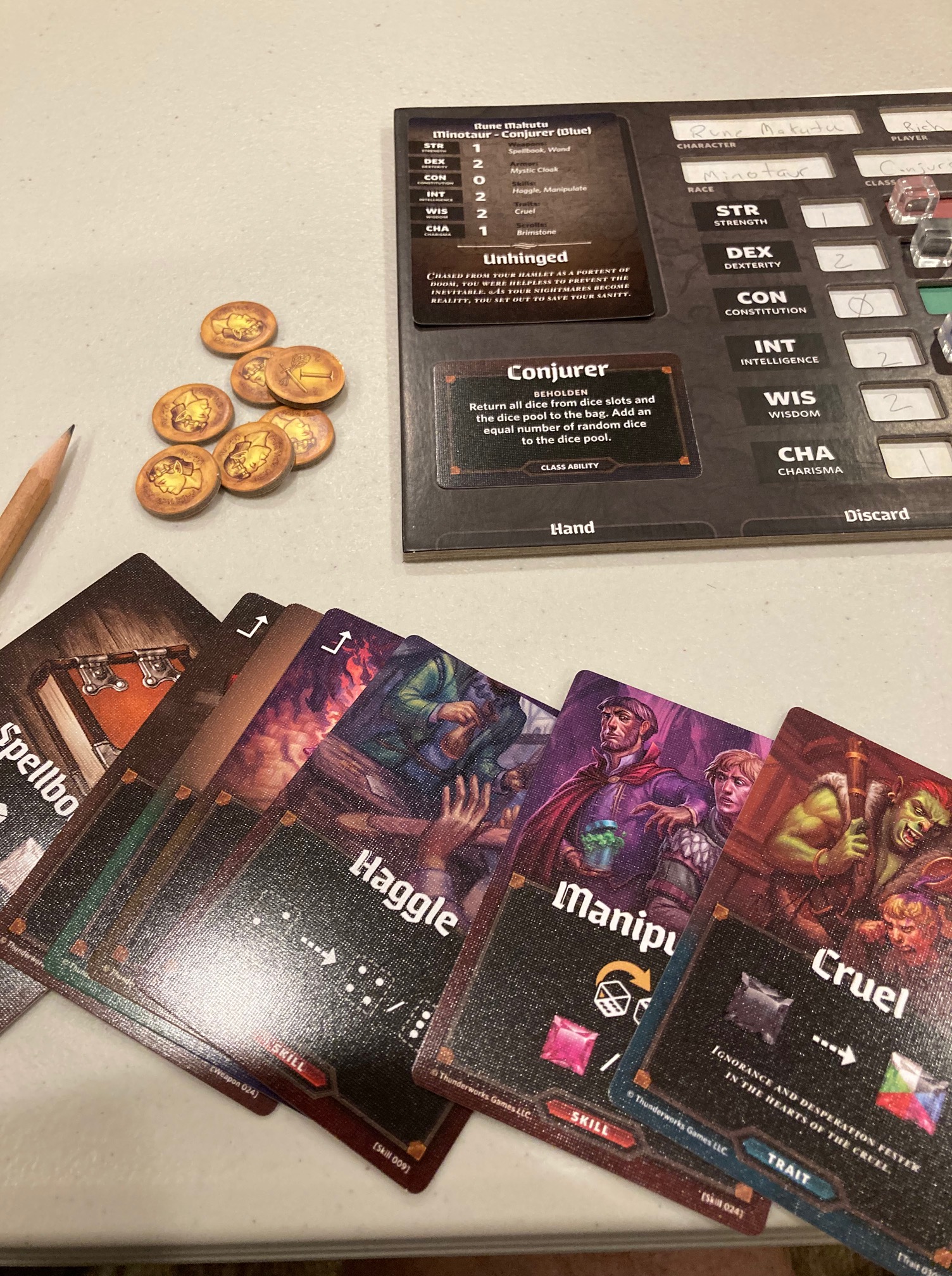

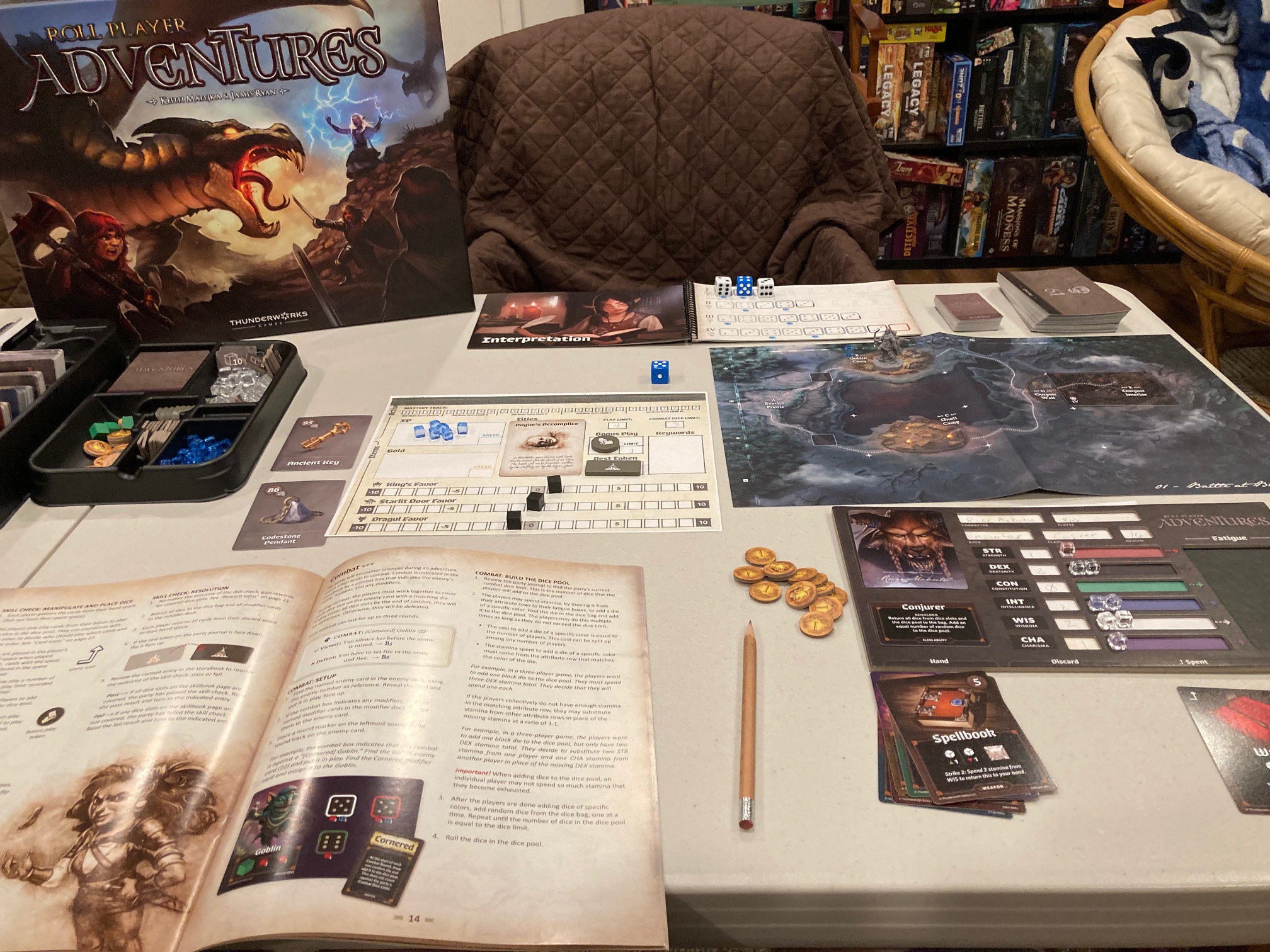
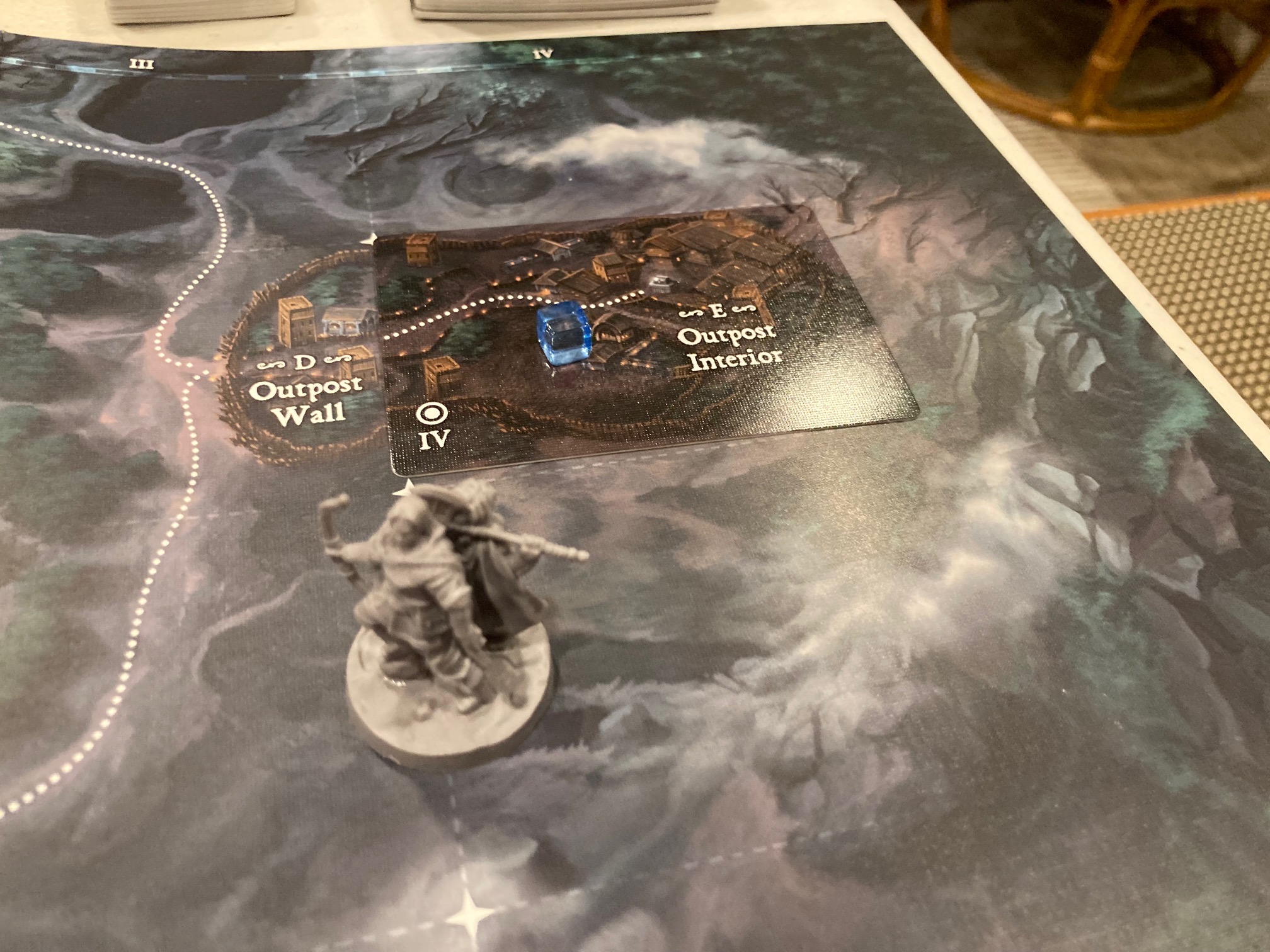
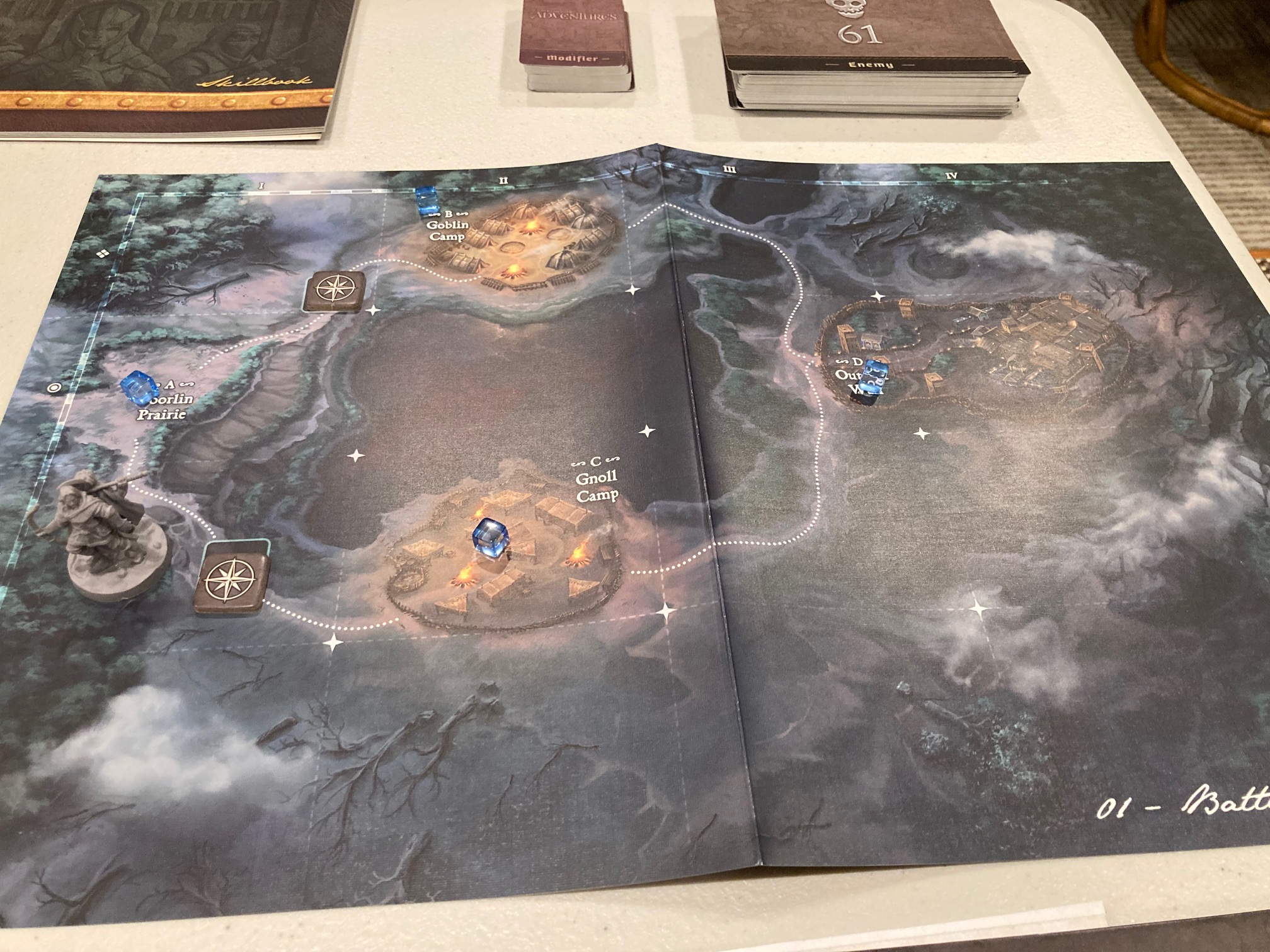
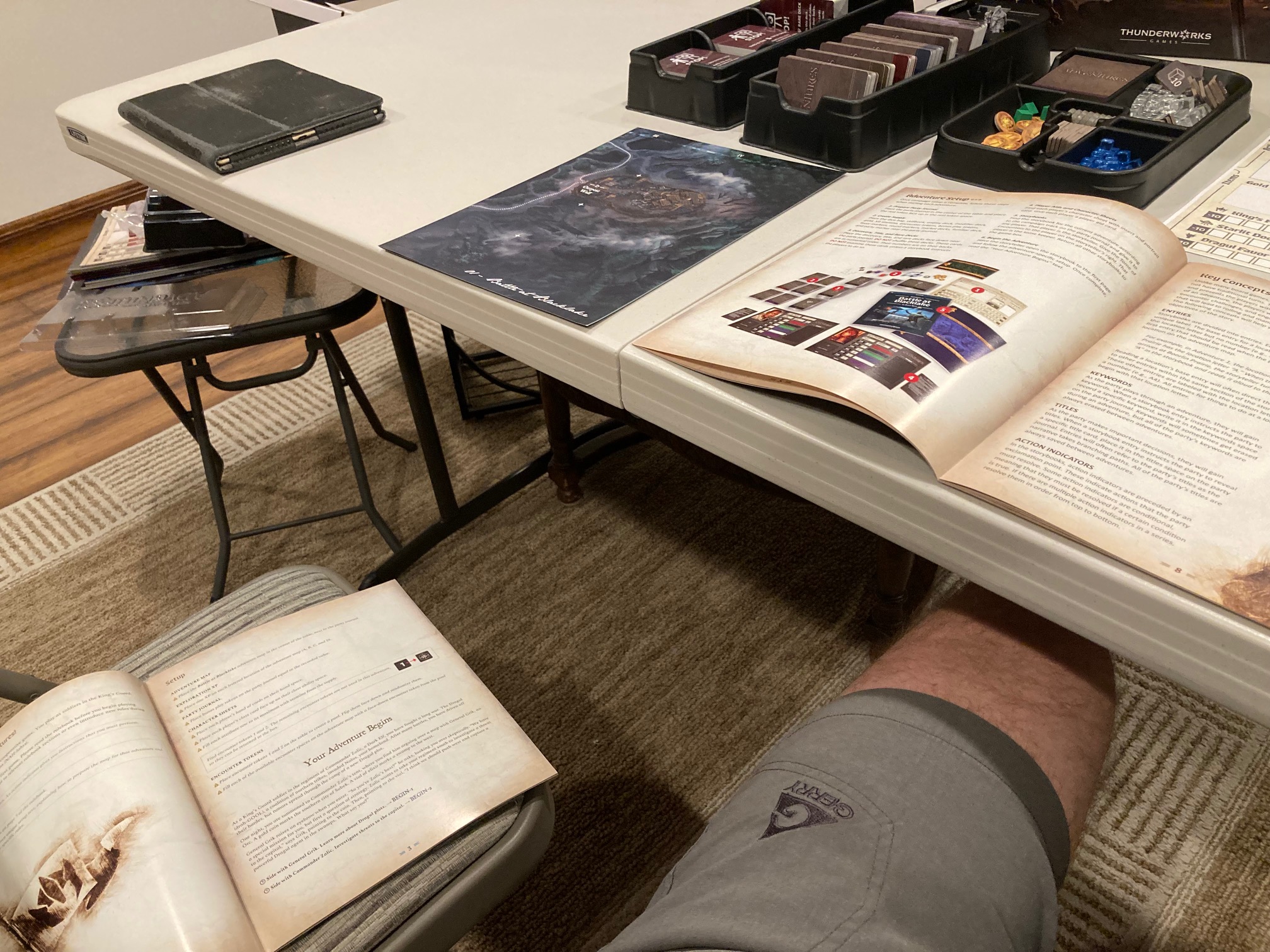
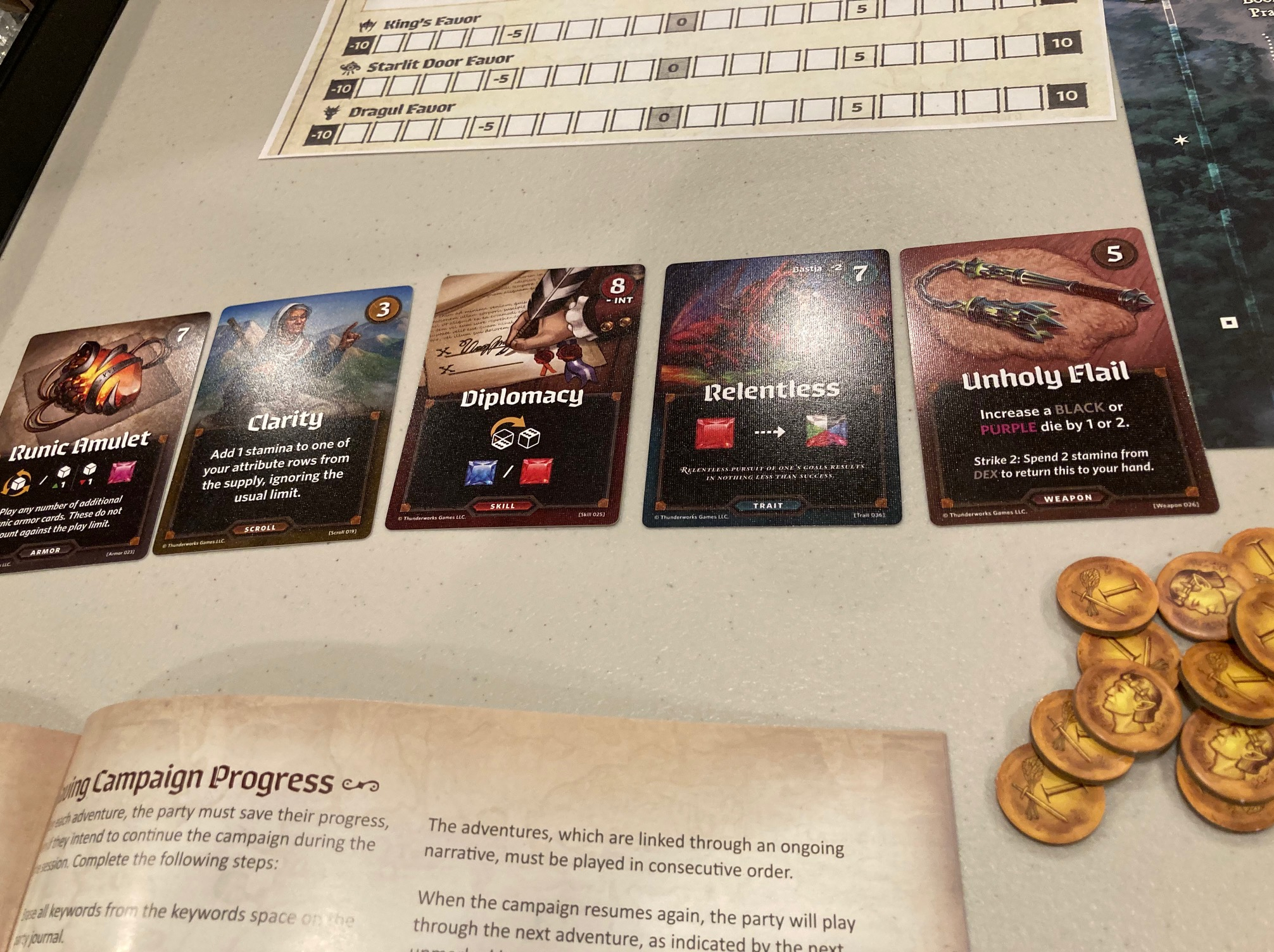


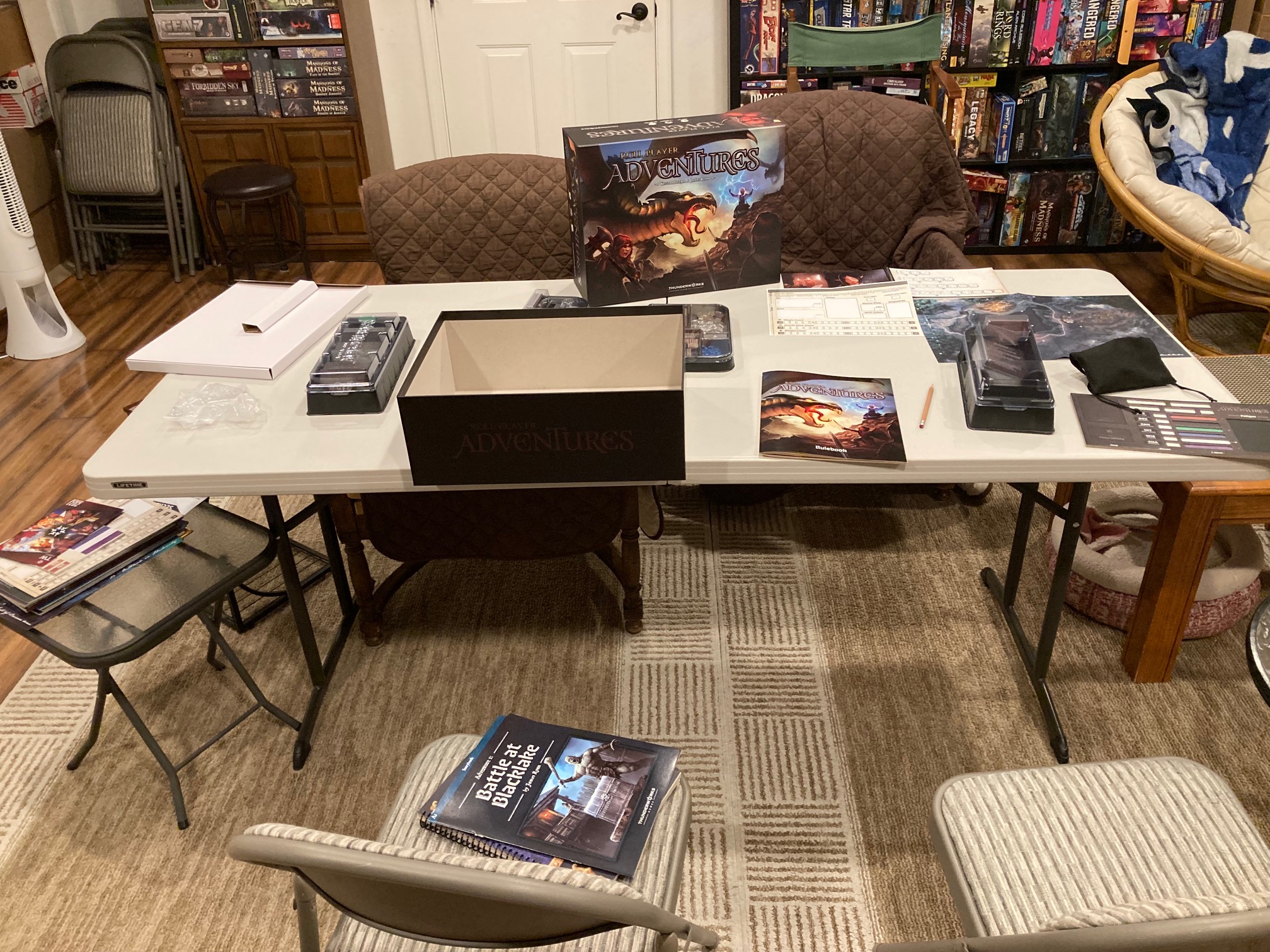
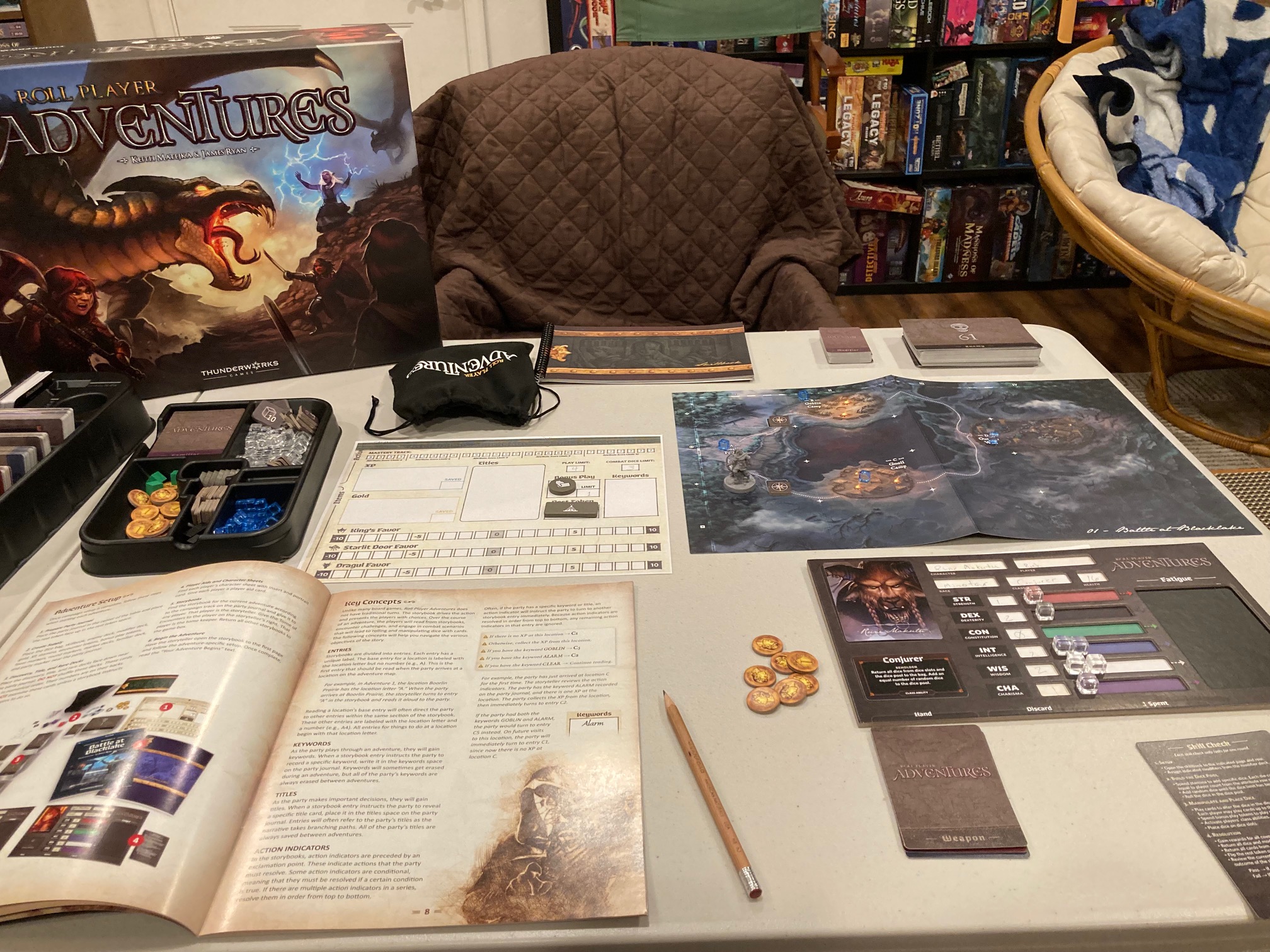
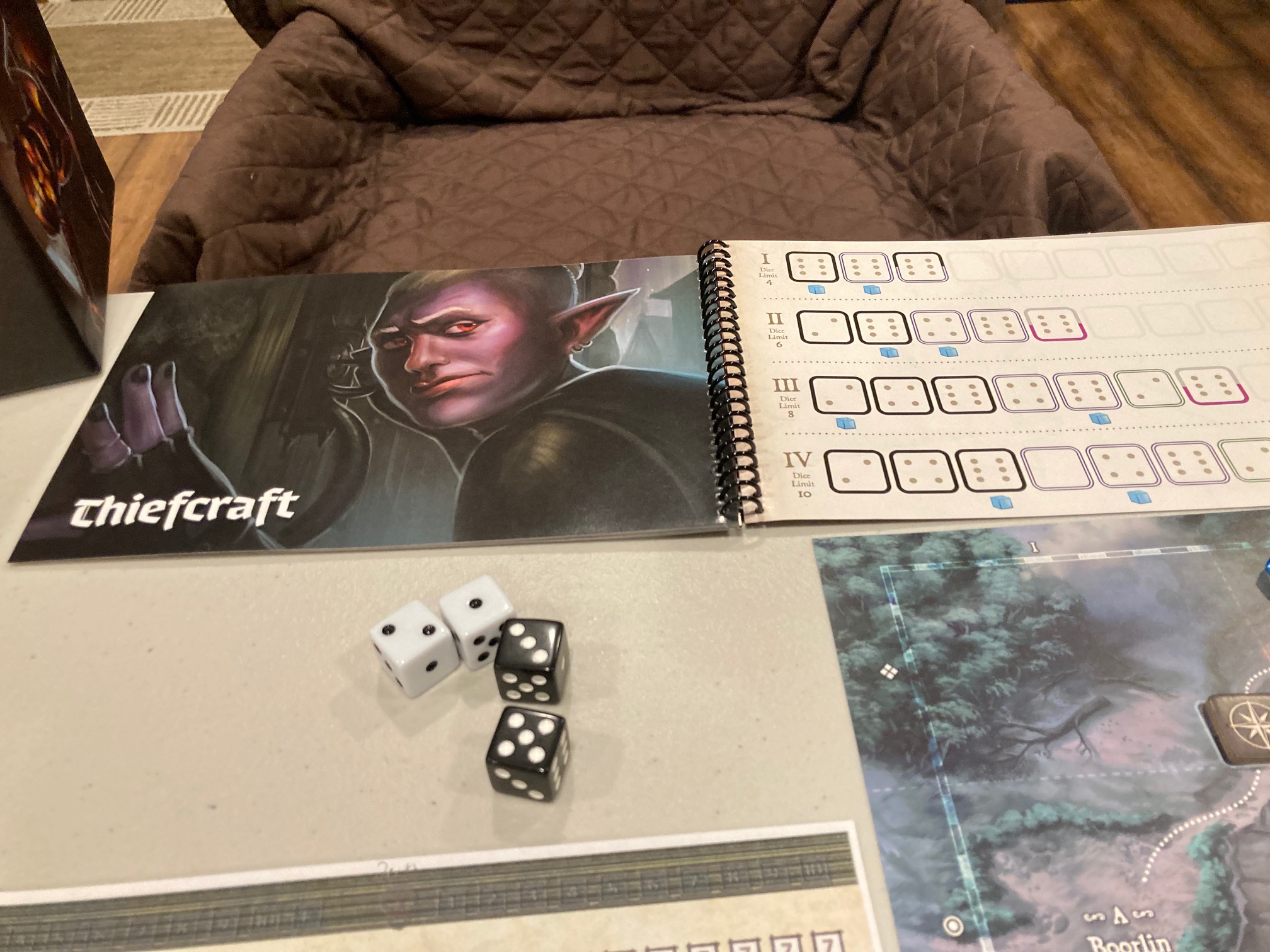
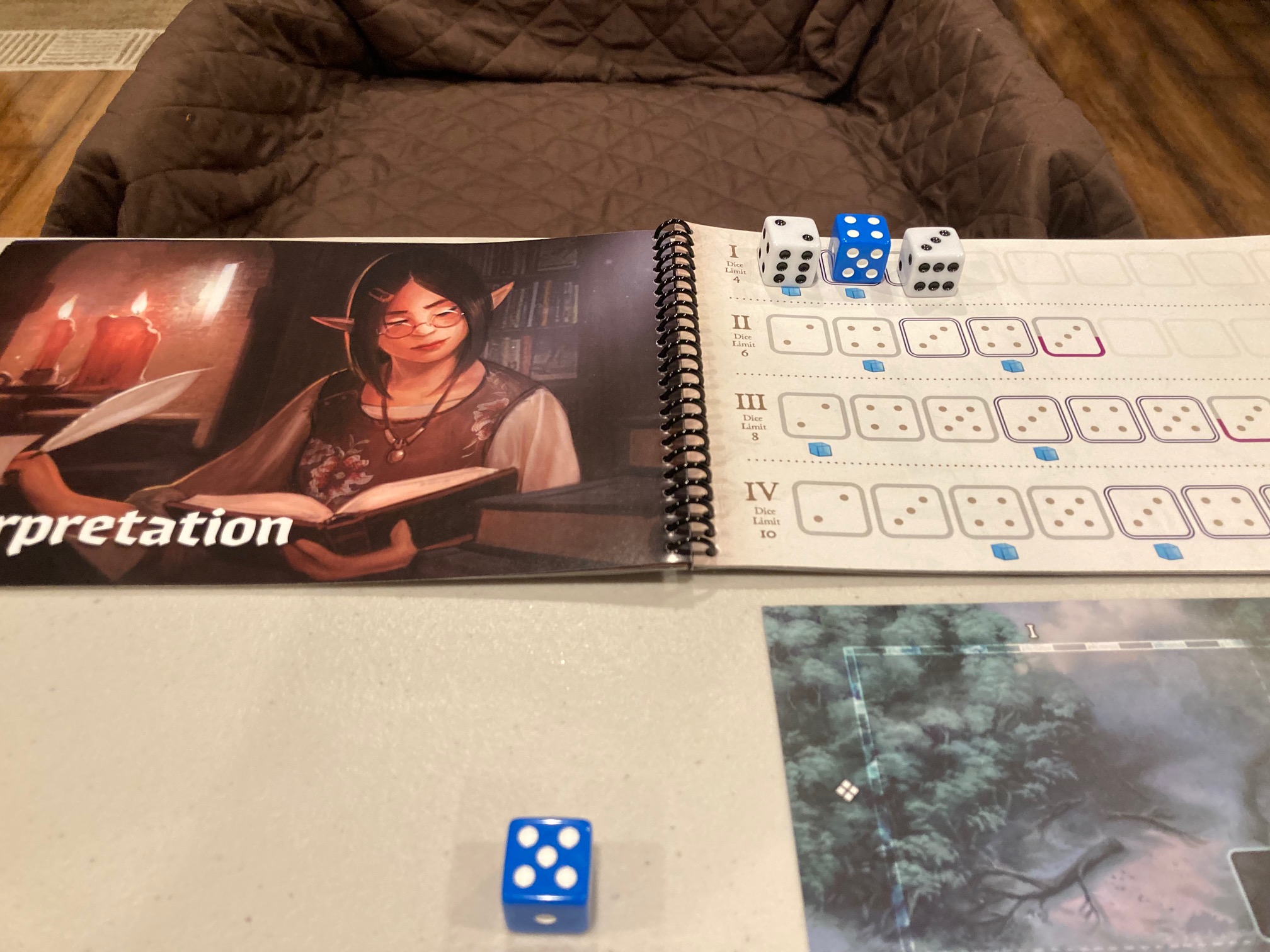


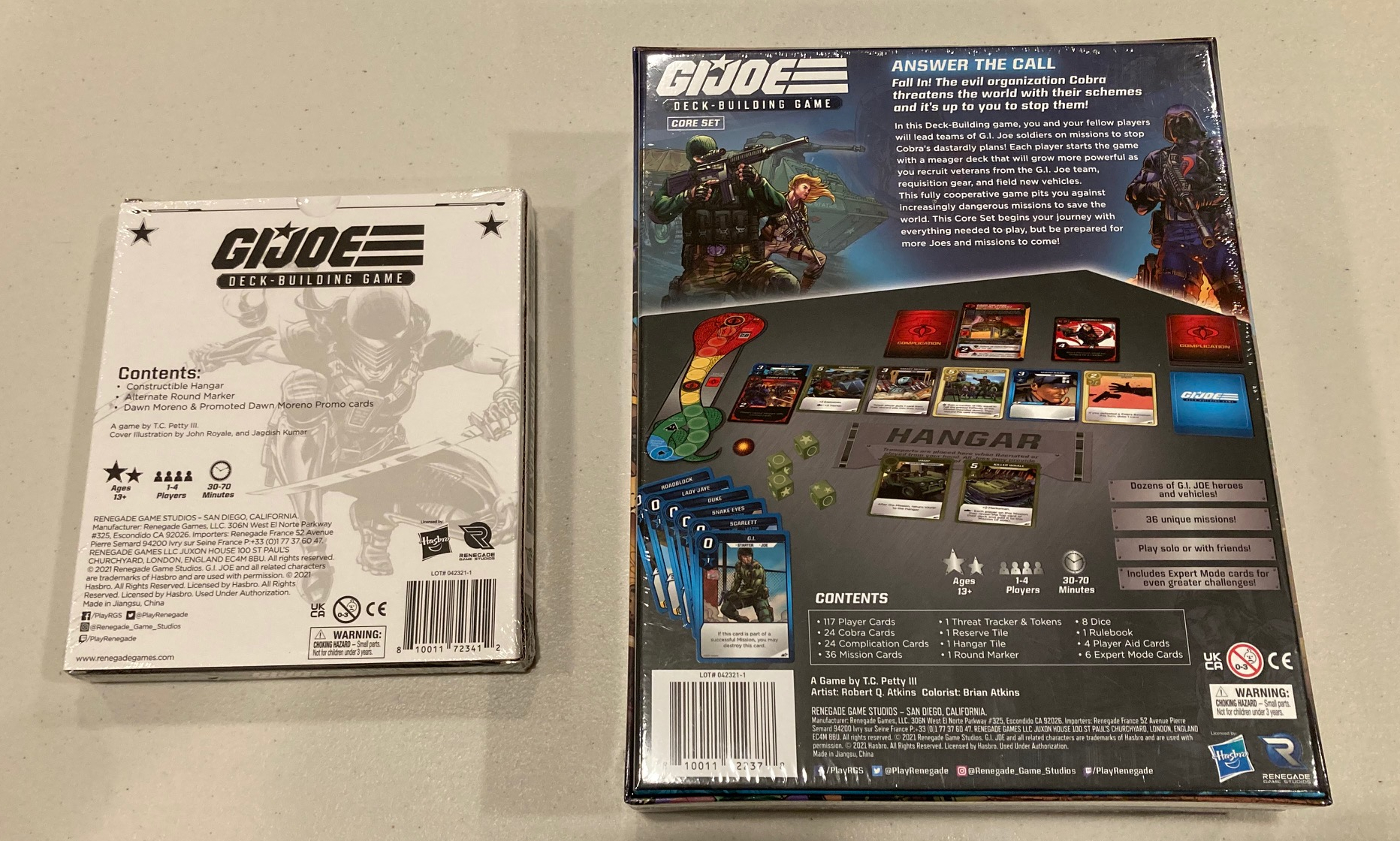
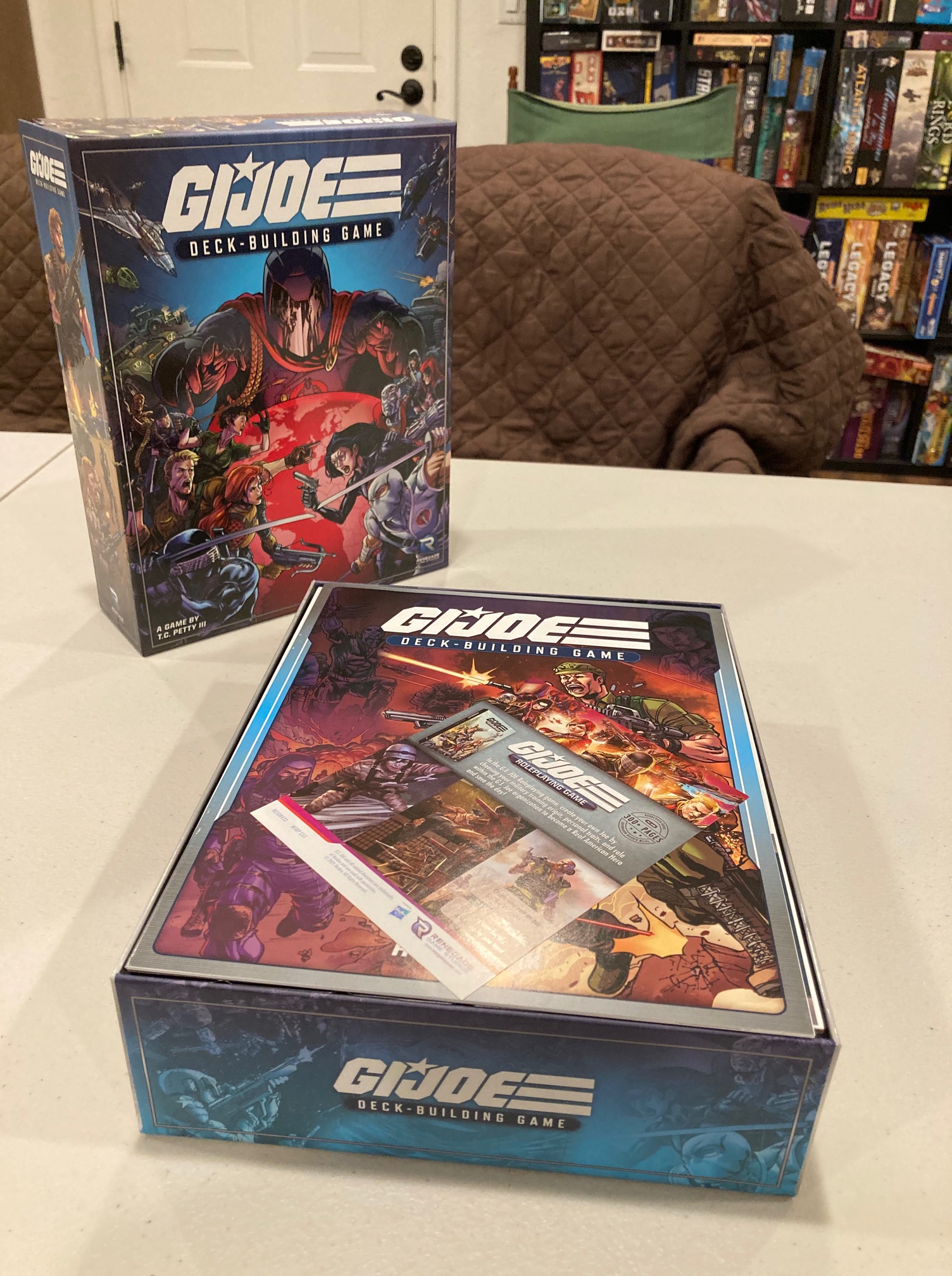


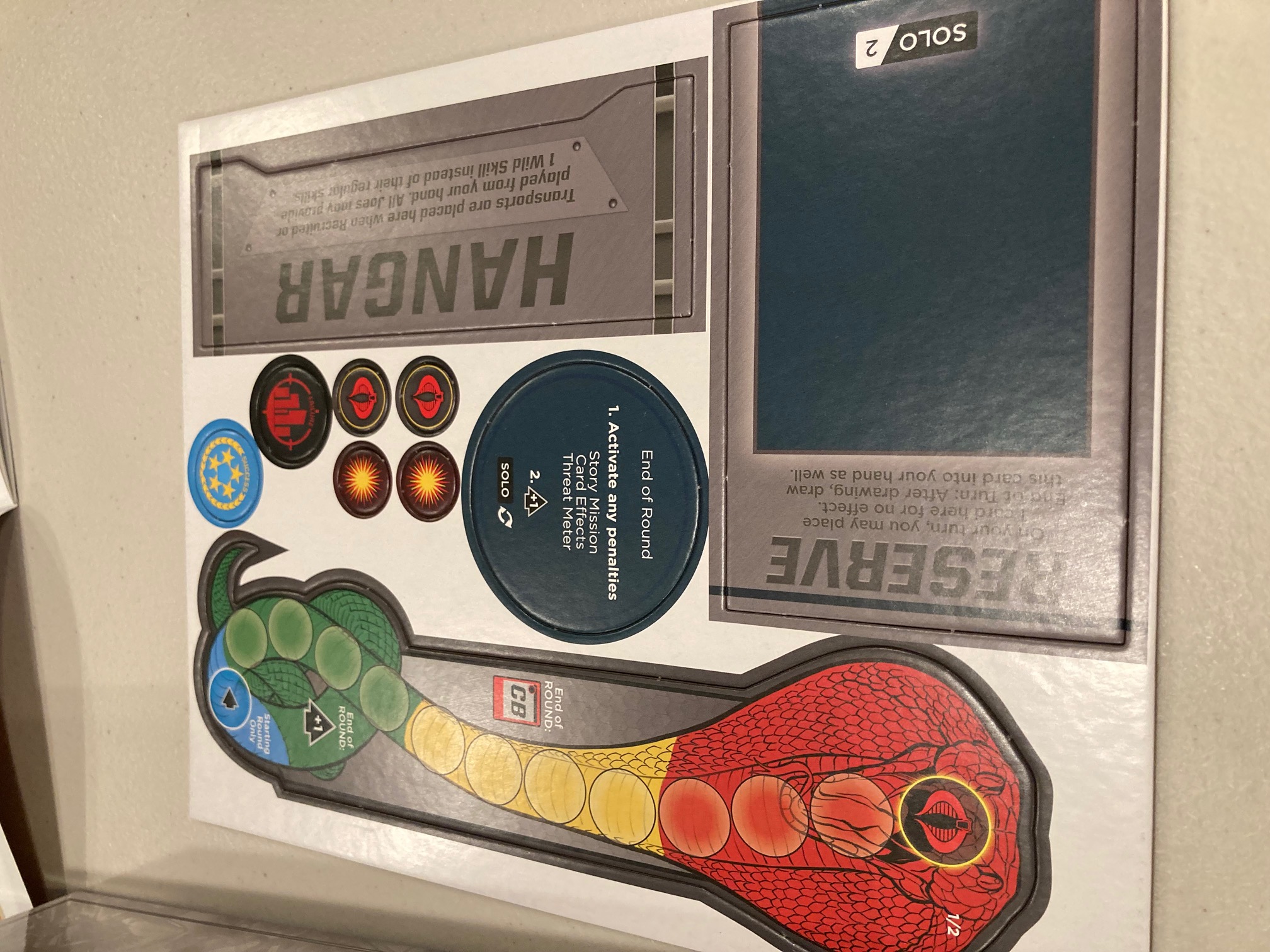


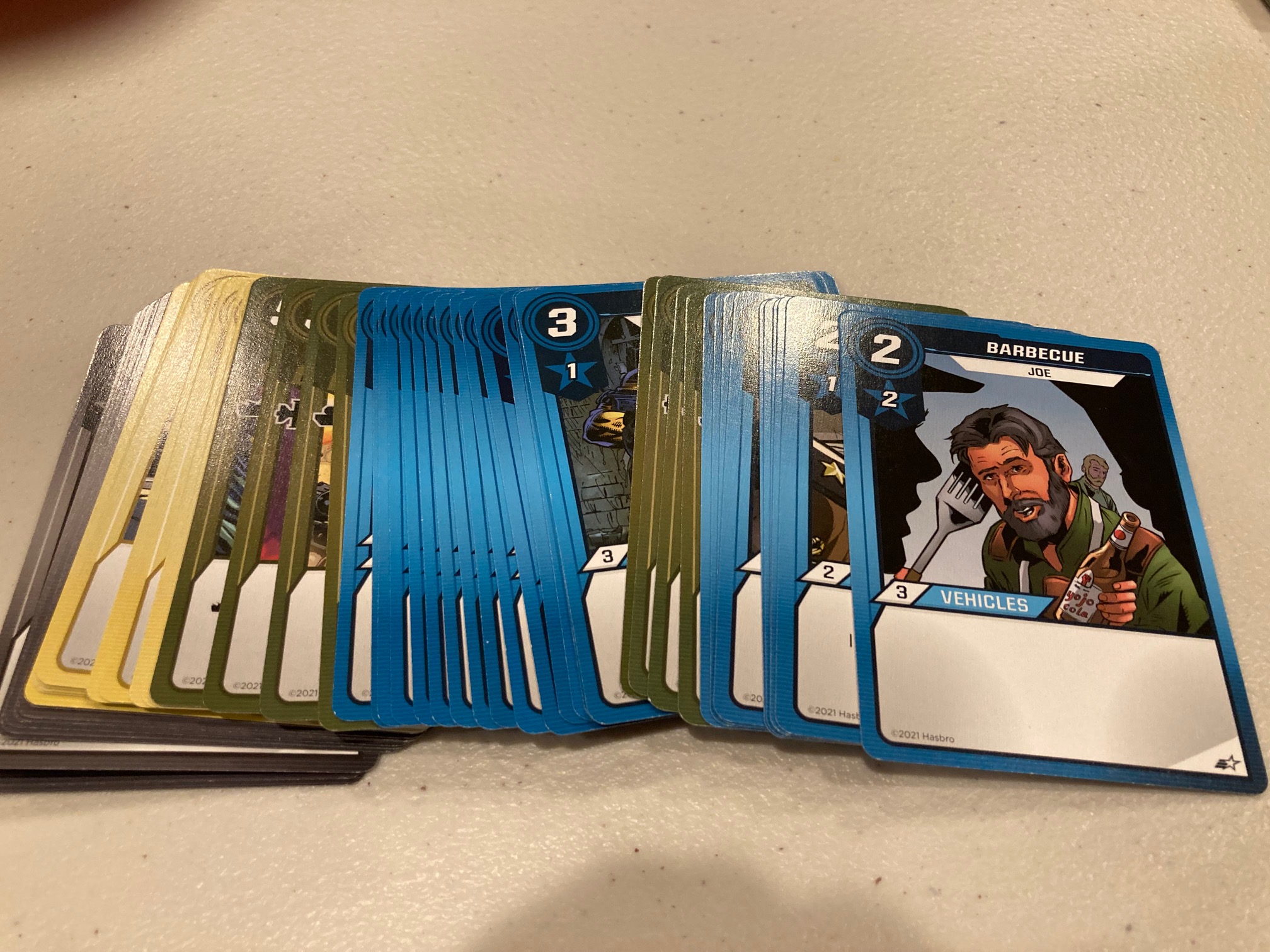


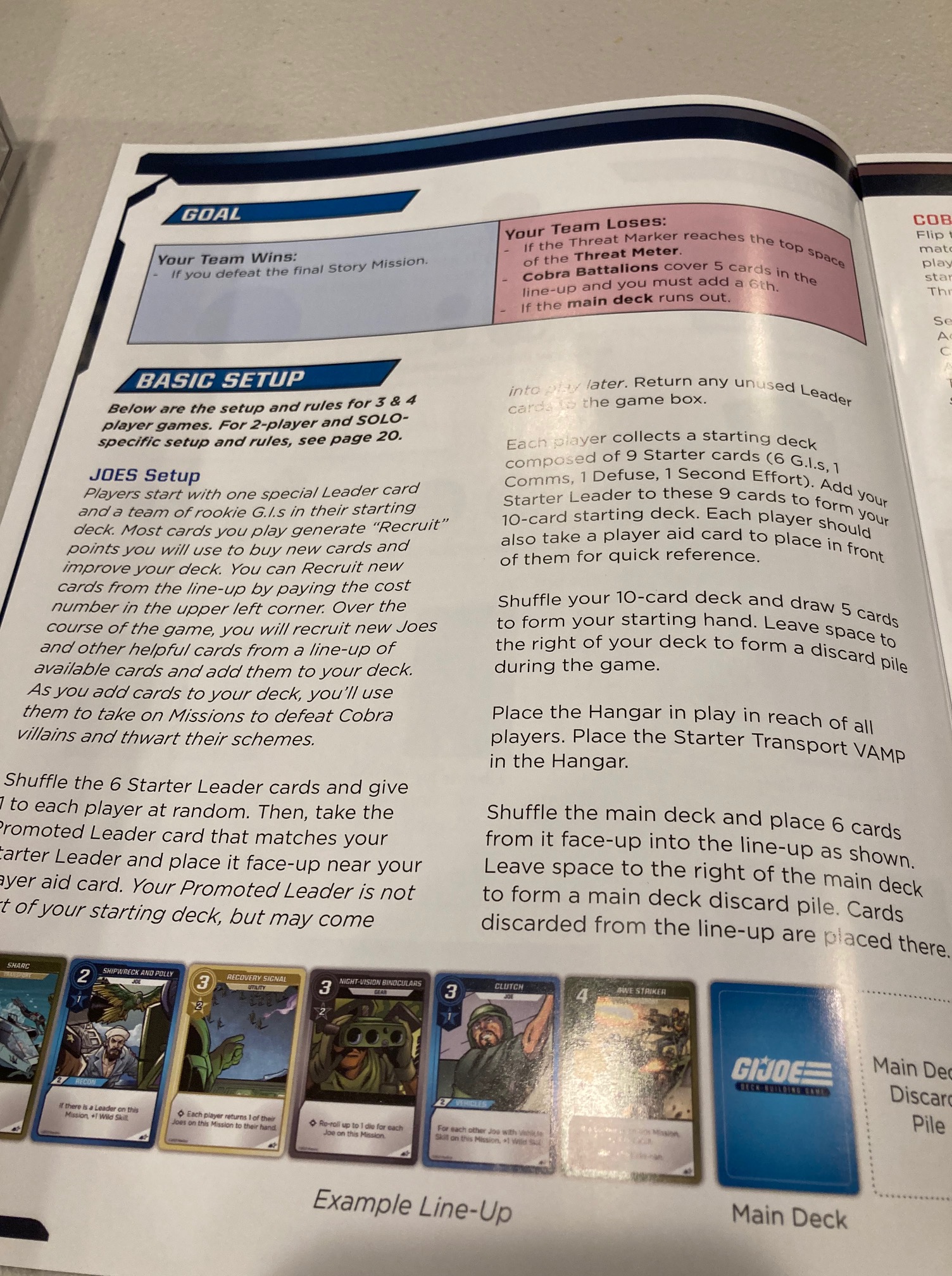

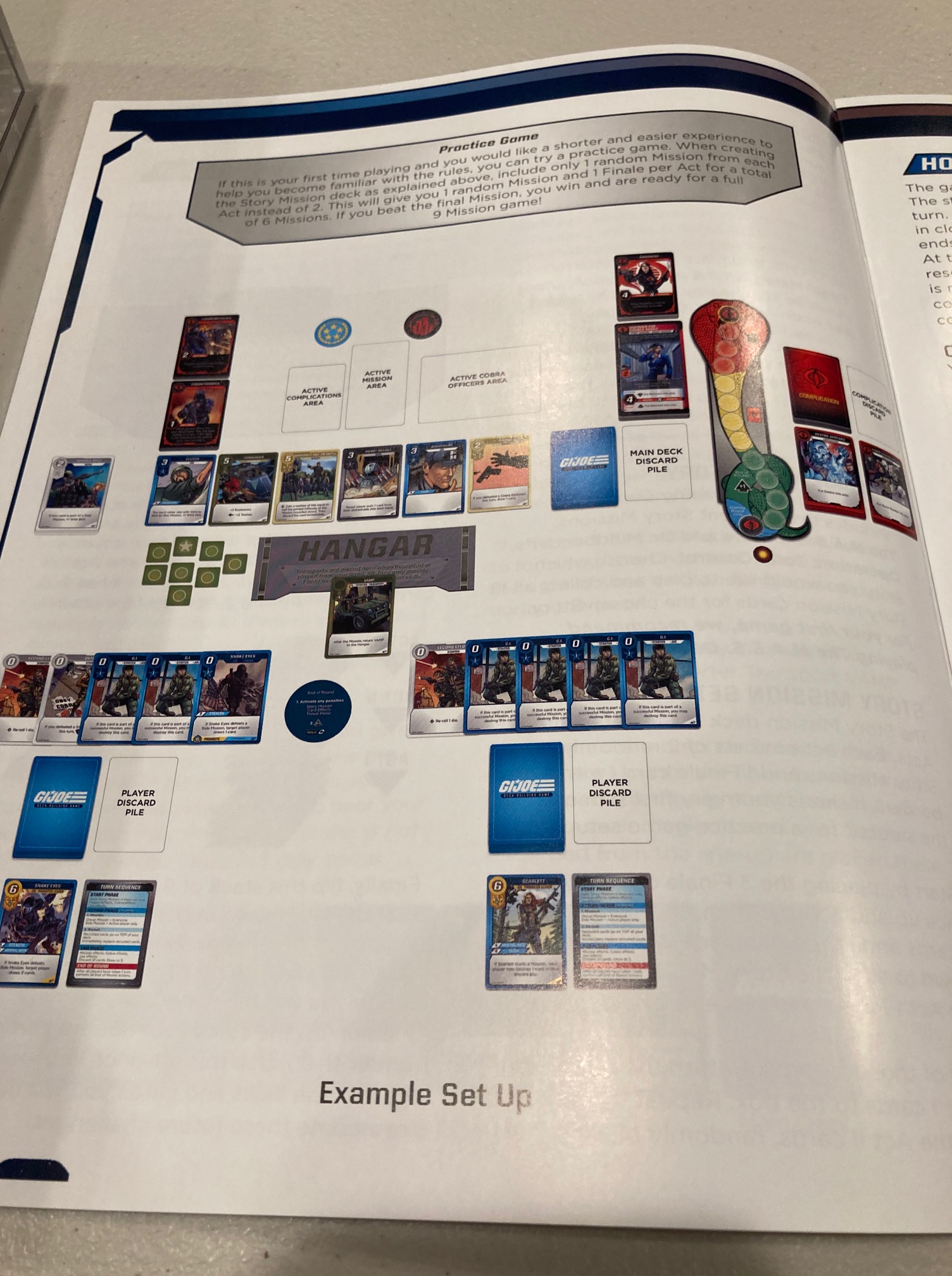
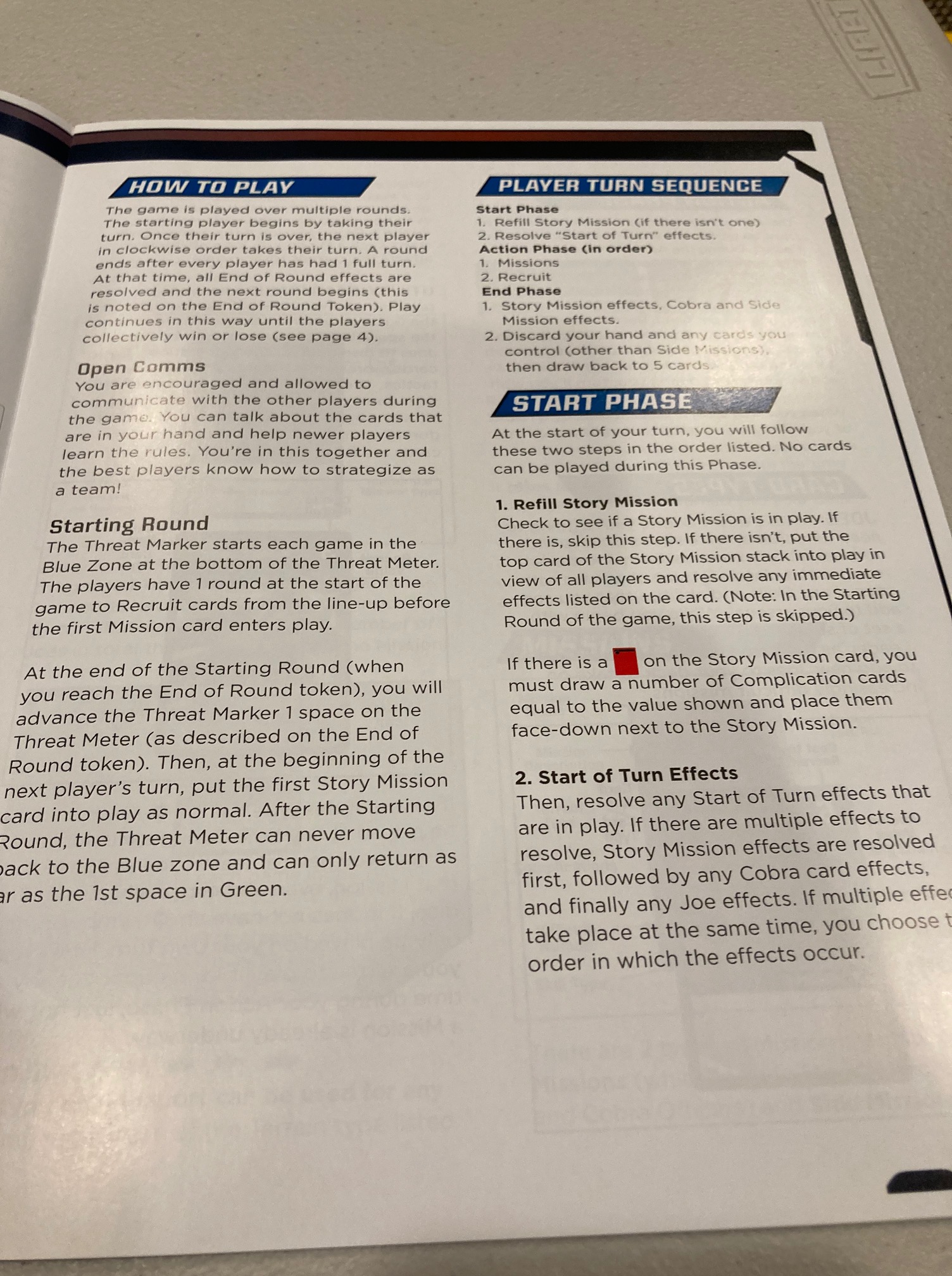

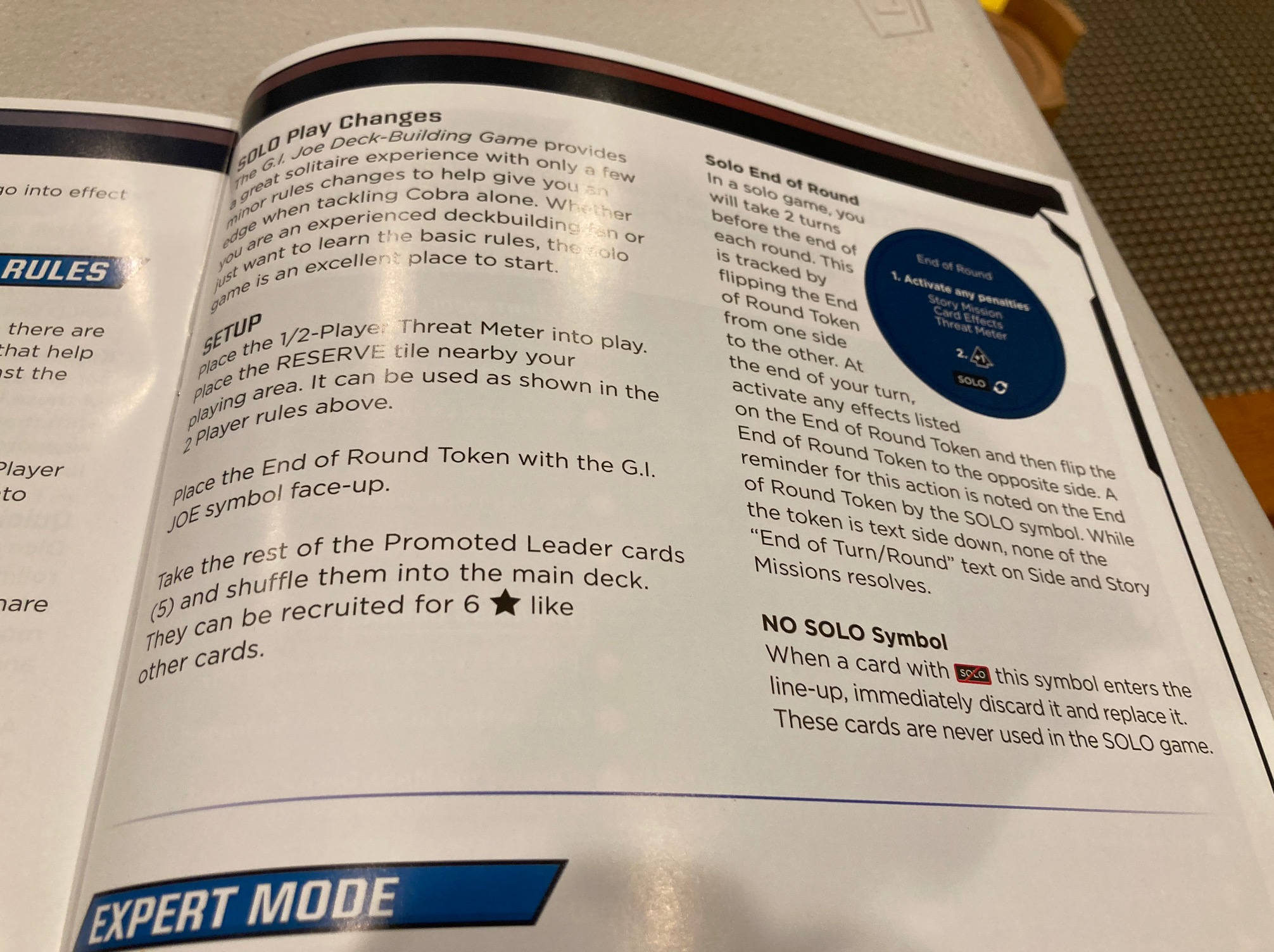


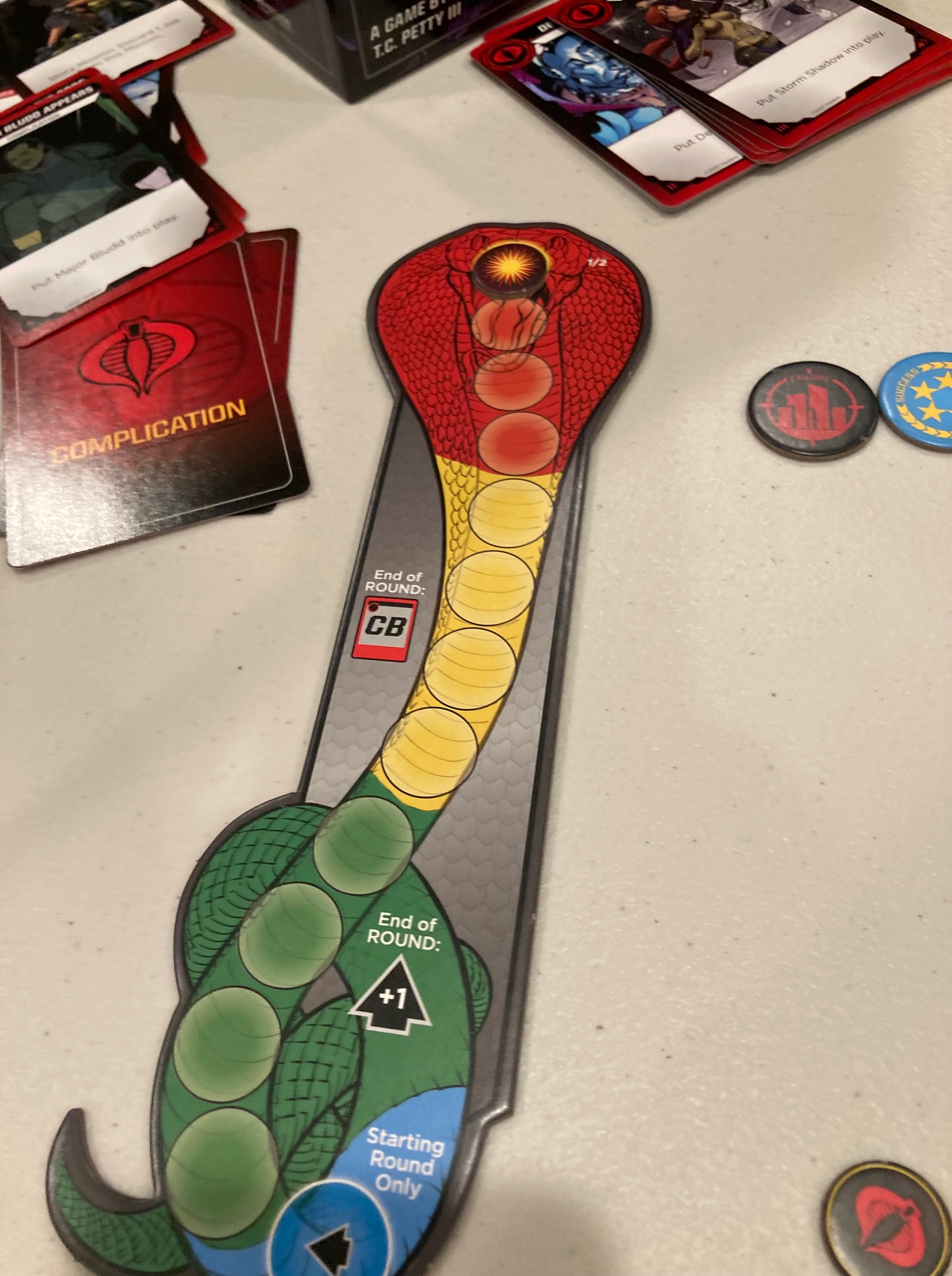
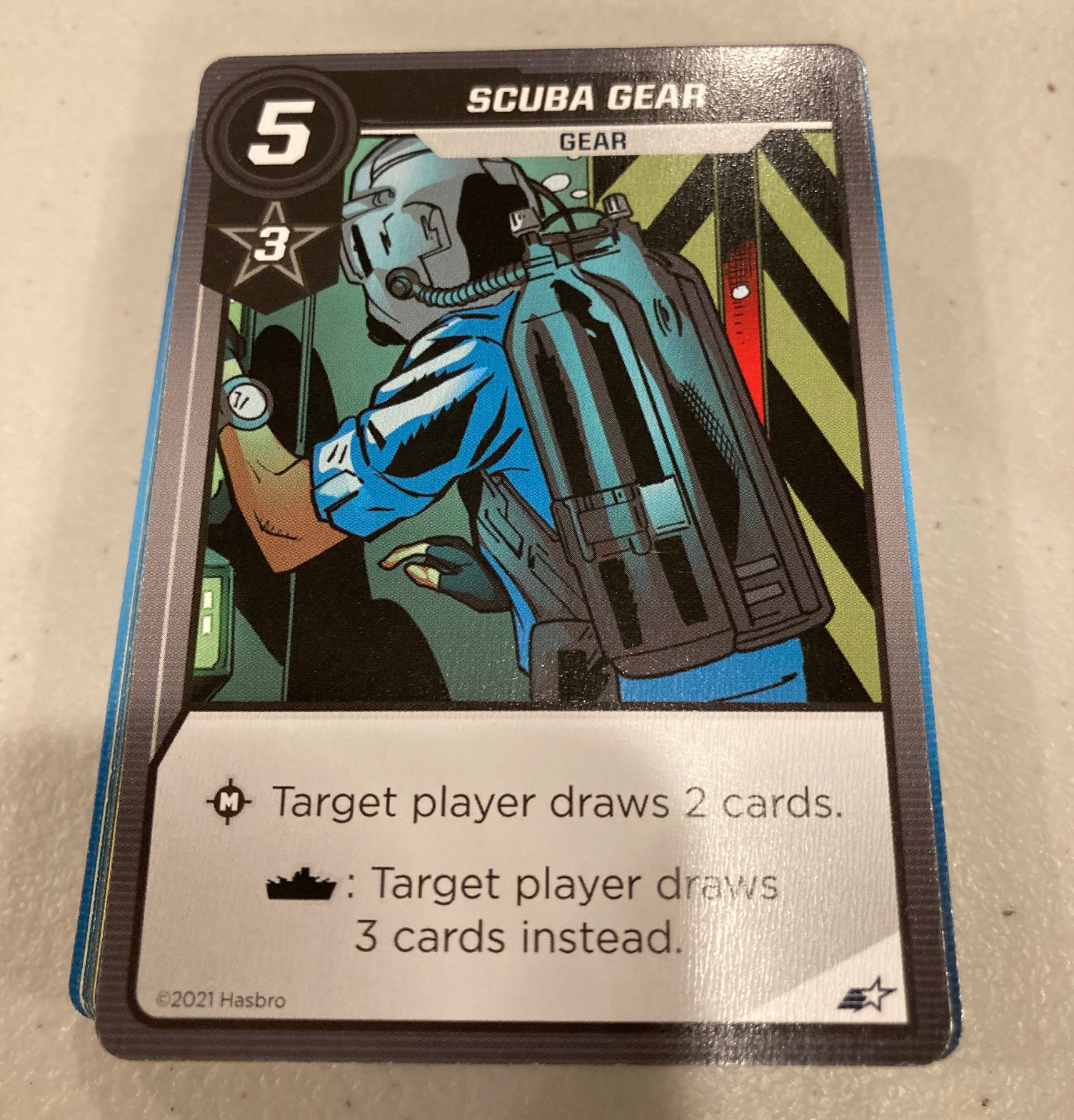


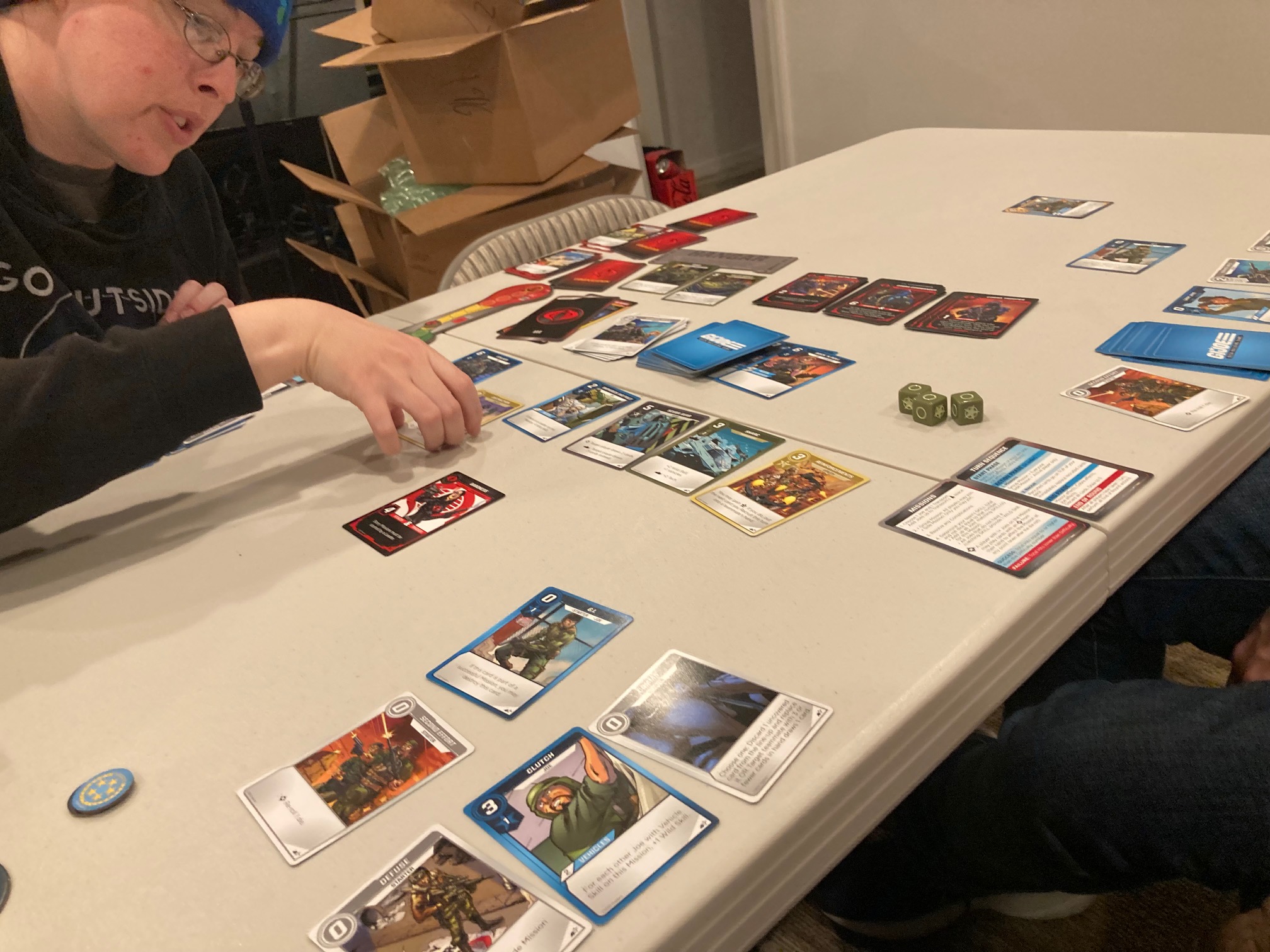

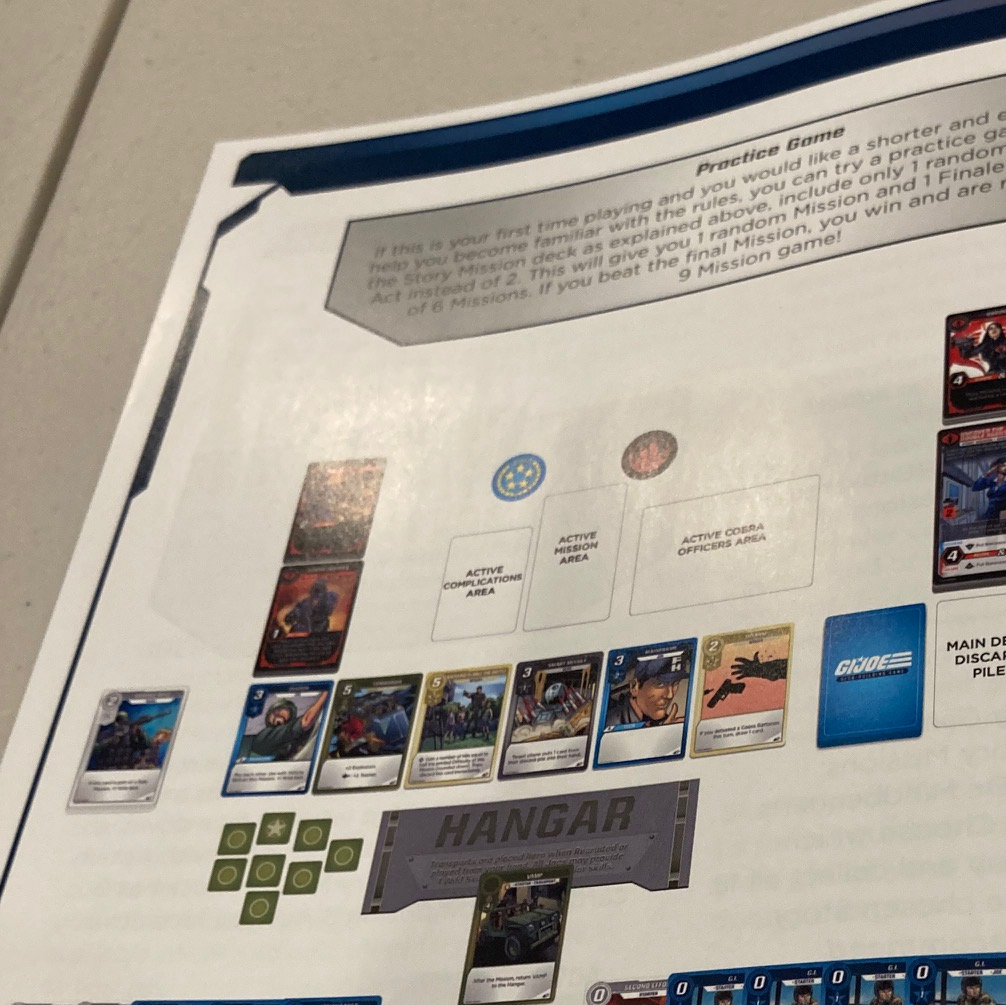 Where do the basic Service Rifles go? NOWHERE does the set-up mention what to do with these white cards (white cards seem to denote starter cards, but that’s not clear)! If you look closely on the very left edge of the set-up picture, you can see you put them next to the offering. If you have played any deck-building game, you know that “typically” there’s a resource you can always buy to make your deck better even if the offering doesn’t have anything. This wasn’t documented, but it just seems to “assume” you know what those are (from playing other deck-building games)

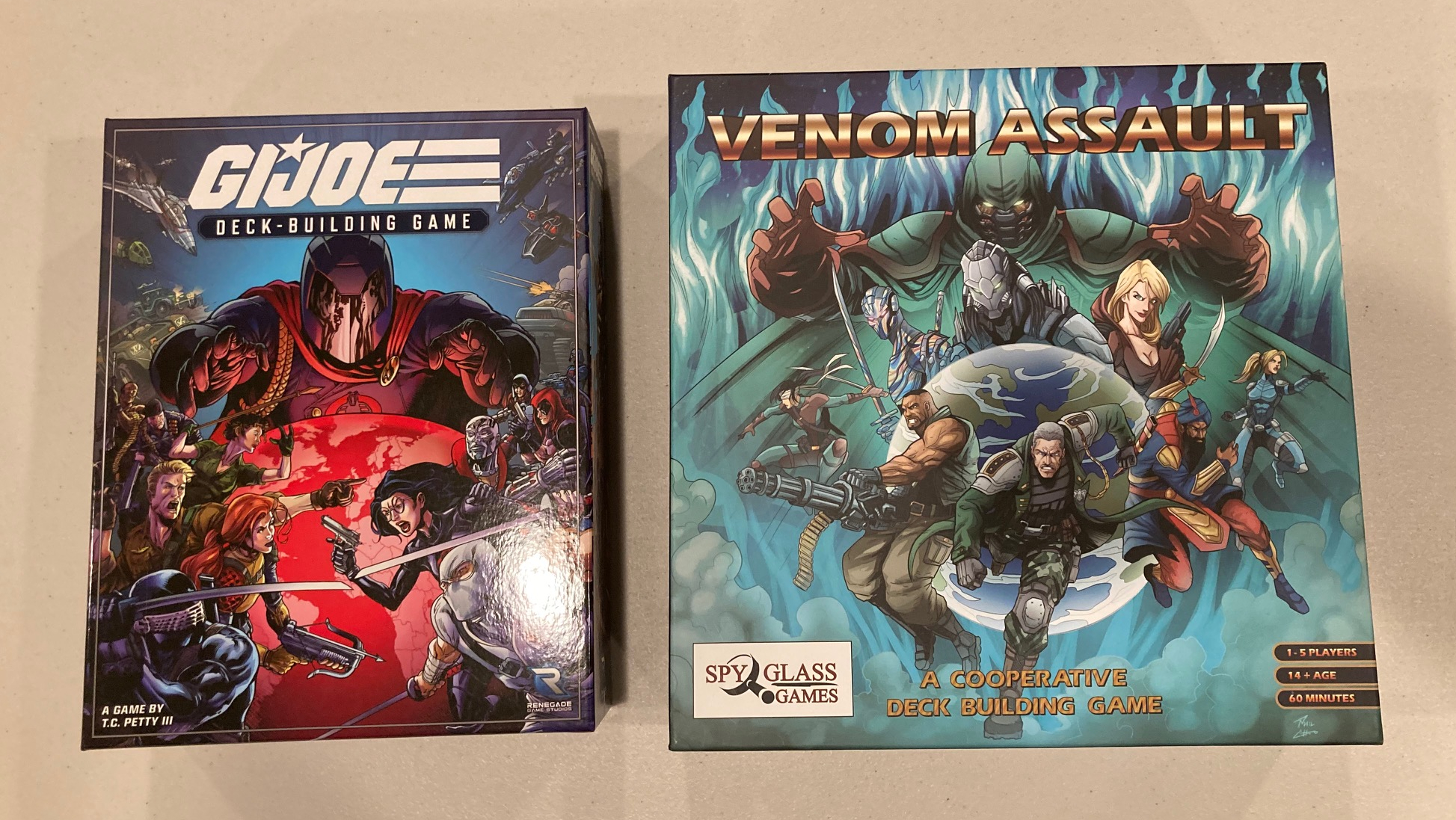


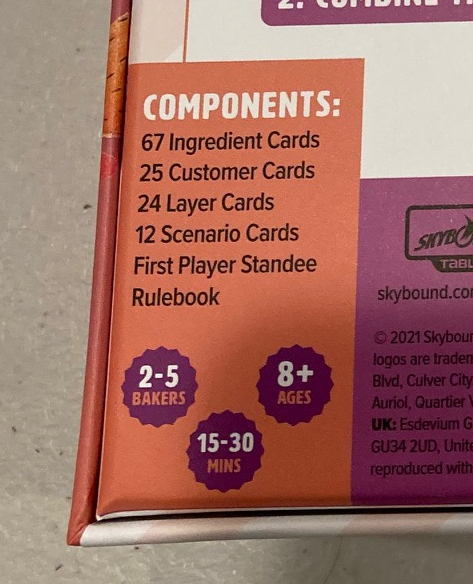
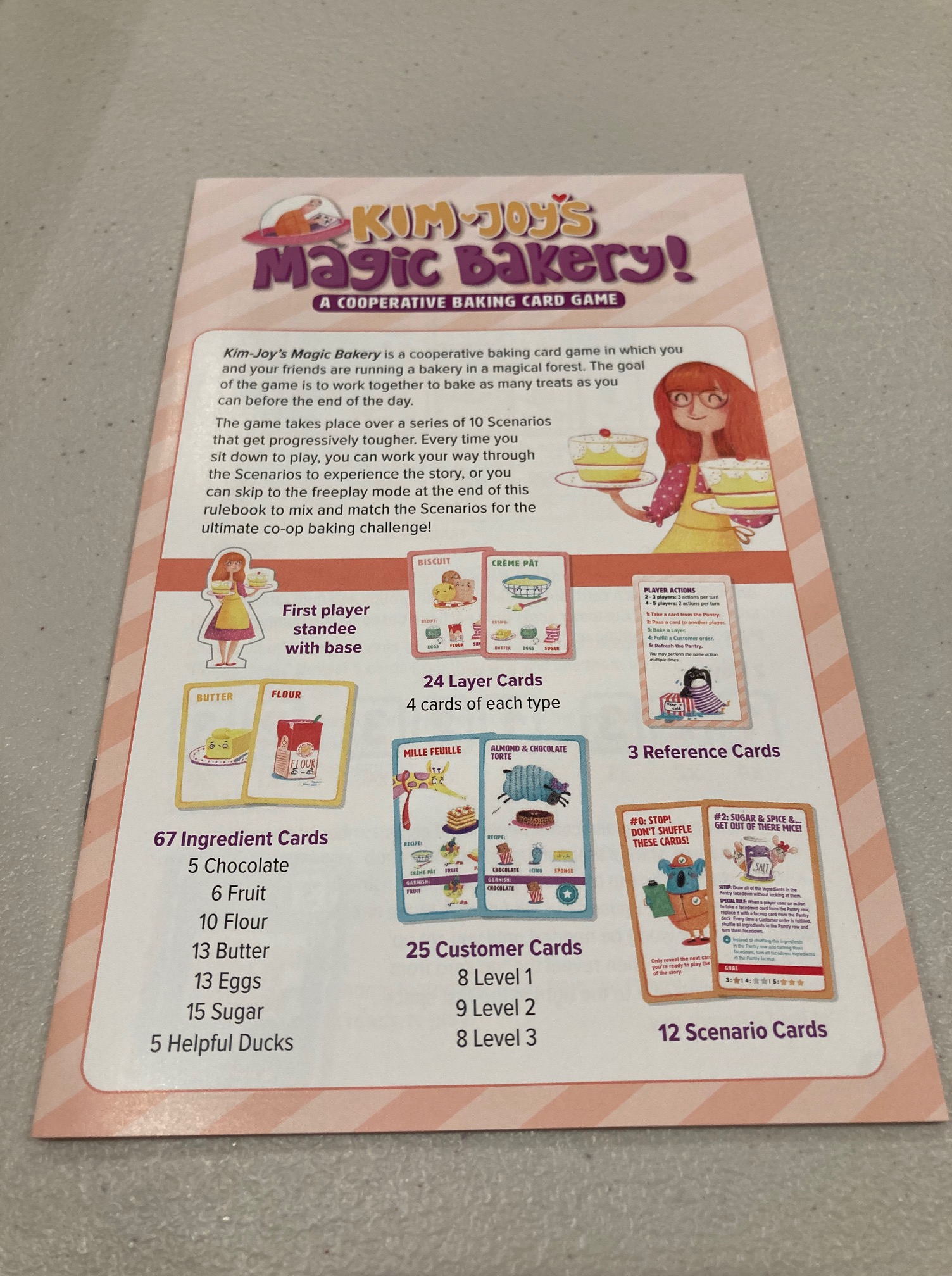
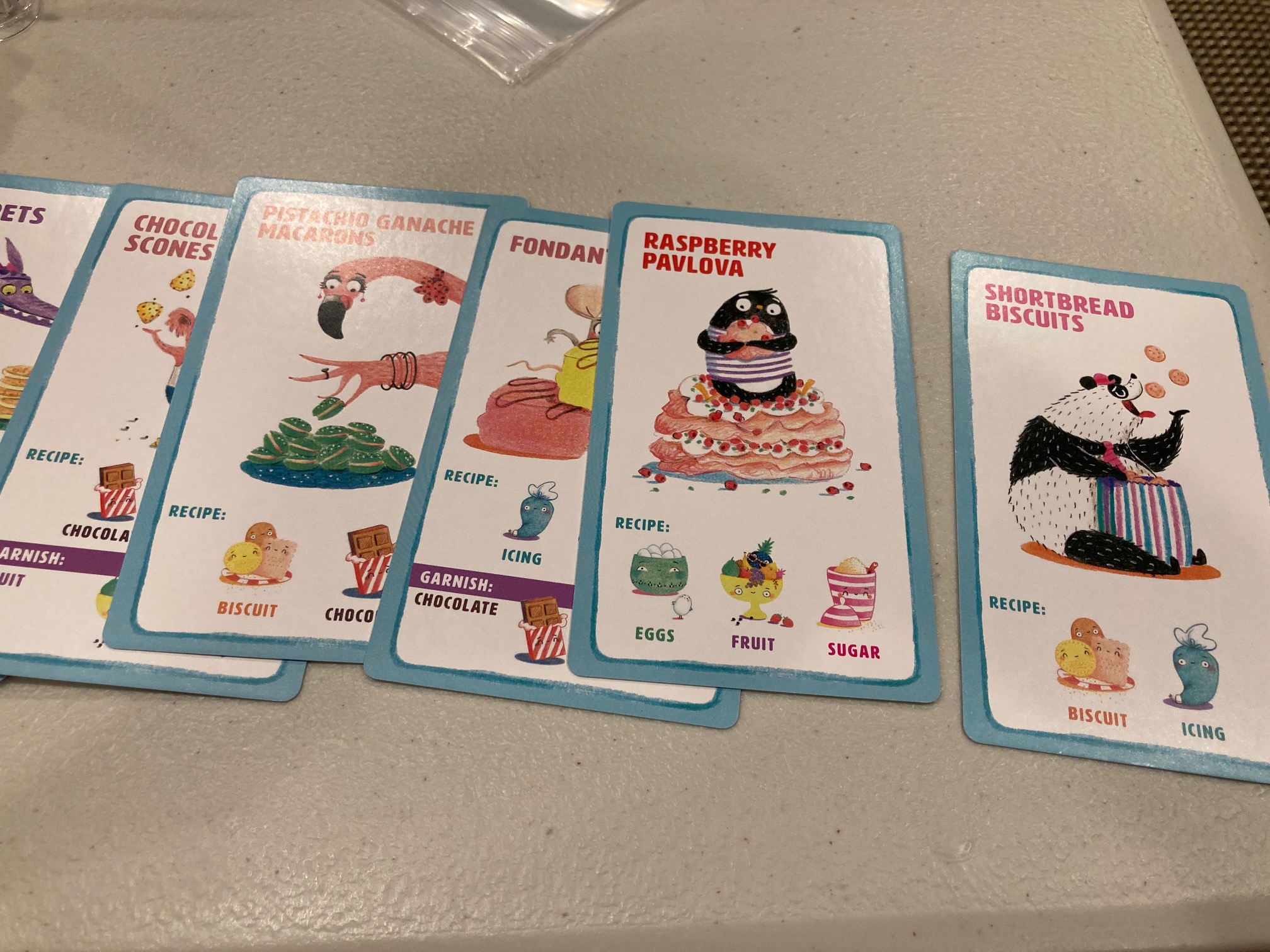


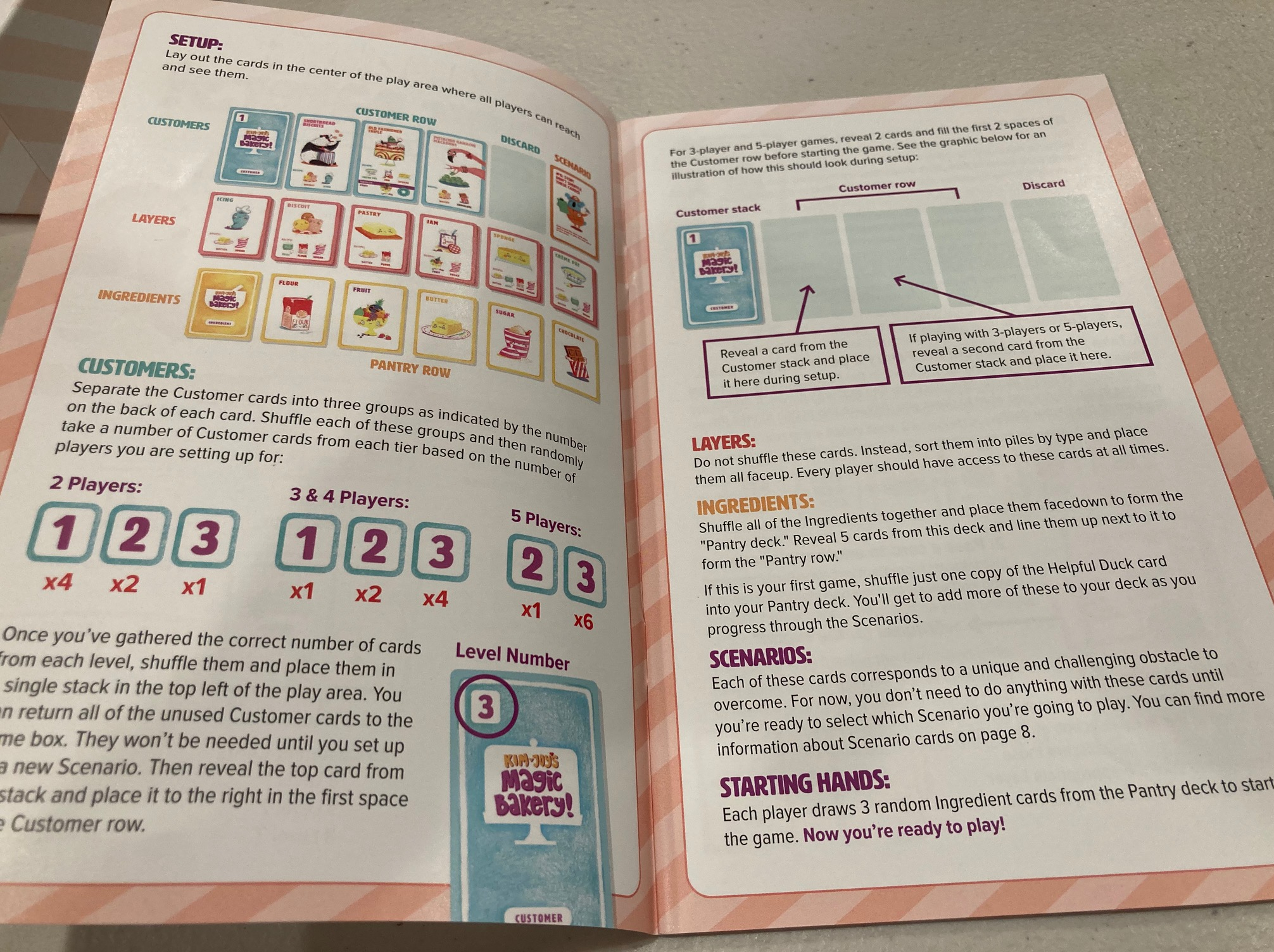


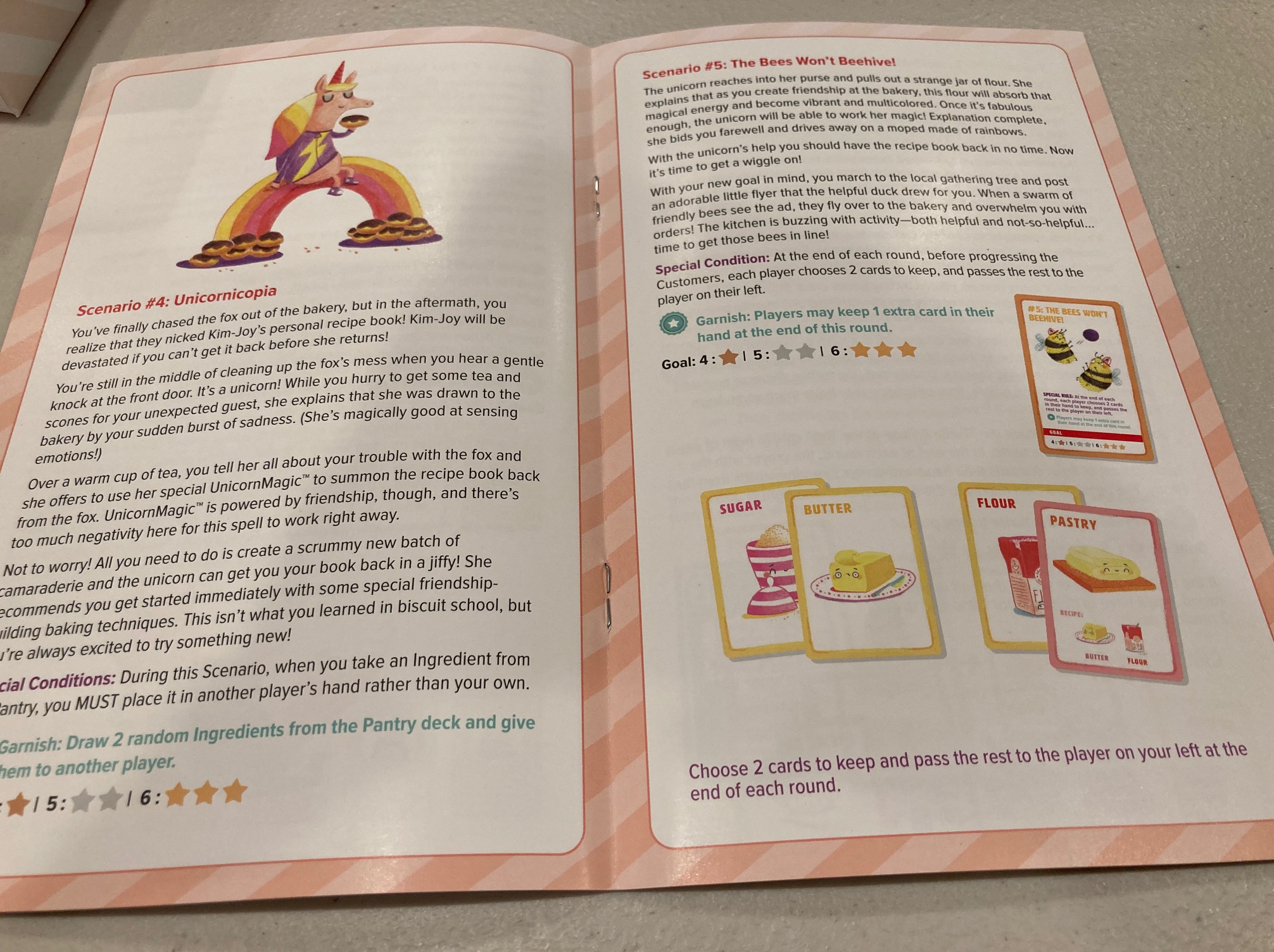
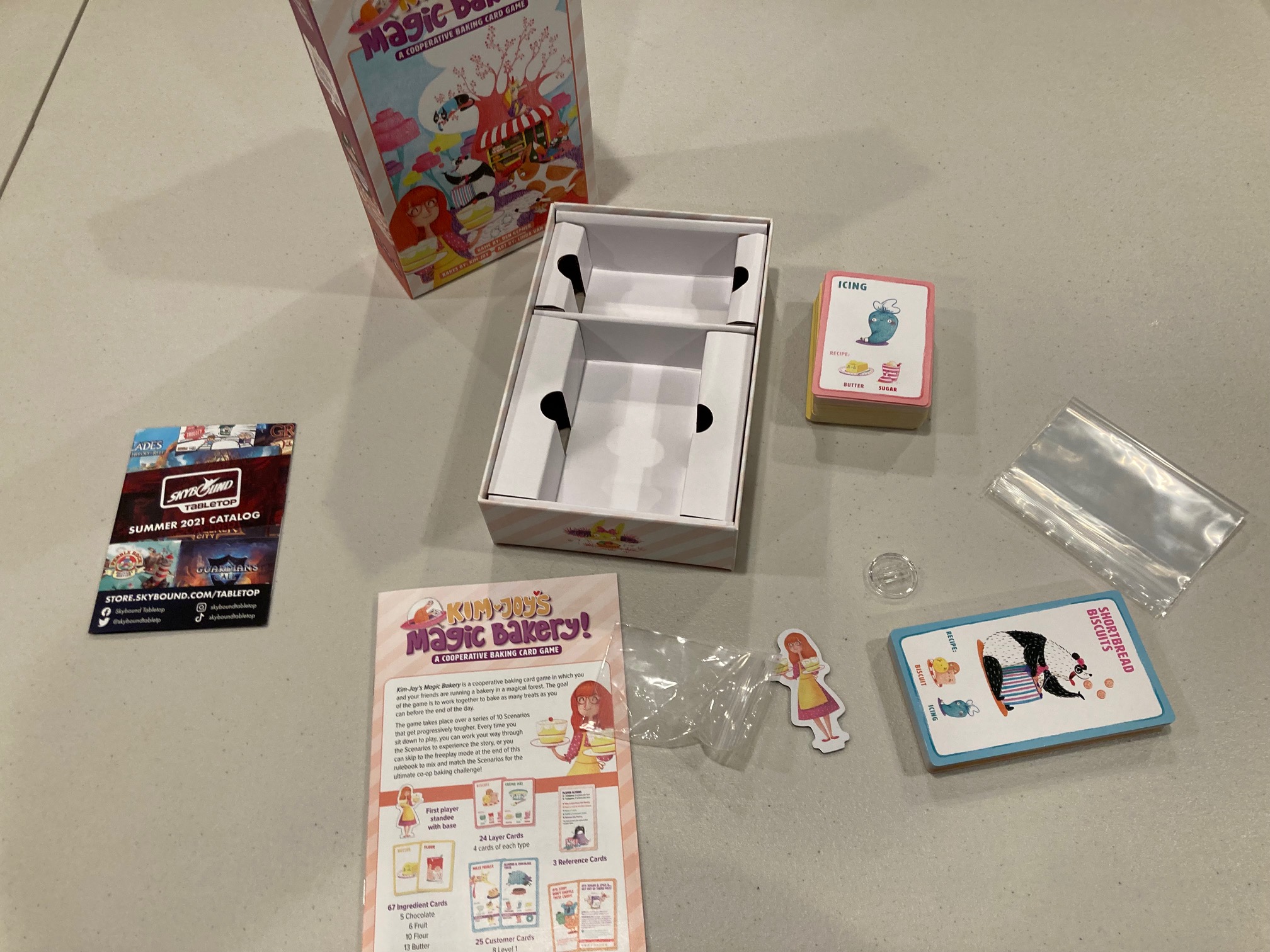


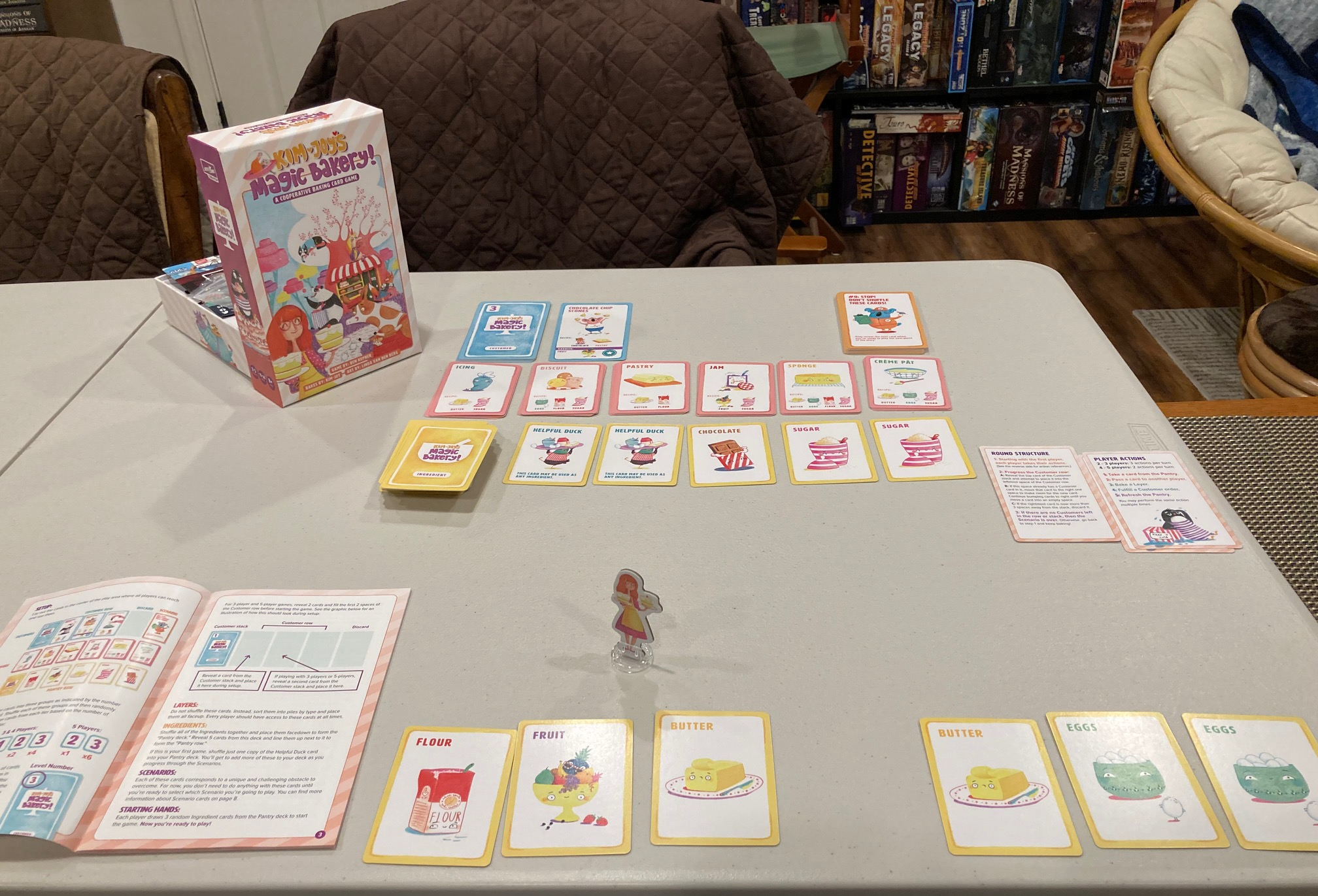


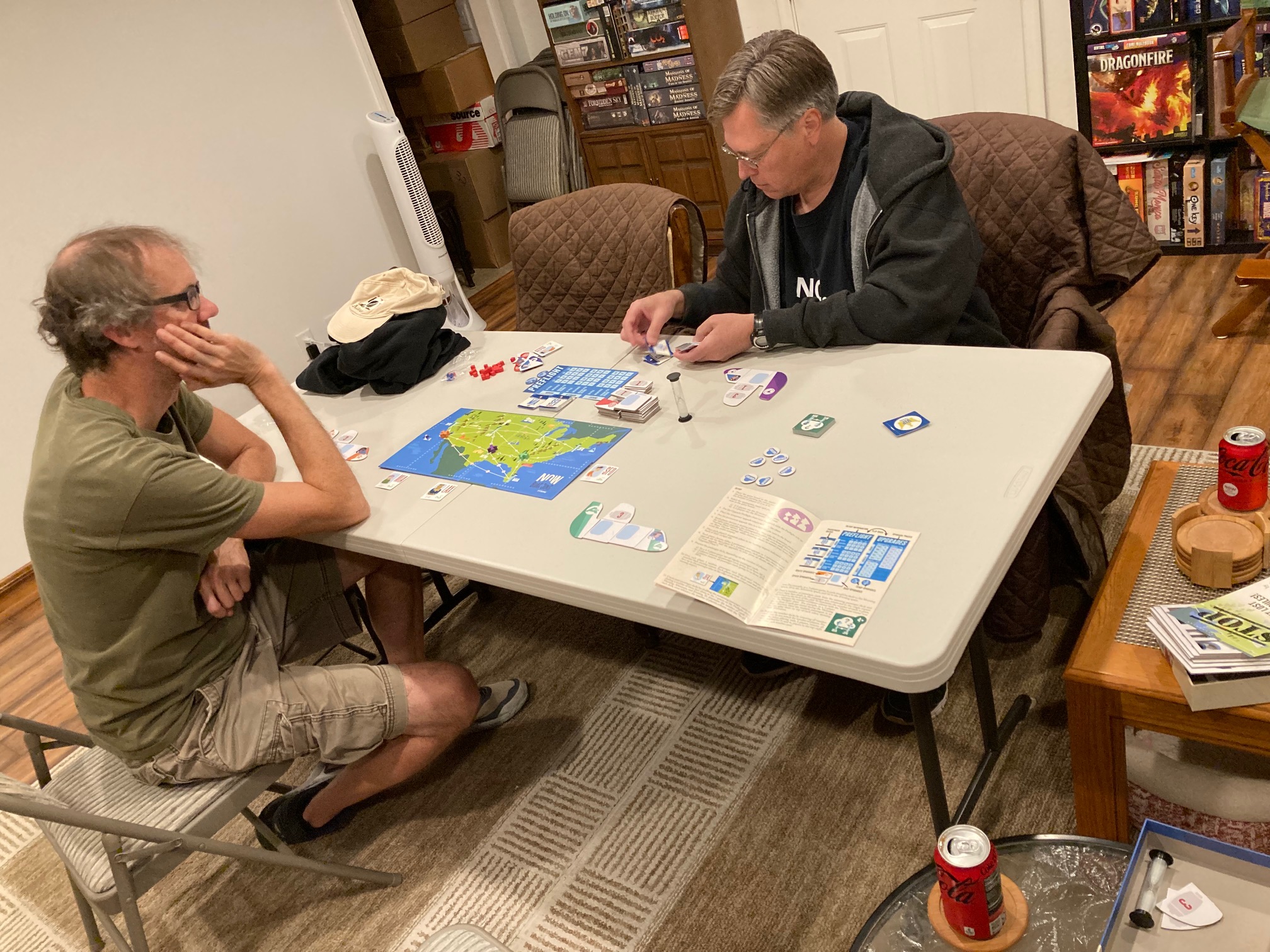


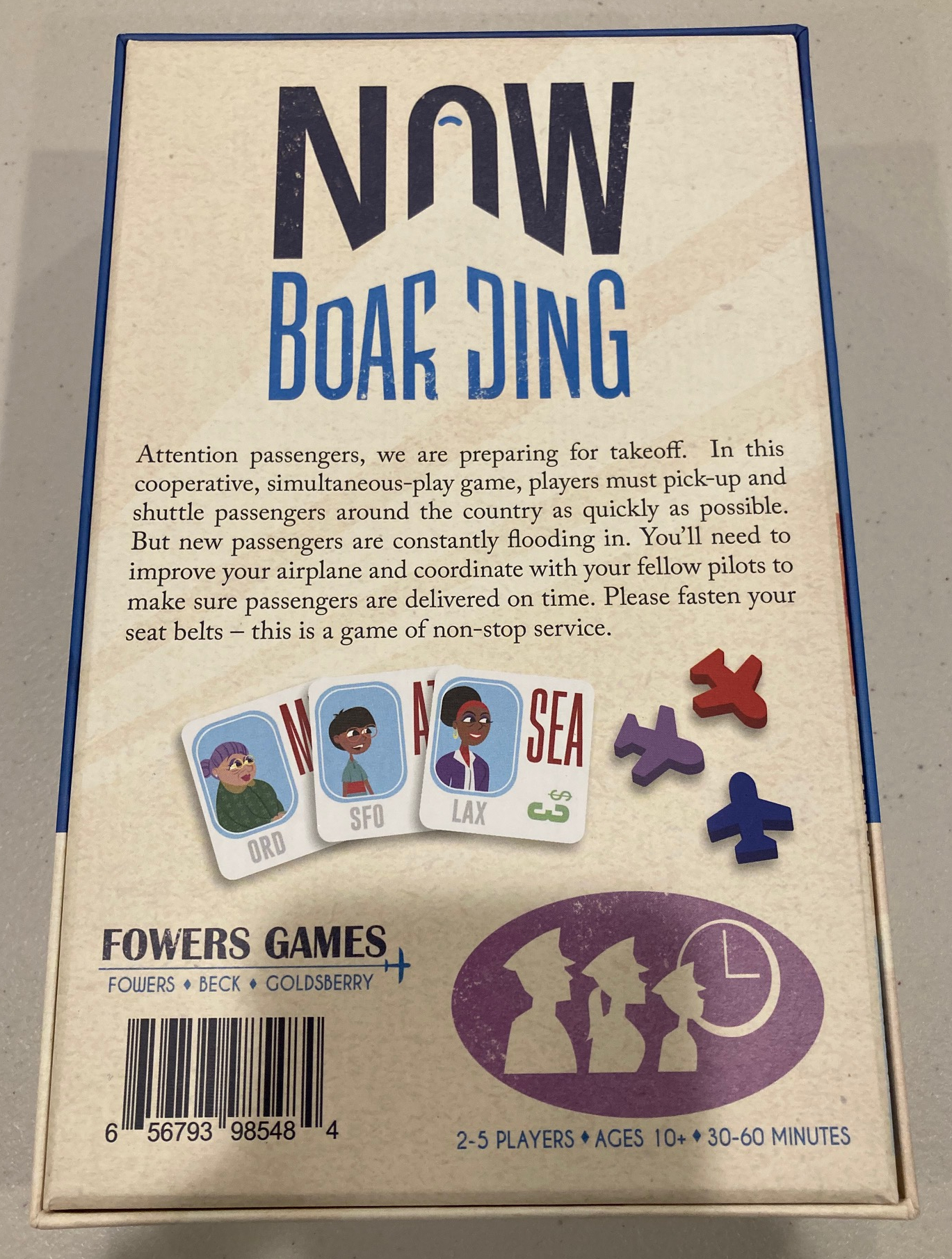


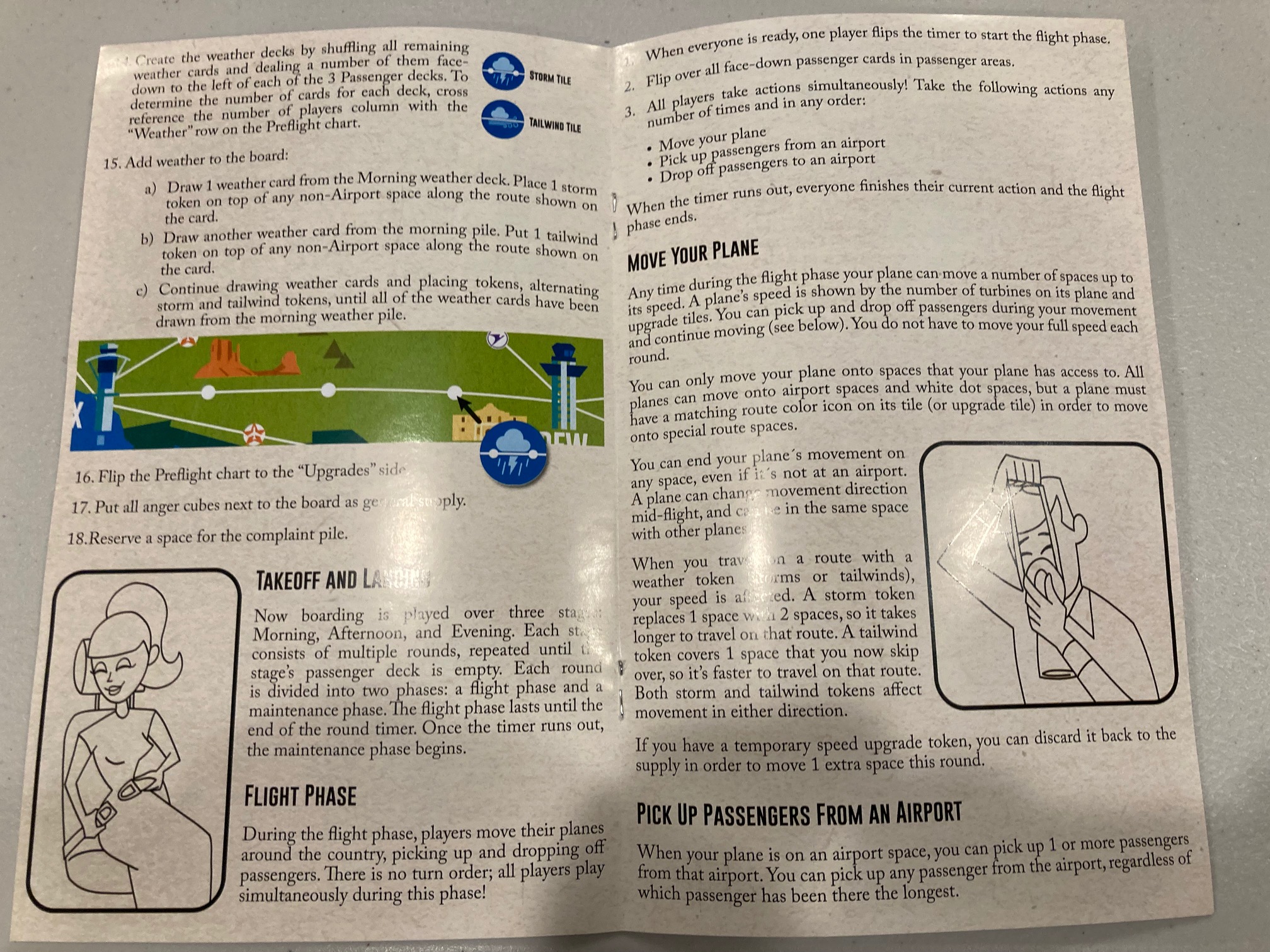


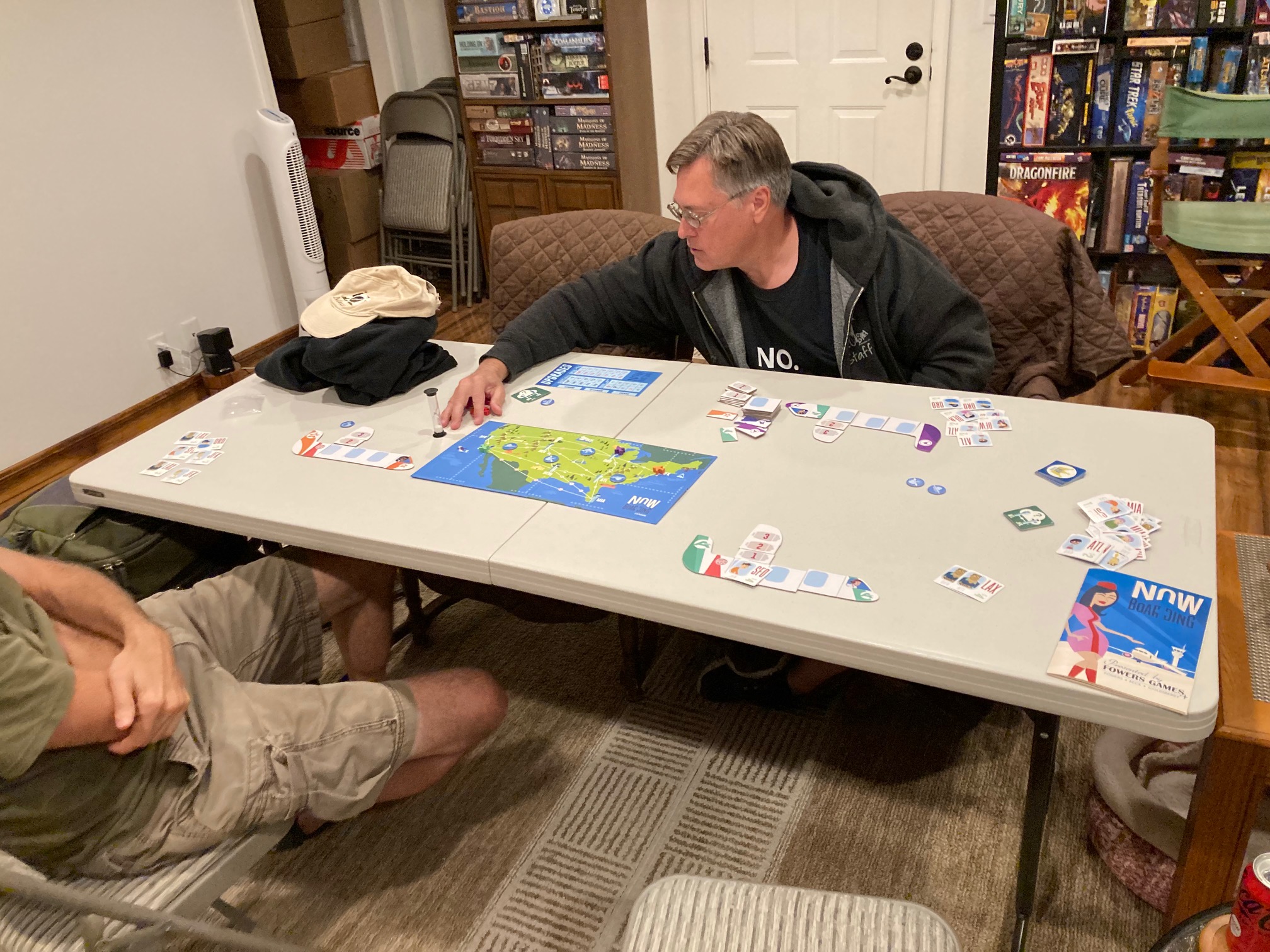


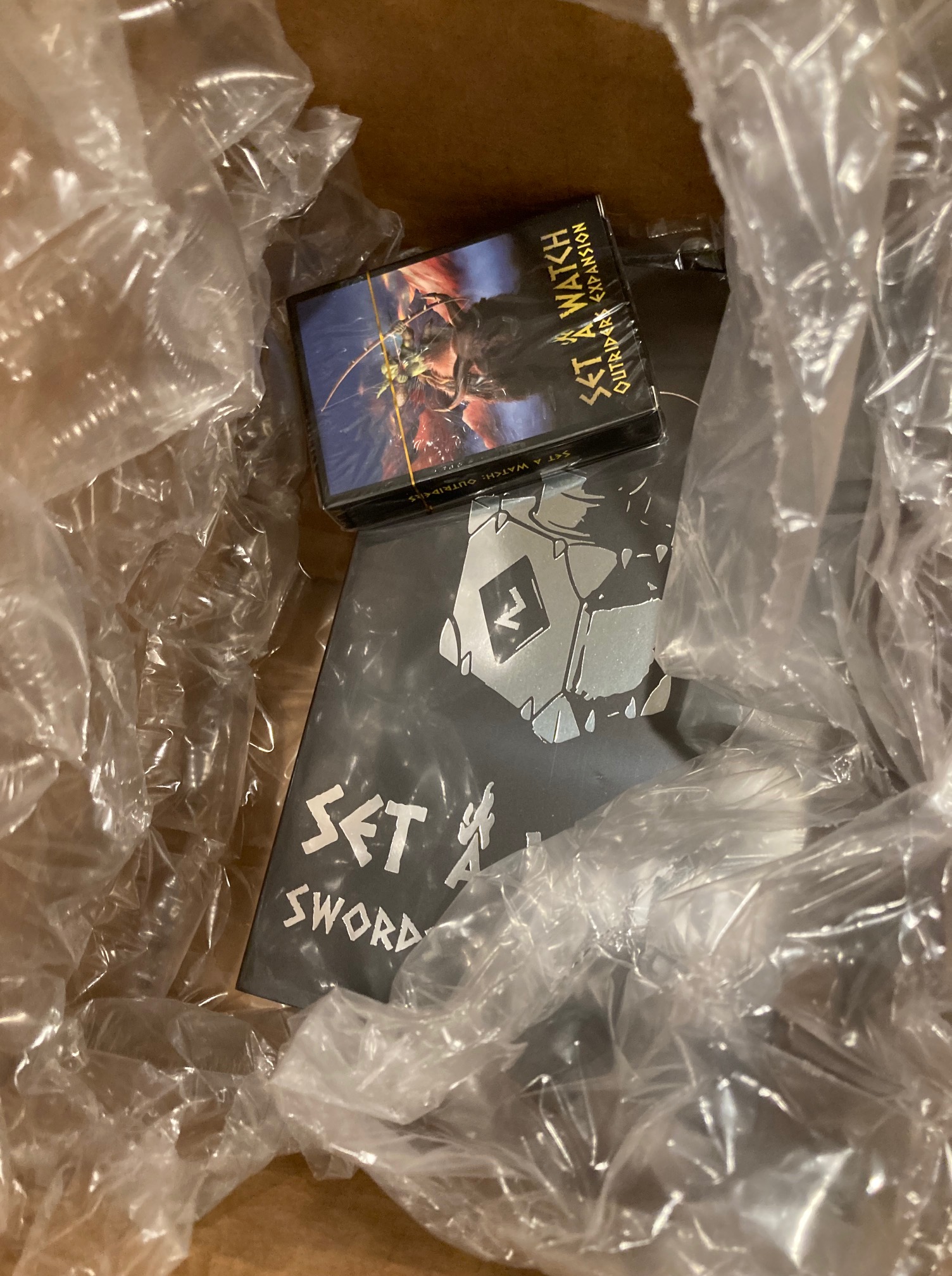
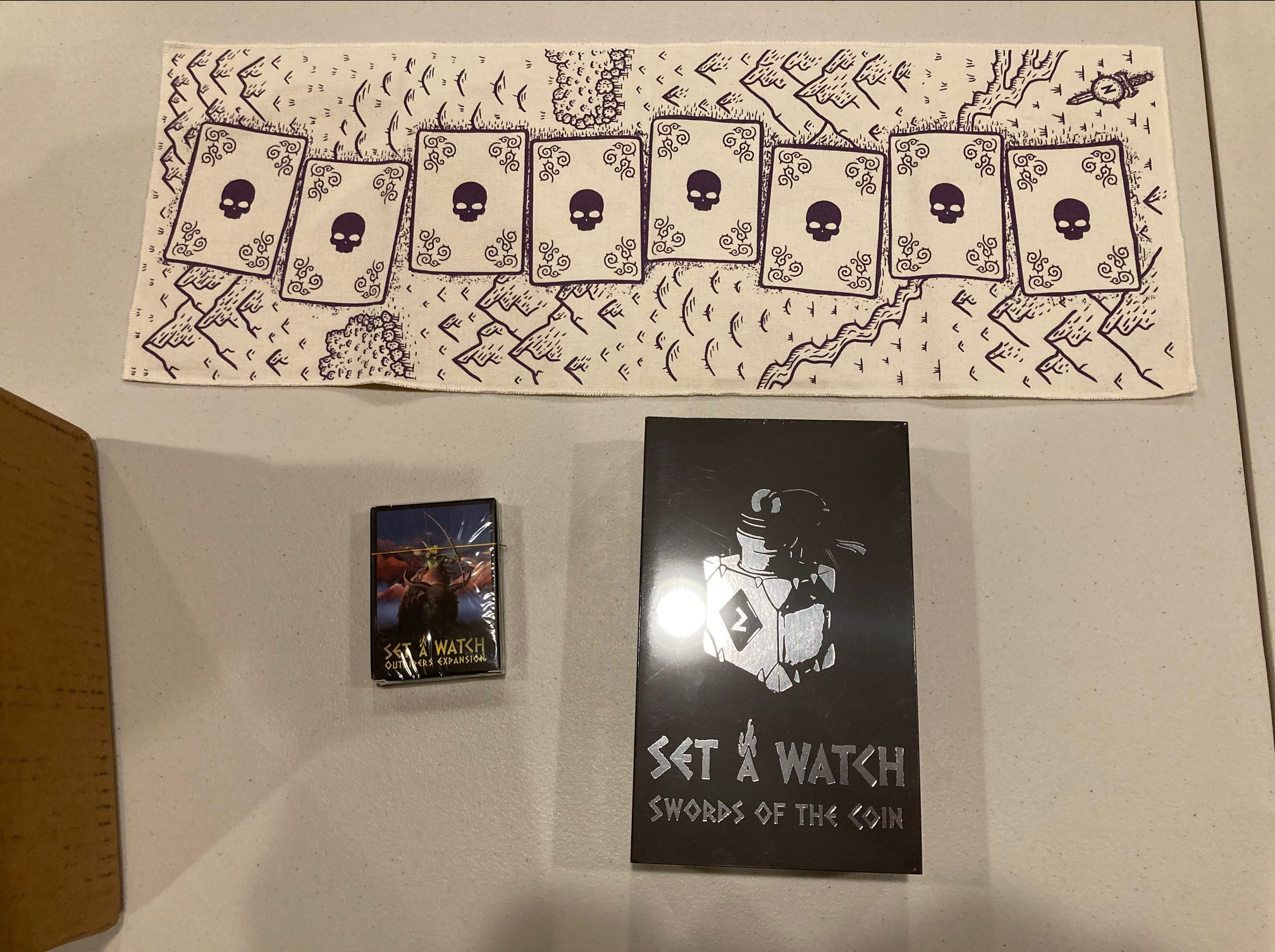


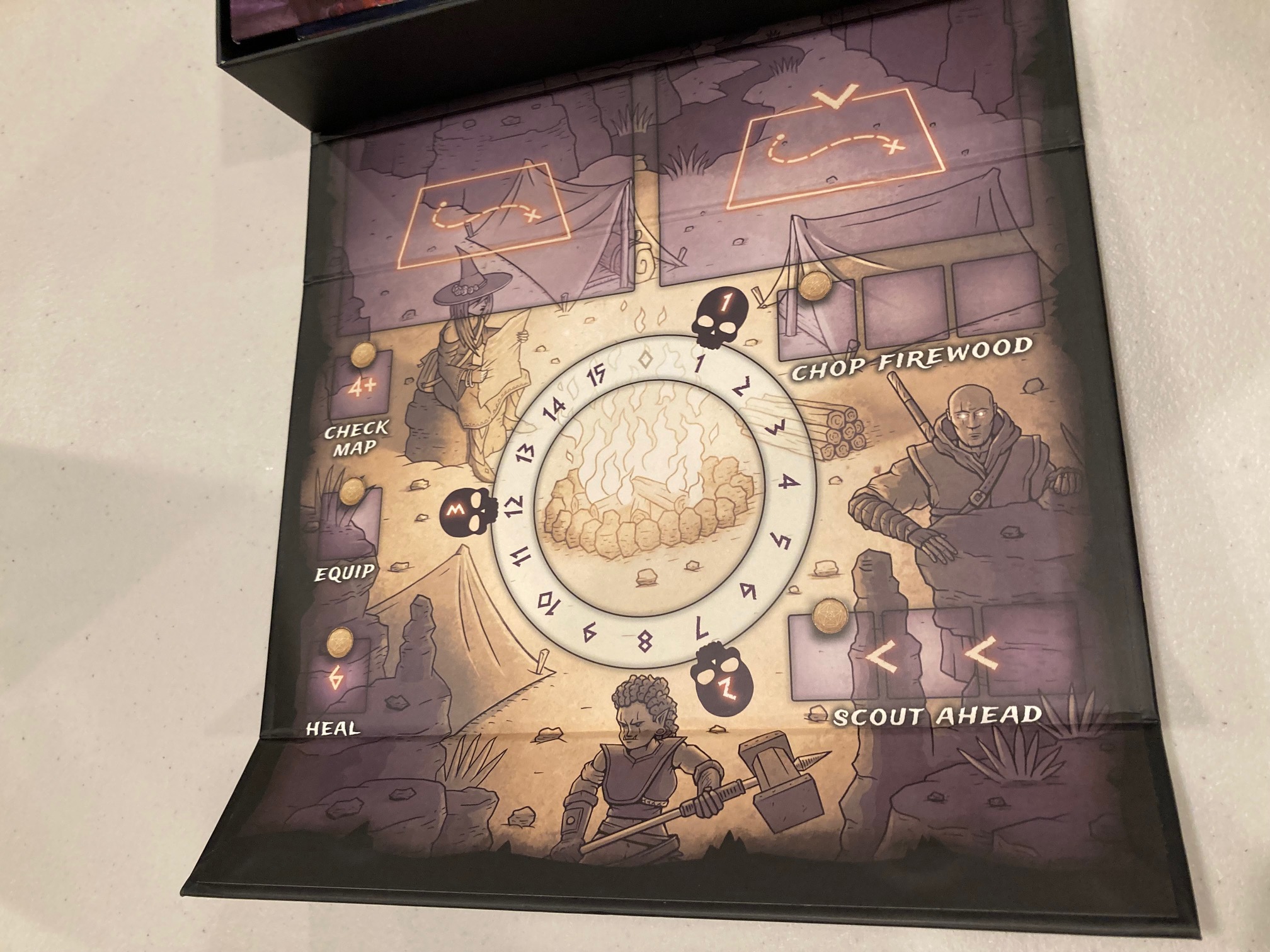

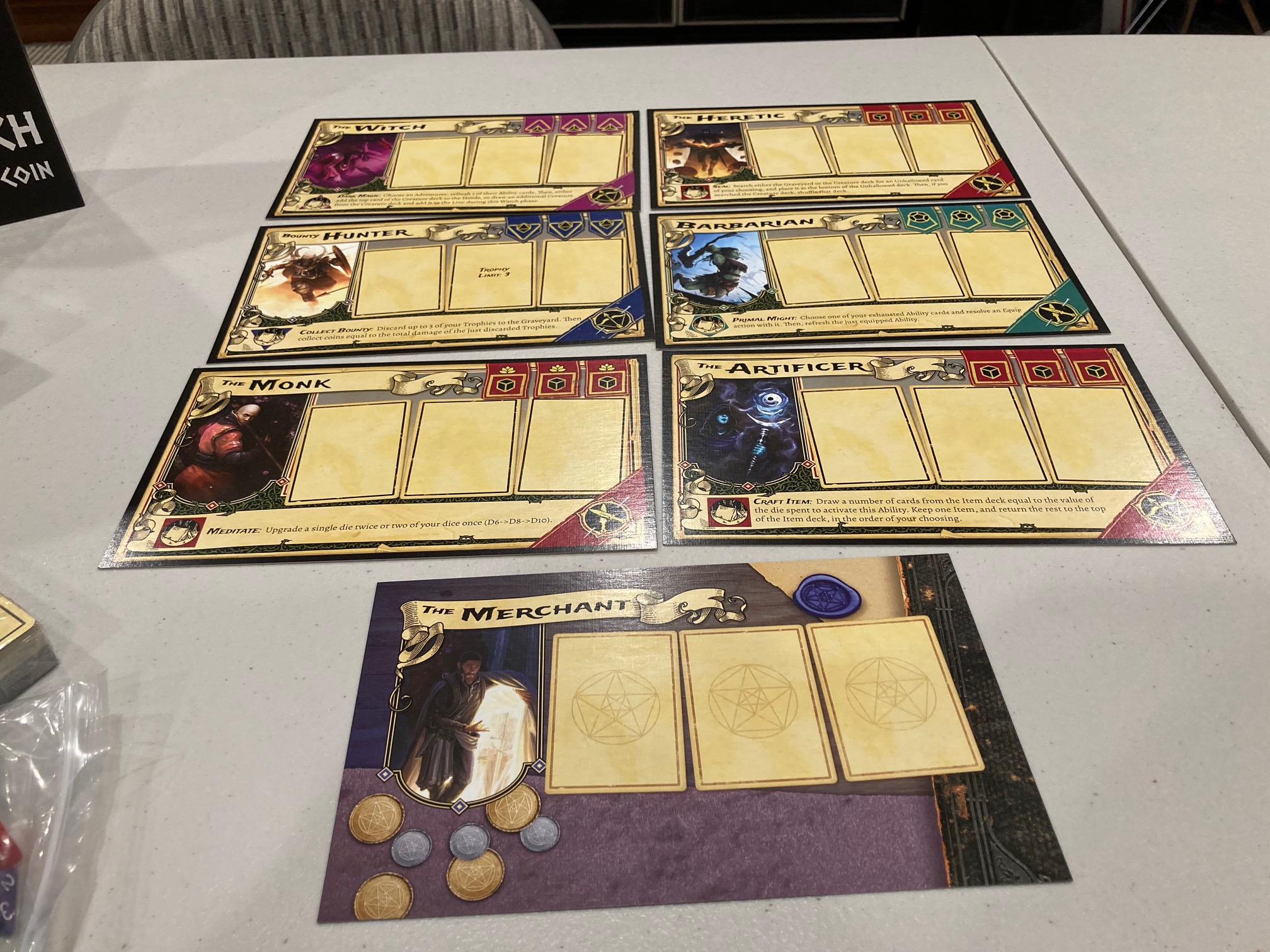
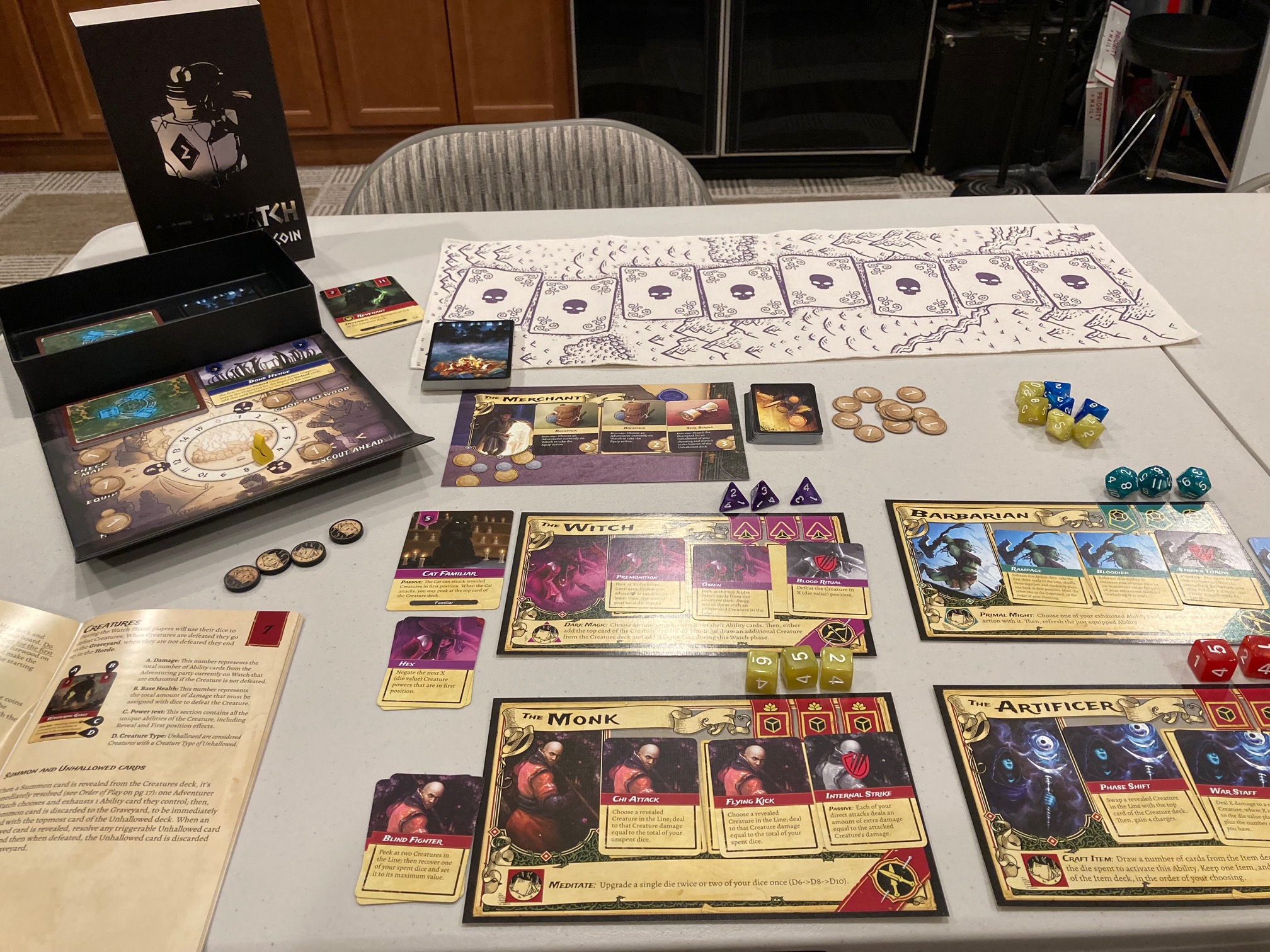
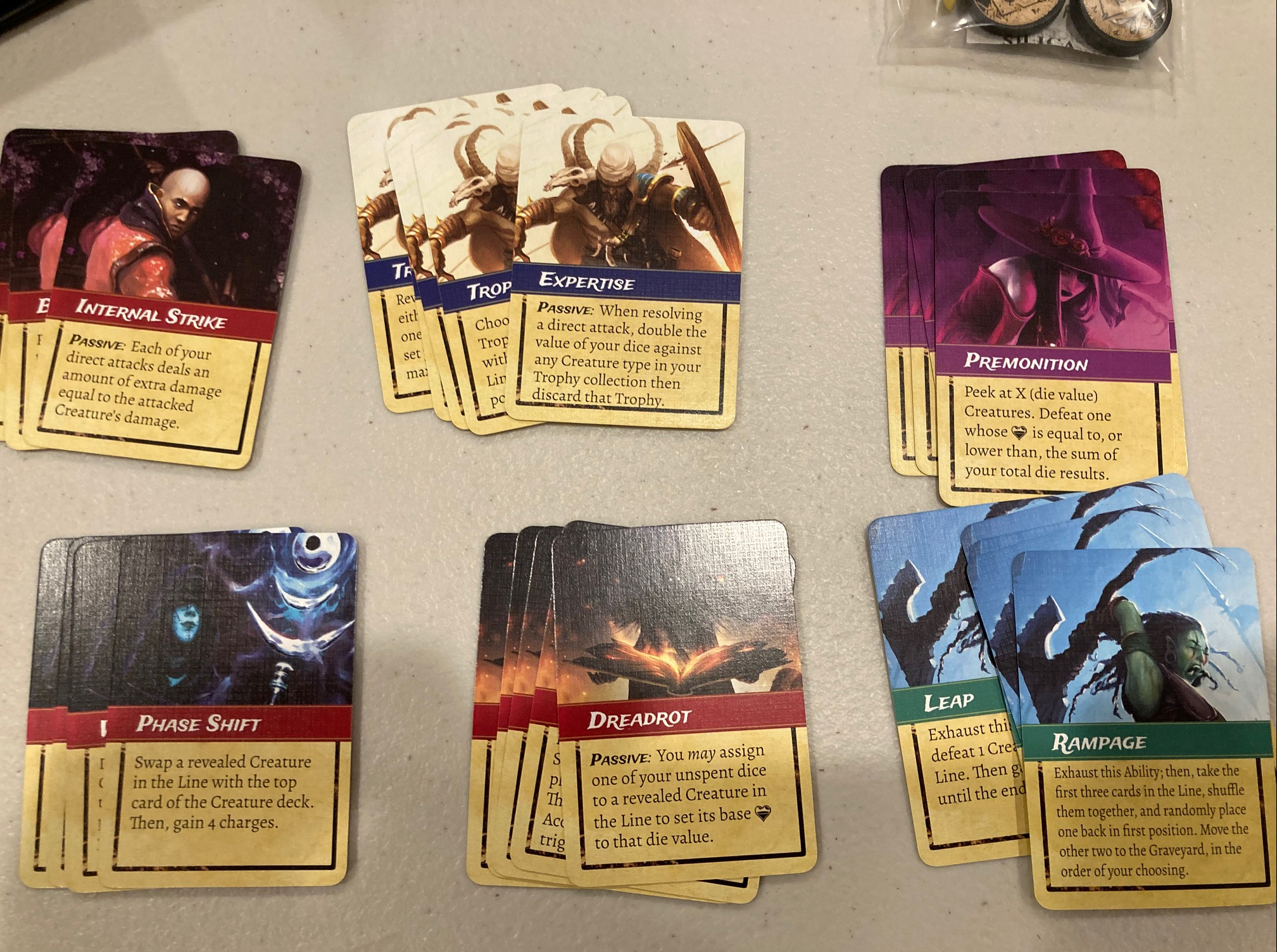


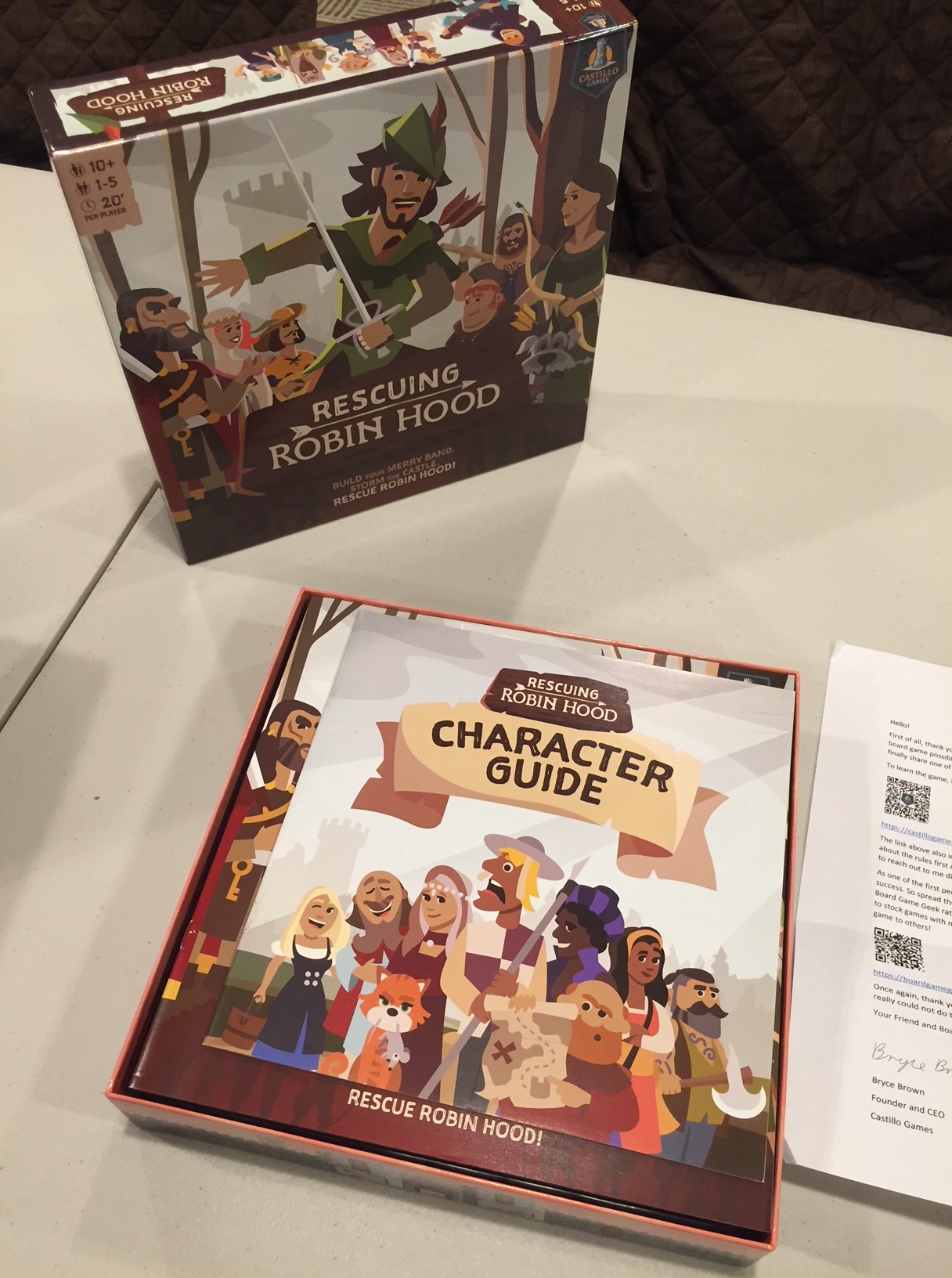



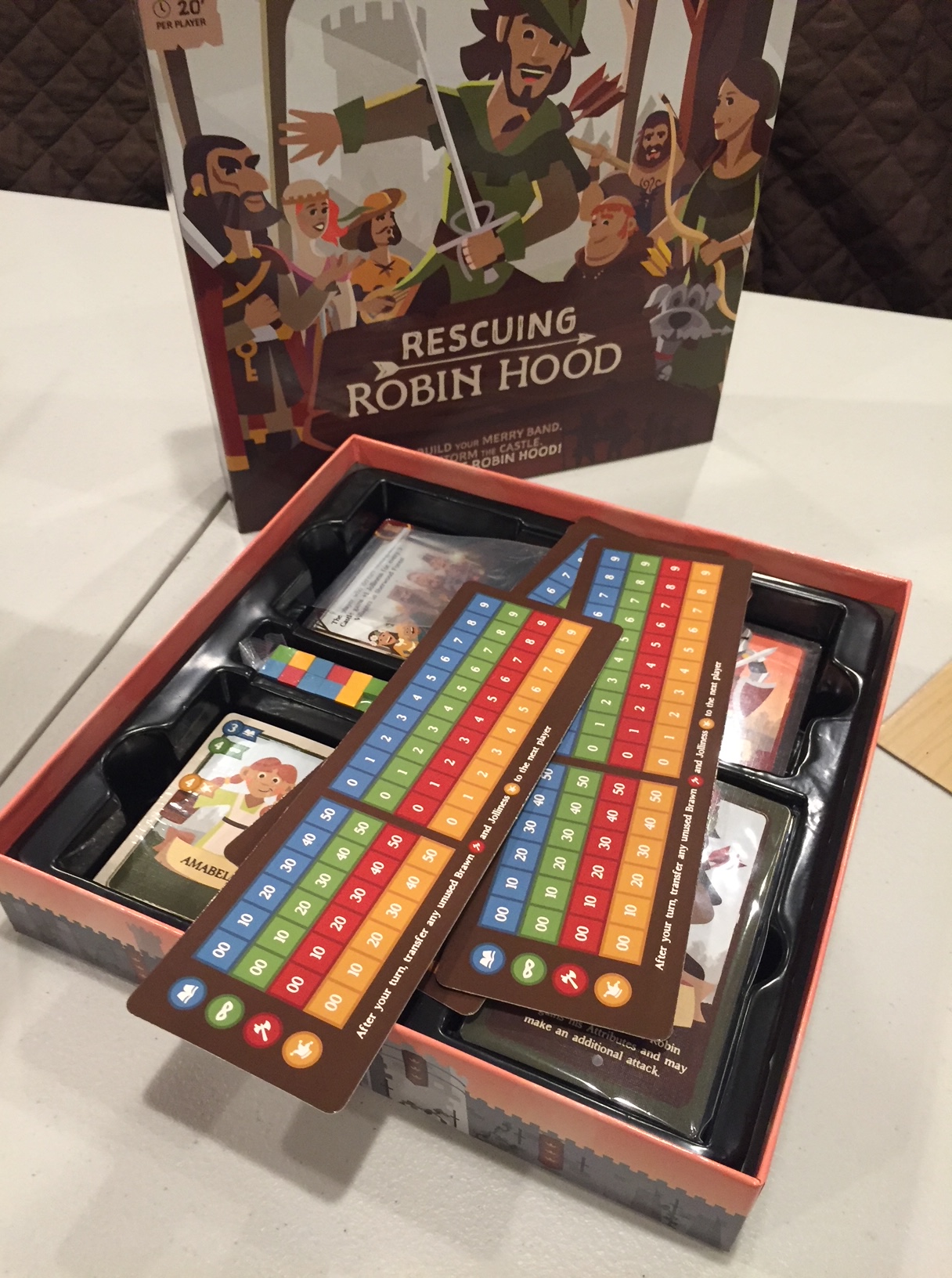





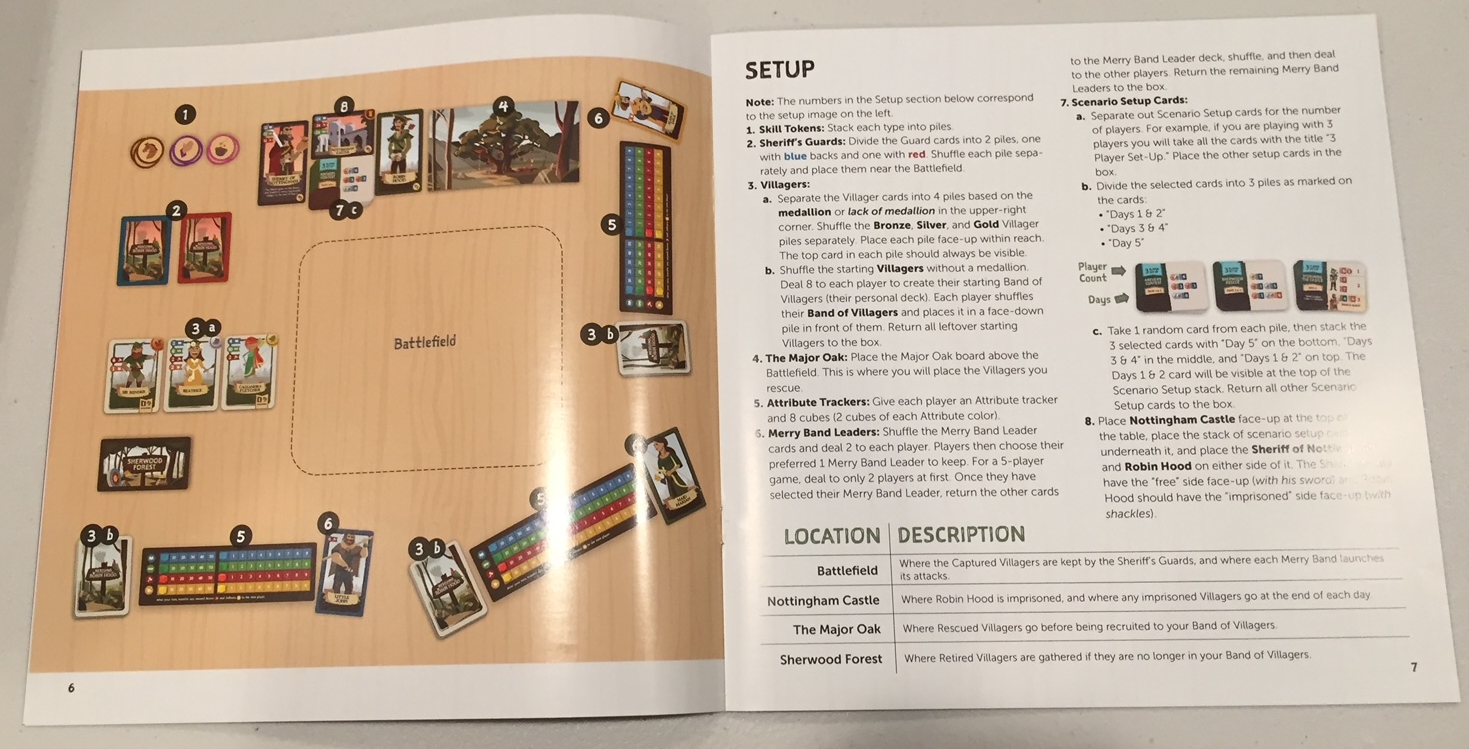



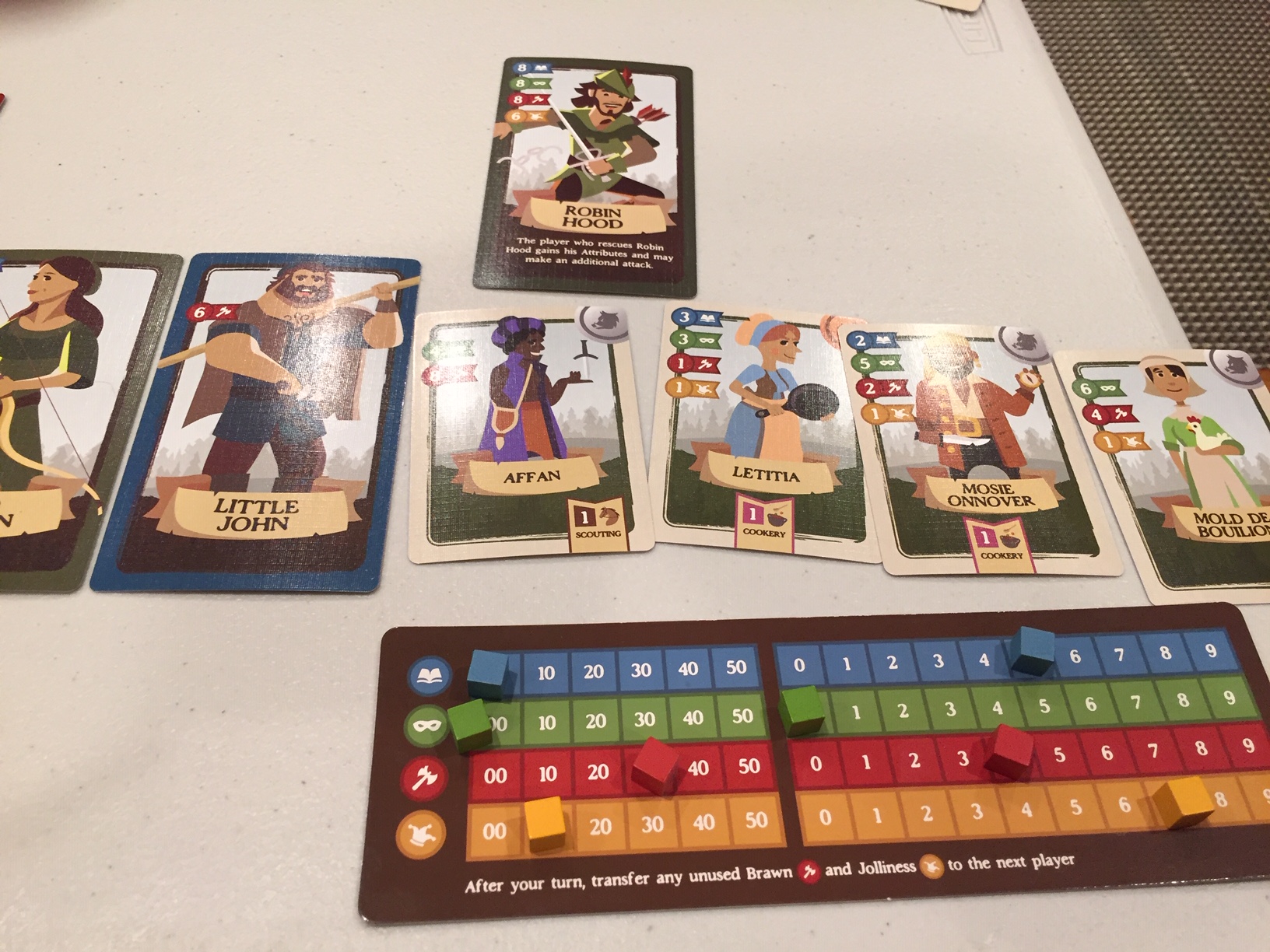


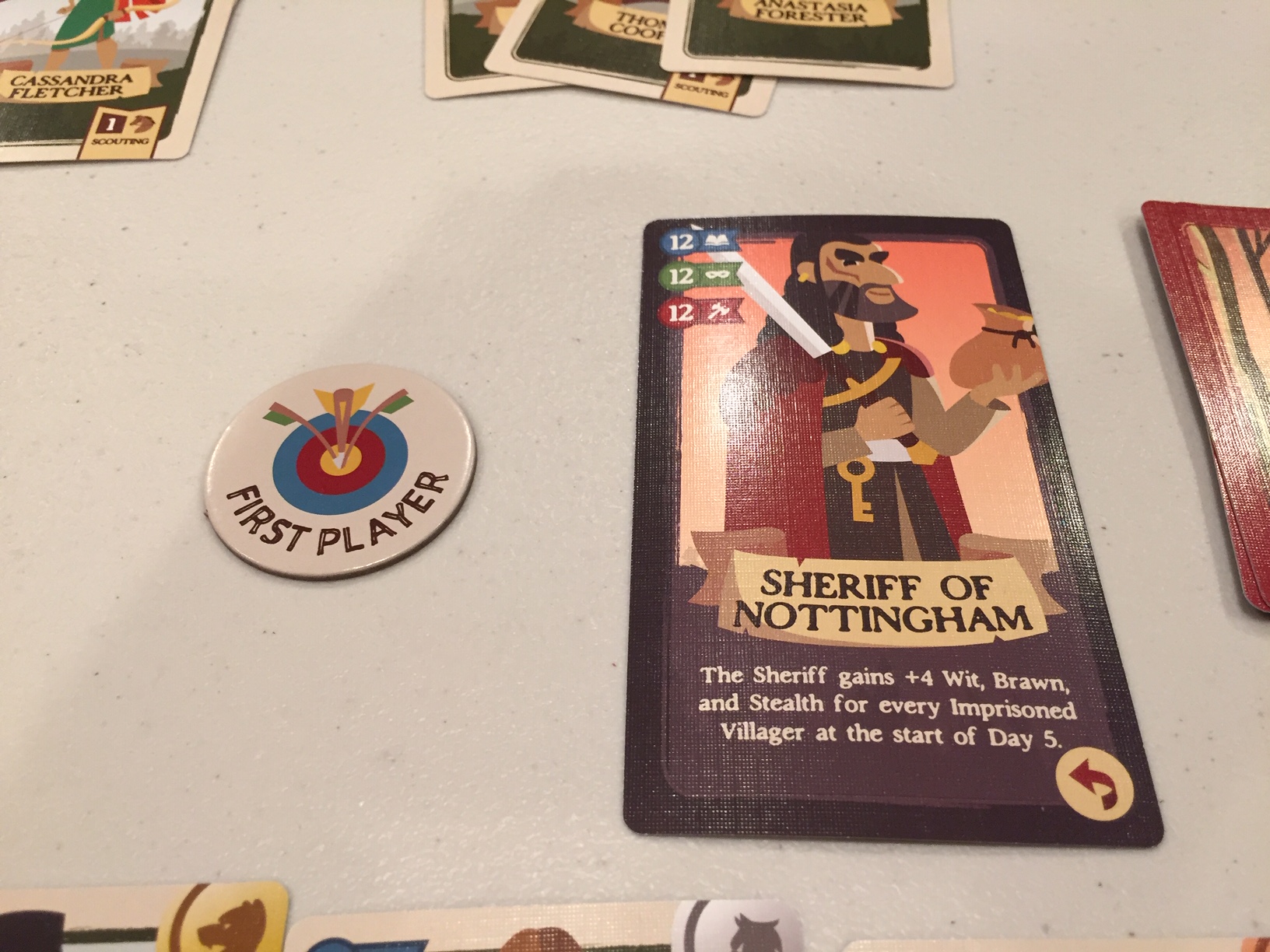


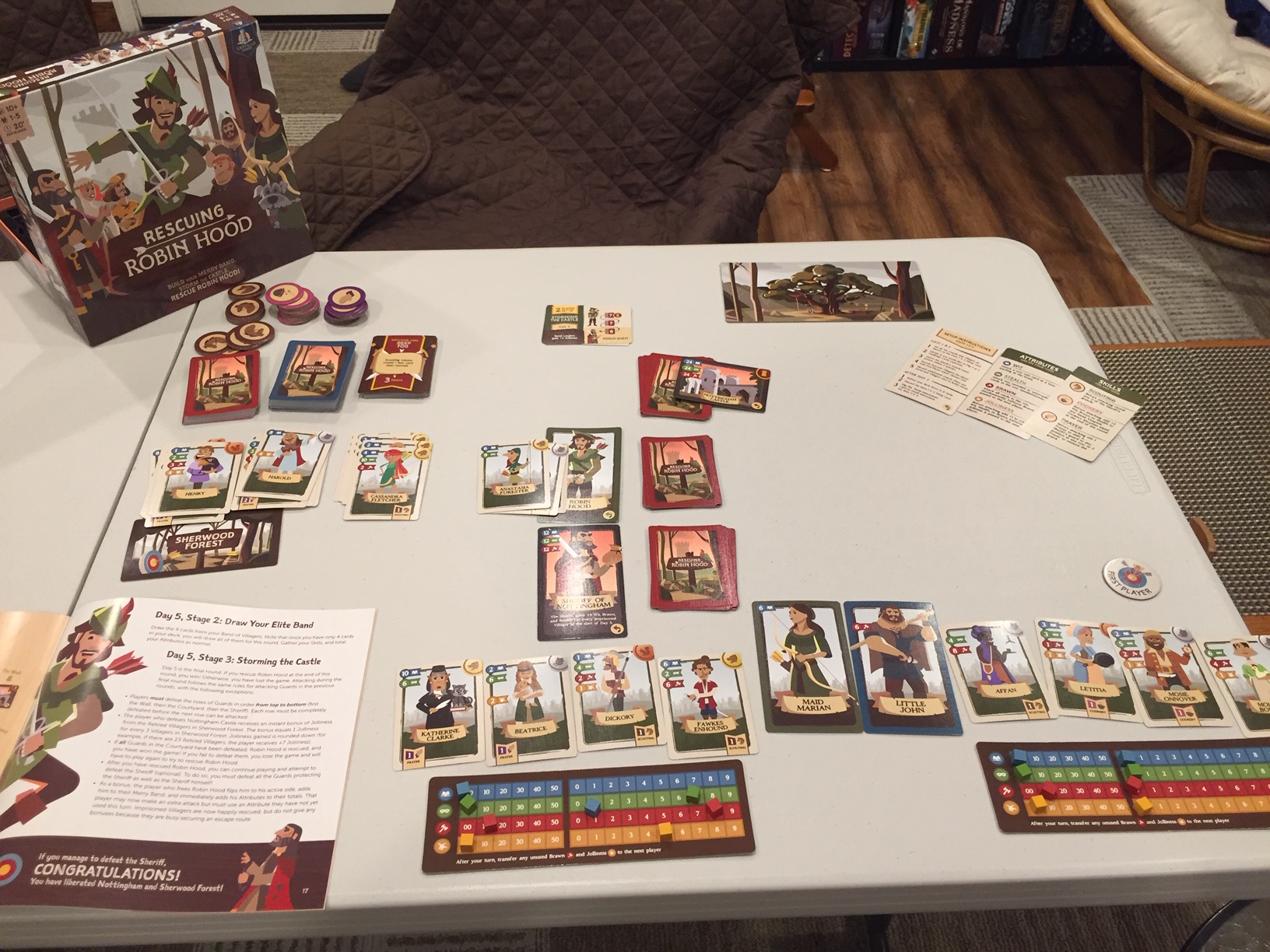

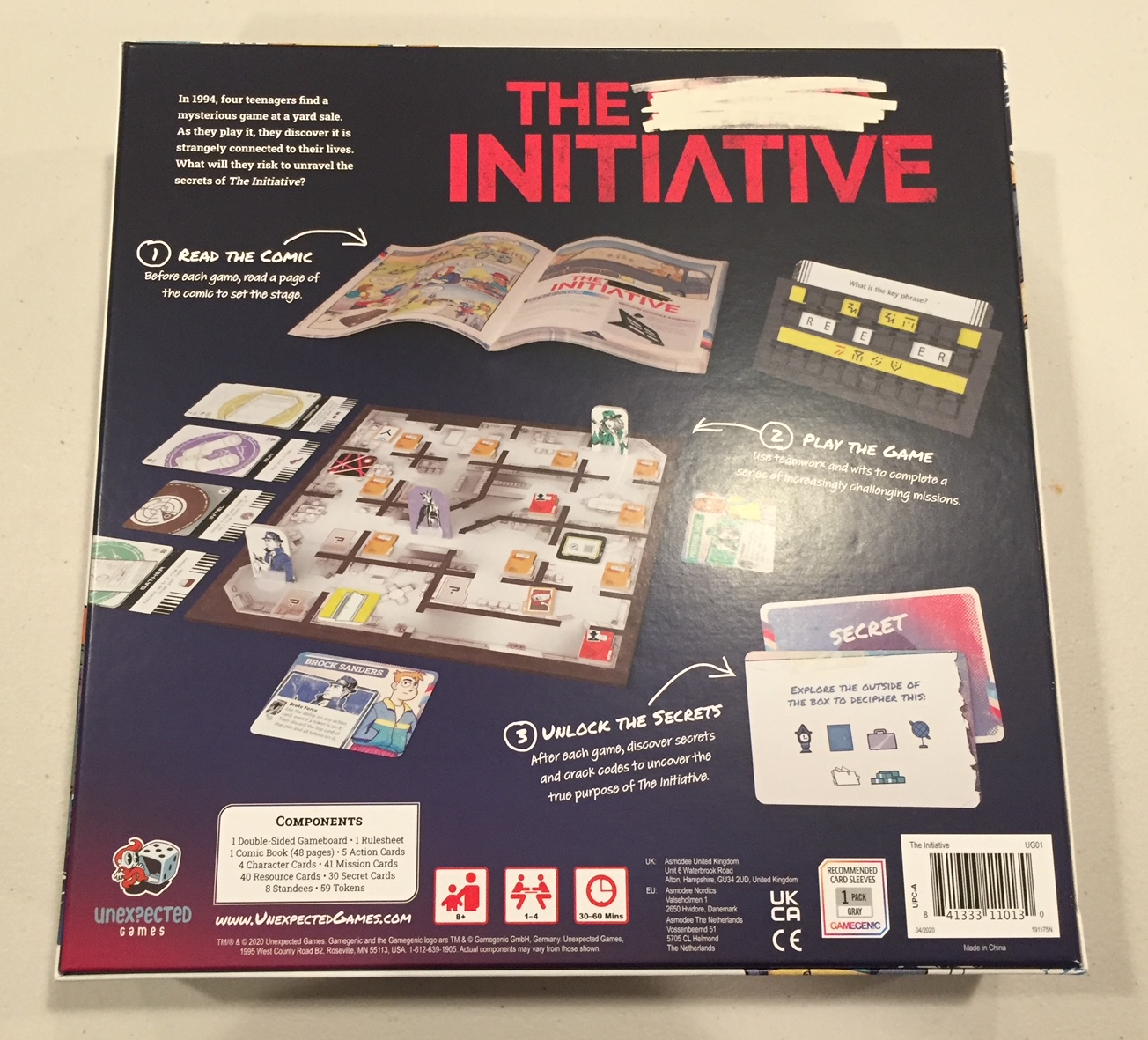
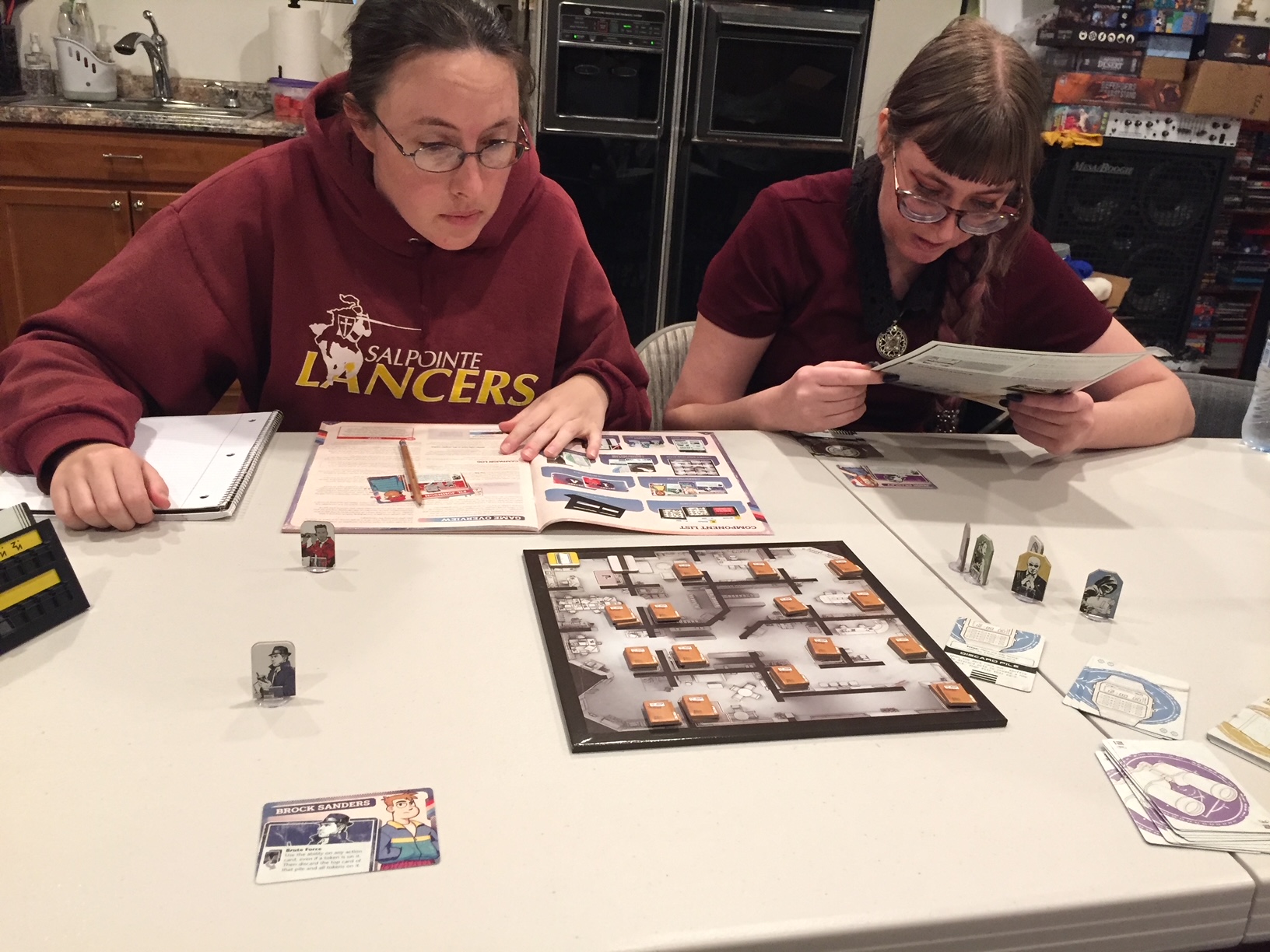
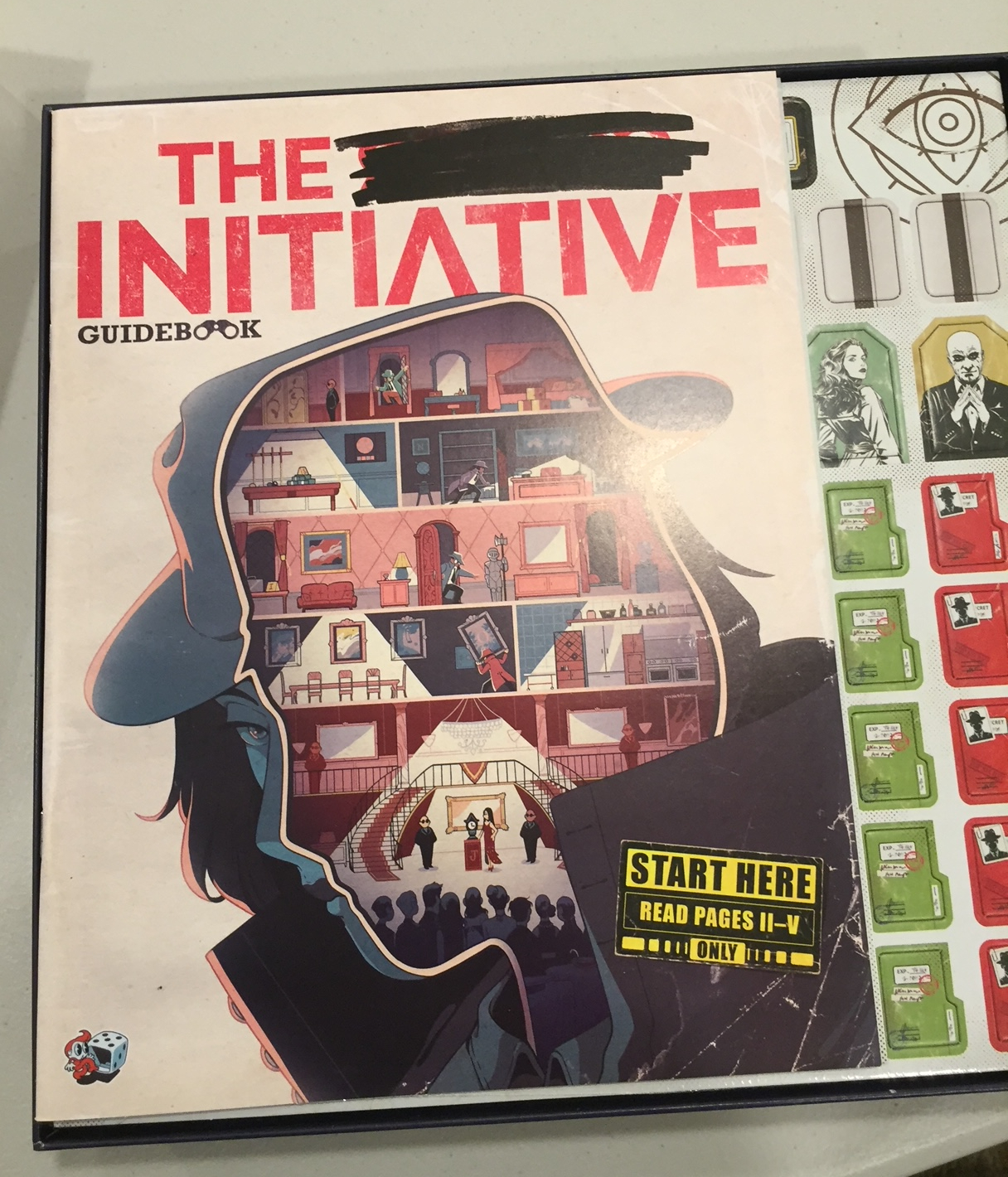


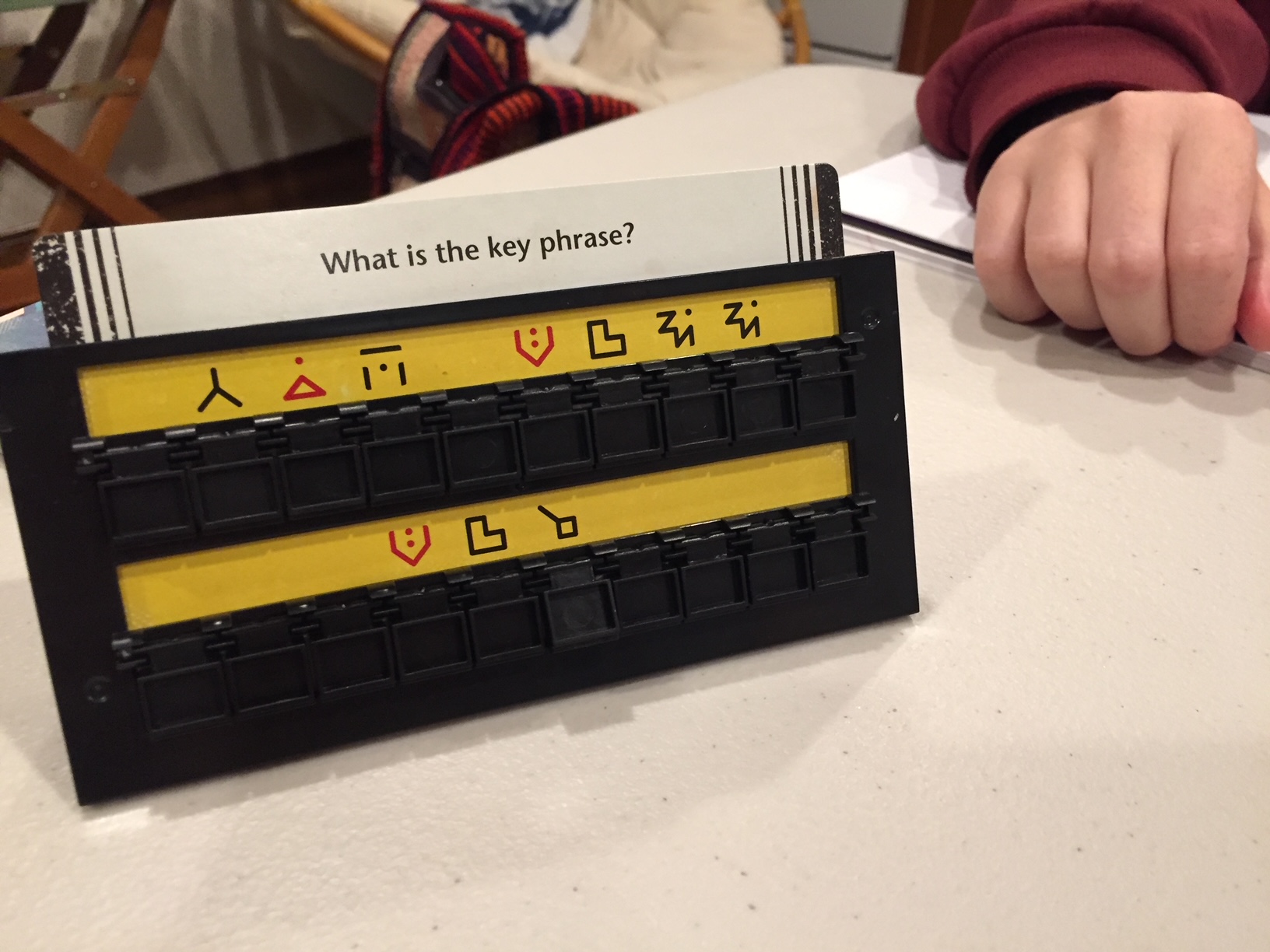
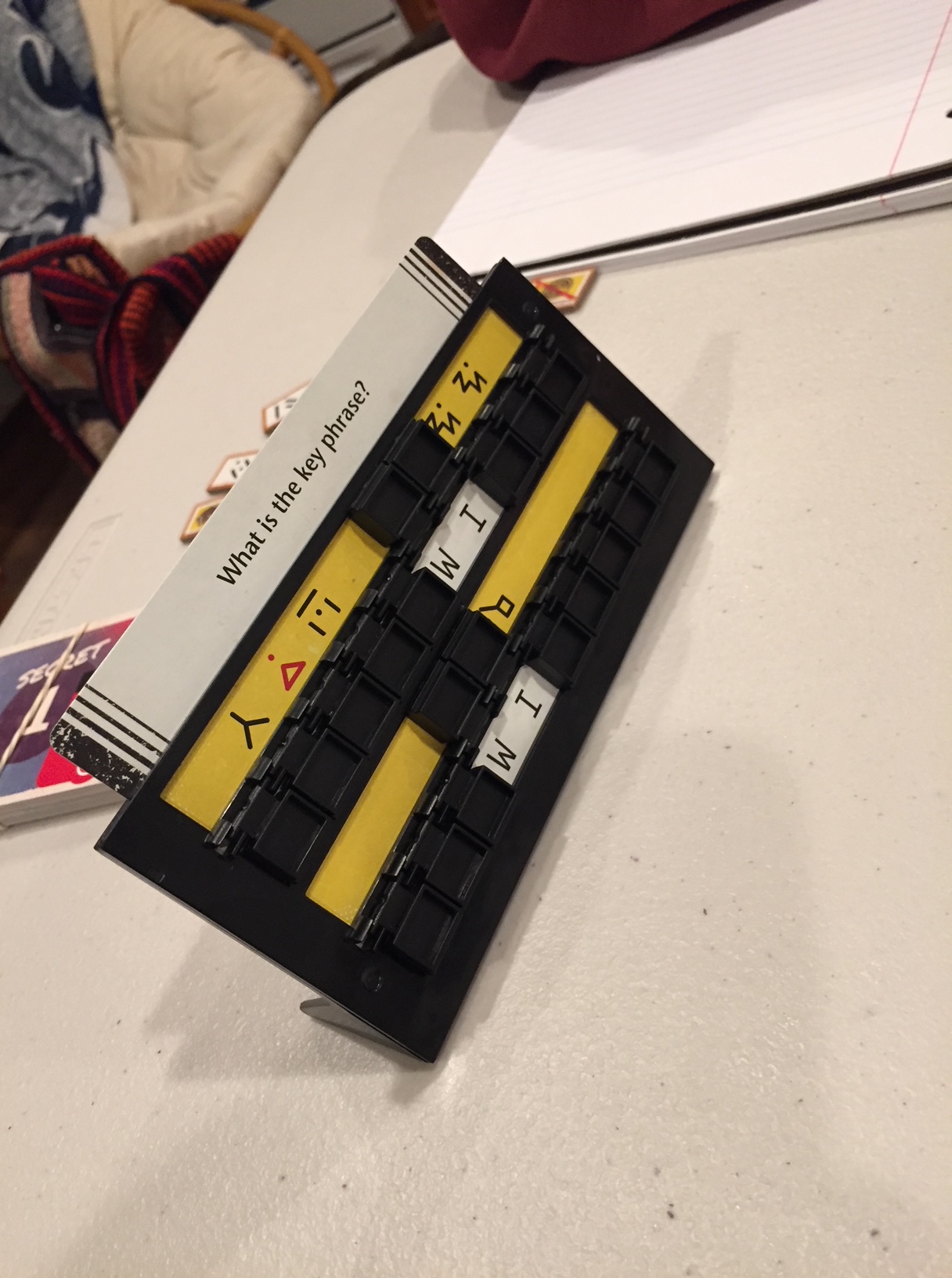
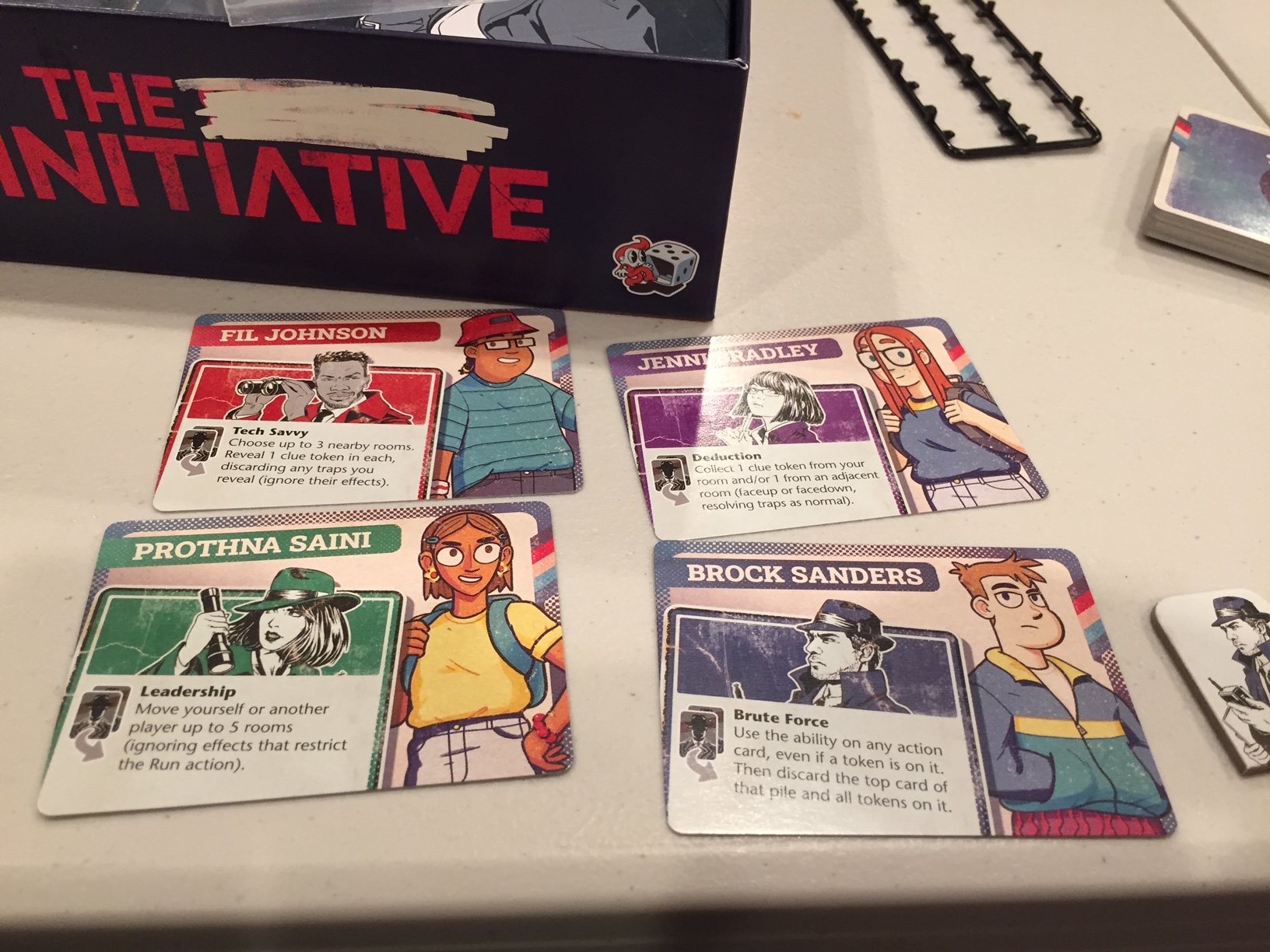

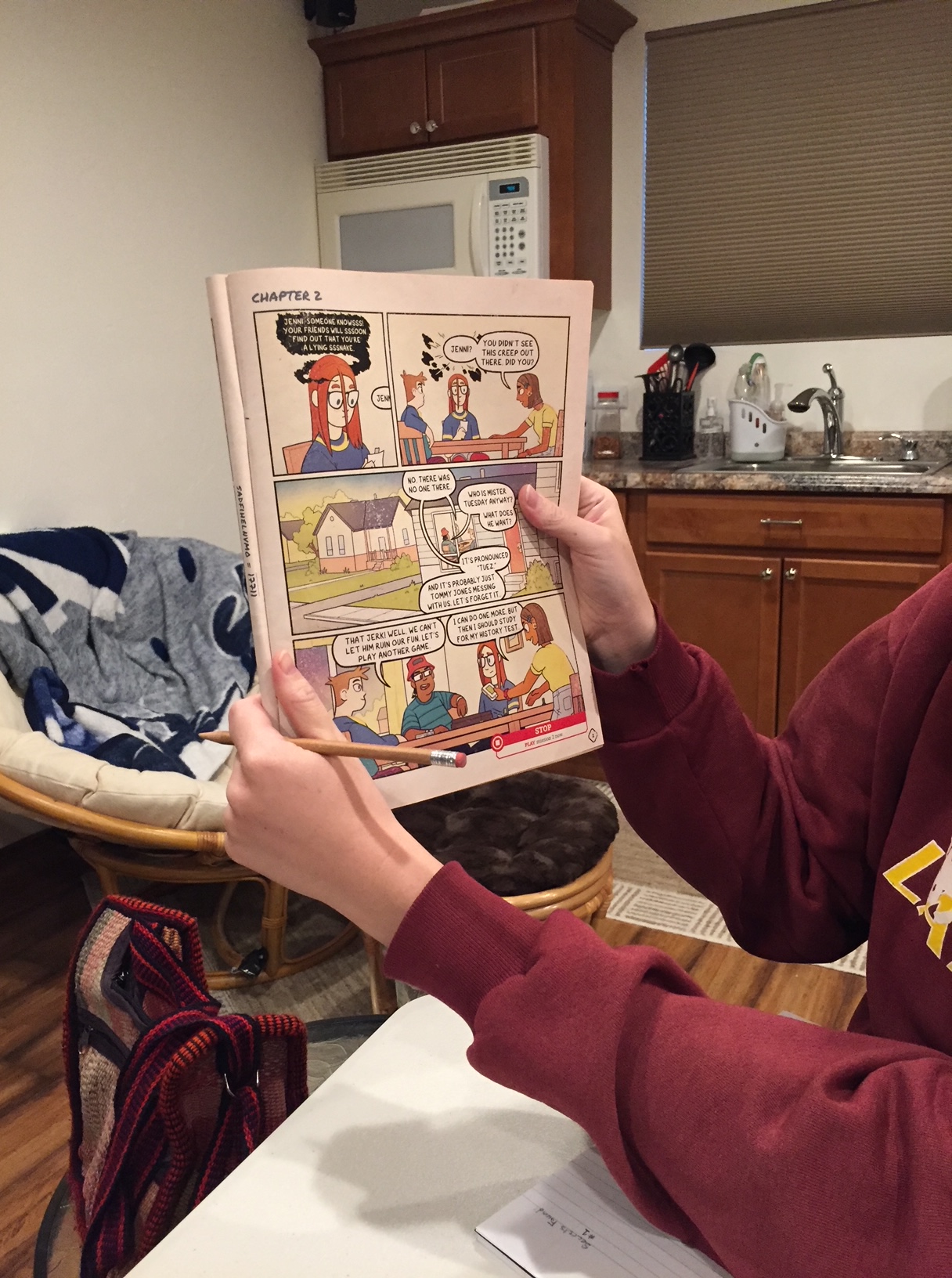

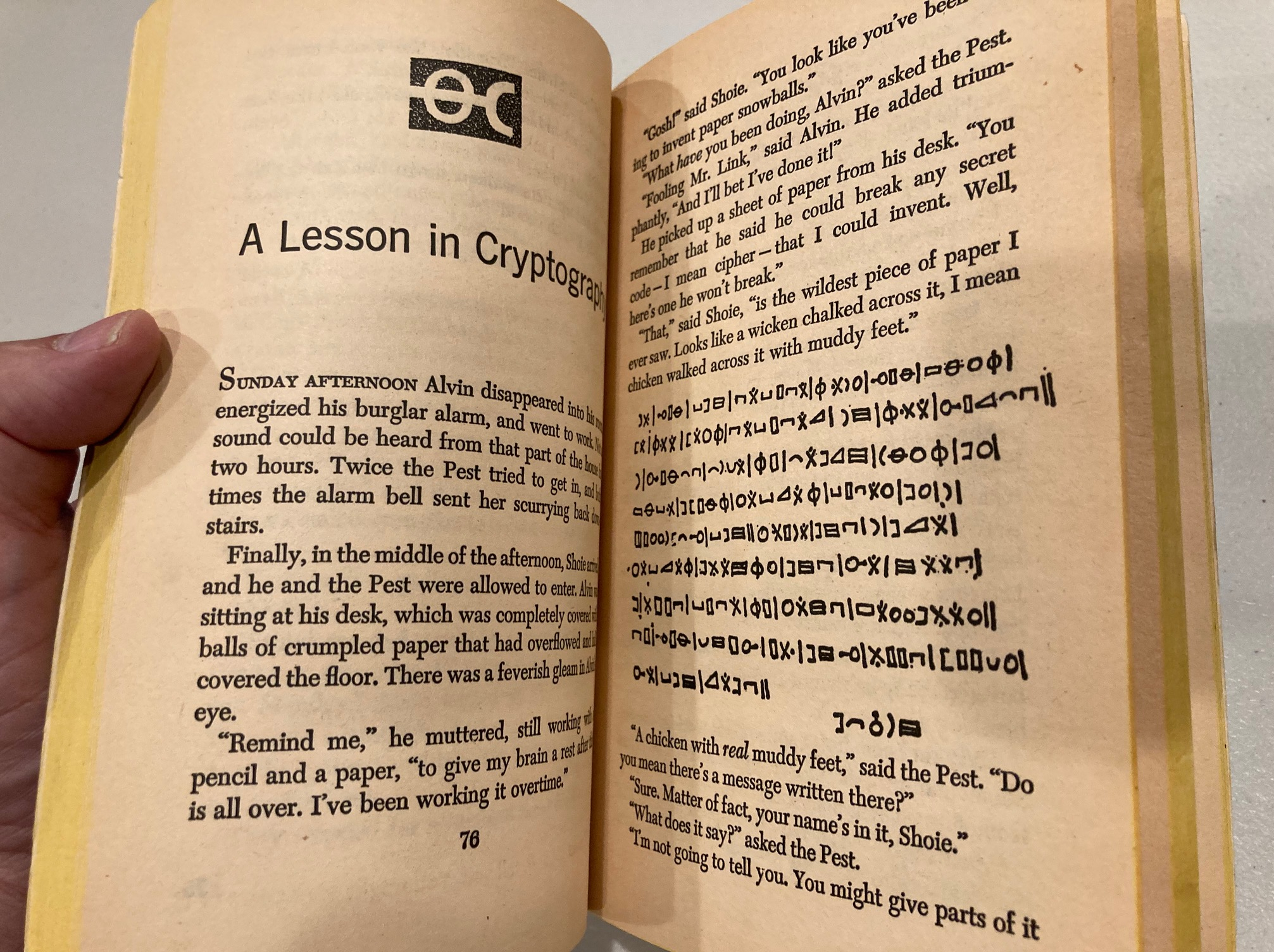


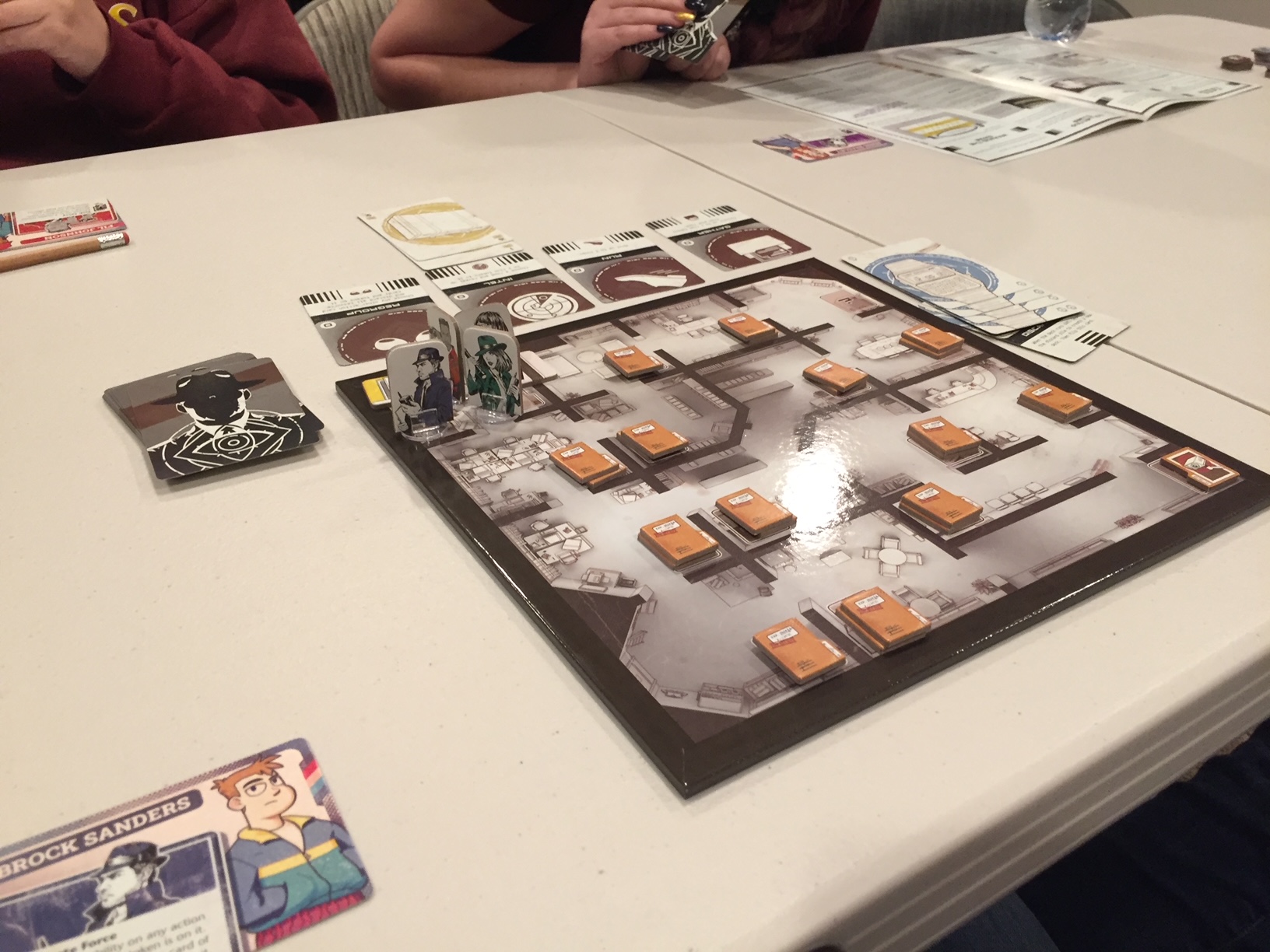




 coopgestalt