
What makes a good solo game? I find them when I typically start playing solo games to learn that game cooperatively for my friends. If a game starts to enchant me and I can’t stop playing it solo … there’s something to it! All the games on this list were games I played solo to teach my friends … but then I kept playing! Some of these games will end up on either my Top 10 Cooperative Games of 2024, some but of them will end up on my Top Cooperative Expansions of 2024, but one things for sure … they are all great solo!
For more great solo games, see last year’s list: Top 10 Solo Board and Card Games of 2023!
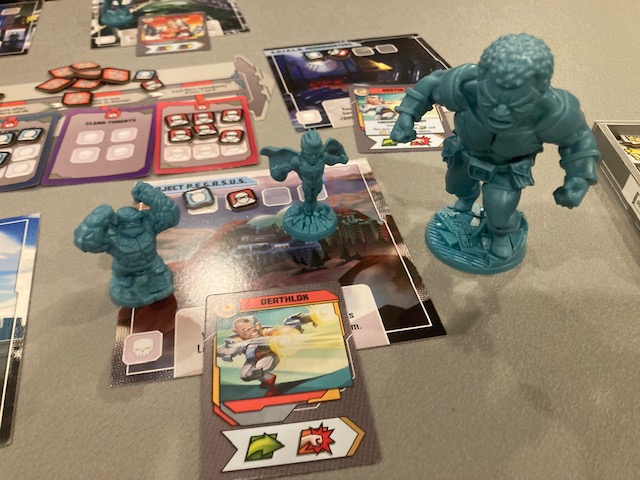
Honorable Mention: Solo Project PEGASUS Campaign for Marvel United
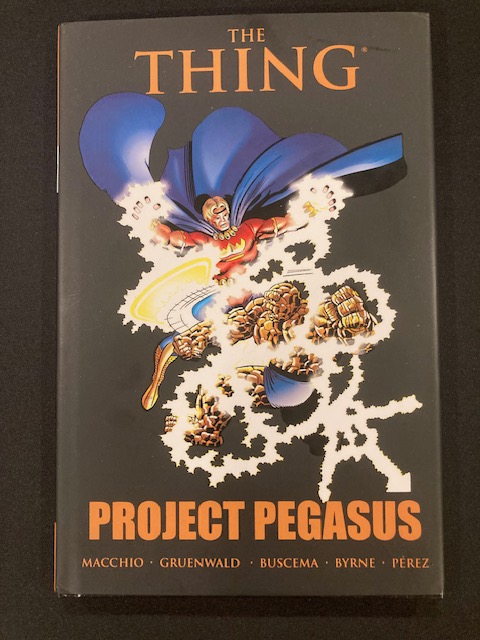
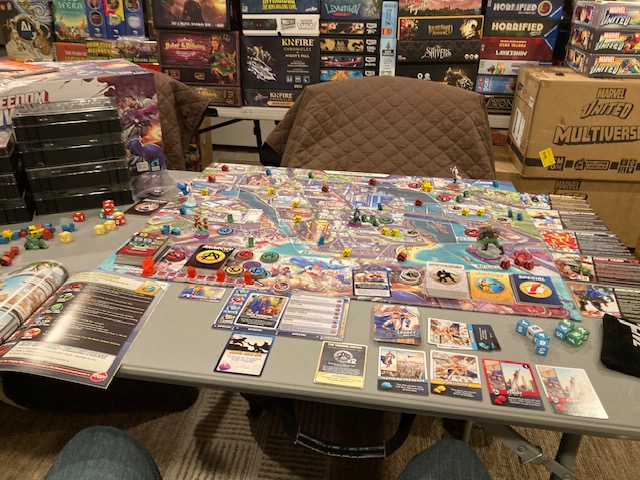
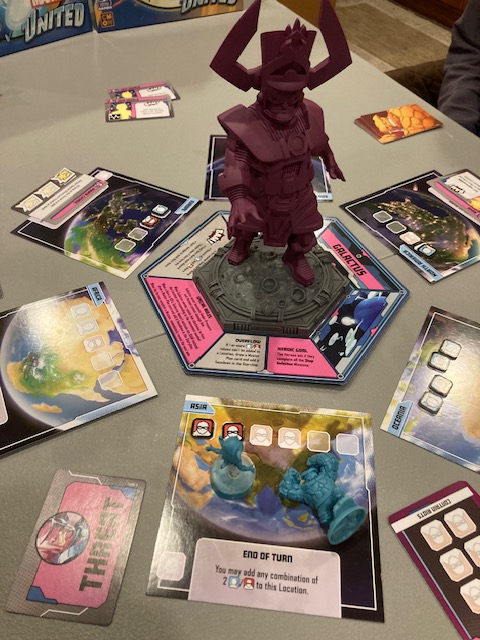
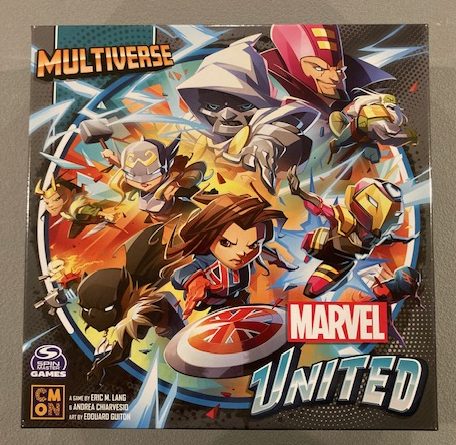
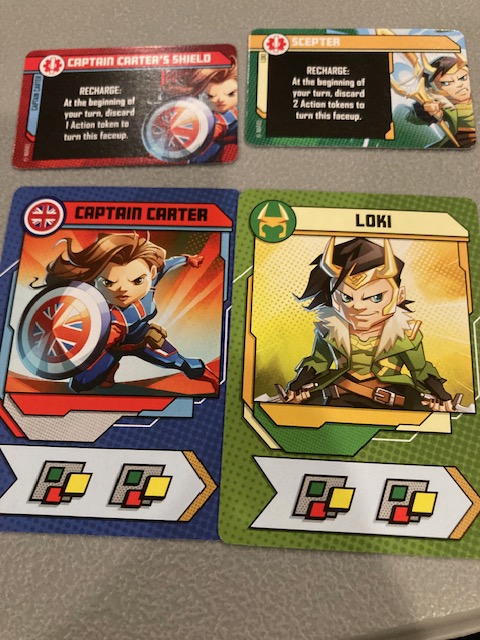
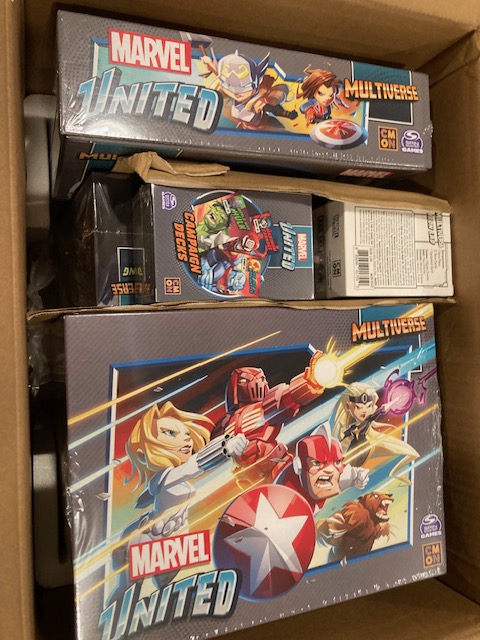
After getting Marvel United Multiverse Season 3 with all of its content, I was very taken with the Campaign Decks (see below and see review here), but I was saddened to learn there was no campaign for the Project PEGASUS saga (see above)!
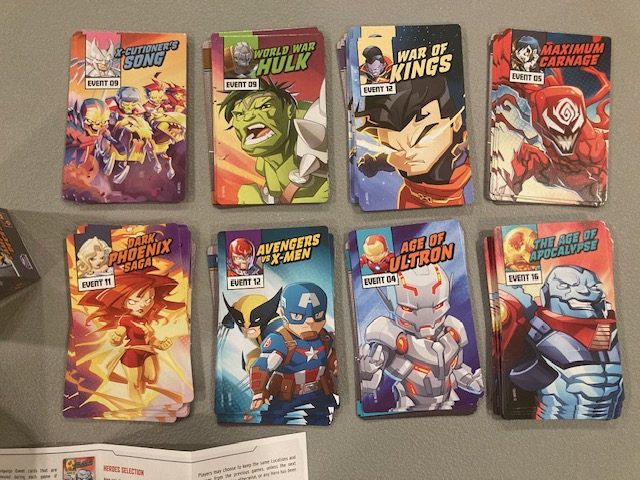
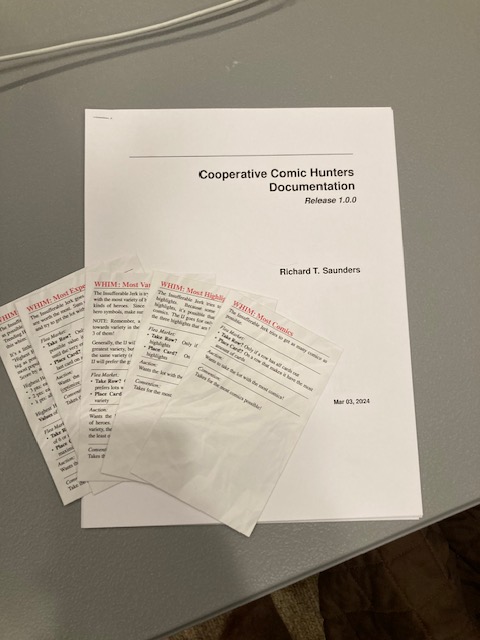
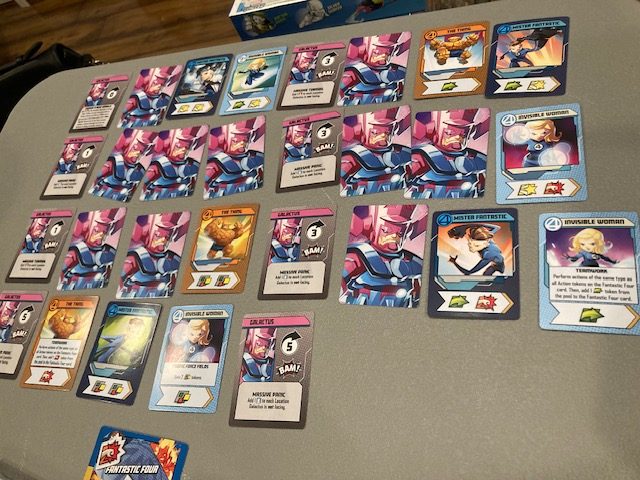
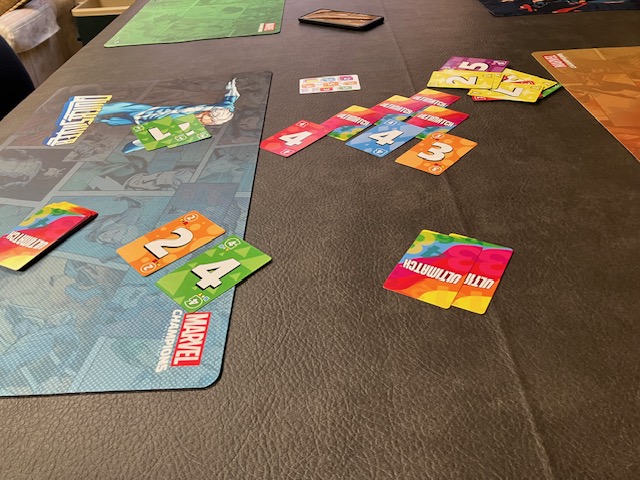
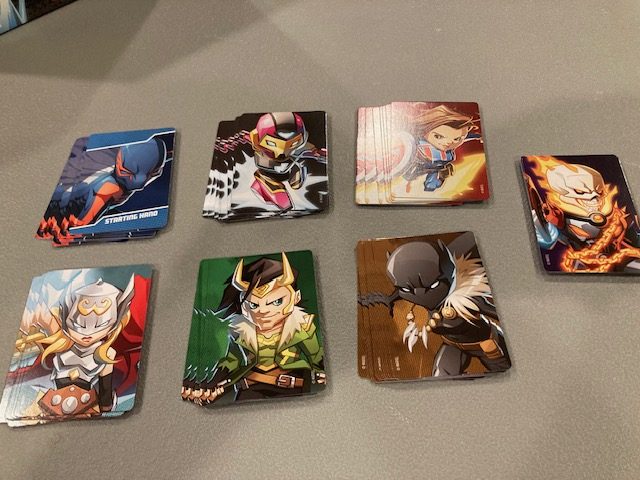
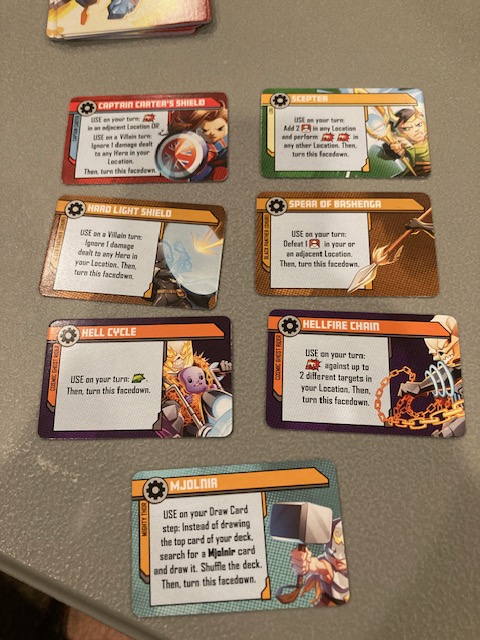
So I spent many many weeks developing my own campaign using all of the Marvel United content! This is a print-and-play campaign for Marvel United! I played this campaign solo over and over and over again (multi-handed with 2, 3, and 4 characters) as I playtested all the the different combinations of characters! There is no game I played more solo this year than the Marvel United: Project PEGASUS campaign!
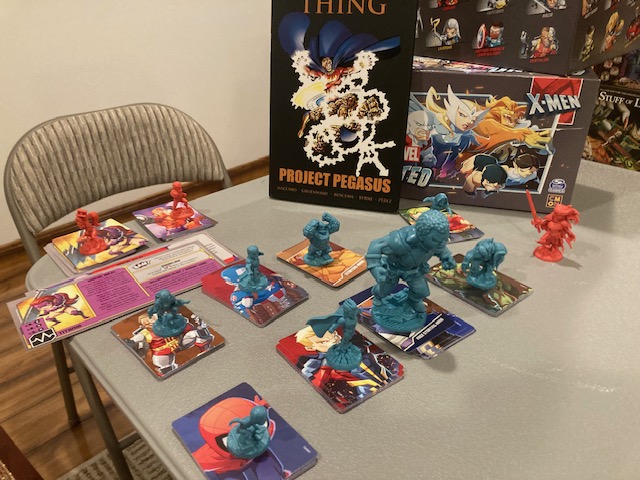
It’s awkward to put this on our list since I developed it, but I had so much fun playtesting it solo over and over for weeks and weeks, I had to acknowledge how much time and how much fun I had with this! If you liked the Marvel United Campaign Decks and wanted more, check out the free Project PEGASUS Campaign here!
10. Skytear Horde: Monoliths
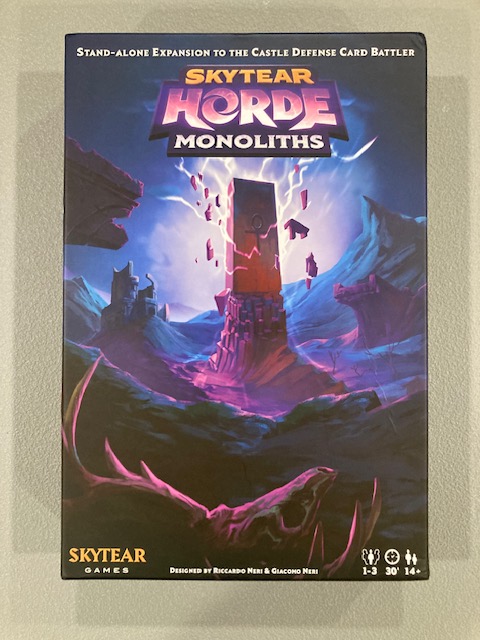
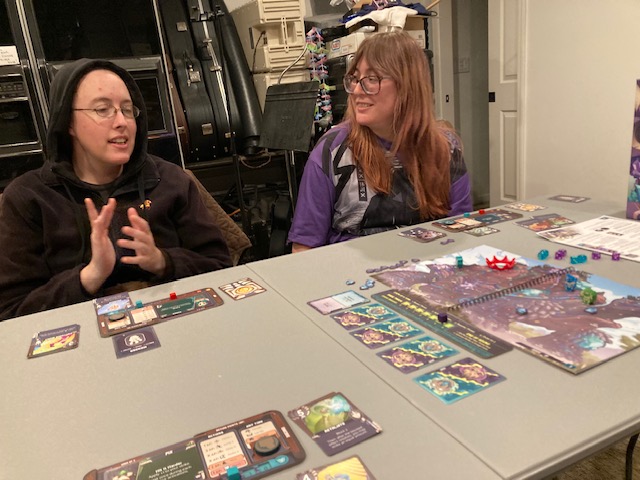
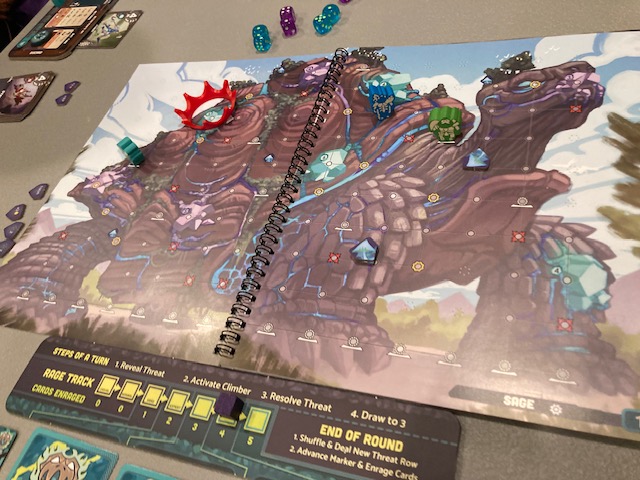
Now, Skytear Horde: Monoliths is a standalone expansion in the Skytear Horde universe! This is a great little solo and cooperative tower defense game! But you might ask: “Why isn’t this on the Top 10 Cooperative Expansions of 2024 instead of this solo list?” That’s a very good question! It’s because, although this is a really good expansion with great components and cards, the game really works best as a solo game.
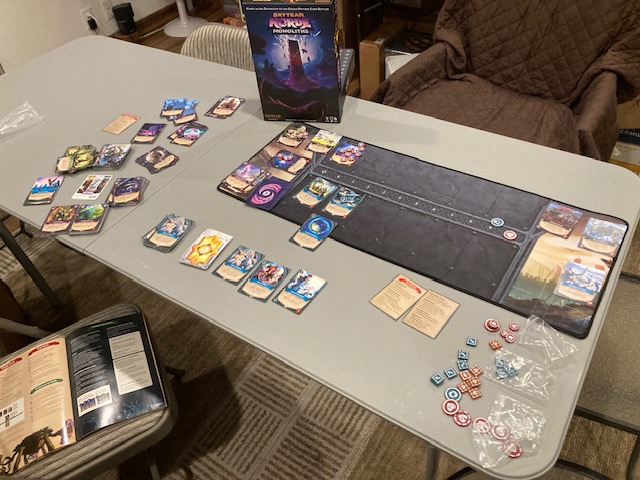
We tried it cooperatively (see our review here), and it was just okay. It’s significantly better as a solo game! It feels like most of the balance and playtesting was done as a solo game, so it can’t really go on our Top 10 Cooperative Expansions of 2024 list … because it really is best as a solo game.
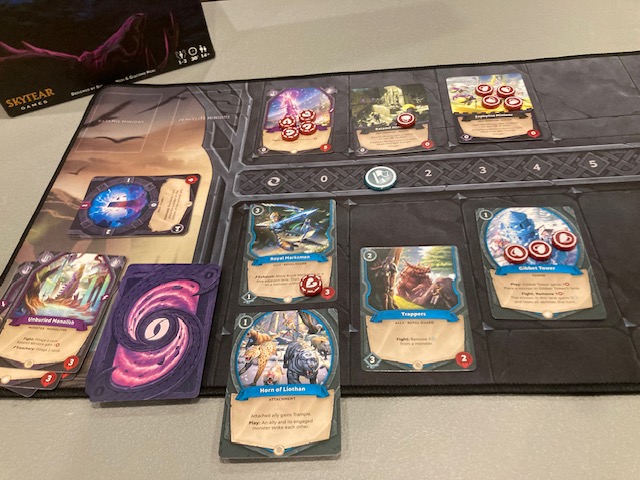
It’s got some great components and some really great art! Take a look at our review here to see if this is something you might like!
9. Batman: Gotham City Chronicles + Solo/Cooperative Expansion
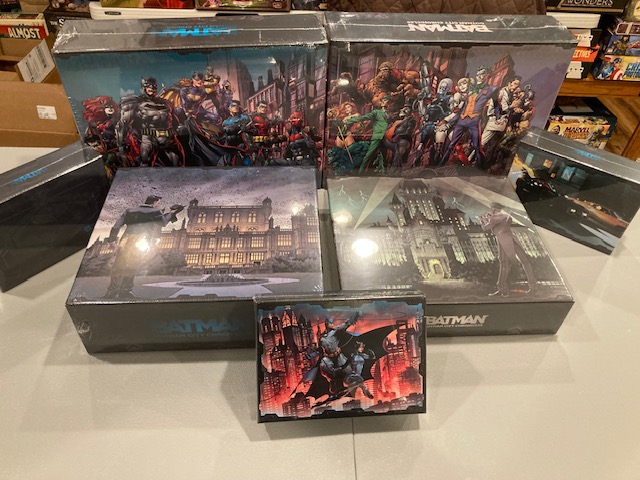
So, you can’t play Batman: Gotham City Chronicles solo without both the base game (which came out years ago) and the Solo/Cooperative Expansion (which came out this year)! In order to get to the cooperative game, I had to wade through learning the original base one vs. many game, then learn the solo game, to finally learn the cooperative game! Whew!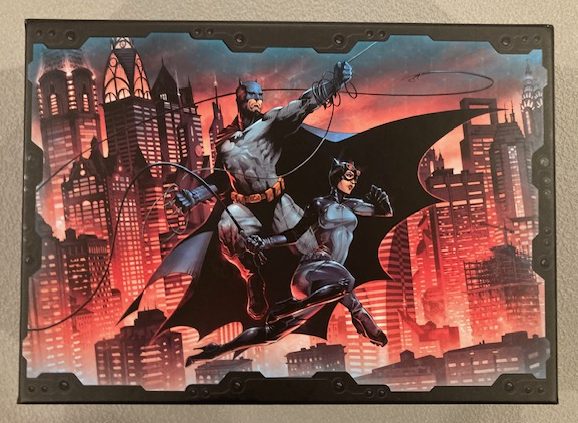
Now the cover of the Solo/Cooperative Expansion looks great! See above!
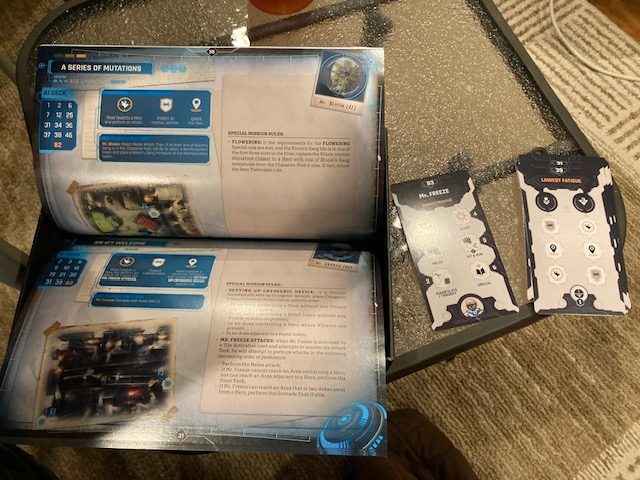
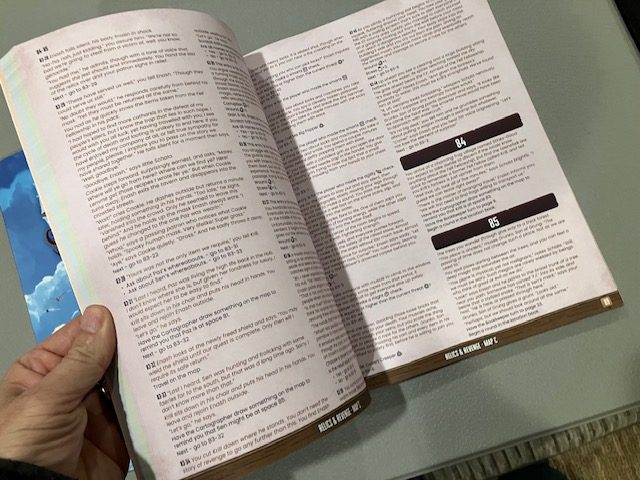
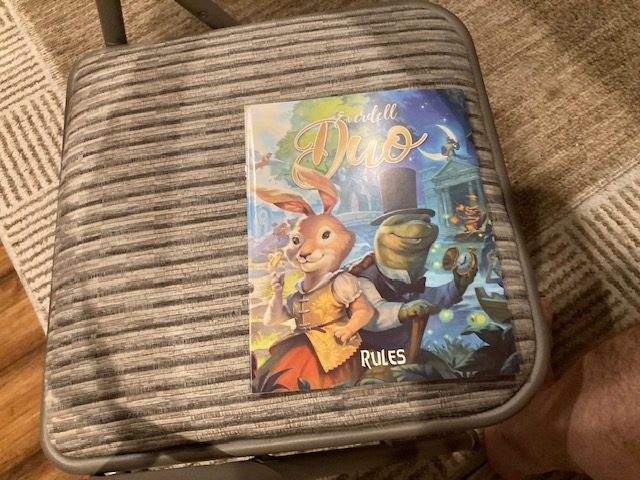
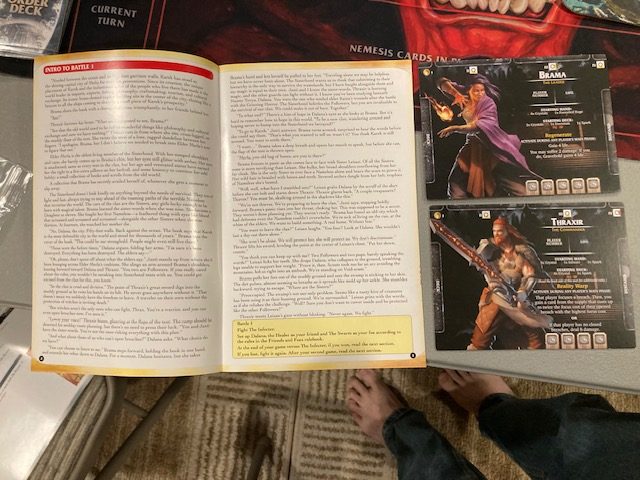
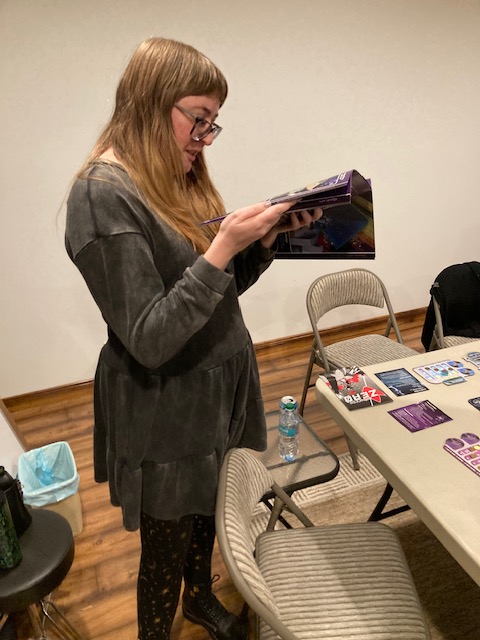
But there were some major production issues with the expansions as: 1) The English translation still had some scenarios in French! And 2) The binding on the solo/cooperative rulebook is terrible! It’s impossible to hold open! See above as I came up with a kludgy workaround for that! Objectively, I feel like I had to give this game a 5.5/10 since the production had issues!
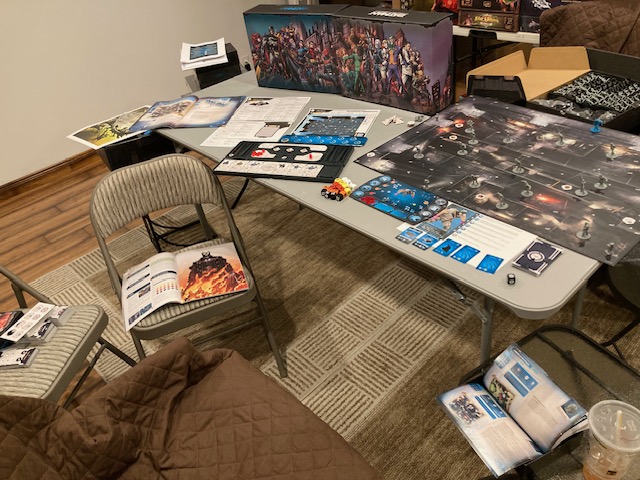
Yet, even after all those issues (and the sheer complexity of the game), I still enjoyed being Batman in this solo romp around Gotham City! Subjectively, I gave it a 7/10 because I felt like I was Batman! Because of the production issues, this has to fall close to the bottom of the solo list, but I still enjoyed this overall! See our review of Batman: Gotham City Chronicles Solo/Cooperative Mode to see if this might be something you enjoy!
8. NYC: Emergency Room

This might strike you as an odd pick: A Medical Mystery game! I picked this up at Target and really enjoyed playing through the mysteries of the game! Instead of solving a boring old murder mystery (sarcasm here: I loved my murder mysteries), you are doing research, asking questions, running tests, and trying correctly to diagnose a patient!
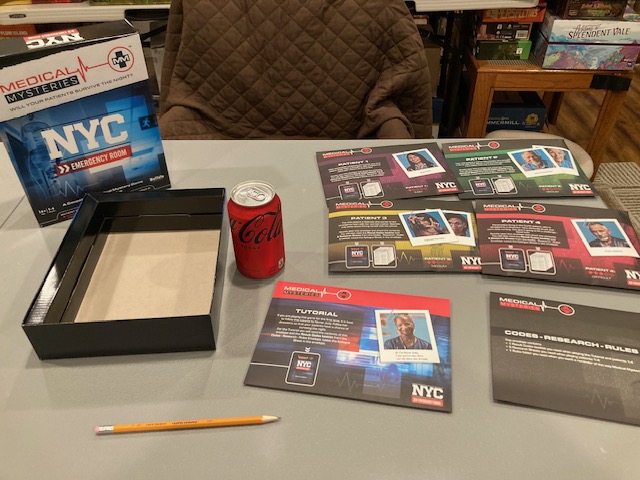
There’s only a limited number of mysteries per box (see the envelopes above), but if you ever wanted to play a medical mystery and diagnose like Gregory House, this is the game for you!

I love my murder mysteries (remember: Suspects made the #1 spot on my Top 10 Solo Games of 2023), and this was a great spin on that genre! See our review here to see if it’s something you may like!
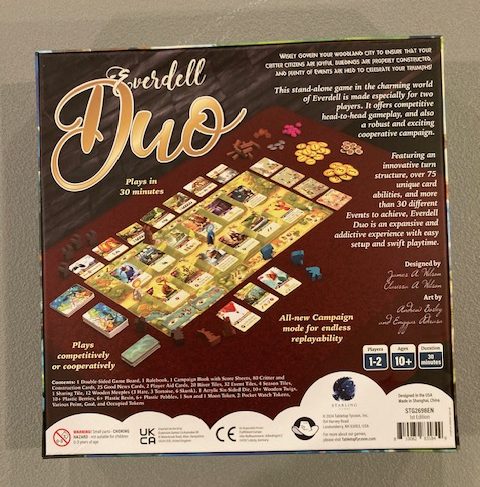
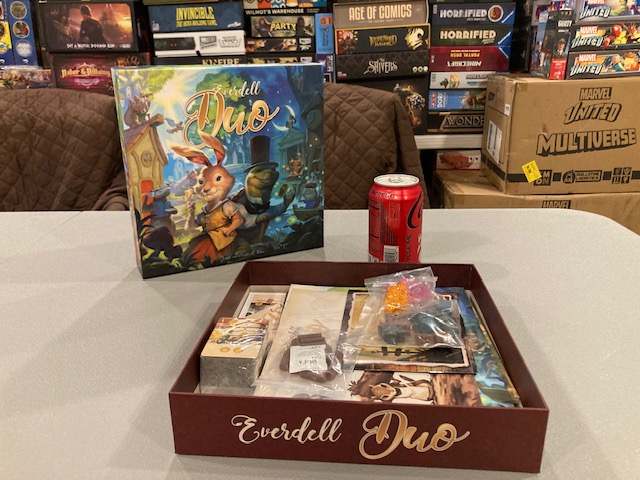
7. Everdell: Duo
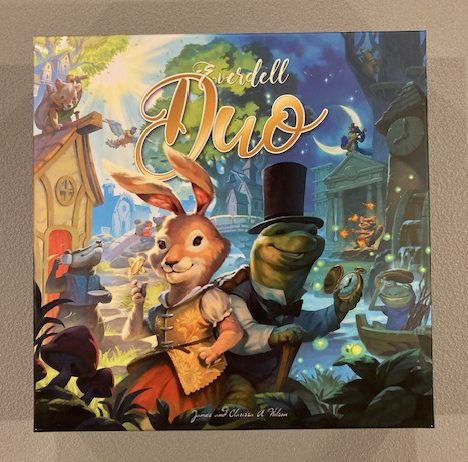
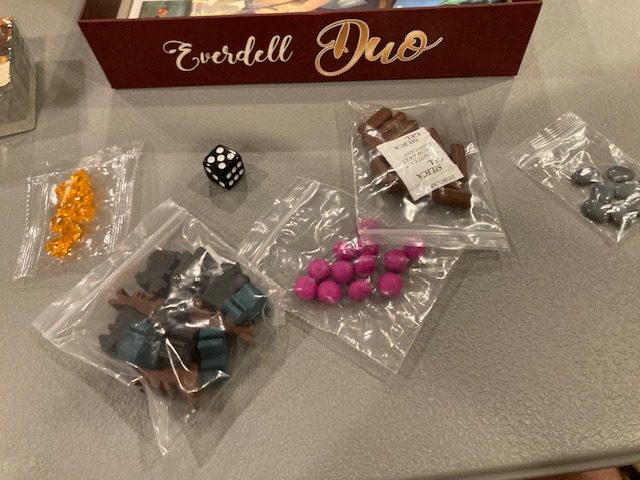
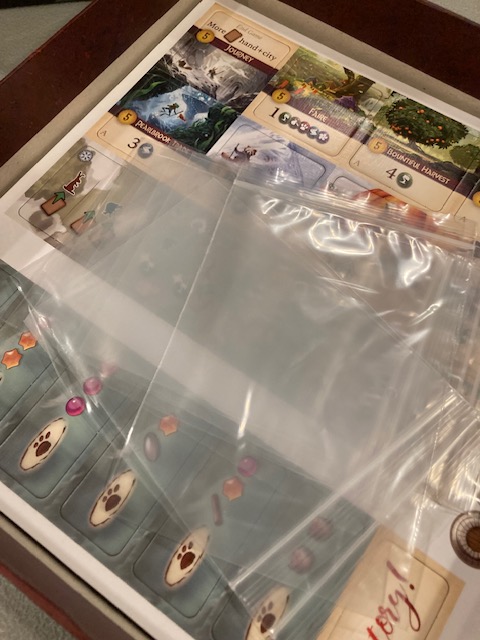
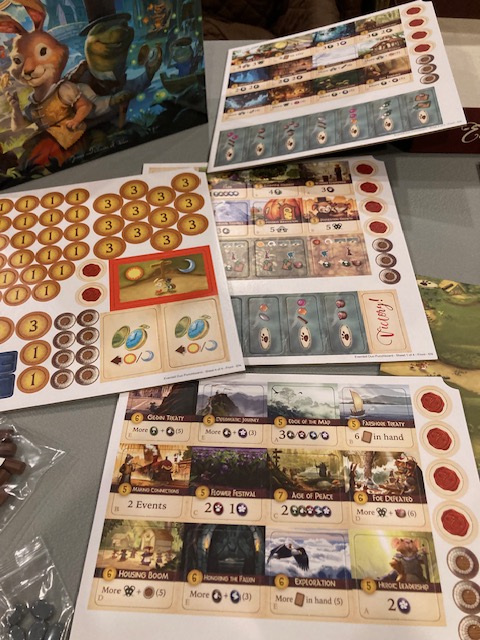
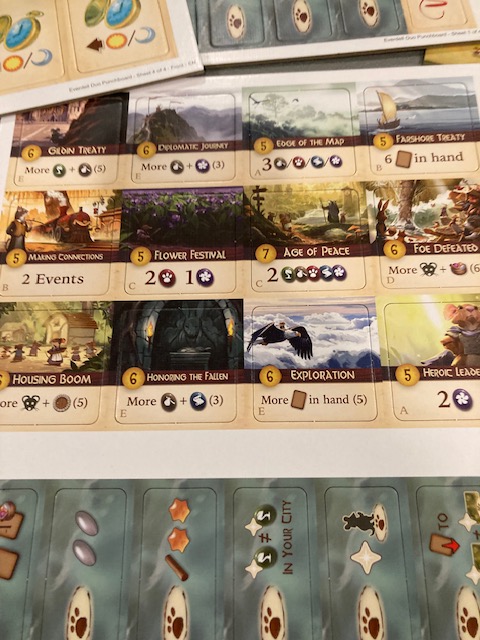
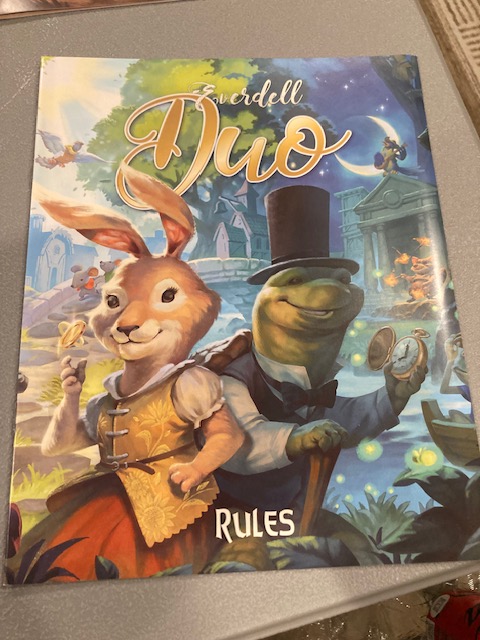
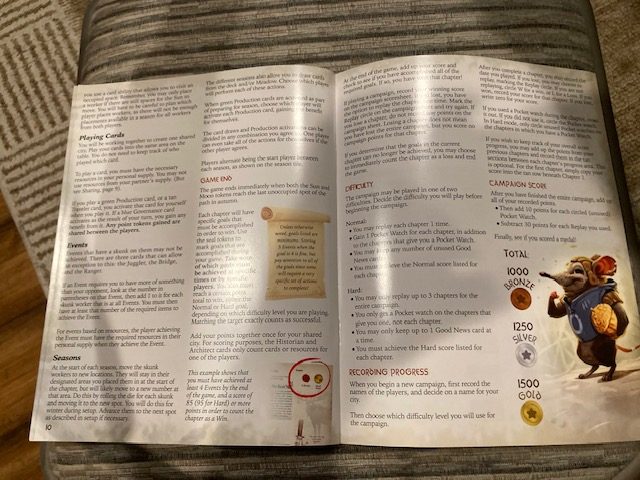
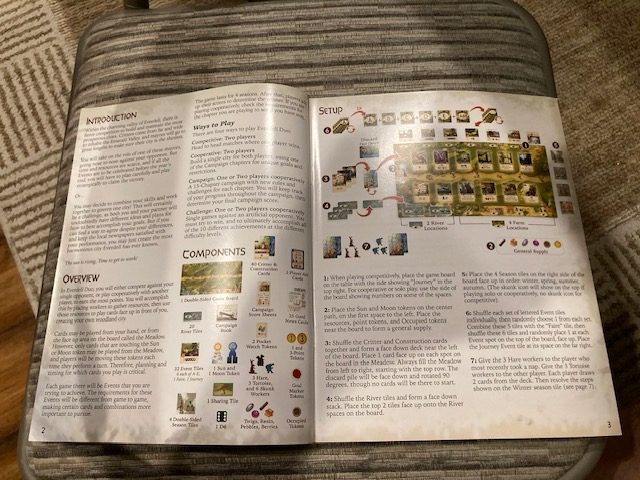
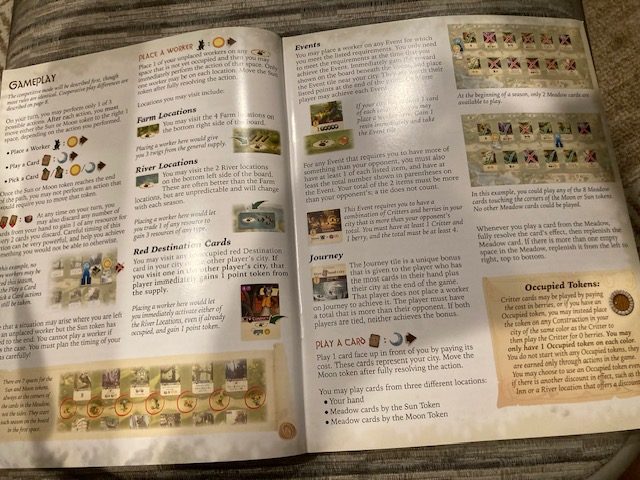
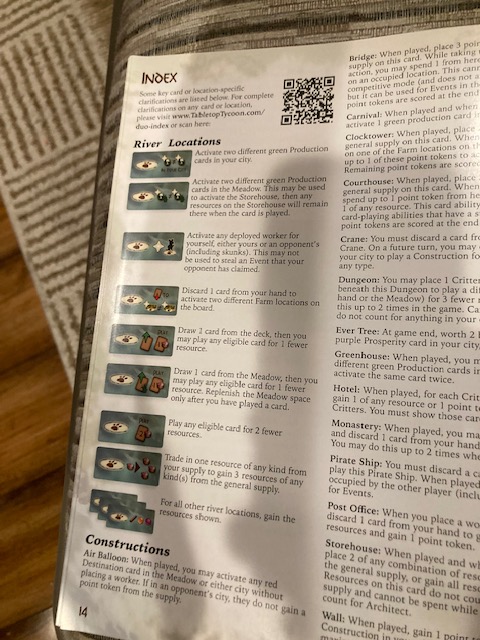
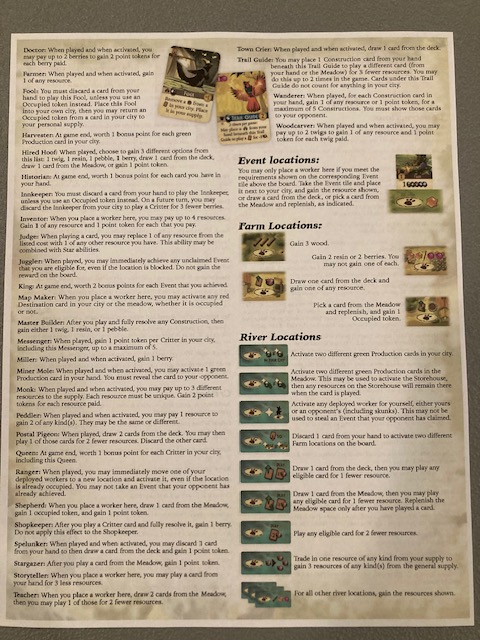
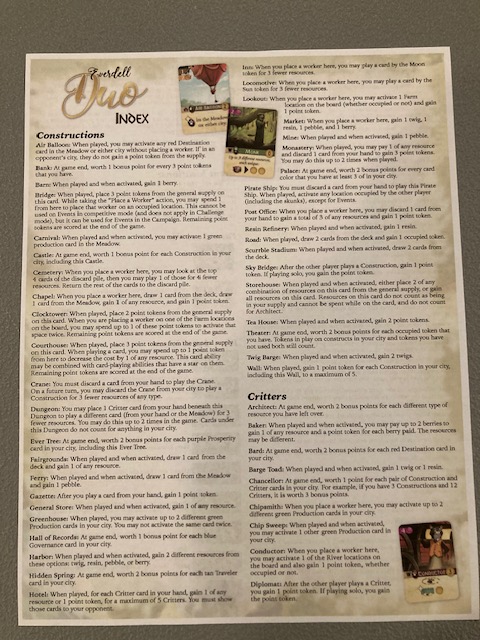
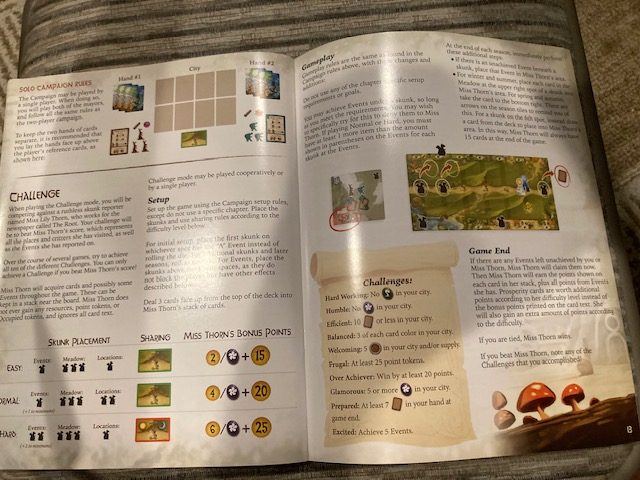
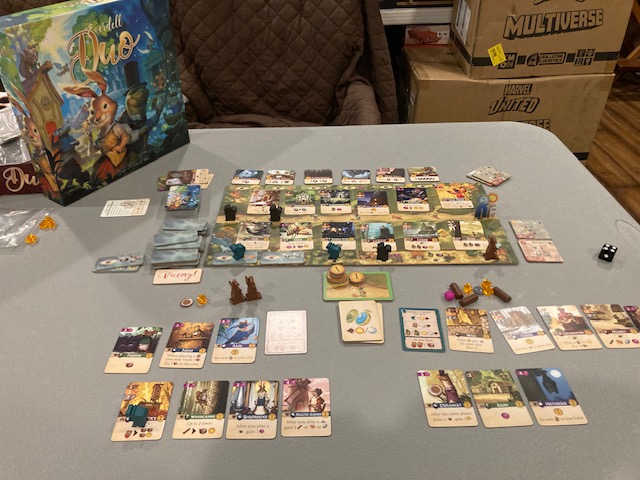
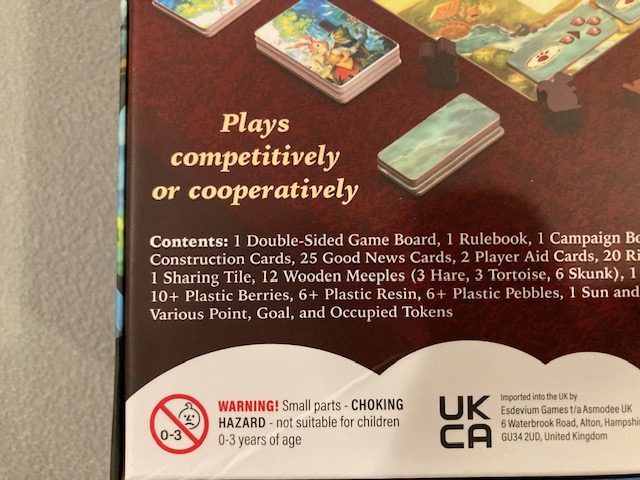
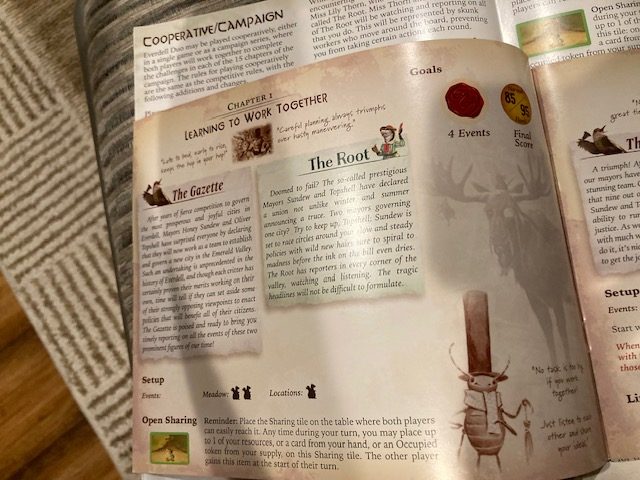
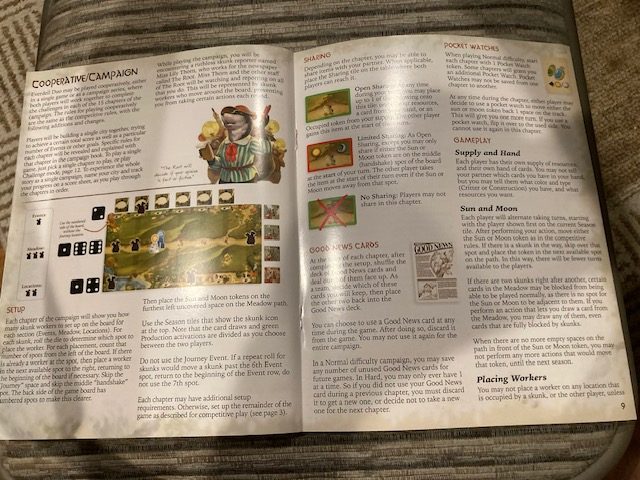
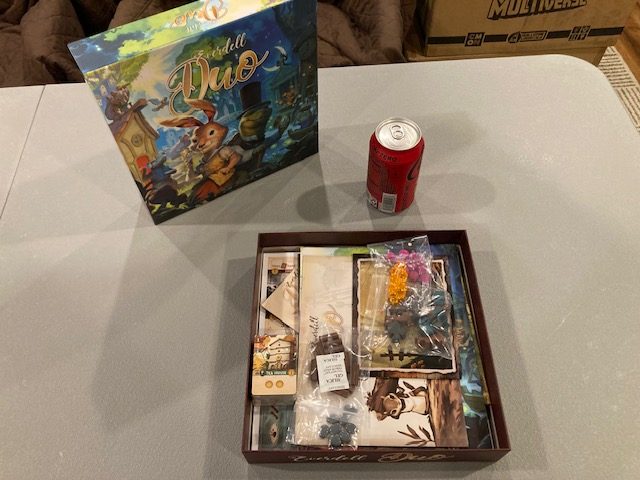
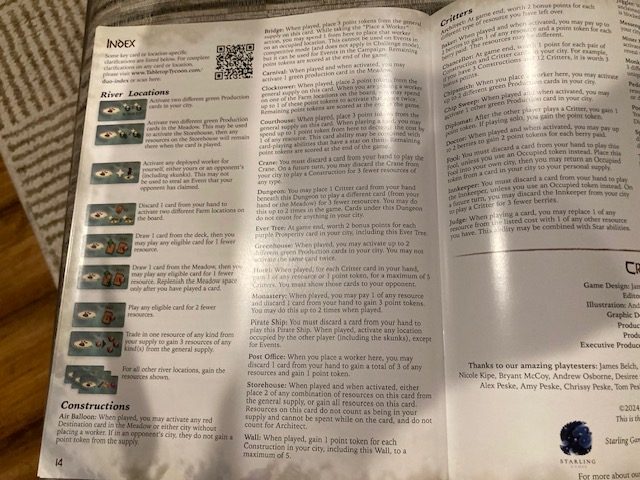
I wasn’t expecting to like Everdell: Duo as much as a I did! My first playthroughs were a bit “clunky”, as the game has some fiddly bits and documentation issues you have to get through. But once you “get” how the game works, it’s quite fun! (I also never played the original Everdell)
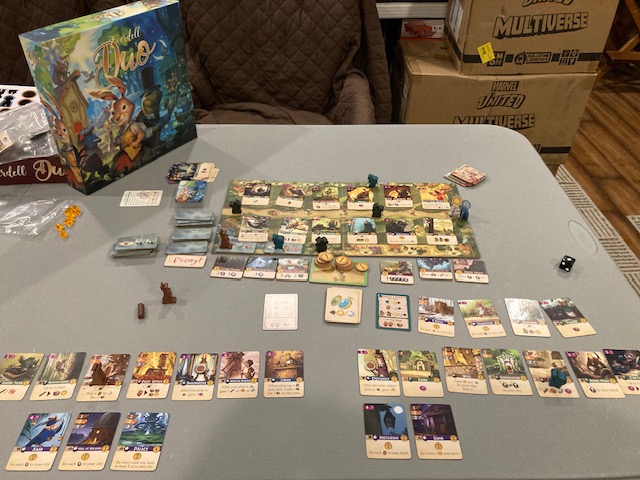
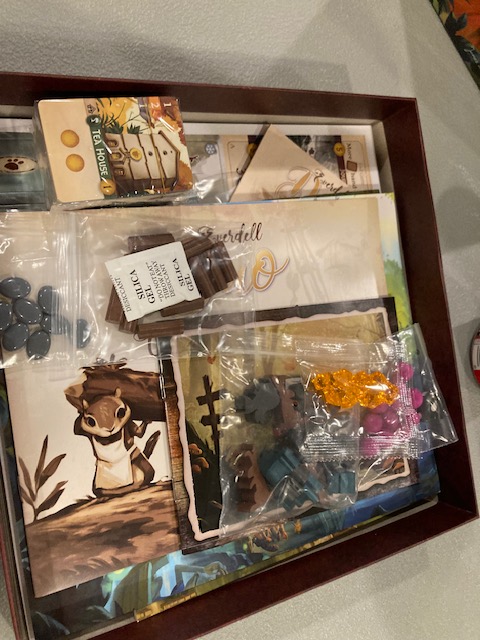
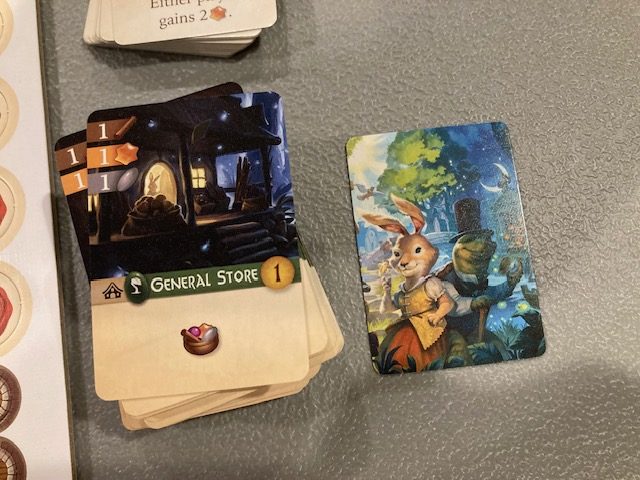
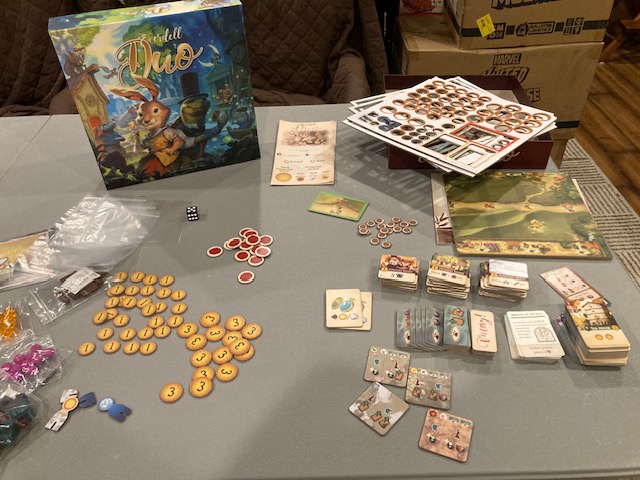
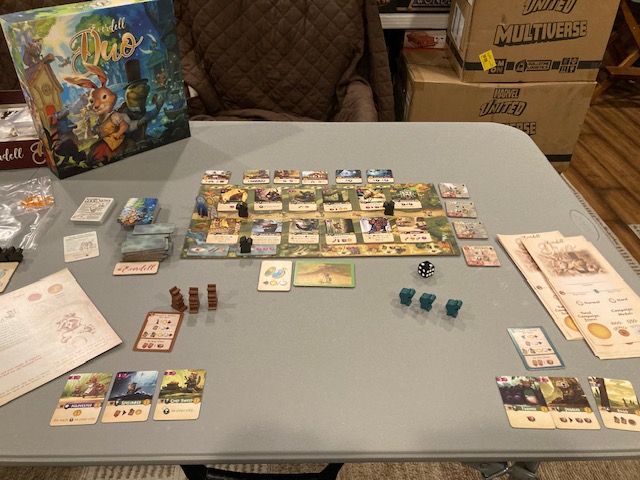
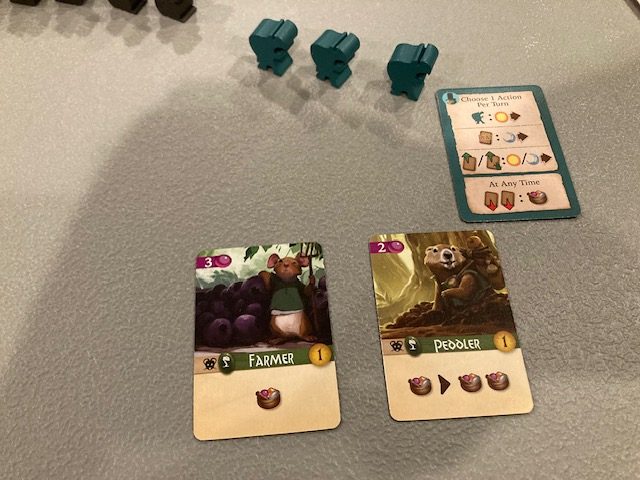
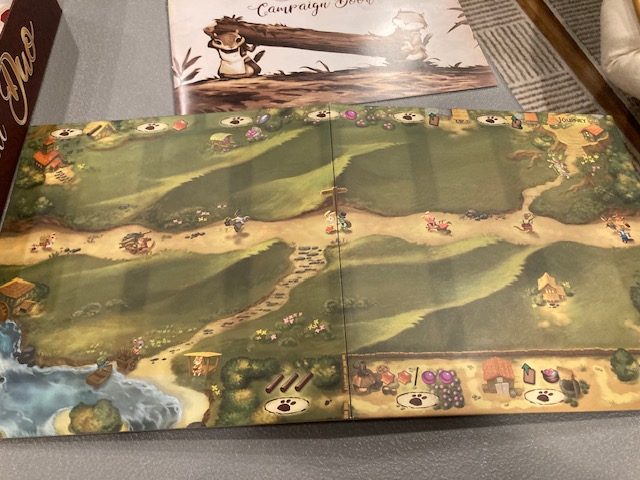
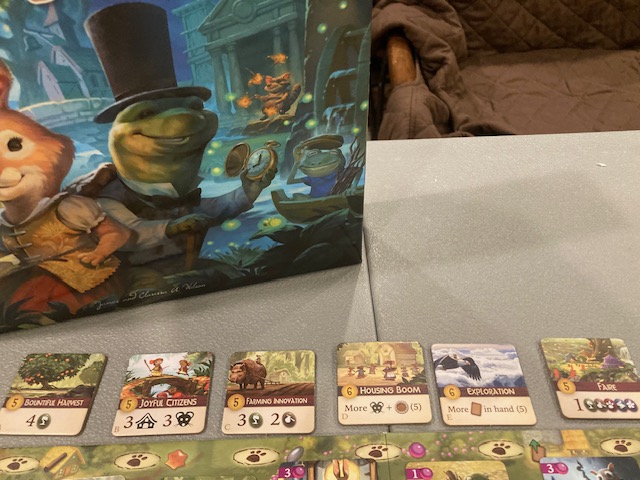
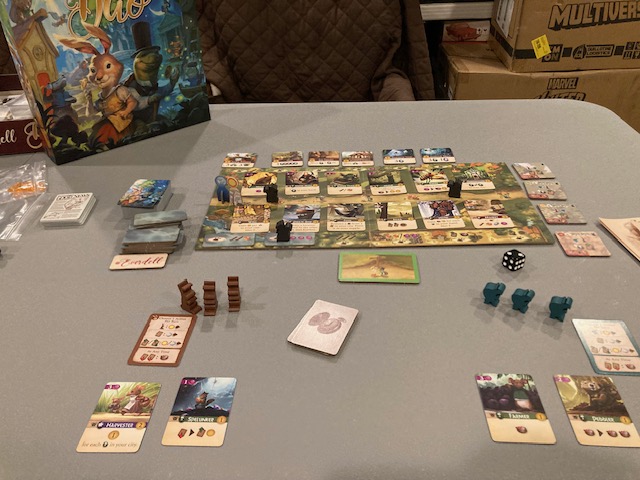
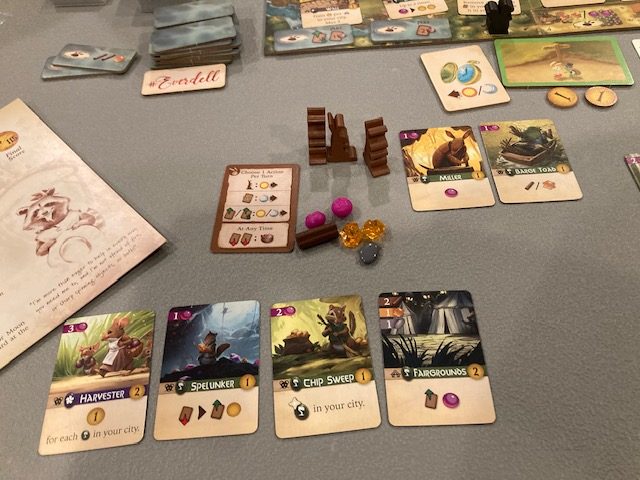
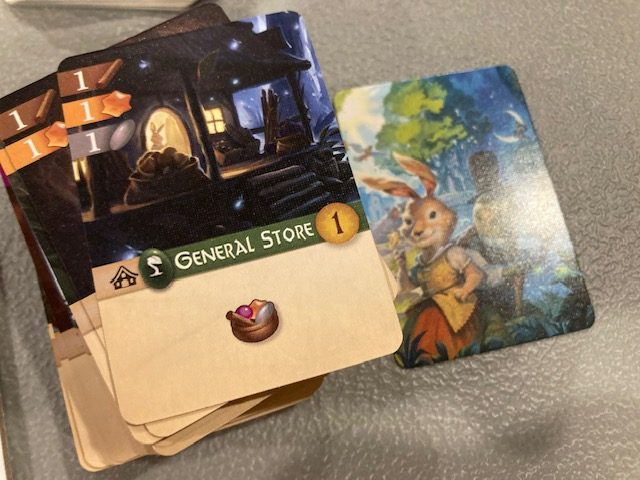
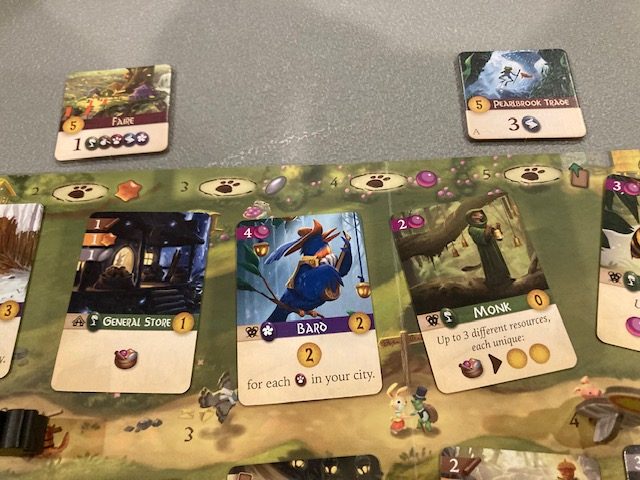
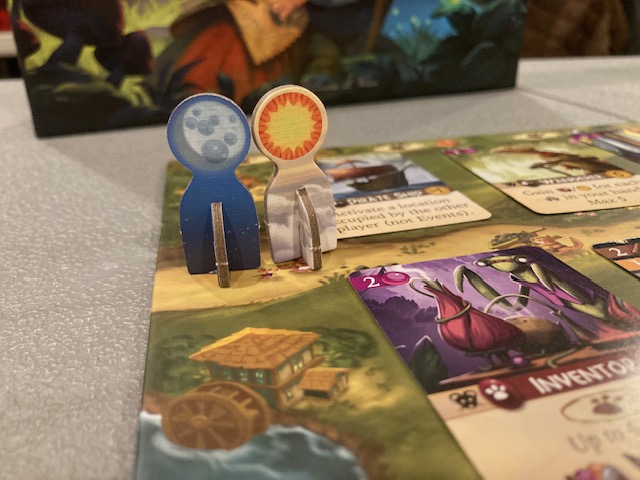
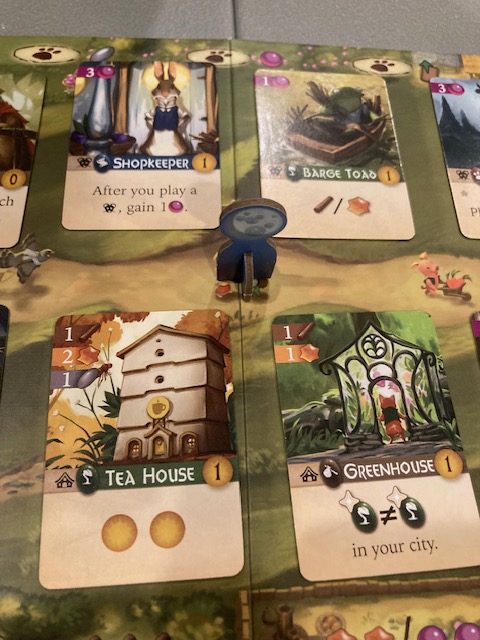
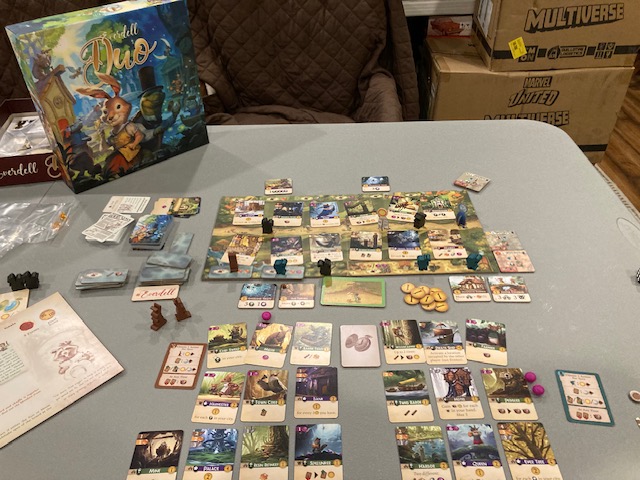
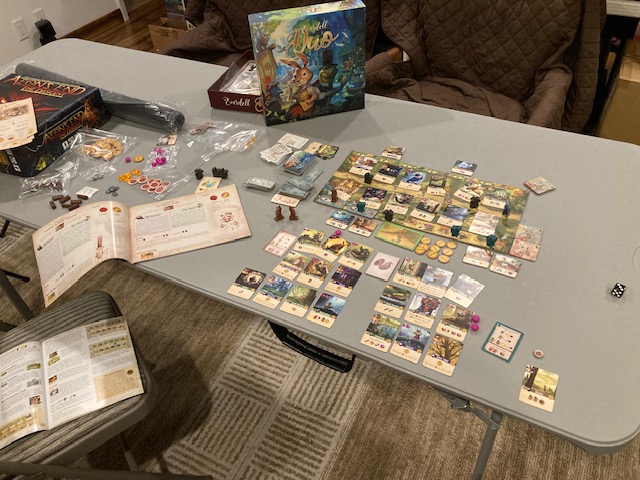
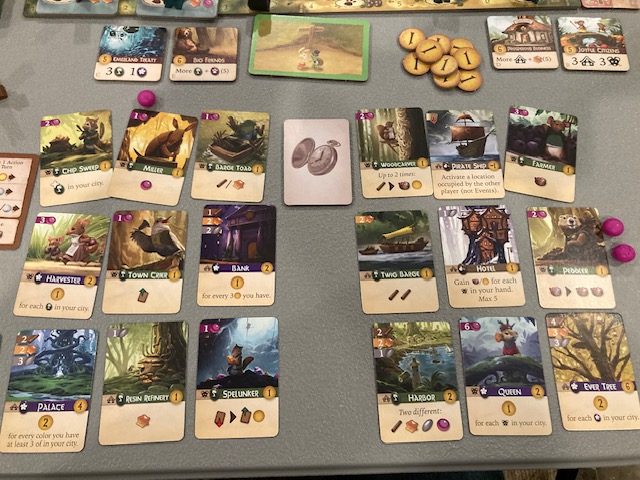
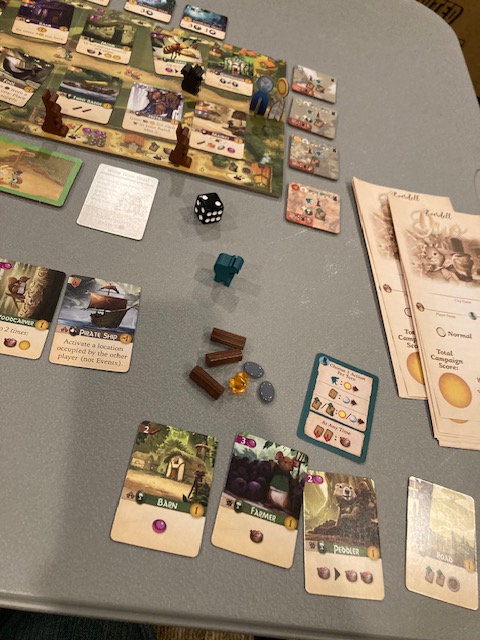
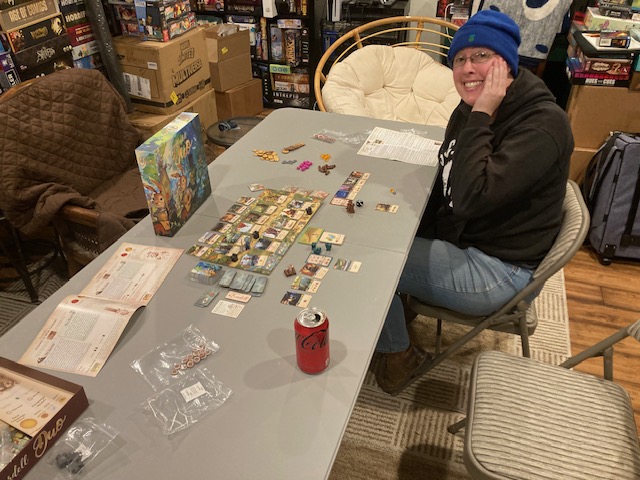
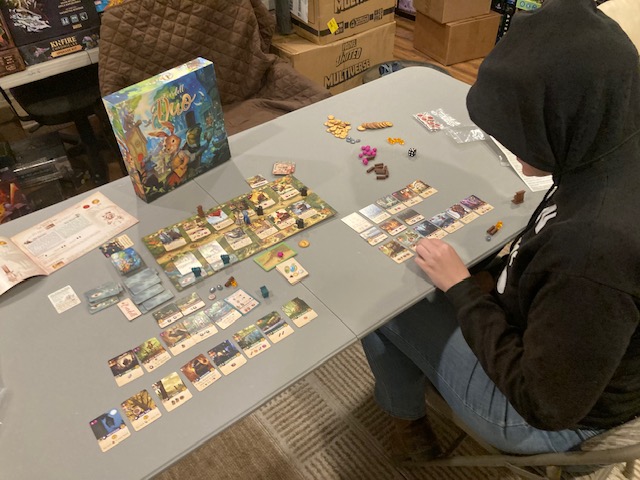
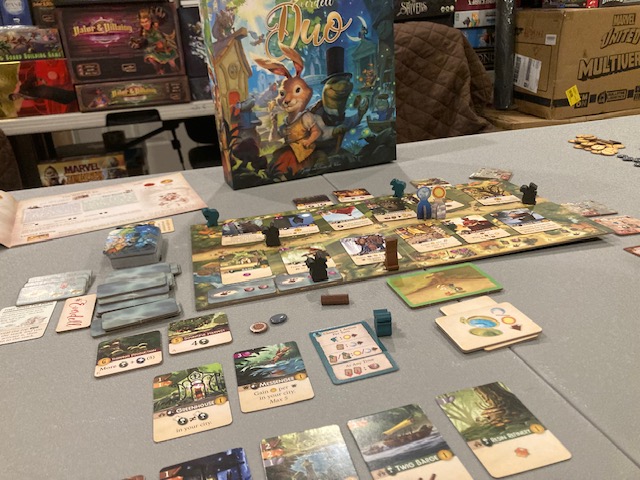
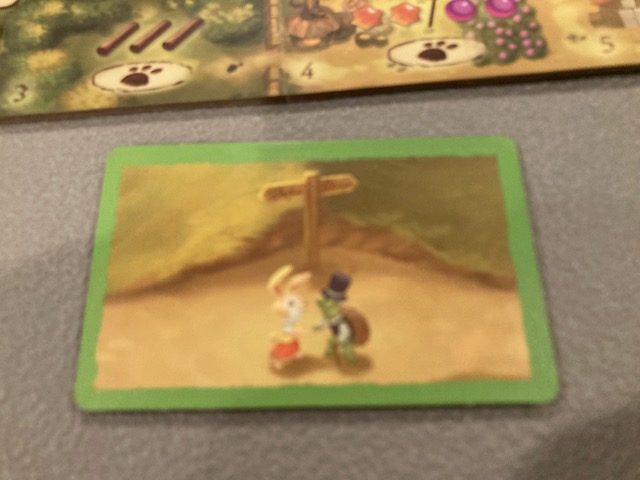
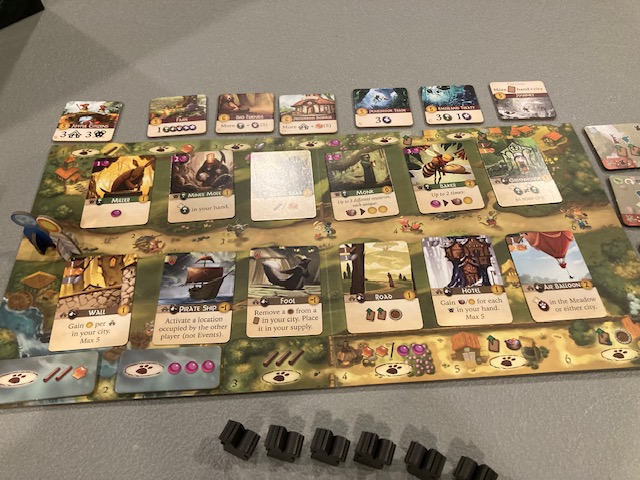
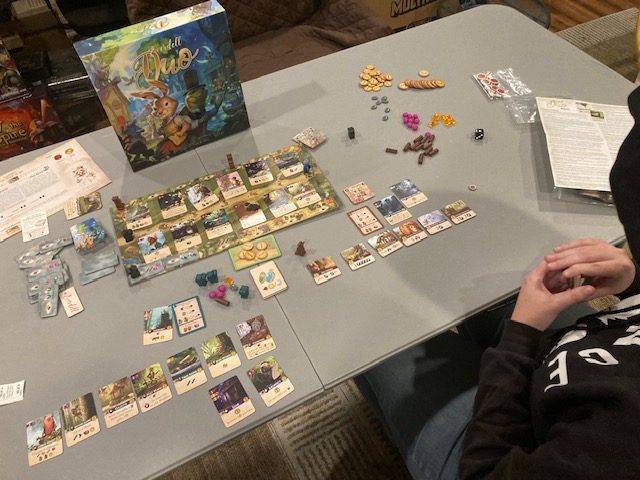
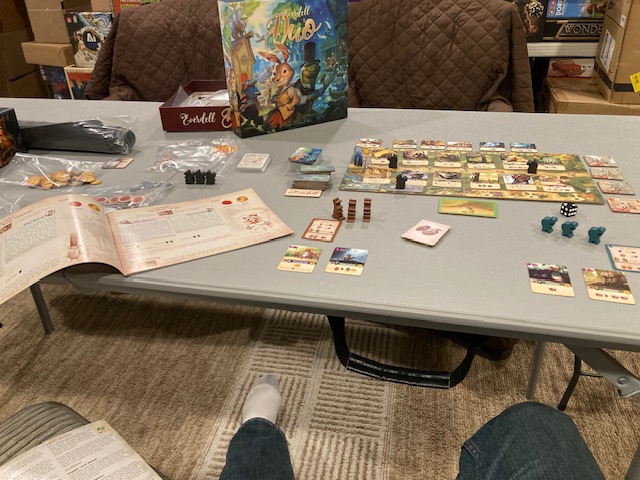
To play solo, you have to man both the tortoise and the hare as they build their respective cities! See above! There’s a lot of thought about when you share, when you place workers, when you buy, and when you draw cards! You are looking for the combos to help both the tortoise and the hare! It might “seem” like both the hare and tortoise are playing multiplayer solitaire games, but as the game opens up to you, there’s more collaboration between the two than you might think!
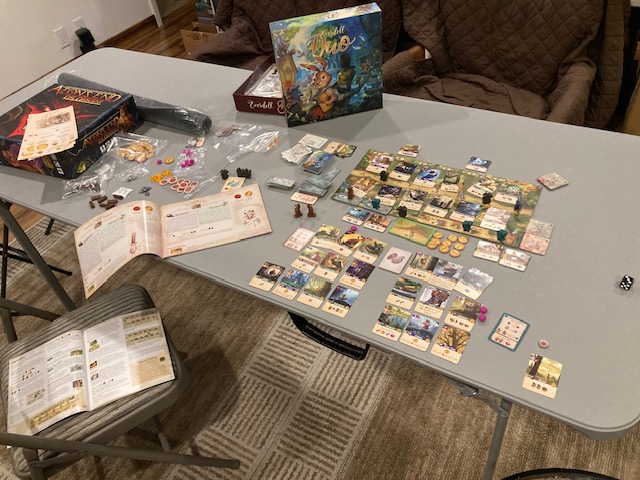
That delicious (solo) collaboration plus the beautiful components and the cute vibe of the game put this on my solo list! I am just as surprised as you are that this made my solo list! My only concern (which is why it’s at #7) is that can be at the whim of the card draws, but most of the time there are so many ways to pivot around that! See our review here to see if this might be something you like!
6. Rise of the Unfolders: Tidal Blades 2

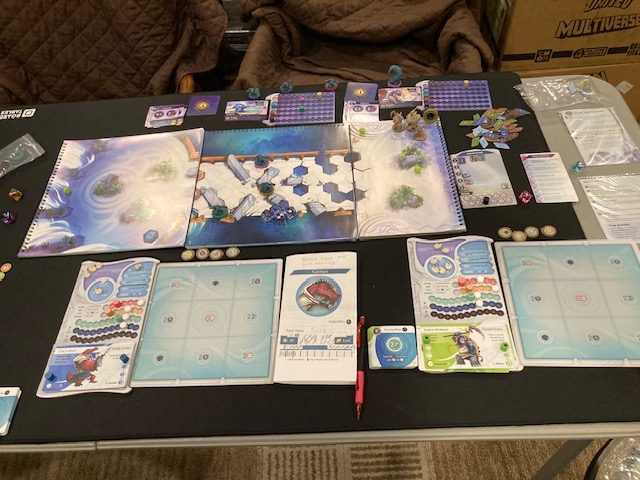
I didn’t know a lot about the original Tidal Blades when I backed this, but Tidal Blades 2 looked like a fun little cooperative dungeon crawler. Holy Cow! I was blown away about how good the gameplay were and how great the components were!
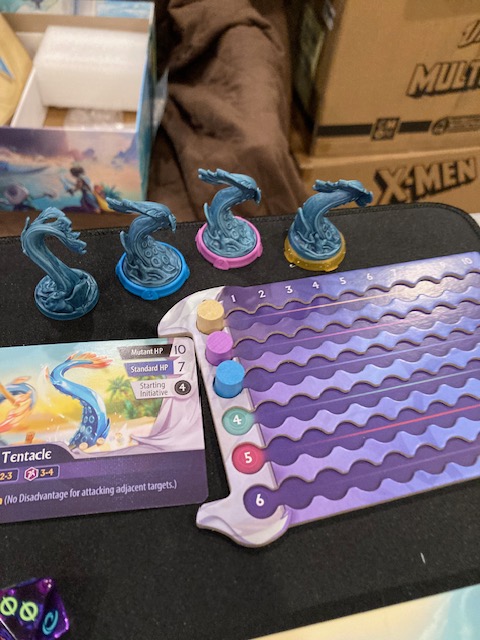
As silly as it sounds, they did such a great correlating the colors, giving bases for the monsters, and generally making the cards very readable!
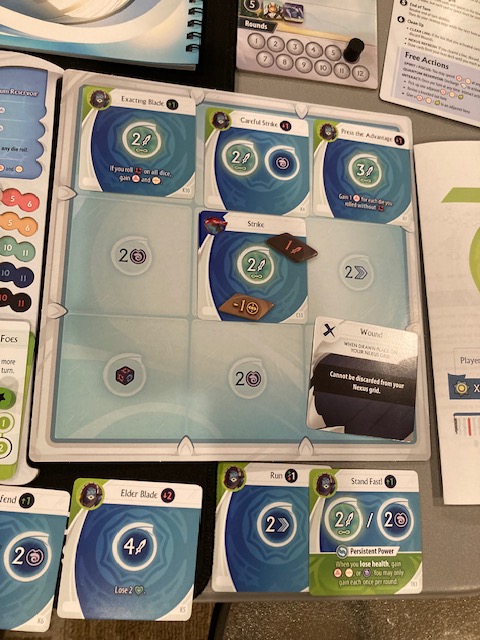
But the coup de grace was the card system where you could choose a card, a row or a column, activating everything there! This was such a unique and different combat system, it really made this game stand out. The game is better with more people, but I had such fun playing through (most) of the campaign solo!
5. Robinson Crusoe: Collector’s Edition (primer)
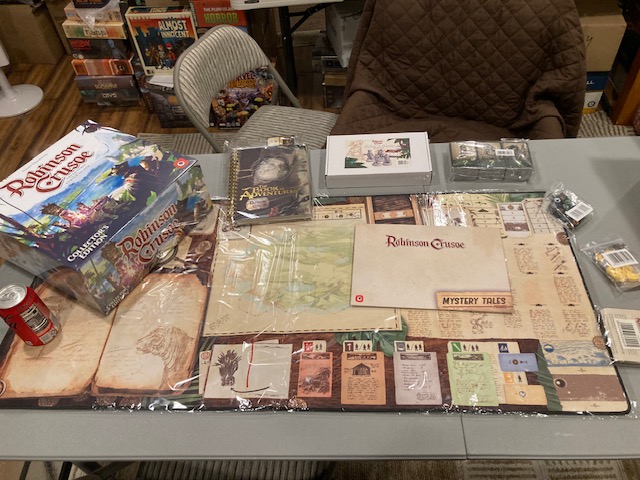
This is an odd duck of an entry; the Collector’s Edition of Robinson Crusoe arrived this years (3 years late, which made a lot of people angry) and had some amazing minis and components … for a worker placement game that probably doesn’t need them!
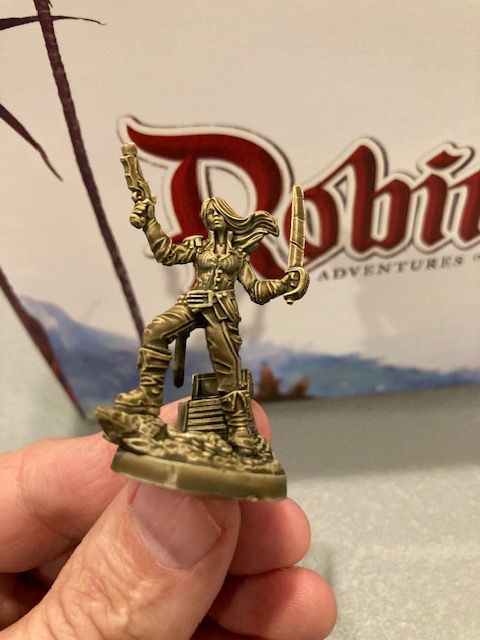
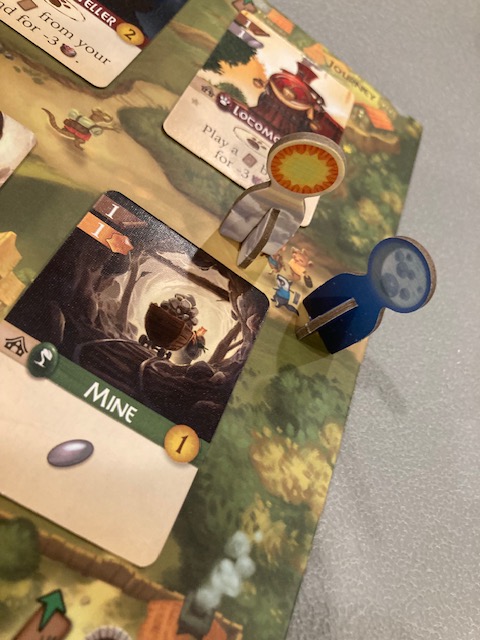
See above for one of the Sundrop worker placement tokens!! Did I really need this? Nah! But did I love it? Ya!
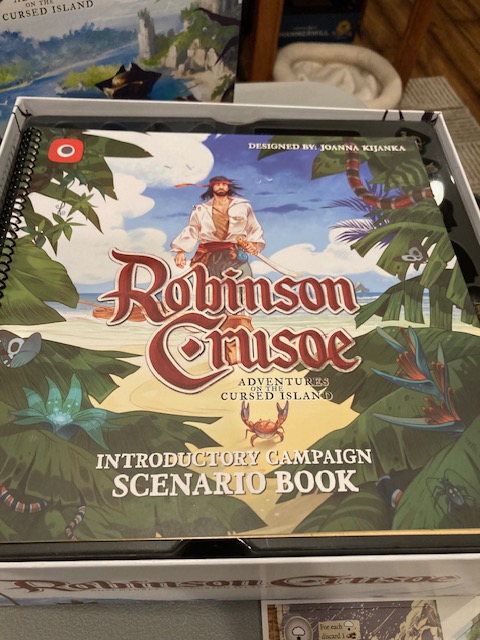
In the end, the reason this made the list (besides how stupidly nice it looks) was because of the Introductory Campaign Scenario Book! I love Robinson Crusoe, but I hadn’t played it in 5 years! The Introductory Campaign gave me an excuse to enjoy a nice 5-Game campaign in the world of Robinson Crusoe! Over about a month, I’d play a scenario on a weekend and just have a good old time in this world. Good times! It reminded why I like Robinson Crusoe so much!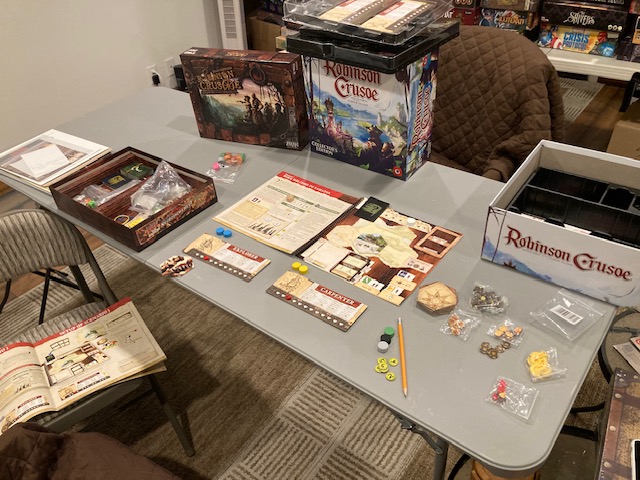
Check out our review of the Collector’s Edition of Robinson Crusoe to see if this might be something you might like!
4. Marvel United: Campaign Deck. Dark Phoenix Saga
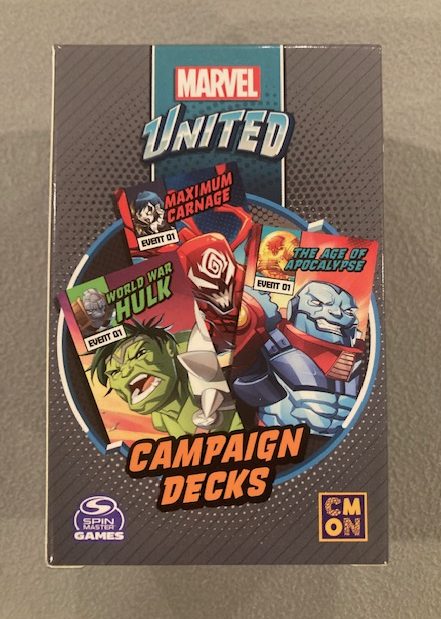
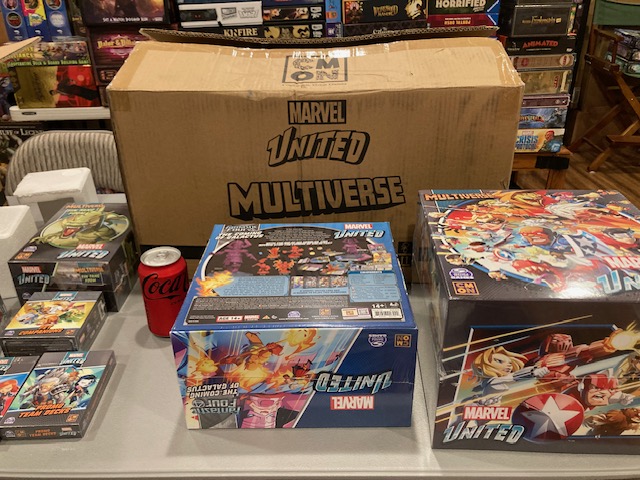
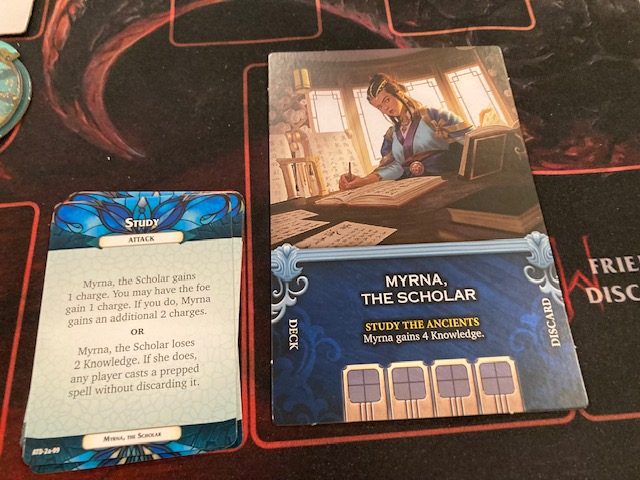
The Campaign Decks (see above) came with Season 3 of Marvel United: Multiverse. These decks takes all your Marvel United content (and I mean ALL of it) and gives you some “stories” or campaigns to run through.
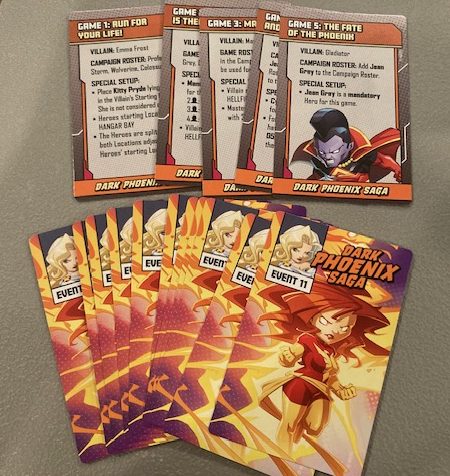
The Dark Phoenix Saga is a campaign centered on the X-Men from issues #131-137 back in the Byrne/Austin/Claremont days. This campaign takes you through a story, lasting 5 battles (or more) as the X-Men fight the Hellfire club, others, and (spoiler!) deal with Jean Grey turning into Dark Phoenix.
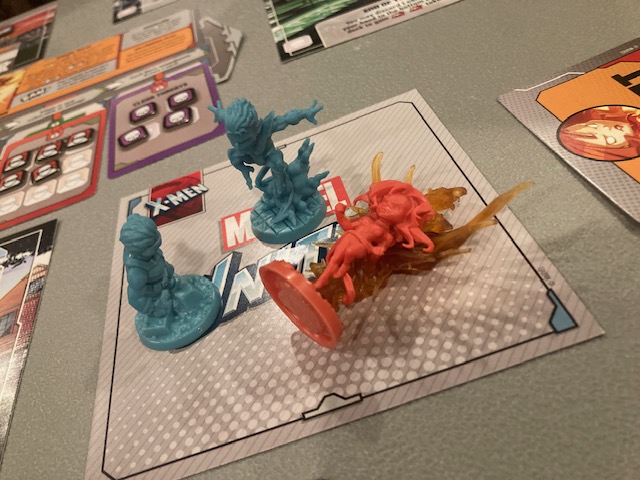
This was a heart-breaking, soul-wrenching campaign as I played through one of my favorite Marvel X-Men stories! I can’t share too much, but it was a great solo experience over a number of days.
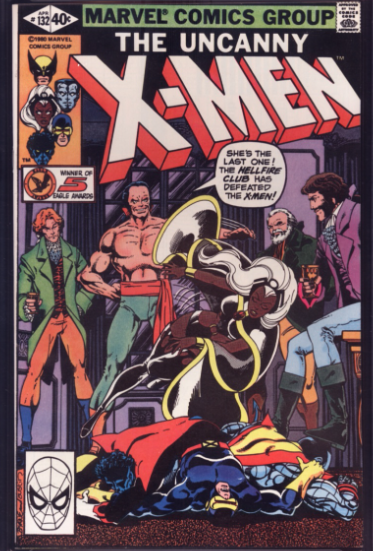
See our review of the Campaign Decks to see if this might be something you might like! Some spoilers included, but they should be well marked!
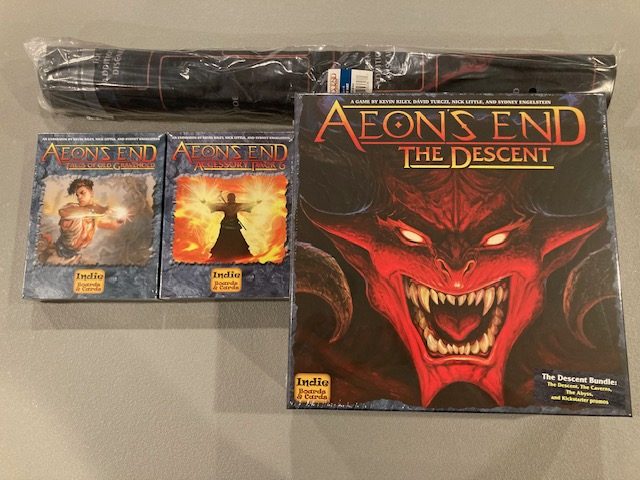
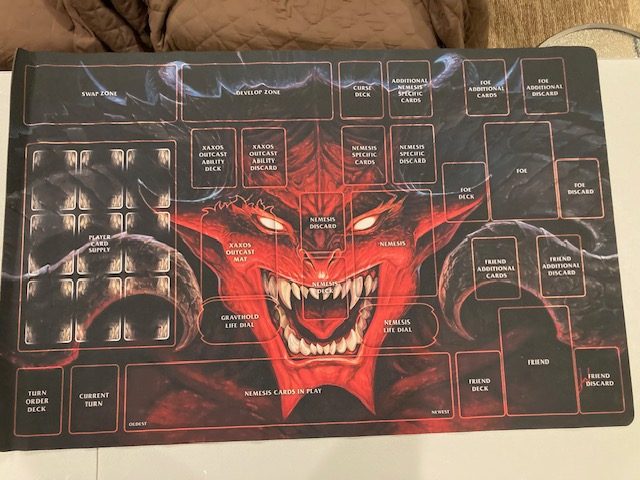
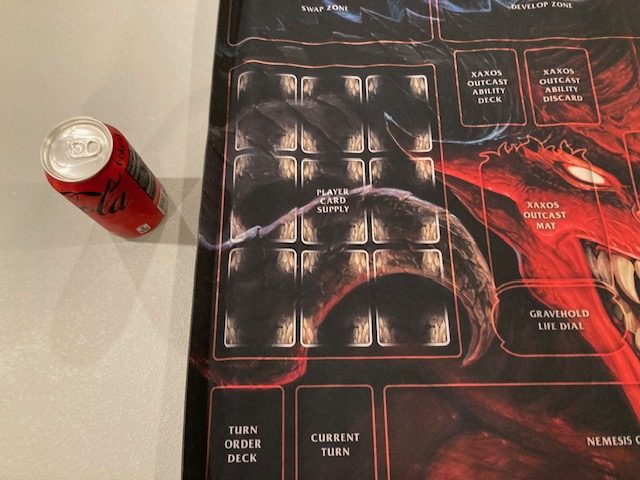
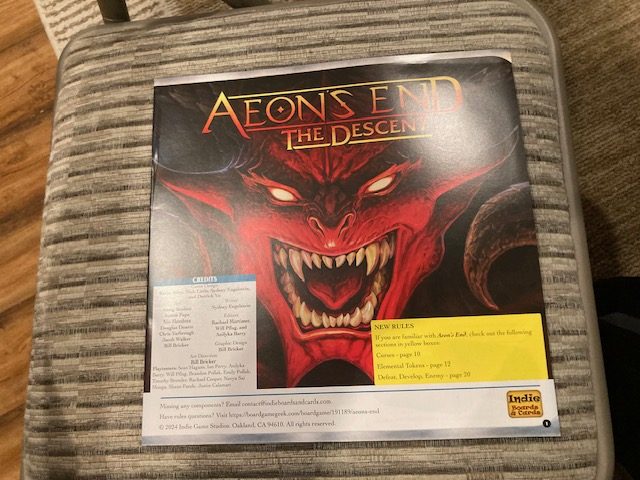
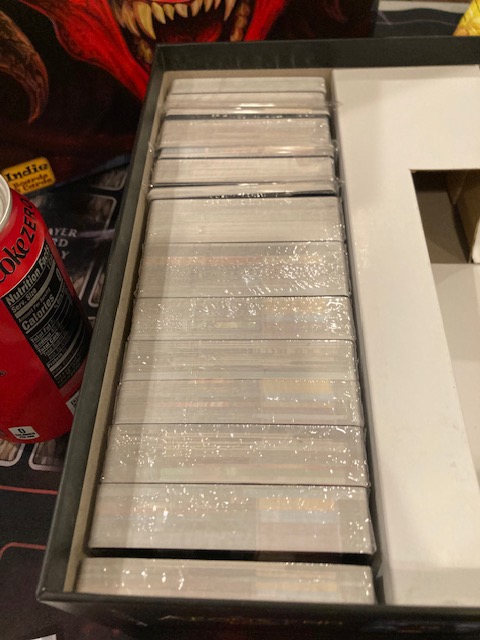
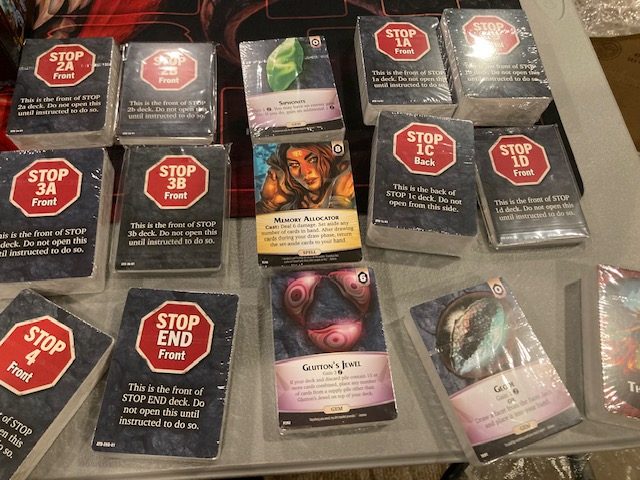
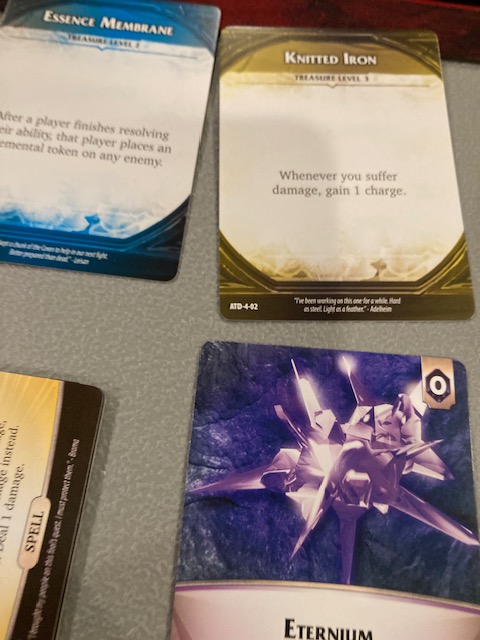
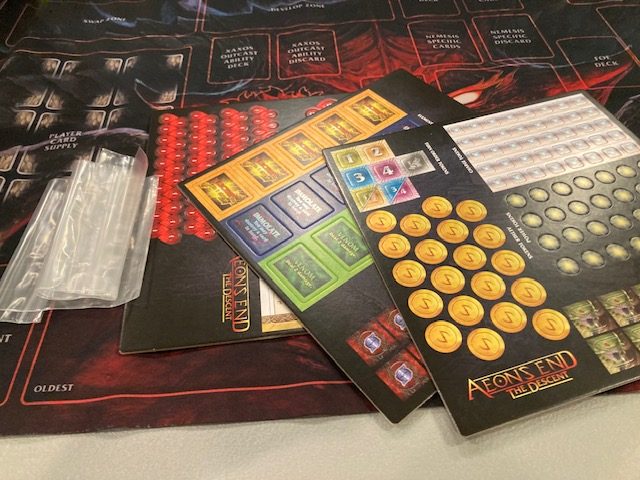
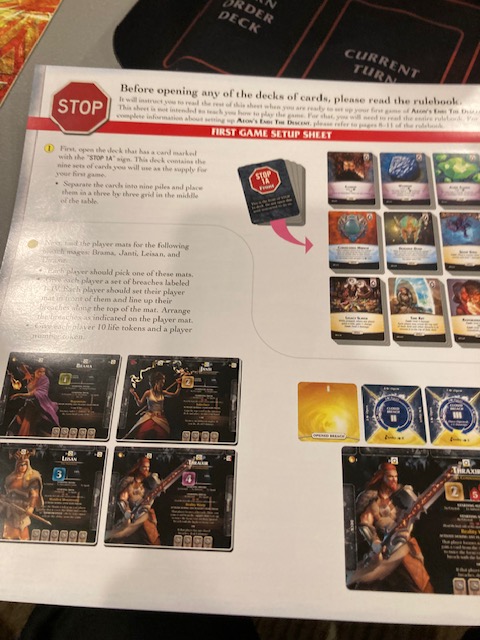
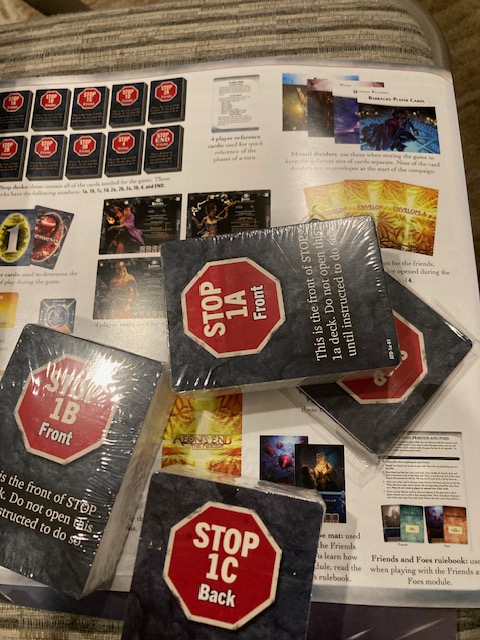
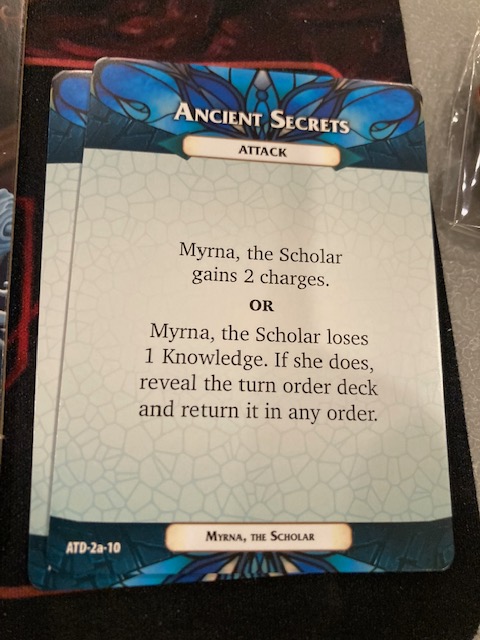
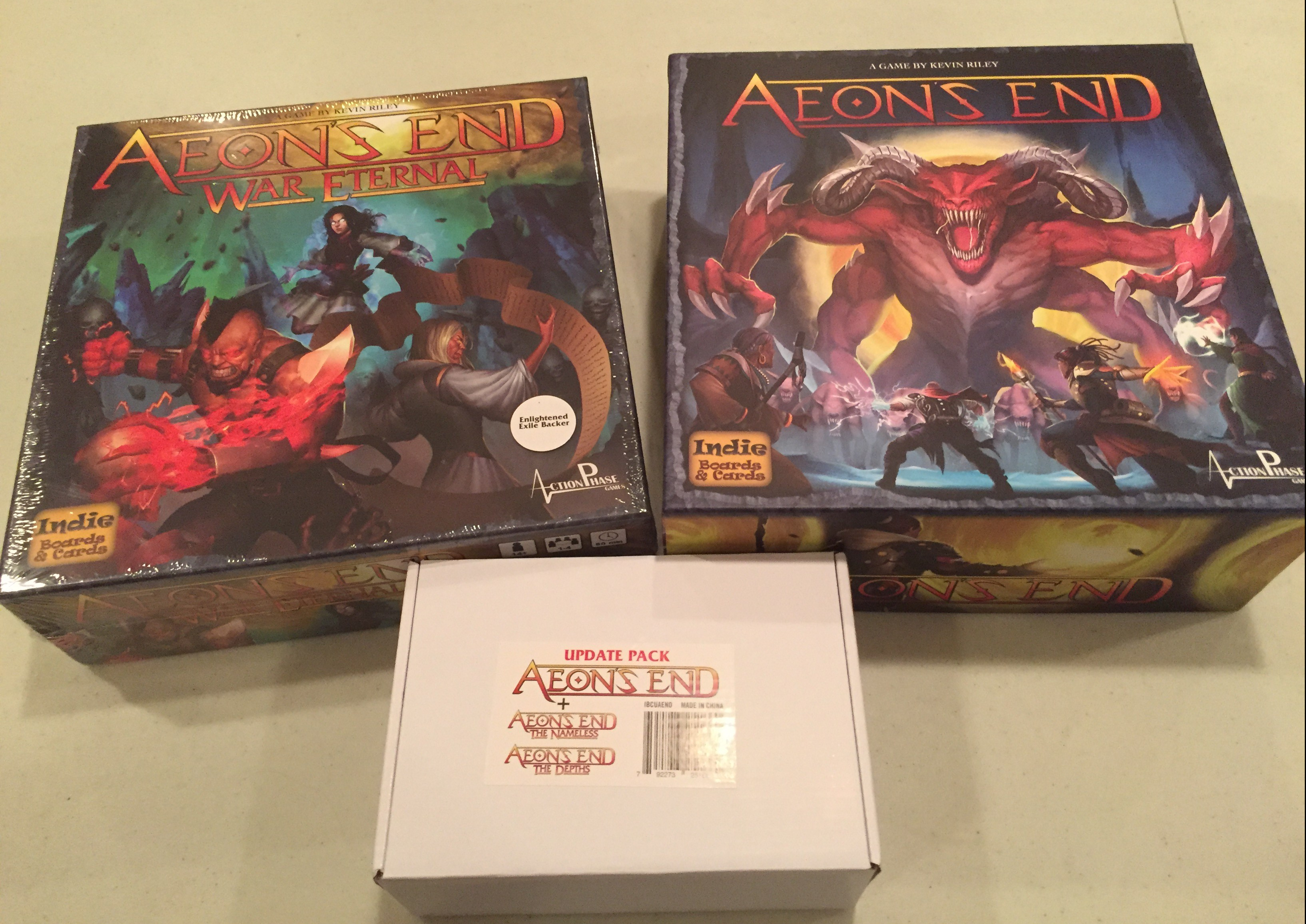
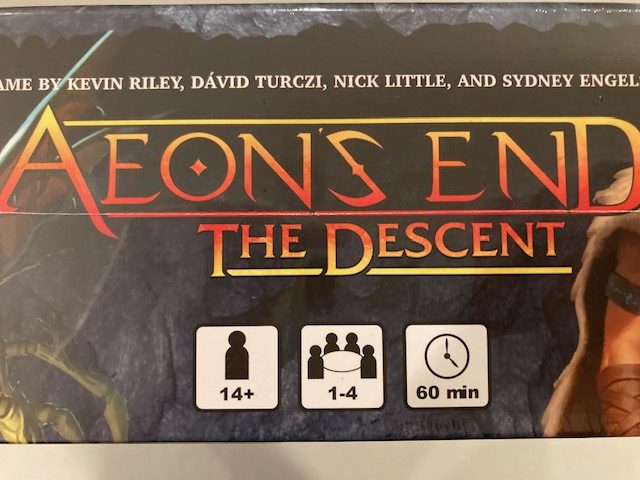
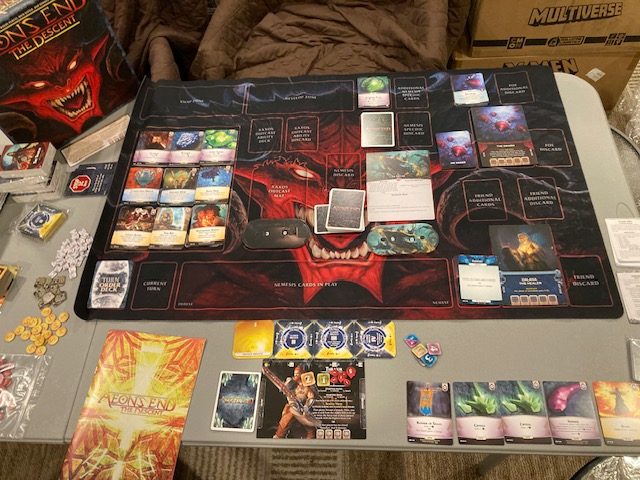
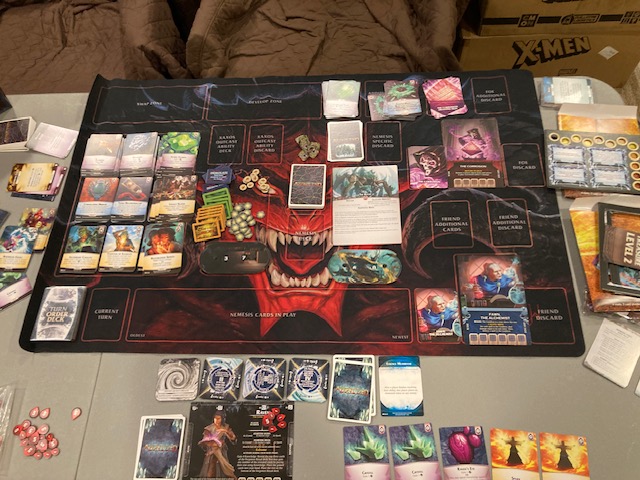
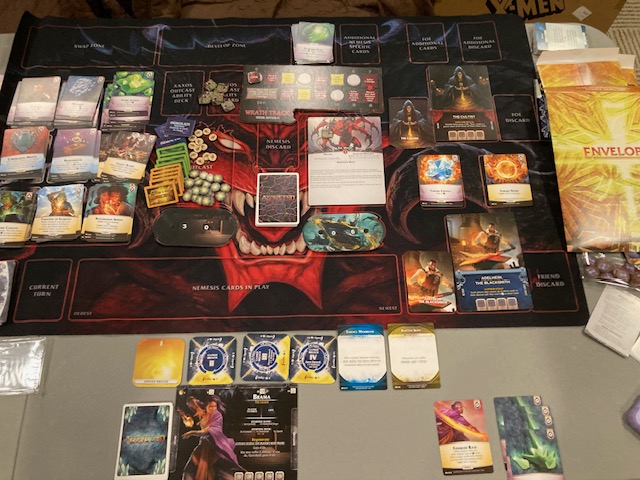
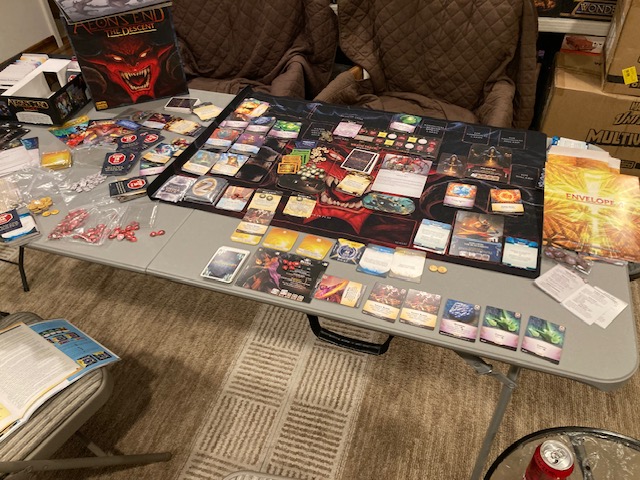
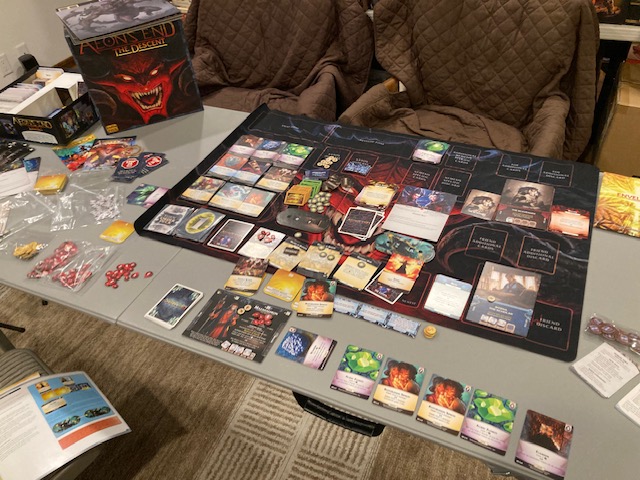
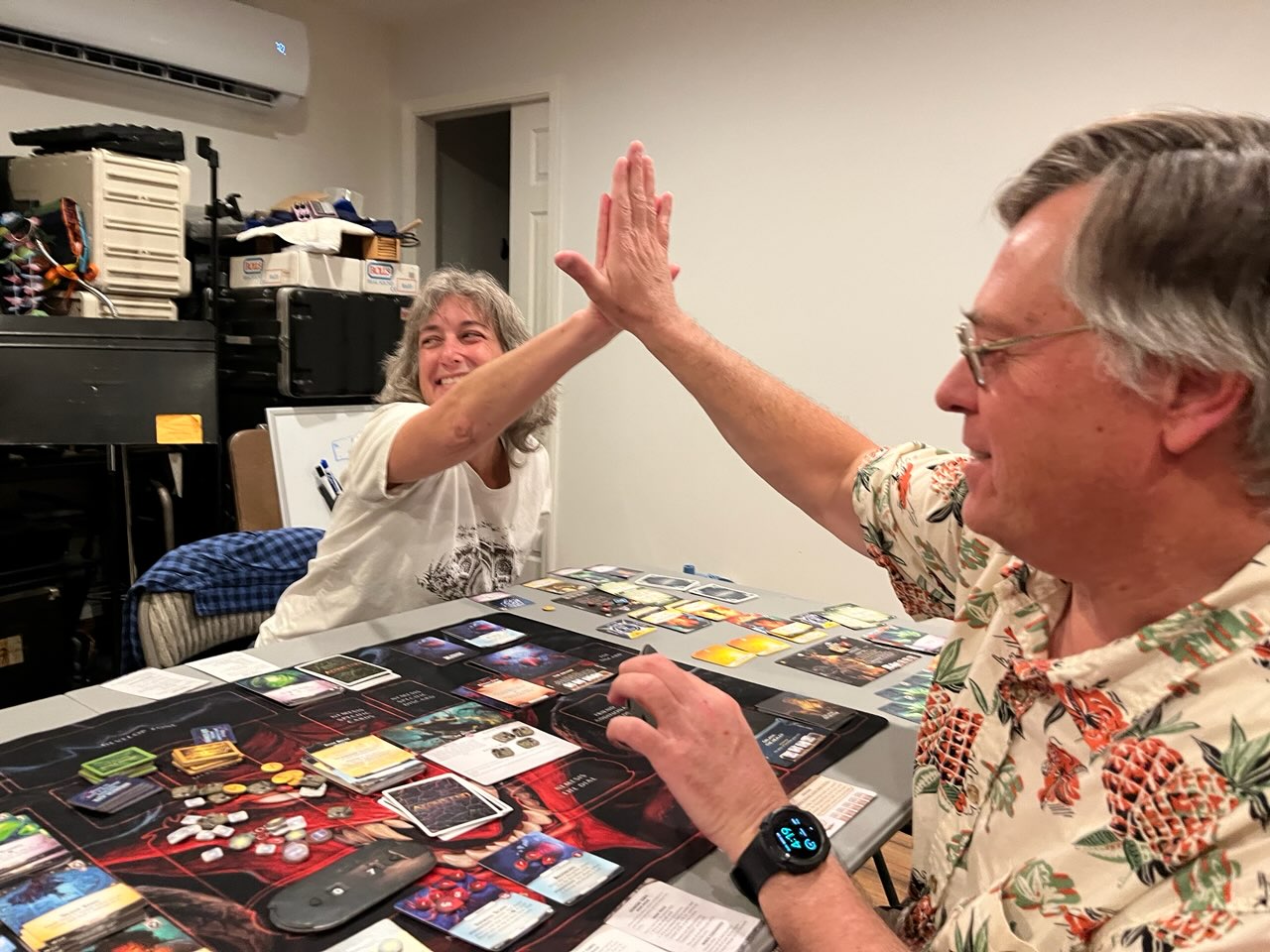
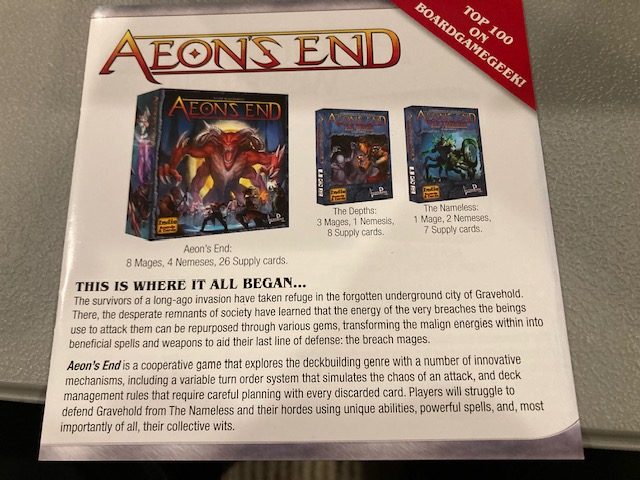
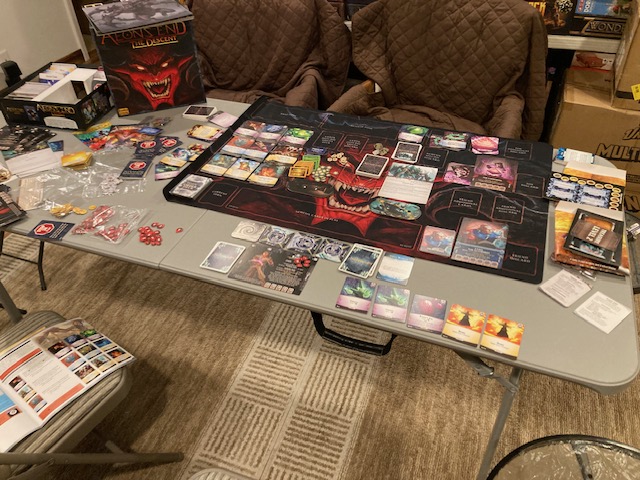
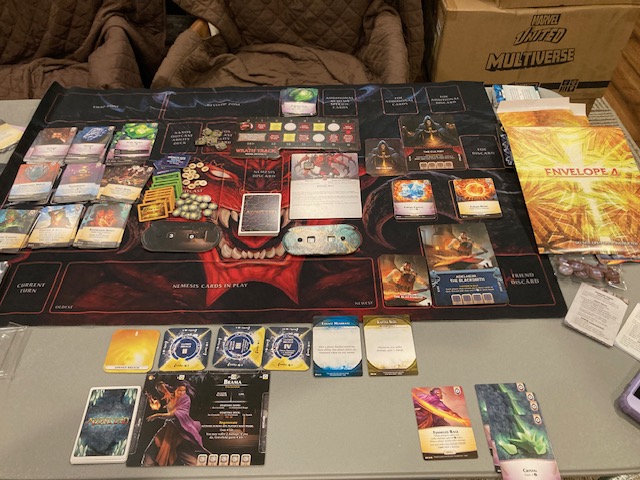
3. Aeon’s End: The Descent
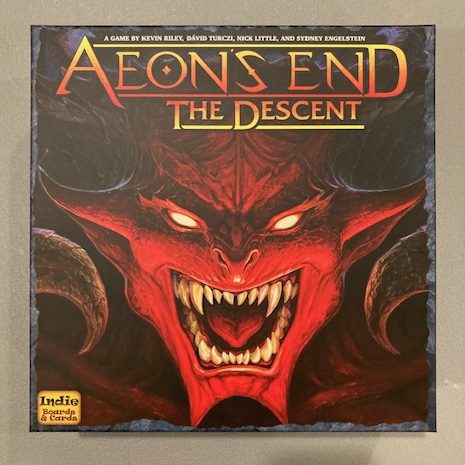
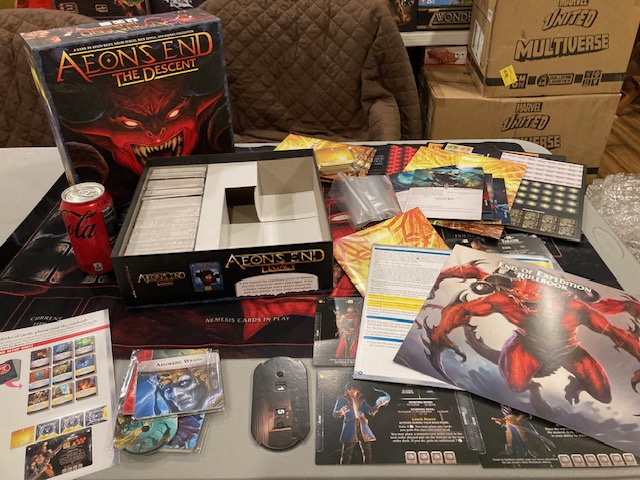
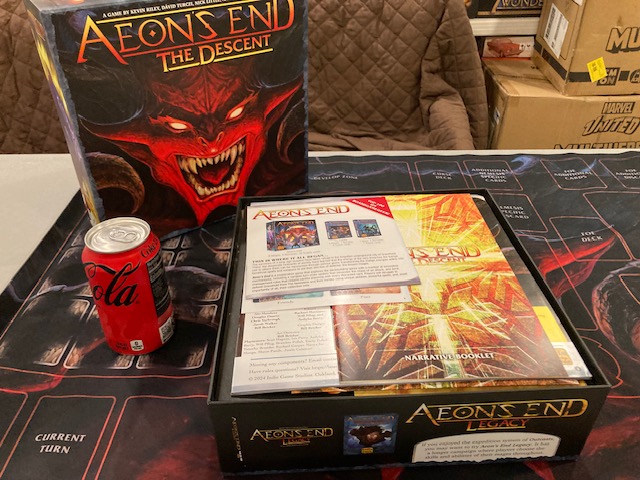
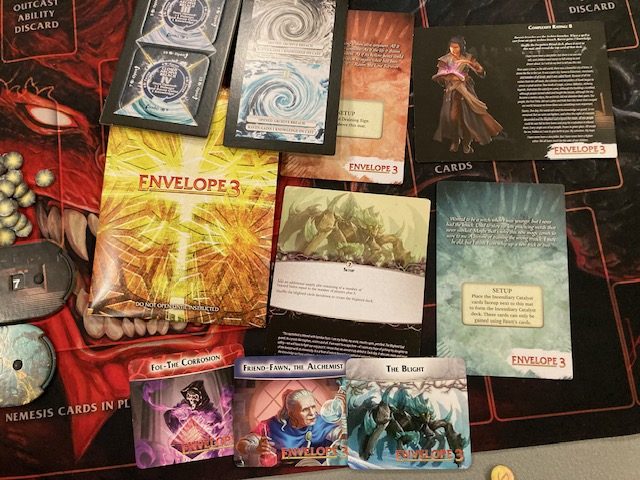
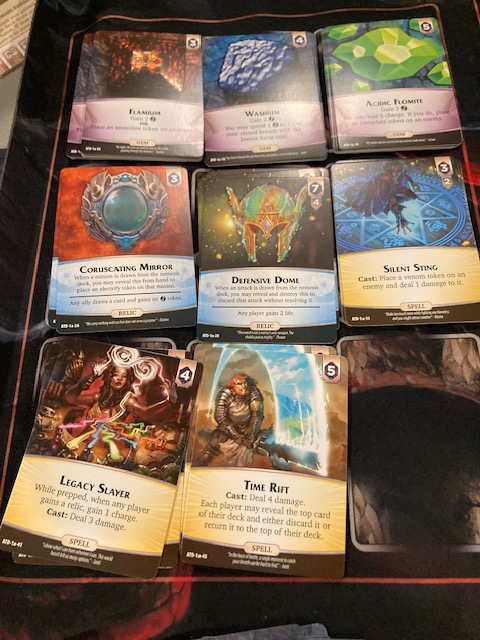
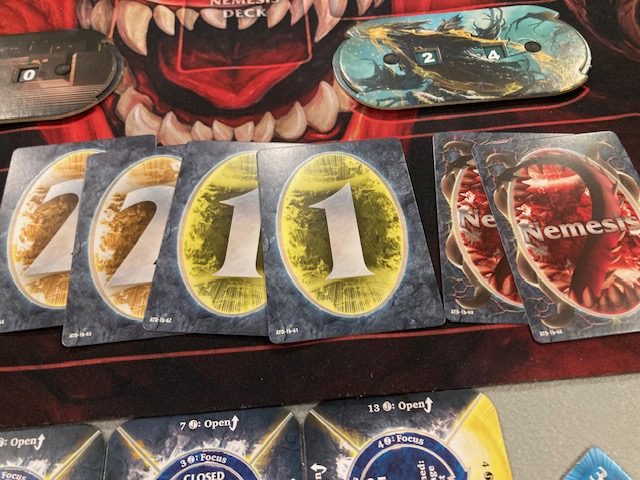
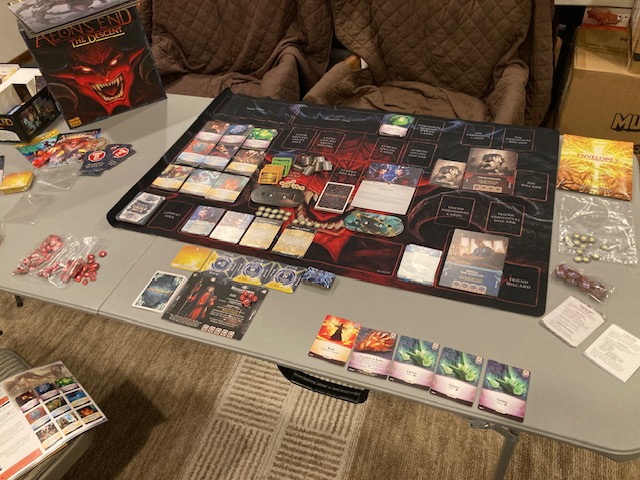
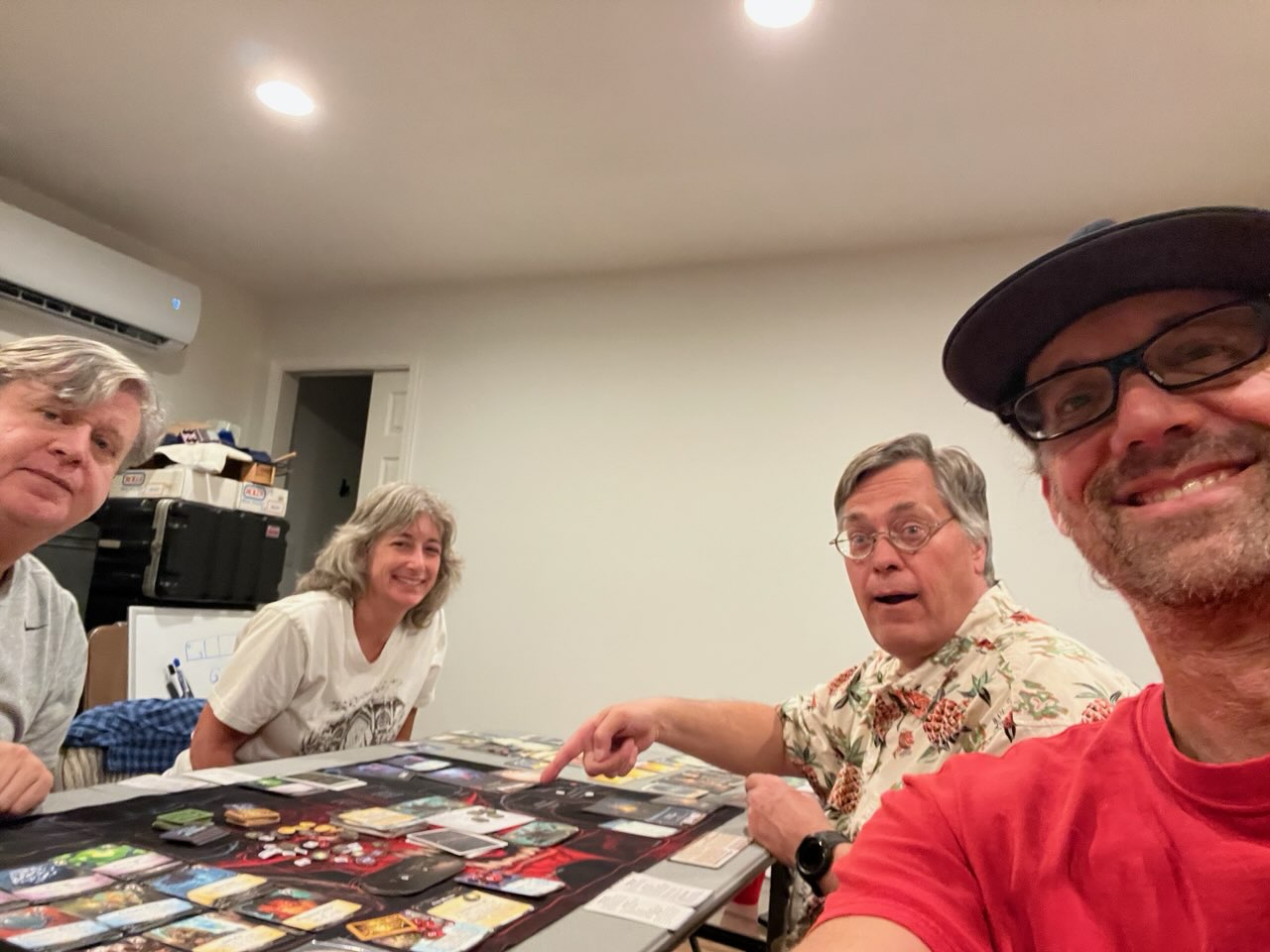
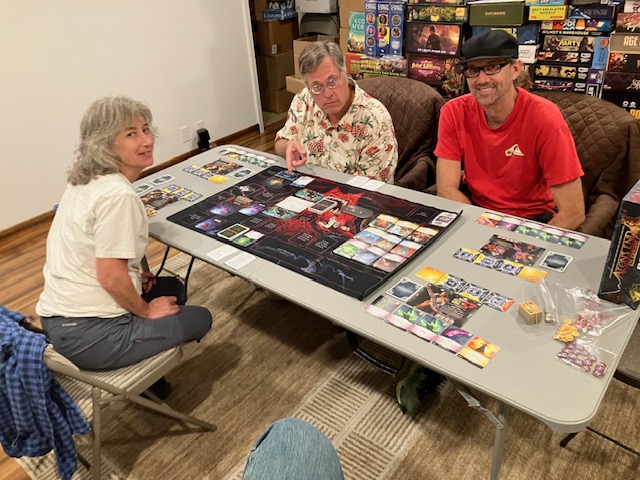
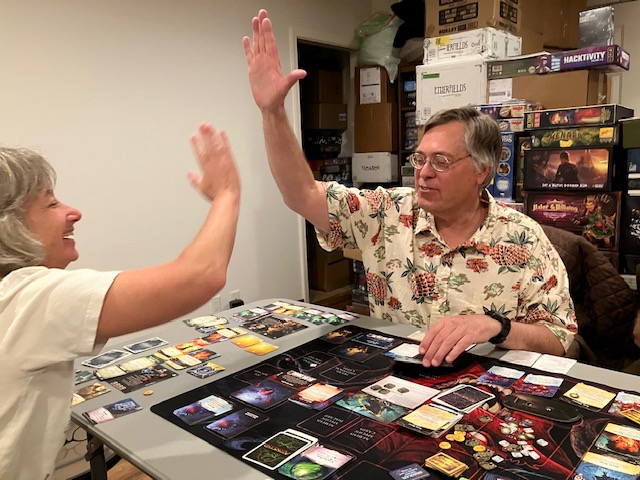
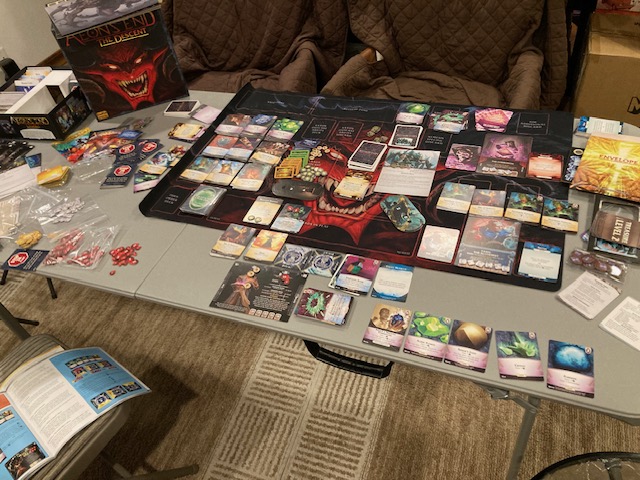
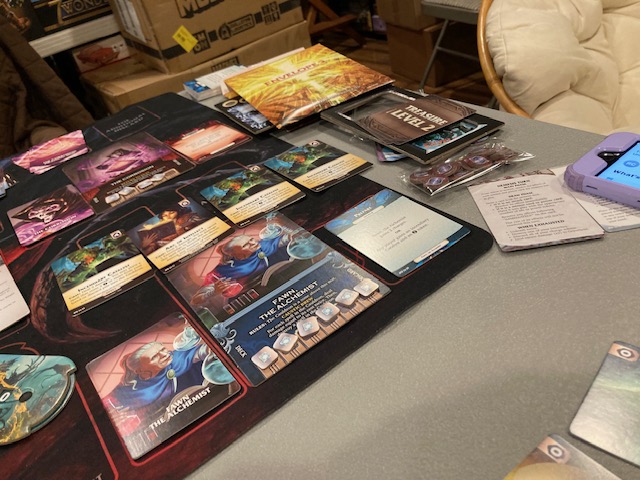
This one was a late comer and almost didn’t make our list! It came in late late November, just before Thanksgiving! I ended up playing cooperatively with my friends and had a grand old time, but the solo experience was truly phenomenal!
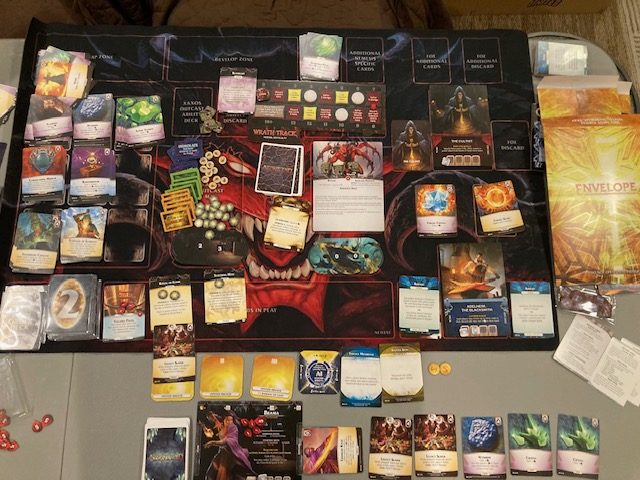
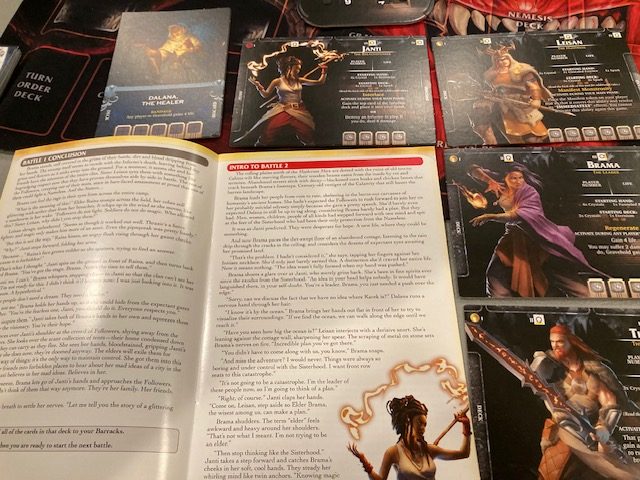
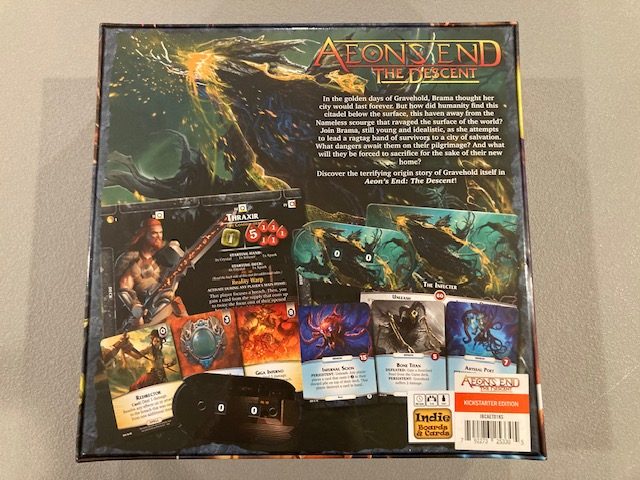
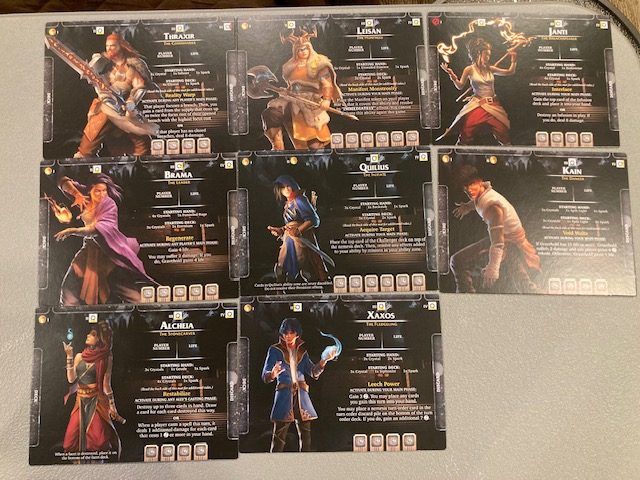
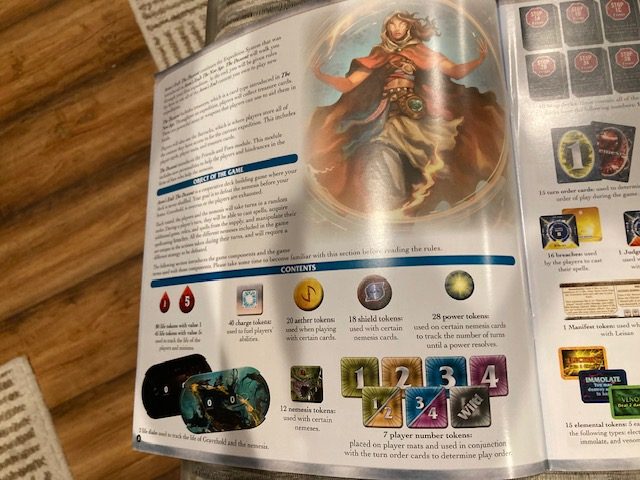
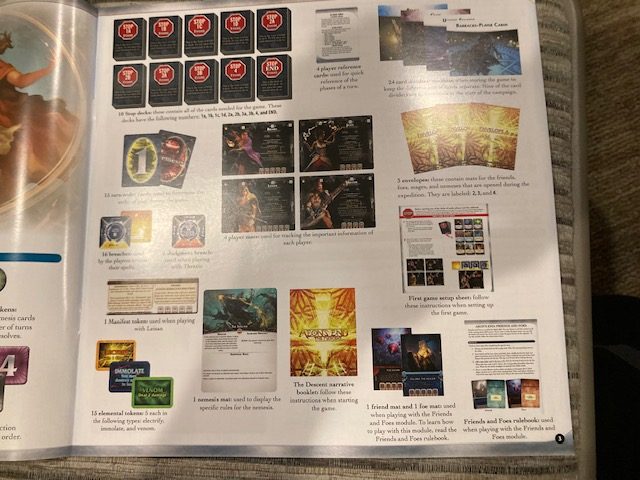
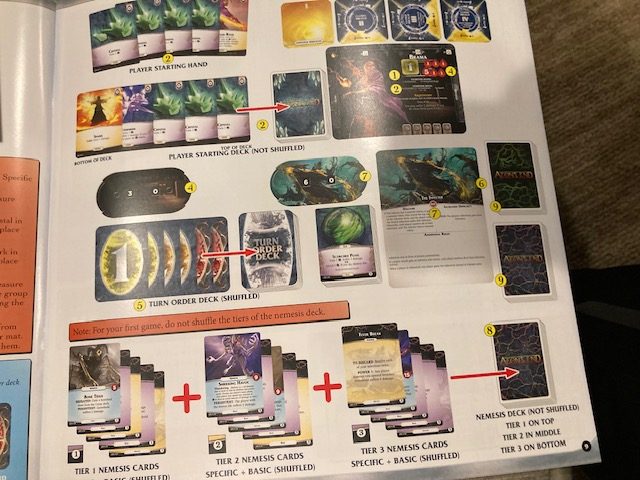
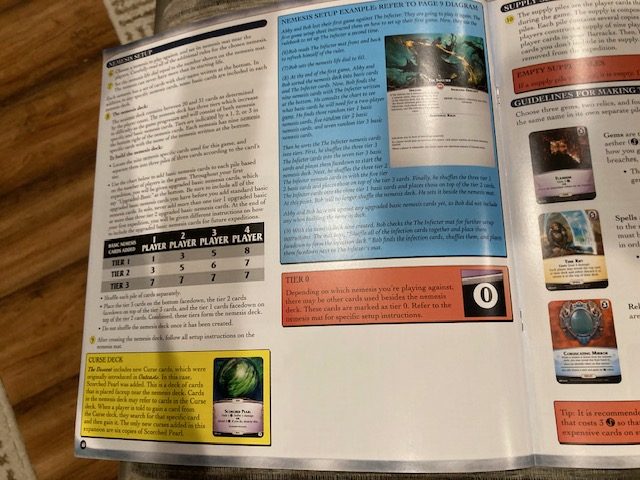
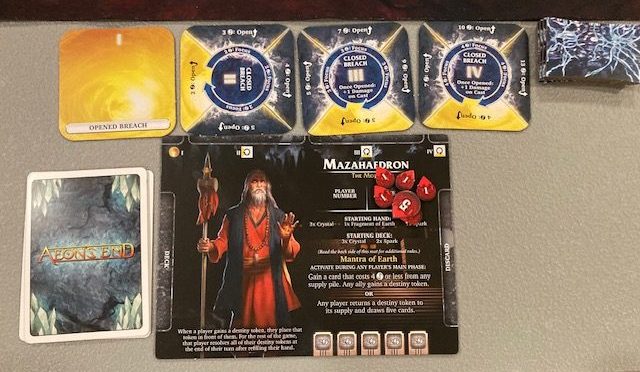
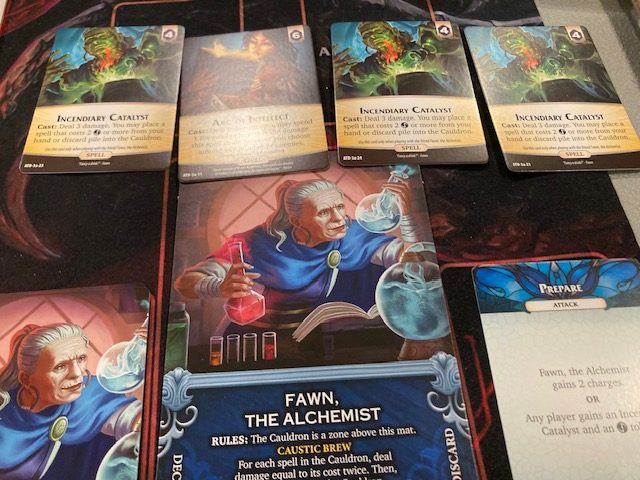
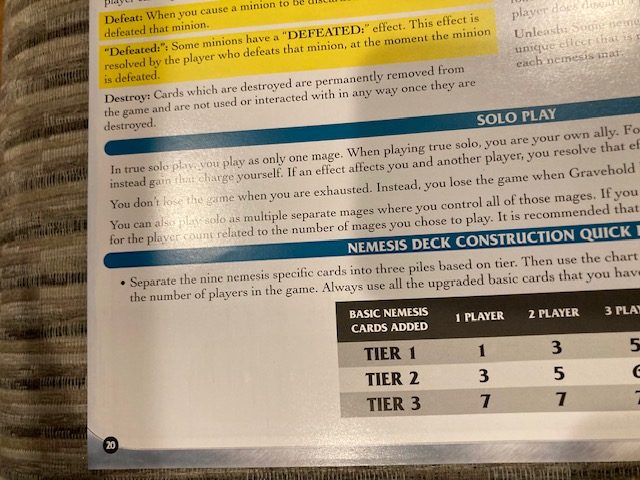
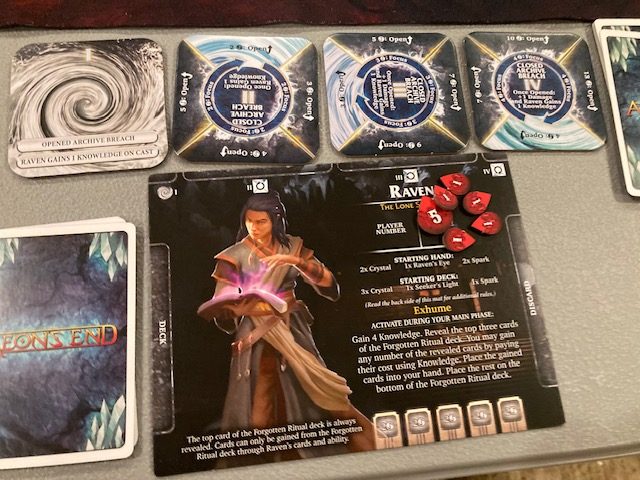
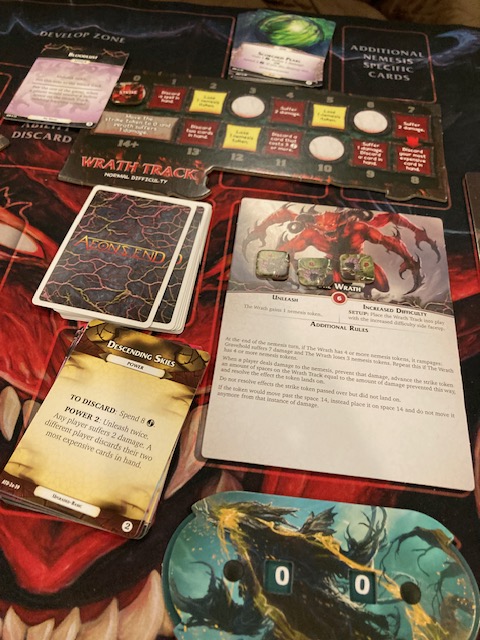
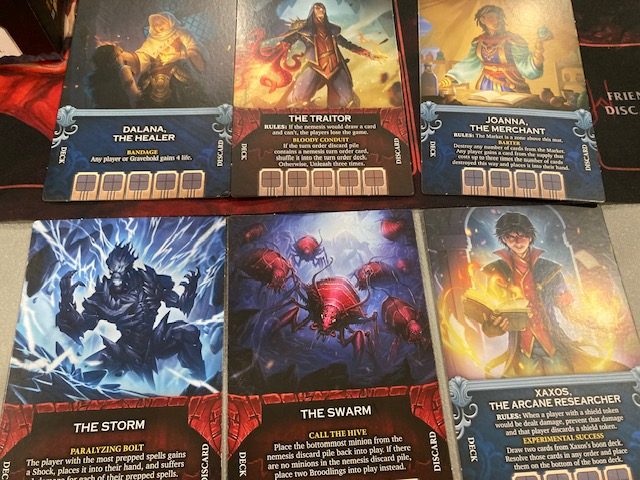
First of all, Aeon’s End: The Descent has true solo play (which makes it a lot easier to jump into)! And all the new Mages and ideas it adds to the system were … surprisingly fresh! Even after 8 years, this standalone expansion breathed new life into the Aeon’s End system!
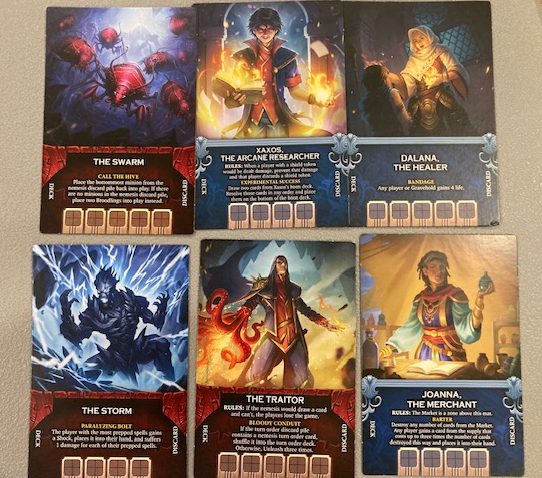
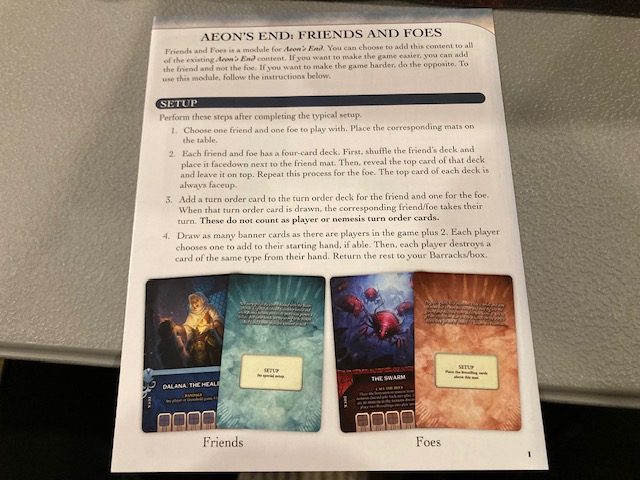
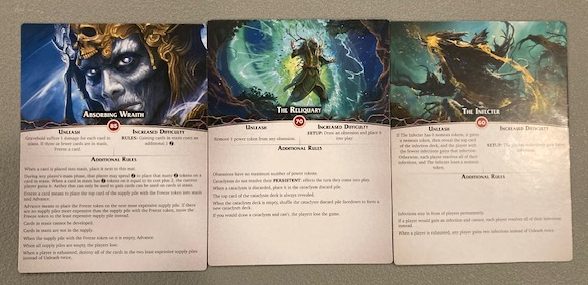
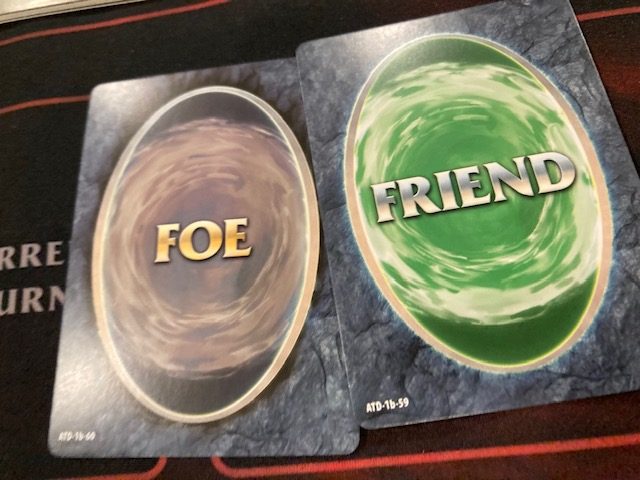
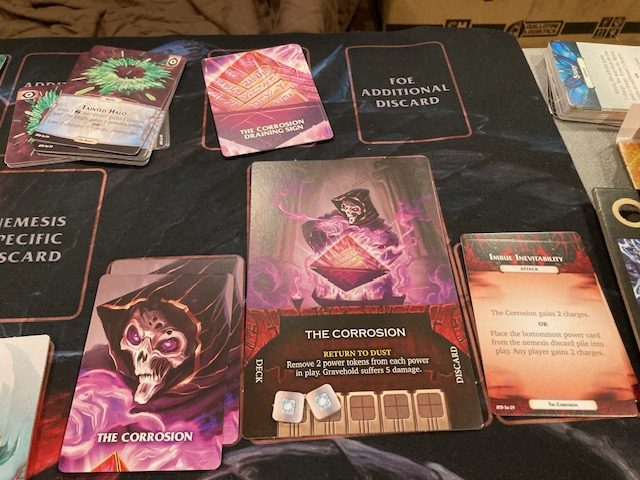
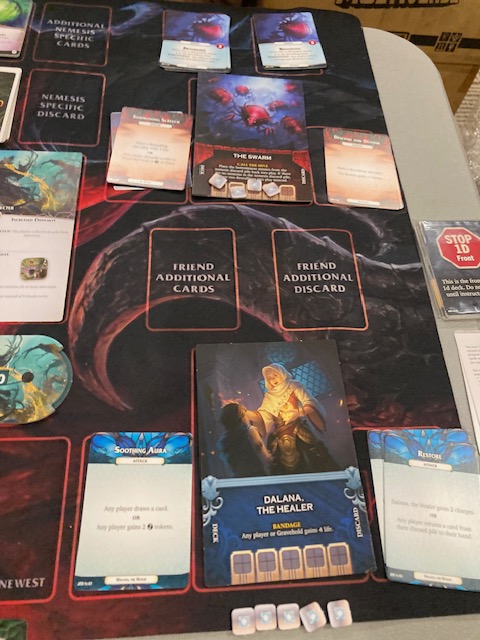
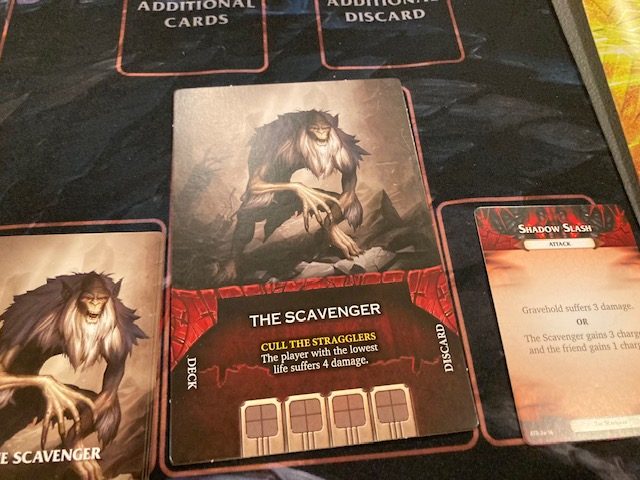
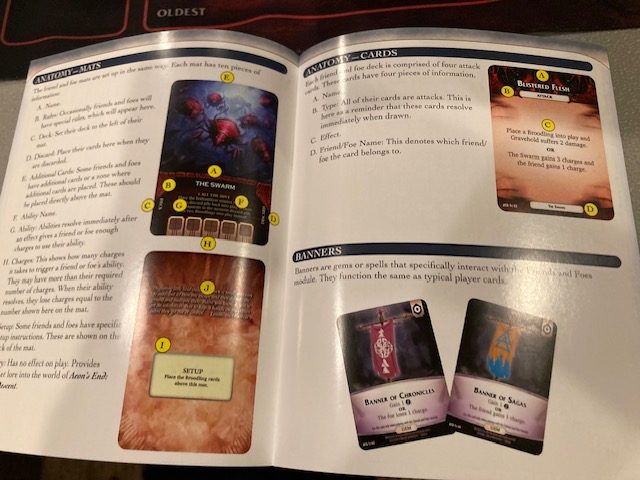
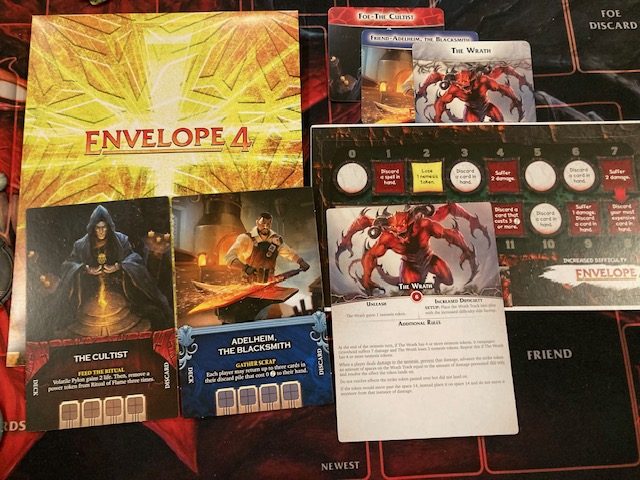
But, at the end of the day, it was the new module called Friends and Foes that made this stand out so much! This new module adds new ways of winning and losing with some interesting ideas, but what it does best for me was mitigate the problems with Variable Turn Order!
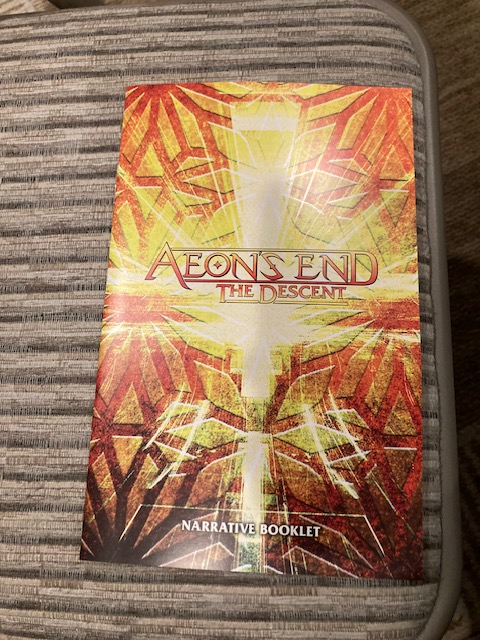
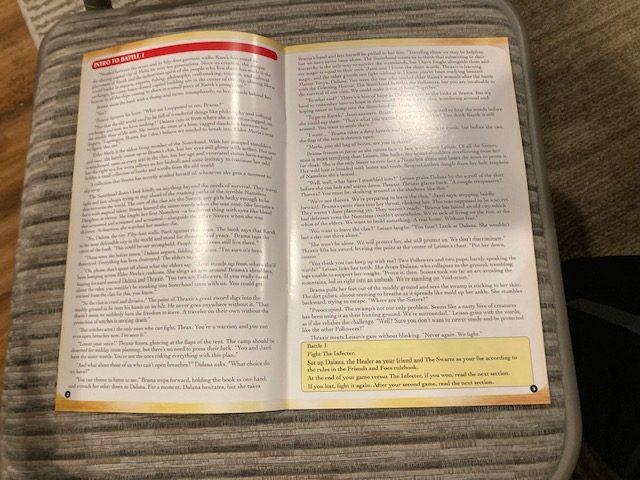
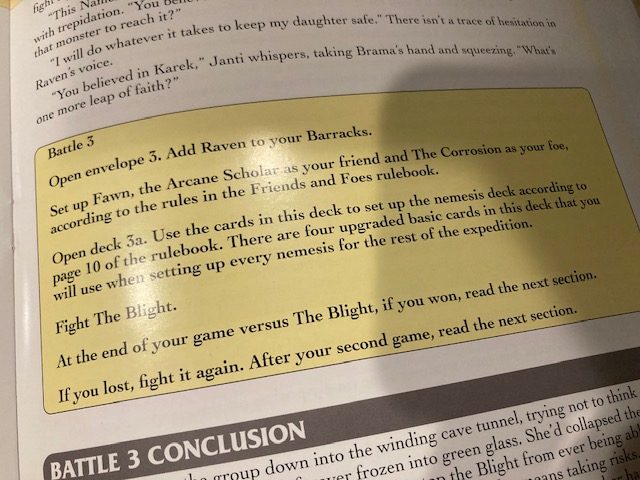
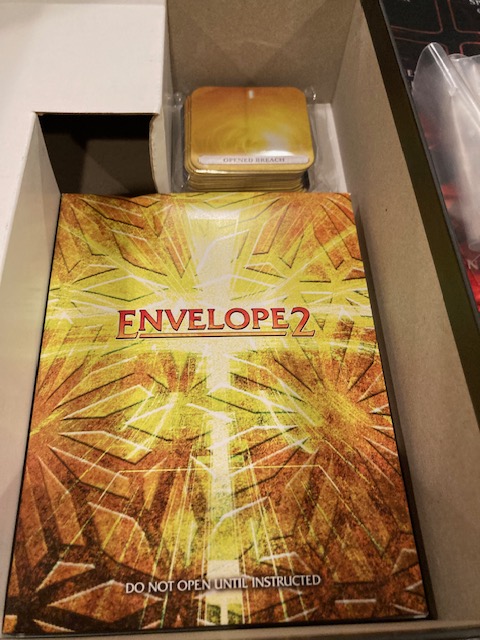
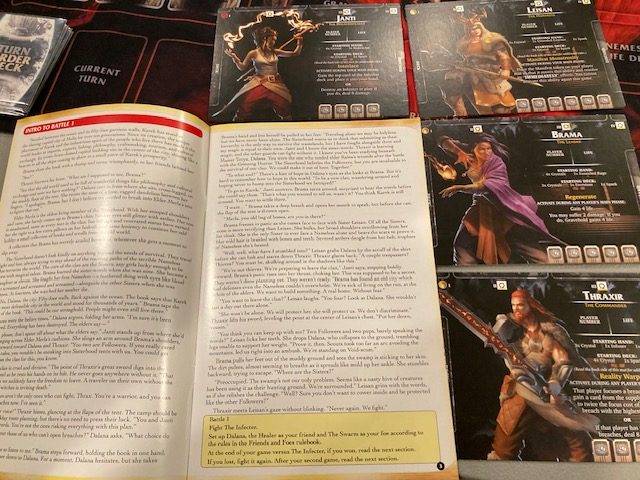
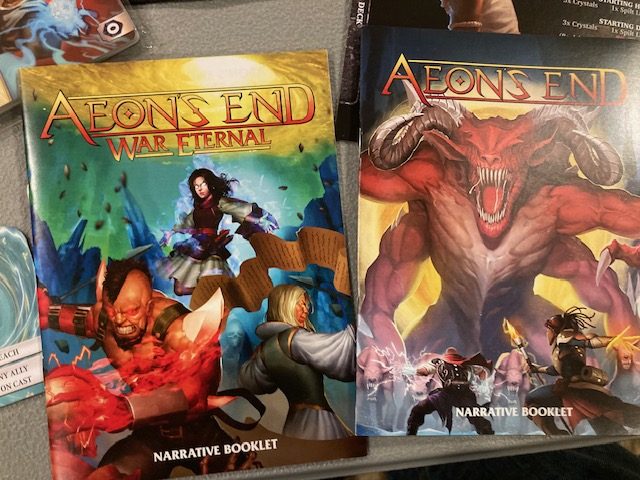
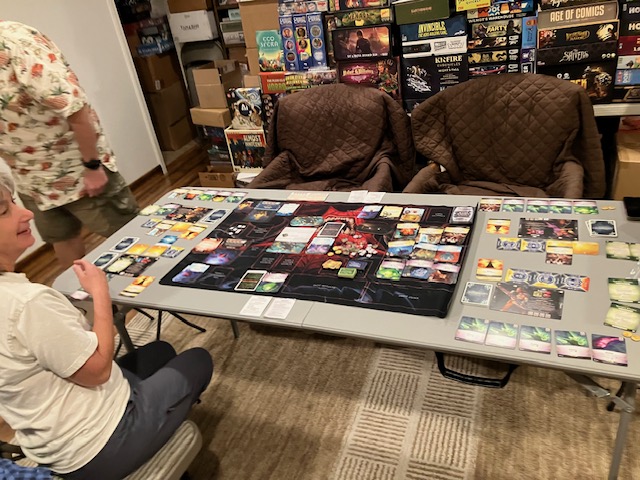
Playing through the four Chapters of this narrative campaign was a thrill! The story was pretty good (once you got into it), and the new ideas generated throughout were fantastic. I played a different mage in every chapter and just had a ball figuring out how to play each new mage! Sure, you can play this campaign with many people, but I really enjoyed unravelling this story as a solo play. See our review here of Aeon’s End: The Descent to see if this might be something you enjoy!
2. Sammu-Ramat
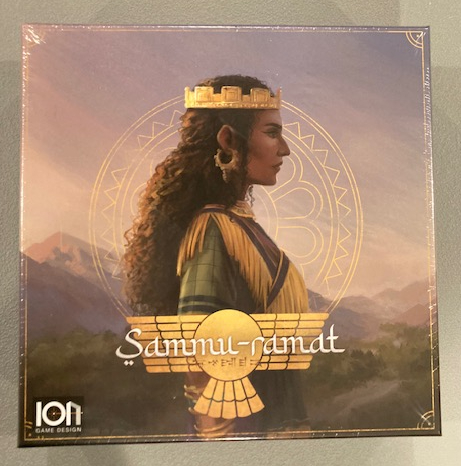
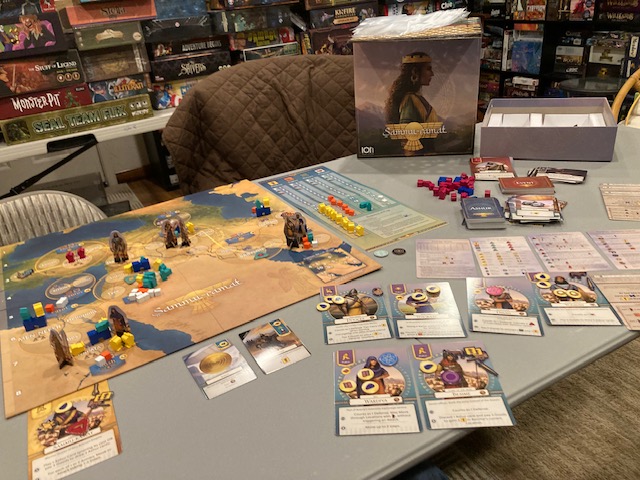
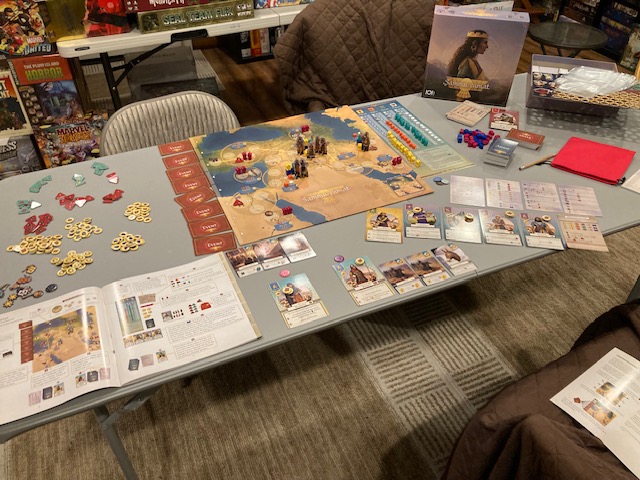
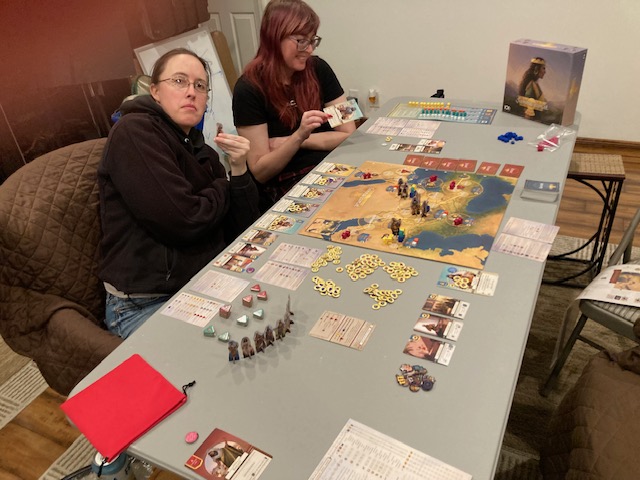
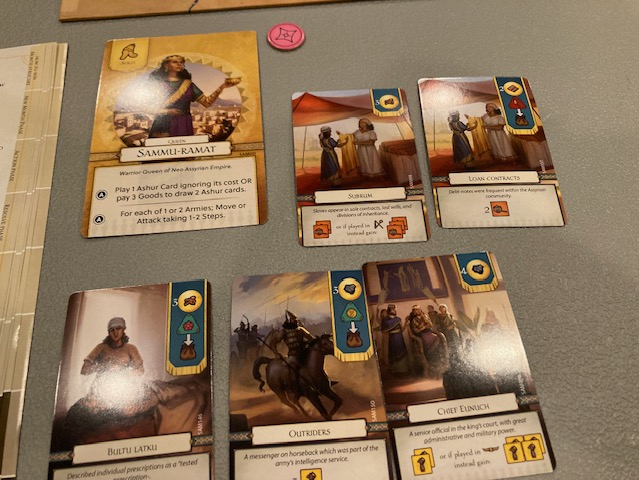
Any other year, this probably would have been my #1 game of the year! I went back and forth a number of times, so this could easily be my #1! Sammu-Ramat is basically a cooperative euro-puzzle game; it immerses the players into Queen Sammu-ramat’s rule of Assyria in 9th century BC, as guided by her advisors.
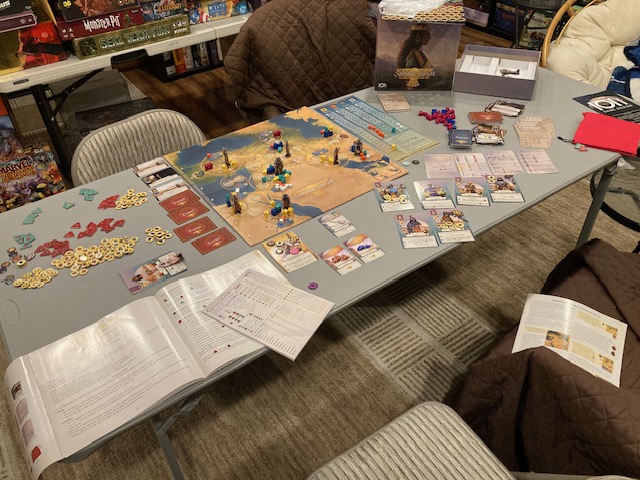
It’s kind of a war game, as you fend off invaders, but it’s also a euro game gathering-resources games, but it’s also a logistics puzzle as you try to balance keeping the kingdom defended and fed!
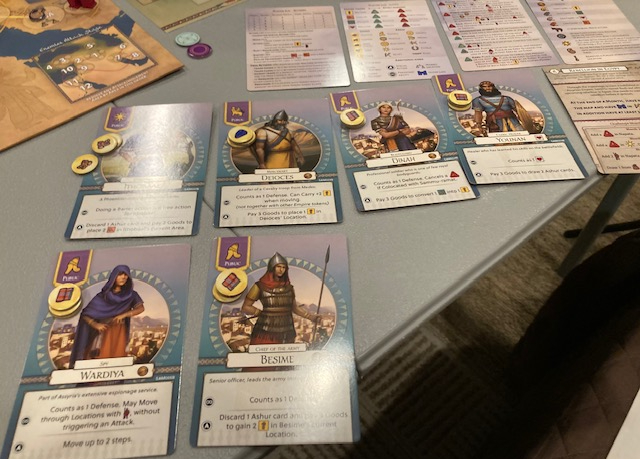
You can play either a one-shot (which is a great way to jump in), but it really shines as a 5-game campaign where you leave the game state as set-up for the next game! This game was such a great surprise! I adored playing it solo, especially through a campaign (although it needs a little house-ruling). I really wish it could have made my #1 spot because it was so good. See out review of Sammu-Ramat here to see if this is something you might like!
1. Set A Watch: Doomed Run
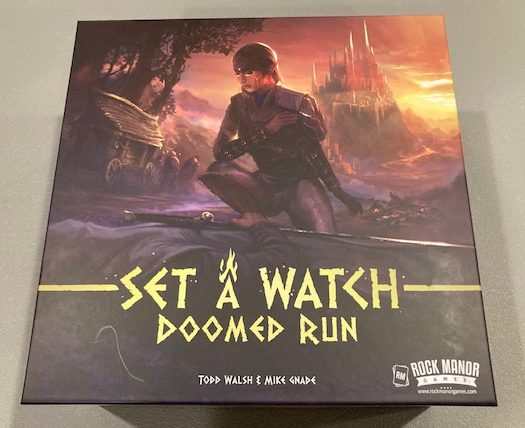
This game has no right to be the #1 spot; this is a giant campaign game in the Set A Watch Universe. First of all, of the Full 7 Game Campaign games I played, I ended up playing two of them cooperatively! So, that means I only played 5 of the games solo!
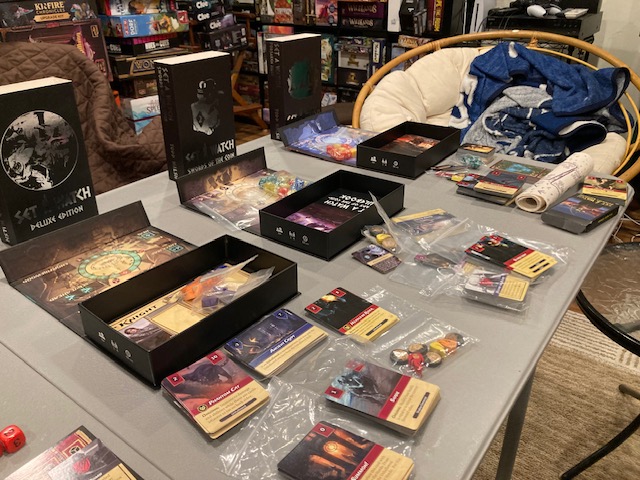
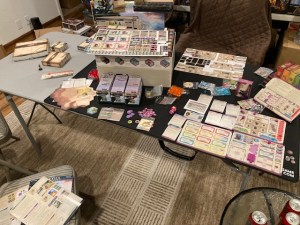
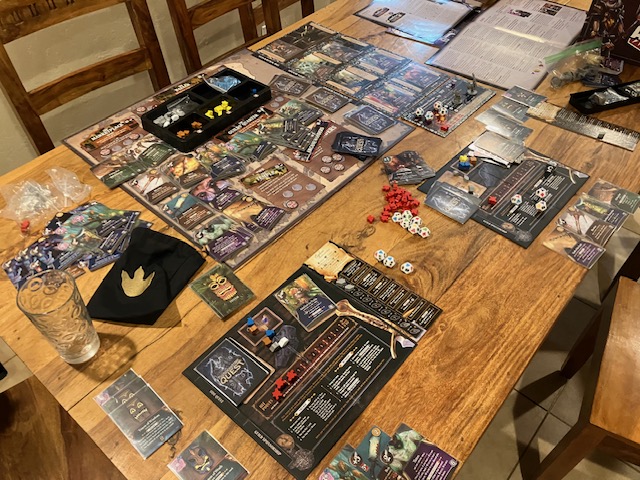
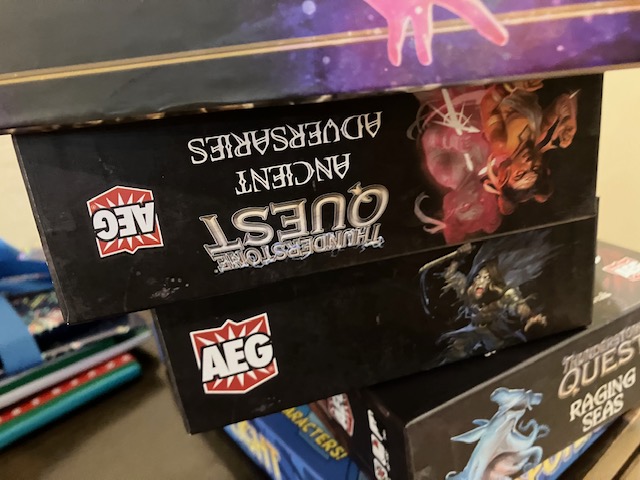
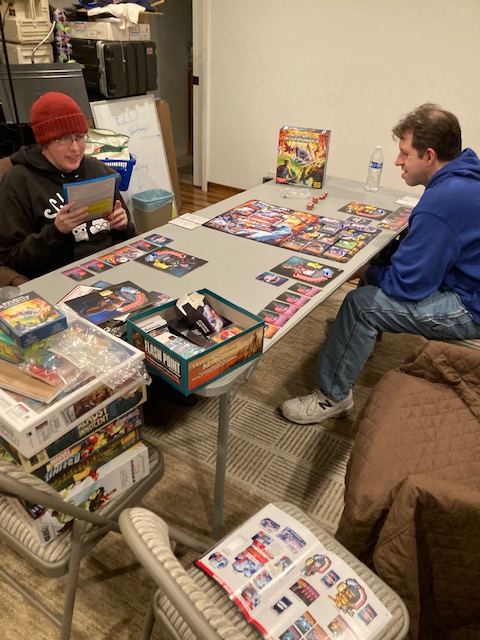
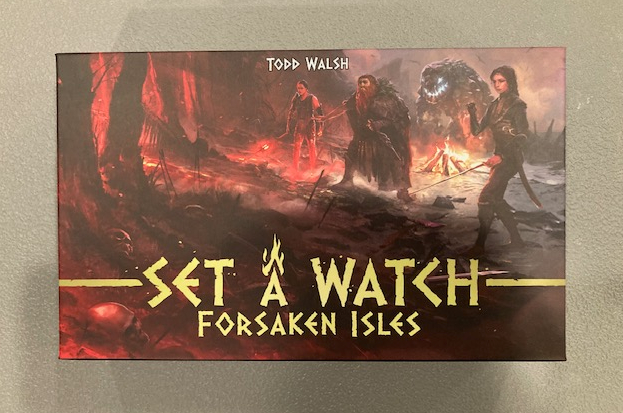
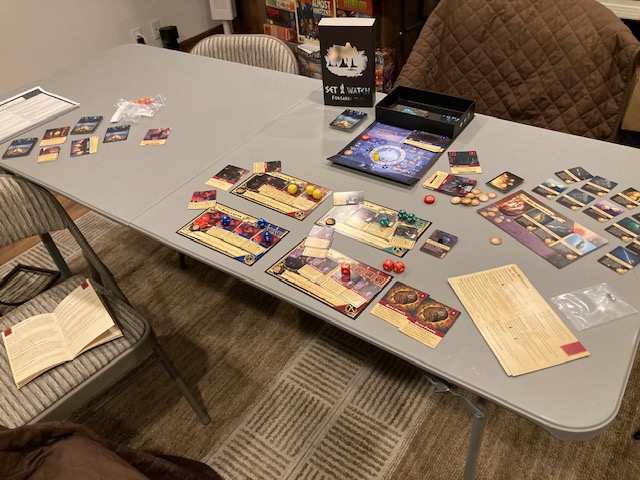
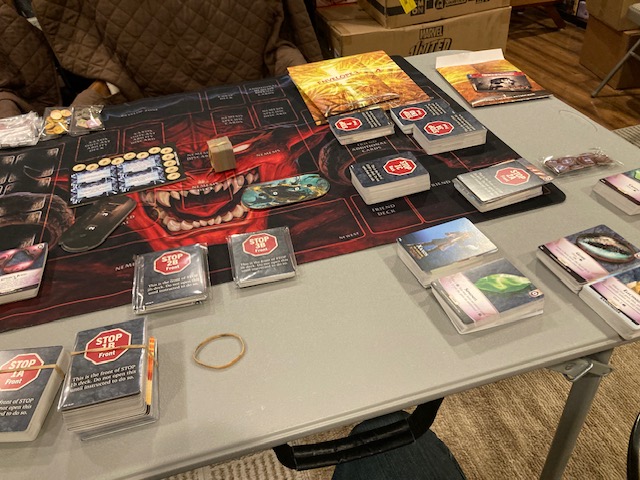
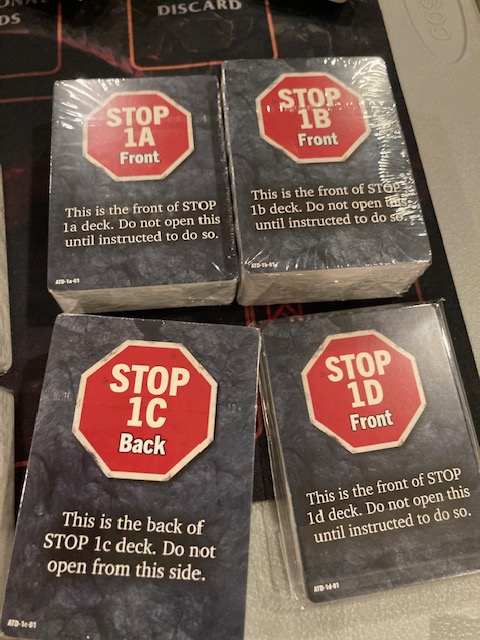
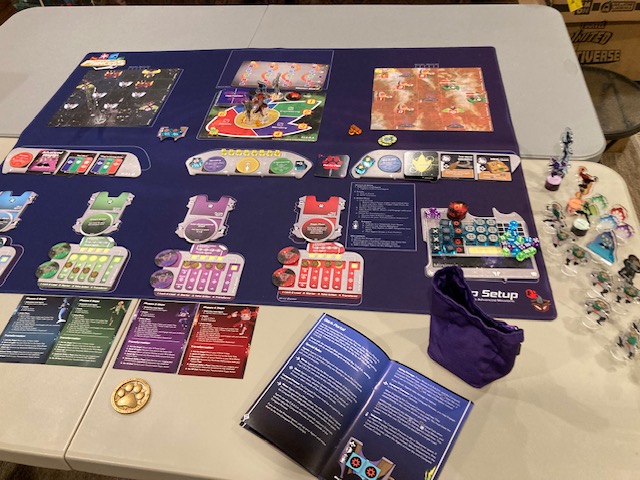
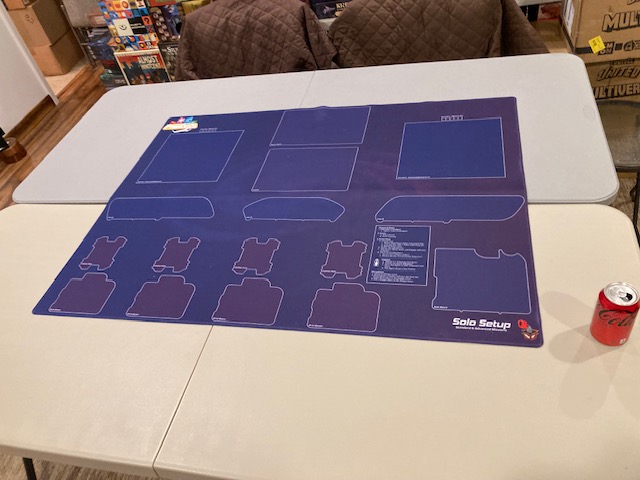
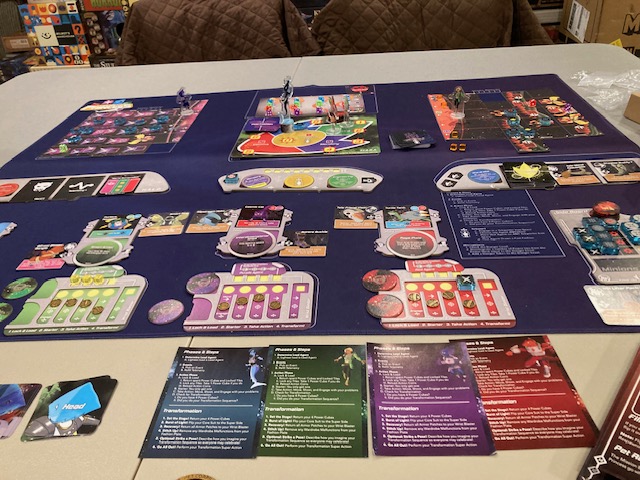
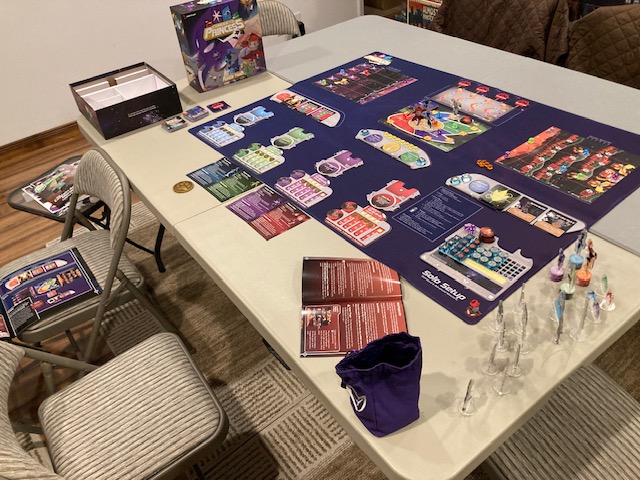
And to play the campaign, you must have ALL The Set A Watch Content! And I mean all!! (Including the Outriders deck)! This means: Set A Watch, Set A Watch: Swords of the Coins, and Set A Watch: Forsaken Isles!!! See how it takes up one half of my table just to separate the different games above?

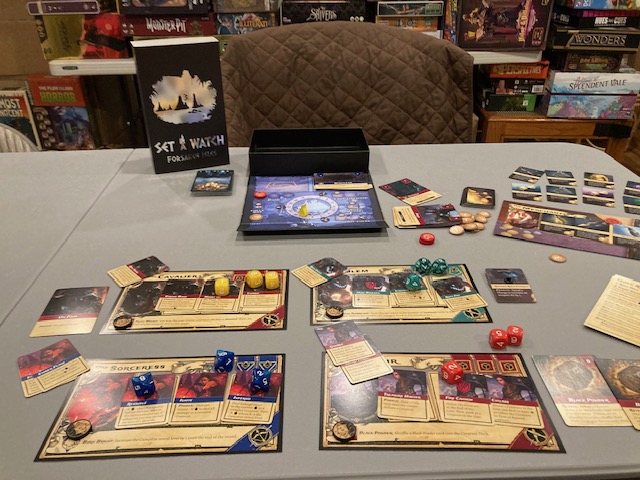
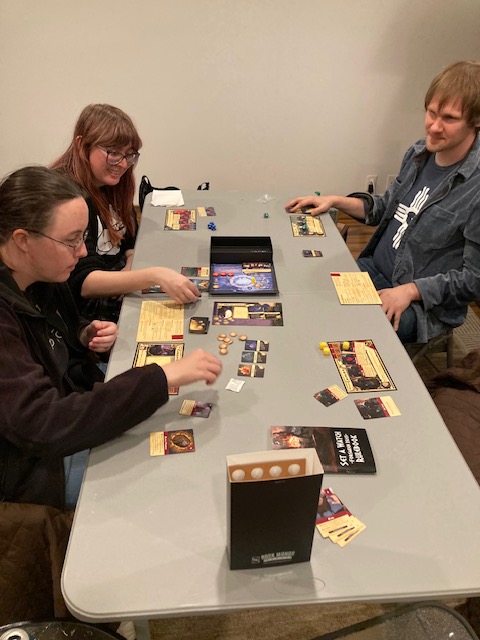
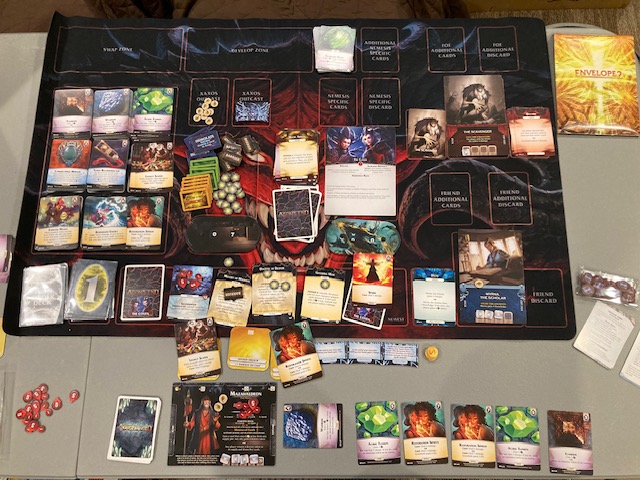
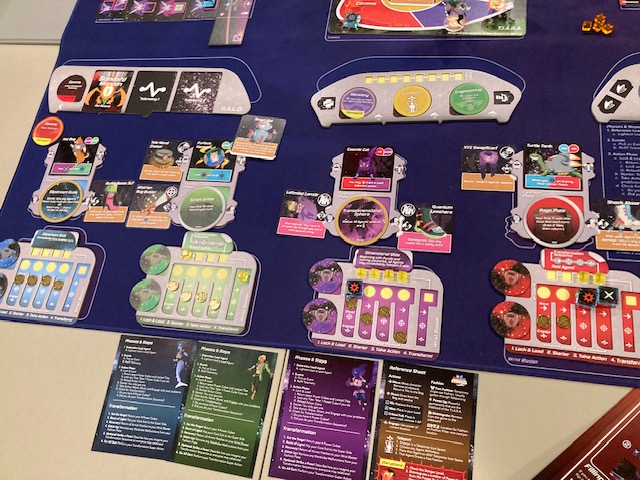
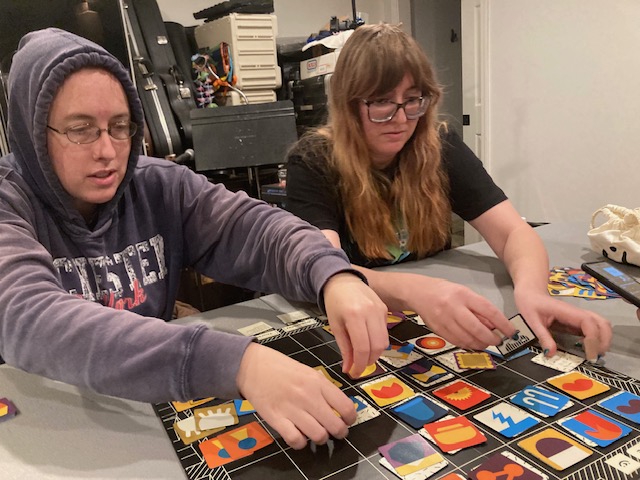
And Set A Watch also has the solo problem that “you must play 4 characters”, so that’s not ideal either: see above as I try to operate 4 characters!
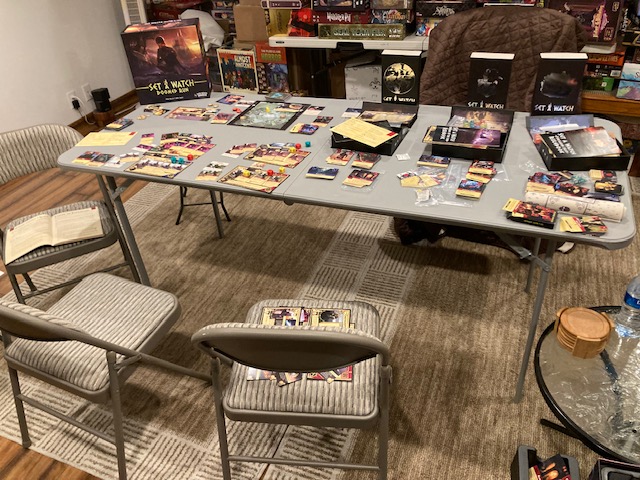
Despite all that, this game spent 11 days taking over my table, and I had a ball playing through it mostly solo! Once you know Set A Watch, especially solo, it’s such a fun game! I know, this really has no right even being my favorite solo game of 2024, but I had so much fun playing it (mostly) solo, it has to be #1. See our review here to see if Set A Watch: Doomed Run might be something you enjoy!



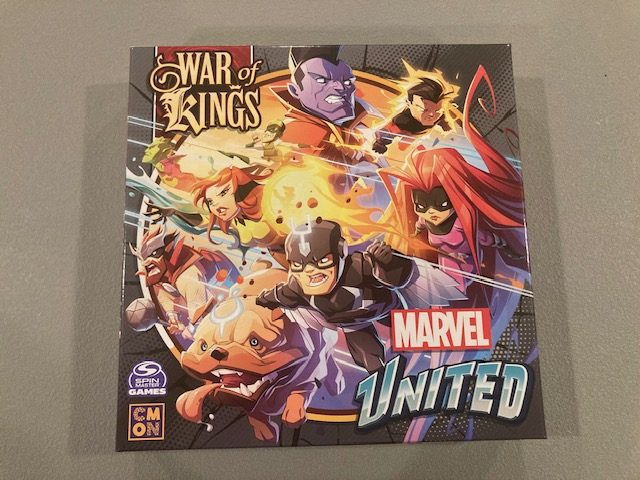
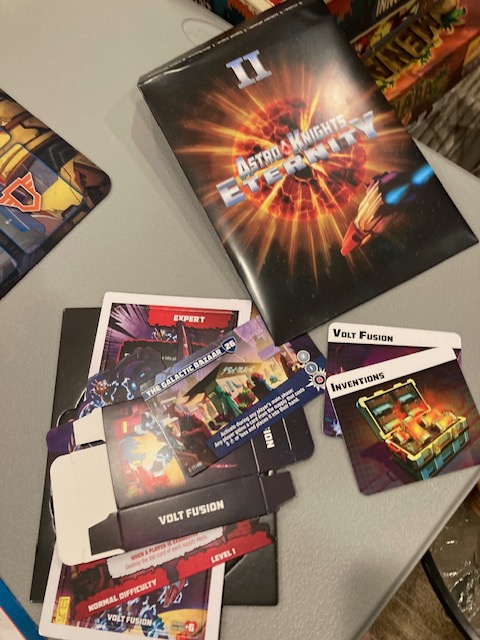
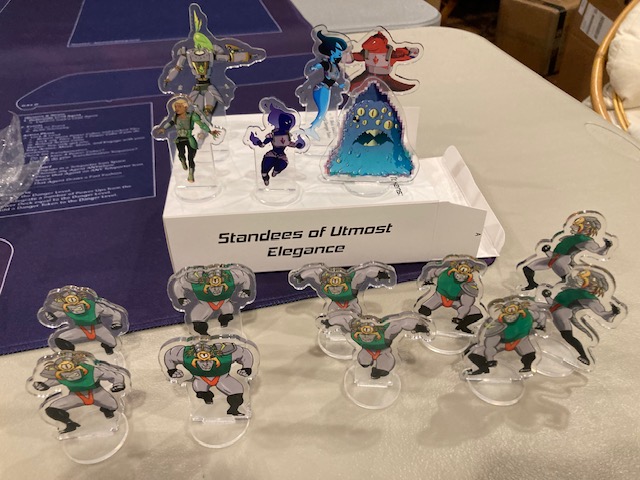
 I freely admit that this expansion appealed to me because of my love of Comic Books, The Inhumans, George Perez, and John Byrne! However, even when I predisposed to like something, it still has to be good (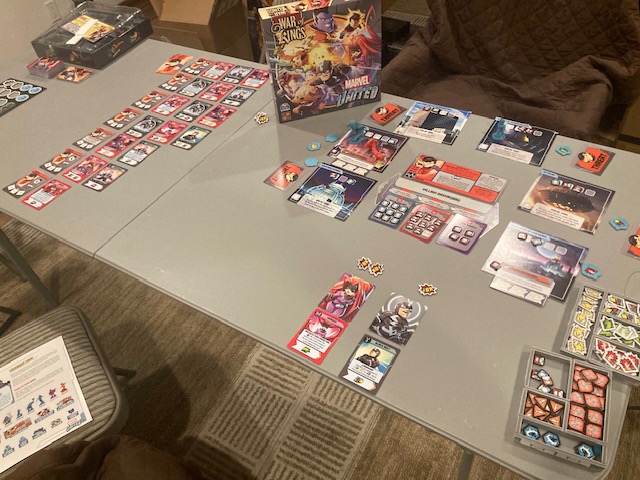














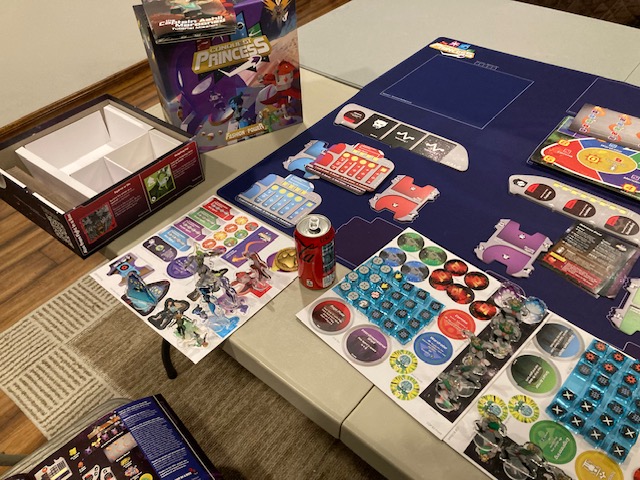
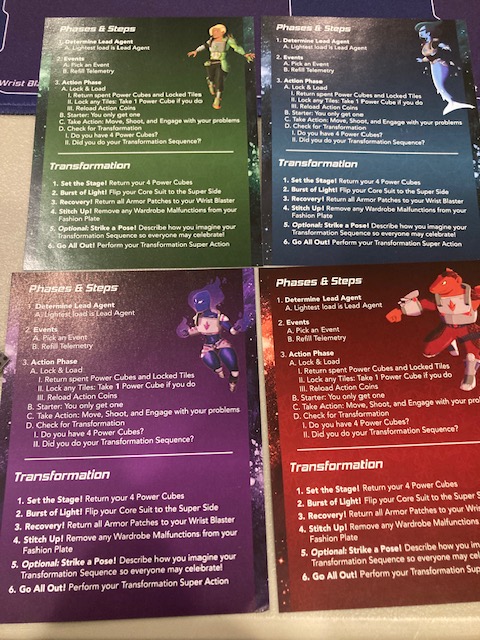
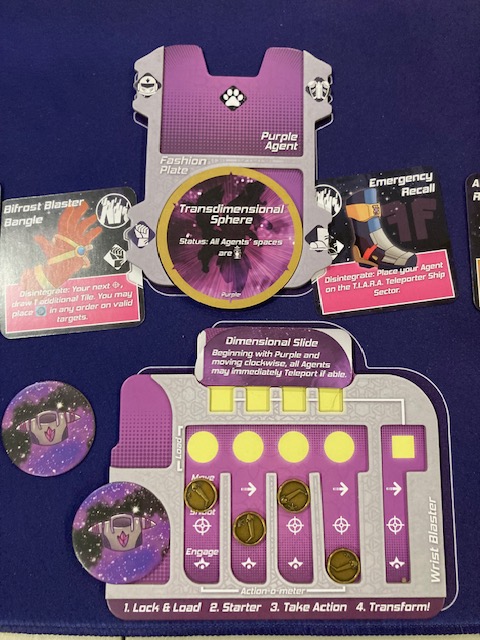
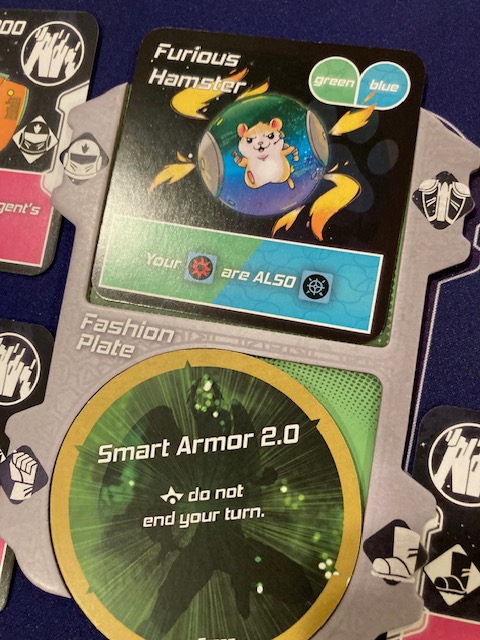




 coopgestalt