So, this is a murder mystery in the world of Magic: The Gathering? Yup, that’s what this is! Although its official title is Murders At Karlov Manor: The Case of the Three Blade Knife! See the BoardGameGeek listing here.
Part of the problem with reviewing Murder Mysteries is that part of the fun of the game is exploring the system! What’s new in the box? How do things work? How does this do stuff differently?
To that end, we’ll give some very generic thoughts up front which shouldn’t reveal too much of the mystery. Feel free to stop reading after that if you want to just try it yourself! After that, we’ll have some minor spoilers, followed by possibly some major spoilers. Read as far as you want!
High-Level Thoughts: No Spoilers!
This was a mystery set in the world of Magic: The Gathering. I know nothing of this world, and my friends know just a little. Not knowing the world didn’t affect whether or not we could play the murder mystery. I am sure there there were plenty of “A-HA!” moments for Magic: The Gathering players, but it didn’t stop us from enjoying the game.
There are a LOT of materials to get through: our game took place in one night for 2.5 hours. We were able to get to the end of the crime and solve it in one night. This is a little bit of a slog to get through: there are a lot of materials to read out loud and share!
In the end, we didn’t love this.
Rich: Has specific complaints, which he will address in the spoilers section below. Teresa: Liked it the best, as she got to “perform” and she really enjoys reading stuff out loud. Andrew: thought it was a little bit of a slog, as there was so much paperwork to get through! He still thought it was better than Detective (the Portal Games). It kinda felt like work. Sara: It was pretty good.
The general consensus was that it was okay. Rich liked it the least (probably with a 4/10) and Teresa liked it the most (with a 7/10). The biggest complaint from everybody was that, even though this was set on the world of magic, specifically Magic: The Gathering, it felt like it could have been in any world: Noir, Cthulu, Voodoo Pirate, something else? We still dusted for fingerprints, but it felt like someone searched and replaced “dusted for fingerprints” with “used fingerprint ooze“. Sara pointed out (I think correctly) that this would have been a better mystery set in the 1920s world of Cthulu.
Overall, it was ok. There were some nice highlights in the experience, but it was a lot of paperwork to slog through, and the mystery itself had its issues. The 4/10 from Rich was because he really disagreed with how the mystery was handled, Andrew was probably a 5/10, Sara a 6/10, and Teresa a 7/10.
Maybe you just like living in this world, and just like doing the paperwork of a mystery, and reading the materials: then you, like Teresa may really enjoy this. The story presented overall was interesting.
If you want to read more specific complaints, read on.
…. space left intentionally blank …
… space left intentionally blank …
Minor Spoilers: Some Issues
The game comes with a very cool metal pendant! It serves as your RAMI badge for the game!
You download an app, and put your phone above it to get “some augmented reality options!” See above!
One complaint is that The Case of the Three Blade Knife looked like it would be a cool immersive augmented reality adventure! Look at the cool app above! But it really wasn’t!!
We loved The Arkham Asylum Files: Panic in Gotham City (see review here) and it even made the #1 spot on our Top 10 Cooperative Games of 2023! We were blown away by the augmented reality here!
This wasn’t really much of an augmented reality experience. We used the phone just a few times? We could have replaced the phone with a piece of red acetate for some of it. The best part of the phone app was in the finale, where THE GAME WAS ON RAILS! At the end of the game, the phone was cool in that it presented the finale really well (cool voice acting), but during the adventure when it mattered, we used it like once.
How much money was spent on the metal RAMI badge? How much money was spent on making the app? If we used the phone more during the adventure, this would have been cooler. But we didn’t. The ending was cool, but by that point, the adventure was over and this was just a “presentation”, not an interactive murder mystery with cool augmented reality.
I am not sure it was worth the extra money for the metal RAMI badge and the money to make the app.
I will say that the finale was very cool.
… space intentionally left blank …
…. space intentionally left blank …
… space intentionally left blank …
Major Spoilers: Mystery Progression
There was a lot of reading: This was work. The materials were well-organized, but getting through them was almost like homework. Still, the materials were very cool: see some above and below.
There were two major problems with the mystery:
1) Ignore motive. The game literally said something like “don’t worry about the motive, just choose someone“. So, we are looking for means and opportunity only?
2) What are The rules of Magic? We live in a world of magic, literally Magic: The Gathering!! What the rules of magic? Magic can make means and opportunity that much more opaque (teleportation, scrying, Bigby’s giant hands!). We have NO IDEA what the rules of magic are going into this adventure, so that completely obscures means and opportunity.
I feel like, unless the rules of Magic are somehow explained in some way, it makes it too easy to make a murder mystery unsolvable. “The murder weapon could have been handled remotely, the murdered could have teleported in and away, the murdered could stop time to leave no trace, etc.., etc., etc., etc.”.
So, hints, evidence, don’t seem to matter as much. Because magic can do anything. This really soured some of us on the mystery after it was revealed: we had spent 2.5 hours combing through evidence only to have a Deus Ex Machina explanation. I hated it.
.
… the space left intentionally blank …
… this space left intentionally blank …
Giant Spoiler!! Read At Your Own Peril!!
In the end, the only major use of magic was to possess someone and frame them for the murders. We had no clue this was happening, we had no books to read, we had no idea. We just “guessed” the murderer based on location, and then went to the endgame. By the time you are in endgame, the game is on rails and it’s easy to solve.
This game pissed me off because it didn’t feel like a mystery. You just guessed at someone based on location, but all the while “magic” (whose rules were unexplained) was the driving cause.
This was more of a “explore this world, make some guesses, and enjoy the story”. If I had known that going in, I may have enjoyed it more. But I was so busy trying to put a good solid well-crafted mystery story on top, I was pissed off when I learned what actually happened.
My friends, who enjoyed the story for what it was, had more fun that I did.
… this space intentionally left blank …
… this space intentionally left blank …
Conclusion
If you look at Murder At Karlov Manor: The Case of the Three Bladed Knife as a story that unwraps, then maybe you’ll enjoy it for what it us. Given how much work there is to go through all the paperwork, I was very frustrated with the lack of clues, lack of evidence, lack of explanations of rules of Magic, and the Deux Ex Machina final solution.
But I was definitely the outlier here: my friends enjoyed the story and had fun. I didn’t.
Soul Raiders is a cooperative fantasy adventure game that was on Kickstarter back in July 2021 and promised delivery in December 2022. I backed the deluxe Grimoire Edition (above). Well, it finally arrived last month (March 2025), so it’s about 2.3 years late. This wasn’t on my Top 10 Anticipated Cooperative Games of 2022, but it probably was my #11 or #12!
This sat unplayed in the box longer than it should have; I think I was scared of how big it was! Look how big it is!!! Did I have the cycles to even try it?
Well, I finally got around to getting out and trying it … was it worth it?
Unboxing
Although this unboxing here is to show you what’s in the box, it’s also here to remind me how to put the box together! So, it’s for me and you!
This is a BIG box. This is the Grimoire Edition.
It’s got a lot of stuff packed in: see the character boxes above (this is a cooperative fantasy adventure game).
This game is so grandiose, it has it’s own lore book!
If you really want to get into a fantasy universe, this might be the right game for you!
This dual-layered board (above) keeps track of a lot of shared attributes and state of the game.
There’s lot of little boxes to store your game between sessions.
There’s some fabulous minis.
The campaign notebook allows to save the game between chapters.
There’s a bunch of cardboard tokens.
And boards for the characters.
Underneath all that, are the three main chapters of the game.
The cards of the game are in two boxes: see above.
Each of the chapter boxes has huge Location cards and little cards.
This game is GORGEOUS. The production is GORGEOUS.
Consult the pictures above for when you need to repack your box!
Rulebook
The rulebook is good. Well, ish.
It gets about a B+ on the Chair Test: it overhangs on the chair next to me just a little (see above), but it lays flat and open, it has a big readable fonts, and it has lot of pictures.
The components page is well-labelled and notated (see above). It even breaks up the cards by chapters.
The set-up works pretty well, although it doesn’t show how the story cards will be laid out (which we need to discuss more).
This is a gorgeous rulebook that’s written pretty well, it has lots of examples and lots of pictures.
It even ends with a very useful summary of icons on the back!
Although I liked this rulebook a lot, it made the mistake of putting too much content into the examples. I like it when rules have clear definitions, then maybe use the examples to help explain and/or clarify. Unfortunately, I think this leaned a little too much into using the examples AS the rules a few times. Don’t get me wrong, I am glad the examples are there, but I wanted clear succinct rules as well. (I think the last time we noticed this “rules in examples” phenomena was back Sleeping Gods rules: see link here).
The rulebook was generally good, and it frankly looks gorgeous (like the rest of the game).
Gameplay
The best way to describe this game? It feels like it a video game: a Point-And-Click (fantasy) Adventure game with lots of monster fighting.
Each player takes the role of one of six characters: see the character boxes above.
Each character has his own set of cards: there’s basic Action cards (above top) and Heroic Action cards (above bottom). Notice the Heroic Action cards have a special foil on them so you can tell them apart!
These Heroic Action cards are earned (in order) by spending Heroism tokens (3 to earn a new Heroic Action card). Cool fact; you can spend 3 Heroism tokens at ANY time to immediately earn a new card! Very useful when you need a card immediately!
You get Heroism tokens are various plot points in the story, but the most reliable way to getting Heroism Tokens is by defeating BIG BAD MONSTERS! Defeating the one above opens Story Card 14, but also earns the player 2 Heroism tokens!
By the end of Chapter 1, I had been able to earn 6 new Heroic Actions cards! (Heroic Action Cards must be earned in order: note the numbers on far right).
The cards are you primary currency for “getting things done”. Some cards are more attuned to movement (as you must explore) … see above …
… and some cards are more attuned to fighting! See above. Basically, you can always use the value on the card for whatever you want, but the card will have “bonuses” if you use it for the specific specialization!
For example, Heroic Action card #6 (the top one) has a basic value of 5, but if you use it for fighting, you get an extra +3!
Example above: Even though the cards I drew were all movement-centric, I can use the values on the cards for fighting: 4+4 = 8 takes out the first shield on the bad guy, and 4+2 = 6 takes out the second shield! I used all my cards, and I didn’t get any advantages, but I was able to do what I needed!
Basically, your character explores the world, moves around, interacts with the world, and fights monsters! All actions are based on the values on your cards!
Basically, you character(s) move around on the Location sheets and explore!
The Locations have arrows which tell you how much its cost to move between Locations: see above and below.
For example, to move to Location 2, I need to spend 4 points from my cards.
This is kind of a choose-your-own adventure tale! You decide which paths to take, which monsters to fight, which puzzles to interact with! It feels very much like a choose-your-own adventure!
What’s cool is that each Location has pretty great art (a little comic-booky, but I like it) which describes all the things you can do at that Location … kind of like a choose-your-own-adventure book does in each section.
See above as the character starts on the maps!
An interesting thing that happens is that there is a “clock” pushing the game forward. At the end of every “turn” after you’ve played all your cards, the Vitae track moves down. Basically, every time it “wraps around” back to 30, you drop the Action token one space (upper right). If your threat or the action space ever get to the end, the game is over!
To win, you need to find the Red Stars on the story cards. If you don’t find appropriate story cards, you lose!
Explore, fight monsters, interact with your world: this is an adventure game! The way the movement works, it feels very much like a choose-your-adventure game (as the Locations could just be pages numbers in a book!) This game also feels like a Point-And-Click Adventure game too! See our Top 10 Point-And-Click Adventure Board Games for more discussion of this genre!
Solo Play
So, this game supports the solo player (thank you for following Saunders’ Law). This is a true solo game: the solo player operates one character.
The only real change for solo play is on the Game board:
On the Game Board, the final space has a “3” marker on it (instead of 2). This is the number of cards you draw every turn, so the solo player has that extra advantage that (on the last set of rounds) they get three Action cards instead of two. And that’s the only change!
The solo player explores, fights, and interacts … but just by himself! There’s no real balancing anywhere else. It seems a little weird that there are no other balancing mechanisms, but basically what tends to happen is that more enemies come out as more people play, so that tends to balance the game. We’ll address that a little more in the cooperative section.
Cooperative
The cooperative game brought up a lot of rules I didn’t have to deal with in the solo game! When you explore new Locations, whether or not someone is already there “changes” how the Location works!
Unfortunately, the Icons were very confusing about this. A slight change of color AND whether its on side A or B makes a big difference. It actually took us almost half the game sessions to get this right!
Although the cooperative game has a sense of Player Selected Turn Order, there really is no turn order! Players just play when they want and support each other if it made sense. Although I love this idea, as it should make the game go faster, the game tended to serialize as each player waited to see what happened to see if they needed help. “Let’s wait to see what Sam gets!” I love this from a cooperative point of view, as it lets us support each other!! Unfortunately, what really happened more often than not is that the game really just slowed down behind one (the current active player). To be fair, there were also plenty of times when concurrent play kept the game moving forward. This system worked pretty well from a cooperative point of view. From a length of game point of view, this was not optimal.
Although this game is a 1-4 Player game, I was the fifth player and “the rules guy”. I just read the rules and taught the game and looked up clarifications. Sadly, this was a very busy position for most of the game! I would constantly be looking up rules clarifications, icon clarifications, and other things. I had played the solo game for about 8 hours, and I was still struggling to find some rules!
There are good moments of cooperation as the players supported each other. Me being the “rule guy” actually worked pretty well, although it was sort of depressing that I had to fill this role.
Urgency
This game has, essentially, a built-in clock. Every time you have finished playing all your cards, you have to take “Vitae” damage (basically, a shared hit point pool) based on the the current. The threat will go up occasionally as monsters or other things happen. And you can’t “usually” just rest on a Location: almost all Locations force you to fight new monsters if you stay there.
So the game is just always pushing forward: This is both good and bad. If you are looking for a contemplative adventure/exploration game, this isn’t really it. If you want an adventure game that doesn’t stand still, but presents a sense of “you have to keep moving“, this is the adventure game for you. Here’s a very bad analogy; some sharks have to keep moving in water or they die. That’s kind of what you feel like here: players always have to keep moving (exploring) or you die.
Whether you like that urgency or not is up to you.
Kind of a Big Mess
When you take out the Location cards, there’s no real rhyme or reason to them. They don’t form a map (like Arydia Locations did: see that review here), they are more like “pages of a book”. See my big mess after finishing chapter 1!
The problem is that you WANT to see the connections from previous Locations you visited! So you try to keep a lot of Locations out as you play so you can see how you came here. And you can see my big mess above as I try to keep some Locations out. To be clear: the Locations DO NOT form a map! (The rulebook even emphasizes this point).
So, the Locations that come out are kind of a mess. Shrug. It feels like there should be a better way to deal with it?
Portals
There are some very cool minis for portals! See above!
You can see above as I have built at least one early in the game! I was hoping to make this spot an easy one to come back since there are no “monster spawners” there!
And yet, I don’t think I took full advantage of the portals. At all. I don’t think I used them once. Which is a real shame, because they are so nice!
This is where I feel like this is even more like a Video game … where you replay the level to get the highest score and use the portals to their best advantage. I played Chapter One and got a few extras, but not enough. I feel like what I would do in a video game is replay it until I got the perfect score for that level! I think to do that, I think you’d almost have to use the portals.
Maybe the portals will become more useful later on. I was … disappointed with them. Given how you never really get to just “think” (see Urgency section above), the only time it feels like you might be able to take full advantage of them is to replay the level. Remember how I said this feels like a video game? That min-max feeling emphasizes that point even more …
Save Game
This is a campaign. You will need to save you game between chapters. Unless you can leave the game set-up (and it is a table hog), you will have to save your game.
You can either use the campaign book (above) …
Or just take a picture of your game and extras at the end (see above). The cards are pretty well marked.
Let’s be clear: this is a campaign you can reset! I have a solo game going, but we are also playing a cooperative game at the same time. Sure, I’ll have to “pick” the cards out I want, but it’s fairly easy to reset the campaign to replay it from scratch. This is not a legacy game.
Too Many Rules?
For such a lavish game, it’s both really simple and really complicated. The basic card play is really straight forward, but all the little rules for combat and especially movement feel very complicated. If you enter a Location with someone else, it has a different effect depending on the Icon in there, which has subtle difference between other Icons.
The fact that my role as “The Rules Guy” (as the 5th player and NOT playing the game) was pretty active the entire game might be an indicator that maybe there’s a few too many rules.
Reactions
Oof, Soul Raiders did not go over well with my group. My friends compared this to Tainted Grail (see part I and part II here) where it was just a grind to explore. Andrew even commented: “This doesn’t feel like an exploration game, even though it kind of looks like one! I have no mental model for how the map lays out because it’s so clumsy!” Sara commented that the “.. Exploration feels like Tainted Grail because you just keep getting monsters! You don’t really feel like you advance!”
Andrew pointed out, “It’s not even really choose-your-own Adventure, because you don’t really have a lot of choices! You left, right, or forward most of the time! And it feels randoms!”
The reactions were ok to not great.
Sara and Andrew: 5/10. “Don’t really want to play it again. It didn’t feel like exploration. It felt too grindy like Tainted Grail.”
Sam: 5.5/10 “I’d play it again, but I really didn’t love it. I thought Luddite from last week was more thematic than Soul Raiders!”
Teresa: 6.5/10 “I had okay fun and would play again.”
Rich: As a cooperative game, I definitely saw what my friends saw with the grindiness, and I could see why my friends didn’t love it. As a solo game, I’m right on the fence of recommending it: I’ll give it a 7/10 for the solo game, and maybe I could see it working as an intimate 2-Player game. I think as a solo player, I became more invested in the story, but I still had some of the problems that my friends had. I love the art, and I really like the simplicity of the card system. I also really like the upgrade system (where you can IMMEDIATELY grab a card with 3 Heroism). I think there is some interesting stuff happening in the story, but the game does fall to the grind sometimes.
Conclusion
Soul Riders is a gorgeous cooperative adventure with a sense of urgency. That urgency adds to it’s video game feel: it’s kind of a Point-And-Click Adventure in a board game, with exploring and interacting, but also lots of fighting!
Unfortunately, this game didn’t go over very well with my friends as a cooperative game, with scores ranging between 5/10 and 6.5/10. Soul Raiders reminded my friends too much of the grindiness of the original Tainted Grail in both its exploration and fighting. And that grindiness was a big turn off. Having said that, the system worked well from a cooperative perspective, because my friends seemed to cooperate well!
As a solo player, I become fairly invested in the story and I enjoyed it a little more. I think the solo player can reflect a little more than a cooperative team, so maybe that urgency in the game is less intrusive for the solo player? I do think that an intimate 2-Player game could go over well as the solo game.
Hopefully this review can tell you whether or not that Soul Raiders is right for you.
I pre-ordered War Story from GameNerdz on Oct 17th, 2024. I wanted to play it as soon as possible, so I went ahead and paid full shipping for it (I normally try to get to $75 or so to get free shipping); that’s how excited I was to get this! I paid for shipping to get it sent separately ASAP!
War Story arrived at my house on February 21, 2025 (I noted the date on the tab on the back). Over about three days I played the entire campaign solo: one chapter a day for three days. (This is a fully replayable campaign game, but you can also just play single chapters if you like).
What is War Story and why was I was I so excited to get it? This is a Choose-Your-Own Adventure game set in World War II, but it is unique and different.
Let’s check it out!
Unboxing
This is a smaller box (see Coke Can above for perspective) but it’s actually quite heavy; it’s brimming with books!
There’s thee Mission Books (see above), three big envelopes, one small envelope, a status pad, cards, and tokens. See above: there seems to be quite a bit in here for a Choose-Your-Own Adventure game!
To preserve the longevity and replayability of the game, I went and made a few copies of the status sheets (see above). See, even though this is a Choose-Your-Own Adventure game, it’s fairly replayable! You need a status sheet for each game/campaign you play.
There’s a bunch of punchouts and tokens. The cubes all have different uses that become clear as you play. Spoiler: the orange cubes are the Nazis! (Although the are called red, they look more orange to me).
As you might guess from the components, there’s more to this game than first meets the eye. Don’t be fooled by the Choose-Your-Own Adventure monicker: this is a pretty different game.
Rulebook
The rulebook is good.
The rulebook gets an A on the Chair Test: it can sit wide open on the chair next to me, within easy view when I need to see it (which is weird because the Mission Book completely fails the Chair Test: see more discussion below); they really got the Rulebook form factor right.
The Components and Set-Up pages are fine. It’s a little confusing because the set-ups are intermingled between the mission books and the rulebooks, and there’s a few things that aren’t quite clear (unless you read closely): I had trouble finding where to setting the entry for starting tokens (at the top of the Status sheet). Just be patient and I think everything reveals itself to you as you read.
And the Rulebook ends with a nice summary of Icons.
One quick note: I usually don’t like it when rulebooks use “thematic” fonts (this one uses a typewriter monospace font: see pictures above). This thematic font doesn’t detract too much from reading the rules here, so I’ll give it a pass.
Good rulebook.
Gameplay
There’s a few minor minor spoilers in the pictures below, but they are from the first few minutes of the first mission, so they shouldn’t spoil too much. Out of context, they aren’t much of a spoiler, but feel free to skip this section if you don’t want any surprise.
War Story nominally plays 1-6 players, but honestly it’s just a solo game where the other players just all help decisions together (kind of like Eila and Something Shiny: see review here). The player(s) lead a group of 8 resistance fighters in France during World War II. Your first choice in the game is to choose your crew of 4 for the first missions.
These 4 characters, whose names you must write down, will serve as your Agents during the missions. You use the tokens to mark where the Agents act (there are 2: one to keep on the card for and one to move into the field; this way you remember which agent is which).
Your Status Sheet gives you a hint of what can happen to your Agents as you play: Survived, Killed, MIA. See above. If you think all your Agents are getting out alive, well, good luck to you.
And again, notice we wrote their names down. I think it brings an emotional connection to the characters a little more than usual.
At this point, you open the first envelope and being reading the Mission Parameters! See the Top Secret note above (too small to see anything unless you go zooming in, but that’s on you). See above! This tells you what you need to do to “win” this mission!
Off to the right of the Status sheet are marks for the Primary and Secondary Objective(s); did you succeed? Partially Succeed? Fail? These will all influence your final score.
From here on out, it’s all about making choices and reading from the Mission Book. (Mission Book page blurred on purpose).
As you read from the book, things will happen, you make choices turn to entry 17, make a choice, turn to entry 31, and so on.
You have Locations you can visit as you start, and what entry you get in the rulebook depends on the time of day.
As the game unfolds, you will be told to “advance time” and move to the next time space (see As we move fro Early night to Late night). What this means; what happens when you visit a location depends on the time of day.
It’s a Choose-Your-Own Adventure game! Player read and choose, read and choose, read and choose … until it’s clear their chapter is up!
Combat
You will get into combat as you play, and combat will also be resolved using a Choose-Your-Own Adventure mechanism. That’s right, your French Resistance fights the Nazis using a Choose-Your-OwnAdventure mechanism! “Do you shoot the guy coming right at you? Read section 12! Do you shoot the guy hiding in the bushes? Read section 701!”
And let’s be clear, your Agents can die.
Death
Death is part of this game. You kill Nazi guards with your gun. You blow up Nazis with grenades. And your Agents will die. See above as Christian is the only survivor of Chapter 1. He definitely has some PTSD going.
Granted, you are generally “trying” to sneak around to achieve your objectives, and usually the sneakier you are, the better. But, combat will inevitably come up. And even it though it might seem weird at first to use Choose-Your-Own adventure books as a combat resolution mechanism, it does work. In some sense, you feel more vested in the combat as you are making hard decisions: “Do I shoot the guy coming at me because he is an immediate threat, or do I shoot the guy trying to come up behind me who might be an even worse later threat?” Somehow it feels more immediate.
So, combat will happen. People will die. Your Agents might die. Or you might have to put a bullet in the Nazi’s head. Be aware that death is at the forefront of this game. If that sounds too intense for you, then I suspect this game is not for you and you should just get out now.
Choices Matter
I know some of you (including myself) blanche a little when you hear Choose-Your-Own Adventure. I still remember (40 years later?) how random my first Choose-Your-Own Adventure book was: The Cave of Time (see above). What seemed like the right choice lead nowhere and the dumb choice led you to a cool adventure! It didn’t seem like your choices mattered, you just “did stuff” and see what happened. Choices didn’t “really” matter; you were just along for the ride.
That is very much NOT the case in War Story. Of all the Choose-Your-Own Adventure games I have played, it feels like this is the one where the choices matter the most.
First of all, there are other choices in the game besides which entry you read. There will be Skill checks: “If your Sneak is 4+, read entry 12, else read entry 11″. You can choose to raise your Sneak by using Advantage tokens (either from a shared pool or sometimes a separate pool, depending on the Agent): see tokens above. You start with a limited amount of Advantage/Firearms tokens, and you have to choose when it’s best to choose a middling result or when you REALLY need an extraordinary success!!!
Second of all, as the progresses, the choices you made earlier WILL AFFECT your outcomes. Did you let that Nazi survive? Maybe that was a good choice, maybe that was a bad choice, but either way … it affects what happens to you later in the game! See the State Tracker above for game 2 as Events G and M were circled. Was it good I left that Nazi alive and showed mercy? Or not? Was that Event G? I hope that doesn’t came back to bite me!! And it might bite you, or it might help you.
Your choices matter here. They really matter.
Emotional
So, this game is pretty emotional. You feel … close to the war, you feel close to the resistance, you feel close to death. My second game of the campaign, all my Agents on the mission died.
I was left with one Agent left (poor Francois) as I headed into Chapter 3. How well could I do with one agent? There was so much emotion as my entire squad died … and poor Francois was all that was left.
Over three nights I played through the story. This game is pretty emotional. Be aware.
Binding
I need to say something about the binding on the Mission books: I hate it. War Story uses the thick glue binding for a large book. This binding does NOT stay open; it is the worst choice for board games!
We had this same problem with the binding on the Freedom Five books from last year (see review here), and the binding on the rulebook for the Forests of Admiron (see review here), and the binding on the Batman: Gotham City Chronicles Solo/Cooperative Expansion (see review here). This type of binding does not lay flat.
You can’t hold these books open unless you completely counterfold the books! (See above as I try to hold the Mission book open with a little leather thingee). Even then, the books don’t really stay open! It’s very frustrating! If you “slip” and lose your place in the book, you lose the page you were on, as the book closes on you!!! In my third chapter, I slipped a few times and had to literally replay the introduction three times so I could find where I left off! It was very annoying and almost put me off the game.
This binding does not work. Please, I beg you board game companies, don’t use this binding ever again!
I came in to play this game the first day I got it … I was so excited!!! I saw the binding on the Mission books and I was immediately turned off. In fact, I was so turned off by the binding, I went inside my house and did my Income Taxes. The binding was so debilitating that I did my Taxes instead of playing this WONDERFUL game.
Conclusion
And I don’t feel like I can say too much more, because I don’t want to give anything else away. I liked War Story! This is NOT the Choose-Your-Adventure books of yore, where nothing really matters: this is a Choose-Your-Own Adventure game where choices really matter! And you feel like you have choices!
Be aware that War Story is not for everyone: it’s gritty and people will die. Nazis will die. Your Agents will die. You will actively take part in the resistance and shoot Nazis in the head. But this was the life of the French Resistance in World War II. I think this game really captures the spirit and vibe of that time.
I can’t give it a rating except to say you will probably know if you will like it based on the description in this review. I liked it, and I am glad I played it: It felt very emotional and really captured the vibe of World War II (I think; I wasn’t there). But I think you will know if this is for you or not.
To be clear: you are wandering the Galaxy, but it turns out the Galaxy itself is wandering (if you believe the intro text)! Wandering Galaxy is a cooperative adventure game for 1-6+ players and it is set in spaaaaaaaaaace! This is a silly cooperative game that kind of feels like Firefly if it were a comedy (with just a little bit of Star Trek thrown in). (I mean, Firefly is already kind-of a comedy, but I digress). (But this may be too many parenthesis).
Wandering Galaxy was on Kickstarter back in July 2024, and promised delivery in December 2024. And you know what? They made it! My copy arrived about December 20th, 2024! With some qualifiers … see below …
See above: So, the game wasn’t QUITE done, but the only thing left unfinished was the App. My physical copy arrived but the app still needed some work. To be fair, I was able to play some of the game before the end of December, so it’s enough to say “Eh, close enough”. I’ll call it on time.
Let’s be clear! Wandering Galaxy requires an App (or the Entry Book … more discussion later if you are violently opposed to an App).
They say “App”, but it’s really more of a web portal situation: point your web browser at WanderingGalaxy.com and go! It reads the text to you!!
So, what is this? Wandering Galaxy is a cooperative campaign game with many different mechanisms: story-telling, worker placement, bag-building, deck-building, pickup-and-deliver, and even a little bit of a real-time! It is both paradoxically a lighter game and a heavier game! The gameplay is light and fluffy and moves along quickly, but there’s a lot of stuff underneath the hood that keeps this from being “just” a dumb little game!
What do I mean by this? Let’s take a look below!
Unboxing
So, this is a pretty standard sized game box, about Ticket To Ride sized. See above with Coke can for perspective.
There’s a decent amount of stuff in here! See above! Lots to punch out!
There’s a lot of tokens to punch out! Whew! Luckily the game includes some bags!
There’s also a fair number of cards in the game: remember how I said this was a deck-building game? There are the cards for your decks!
I got the sleeves for this: 9 times out of 10, if a game says it’s a deck-building game, you should probably sleeve it. (This might be the 10th game).
I spent WAY TOO Much time sleeving all the cards. See above!!! This card-sleeving was one of the first things I did when I got the game. I will say, after a few plays, I am not entirely convinced that this game needs sleeves. If you didn’t get the sleeves, meh, don’t stress: I don’t think you needed them. (I am addressing this to my friend Kurt who didn’t get the sleeves).
But there is a nice box for holding all the cards, with little dividers that clearly mark sections. And it looks like it would fit WITH or WITHOUT sleeves just fine. Little tip: it may look like some cards are missing (because of missing numbers), but probably not! Some are missing for “future expansion”: Check this BoardGameGeek thread for more details: Anyone missing cards?
There’s a lot of other punch outs for the stations … see below.
There’s a lot here, but it is very cool looking!
Rulebook
This rulebook … isn’t great.
It flops over on the edges, probably get it a D on the Chair Test.
In the end, I had to use the standard workaround of putting out two chairs with the spine in the middle.
There’s a lot of stuff in here, but I also found there was a lot of stuff missing. For example: The travel section discussions were unclear: Do you spend 3 power on each section? Do you have to stop in each section on your way to your destination?The answer to both questions, according to this BoardGameGeek thread, is yes!!! I think you will find yourself on BoardGameGeek a lot when you have questions! Apparently the designer is very responsive on BoardGameGeek if you have questions, he answers quickly … so that’s good. There is also a Discord channel (mentioned when you bring up the app).
What I found is that the App is very good at helping you set everything up! I tended to use the App for all my set-ups and only use the rulebook to look up a few rules. In general, the App taught “most” stuff. A lot of things were in the rulebook (and there’s even an index)! But there was still a lot of stuff missing that you will have to look at BoardGameGeek for … Another example: What does a damage token do? It’s unclear unless you read this BoardGameGeek thread!!
So, quick summary: use the App when you can, use the rulebook with the index if you have to, then use BoardGameGeek if things are still unclear. You might go to BoardGameGeek more than you like.
Story-Telling
Everyone gets to play a different character in this game! The art and style of the minis sets the tone for the game: see above!! It’s very nice art, but with just a hint of silliness.
Each player chooses a character to play: there are quite a number of characters, and they each have their own special sheet. See Muze above … that was my first character!!! I ended up making a copy of the character sheets (using my crappy home copier; it was good enough) so I didn’t mess up the original sheets that came with the game. (There are a number of these sheets included with the game, but you can either print them yourself or just order more sheets from the web site if you don’t want to sully the sheets).
These character sheets are two-sided; the back has your “back-story” (no pun intended). You fill out the little questionnaire on the left, and that informs your Story So Far… (on right side of the sheet). This gives you some items and sets the tone for your hero! This is part of the Story Telling aspect of the game.
There’s also a sheet for the spaceship (I also made a copy as to not mess that up either).
Of course, the App itself has most of the story! It’s pretty cool; it’s narrated with different voices and is pretty funny.
I would say, first and foremost, this is a Story-Telling game. All the other mechanisms in the game support that central tenet. You are all characters being swept up in this space opera!
Worker Placement
I’d say the next mechanism that you feel is the Worker Placement part of the game. The Location book (above) has the location on the left and the Worker Placement spots on the right.
Players look closely at the Icons on the worker placements places and place their dudes there. This is cooperative worker placement, as you are all trying to work together to get certain things done. To avoid too much “analysis paralysis” or “Alpha Playering” here, the players have 45 seconds to place their dudes! (That’s the extent of the “real-time” part of this game. if you were worried about me saying real-time, relax! You can almost even ignore the real-time part … it’s really just to keep people from taking TOO LONG to play their dudes …)
Once the dudes are placed, the right hand side of the page shows in detail what each action does.
Sometimes your action triggers some text in the App; it gives a number (like 133, see below) and you lookup that entry in the App!
You spend a decent amount of time here on the Worker Placement pages. It wasn’t until my third game that I realized that the Combat also happens using the Worker Placement system …. what? Yep! You head to a special page where you are in “Combat!” Your actions move the ship (so enemies are in view), fire guns (port, starboard, ahead), or even work the ship to repair damage!
This Worker Placement system seemed to work pretty well, and it’s cooperative.
Deck-Building
A lot of the game revolves around Skill checks … using your deck! (I told you there was deck-building in here!) When you need to make a Skill check (say Muze needs to SNEAK), you draw cards and add up the symbols that match that check! SNEAK needs blue stars and red hands, so Muse has 3 above. To be clear, the more symbols, the better! (You can also use PERK tokens, the little Saturn token, for extra plusses, but you do have to discard those)
There’s also Items you can “hold” between hands, which you can choose to “help” in your Skill check. That’s kind of a neat gizmo in the deck-building mechanism.
At certain times during the game, you have a chance to add cards (or cull) you deck based on the actions you take! There’s a nice set of 4 improvement card (above the the book, see above and below) that you can choose from! I mean, it’s deck-building: you have to be able to improve your deck!
Campaign
This is a campaign that can last … as long as you want it to! There is also deck-advancement, as your deck build survives between games of the campaign (luckily, you lose things like Injuries that can clog your deck).
So, when you finish your current game, you can just be done, or save off the game to play again later! Nominally, your first full adventure (spanning many games) will be paying off the loan for your ship!
Bag-Building
Even though there is deck-building in here (a deck for each character), there is also a bag-building portion! See the bag in the bottom right corner above!
When you travel through space, you typically pull tokens from the bag to see “what happened” as you travel through space!!! (See the tokens you can pull above). Generally, travelling through space is tough on your ship as you take little bits of damage as you travel.
You can take time at Space Ports and other places to “Work the Ship” to help fix it back up (putting tokens back in the bag). It’s not a huge mechanism in the game, but it is important to be aware of what’s in the “travel bag” and try to keep it cleanish so that you don’t take too much damage as you travel. The bag also controls threat, which is how the game can end … poorly.
Star Trek
I said there was some Star Trek vibe in here as well … there is! There are 6 “positions” of the ship that must be manned by the characters! One player is the Engineer, one player handle Logistics, … Operations, Science, Navigation and Security! In a game with fewer players, some players will have to man multiple stations!
This reminds me of the characters sitting around the bridge of the Enterprise, with Spock manning the Science station, Worf manning the Security station, and Paris manning the Navigation station! (Look, I didn’t say WHICH Star Trek …)
Cardboard!
We’ve already seen this “station” idea in Forgotten Waters (see our review here) and Freelancers (see our review here)! Thematically, it worked great in Forgotten Waters (as pirates worked together to man the “stations” of a ship), and less so in Freelancers.
Thematically, it works really well here too. Basically, the stations help keep everyone involved in running the ship and contribute to the theme: we are flying a space ship together!
Pickup And Deliver
One of the main activities in this game is pickup-and-deliver: you are a space-faring crew wandering the stars, looking for adventure, but usually you are delivering stuff to make ends meet!
The Jobs you get (above) inform where you go on the star map (see below) by marking them with little waypoint markers.
The yellow waypoint marker is the yellow job (Escort Shipping Barge). This pickup-and-deliver mechanism sort of guides were you go in the game. If you don’t like pickup-and-deliver, you might still like this game, as there are so many other mechanisms in the game. If you do like pickup-and-deliver, then you will be happy.
Solo Play
So, Wandering Galaxy embraces the solo player! (Congratulations on following Saunders’ Law!). I am surprised a little because the previous games in this series (Forgotten Waters and Freelancers) supported solo mode, but they were bastard step-children solo modes that were only supported by consulting the some arcane rules on the web site! Okay, maybe I am exaggerating a little when I say that, but Wandering Galaxy really does embrace solo play.
The rules and the App support solo play as a first-class mechanism! The app asks you how many people are playing and helps you set-up the solo game in the normal flow!
The solo player still operates one the main characters: see above as I operate Muze … (notice I made a copy of the sheet…)
…. but the solo player gets to control two Sidekicks (see Bugs and Tress above). These Sidekicks aren’t “full characters”, but they are much much easier to operate. Normally, I don’t like solo rules that go too much outside the normal flow (I usually prefer to play multi-handed solo), but the app was so helpful in setting this up and getting to solo play that I didn’t mind!
So, when the solo players does Worker Placement actions, the solo player plays his player, and the two Sidekicks as well.
This means the solo player is also controlling all six stations! Interestingly, you still have to assign one station for each of Bugs and Tress. See above as Bugs and Tress each have a station (to their left).
See above as I have the 6 stations, my character Muze, Bugs and Tress, the Worker Placement book, the map of the Galaxy and the App open! Whew!
And then the solo player still has to manage the cards (see chair on the left with the card box) and the ship (see the table on the right with the ship)! And, occasionally the solo player must still consult the rulebook! See as the Rulebook sprawls across two chairs …Whew!
… and it’s actually not that bad. Sure, there’s a lot of stuff to manage, but the App takes you through the game pretty darn well. I played my first few games solo, and I had a good time. I never felt like the ongoing maintenance (to keep the game moving forward) was too much work.
Setting up is a bit of work, as is tearing down (see above), but again, the App helps guide you through it. I’ll be honest, the Rulebook for this game looks daunting (with set-up and rules), but let the App guide you and just use the rulebook when you “have to”!
I thought the solo game worked well, even better than Forgottten Waters or Freelancers. I jumped right on and had a grand time. I would definitely play this again solo. I honestly think the App made the solo play that much better.
What about the Sidekicks Bugs and Tress in the solo game? They really are easy to operate: you just use your deck but get slightly different bonuses (depending on which character: Bugs is good at Piloting for example). They kind of remind me of characters on Star Trek you see in the background all the time, but don’t get much development. They aren’t full “main” characters who get their own story arcs … like “unnamed Corporal 2”. For example, when Bugs or Tress would get REPUTATION (a fun way to move a character story forward), they just get a PERK token instead. Poor Bugs and Tress. Maybe they’ll get higher billing in the next Star Trek show. (We only have 13 shows, we need a 14th Star Trek show starring Bugs and Tress!!!) (And yes, I added extra exclamation points there, because that’s how strongly I feel about poor undeveloped Bugs and Tress!!!!)
Cooperative Game
My crew showed up, ready to take the Galaxy by storm! The crew was originally supposed to be a full complement of six, but space sickness and space madness and space baby-sitting caused us to winnow down to just three. But what a great crew they were!! Too bad the spaceship exploded on the pad. But I digress …
Cooperative play worked really well. Luckily, I had played the game solo enough to smooth out some of the rules (even still, there were ambiguities as we played which were frustrating). Part of why this game works very well for a cooperative game is that each player owns their own station, which keeps them in involved as they play! And each player has their own character with their own worker placement token! So, players are always involved (via the station and worker placement) as well as connecting (as they “bond”) with their character, and making shared decisions about the fate of the ship and crew!!! (More exclamation mark for you!!!)
My friend Teresa liked her character so much that she took it home as a souvenir!
We ended up playing a one-off, but once my group regroups, I suspect we will settle in for a fuller campaign. It is nice that you can play this as a full campaign or just a one off.
Sense Of Humor
Just so you know: this game is kind of silly. The story is silly, the voices are kind of silly, and even the first player token (I chose the Christmas Tree) is silly. If you were looking for a grim-dark Star Trek game, that’s not this.
The game has a sense of humor, but it’s not just ALL silliness. You still have to build your deck, make smart decisions, deal with damage on your ship, pickup and deliver stuff, place workers, and generally make a lot of decisions. But the undercurrents of the game … are a little silly.
Even though Wandering Galaxy is silly, it’s still not quite as silly as Freelancers or Forgotten Waters: those games just seem to have sillier stories and sillier resolutions. So, if you were just slightly annoyed by the silliness of Freelancers or Forgotten Waters, maybe Wandering Galaxy is a better choice for you … but it’s still silly. Just not as silly.
You know a game is silly when it brings out the silliness in you! When we performed the Skill checks, we started singing the Lucky Charms cereal theme songs! “Blue Stars, Yellow Eyes, Purple Brains! Frosted Lucky Charms, they are magically delicious!”
Entry Book
Some of you might have been very non-plussed by the necessity of the App in this game. Well, if you like reading text from books, there are Entry Books available! The Entry Book isn’t QUITE done at the time I received my copy, but it will be. In the meantime, I did pickup the the Forgotten Waters and Freelancers Entry Books (those were part of the Kickstarter).
Basically, all the reading and entries that the App does is encapsulated in the Entry Book. There’s something kind of nice about having a “backup” for this: I have had some games where the App goes dark (Rising 5, I am looking at you); with this Entry book, you can always still play the game if the App goes dark.
My friend Joe actually prefers the Entry Books: he uses these games for his English classes, as it encourages reading out loud!
What I Liked
Supports Multiple Players Well: the game really works well with many player counts. The station system helps keep everyone involved, even at higher player counts. I am glad to see the Solo mode as a first class object.
Story: Really, this game is all about the story. How do you want your adventure in space to proceed? Life is what happens when you are making plans, especially in space! Every player is involved as they explore, but generally the story just unfolds and everyone is along for the ride. If you want to play a space opera rather than watch one, this is a good choice.
The App: Despite the app not being quite done (some of entries didn’t have full voice acting, and some entries were incomplete), the App worked quite well. I think it’s really evolved and easy to use, especially for set-up and first play! (I mean, they have had 2 iterations to get this right). It’s also good to know there is a backup Entry book in case the App ever goes dark …
Sense of Humor: I really like the silliness in this game. It’s not quite as funny as Freelancers (which was much sillier) or Forgotten Waters, but it was funny. Caveat Emptor: you may not like the silliness.
What I Didn’t Like
Ambiguity: By far the biggest complaint is the ambiguity in the Rulebook. There’s just too many places where things are NOT well specified. We’ve mentioned at least three things in this article alone where we had to go to BoardGameGeek to find the resolution! The game still works, but it’s very unsettling to have just a few too many places where the rules are poorly specified. Some of this is because maybe the game came out early; the App still needs some work, and maybe they will fix-up the ambiguity in the App. Unfortunately, the Rulebook can’t be amended (unless they put up a version 2.0). Just prepare yourself to look stuff up on BoardGameGeek.
Conclusion
I liked Wandering Galaxy and so did my friends! It’s the next great game in the Crossroads games series (after Forgotten Waters and Freelancers). It’s probably the most complicated of the three games, but it’s possibly the most thematic of the three. Be aware that that there are a lot of mechanisms: deck-building, campaign, bag-building, pickup-and-deliver! … but the game feels paradoxically both heavy and light! The game glides along as you enjoy the story, with some heavier mechanisms behind the scenes.
An App is required to play … unless you have the Entry book (at the time of this writing, the Entry Book for Wandering Galaxy is not out, but should be soon (the Forgotten Waters and Freelancers books are already out). Despite the App not “quite” done at the time of this writing, it did a marvelous job bringing us into this world. It even embraced the solo player well!
This is a great light-hearted cooperative adventure for you and your friends! It’s not “quite” as silly as Forgotten Waters and Freelancers, but it’s still pretty silly.
This is probably an 8/10. The only real problem with the game was the ambiguities that kept coming up: If you are pick-up in this game, I suspect you will be looking up a lot of stuff on BoardGameGeek. But, since the App is a dynamic entity, hopefully they can address a lot of those issues within the App itself. Hopefully, by the time you read this, the App will have fixed all those problems and this will rise to a 8.5/10. It’s a really fun game.
Eppi is the second series of games in the Paper Point-and-Click line of games from Lookout Games.
The first game in this series was Cantaloop by Friedemann Findeisen: see our review here! We loved Cantaloop so much that it made the #1 spot on our Top 10 Cooperative Games of 2021! This was a series of three games: we liked all three of them! See here, here, and here!
What makes these games so interesting is that they are the paper book equivalent of the old “point-and-click” video games!
Think of the Secret of Monkey Island, King’s Quest, or the more recent Thimbleweed Park. Players “point-and-click” at objects in their world (on the computer screen), combining objects to solve puzzles! Players also move around, exploring the world they play in!
These games are all about combining objects and exploring the world, trying to solve the puzzles in the story you uncover along the way.
However, instead of a computer screen, these Paper point-and-click games have book and cards! You combine cards, solve puzzles, and flip through the book exploring the story therein!
Let’s take a look at Eppi!
Unbooking
We can’t have an unboxing, as this is mostly a book. So this is an unbooking.
Eppi is a book first and foremost: everything else is contained in the front pouches at the front of the book.
The big bottom pouch contains the inventory page, the play sheet, a postcard map, but most importantly … the red decoder!
This little red decoder is the main gimmick of the game! Hidden text in the book waits for you to unearth via the red decoder! The red decoder reveals important text in the adventure! See above as you encounter Eppi for the first time in the hall!
Most of the “objects” you will interact with come from the three card pockets. As you reveal text in the game, you will uncover more cards which you can combine!
One thing that’s differentiates Eppi from the original Cantaloop series is that about a third of the cards are stickers rather than cards: see above That’s right, this is a legacy game (but see below)! As you explore, you will put stickers on locations to reveal new options or hide old options that are no longer relevant!
The map tells you where you can go in the house, and the corresponding pages of the book. Note that you can’t get into certain rooms until there are unlocked via triggers! (You can’t get to Saira’s Study until you hit trigger D4!)
The play sheet comes with a little matrix of “triggers”: as you explore and combine objects, you will mark triggers on the sheet to show you’ve “accomplished certain things”.
This same Play Sheet also has your “TODO” list: in order to win the game you have to accomplish 5 goals! See above. (Why are there two Play Sheets above? Keep reading!!).
The rest of this game is the book!
The introduction and tutorial is fabulous and tells you how to explore and combine objects!
The next section has the 12 Locations (2 pages each) in the game
The next section are Cut-Scenes (further expansion of the plot as you move forward)
Finally, the last section is a Help Section
This game looks great! It has a very family-friendly and welcoming vibe to its art. It’s very clear this is aimed at younger kinds and families! I mean, it says that on the cover, but the art choices reinforce that.
Legacy or Campaign Game?
Since you are supposed to put down stickers as you play, this is pretty much a legacy game! You won’t be able to replay it again … or will you? You really can’t remove the stickers (they are very sticky), and you also mark up the Play Sheet with the triggers. So, this is a legacy game (but see below)! And honestly, what kid doesn’t like putting on stickers? For some families, the stickers may the best part of the game.
Having said that … If you are very careful, you can reset the game: you can use little pieces of tape to “tape” the stickers in the book rather than stick them.
I was able to play the entire game all the way through, using just little bits of tape on the edges to hold the stickers down (see above). After I was all done, I was able to reset the entire game by just carefully pulling off the tape! If you use small, little pieces of tape, you can keep the stickers down without too much work to remove it later. The bigger the piece of tape, the harder it will be to remove!
The only thing other thing you need to do to reset it: make a copy of the trigger sheet! That’s why I have two copies of the Play Sheet above: one is a copy!
So, with those two “tricks” (tape and a copy of Play Sheet), I was able to reset the back to pristine condition after full playthrough (it did take a little bit of time to undo the tape).
It’s a little fiddly to keep making little pieces of tape, but I suppose no more fiddly than trying to stick the sticker on and aligning it just so. However, I suspect the best way to play is to just put the stickers in: the best part of being a kid is playing with stickers!
The only reason you may not want to put stickers in your game is that this is a 3-Part series (I think): this is Part I after all. The next Eppi book is “probably” a year away, so you may want to replay this game again just before the next one comes?
In general, it’s probably more fun to put the stickers in (it’s a legacy game)! If you are just a little careful, you can get by and make it resettable (making it a campaign game). It’s up to you!
The World
Most locations in this world look like the above: the left side of the page has a lot of hidden text (to decode with the red acetate) and the right side of the page is a picture of the room you are currently in (with objects you can combine with). As you explore the room, you will combine objects and read some of the text on the left!
The typical way to combine objects is to align the left side of a card with either a location or the right side of another card. If the two letter code (u6w6 from the picture above) corresponding to the arrows shows up on the appropriate sheet, you can read it with the red decoder! Otherwise, if there’s no such code, nothing happens! (It’s like trying to combine a bowling ball and a feather, it doesn’t make sense, so nothing happens).
Sometimes, the little red decoder will tell you to read a cut-scene: it looks like the above, where characters talk to each and further push the plot and character development.
This game is all about “trying” things in this world: Do these objects combine? Do this object combine with this location? Nothing here? Let’s look around at a new Location! You try stuff, go to new Locations, and just keep exploring this world.
Flow
This is an adventure game: you will start off making tons of progress, then slowly and slowly start making less and less progress until you hit a wall. Eppi has the same ebb and flow as most adventure games: sometimes, when you are stuck, you just have to go around and just “try stuff”! Arguably, the least exciting thing about adventure games is the brute force approach is sometimes needed: it can be boring and soul-crushing to just try stuff that makes no sense. Even worse, it’s harder in this game because you physically have to do a lot more work to just “try stuff” (turn pages, combine items, look up text, see if it decodes: Lather, rinse, repeat). But once you break through that wall, it’s so exciting! The story picks up again, and things make sense again!
Eppi is an adventure game! Every point-and-click adventure game I have ever played has this same flow: lots of cool stuff then some frustration, then excitement, some more frustration, then more excitement!
Help
If you do get stuck, there is a Help Section in the back of the book (see above). In this case, you lookup help sections by seeing what trigger conditions you are missing! You correlate your Play Sheet and find the lowest trigger you are missing! This is usually where the problem is!
A few times, I had to look up some help, but I had to look at more than one trigger to find what I needed. But it was there! It’s a little confusing the first few times you try to use the help. One of my biggest problems was that I sometimes forgot to mark off a trigger, so that prevented me from moving forward!
This isn’t the best Help system, but it seemed to work for me once I kept at it.
Story: Solo vs Cooperative
So, Eppi is a family friendly story! In fact, the main characters of the game are a family! Mom and Dad and some kids of all ages! As you explore this game, a story moves forward. But, why read a story when you can play it?
The two main ways to play Eppi are solo or cooperative. Cantaloop (the first of this kind of games) definitely felt like more of a solo game, although arguably you could play it cooperatively. Eppi feels like it is better at being both solo and cooperative: it absolutely works solo (that’s the way I played it), and then it absolutely works in a family environment (a 7-year old girl and her family gave us some feedback).
Solo
I ended up playing the entire game solo one Sunday: it took about 5 hours (the box says 5-8 hours, so that’s accurate).
I definitely stopped and took a break at some points when I was getting frustrated, so wall-clock time was probably more like 7 hours, with 5 hours of play and 2 hours of taking a break.
This would be easy to reset if you needed to: you just take a picture of the cards you have, and put everything away. If possible, it’s probably just a little easier to keep everything set-up between sessions, but you may not have that luxury.
The solo game worked pretty well. I got stuck a few times and had to consult the Help. In general, it was pretty fun.
Cooperative Family Mode
What I Liked
Turning pages to explore and move through Locations worked great: the binding is good for that, and the pages are high quality: they definitely learned from the Cantaloop experience! The very first Cantaloop game had lesser quality paper, and it actually made a difference, as you were much more careful turning pages (afraid to tear them)! With the higher quality paper and binding, it’s easy to make your way through the book.
The stickers are cool. In Cantaloop, they “new scenes” were on cards, and if you turned the page, you would have to reset the scenes. By putting the “new scenes” on stickers, you can work through the book quicker, as you don’t have to worry about “new scenes” flopping around! Besides, stickers are cool … especially for kids! (And, like we said, if you are careful you can get the equivalent experience with taping the cards, but you should use the stickers!!!)
By making the Eppi game more “family-friendly” (to be clear, Cantaloop was NOT family-friendly), it opens the door to cooperative play more than the original Cantaloop: the story and art is very inviting in Eppi! It’s just something the whole family can be immersed in. This definitely feels the cooperative mode is much more accessible. I loved Cantaloop, but it really is best as a solo game. I think this might Eppi might be more fun as a cooperative game.
I adore this genre: the Point-And-Click Adventure game is fairly rare! I am so glad Cantaloop did well enough to spawn further games in this genre. I love this genre so much! More games like this please!
The tutorial was very good: it showed what you can and can’t do when you combine objects.
What I Didn’t Like
In the original Cantaloop, when you combined cards, the lowest number card ALWAYS had to be on the right: this reduced the number of ways you could try to “combine” two objects. Why didn’t Eppi adopt this rule? You effective may double the amount of work you have to do to combine objects, as you may have to combine the cards twice!
I liked the story here, I did. But, the wit of the original Cantaloop isn’t in here … which makes the game seem like a little more work. Even if you got a puzzle wrong in Cantaloop, frequently there were funny jokes or amusing turns-of-phrase! So, every time you worked for clue, you got rewarded by either advancing the plot or some joke! I didn’t realize until I played Eppi that the jokes in Cantaloop distracted me from all the physical work you have to do to move the story forward! Let’s be clear: there is a lot of physical activity of moving cards, combining objects, reading red text, turning pages, marking triggers, turning to cut scenes! Whew! All physical activities!
I think some of this will go away if you play cooperatively, as the game is more about the cooperative experience with your family. But I think the “work” to move the game forward is a little more prevalent in Eppi if you solo it.
The final puzzle was pretty hard. I feel like it was almost out-of-scope/too hard for a family game: I suspect you will have to use the Help System to finish the game. That last puzzle seemed a little too much, even with a whole family looking at it.
Conclusion
I am so happy there are more Interactive Adventures like Cantaloop! Eppi is a fun game solo or cooperatively, but I think the best place for it is the cooperative game with the family …
… and that’s what the cover says! It doesn’t lie!
I like Cantaloop better overall, partly because of the non-stop humor, but I had a lot of fun with Eppi. This is a solid 7.5 solo, maybe 8 cooperatively with your family.
Welcome back to Cooperative Adventure Game Month! We have talked a lot about cooperative adventure games this month, from the silly Starlings Box One to the grimy noir Saints and Sinners.We end this month with a discussion of a Top 10 of one of our favorite kinds of cooperative adventure games: the point-and-click adventure!
Make sure you re-read that! Yes, this is a list of Board and Card Games (not Video games) that work like the original LucasFilm point-and-click adventure games such as The Secret of Monkey Island, The Day of the Tentacle, or the more recent Thimblewood Park! Granted, a board or card game doesn’t have a mouse pointer to move and click, but there’s certain elements that make a game feel like a point-and-click video adventure game!
What makes a board game a point-and-click adventure game? For us, it breaks down into three fundamental elements:
You explore a world! The game is about exploration and discovery, as you “move” from location to location. In the point-and-click video games, you could “point-and-click” to move around a map!
You solve puzzles by combining objects! You need to find objects and combine them in unique ways to solve puzzles. In the point-and-click video games, you would “point-and-click” on items/verbs to combine them!
You move along in a story! You are part of a story: this is interactive fiction!
So, if a board or card game has these fundamental elements, we call it a point-and-click adventure game! If it moves from location to location like a duck, combines items like a duck, and is part of a story like a duck, it’s a duck!
To be clear, all the games on this list are “play-once” because you reveal the plot and main elements! You can play it again, but you probably want to wait a few years until you forgotten everything!
Honorable Mention. Choose Your Own Adventure: House of Danger
Ages: 10+ Play Solo? Yes, but best with a group Number of Players: 1 or more Players Time: 60 minutes per chapter (5 chapters)
This isn’t quite a pure point-and-click adventure game, but it’s so close we have to mention it! You explore a very silly world, find objects, and use them for both dice mitigation and helping you with puzzles.
But this feels so much like a point-and-click adventure! We make choices in the game and we explore the world, but it so silly! The dice are the only reason House of Danger is down at an Honorable Mention: the dice take the pure puzzle aspect out and poke just a little bit of randomness here.
There is another game in the Choose Your Own Adventure series, but House of Danger was the funnest!
10. The Shivers
Ages: 10+ Play Solo? No, there has to be a GM: best with a group Number of Players: 2 or more Players Time: 60 minutes per chapter (5 chapters)
The Shivers is almost more of an Role Playing Game (RPG), as you have to have to have one player “run” the game, so you can’t really play it solo. That’s really the only reason this is #10 on this list ….
Otherwise, this is a beautiful game with Pop-Up Components! The physical nature of this game makes it feel more like point-and-click than many of our games on this list! But the RPG nature and lack of solo drop it just a little.
This game is a fun little cooperative point-and-click type adventure game with a sense of humor and beautiful components! Take a look at our review of The Shivers to see if this is something you might like.
EDITOR: We recently got a comment on our blog about the Shivers from William T Tiller:
Its funny you should compare it to Monkey Island because I did the Shivers art. I am Bill Tiller, and I worked at Lucas Arts as a lead artist on the adventure games The Dig, and Curse of Monkey Island, and A Vampyre Story. In fact there are a few refences and easter eggs that refer to Monkey Island in The Shivers. Larry Ahren, a writer, designer, and animator on Day of the Tentacle, Full Throttle and director of Curse of Monkey Island also wrote one of the scenarios in the game. Those may be the Shivers game feels a lot like a point and click adventure game.
9. Coded Chronicles: Scooby Doo! Escape From The Haunted Mansion
Ages: 12+ Play Solo? Yes, but best with a group Number of Players: 1 or more Players Time: varies (there are a number of interconnected scenarios)
Players take the role of their favorite Scooby Doo characters and explore the Haunted Mansion, solving puzzles to pursue the mystery in this box! The object interaction is very simple (using the first number of the character combined with the number of an object), but it’s a pretty simple and elegant way to combine objects!
This is one of the simpler point-and-click adventure games on this list (with House of Danger being the simplest), but it’s a really fun mystery! And it totally feels like a point-and-click adventure as you explore the house, combine objects, and work towards solving the final mystery!
There are other games in the Coded Chronicles series as well if you like this style of adventure game!
8. Paper Point N Click: Eppi
Ages: 8+ Play Solo? Yes, but best with a group. The solo mode is still quite good! Number of Players: 1-4 Players Time: 5-8 Hours for the whole adventure
Eppi is the next adventure book game series in the Paper Point-and-click line of games.
This game is an exemplar of the great things a board game can do in the point-and-click genre! This particular game is aimed more towards families and is probably best in a cooperative group, but it still works very well solo. The exploration, story, and puzzles that come out of this game are just outstanding! This feels like a real point-and-click adventure game. This is aimed at a younger or family-friendly audience, which may be outside your wheelhouse (which is why it’s only #7).
Unlock Epic Adventures: Mission #07
Ages: 10+ Play Solo? Yes, but probably best with a group Number of Players: 1-6 Players Time: 60 minutes
The Unlock! games are nominally called Escape Room games, but they share quite-a-bit of DNA with point-and-click adventures! The Unlock! games, which use cards and an app on a phone to direct the action, are a perfect example of point-and-click adventure games! A story unfolds as you unlock new locations and items, and you to explore and combine items to push forward!
This particular box has three adventures in it (See Unlock! Epic Adventures, which we reviewed here), all of which are great point-and-click adventure games!
But it was Mission #7 (the last of the adventures) that really captivated us! This story was fun and interesting and tried a few new things we haven’t seen in Escape Rooms before!
6. Unlock! The Adventures of Oz
Ages: 10+ Play Solo? Yes, but probably best with a group Number of Players: 1-6 Players Time: 60 minutes
The original Unlock! games came 1 game to a pack: later on, they started packaging them up up three at a time.
Before we got Mission #07 in the Epic Adventures box, The Adventures of Oz was available and one of our favorite Unlock games!
My favorite explanation that this is a Point-and-Click adventure is the back of the box: Search the scenes! Combine Objects! Solve Puzzles! The Adventures of Oz was a really fun adventure that I was mesmerized back at an early RichieCon in 2018: it tried some really interesting things and was such a great adventure!
5. Chronicles of Crime
Ages: 12+ Play Solo? Yes, but probably best with a group Number of Players: 1-4 Players Time: 60-90 minutes
If I had to characterize this game, I’d say it’s an old text-style adventure game! What? In the old adventure games, you could only “manipulate” the items on screen on in your inventory. “Get light”, “Drop light”, “talk man”, “ask guard about skull” and so on. In this game, all your items are on cards in front of you! When you want to interact with the items, you use your smart phone to scan a code on some cards! So, if you want to “ask guard about skull”, you’d scan the code on the Guard card, then scan the code on Skull card! And the phone would tell you what he said!
This interaction is great! Except, you are trying to solve a crime by interacting with the world in front of you! Really, really fun! You move around from location to location, physically LOOKING at animations at locations (really!), and then scan cards. (“I think there’s a shovel here at this location … Um … Oh! There’s a ‘gardening tools’ card! Scan that!”)
Surprisingly fun, amazing graphics (you HAVE to have a smart phone to play), but a lot of content! It’s also easy to play! A GREAT game!
There are multiple versions of this game: 2400, 1400, 1900, all of them very interesting iterations on the base game! I’d recommend any of them! In fact, 2400 made our Top 10 Cooperative Expansions of 2021!
4. Unlock! The Treasure of Tonipal
Ages: 10+ Play Solo? Yes, but probably best with a group Number of Players: 1-6 Players Time: 60 minutes
So, this is one of the more difficult of the Unlock! series! The pirate theme and puzzles really kind of make of you feel like you are reliving some of your Secret of Monkey Island days!
Without giving away too much, this point-and-clock adventure had one of the funnest stories and the best “last puzzle” I’ve ever played. I want to replay this again it was so much fun!
3. Adventure Series: The Grand Hotel Abaddon
Ages: 12+ Play Solo? Yes, but probably best with a group Number of Players: 1-4 Players Time: 90 minutes per chapter (3 chapters)
This is a very different kind of point-and-click adventure game: it’s quite text heavy, but it uses cards to denote objects and locations.
The Location cards are oversized cards, and the objects in the game are plain cards marked with numbers.
Every player assumes the role of a character, with little standees moving around this world. The story centers on a hotel as “strange things” happen. It’s quite an interesting story that unfurls over 3 sessions! This is the 4th game in the Adventure Series line: it made our Top 10 Cooperative Expansions of 2022! We really loved this game!
2. Adventure Series: The Dungeon
Ages: 12+ Play Solo? Yes, but probably best with a group Number of Players: 1-4 Players Time: 90 minutes per chapter (3 chapters)
The Dungeon is in the same series of games as our last entry: The Adventure Series. This game series burst onto the scene in 2019, and it was so fun it made it all the way to out #2 spot on the Top 10 Cooperative Games of 2019!
This was probably the first board and card game that really felt a point-and-click adventure game! You explored a dungeon! Combined items! Solved puzzles! You ventured through a story together! There was nothing else like this, and this series totally captured my game group!
1. Paper Point N Click: Cantaloop
Ages: 16+ Play Solo? Yes, probably best solo Number of Players: 1+ Time: 5-8 Hours
Cantaloop nails the point-and-click adventure book game better than any game I have ever played! When this came out in 2021, it was ground-breaking! Using the book format with red acetate decoder to move through an adventure game was new and original.
The way players moved through Locations, combined objects, and solved puzzles was very innovative! Even the help system was innovative!
What made this so good was the writing! Jokes were strewn everywhere, and everything seemed well-thought out! Remember when Monkey Island would tell you a joke when you tried to combine two weird things? The same happens in Cantaloop! Cantaloop rocketed to the #1 Spot on my Top 10 Cooperative Games of 2021 !
This series is an ongoing story over three books, told in 3 standalone books: Breaking Into Prison, A Hack of a Plan, and Against All Odds. See our reviews of all three games here, here, and here.
The only thing to be careful of is that the games are slightly raunchy (see above) and some adult material slips in (which is why the game is 16+ for ages), but it’s always done to be funny and doesn’t detract from the game.


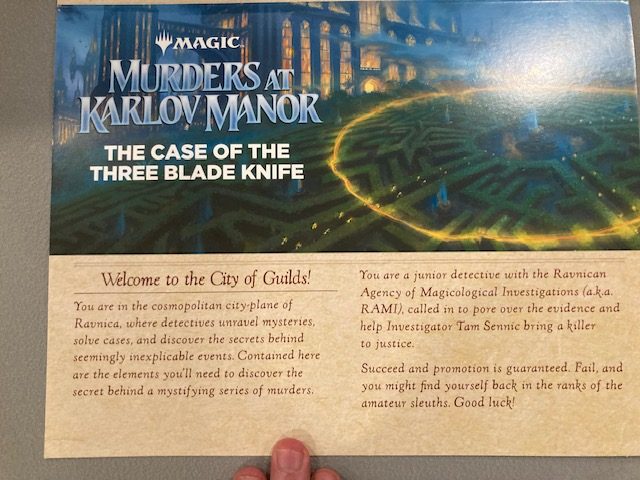
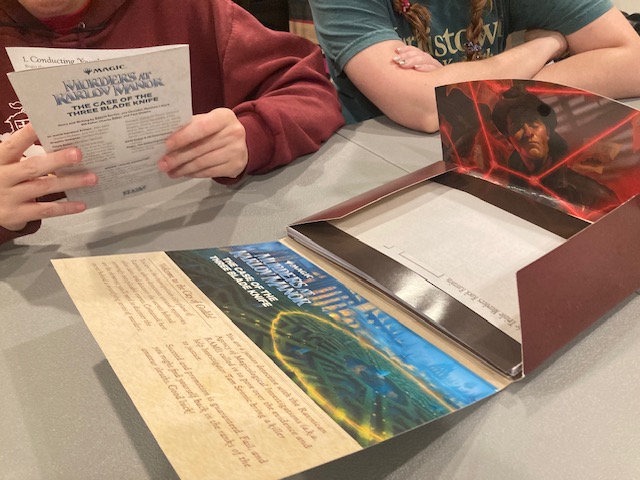
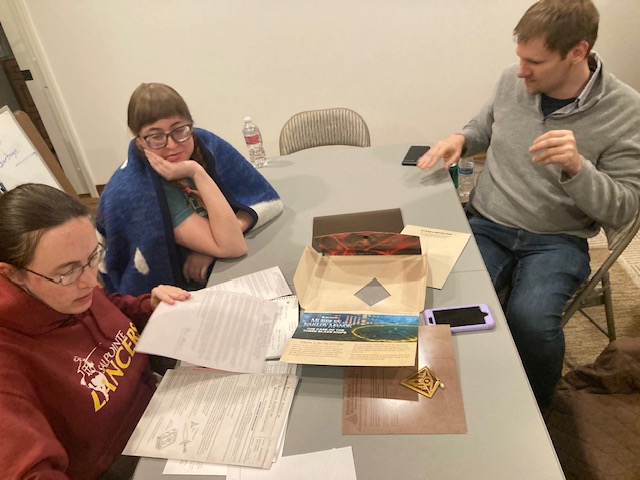
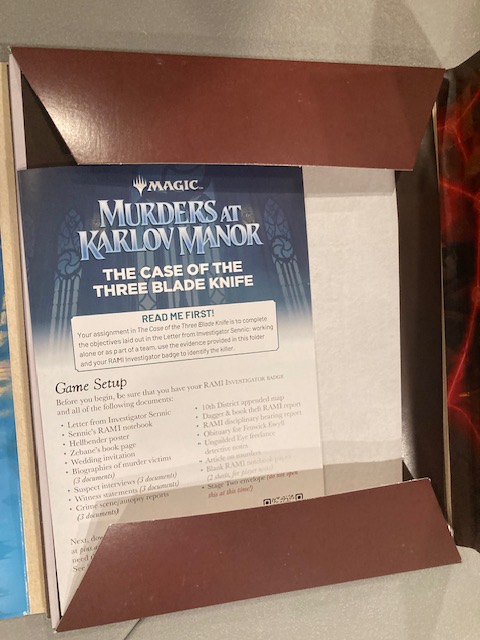
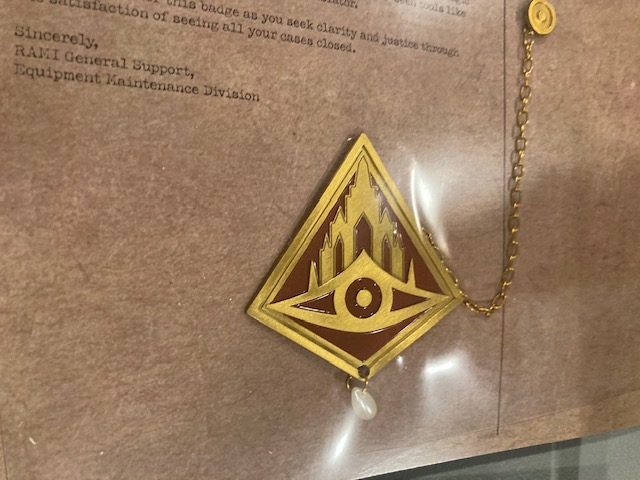
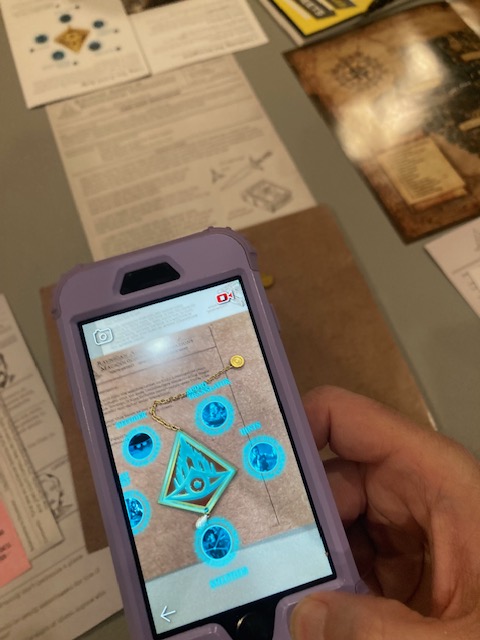
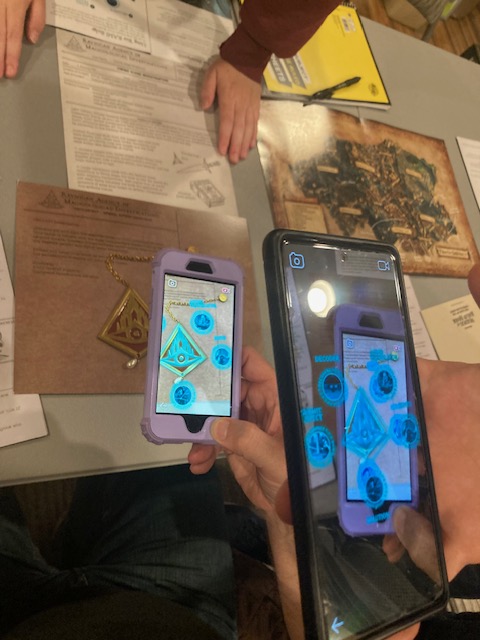

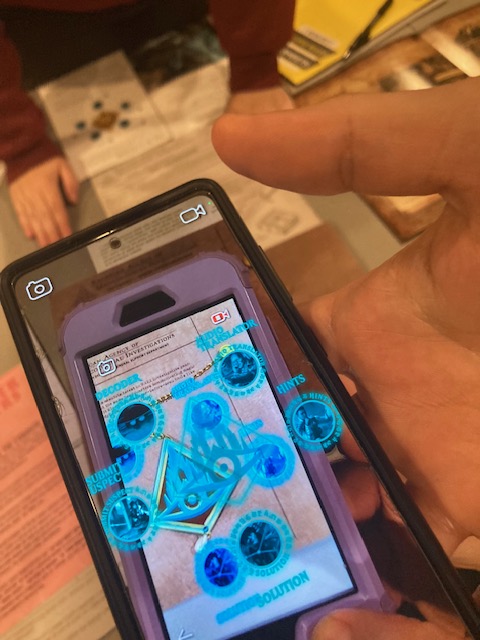
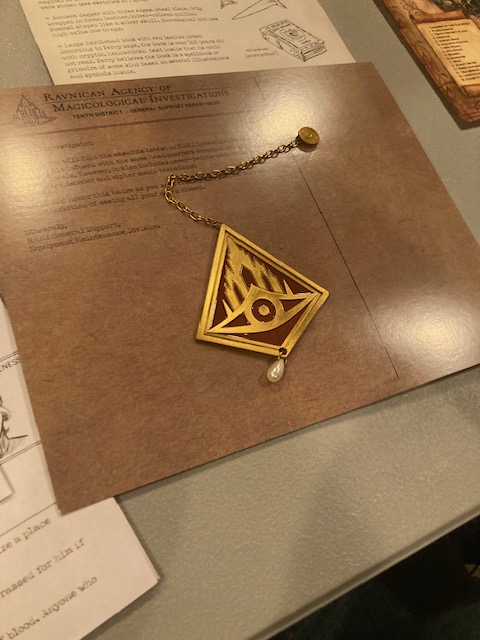
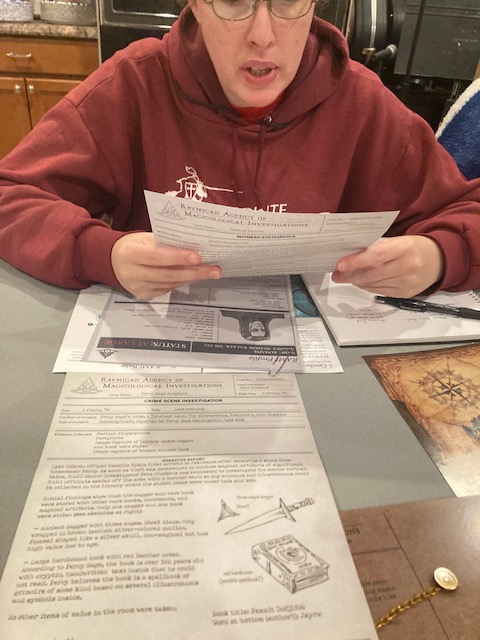
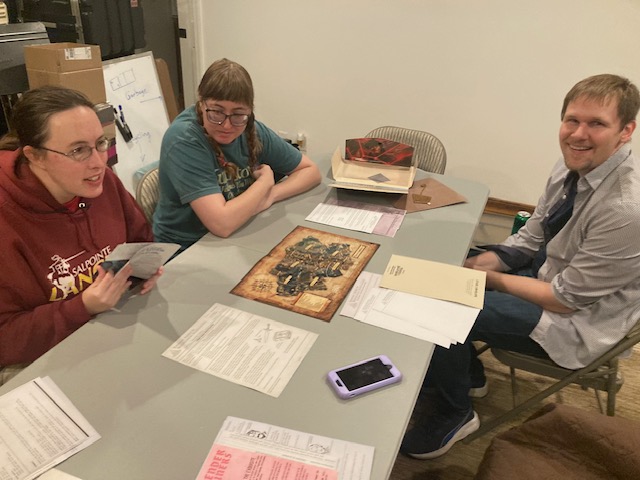
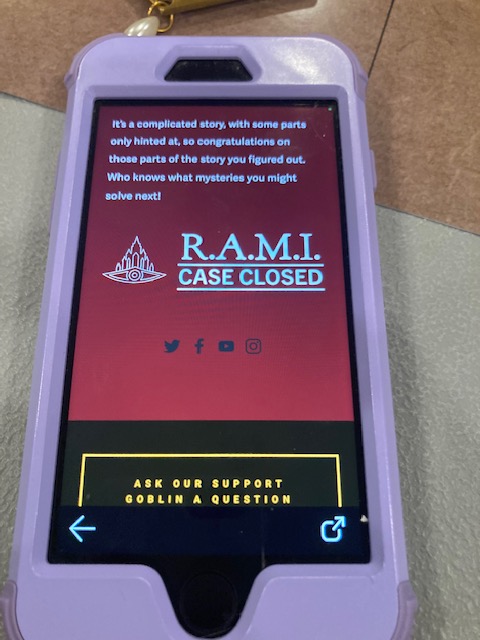
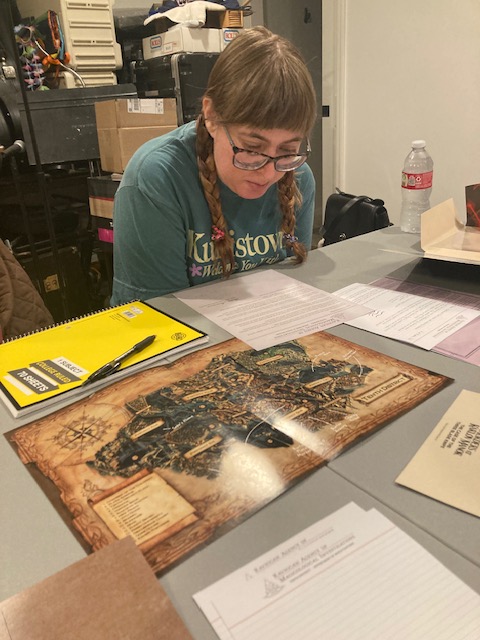
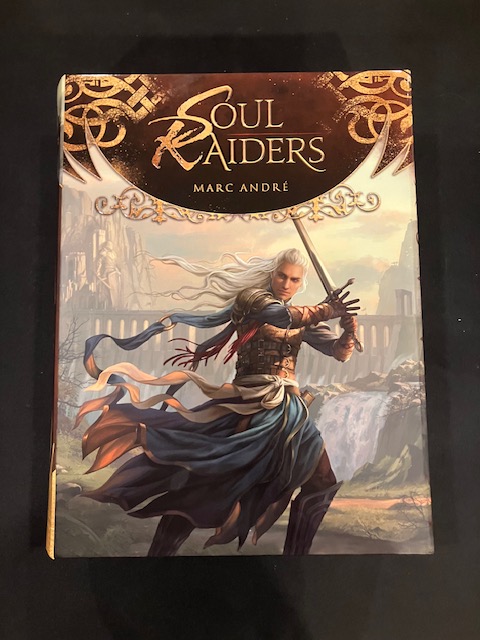
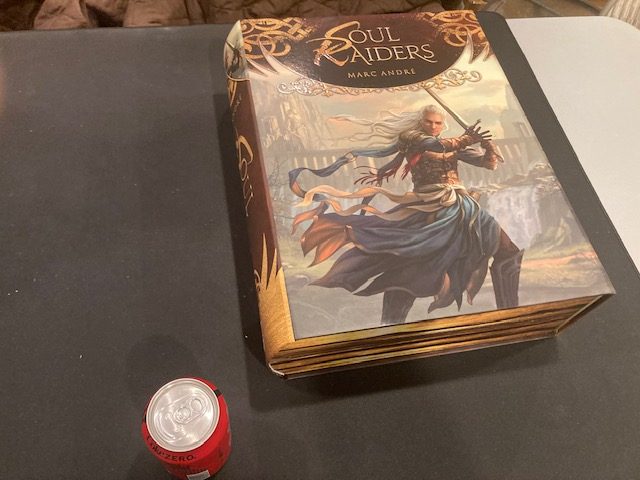
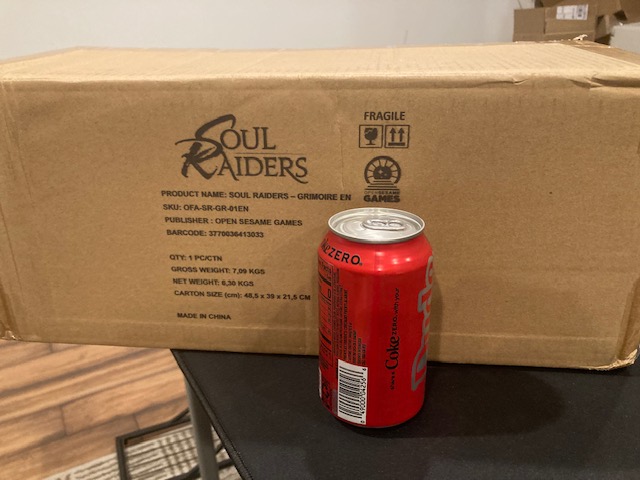
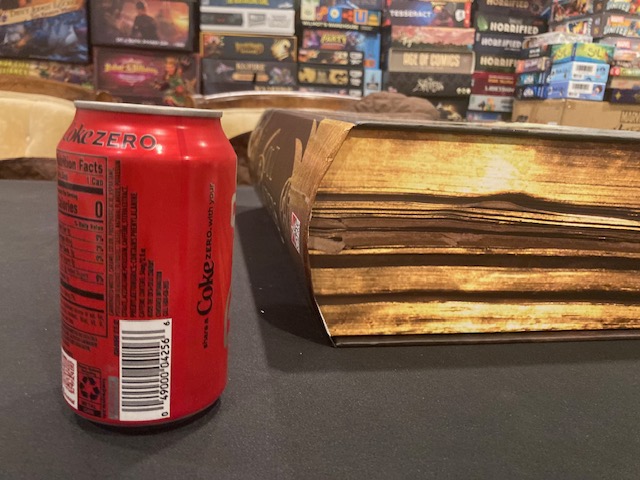
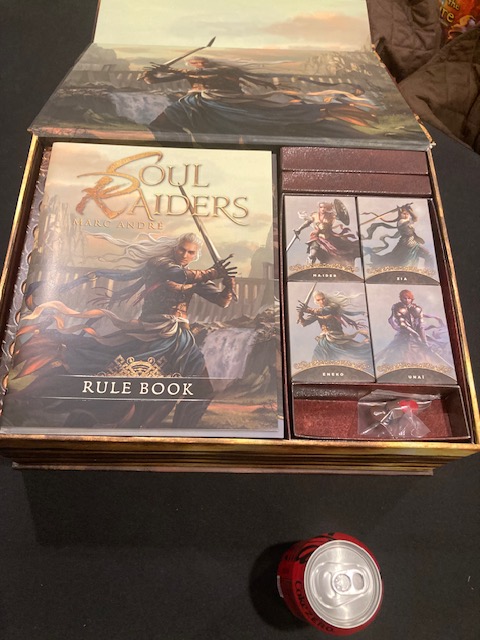
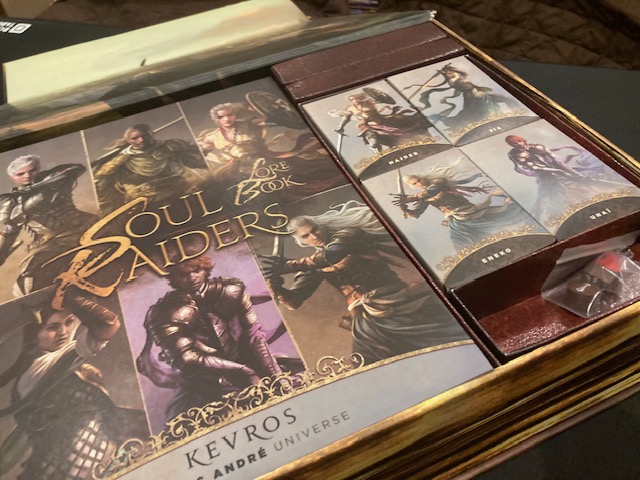
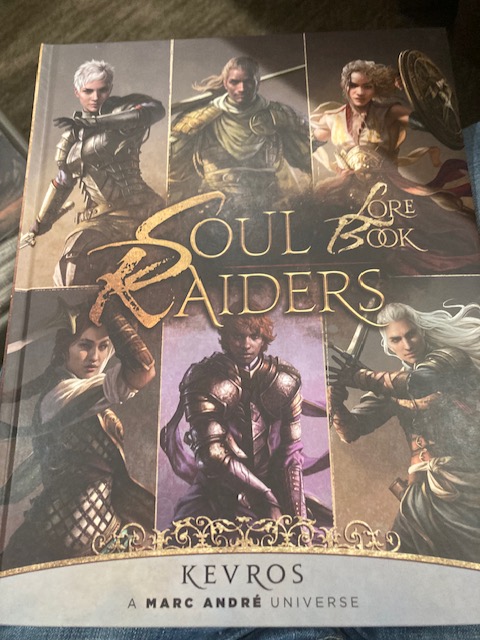
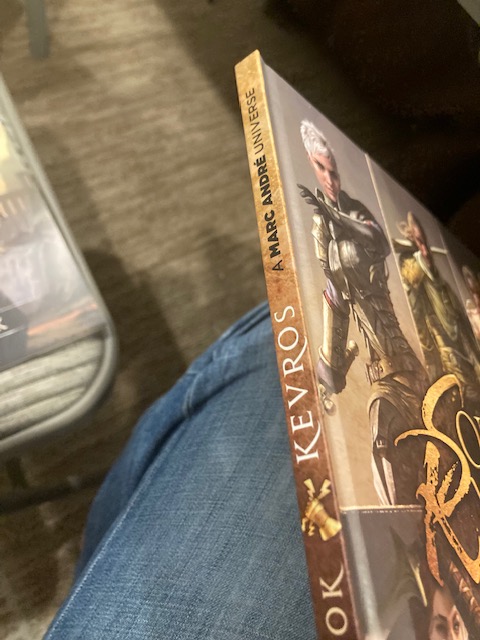
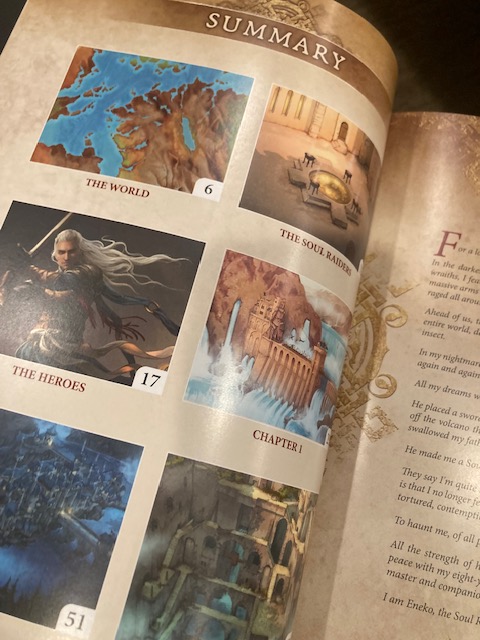
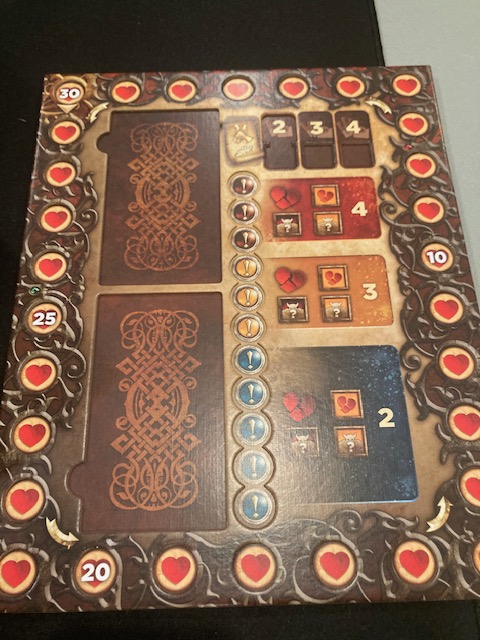
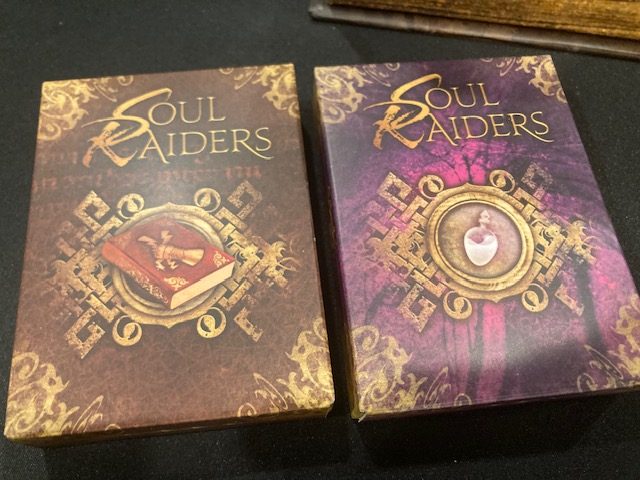
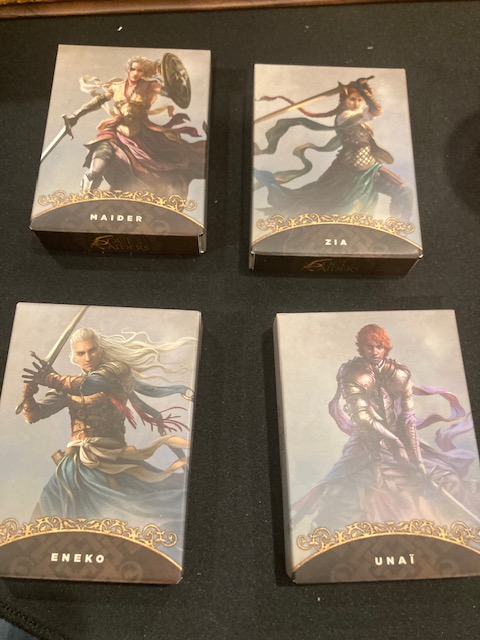
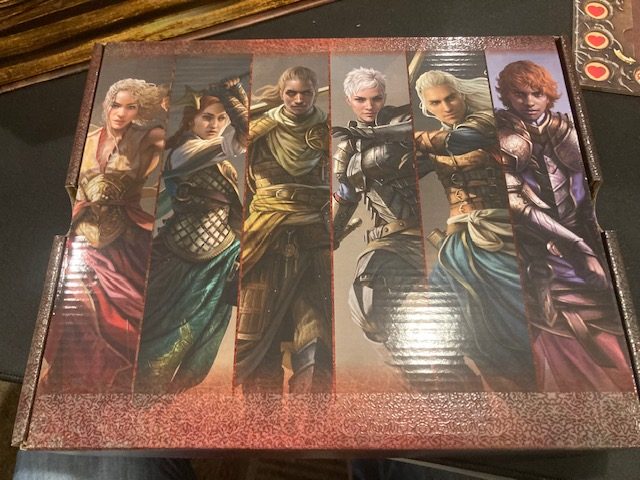
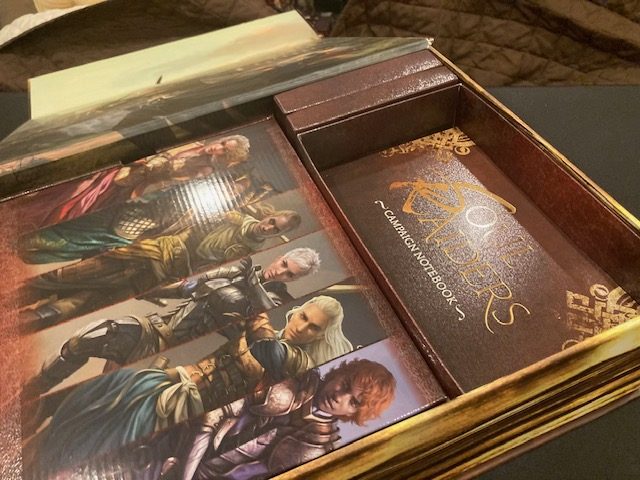
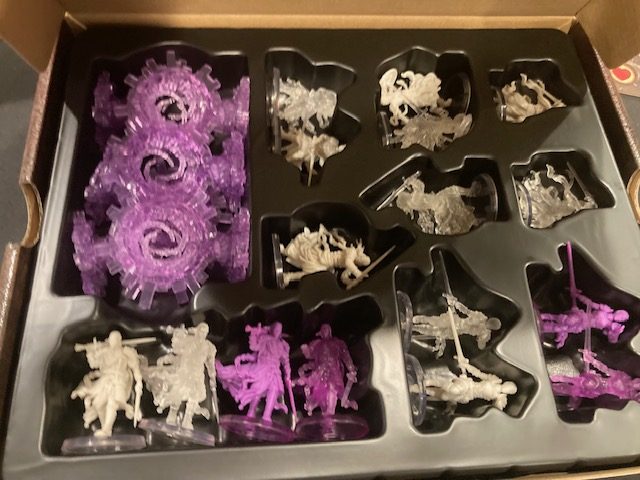
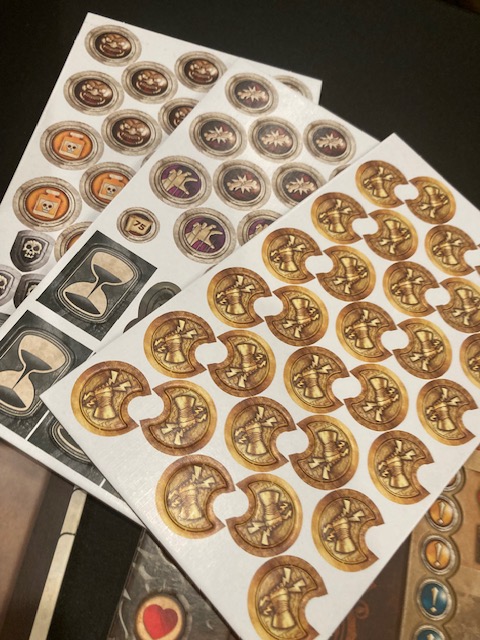
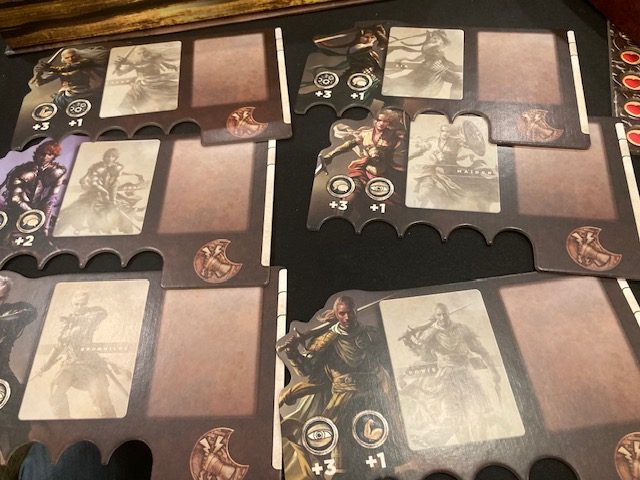
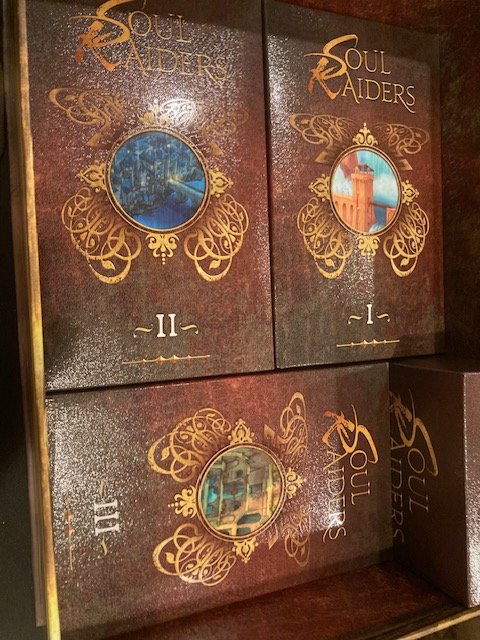
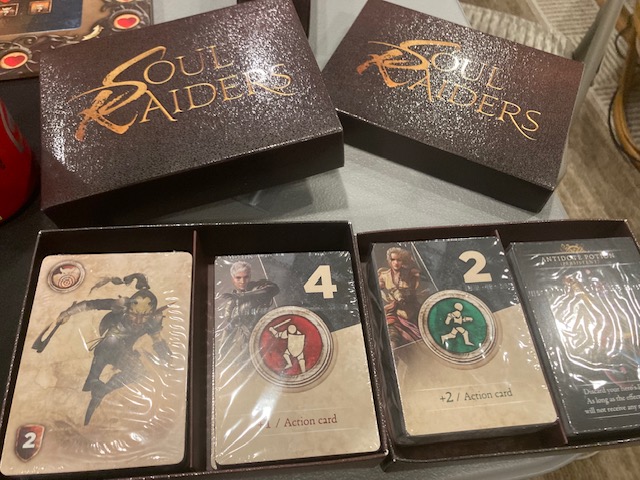
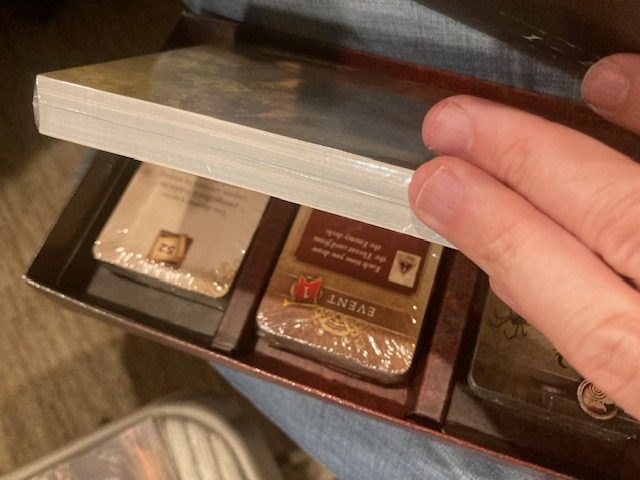
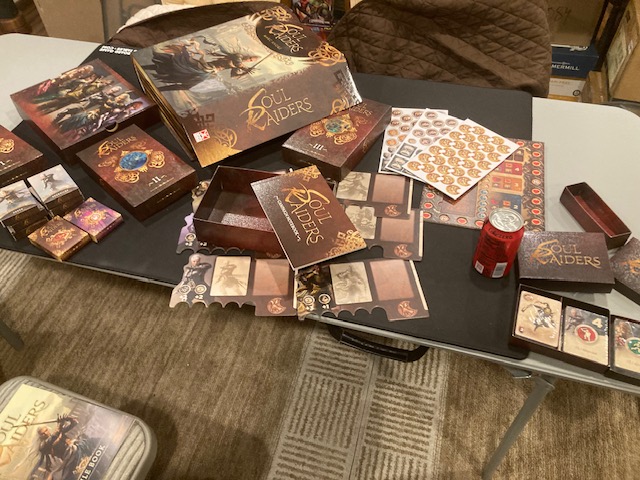
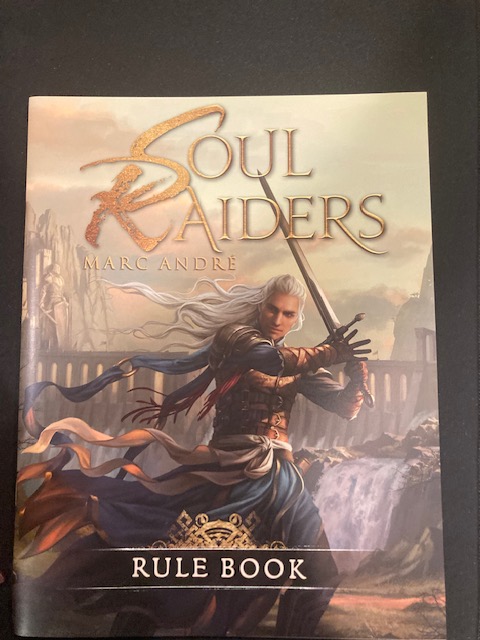
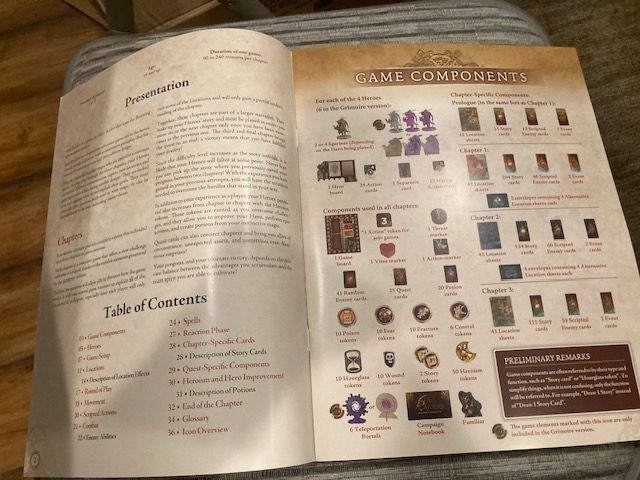
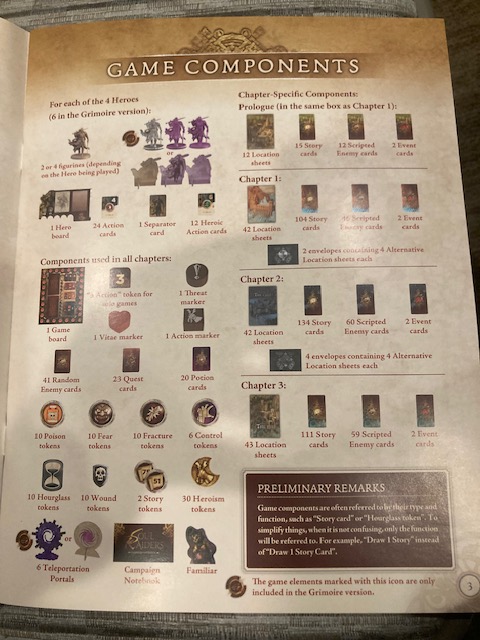
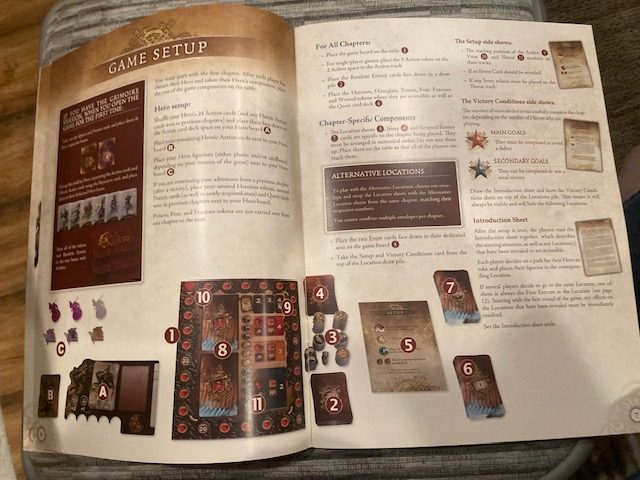
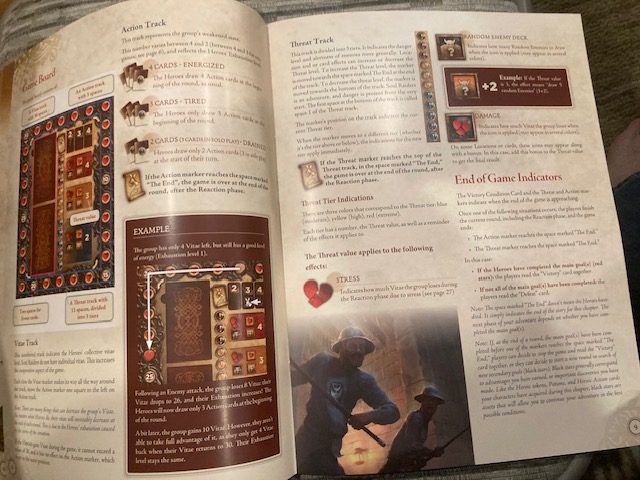
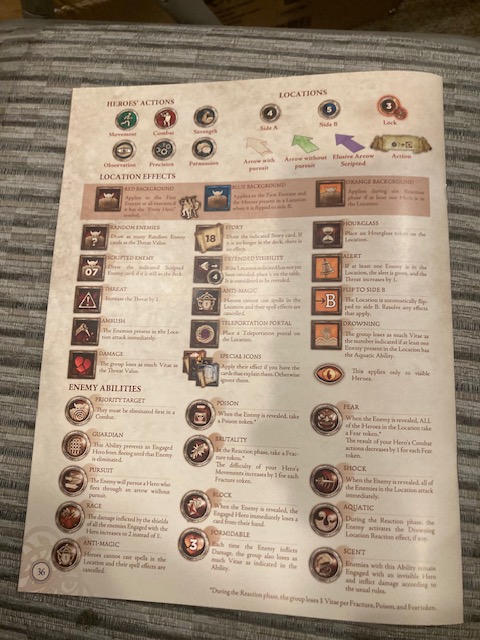
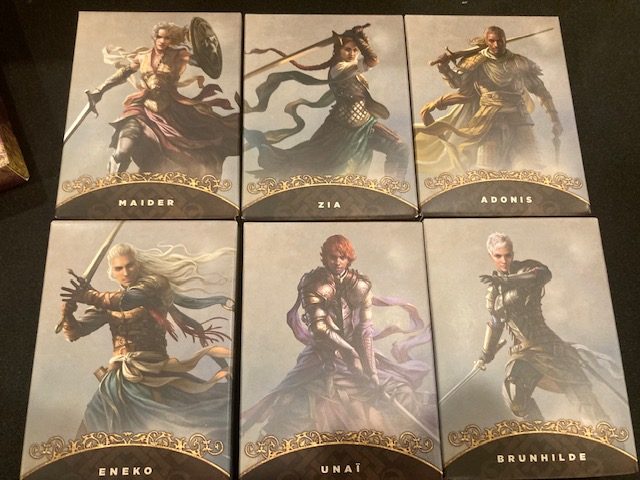
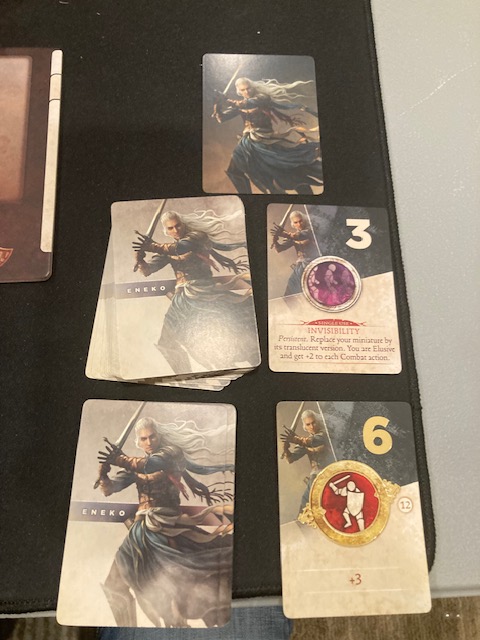
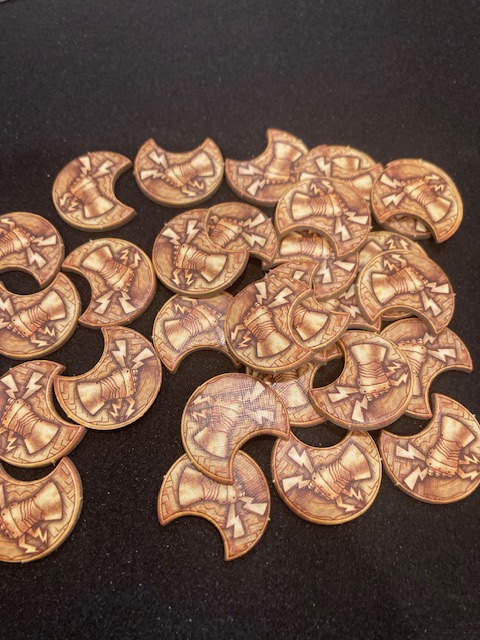
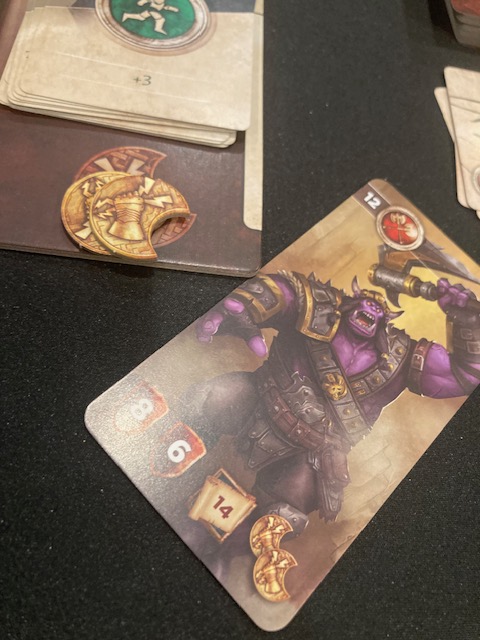
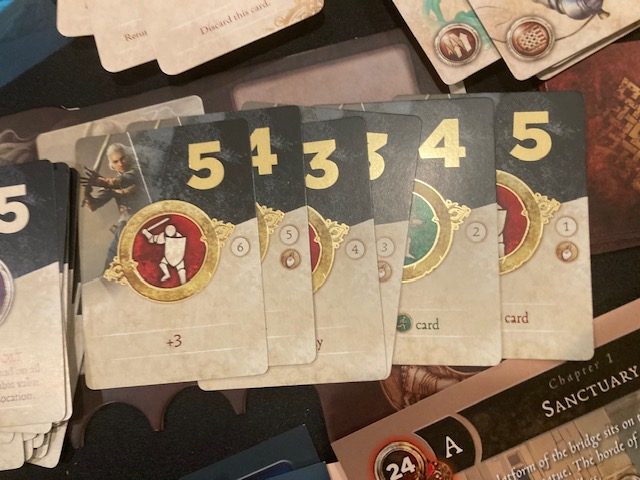
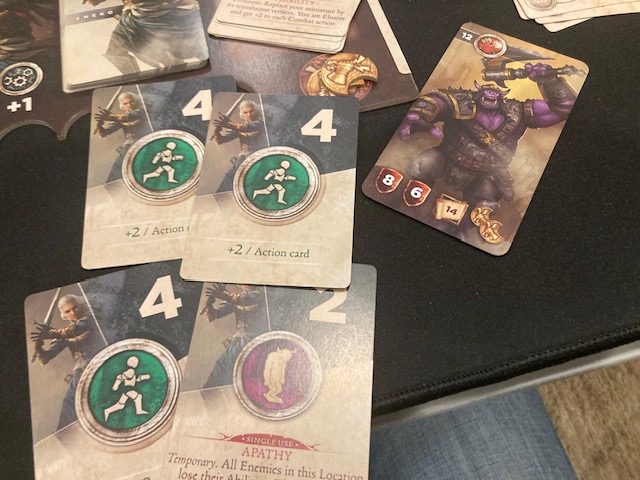
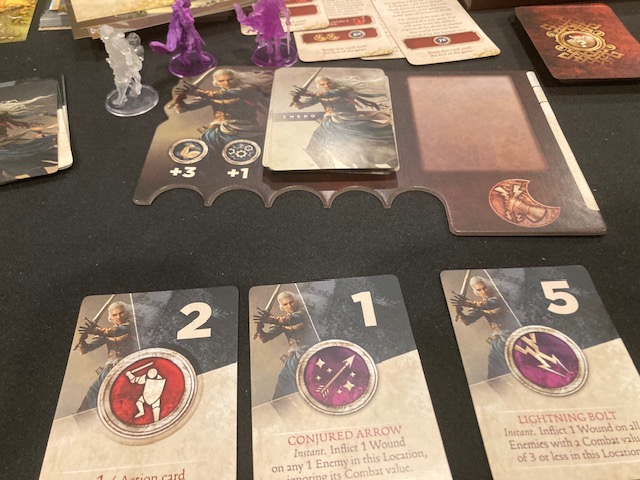
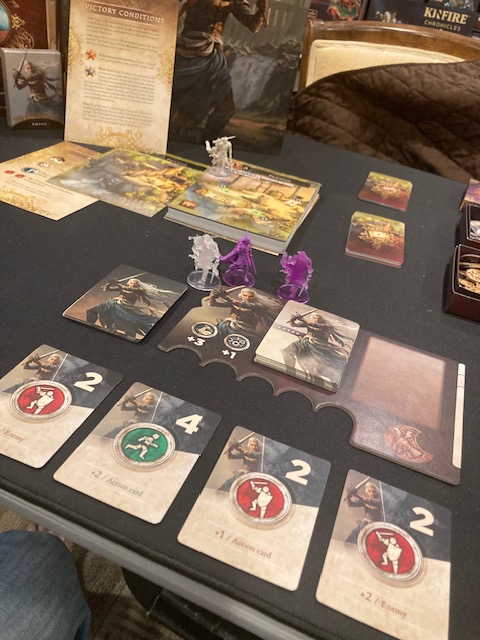
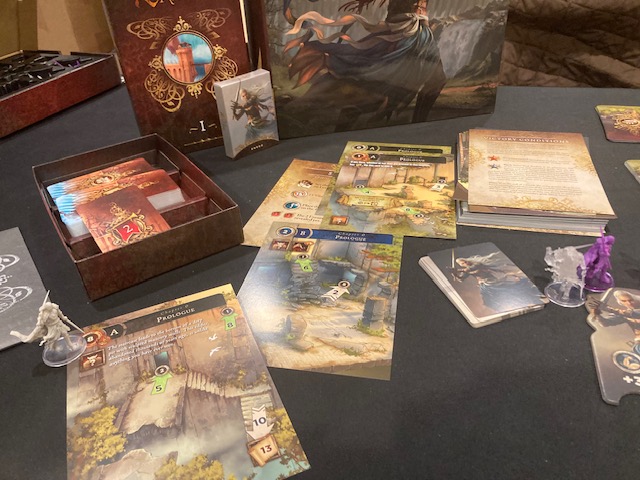
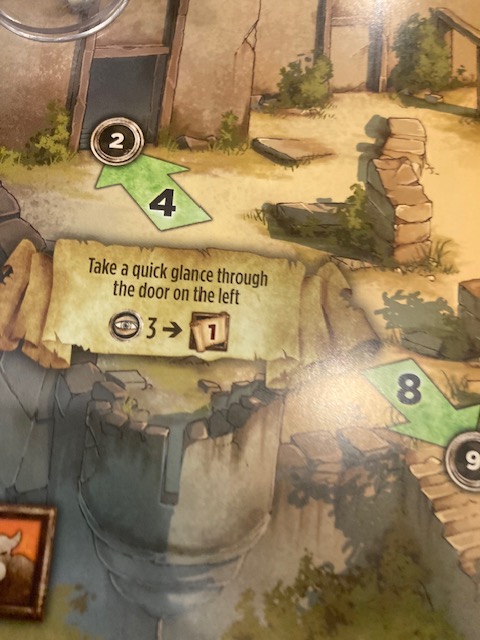
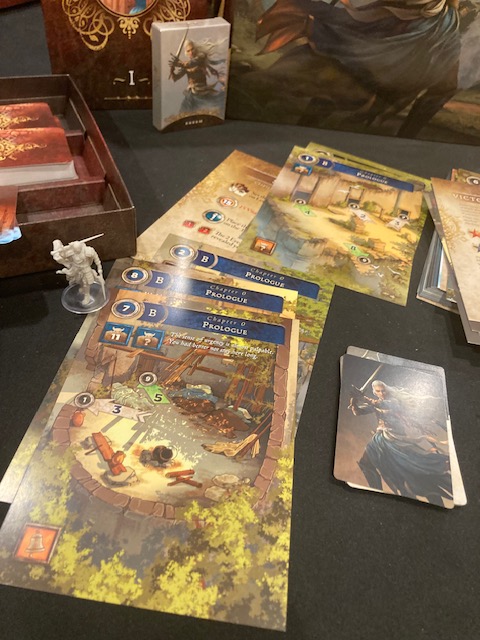
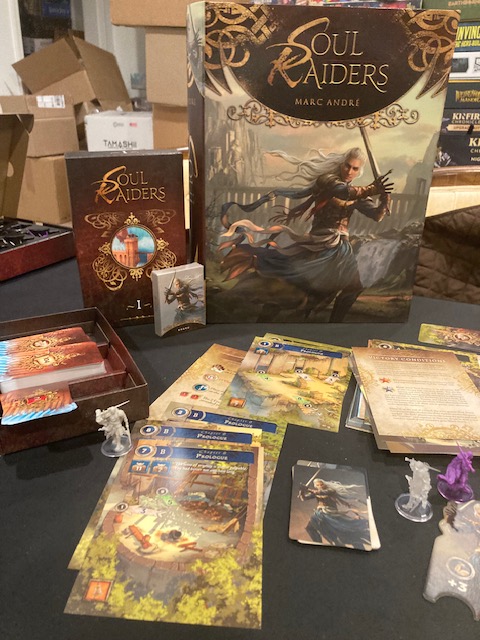
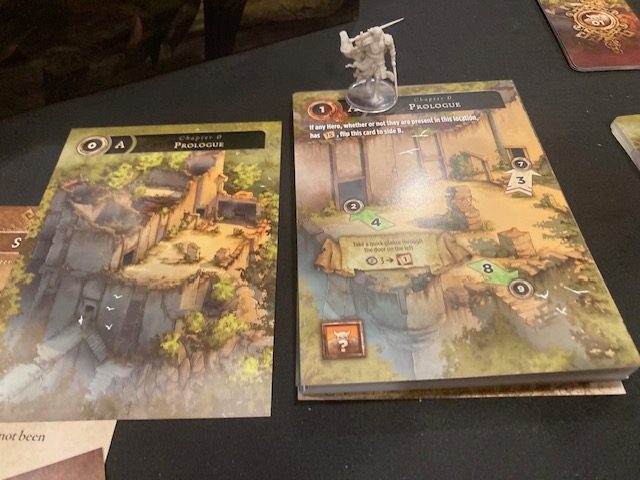
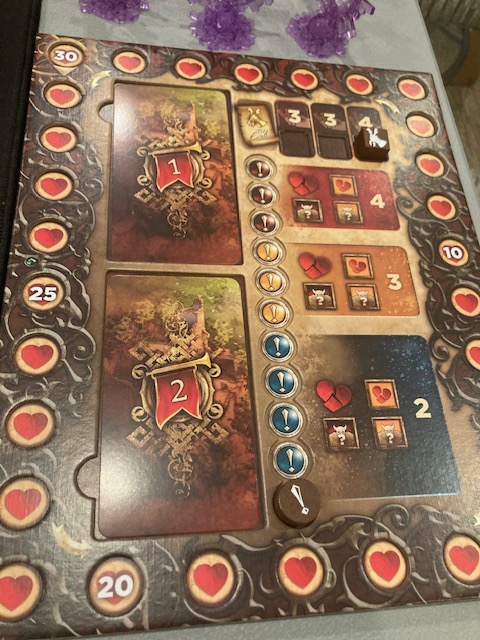
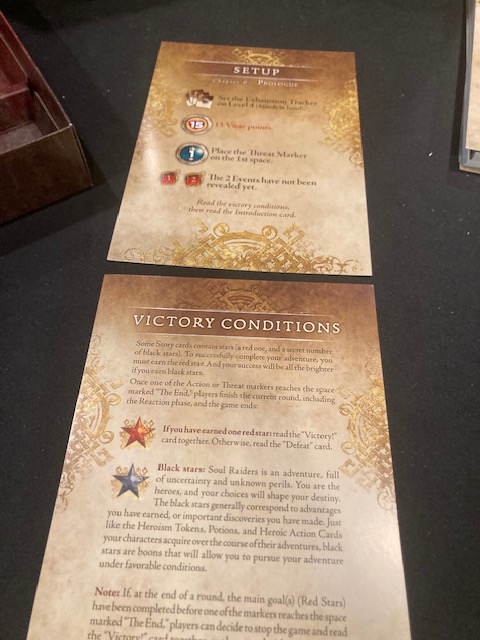
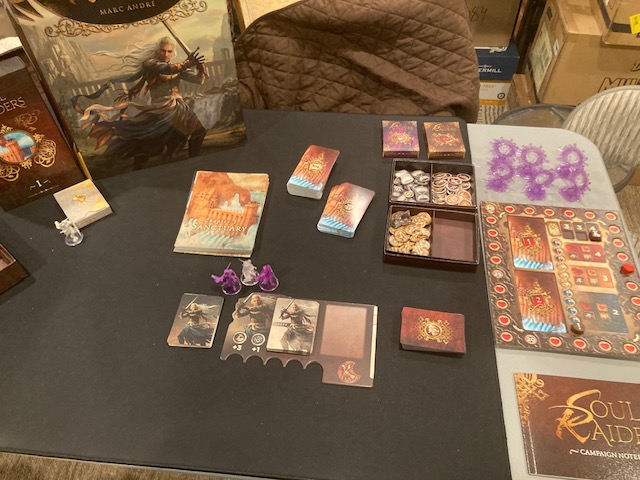
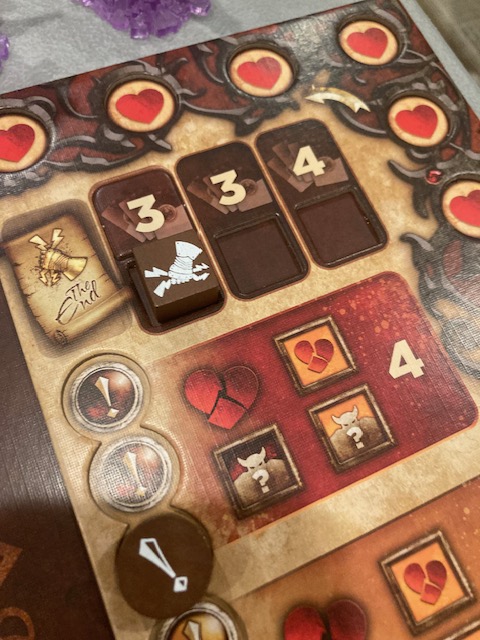
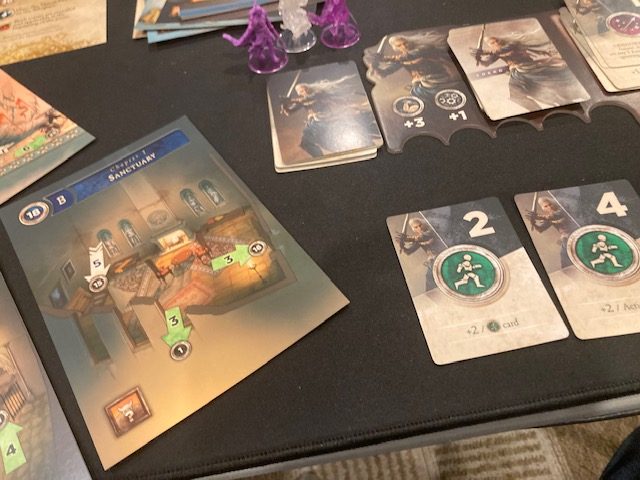
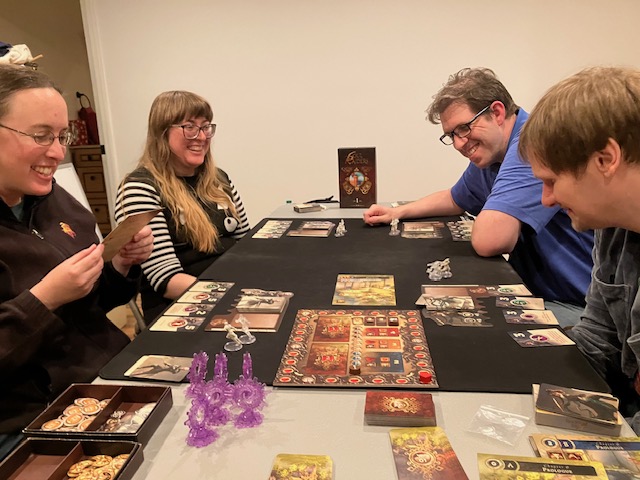
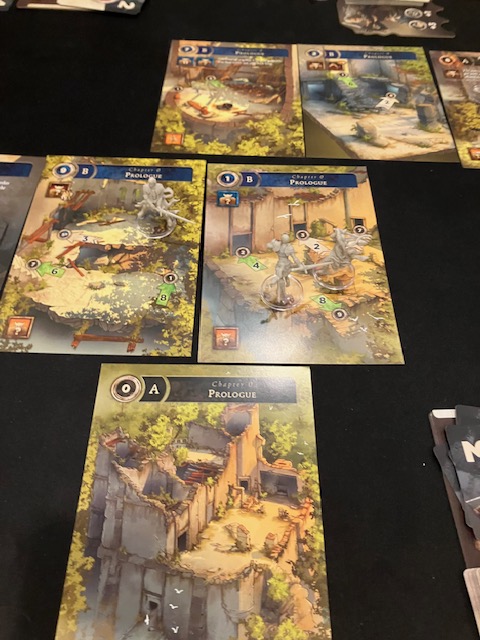
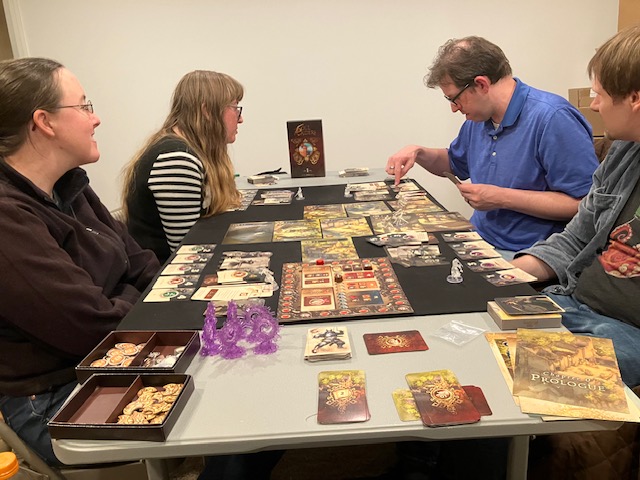
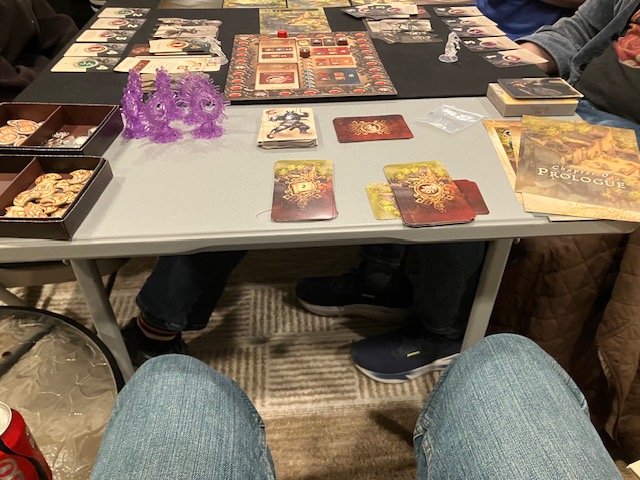
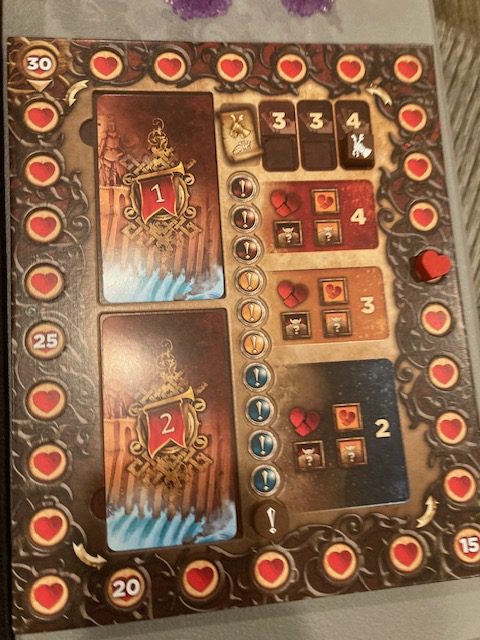
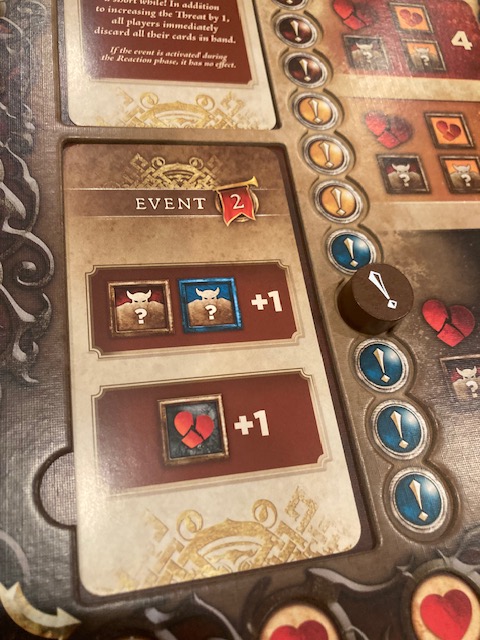
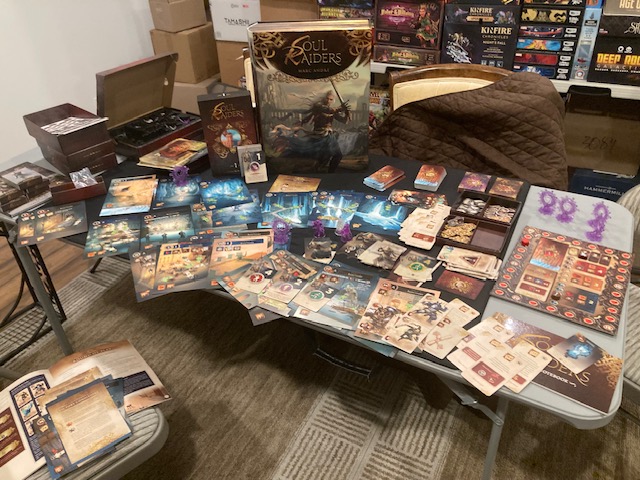
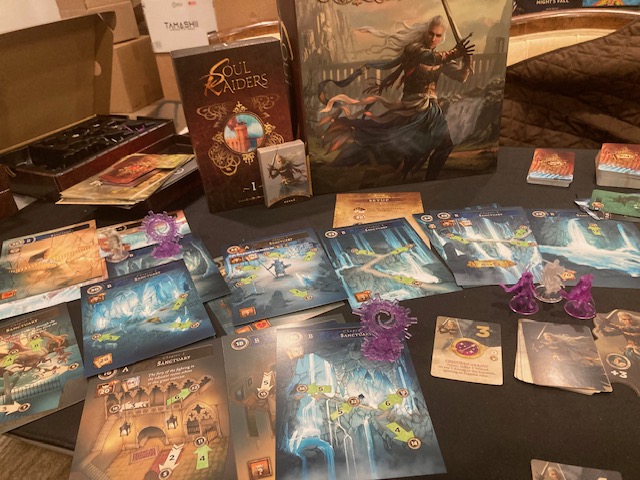
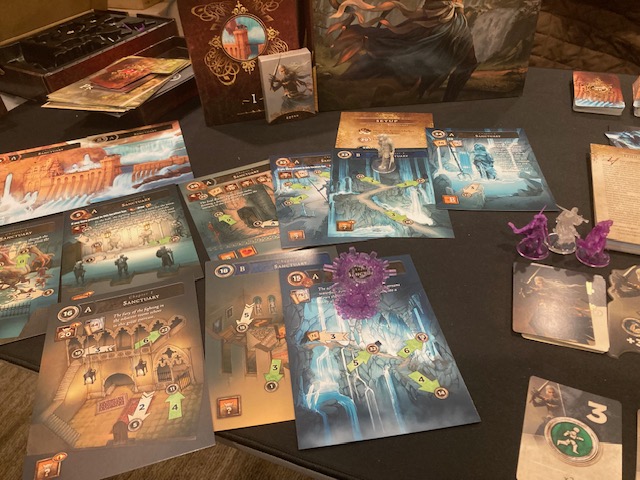
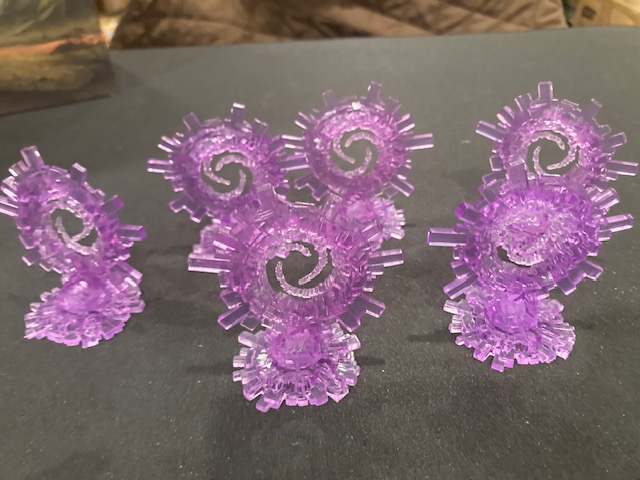
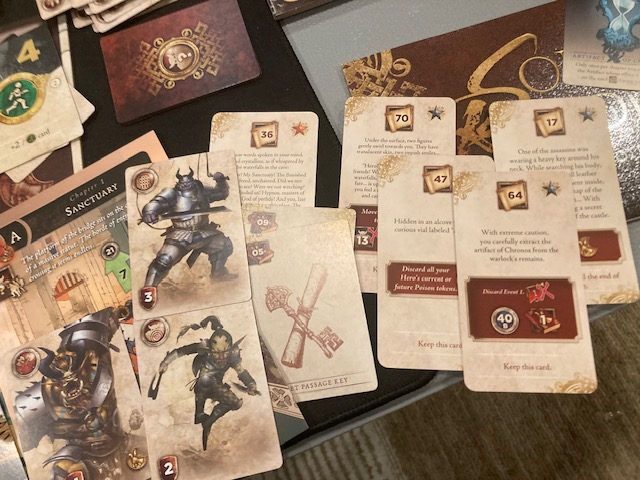
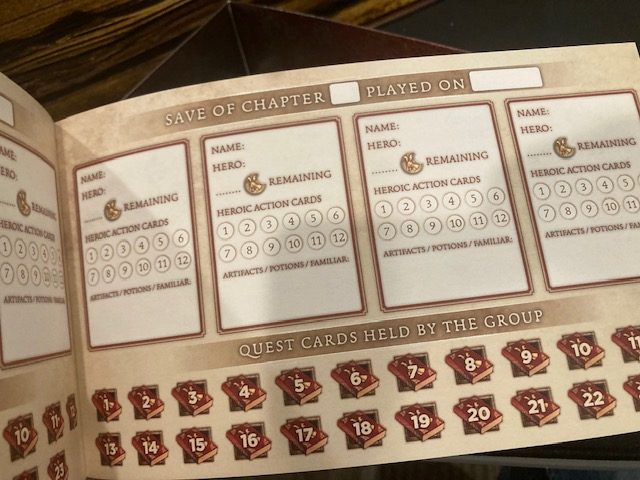
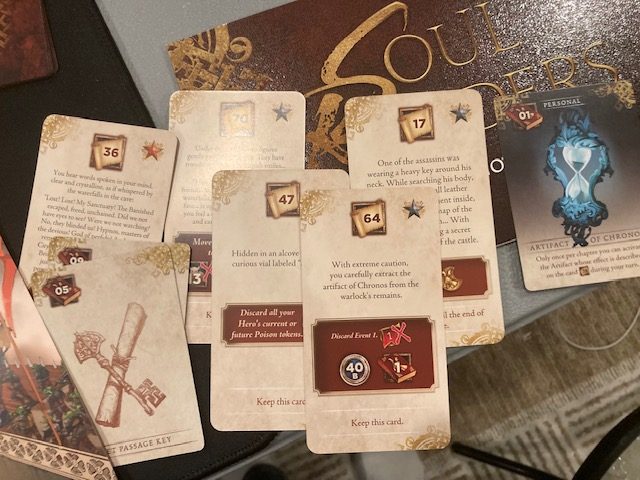
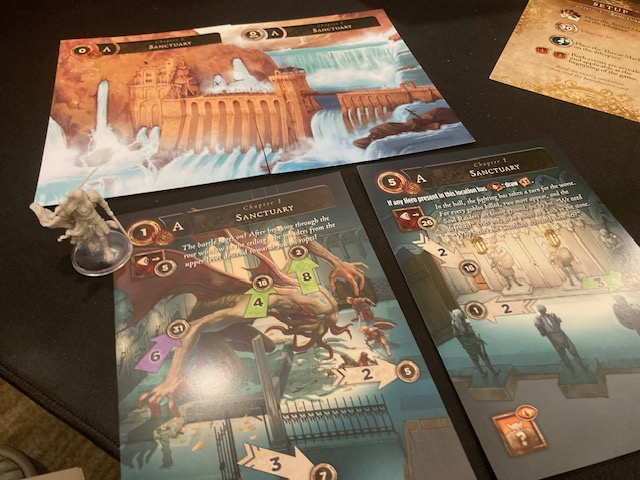
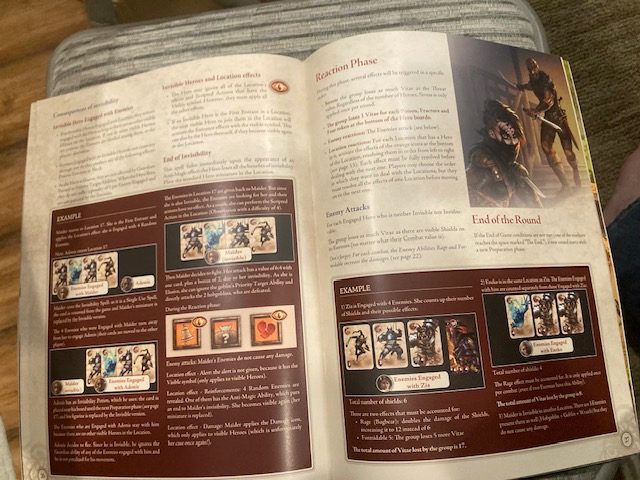
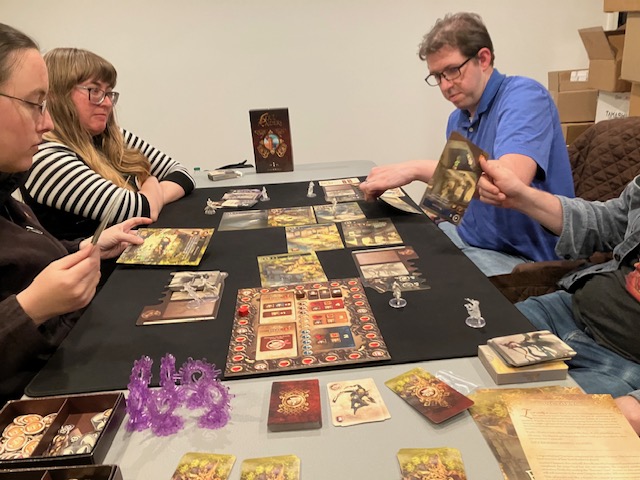
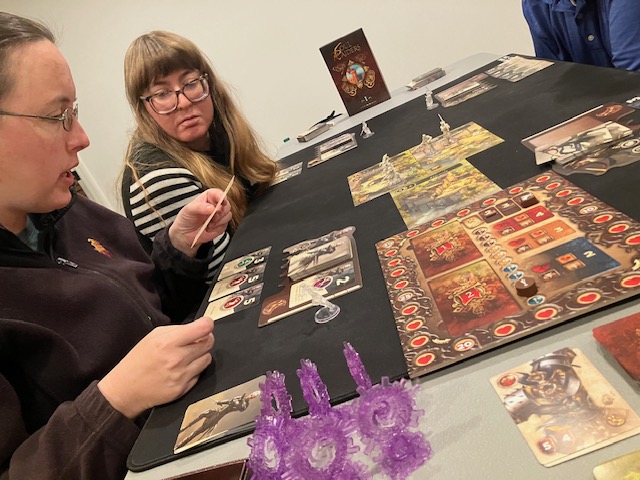
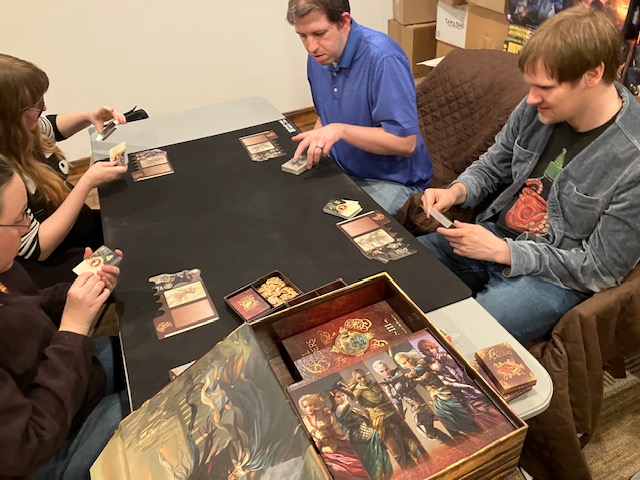
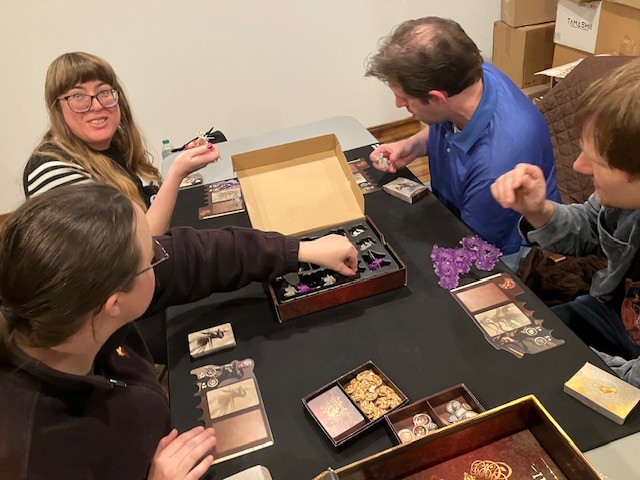
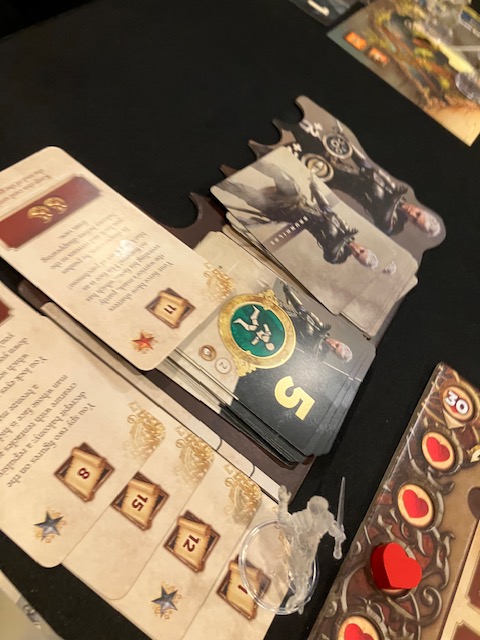
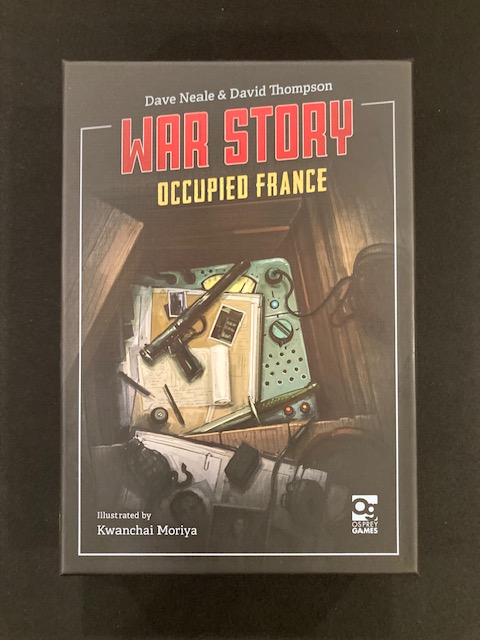
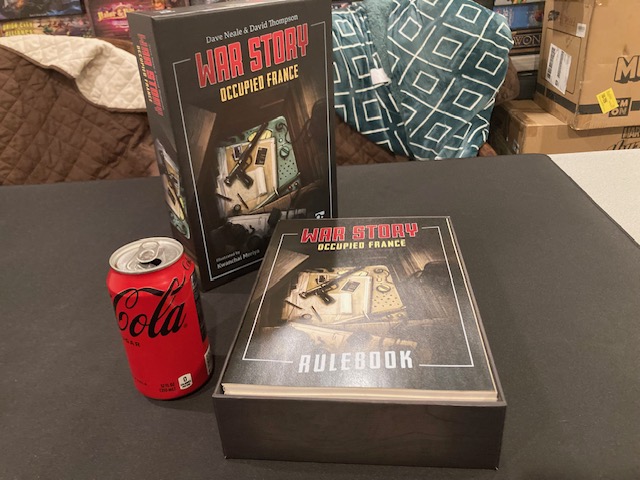
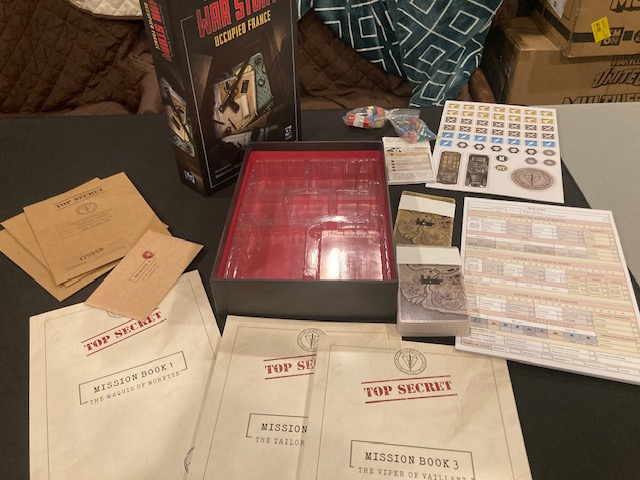
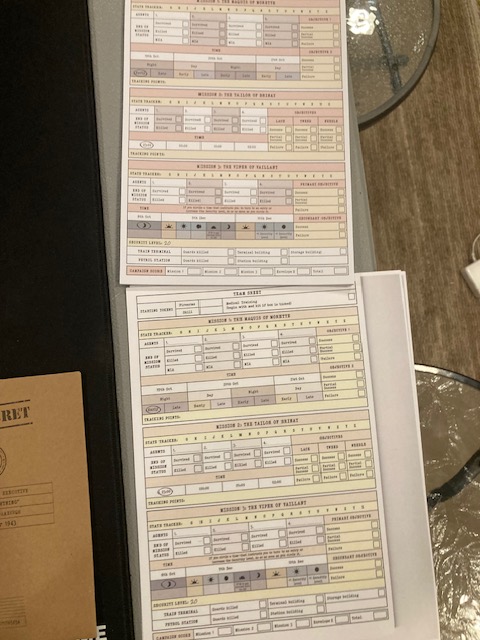
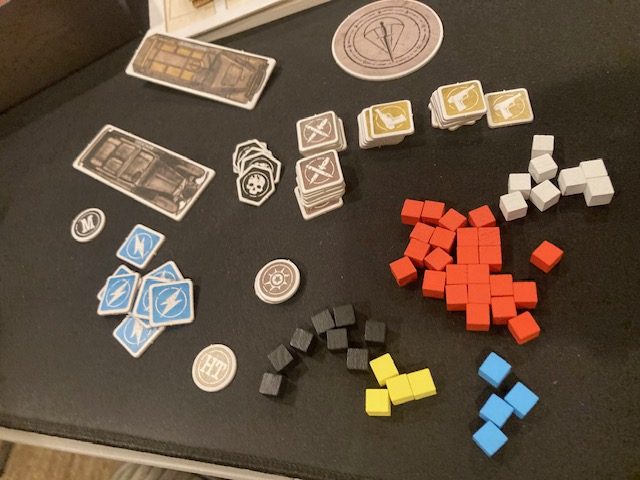
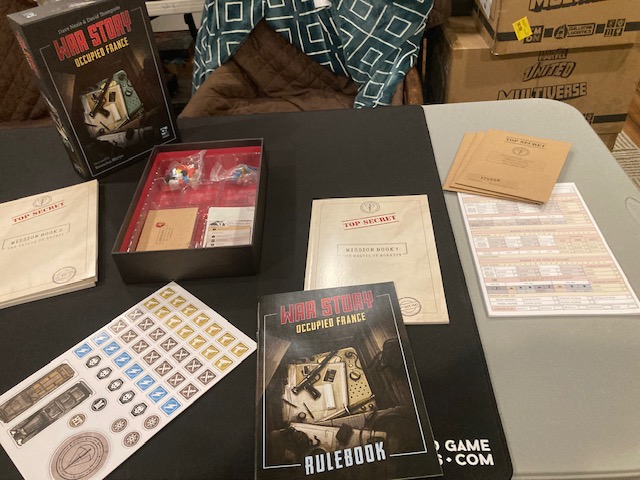
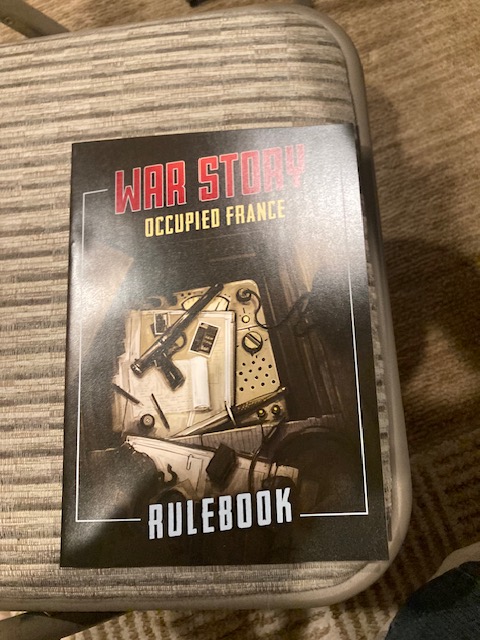
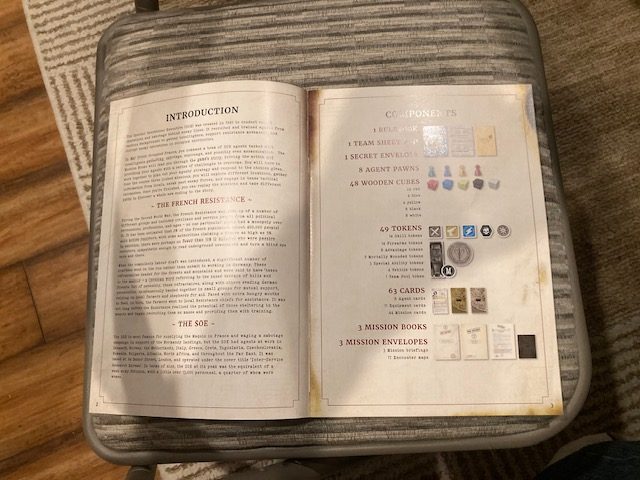
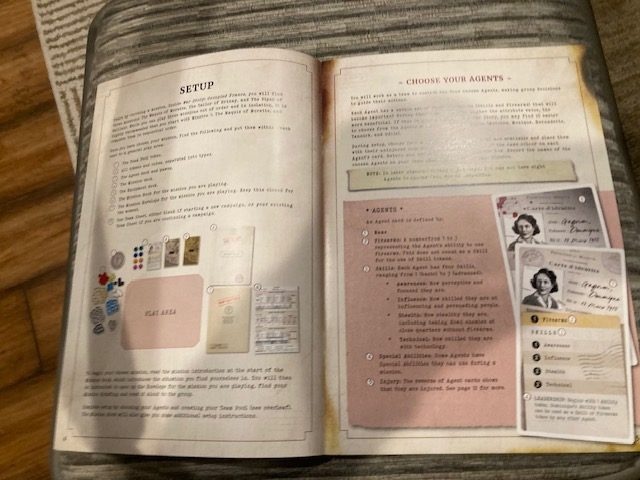
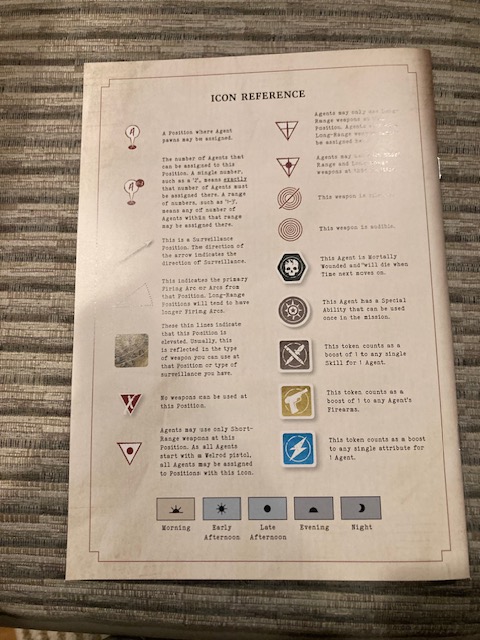
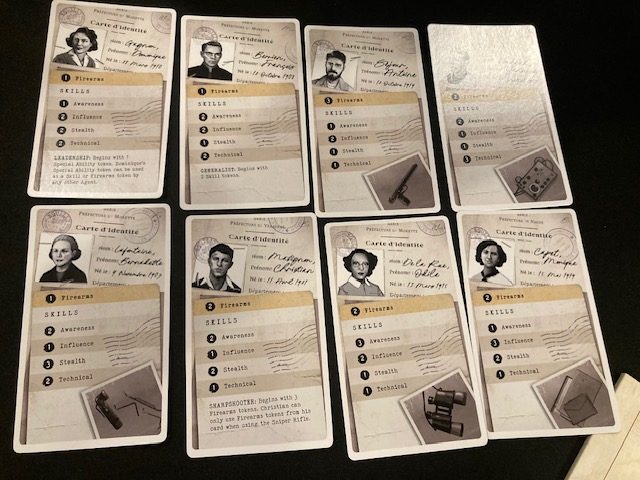
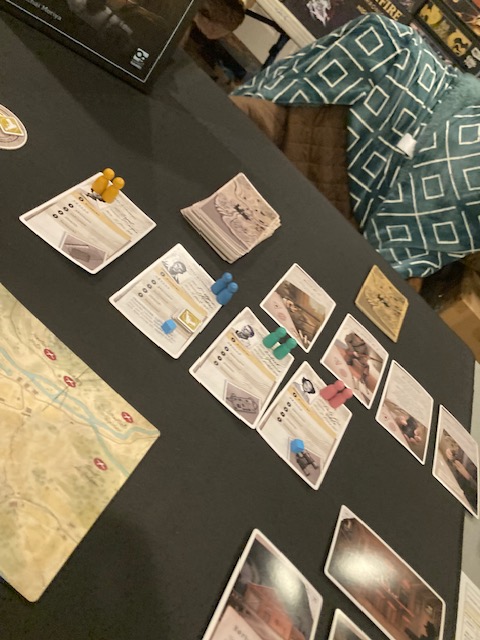
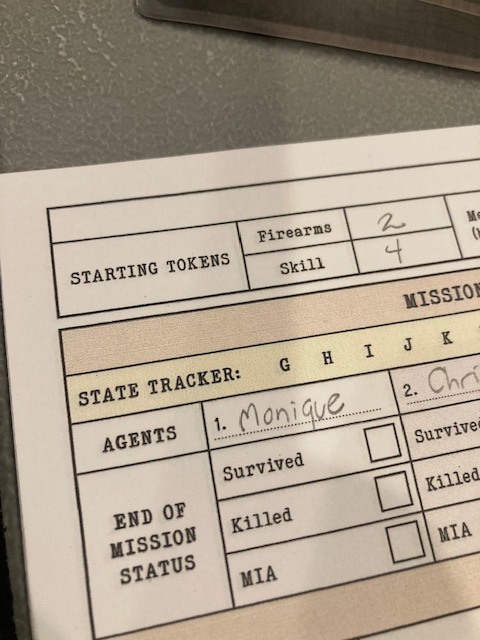
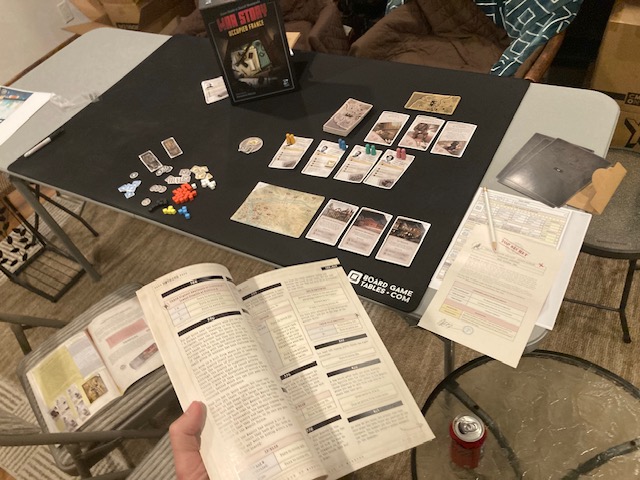
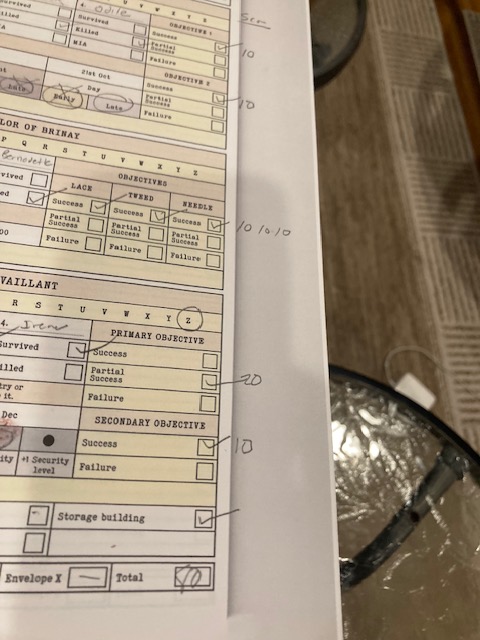
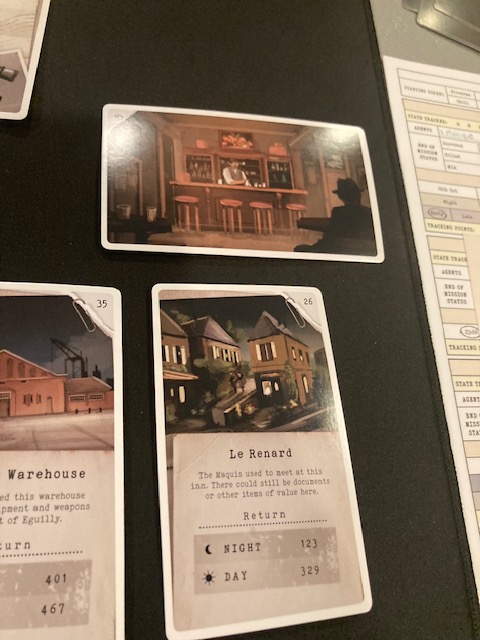
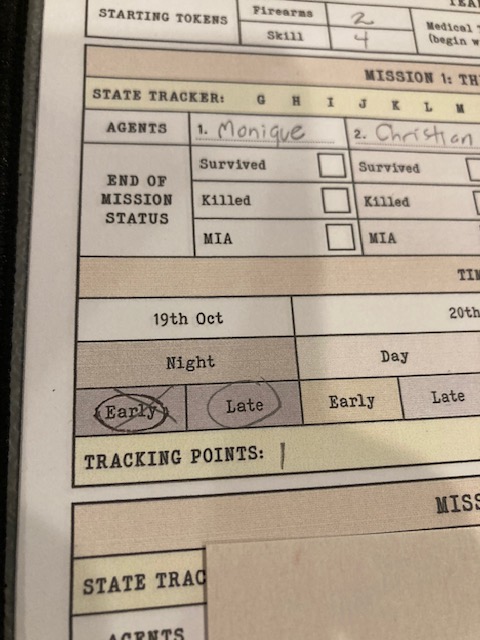
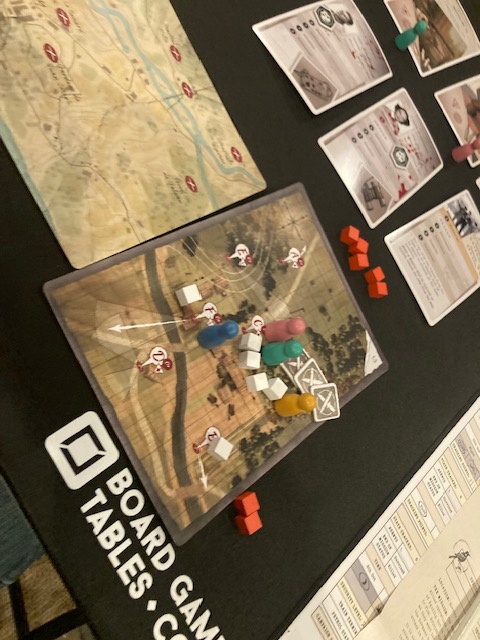
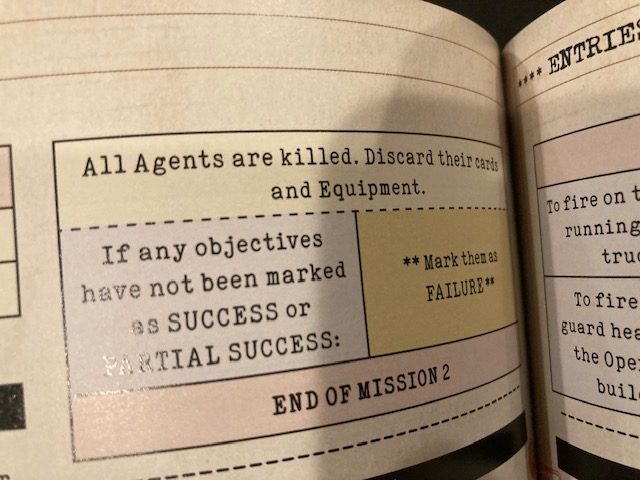
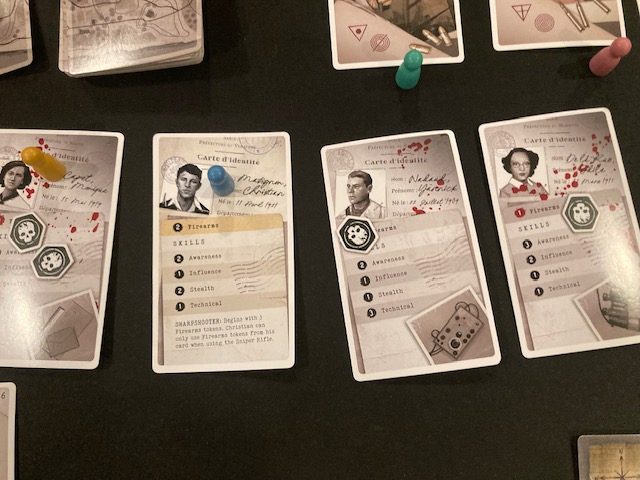
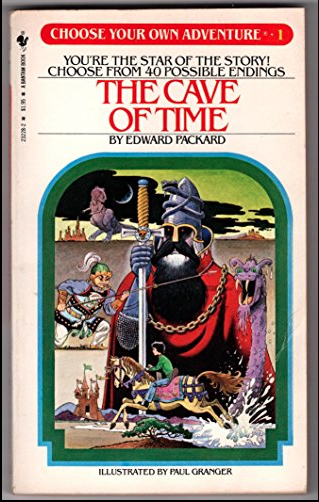
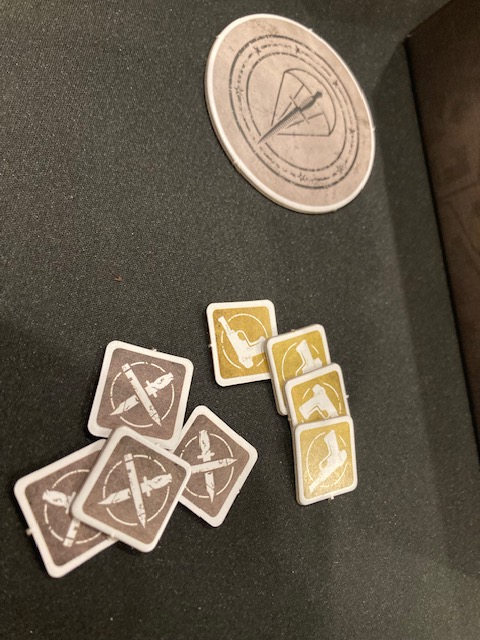
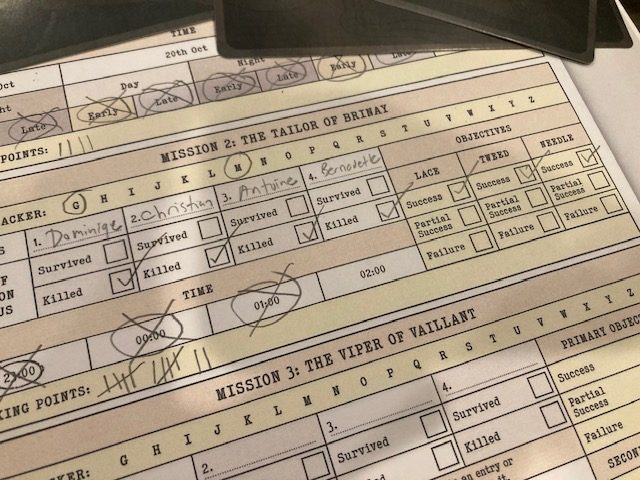
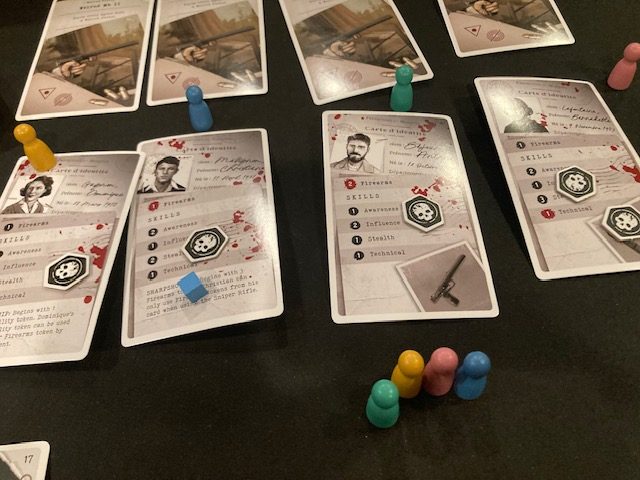
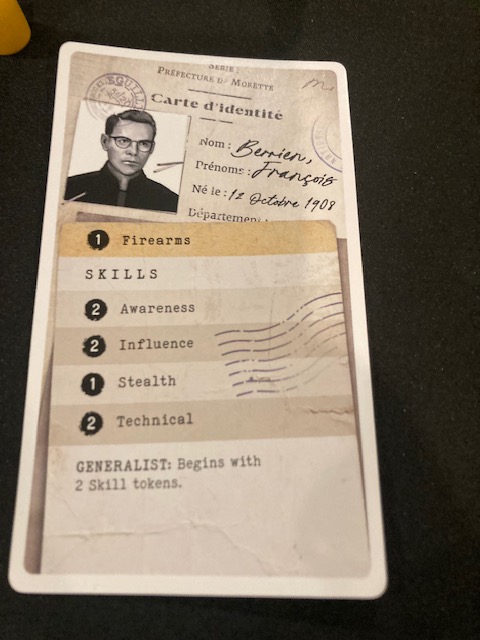
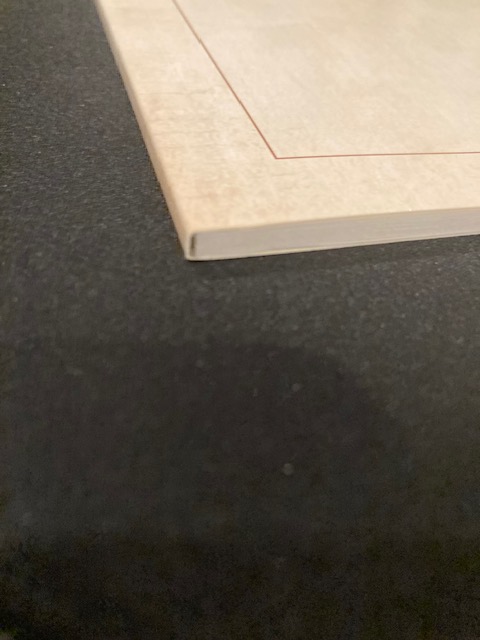

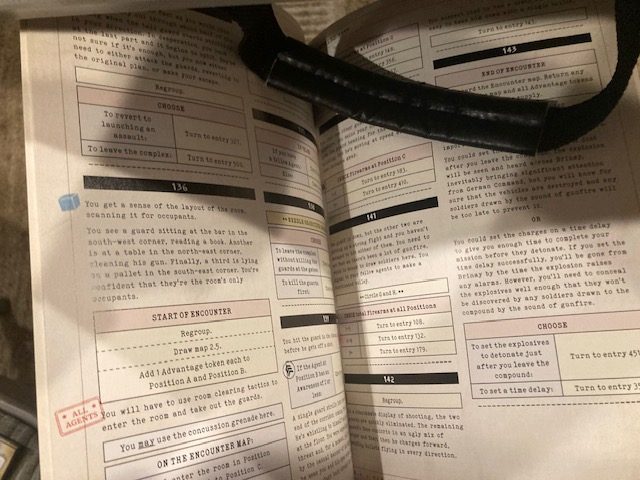
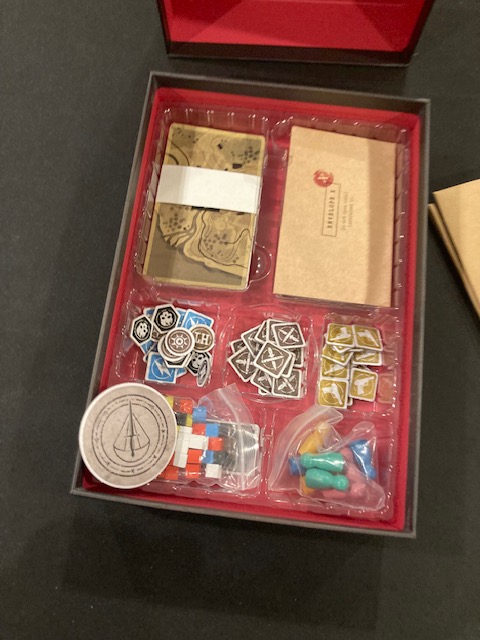
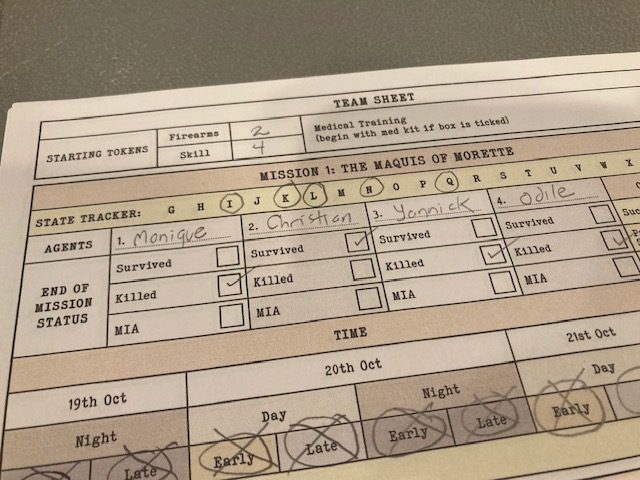
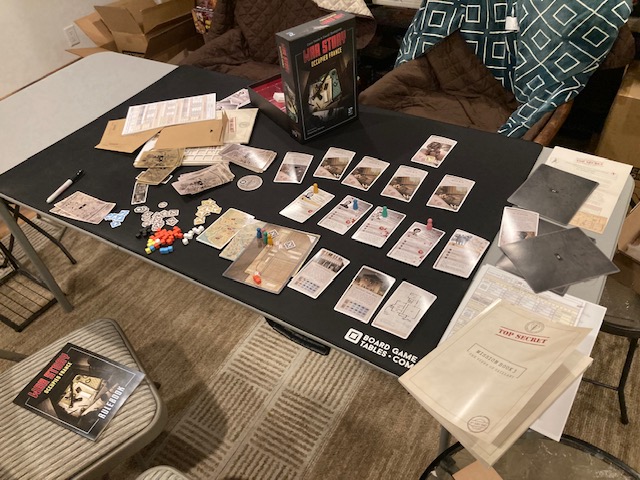
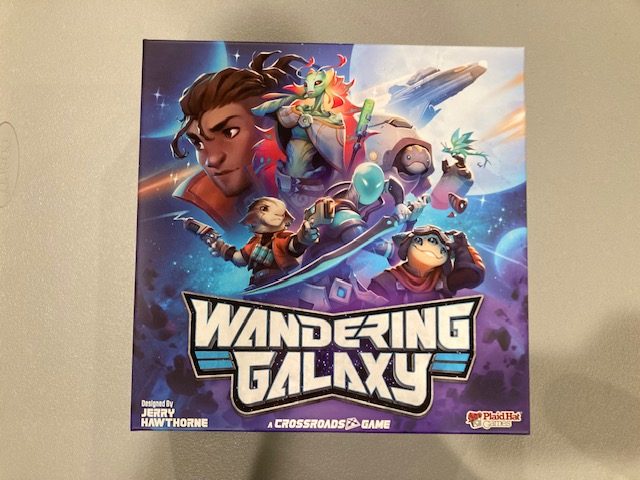
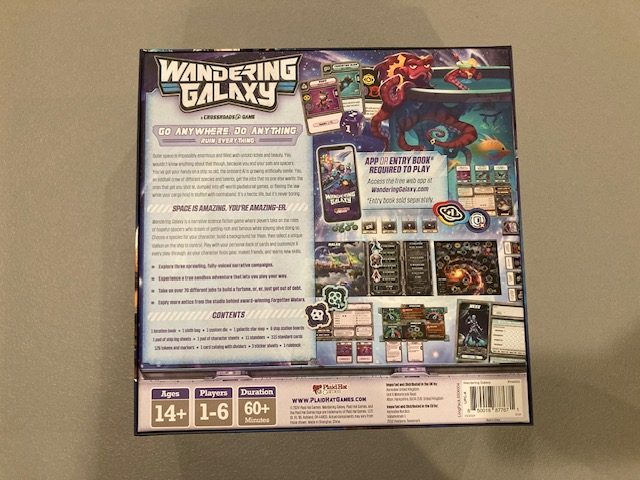
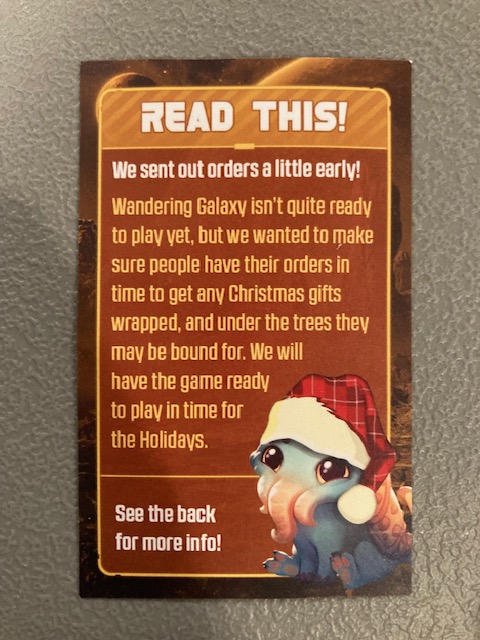
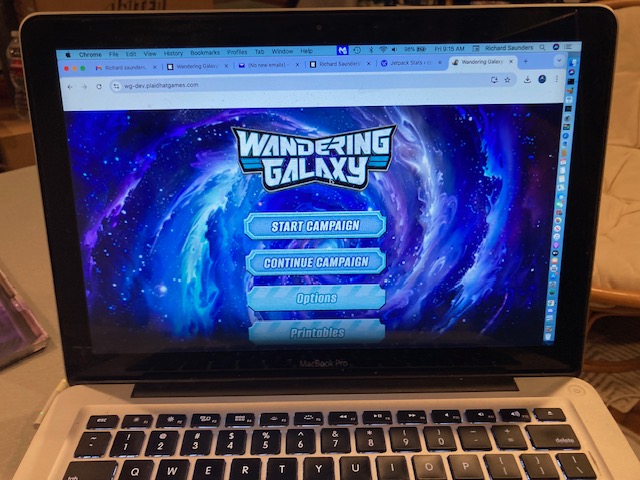
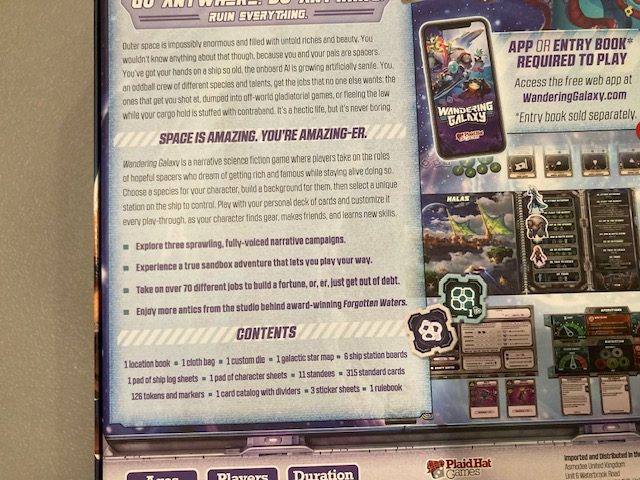
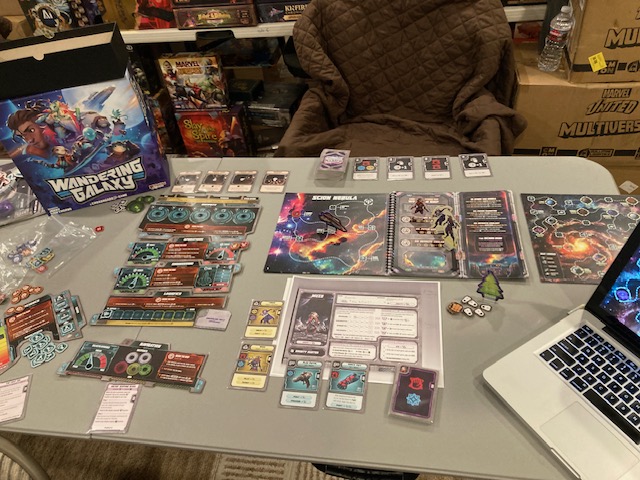
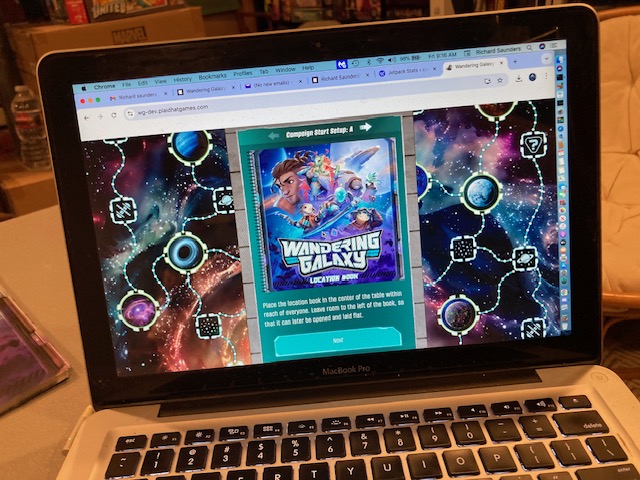
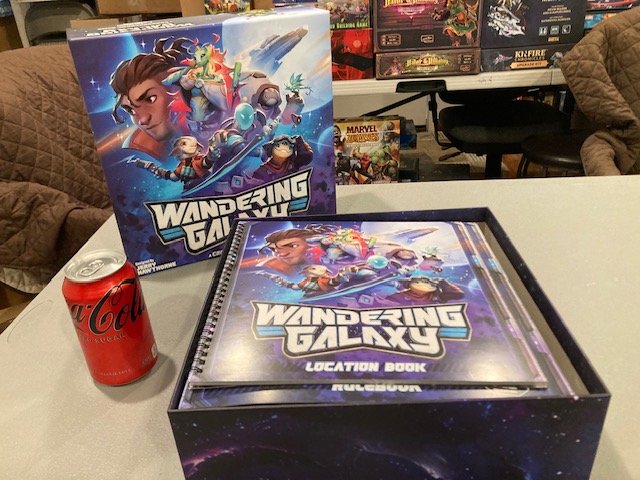
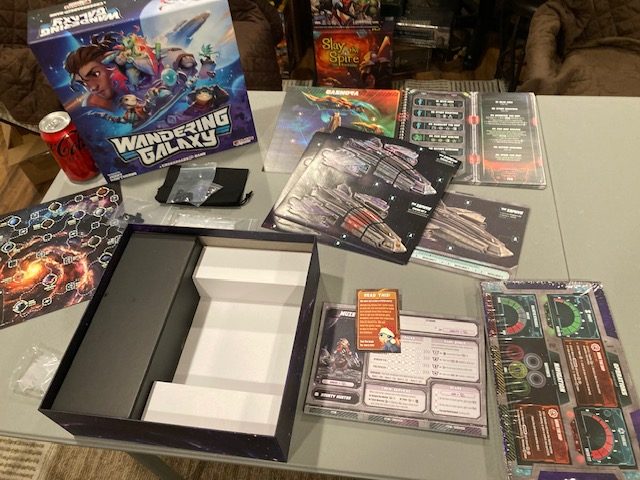
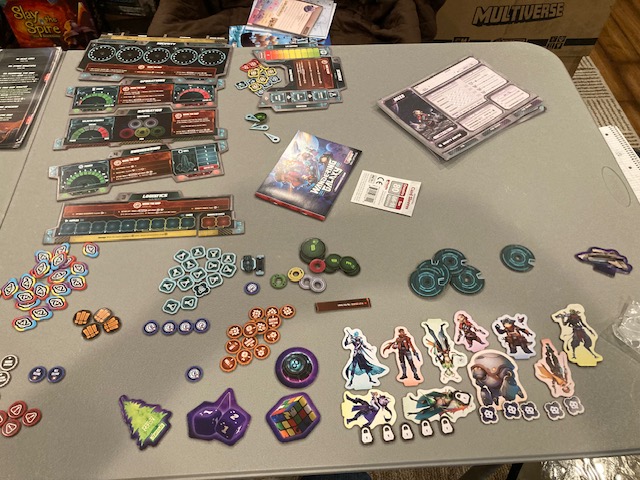
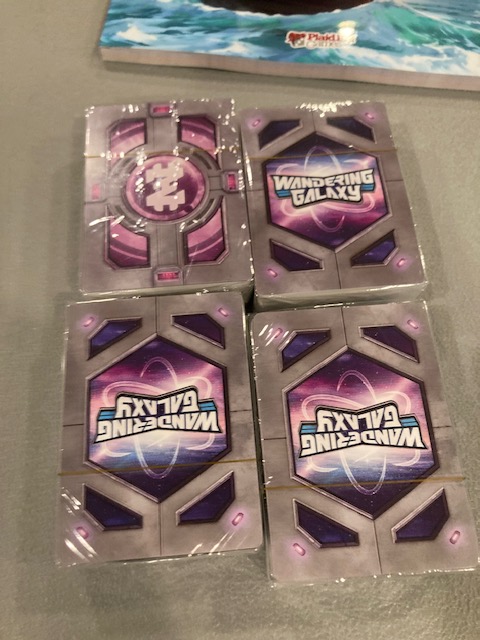
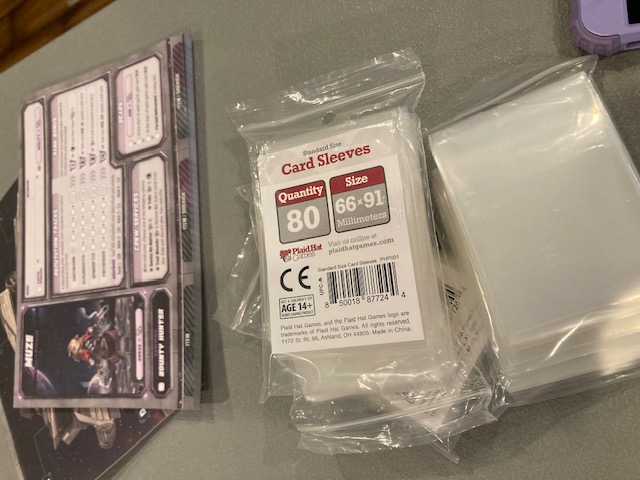
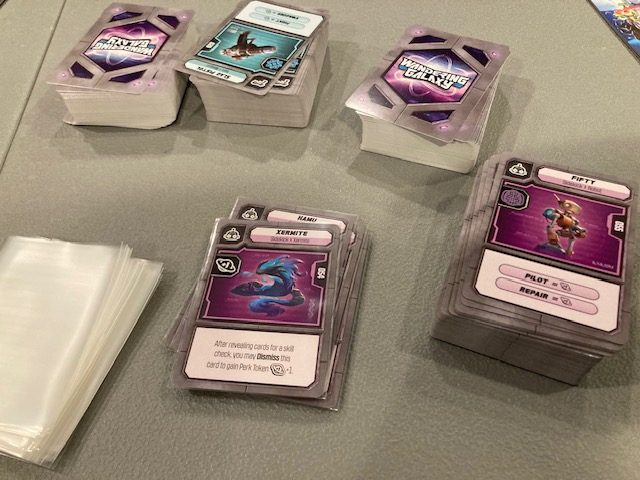
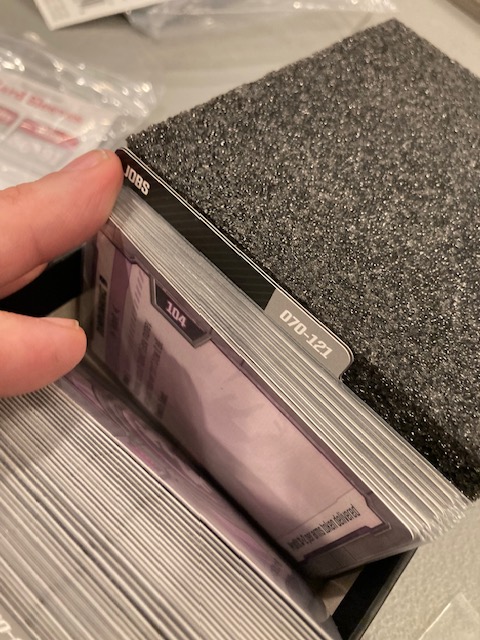
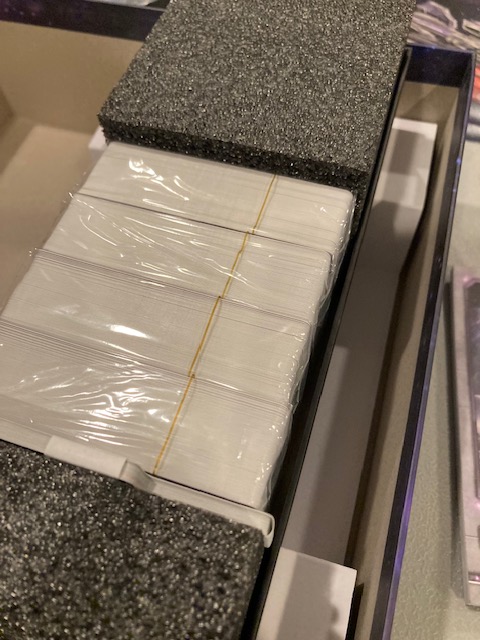
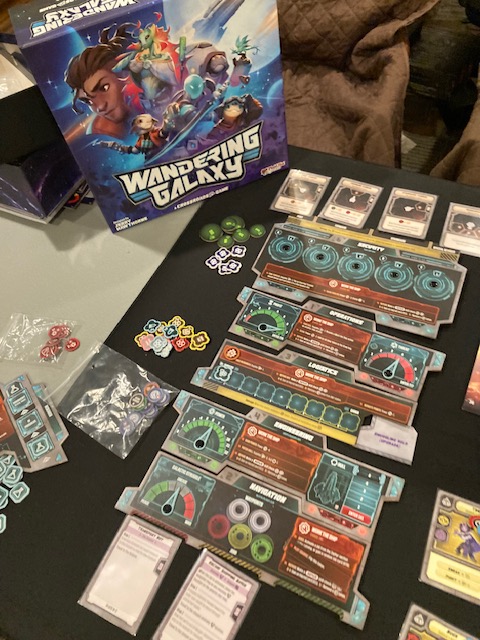
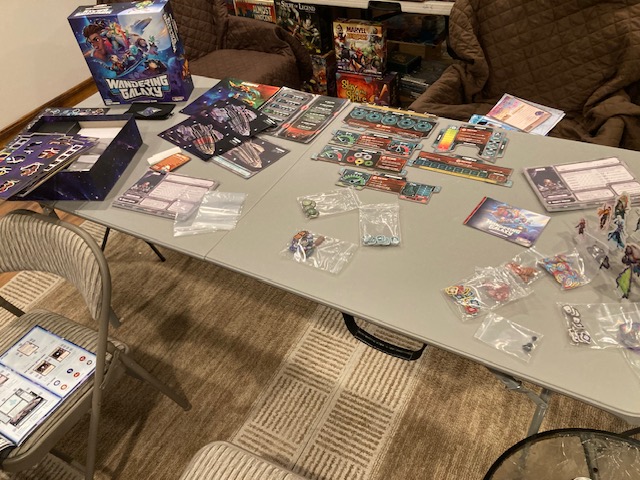
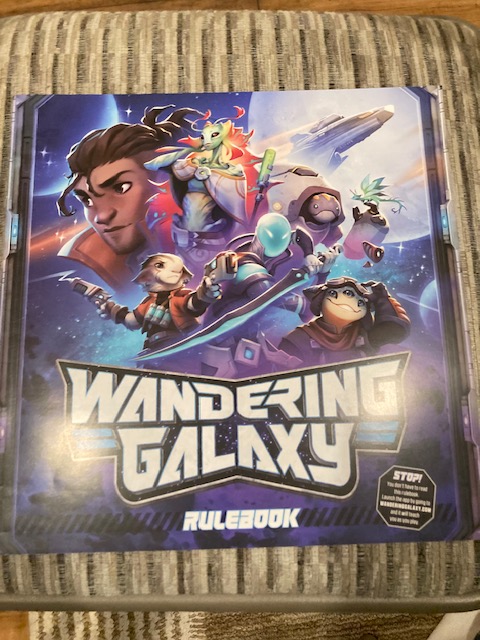
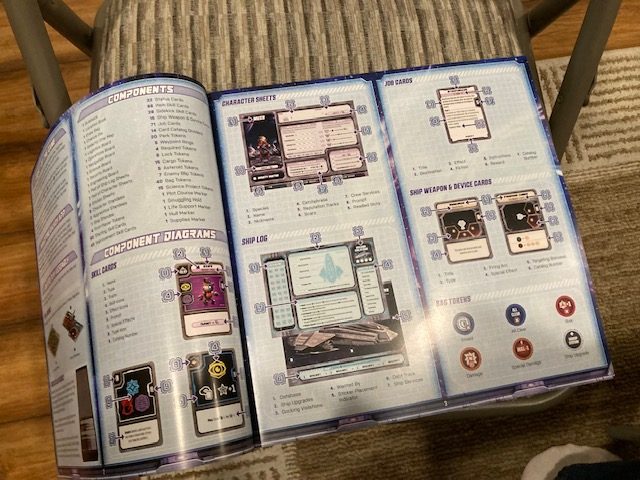
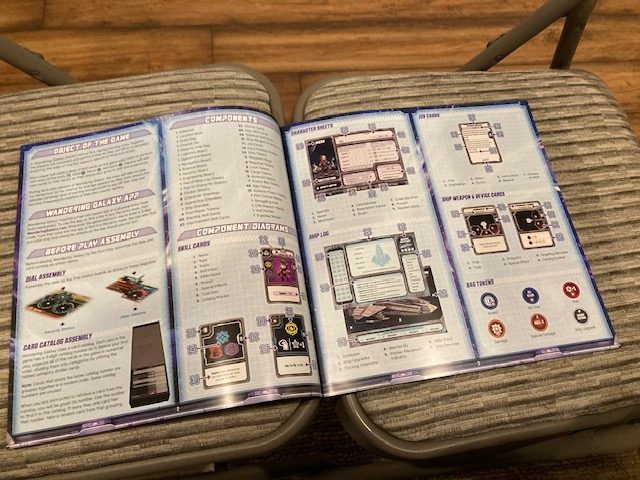
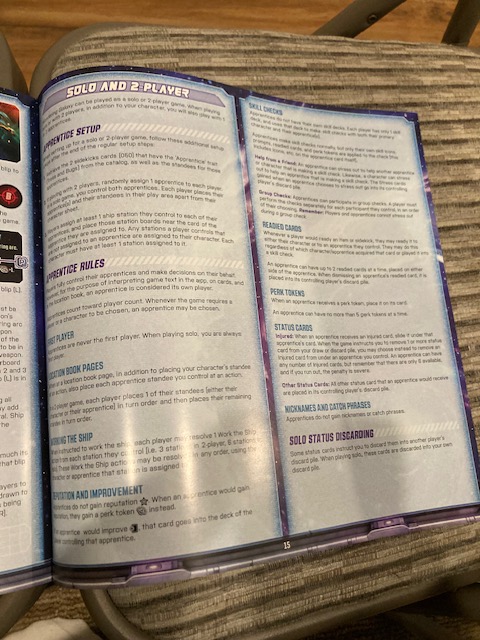
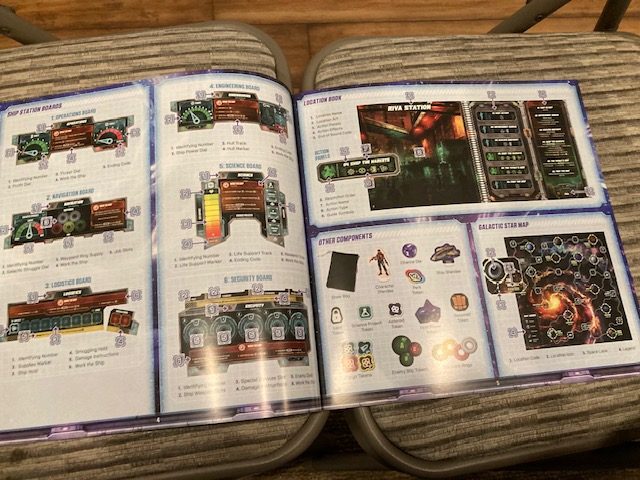
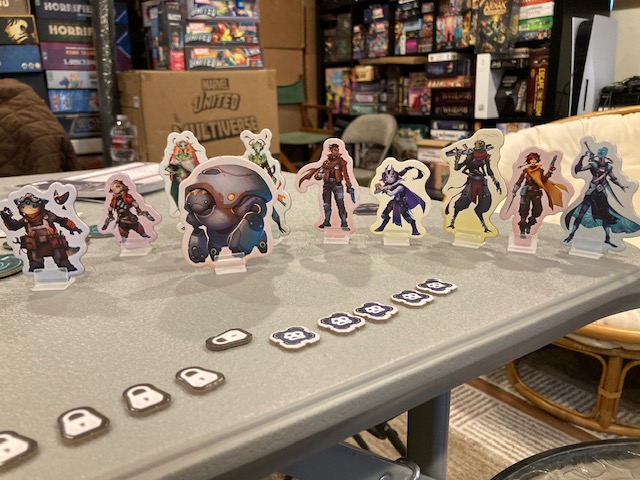
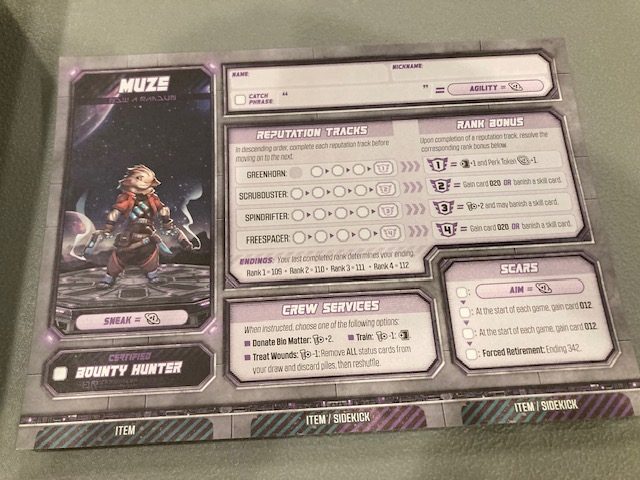
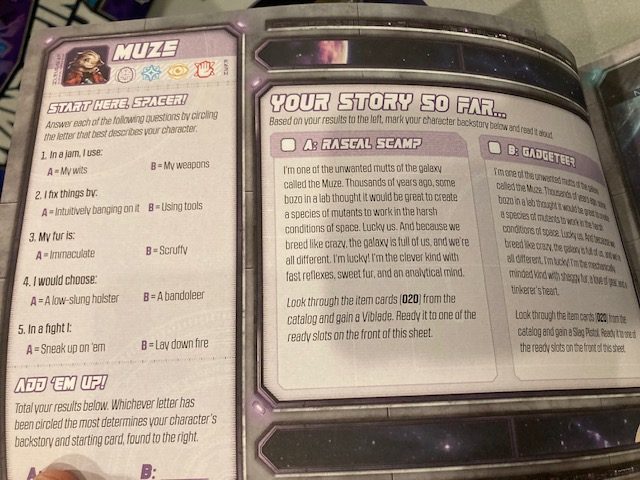
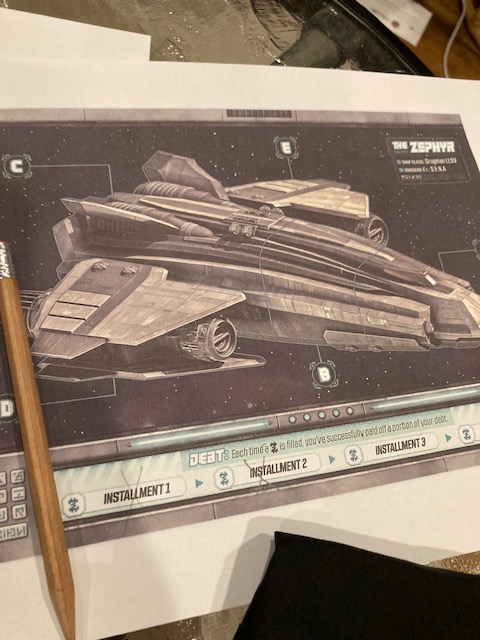
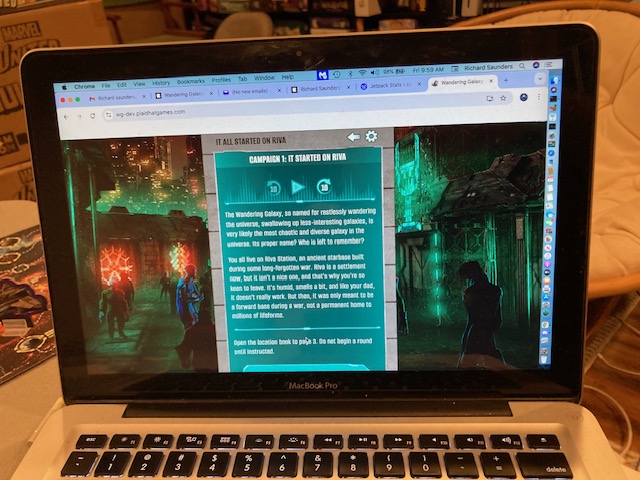
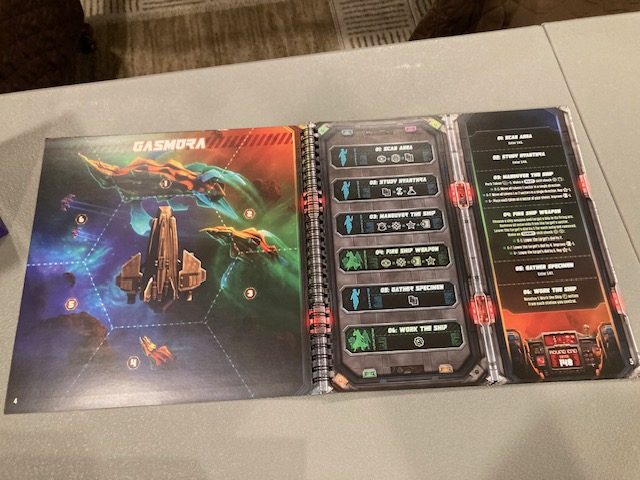
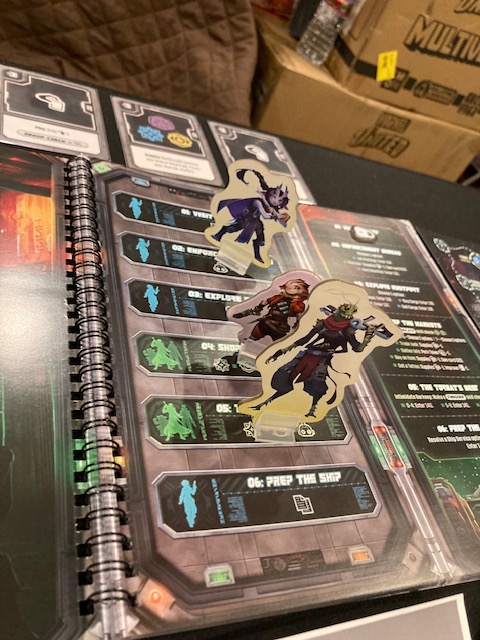
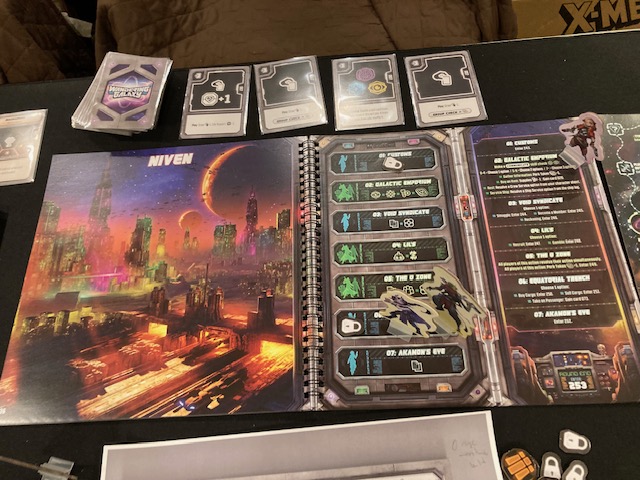
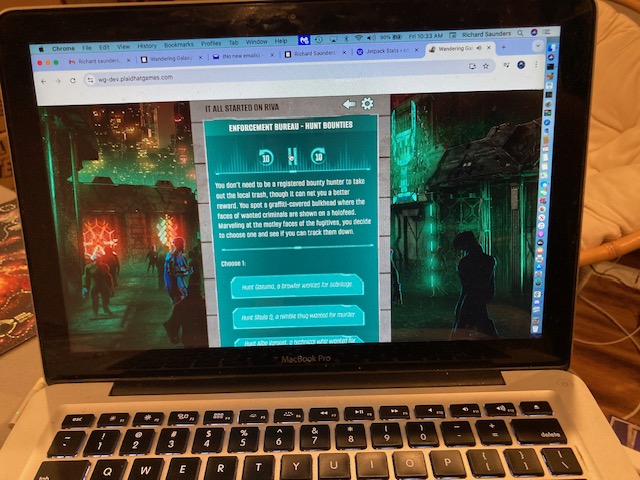
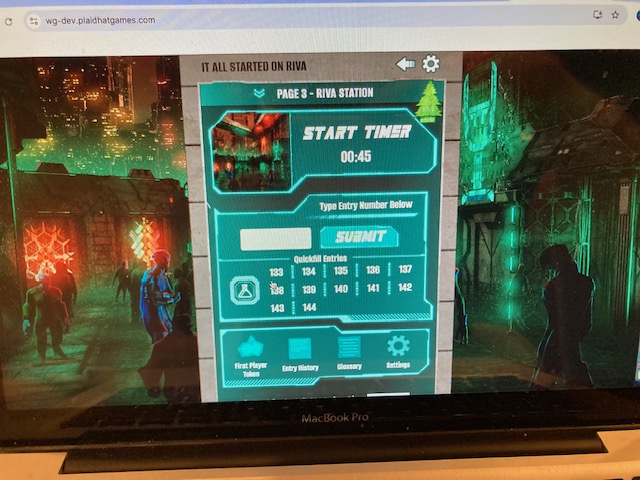
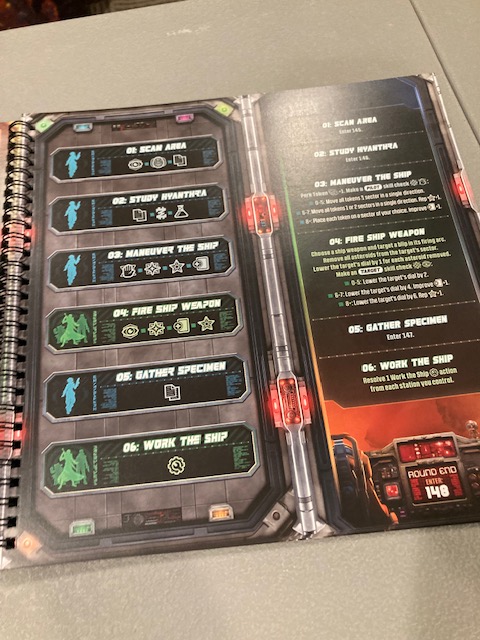
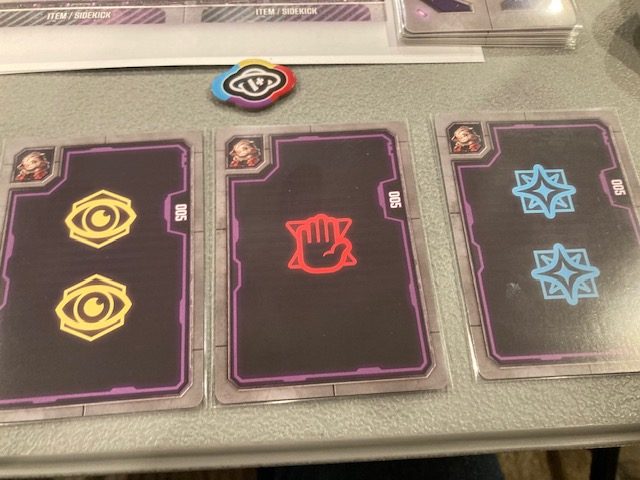
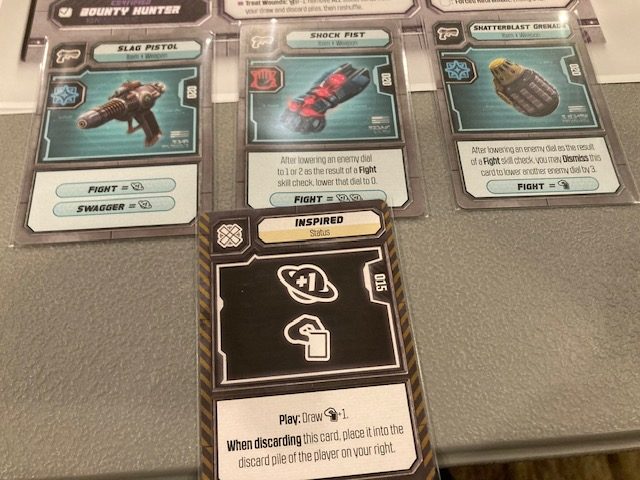
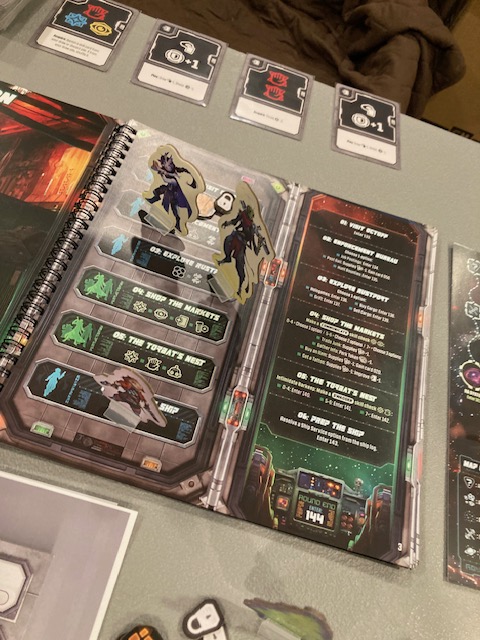
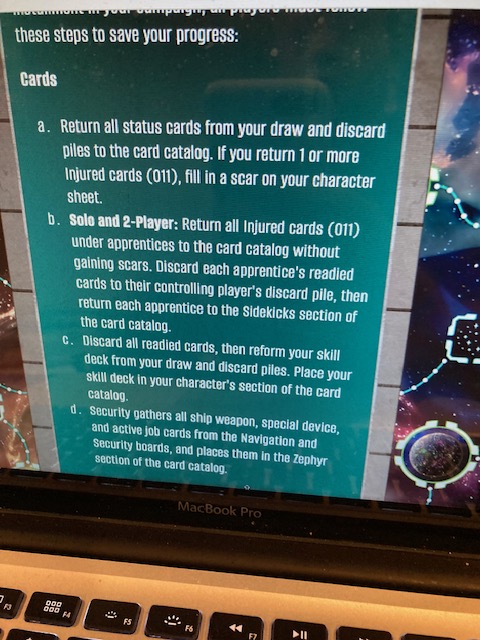
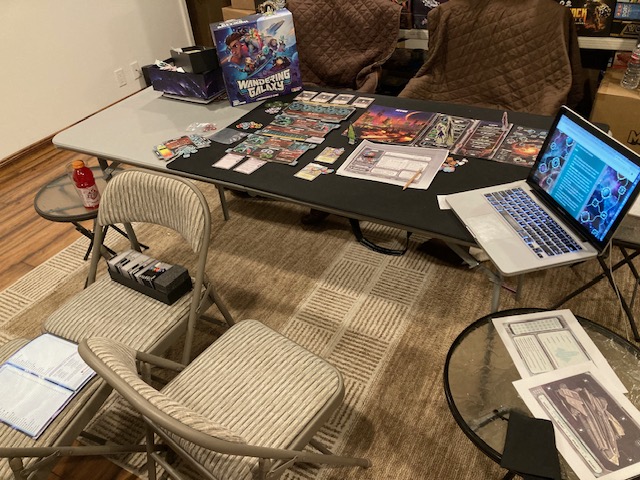
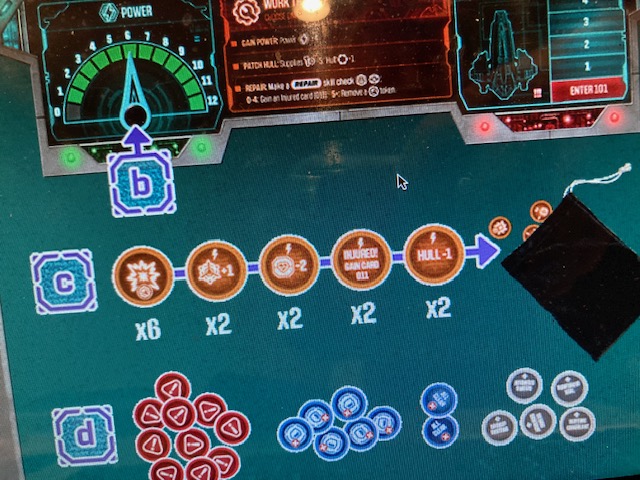
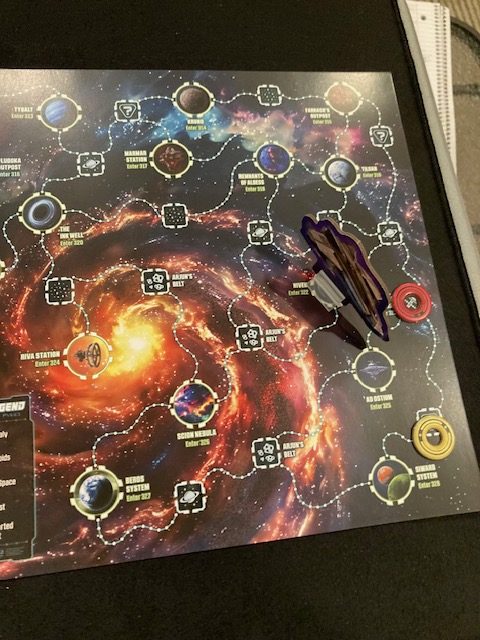
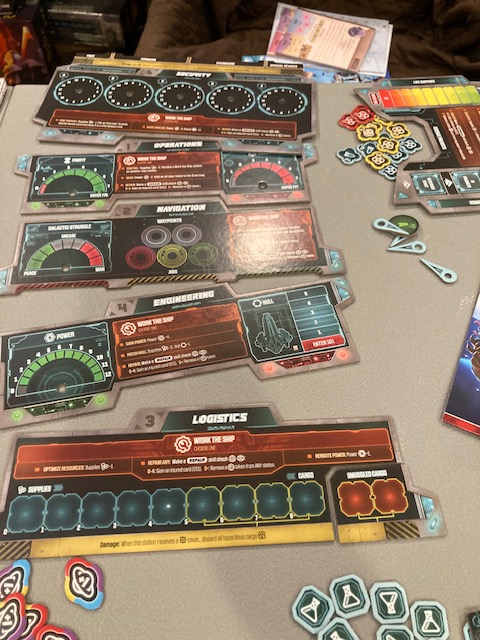
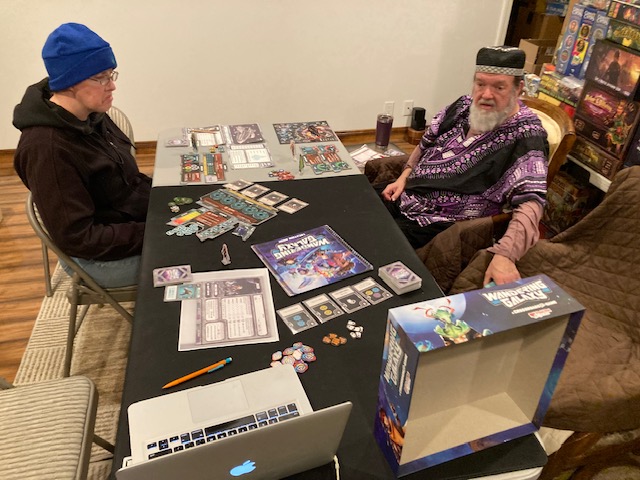
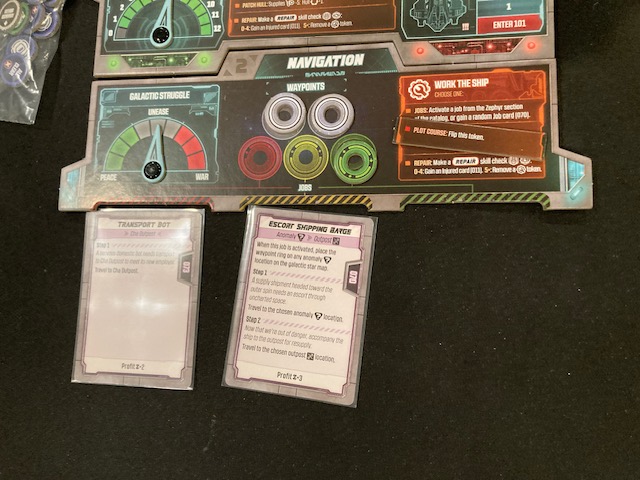
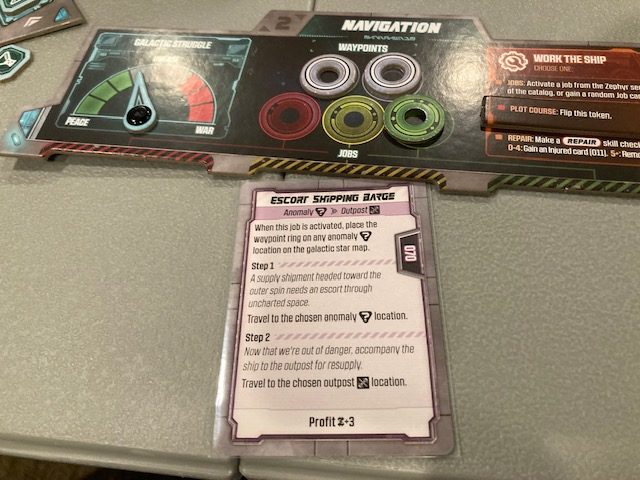
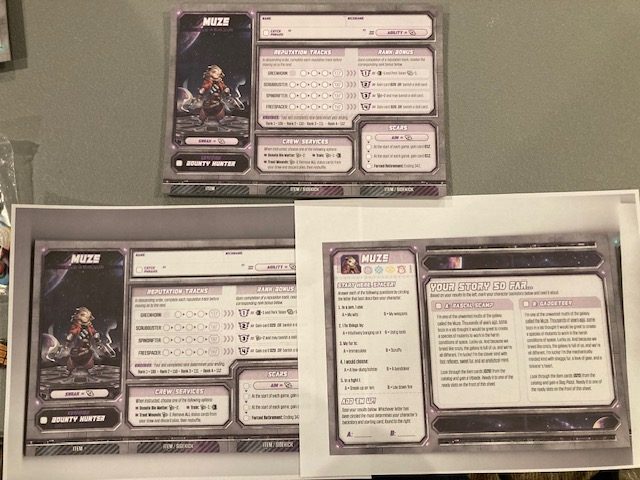
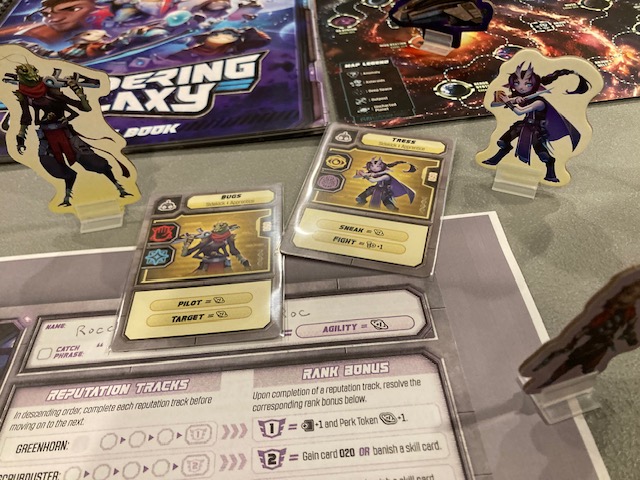
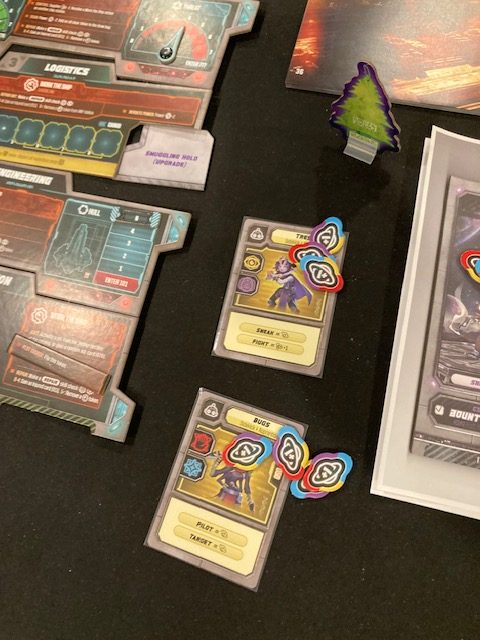
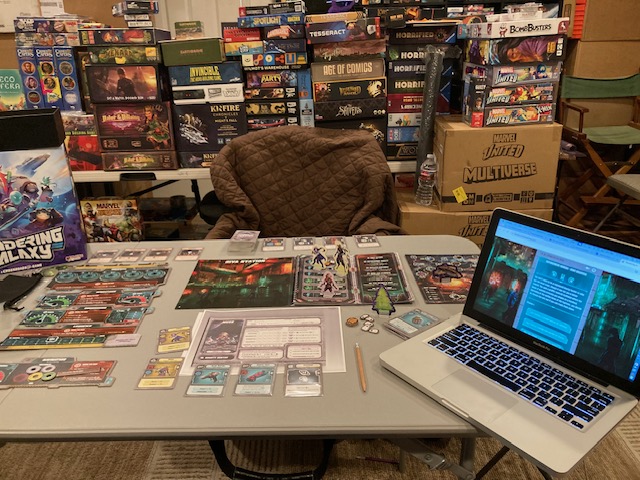
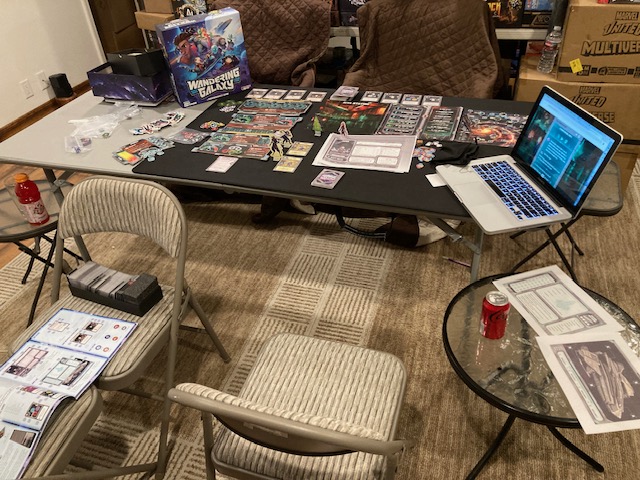
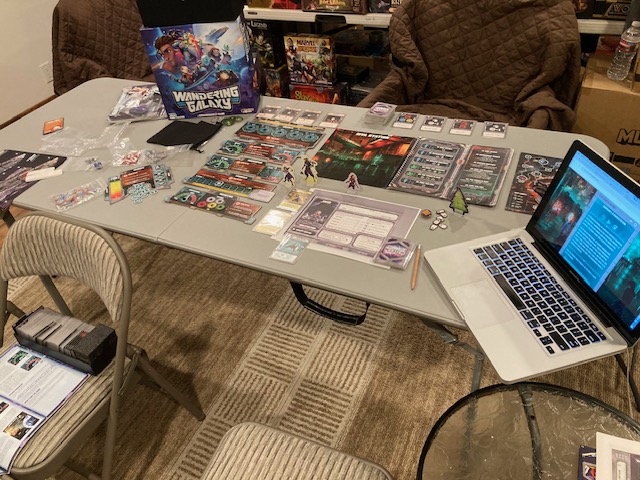
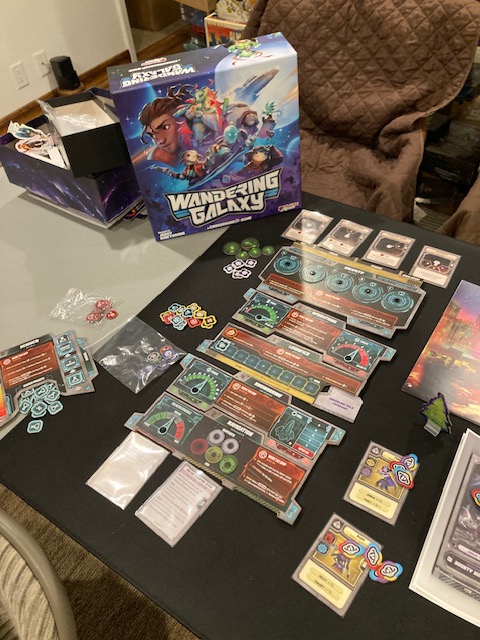
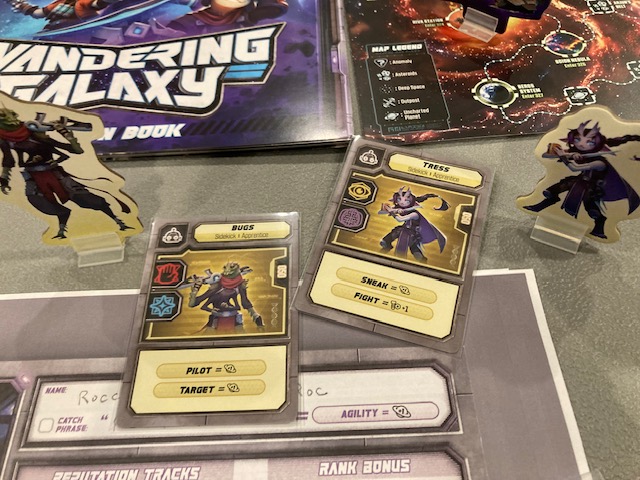
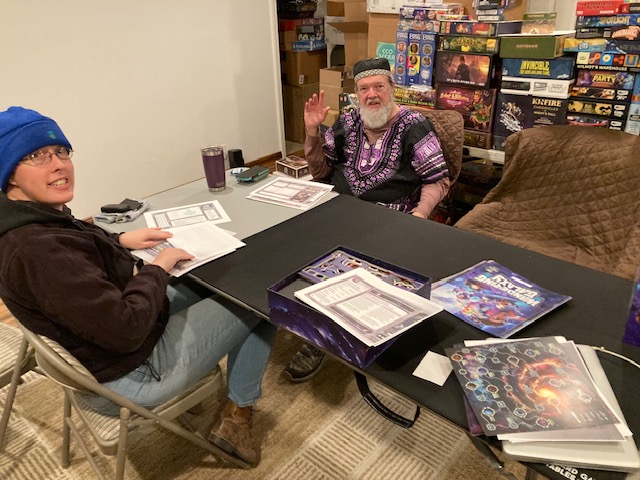
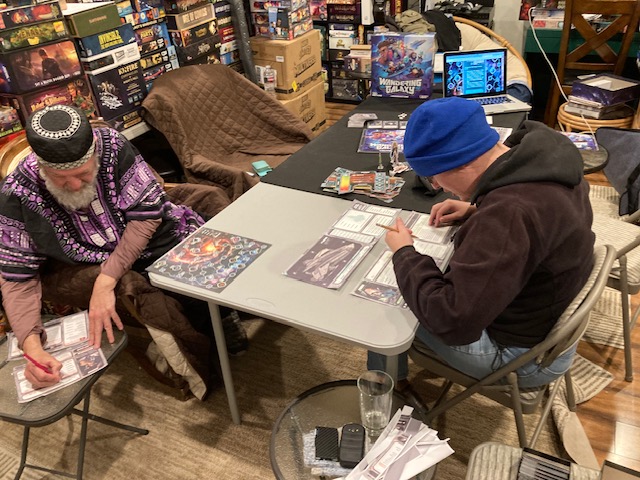
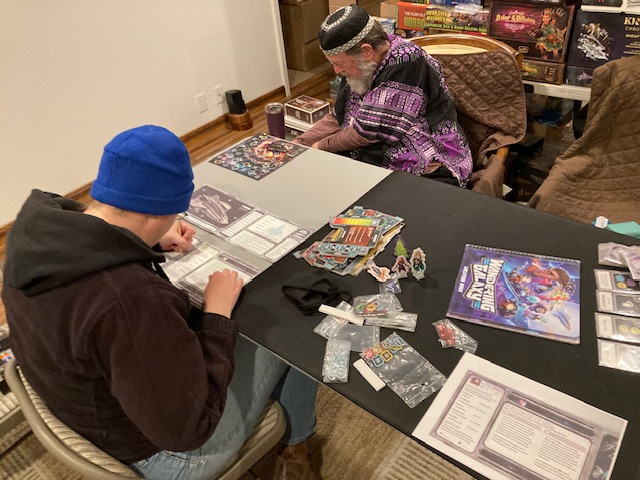
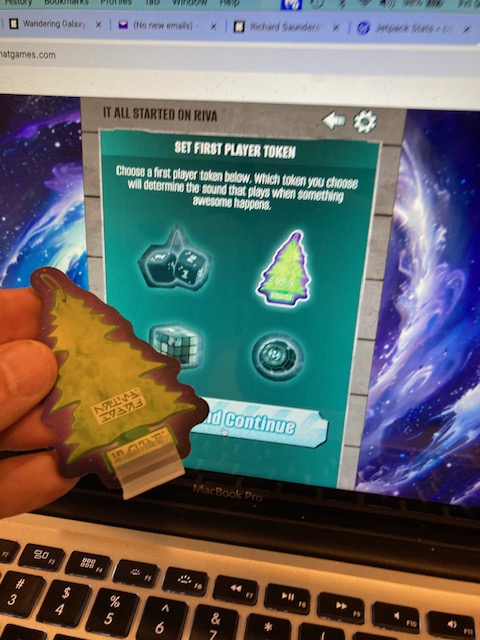
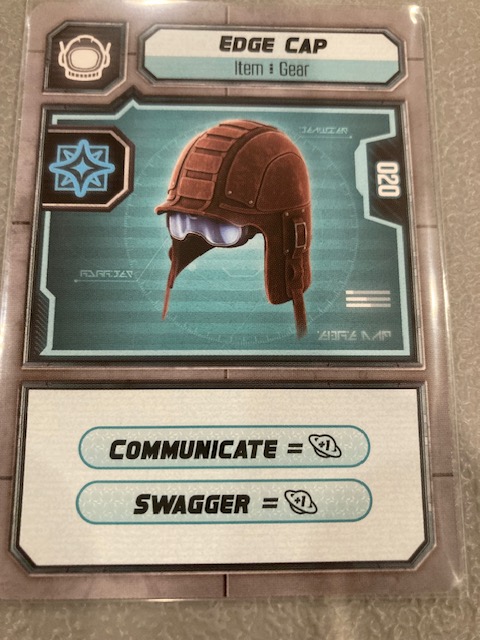
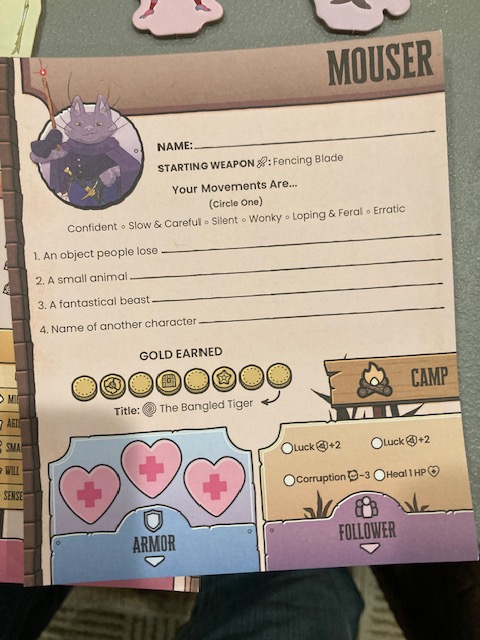
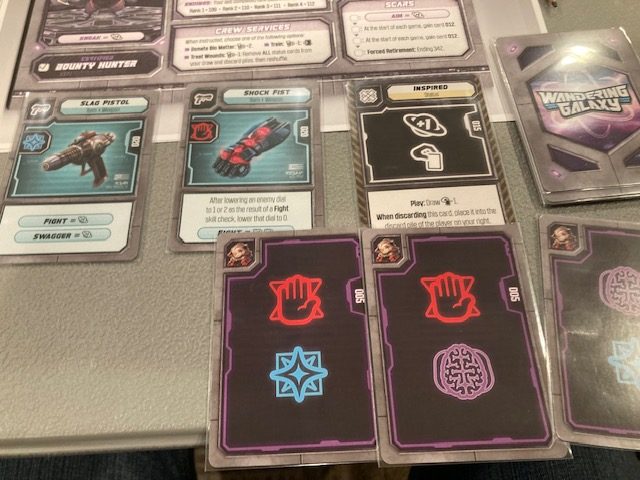
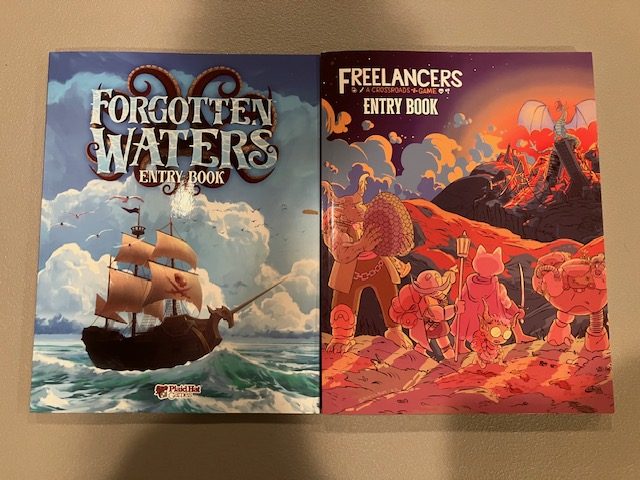
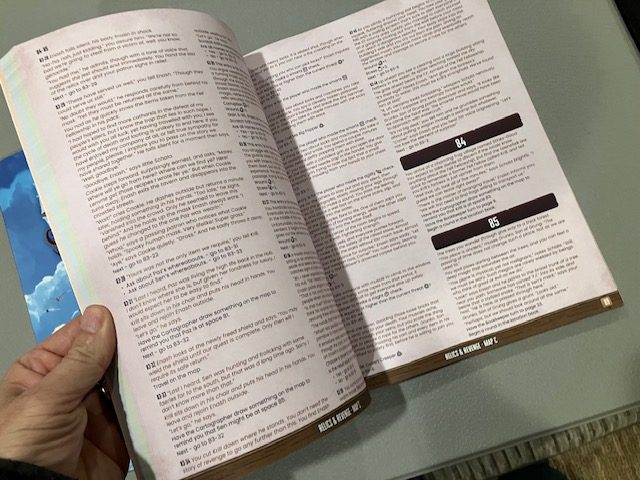
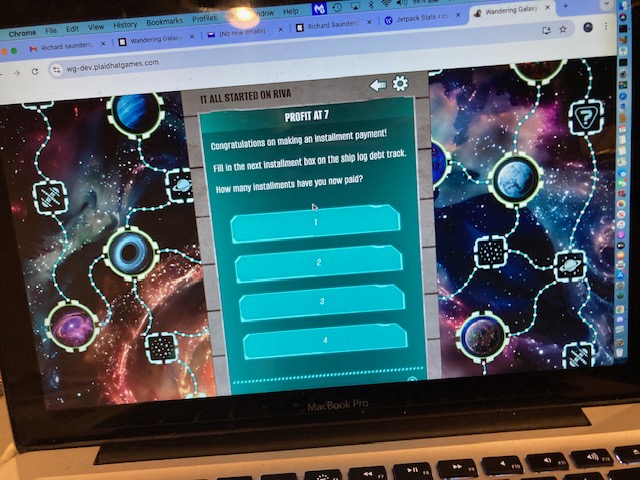
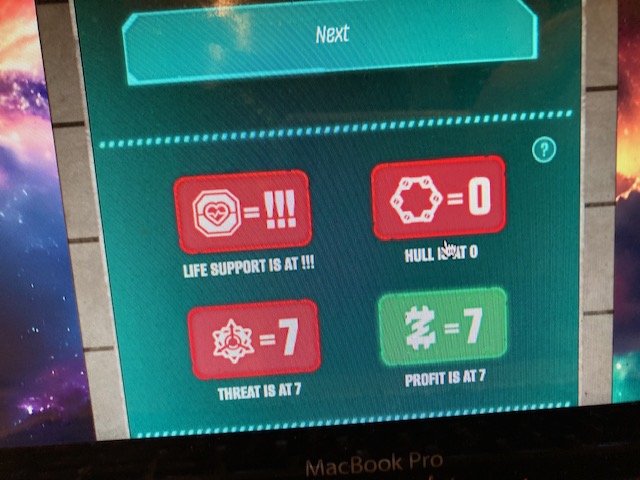
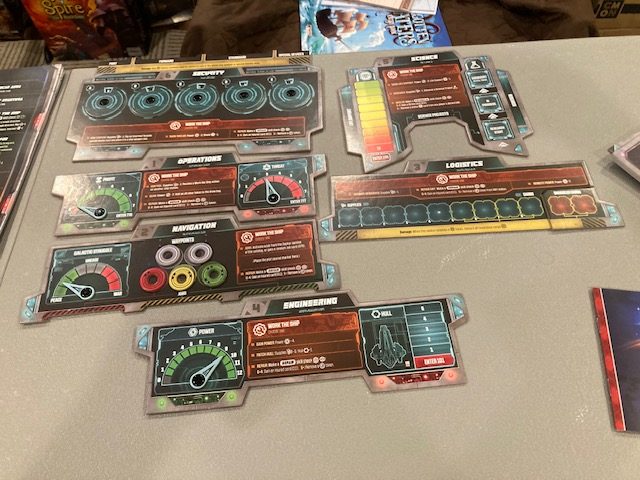



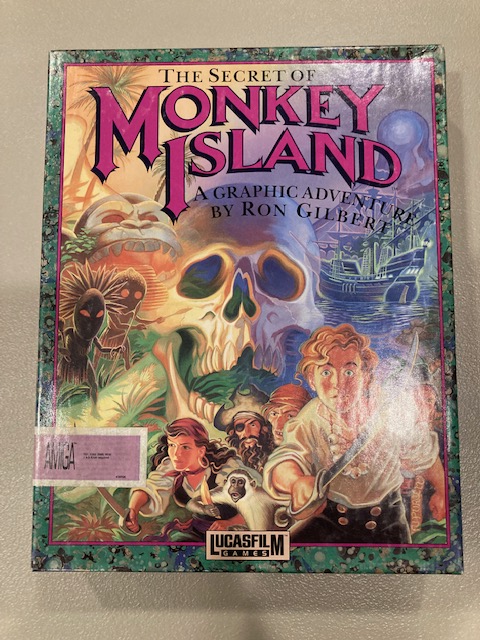

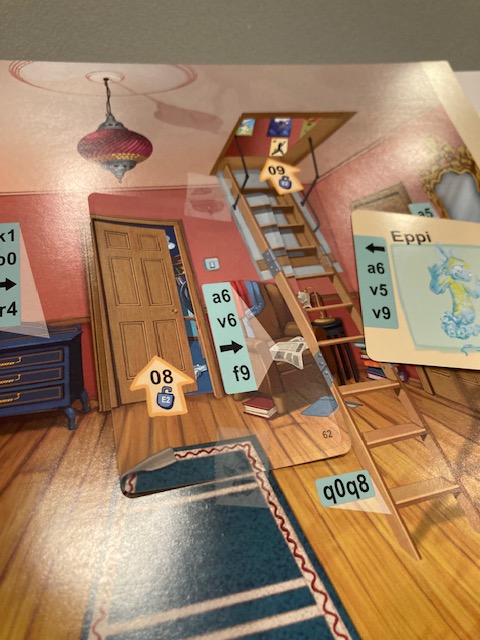

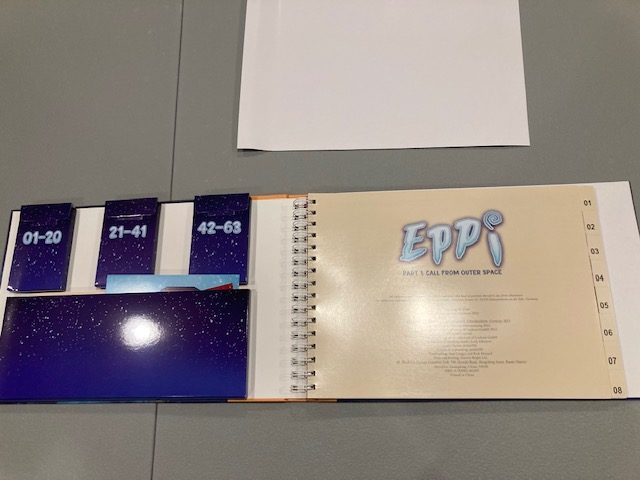
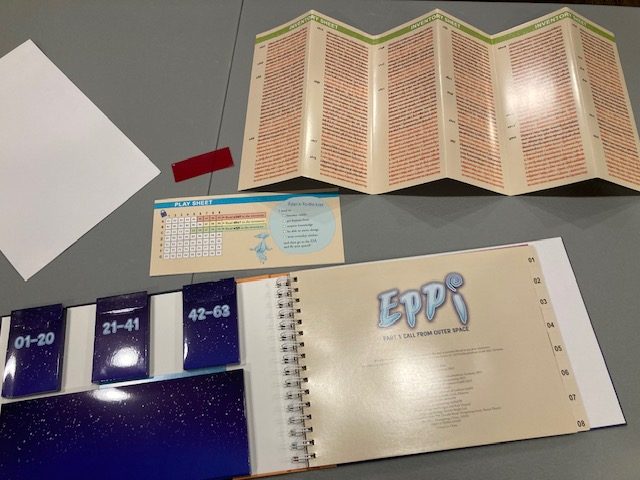
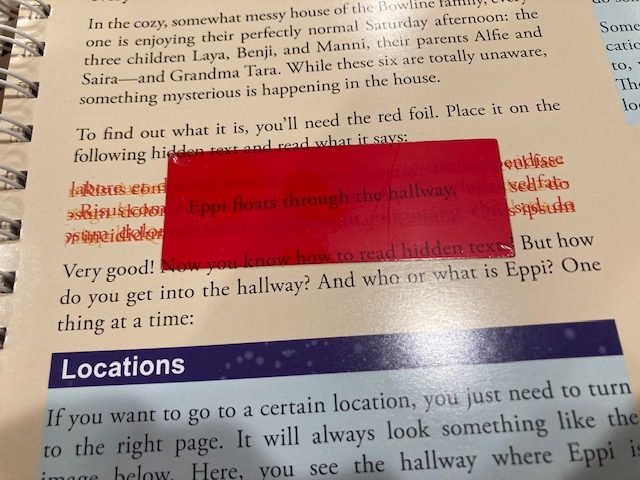

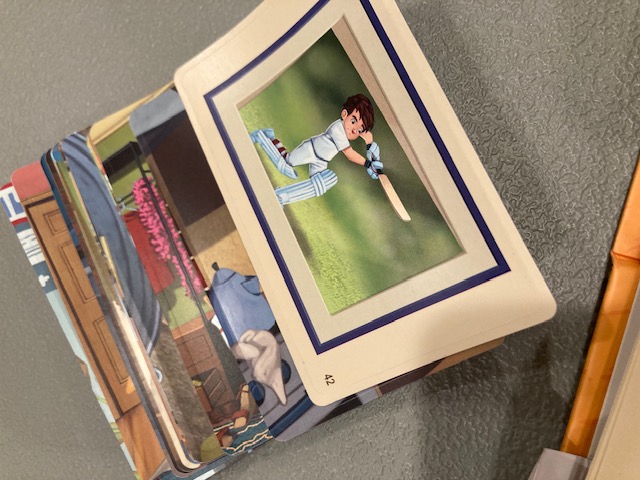


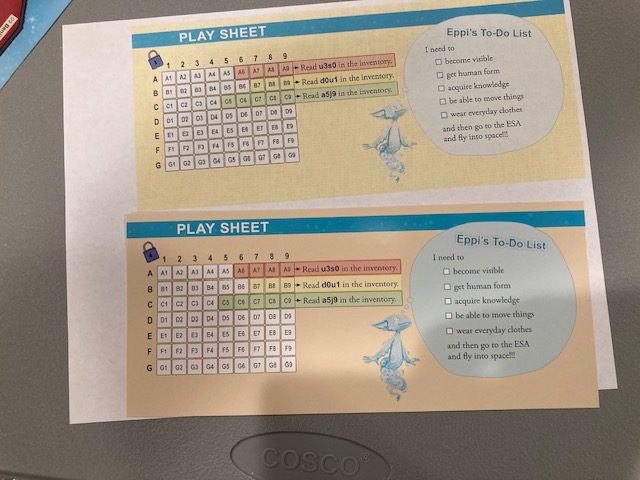
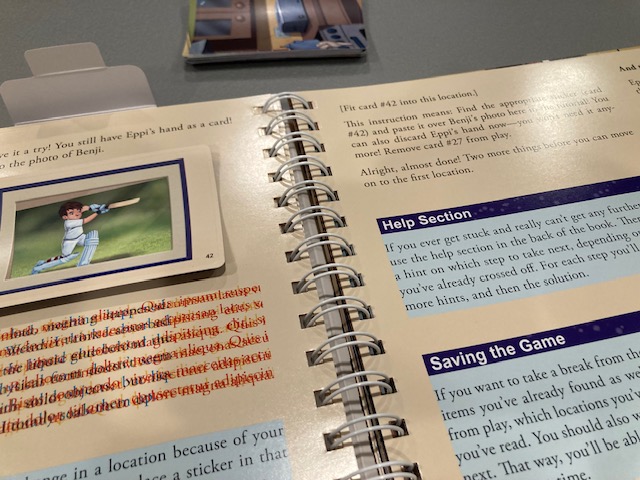

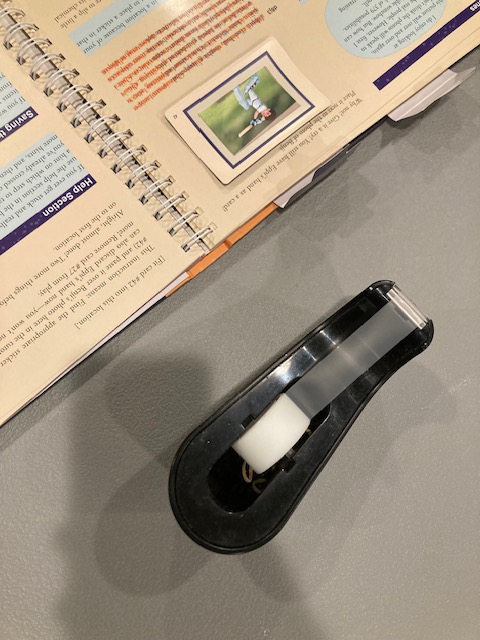
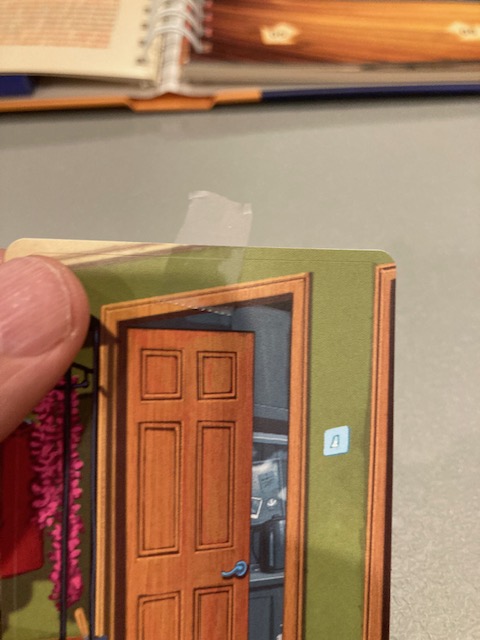


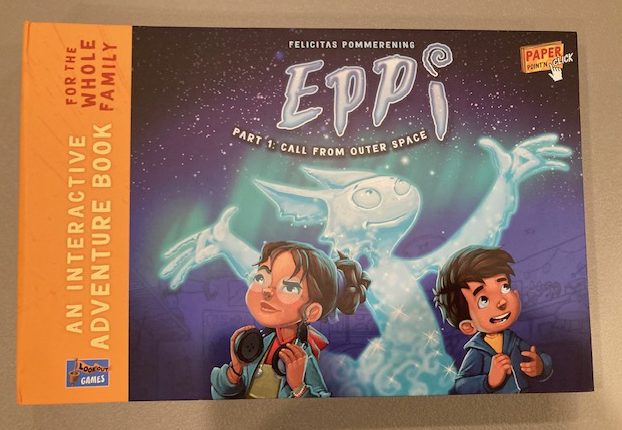


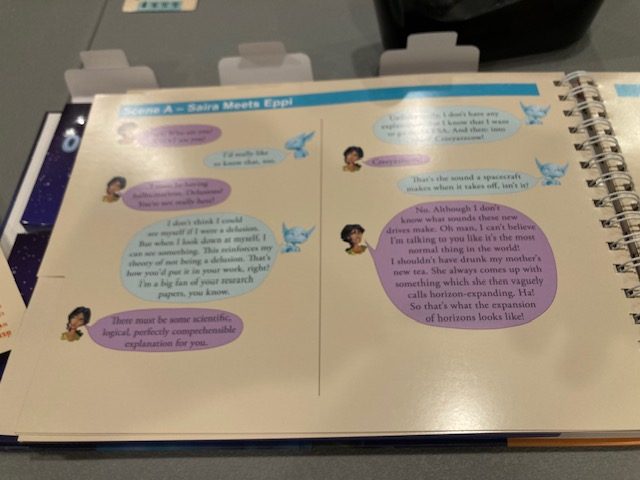
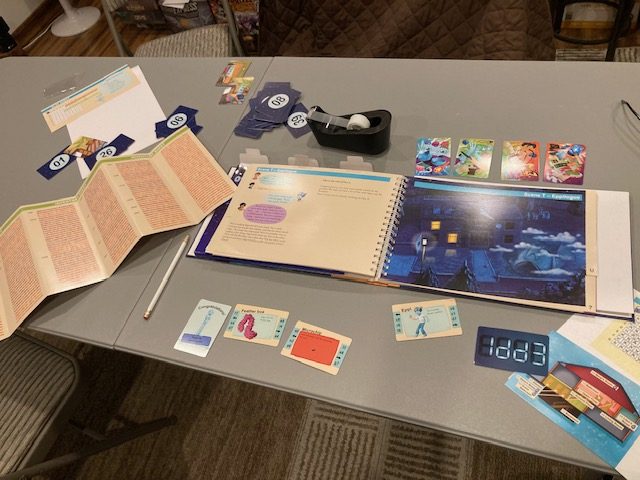
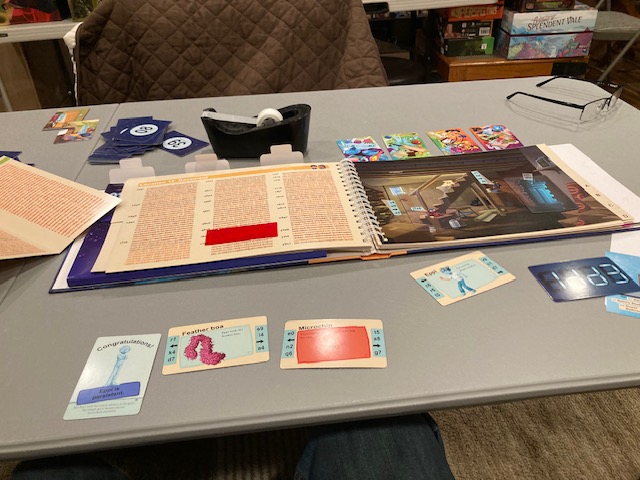

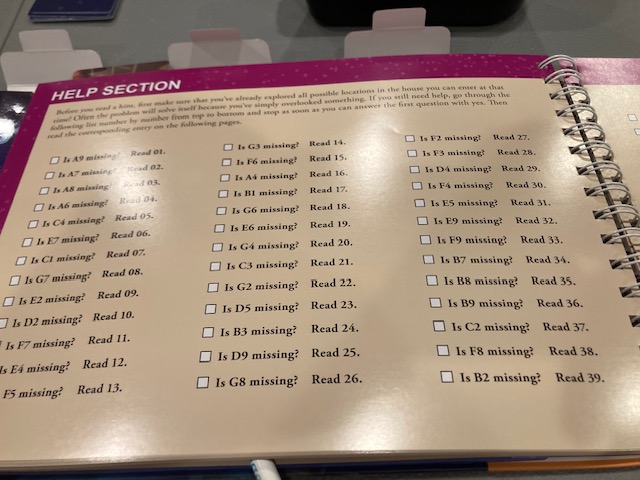

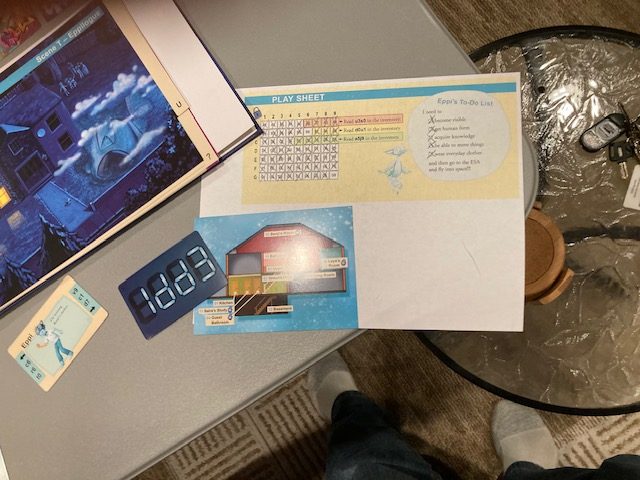

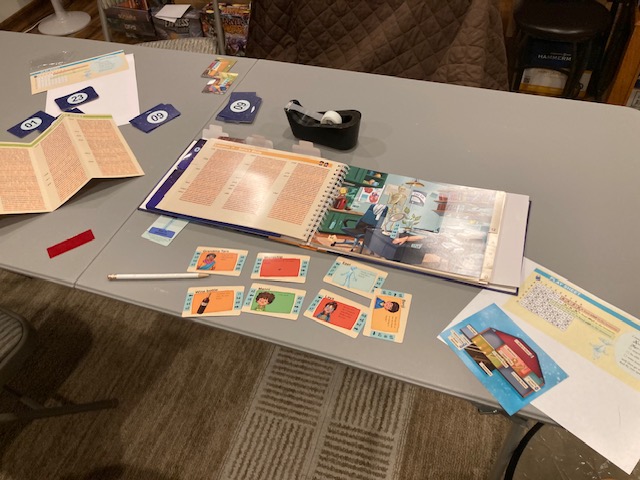
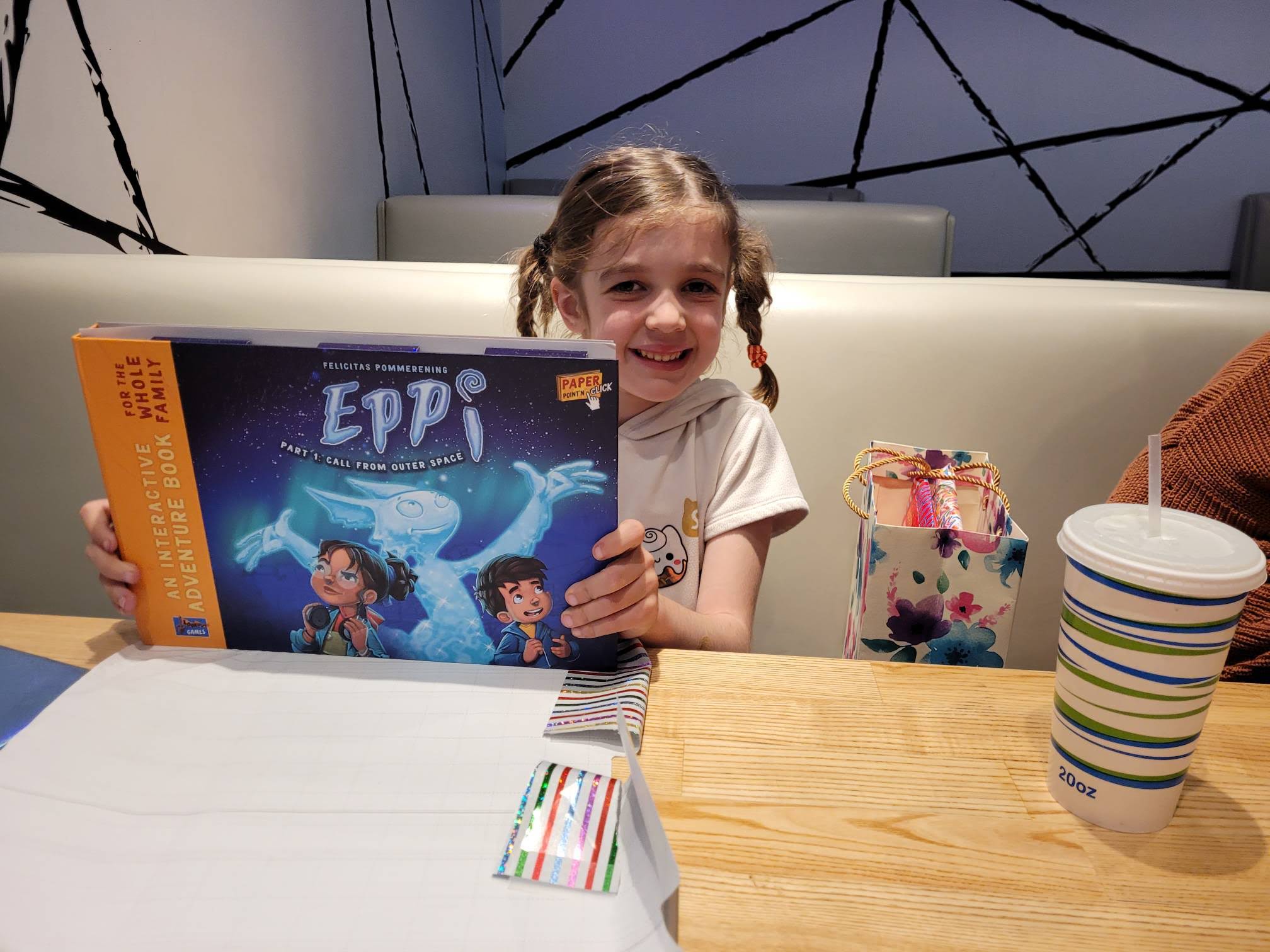


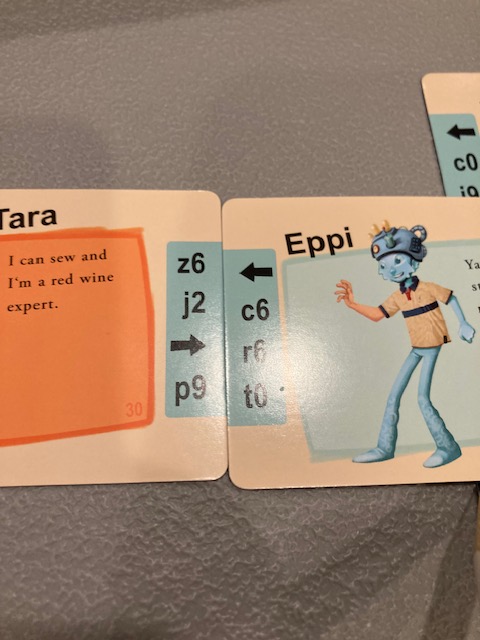


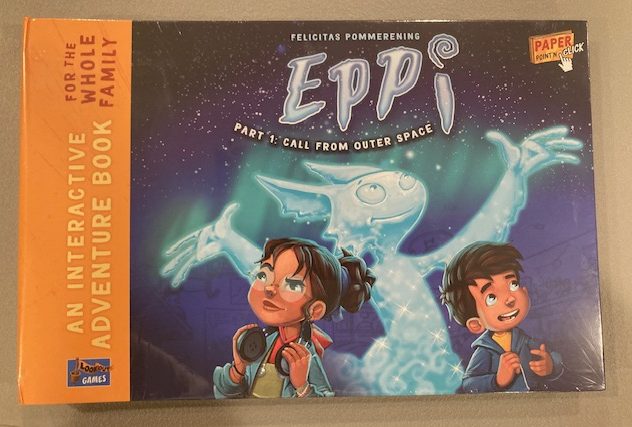

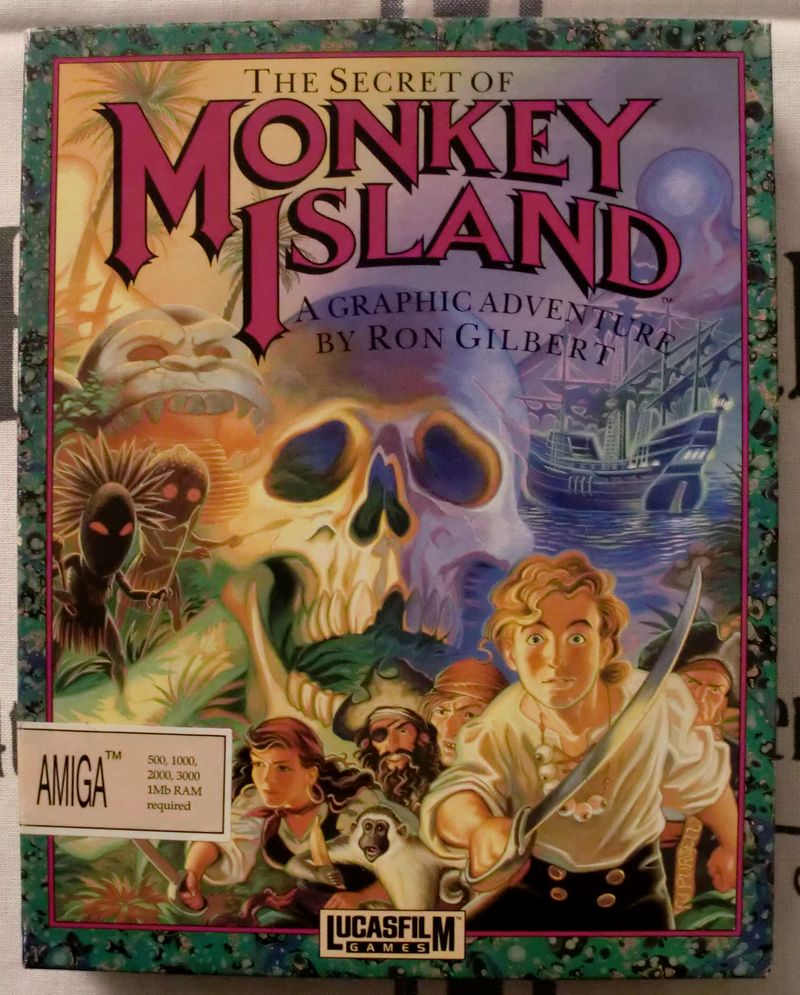
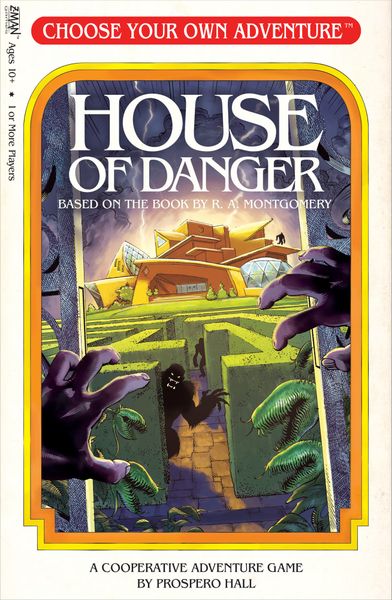
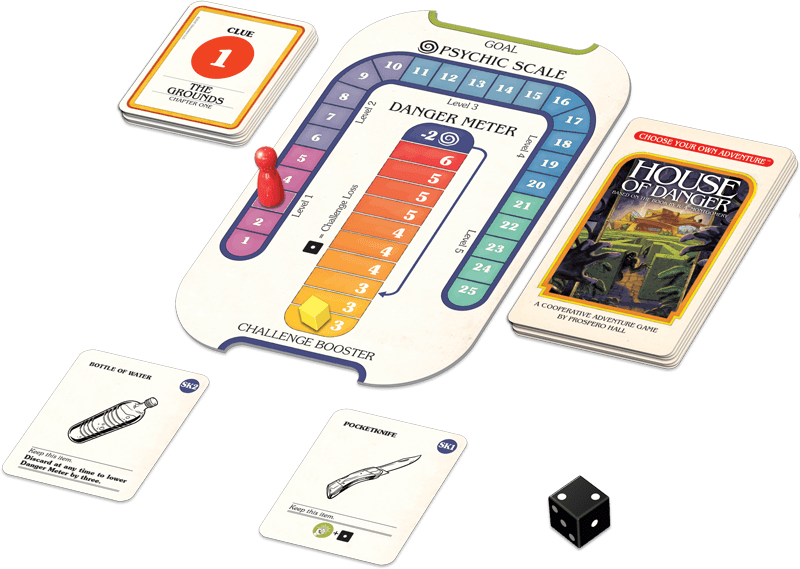
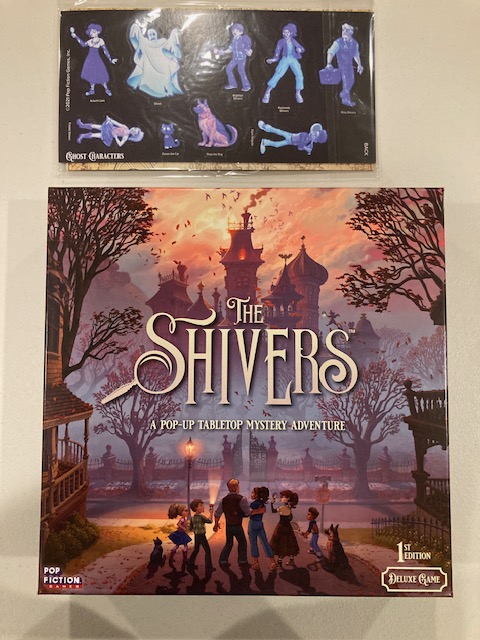

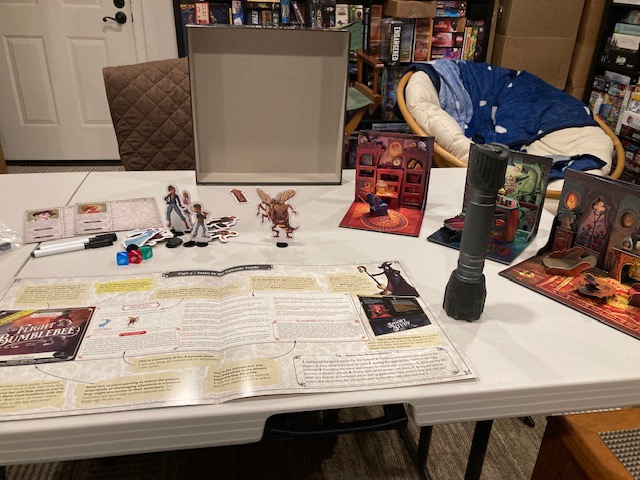
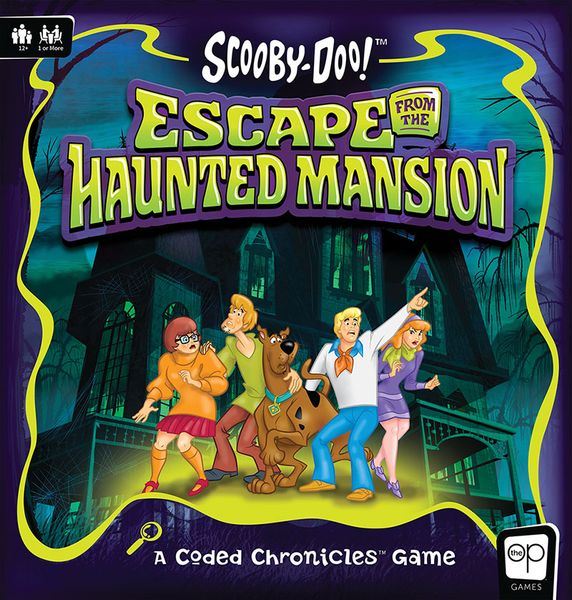
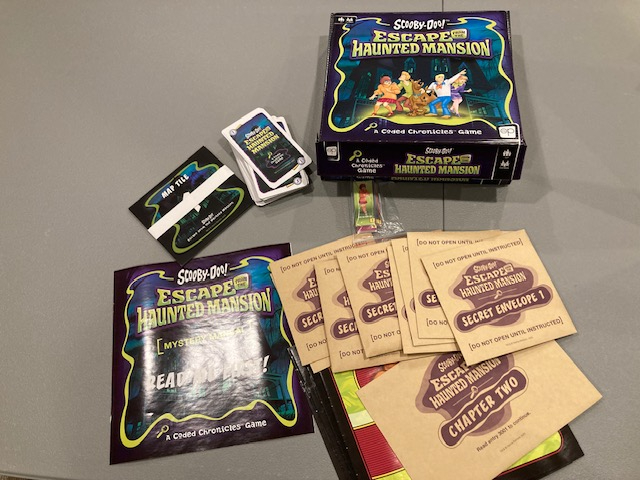
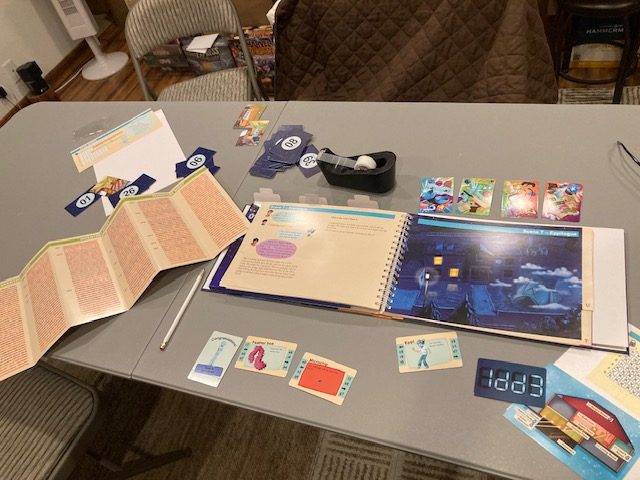
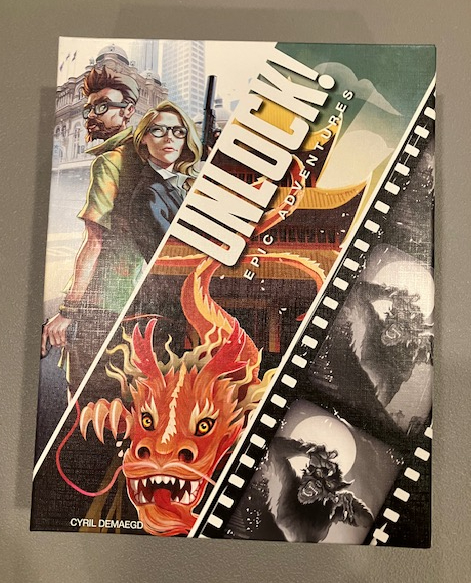
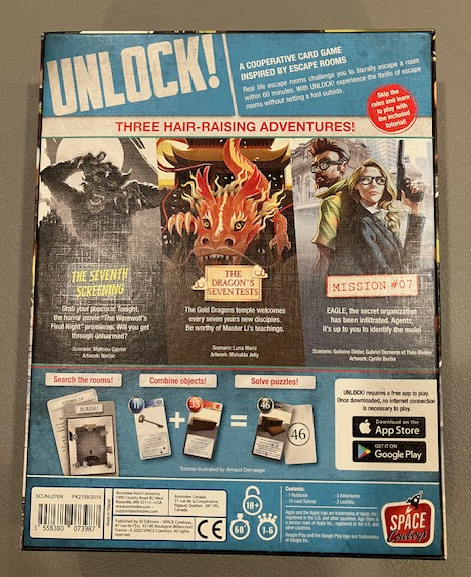
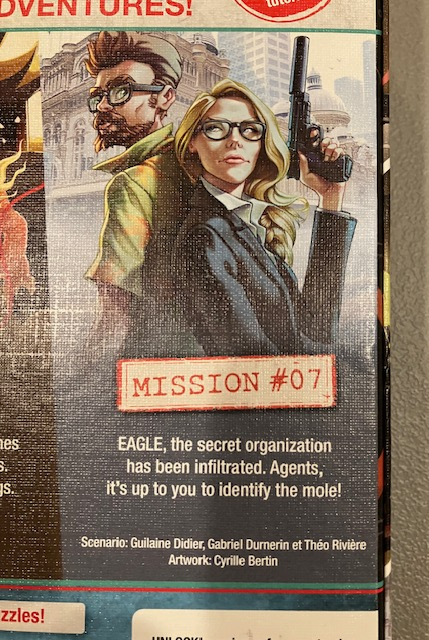
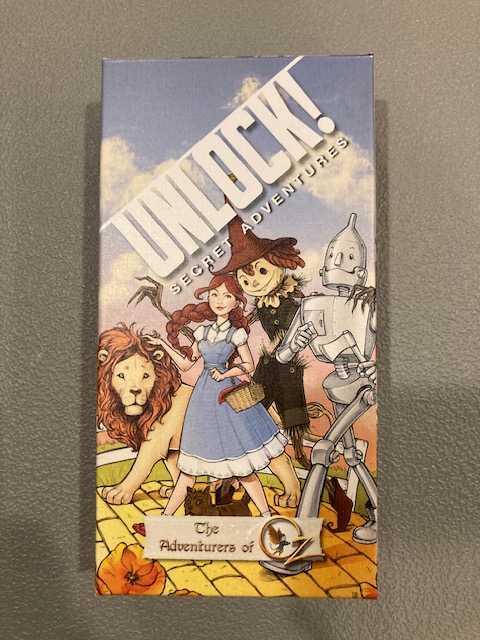
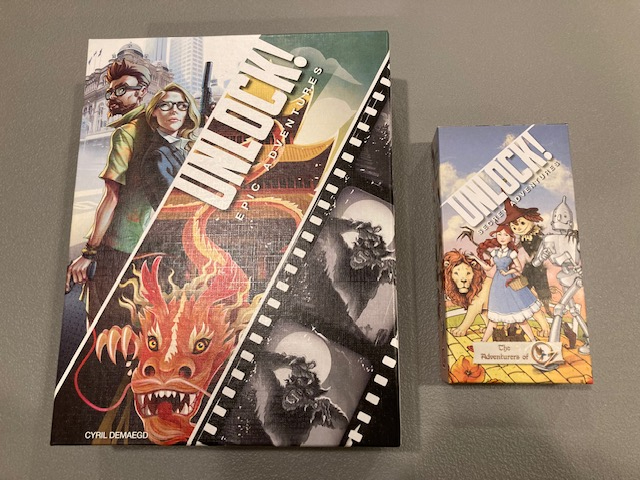

:strip_icc()/pic4317519.jpg)
/pic4597114.jpg)
/pic5042748.jpg)
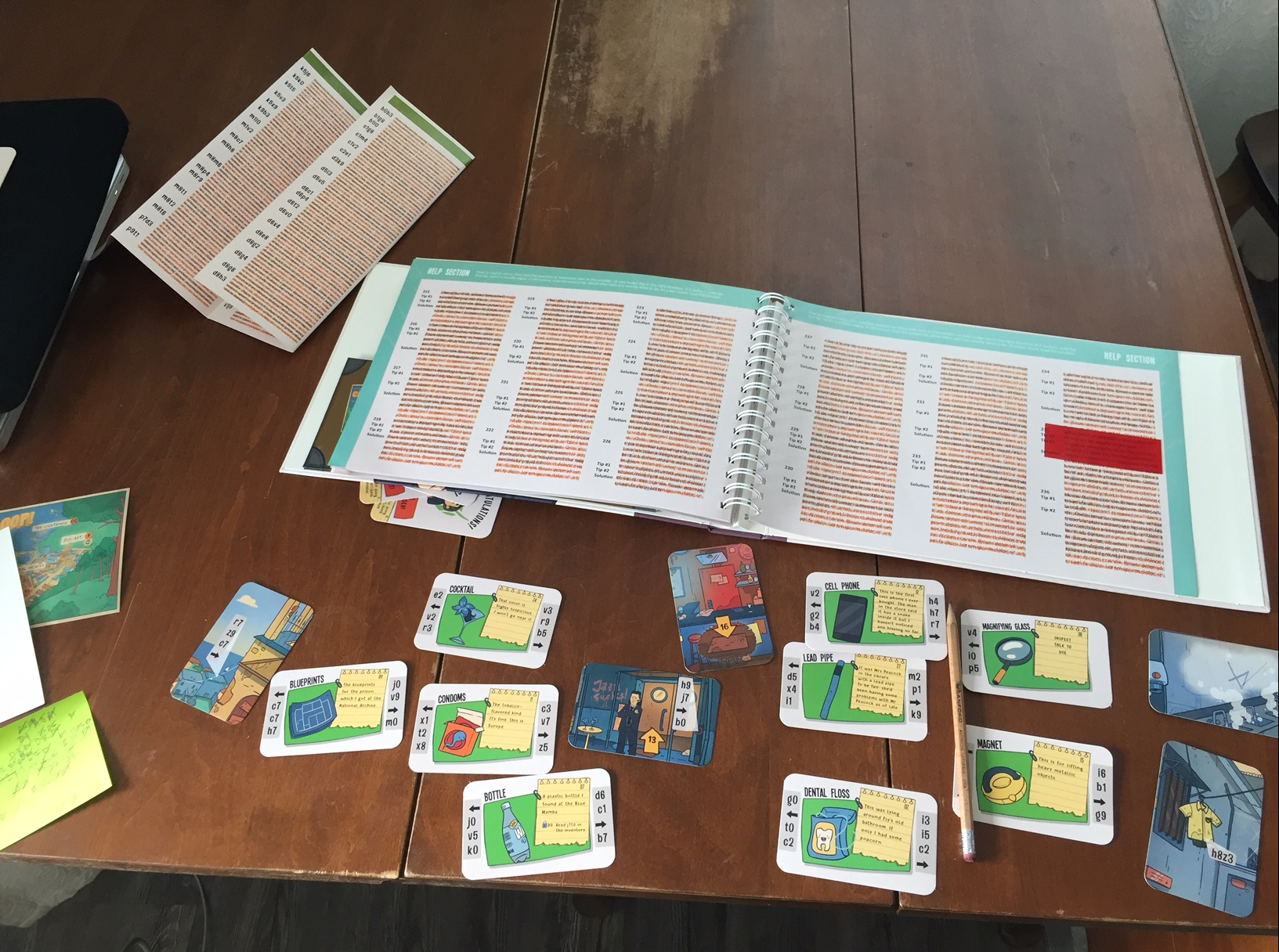
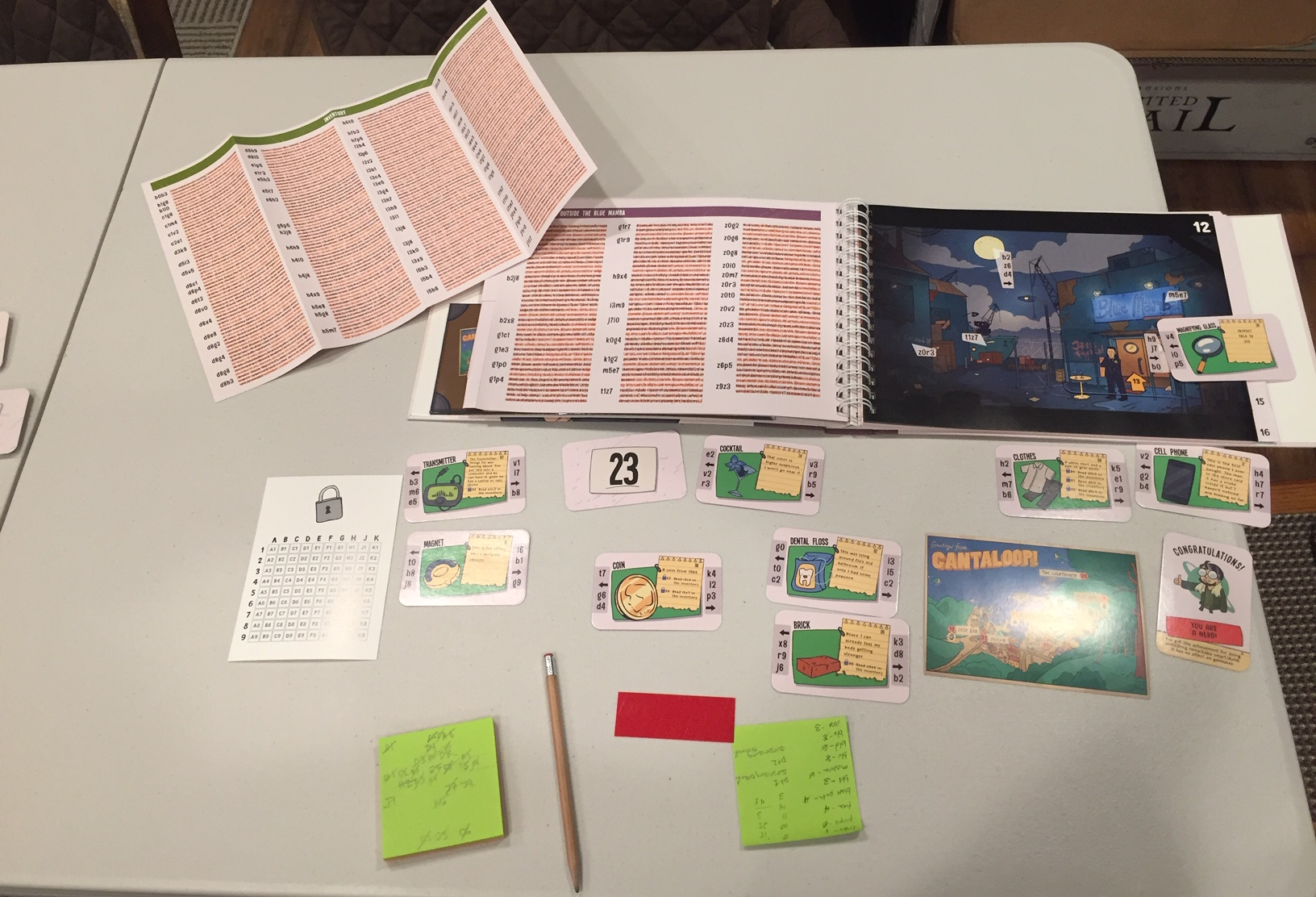

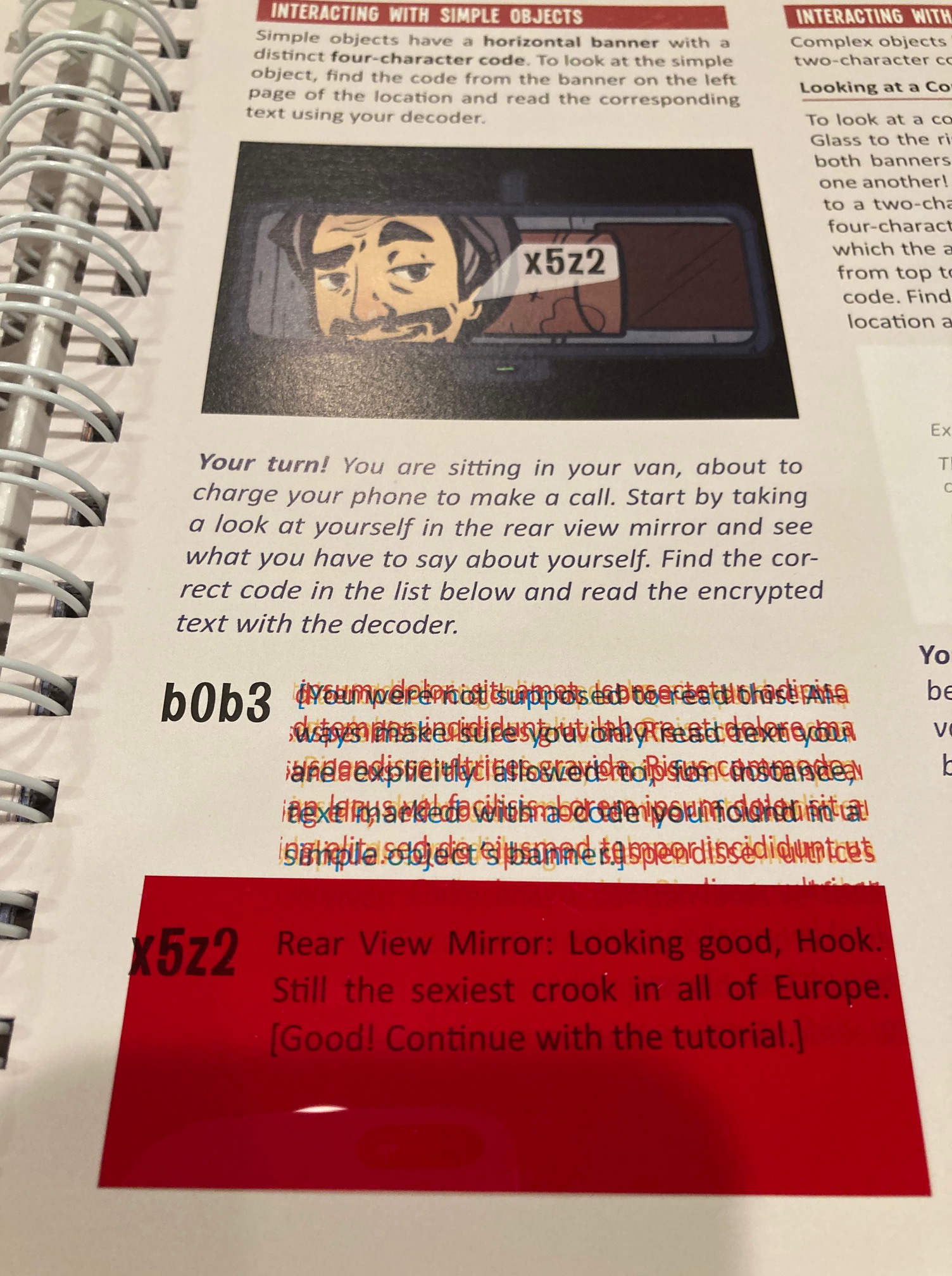
 coopgestalt