
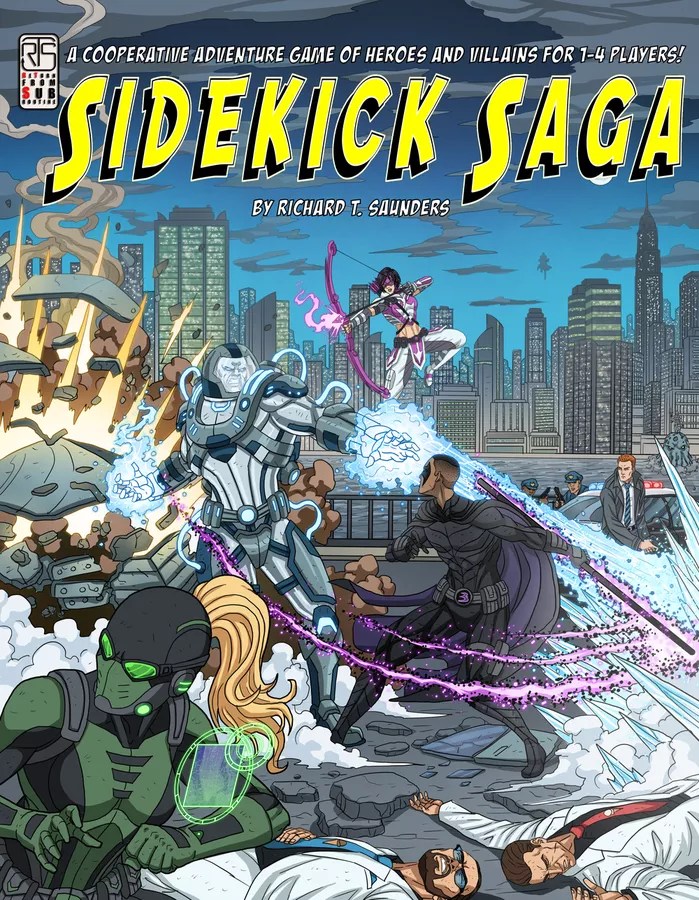
As we pass the 6th Anniversary of Sidekick Saga being on Kickstarter, let’s look back to the original design and development process! This was a labor of love for me; I have collected comics since I was 10 years old, and I think I still have every comic I every bought! I love comic books and Super Heroes! I wanted a cooperative Super Hero game with a story, as none really existed at the time!! Let’s look back and see how this design came about! For the record, all pictures in this diary are from my own personal comic collection! See below as I go hunting for comics!
Inspirations
But let’s jump in … what inspired Sidekick Saga?
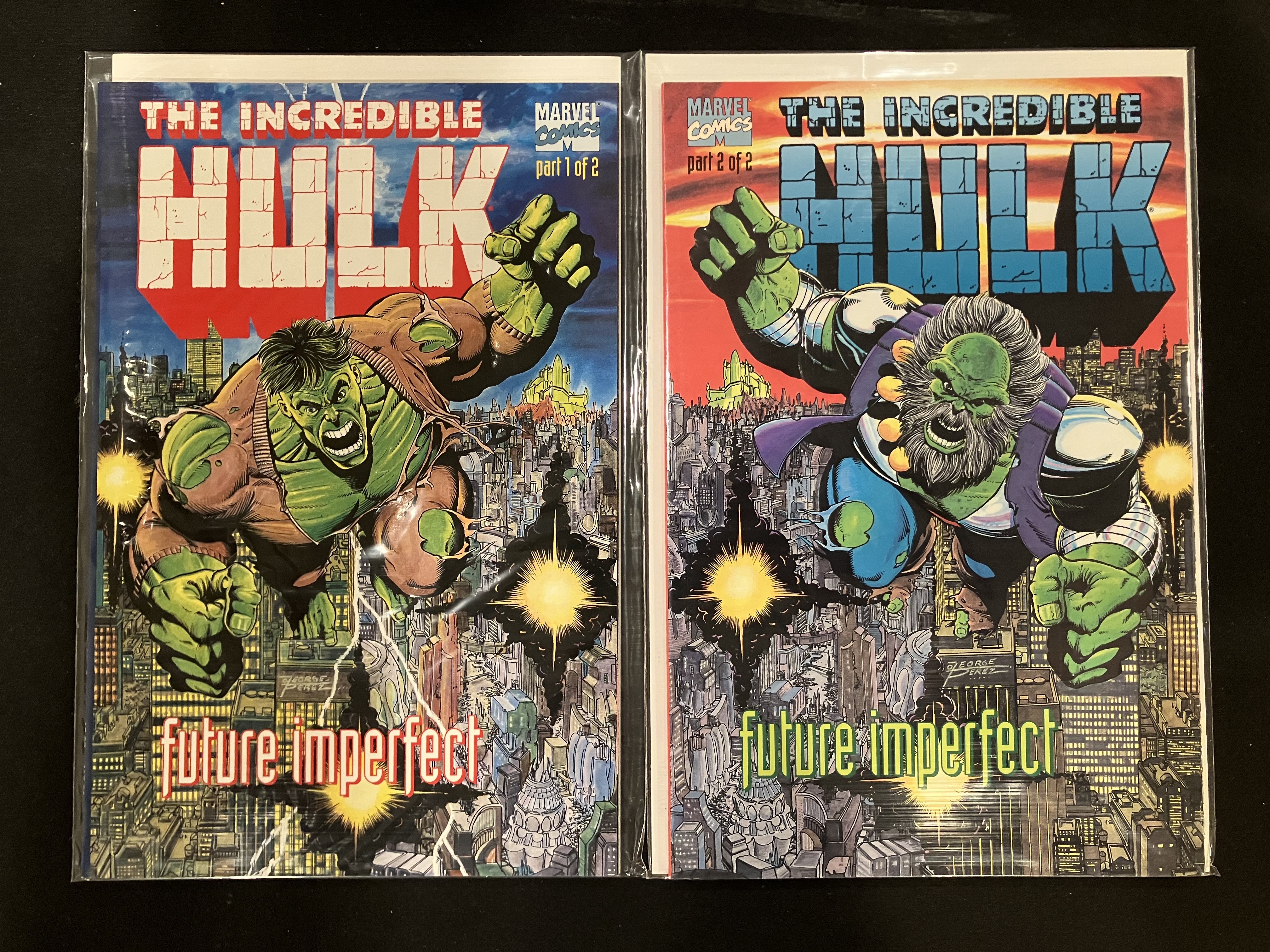
Sidekick Saga started life from an inspiration in (surprise) a comic book: Future Imperfect by Peter David and George Perez. There’s one very notable scene in Future Imperfect when Rick Jones, (the sidekick of the piece, and sidekick of many heroes like Captain America and Hulk), keeps the Maestro at bay using a collection of “artifacts”: Iron Man’s gauntlets, Captain America’s shield, Thor’s Hammer!
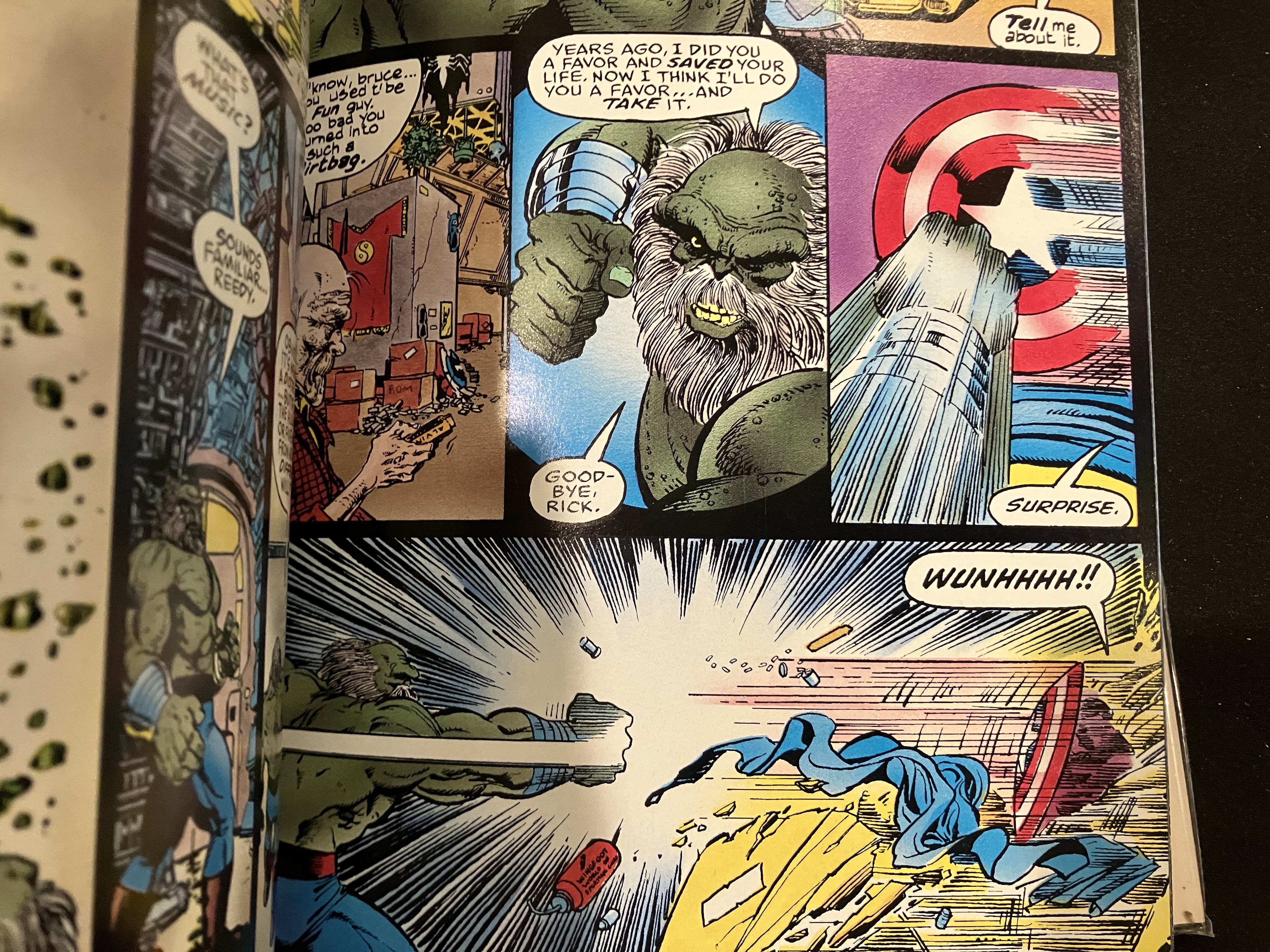
The sidekick, by being smart, was able to hold his own (with a little help) with the Maestro, an incredibly powerful villain!
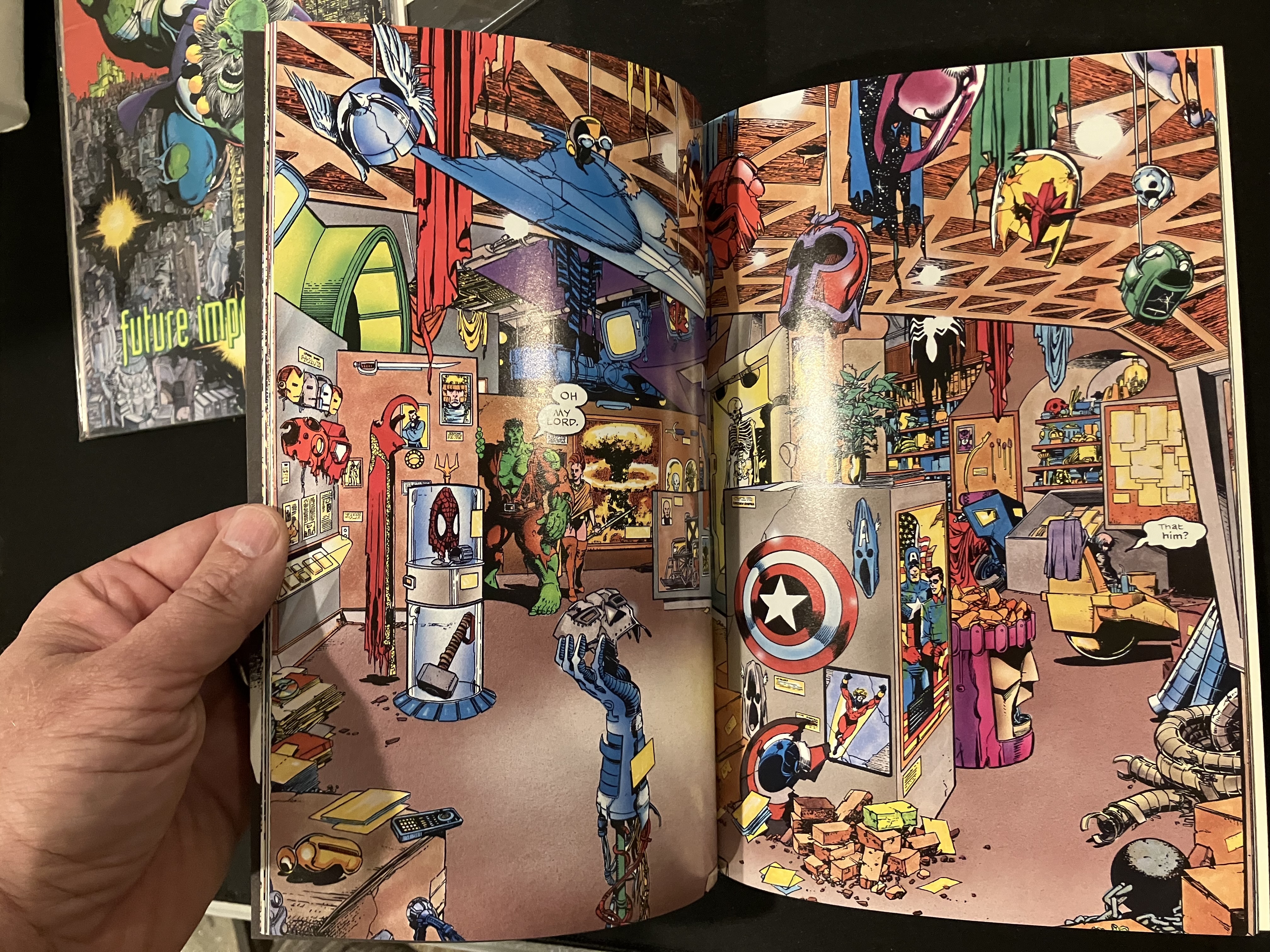
The scene above, with its collection of items, stirred something within me …
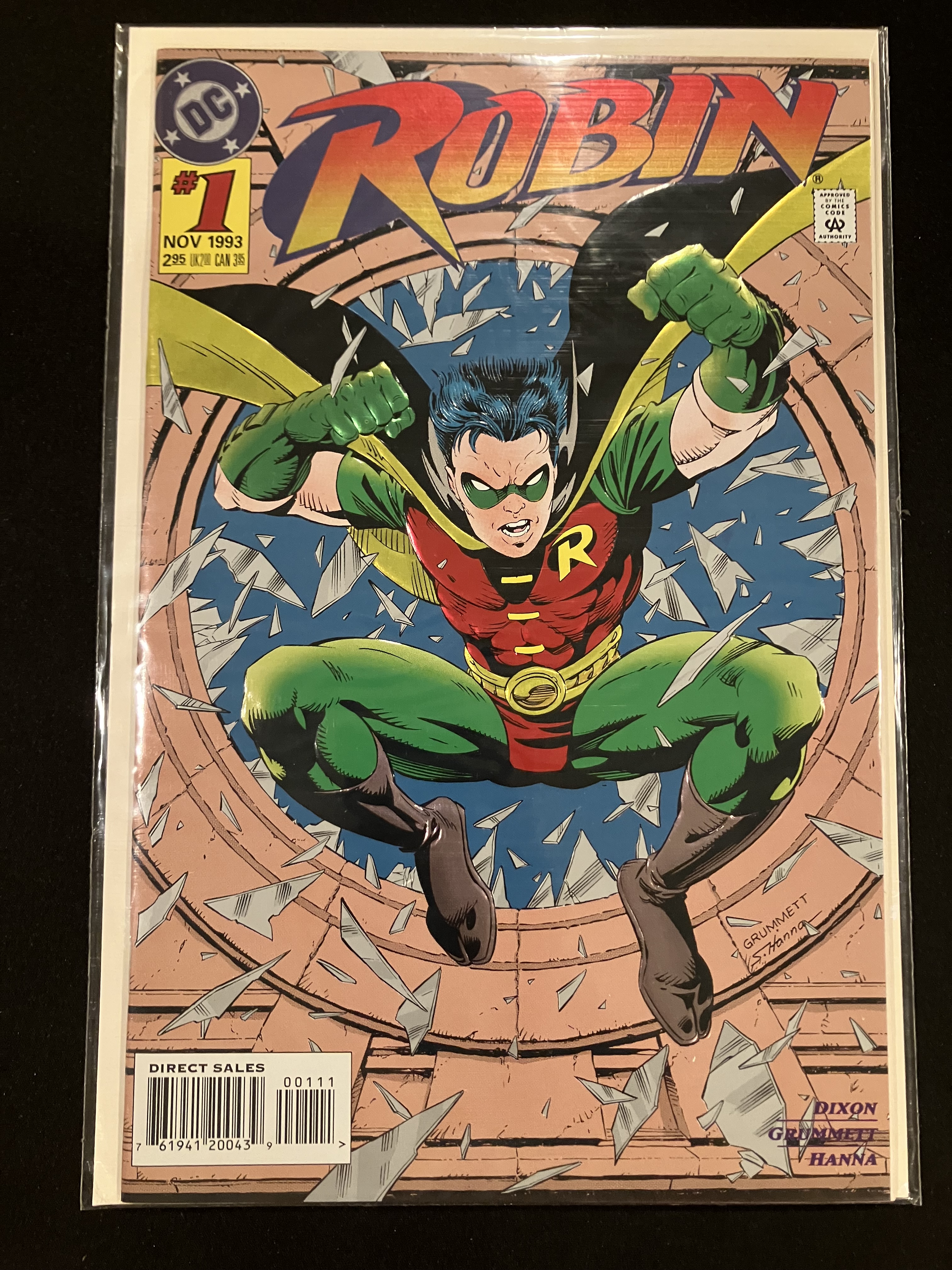
Another comic that inspired Sidekick Saga was the 1990’s Robin (by Chuck Dixon, Tom Grummett, and Scott Hanna). In this era, Tim Drake became the third Robin, and frankly, was the smartest of all the Robins! He figured out Batman’s identity! In this series, the Tim Drake’s Robin patrols Gotham without Batman, but has help from The Huntress, Oracle, and even Commissioner Gordon! Tim Drake is mostly just a normal human doing the best he can to ward off evil, using his smarts and his fellow heroes to fight crime! The cooperation of the Arkham Sidekicks was pivotal to their success!
Another unlikely source of inspiration was Buffy The Vampire Slayer Season 5 finale. Some SPOILERS: in the Season Finale, Buffy used pretty much EVERY WEAPON at her disposal, from other episodes in Season 5, to fight the big bad at the end! There was something familiar about this approach; it’s what Rick Jones did in Future Imperfect! In this case, it inspired more of the idea that some important items persist from game to game. It also kept alive the idea that “collecting stuff” was an important part to battling the big bad!
A final unlikely source of inspiration was a game called Seven Wonders. You heard me. It was interesting that, at the time, my friends were very bi-modal on two games: they either loved Seven Wonders and hated Sentinels of the Multiverse or hated Seven Wonders and loved Sentinels of the Multiverse! What if I could unite these groups and have the notion of cooperative drafting? What if, rather than working against each other in a drafting game, you could pass each other what we needed? This created the whole idea of Supply Lines: cooperative drafting, much like Seven Wonders (it even had a directionality of the Ages): see above.
Putting all these elements together served as the basis of Sidekick Saga: I wanted a cooperative drafting game (where players would pass each other cards they needed) where players explored the city looking for technology to help them fight the big bads! And every card should matter! You might not think something matters (like stuff in Season 5 of Buffy), but then all of a sudden, it becomes important!
Leads and Legacy
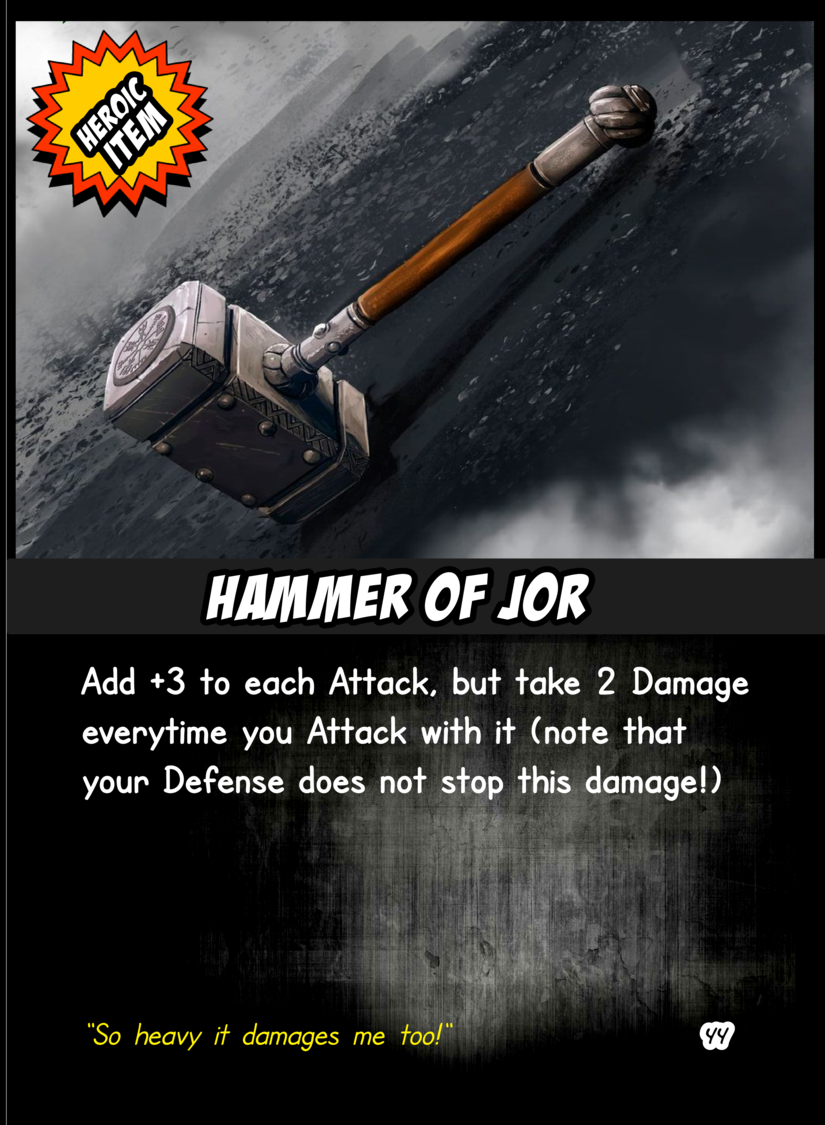
As the development of the game progressed, I need to refine the exploration-type mechanic to the game. For the Sidekicks to succeed, they had to find stuff (like Buffy or Rick Jones)! Some stuff was incredibly useful, so it seemed like you had to “pay” for it somehow! This introduced the idea of Leads (originally they were called clues, but I was worried this might invoke too much of a Clue game comparison): if you hunt down enough Leads, you can find where Jor’s Hammer (I didn’t want to get sued), the Star Shield, or the Cave Warrior’s car (which looks nothing like the Batmobile) would be stored! I originally considered the idea of having to have “different kinds of Leads“, but dismissed it quickly as it would too frustrating if you got the wrong types of Leads. Leads were generic: if you got 6 Leads, you could get the Cave Warrior Car which would help you move around the city faster AND protect yourself!
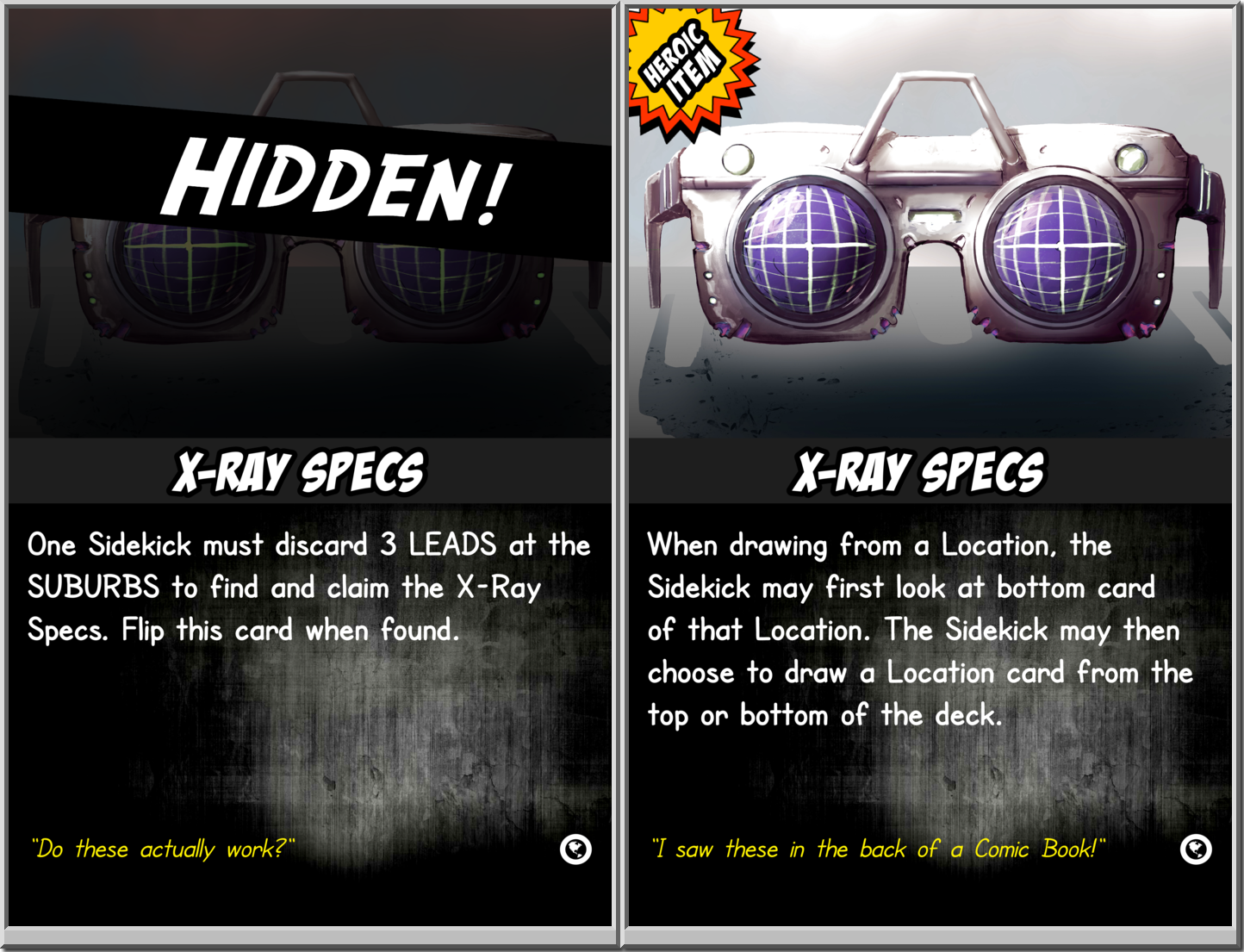
We dubbed these very special Items as Heroic Items: these were very special items that were hard to find! They might take three to six turns to get one of them during the game, so you didn’t want to lose them between issues! So, Sidekick Saga became a “legacy” game when any Heroic Items you obtained persisted from game to game!
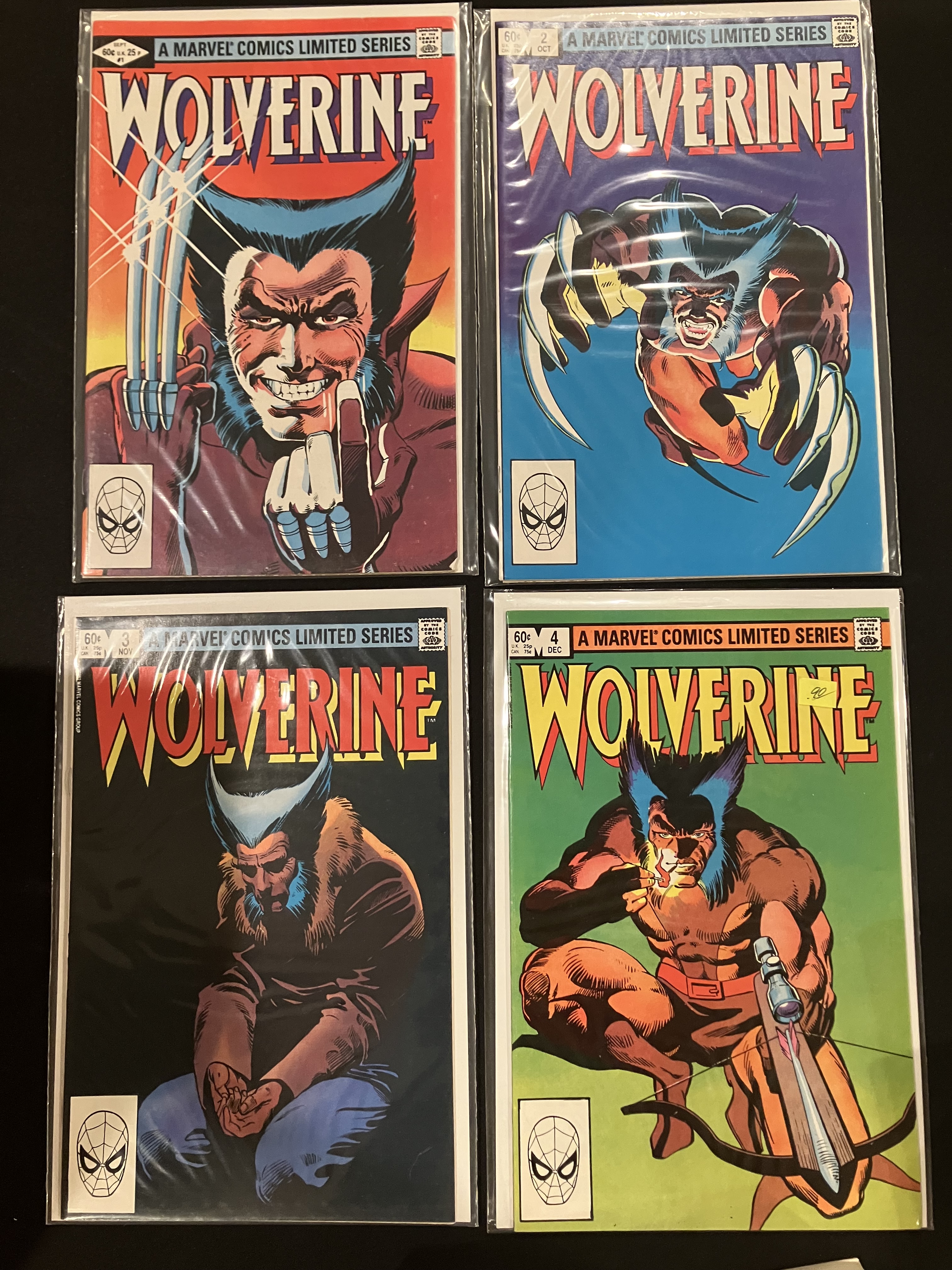
Honestly, I really liked the idea of a story spanning multiple issues! It’s very typical of comic books of my era: a massive story would unfold over 4 to 6 issues of the comic! Think of the amazing story that unfurled from Issues 1 – 4 of the original Wolverine mini-series! Things would change massively from issue to issue, and what the heroes did really mattered! So, the idea of a legacy comic story was something I really really wanted to embrace.
(And the time Sidekick Saga was in development, there were NO Super Hero board games with an ongoing /legacy story)
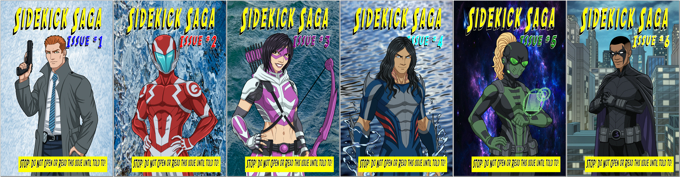
In this case, each “game” would be an issue of a comic book series. What was the story? All the Super Heroes had disappeared! What had happened to them? All that was left were the under-powered Sidekicks! Could these lowly Sidekick keep the bad guys at bay while they tried to solve the mystery of what happened to all the Super Heroes? That was the story I wanted; that was the story that would make the Sidekicks take center stage!
So, Heroic Items, would persist from issue to issue. It introduced a tension; do heroes pursue Leads to get a Heroic Items, at the cost of making it harder to defeat the current bad guys?
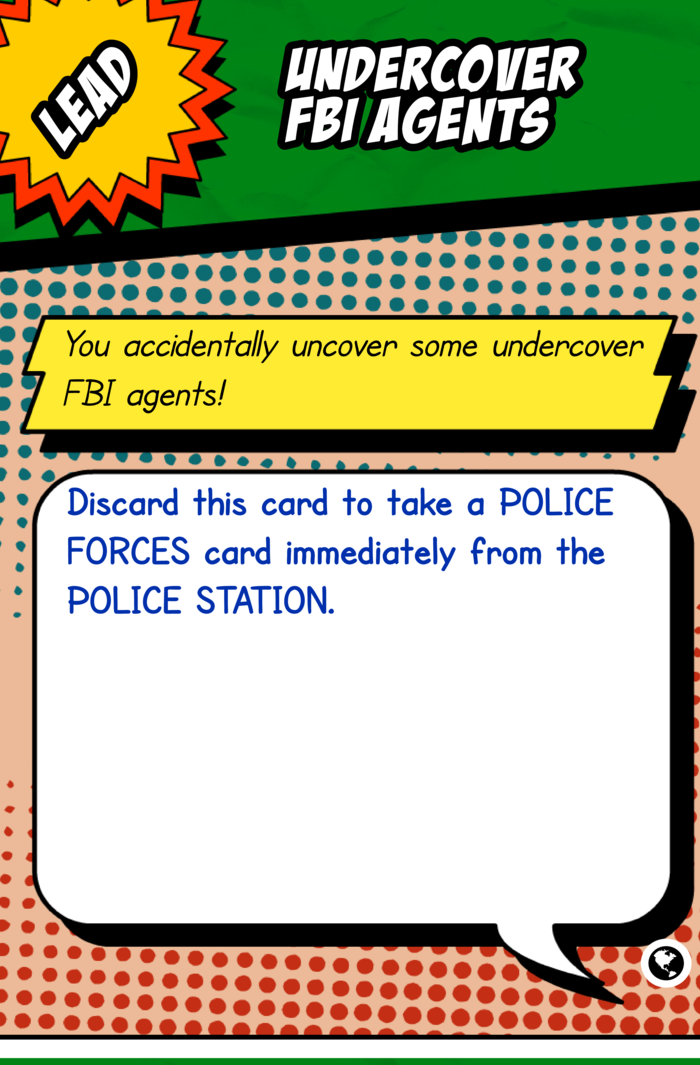
To help alleviate some of this tension, The Leads became multi-use cards; you could either save them up to get a Heroic Item, or you could use them directly (Leads would also do something useful for you). This gave players more agency, more choice: they could pursue Leads, but could also just use them as needed (for immediate help or later help)!
Exploration
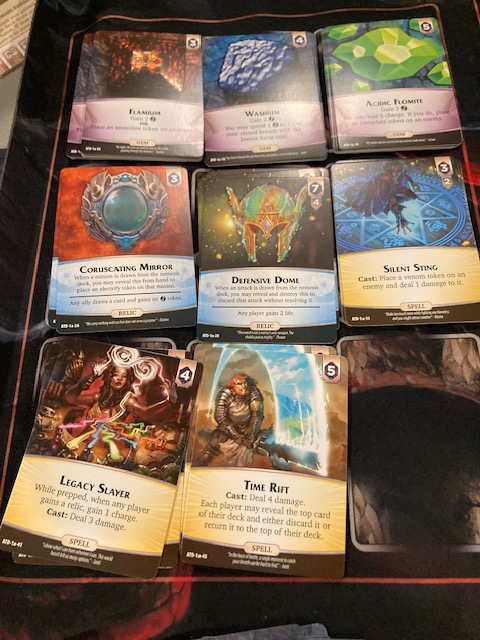
The exploration idea came from playing cooperative deck-building games like Aeon’s End; nine different things you could get! I liked cooperative deck-building games, but to me it always seemed an inversion of what I wanted: In deck-building games, you know what you buy, but you typically have no control over when it comes out! What if you inverted that idea and made it so you don’t know exactly what you get, but once you get the cards, you can play them whenever you want!?

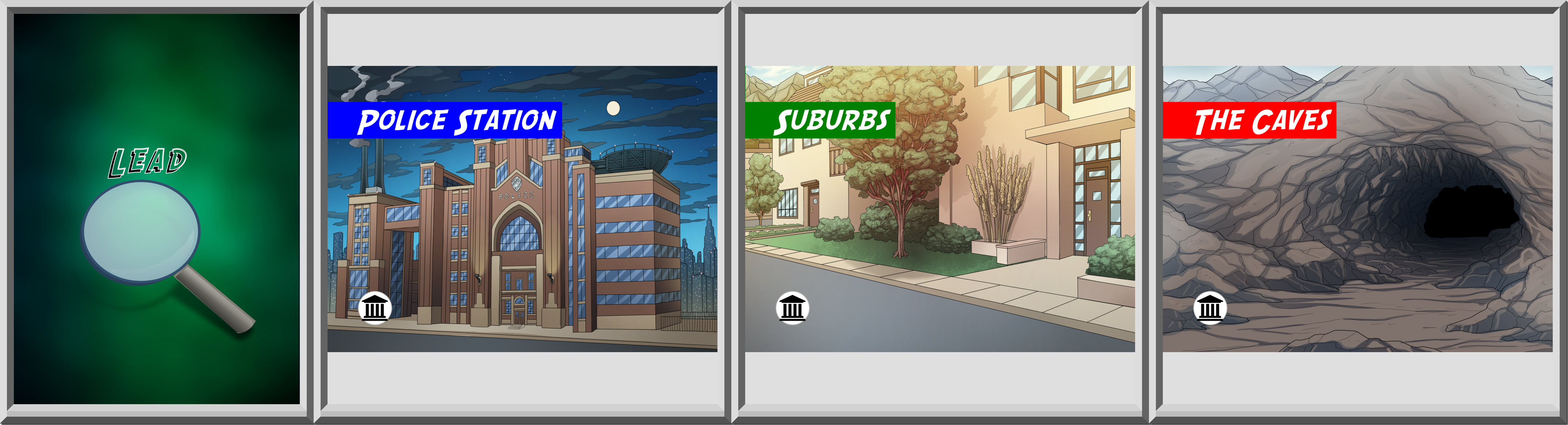
That’s the idea of the city; each Location in the city has 8 cards, and those cards are “related” by a theme: The Police Station has Police cards, Rincon Labs has Scientists and Technology, The Suburbs have a lot of Research/Lead cards, etc. You have an idea what you will get, but maybe not exactly. Then, once you get stuff from a Location, you can play it whenever you want!
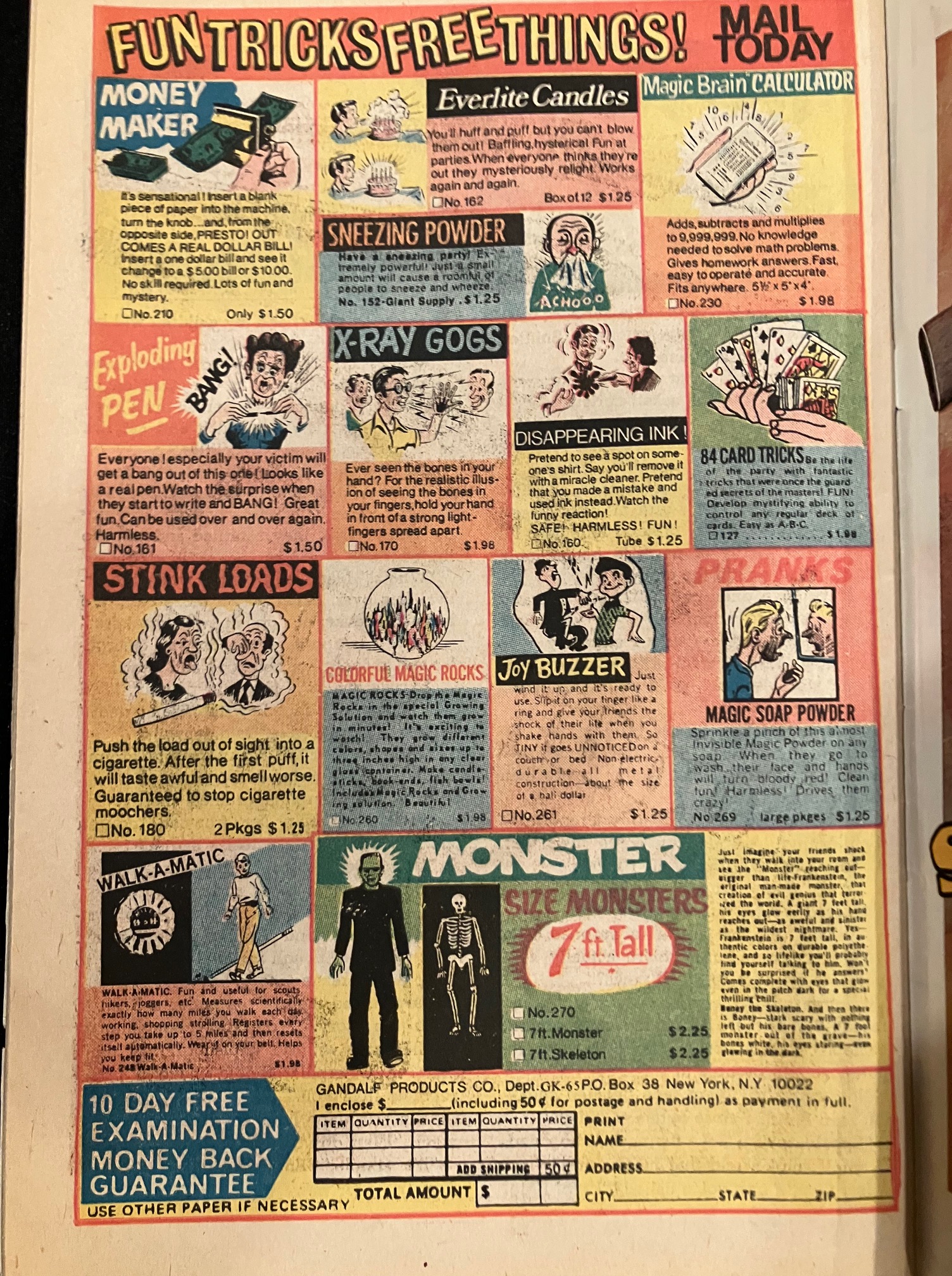
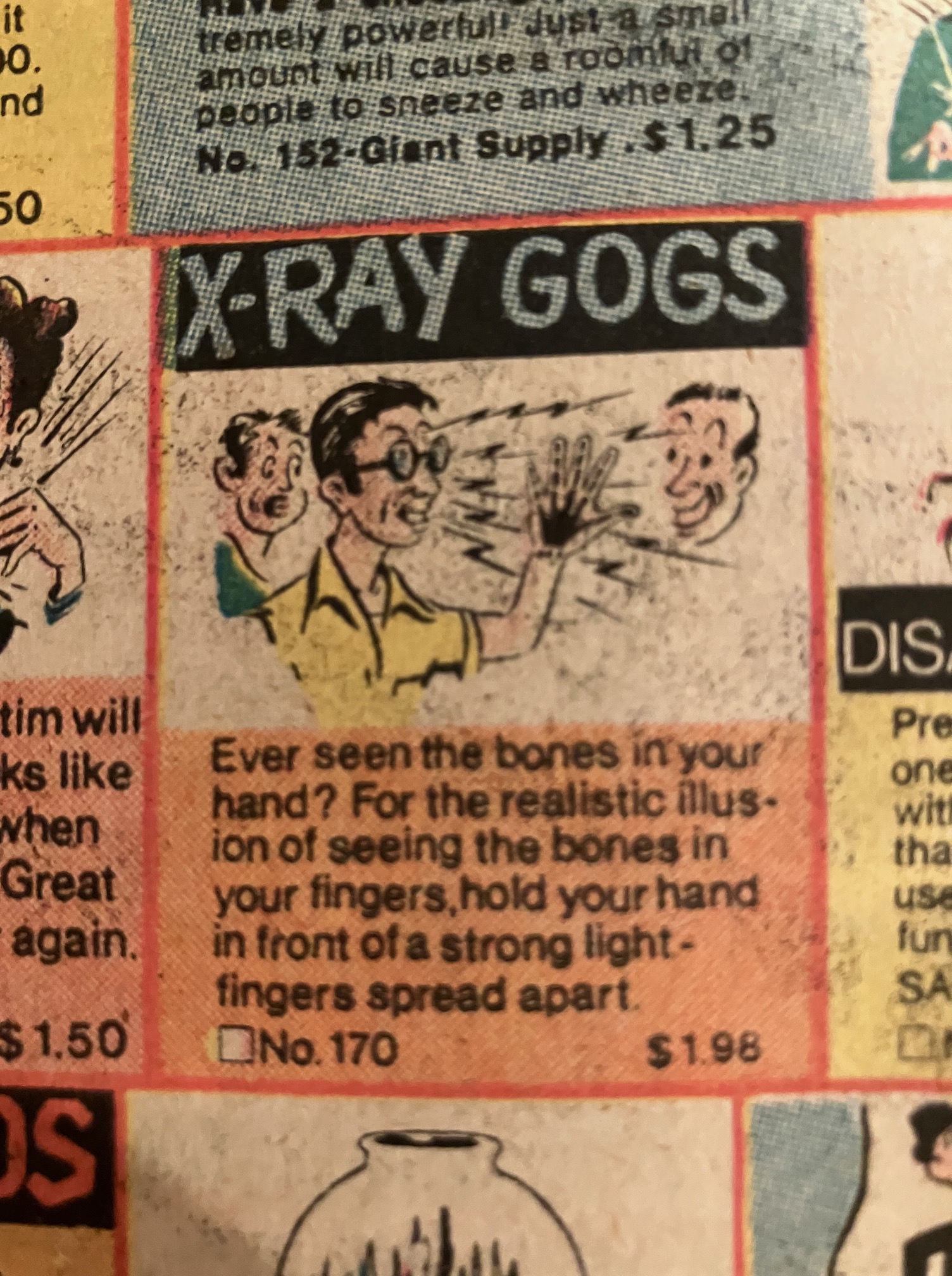
But through Heroic Items like the X-Ray glasses, you might have a little more control. And X-Ray glasses are an inside joke for anyone who grew up with comics; there were always ads for these things in the comics!
So, players move around the city and explore locations looking for technology and Leads to help them in their quest to take down the big bad!
Secret Identity and Hero Modes
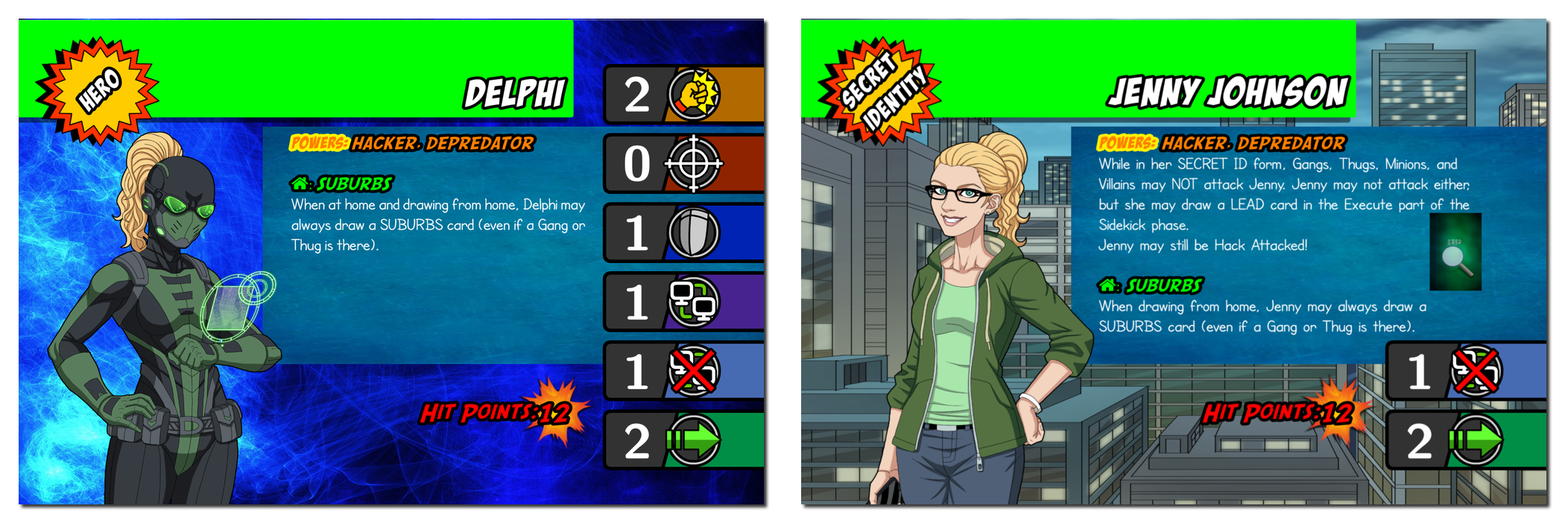
Another thing I wanted was the tension of Secret Identity vs Hero form. The Secret Identity is absolutely am essential tool to keep the Sidekicks out of trouble! (At the time I was exploring this idea, Marvel Champions had not come out yet, and to my knowledge, it was an original idea to have players go from Secret Identity to Hero and back. I documented my playtest here on my Unpub play of Sidekick Saga, which was 6 months before Marvel Champions was released; so, don’t go saying I copied Marvel Champions on this!)
But, I also wanted the Secret Identity mode to be useful; when you go into Secret Identity, you escape combat, but that’s also a main way to get Leads in the game! The Secret Identity is all about doing research away from combat!! When you are in Secret Identity mode, you get BOTH a Lead AND a card on your Location! But, of course, while you are doing this research, the Bad Guys are getting more and more powerful since you aren’t fighting crime! It’s that tension you see in comics all the time! When do I go into Secret Identity mode to research (and stay out of the Bad Guy’s way) and when do I go into Hero mode to fight crime? That’s a big part of being a Sidekick! It’s also a big part of the game!
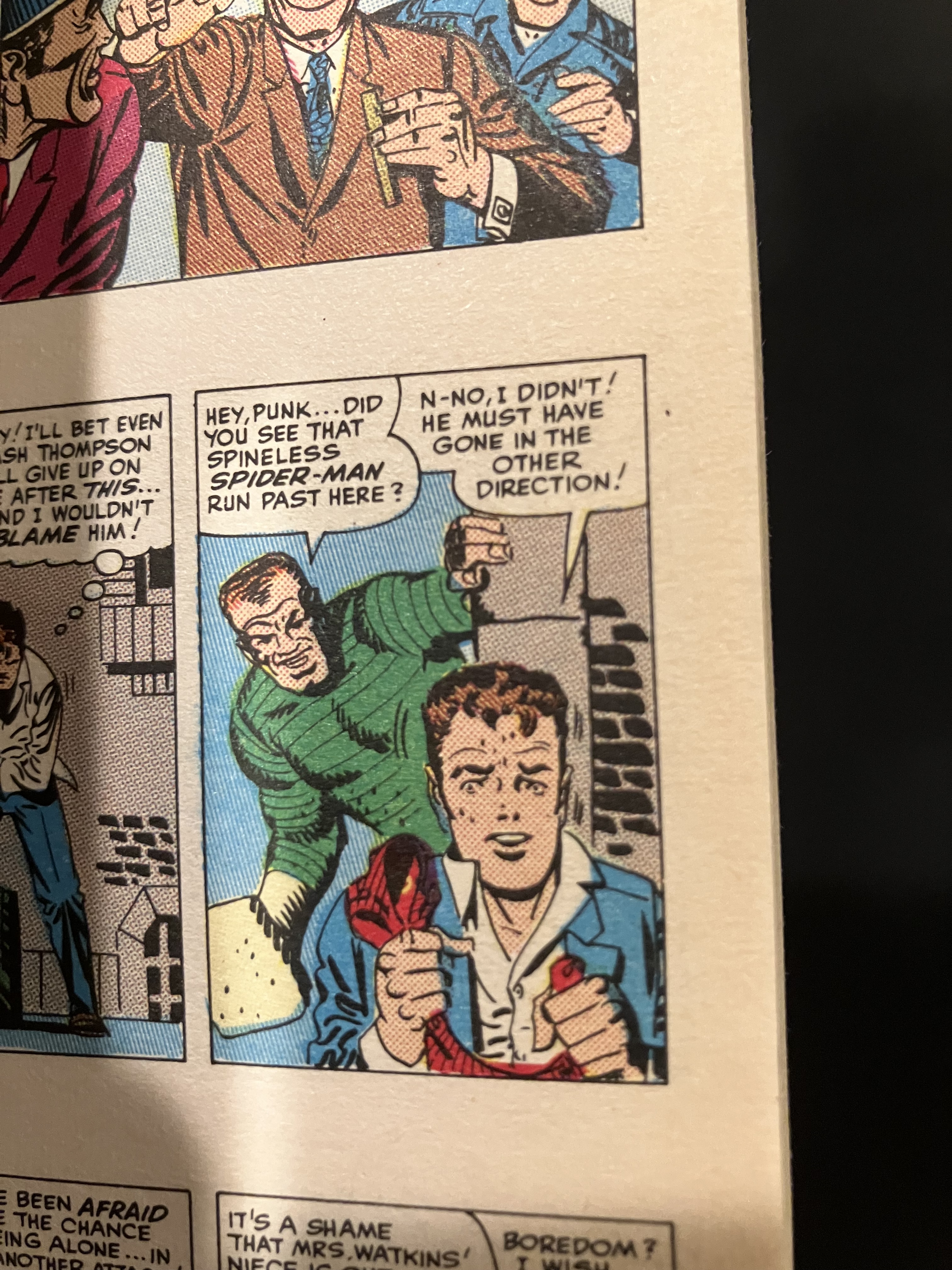
I still remember a particular scene in The Amazing Spider-man #18 where Spider-man changes back to Peter Parker to escape the Sandman. See above!
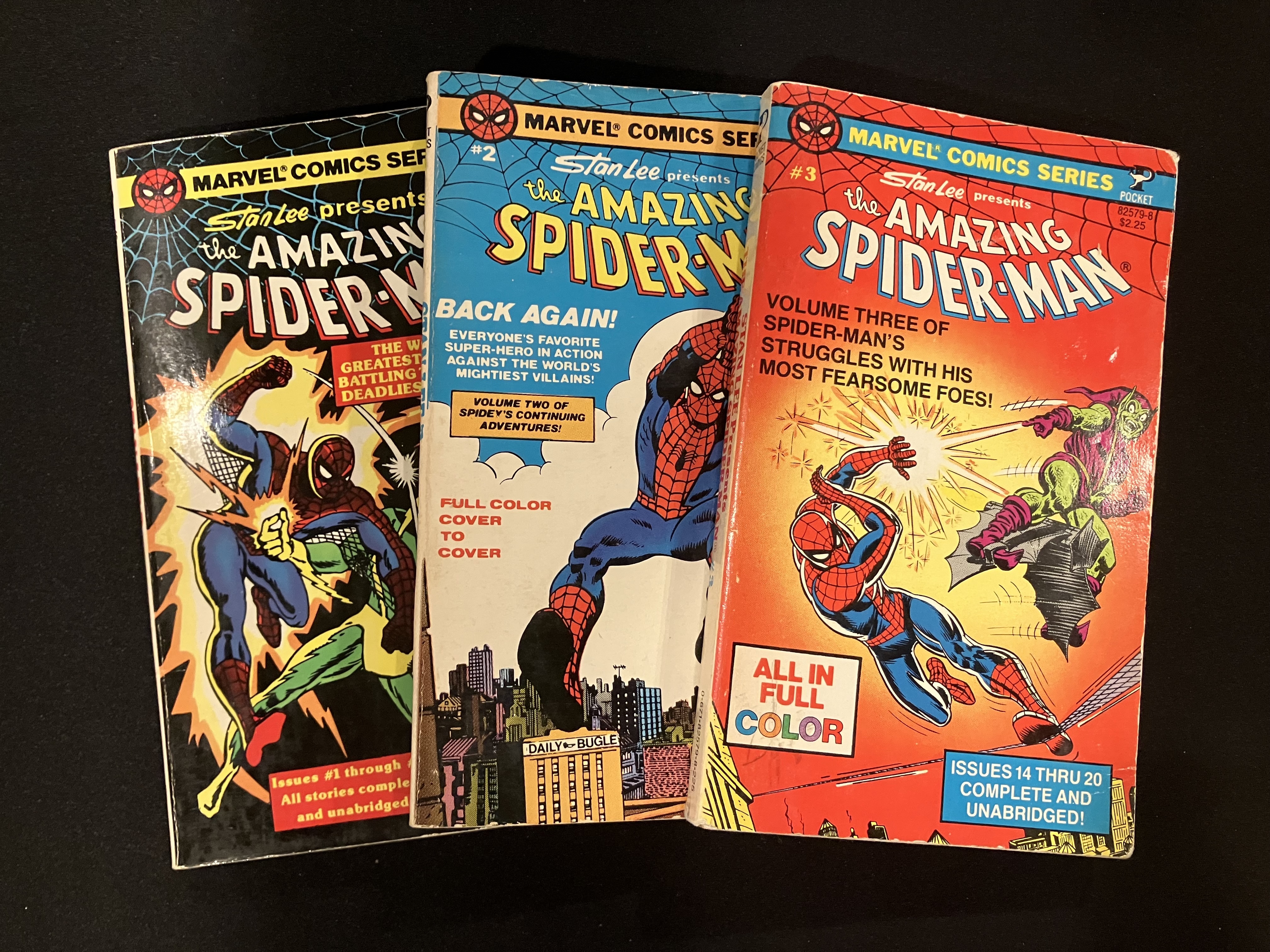
Those original Stan Lee/Steve Ditko Spider-man comics (which I read when I was a young kid), had quite the influence on me! I still remember those scenes! (I didn’t have the original Spider-man comics that are worth tons … I was just a kid! I just had the little collection of books : see above). But Peter Parker used his Secret Identity as a tool so many times in those early Spider-mans … I really wanted a mechanic like this this in the game to capture that!
Advancement
One of the funnest part of Dungeons and Dragons is leveling-up: I wanted to make sure there usually some notion of leveling-up between issues: new powers, new Heroic Items, new heroes, … something to give fun choices between issues! I also wanted to make sure losing wasn’t so devastating!
If the players lose an issue, then new items, new Heroic Items, new things are introduced into the game .. and they get to try again! I wanted this to be a self-balancing game; if it was too hard, then new stuff would come out to help the Sidekicks!
Protection Hierarchy
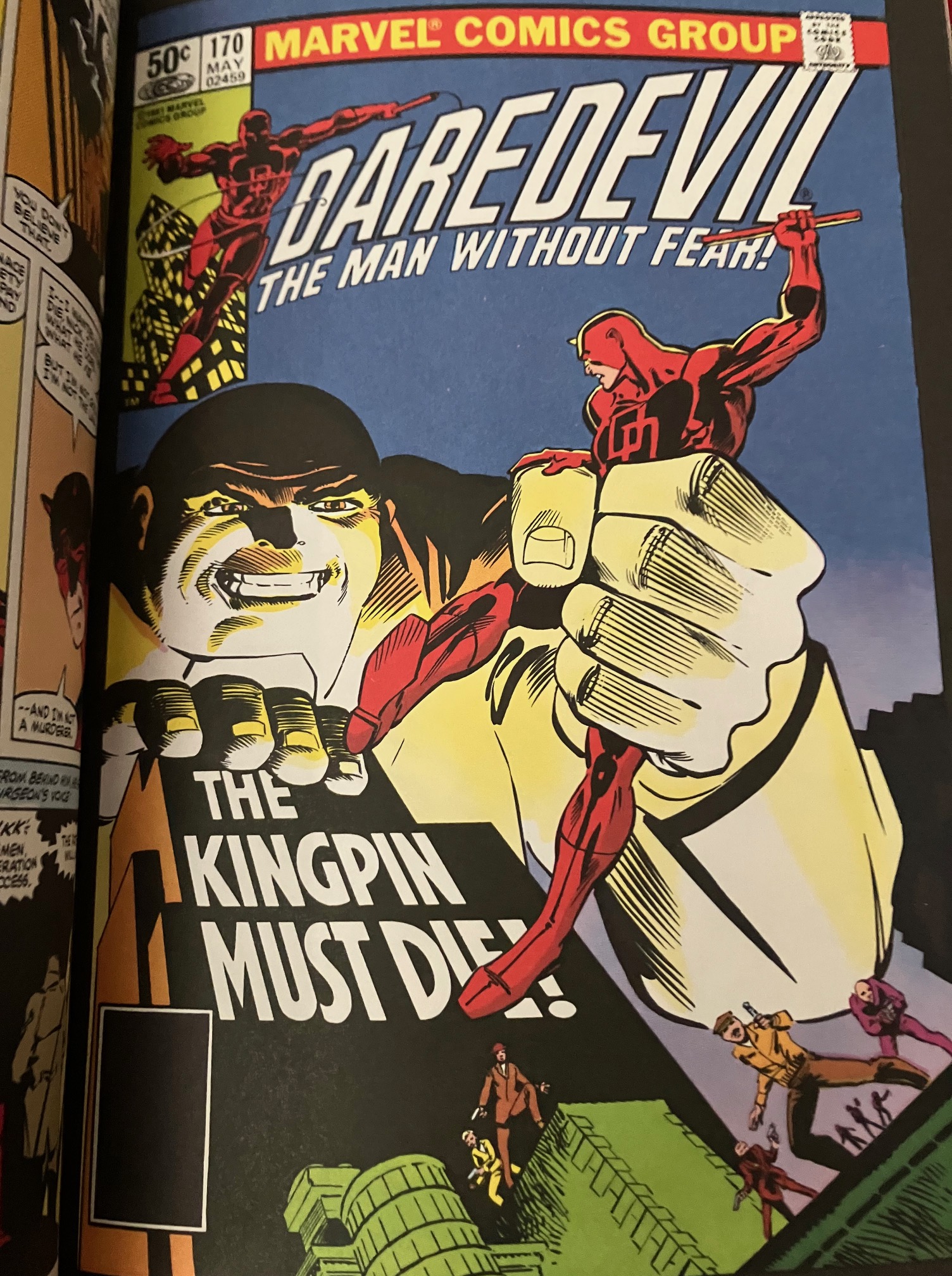
One of the final pieces of the puzzle was the Protection Hierarchy; I remember reading many Daredevil or Batman comics where the hero has to work from the bottom-up to uncover the network of the Kingpin/crime lord who is running the city! And typically, the phrase “Stop protecting your higher ups; they don’t care about you!!!” comes up when the good guys question the underlings … what if that were actually a mechanism? What if you couldn’t actually even take out the bad guys higher up in the criminal network until you’ve “dealt with” with all of their subordinates? What if the subordinates actually “protected” the higher-ups?
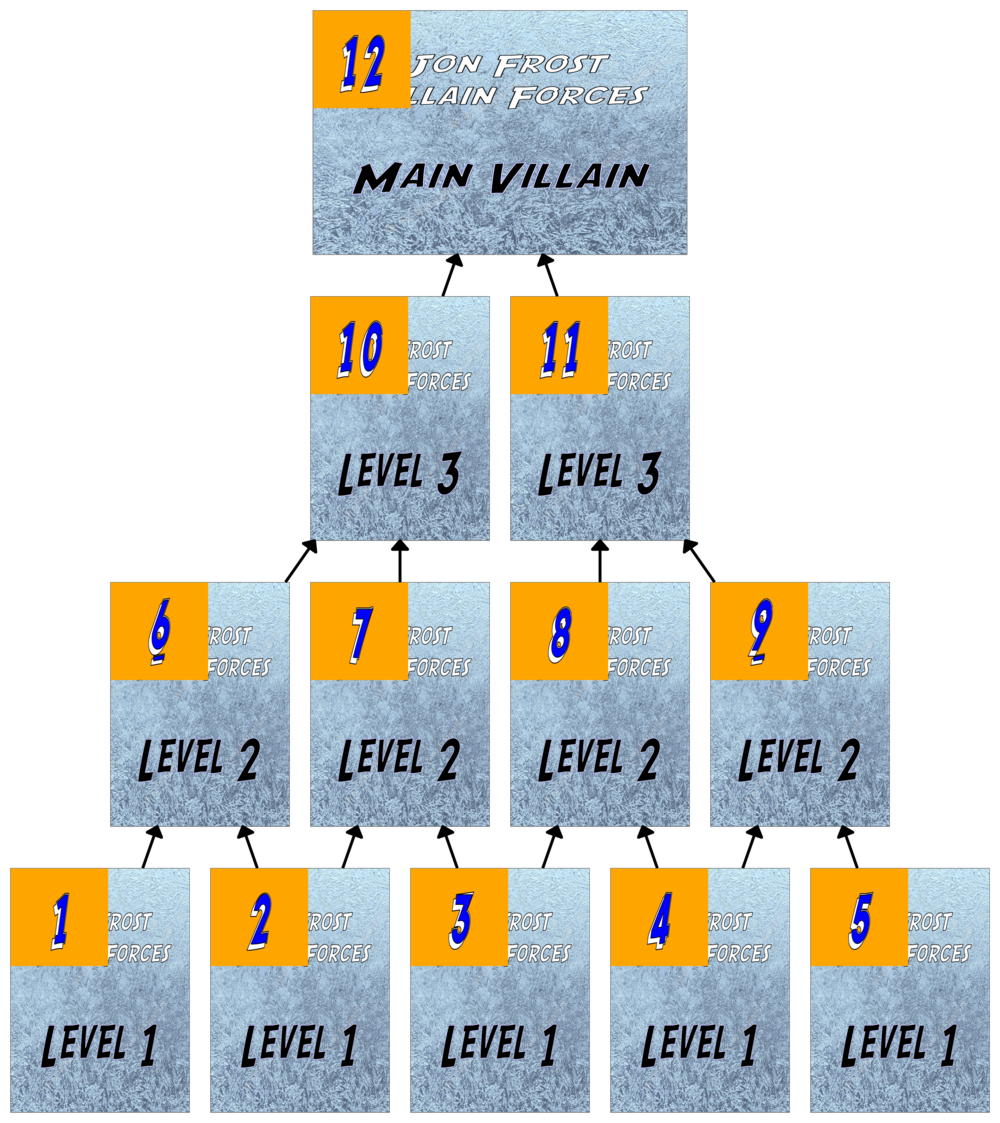
And that’s exactly what the Protection Hierarchy is in Sidekick Saga: you can’t attack any upper level bad guys until you deal with the subordinates first! The lower level bad guys protect the higher one! (But, of course, the upper level bad guys can do stuff to YOU … because it’s hard to be a Hero!)
Hacking
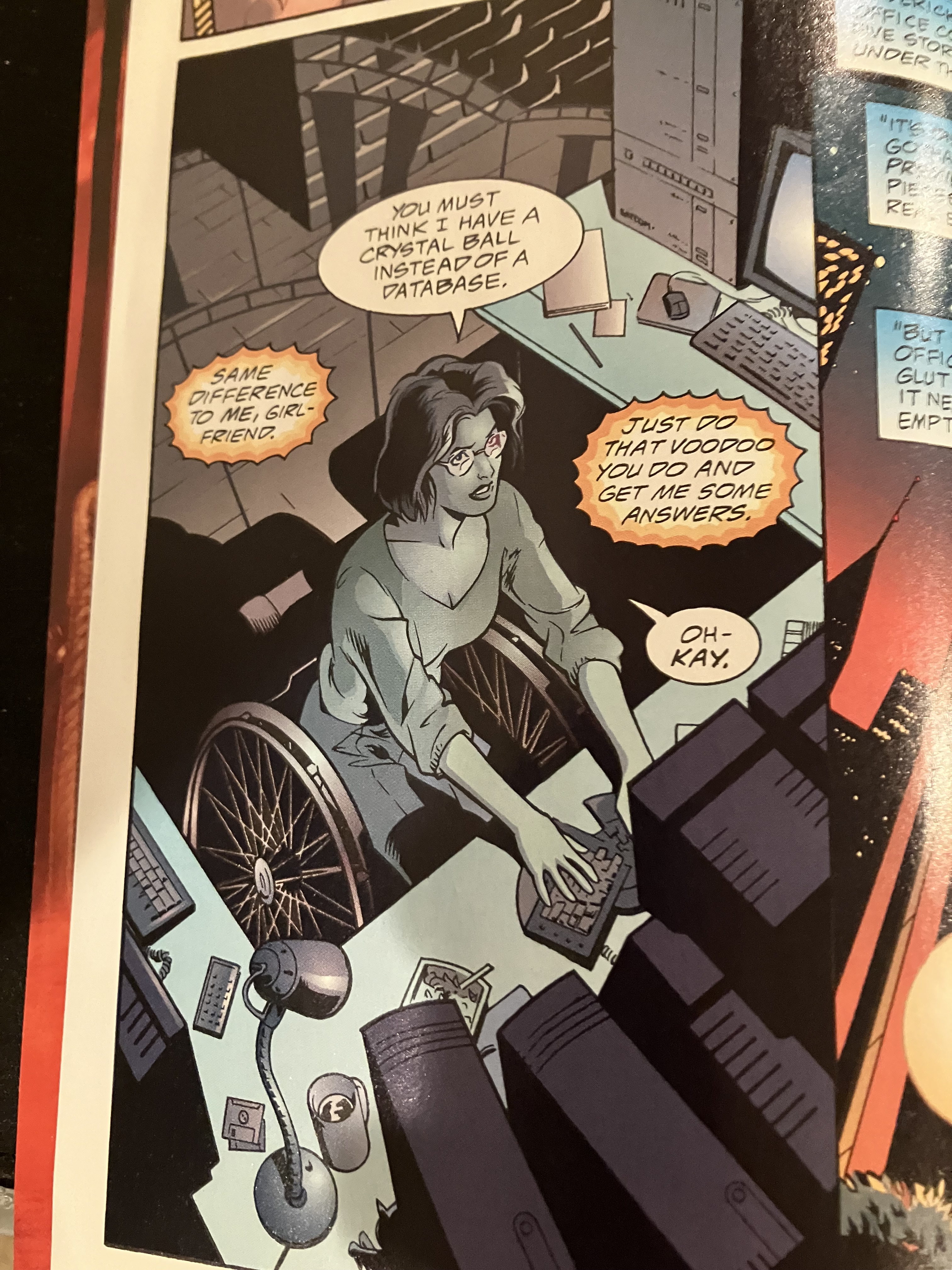
If there’s any one mechanism that is really inspired by the Robin or Birds of Prey comics, it’s Oracle and her hacking abilities.
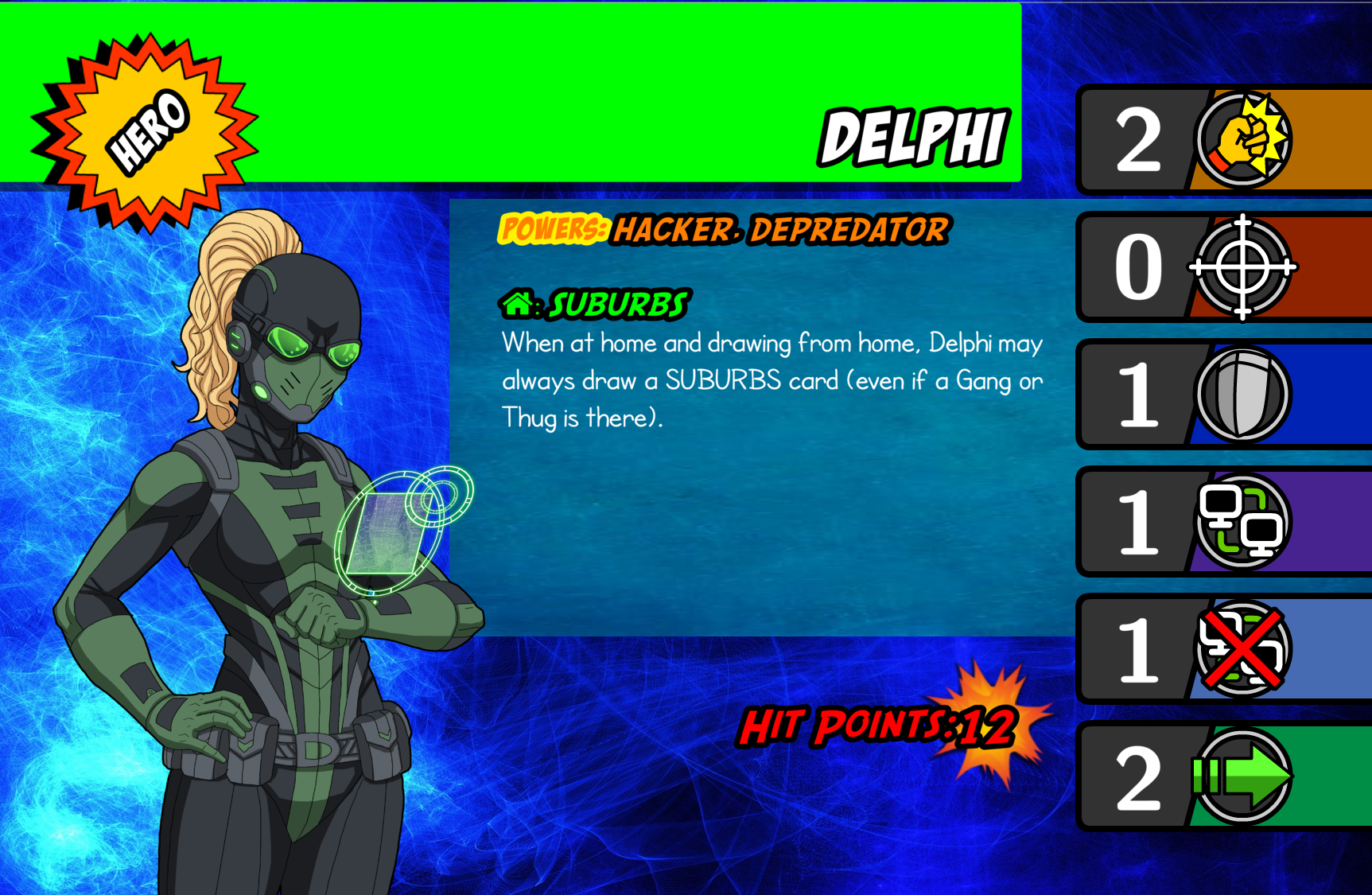
Oracle is a hacker who helps Robin (well, she helps the Dick Grayson Robin more, but that’s beside the point) by finding out information and “distracting” the bad guys with her hacking. How could we represent this idea in the game? Delphi (inspired by Oracle) can hack the bad guys and put them into disarray!
The idea of disarray is that the bad guy is so busy “dealing” with the results of Delphi’s hacks, they couldn’t do anything else. I loved the idea that even if you can’t take out a bad guy, maybe you can keep it out the way for some time. Thematically, the idea of “causing an alarm to go off”, “turning off the power in the building”, etc. are things that a hacker would do. And what does it do? It distracts the bad guy (puts them in disarray) for a few turns.
The idea of hacking was further improved by allowing hacking to bypass the Protection Hierarchy! Delphi can hack the upper level bad guys and keep them from wrecking the Sidekicks!
Art
I don’t love the art in most Super Hero board games: it always feels like they get artists who are great artists, but don’t “get” Super Heroes!! It felt like they didn’t love Super Heroes like I did! I just remember that I never loved a lot of the art of the first few Super Hero games I played, and I wanted something different for Sidekick Saga: I wanted an artist who got Super Heroes. I wanted someone who’s art really embraced that ethic!
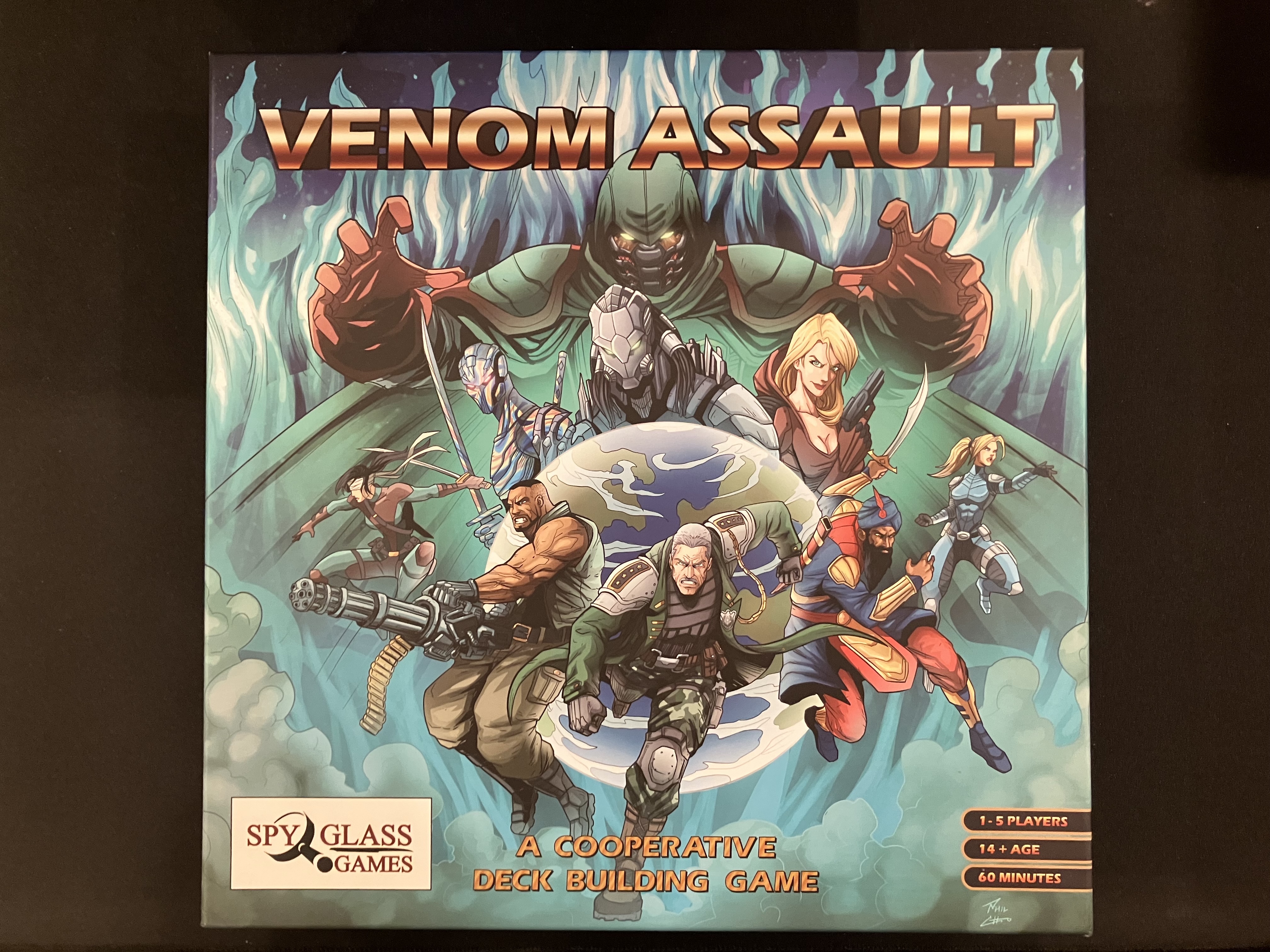
One of my favorite parts of working on Sidekick Saga was working with the artists, especially Phil Cho! I adored his art from Venom Assault (see BGG entry here) and his Deviant Art page showed that he really understood Super Heroes! I contacted Phil, and he was very willing to help out.
To this day, the cover for Sidekick Saga is one of my favorite pieces of art of all time, maybe because it has such personal meaning to me. Given more time, I would have had Phil Cho do all the art in the game, but I had promised my Kickstarter backers delivery quickly, so I did work with a few other artists to help out.
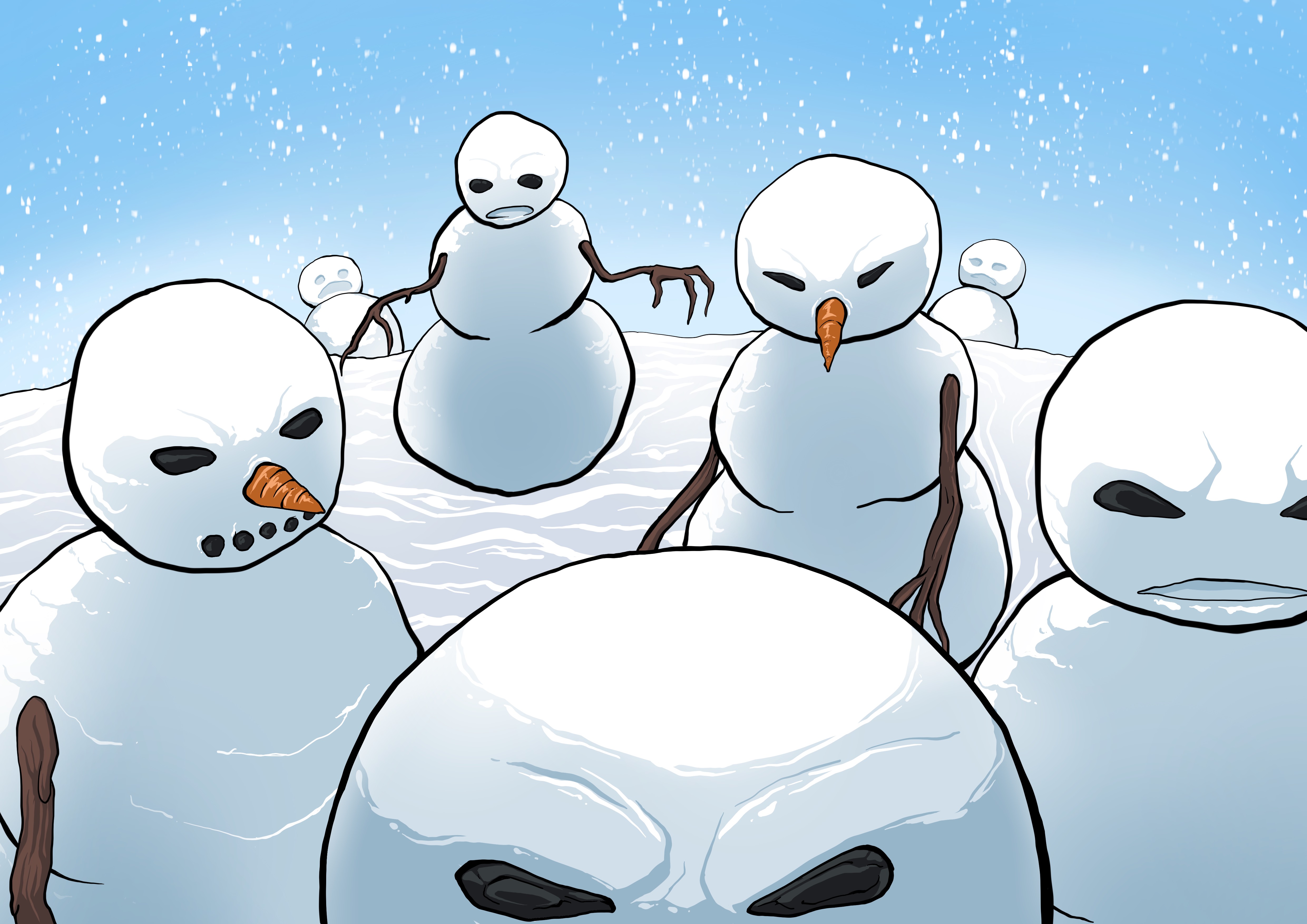
Christina Murphy did a fantastic job stepping up and “matching” Phil’s art! One of my favorite of her pieces is the army of snowmen! So creepy and so what I wanted!
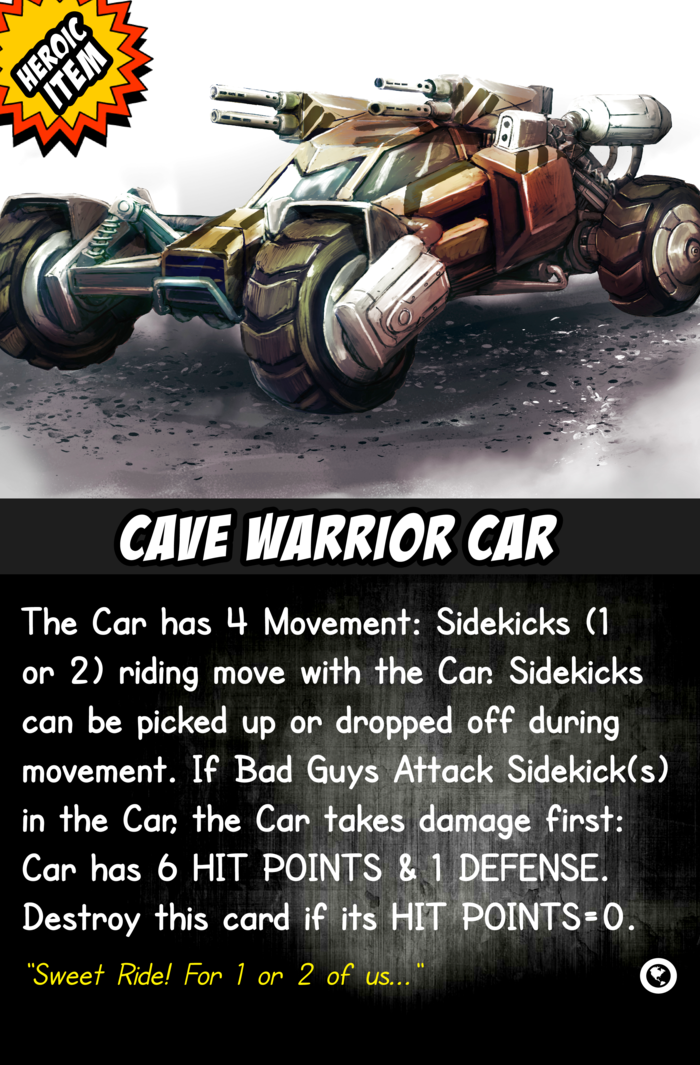
I also had William Liberto help out, mostly with the Heroic Items: I wanted all the Heroic Items to have a similar and consistent vibe, and he did a great job!
Final Thoughts
I am very proud of Sidekick Saga! It’s the game I wanted! It’s a Super Hero game with an overarching story! It has exploration, it has cooperative drafting, it has every card being useful in one way or another (by being multi-use or directly useful), and it has ways for the Sidekicks to be clever in their combinations! I play the entire Sidekick Saga at least one a year, and I am always happy that the game unfolds differently every time! How could I use all the cards and powers I had to defeat the bad guys? It’s different every time!
I know Sidekick Saga didn’t have a great critical reception, but I am grateful to all my backers who supported the original Kickstarter and all the people who reached out to me over the years in support; thank you to all of you.


That is awesome. Must be a very cool feeling to play your own game. Nifty idea too!
LikeLike
Thanks for the compliment! It was a lot of fun to put it together! 🙂
LikeLiked by 1 person