Welcome to the Start of Cooperative Surprise Month! This month, we take a look at some of the surprises we have encountered recently in our cooperative game journeys! We start this month with a cooperative game called Sammu-ramat, which ended up being a huge surprise!
Wait, what just happened? I just spent five days straight playing Sammu-ramat! This was a cooperative game on Gamefound back in November 2021, and it finally delivered to my house just a few days ago (Wednesday, February 15th, 2024). I have been playing it non-stop since it arrived at my door!
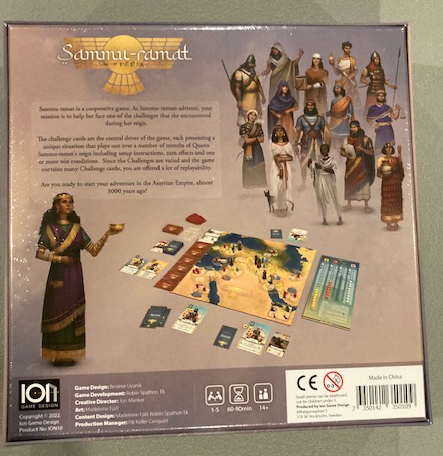
This obsession is really weird, because I was on the fence for Sammu-ramat when it was on Gamefound. The game didn’t look “great”, but the idea of this cooperative resource-driven war game looked interesting, so I backed it.
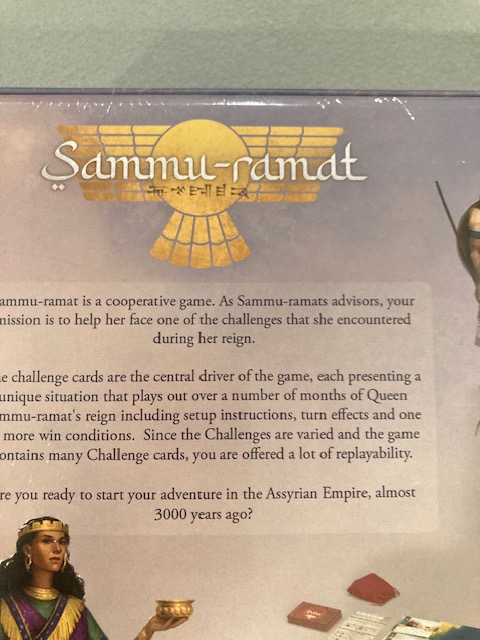
I have to admit: I wasn’t wowed by the production. The cover isn’t great and this box was just okay. If I were to see Summu-rammat at a game store, I might pass right over it. It doesn’t look like anything special.
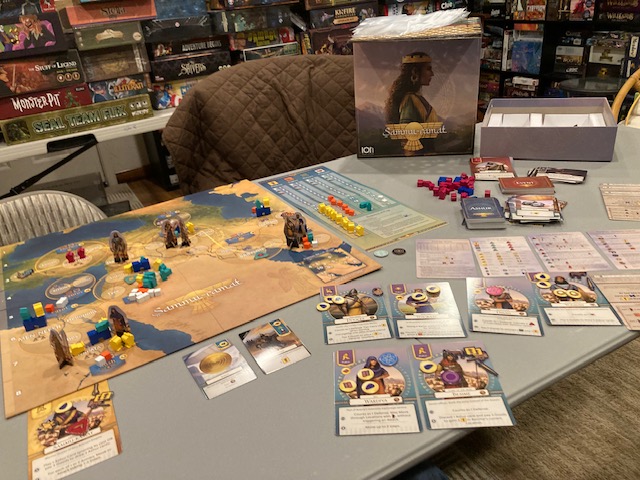
But at the risk of giving away my thoughts early, it would be a crime to pass up this game! Despite a lot of issues with components, production, and the rulebook, this is a very good game! I adored it and couldn’t stop playing it for five days!
Let’s take a closer look!
Unboxing and Plutorial
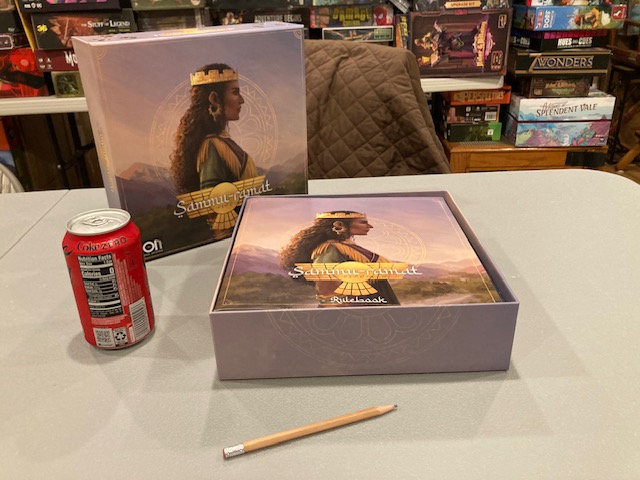
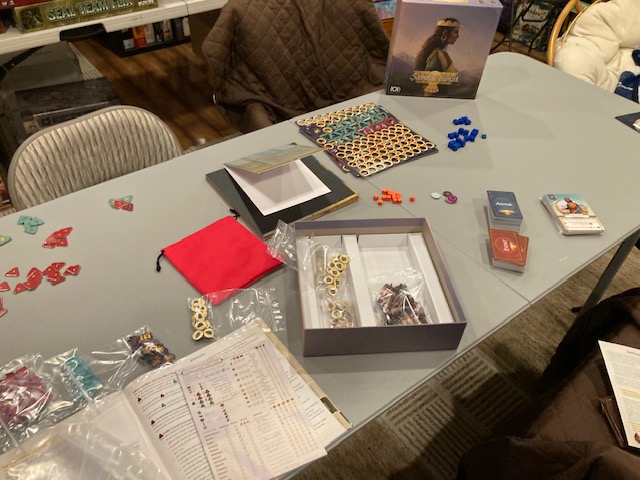
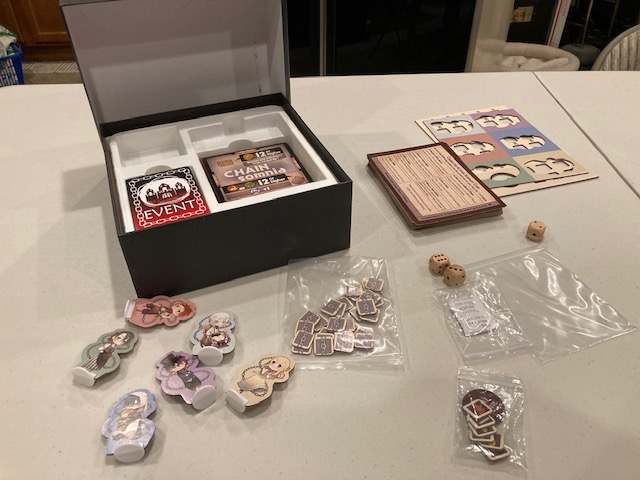
The first day the game came in, I unboxed it. It’s a little smaller than a Ticket To Ride style box. See the Coke can and #2 pencil for perspective (see above).

Just under the rulebook is the Summu-ramat Plutorial. What’s a Plutorial you may wonder? A playable tutorial!

The Empire Board is a way to track resources.
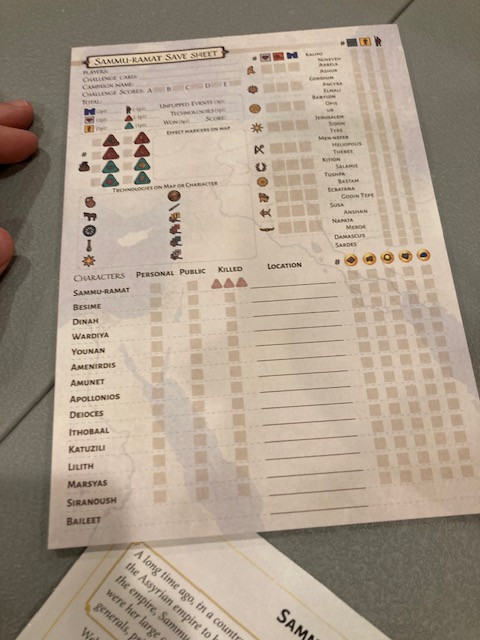
The “save state” pad is useful for the campaign mode: Spoiler! The game comes with many campaigns! But don’t worry, you can still easily play one-off games.

There are quite a number of punchouts. Most of the tokens are Goods tokens (yellow resources), good (green) tokens, or bad (red) tokens for the token bag,
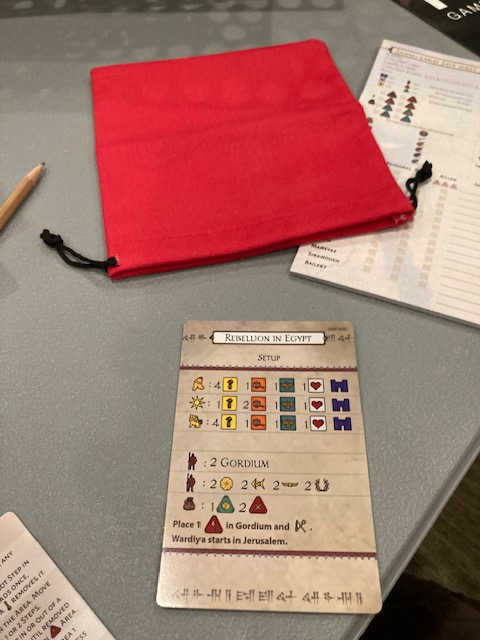
There is a pretty nice token bag: it’s not a main mechanic in the game, but there are times throughout the game when you will put/pull tokens (good green or bad red).
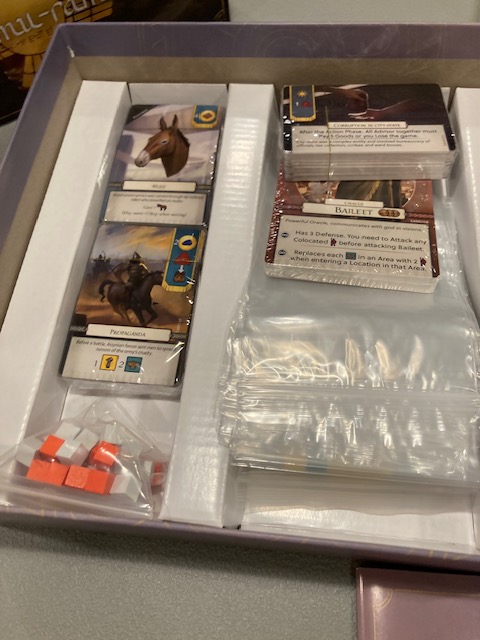
There are a ton of plastic bags (for bagging the game up later), and some cards. We’ll see these cards later!
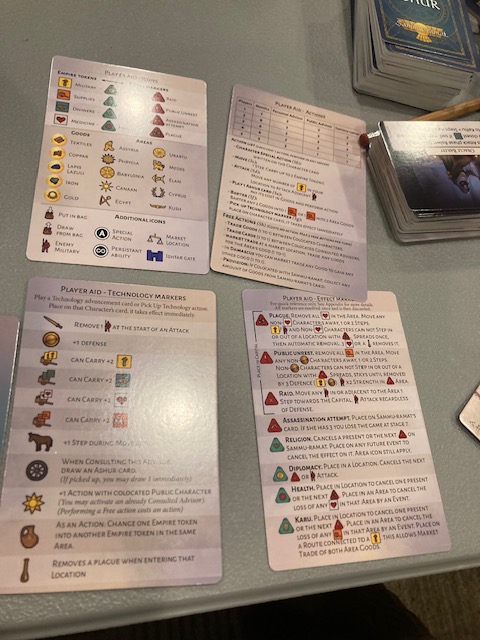
It’s important to point out that the game has a fairly extensive set of player aid cards for all players! See above.
.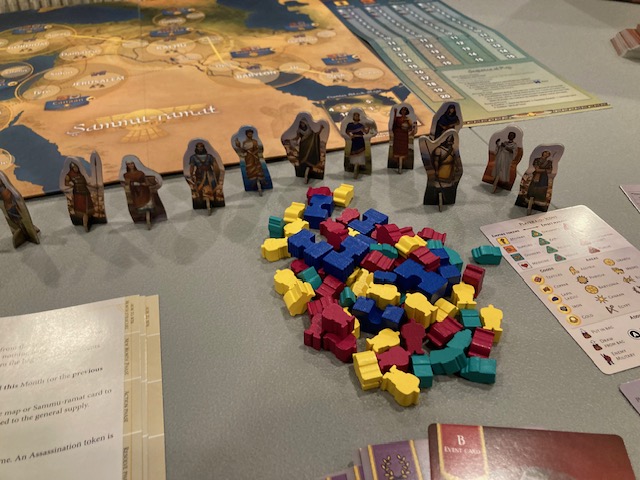
A lot of the punchouts are also characters you can play. See above. The meeples are generally military (red bad guys, yellow good guys).
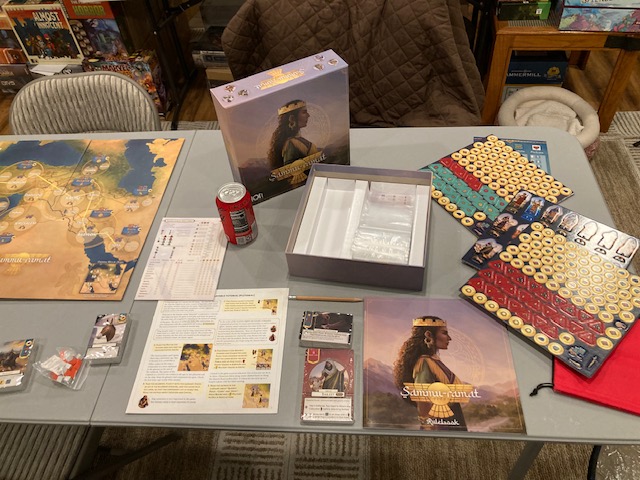
Overall, the game production looks pretty good. There are a few issues we’ll point out later.
Plutorial: Playthrough and Tutorial
This introduction shows the first few turns of a game, as it teaches you some of the core rules. The Plutorial is well-notated and clear (modulo a few sections) as it takes you through some of the major pieces of the game: combat, characters, gathering resources, the Empire Board, the player aids, the maps, Areas vs Locations, and even reading the Glossary at the end of the rulebook!
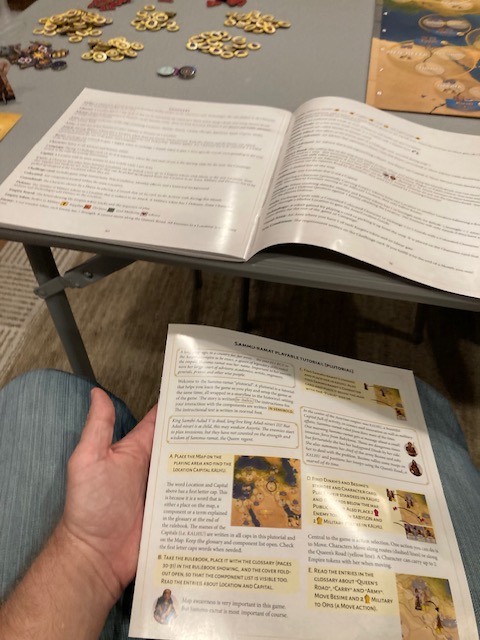
This Plutorial is absolutely essential to starting the game off on the right foot. There are a lot of rules to Sammu-ramat, and I could have very easily lost interest in the game if I didn’t have this to guide me into the game.
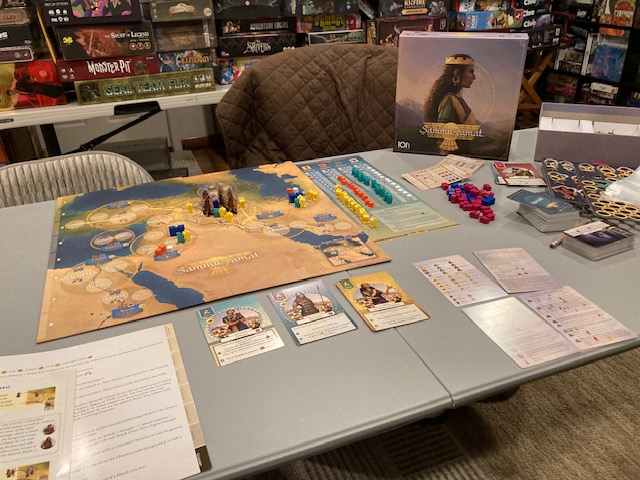
The game is just complex enough that just reading the rulebook might turn off a lot of people (the rulebook of 32 pages and fairly technical).
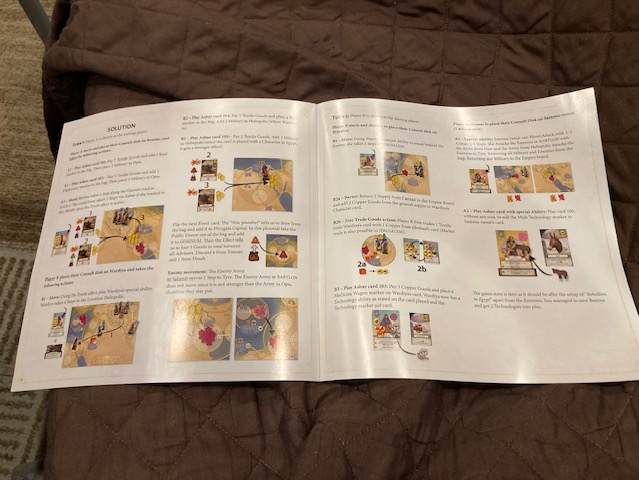
The Plutorial very clearly notates why things happen in the game, and even sets-up a little “puzzle” for you to solve (with a clear solution at the end). I think after I finished the Plutorial, I felt like I knew enough to jump into Sammu-ramat feet first. This Plutorial made me feel like I could understand enough to start playing the game … and that’s a win for a game this complex.
Rulebook
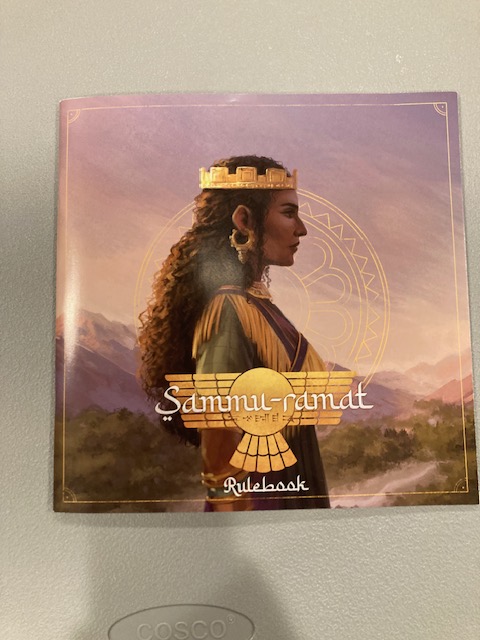
This rulebook is okay. It taught the rules, but it had a few problems.
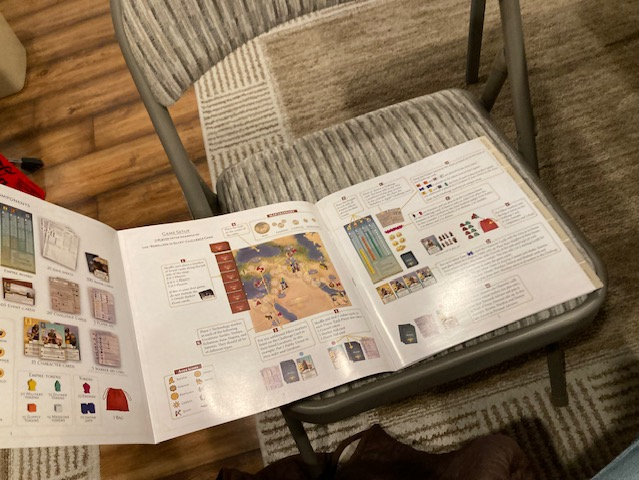
The first was the trifold nature in the first few pages. I think this might be a clever way to have the components page always available while reading the rest of the rulebook, but it’s simply too unwieldy in real life. I applaud them trying something new: I really like the basis of the idea! I really like having the components page always available. In the end, they would have been better served having the components list of a separate sheet that wasn’t awkwardly attached to the rulebook.
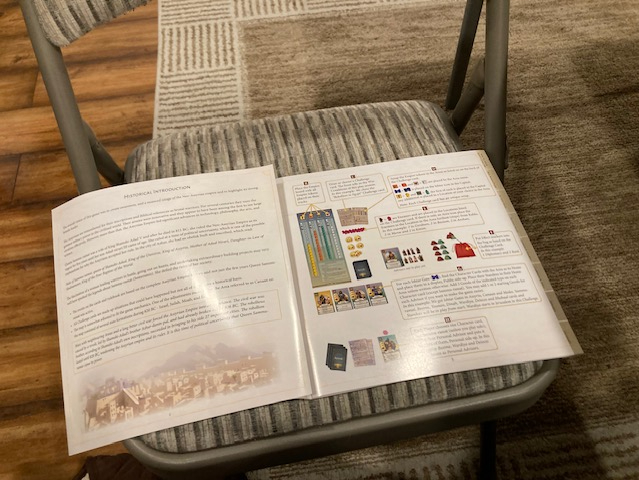
The rulebook would probably get a B or B- on the Chair Test. It doesn’t quite fit on the chair next to me. In the end, it ended up on the table the entire time I played, taking up valuable table space. I really wish the form factor had been a little smaller.
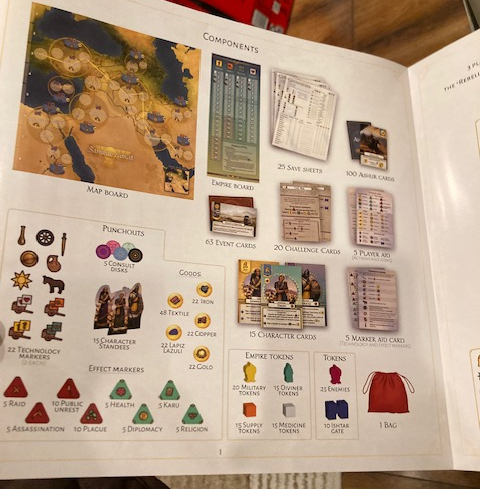
The game had a nice components page, despite the form factor.
The set-up was also very well notated: see above.
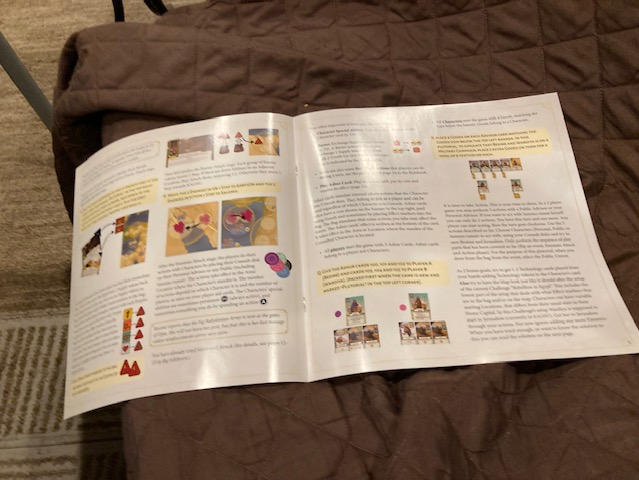
In general, the rulebook was okay, but it did read like a technical manual. Without the Plutorial, this rulebook would have been much more difficult to get through.

I think the rulebook must be also a translation: there were several points where the verbs seem misconjugated (that’s usually a dead giveaway of a translation) in number and/or tense.
The fact that the rulebook had a glossary was a major plus! I just wish it had an index.
The back of the rulebook was used for something kind of useful: I wish it had been an icon summary, but at least it was something kind of useful.
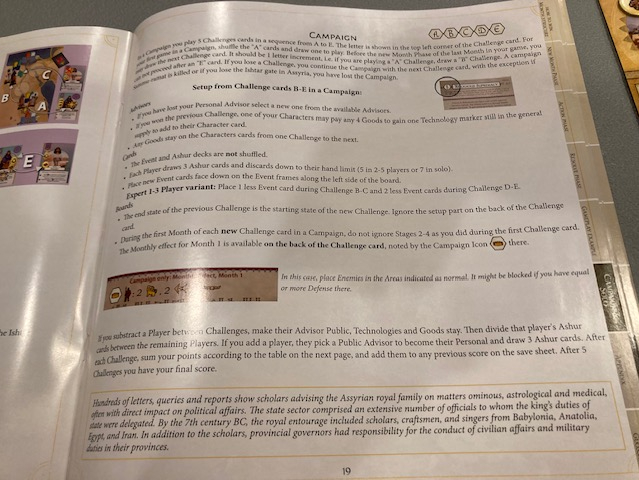
Overall, this rulebook needed just a few points of clarification, a better form factor, an index, and another pass by an editor. Having said that, it was decent at presenting the rules.
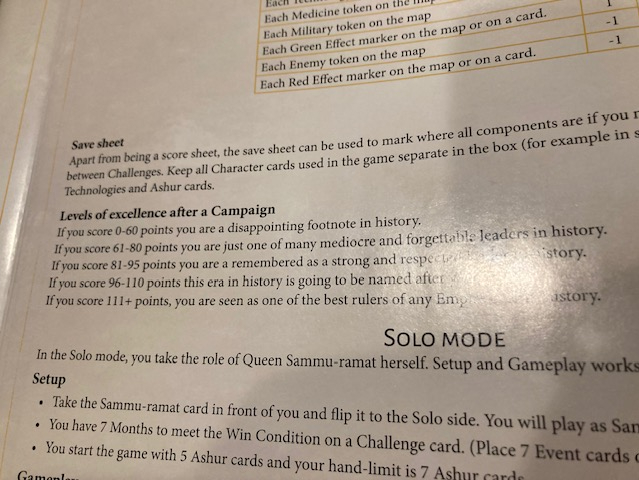
You can learn the game from the rulebook. Just be aware that you will have to hunt for rules a few times. I have played the game probably 10 times by the time you read this, and I still find myself searching the rulebooks for clarifications.
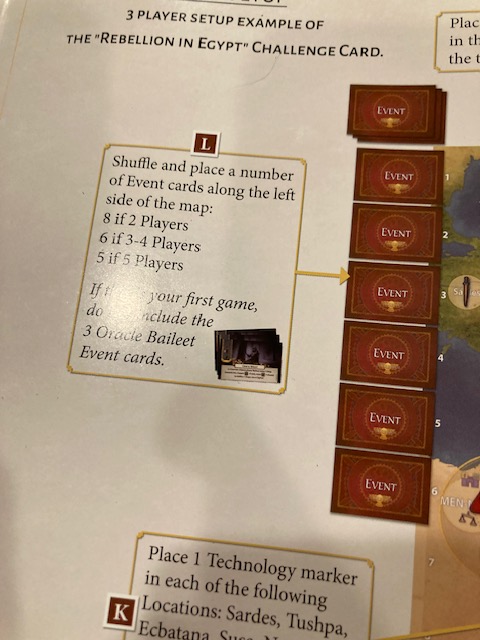
But, the rulebook worked.
What Is This Game?
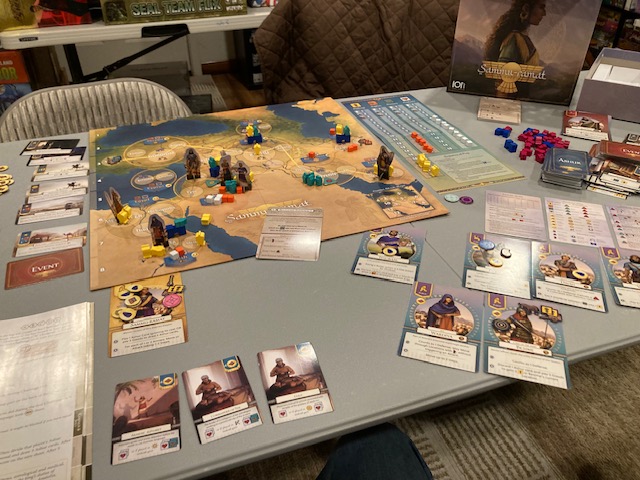
At the end of the day, Sammu-ramat is a puzzle.
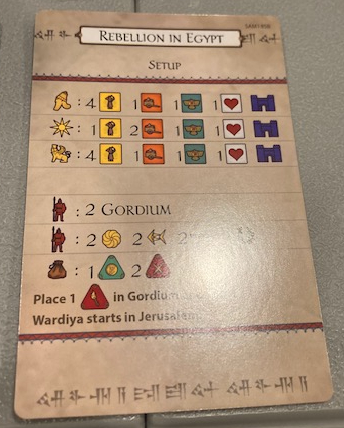
The Challenge Cards (see above) define the puzzle for you. The front side tell you how to set-up the puzzle: where to put Goods and Empire pieces for the players, as well as starting locations for the bad guys and “bad tokens” in the game.
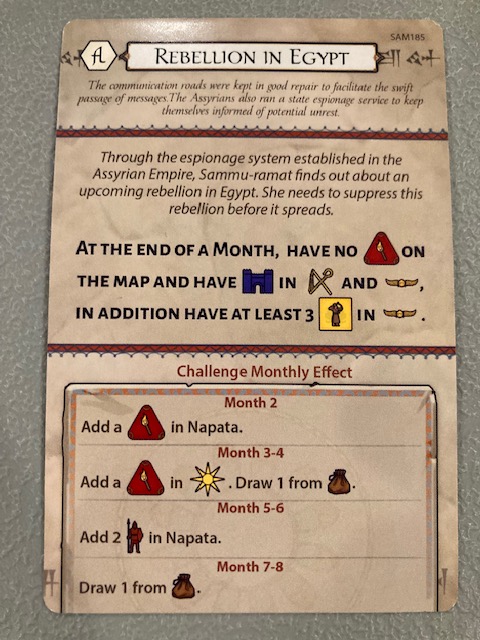
The back side of the Challenge Card then tells you what to do to win, as well as the bad things that will happen as you play! To be clear, you know what some of the bad news that will happen before you play!
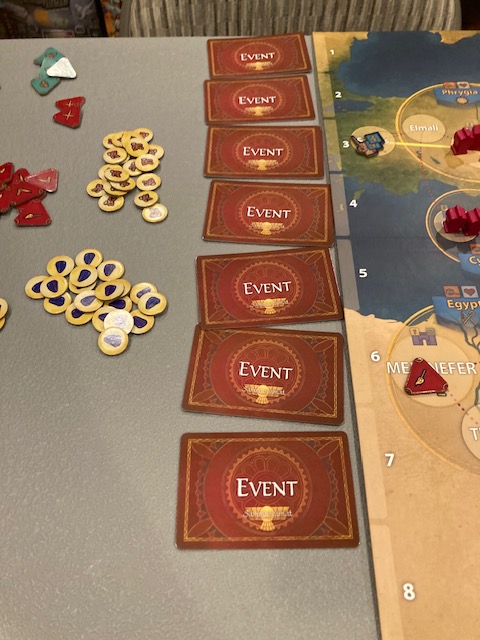
The game proceeds over 8 rounds (7 for solo and other adjustments for different player counts). The event cards usually are usually bad things, but occasionally helpful. Most of the game, you know what’s coming, but the events are probably the most random part of the game. (It has been my experience over about 10 games that there is usually one event that usually completely messes you up, but the rest are manageable).
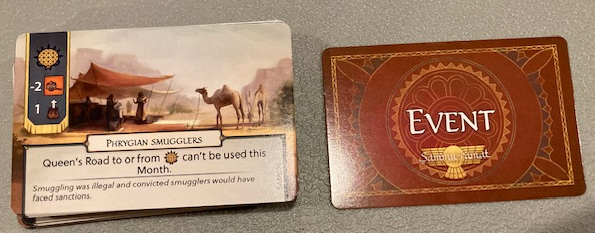
The event cards effects are notated in the upper left. For example, for the event card above, the effects are localized to Phrygia (the spiky ball at the stop left), losing 2 Supplies in that area (orange cart), and drawing one token the bag (1 and arrow up from bag).
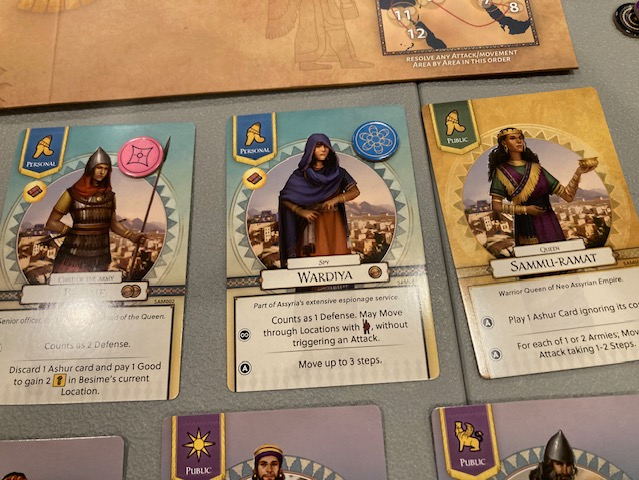
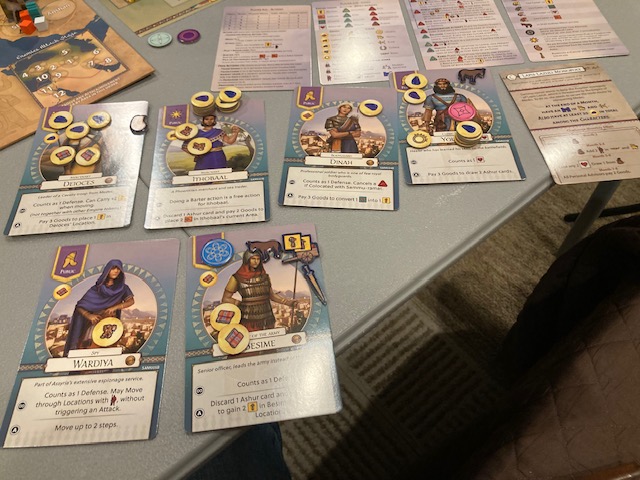
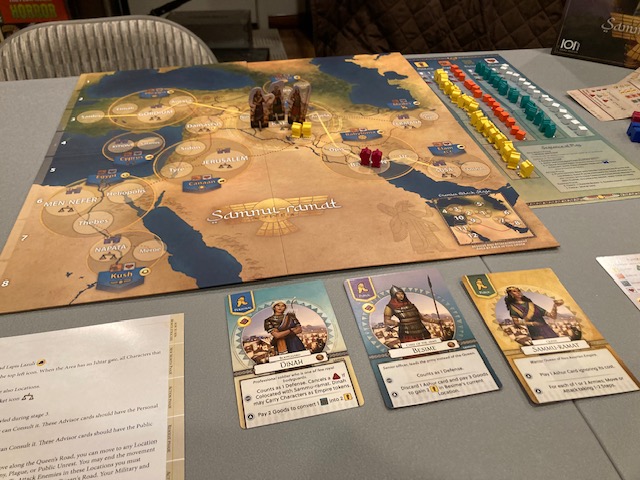
Each player assumes the role of a single advisor (putting the personal side up), and then other advisors are revealed (based on where Ishtar Gates are at the start), who will be helpful as well. Only the solo player may play Sammu-ramat directly. Note that each advisor has their own powers: one that’s always on (infinity symbol) and an action only that advisor can take (A).
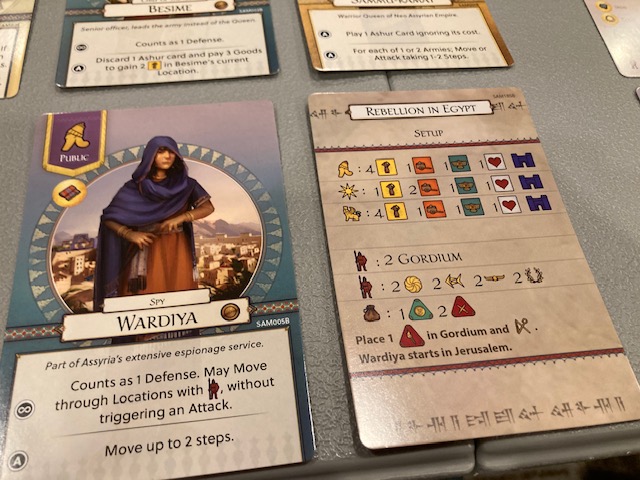
Interestingly, you don’t always have to play your character on your turn: you may choose to activate a different advisor (maybe they are closer to a problem that needs solving), but usually it’s in your best interesting to activate your personal character, as they typically have an exra action per turn.
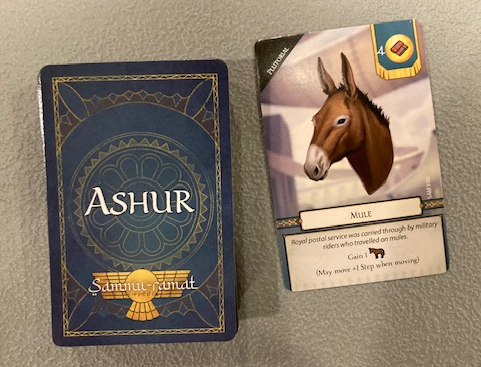
To help the players, they have Ashur card, which are all good news cards. They all have a resource prerequisite on the upper right. For example, the mule above needs 4 textiles in order to be bought. The Ashur cards are key to the game: they help you do special actions, get resources, move further, get technology and so many other things!
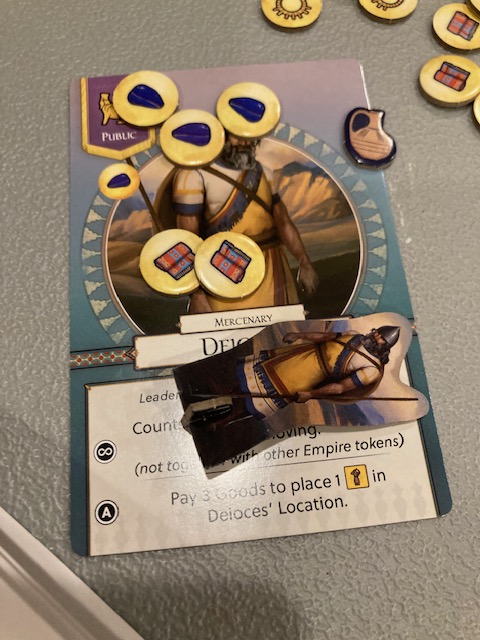
This game is a euro because a major theme to the game is getting Goods (resources) to power your actions. By playing a Ashur card, or activating a special action, or trading goods, or bartering, the players need to assimilate Goods! The Goods power so many important actions in the game: For example, you need 4 Goods (the Textiles) to buy the Mule (Ashur Card from above)! Sammu-ramat is a Euro because it’s all about turning Goods into other Goods for the problem at hand!
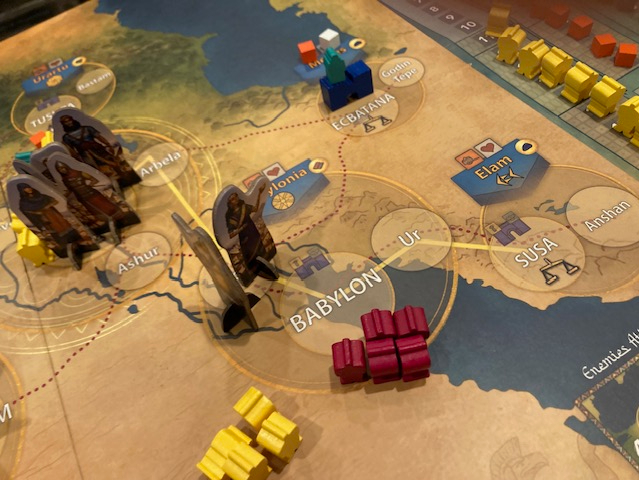
This game is a wargame because you need to make sure you stop the advancing troops that all heading to seat of power: Assyria! The red meeples (above) are the bad guy troops, or the enemies: when they appear on the map, their job is to take over Capitols along the way, but head to Kalhu! You can only stop the enemies with the military (the yellow meeples). There is no randomness to the fighting in this game: when you initiate a fight, it’s a 1:1 battle: each side loses 1 enemy/1 military until one side wins!! Before you head into a fight, you should know if you will win or not!! Military is one of the resources you buy with special actions, Goods, or Ashur cards!
This is a cooperative game: all players work together to decide on the best actions to win the puzzle!
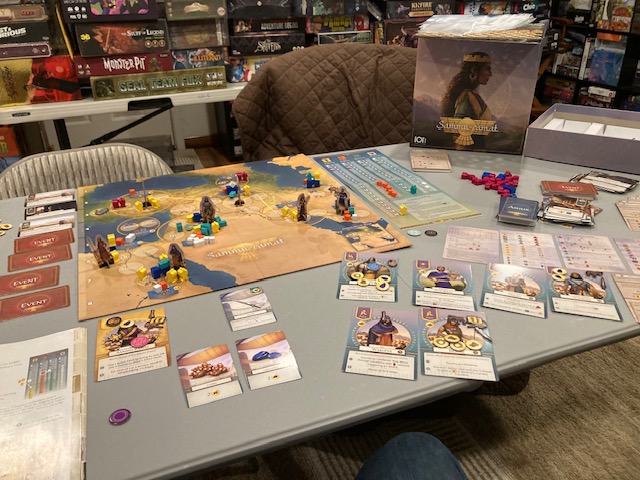
Putting all this together: Sammu-ramat is a cooperative, euro, wargame! But it’s really a puzzle: how can you work together to solve the objective on the Challenge Card?
Solo Mode
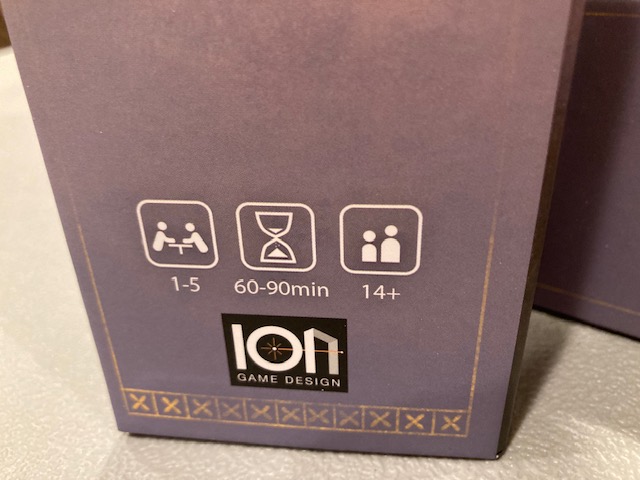
So, the game comes with a built-in solo mode (thank you for following Saunders’ Law).
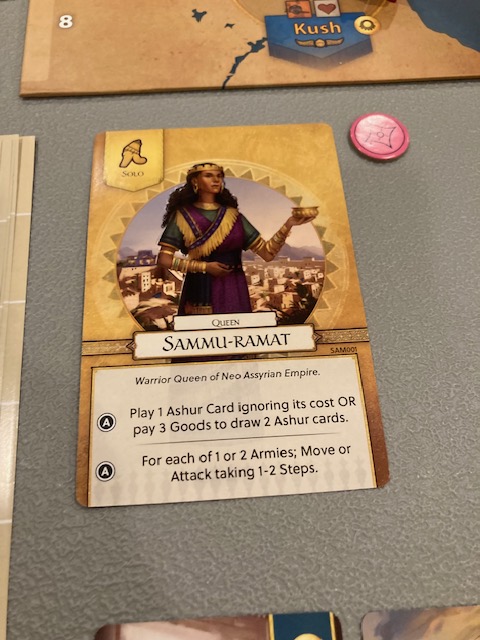
In the solo mode, the solo player takes Sammu-ramat card as their player card and flips it to the solo side.
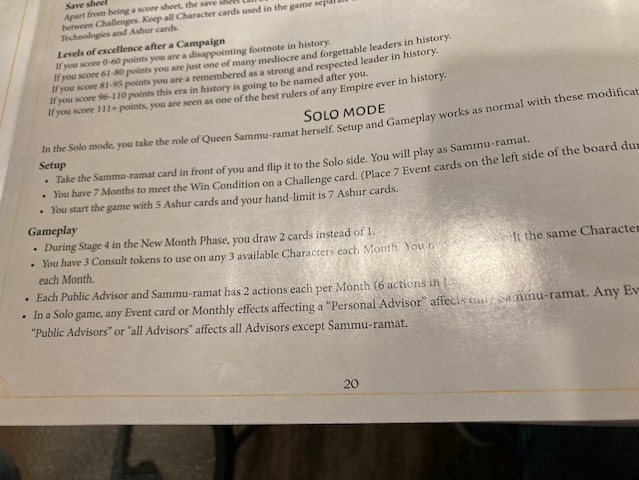
There is about a half a page description on page 20 of the rulebook. There are a couple of changes, mostly pretty straight-forward. The one change I forgot multiple times was that Stage 4 draws 2 cards instead of 1: you will forget this rule! The only place it’s notated in the entire game is on page 20. It’s way too easy to forget this rule, and I wish there had been a way to notate that (maybe on the Sammu-Rammut solo card).
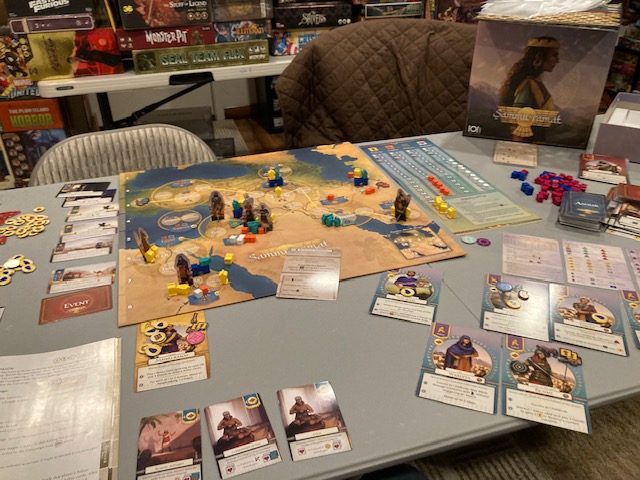
Most of the of games of Sammu-ramat I have played were solo … and they were excellent. There is so much thought and consideration that goes into every action! Everything you do matters! That’s what makes this solo game so great: you feel like your choices really do matter. It’s also great as a solo game because you can spend as much time as you want considering and reconsidering your choices. Many times, I would start out a few actions, but then realized I had to do it a different way, so I would rewind … I would only rewind in Phase 5 and redo the player actions. I don’t consider this cheating because I was only “trying” my actions to see what the effects were … I never let a rewind cross out of Phase 5 to use information I didn’t have. And that’s the great thing about the solo mode: you can just try stuff out. It’s a puzzle!
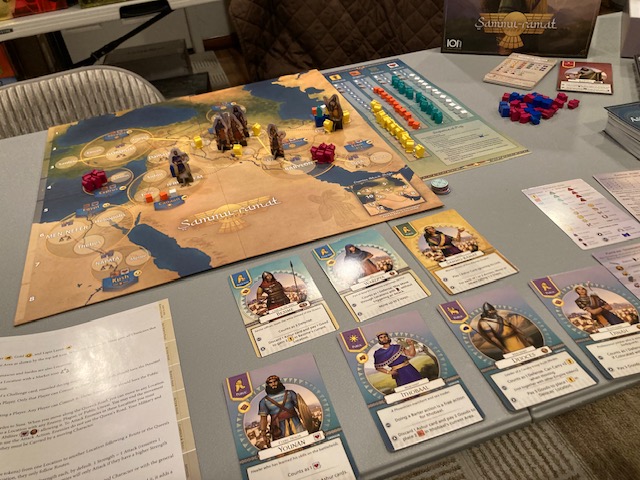
Now, there is another way to play so: pretend you are playing a two player cooperative game and operate two characters! Even though I have played most of my solo games with the official solo rules (playing Sammu-ramat), I think the two-handed solo game might be better … why? Why, you ask? Because there’s no exceptions! The official solo mode described on page 20 of the rulebook has about a third of a page of “new rules” (with the 4th stage extra card being the most persnickety). If you play two-handed solo, you are just playing the base game with no exceptional rules: the game is as it was meant to be played.
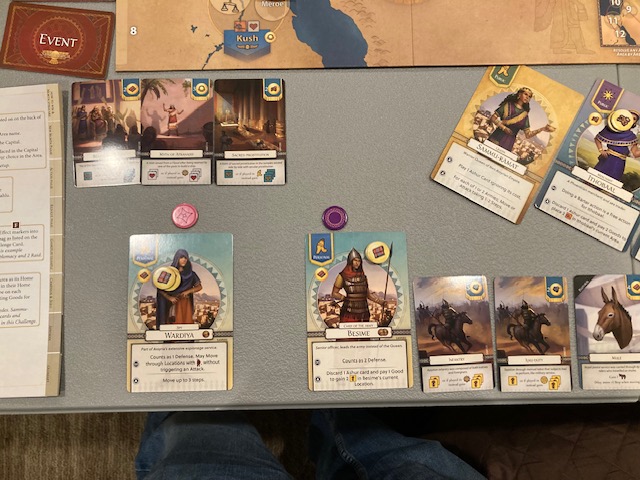
The two-handed solo definitely feels different, mostly because each character usually has about 3 actions per phase, whereas the solo player in the offficial solo game has 2 actions for three characters. Both essentially get 6 actions per turn, but there’s something more satisfying about getting to do three actions on your turn: you feel like you can “complete” things you need to do.
Two-handed solo also has to worry more about card management, as there’s more work to manage two hands of Ashur cards. So there’s that: it’s a little more maintenance. But, if you are just going to learn Sammu-ramat solo just to teach the game to others to play cooperatively, I recommend using the two-handed solo mode: it feels more like how the game will flow cooperatively.
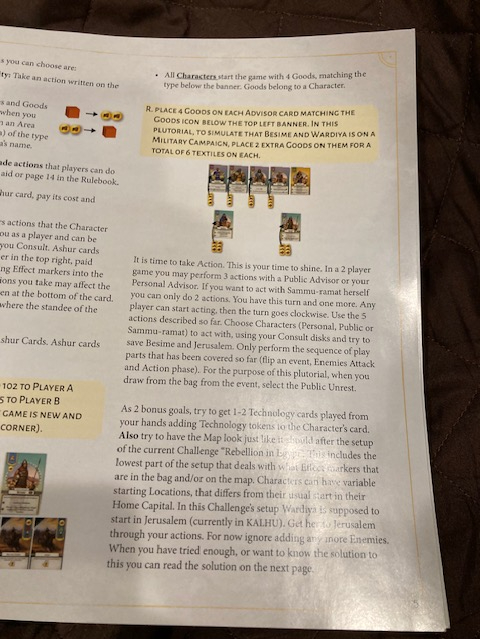
It might also be easier to learn the solo game two-handed because that’s what the Plutorial teaches! My first game was two-handed solo to learn the game, and then I went to the official solo mode for my first campaign (as there is slightly less maintenance in the official solo mode).
It’s up to you: both solo modes work well! Two-handed solo reflects more what the game feels like cooperatively, at cost of a little more maintenance. The official solo mode has less maintenance per turn, but has enough exceptional rules to occasionally throw you for a loop.
Campaign
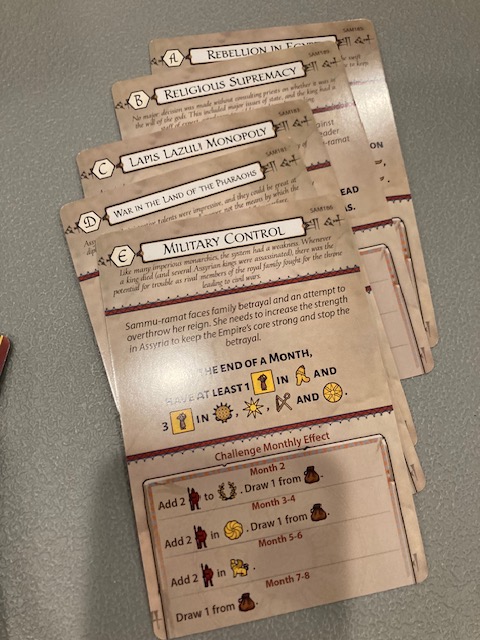
Although you can play just a one-off game of Sammu-ramat, there’s a lot of fun to trying one of the campaigns. Basically, the campaign is 5 games in a rows from Challenge Cards labelled A,B,C,D,E (there are multiple of each letter to give the campaign some variety).
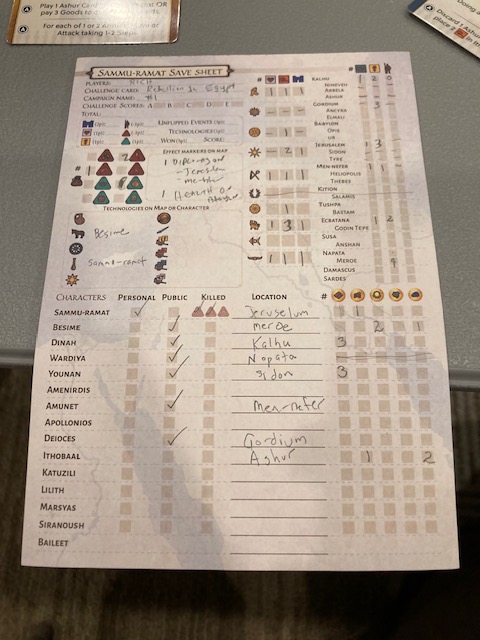
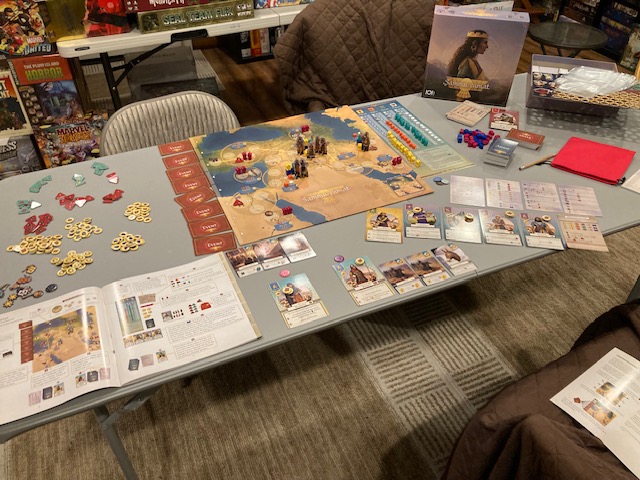
What’s different is that you save state between games! See above as I record the state of the my game at the end of Challenge A. To start the next game, you start in “whatever state you left the game in”, and continue!
After each Challenge card is complete, you score that gives you a sense of how well you did: yes, this is a “score-based” assesment.
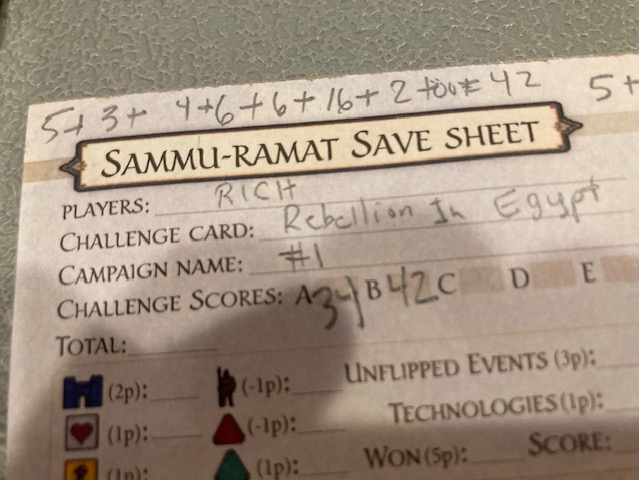
I didn’t do great, but I did make it to mediocrity at the end of my full campaign. I guess it’s better than being a forgotten ruler.
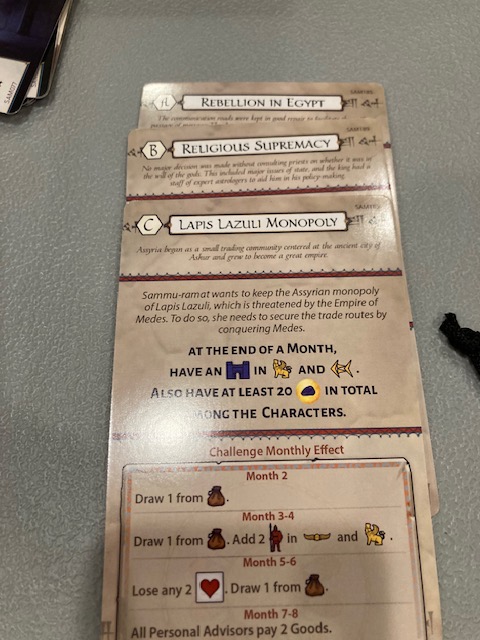
What’s great about the campaign is that it’s only 5 puzzles (5 challenges), but what you do matters even more, as you set yourself up for he next game! Maybe you’ll spend an extra turn to win so you can set-up something great in the next game!
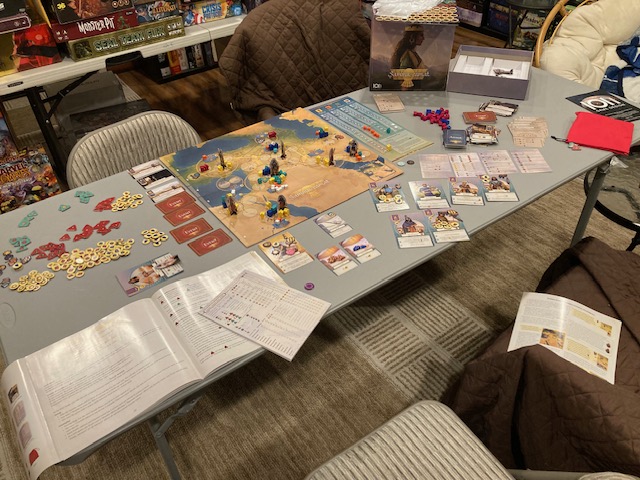
I spent the entire weekend playing through the campaign as a solo player (official mode), and I had a blast.
Cooperative Play
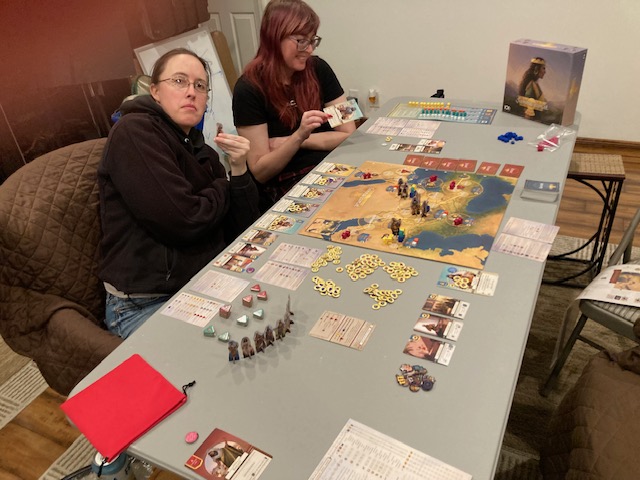
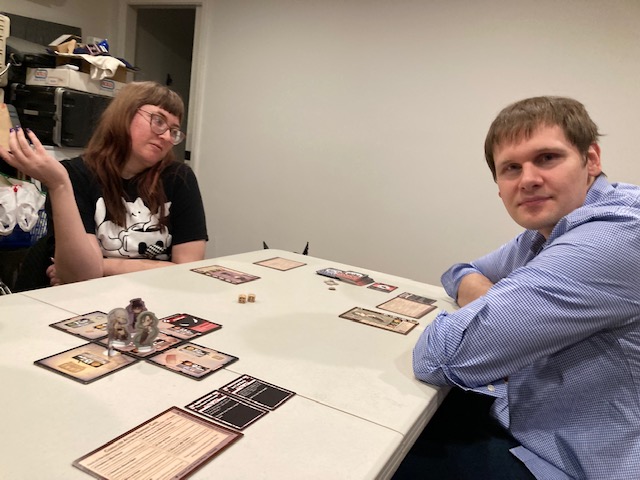
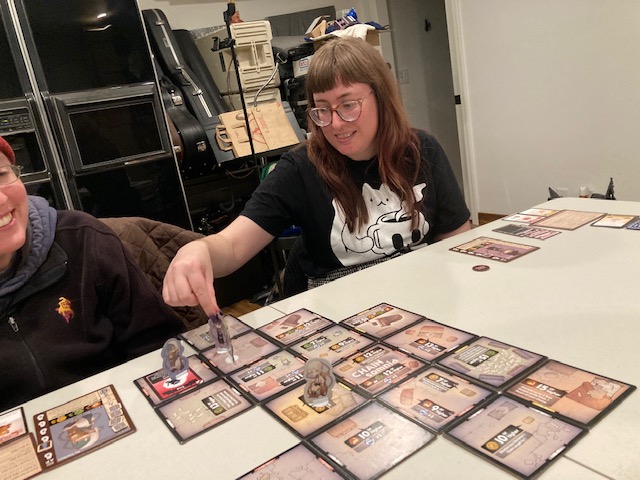
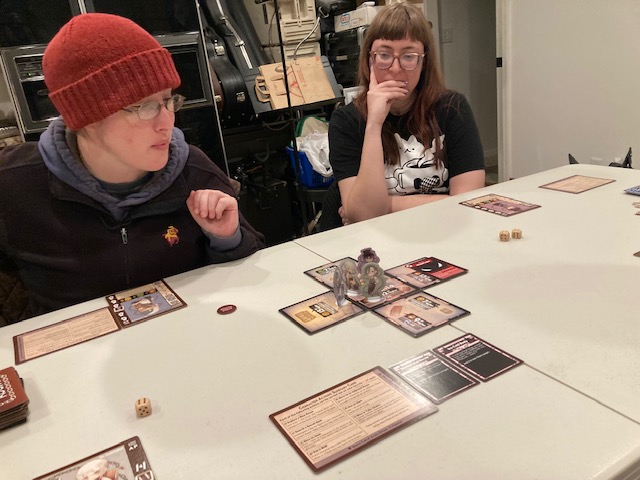
Although most of my plays have been solo and/or the campaign, I was able to get the game to the table with game group: we got a 3 player game going and had a good time.
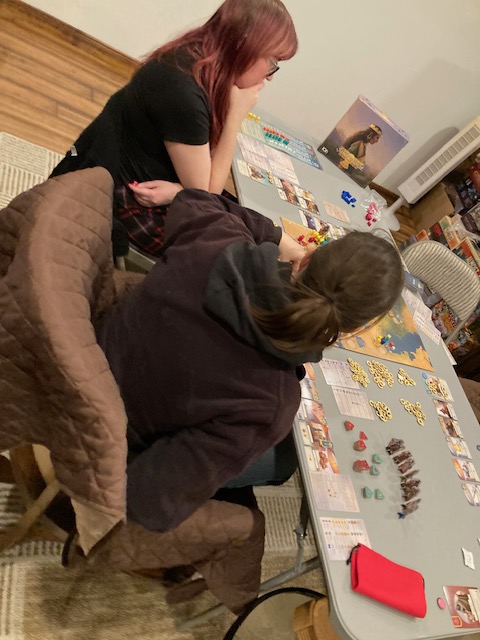
We did play with full Player Selected Turn Order (see below for more discussion), as Sara pointed out that it makes you feel more involved: each player chooses a character, and by allowing us to go in whatever order we want, we are more engaged and invested in our character (“I chose this character, and I can’t play it in the right order??!!?”)
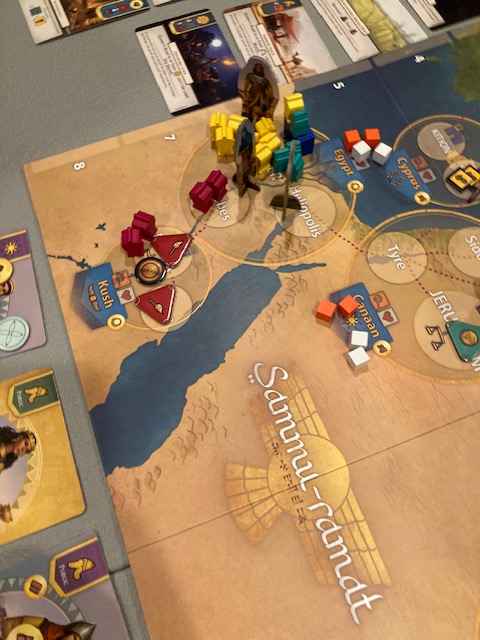
Unfortunately, we did lose, but it was because we were too concerned for keeping all the Ishtar Gates, as opposed to the servicing the goals! I think the plan is to try again.
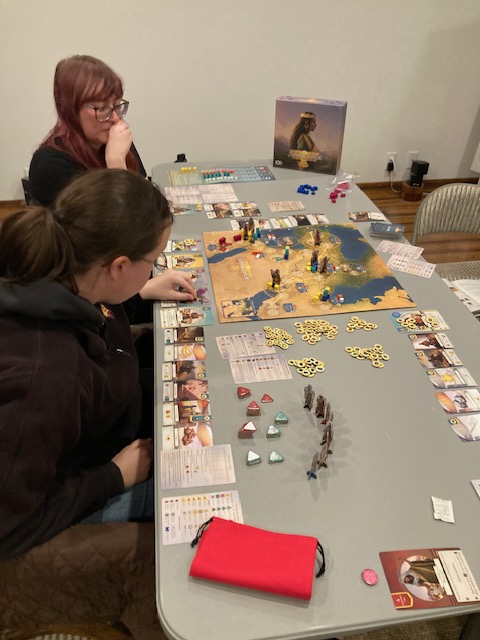
We had fun playing even though we lost! We talked, discussed what we needed to do, and executed our plans! This game could easily go sideways with an Alpha Player, if someone really knows the game. Luckily, there are so many moving systems, it does mitigate that a little.
It was a good, engaging, cooperative game. It’s clear, this game needs a good teacher though: I think going into this game without someone knowing the game is a recipe for disaster. There’s too many systems to lean this game “on-the-fly”. if you do want to play this game cooperatively, make sure someone shepherds you into the game for the best experience.
Randomness
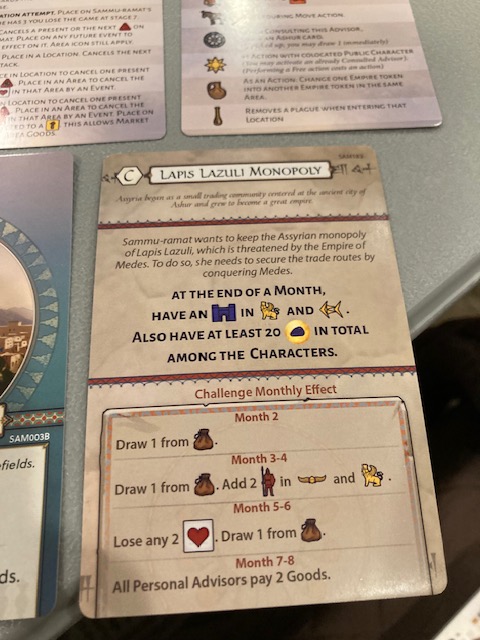
There isn’t much randomness in this game. Combat is predictable: there’s no dice. The “bad news” that comes from the Challenge Cards is completely known to you at the start of a Challenge: you know what’s coming.
The greatest source of randomness was the Event Cards. There is no way (that I’ve seen at least) to predict what Event will come out, so you just have to deal with it. In general, the events were’t devastating, but they did cause things to be dealt with. It did seem, once per game, one event would just completely screw you! But, it always felt you could come back from it! The randomness did NOT seem debilitating by any means.
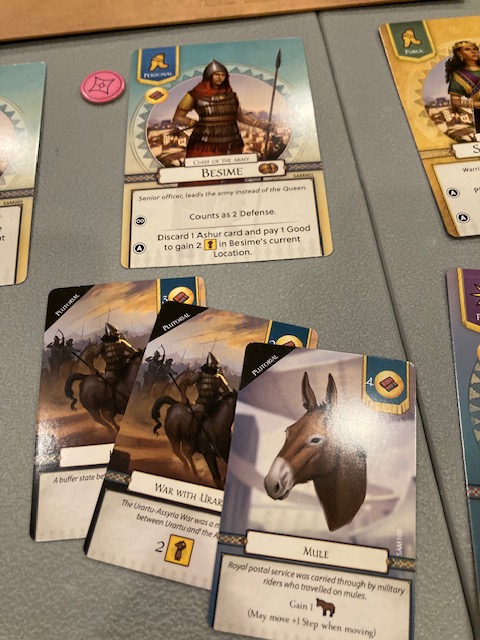
The other source of randomness was the Ashur Cards, as you didn’t know what you would get from turn to turn. But, the randomness there was usually not an issue: you could either use a Ashur card to power an ability, or you could draw extra Ashur Cards if you really needed something. In general, the Ashur cards were more of a resource that was sometimes more or less useful, but it didn’t seem too random.
All of this goes to say: I don’t think the randomness of this game is untethered. Most of the actions have known outcomes (combat, Challenge Card bad news, actions), but there’s just enough randomness to keep the game spicy (between the random Events and the much less random Ashur cards). Sammu-ramat is not a wargame with lots of dice and randomness; it is a fairly explicit puzzle.
Some House Rules To Consider
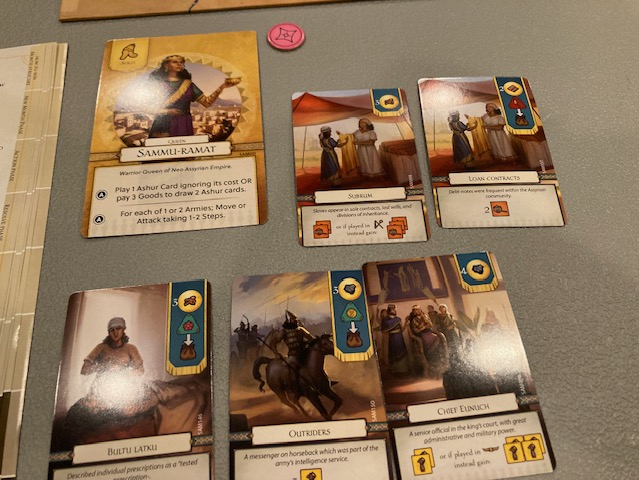
This game uses a stilted version of Player Selected Turn Order (PSTO) (see our discussion of PSTO here to learn more). On the first turn of each month, players talk and figure out which player goes first: hurray! Players select the order for the first player … but then, play rotates clockwise!! So, the players only get Player Selected Turn Order for the beginning of the turn!
This is a strange decision to limit the PSTO because the (official) solo game has full selected Player Turn Order: the solo player gets to activate three characters in whatever order he wants every turn! So, this seems a strange decision to limit the PSTO. Usually, it’s because many people aren’t used to PSTO and it can sometimes be harder to notate (see more discussion here). I suspect adding full PSTO to the cooperative game would be more fun, as it would make the players feel like they have more choice? It’s already been play-tested in the solo mode, so why not add it to the cooperative mode?
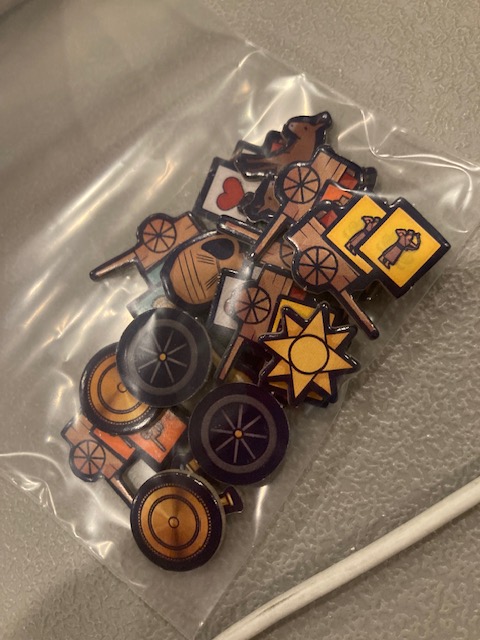
One tool the players have to help them is technology. The technology tokens are lain around the board, and players can pick them up as they explore the map. See a bunch above of technology above: the shield gives +1 defense, the mule gives +1 movement, etc.
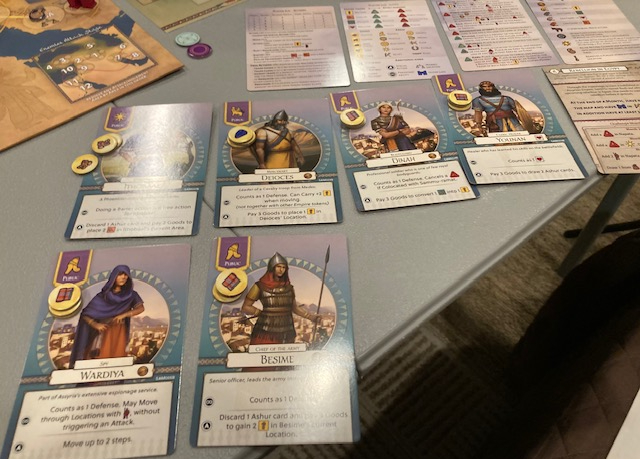
You can see Deoices has picked up the Amphora (vase) above (with 5 Goods as well) and it’s on his character card! He can now use it! It’s got a cool ability … but it can’t be traded. Almost everything else can be traded (Ashur cards, goods) …why not technology? From a game perspective, all the technology pieces are physical things that should be able to traded (sword, vial, shield, etc), so it makes sense from that perspective that they can be traded. BUT, by not mentioning explicitly that you can trade technology, it’s clear that the rules don’t allow it. The physical nature makes me think they should be, so thematically it makes sense. In fact, you might accidentally trade if you don’t look too closely at the rules!
I would suggest two minor house rules to make the game more consistent:
- Allow trading of technology as Goods and Ashur cards (so it’s more consistent with other trading rules). If you are worried about balance with this rule, you can make a trade of technology a full action rather than a free action.
- Allow full Player Selected Turn Order (so it’s more consistent with the solo game)
Of course, caveat emptor: both of these rules might change playtesting and balance. The game is pretty hard as it is, so I don’t think these minor changes will do anything except make the game more fun: it’s a more consistent application of rules and gives the players more choice!
What I Loved
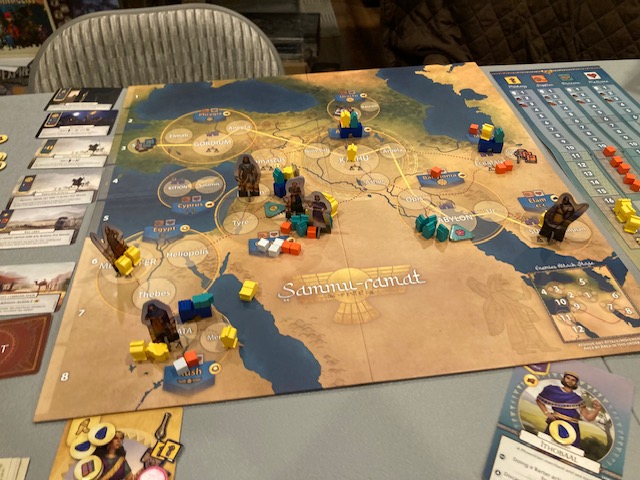
I loved the puzzle of this game. There were always enough options (between Ashur cards and special abilities) that I always felt I could solve the puzzle.
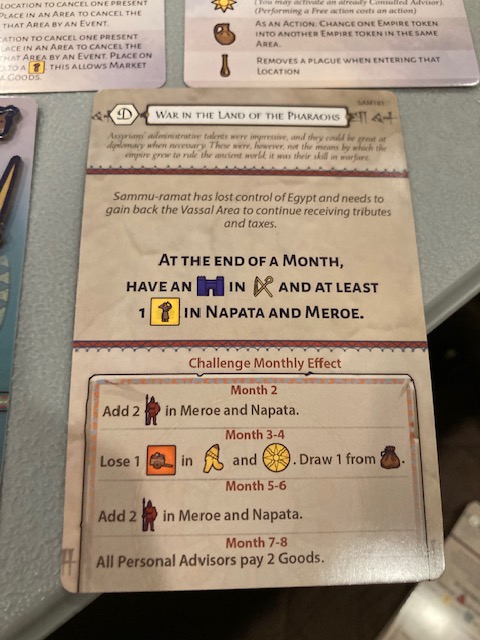
There’s quite a bit of variety in here on the Challenge cards! There’s always a different kind of puzzle to solve even if you master one Challenge!
The campaign is a really good way to extend the replayability of the game. I love that you can start from scratch and play a game, but it’s such an interesting puzzle to see what happens if you leave the game state between Challenges! The Campaign will be very different every time!
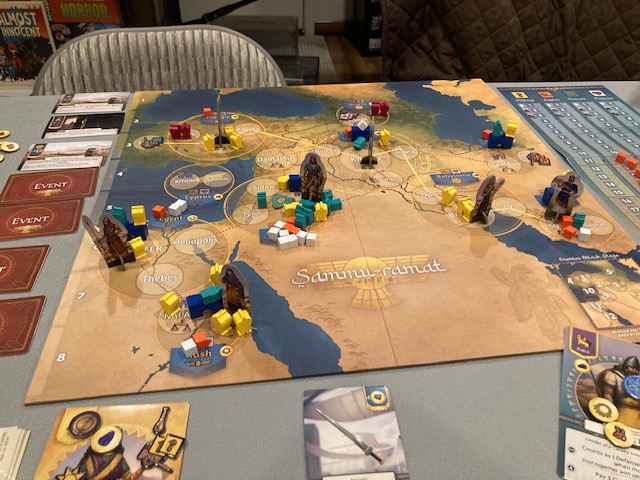
I love this game as a solo game. The fact that you can play solo two ways is also great, depending on what you are in the mood for.
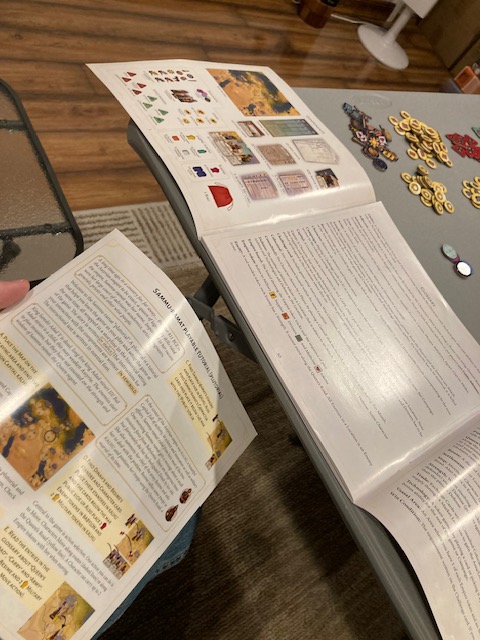
The Plutorial (Playthough and Tutorial) really drew me into the game. I am very worried I would not have suffered through the rulebook without the Plutorial. I love that this exists, and I wish more heavy games would have very explicit set-up and playthroughs like this!
Component Issues
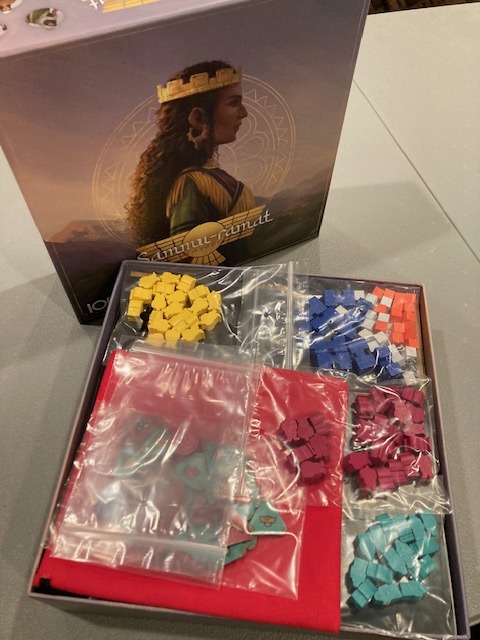
As much as I like this game, there were a number of physical component issues.
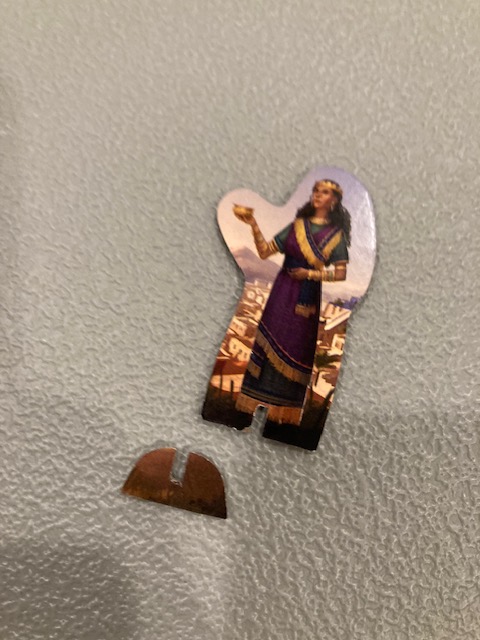
A very minor component issue is that the little cardboard stands fell off all the time: the cardboard bases really needed to be plastic bases.
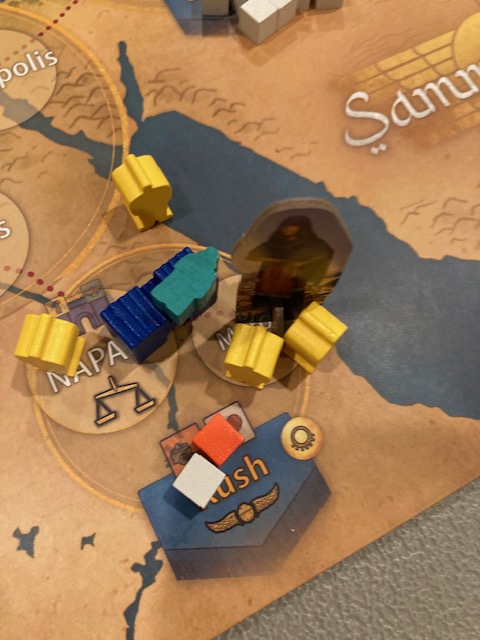
You are supposed to put a military and a diviner on top of the Ishtar Gate, but they frequently fell off, especially when you were moving around other tokens near it (see above). The corrugated tops of the Ishtar Gates was a nice effect, but it made the tops even more precarious.
The board is reasonably sized and looks decent, but it doesn’t take good advantage of space! The is a ton of “empty space” near the top and the bottom (middle) that is never used for anything! There are two obvious things it could have been used for: One would be useful charts and info (technology descriptions for instance). A second, better use, would have to have made each area and location bigger! I can’t tell you how many times I would move or knock over tokens because there were so many in one area! See above as Canaan was just overrun and had too many tokens.
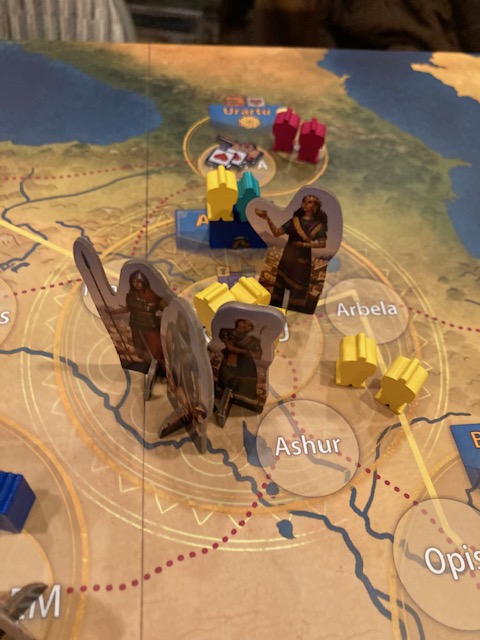
For example, at the start of the game especially, you might have 4 characters in Kahlu (see above) and they just barely fit! I would have loved to somehow made the areas and location on the board bigger to take advantage of the unused space at the top and bottom of the board. I suspect part of the issue was trying to make the area more geographically correct, which makes sense since this game a educational bent as well. Games like Pandemic: World of Warcraft, however, have solved the map issue by simply having an expanding magnifying glass view expanded “away” from the location. Take a look at the map from Pandemic: World of Warcraft below:
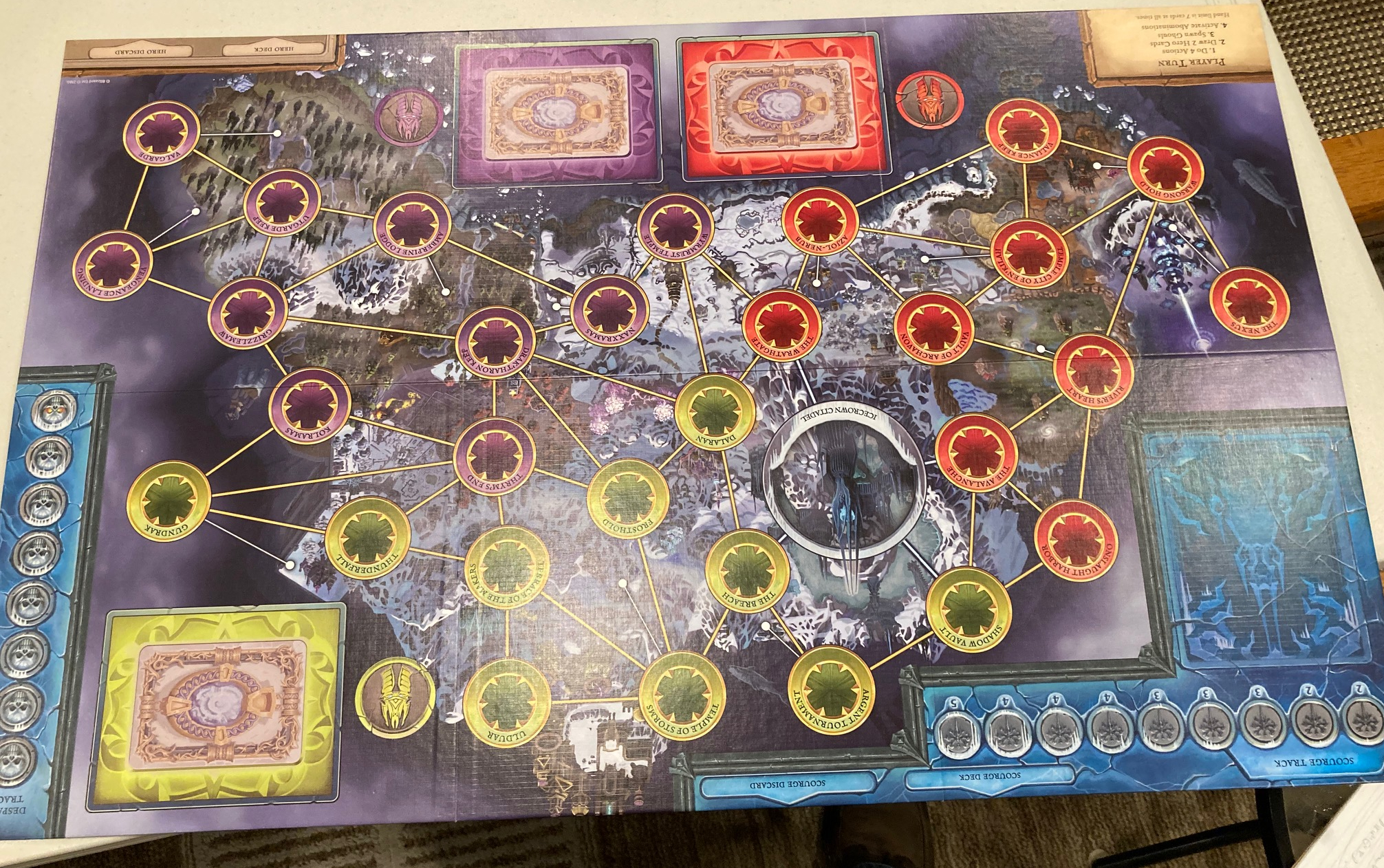
Notice how the boards spaces the Locations fairly consistently, even if the actual map location is pointed to by the area? I suspect the usability of the Sammu-ramat map could have been helped by some technique like this.
Related to that, sometimes you couldn’t see what Goods were produced by a Area because of the labelling as behind all the tokens! What Goods does Assyria produce? You can’t see, but it’s Textiles!
Honestly, the smaller areas/locations is my biggest problem with the game: Sammu-ramat could have played so much smoother if the areas/locations were even bigger! There’s a lot of rules to absorb in this game, and anything that helps facilitate that play experience makes it easier to absorb those rules.
Theme
So, this game has an educational bent: it immerses the players into Queen Sammu-ramat’s rule of Assyria in 9th century BC, as guided by her advisors.

Near the end of the rulebook are backstories for each of the advisors.
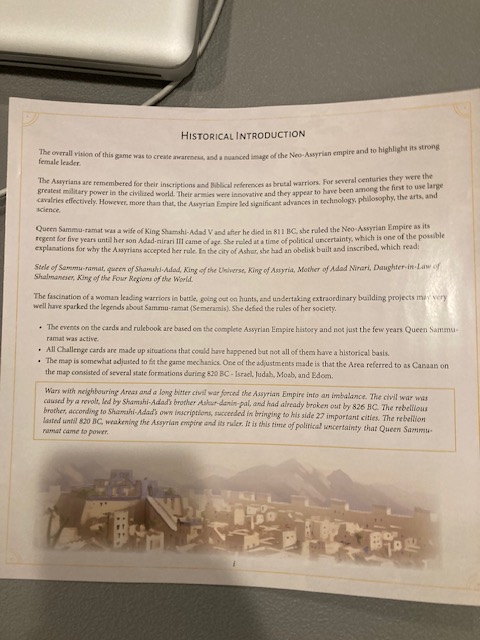
Also, the Historical introduction (at the very front of the rulebook) gives a quick discussion of this world.
For me, the theme does nothing. Let’s be clear: the research and historical basis in this game is to be commended! I suspect a lot of time was put into the research and history of this game: that’s very clear and impressive.
I feel like I did learn a little geography and some history from the characters of the time. In general, I probably wouldn’t have picked this up if something didn’t grab me on Gamefound originally. I am really glad I picked it up, but I think I would have preferred a re-theming:
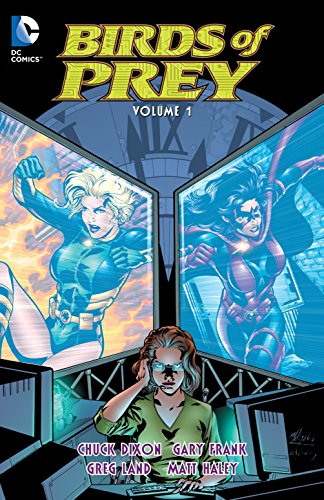
I would have loved for this to be a Superhero game based in the DC Universe! Instead of Assyria, have the setting be the streets of Arkham! Imagine if this were a Birds of Prey series! It would still preserve the role of the women being in charge, but perhaps the DC theme would be more engaging for more people! Oracle would be Sammu-ramut, trying to orchestrate the heroes to keep the streets of Arkham under control! The advisers would be the heroes: Black Canary as Dinah (her secret identity is even Dinah in the comic books), Commissioner Gordon as Deoices, Nightwing as Wardiya, … just to name a few! Getting an Ishtar Gate would be like cleaning up a neighborhood: getting a hospital (medical), food (supplies), protection (police), and good samaritans (diviners) makes a neighborhood safe again!
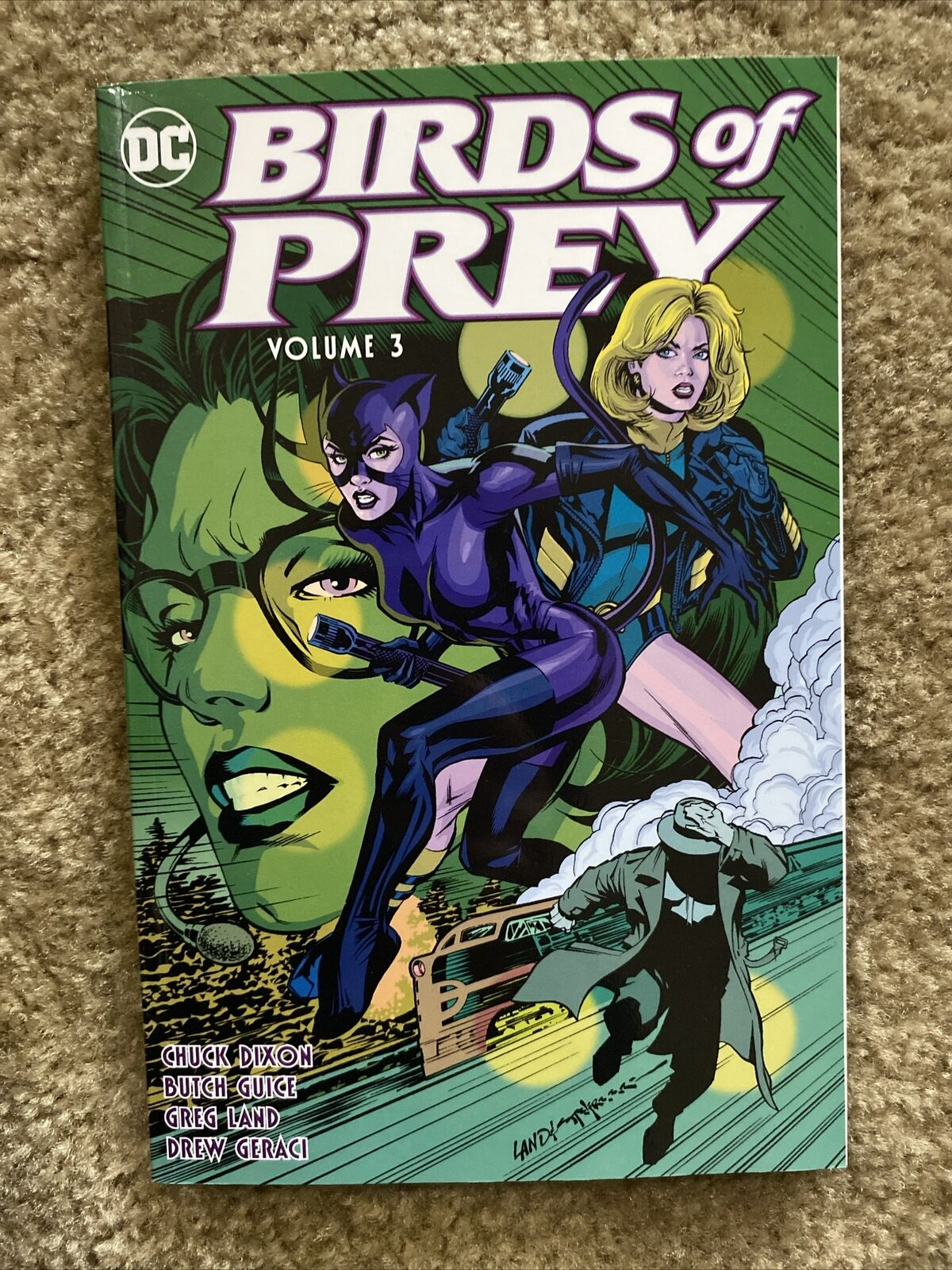
I’m telling you, it would be so easy to re-theme this game, and I’ll bet you Kickstarter would go crazy for this game if it were called Birds of Prey: Arkham Nights! There is a fantastic core game with the base of Sammu-ramat. I’m not trying to be disrespectful of all the amazing work here, I am just saying a theme that would perhaps be more accesible: I’d love to see a version of this emerge called Birds of Prey: Arkham Nights (A Sammu-ramat game)!
Conclusion
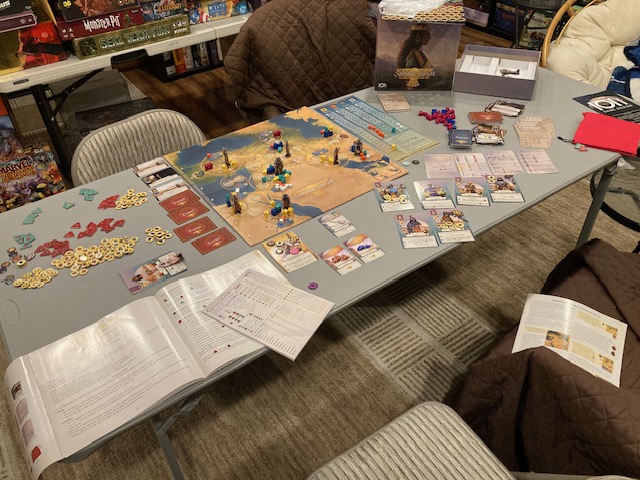
Despite my having no connection to the theme, there being some component quality issues, and some issues relating to clarity in the rulebook, I could see this being one of my top games of the year! Sammu-ramat is a fantastic puzzle! It somehow manages to be a cooperative euro game (gathering scarce resources) while also being a cooperative wargame (keeping bad guys under control)! The puzzles set-up by Sammu-ramat with its Challenges cards offer endless variety to keep me coming back for more!
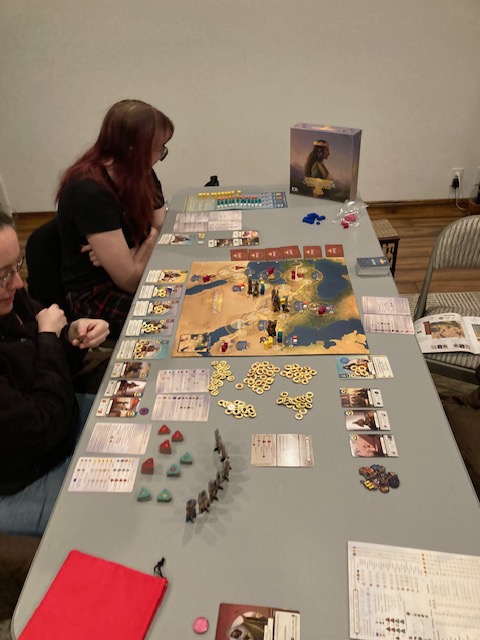
The cooperative game is good: my friends gave it a 6.5 or 7/10: we had fun. We definitely recommend embracing full PSTO for the cooperative game. The more important thing is to make sure someone shepherds you into the cooperative game: there’s too much game to learn this “on the fly”.
As a solo game, this is either a 8.5/10 or even 9/10 for me! I think I would like this game even more if they fixed the production issues and had a retheming to Birds of Prey: Arhkham Nights: I think that would bump this to a 9.5 or even 10/10 for me. This game is that good.
The game had a very small Gamefound campaign: $12,461 crowdfunded by 235 backers. This game is fantastic and deserves a much bigger release!








 coopgestalt